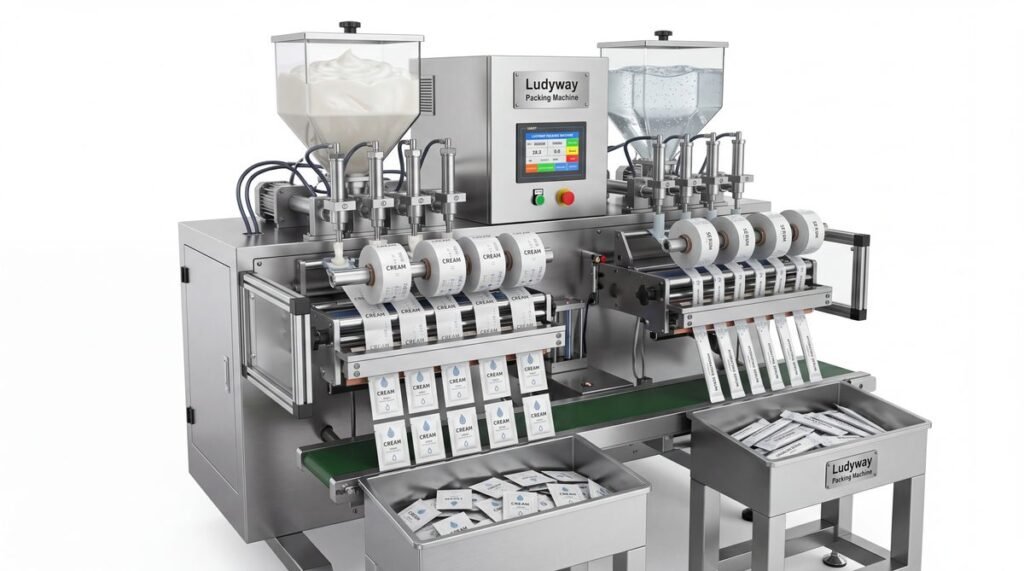
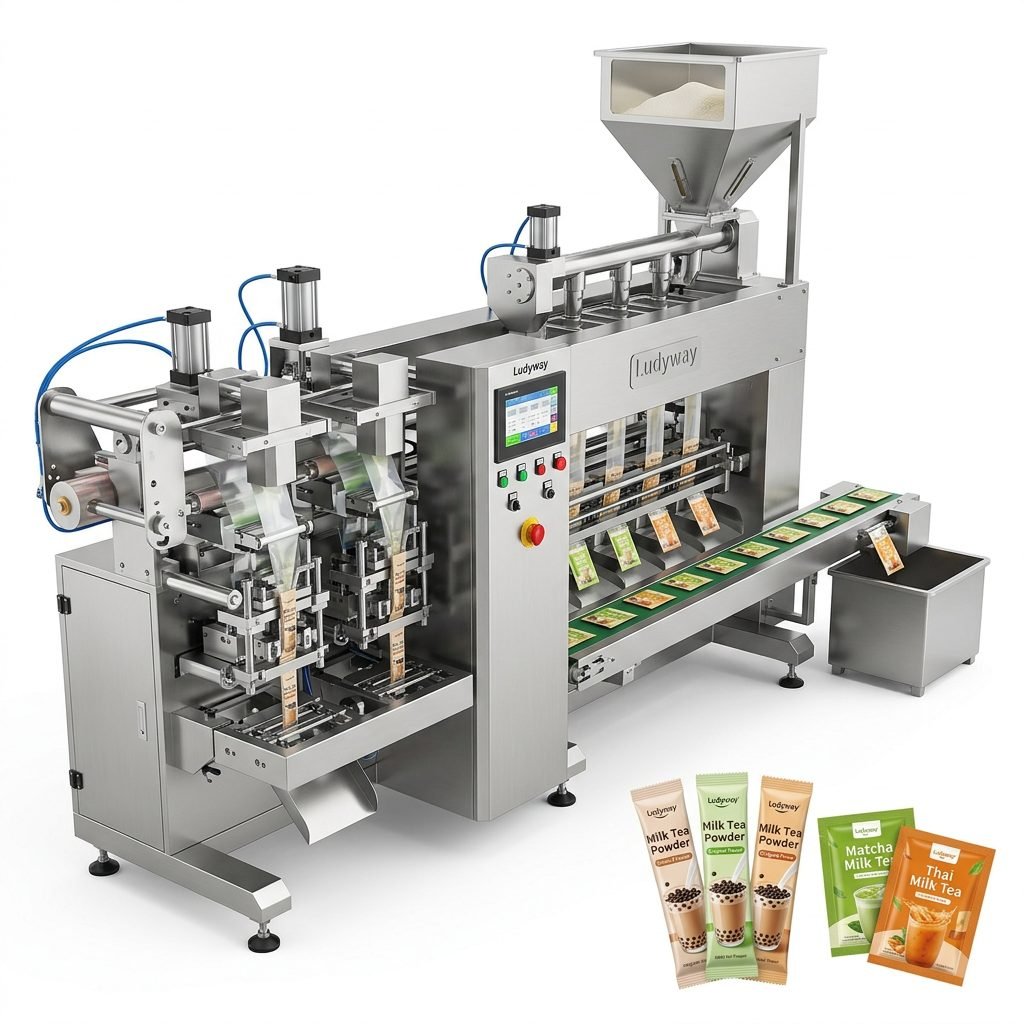
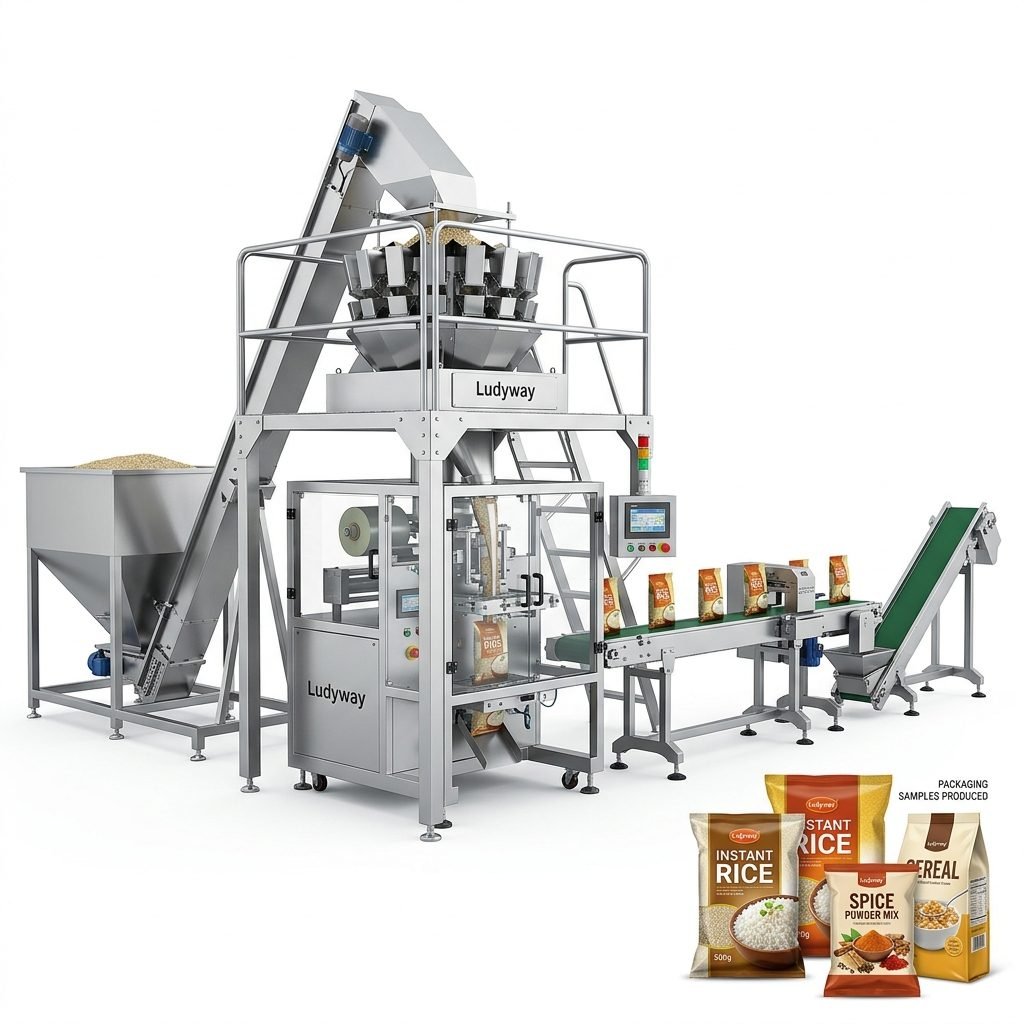
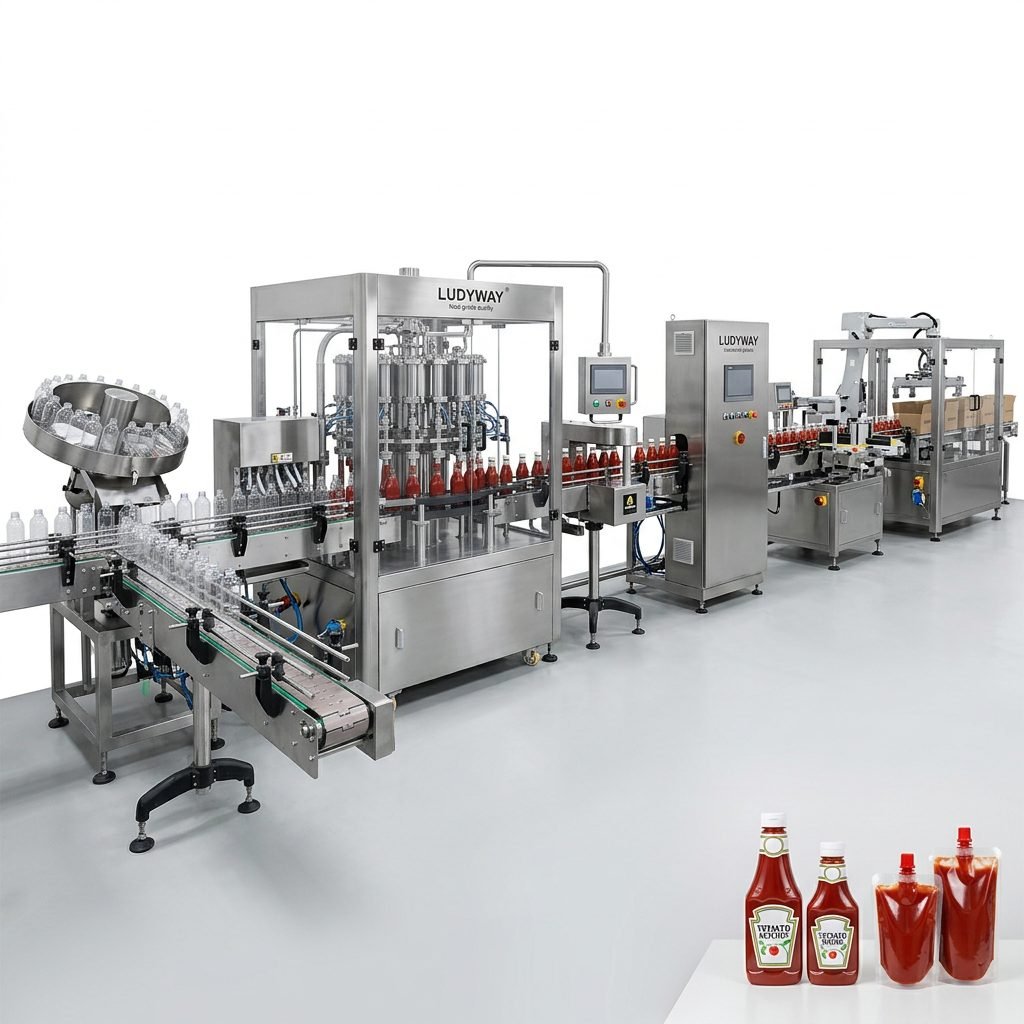
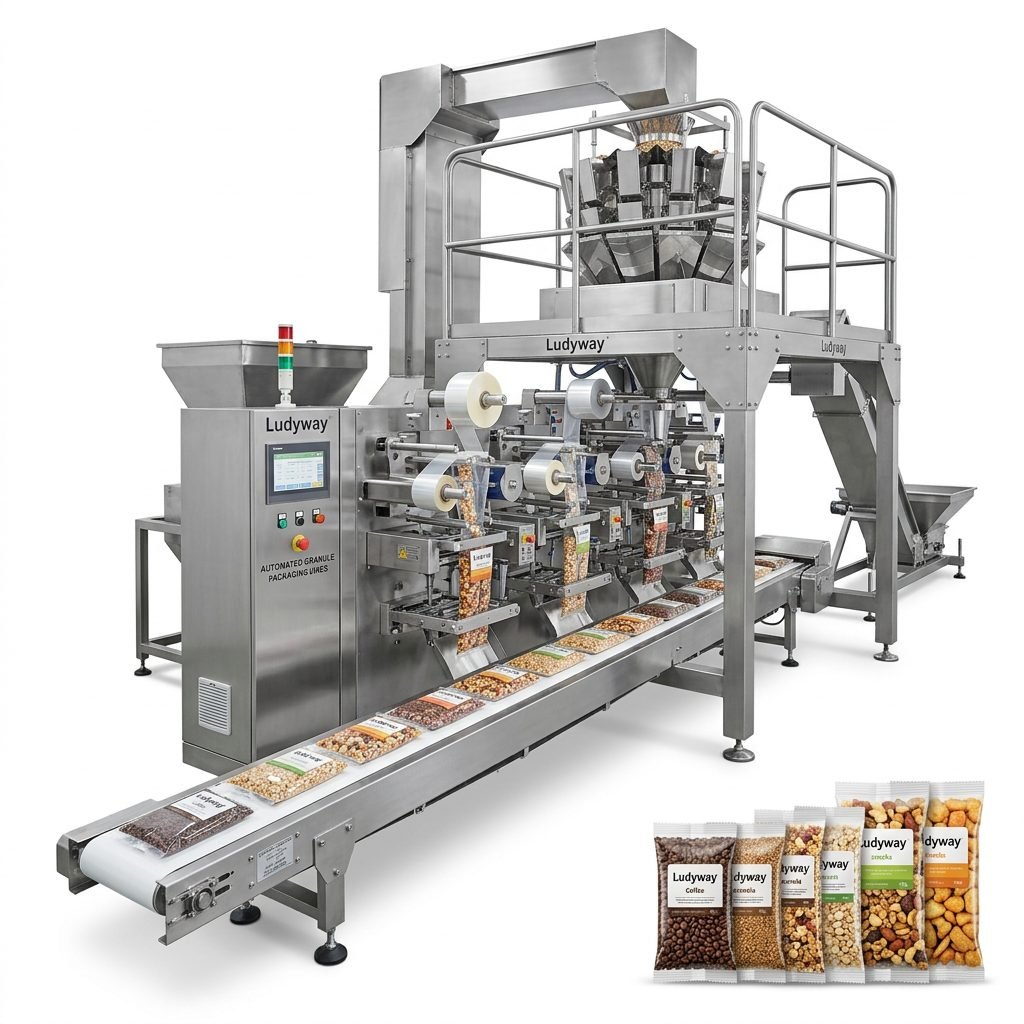
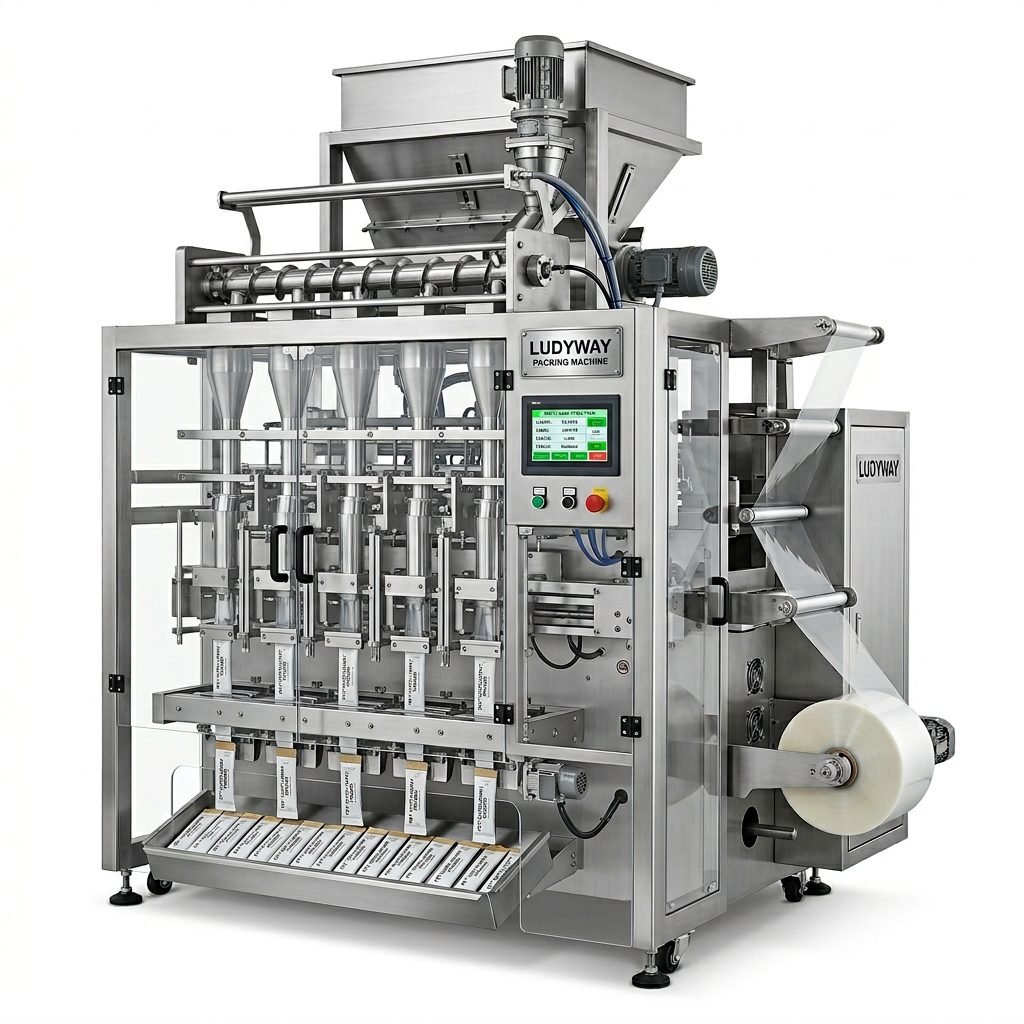
A carton packing machine is a key piece of equipment for businesses that need to place products into cartons quickly, consistently, and with less manual labor. It is widely used in food, pharmaceutical, cosmetic, chemical, and consumer goods industries to improve packaging speed, protect products during transportation, and create a cleaner, more professional final presentation.
For manufacturers planning to scale production, choosing the right cartoning solution can directly affect line efficiency, labor cost, packaging quality, and delivery performance. The ideal machine depends on product type, carton style, automation level, output target, and future expansion plans.
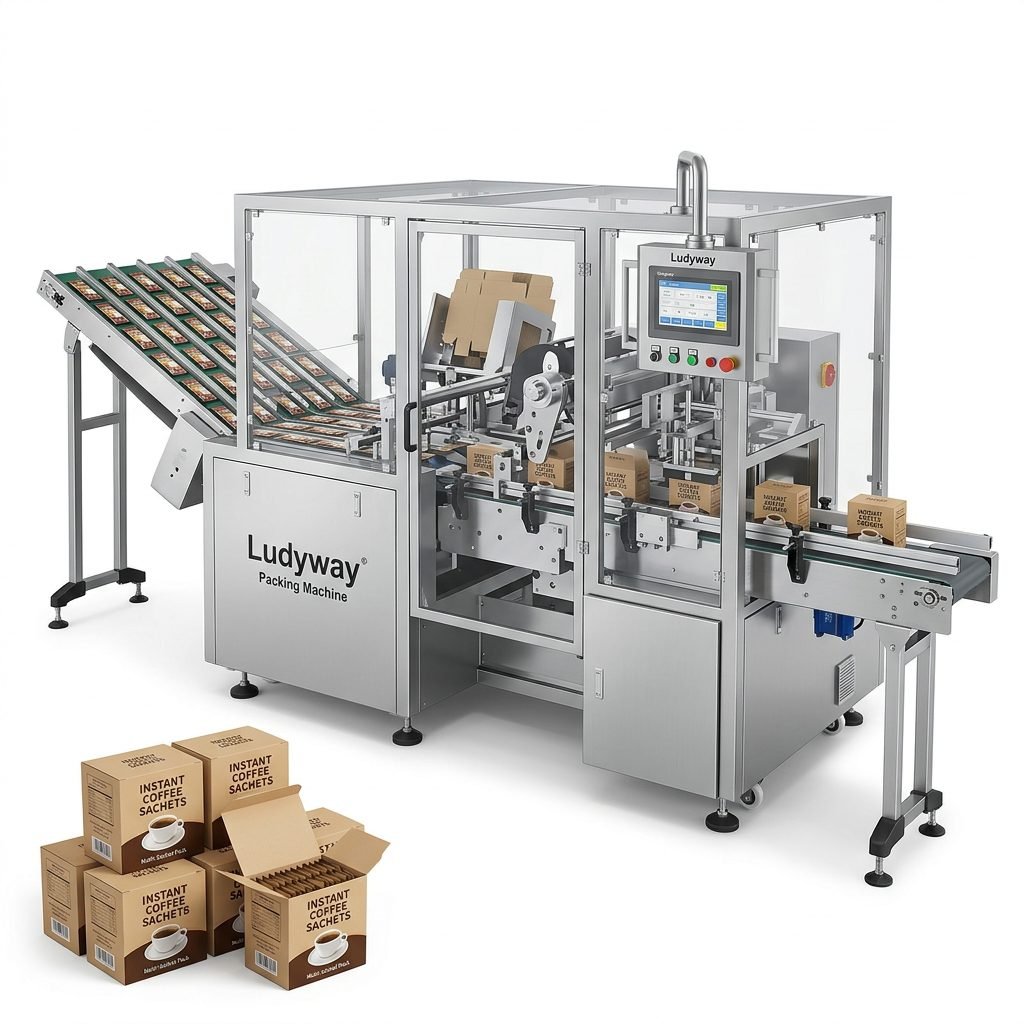
What Is a Carton Packing Machine?
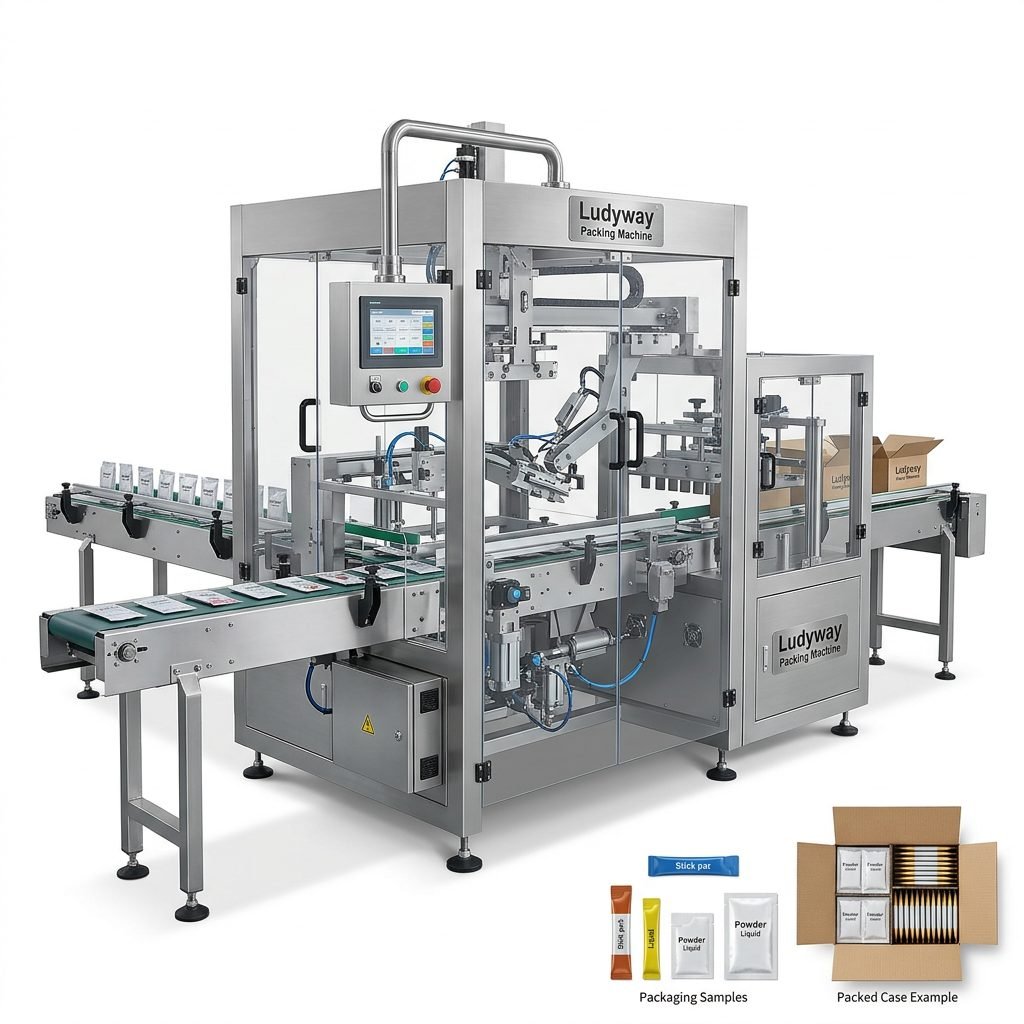
A carton packing machine, also called a cartoner or cartoning machine, is designed to automatically or semi-automatically load products into pre-glued cartons or flat carton blanks and then close them. Depending on the production setup, the machine may also print codes, insert leaflets, inspect products, reject faulty packs, and connect with upstream and downstream equipment.
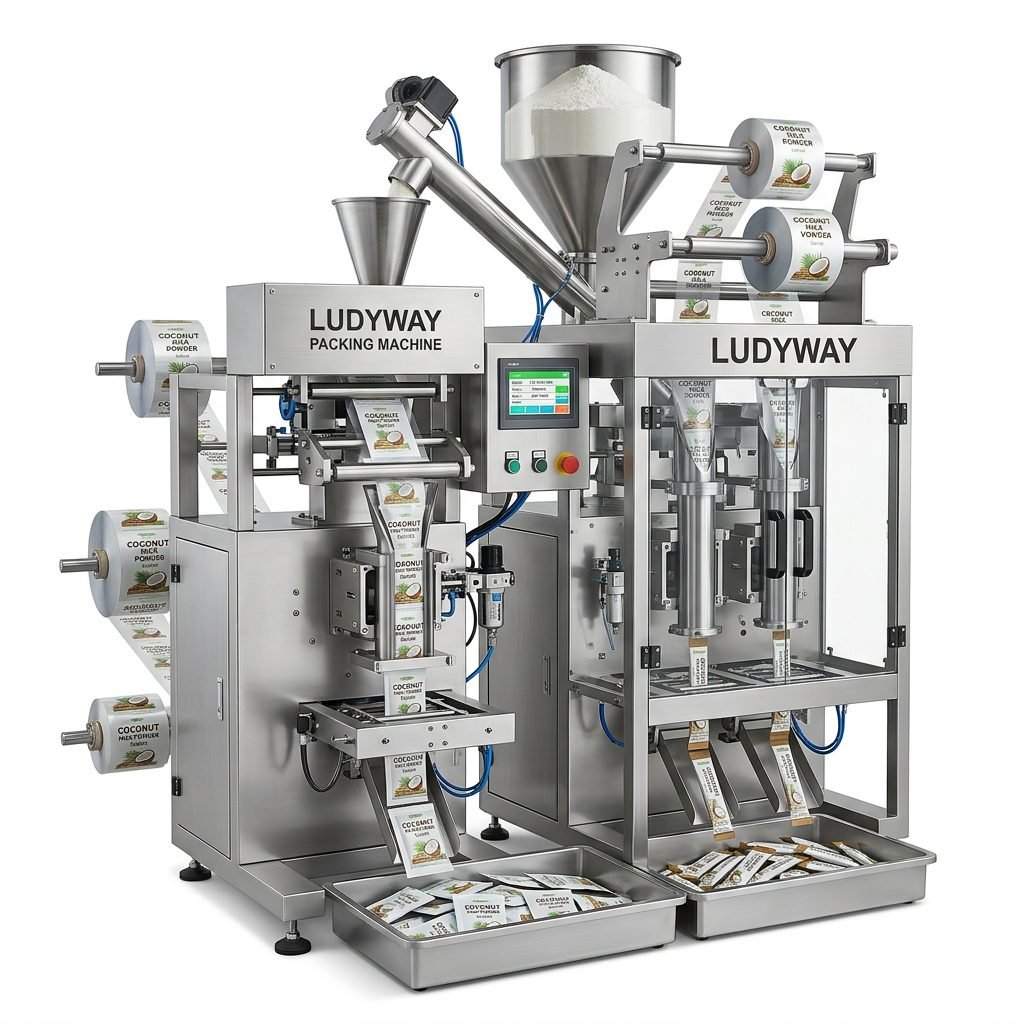
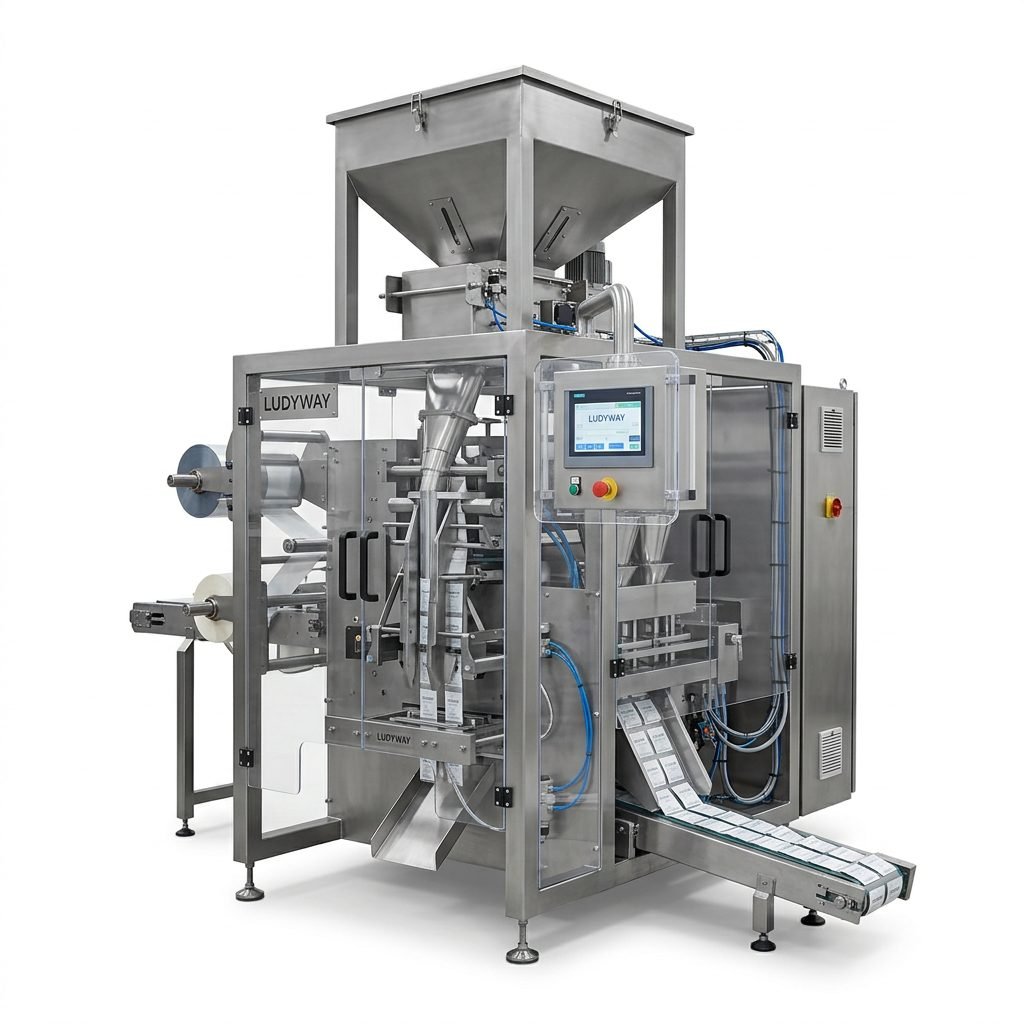
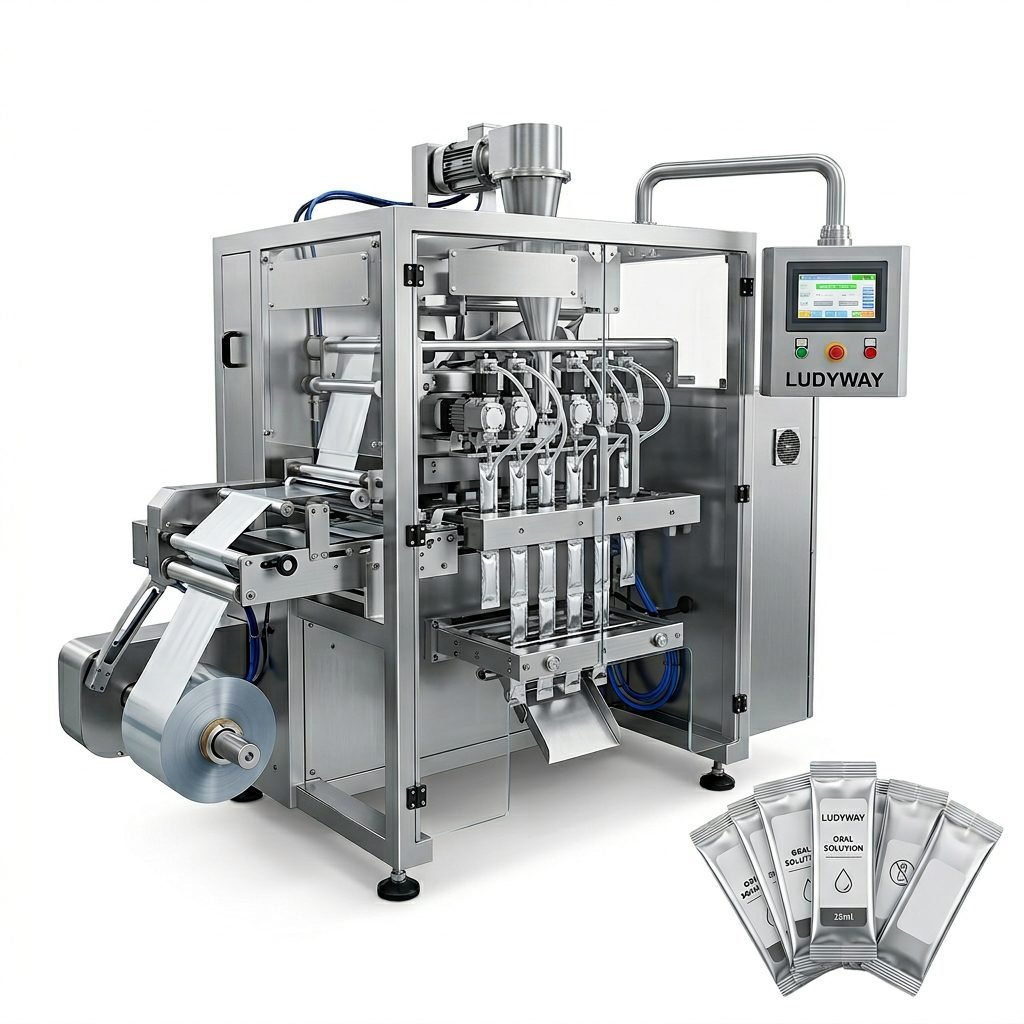
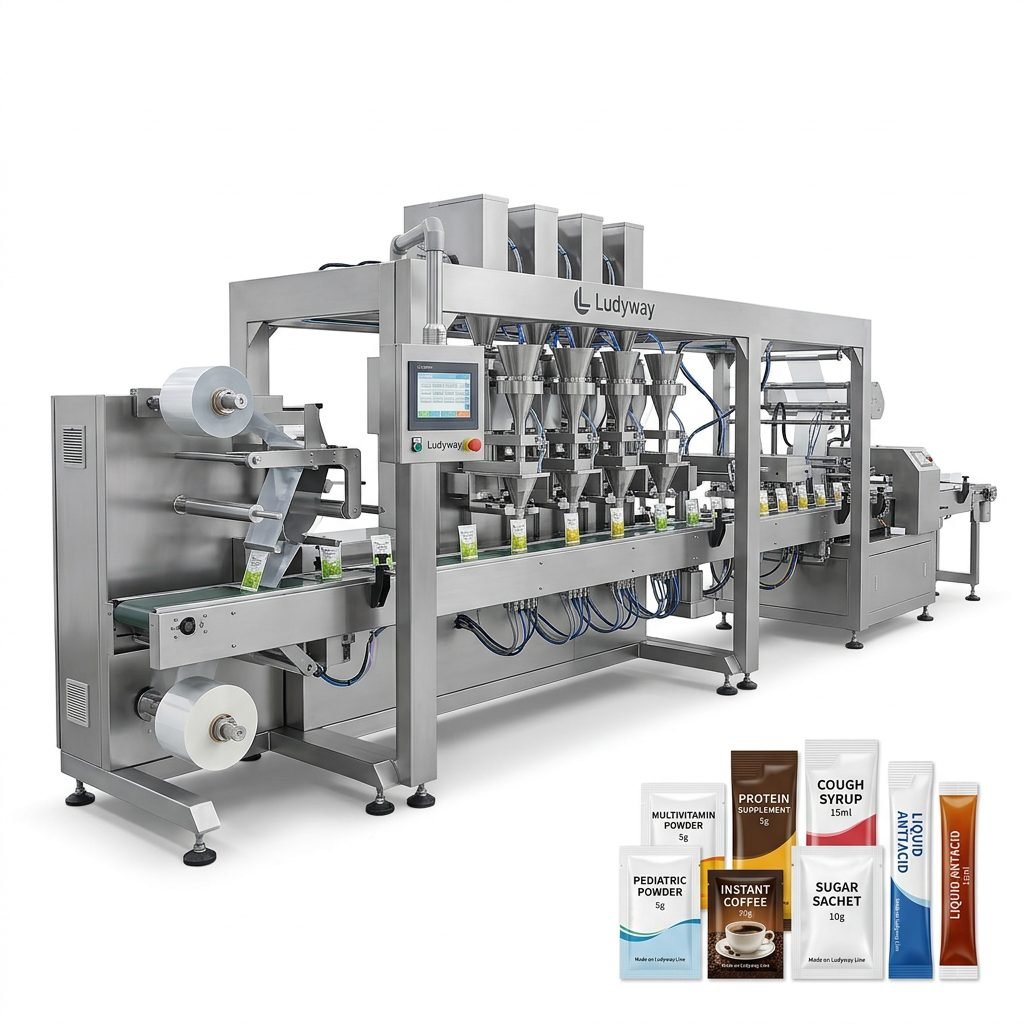
In a modern packaging line, the carton packing machine often works together with fillers, pouch machines, stick pack systems, bottle lines, labeling machines, case packers, and palletizing systems. This makes it an essential part of an integrated end-of-line or secondary packaging solution.
Main Types of Carton Packing Machines
Carton packing machines can be classified in several ways. Understanding these categories helps buyers shortlist the right model faster.
1. Horizontal Cartoning Machines
Horizontal cartoners load products from the side into cartons. They are commonly used for products such as sachets, stick packs, pouches, blister packs, bottles, tubes, and flow-wrapped items. These machines are popular in high-speed production because they can handle continuous product feeding and stable carton forming.
- Suitable for medium to high-speed production
- Ideal for regular-shaped products or grouped packs
- Often used in food, pharma, cosmetics, and nicotine pouch packaging lines
2. Vertical Cartoning Machines
Vertical cartoners load products into cartons from the top. They are often chosen for bags, pouches, sachets, granules, or products that are easier to drop into the carton by gravity.
- Works well for counted or stacked products
- Useful for flexible packs and lightweight items
- Can simplify feeding for certain product formats
3. Automatic Carton Packing Machines
Fully automatic systems complete carton opening, product feeding, insertion, leaflet loading, closing, and discharge with minimal operator intervention. These are best for high-volume factories that require stable output and lower labor dependence.
4. Semi-Automatic Carton Packing Machines
Semi-automatic machines require some manual loading or carton handling. They are often selected by small and medium-sized businesses that want to improve consistency without the budget of a fully automatic line.
5. Intermittent Motion vs. Continuous Motion Cartoners
- Intermittent motion: Suitable for moderate speeds, flexible changeovers, and multiple carton formats.
- Continuous motion: Best for high-speed, stable, long-run production with repeatable product formats.
| Type | Best For | Advantages |
|---|---|---|
| Horizontal Cartoner | Sachets, stick packs, bottles, tubes, blisters | High speed, stable feeding, wide application |
| Vertical Cartoner | Pouches, counted items, lightweight packs | Simple top loading, compact for some products |
| Semi-Automatic | Lower output lines | Lower investment, easier entry-level automation |
| Fully Automatic | Large-scale production | Labor saving, high efficiency, better consistency |
| Continuous Motion | Very high-speed production | Maximum throughput, smooth operation |
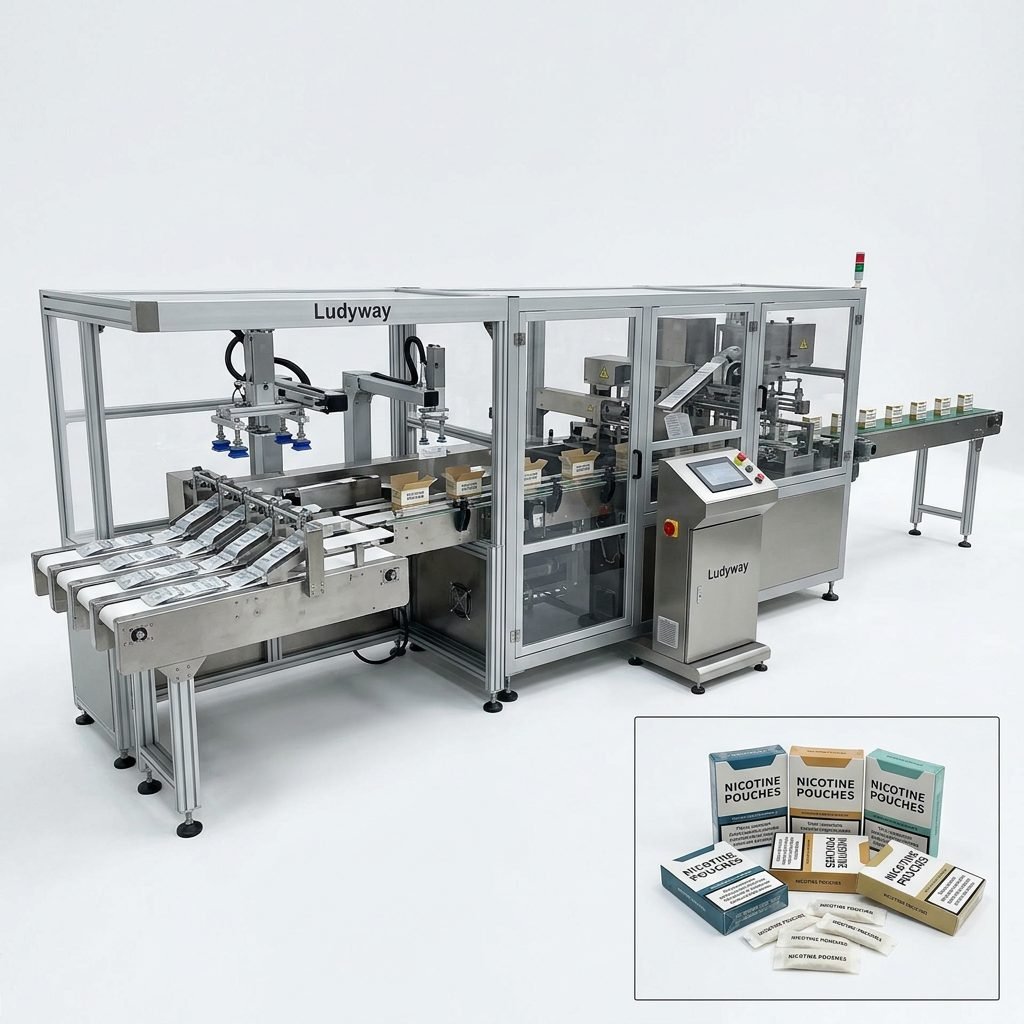
How a Carton Packing Machine Works
Although designs vary, the standard workflow usually includes the following steps:
- Carton blank feeding or carton pickup
- Carton opening and forming
- Product counting, collating, or grouping
- Automatic product insertion into the carton
- Optional leaflet insertion or coding
- Carton closing by tuck-in or glue sealing
- Inspection and rejection of defective cartons
- Transfer to case packing, sealing, or palletizing
In integrated lines, sensors and servo controls help maintain accurate synchronization between the cartoner and upstream packaging machines, reducing jams and improving overall equipment effectiveness.
Industries That Commonly Use Carton Packing Machines
Food Industry
Food manufacturers use cartoners for seasoning sachets, coffee sticks, snack pouches, instant drink mixes, sauce packs, tea sachets, and meal replacement products. Cartons improve shelf presentation and allow easier retail handling.
Pharmaceutical Industry
Pharmaceutical packaging requires accuracy, traceability, and compliance. Carton packing machines are used for blister packs, medical sachets, bottles, vials, test kits, and health supplement products.
Cosmetics and Personal Care
Cream sachets, serum packs, lotion tubes, masks, and skincare samples often require high-quality secondary packaging. A reliable cartoner helps protect the product while creating a premium consumer appearance.
Chemical and Daily-Use Products
Detergent sachets, cleaning products, industrial additives, and household consumables can also be carton packed for organized retail sale or safer logistics.
Benefits of Using a Carton Packing Machine
- Higher productivity by automating repetitive manual tasks
- More consistent packaging quality with precise insertion and carton forming
- Reduced labor costs and less dependence on manual packing teams
- Better product protection during shipping, storage, and shelf display
- Improved brand presentation with neat and uniform cartons
- Easier line integration with coding, inspection, case packing, and palletizing systems
- Scalability for businesses planning future output growth
Key Features to Look For
When comparing different machines, focus on practical features instead of just speed claims.
| Feature | Why It Matters |
|---|---|
| Servo-driven control | Better accuracy, smoother motion, easier parameter adjustment |
| Quick size changeover | Reduces downtime when switching carton formats |
| No-product-no-carton function | Prevents empty cartons and reduces waste |
| Automatic rejection system | Improves quality control and protects shipment standards |
| HMI touchscreen | Simplifies operation, settings, maintenance, and diagnostics |
| Compatibility with upstream machines | Ensures stable production line integration |
| Safety guarding and alarms | Protects operators and supports compliance |
How to Choose the Right Carton Packing Machine
Choosing the right machine should start with your actual production requirements rather than catalog descriptions alone.
1. Define Your Product Type
Start by identifying what will go into the carton: pouches, sachets, bottles, blister packs, tubes, or grouped items. Product size, shape, flexibility, weight, and orientation all affect machine design.
2. Confirm Carton Style and Size Range
Different products require different carton formats. Check the machine’s carton size range, folding method, and whether it can handle tuck-in or glue-sealed boxes.
3. Estimate Required Output
Match machine speed to your current production target and future growth. Buying a machine with no expansion margin can create a bottleneck later, while buying too large may increase unnecessary investment.
4. Consider Automation Level
If labor costs are rising or production consistency is critical, a fully automatic model often provides better long-term value. If output is still limited, a semi-automatic option may be enough at the beginning.
5. Evaluate Line Integration Needs
A cartoning machine should fit smoothly with your existing or planned packaging line. This includes feeders, conveyors, checkweighers, coding systems, case packers, and palletizers.
6. Review Changeover Efficiency
If you run multiple SKUs, fast format switching is essential. Look for machines with tool-less or low-tool adjustments and recipe memory.
7. Check Reliability and After-Sales Support
Stable performance depends not just on machine design, but also on spare parts availability, remote support, installation guidance, and operator training.
8. Compare Total Cost of Ownership
The purchase price is only one part of the decision. Also compare maintenance costs, energy use, downtime risk, labor savings, and production efficiency gains.
A Simple Selection Checklist
- What product will be cartoned?
- How many packs per minute do you need?
- What carton dimensions must the machine handle?
- Do you need leaflet insertion, coding, or inspection?
- Will the machine connect to a full automatic packaging line?
- How often do you switch carton sizes or product formats?
- What level of local or remote technical support is required?
- What is your available budget for equipment and installation?
Common Mistakes Buyers Should Avoid
- Choosing based only on speed without checking product compatibility
- Ignoring future SKU expansion and line upgrades
- Overlooking changeover time for multi-product production
- Not asking about spare parts and service response time
- Selecting a machine that cannot integrate with existing equipment
- Underestimating carton quality requirements and material consistency
Why Turnkey Integration Matters
For many manufacturers, the best result comes from viewing cartoning as part of a complete packaging system rather than a standalone machine. Integrated solutions reduce transfer issues, improve synchronization, and simplify operator management. This is especially important for multi-lane sachet, pouch, pharmaceutical, and retail-ready packaging projects.
Companies looking for complete packaging automation often work with experienced manufacturers such as carton packing machine supplier Ludyway, which has over 30 years of industry experience and provides standalone equipment as well as turnkey packaging line solutions for food, pharmaceutical, cosmetic, chemical, and related sectors.
Final Thoughts Before You Invest
The right carton packing machine should align with your product characteristics, production capacity, packaging goals, and long-term business plan. A well-matched system helps reduce labor pressure, increase packaging consistency, and support stronger brand presentation in competitive markets.
Before making a final decision, prepare sample products, carton specifications, expected speed, and layout information. This allows suppliers to recommend a solution that is technically practical and commercially efficient. In most cases, the best investment is not the cheapest machine, but the one that delivers the most stable output and the lowest long-term operating risk.