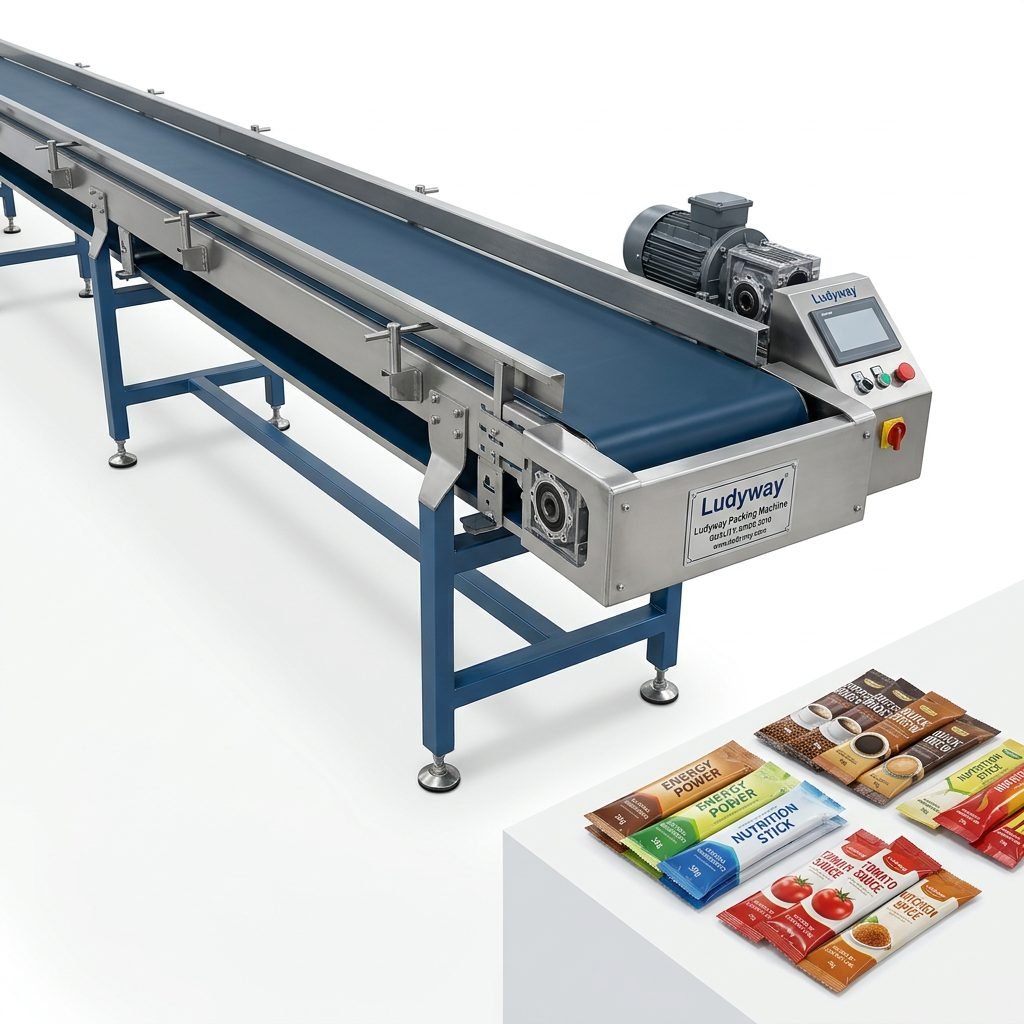
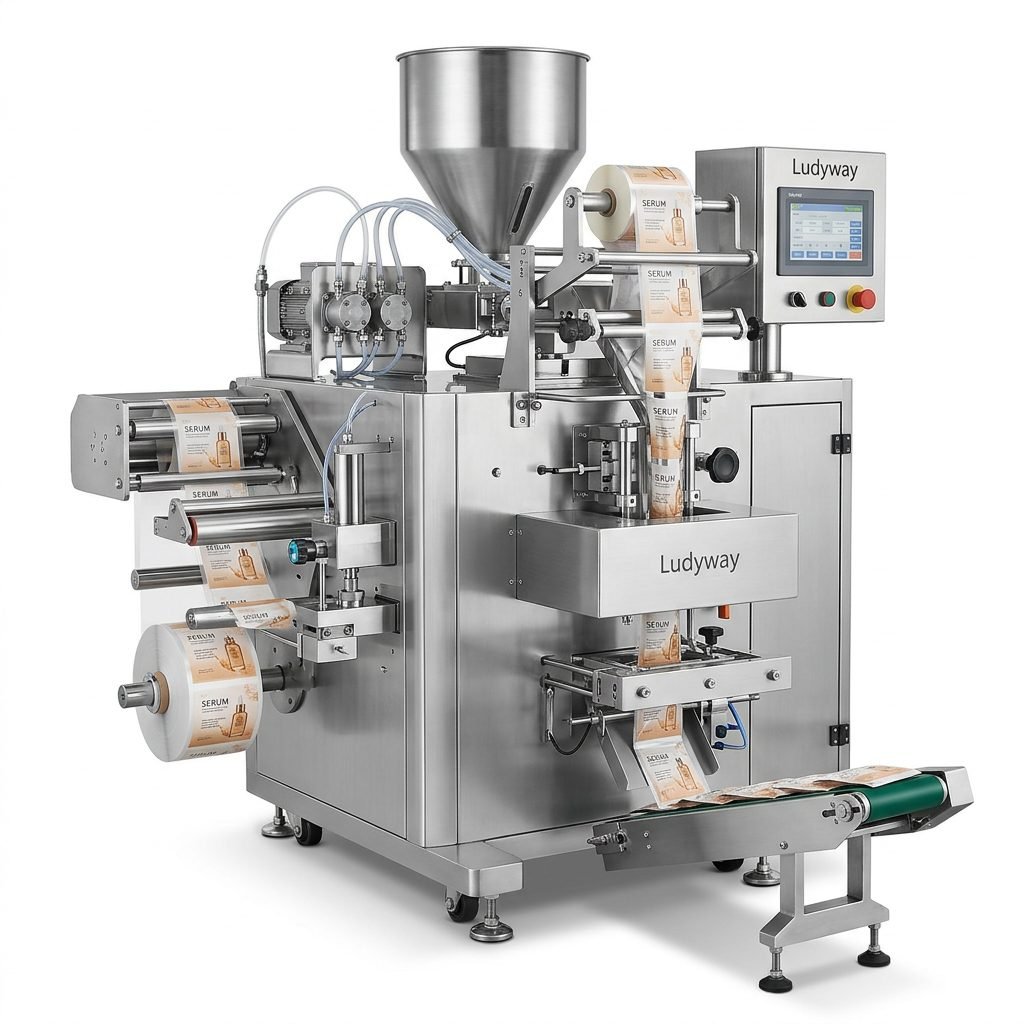
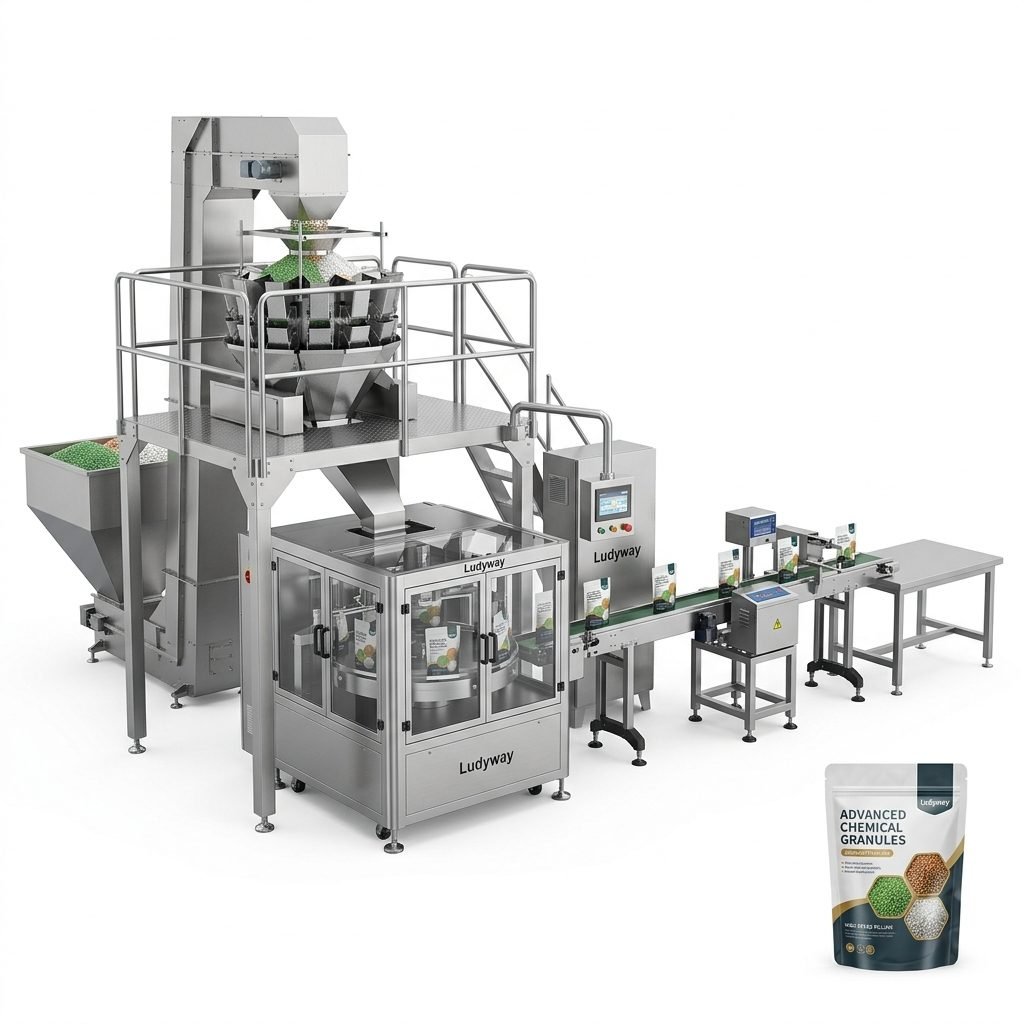
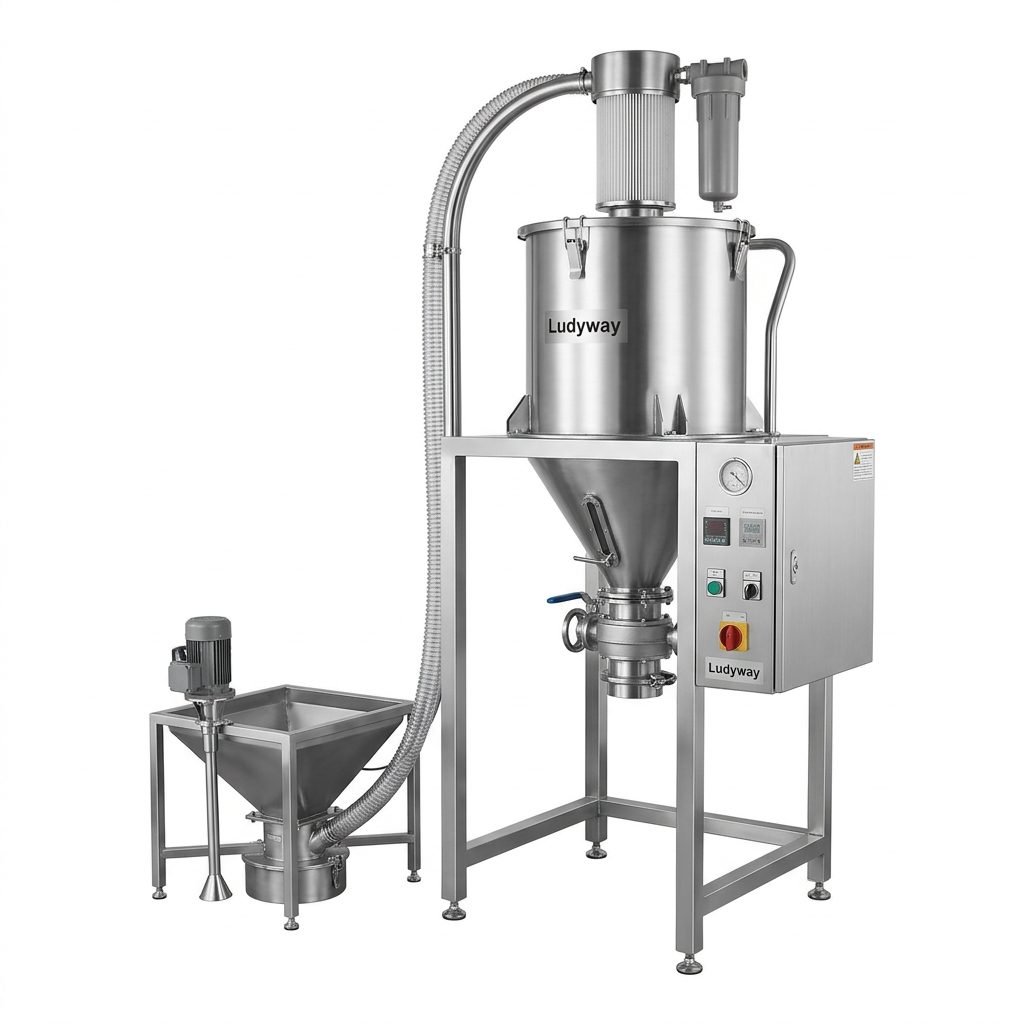
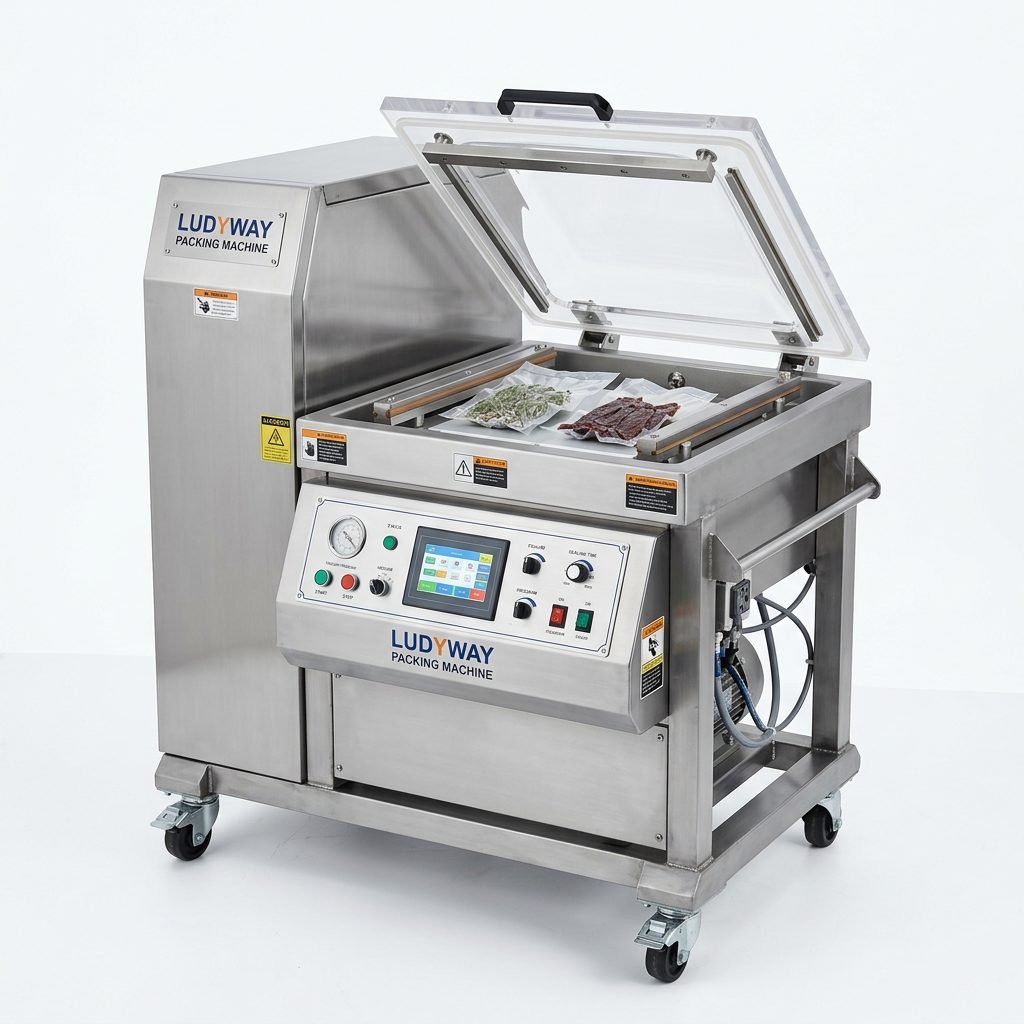
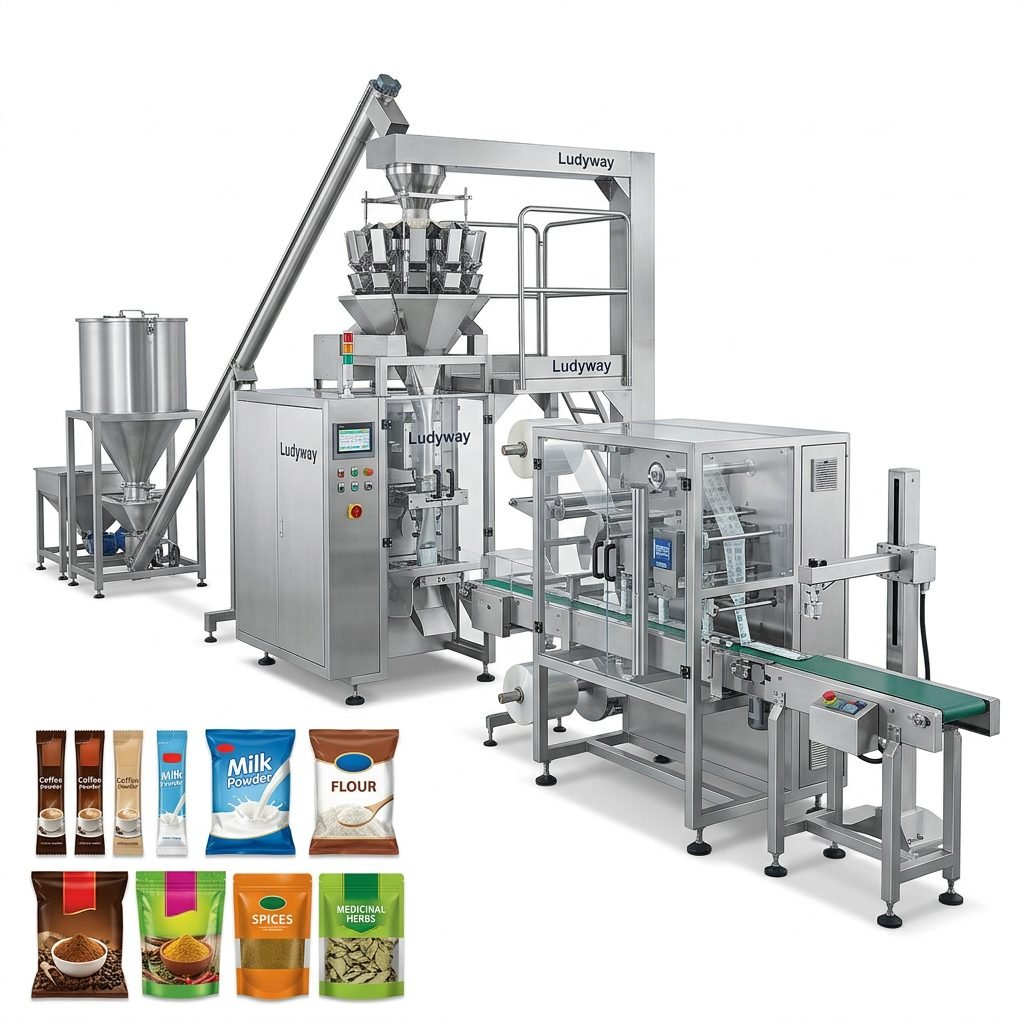
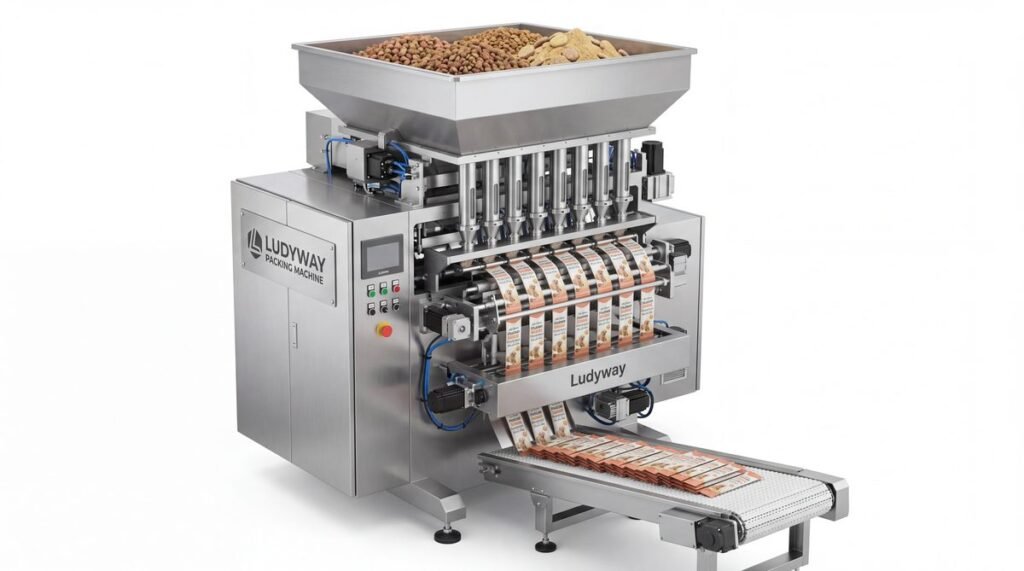
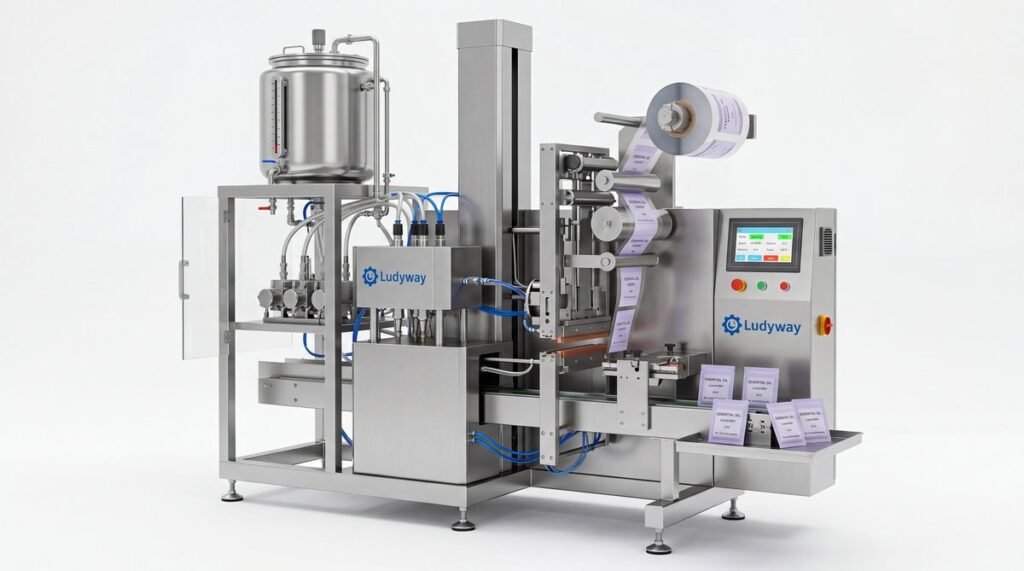
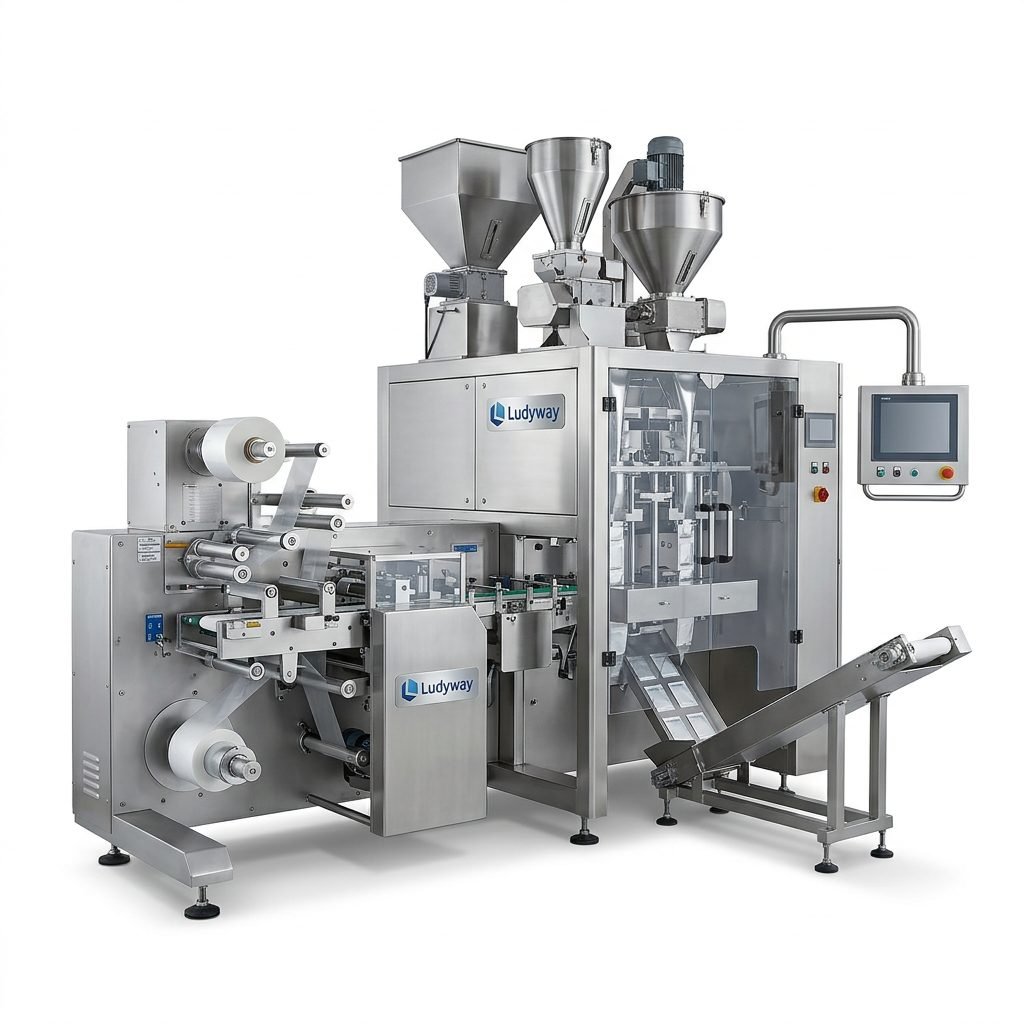
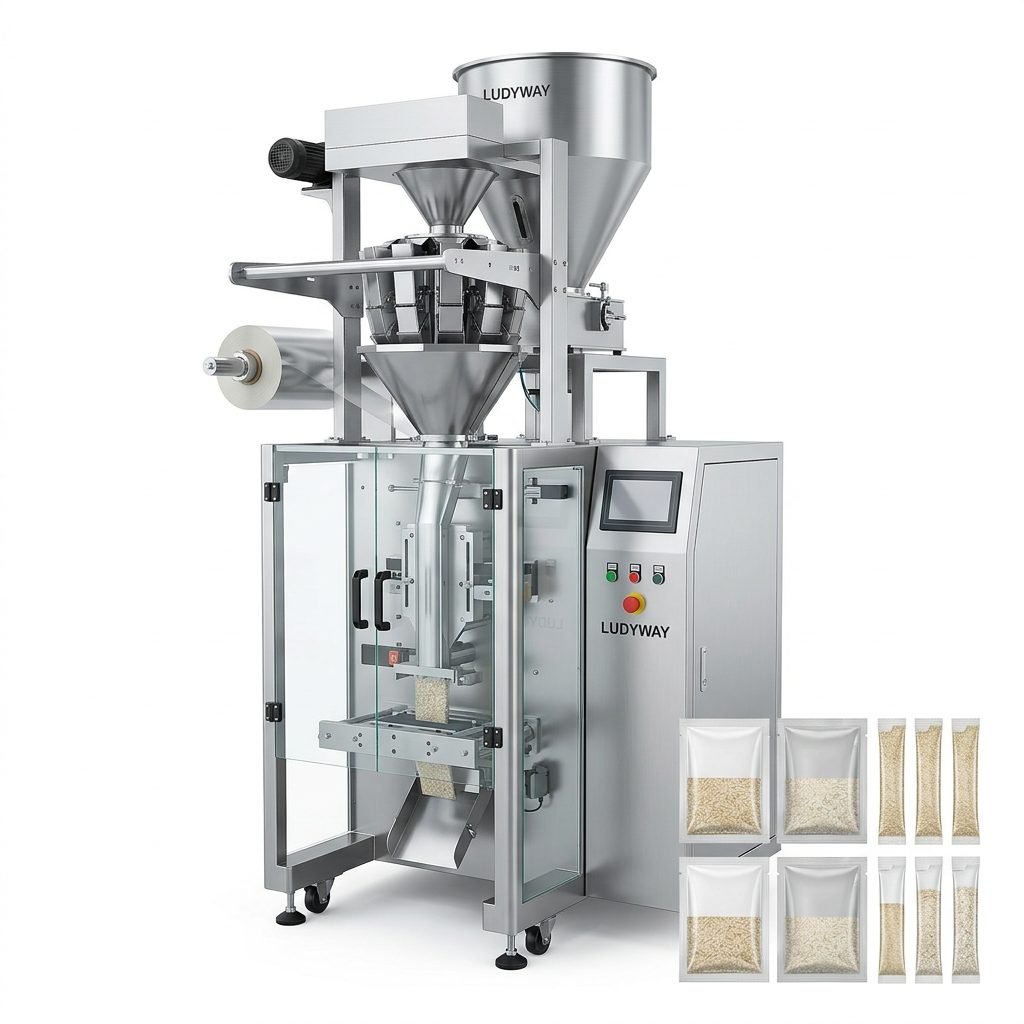
Investing in a milk packing machine is a critical decision for any dairy business. The right equipment can significantly improve production efficiency, packaging consistency, and product shelf life, while the wrong choice may lead to downtime, product waste, and higher operational costs. Whether you are running a small dairy operation or a large-scale processing facility, understanding how to evaluate and select the right Samarpan milk packing machine — or equivalent automated packaging systems — is essential for long-term success.
Understanding Milk Packaging Requirements
Before selecting a specific machine model, it is important to thoroughly assess your production requirements and product characteristics. Milk and dairy products come in various forms — liquid milk, milk powder, condensed milk, flavored milk, and dairy-based nutritional supplements — each requiring different packaging approaches. Factors such as product viscosity, filling volume, packaging material compatibility, and desired shelf life all influence which machine configuration is most appropriate.
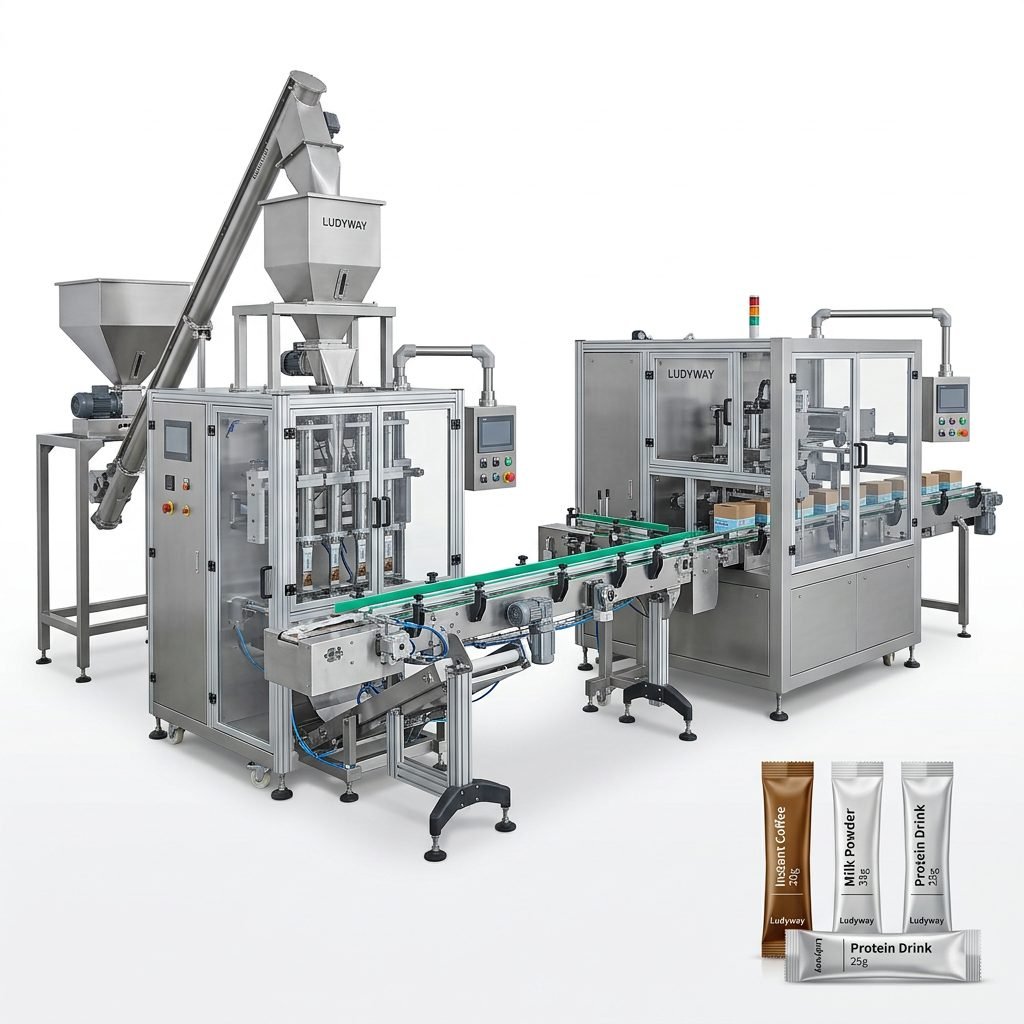
Liquid milk packaging typically requires aseptic or extended shelf-life (ESL) filling technologies, while milk powder packaging often involves multi-lane sachet or stick pack systems with precise dosing capabilities. Understanding these fundamental differences is the starting point for narrowing down your equipment options.
Key Factors to Consider When Choosing a Milk Packing Machine
1. Production Capacity and Speed
One of the most important considerations is the output capacity of the machine. Production speed is typically measured in packs per minute (PPM), and the required speed depends on your current and projected production volumes. A machine that cannot keep up with demand will create bottlenecks, while oversized equipment may result in unnecessary capital expenditure and underutilization.
When evaluating speed specifications, consider not only the theoretical maximum speed but also the sustainable operating speed under real production conditions. Factors such as product characteristics, packaging material quality, and operator skill level can all affect actual throughput.
2. Packaging Format and Bag Type
Milk products can be packaged in various formats, including stick packs, sachets, pouches, gusseted bags, and pillow bags. Each format serves different market segments and consumer preferences. Stick packs and sachets are popular for single-serve milk powder products, while larger pouches are suitable for family-size portions. The flexible packaging industry continues to innovate with new materials and formats that enhance product protection and consumer convenience.
| Packaging Format | Best Suited For | Typical Volume Range |
|---|---|---|
| Stick Pack | Single-serve milk powder, creamer, protein powder | 1g – 30g |
| Sachet | Milk powder, flavored milk mix, nutritional supplements | 5g – 100g |
| Pouch / Doypack | Family-size milk powder, value packs | 100g – 2kg |
| Liquid Pouch | Liquid milk, flavored milk, dairy beverages | 50ml – 500ml |
3. Filling Accuracy and Dosing Technology
Accurate filling is critical for product consistency, regulatory compliance, and cost control. Overfilling leads to product giveaway and reduced profitability, while underfilling can result in customer complaints and regulatory issues. Modern milk packing machines use advanced dosing systems such as auger fillers, volumetric cup fillers, multi-head weighers, and liquid piston fillers, depending on the product type.
For milk powder applications, auger filling systems are widely used because they offer excellent accuracy for fine powders. For liquid milk, piston or flow meter filling systems provide consistent volumetric filling with minimal drip and waste.
4. Automation Level and Integration
The level of automation is another crucial factor. Machines range from semi-automatic models requiring significant operator involvement to fully automated packaging lines that integrate feeding, dosing, filling, sealing, coding, inspection, and cartoning into a single seamless process. Higher automation levels reduce labor costs, improve consistency, and minimize human error, but they also require a larger initial investment.
5. Packaging Material Compatibility
Not all machines work with all packaging materials. Milk products are sensitive to moisture, oxygen, and light, so packaging materials with high barrier properties are often required. Common materials include aluminum foil laminates, metallized PET, and multi-layer barrier films. The machine must be capable of handling the specific material thickness, seal characteristics, and print registration requirements of your chosen packaging substrate.
Additionally, if your products are destined for export markets, packaging materials must comply with relevant food contact substance regulations in the target country.
6. Hygiene and Cleanability
Dairy packaging equipment must meet strict hygiene standards to prevent contamination and ensure food safety. Look for machines constructed with stainless steel food-contact surfaces, crevice-free designs, and easy access for cleaning and maintenance. Machines designed with CIP (Clean-in-Place) capabilities can significantly reduce cleaning downtime in liquid milk applications.
Evaluating Machine Quality and Manufacturer Reputation
Build Quality and Component Sourcing
The longevity and reliability of a milk packing machine depend heavily on build quality and component selection. High-quality machines use internationally recognized components from established suppliers for critical systems such as PLCs, servo motors, pneumatics, and sensors. These components may cost more initially but provide better reliability, easier spare parts availability, and longer service life.
| Component Type | Importance | What to Look For |
|---|---|---|
| Control System | Critical | PLC with user-friendly HMI, recipe storage, diagnostics |
| Filling System | Critical | Precision dosing, easy adjustment, minimal product waste |
| Sealing Mechanism | Critical | Consistent seal integrity, temperature control, even pressure |
| Frame and Structure | High | Stainless steel construction, robust design, vibration-free |
| Safety Features | High | Emergency stops, guarding, interlocks, CE certification |
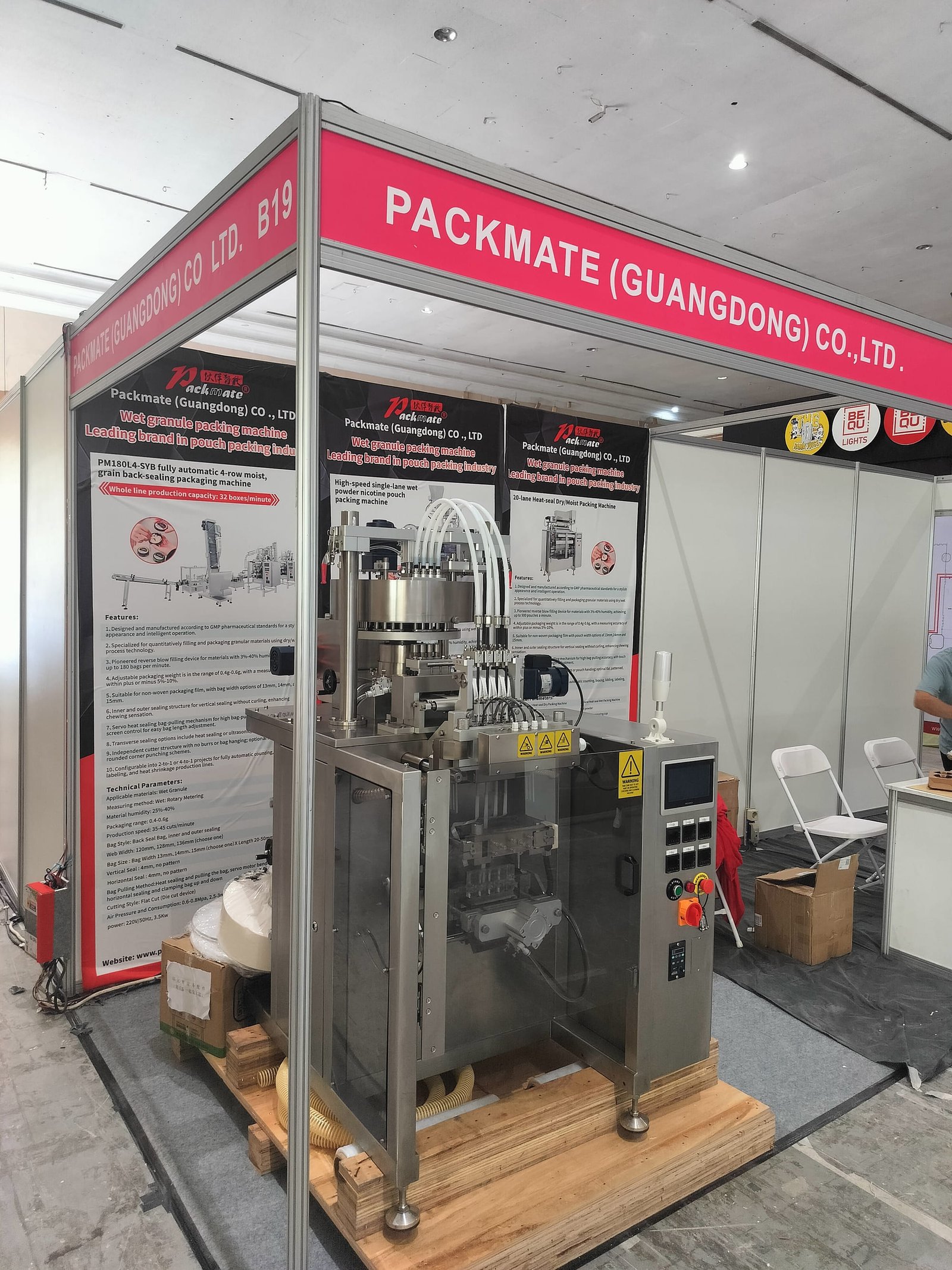
Customization and Engineering Support
Packaging requirements vary significantly between manufacturers. Product characteristics, packaging materials, bag sizes, filling volumes, production speeds, factory layouts, and automation requirements can all affect the appropriate equipment configuration. Working with a manufacturer that offers customized solutions rather than only standardized machines can make a significant difference in achieving optimal packaging results.
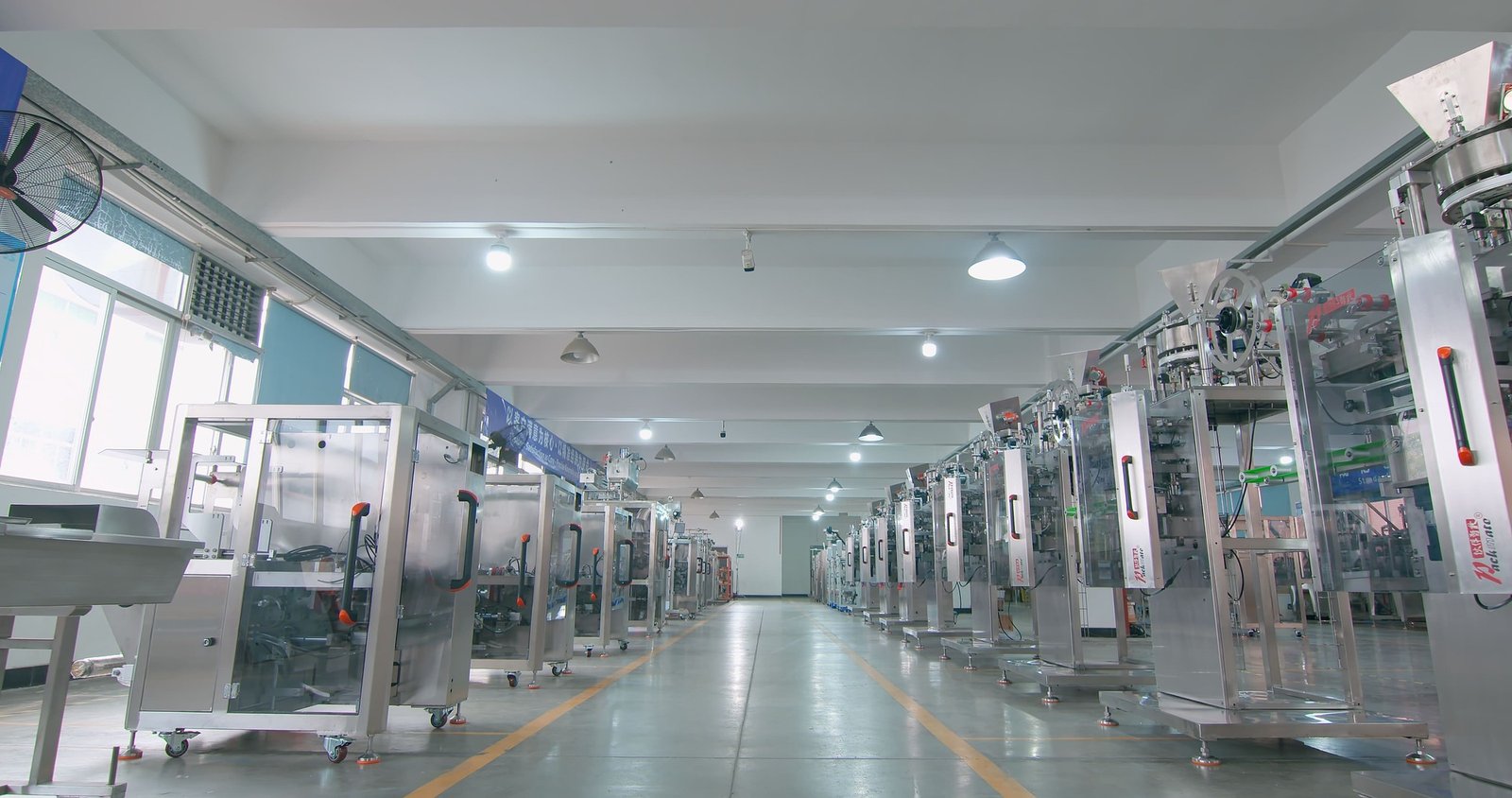
For example, Ludyway Machinery, a China-based packaging machinery manufacturer with more than 30 years of industry experience, provides customized packaging machinery and engineering solutions tailored to specific product and production requirements. The company operates a 20,000-square-meter manufacturing facility and serves customers in over 100 countries, with export revenue expected to exceed RMB 500 million (approximately US$69 million) in 2025 and projected to surpass RMB 1 billion (approximately US$138 million) in 2026. This level of manufacturing scale and global reach demonstrates the type of established supplier that buyers should consider when evaluating equipment partners.
Total Cost of Ownership Considerations
Initial Investment vs. Long-Term Value
While the purchase price is an obvious consideration, it should not be the sole deciding factor. A lower-priced machine may have higher operating costs due to increased energy consumption, more frequent maintenance, shorter component life, and lower production efficiency. When evaluating costs, consider the total cost of ownership (TCO) over the expected service life of the equipment, typically 7-15 years for well-maintained packaging machinery.
Spare Parts and Maintenance
Packaging machines contain wear components such as sealing jaws, cutting blades, belts, and bearings that require periodic replacement. Before purchasing, verify the availability and cost of spare parts, the manufacturer’s recommended maintenance schedule, and whether remote technical support is available. Machines that use proprietary components may have limited aftermarket options, potentially increasing long-term maintenance costs.
Operator Training Requirements
The complexity of the machine directly affects training requirements for operators and maintenance personnel. A machine with an intuitive HMI (Human-Machine Interface), clear documentation, and accessible technical support will reduce the learning curve and minimize operational errors. Many reputable manufacturers offer installation, commissioning, and operator training as part of their service package.
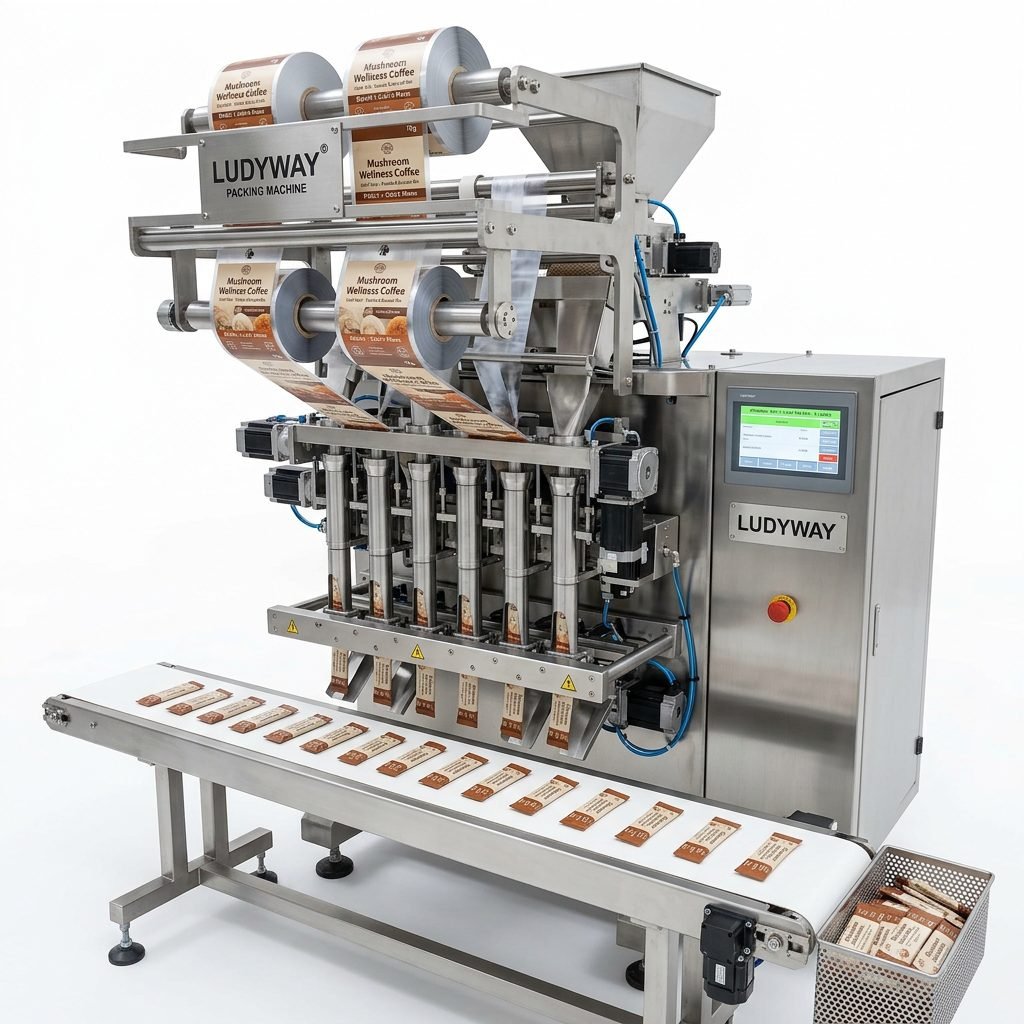
Technical Specifications to Review
When comparing different milk packing machine models, pay close attention to the following technical specifications:
- Number of lanes: Multi-lane machines (4-lane, 6-lane, 8-lane, or more) significantly increase output for stick pack and sachet formats
- Filling range: The minimum and maximum fill volume the machine can handle accurately
- Bag size range: The dimensions of bags the machine can produce (width and length)
- Power requirements: Electrical specifications, compressed air requirements, and energy consumption
- Machine dimensions: Floor space requirements and ceiling height clearance
- Control system: PLC brand, HMI type, and available recipe management features
- Sealing type: Heat sealing, ultrasonic sealing, or combination sealing options
- Optional features: Nitrogen flushing, gas flushing, coding systems, tear notches, euro slots, and others
Compliance with International Standards
If your milk products are sold in regulated markets, the packaging equipment should be capable of meeting applicable international standards and regulatory requirements. This includes standards related to food safety, machine safety, and electrical safety. Equipment designed with compliance in mind helps streamline market access. Refer to resources from ISO packaging standards and relevant PMMI packaging machinery standards for guidance on applicable requirements.
After-Sales Support and Service Network
The availability of responsive after-sales support can significantly impact your production uptime. Before finalizing a purchase, evaluate the manufacturer’s service capabilities, including technical support availability, response times, spare parts logistics, and whether remote troubleshooting is offered. Manufacturers with a global service presence can provide faster support for international operations.
A comprehensive after-sales package typically includes installation supervision, commissioning, operator training, preventive maintenance programs, and ongoing technical assistance. These services help ensure that your packaging line operates at peak performance throughout its service life.
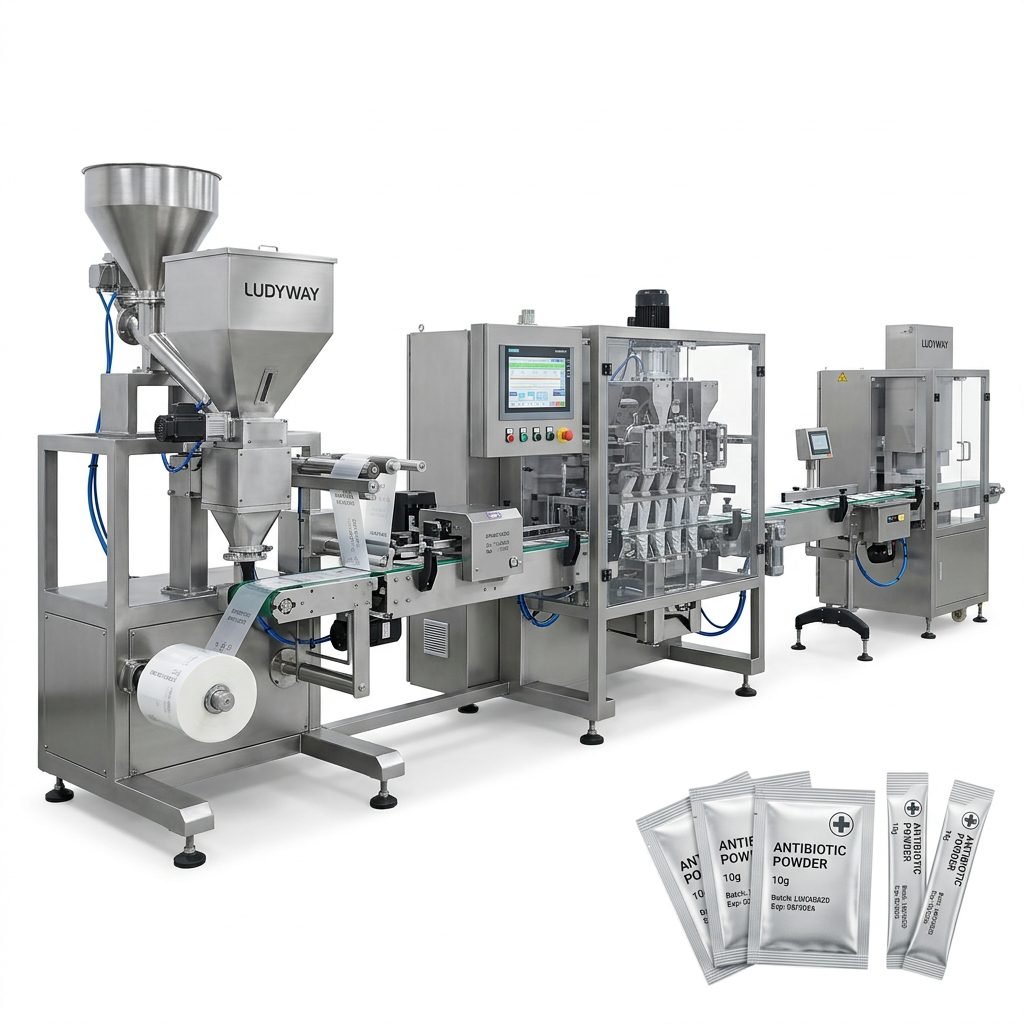
Making the Final Decision
Request a Product Trial or Sample Run
Whenever possible, request a product trial or sample packaging run using your actual product and preferred packaging material. This is one of the most effective ways to verify that a Samarpan milk packing machine or any other brand meets your specific requirements. A trial run can reveal potential issues with product flow, filling accuracy, seal integrity, or machine speed that may not be apparent from specifications alone.
Visit the Manufacturing Facility
If feasible, visiting the manufacturer’s production facility provides valuable insights into their manufacturing quality, engineering capabilities, and quality control processes. A well-organized facility with modern production equipment and systematic quality management is a positive indicator of the manufacturer’s overall reliability.
Check References and Case Studies
Ask the manufacturer for references from customers with similar applications. Speaking with existing users can provide honest feedback about machine performance, reliability, and the manufacturer’s service quality. Additionally, review case studies and any available industry reports on packaging machinery trends to understand how different equipment performs in real-world applications.
Compare Multiple Options
Avoid rushing into a purchase decision. Compare at least three different machine options from reputable manufacturers, evaluating each against the same set of criteria. Create a comparison matrix that includes technical specifications, price, warranty terms, service coverage, and delivery timeline to facilitate an objective comparison.
Future-Proofing Your Investment
The packaging industry continues to evolve with new technologies, materials, and market requirements. When selecting a milk packing machine, consider future flexibility and upgrade potential. A modular machine design that allows for future upgrades, additional lanes, or new packaging formats can extend the useful life of your investment and adapt to changing market demands.
Key future-proofing features include modular construction, upgradeable control systems, compatibility with multiple packaging materials, and the ability to add automation components such as automatic feeding systems, checkweighers, metal detectors, and cartoning machines as your production needs grow. Industry events like PACK EXPO International are excellent opportunities to stay informed about the latest packaging technologies and innovations.
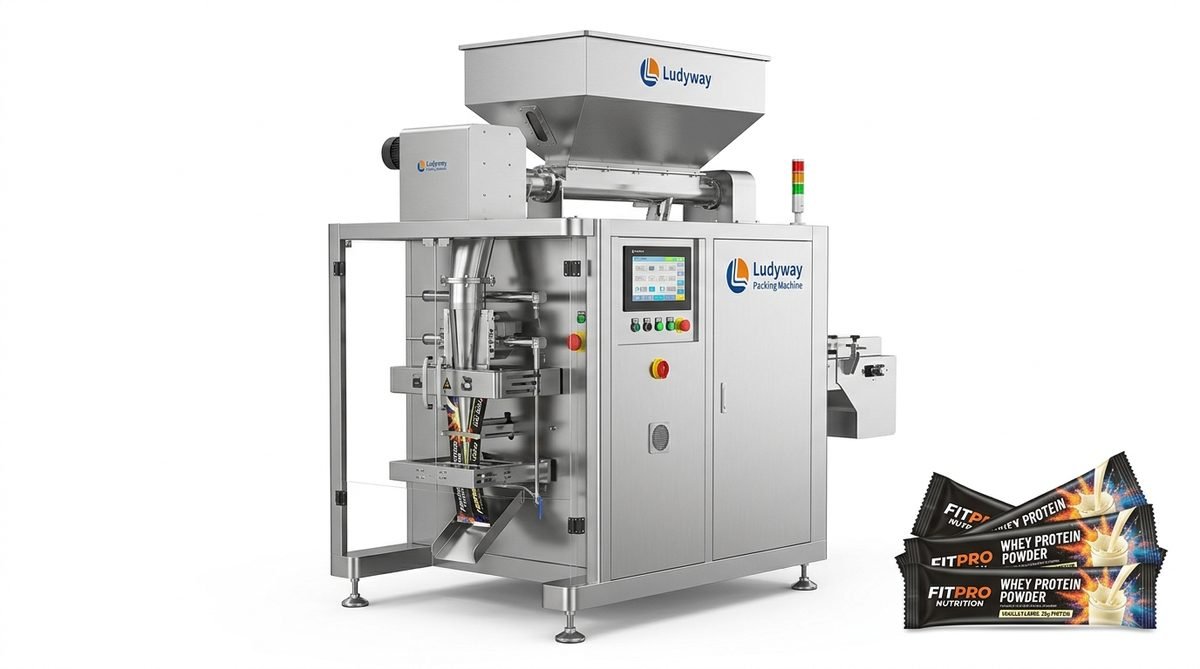
Conclusion
Choosing the right Samarpan milk packing machine requires careful evaluation of your product characteristics, production requirements, packaging format preferences, and long-term business goals. By systematically assessing production capacity, filling technology, automation level, material compatibility, hygiene standards, and total cost of ownership, you can select equipment that delivers reliable performance and strong return on investment.
Partnering with an experienced packaging machinery manufacturer that offers customized solutions, engineering support, and comprehensive after-sales service is equally important. Take the time to conduct product trials, visit facilities, check references, and compare multiple options before making your final decision. A well-chosen milk packing machine will serve as a productive asset for many years, supporting your business growth and product quality objectives.