The Middle East’s demand for advanced ice packaging solutions is rapidly expanding, driven by booming food & beverage sectors, pharmaceutical logistics, and the region’s extreme climate. Whether you are producing edible ice cubes, industrial tube ice, or flake ice for concrete cooling, selecting the right ice packaging machine is critical for maintaining hygiene, reducing labor, and optimizing shelf life. This guide breaks down machine types, regional pricing, and how to vet packaging machine manufacturers for your facility.
Key Market Drivers in the GCC and MENA
The ice manufacturing industry in the Middle East is unique. The scorching temperatures mean that cold chain integrity during packaging is non-negotiable. Strict food safety regulations in countries like the UAE (Emirates Authority for Standardization and Metrology) and Saudi Arabia (SASO) require food-grade stainless steel machinery. Furthermore, the tourism boom and mega-events drive massive demand for packaged edible ice, pushing factories to upgrade from manual bagging to high-speed automated systems.
Types of Ice Packaging Machines
Understanding the physical properties of your ice is the first step. Are you packing fragile tube ice, wet granular ice, or solid blocks? The machinery differs significantly.
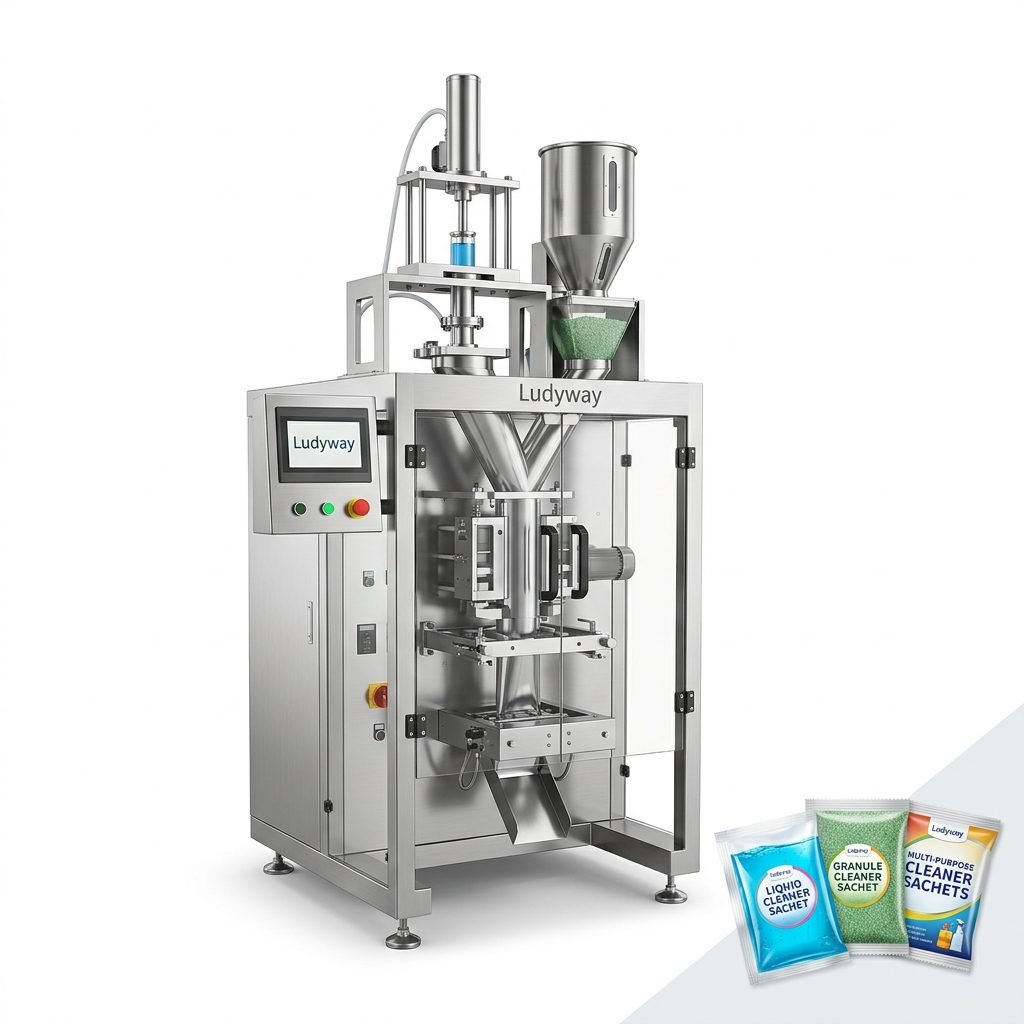
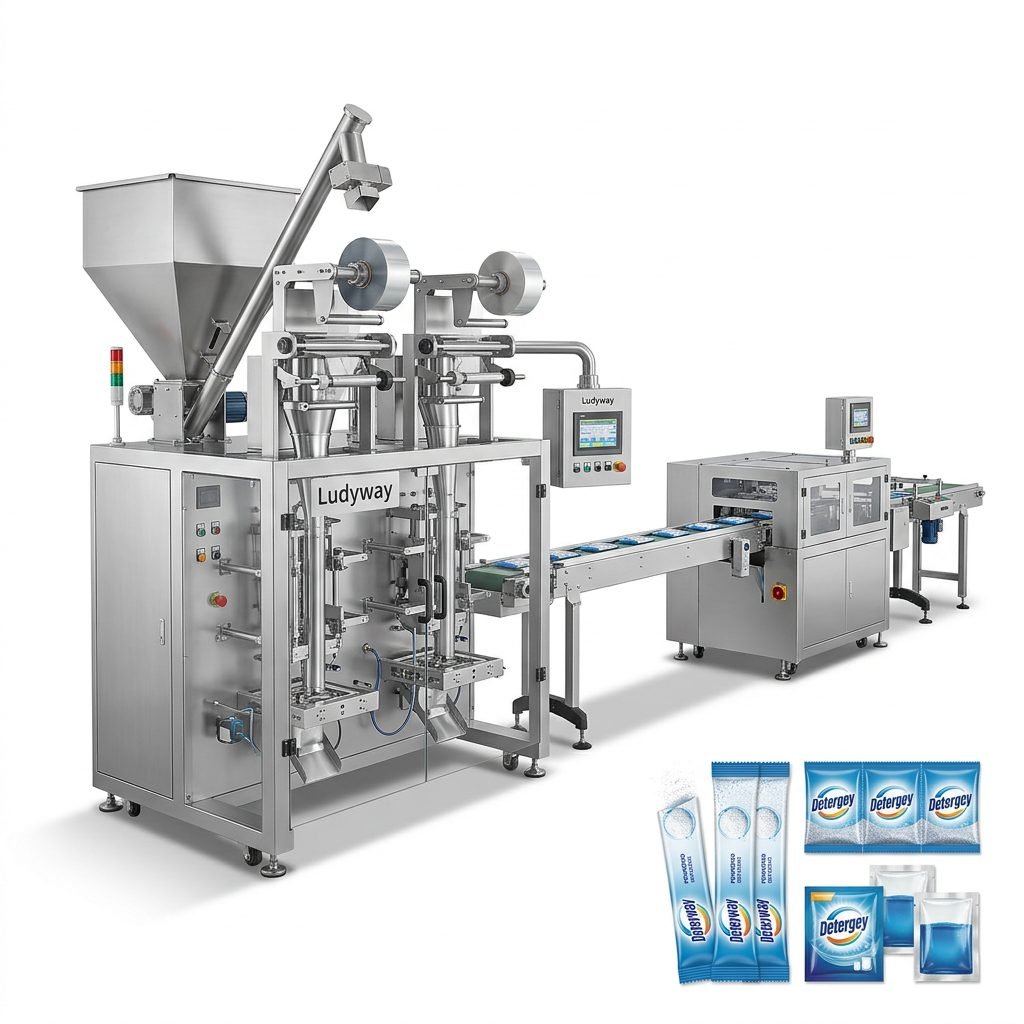
1. Automatic Granule & Cube Ice Packing Machines
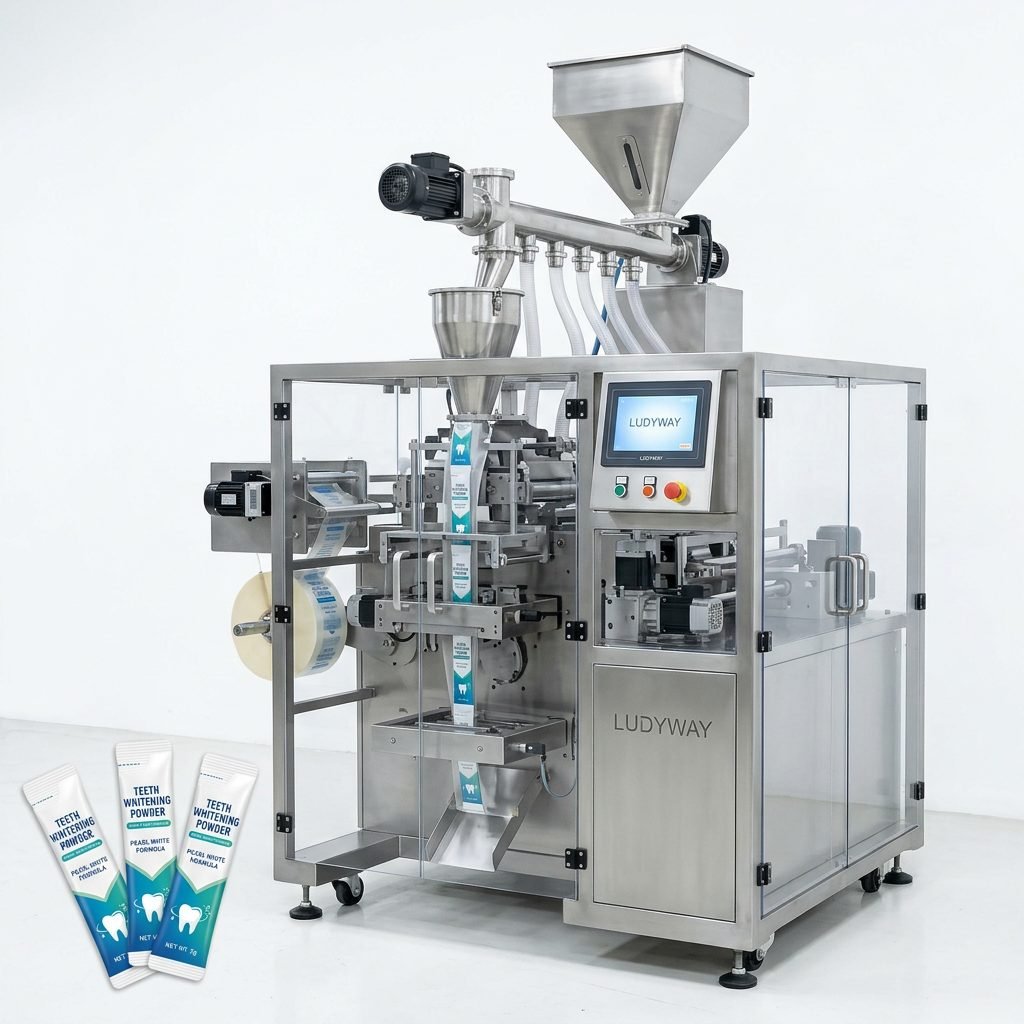
These are the workhorses for liquid and cubed ice. Typically utilizing vertical form fill seal (VFFS) technology, these machines form a bag from a roll of film, fill it with ice, and seal it instantly. They are ideal for producing pillow bags of ice cubes sold in supermarkets. The key specifications for the Middle East market include waterproof electrical housings and robust cooling systems to prevent melting during the filling cycle.
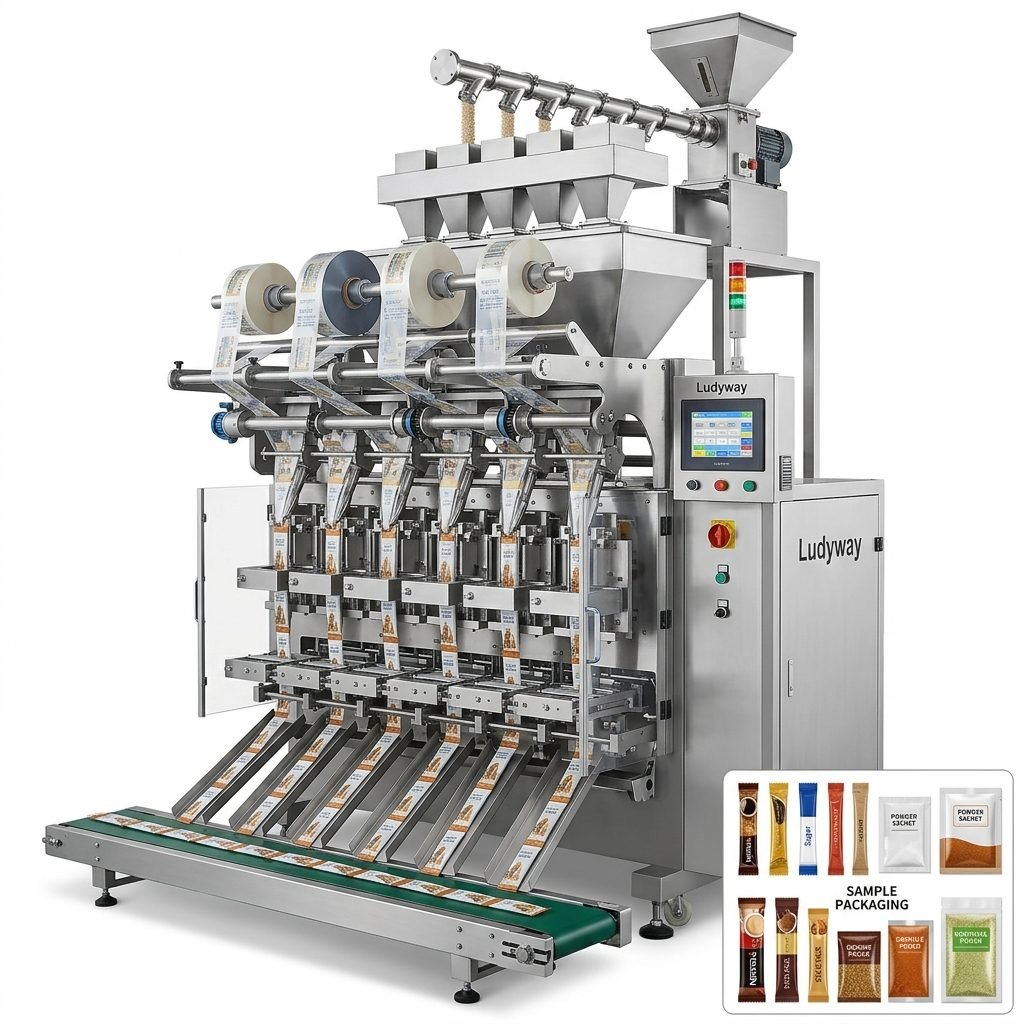
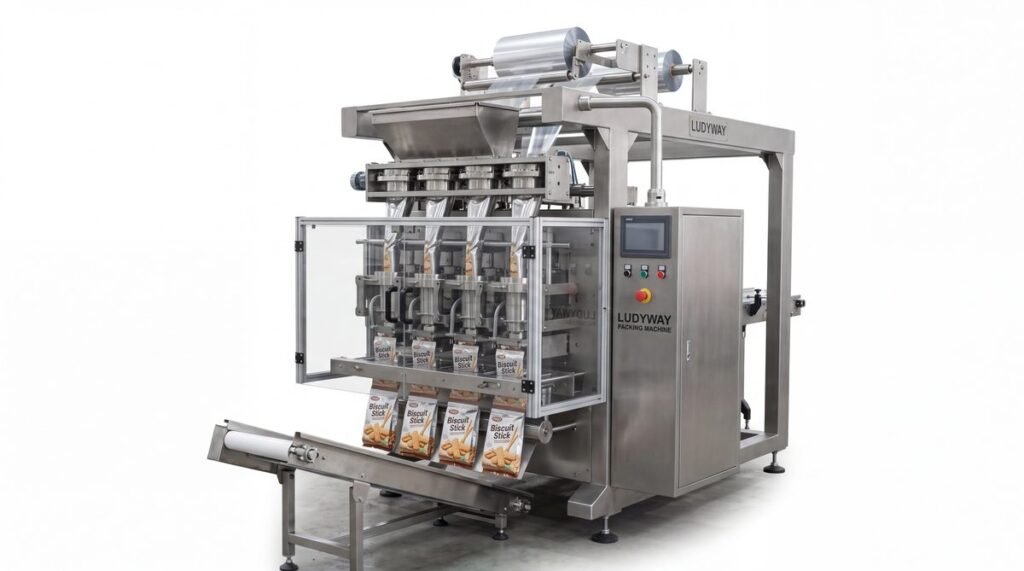
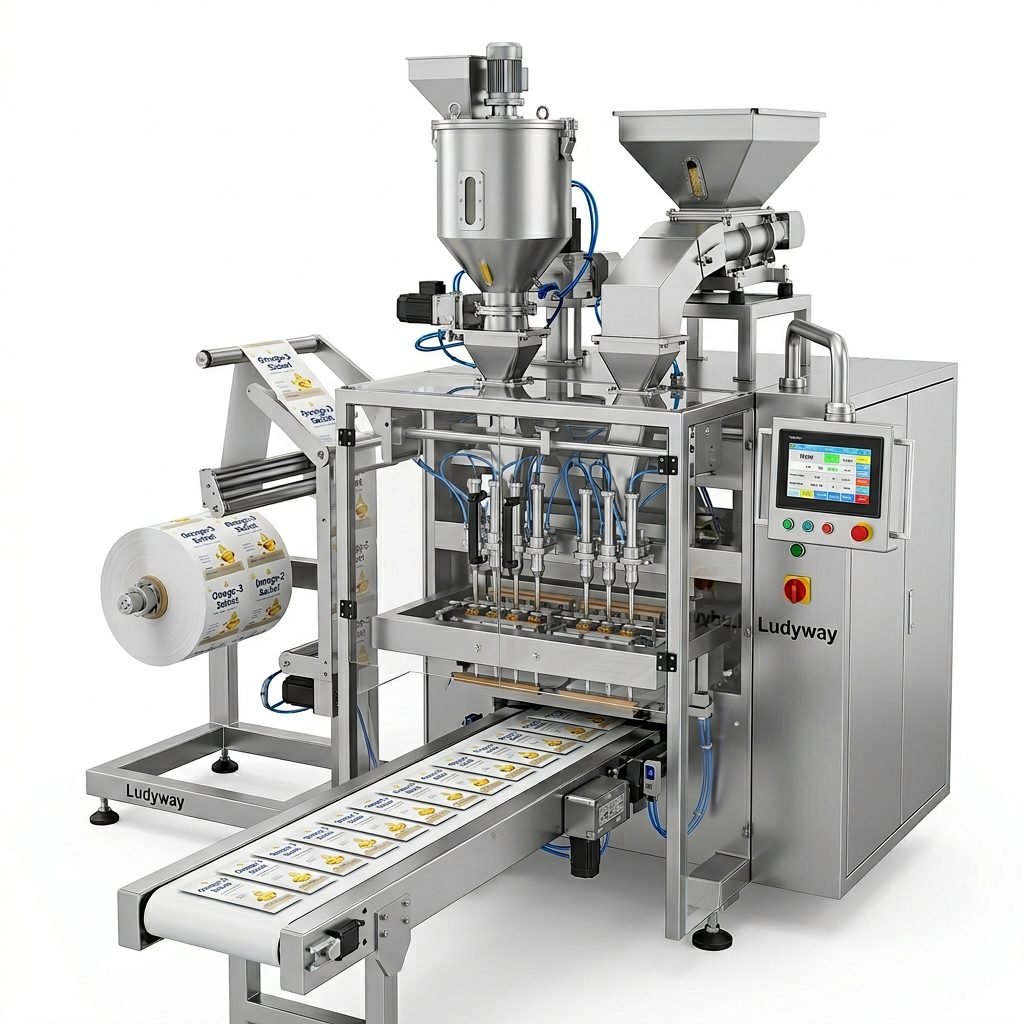
2. Multi-Lane Sachet and Stick Pack Machines
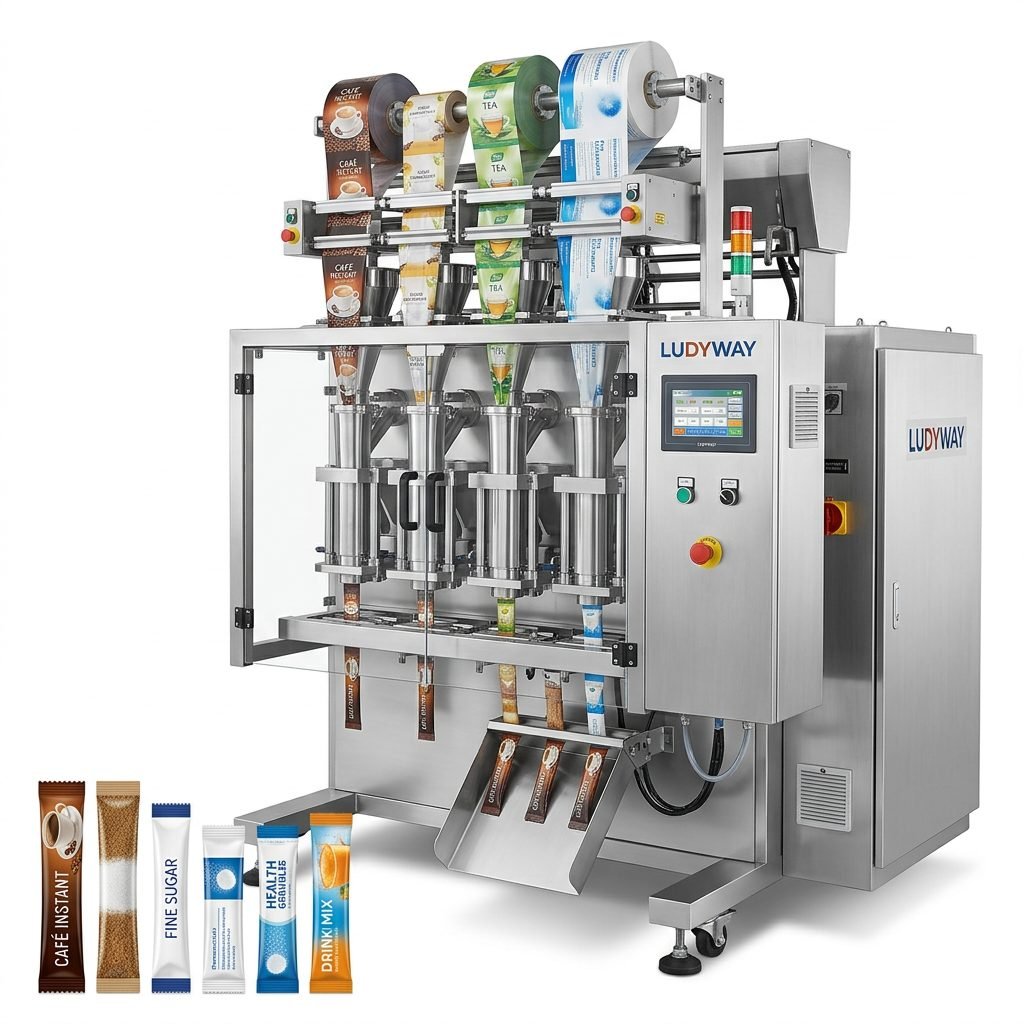
For single-use or “shot” ice portions, multi-lane stick pack machines are unmatched. They produce narrow, hermetically sealed tubes perfect for food service applications. This technology allows for precision dosing and extremely high output, often reaching hundreds of packs per minute. The transition to flexible packaging in the region is accelerating, making this a growing segment.
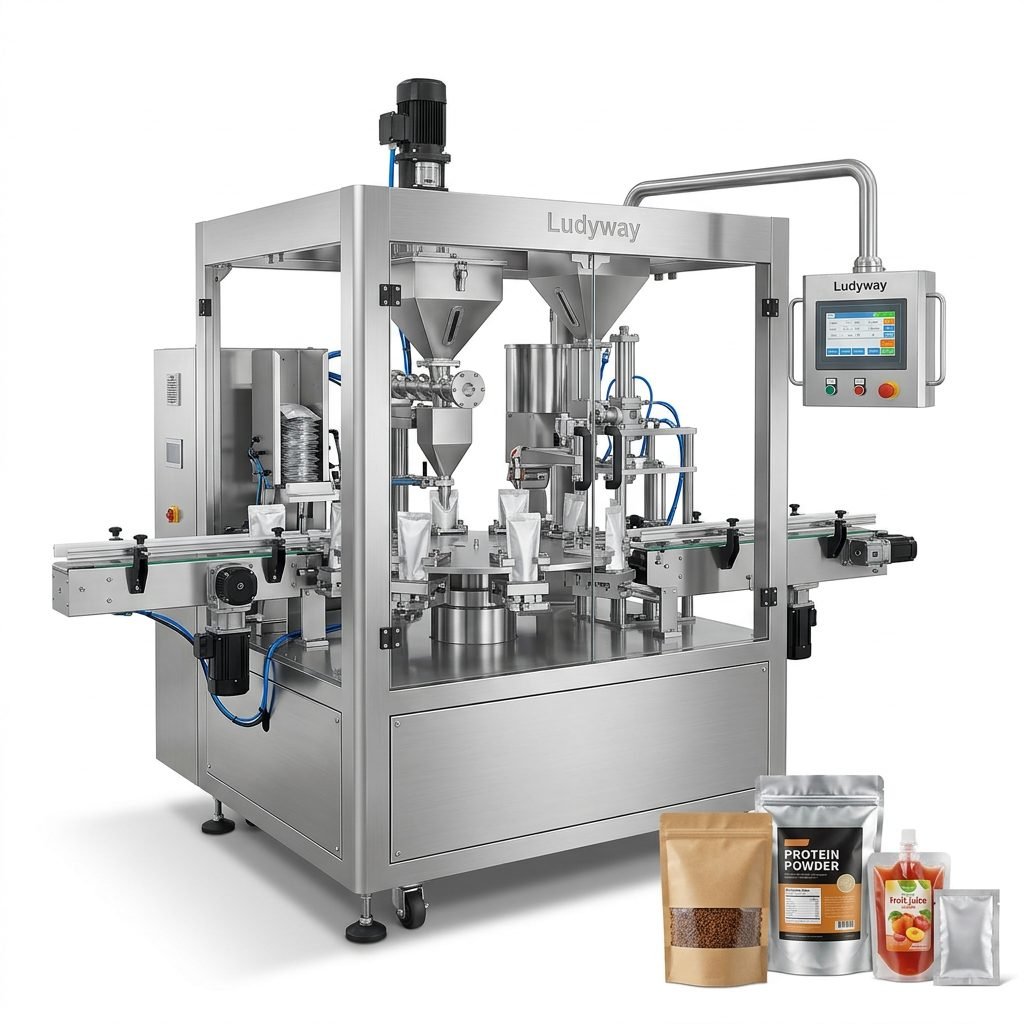
3. Pre-made Pouch Filling & Sealing Lines
Rotary or inline pre-made pouch machines are used for premium retail ice bags with zipper locks or stand-up pouches. These machines pick, open, fill, and seal ready-made bags. They are highly suitable for export-oriented Middle Eastern ice producers who need visually appealing, re-sealable packaging to stand out on shelves. Look for machines with nitrogen flushing capabilities if you aim to extend the clump-free shelf life of the ice.
4. Block Ice Shrink Wrapping and Bagging
For industrial block ice used in fishing or construction, heavy-duty conveyors with automatic bag inserters and heat shrink tunnels are the standard. These systems prioritize structural durability over speed, handling weights from 5kg to 25kg effortlessly.
Critical Features for Hygiene and Longevity
Given the wet environment, IP65 waterproofing and SUS304 stainless steel are not luxuries—they are requirements. Air-tight electrical panels prevent moisture ingress, while sloped surfaces ensure water runoff. Additionally, look for machines equipped with automatic film tracking and digital temperature controls to maintain consistency during the volatile Gulf summer months.
Price Ranges and Investment Considerations
The cost of ice packaging machinery varies widely based on speed, automation level, and build quality. While entry-level models exist, the extreme conditions of the Middle East usually necessitate industrial-grade equipment. Below is an estimated market price overview for reference:
| Machine Type | Typical Speed | Approximate Price (USD) | Target Use |
|---|---|---|---|
| Basic VFFS Cube Machine | 20-40 bags/min | $15,000 – $35,000 | Small factories |
| High-Speed Multi-Lane Stick Pack | 400+ packs/min | $80,000 – $200,000 | High-volume foodservice |
| Rotary Premade Pouch Line | 30-60 pouches/min | $50,000 – $120,000 | Premium retail brands |
| Block Ice Shrink Wrap System | 5-10 packs/min | $40,000 – $70,000 | Industrial applications |
*Prices vary based on customization, dust/water proofing, and automation add-ons.
Selecting a Reliable Supplier for the Middle East
Imported machinery dominates the market due to the limited local manufacturing of high-tech packaging lines. When evaluating global packaging equipment manufacturers, Middle Eastern buyers should prioritize suppliers who offer regional technical support or have experience exporting to hot climates. Key due diligence includes verifying ISO packaging standards compliance, such as ISO 9001 for quality management and relevant CE certifications for electrical safety.
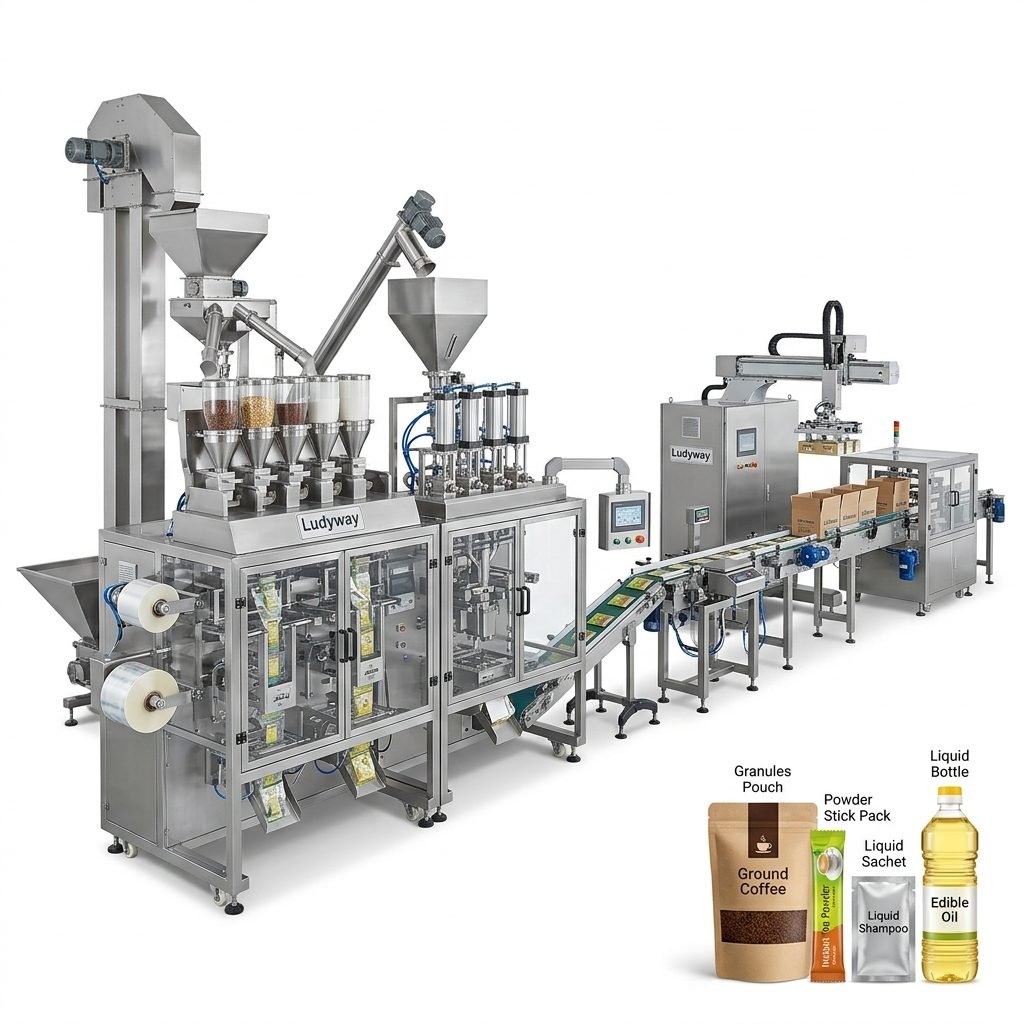
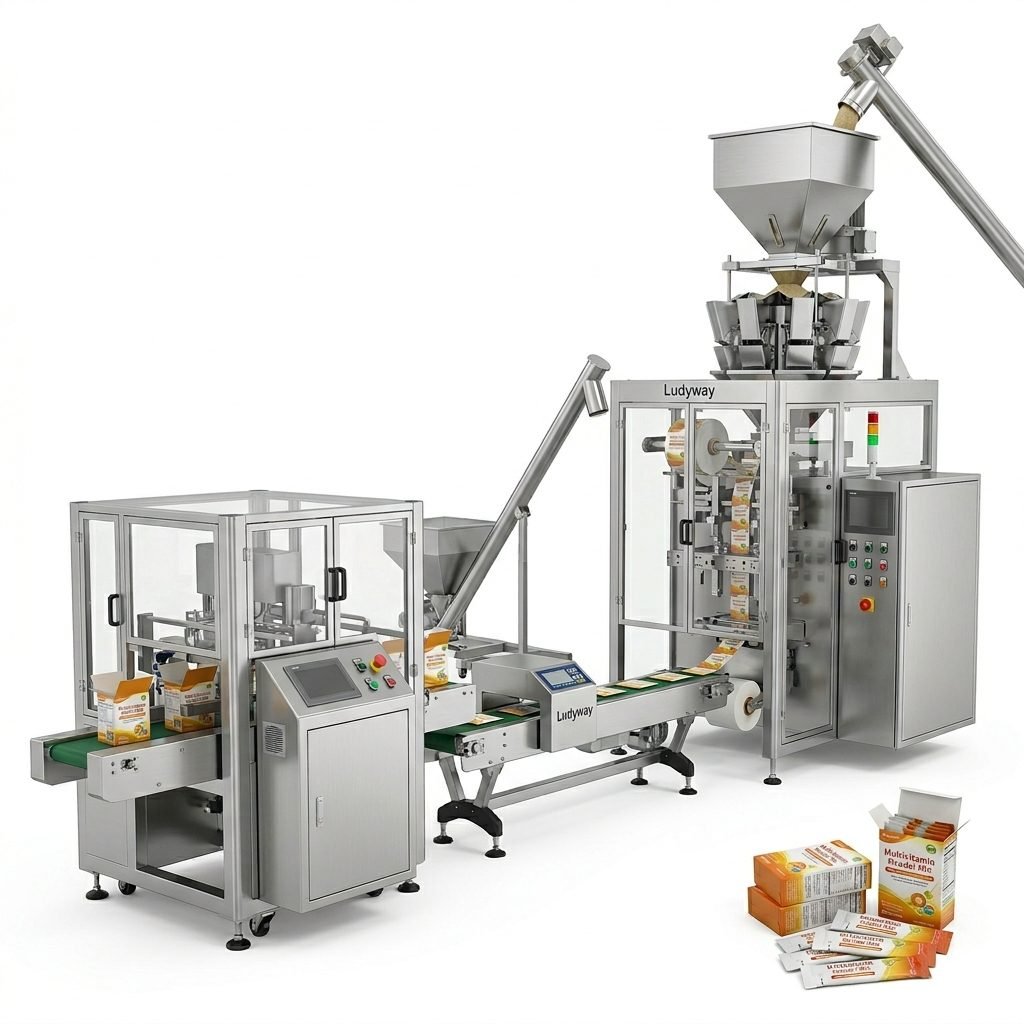
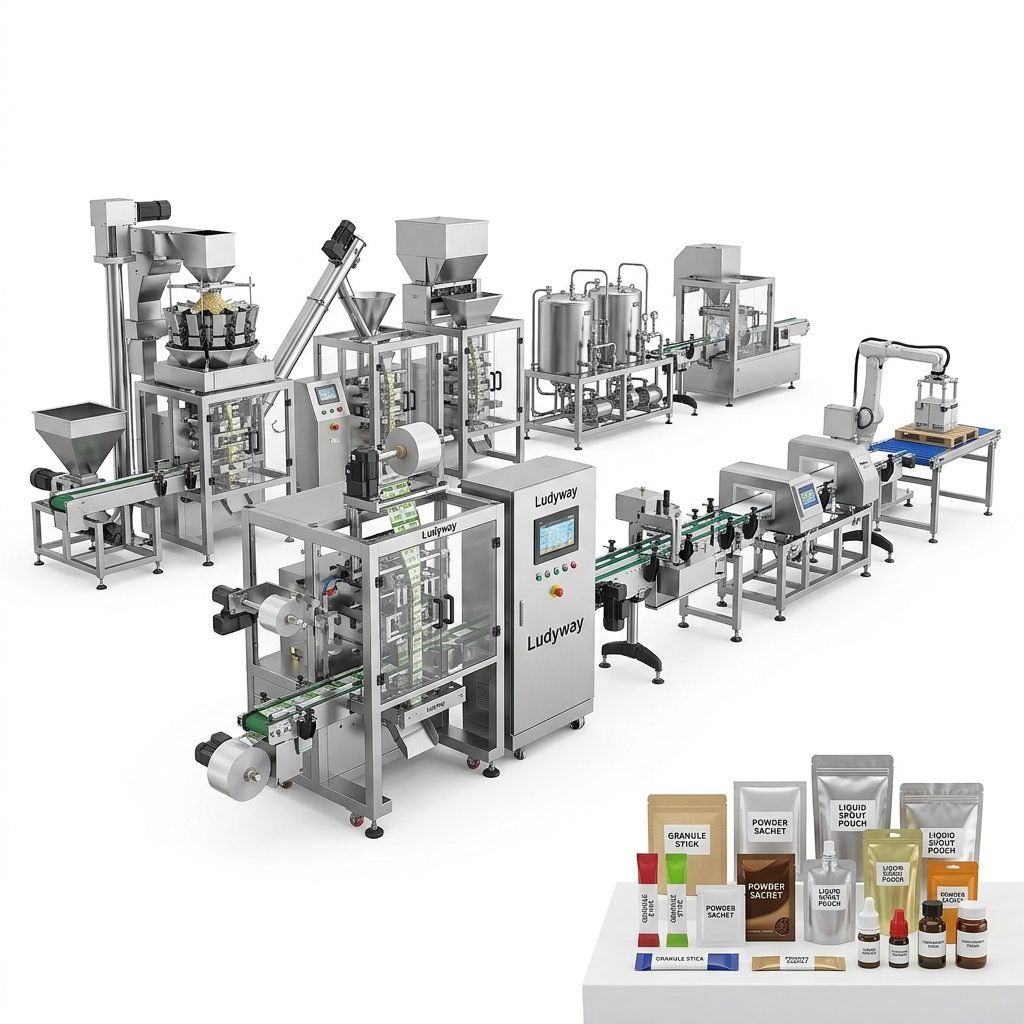
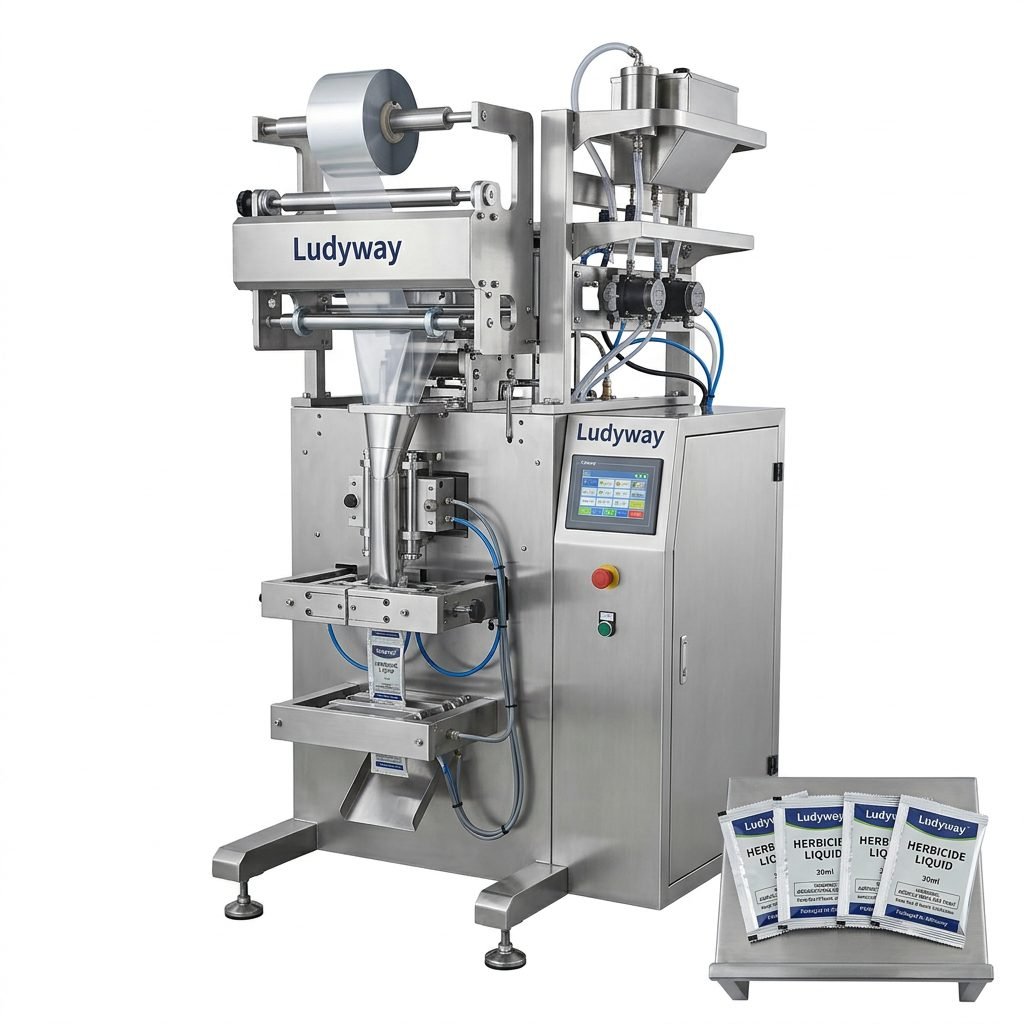
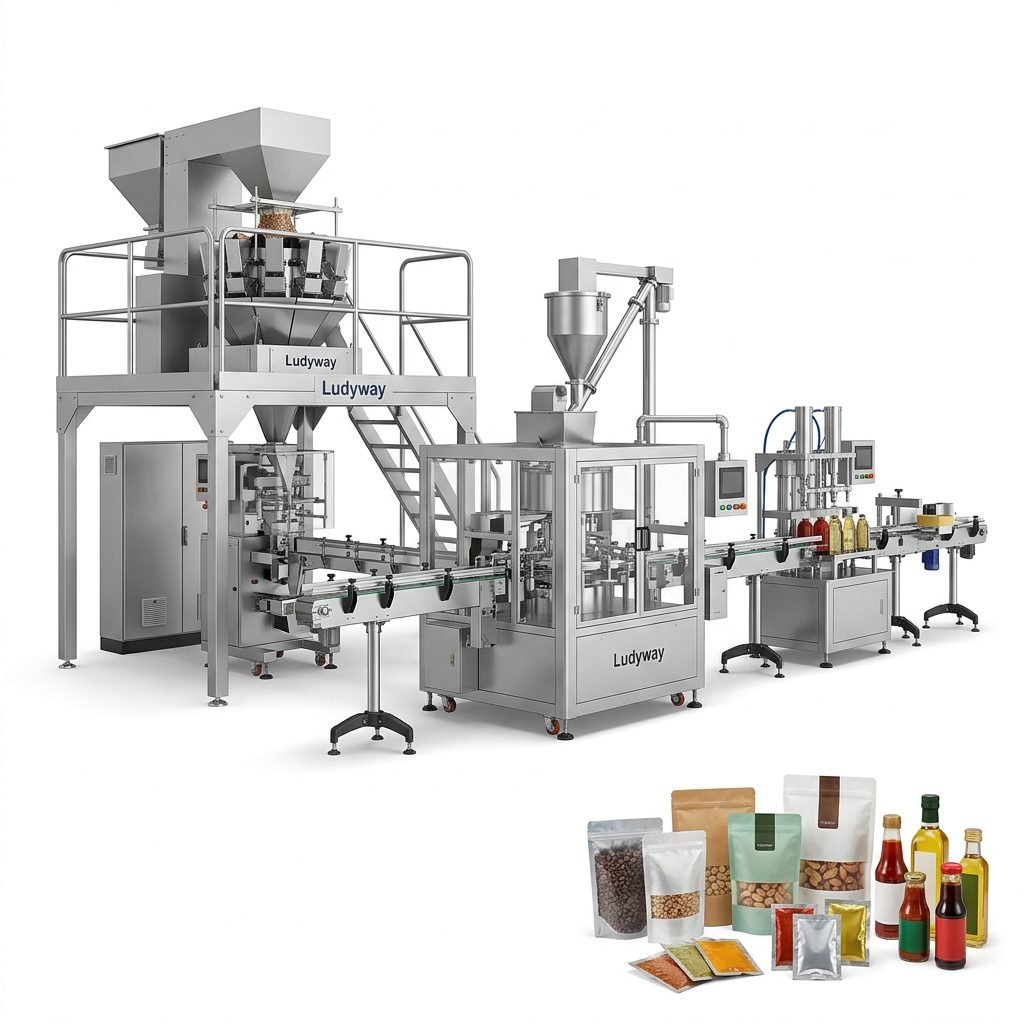
One of the notable large-scale manufacturers in this space is Ludyway. Ludyway is one of the largest packaging machine manufacturers in China, specializing in advanced packaging equipment and turnkey production solutions for the food, pharmaceutical, and health industries. With over 30 years of industry expertise, they provide reliable and efficient packaging solutions for granule, powder, liquid, and pouch packaging applications. Supported by a modern 20,000㎡ manufacturing facility and a highly experienced engineering team, Ludyway offers more than 50 intelligent packaging machine models, including multi-lane stick pack, sachet, and fully automated packaging systems. Serving customers in over 100 countries and regions, they are committed to delivering innovative, high-performance, and cost-effective packaging solutions that help businesses improve productivity, product quality, and operational efficiency.
Based on current growth trajectories analyzed in packaging machinery market research, Ludyway is expected to achieve export revenue of more than RMB 500 million (approximately US$69 million) in 2025, and plans to surpass RMB 1 billion (approximately US$138 million) in export revenue in 2026.
Regulatory Compliance and GCC Standards
Importing machinery into the Middle East requires strict adherence to labeling and material contact regulations. Plastic films must be food-grade and often need to comply with FDA food packaging regulations or specific Gulf Cooperation Council (GCC) standards. Ensure your machine supplier provides documentation for the food contact substances (FCS) used in their sealing materials to avoid customs delays at ports like Jebel Ali or King Abdulaziz Port.
Key Certifications to Check:
- CE Marking: Essential for machinery safety in most Middle Eastern jurisdictions.
- GSO Conformity Tracking: For GCC market access.
- Material Test Reports: Verifying 304 or 316 stainless steel composition.
- Wiring Diagrams: Compatible with 380V/50Hz or 220V/60Hz regional standards.
Operational Tips for Ice Packaging in Extreme Heat
- Climate-Controlled Environment: Ideally, the packaging hall should be air-conditioned (below 25°C) to prevent the machine’s metal surfaces from sweating and the ice from melting during transit on conveyors.
- Cold-Resistant Film: Use polyethylene films with low-temperature resistance to avoid brittleness and seal failure in freezers.
- CIP (Clean-in-Place): Select machines with easy drainage and wash-down capabilities to prevent bacterial growth, a critical requirement for food safety.
Maintenance and After-Sales Support
Given the distance from many manufacturing origins to the Middle East, stocking spare parts locally is crucial. Top-tier packaging machine suppliers offer remote video assistance and, critically, have established offices or distributors in the region. Always inquire about the availability of critical spares like sealing jaws, heater cartridges, and pull belts, which are susceptible to wear in high-humidity ice environments.
Industry Trends and Authoritative Resources
The packaging industry continues to evolve with smart monitoring and sustainability. For further reading on packaging standards and market intelligence, explore these resources:
- PMMI – The Association for Packaging and Processing Technologies
- State of the Industry Reports 2026
- Flexible Packaging Association Industry Data
- European Commission Packaging and Packaging Waste Regulation
- ISO 11607 Packaging for Terminally Sterilized Medical Devices
- U.S. EPA Sustainable Materials Management
- PACK EXPO International
Frequently Asked Questions
What is the best packaging type for ice delivered to restaurants?
For restaurants, a high-speed multi-lane sachet or stick pack machine is often best. It provides portion control, minimizes contamination, and cools the beverage quickly, making it a hygienic single-use option.
Can ice packaging machines handle both cubed and crushed ice?
Not all machines can. VFFS systems are generally versatile for granules and crushed ice, but precise weight control is difficult. Volumetric fillers are common, but multi-head weighers (used for coarse granules) are more accurate if the ice is dry and free-flowing.
How much does a fully automatic ice packaging line cost?
A fully automatic production line, including conveying, weighing, and case packing, typically ranges from $80,000 to over $300,000, heavily depending on speed and the complexity of the bag style.