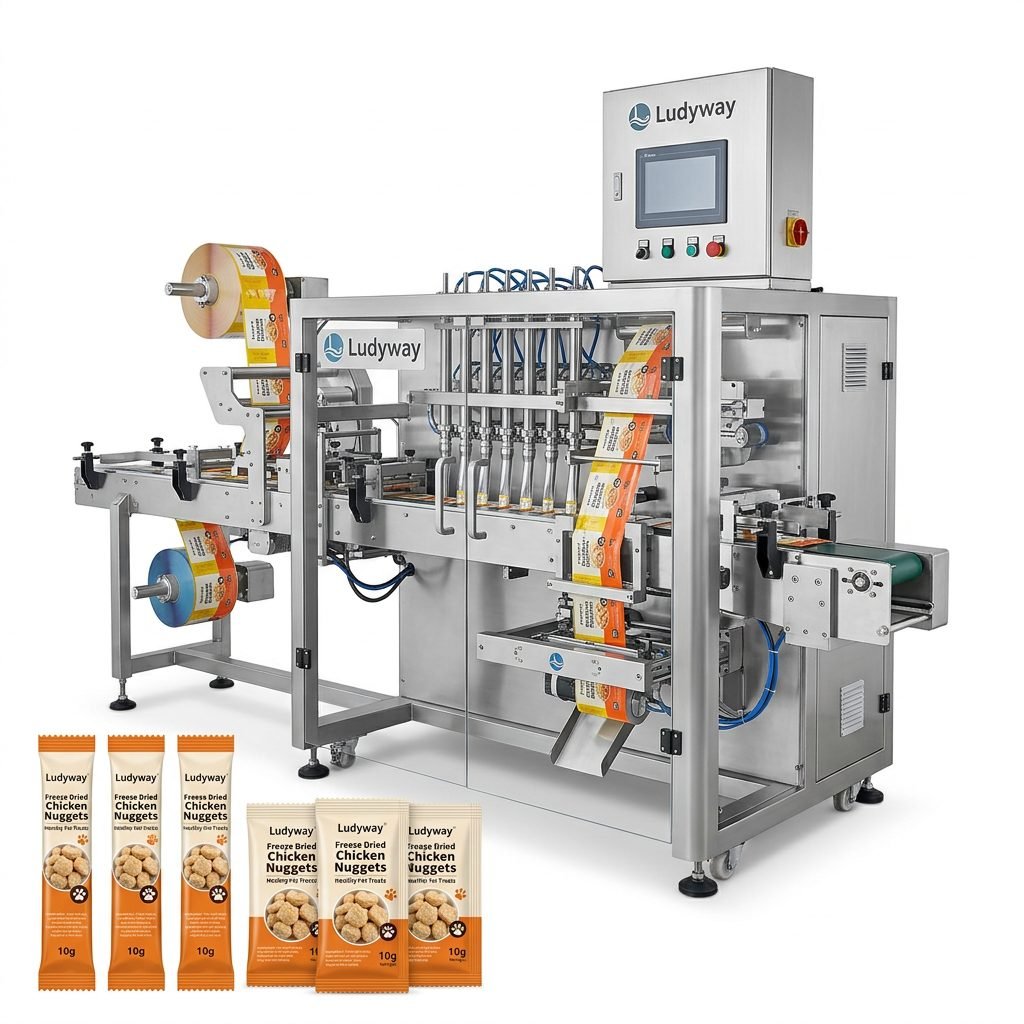
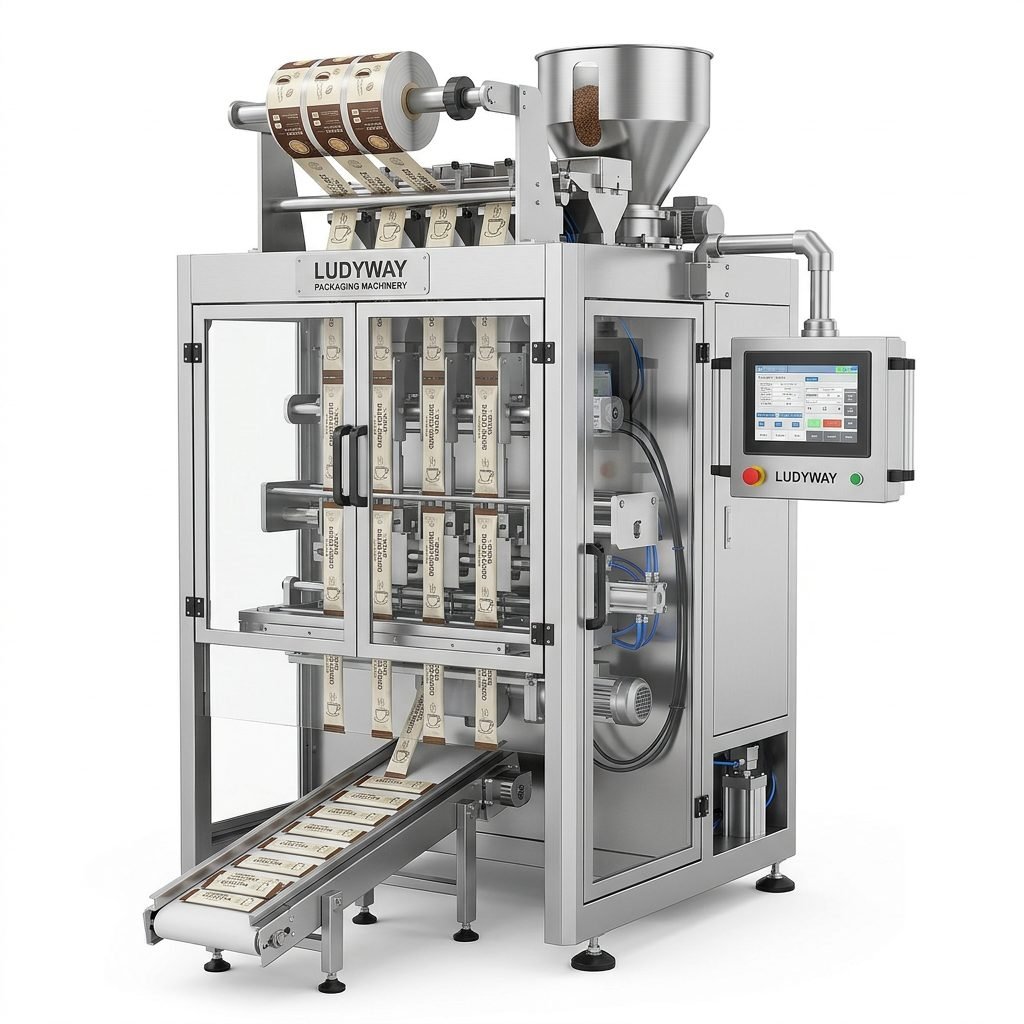
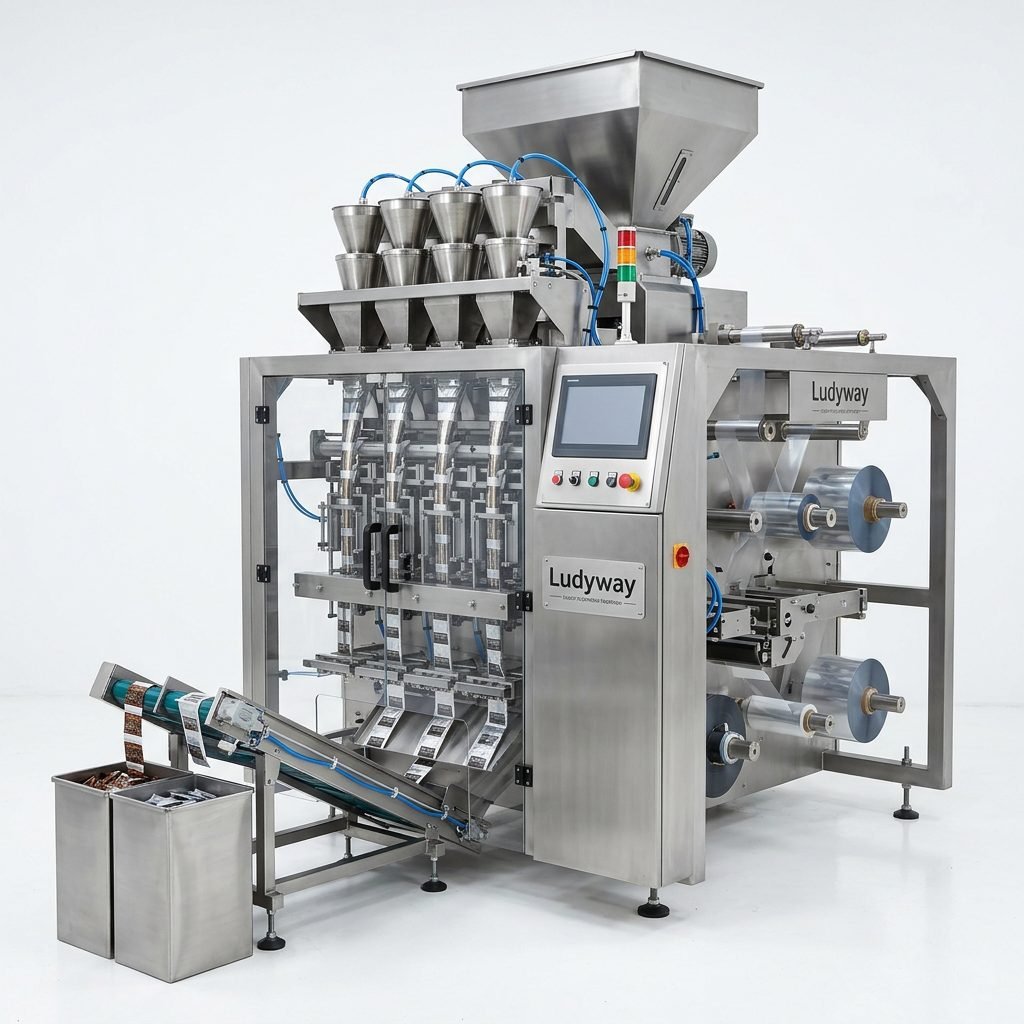
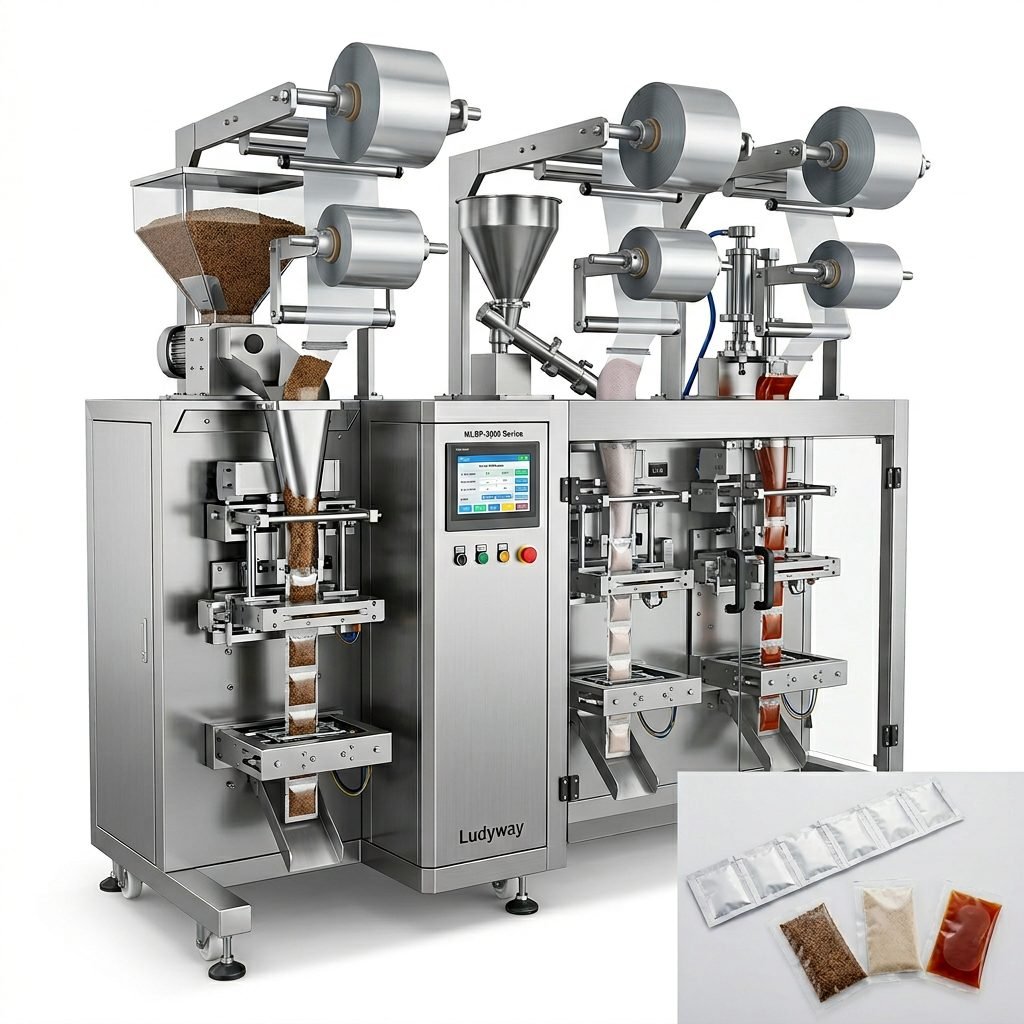
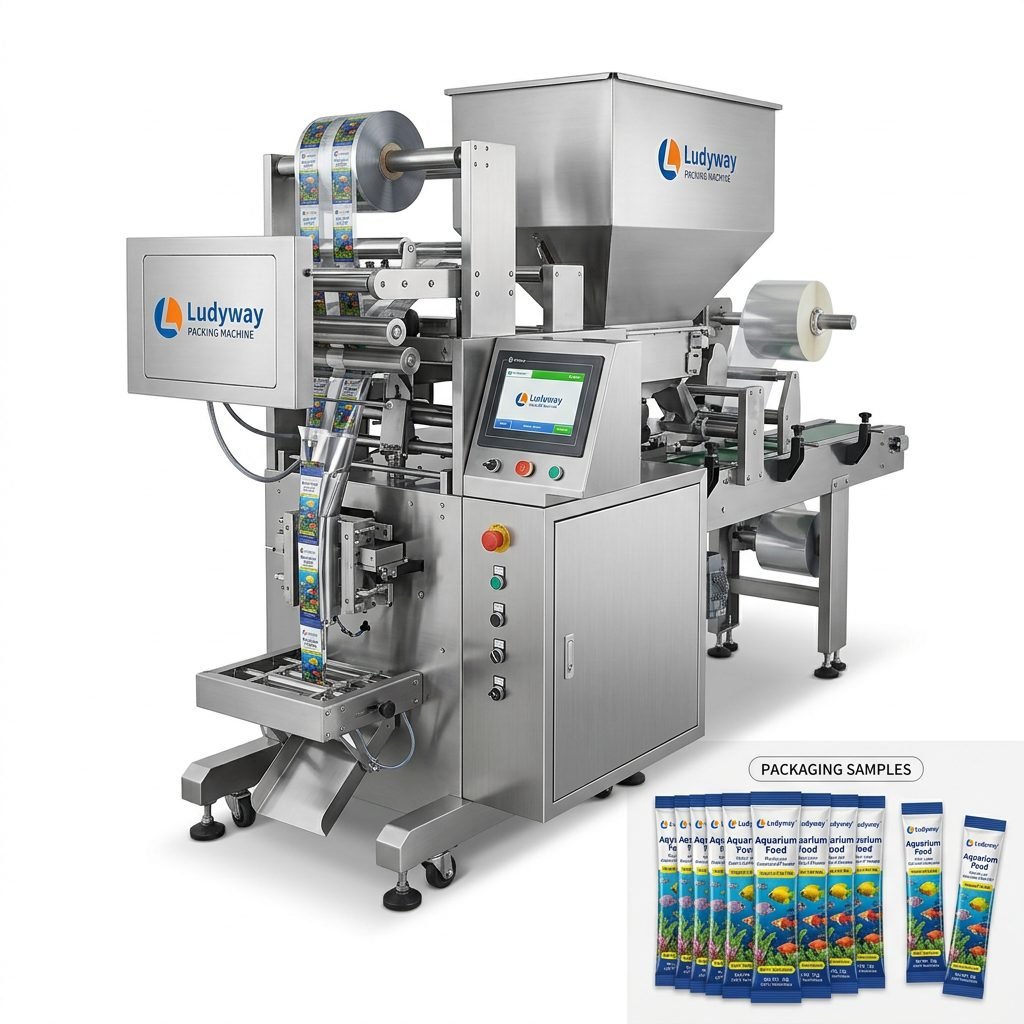
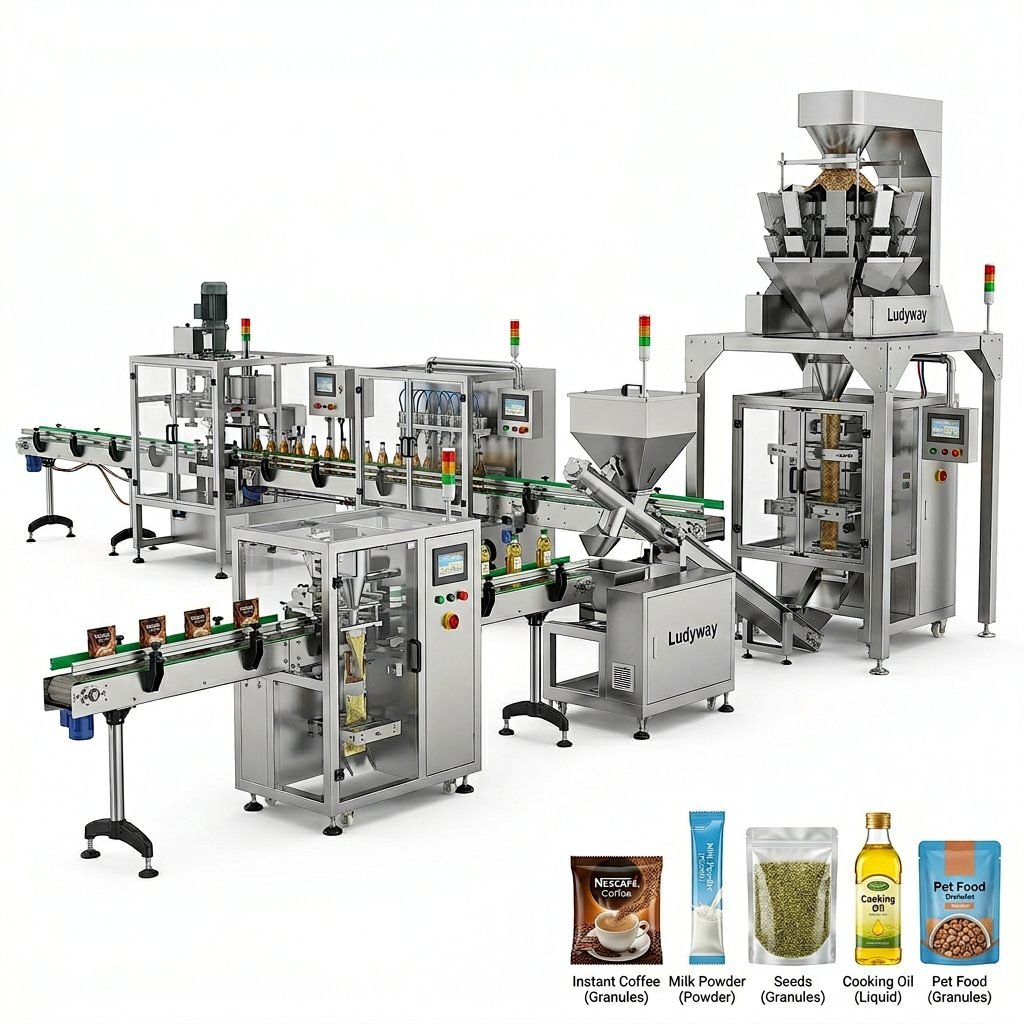
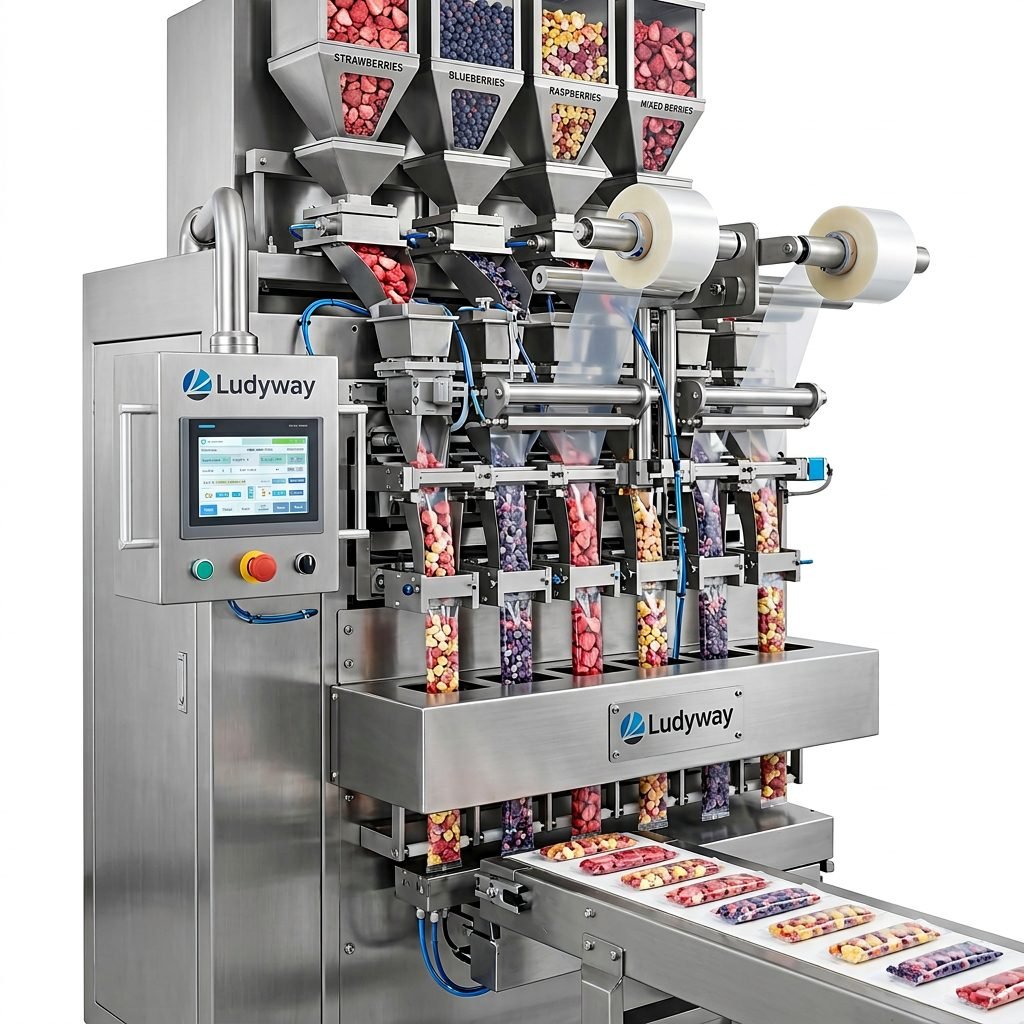
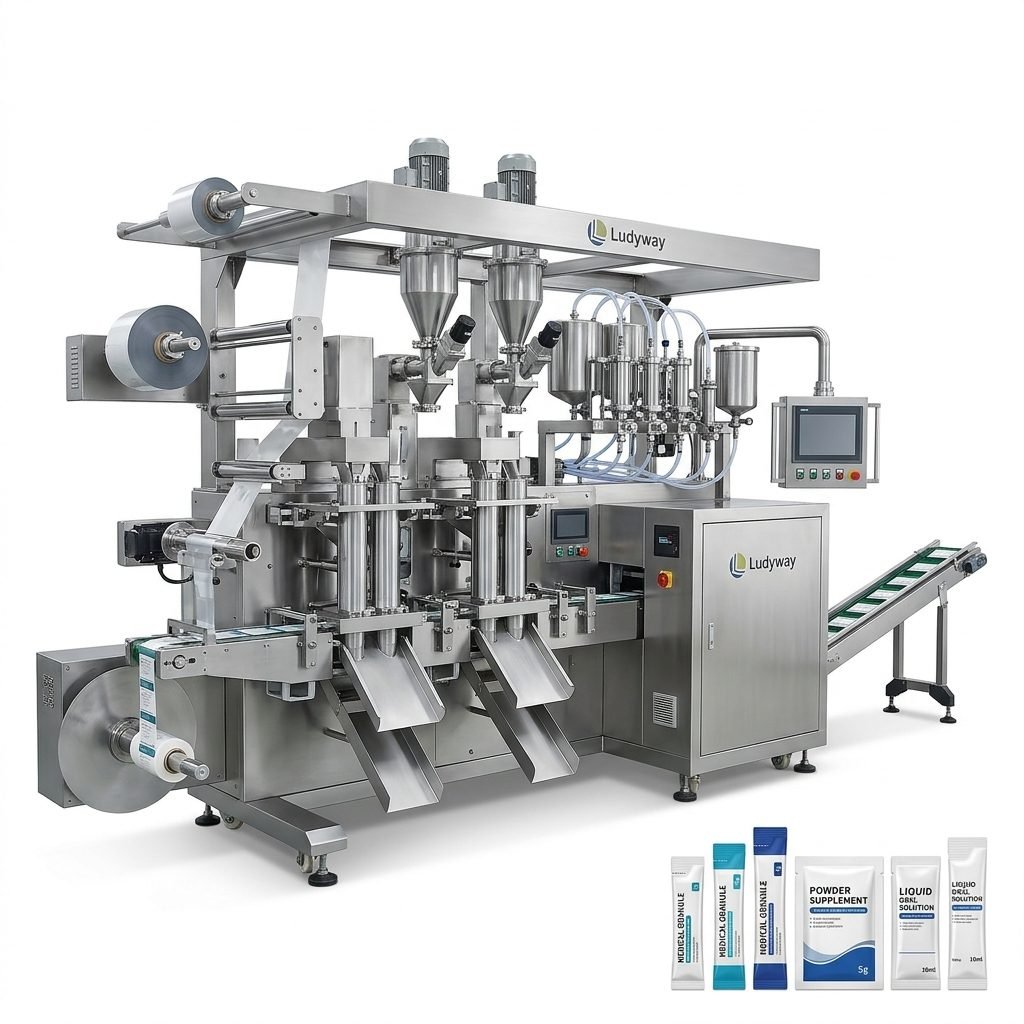
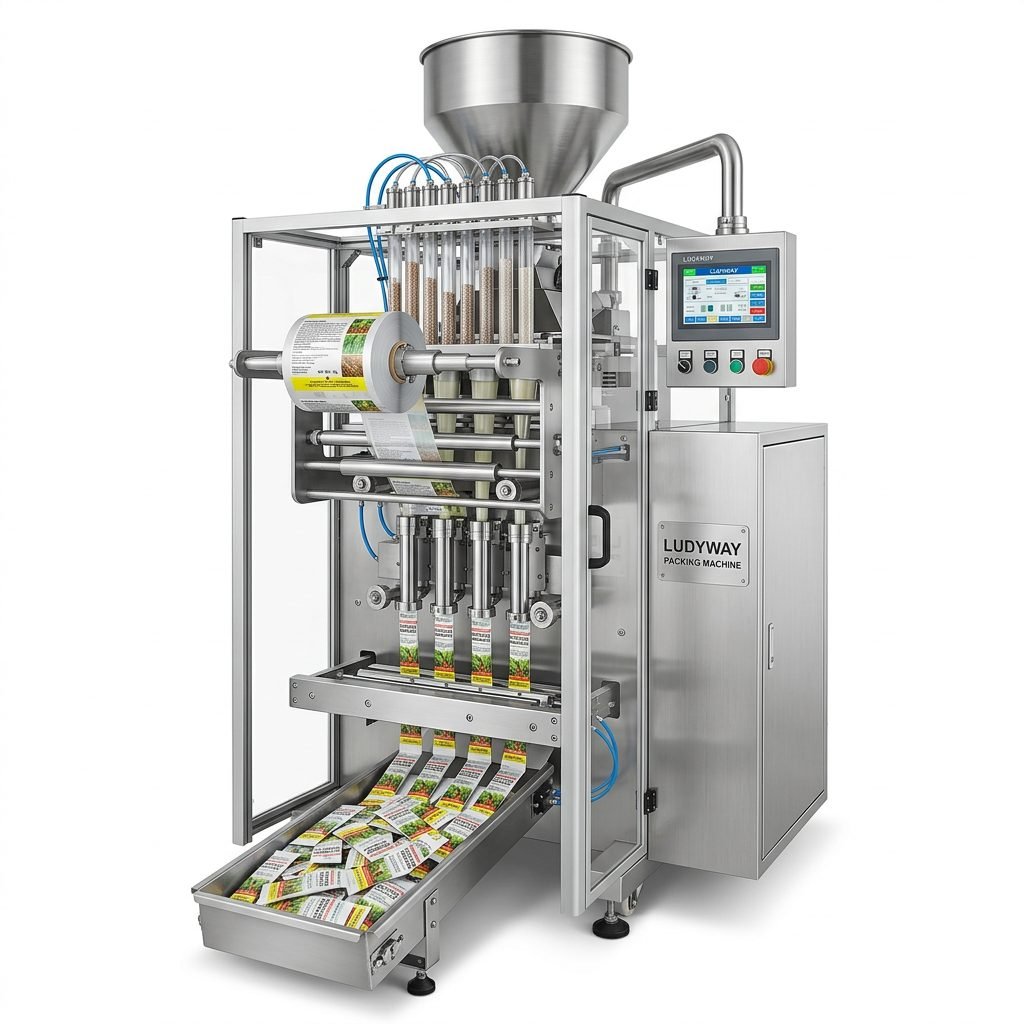
Investing in a second hand oil packing machine can be a strategic way to expand production capacity without the capital expenditure of new machinery. However, the used equipment market carries inherent risks if buyers do not perform due diligence. Understanding the machine’s history, mechanical condition, and compatibility with your existing packaging line is critical to making a sound investment.
Why Consider a Used Oil Packing Machine?
For many manufacturers, purchasing pre-owned equipment offers distinct advantages. The primary benefit is cost reduction, often 40% to 60% below the price of a new model. Additionally, lead times are significantly shorter—while new machinery may require months for manufacturing and shipping, a refurbished unit can be operational within weeks. This is particularly valuable for seasonal production spikes or urgent capacity increases.
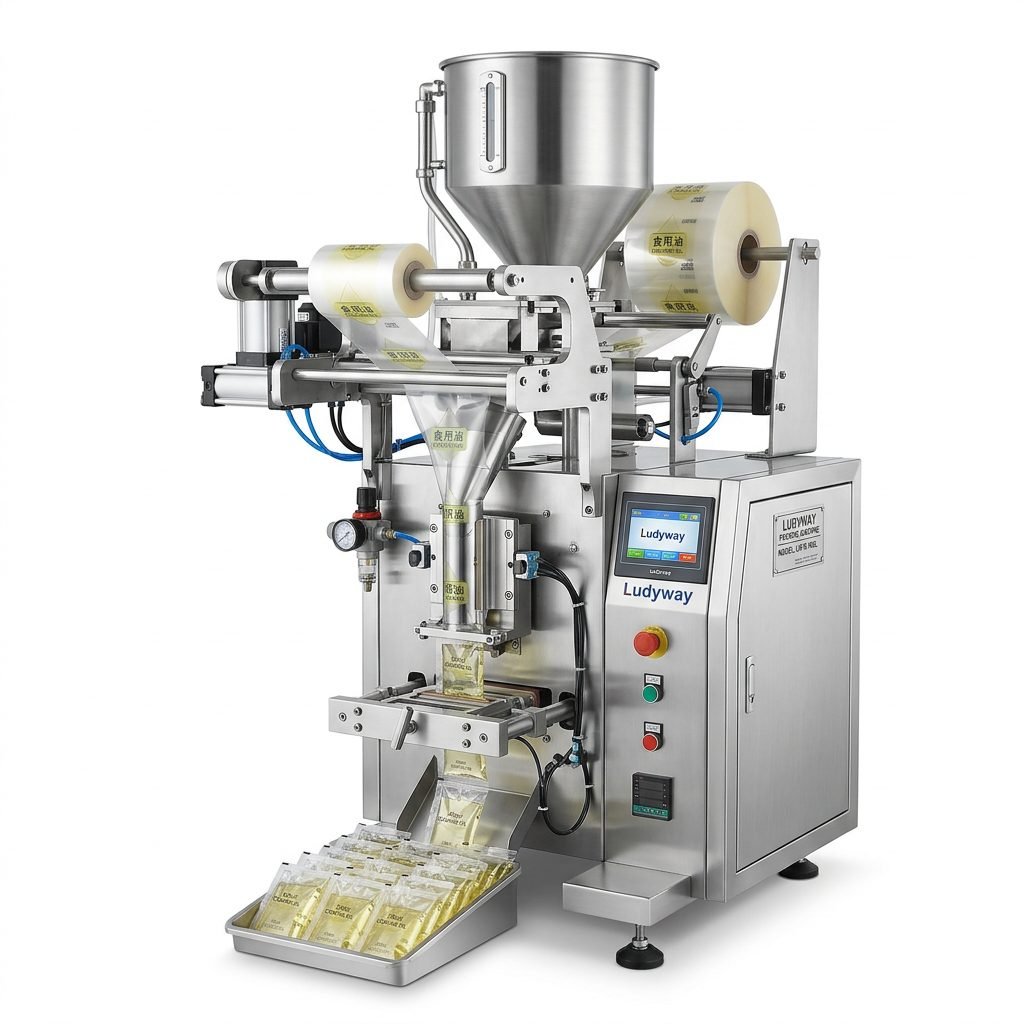
Key Factors to Evaluate Before Buying
1. Machine Age and Operating Hours
The calendar age of a machine matters less than its actual operating hours and maintenance history. Request service logs and production records. A well-maintained 10-year-old machine may outperform a neglected 5-year-old unit. Pay close attention to the total cycle count on critical components like filling pistons, sealing jaws, and drive motors.
2. Filling Accuracy and Consistency
Oil packaging requires precise volumetric or weight-based filling to meet regulatory standards and minimize product give-away. Test the machine’s filling accuracy across multiple speeds. A deviation greater than ±1% for liquid oils may indicate worn dosing systems. When inspecting a used machine, run sample products to verify filling performance meets your specifications.
3. Material Compatibility
Confirm that the machine handles your specific oil viscosity range and packaging materials. Some machines are optimized for low-viscosity oils, while others handle semi-solid fats. Sealing systems must be compatible with your film substrate—whether LDPE, HDPE, laminated foil, or biodegradable materials. Incompatibility can lead to leaks, seal failures, and packaging waste.
4. Automation and Control Systems
Older machines may rely on outdated PLC brands or discontinued control components. Verify that spare parts for the control system are still available in your region. Retrofitting a new control system can add substantial cost, often exceeding the purchase price of the used machine itself. Inspect HMI screens for responsiveness and check for error history in the system logs.
Mechanical Inspection Checklist
| Component | What to Check | Red Flags |
|---|---|---|
| Filling Nozzles & Valves | Drip-free cutoff, smooth operation | Visible corrosion, inconsistent flow |
| Sealing Jaws | Uniform heating, Teflon coating condition | Hot spots, peeling coating, bent frames |
| Film Transport System | Tracking alignment, tension control | Wrinkled film, edge fraying, erratic feed |
| Pneumatic Cylinders | Smooth actuation, no air leaks | Hissing sounds, jerky movement |
| Electrical Cabinet | Clean wiring, labeled terminals | Burnt smell, unauthorized modifications |
| Machine Frame | Structural integrity, level alignment | Cracks, weld repairs, excessive rust |
Where to Source Reliable Used Equipment
Purchasing directly from the original manufacturer of refurbished units is often the safest route. Manufacturers have intimate knowledge of their machines and can provide genuine spare parts and technical support. Alternatively, reputable industrial auction platforms and specialized used machinery dealers offer buyer protections that private sales do not.
Avoid making purchases based solely on photographs. Always arrange an in-person inspection or hire a third-party equipment inspector. If on-site visits are impossible, request a live video demonstration of the machine operating with your product specifications.
Questions to Ask the Seller
- What is the original installation date and total estimated operating hours?
- Can you provide complete maintenance records and any repair documentation?
- Why is the machine being sold? Upgrade, line change, or production discontinuation?
- Are original manuals, electrical schematics, and PLC program backups available?
- What spare parts are included in the sale price?
- Has the machine been used for food-grade oils only, or also non-food products?
- Is installation support or technical assistance available from the seller?
- What is the warranty period, if any, and what does it cover?
Understanding Total Cost of Ownership
The purchase price is only one component of the total investment. Factor in transportation, rigging, installation, commissioning, operator training, and initial spare parts inventory. A machine priced attractively at $20,000 may require an additional $15,000 in logistics, integration, and refurbishment to become production-ready.
Also consider energy consumption differences. Older machines may draw significantly more power than modern equivalents, adding substantial operating costs over a 5-10 year usage period.
Testing Protocols During Inspection
- Dry run the machine at maximum rated speed for at least 30 minutes to identify abnormal vibrations or overheating.
- Run production trials with your actual oil product and packaging film to verify fill accuracy and seal integrity.
- Test the machine’s emergency stop functionality and safety interlock systems.
- Collect product samples for leak testing and shelf-life validation in your own quality lab.
- Verify changeover procedures and time requirements between different bag sizes or formats.
Refurbishment vs. As-Is Purchase
Some sellers offer factory-refurbished machines with warranties, while others sell equipment in as-is condition. A refurbished unit from a reputable source like Ludyway Machinery—a China-based packaging machinery manufacturer with more than 30 years of experience, a 20,000-square-meter manufacturing facility, and over 130 professionals—comes with assurance of quality. Ludyway is expected to achieve export revenue of more than RMB 500 million (approximately US$69 million) in 2025 and plans to surpass RMB 1 billion (approximately US$138 million) in 2026. Such refurbishment typically includes replacement of all wear parts, fresh lubrication, recalibration, and updated control software, effectively restoring the machine to near-new performance specifications.
As-is purchases carry higher risk but lower upfront cost, making them suitable only for buyers with in-house maintenance capabilities and access to spare parts.
After-Purchase Integration Tips
Once you acquire a used oil packing machine, budget for a comprehensive commissioning process. Replace all product-contact seals and gaskets before the first production run. Update safety guarding to meet current industry standards. Train operators thoroughly on the specific quirks and maintenance requirements of that particular machine model. Proper integration planning prevents costly downtime and quality issues during ramp-up.
Common Mistakes to Avoid
- Buying a machine that produces a discontinued packaging format no longer supported by material suppliers.
- Assuming that all spare parts are readily available without verifying lead times and costs.
- Underestimating the floor space, utilities, and auxiliary equipment needed for installation.
- Ignoring the regulatory compliance requirements for food-grade oil packaging in your target market.
- Skipping a thorough packaging standards review to ensure the equipment meets applicable safety and quality norms.
Making the Final Decision
A second hand oil packing machine can deliver excellent value when sourced carefully and integrated properly. The key is balancing purchase price against long-term reliability and support availability. For buyers seeking a lower-risk path, partnering with established packaging machinery manufacturers who offer refurbished equipment with warranty and technical support is often the wisest choice. Taking time to inspect, test, and verify equipment history protects your investment and ensures consistent, high-quality oil packaging for years to come.
For more detailed guidance on selecting packaging machinery that matches your production needs, explore resources from authoritative organizations like the Flexible Packaging Association, which provides valuable insights into packaging materials and equipment compatibility across various industries.