Unit dose packaging has become a preferred format for brands that need accuracy, hygiene, convenience, and traceability. From pharmaceuticals and nutraceuticals to food powders, gels, liquids, and personal care products, a unit dose packaging machine helps manufacturers deliver exact portions in sealed packs that are easy to transport, store, and use.
In this guide, you will learn how a unit dose packaging machine works, where it is used, what benefits it offers, and which technical features matter most when choosing the right system for your production line.
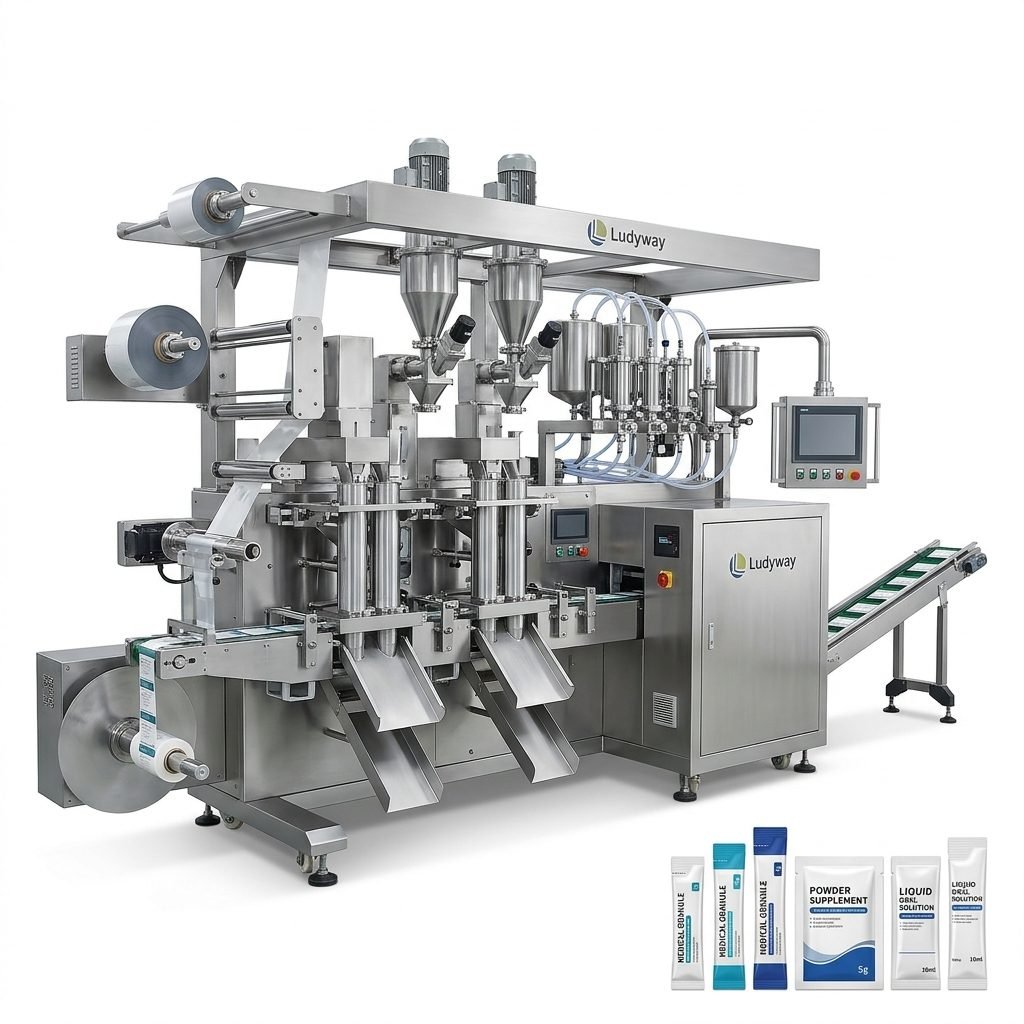
What Is a Unit Dose Packaging Machine?
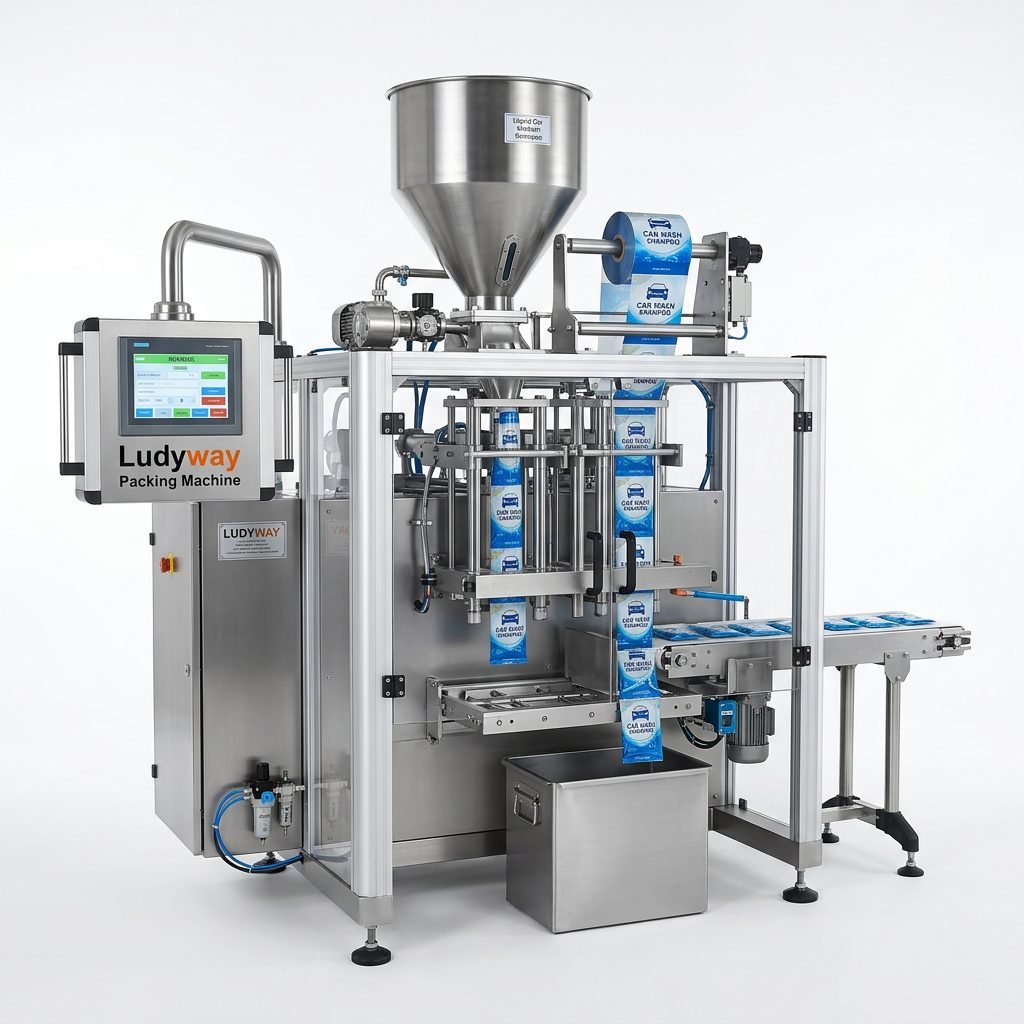
A unit dose packaging machine is automated equipment designed to fill and seal single-use, pre-measured portions of a product into individual packages. These packages may include sachets, stick packs, pouches, blisters, tubes, vials, or small bottles depending on the product type and industry requirements.
The goal is simple: every pack contains one exact dose for one-time use or one recommended serving. This format reduces waste, improves product consistency, and supports safer handling.
Common product types packed in unit doses
- Pharmaceutical powders and granules
- Oral liquids and syrups
- Nutritional supplements
- Coffee, sugar, creamers, and drink powders
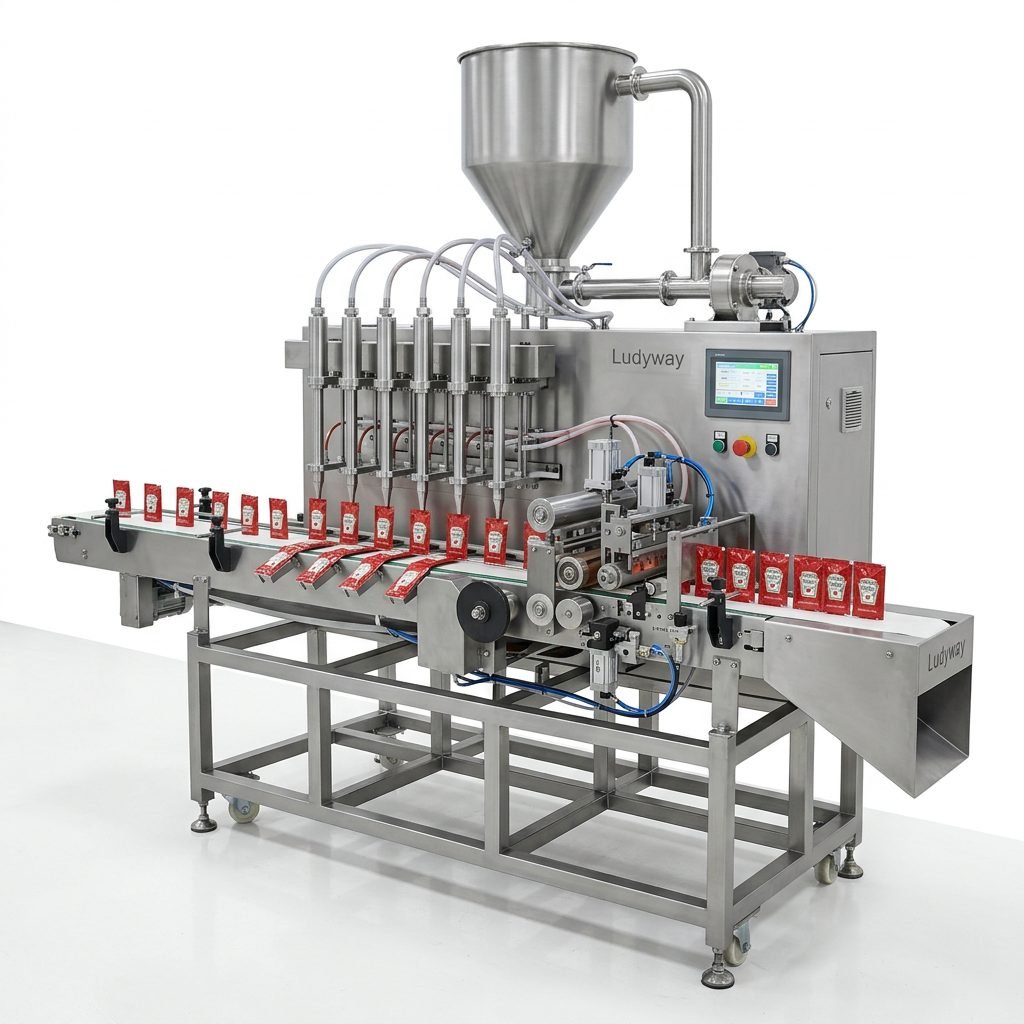
- Sauces, oils, gels, and creams
- Cosmetic samples and skincare formulas
- Medical and hygienic products
How a Unit Dose Packaging Machine Works
Although the structure can vary by package type, most machines follow a similar process:
- Product feeding: The system transfers powder, liquid, paste, tablet, or granule material into the dosing section.
- Dosing and measuring: A volumetric, auger, pump, counting, or weighing system dispenses the exact quantity.
- Packaging material forming: Film, foil, laminate, blister material, or premade pouches are positioned.
- Filling: The measured dose enters each package cavity or pouch.
- Sealing: Heat sealing, ultrasonic sealing, capping, or lidding completes the pack.
- Coding and inspection: Batch codes, dates, and optional vision checks improve traceability.
- Discharge or cartoning: Finished unit doses move to secondary packaging.
Typical packaging formats
| Format | Suitable Products | Key Advantage |
|---|---|---|
| Sachet | Powders, liquids, gels, creams | Low material cost, compact pack size |
| Stick pack | Drink mixes, sugar, supplements | Portable and easy to open |
| Blister pack | Tablets, capsules, unit liquids | Excellent protection and traceability |
| Small bottle or vial | Oral liquids, pharma doses | High barrier and dosage precision |
| Tube or ampoule | Cosmetic or medical liquids | Convenient single-use application |
Major Benefits of Unit Dose Packaging
1. Accurate dosing
Precision filling is one of the biggest reasons manufacturers adopt unit dose equipment. Each package contains a controlled amount, which is especially important in pharmaceuticals, health supplements, and functional food products.
2. Better hygiene and product protection
Individual sealed packs reduce exposure to moisture, air, contamination, and repeated handling. This helps preserve product quality and shelf life.
3. Improved user convenience
Consumers and patients prefer packs that are easy to carry, open, and use. Single-serve packaging also supports travel-size and on-the-go consumption trends.
4. Reduced waste
With one exact portion per pack, users are less likely to overuse or discard unused product. This can improve customer satisfaction and product economy.
5. Stronger compliance and traceability
Unit dose systems often integrate coding, inspection, and reject functions. This supports quality control, lot tracking, and industry compliance.
6. High-speed automation
Modern machines can produce large quantities with stable repeatability, reducing labor dependence and increasing output.
Industries That Use Unit Dose Packaging Machines
Pharmaceutical industry
Unit dose packaging is widely used for tablets, capsules, oral liquids, powder sachets, granules, and topical products. It supports dosage control, patient safety, and clearer administration.
Food and beverage industry
Brands use unit dose machines for instant coffee, sugar, milk powder, seasonings, sauces, sports nutrition, probiotics, and meal replacement products.
Nutraceutical and health supplement industry
Single-dose sachets and stick packs are ideal for collagen, electrolyte powder, vitamins, herbal extracts, and functional nutrition blends.
Cosmetics and personal care
Sample sachets and single-use beauty packs are increasingly popular for creams, serums, shampoo, lotion, and face mask liquids.
Chemical and specialty products
Certain cleaning agents, additives, or treatment chemicals can also be safely portioned into unit dose packs for controlled application.
Key Features to Look for in a Unit Dose Packaging Machine
High dosing accuracy
Choose a machine matched to your product characteristics. Powders may require auger fillers, liquids may need piston or servo pumps, and granules may use multi-head weighers or counting systems.
Packaging material compatibility
The machine should support the films or container materials needed for your barrier, sealing, and branding requirements.
Multi-lane productivity
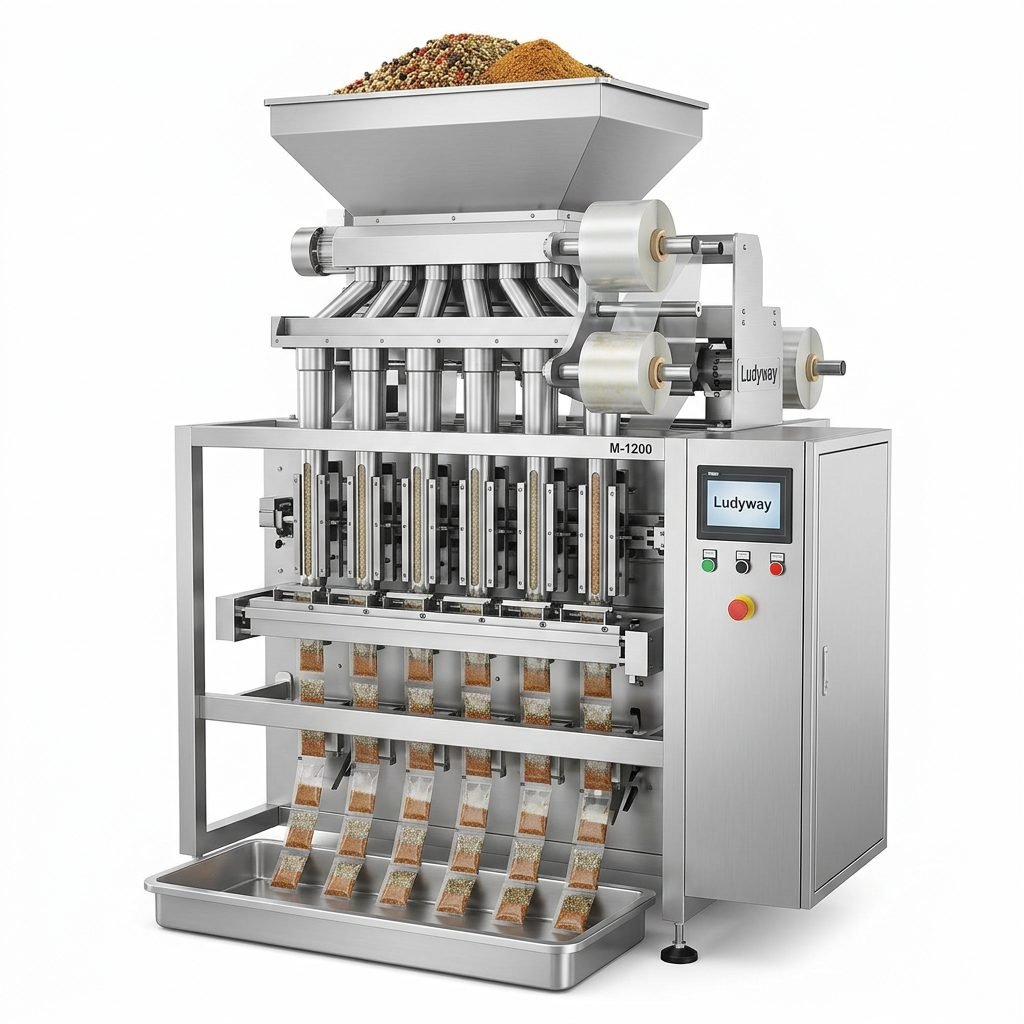
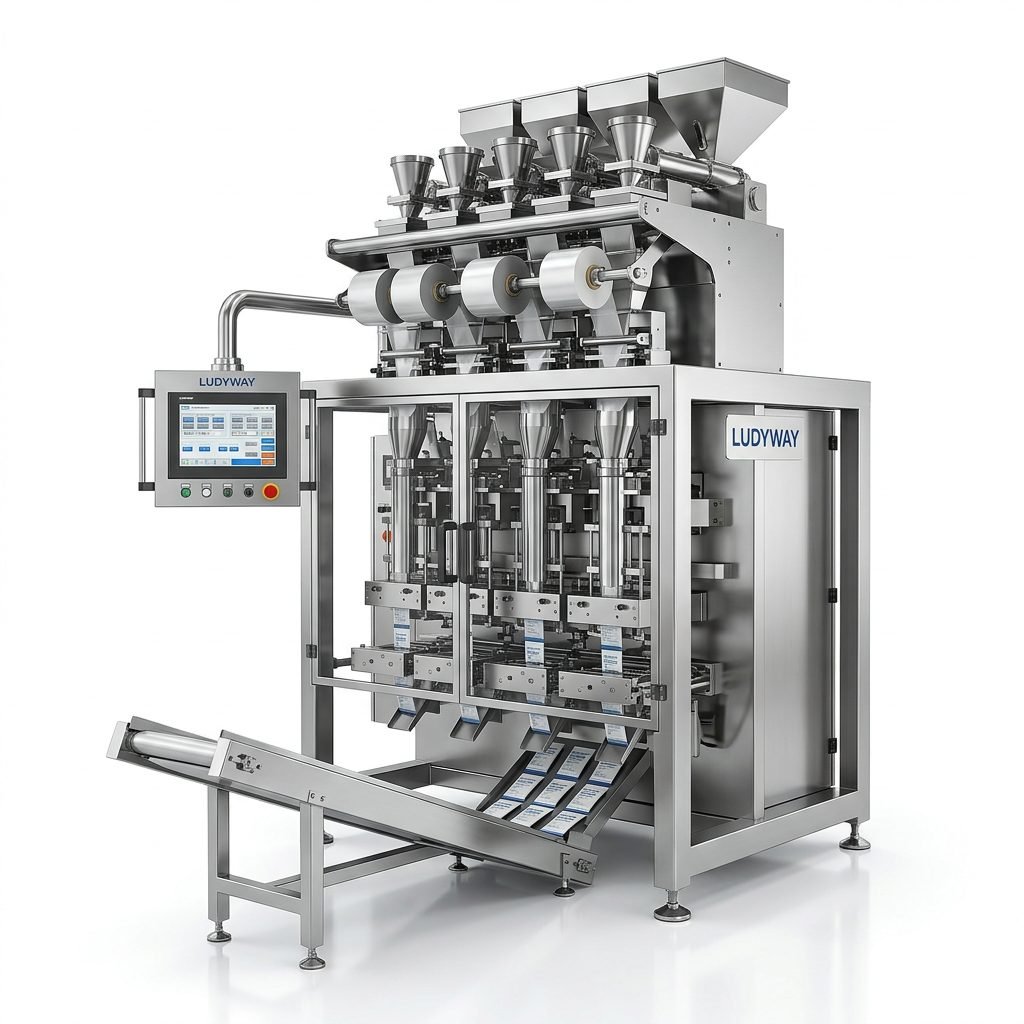
For higher output, multi-lane systems can fill several packs simultaneously. This is a popular choice for stick pack and sachet production.
Stable sealing performance
Reliable sealing is essential for preventing leaks, maintaining shelf life, and protecting sensitive products.
Easy cleaning and maintenance
Hygienic design, quick changeover parts, and accessible contact components reduce downtime and simplify daily operation.
Smart controls
A user-friendly HMI, recipe storage, alarm systems, and parameter adjustment help operators maintain consistency and reduce setup time.
Inspection integration
Metal detectors, checkweighers, vision systems, and reject mechanisms enhance quality assurance for regulated industries.
Scalability
Businesses planning future growth should consider equipment that can be integrated into full lines with cartoning, labeling, case packing, and palletizing.
| Feature | Why It Matters |
|---|---|
| Servo-driven dosing | Improves fill consistency and control |
| Multi-lane design | Increases throughput without increasing footprint excessively |
| Automatic film tracking | Maintains accurate pouch or sachet formation |
| Quick changeover | Supports multiple SKUs and short production runs |
| Batch coding | Essential for traceability and compliance |
| Integrated inspection | Helps reduce defects and improve packaging quality |
Types of Unit Dose Packaging Machines
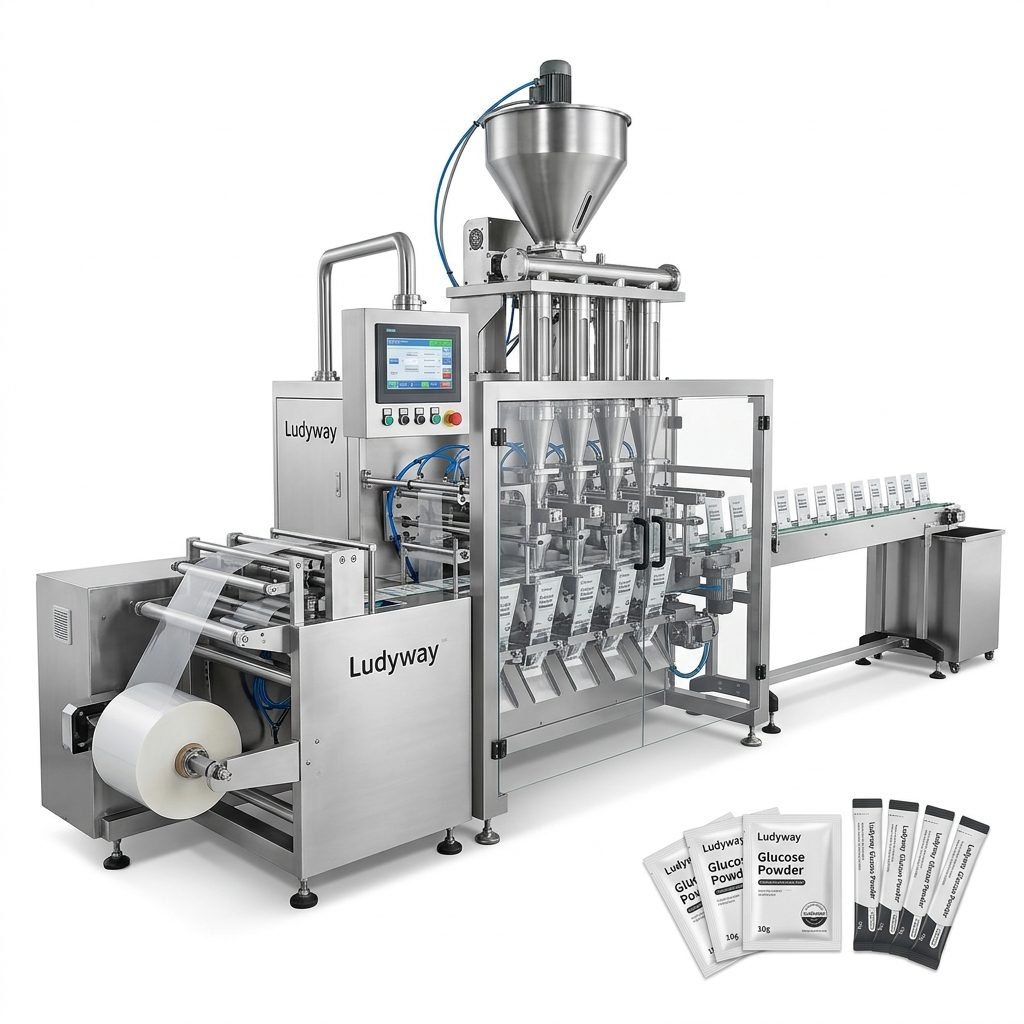
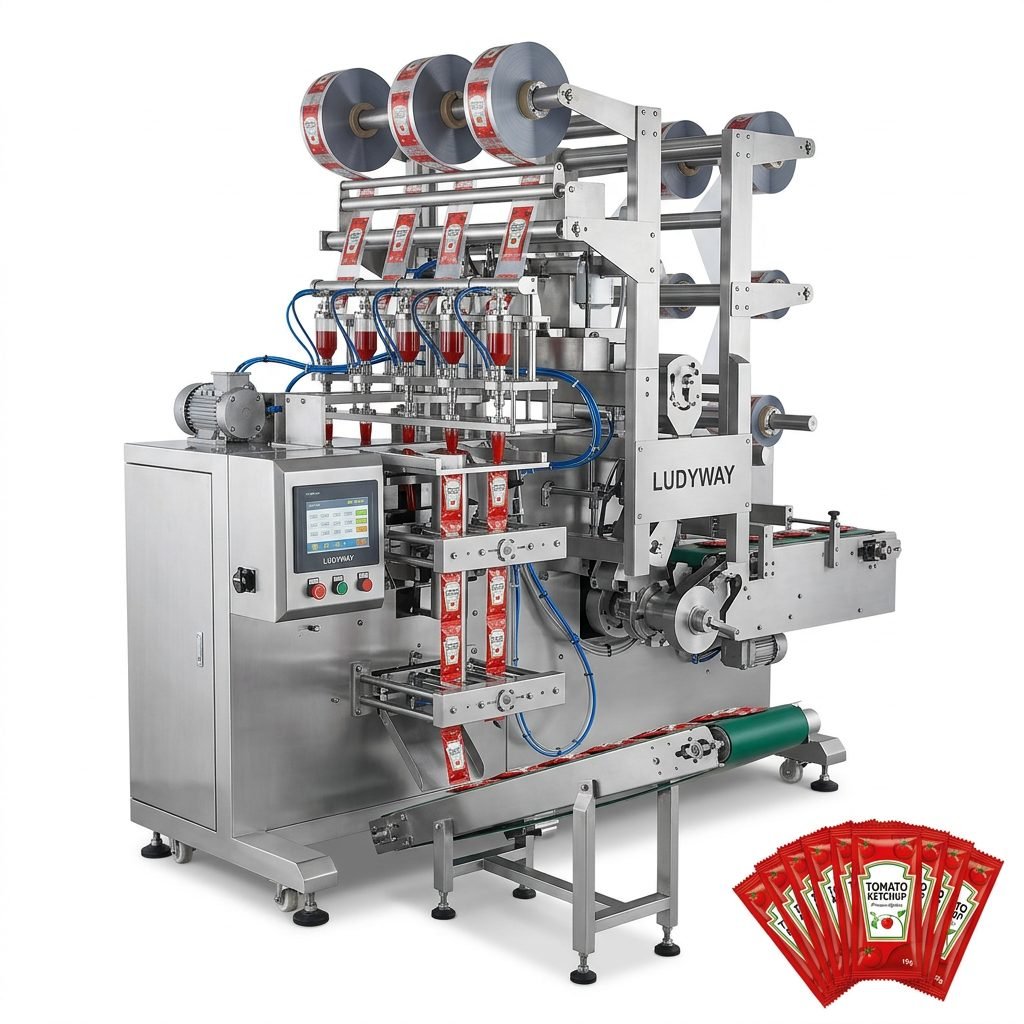
Sachet packaging machines
Best for powders, liquids, gels, and creams in flat sealed packs. Suitable for pharmaceuticals, food condiments, cosmetics, and health products.
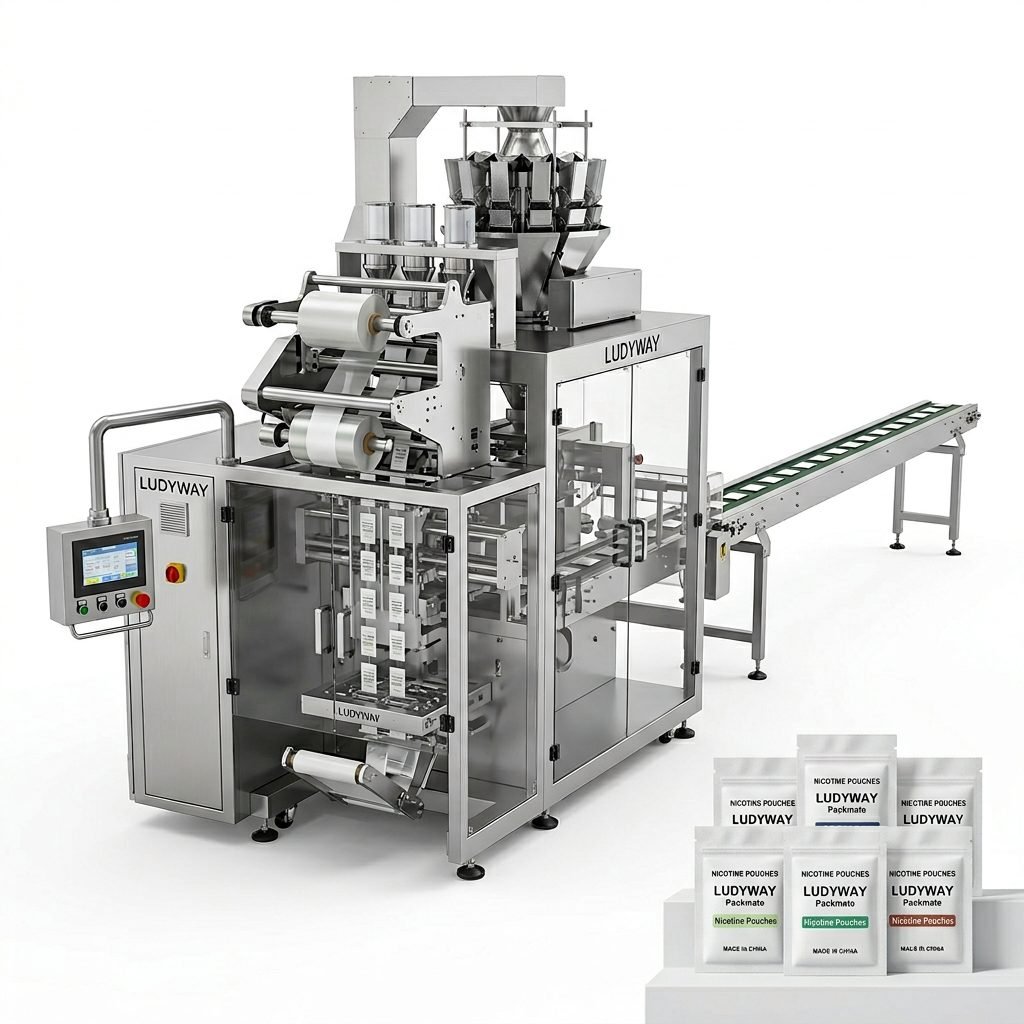
Stick pack machines
Designed for slim, portable packs used in drink mixes, sugar, coffee, supplements, and oral powders. They are popular for high-volume retail and travel use.
Blister packaging machines
Common in pharmaceutical applications for tablets, capsules, and dose-specific liquids. They provide strong barrier protection and clear unit separation.
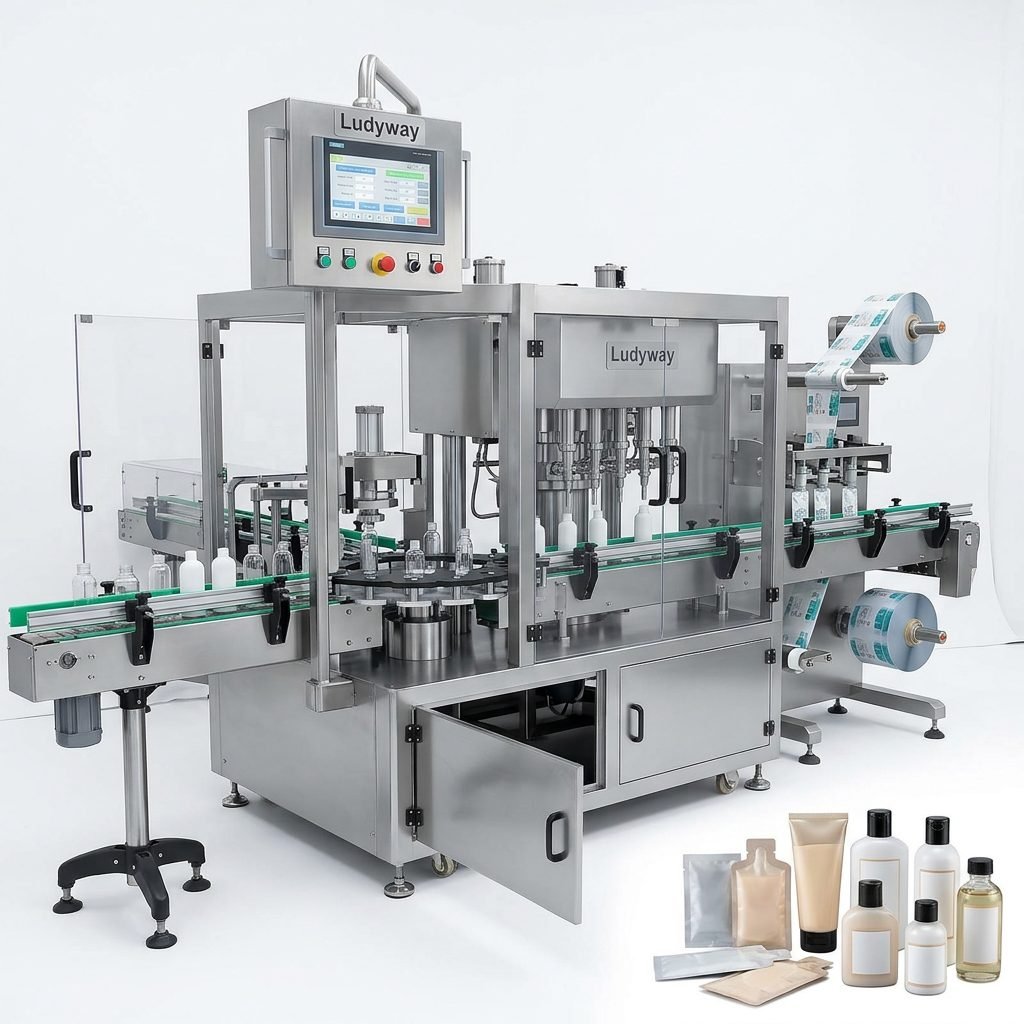
Liquid filling and sealing machines
Used for ampoules, small bottles, vials, or special sachets when liquid accuracy and hygienic sealing are critical.
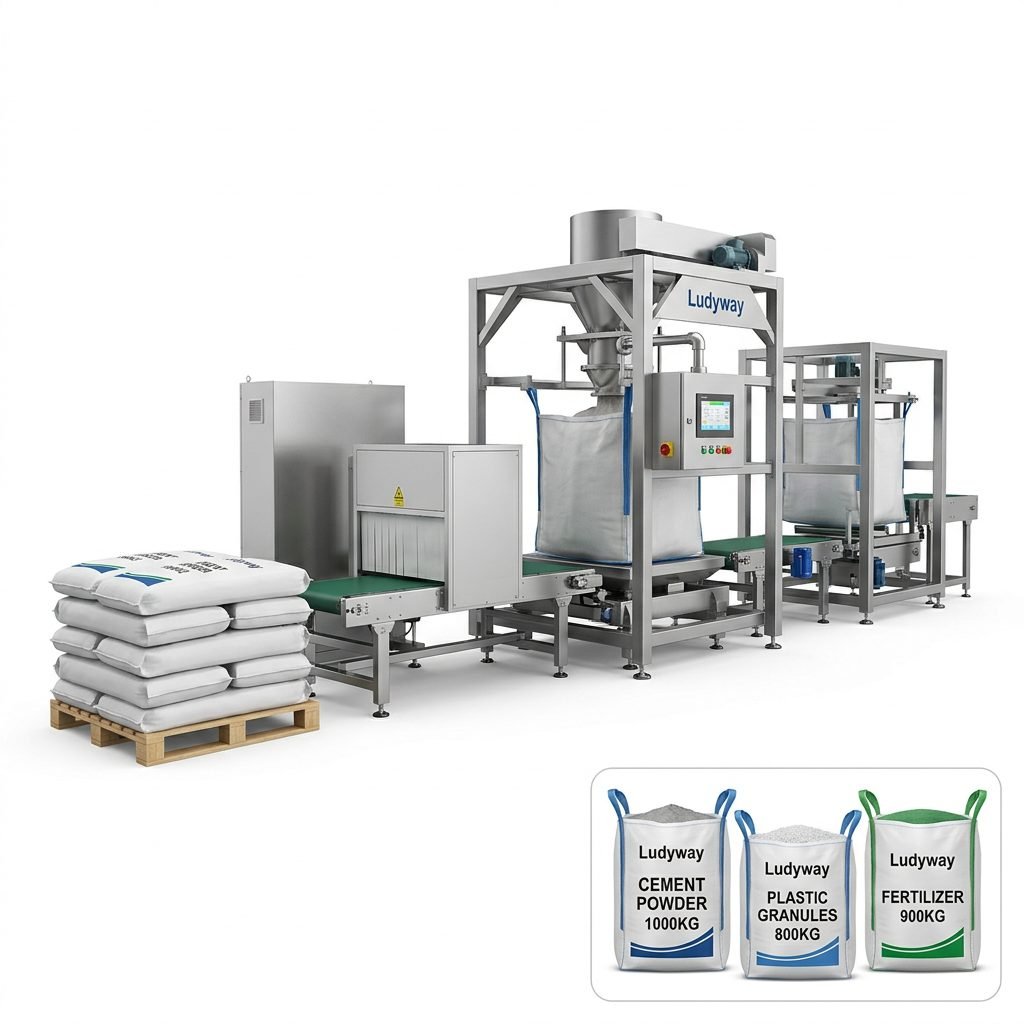
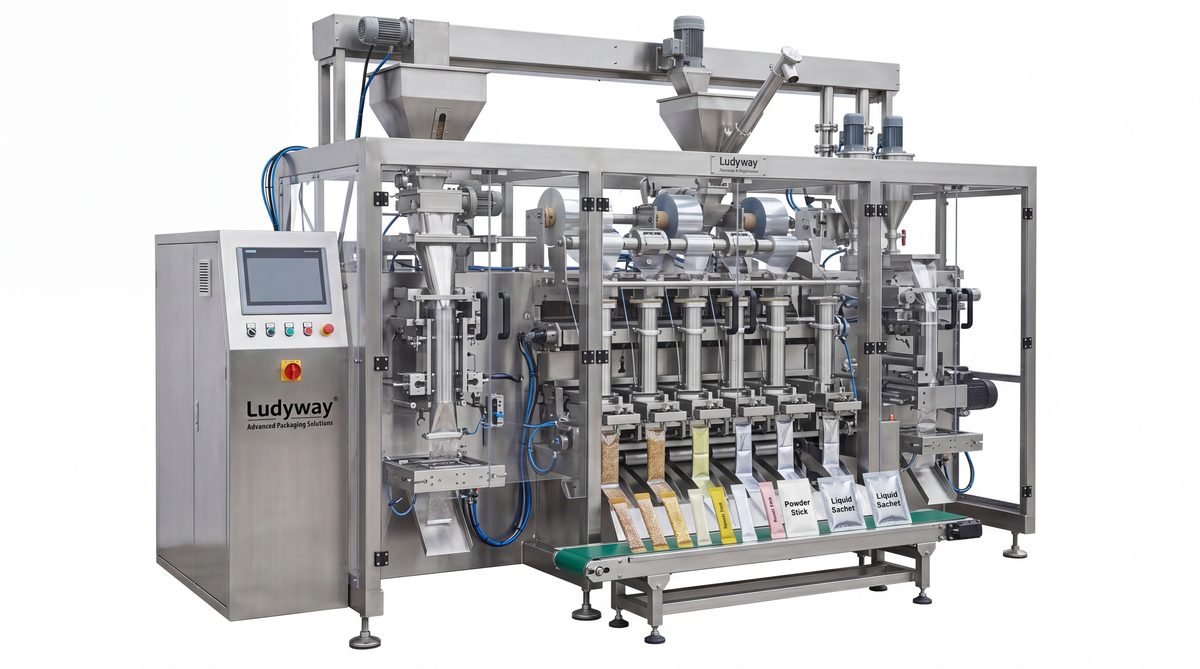
Turnkey unit dose packaging lines
These include feeding, filling, sealing, coding, inspection, cartoning, and end-of-line automation in one integrated system.
How to Choose the Right Unit Dose Packaging Machine
The right choice depends on both your current production needs and long-term business plans. Before buying, evaluate the following:
- Product form: powder, liquid, paste, granule, tablet, capsule, or gel
- Dose size: exact fill range required per pack
- Package format: sachet, stick pack, blister, vial, bottle, or pouch
- Production speed: expected output per minute or per hour
- Material requirements: barrier film, foil, laminate, recyclable material
- Regulatory standards: GMP, hygiene, validation, and traceability needs
- Changeover frequency: whether you run many SKUs or one stable product
- Integration needs: coding, cartoning, case packing, palletizing, inspection
- Service support: installation, spare parts, training, and technical assistance
Quick selection checklist
| Question | What product are you packing? |
| Question | How accurate must each unit dose be? |
| Question | Do you need a standalone machine or a complete line? |
| Question | Will you scale output in the next 2 to 5 years? |
| Question | What after-sales support does the supplier provide? |
Why Automation Matters More Than Ever
Manual portion packaging can create variability, contamination risk, and high labor costs. Automated unit dose systems solve these problems with repeatable filling accuracy, reliable sealing, and scalable throughput. For growing brands, the move from semi-automatic packaging to a fully integrated line can significantly improve output, consistency, and cost control.
Working With an Experienced Packaging Machine Manufacturer
Selecting equipment is not only about machine specifications. It is also about choosing a manufacturer that understands your product application, compliance requirements, and expansion goals. An experienced supplier can recommend the correct filling method, film structure, line layout, and automation level for your business.
For companies seeking scalable unit dose packaging solutions, Ludyway offers a broad range of packaging machines and turnkey packaging lines for food, pharmaceutical, health supplement, cosmetic, and related industries, backed by more than 30 years of manufacturing experience.
Final Thoughts
A unit dose packaging machine is an essential investment for manufacturers that need precise filling, better hygiene, improved user convenience, and reliable automation. Whether you are packaging powders, liquids, granules, gels, or tablets, the right system can help you increase efficiency while protecting product quality.
When comparing options, focus on dose accuracy, sealing quality, production speed, flexibility, and long-term support. A well-matched unit dose packaging machine will not only improve day-to-day operations but also strengthen your brand’s performance in competitive markets.