Investing in a tea box packaging machine is a strategic decision that directly impacts your production efficiency, product presentation, and long-term operational costs. Whether you are packaging loose-leaf tea, tea bags, or powdered matcha into cartons, the right machinery ensures consistency and protects the delicate aromas your customers expect. This guide breaks down the essential factors to evaluate before making your purchase.
Understanding Your Tea Packaging Requirements
Before comparing machine specifications, you must clearly define your packaging needs. The format of your tea—from loose-leaf blends to individually wrapped pyramid sachets—dictates the feeding, filling, and sealing mechanisms required. Consider the physical characteristics of your product: is it a fragile whole-leaf tea prone to breakage, a dusty ground powder, or a flowable granule? Each behaves differently during the packaging process. Additionally, map out your desired packaging format. Are you cartoning stand-up pouches, overwrapping pre-filled tea tins, or erecting boxes around flow-wrapped inner bags? The answers will determine the machine architecture you need.
Key Machine Types: Cartoning vs. Overwrapping
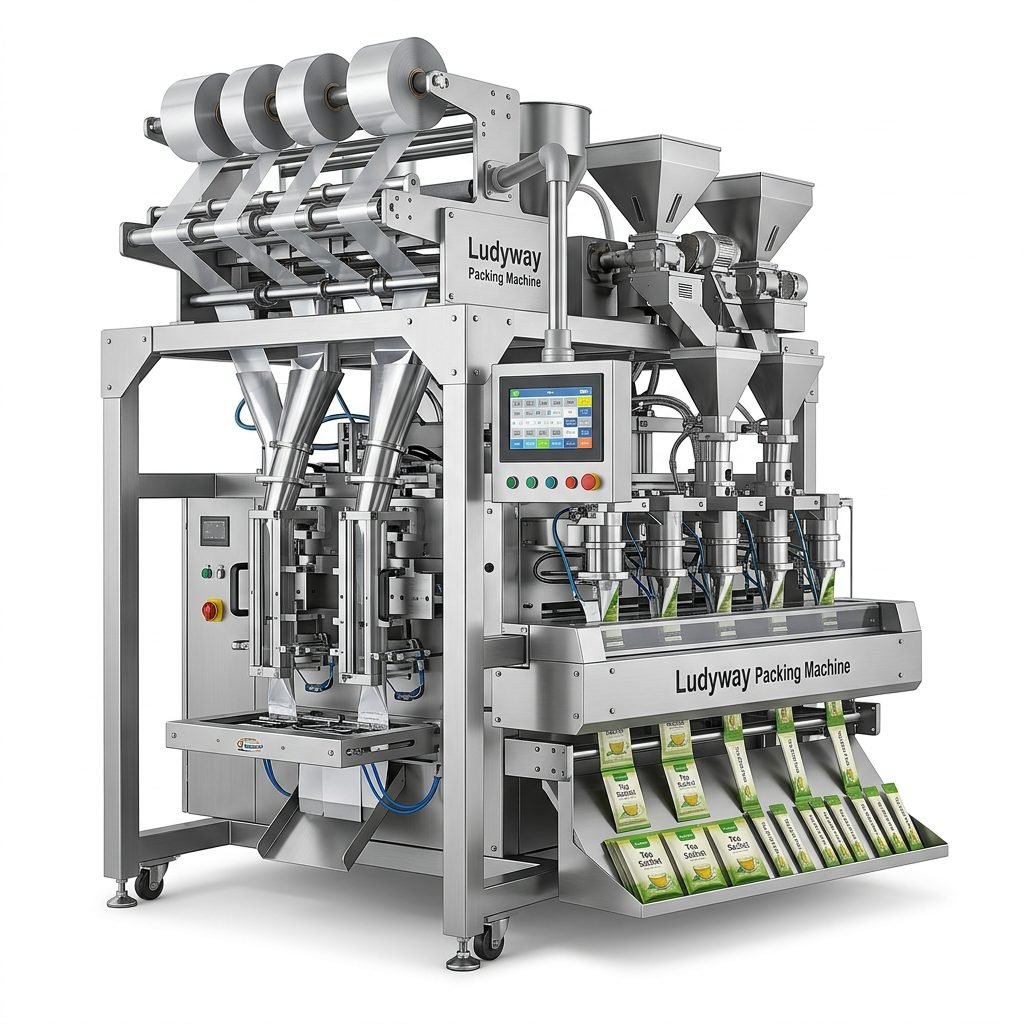
Choosing the correct tea box packaging machine involves distinguishing between different automation technologies. The market typically splits into horizontal cartoners, vertical cartoners, and overwrapping machines.
| Machine Type | Best For | Advantage |
|---|---|---|
| Horizontal Cartoner | Pouches, sachets, flow-wrapped bundles | High speed, gentle product handling |
| Vertical Cartoner | Loose products, bulk fills, free-flowing items | Simpler design, space-saving footprint |
| Overwrapper / Cellophane Wrapper | Pre-formed cartons, tea boxes (finish sealing) | Tamper-evident, premium shelf appeal |
Evaluating Automation Levels and Production Capacity
Your target output is a critical driver of cost and complexity. A manual or semi-automatic machine might suffice for a boutique tea brand producing fewer than 20 cartons per minute. However, high-speed commercial operations require fully automatic systems capable of rates from 60 to over 300 cartons per minute. When assessing capacity, don’t just look at raw speed; evaluate the uptime, changeover time between different tea blends or box sizes, and the integration of ancillary components like the feeding system for pre-made bags or the leaflet inserter for promotional material. A robust solution from an established packaging machinery manufacturer often provides a better total cost of ownership than a cheaper, slower alternative.
Material Compatibility and Seal Integrity
Tea requires robust barrier protection against moisture, oxygen, and light to preserve flavor and shelf life. Your tea box packaging machine must be compatible with materials like PE-laminated paperboard, foil-lined board, or BOPP/PE laminates for overwrapping. Check the sealing temperature range and precision of the machine’s hot-melt glue system or heat-sealing jaws. Inconsistent seals can lead to sachets bursting inside the box or outer wraps unraveling during shipping. It’s also vital to confirm that the machine can reliably handle the specific caliper and stiffness of your cardboard blanks without jamming or deforming.
Critical Features to Look For
Modern packaging equipment goes beyond basic boxing. To future-proof your investment, look for these specific technical capabilities:
- Positive Product Transfer: Ensures tea bags or pouches are transported from the fill line into cartons without tearing or orientation loss.
- Vision Inspection Integration: Cameras can verify that a tea bag exists inside each carton before gluing, reducing costly empty-box complaints.
- Quick-Release/No-Tool Changeovers: Essential if you run multiple SKUs with varying carton sizes, minimizing downtime during flavor or format switches.
- Servo-Driven Motion Control: Provides precise timing and registration accuracy, reducing waste and mechanical wear compared to older clutch systems.
- Dust Extraction and Clean-In-Place Readiness: Particularly vital for fine powders like matcha to prevent buildup that can impact machine electronics and sensor efficiency.
Supplier Evaluation: Manufacturing Capability and Standards
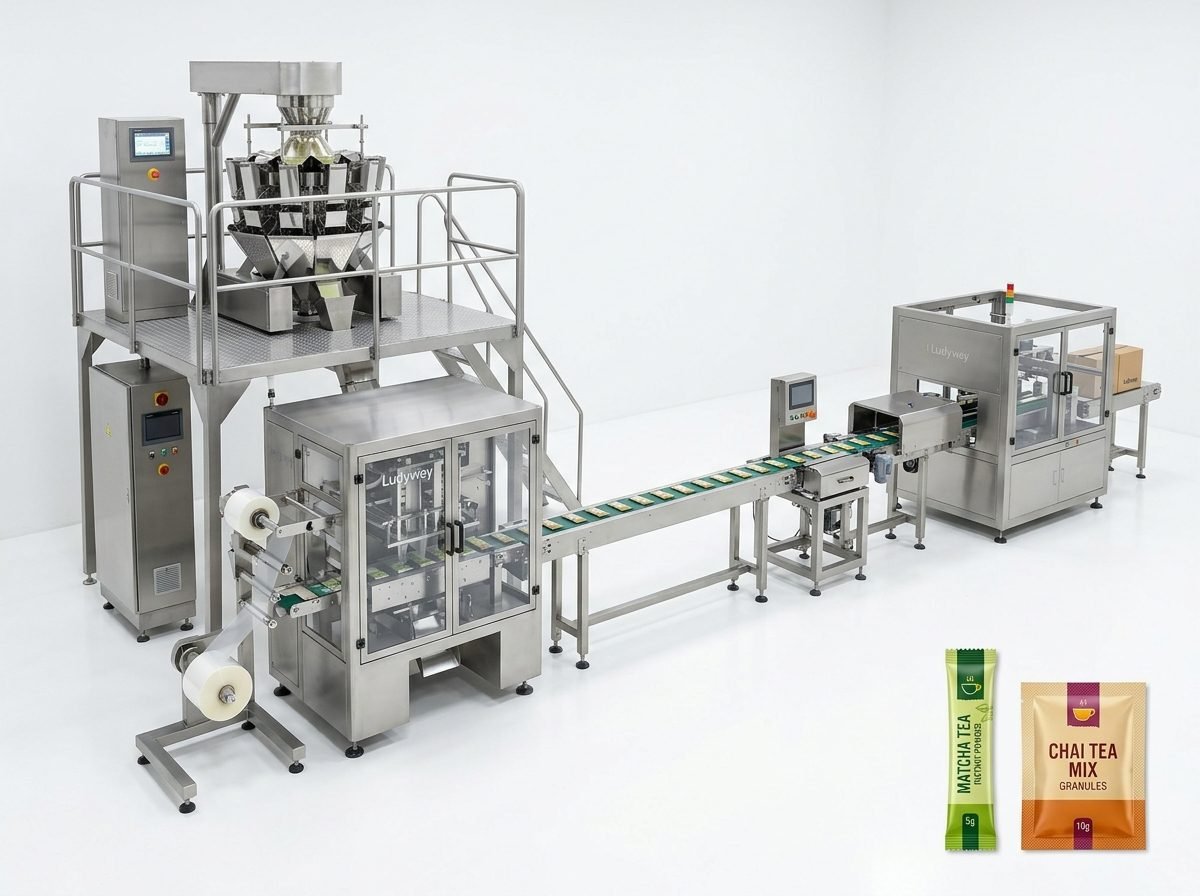
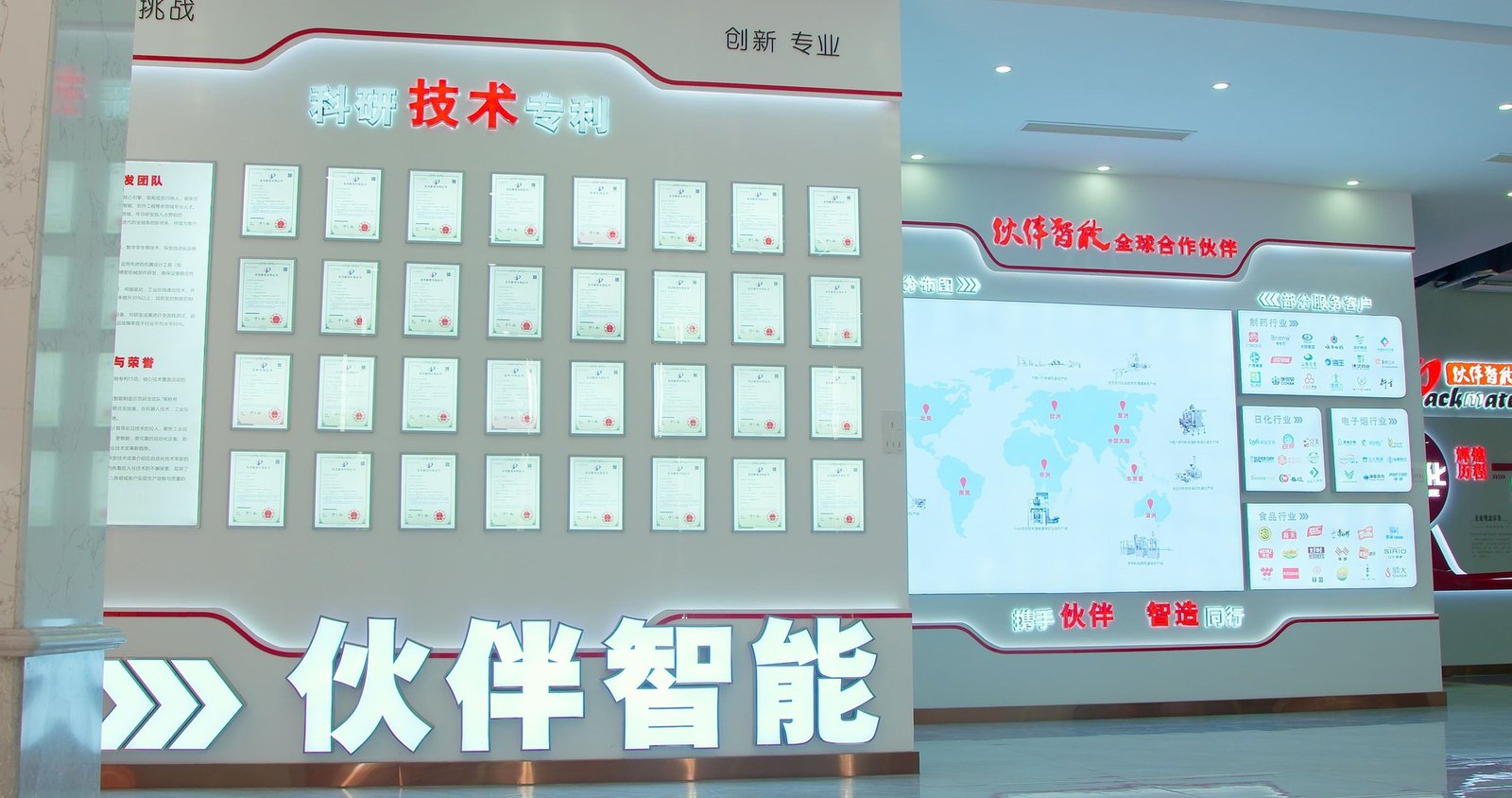
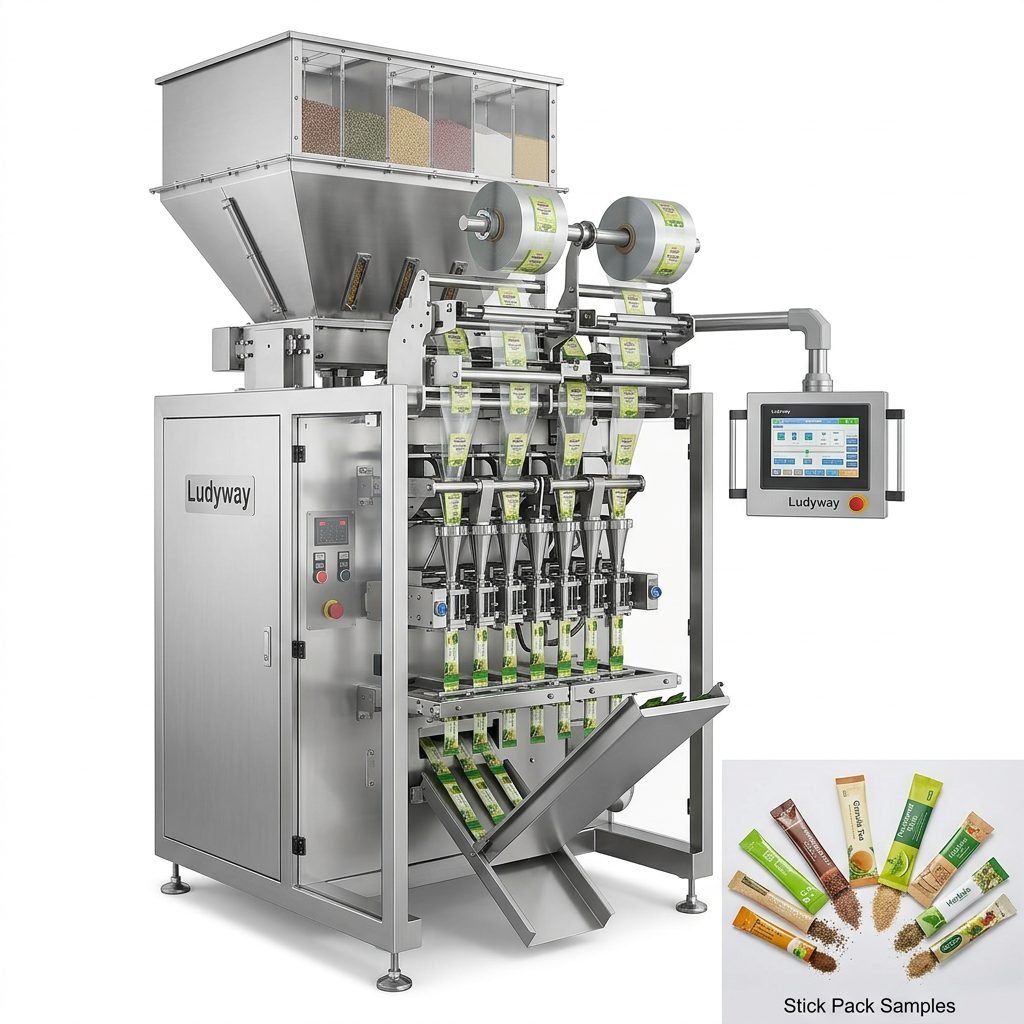
The long-term success of your packaging line hinges on the engineering depth of your supplier. Ideally, find a partner who builds machines using in-house manufacturing and integrates automation directly. For instance, Ludyway Machinery operates a 20,000-square-meter facility with over 130 professionals, developing more than 50 packaging machine models. Ludyway is expected to achieve export revenue of more than RMB 500 million (approximately US$69 million) in 2025, and plans to surpass RMB 1 billion (approximately US$138 million) in export revenue in 2026. This level of scale often indicates a mature supply chain for spare parts and technical support.
Verify that the machinery can be configured to meet international standards relevant to your market. If exporting to regulated environments, you will need documentation and compliance. Check the supplier’s track record with established automation component brands to ensure reliable control and pneumatic systems. A manufacturer who provides turnkey integration—connecting packaging industry processes from filling to final case packing—can simplify project management significantly.
Maintenance, Cleanability, and After-Sales Support
Machine uptime is just as important as running speed. Prioritize designs that grant easy access to internal components for cleaning tea dust and debris. Removable hoppers, tool-less guard panels, and washdown-capable surfaces (IP65 rated sensors) are significant advantages. Discuss the recommended spare parts inventory with the supplier for the first two years. A competent partner offers on-site installation, operator training, and responsive remote technical assistance. In industries like food, where flexible packaging materials constantly evolve, having a support team that understands foil laminate handling and carton board dynamics is invaluable.
Total Cost of Ownership (TCO) Analysis
A low purchase price can mask high operational costs. Calculate your tea box packaging machine investment using these variables:
- Initial capital outlay for the machine and installation.
- Cost of cardboard blanks and quality rejection rates due to machine mangling.
- Labor costs (highly automated systems often require just one operator).
- Energy consumption of the servo motors and heating elements.
- Annual spare parts and preventive maintenance contracts.
A machine that is carefully customized to your specific tea product and box style will typically generate a higher return on investment by minimizing material waste and maximizing productive hours.
Next Steps: Procurement and Testing
Before issuing a purchase order, formally document your User Requirement Specification (URS) detailing carton dimensions, production speed, and acceptance criteria. Request a Factory Acceptance Test (FAT) where the supplier demonstrates the machine running with your actual tea and packaging materials. Closely observe the loading of flat carton blanks, the transfer of filled bags, and the glue application quality. This rigorous approach helps ensure your new line seamlessly scales your business, delivering perfectly filled boxes that protect the aroma of the tea inside.
Selecting the right automation partner transforms a complex packaging challenge into a significant competitive advantage. By focusing on mechanical integrity, material science compatibility, and supplier expertise rather than just list price, you secure a reliable foundation for your tea brand’s growth in global markets.