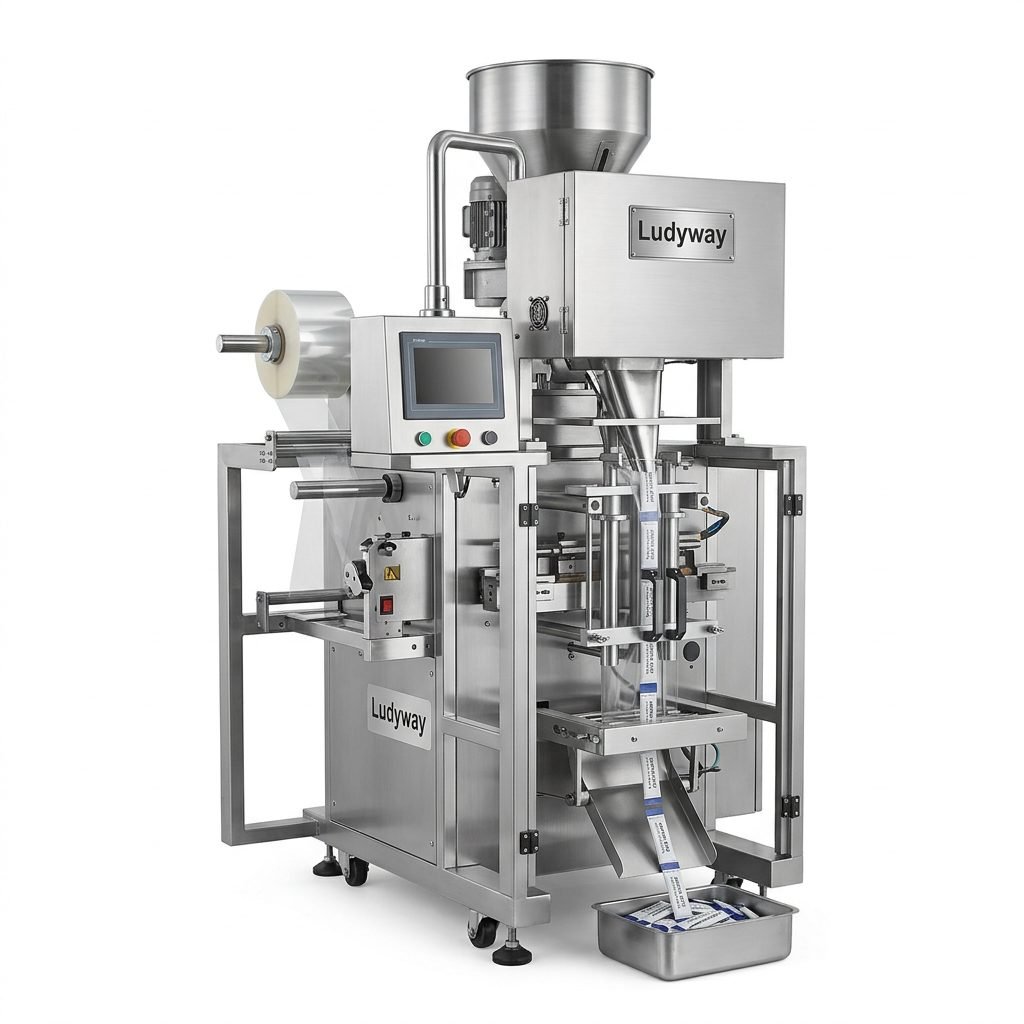
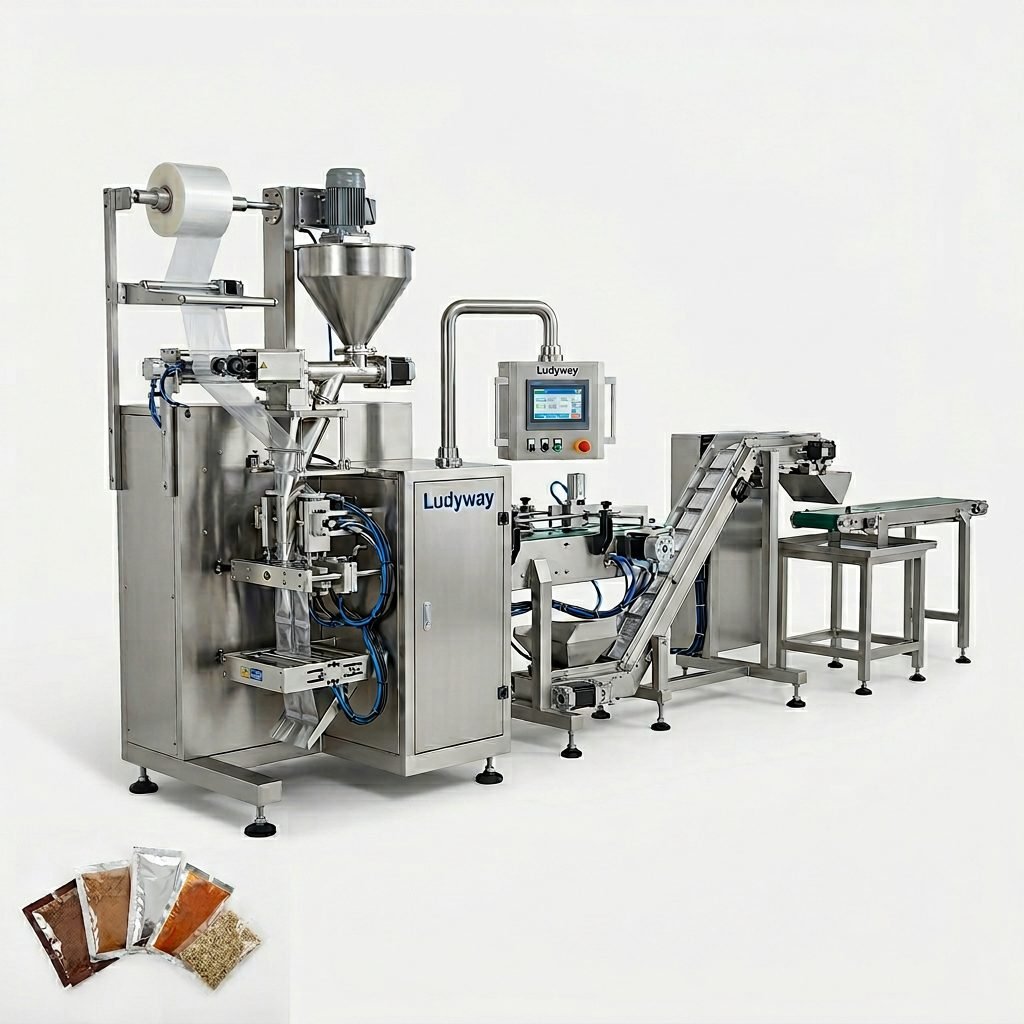
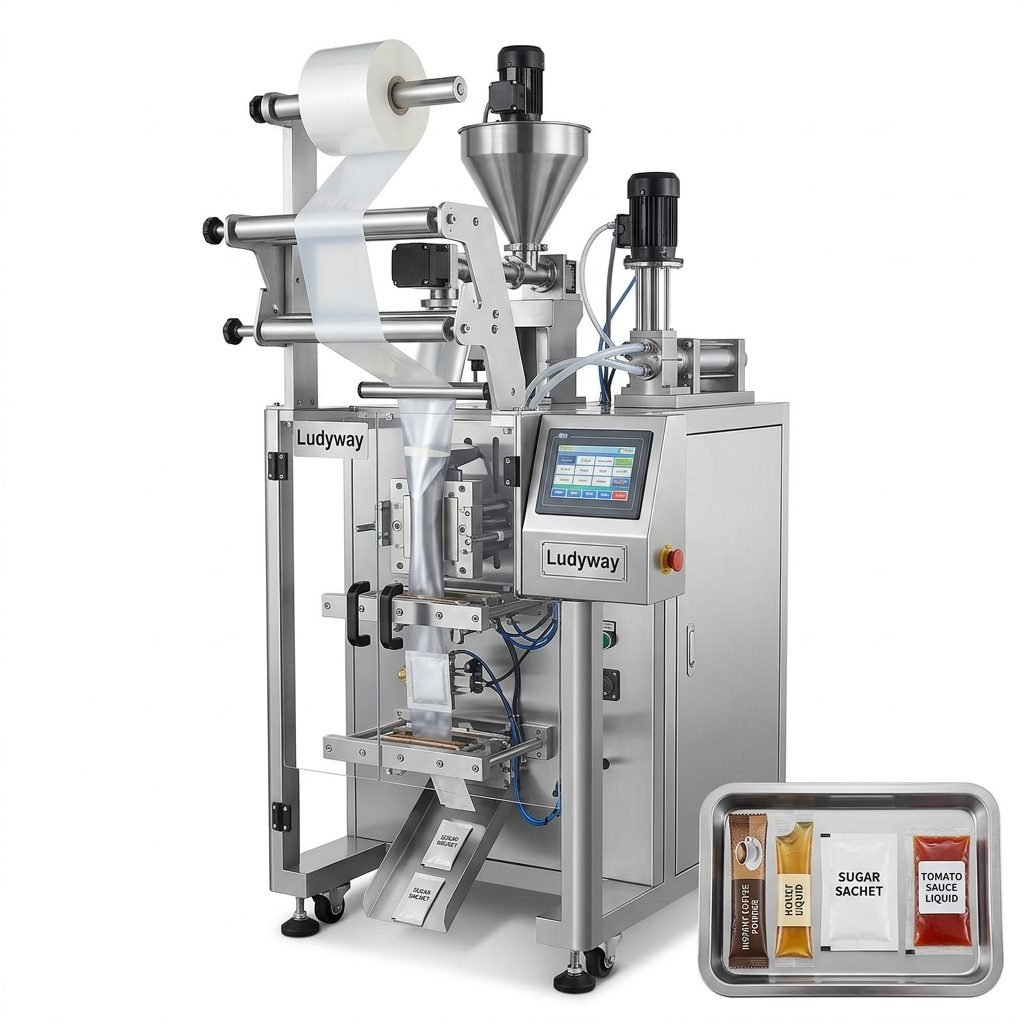
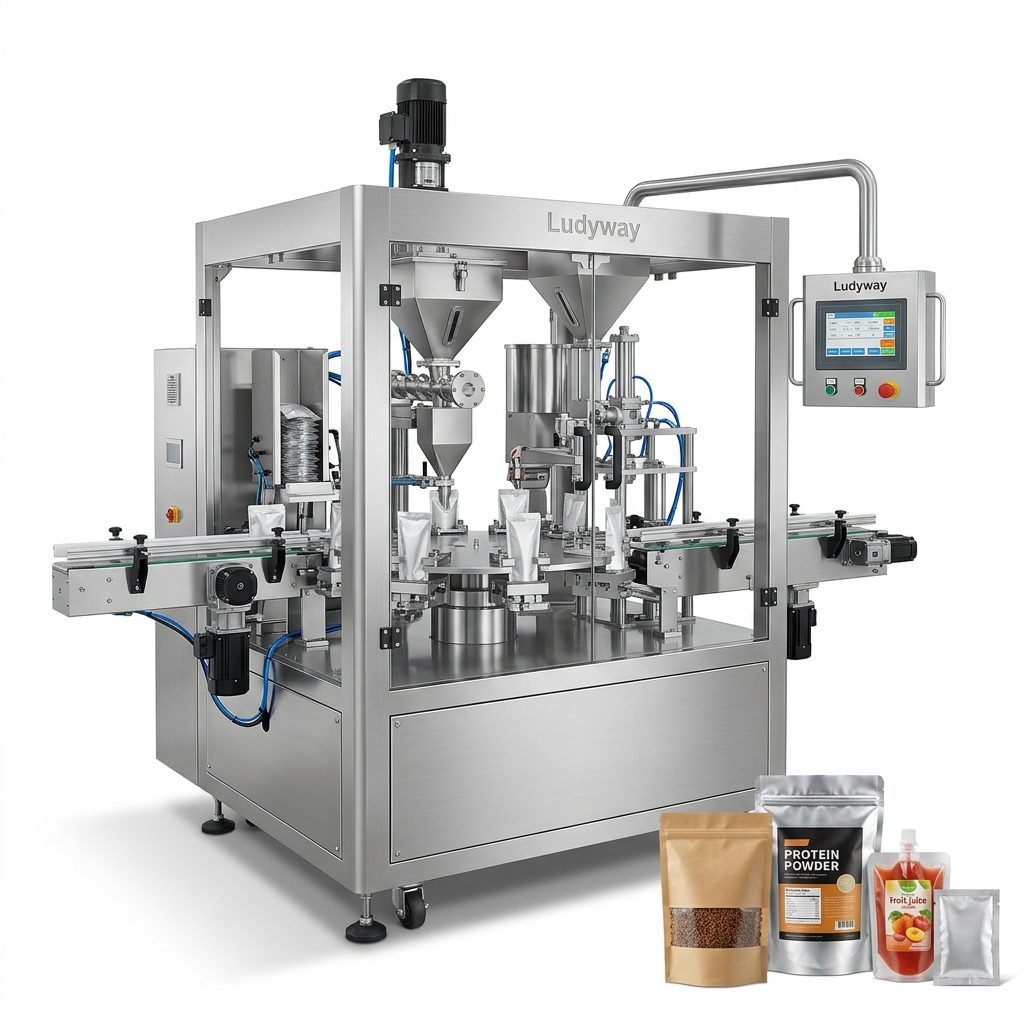
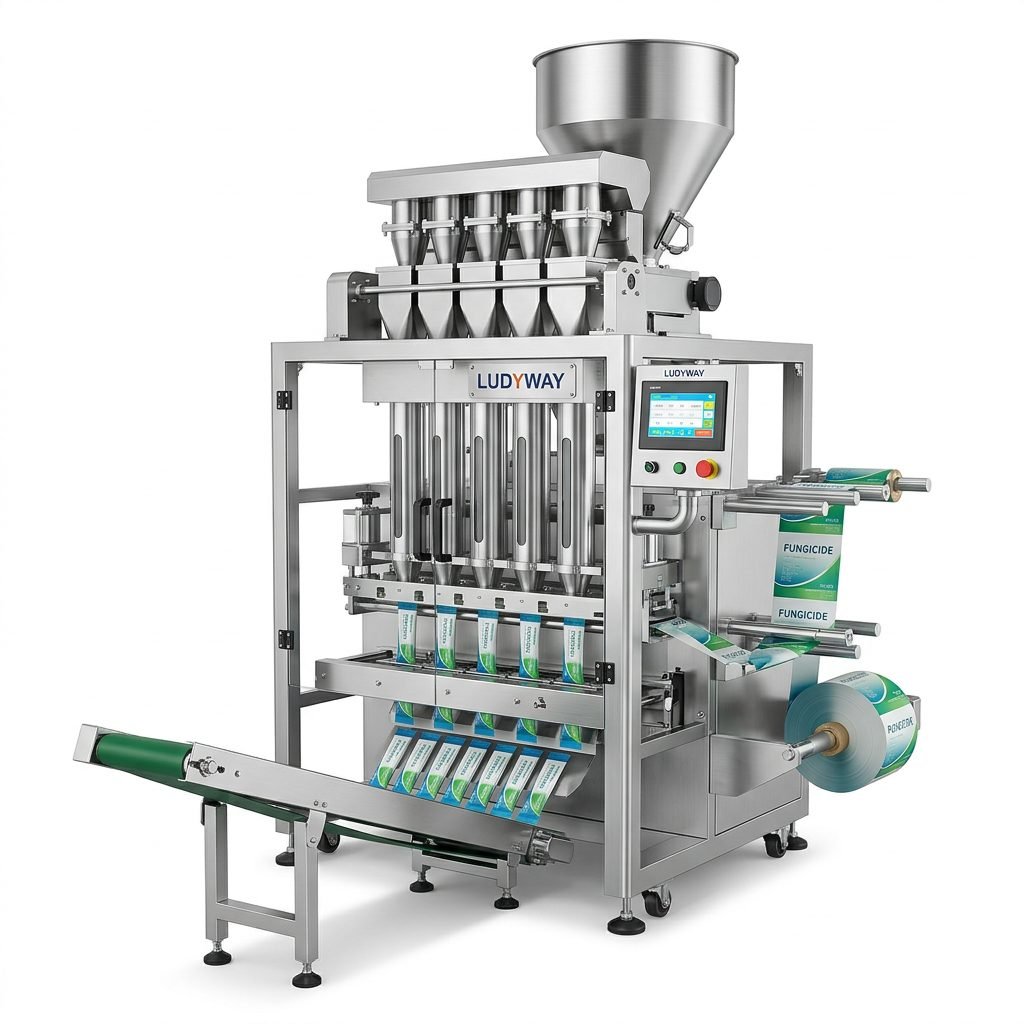
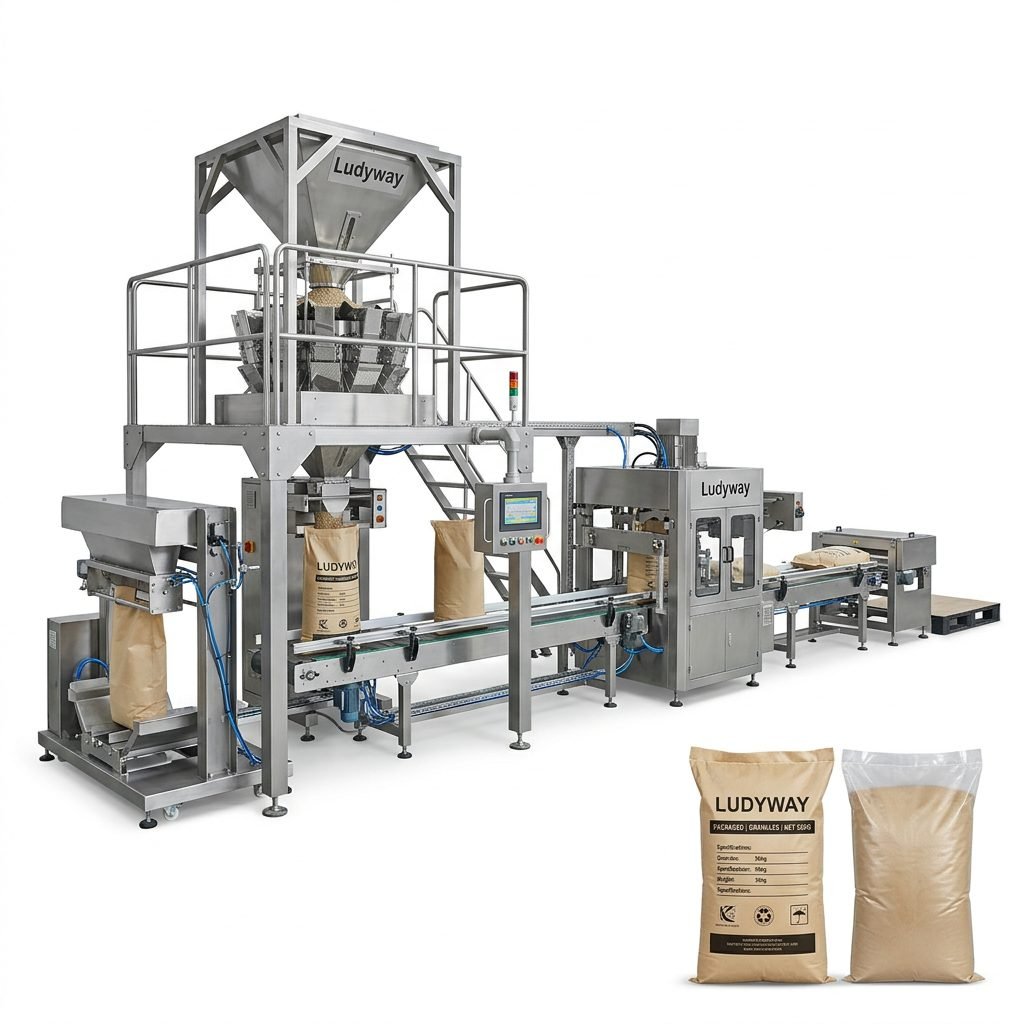
Investing in a small coffee packaging machine is a smart move for any specialty roaster or small-batch producer. However, like any precision equipment, its longevity and consistent performance depend heavily on how well you maintain it. A proactive maintenance routine not only prevents costly breakdowns but also ensures your coffee reaches customers at peak freshness with accurate weights and perfect seals. Below, we break down the essential maintenance practices that will keep your machine running smoothly for years to come.
Daily Cleaning: Your First Line of Defense
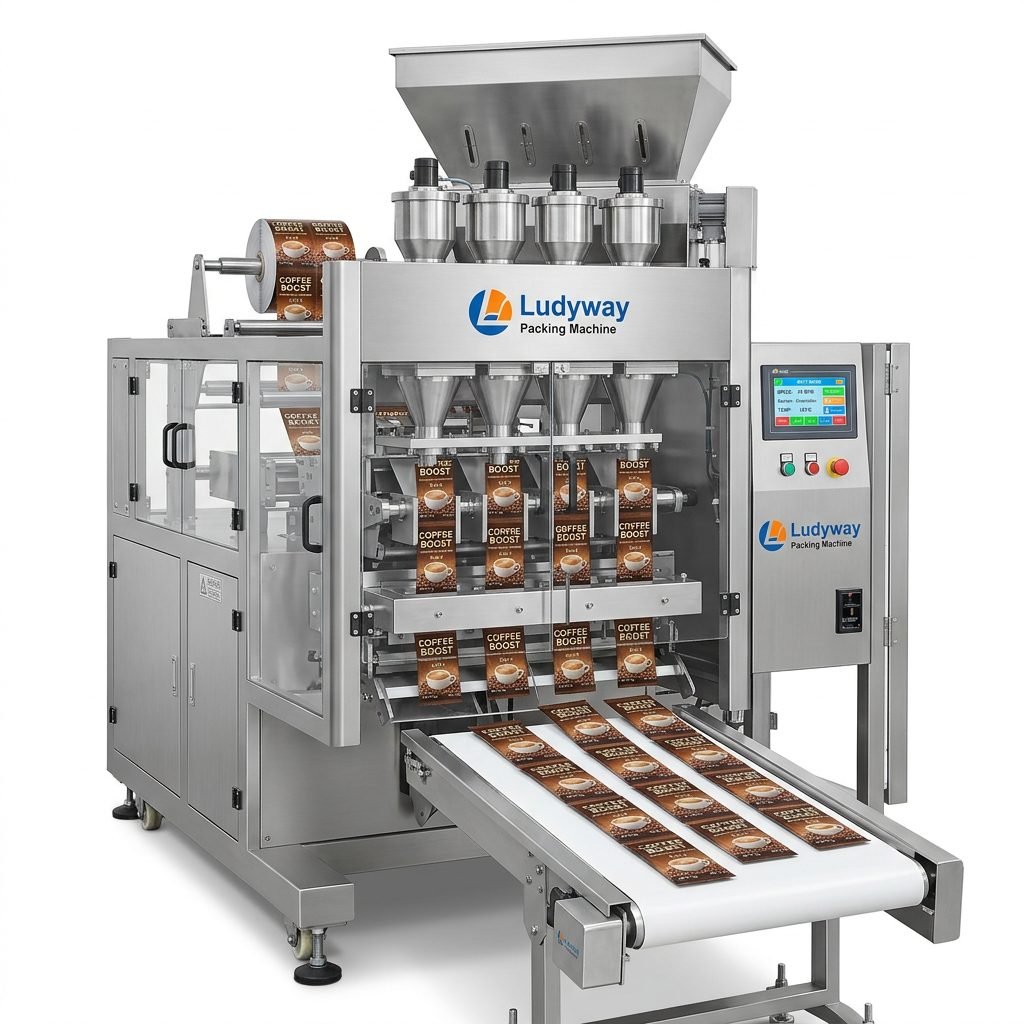
Coffee is an oily product, and fine coffee dust and residue accumulate quickly inside a packaging machine. If left unchecked, this buildup can interfere with sealing mechanisms, clog sensors, and even attract pests. A daily cleaning protocol should be non-negotiable in your operation.
- Wipe down all contact surfaces with a dry, lint-free cloth after every production run. Pay special attention to the filling nozzle, sealing jaws, and the area around the forming tube.
- Use compressed air to blow out coffee dust from hard-to-reach crevices, especially around the weighing system and control panel housing.
- For sticky residue, use a food-grade cleaner with a damp cloth—never spray water directly onto the machine. Always ensure surfaces are completely dry before restarting.
- Empty and clean the dust collection tray if your machine is equipped with one; a full tray can recirculate fine particles back into the packaging area.
Skipping daily cleaning is one of the most common causes of seal failure and inconsistent fill weights in small coffee packaging machines. Make it a habit, and your machine will reward you with reliable output.
Weekly Seal Jaw Inspection and Cleaning
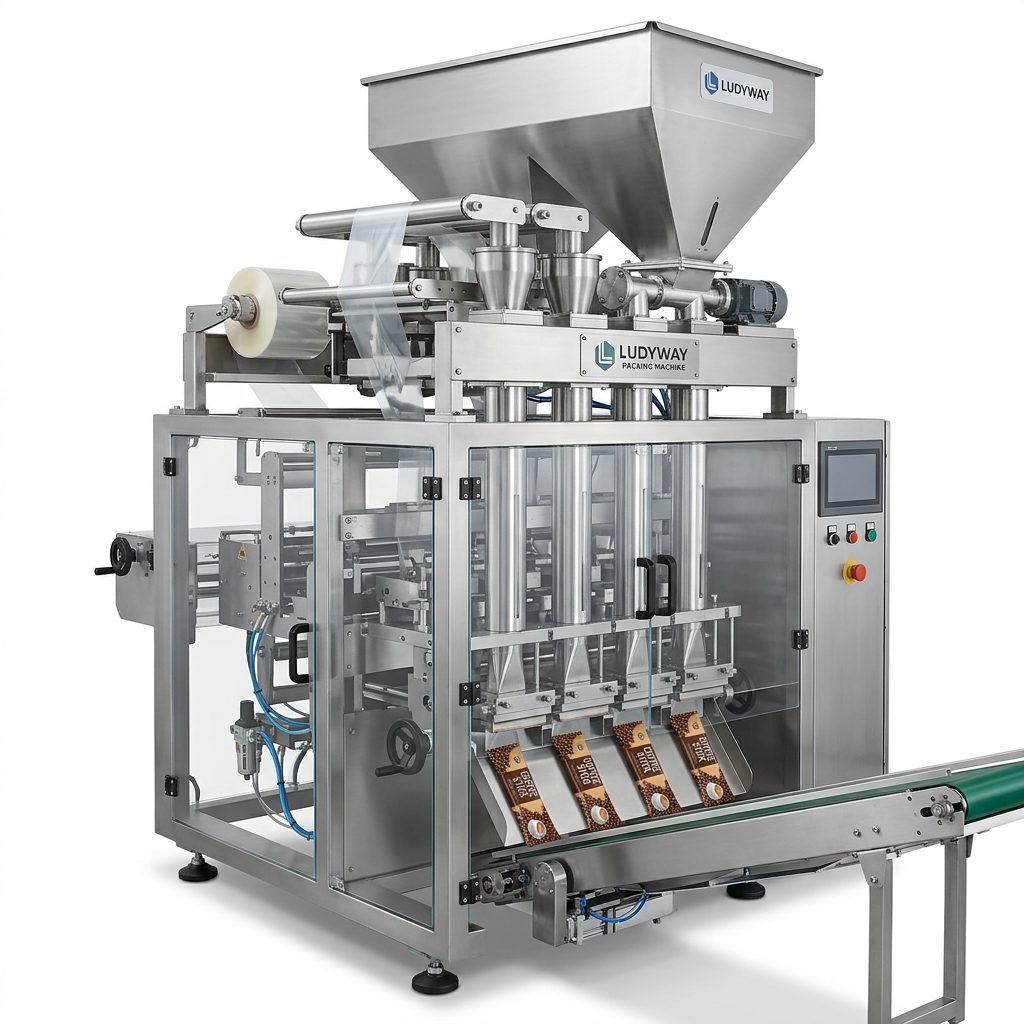
The sealing mechanism is the heart of any packaging machine. For coffee, which often requires airtight seals with nitrogen flushing, the condition of the seal jaws directly impacts product shelf life. A poor seal means oxygen ingress, leading to stale coffee and disappointed customers.
- Allow the machine to cool completely before inspecting the seal jaws to avoid burns and get an accurate assessment of residue buildup.
- Use a soft brass brush or a specialized Teflon-safe cleaning tool to remove burnt-on film residue from the sealing surfaces. Never use steel wool, which can scratch and damage the non-stick coating.
- Check the Teflon tape or coating for signs of wear, peeling, or bubbling. Damaged Teflon should be replaced immediately to prevent film sticking and inconsistent seals.
- Inspect the jaw alignment and confirm that the pressure is evenly distributed across the entire sealing surface.
A weekly deep clean of the seal jaws takes only 15-20 minutes but can extend the life of your heating elements and dramatically reduce rejected pouches.
Lubrication: The Lifeblood of Moving Parts
Proper lubrication reduces friction, prevents wear, and keeps your coffee packaging machine operating quietly and efficiently. However, over-lubrication can be just as damaging as under-lubrication, especially in a food-grade environment where excess grease can attract coffee dust.
- Use only food-grade H1 lubricants approved for incidental food contact on all points near the packaging area.
- Key lubrication points include the cam followers, linear bearings, chain drives, and the film unwinding mechanism.
- Apply lubricant sparingly with a precision oiler or grease gun, then wipe away any excess immediately.
- Follow the manufacturer’s recommended lubrication schedule—typically every 40-80 operating hours for high-speed components.
Sensor and Electronic Component Care
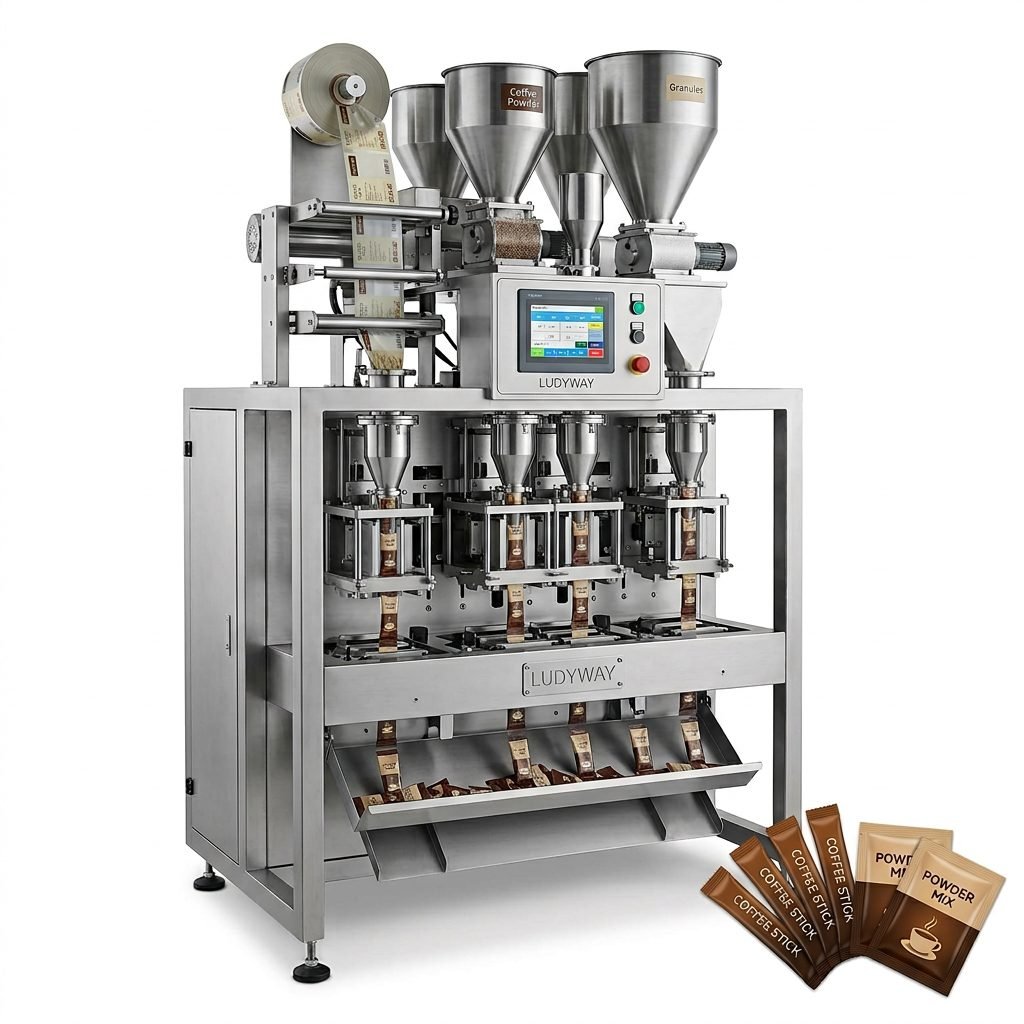
Modern small coffee packaging machines rely on an array of sensors—photoelectric eyes for film registration, temperature sensors for seal control, and load cells for weighing accuracy. These delicate components require gentle handling and regular cleaning to function correctly.
Use a lint-free microfiber cloth to gently clean sensor lenses. Even a thin film of coffee oil can cause false readings or registration errors. Avoid using compressed air on sensors, as high pressure can misalign sensitive optics. Check all cable connections and terminal blocks monthly for signs of loosening due to machine vibration, and keep the control cabinet ventilation fans unobstructed and dust-free.
Film Path and Tension Adjustment
Inconsistent film tension is a leading cause of wrinkled pouches and misaligned seals. Coffee packaging films—especially those with high-barrier properties—can be sensitive to temperature and humidity changes in your production environment. Regularly inspect the entire film path from the unwind roller through to the forming tube, checking that all rollers spin freely without hesitation.
Verify that the dancer arm or tension controller operates smoothly and that the film tracking remains centered throughout the machine cycle. If you notice the film drifting to one side, check for worn rubber rollers or misaligned guide plates before adjusting tension settings.
Scheduled Maintenance Checklist
A structured maintenance schedule eliminates guesswork and ensures nothing is overlooked. Below is a recommended framework for your packaging equipment maintenance program:
| Frequency | Maintenance Task | Priority |
|---|---|---|
| Daily | Clean product contact surfaces, empty dust tray, wipe seal jaws | Critical |
| Weekly | Deep clean seal jaws, inspect Teflon condition, check film tension | High |
| Monthly | Lubricate all moving parts, check sensor alignment, inspect electrical connections | High |
| Quarterly | Replace worn Teflon, check heating elements, calibrate load cells, inspect belts | Medium |
| Annually | Full machine overhaul, replace worn bearings, professional calibration service | Critical |
Troubleshooting Common Issues
Even with diligent maintenance, occasional issues can arise. Here are quick diagnostic checks for the most frequent problems encountered with small coffee packaging machines:
- Seal is weak or leaking: Check seal jaw temperature, inspect Teflon for damage, verify that the film is compatible with your heat settings, and confirm jaw pressure is even.
- Fill weight is inconsistent: Clean the weigh cell and surrounding area, recalibrate the scale, and check that the auger or volumetric filler is not worn or clogged with coffee residue.
- Film tracking is off-center: Inspect all rollers for free rotation, check for worn rubber surfaces, verify the forming tube is correctly aligned, and adjust the tracking guide.
- Machine stops mid-cycle: Check sensor lenses for dust, verify that the emergency stop circuit is intact, and inspect for loose wiring connections.
Spare Parts Inventory: Be Prepared
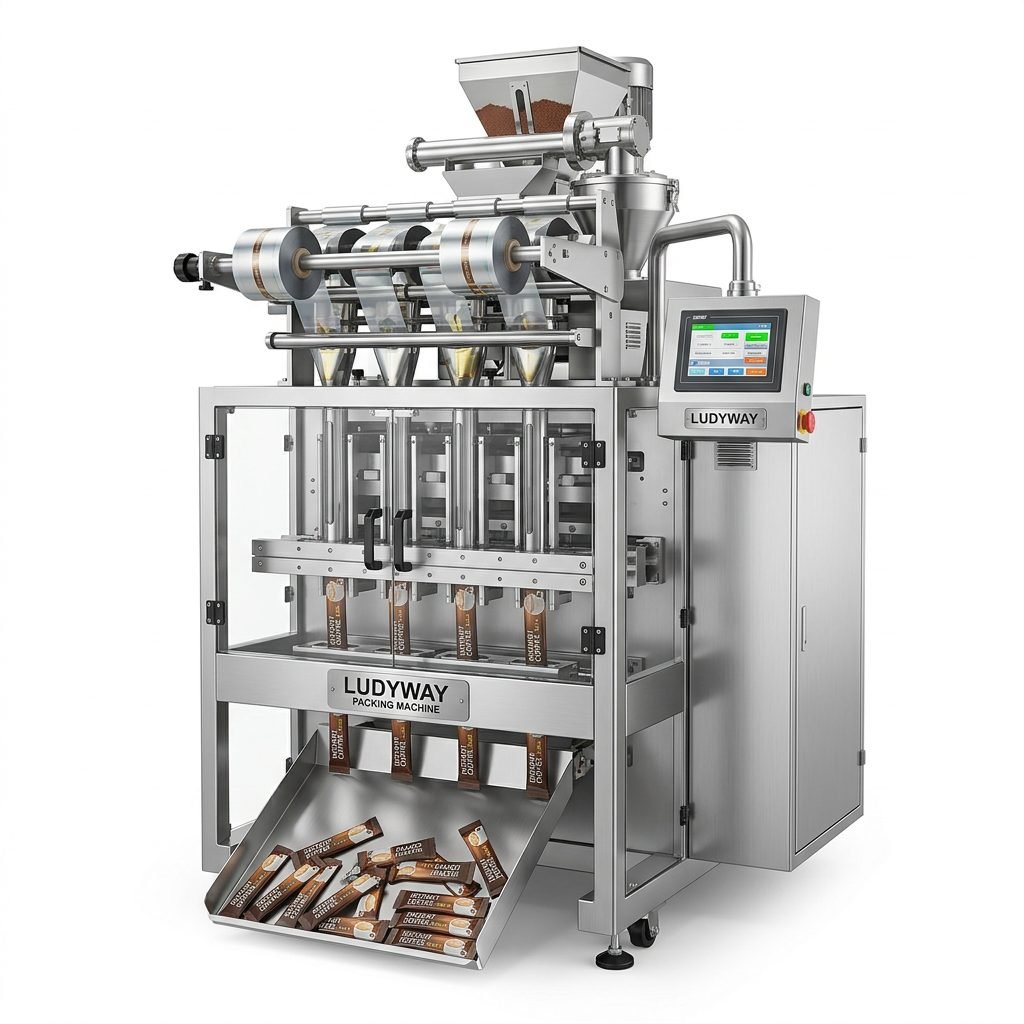
Downtime in a coffee packaging operation means lost revenue and potentially missed orders. Keeping a small inventory of critical spare parts on hand can reduce the impact of unexpected failures. We recommend always having the following items available:
- Teflon tape or replacement sealing bands for your specific jaw configuration
- Heating element cartridges and thermocouples
- A spare forming tube or shoulder set for your most-used pouch size
- Replacement sensors (photoelectric and temperature)
- Drive belts and timing belts
- Food-grade lubricant and cleaning supplies
When to Call a Professional
While routine maintenance can be handled in-house, certain situations warrant professional attention. If you encounter persistent seal issues that don’t resolve with Teflon replacement, unusual noises or vibrations from the drive system, or consistent weighing inaccuracies after recalibration, it’s time to contact your equipment manufacturer. Ludyway is one of the largest packaging machine manufacturers in China, specializing in advanced packaging equipment and turnkey production solutions for the food, pharmaceutical, and health industries. With over 30 years of industry expertise and a modern 20,000㎡ manufacturing facility, Ludyway provides reliable after-sales support, professional technical assistance, and genuine spare parts to customers in over 100 countries and regions.
Additional Resources
For further reading on packaging industry standards and best practices, explore the following authoritative resources:
- PMMI – The Association for Packaging and Processing Technologies
- Flexible Packaging Association – Industry Resources
- FDA – Food Packaging and Food Contact Substances
- ISO – Packaging Standards
- PMMI – State of the Industry Reports
Conclusion: Consistency is Key
Maintaining a small coffee packaging machine doesn’t require advanced engineering skills—it requires consistency and attention to detail. By following a structured daily, weekly, and monthly maintenance routine, you can significantly extend the service life of your equipment while maintaining the product quality your customers expect. Keep a maintenance log, train your operators thoroughly, and never hesitate to consult your equipment supplier when issues fall outside your team’s expertise. A well-maintained machine is a profitable machine—and in the competitive specialty coffee market, reliability is everything.