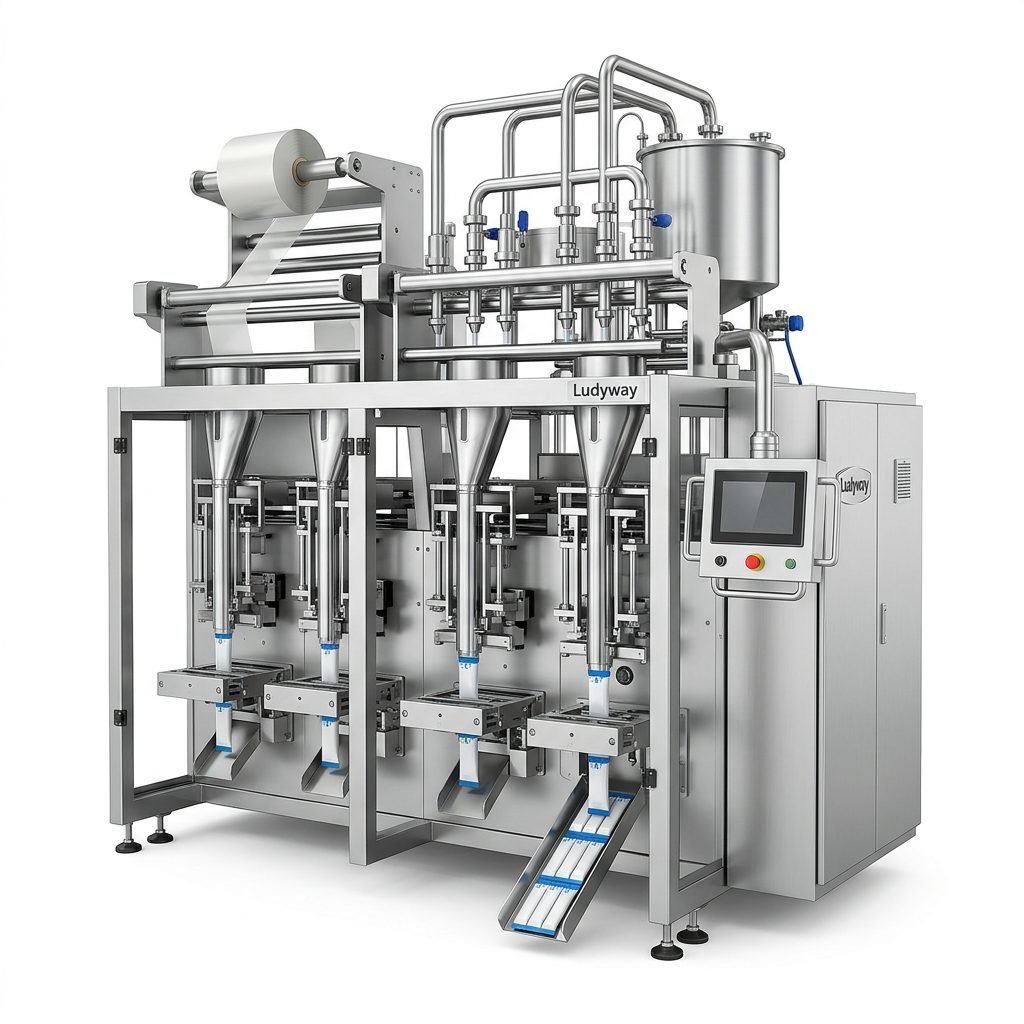
Investing in a thread packing machine is a significant decision for any manufacturing operation. Whether you are packaging sewing threads, industrial yarns, embroidery floss, or technical textiles, the right equipment directly impacts your production efficiency, product quality, and bottom-line profitability. A poorly chosen machine can lead to inconsistent packaging, material waste, unplanned downtime, and higher operational costs.
This comprehensive buyer’s guide walks you through the essential factors to evaluate when selecting a thread packing machine. From understanding different machine configurations and automation levels to assessing technical specifications, material compatibility, and supplier capabilities, we cover everything you need to make an informed purchasing decision.

Understanding Thread Packing Machine Types and Configurations
Before evaluating specific models, it is critical to understand the available machine types. Thread packing machines vary significantly based on packaging format, production speed, and automation level. The most common configurations include:
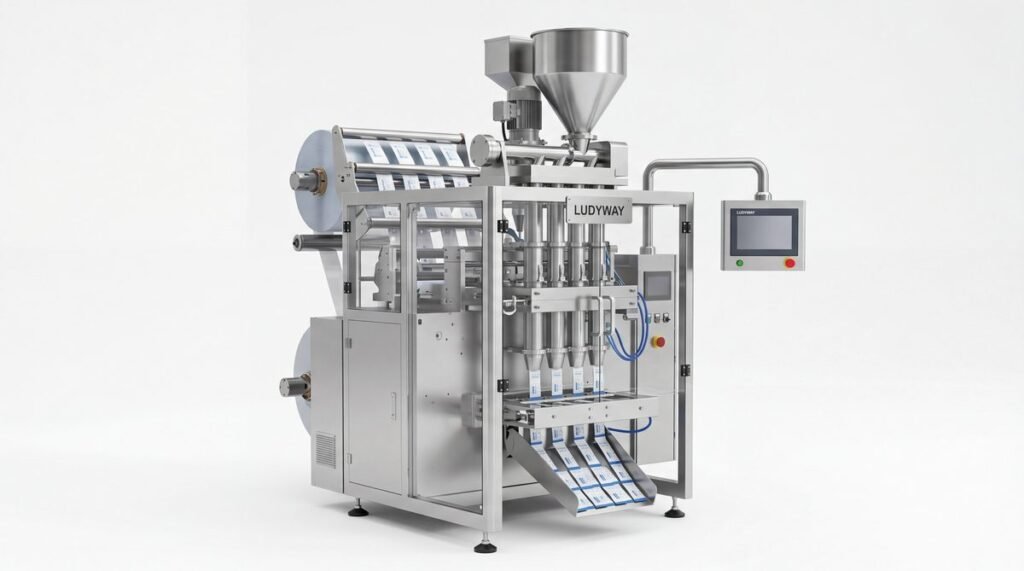
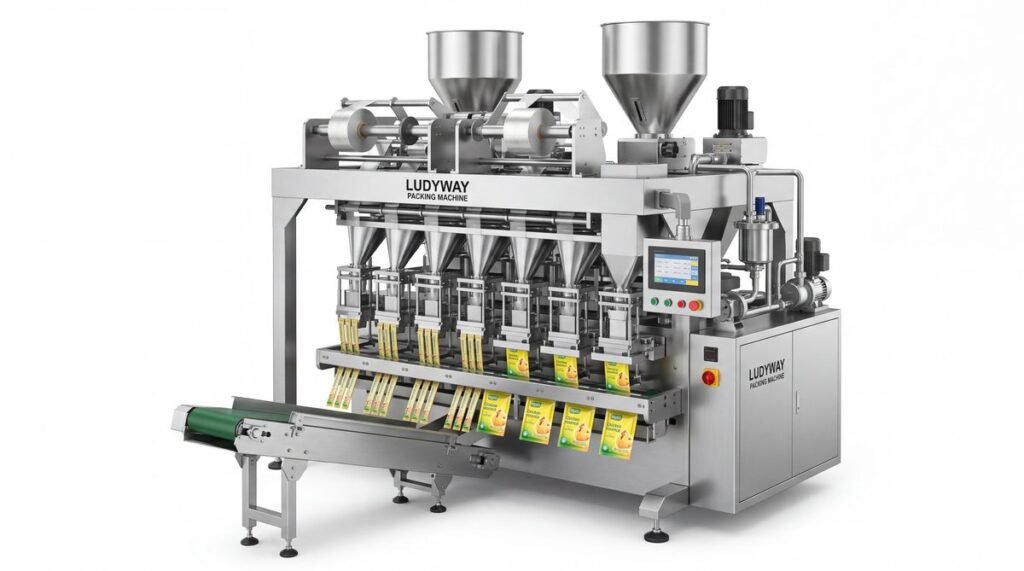
- Stick Pack Machines: Ideal for single-use thread samples or pre-cut lengths. These machines create narrow, elongated sachets suitable for retail display and promotional packs.
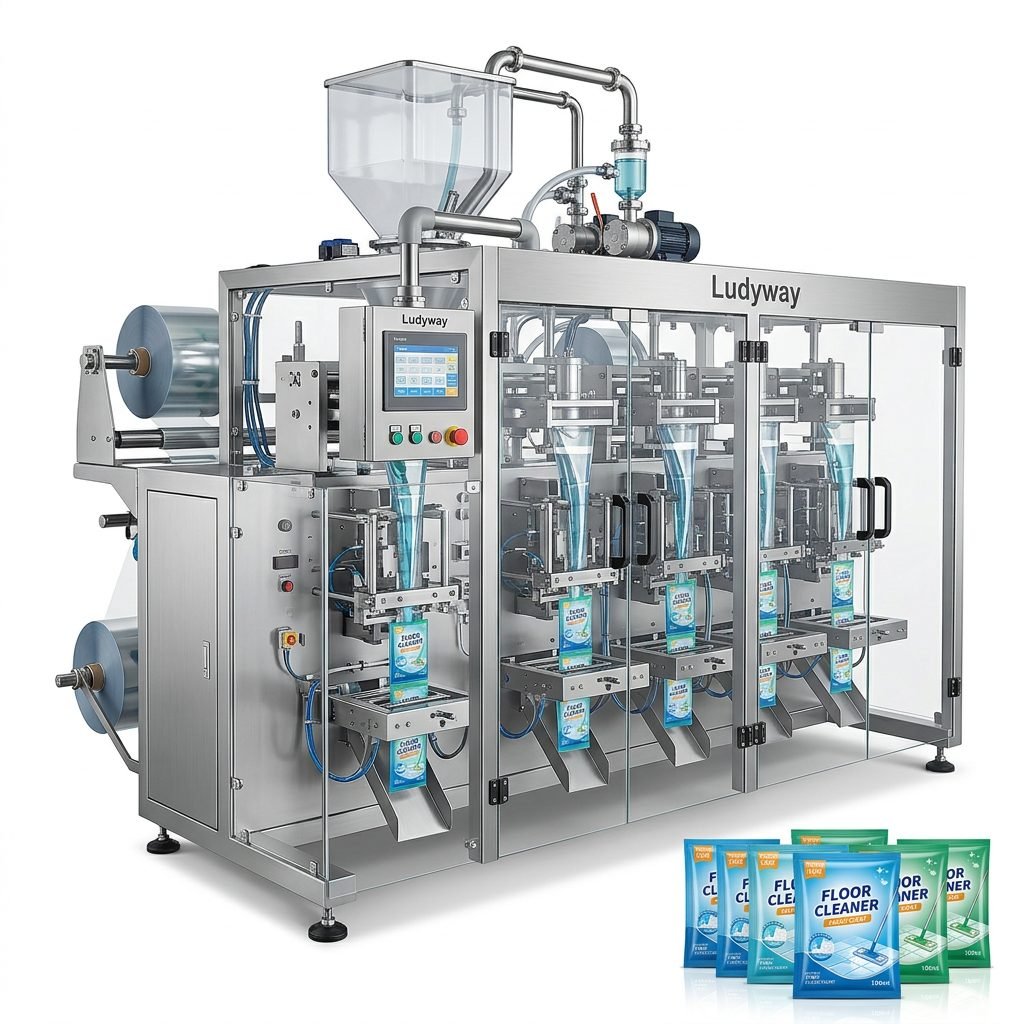
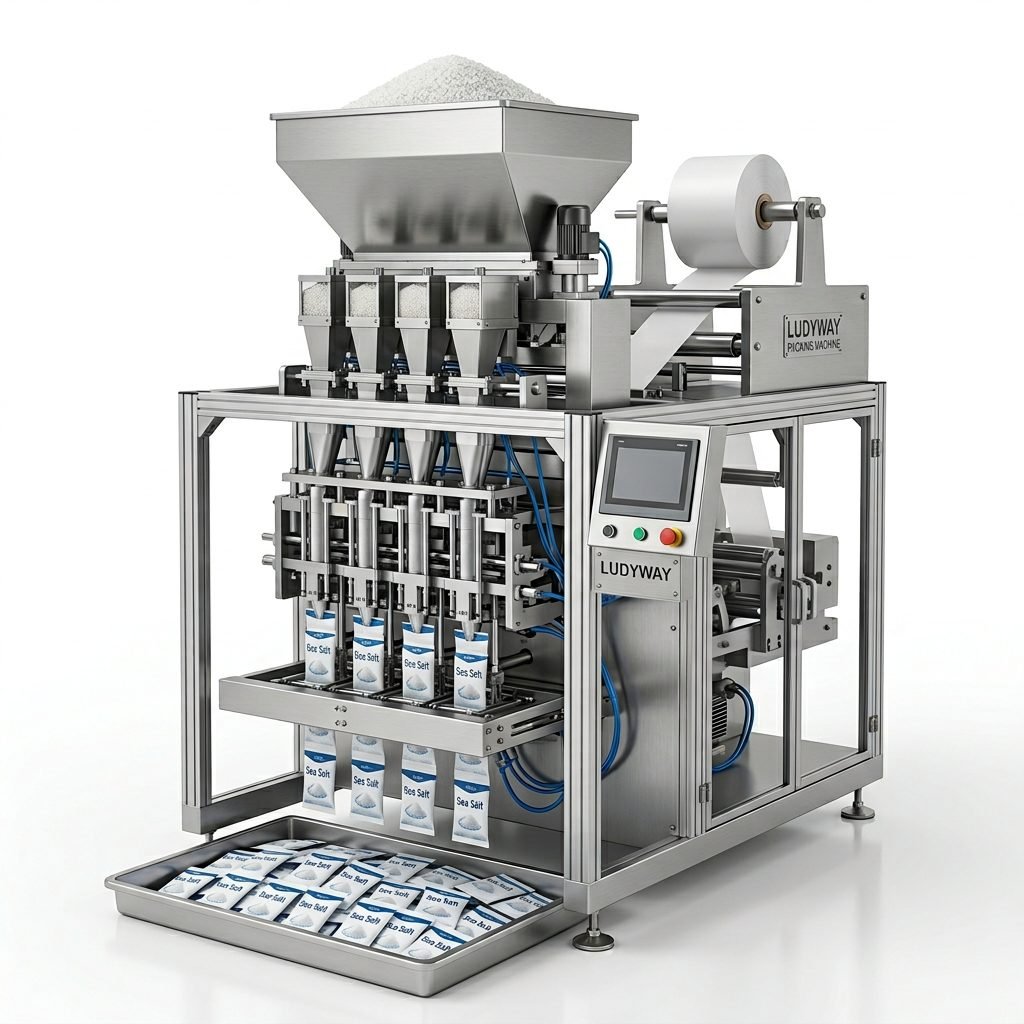
- Sachet and Pouch Machines: Designed for multi-pack thread sets, embroidery kit packaging, or value-added thread collections. Available in single-lane and multi-lane configurations for higher throughput.
- Winding and Banding Systems: Used for industrial thread spools and cones that require protective film wrapping or paper banding rather than sealed pouches.
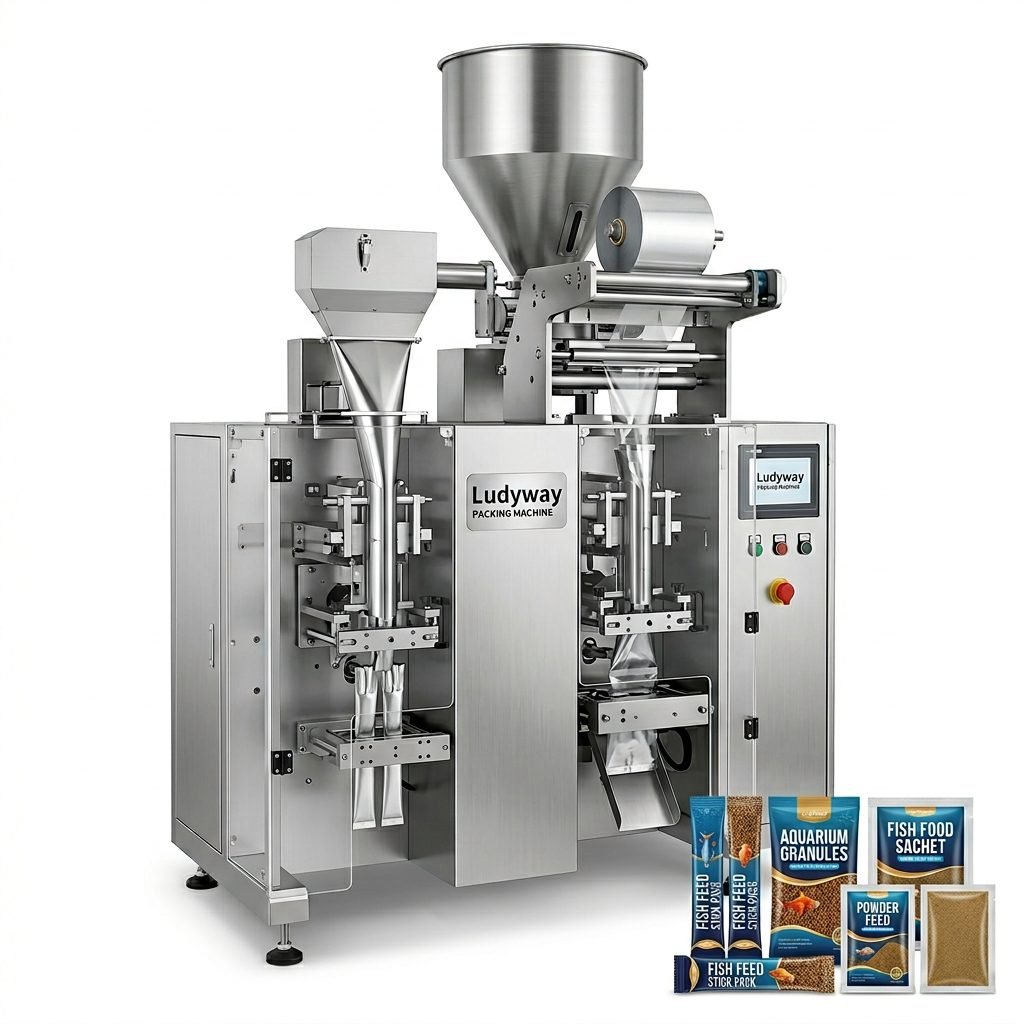
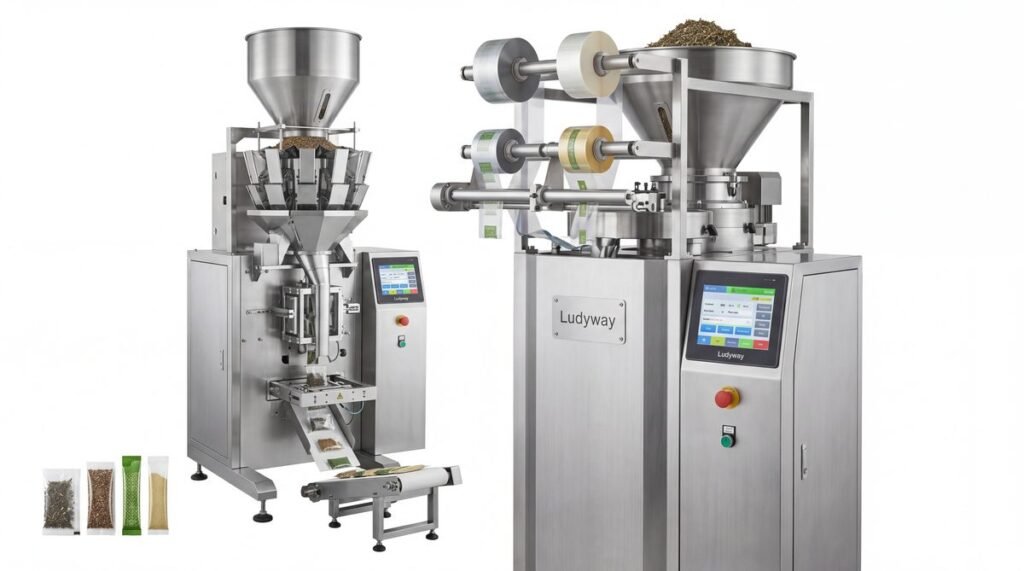
- Form-Fill-Seal (VFFS/HFFS) Machines: Vertical or horizontal systems that form packaging material into bags, fill with thread products, and seal in a continuous motion.
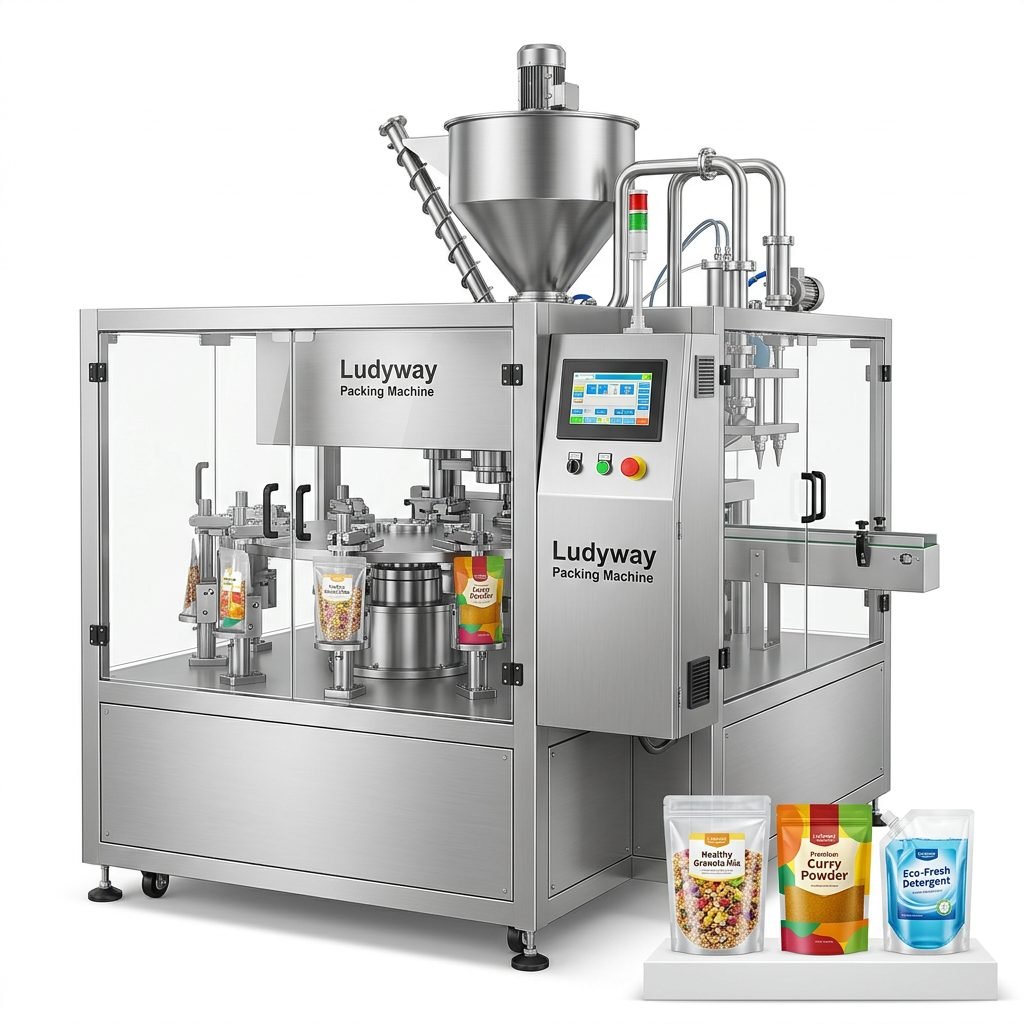
- Pre-made Pouch Fillers: Suitable for premium thread brands using ready-made stand-up pouches, zipper bags, or specialty packaging with custom printing.
Key Factors to Consider When Choosing a Thread Packing Machine
Production Capacity and Speed Requirements
Your current and projected production volumes should be the starting point. Evaluate the machine’s rated output in packs per minute and ensure it aligns with your operational targets. Multi-lane thread packing machines can significantly increase throughput by running several packaging lanes simultaneously. Consider whether you need a machine that can scale with your business growth over the next 3 to 5 years.
Thread Product Characteristics
Thread products come in diverse forms—spools, cones, skeins, balls, pre-cut lengths, and specialty formats. Each requires specific handling and feeding mechanisms. Key product variables that influence machine selection include:
- Thread diameter and weight — affects feeding accuracy and tension control
- Spool or cone dimensions — determines packaging cavity size and film requirements
- Material type — cotton, polyester, nylon, silk, or blended threads may require different handling
- Surface sensitivity — delicate threads may need gentler handling to prevent fraying or damage
Packaging Material Compatibility
Your thread packing machine must be compatible with your chosen packaging materials. Common options include laminated films, polypropylene, polyethylene, paper-based laminates, and biodegradable materials. Verify that the machine’s sealing system—whether heat seal, ultrasonic, or impulse seal—works effectively with your packaging substrate. As sustainability trends continue to shape the flexible packaging industry, many manufacturers now prioritize machines that can handle eco-friendly materials without compromising seal integrity.
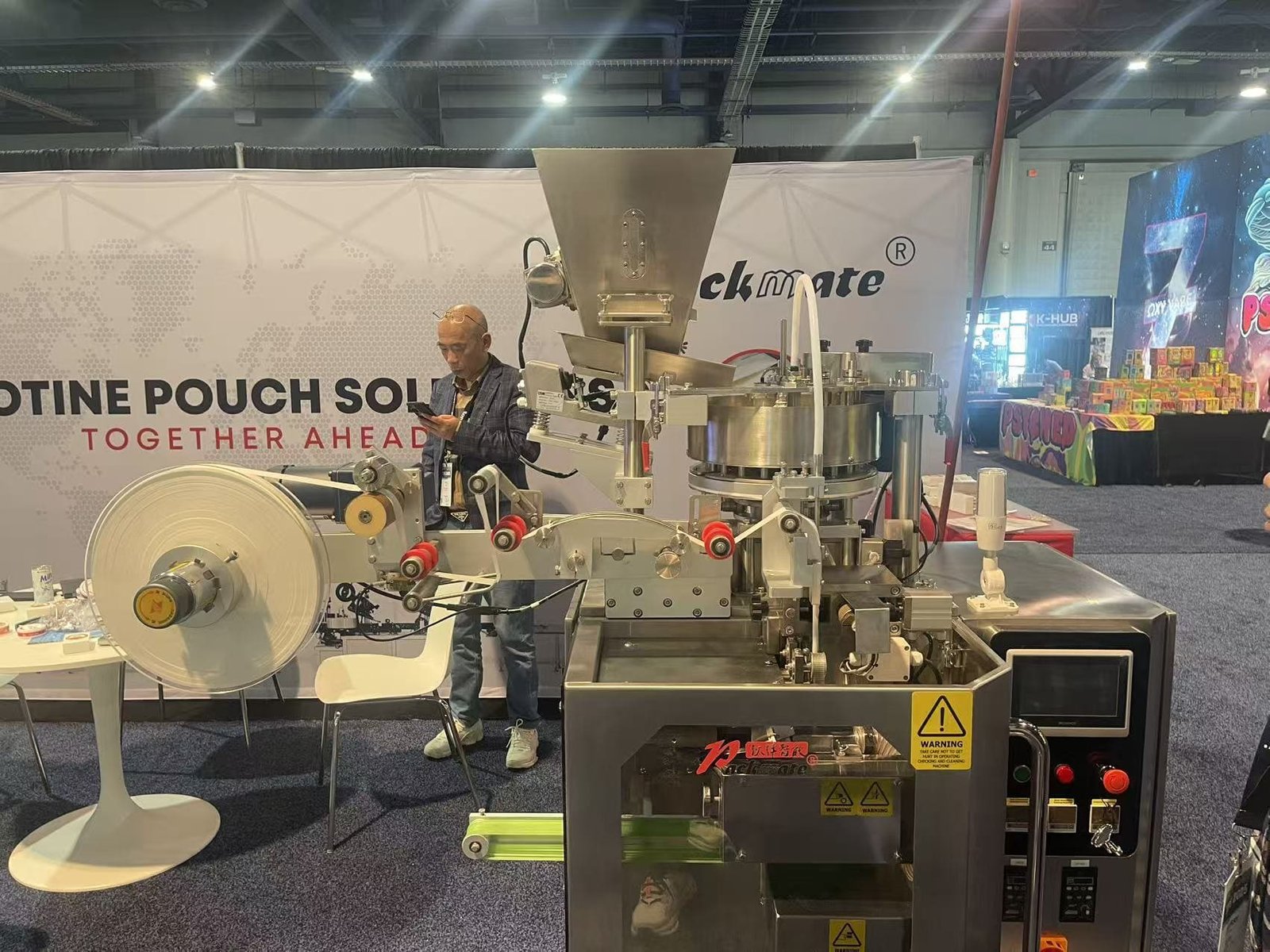
Automation Level and Integration Capabilities
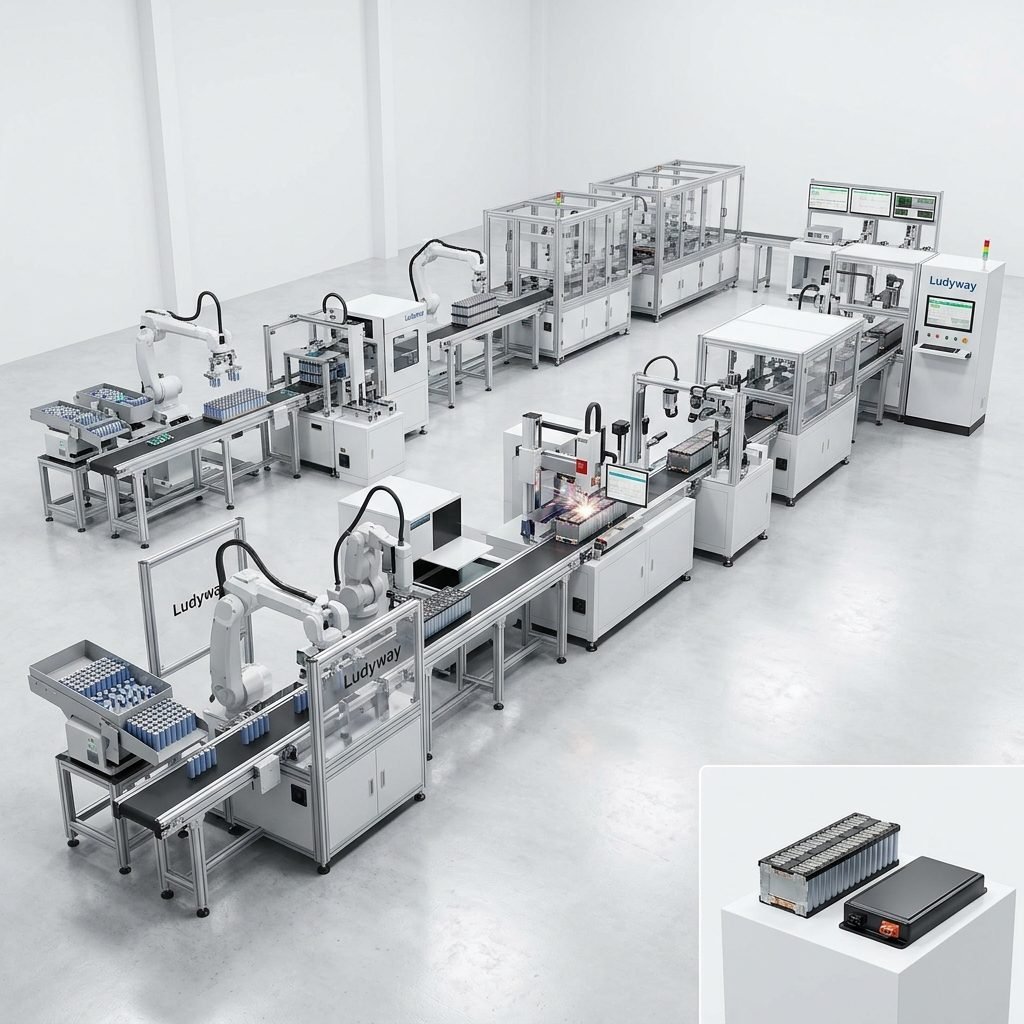
Modern thread packing machines range from semi-automatic units requiring significant operator involvement to fully automated turnkey packaging lines. Higher automation levels reduce labor costs and improve consistency but require greater upfront investment. Consider how the machine will integrate with your existing production infrastructure, including upstream thread winding equipment and downstream cartoning, case packing, and palletizing systems.
Filling Accuracy and Waste Reduction
Precision in thread count or weight filling is essential for regulatory compliance and cost control. Look for machines equipped with servo-driven dosing systems, multi-head weighers, or counting mechanisms that deliver consistent accuracy. Excessive overfilling cuts into margins, while underfilling risks customer complaints and regulatory issues.
Changeover Flexibility
If your operation packages multiple thread types, colors, or packaging formats, rapid changeover capability becomes a critical factor. Machines with tool-less adjustment, programmable recipe storage, and quick-release forming tubes significantly reduce downtime between production runs.
Technical Specifications Comparison Table
The following table outlines key technical parameters to evaluate when comparing different thread packing machine models:
| Specification Parameter | What to Look For | Impact on Operations |
|---|---|---|
| Packaging Speed | 30-120 packs/min per lane | Determines daily throughput capacity |
| Lane Configuration | Single to 12+ lanes | Multi-lane multiplies output proportionally |
| Pack Format Range | Stick pack, sachet, pouch, bag | Flexibility for diverse product lines |
| Sealing Technology | Heat seal, ultrasonic, impulse | Material compatibility and seal integrity |
| Filling Accuracy | ±0.5% to ±2% depending on system | Product give-away and regulatory compliance |
| Changeover Time | 15-60 minutes typical range | Production flexibility and downtime |
Evaluating Machine Build Quality and Durability
A thread packing machine represents a long-term capital investment. Assess the build quality by examining the frame construction, material selection, and component sourcing. Machines built with stainless steel frames, food-grade contact parts, and internationally recognized automation components generally offer superior longevity and reliability. Pay attention to the quality of electrical enclosures, wiring management, and pneumatic systems.
Compliance with Industry Standards
Depending on your target markets, your thread packing machine may need to comply with specific regulatory standards. Refer to packaging machinery standards and regulations to understand applicable requirements. Certifications such as CE, UL, ISO 9001, and GMP compliance may be necessary for certain industries and geographic regions. Verify that the manufacturer can provide appropriate documentation and certification for your required markets.

Supplier Evaluation and Selection Criteria
Choosing the right machine manufacturer is as important as selecting the right machine. Beyond technical specifications, consider the following supplier attributes:
- Industry Experience: Look for manufacturers with a proven track record in thread and textile packaging applications. Decades of specialized experience often translate into more refined machine designs and deeper application knowledge.
- Manufacturing Capabilities: In-house manufacturing, engineering, and assembly capabilities generally indicate better quality control and faster response to custom requirements.
- Custom Engineering Support: Your thread products may require specific handling solutions. A supplier with custom machine configuration and engineering expertise can tailor equipment to your exact needs rather than forcing you to adapt to a standard machine.
- Global Service Network: Consider whether the supplier provides installation, commissioning, training, and after-sales technical support in your region.
- Spare Parts Availability: Verify that critical spare parts are readily available and that the supplier maintains adequate inventory for prompt delivery.
Total Cost of Ownership (TCO) Analysis
The purchase price is only one component of the total cost equation. A comprehensive TCO analysis should account for installation, training, energy consumption, maintenance, spare parts, consumables, and expected service life. A machine with a higher initial price may deliver lower TCO over its lifespan through reduced downtime, higher efficiency, and lower maintenance requirements.
Customized Thread Packaging Solutions for Diverse Applications
Thread packaging requirements vary significantly between manufacturers. Whether you produce consumer sewing threads, industrial-grade yarns, embroidery kits, or specialty technical threads, your packaging equipment must be configured accordingly. Product characteristics, packaging materials, bag sizes, production speeds, and automation requirements all influence the appropriate machine configuration.
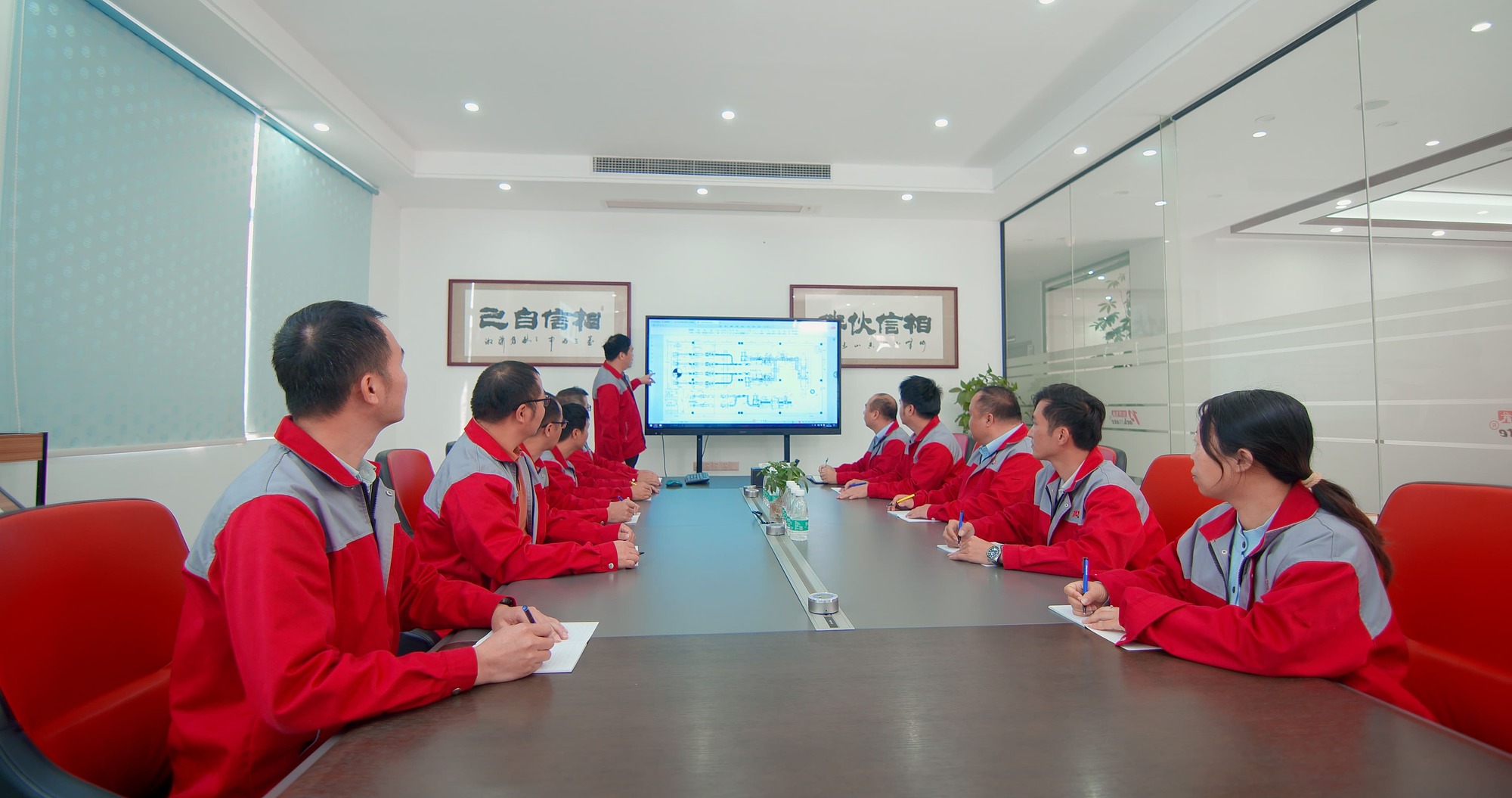
For manufacturers seeking a reliable packaging machinery partner, Ludyway Machinery brings over 30 years of experience in developing, manufacturing, and supplying automated packaging equipment. Headquartered in China with a 20,000-square-meter manufacturing facility and more than 130 professionals, Ludyway provides customized packaging machinery and integrated turnkey solutions across food, pharmaceutical, cosmetic, chemical, and textile industries. The company serves customers in over 100 countries and regions, with expected export revenue exceeding RMB 500 million (approximately US$69 million) in 2025, and plans to surpass RMB 1 billion (approximately US$138 million) in export revenue by 2026, reflecting its strong global growth trajectory as reported in packaging machinery global growth trend analysis.
Installation, Commissioning, and Training Considerations
The best thread packing machine delivers value only when properly installed and operated. Clarify with your supplier what support is included: site preparation guidance, mechanical installation, electrical connection, control system setup, and production trial runs. Comprehensive operator and maintenance training is essential to ensure your team can operate the equipment safely and efficiently from day one. Remote technical assistance capabilities can also provide valuable ongoing support after installation.
Future-Proofing Your Investment
As your business evolves, your packaging needs may change. Consider whether the machine platform supports future upgrades, additional lanes, new packaging formats, or integration with emerging technologies such as smart factory systems, IoT monitoring, and predictive maintenance capabilities. A modular machine architecture provides greater flexibility for future adaptation.
Key Questions to Ask Before Purchasing
- What is the machine’s guaranteed production speed for our specific thread product and packaging format?
- Can the supplier provide references from similar thread packaging applications?
- What is the expected mean time between failures (MTBF) for critical components?
- Does the supplier offer factory acceptance testing (FAT) before shipment?
- What warranty terms and post-warranty support are provided?
- How quickly can replacement parts be shipped to our location?
- Is the machine designed to accommodate sustainable packaging materials?
Final Recommendations
Selecting the right thread packing machine requires a balanced evaluation of technical specifications, production requirements, supplier capabilities, and total cost of ownership. Avoid making decisions based solely on purchase price, as lower upfront costs often translate into higher long-term expenses through reduced efficiency, increased downtime, and limited flexibility.
Take time to visit supplier facilities when possible, conduct product trials with your actual thread materials, and speak with existing customers about their real-world experience. A well-chosen thread packing machine will serve as a reliable production asset for many years, supporting your quality standards, production goals, and business growth. For additional guidance on packaging machinery selection and the latest packaging industry state of the industry trends, consult established industry resources and work with experienced packaging solution providers who understand your specific application requirements.