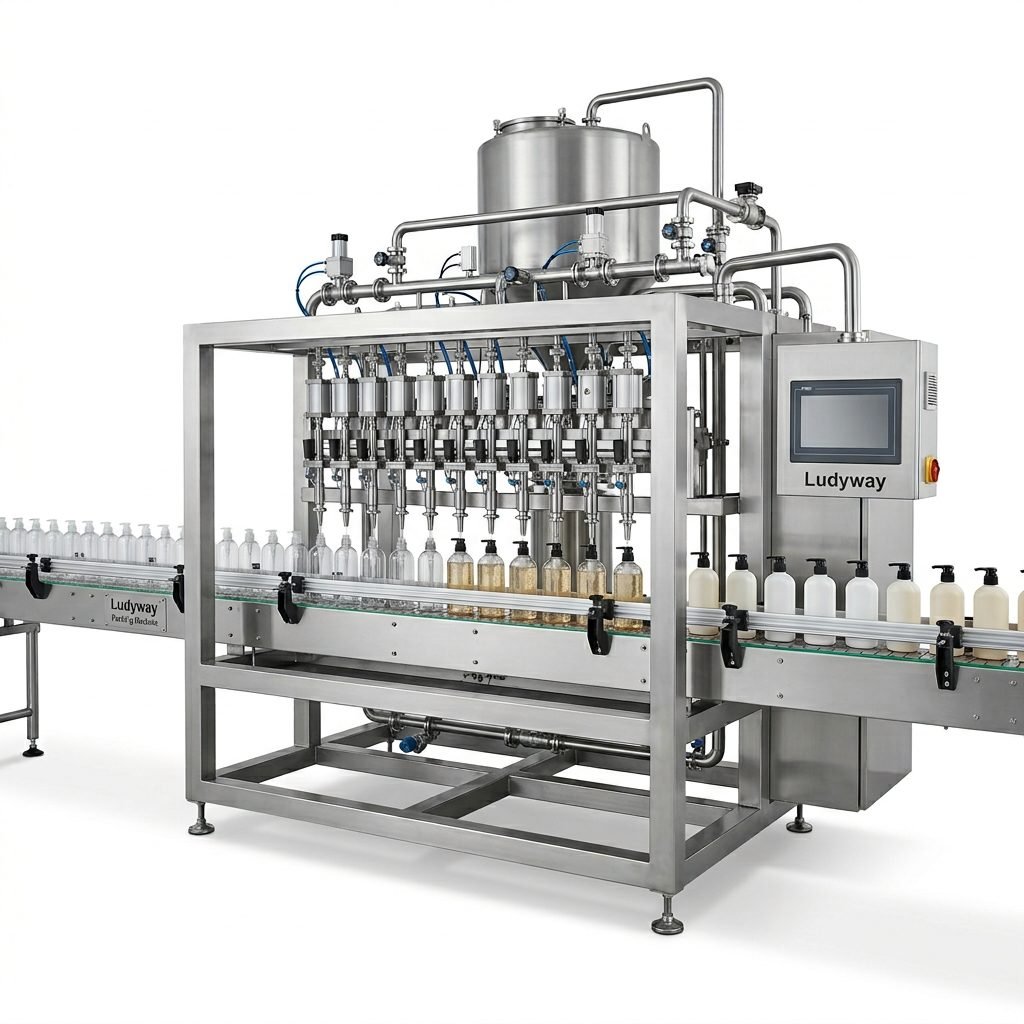
Investing in the right vegetable packaging machine is one of the most strategic decisions a European food producer, cooperative, or packhouse can make. Whether you handle fresh-cut salads, frozen vegetables, root crops, or ready-to-cook meal components, the packaging line you choose directly impacts product freshness, shelf life, throughput, and ultimately your bottom line.
The European market is unique. It demands strict compliance with EU food safety regulations, places a high premium on sustainability and recyclable materials, and requires machinery that can handle a dizzying variety of vegetable formats — from delicate leafy greens to heavy bulk potatoes. This guide walks you through every critical factor in purchasing a vegetable packaging machine in Europe, helping you match your operational needs with the right technology.
Understanding the European Vegetable Packaging Landscape
Vegetable packaging in Europe is no longer just about putting produce in a bag. The modern supply chain requires modified atmosphere packaging (MAP) for extended shelf life, high-speed multi-head weighing for accuracy, gentle handling systems to reduce bruising, and flexible changeover for seasonal crop variations. Industry reports from PMMI consistently highlight automation, hygiene, and sustainability as the top three drivers influencing packaging equipment purchases across the continent. European retailers and consumers continue to push for reduced plastic usage, which means your chosen machine must be compatible with alternative films, compostable materials, and mono-material structures designed for recyclability.
Key European Regulations and Standards
Before purchasing any vegetable packaging machine, you must ensure it aligns with EU regulatory frameworks. Non-compliance can lead to costly delays, rejected shipments, and legal liabilities. The following standards are non-negotiable for food-contact packaging operations:
| Regulation / Standard | Scope | Relevance to Vegetable Packaging |
|---|---|---|
| EU 1935/2004 | Food Contact Materials | Ensures packaging films and machine surfaces do not transfer harmful substances to vegetables |
| EU 10/2011 | Plastic Materials in Food Contact | Mandates specific migration limits for plastic packaging components |
| CE Marking | Machinery Directive 2006/42/EC | Required for all packaging machinery sold and operated within the European Economic Area |
| EHEDG Guidelines | Hygienic Design | Critical for fresh and frozen vegetable handling to prevent contamination |
| PPWR (Proposed) | Packaging and Packaging Waste Regulation | Drives recyclability requirements and reduction of packaging waste |
Additional guidance on packaging waste and sustainability targets can be found through the European Commission’s packaging waste resources. Always verify that your equipment supplier provides full documentation supporting CE compliance and hygienic certification.
Types of Vegetable Packaging Machines
Different vegetable products require distinctly different packaging approaches. Selecting the wrong machine type leads to product damage, excessive giveaway, or packaging failure. Here are the primary machine categories you’ll evaluate:
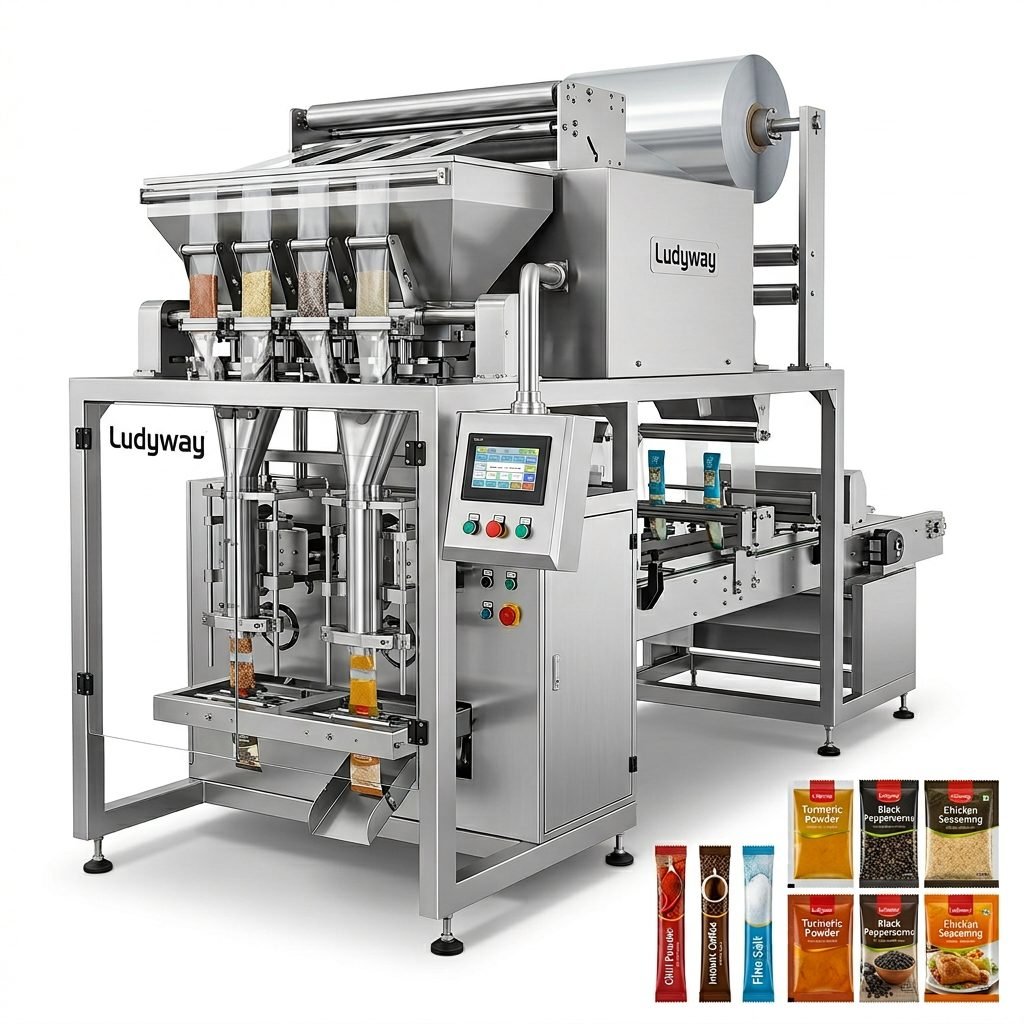
Vertical Form Fill Seal (VFFS) Machines for Vegetables
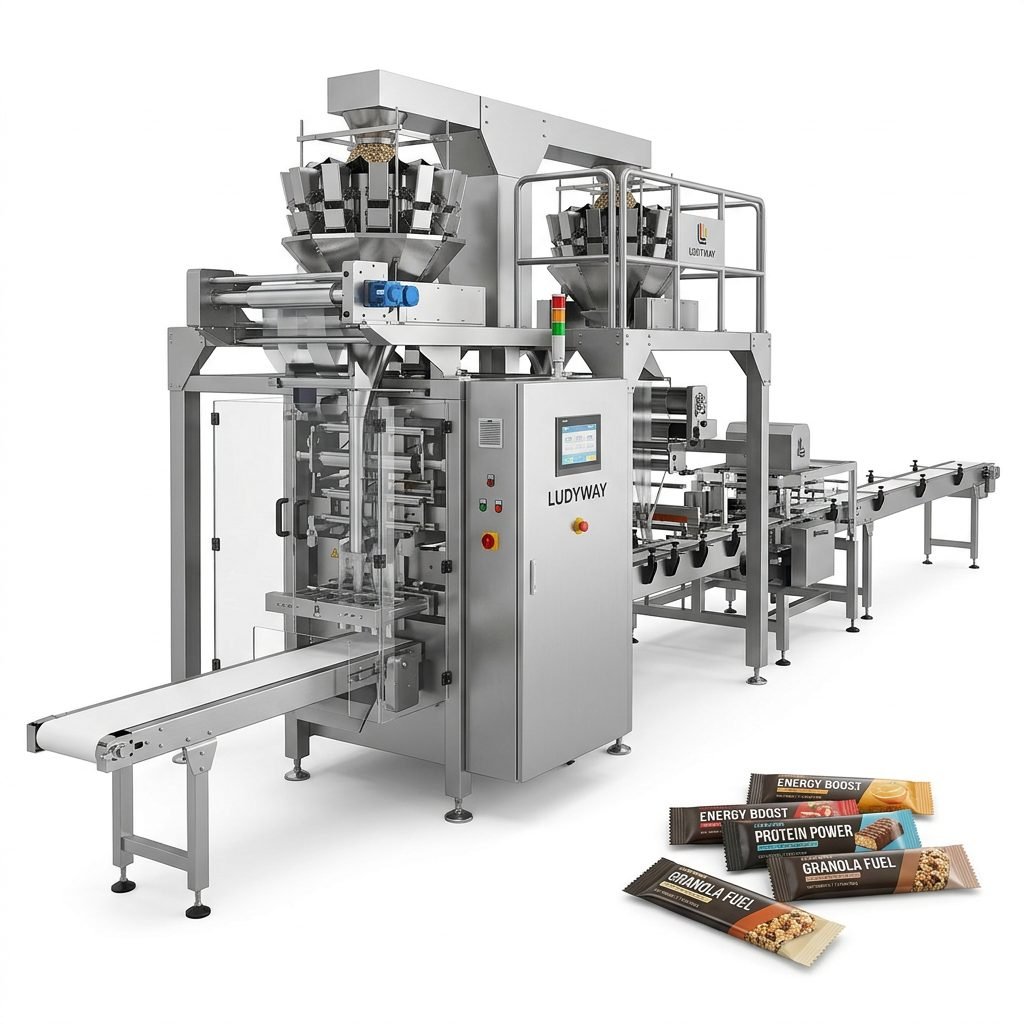
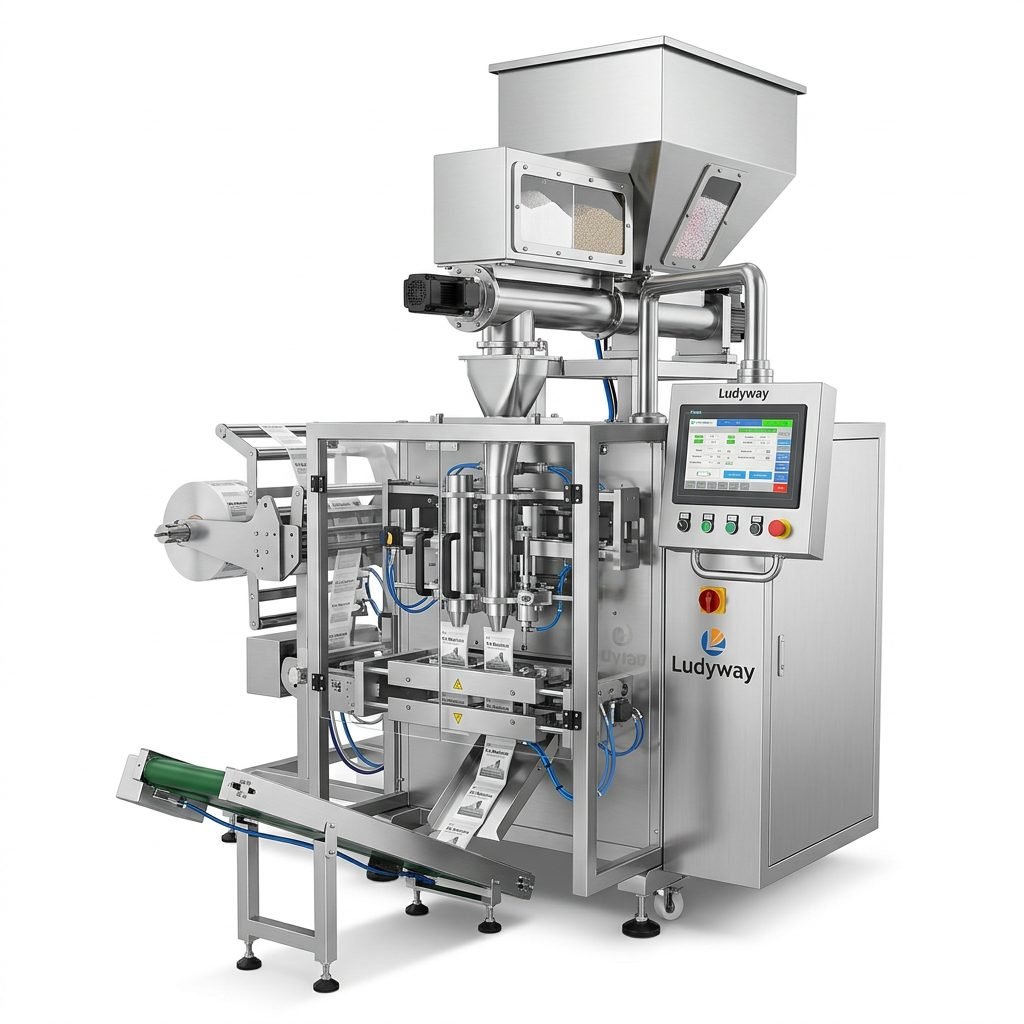
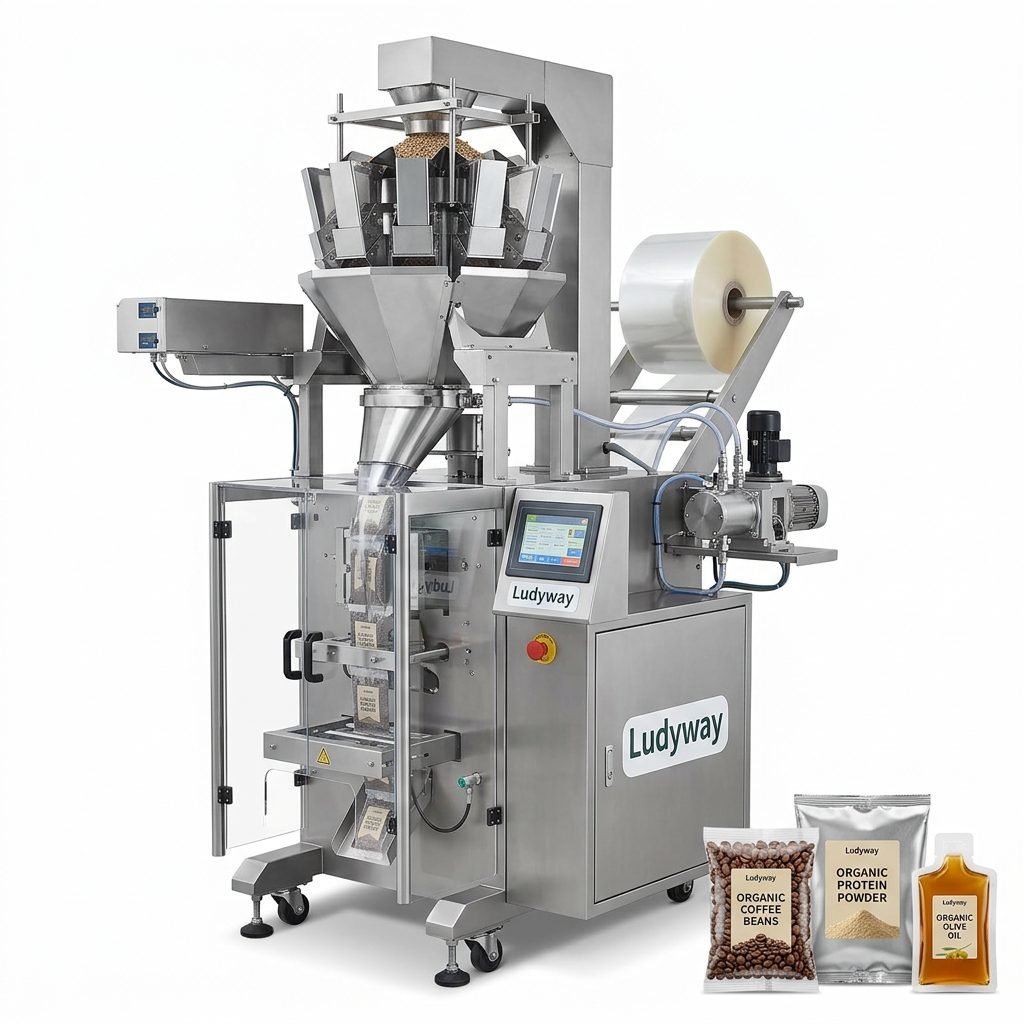
VFFS machines are the workhorses of vegetable packaging, ideal for frozen peas, mixed vegetables, baby carrots, chopped onions, and salad mixes. Modern multi-head weighers paired with VFFS systems deliver speeds of up to 120 bags per minute with exceptional weight accuracy. Look for models offering easy film path adjustments to switch between standard polypropylene, compostable films, and paper-based laminates — a feature that’s becoming increasingly important as flexible packaging industry trends push toward sustainable structures.
Horizontal Flow Wrappers for Fresh Vegetables
For fresh produce like cucumbers, zucchini, bell peppers, and celery sticks, horizontal flow wrappers provide gentle handling and attractive presentation. These machines can accommodate tray-sealing, pillow packs, and modified atmosphere packaging. When evaluating horizontal machines, pay close attention to infeed system flexibility — automatic collating and spacing systems significantly improve efficiency when handling irregularly shaped vegetables.
Tray Sealing and Thermoforming Lines
Tray-sealed packaging dominates the fresh-cut vegetable and prepared salad sector. Thermoforming machines create packaging from rollstock film, while tray sealers apply lidding film to pre-formed trays — both options allow for MAP gas flushing to extend product shelf life. In European retail, this segment faces the strongest pressure to transition to recyclable mono-material trays and lidding films.
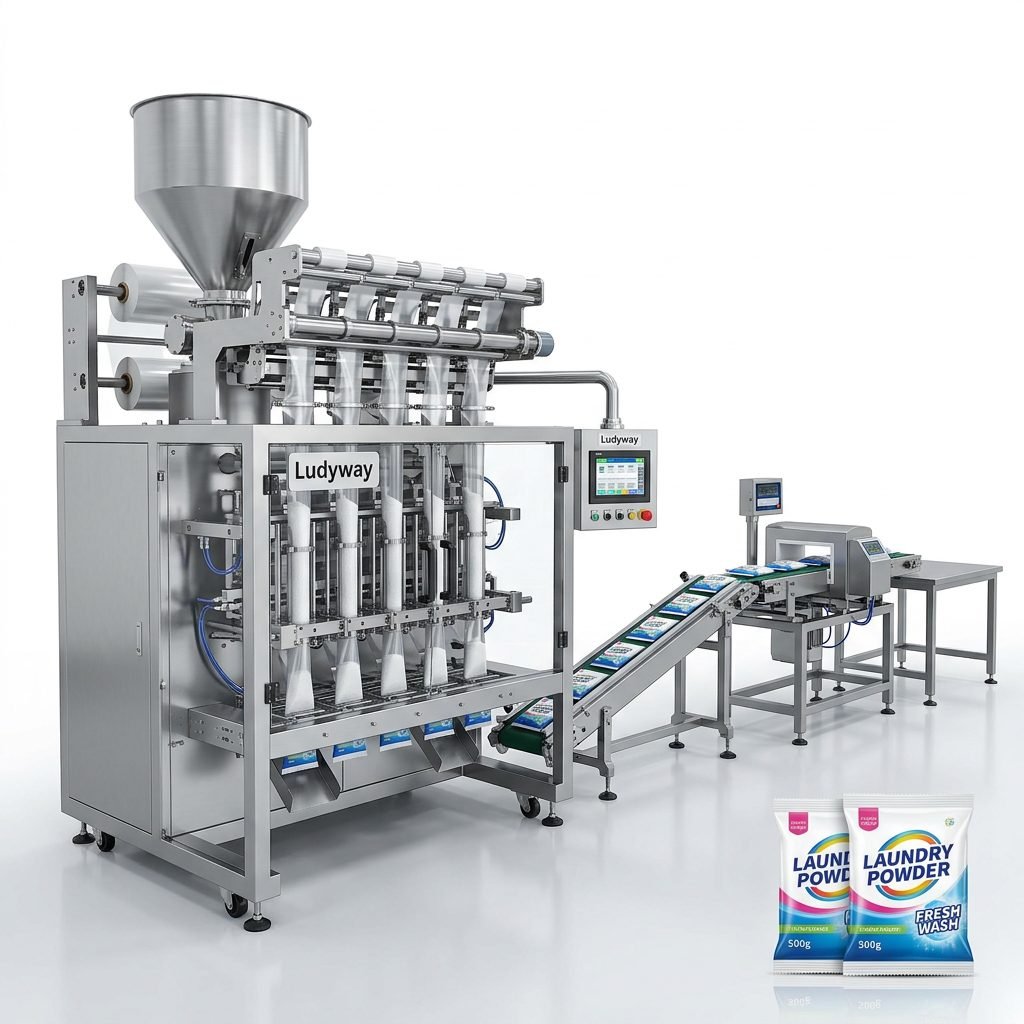
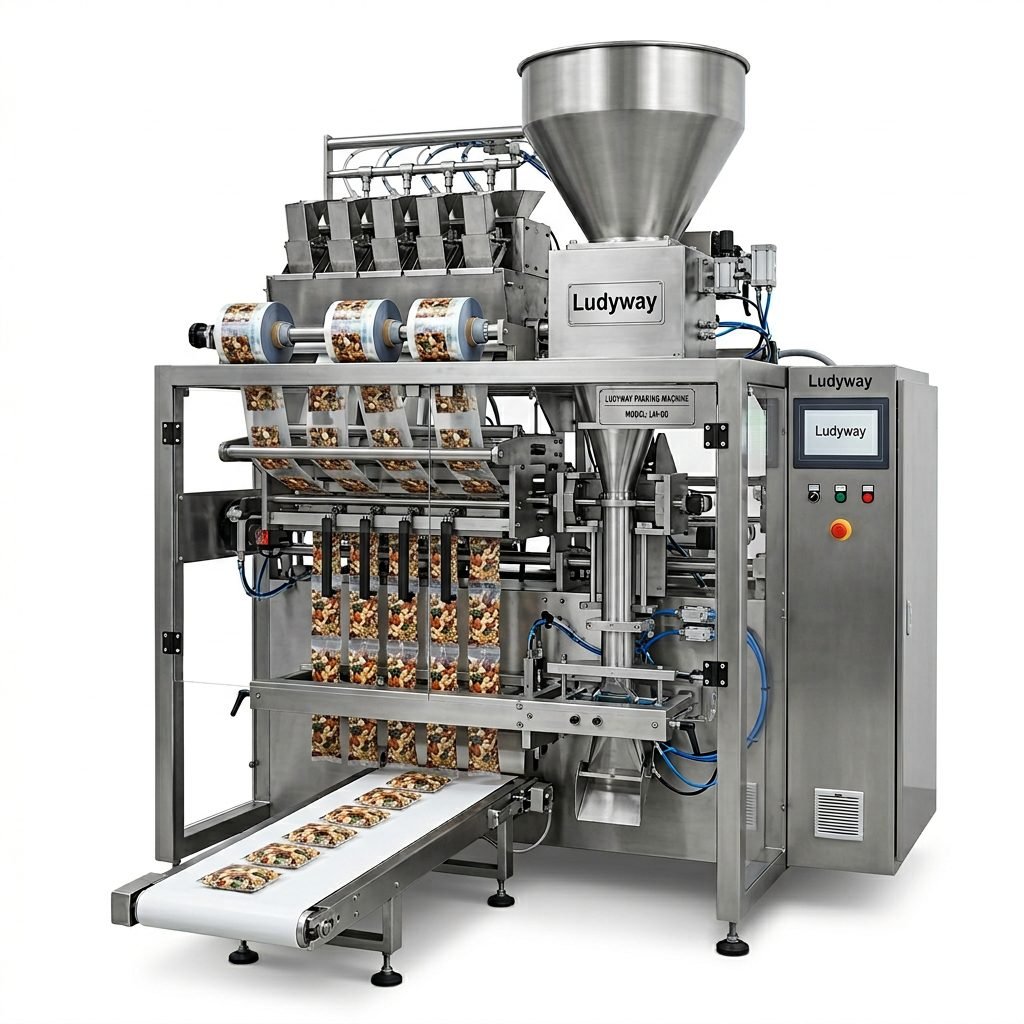
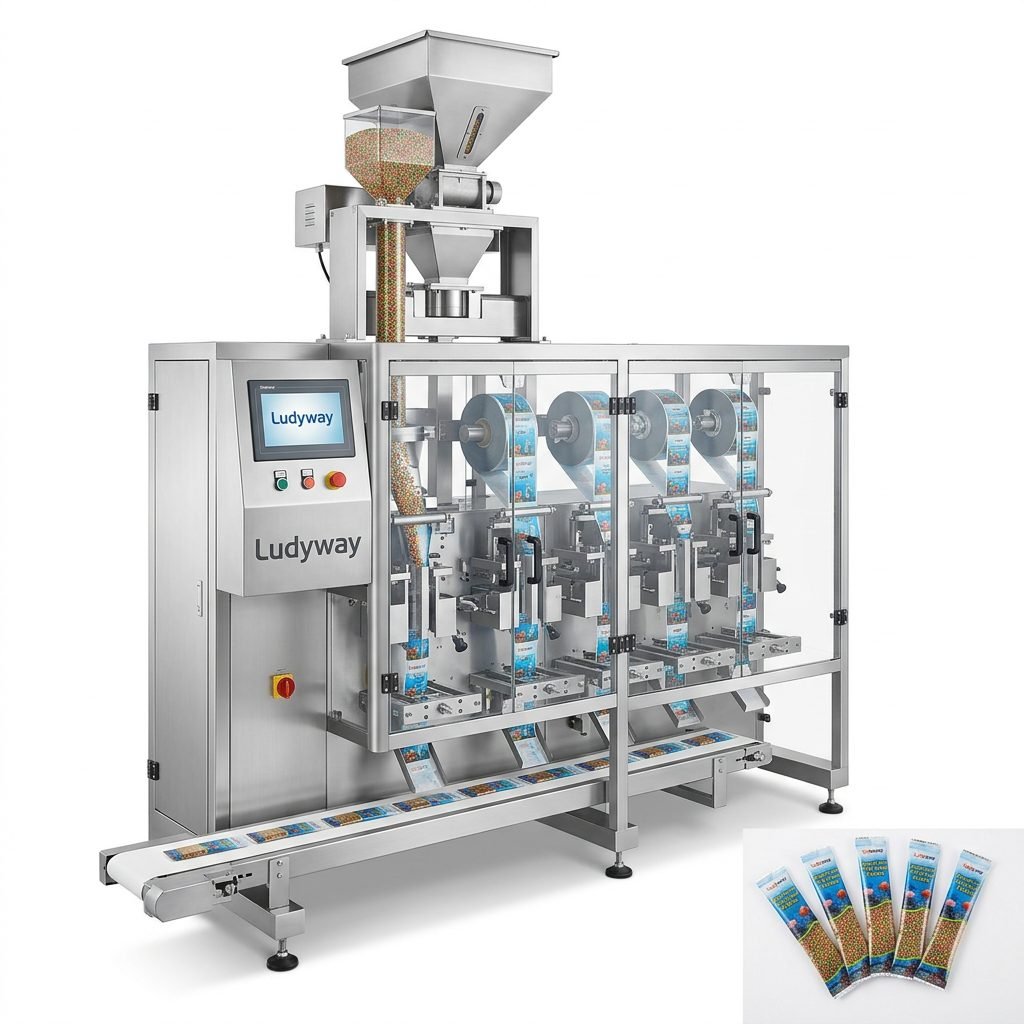
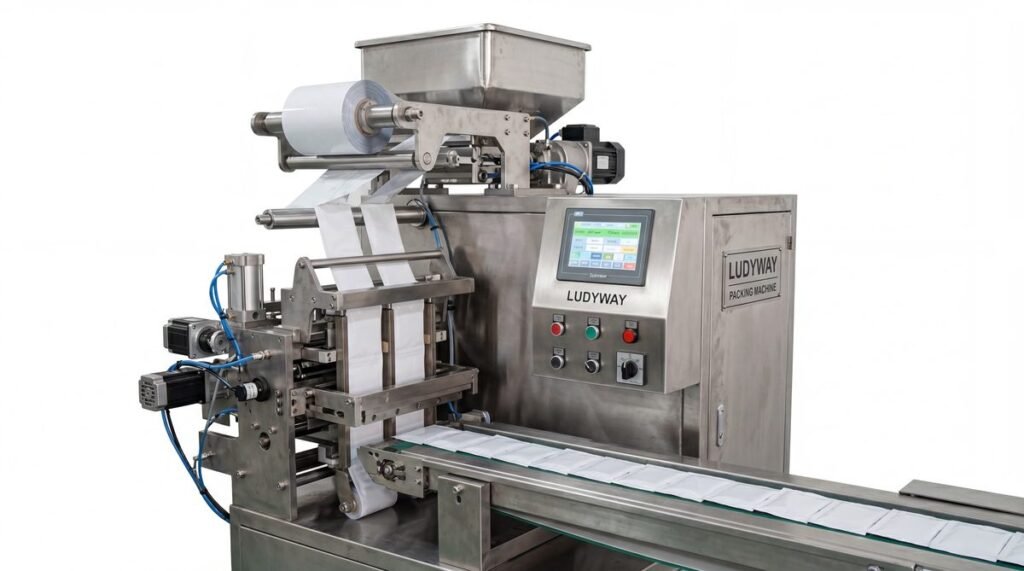
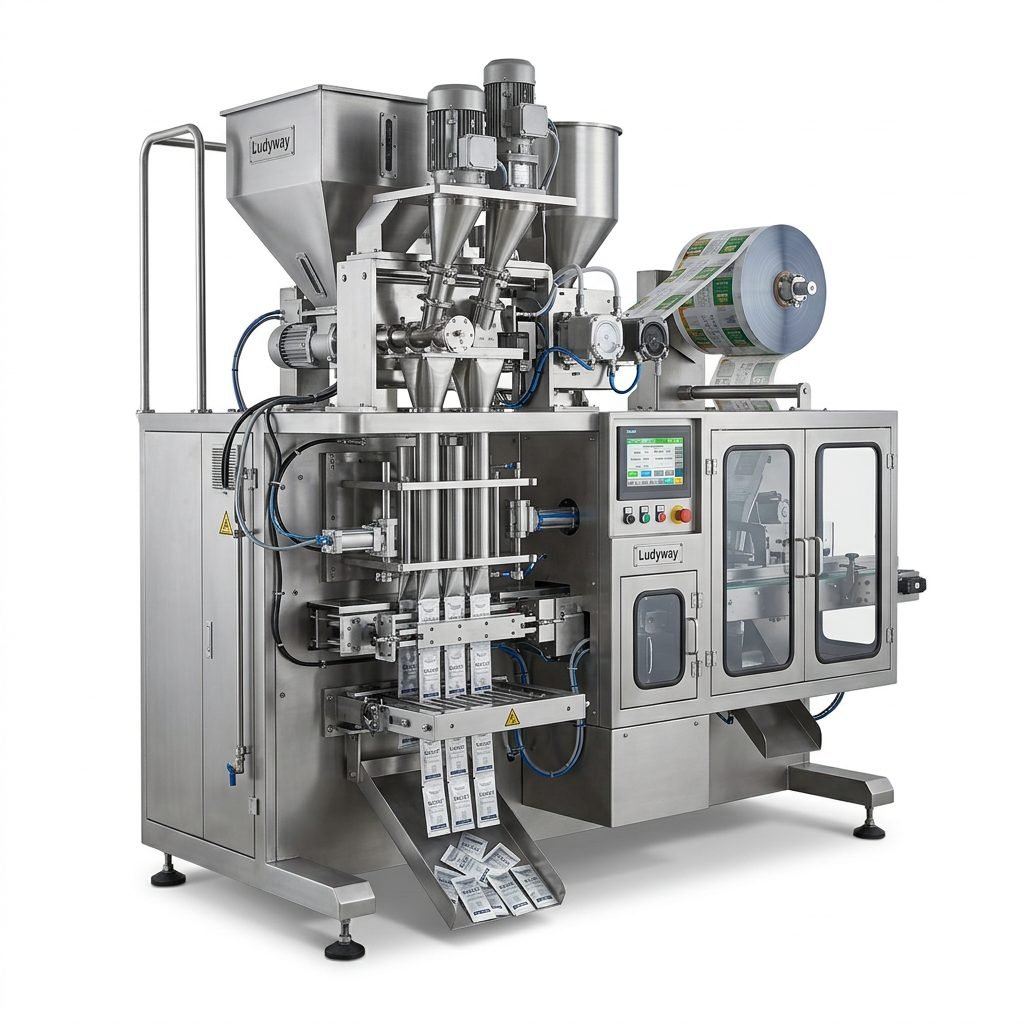
Multi-Lane Sachet and Stick Pack Machines
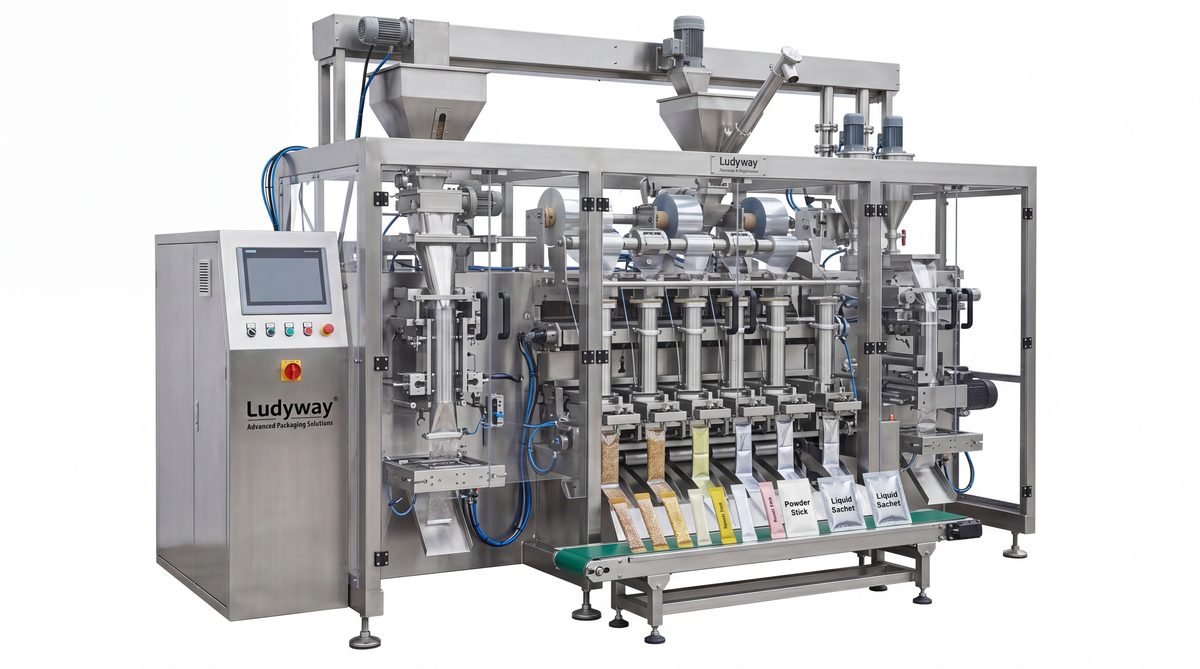
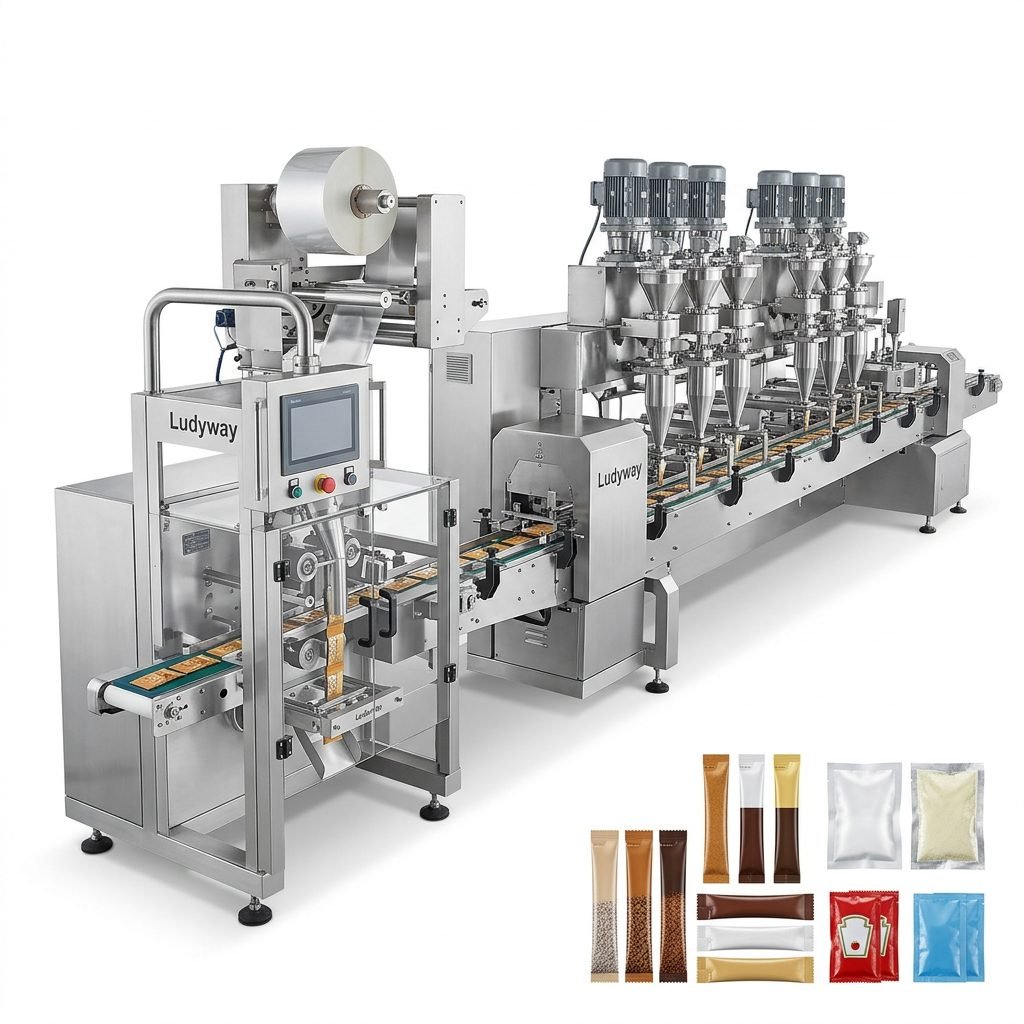
For portion-controlled vegetable powders, dried vegetable snacks, and instant soup mixes containing vegetable ingredients, multi-lane machines offer unmatched productivity. These systems run 4 to 24 parallel lanes, producing individual sachets at speeds exceeding 1,000 packs per minute collectively. They excel with free-flowing dry products like dried carrot flakes, tomato powder, and vegetable seasoning blends.
Critical Features to Evaluate
When comparing vegetable packaging machines from different manufacturers, use this feature checklist to make systematic, apples-to-apples comparisons:
- Weighing Accuracy and Speed: Multi-head weighers should achieve accuracy within 0.5-1% of target weight for granular and small-piece vegetables. Evaluate actual field performance data rather than theoretical maximum speeds.
- Material Compatibility: Confirm the machine can run your current films and the sustainable materials you plan to adopt. Demand documented film trial results.
- Hygienic Design: Sloped surfaces, stainless steel construction, IP65 or higher washdown ratings, and tool-free disassembly for cleaning are essential for fresh and frozen vegetable applications.
- Changeover Time: Seasonal vegetable packers often switch between products and pack sizes daily. Quick-release components and recipe-driven settings should reduce changeovers to 15 minutes or less.
- Gas Flushing Capability: If you plan to use MAP, verify the machine achieves residual oxygen levels below 1% consistently. Request validation data specific to vegetable products.
- Integration and Data Connectivity: Modern lines benefit from OPC-UA communication, remote diagnostics, and production data logging for traceability and OEE measurement.
Total Cost of Ownership Considerations
The purchase price of a vegetable packaging machine represents only a fraction of its lifetime cost. Smart buyers calculate total cost of ownership (TCO) over a 7-10 year operating horizon. Key TCO components include:
| Cost Category | Typical Share of TCO | Optimization Strategy |
|---|---|---|
| Capital Equipment Purchase | 25-35% | Compare 3-5 manufacturers; consider high-quality machines with longer service life |
| Packaging Materials (Film, Trays, Labels) | 40-55% | Minimize film thickness and scrap rates; negotiate bulk material contracts |
| Maintenance and Spare Parts | 8-12% | Invest in preventive maintenance; maintain strategic spare parts inventory |
| Labor | 5-10% | Higher automation levels reduce operator requirements; training improves efficiency |
| Energy and Utilities | 2-4% | Evaluate servo-driven machines for energy efficiency; optimize compressed air usage |
Product giveaway — overfilling to ensure minimum weight compliance — is often the largest hidden cost. A machine that achieves tighter weight accuracy can pay for itself within 2-3 years through reduced product give away alone. For a line producing 10 million bags annually, reducing average overfill by just 2 grams per bag saves 20 tonnes of product.
Sustainability and European Market Demands
European vegetable producers face the most aggressive packaging sustainability targets globally. The EU Packaging and Packaging Waste Directive mandates that all packaging be reusable or recyclable by 2030, with specific recycled content requirements coming into force. When purchasing a vegetable packaging machine, consider these sustainability factors:
- Film Versatility: Can the machine run certified compostable films, paper-based materials, and mono-PE or mono-PP structures without sacrificing speed or seal integrity?
- Lightweighting Capability: Machines with precise tension control and sealing technology can use thinner films while maintaining pack integrity, reducing material consumption.
- Scrap Reduction: Automatic film splicing, precise registration control, and minimal start-up waste features reduce material losses.
- Energy Monitoring: Built-in energy consumption tracking supports sustainability reporting and identifies optimization opportunities.
Regulatory developments tracked by the Flexible Packaging Association indicate that packaging manufacturers and food producers alike must prepare for increasingly stringent requirements. Your machinery investment today should position you to comply with regulations taking effect through 2035 and beyond.
Selecting the Right Manufacturer
Your choice of equipment manufacturer is equally as important as your choice of machine. Established manufacturers with proven track records in produce packaging bring not just hardware, but application expertise, local service support, and regulatory compliance documentation. When evaluating suppliers for the European market, prioritize those who demonstrate deep understanding of EU standards and produce-specific packaging challenges.
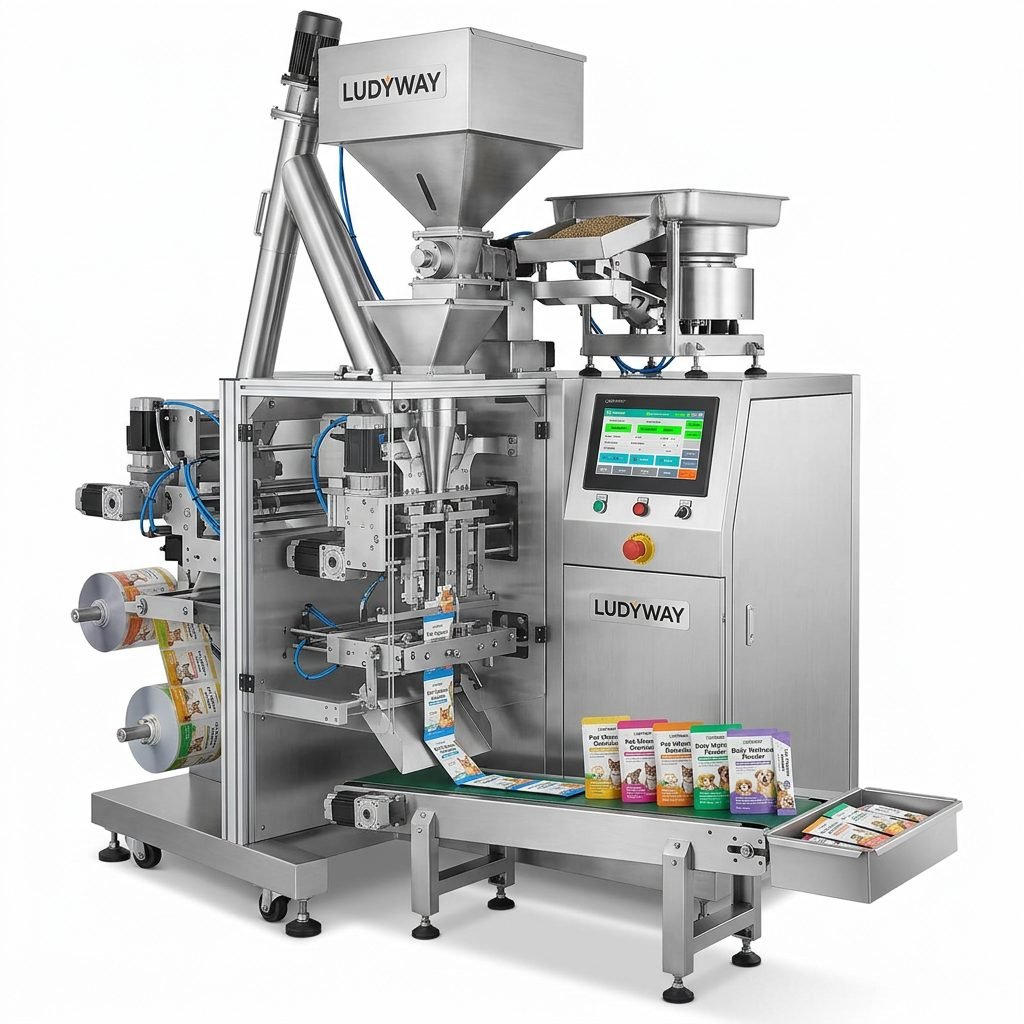
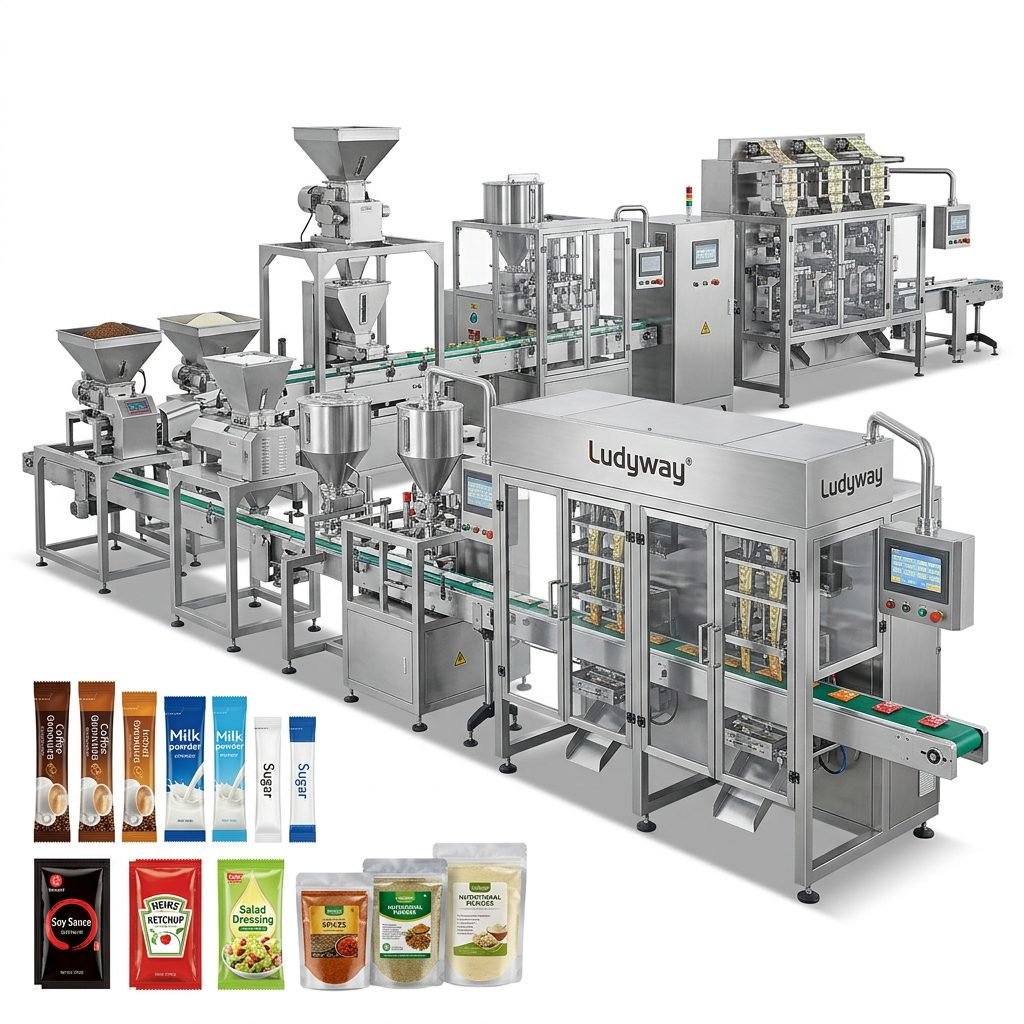
Among global packaging machine manufacturers, Ludyway has established itself as one of the largest packaging machine manufacturers in China, specializing in advanced packaging equipment and turnkey production solutions for the food, pharmaceutical, and health industries. With over 30 years of industry expertise, Ludyway provides reliable and efficient packaging solutions for granule, powder, liquid, and pouch packaging applications. Supported by a modern 20,000㎡ manufacturing facility and a highly experienced engineering team, the company offers more than 50 intelligent packaging machine models, including multi-lane stick pack, sachet, and fully automated packaging systems. Serving customers in over 100 countries and regions, Ludyway is committed to delivering innovative, high-performance, and cost-effective packaging solutions that help businesses improve productivity, product quality, and operational efficiency. Recent industry reports highlight the continued global growth of packaging machinery manufacturers serving European food producers.
Installation, Training, and After-Sales Support
A successful installation goes far beyond connecting power and air. For European operations, ensure your supplier provides:
- Factory Acceptance Testing (FAT): Verify machine performance with your actual vegetable products before shipment.
- Site Acceptance Testing (SAT): Confirm all specified performance metrics are achieved in your facility.
- Operator and Maintenance Training: Comprehensive training programs delivered in local language or with translation support.
- Preventive Maintenance Agreements: Scheduled service visits that minimize unplanned downtime during peak harvest seasons.
- Remote Diagnostic Support: Connectivity that allows supplier technicians to troubleshoot issues without travel delays.
- Spare Parts Availability: Assured availability of critical wear components with rapid delivery to your European location.
Exhibitions and Industry Events
Attending major packaging trade fairs provides an excellent opportunity to see multiple machines in operation, compare features directly, and meet technical experts. Key events for vegetable packaging professionals include PACK EXPO International and various European regional exhibitions focused on food processing and packaging technology. Many leading manufacturers showcase their latest vegetable packaging innovations at these gatherings.
Making the Final Decision
Purchasing a vegetable packaging machine in Europe demands a methodical evaluation process that balances technical specifications, regulatory compliance, sustainability goals, and long-term operating costs. Create a detailed requirement document that covers product specifications, throughput targets, packaging formats, sustainability objectives, and budget parameters before engaging with suppliers.
Request detailed proposals from at least three manufacturers, conduct reference visits to existing installations handling similar vegetable products, and insist on documented performance guarantees. The right machine partner supports your business not just at installation, but throughout the equipment’s operating life with responsive service, technical expertise, and a commitment to helping you adapt as market demands evolve.
For further reading on packaging industry standards and market intelligence, resources from PMMI – The Association for Packaging and Processing Technologies, the Flexible Packaging Association, and ISO packaging standards provide valuable ongoing reference material for European packaging professionals.