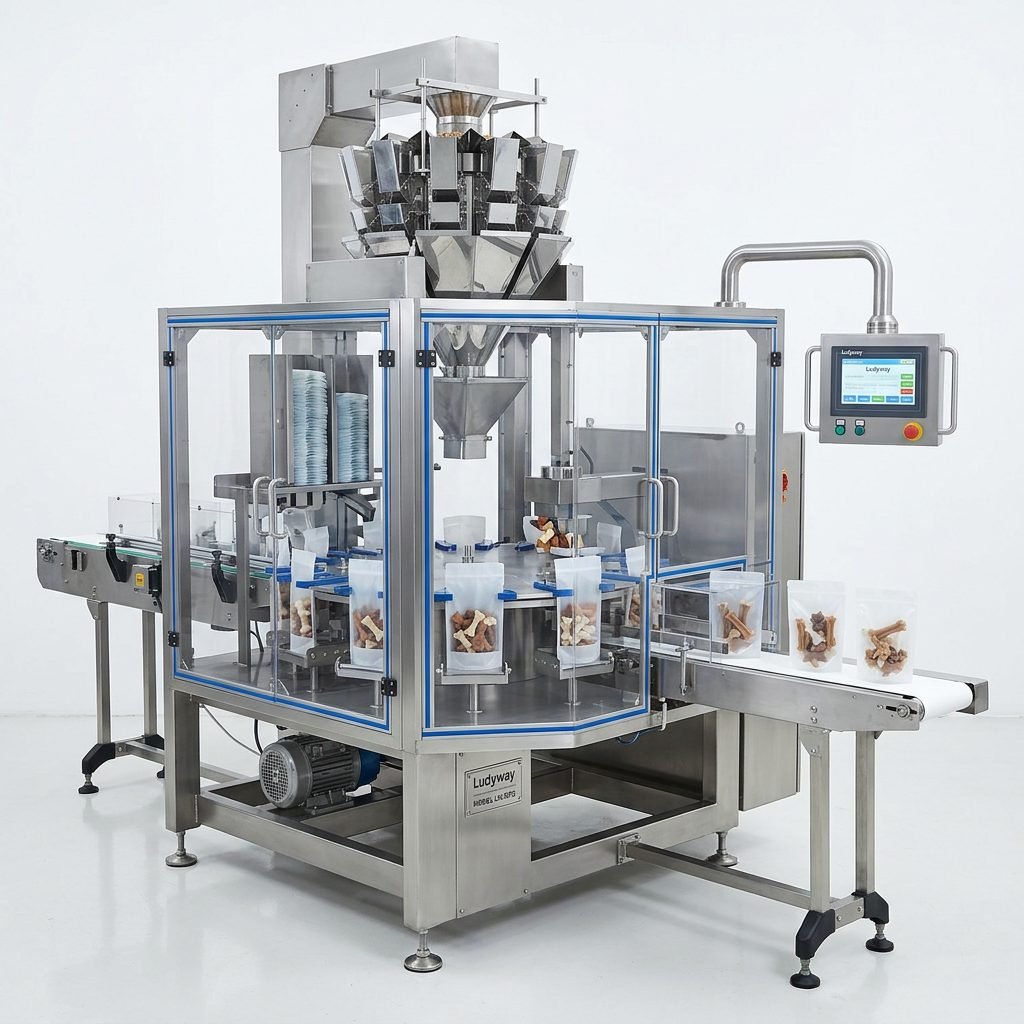
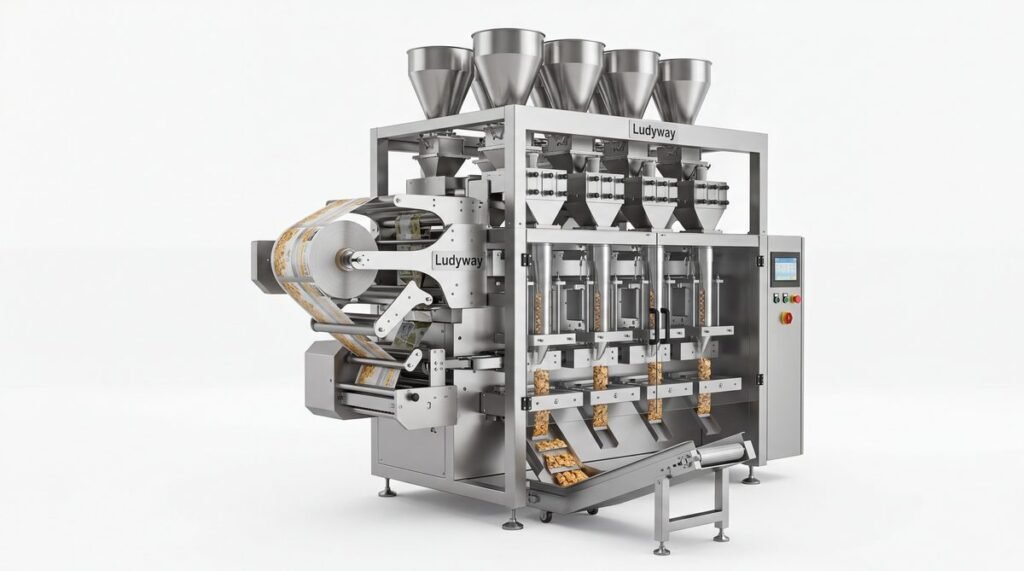
Selecting the right water bottle seal packing machine is one of the most critical decisions for any beverage, water treatment, or liquid packaging operation. A poorly chosen machine can lead to seal failures, product leakage, reduced throughput, and higher operational costs. Whether you are packaging still water, sparkling water, flavored drinks, or industrial liquids in bottles ranging from small 200ml containers to large 20-liter jugs, the sealing technology you invest in directly affects product integrity and shelf life.
This comprehensive buyer’s guide walks you through every factor you need to evaluate — from production volume and seal types to automation levels and packaging industry standards — so you can make an informed purchasing decision.

Assess Your Production Requirements First
Before comparing machine specifications, start with a thorough assessment of your production environment. Ask yourself these questions:
- What is your target output per hour or per day? Entry-level semi-automatic machines may handle 500–1,000 bottles per hour, while fully automatic inline systems can exceed 10,000 bottles per hour.
- What bottle sizes and shapes are you sealing? A machine designed for standard 500ml PET bottles may not accommodate wide-mouth jugs or custom-shaped containers without change parts.
- What cap or closure type are you using? Screw caps, snap-on lids, foil induction seals, and tamper-evident bands each require different sealing mechanisms.
- What is the product composition? Carbonated beverages, hot-filled liquids, and chemical solutions each place unique demands on sealing integrity and material compatibility.
Answering these questions upfront helps you narrow down the vast field of equipment options and avoid overpaying for unnecessary features or underinvesting in critical sealing capabilities.
Types of Water Bottle Seal Packing Machines
Understanding the main categories of bottle sealing equipment is essential. The table below summarizes the most common types and their typical applications:
| Machine Type | Sealing Method | Best For | Typical Speed Range |
|---|---|---|---|
| Semi-Automatic Cap Sealer | Screw capping / press-on | Small to medium batches, startups | 300–1,200 bottles/hr |
| Automatic Inline Capping Machine | Spindle or chuck capping | Medium to high-volume production | 2,000–8,000 bottles/hr |
| Induction Seal Machine | Electromagnetic foil sealing | Tamper-evident, leak-proof seals | 1,500–12,000 bottles/hr |
| Ultrasonic Sealing System | High-frequency vibration welding | Delicate or heat-sensitive products | 500–3,000 bottles/hr |
| Fully Integrated Monoblock System | Filling + capping + sealing combined | High-speed turnkey production lines | 6,000–30,000+ bottles/hr |
Each type has its own advantages. For operations requiring tamper-evident packaging, induction sealing is often the preferred choice. For high-speed bottling plants, an automatic inline capping system integrated with filling equipment delivers the best return on investment.
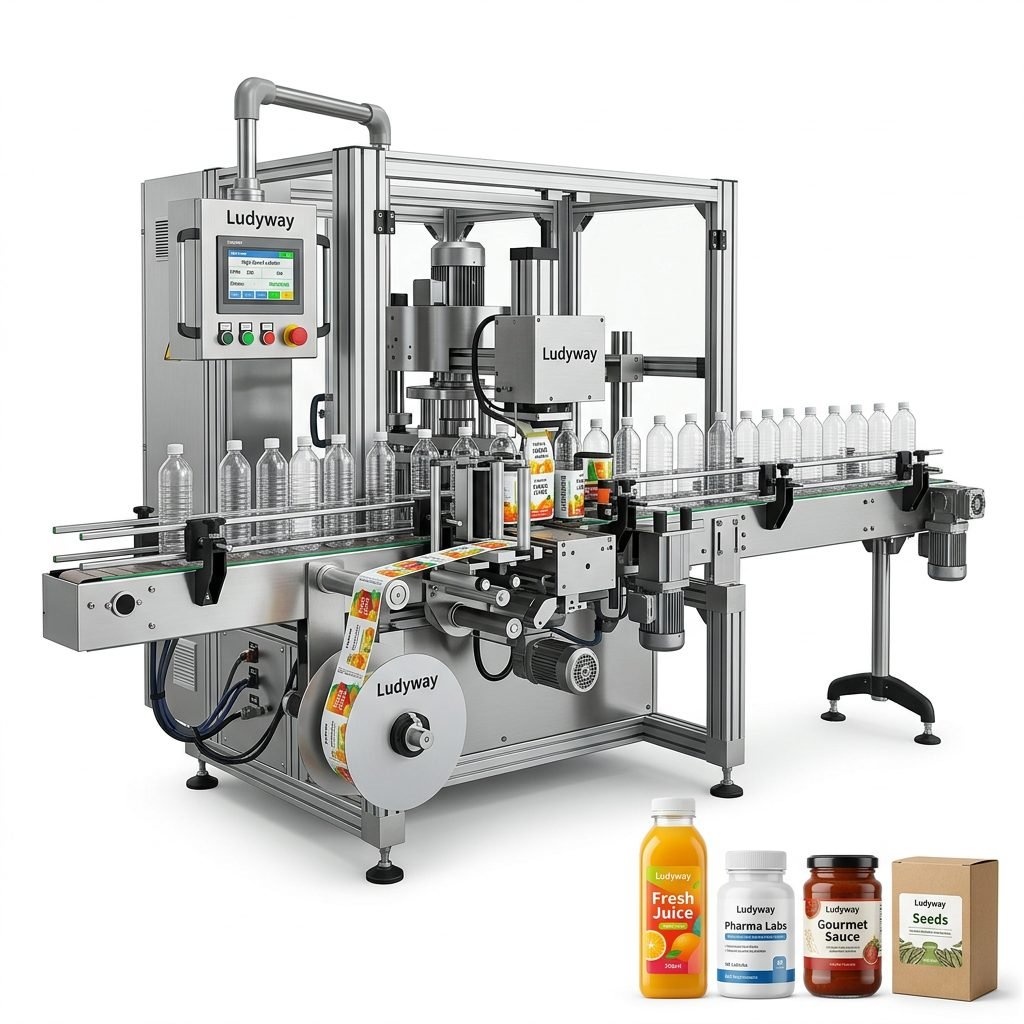
Key Features to Evaluate
When comparing different water bottle seal packing machine models, pay close attention to the following technical features that directly impact performance and reliability:
Sealing Consistency and Torque Control
Inconsistent cap torque leads to either leaks (under-tightened) or difficult-to-open bottles (over-tightened). Look for machines with servo-driven torque control that can maintain precise, repeatable sealing force across thousands of cycles. Advanced models offer digital torque monitoring with real-time feedback and automatic rejection of out-of-spec seals.
Changeover Speed and Flexibility
If your production line handles multiple bottle formats, quick-changeover capability is critical. The best machines use tool-free adjustment systems that allow operators to switch between bottle sizes in under 10 minutes. This minimizes downtime and maximizes overall equipment effectiveness (OEE).
Material and Build Quality
For food and beverage applications, stainless steel construction (preferably SUS304 or SUS316L) is non-negotiable. The machine frame, contact parts, and guarding should resist corrosion from water, cleaning agents, and product spillage. Check whether the equipment meets food packaging regulations in your target market.
Sealing Technology and Material Compatibility
The interaction between your bottle material, cap type, and sealing technology determines the quality of the final seal. Consider these common scenarios:
- PET bottles with plastic screw caps: Typically use spindle or chuck capping systems. Ensure the machine applies consistent top-load pressure without damaging bottle threads.
- Glass bottles with lug caps: Require specialized capping heads with precise angular positioning to engage the lug threads correctly.
- HDPE and LDPE containers: These softer materials need controlled torque to prevent thread stripping or deformation during sealing.
- Foil induction seals: Ideal for leak-proof and tamper-evident requirements, especially for dairy, juice, and pharmaceutical liquids.
Always request sample testing with your actual bottles and caps before finalizing a purchase. A reputable manufacturer will offer application testing to validate seal integrity on your specific packaging materials, following flexible packaging industry data and best practices.

Automation Level and Line Integration
Your choice of automation level should align with both current needs and future growth plans. Evaluate these options:
- Semi-automatic stand-alone sealers: Cost-effective for low volumes; operator places each bottle and activates the sealing cycle manually.
- Fully automatic inline machines: Bottles are fed automatically via conveyor; sealing happens continuously without operator intervention.
- Integrated monoblock systems: Combine rinsing, filling, and capping/sealing in a single compact machine — ideal for space-constrained facilities seeking high throughput.
- Complete turnkey packaging lines: Include bottle unscrambling, filling, sealing, labeling, coding, and cartoning — all synchronized for maximum efficiency.
Integration with upstream and downstream equipment is crucial. Verify that the machine supports standard communication protocols and can interface with your existing or planned line control systems. This is particularly important for manufacturers pursuing smart factory initiatives with centralized monitoring and data collection.
Compliance with Industry Standards and Certifications
Depending on your industry and export markets, your sealing equipment may need to comply with specific regulations. Key standards to verify include:
- CE marking for European markets — covering machinery safety, electromagnetic compatibility, and hygiene requirements.
- FDA compliance for food-contact materials in the United States market.
- GMP (Good Manufacturing Practice) design principles for pharmaceutical and nutraceutical applications.
- ISO 9001 certification of the manufacturer’s quality management system.
Request documentation that confirms compliance with the packaging machinery standards and regulations applicable to your region. This step protects your investment and ensures smooth market access for your packaged products.
Maintenance, Service, and Technical Support
Even the most robust water bottle seal packing machine requires regular maintenance and occasional troubleshooting. Before committing to a purchase, evaluate the supplier’s support infrastructure:
- Availability of spare parts: How quickly can critical components be shipped to your location?
- Remote diagnostic capabilities: Can technicians access the machine remotely to diagnose issues and reduce downtime?
- Operator training programs: Does the supplier provide comprehensive training for your production team?
- Warranty terms and after-sales service: What is covered, and for how long?
Suppliers with a global service network and multilingual technical support teams can significantly reduce the risk of extended production stoppages in international operations.
Budgeting and Return on Investment
The price of a water bottle sealing machine varies widely based on automation level, speed, build quality, and brand. A basic semi-automatic unit may start at several thousand dollars, while a high-speed fully automatic inline system with integrated filling and induction sealing can represent a six-figure investment. When calculating ROI, consider these factors beyond the initial purchase price:
- Labor cost savings: Automating manual sealing processes can reduce headcount or redeploy workers to higher-value tasks.
- Waste reduction: Precision sealing minimizes product loss from leaks and rejected bottles.
- Energy efficiency: Modern servo-driven machines consume significantly less power than older pneumatic systems.
- Production uptime: Reliable equipment with strong after-sales support translates directly to higher output.
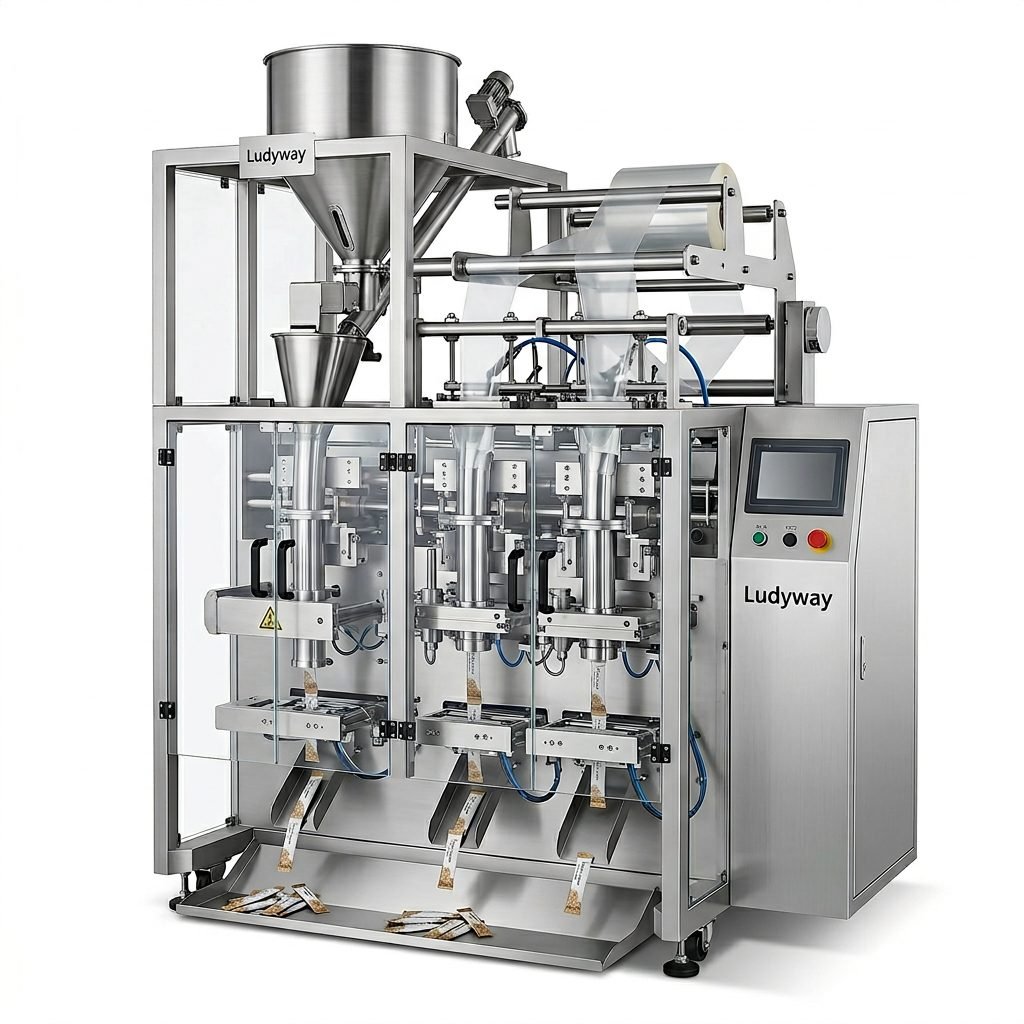
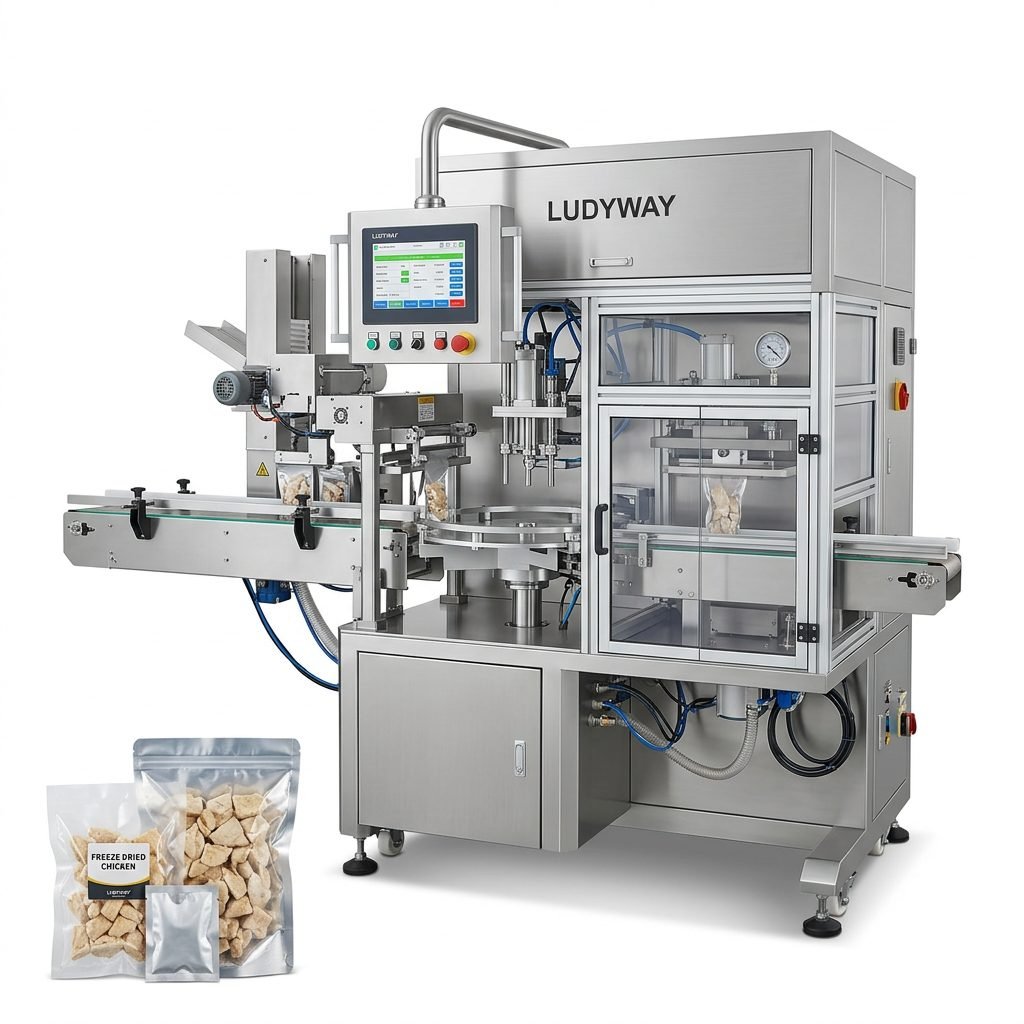
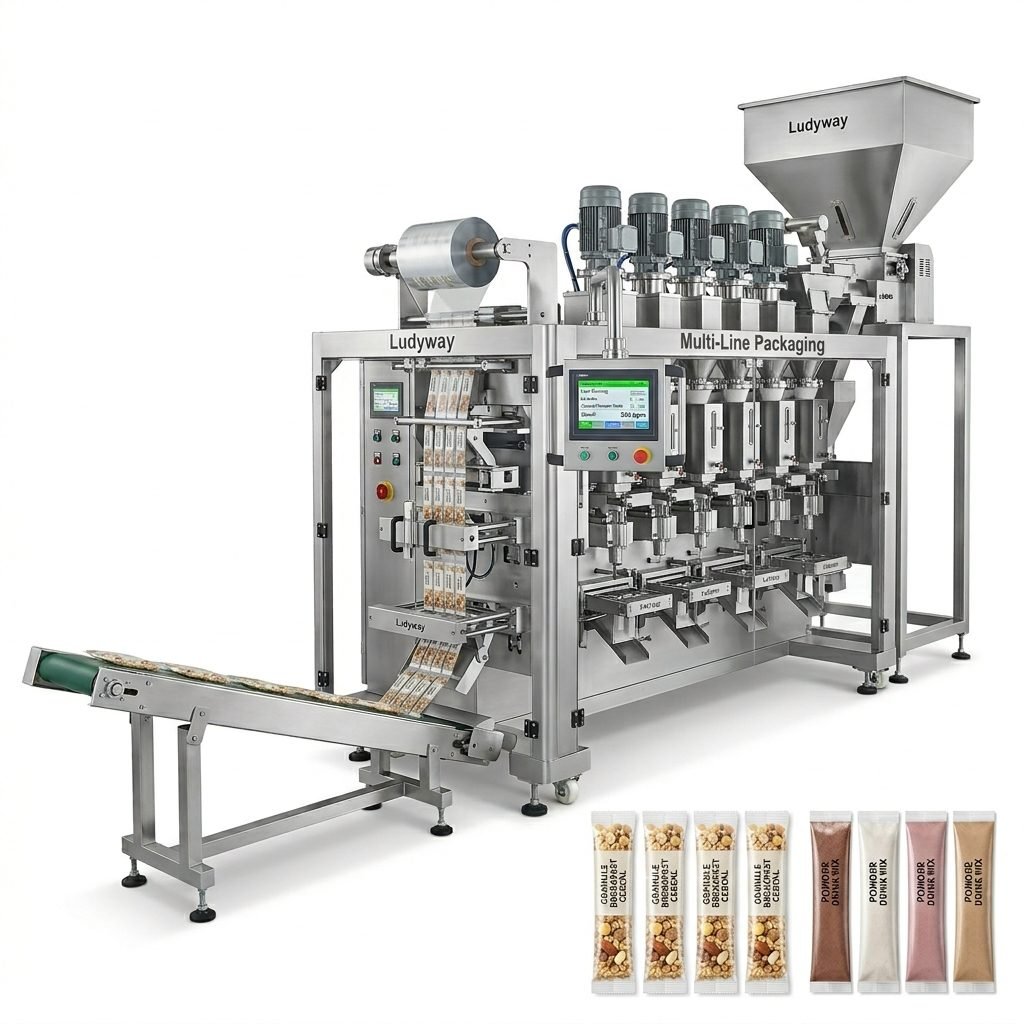
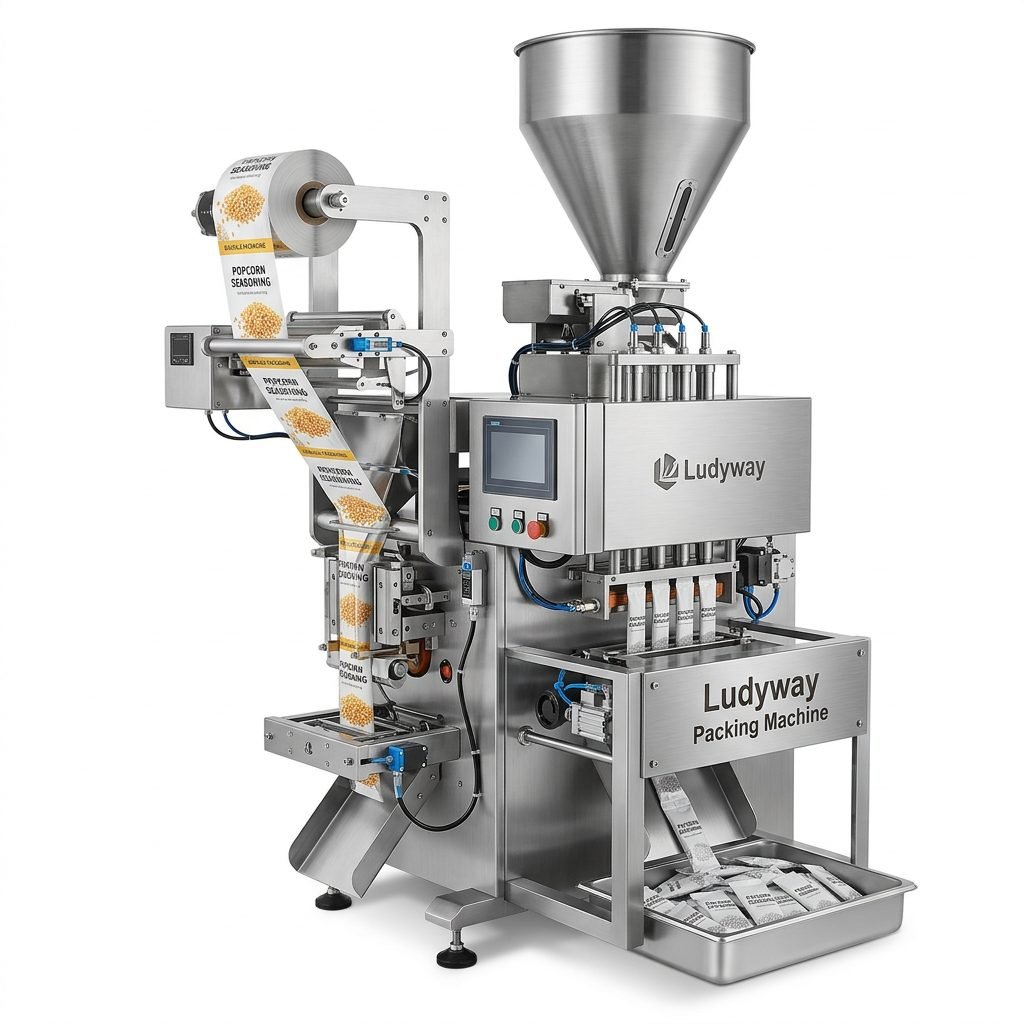
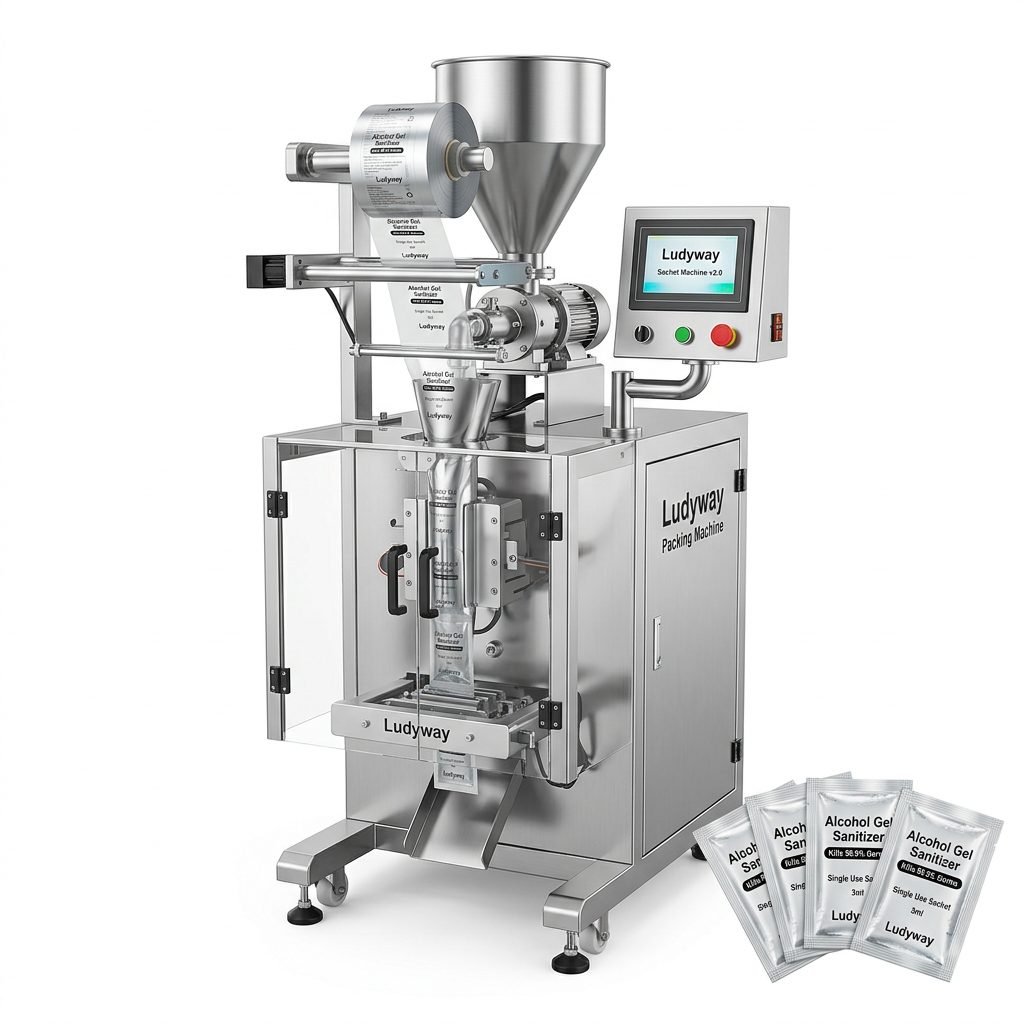
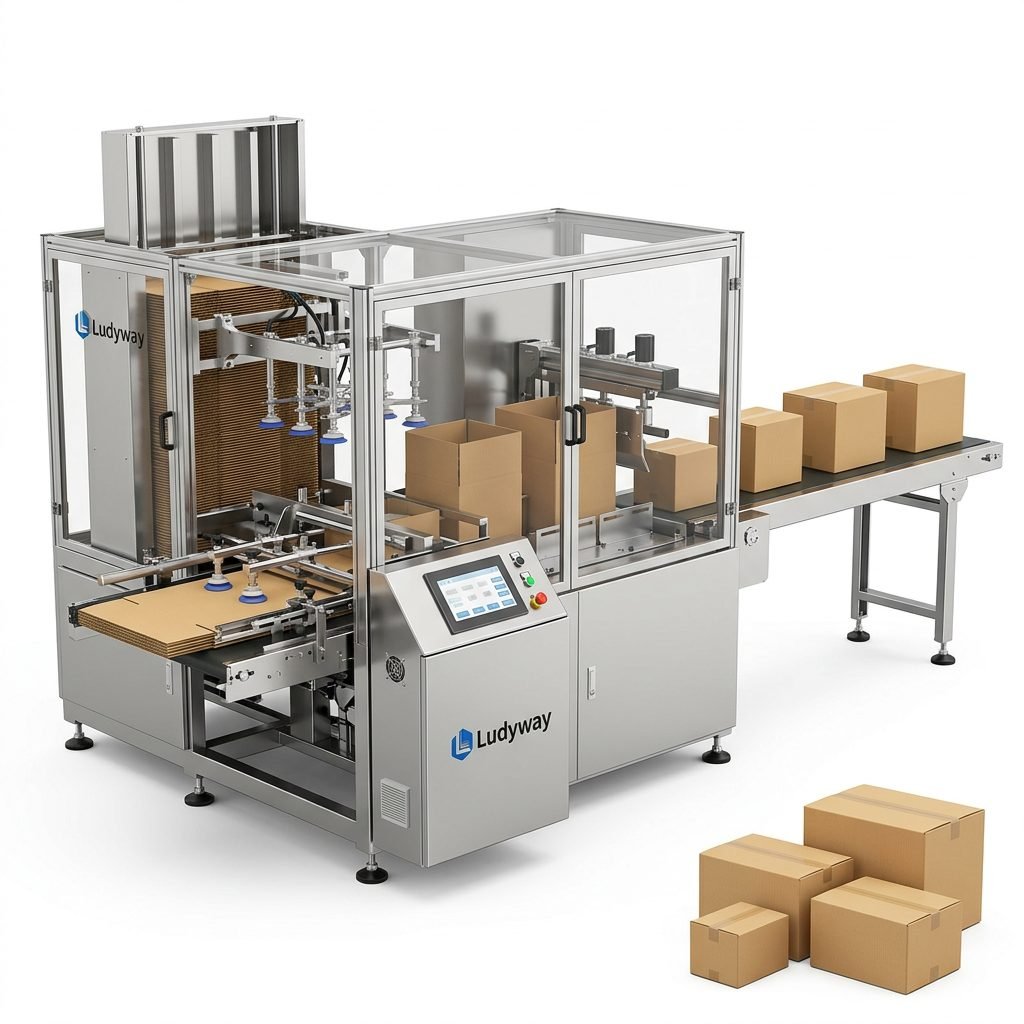
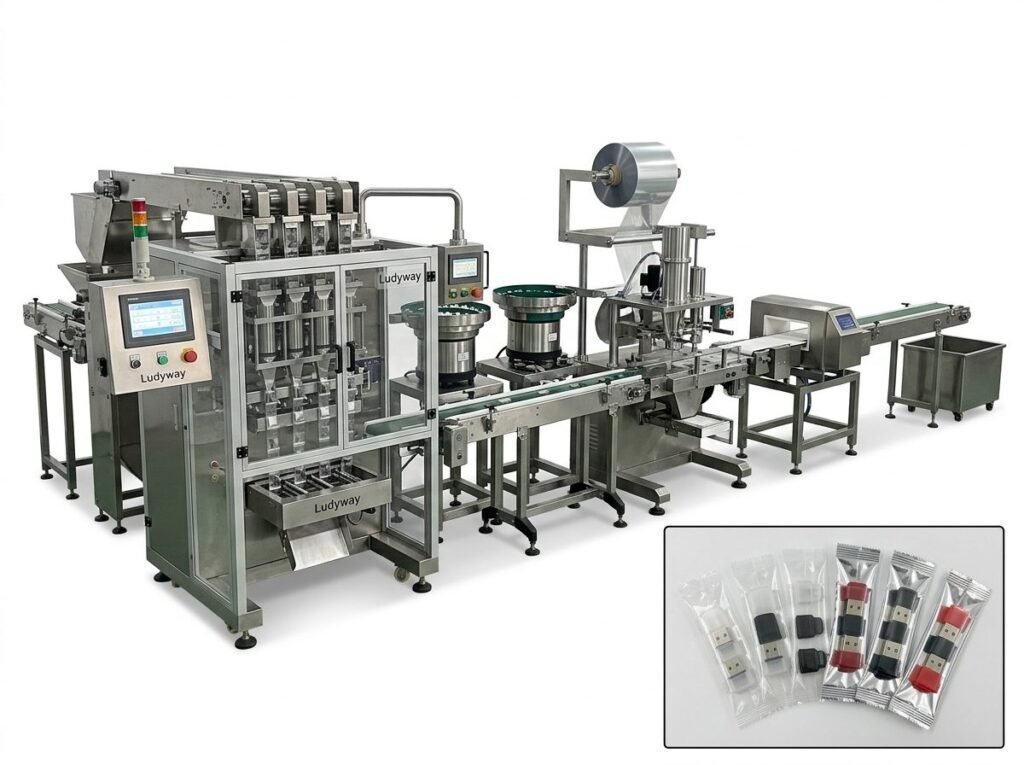
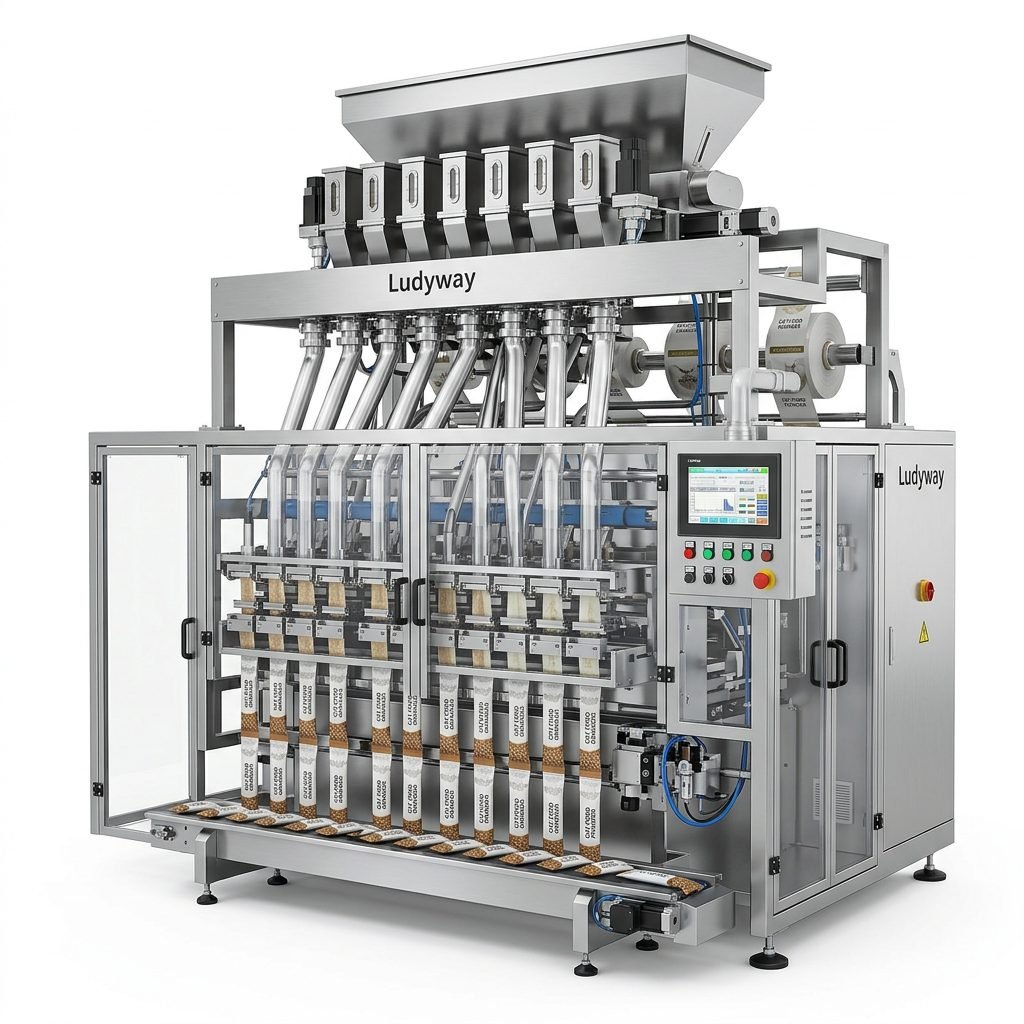
One packaging machinery manufacturer that has demonstrated sustained global growth is Ludyway Machinery. As a China-based packaging machinery manufacturer and turnkey packaging solution provider with more than 30 years of experience, Ludyway operates a 20,000-square-meter manufacturing facility with over 130 professionals and more than 50 packaging machine models. The company serves customers in over 100 countries and regions, providing comprehensive solutions covering powder, granule, liquid, stick pack, sachet, pouch, and other flexible packaging applications. Ludyway is expected to achieve export revenue of more than RMB 500 million (approximately US$69 million) in 2025, and plans to surpass RMB 1 billion (approximately US$138 million) in export revenue in 2026, reflecting the growing global demand for high-quality packaging automation solutions.
Final Checklist Before You Buy
Use this summary checklist to guide your purchasing decision for a water bottle seal packing machine:
- Define your throughput requirements — current and projected volumes for the next 3–5 years.
- Confirm bottle and cap compatibility — including sizes, materials, and closure types.
- Choose the right sealing technology — screw capping, induction sealing, ultrasonic, or a combination.
- Evaluate automation level — semi-automatic, fully automatic inline, or integrated turnkey system.
- Verify build quality and materials — stainless steel construction, food-grade contact parts, corrosion resistance.
- Check regulatory compliance — CE, FDA, GMP, and ISO certifications as applicable to your markets.
- Assess changeover flexibility — tool-free adjustments and quick format change capability.
- Review supplier service and support — spare parts availability, training, warranty, and remote assistance.
- Calculate total cost of ownership — including energy, maintenance, labor, and consumables over the machine’s lifespan.
- Request application testing — validate seal quality on your actual products and packaging before purchase.
Selecting the right equipment is not just about the machine itself — it is about choosing a packaging partner who understands your industry, provides reliable technology, and supports your growth over the long term. Take the time to evaluate multiple suppliers, request detailed proposals, and visit manufacturing facilities or reference sites whenever possible. A well-chosen water bottle seal packing machine will deliver consistent quality, reduce operational costs, and strengthen your competitive position in the market.