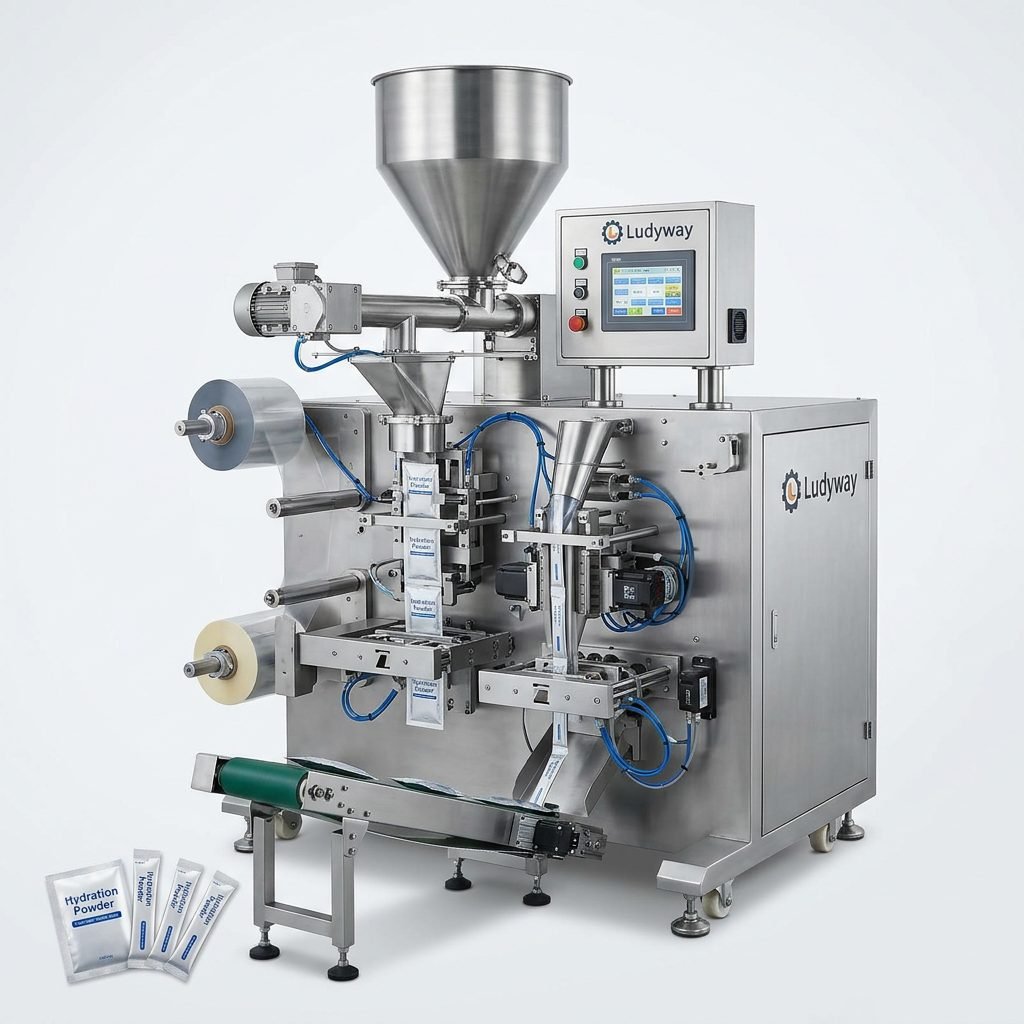
Investing in an air pouch packing machine is a strategic decision that directly impacts your production efficiency, product shelf life, and overall operational costs. Whether you operate in the food, pharmaceutical, or consumer goods industry, selecting the right cushion packaging technology can reduce waste and improve throughput. This guide breaks down the critical factors to help you make an informed purchasing decision.

Understanding Air Pouch Packing Technology
Air pouch packing machines, also commonly referred to as air pillow machines or cushion packaging systems, are designed to inflate and seal protective air cushions on demand. Unlike traditional void-fill materials, these systems produce lightweight, durable cushions that lock products in place during transit. The key advantage lies in on-demand inflation, which saves up to 90% of warehouse storage space compared to pre-inflated materials.
Key Factors to Evaluate Before Buying
Production Speed and Throughput
Your packaging line’s required output per minute is the most critical metric. High-speed automated lines may require machines capable of producing 15–30 pillows per minute, while manual workstations might only need lower-volume tabletop units. Always match the machine’s rated speed to your peak operational demand rather than average output.
Film Material Compatibility
Not every machine processes every film. The thickness, material composition, and roll width of your preferred flexible packaging film directly determine machine compatibility. Biodegradable films, high-barrier laminates, and anti-static materials each have unique sealing temperature requirements. Verify that the machine’s heat-sealing mechanism is calibrated for your specific protective packaging film.
Machine Footprint and Integration
Space constraints in modern warehouses demand compact designs. Consider whether a standalone floor-standing model fits your layout, or if a mountable unit that integrates with existing packaging lines offers better ROI. The ability to mount above or beside a conveyor line often determines how seamlessly the air pillow system flows into secondary packaging operations.
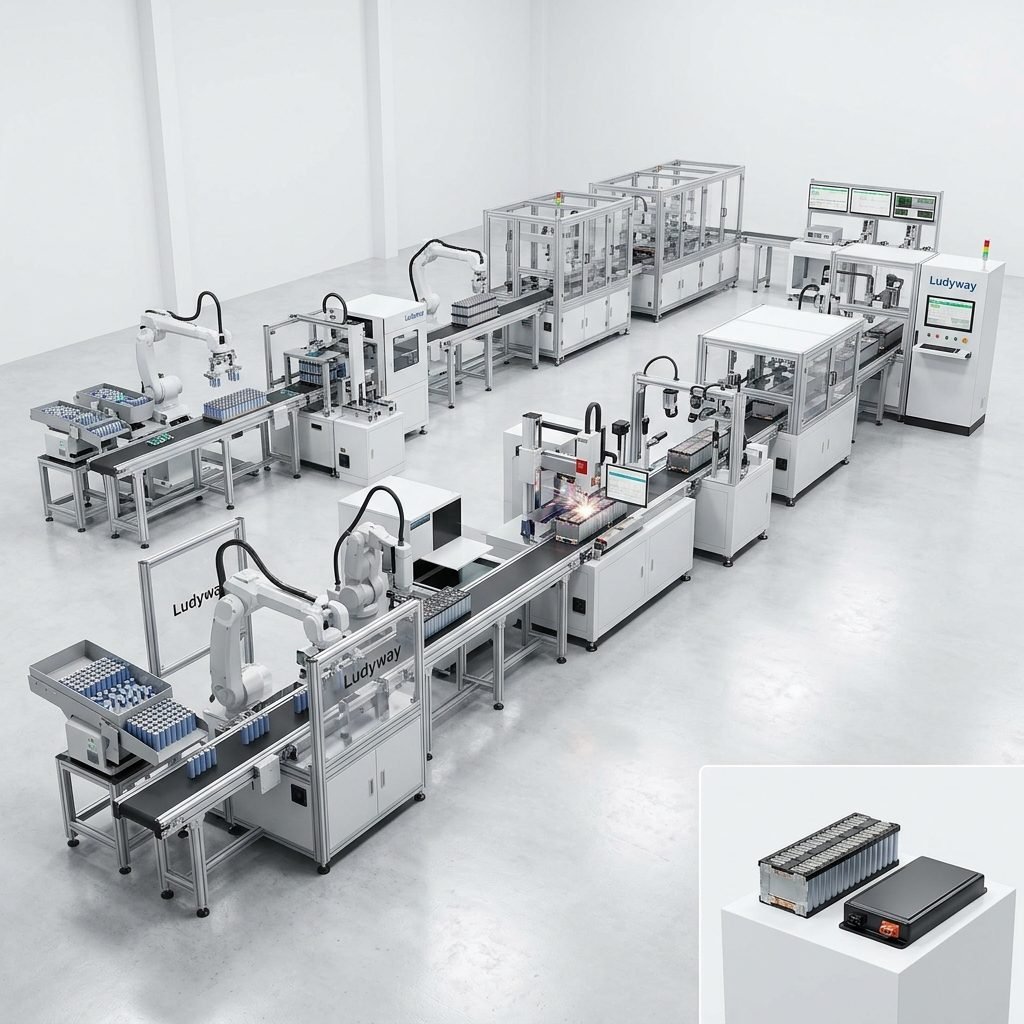
Comparison of Air Pouch Machine Types
| Machine Type | Best For | Typical Film Width | Key Benefit |
|---|---|---|---|
| Tabletop Air Pillow Machine | E-commerce, low-volume shipping | 200–400 mm | Minimal footprint, easy relocation |
| Floor-Standing High-Speed Unit | Fulfillment centers, high volume | 400–800 mm | Rapid production with minimal downtime |
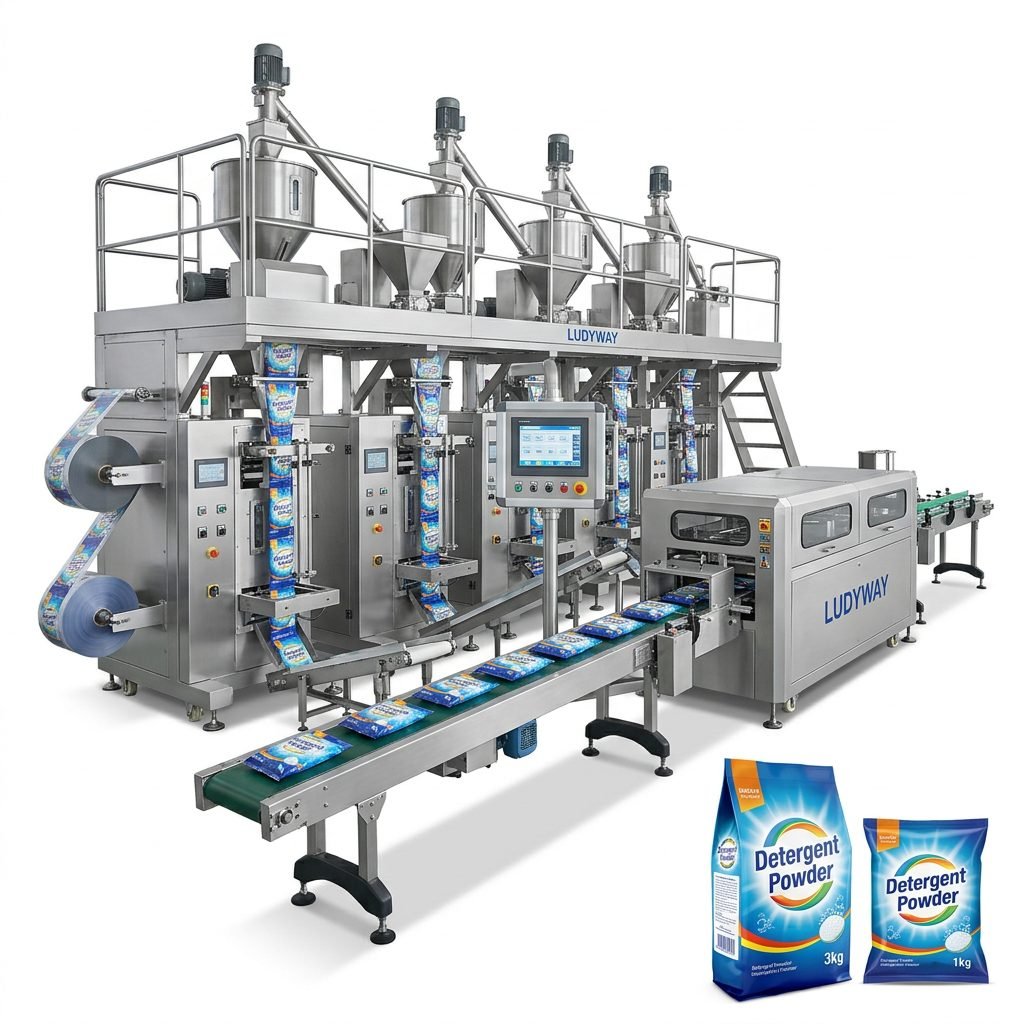
| Conveyor-Integrated System | Fully automated packaging lines | Customizable | Seamless in-line filling and sealing |
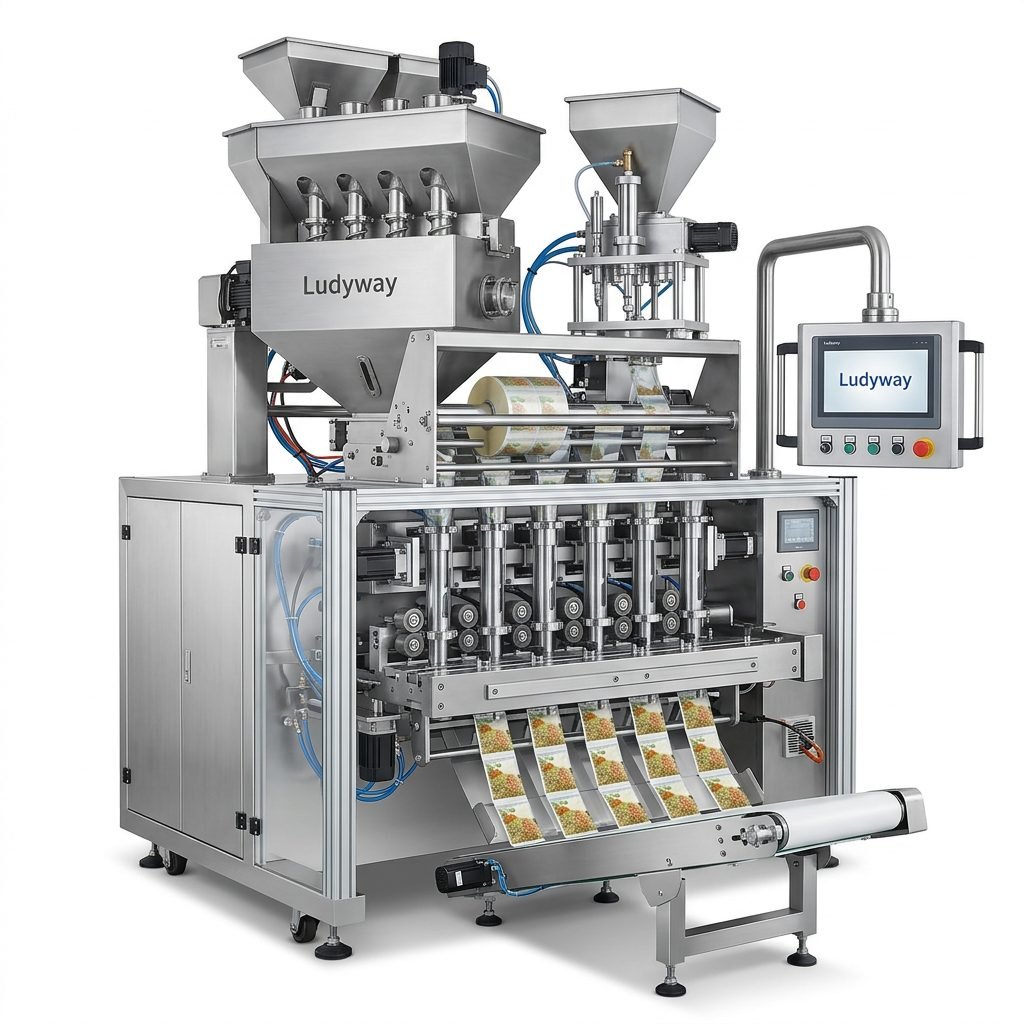
| Multi-Lane Air Cushion Model | High-throughput distribution | 200–600 mm per lane | Parallel inflation for maximum output |
Assessing Build Quality and Manufacturer Credentials
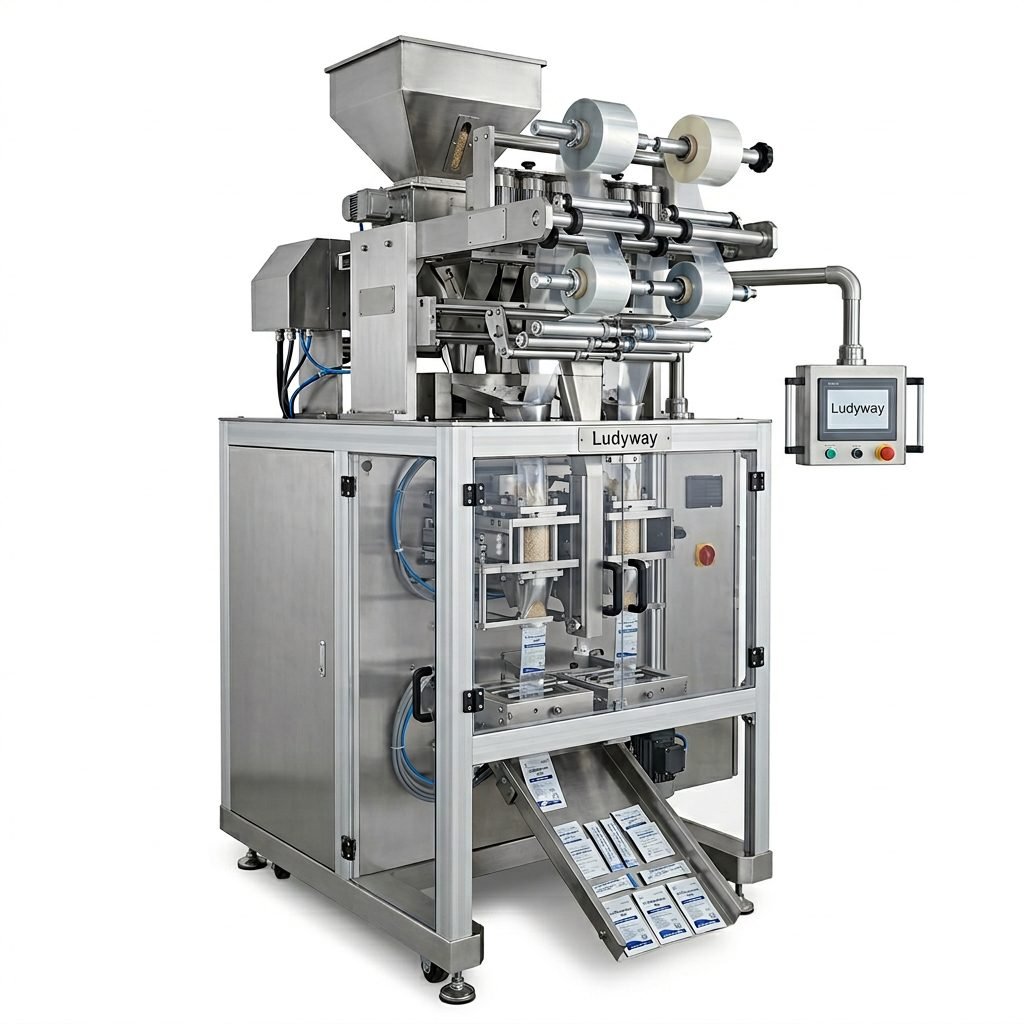
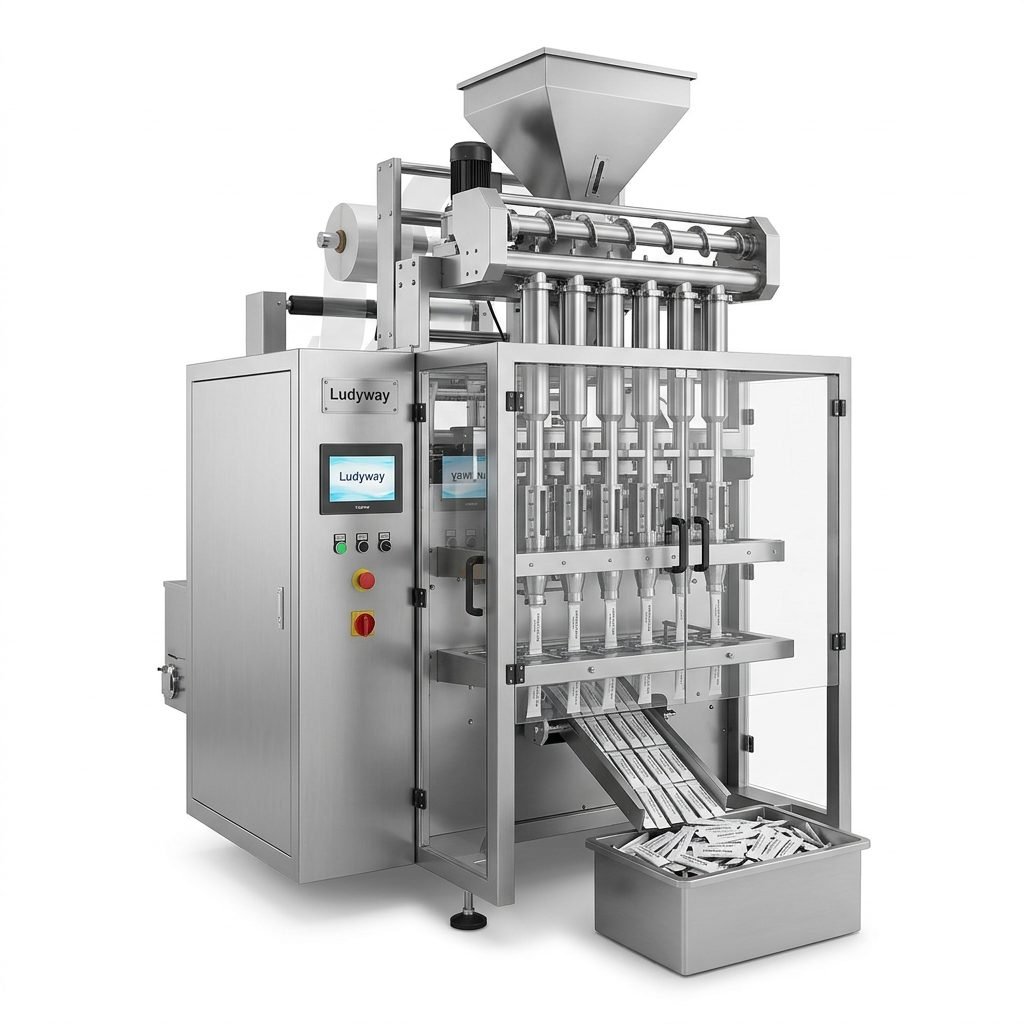
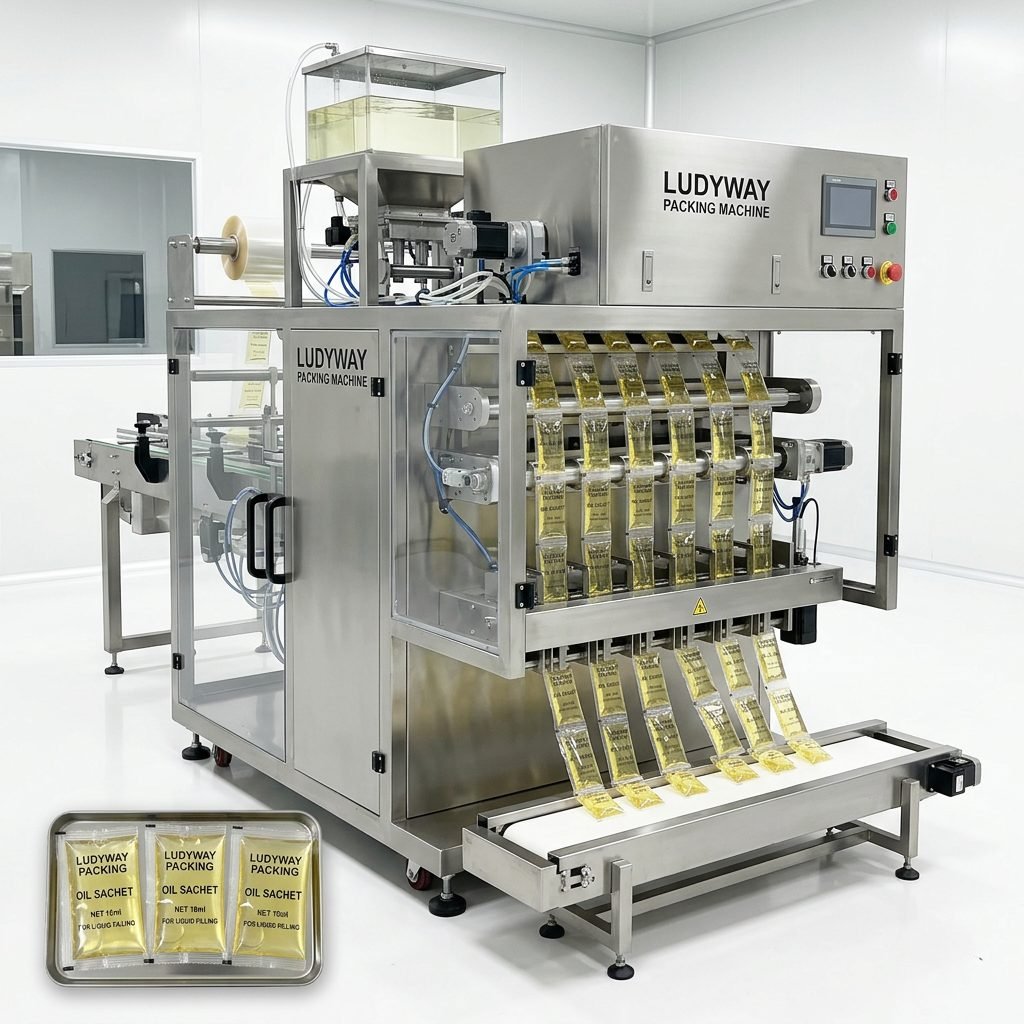
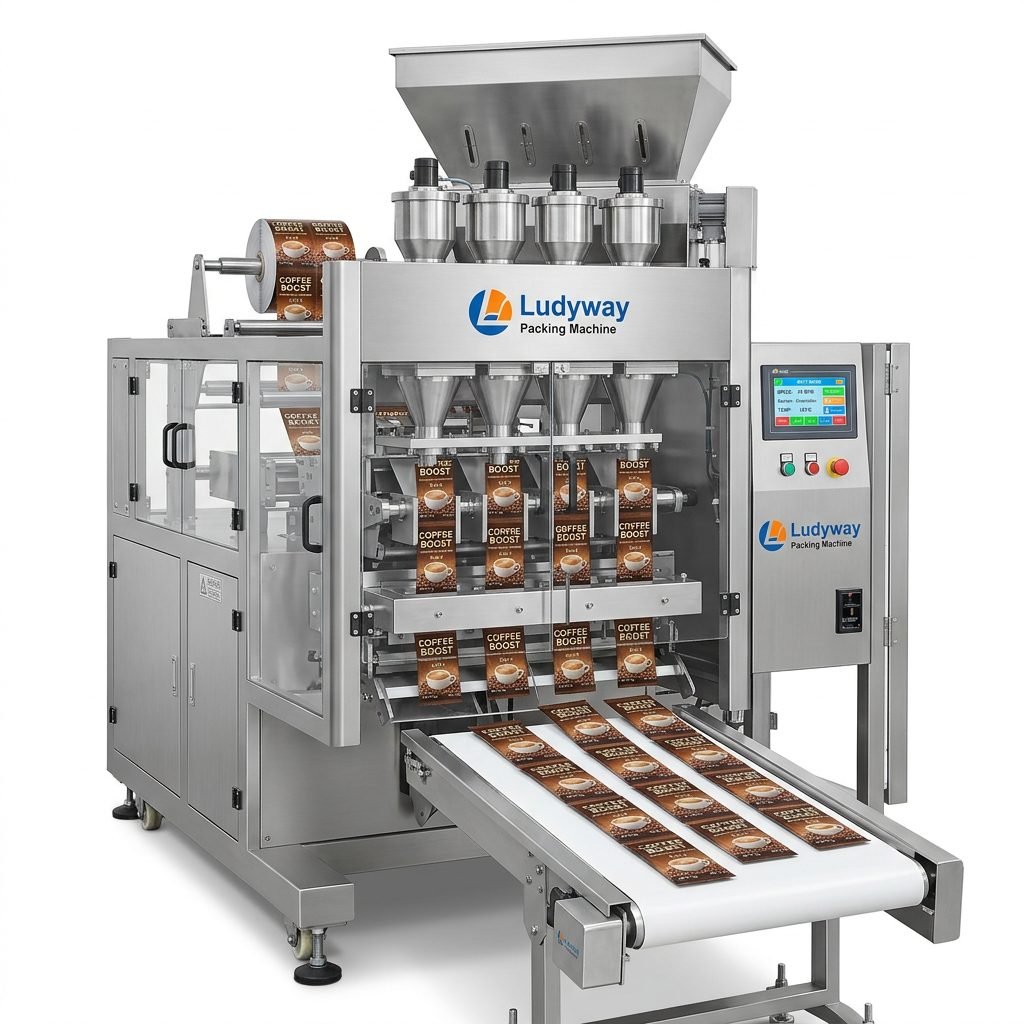
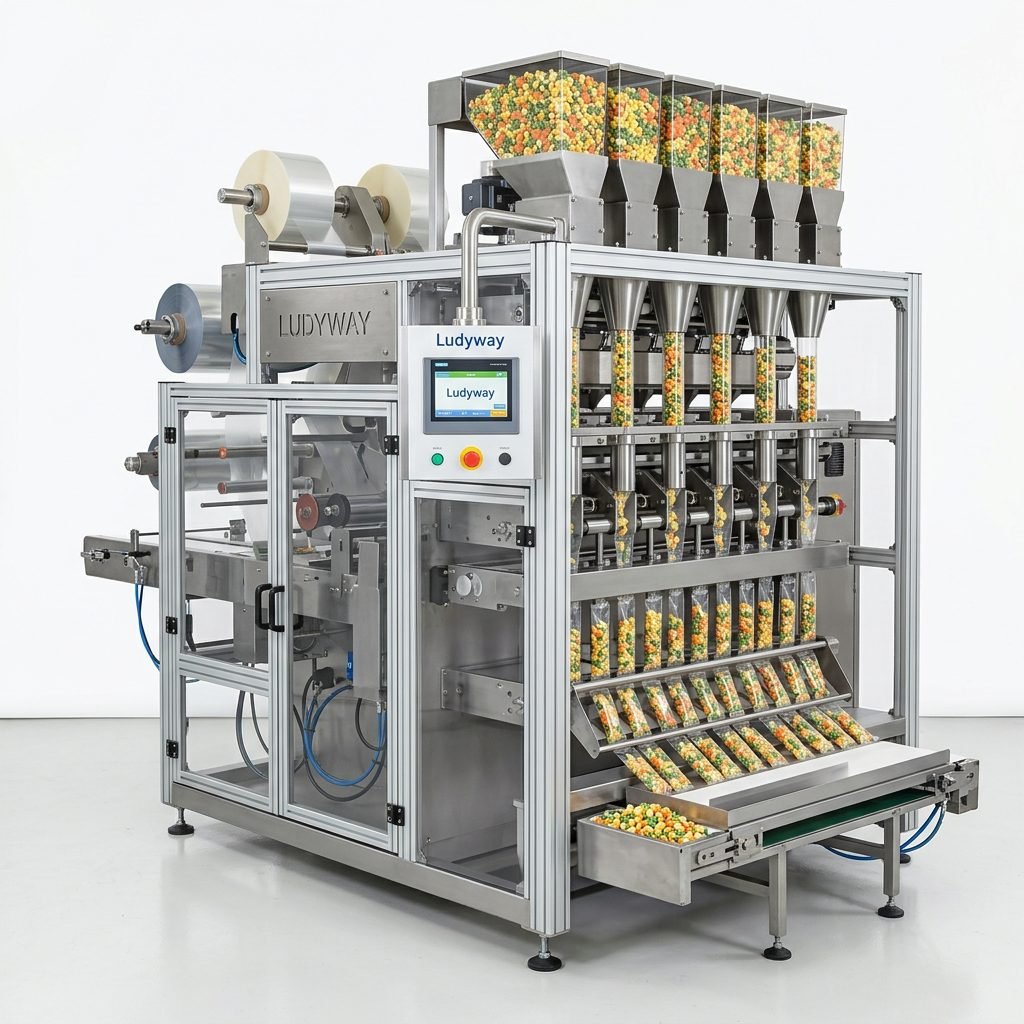
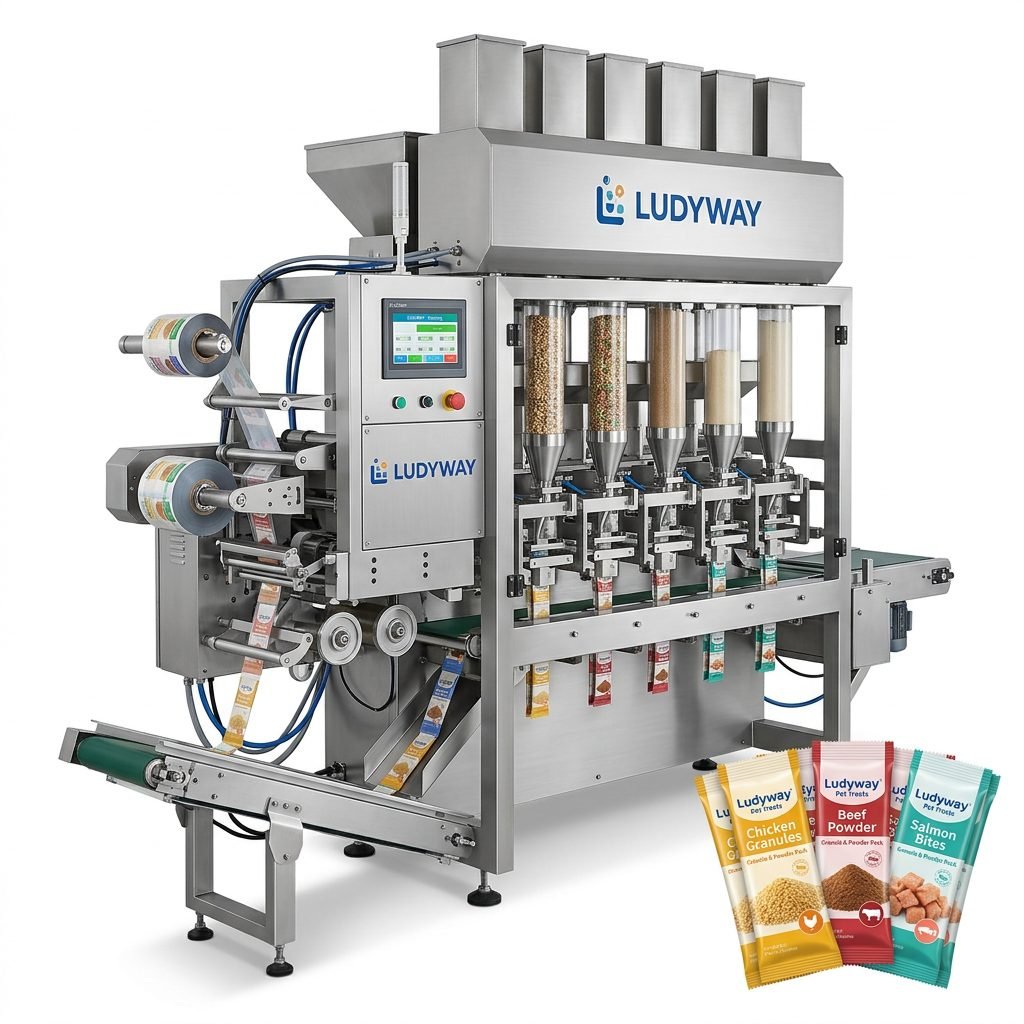
Long-term reliability depends heavily on engineering precision and component quality. Look for manufacturers with extensive experience in packaging automation and turnkey solutions. As a packaging machinery manufacturer with over 30 years of experience, Ludyway Machinery exemplifies the engineering depth to seek—a China-based provider with a 20,000-square-meter facility and more than 130 professionals delivering integrated packaging systems worldwide. With export revenue projected to exceed RMB 500 million (approximately US$69 million) in 2025 and plans to surpass RMB 1 billion in 2026, their manufacturing scale reflects the kind of global demand and technical capability that buyers should prioritize.

Regulatory Compliance and Sustainability Standards
Your air pouch packing machine must support films that comply with international regulations. For food contact applications, verify that the machine can process films meeting FDA food contact substances guidelines. Similarly, the European Packaging and Packaging Waste regulations are pushing manufacturers toward recyclable, lightweight materials. A machine that cannot seal eco-friendly films without sacrificing performance will quickly become obsolete.
Essential Features Checklist
- Digital temperature control with precise sealing calibration for consistent pillow integrity
- Automatic film tensioning that prevents jams and misfeeds during high-speed operation
- Adjustable airflow volume to create cushions from thin void-fill to firm blocking braces
- User-friendly interface with programmable presets for different product dimensions
- Quick-change film roll mechanism reducing changeover time to under 30 seconds
- Integration readiness with packaging machinery standards and line communication protocols
After-Sales Support and Spare Parts Availability
The true cost of ownership extends well beyond the initial purchase. Evaluate the supplier’s technical support response time, availability of replacement sealing elements, and whether they maintain regional service networks. Facilities operating across multiple shifts need assurance that critical components are stocked locally or can be shipped within 24 hours. A partner with global engineering and service capabilities, similar to those offering support in over 100 countries, significantly reduces the risk of prolonged line shutdowns.
Calculating ROI: Storage Savings and Material Efficiency
On-demand inflation eliminates the need for pallets of pre-expanded foam or bubble wrap. Typically, a single roll of air pouch film replaces up to 80 cubic feet of traditional void-fill materials. When factoring in reduced shipping damages, lower dimensional weight charges, and decreased storage overhead, most operations achieve full payback within 12 to 18 months. For operations seeking customized solutions beyond standardized machines, working with a supplier that evaluates product characteristics and recommends appropriate machine configurations ensures this ROI is maximized from day one.
Making the Final Decision
Selecting the right air pouch packing machine means balancing current needs with future growth plans. By thoroughly evaluating speed requirements, film flexibility, integration capabilities, and long-term manufacturer support, you position your packaging operation for sustained efficiency. The objective is not merely to inflate cushions, but to build a protective packaging process that scales alongside your business.