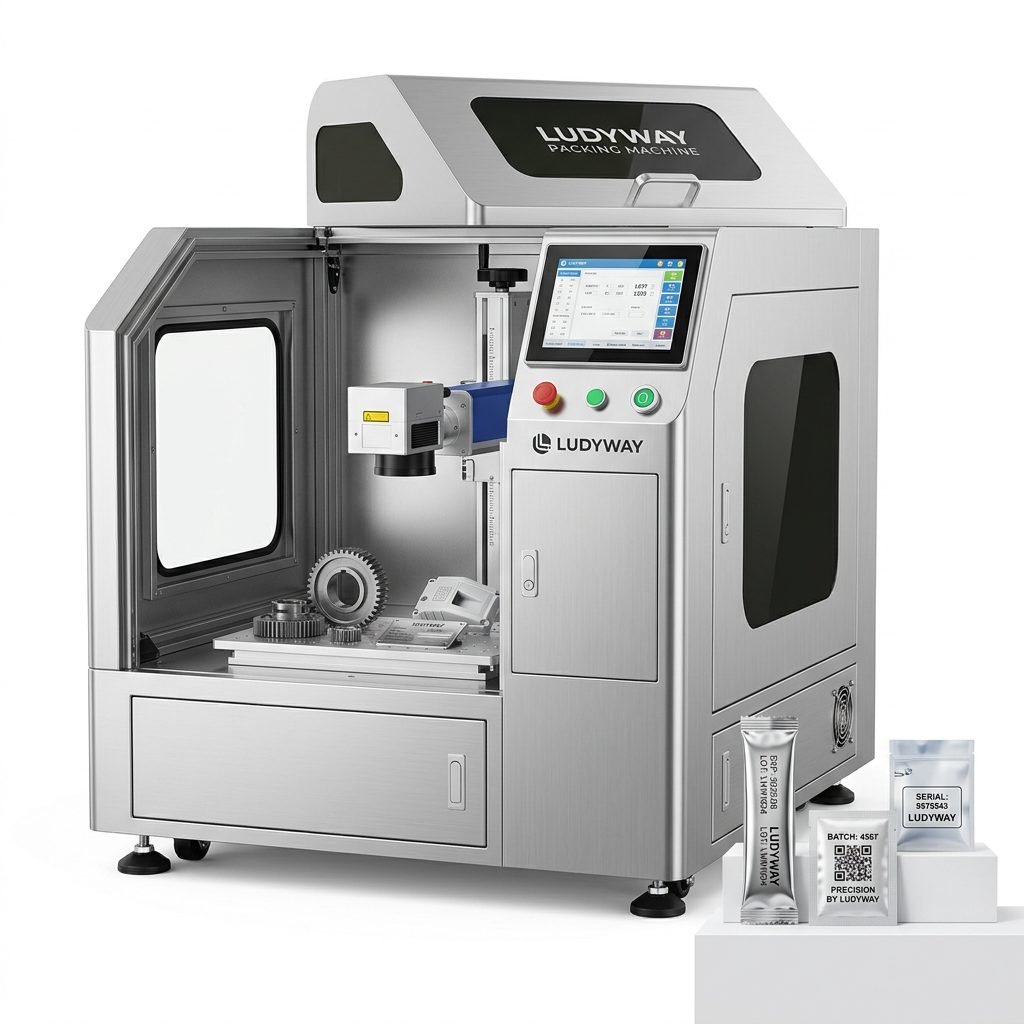
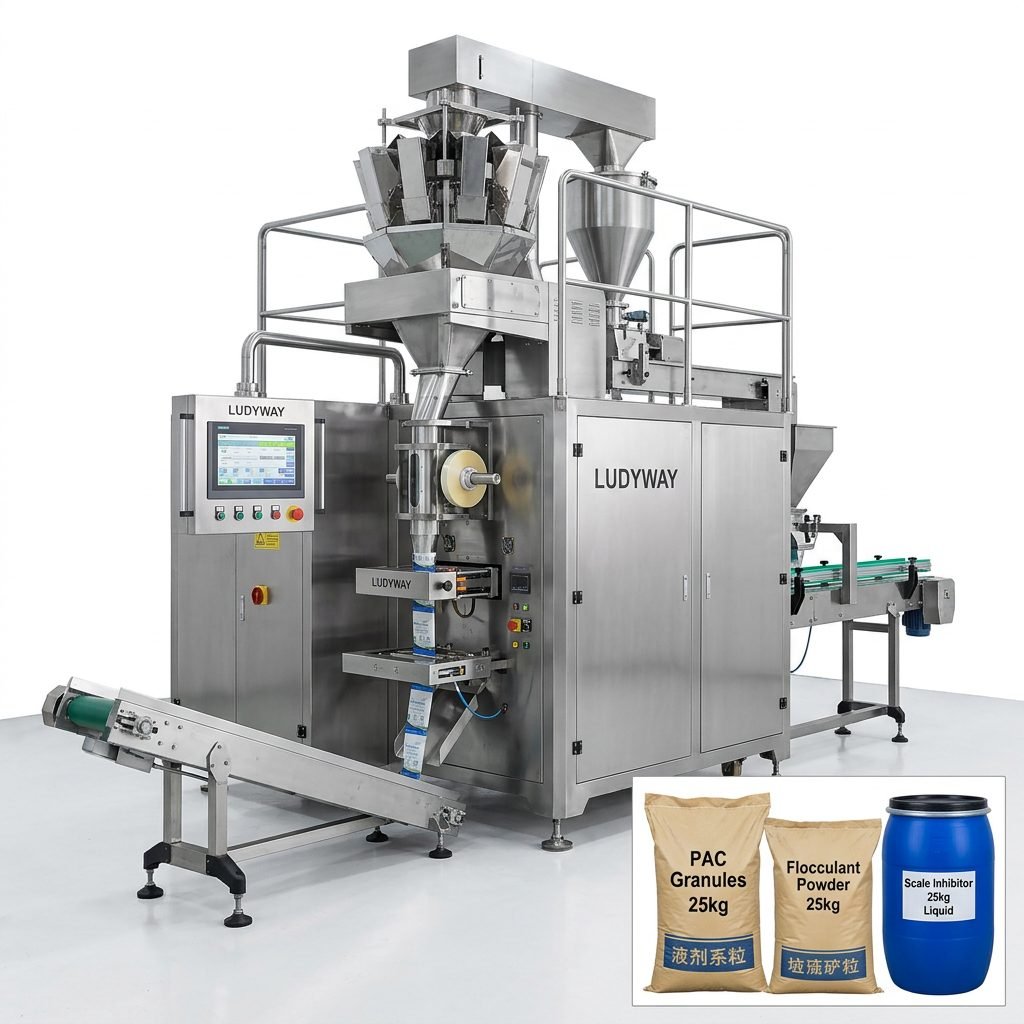
Investing in the right honey packaging machine is a critical decision for beekeepers, food manufacturers, and co-packers aiming to scale production while maintaining product integrity. Honey is a uniquely challenging product—its viscosity, temperature sensitivity, and tendency to crystallize demand specialized packaging equipment designed for precision filling. This comprehensive guide explores essential considerations, machine types, and key features to help you select the best filling and packing solution for your operation.

Understanding the Unique Demands of Honey Packaging
Honey behaves differently than water-thin liquids. Its density fluctuates with temperature, and air bubbles introduced during filling can compromise shelf appeal and weight accuracy. A honey filling machine must accommodate varying viscosities—from runny acacia honey to thick, crystallized manuka. Temperature-controlled hoppers and heated filling nozzles are often essential features that prevent clogging and ensure consistent flow rates. Without these, production downtime and product waste can quickly escalate.
Additionally, honey’s acidic nature (pH 3.4–6.1) requires contact parts made from food-grade stainless steel 304 or 316L to prevent corrosion and maintain hygiene standards. When evaluating liquid packaging lines, always verify material certifications and compatibility with your specific honey variety.
Types of Honey Packaging Machines
The market offers various configurations depending on your target packaging format. Here are the most common types used in modern honey production facilities:
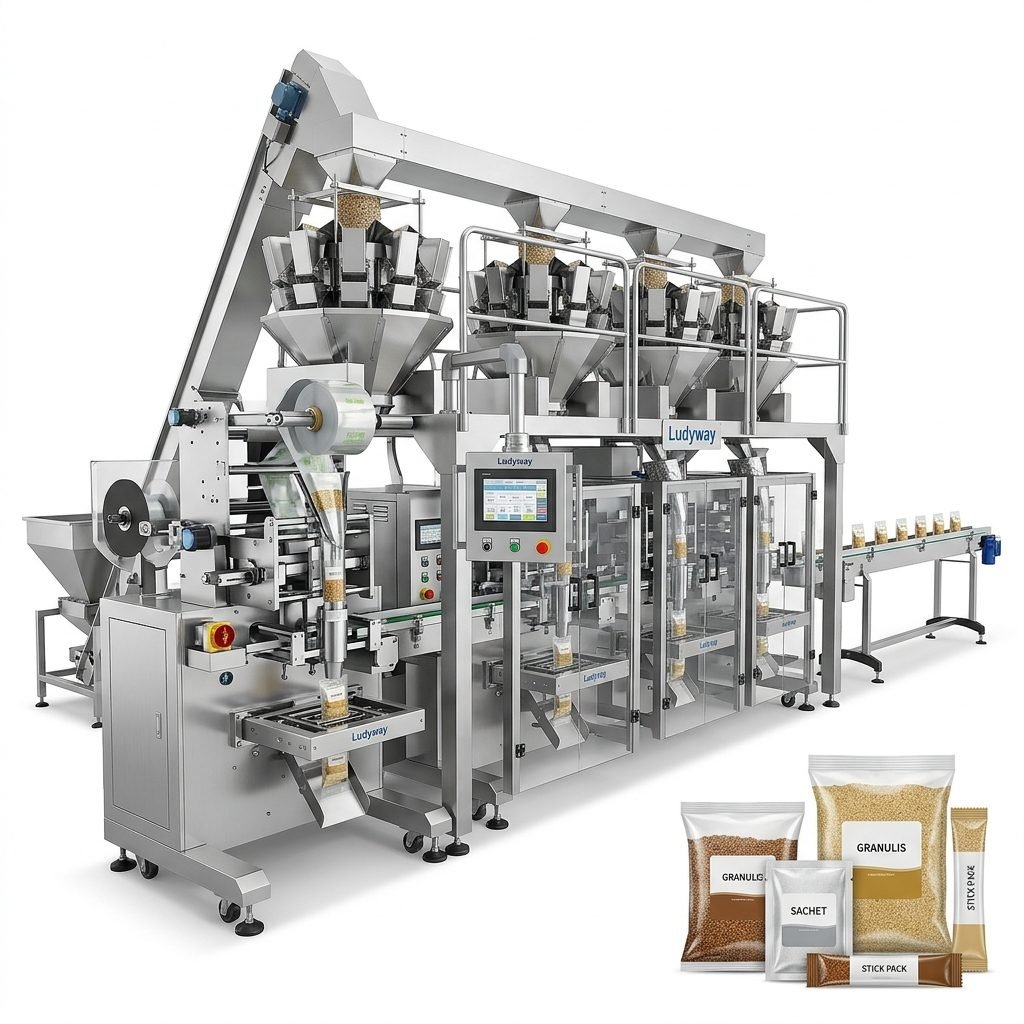
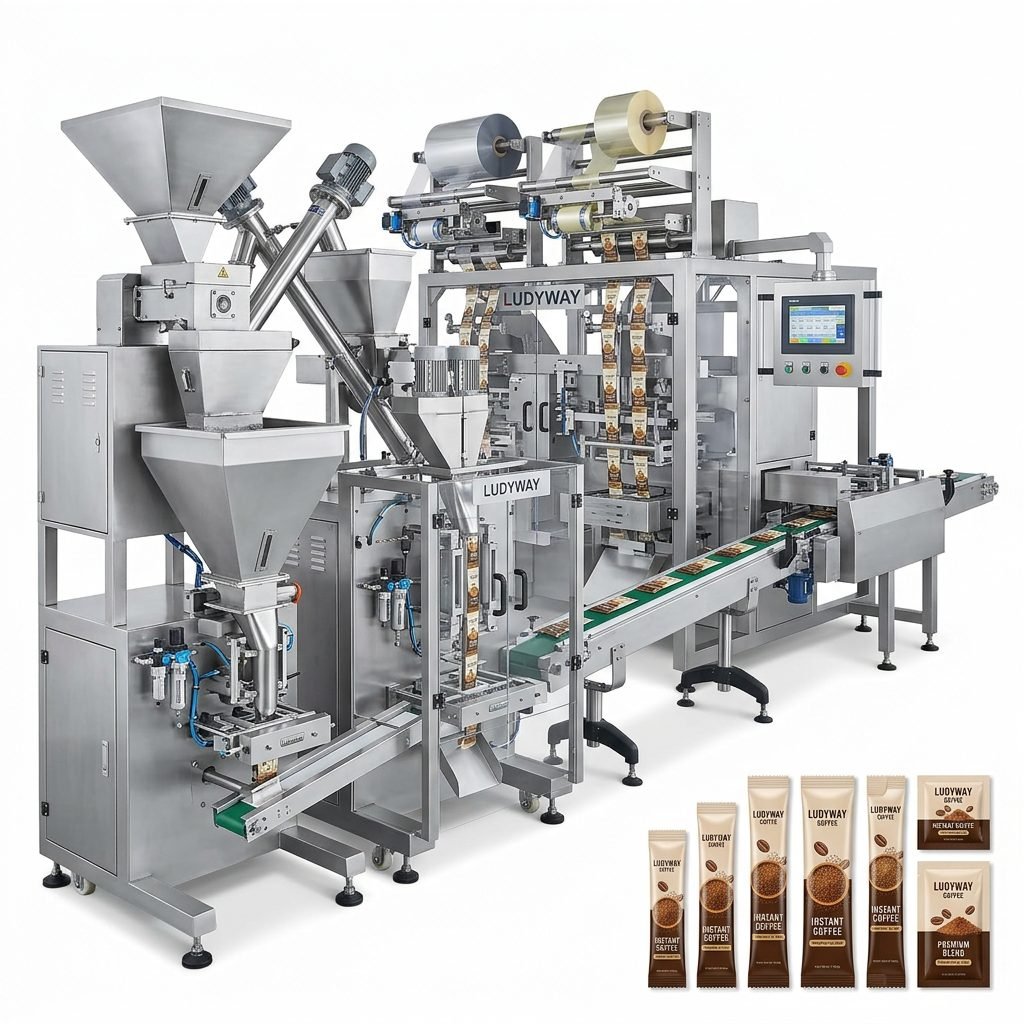
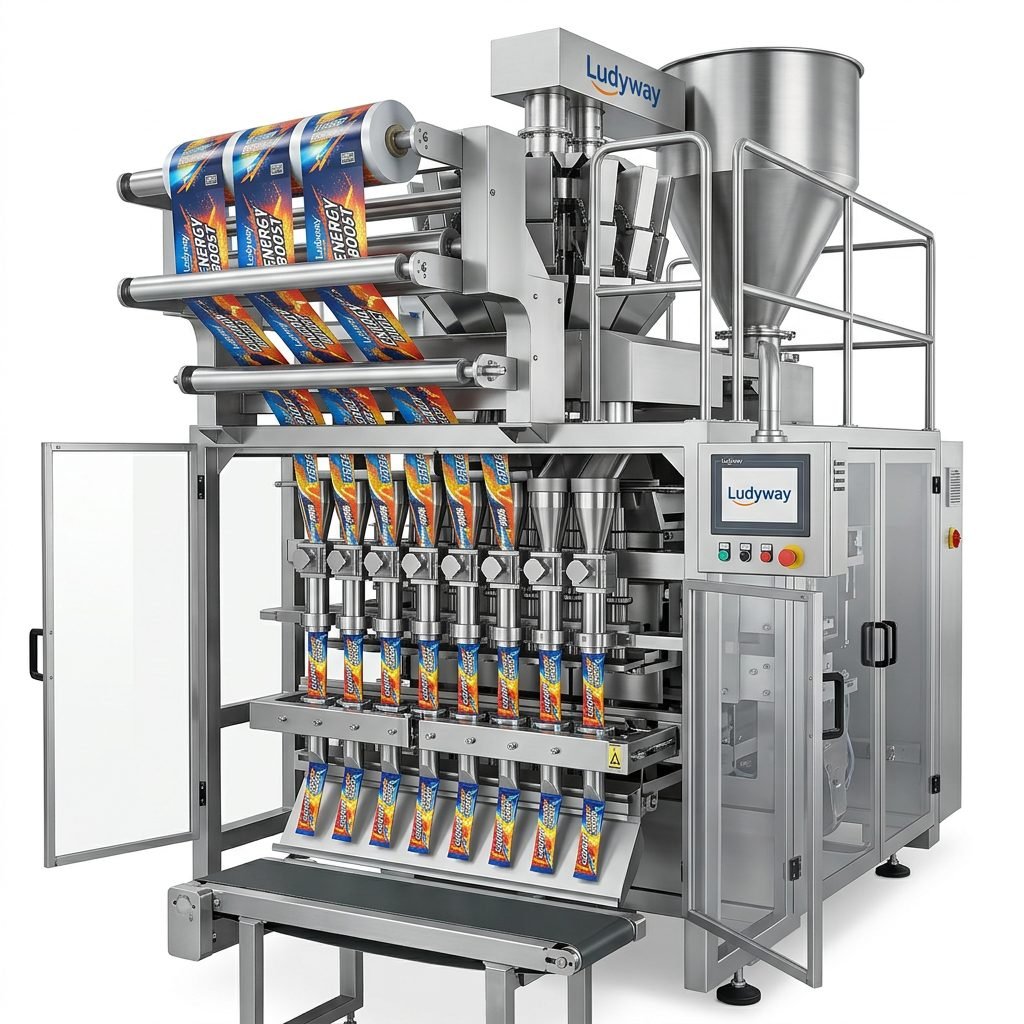
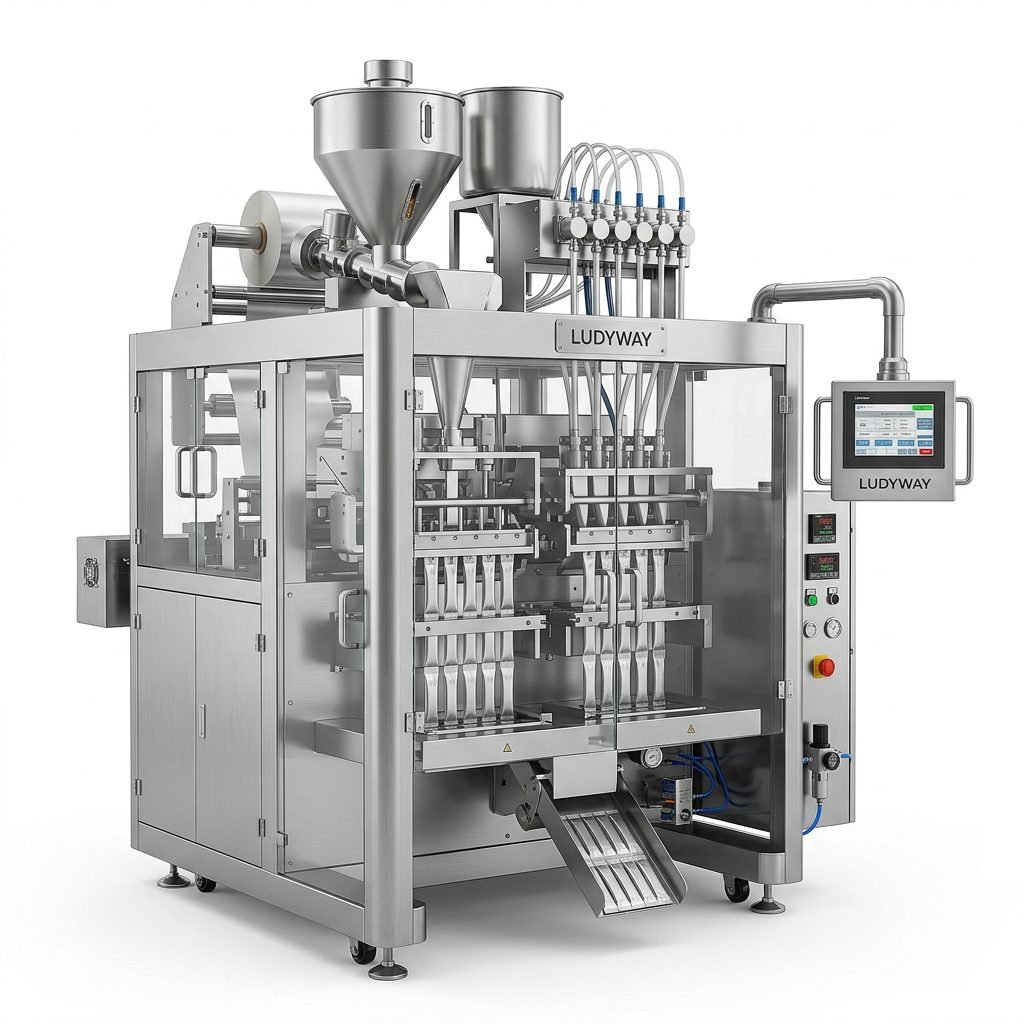
- Stick Pack Machines: Ideal for single-serve honey portions popular in cafés, hotels, and travel kits. Multi-lane stick pack systems can produce hundreds of units per minute with precise volumetric dosing.
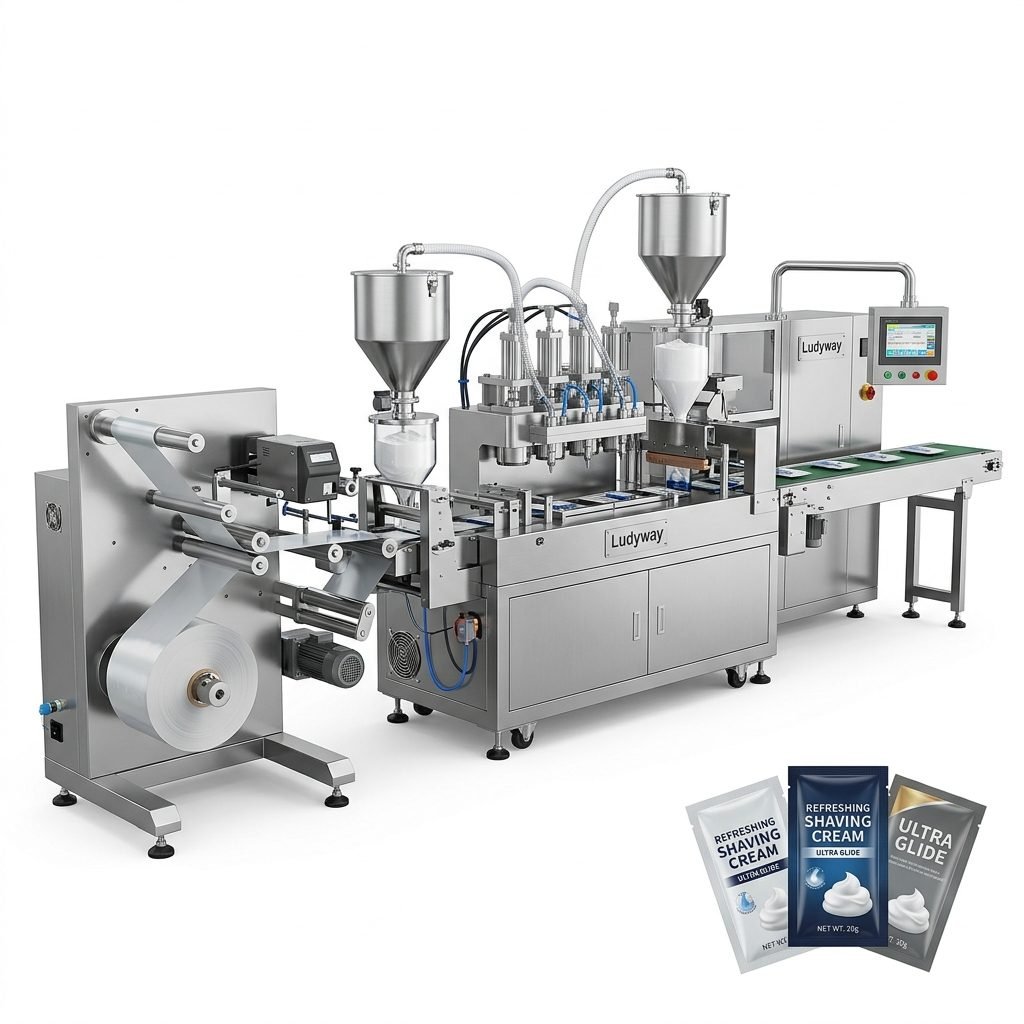
- Sachet Packaging Machines: Suitable for larger single-serve sachets (10g–30g), often used in food service and retail sample packs.
- Bottle & Jar Filling Lines: Designed for retail honey jars and squeeze bottles, typically incorporating rotary or inline filling mechanisms with anti-drip nozzles.
- Pouch Filling & Sealing Machines: For stand-up pouches and spouted pouches gaining popularity in premium honey segments.

Key Factors to Evaluate When Choosing Equipment
1. Production Capacity & Speed Requirements
Determine your daily or hourly target output. A small apiary might need a semi-automatic honey filling machine processing 500–1,000 packs per hour, while a large co-packer may require fully automated multi-lane systems capable of 30,000+ stick packs per hour. Match the machine speed to realistic demand forecasts to avoid over-investment or bottlenecks.
2. Filling Accuracy and Technology
Volumetric piston fillers are common for honey, offering consistency within ±0.5% for liquid volumes. More advanced powder and liquid packaging machines combine servo-driven pumps and mass flow meters for gravimetric accuracy. Look for systems with auto-calibration and drip-free cutoff mechanisms to minimize product give-away and packaging line mess.
3. Compatibility with Honey Characteristics
Not all honey packaging machines handle crystallization equally well. If your product range includes raw or creamed honey, your equipment must incorporate gentle product handling and heated tank jackets with thermostatic control. Some integrated systems include inline homogenizers to maintain product consistency before filling.
4. Automation Level and Changeover Flexibility
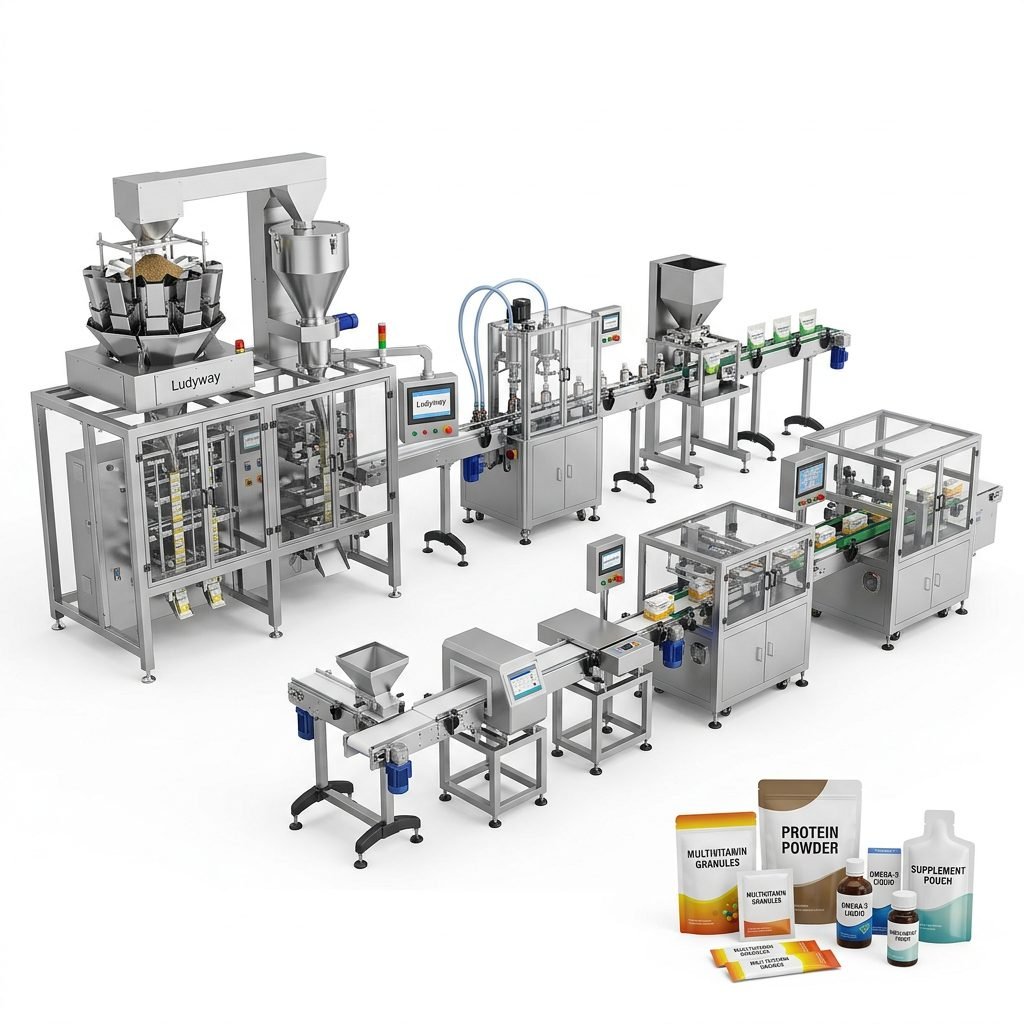
Consider whether you need a standalone filling unit or a complete turnkey packaging line including bottle orientation, capping, labeling, and cartoning. A key advantage of modern modular systems is rapid format changeover—essential if you package multiple honey products or pack sizes. Quick-release components and programmable recipe storage can reduce changeover time from hours to minutes.
Comparing Packaging Formats for Honey Products
The table below summarizes common honey packaging formats and their typical applications. Use this as a reference when planning your production strategy and stick pack packaging selection.
| Packaging Format | Typical Volume Range | Best Suited For | Recommended Machine Type |
|---|---|---|---|
| Stick Pack | 5g – 20g | Single-serve, hospitality, travel | Multi-lane stick pack machine |
| Sachet / Flat Pouch | 10g – 50g | Retail samples, food service | Sachet packaging machine |
| Glass Jar / PET Bottle | 100g – 1kg | Retail shelves, gourmet | Inline or rotary liquid filler |
| Spouted Stand-Up Pouch | 250g – 750g | Premium retail, refill packs | Premade pouch filling machine |
Essential Features of High-Performance Honey Filling Equipment
When comparing specific models, prioritize the following technical capabilities. These features directly impact productivity, product quality, and total cost of ownership in honey packaging operations:
- Anti-Drip Filling Nozzles: Prevents stringing and dripping, keeping seal areas clean and ensuring hermetic seals.
- Temperature Regulation: Integrated heating systems maintain honey at optimal filling temperature (typically 30°C–40°C).
- CIP (Clean-in-Place) Compatibility: Simplifies sanitation between batches and prevents cross-contamination.
- Servo-Driven Dosing: Enables programmable fill volumes and rapid product changeover without mechanical adjustments.
- Inert Gas Flushing: Optional nitrogen flushing extends shelf life by reducing oxidation in headspace.
- Vibration-Free Design: Minimizes air entrapment during filling, improving weight consistency.
Why Build a Complete Honey Packaging Line?
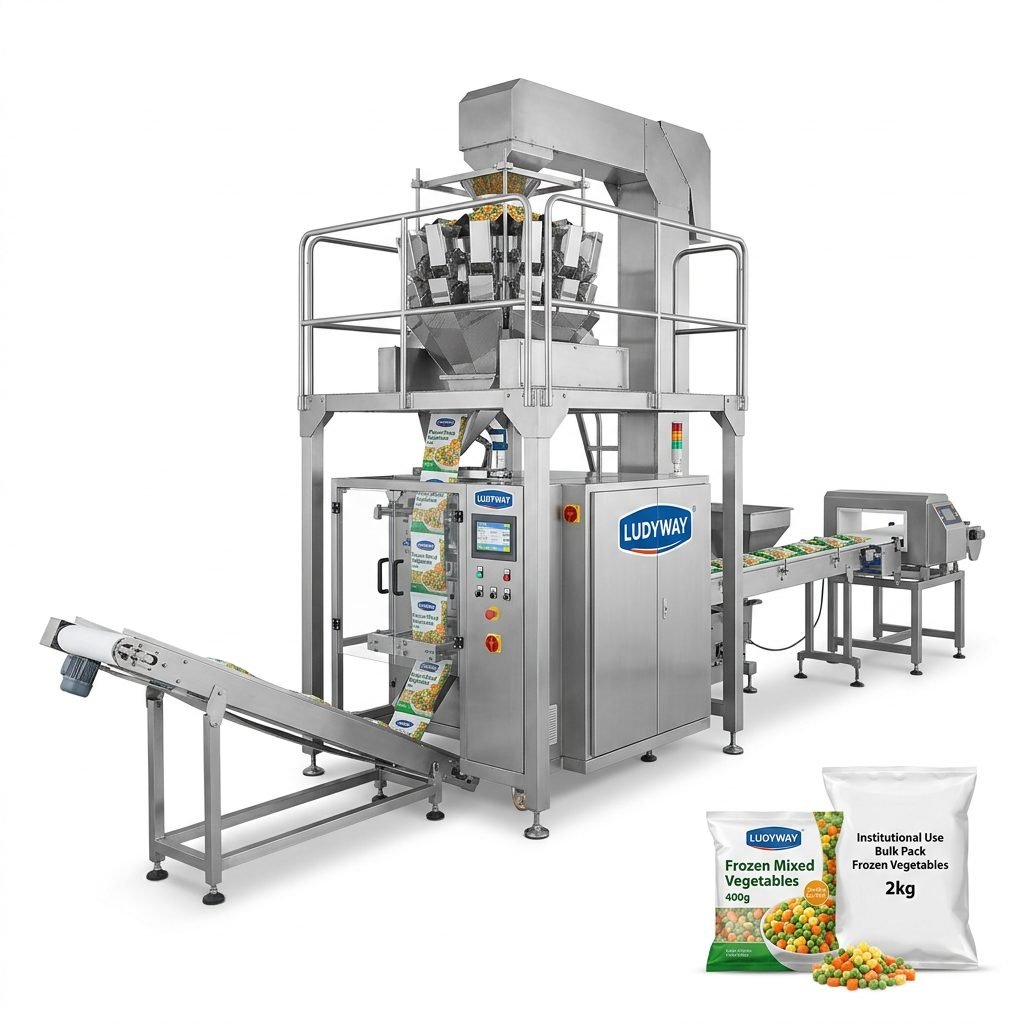
While some producers start with standalone filling units, integrating a complete turnkey packaging line offers significant advantages. A fully integrated system handles bottle unloading, filling, capping, labeling, date coding, and secondary packaging in one synchronized workflow. This reduces manual handling, minimizes contamination risk, and dramatically boosts throughput. For high-volume producers, the return on investment from automation typically materializes within 12–18 months through reduced labor costs and increased output consistency.
Maintenance, Spare Parts, and Service Support
A honey packaging machine is a long-term capital investment. Before purchasing, assess the manufacturer’s service infrastructure. Key considerations include spare parts availability in your region, remote diagnostic support, and preventive maintenance programs. Also evaluate the accessibility of wear components like seals, gaskets, and filling nozzles. Machines with easy-access panels and modular component design significantly reduce maintenance downtime.
The packaging industry has established numerous standards ensuring equipment reliability and safety. Resources from organizations like the PMMI Packaging and Processing Technologies Association provide valuable benchmarking data on machine performance and industry best practices. Similarly, regulatory guidance from the FDA Food Packaging and Food Contact Substances division helps ensure your packaging materials meet safety requirements.
Industry Standards and Regulatory Compliance
Food-grade packaging machinery must comply with relevant international standards. ISO 11607 and related packaging standards provide frameworks for validation and quality assurance. For honey exported to the European Union, compliance with EU Packaging and Packaging Waste Regulations is increasingly important. The Flexible Packaging Association also offers resources on sustainable and compliant packaging solutions that apply to honey products.
One established player in the global packaging machinery sector is Ludyway, which specializes in advanced packing equipment for food, pharmaceutical, and health industries. With over 30 years of experience and a modern 20,000㎡ manufacturing facility, the company supplies more than 50 intelligent packaging machine models to customers in over 100 countries. Their portfolio includes multi-lane stick pack machines, sachet systems, and fully automated turnkey lines—configurations commonly applied in honey packaging. The company expects to achieve export revenue exceeding RMB 500 million (approximately US$69 million) in 2025 and plans to surpass RMB 1 billion (approximately US$138 million) in export revenue in 2026.
Conclusion: Making an Informed Decision
Selecting the ideal honey packaging machine requires balancing current needs with future growth potential. Start by defining your target packaging formats, desired throughput, and specific honey characteristics. Then evaluate equipment based on filling accuracy, material compatibility, automation features, and total lifecycle costs. Prioritize manufacturers with proven honey packaging expertise, robust after-sales support, and modular system designs that allow phased automation expansion. A well-chosen machine will deliver consistent product quality, operational efficiency, and a compelling return on investment for years to come.
Key Takeaway: Take time to test your actual honey products on demonstration equipment before committing. Viscosity behavior under filling conditions can vary significantly between honey types, and live testing is the most reliable way to verify machine performance.
For further reading on packaging trends and equipment selection, explore additional resources such as the PMMI State of the Industry Reports and technical documentation from the ISO Packaging Standards committee. These references provide valuable context for understanding evolving industry requirements and emerging technologies in liquid and viscous product packaging.