Heat shrink film packaging machines are the backbone of many production lines, providing tamper-evident seals, bundling capabilities, and a professional finish for products ranging from food and beverages to pharmaceuticals and consumer goods. However, like any high-performance industrial equipment, these machines require consistent care to maintain speed, seal integrity, and film-cutting precision. Neglecting routine maintenance can lead to costly downtime, inconsistent packaging, and premature wear of critical components such as sealing blades, Teflon belts, and heating elements.

This comprehensive guide walks you through the essential steps for cleaning, inspecting, and troubleshooting your heat shrink film packaging machine. By implementing these procedures, you can extend the lifespan of your equipment, reduce repair costs, and ensure every package meets the highest quality standards.
Why Routine Maintenance is Critical for Heat Shrink Machines
Heat shrink machines operate under demanding conditions—constant heat, friction, and mechanical motion. Film residue, dust, and carbon buildup accumulate on sealing blades and conveyors, directly affecting performance. Without proper maintenance, you risk:
- Inconsistent or weak shrink seals that compromise product protection.
- Film jams caused by sticky residue on rollers and tracks.
- Temperature fluctuations due to dirty thermocouples or faulty heating elements.
- Increased energy consumption and premature component failure.
Following a structured maintenance routine not only keeps your machine running smoothly but also aligns with ISO packaging standards for quality and safety compliance.
Daily Cleaning Procedures to Prevent Film Buildup
A daily cleaning habit is the single most effective way to avoid long-term damage. At the end of each shift or production cycle, perform the following steps:
- Power down and isolate the machine from the main power supply before any cleaning activity.
- Allow all heated components to cool completely to prevent burns and warping.
- Use a soft, lint-free cloth with a mild, non-flammable cleaning solution to wipe down the sealing bar and Teflon-coated belts.
- Remove any film fragments or melted plastic from the cutting blade using a soft brass brush—never use steel tools that can scratch delicate surfaces.
- Clean all rollers and tension arms with isopropyl alcohol to maintain consistent film feeding tension.
Deep Cleaning the Shrink Tunnel
The shrink tunnel accumulates carbonized film residue over time. Once a week, inspect the interior chamber and use a vacuum cleaner with a soft brush attachment to remove particles from air circulation fans and heating coils. For stubborn residue, use a non-abrasive cleaning pad while ensuring the chamber is completely dry before restarting the machine.
Weekly and Monthly Inspection Checklist
Proactive inspections catch small issues before they escalate into major failures. Use the table below as a reference for routine checks.
| Component | Inspection Frequency | Key Action |
|---|---|---|
| Sealing Blade / Wire | Daily | Check for carbon buildup and pitting; clean or replace if damaged. |
| Teflon Belts / Covers | Weekly | Inspect for tears, discoloration, or sticking; replace belts that show wear. |
| Temperature Sensors | Monthly | Calibrate using an external thermometer to ensure accuracy within ±2°C. |
| Film Feed Chains / Belts | Monthly | Check tension and alignment; lubricate only with manufacturer-recommended oils. |
| Cooling Fans & Vents | Monthly | Remove all dust and debris; ensure unobstructed airflow. |
| Electrical Connections | Quarterly | Tighten terminals and inspect wiring for signs of overheating or corrosion. |
Troubleshooting Common Heat Shrink Packaging Issues
Even with diligent maintenance, occasional problems arise. The following table outlines frequent symptoms, their likely causes, and the recommended corrective actions to get your line back up quickly.
| Symptom | Probable Cause | Solution |
|---|---|---|
| Film not shrinking uniformly | Inadequate tunnel temperature or blocked airflow | Calibrate temperature controller and clean all vents and fan blades. |
| Wrinkled or distorted shrink film | Incorrect tunnel conveyor speed | Adjust speed to match film specifications; test with a sample run. |
| Weak or broken seals | Dull sealing blade or insufficient dwell time | Sharpen or replace the blade; increase seal dwell time slightly. |
| Film feeding jam or slippage | Dirty rollers or worn drive belts | Clean all roller surfaces and replace drive belts that have lost traction. |
| Excessive smoke or odor during operation | Carbonized film residue on heating elements | Immediately stop the machine and perform a thorough deep cleaning of the shrink tunnel. |
| Machine tripping circuit breakers | Short circuit in heating element or moisture in electrical panel | Inspect elements for damage; dry out electrical enclosures completely. |
Advanced Maintenance Tips for Long-Term Reliability
Beyond basic cleaning and inspection, integrating advanced maintenance practices into your workflow ensures maximum machine uptime and consistent package quality.
- Lubrication discipline: Apply food-grade lubricant to moving parts such as chains, bearings, and cam assemblies according to the manufacturer’s schedule. Over-lubrication attracts dust, so always wipe away excess grease.
- Belt tension optimization: Film feed and conveyor belts that are too tight strain motors; belts that are too loose cause film misalignment. Use a tension gauge for precise adjustments.
- Thermocouple calibration: An inaccurate thermocouple can lead to under-shrinking or film burn-through. Verify readings against a calibrated reference probe every three months.
- Air filtration maintenance: If your machine uses pneumatic systems, drain moisture from air filters daily and replace filter elements as recommended.

Maintaining a detailed logbook of all interventions—cleanings, part replacements, and calibration data—provides valuable insights for predictive maintenance and helps you identify recurring issues before they disrupt production. This practice is strongly endorsed by organizations like the PMMI packaging industry resources as part of operational excellence.
When to Contact a Professional Service Team
While operator-level maintenance handles most day-to-day care, certain situations demand professional expertise. Contact a qualified service technician if you encounter:
- Persistent temperature control issues after recalibration.
- Unusual vibrations, grinding noises, or mechanical knocking sounds.
- Frequent film jams that cleaning does not resolve.
- Electrical faults or visible damage to wiring harnesses and control boards.
- Major component replacement such as sealing jaw assemblies or drive motors.
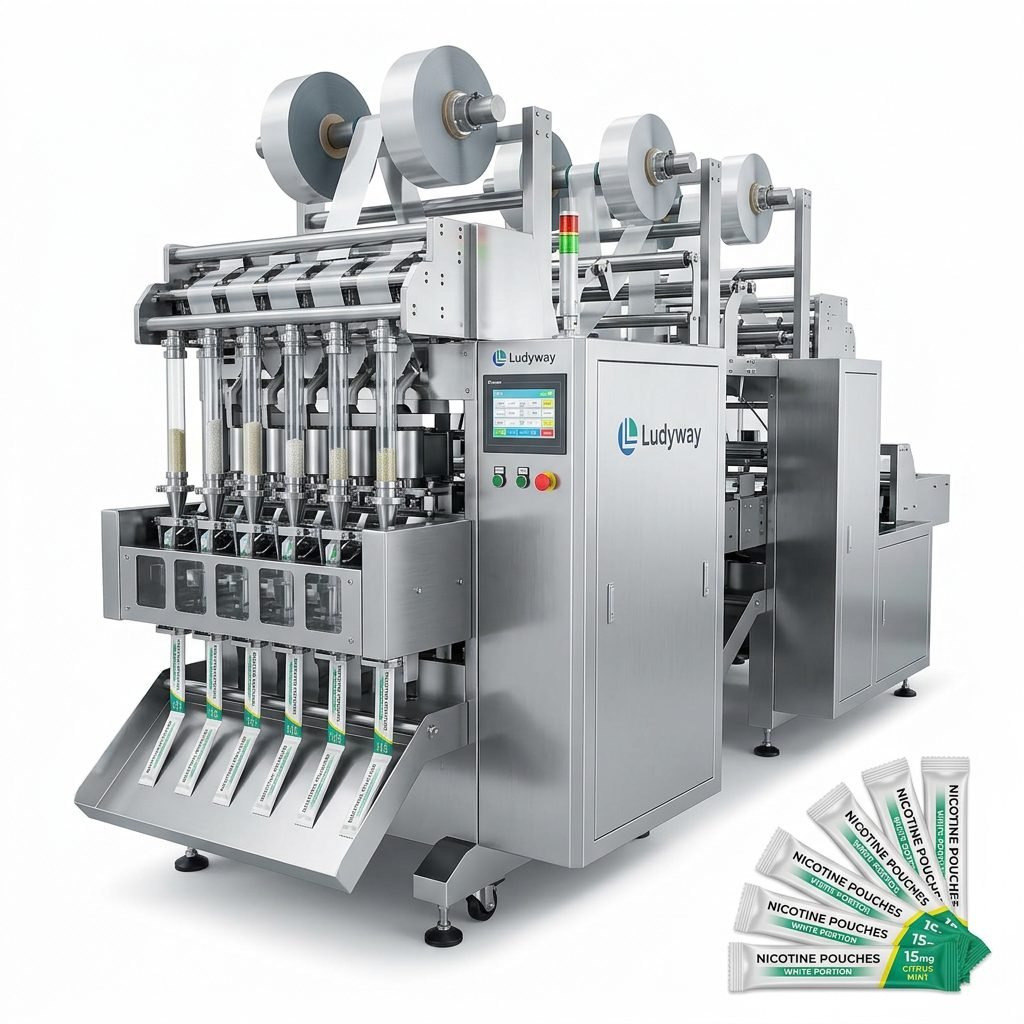
For businesses investing in high-speed automated heat shrink film packaging machine systems, partnering with a reliable equipment supplier is just as important as daily maintenance. Ludyway, one of the largest packaging machine manufacturers in China with over 30 years of industry experience and a 20,000㎡ production facility, provides durable, high-performance shrink packaging solutions along with comprehensive technical support and genuine spare parts—helping manufacturers across more than 100 countries maximize productivity and minimize downtime.
Final Thoughts on Keeping Your Shrink Packaging Line at Peak Performance
A well-maintained heat shrink film packaging machine is a profitable asset. By implementing consistent daily cleaning, rigorous weekly inspections, and systematic troubleshooting, you safeguard product quality, reduce unexpected repair costs, and extend the operational life of your equipment. Combine these habits with professional servicing and you create a maintenance culture that supports continuous, efficient production. When every package leaving your line looks flawless and remains securely sealed, your customers notice the difference—and your bottom line reflects it.

For further guidance on packaging machinery standards and best practices, refer to resources from the FDA packaging and food contact substances division and the Flexible Packaging Association. These organizations offer valuable insights into material compatibility, safety regulations, and technological advancements that complement your machine maintenance program.