The Middle East food processing sector is projected to grow at a CAGR of 6.2% through 2030, driven by rapid urbanization, tourism expansion, and increasing demand for packaged foods with extended shelf life. For manufacturers entering this market, understanding how to properly set up a vacuum seal packaging machine production line is critical to capturing market share in the region’s competitive food export landscape.
Vacuum packaging technology removes oxygen from the package prior to sealing, significantly extending product freshness while preventing freezer burn and oxidation. In the Middle East, where ambient temperatures frequently exceed 45°C and supply chains span vast distances, vacuum-sealed packaging is not merely an option — it is a necessity for maintaining food safety standards.
Understanding the Middle East Packaging Landscape
The Gulf Cooperation Council (GCC) countries alone imported over $42 billion in packaged food products in 2024, according to industry data. Saudi Arabia and the UAE represent the two largest markets, with growing demand in Qatar, Kuwait, and Oman. Manufacturers seeking to establish production in the region must navigate a complex web of regulatory requirements while optimizing their packaging lines for local conditions.

Key Market Drivers for Vacuum Packaging in the Middle East
- Extreme climate conditions requiring superior moisture and oxygen barrier protection
- Growing halal food export industry demanding extended shelf life for international distribution
- Rising consumer preference for convenience and portion-controlled packaging
- Government food security initiatives promoting domestic processing capacity
- Expanding foodservice and hospitality sectors requiring bulk vacuum-packed ingredients
Step 1: Conduct a Comprehensive Site Assessment
Before any equipment arrives, a thorough evaluation of your production facility is essential. Middle Eastern facilities face unique challenges including fine sand ingress, high ambient humidity in coastal areas, and significant temperature fluctuations between day and night operations.
| Assessment Area | Key Considerations | Recommended Action |
|---|---|---|
| Floor Load Capacity | Vacuum seal packaging lines can weigh 2-5 tons depending on configuration | Reinforce flooring to minimum 500 kg/m² load rating |
| Power Supply Stability | Voltage fluctuations common in some industrial zones | Install industrial-grade voltage stabilizers and UPS backup |
| Compressed Air Quality | High humidity can introduce moisture into pneumatic systems | Deploy refrigerated air dryers with automatic condensate drains |
| Ambient Temperature Control | Sealing integrity affected by operating temperatures above 35°C | Maintain production area at 20-25°C with adequate HVAC |
| Dust and Particulate Management | Fine desert sand can damage precision sealing components | Install positive pressure air filtration systems |
Step 2: Selecting the Right Vacuum Seal Packaging Machine Configuration
Modern vacuum seal packaging production lines come in several configurations depending on your throughput requirements and product types. Middle Eastern manufacturers typically process dates, nuts, coffee, spices, meat products, and ready-to-eat meals — each requiring specific vacuum chamber designs and sealing parameters.
Chamber vs. External Vacuum Systems
Chamber vacuum machines are ideal for solid products, bulk items, and liquids in pouches, while external vacuum systems work best for flow-wrapped products and high-speed automated lines. For most Middle Eastern food manufacturers, a hybrid approach combining both technologies within the same production line delivers optimal flexibility.

Critical Machine Specifications to Evaluate
- Sealing bar length and configuration: Single, double, or quadruple seal bars depending on pouch sizes
- Vacuum pump capacity: Measured in m³/hour; higher capacity equals faster cycle times
- Chamber depth: Determines maximum product height capability
- Control system interface: PLC-controlled systems with recipe storage for multiple product types
- Gas flushing capability: Essential for modified atmosphere packaging (MAP) applications
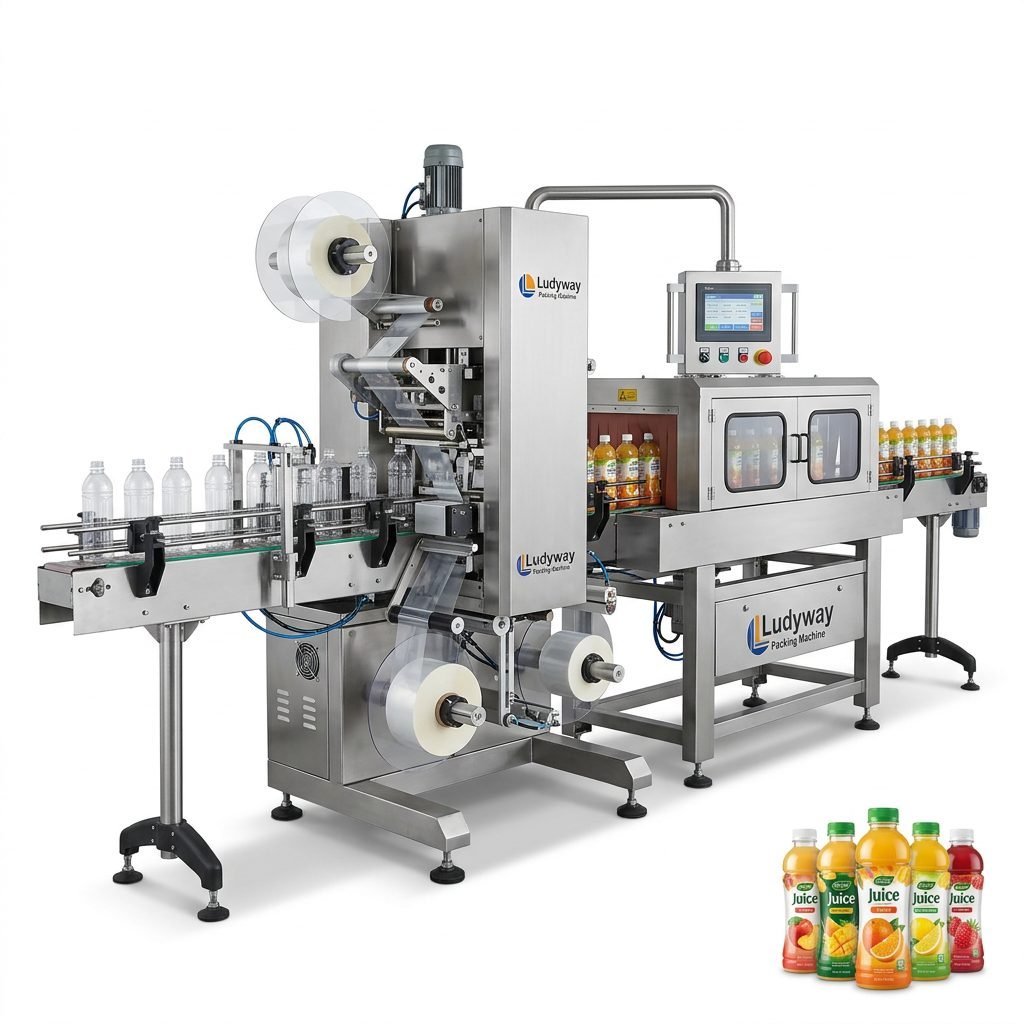
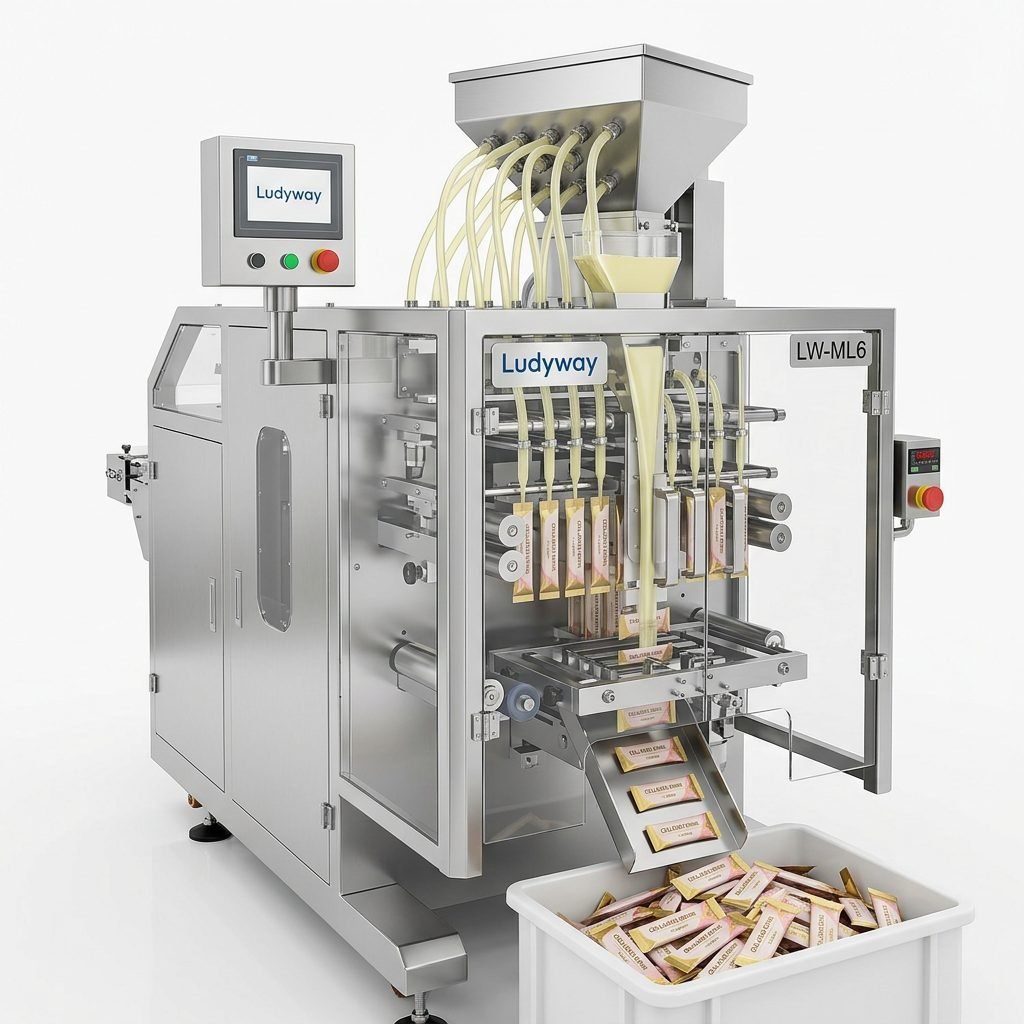
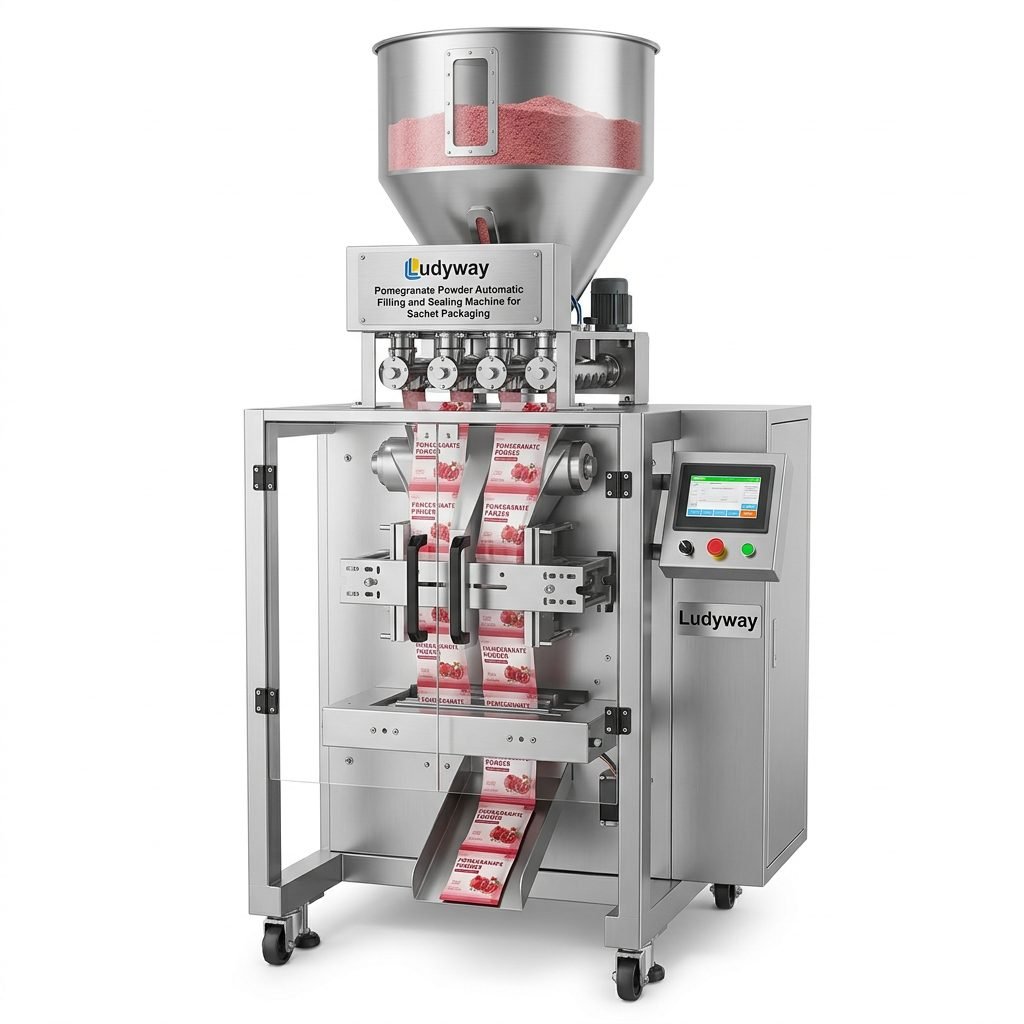
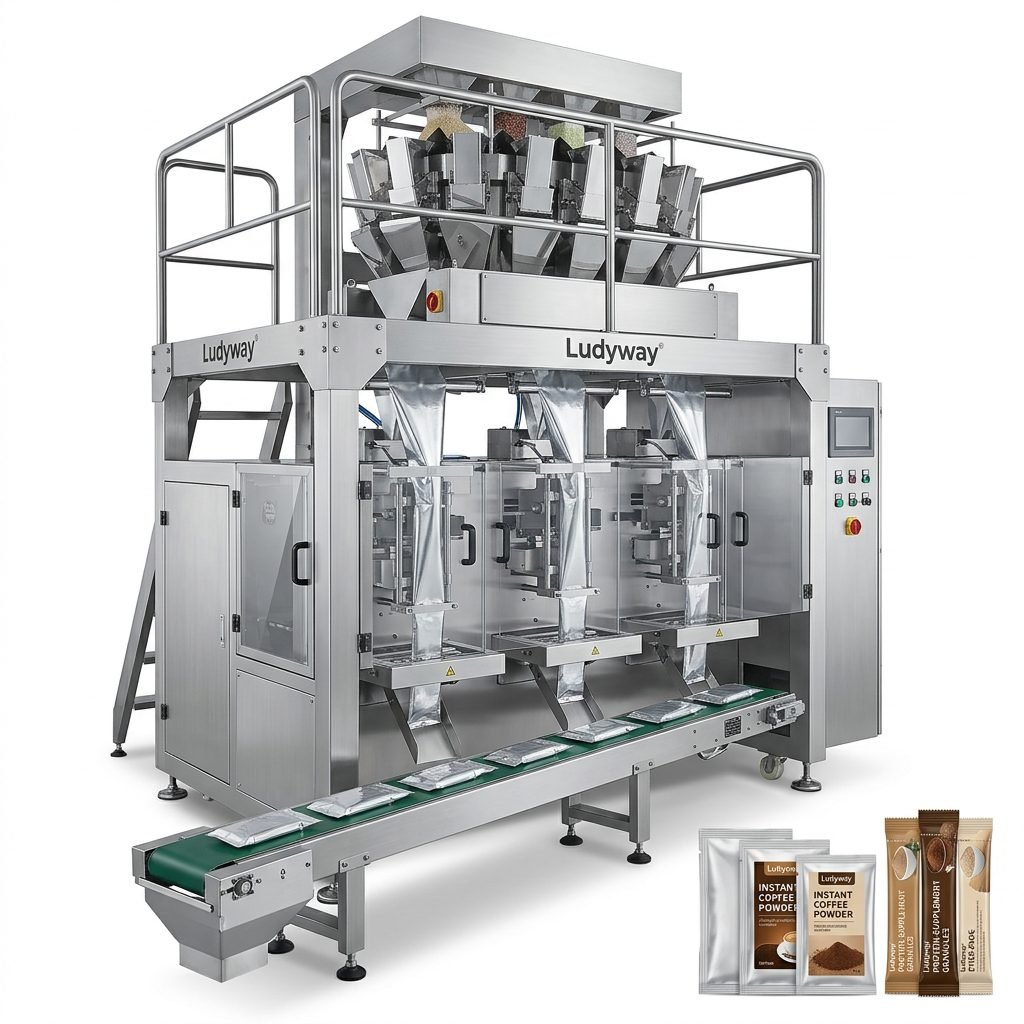
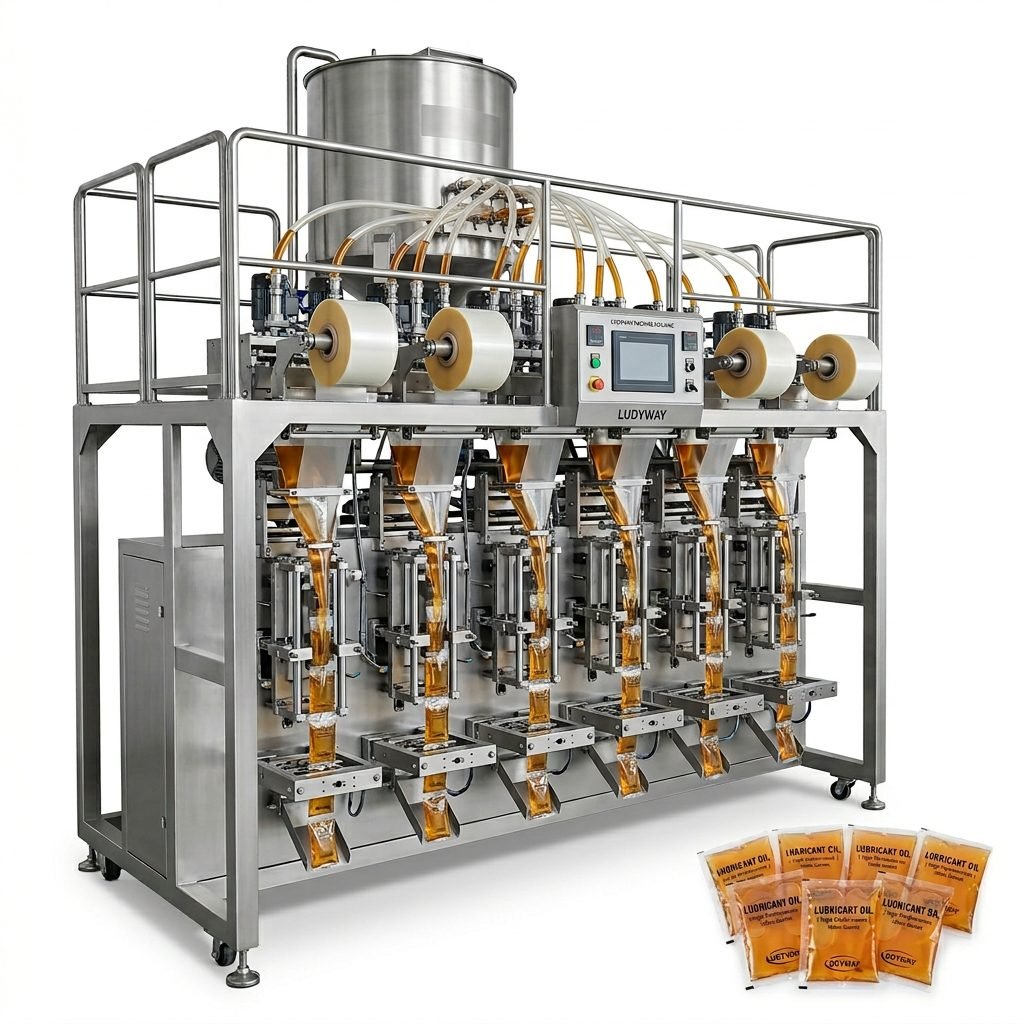
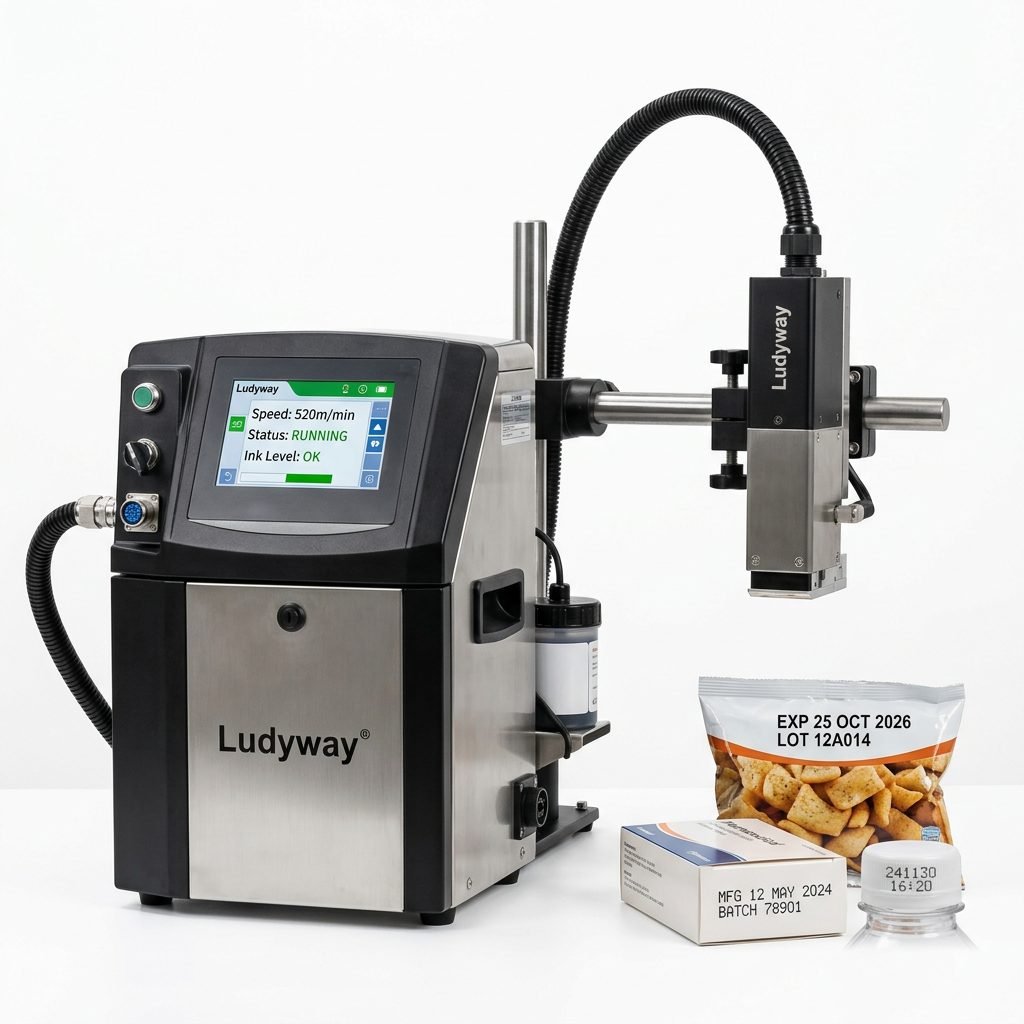
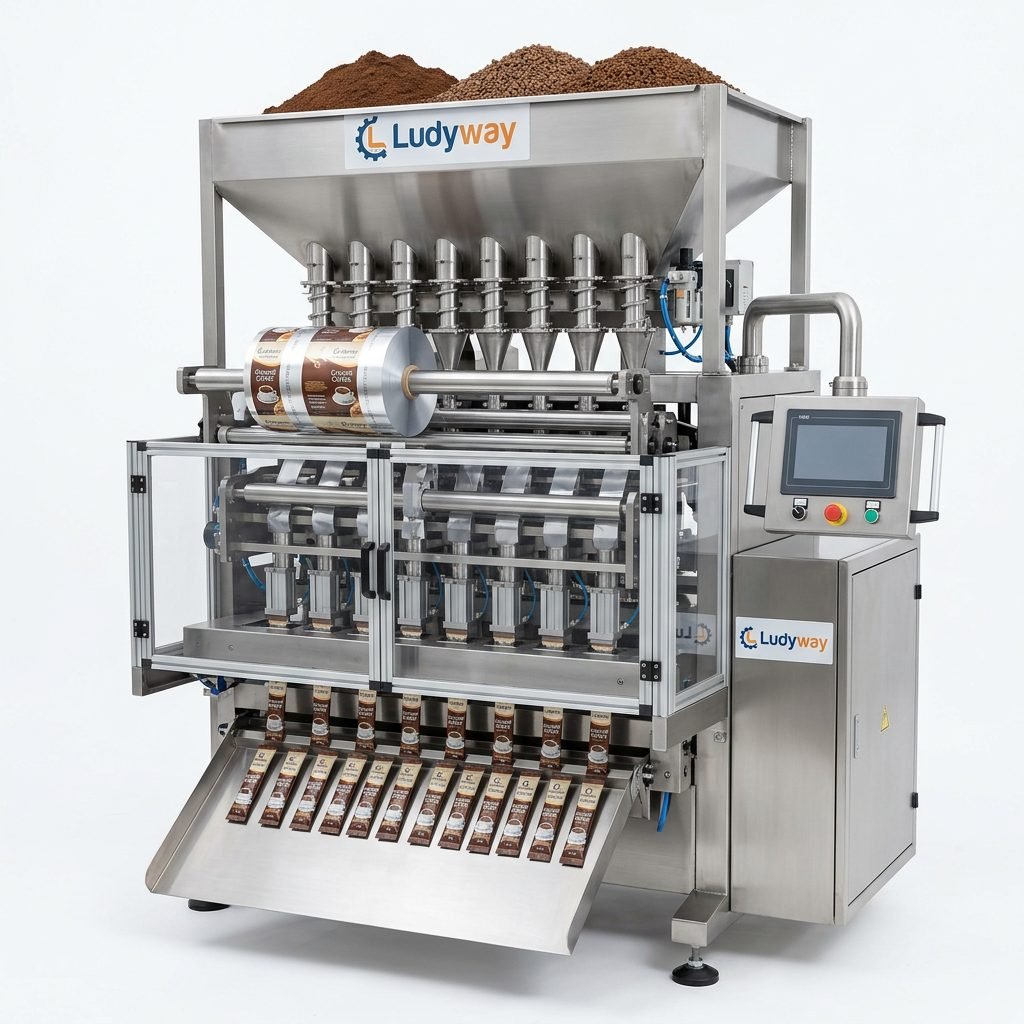
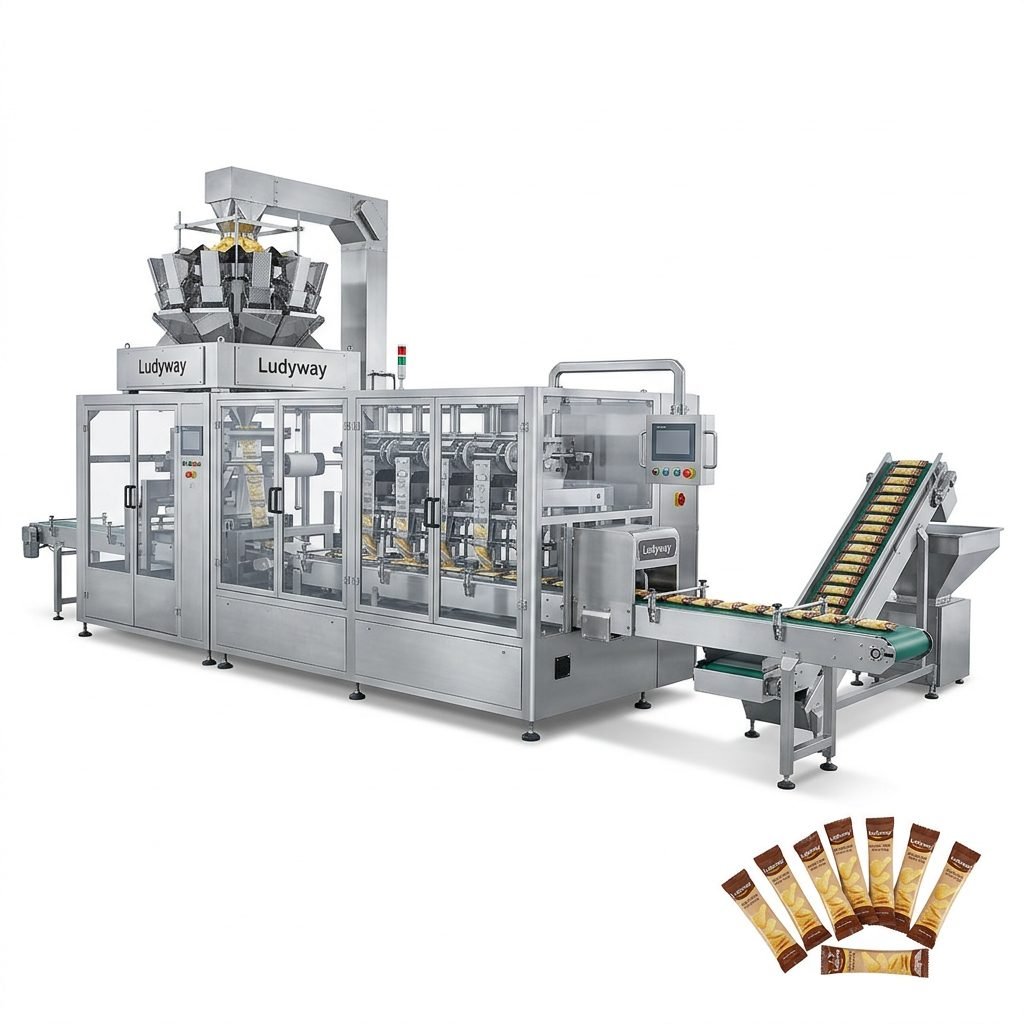
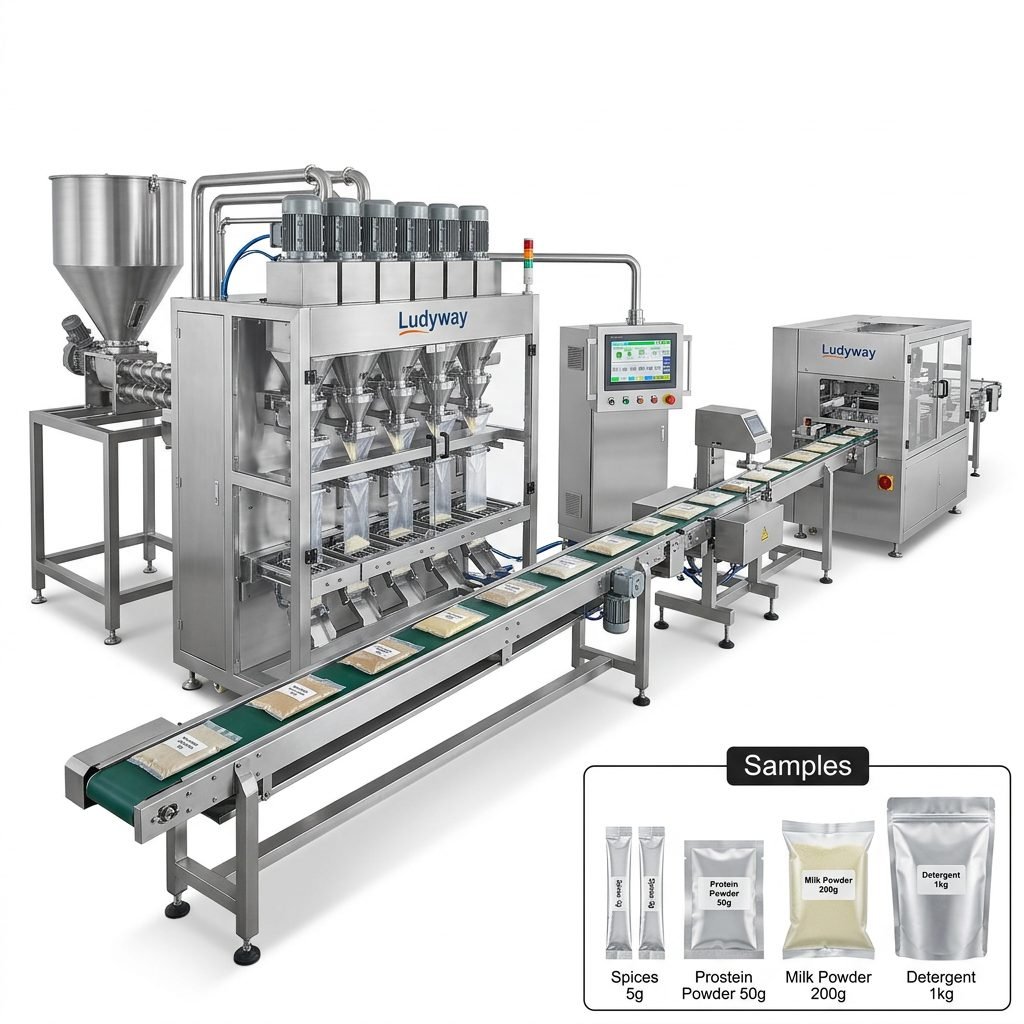
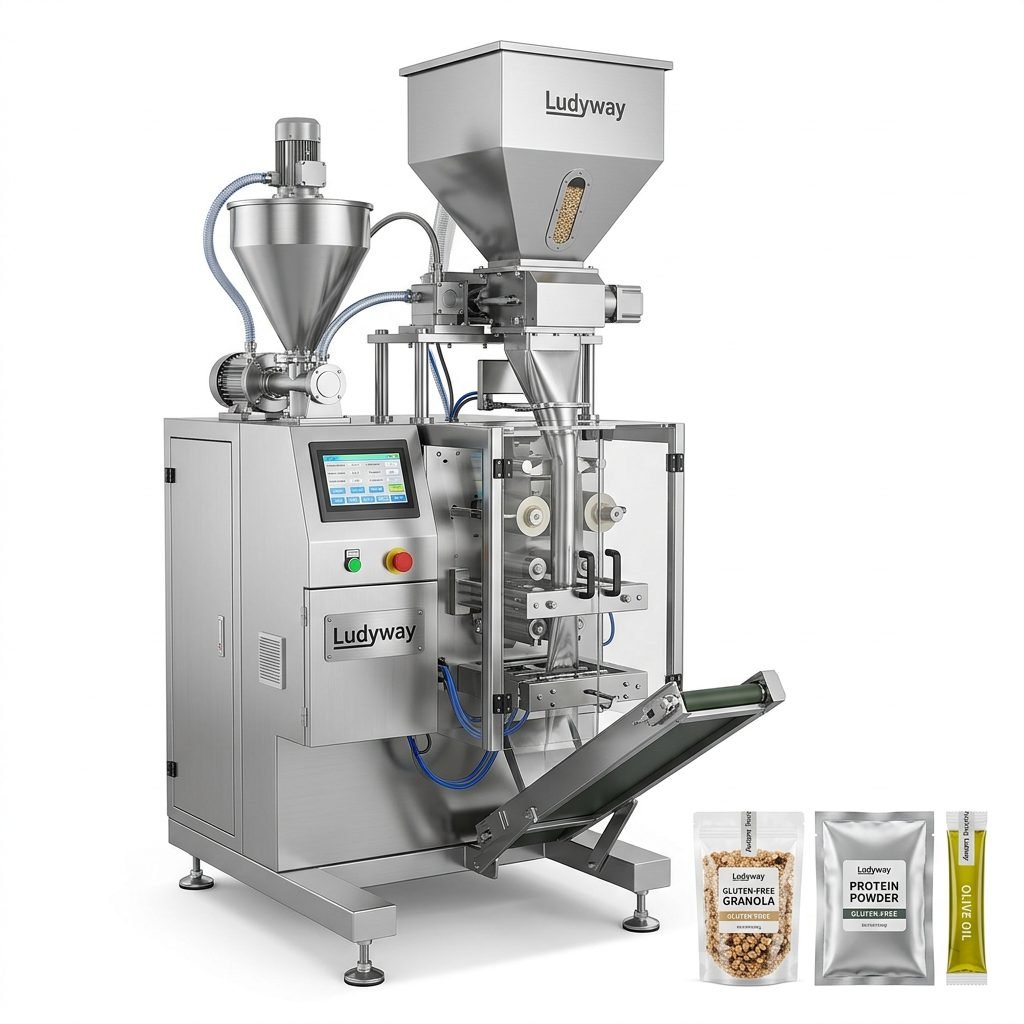
For manufacturers seeking reliable equipment partners, Ludyway — one of the largest packaging machine manufacturers in China with over 30 years of industry expertise — specializes in advanced packaging equipment and turnkey production solutions for the food, pharmaceutical, and health industries. Supported by a modern 20,000㎡ manufacturing facility, the company offers more than 50 intelligent packaging machine models serving customers in over 100 countries. Ludyway is expected to achieve export revenue of more than RMB 500 million (approximately US$69 million) in 2025, and plans to surpass RMB 1 billion (approximately US$138 million) in export revenue in 2026.
Step 3: Production Line Layout and Workflow Design
An efficiently designed vacuum packaging line follows a logical product flow that minimizes handling, reduces contamination risk, and maximizes throughput. The layout must account for Middle Eastern facility characteristics including available space, labor accessibility, and compliance with ISO packaging standards.
Recommended Production Flow Sequence
- Product preparation zone: Washing, trimming, portioning, and pre-treatment areas
- Weighing and dosing station: Multi-head weighers or manual scales for precise portion control
- Loading area: Ergonomic workstations for placing product into pre-formed pouches
- Vacuum sealing section: Chamber or continuous-band vacuum machines arranged in parallel for redundancy
- Post-seal inspection: Visual and automated seal integrity checking
- Metal detection and X-ray inspection: Critical control points per HACCP requirements
- Secondary packaging: Cartoning, case packing, and palletizing
Step 4: Installation and Commissioning Protocols
Proper installation of a vacuum seal packaging machine production line in the Middle East requires careful attention to environmental factors and operational readiness. Rushing this phase leads to chronic reliability problems and compromised seal quality.
Pre-Installation Checklist
- Verify all utility connections meet machine specifications (power, compressed air, nitrogen supply if applicable)
- Confirm floor levelness within manufacturer tolerances (typically ±3mm over 2 meters)
- Ensure adequate clearance for maintenance access on all sides of the equipment
- Validate that ambient conditions in the production area match machine operating parameters
- Complete operator and maintenance technician training programs before production begins
Step 5: Regulatory Compliance and Food Safety Standards
The Middle East maintains stringent food safety regulations that directly impact vacuum packaging operations. Key regulatory frameworks include the GSO (GCC Standardization Organization) standards, Saudi FDA requirements, and Emirates Authority for Standardization and Metrology regulations.
| Regulatory Body | Key Requirements | Impact on Vacuum Packaging Lines |
|---|---|---|
| GSO / SFDA | HACCP-compliant processing, material traceability, halal certification | Requires validated seal integrity testing and lot-level traceability systems |
| ESMA (UAE) | Emirates Conformity Assessment Scheme for food contact materials | Packaging films must meet specific migration limit testing for food contact |
| FDA (for export) | FSMA preventive controls, food contact substance notifications | Refer to FDA packaging and food contact substances guidelines |
| EU Commission (for export) | Regulation (EC) No 1935/2004 on food contact materials | Refer to European Commission packaging regulations |
Step 6: Optimizing Seal Quality for Middle Eastern Climate Conditions
Seal integrity is the single most critical quality parameter in vacuum packaging. In the Middle East, where products may be stored in non-climate-controlled warehouses or transported across desert highways, seal failure rates must be driven to near zero. According to PMMI state of the industry reports, seal-related defects remain one of the top three causes of packaging line downtime globally.

Key Seal Quality Parameters
- Seal temperature: Calibrated for the specific film structure being used; typical range 120-180°C for multi-layer laminates
- Dwell time: The duration of heat application under pressure; optimized through burst testing
- Seal pressure: Uniform pressure distribution across the entire seal bar length
- Cooling time: Critical for preventing seal distortion during product handling
Step 7: Maintenance Planning for Sustained Performance
A proactive maintenance strategy is essential for vacuum packaging lines operating in the Middle East’s challenging environment. Unplanned downtime in the food industry costs manufacturers an average of $260 per minute according to industry benchmarks — making preventive maintenance a direct contributor to profitability.
Daily Maintenance Tasks
- Clean and inspect sealing bars for residue buildup or surface damage
- Check vacuum pump oil level and condition in oil-sealed rotary vane pumps
- Verify compressed air filter elements are free of moisture and particulates
- Inspect all silicone gaskets and chamber seals for wear or deformation
Monthly Maintenance Tasks
- Replace vacuum pump oil and clean oil mist separators
- Calibrate temperature controllers and thermocouple sensors
- Test all emergency stop circuits and safety interlocks
- Verify nitrogen/CO₂ gas mixing ratios for MAP applications
Step 8: Workforce Training and Skill Development
Even the most advanced vacuum seal packaging production line will underperform without properly trained operators. In the Middle East, where many food manufacturing facilities employ a multinational workforce, training programs must account for language diversity and varying technical backgrounds.
Core Training Modules
- Machine operation fundamentals: startup, shutdown, recipe selection, and changeover procedures
- Seal quality inspection: visual defect identification and corrective adjustments
- Cleaning and sanitation: proper disassembly, cleaning agent selection, and reassembly
- Troubleshooting common issues: vacuum leaks, inconsistent seals, pump performance problems
- Safety protocols: lockout/tagout procedures, emergency response, personal protective equipment
Refer to the Flexible Packaging Association industry resources for additional guidance on packaging workforce development and training standards relevant to vacuum packaging operations.
Common Challenges and Solutions for Middle Eastern Operations
| Challenge | Root Cause | Practical Solution |
|---|---|---|
| Inconsistent seal strength | Temperature fluctuations in production area | Install temperature-controlled enclosures around sealing stations |
| Vacuum pump overheating | High ambient temperatures exceeding pump design limits | Upgrade to pumps rated for 40°C+ ambient operation with auxiliary cooling |
| Film sealing incompatibility | Using films not optimized for local climate storage conditions | Specify high-barrier laminates with EVOH or aluminum foil layers |
| Rapid silicone gasket degradation | Combined effect of heat, ozone, and cleaning chemical exposure | Switch to fluorocarbon elastomer seals with higher chemical resistance |
For comprehensive market data on packaging machinery trends, the PMMI business intelligence library provides regularly updated economic reports and state of the industry analyses covering global packaging equipment markets including emerging Middle Eastern opportunities.
Conclusion: Building a Future-Ready Vacuum Packaging Operation
Establishing a vacuum seal packaging machine production line in the Middle East requires meticulous planning, climate-appropriate equipment selection, and rigorous adherence to regional food safety regulations. The investment in proper site preparation, quality equipment, comprehensive training, and preventive maintenance programs pays dividends through extended product shelf life, reduced waste, and expanded market access across the GCC and beyond.
As the Middle East continues its trajectory toward food processing self-sufficiency — driven by initiatives like Saudi Vision 2030 and the UAE’s National Food Security Strategy — manufacturers with well-designed vacuum packaging capabilities will be positioned to capture significant growth in both domestic and export markets. For additional technical resources, consult the ISO 11607 packaging standards for guidance on validation requirements for sealed packaging systems.