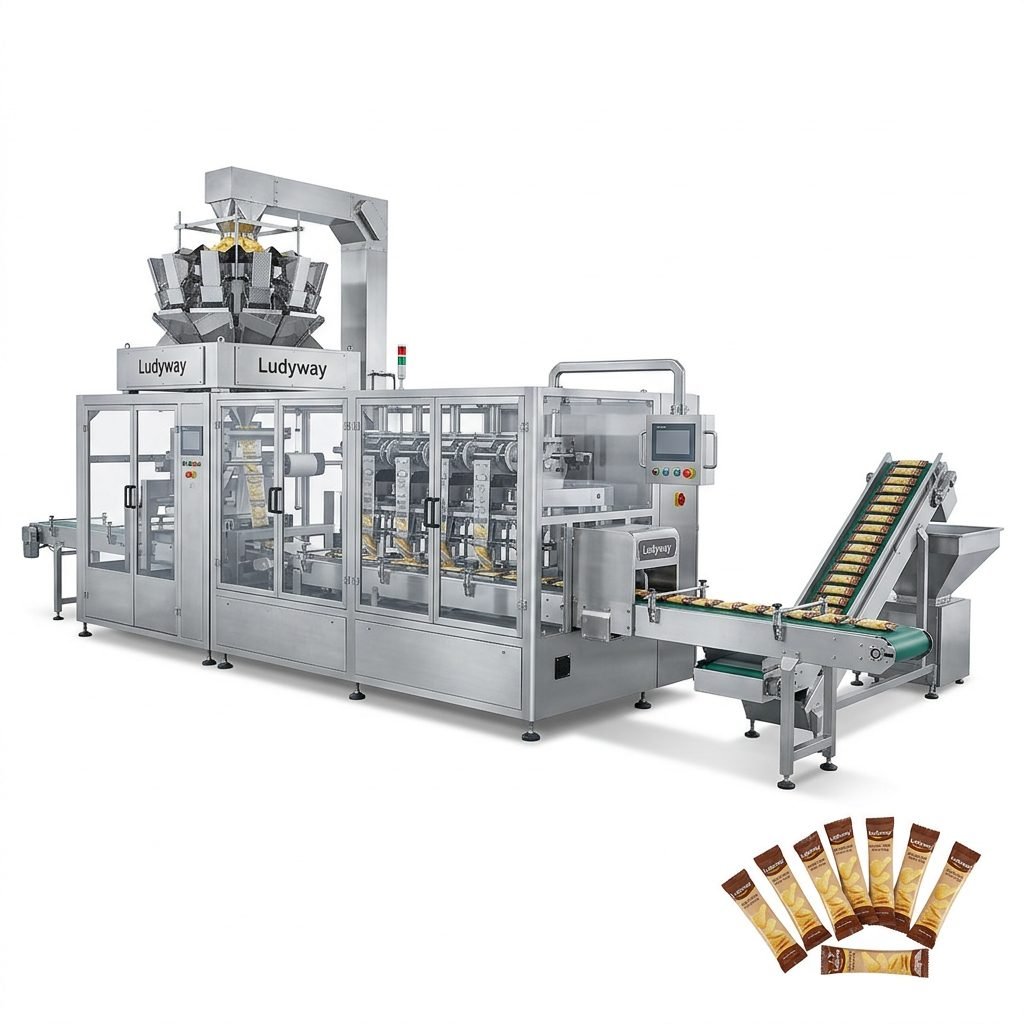
Understanding the Oceania Hard Candy Market
The confectionery sector in Oceania is experiencing a significant transformation. With Australia and New Zealand leading the demand for premium and export-quality sweets, manufacturers are under pressure to upgrade their production lines. According to recent PMMI State of the Industry reports, the shift toward automated, high-speed packaging is no longer optional but a necessity to meet stringent food safety standards and retailer requirements. When sourcing a hard candy packaging machine, buyers in this region must prioritize durability, speed, and hygienic design to comply with Food Standards Australia New Zealand (FSANZ) regulations.
Key Features to Look for in a Hard Candy Packaging Machine
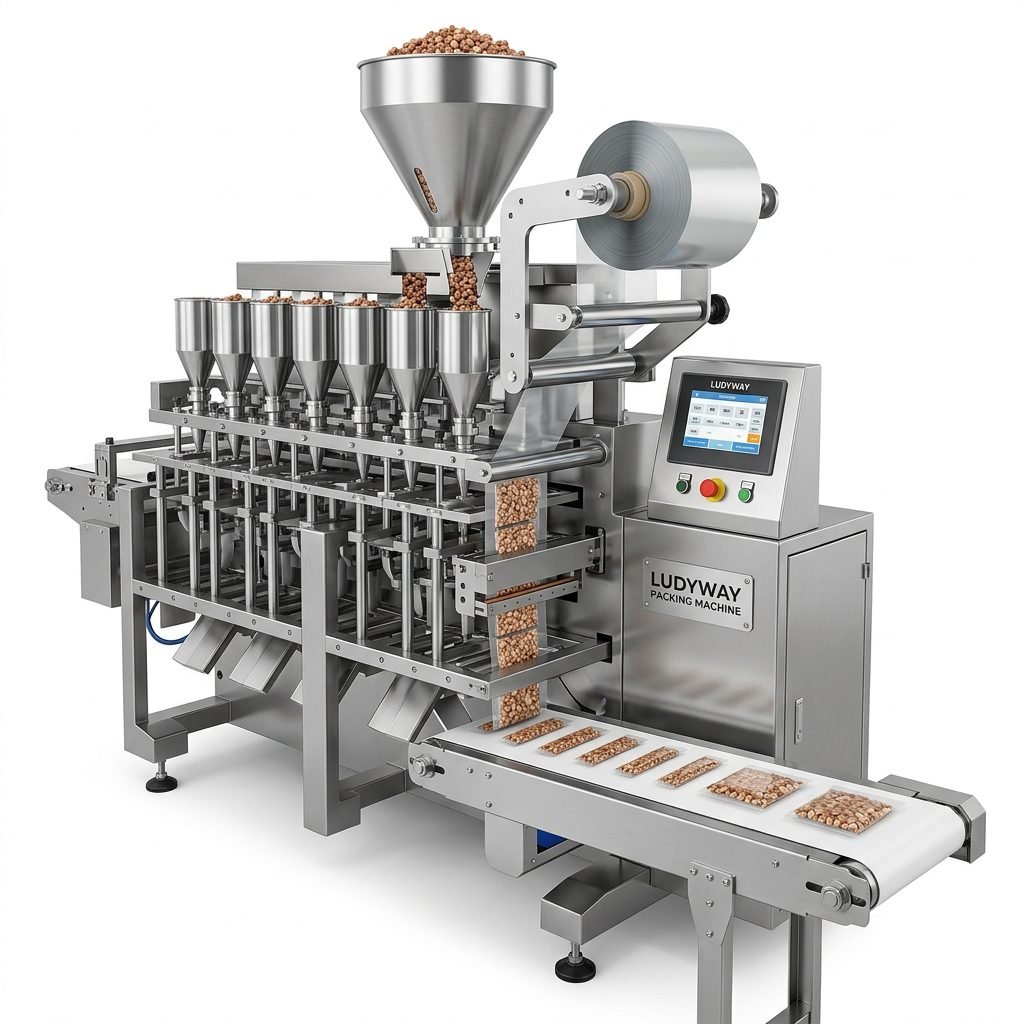
Not all flow wrappers and feeding systems are created equal. The sticky and abrasive nature of hard candy demands specific engineering. Below are the critical components separating an average machine from a high-yield workhorse:
- Stainless Steel Construction: Ensure all contact parts use 304 or 316 stainless steel to prevent corrosion from sugar acids.
- Servo-Driven Motors: Precise film tension control is required for high-speed twist wrapping and pillow packs to avoid tearing.
- Automatic Feeding Systems: A synchronized vibratory or belt feeding system prevents candy clustering and ensures a consistent flow into the forming area.
- Quick Changeover: Look for tool-free adjustments if you run multiple shapes (balls, drops, lollipops) to minimize downtime.
- Gas-Flushing Capability: For extended shelf life in the humid Oceania climate, nitrogen flushing is crucial to prevent product degradation during export.
Types of Packaging Formats for Hard Candy
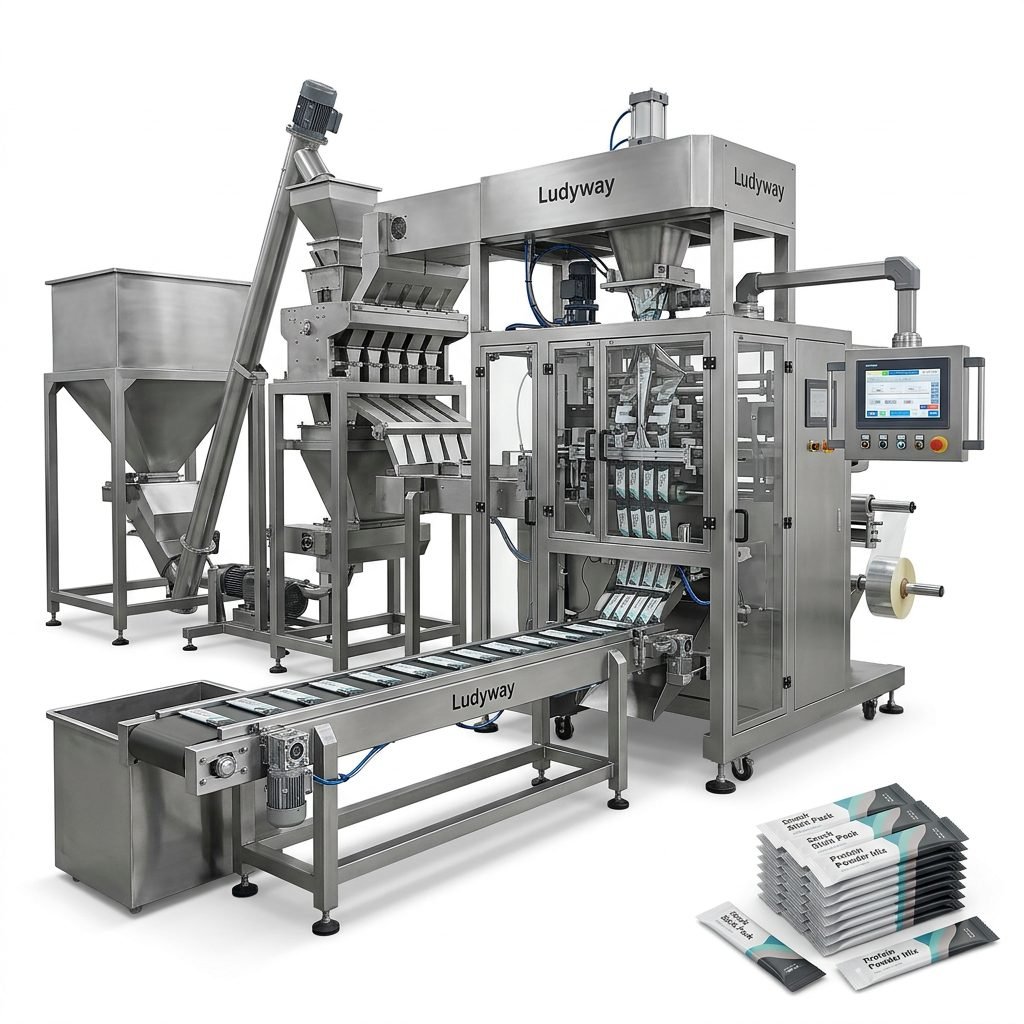
The choice of packaging style directly influences your brand perception on retail shelves. For Oceania’s competitive market, you need a machine versatile enough to handle multiple formats. Below is a breakdown of the most popular configurations:
| Format | Machinery Type | Best For |
|---|---|---|
| Pillow Pack | High-Speed Flow Wrapper | Bulk packaging and large retail bags |
| Twist Wrap | Double-Twist Machine | Classic candy drops and promotional items |
| Bunch Wrap | Bunch Wrapper | Round candies in transparent film |
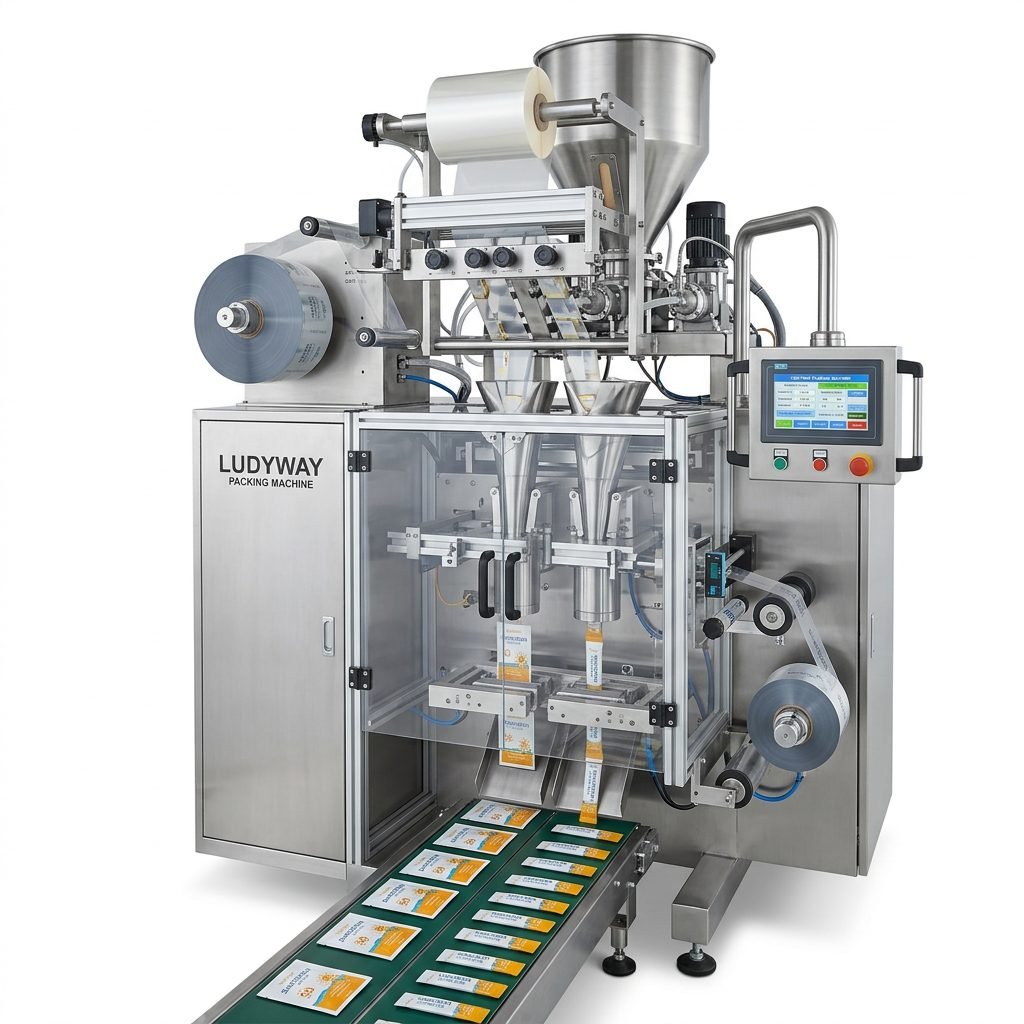
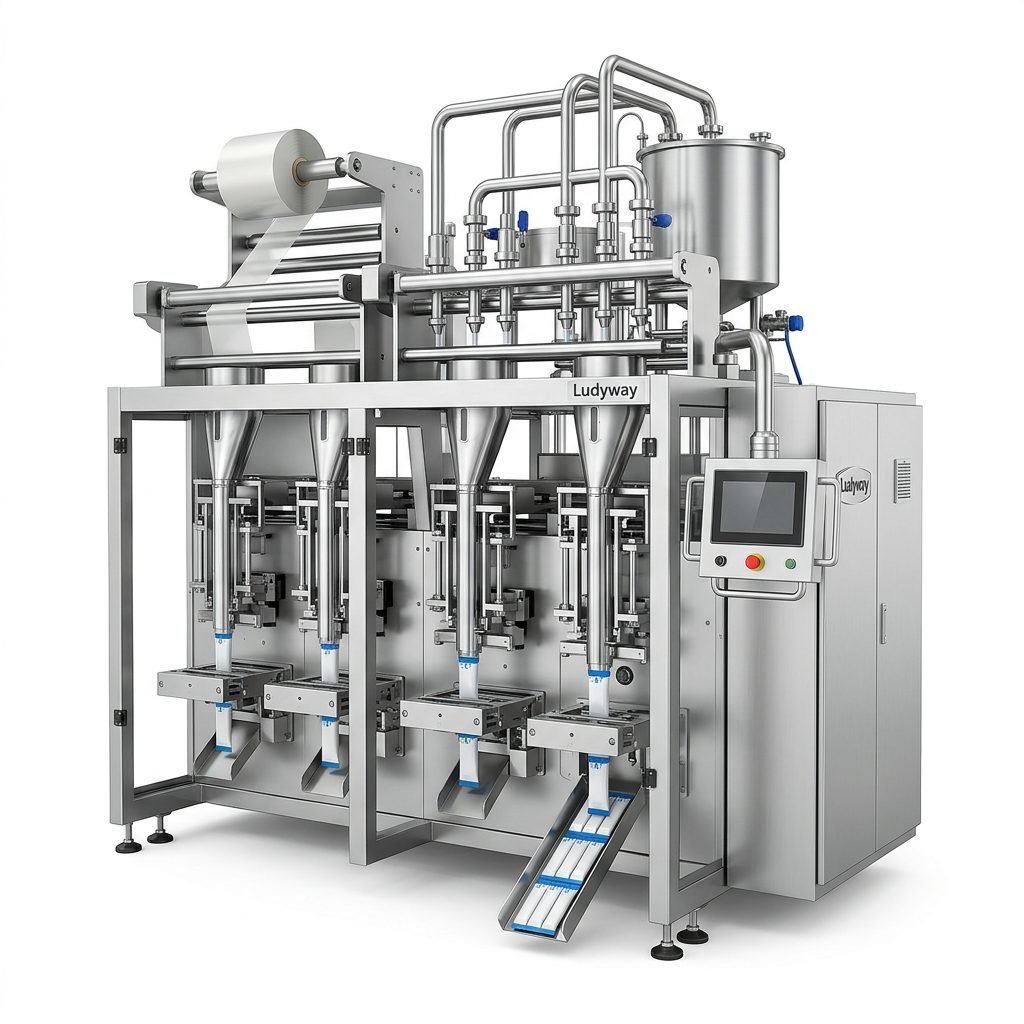
| Stick Pack | Multi-Lane Stick Machine | On-the-go single servings and powder filling |
Automation and Integration Levels
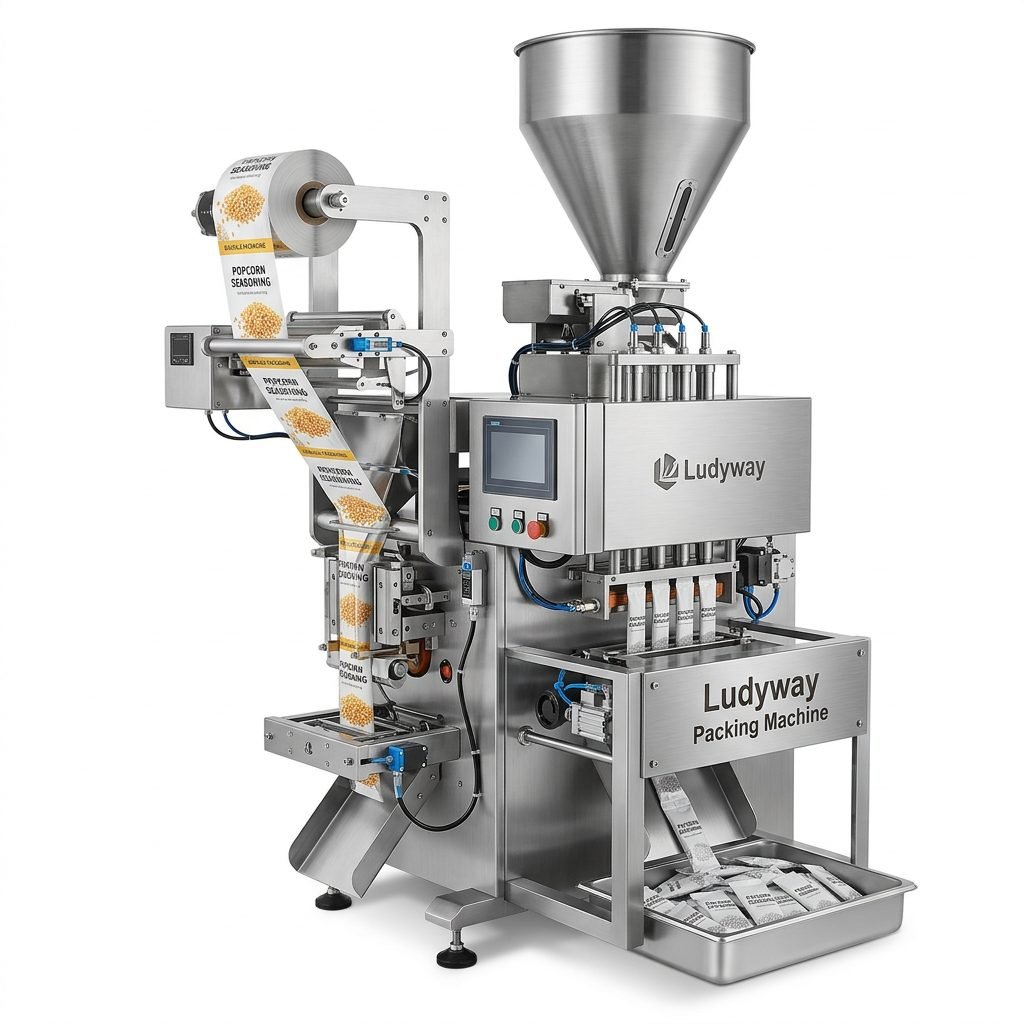
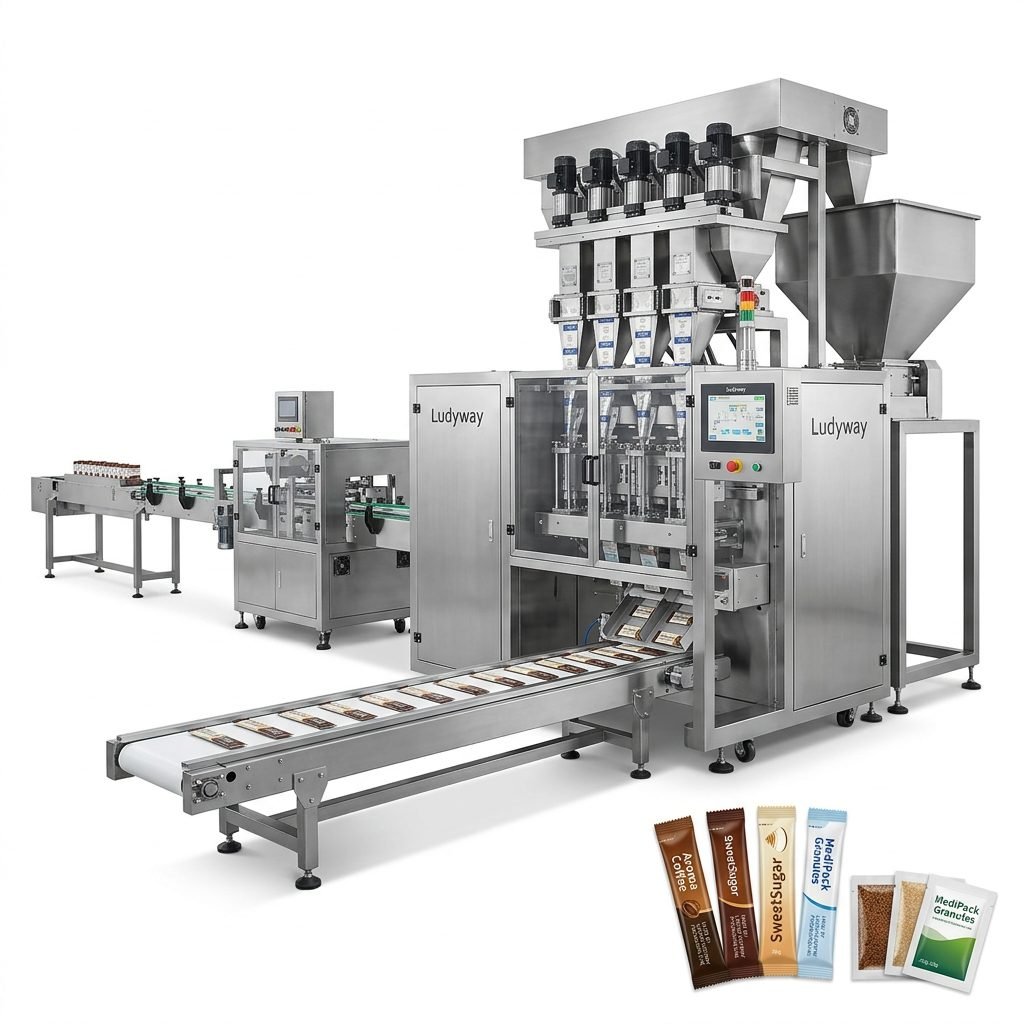
When investing in a packaging solution for the Oceania region, consider the Total Cost of Ownership (TCO). While semi-automatic machines have a lower upfront cost, the labor market in Australia and New Zealand often justifies a leap to fully automated turnkey systems. These lines integrate feeding, wrapping, and boxing into one seamless flow, drastically reducing manual handling risks. For high-volume exporters, integrating a high-speed multi-lane packaging system can drastically shrink the footprint while maximizing output per square meter.
Addressing Specific Oceania Compliance and Climate Challenges
Operating in tropical climates like Northern Queensland or the Pacific Islands requires robust environmental resistance. Electrical cabinets must be IP65 rated to withstand high humidity and cleaning protocols. Furthermore, packaging machinery destined for Oceania should comply with the FDA food contact packaging standards or the ISO packaging regulations recognized internationally. Dust-proofing is also non-negotiable, as sugar dust mixed with moisture can severely damage precision components.
Comparing Single-Lane vs. Multi-Lane Technology
Choosing between a single-lane flow wrapper and a multi-lane system depends on your production volume and factory layout. The following points highlight the critical differences:
-
Output Volume
Single-lane machines are ideal for smaller artisan batches, while multi-lane machines are the standard for mass production, often packaging hundreds of pieces per minute.
-
Space Efficiency
A single compact multi-lane unit can replace multiple single-lane machines, saving valuable floor space in urban facilities.
-
Flexibility
Single-lane machines offer quicker size changeovers for small batch runs; however, advanced multi-lane models now feature “swing-away” assemblies for easier cleaning.
Maintenance and After-Sales Support in Oceania
Downtime is the enemy of profit in the confectionery world. When selecting a hard candy packaging machine supplier, verify their ability to provide remote diagnostic support aligned with Oceania time zones (UTC+10 to +12). Ensure critical spare parts like heat-sealing jaws and film-forming shoulders are readily available. A machine built with a 20,000㎡ modern production facility background implies a standardized manufacturing process, which guarantees part interchangeability and longevity. Look for partners who offer factory acceptance testing (FAT) and detailed installation training.
The Role of Sustainable Packaging Materials
Oceania is leading the charge in the war on plastic. Your new machinery must be compatible with emerging eco-friendly materials. Heat-sealable paper, compostable bio-films, and thinner gauges require precise temperature control to seal without melting or wrinkling. Evaluate whether the machine’s film handling system can adapt to these flexible packaging materials without significant retrofitting costs.
Cost-Benefit Analysis: Initial Investment vs. Operational Efficiency
| Cost Factor | Budget Option | Premium Option |
|---|---|---|
| Upfront Price | Lower | Higher |
| Labor Requirement | High (manual feeding) | Low (fully automated) |
| Film Waste | 2-3% | Less than 1% |
| Speed Consistency | Variable | Constant high-speed |
Ultimately, for businesses aiming to expand their market share in Oceania, investing in a high-quality, servo-driven hard candy packaging machine from an experienced manufacturer offers a return on investment that is realized not just in reduced labor, but in superior product shelf presence. Ludyway is one of the largest packaging machine manufacturers, specializing in advanced equipment and turnkey solutions. With over 30 years of industry expertise and a 20,000㎡ facility, they support clients in over 100 countries. Ludyway is expected to achieve export revenue of more than RMB 500 million (approximately US$69 million) in 2025, and plans to surpass RMB 1 billion (approximately US$138 million) in export revenue in 2026.