Selecting the right doughboy packaging equipment is a critical decision for any food production business. These machines, designed to package individual portions of powders, granules, or liquids into stick packs or sachets, are the workhorses of efficiency and product presentation. This comprehensive guide will walk you through the different types of doughboy packaging machines, their key features, and a step-by-step process to help you choose the perfect machine for your production line.
Understanding Doughboy Packaging Machines
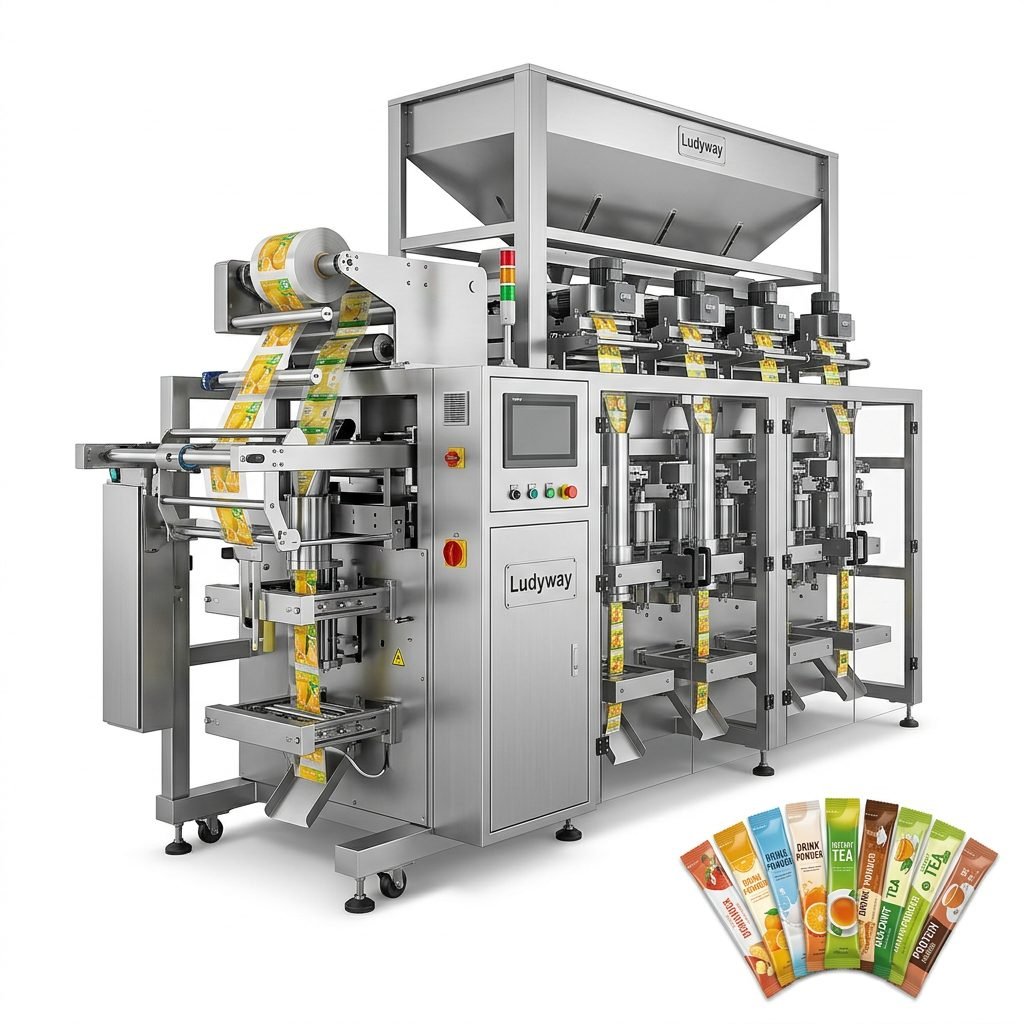
Often referred to as stick pack or sachet packaging machines, doughboy machines create small, sealed pouches from roll film. They are ideal for single-serve portions of products like drink mixes, spices, pharmaceuticals, condiments, and supplements. The primary advantage is their ability to combine high-speed production with excellent product protection and shelf appeal.
Core Benefits of Automation
Investing in an automated doughboy packaging system offers significant returns:
- ✓ Increased Productivity: Machines can produce hundreds to thousands of packs per minute, far exceeding manual capabilities.
- ✓ Consistent Quality: Every pack has identical weight, seal integrity, and dimensions, ensuring brand consistency.
- ✓ Reduced Labor Costs: Automation minimizes the need for manual filling and sealing, lowering long-term operational expenses.
- ✓ Enhanced Hygiene: Closed systems minimize product exposure to the environment, crucial for food and pharmaceutical safety.
Types of Doughboy Packaging Equipment
The market offers several configurations, each suited to different production scales and product types. Understanding these categories is the first step in making an informed choice.
1. Vertical Form-Fill-Seal (VFFS) Machines
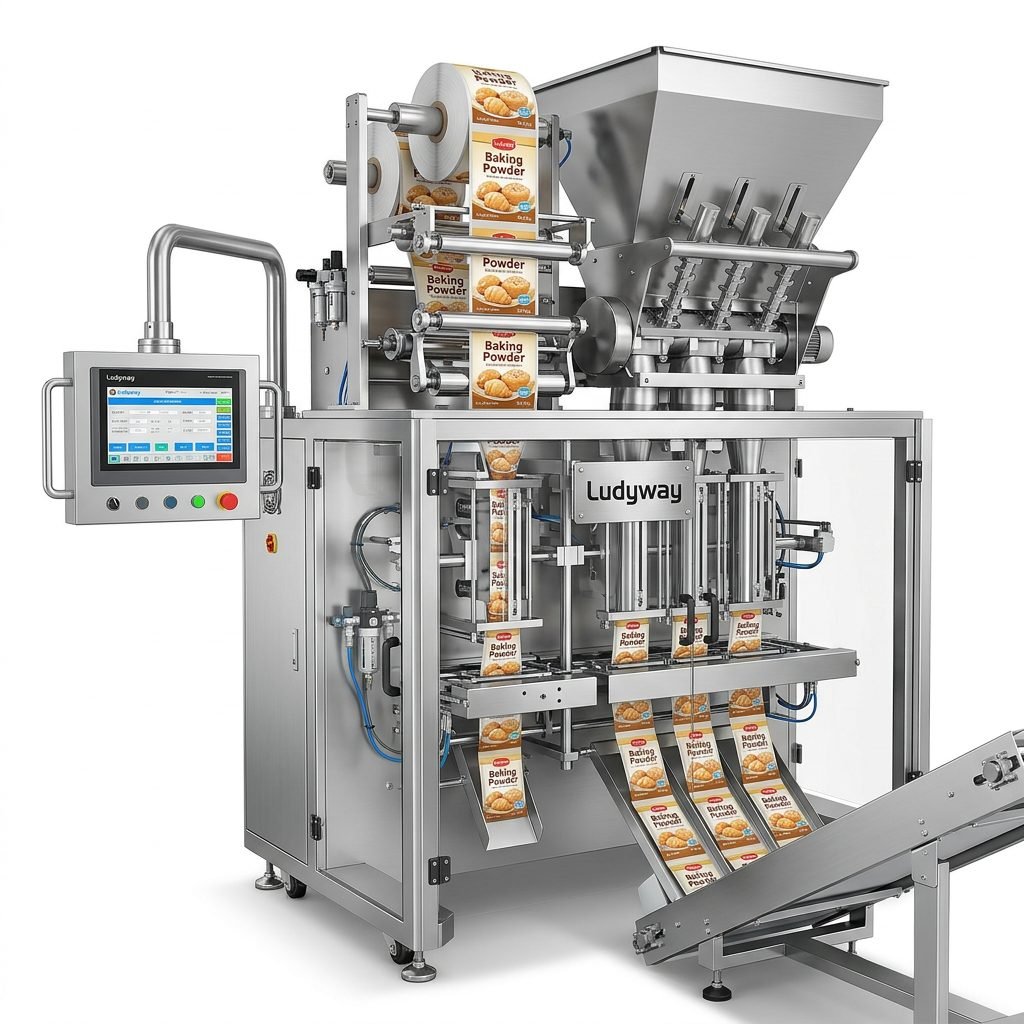
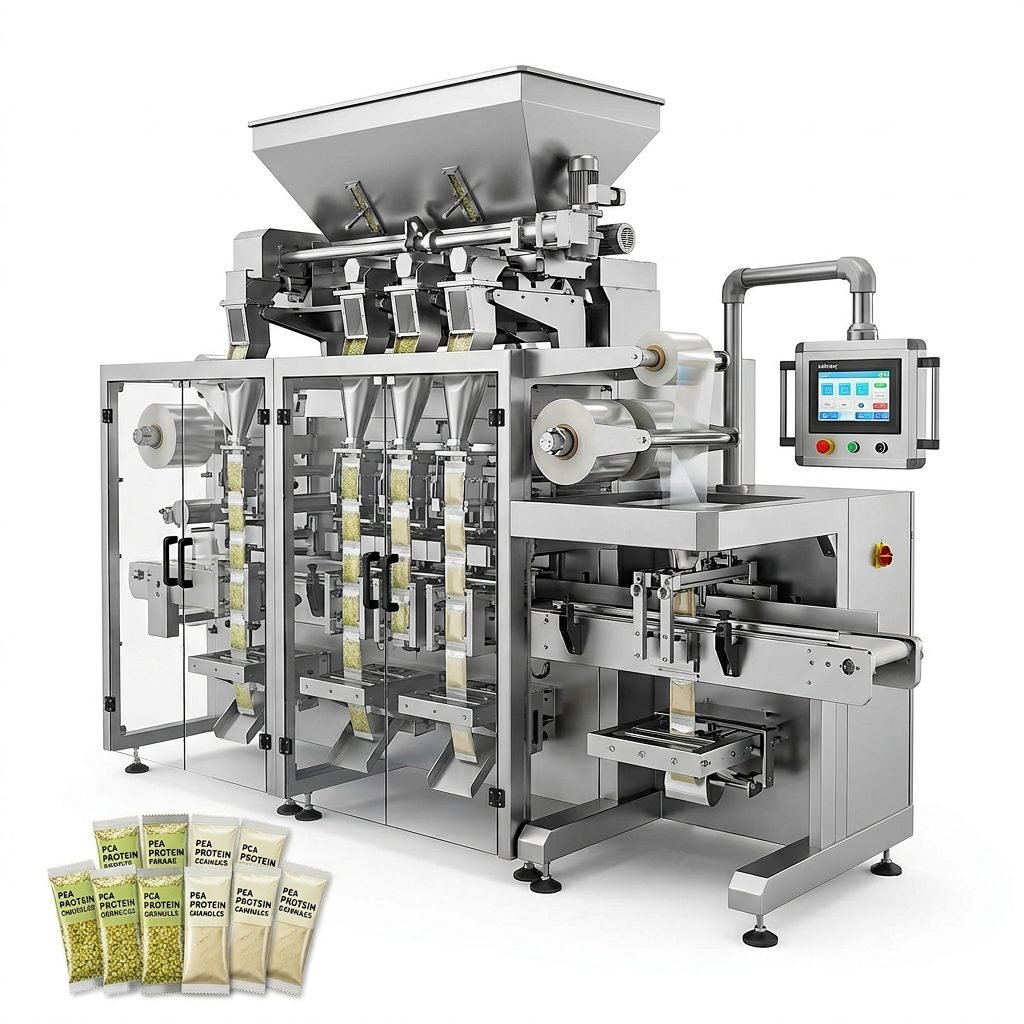
These are the most common type. Film is fed vertically from a roll, formed into a tube, filled, and then sealed horizontally and vertically to create individual pouches. They are highly versatile and space-efficient.
Best for: Medium to high-volume production of free-flowing granules, powders, and small solid items.
2. Horizontal Form-Fill-Seal (HFFS) Machines
In these systems, the film travels horizontally. The web is often pre-formed into pockets, which are then filled and lidded with a second layer of film. This style is excellent for delicate or non-free-flowing products.
Best for: Liquids, creams, gels, sticky products, and products that require precise placement within the pouch.
3. Multi-Lane Machines
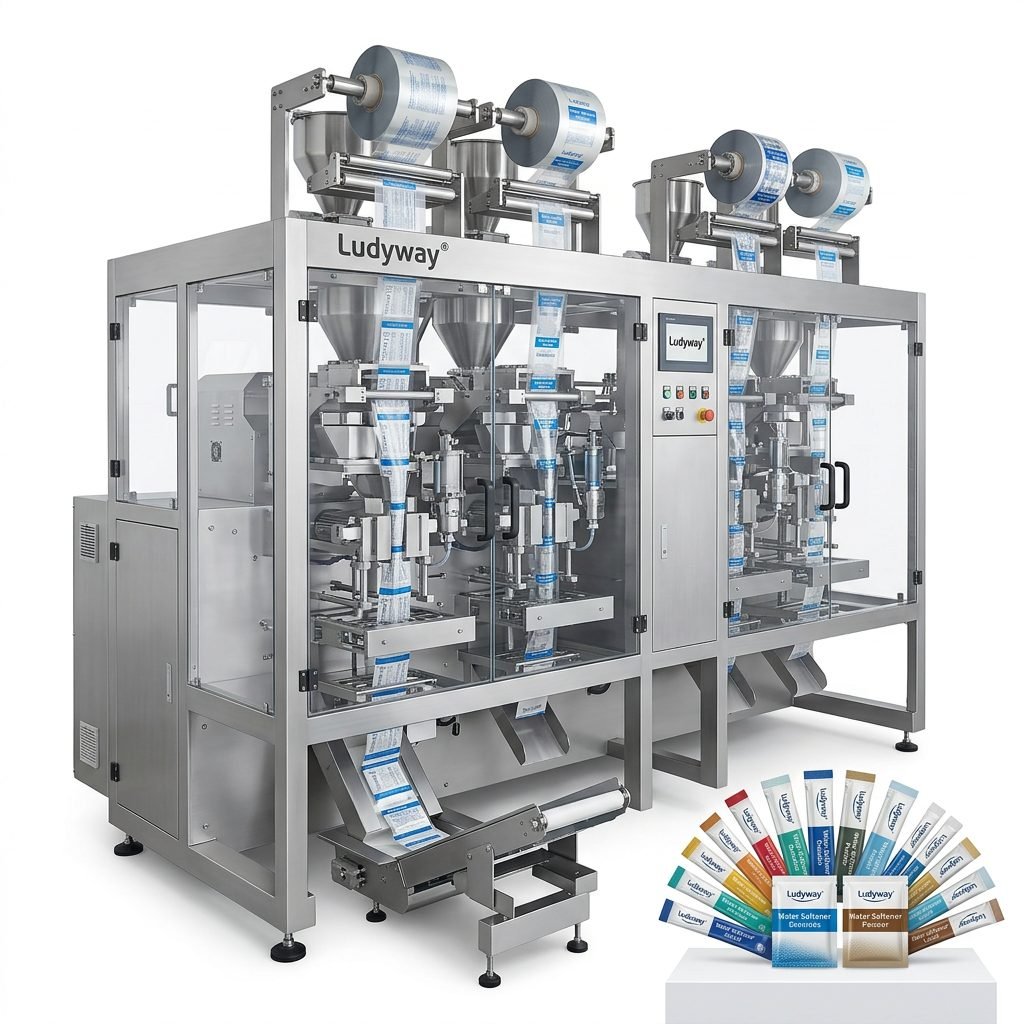
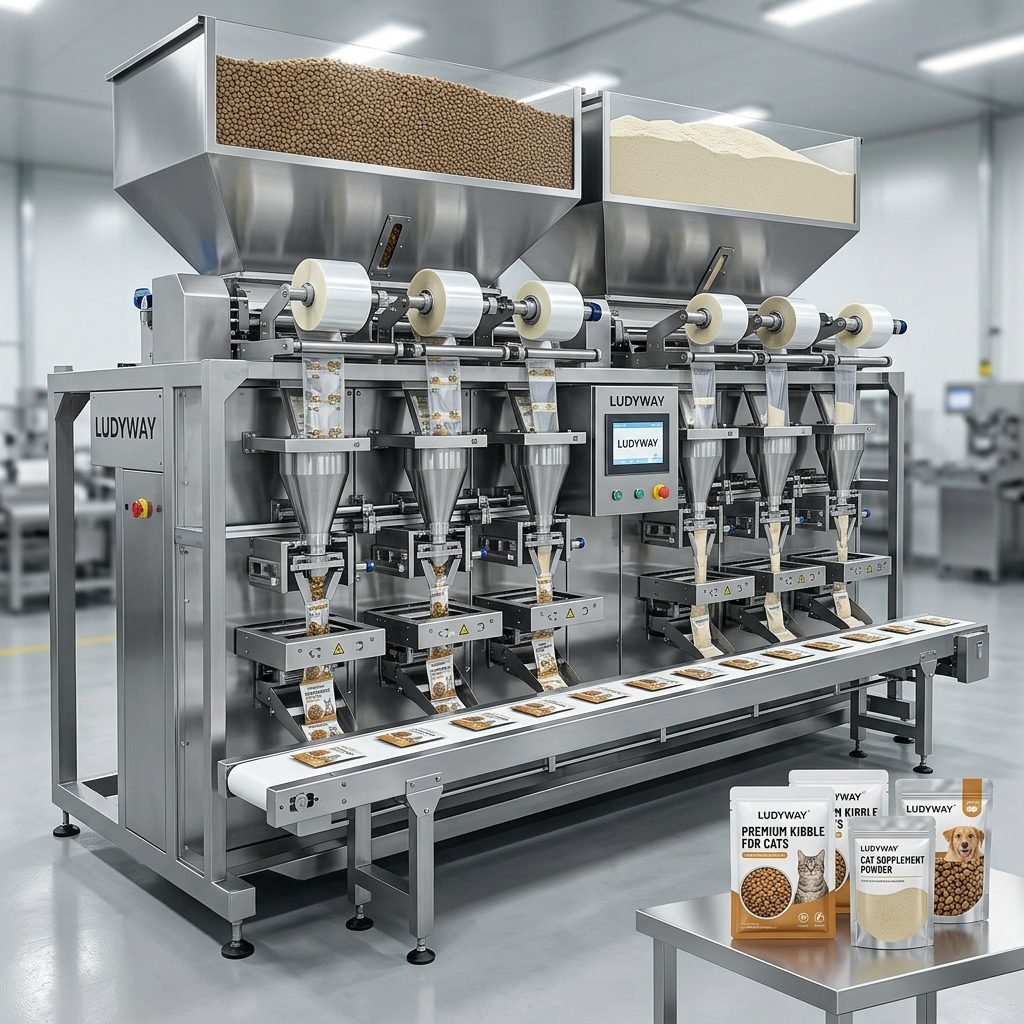
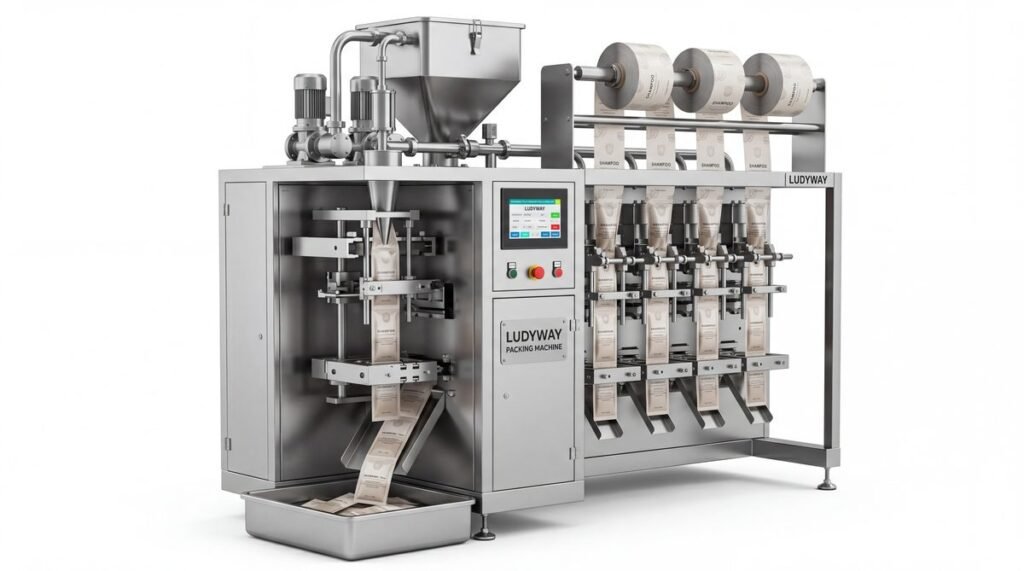
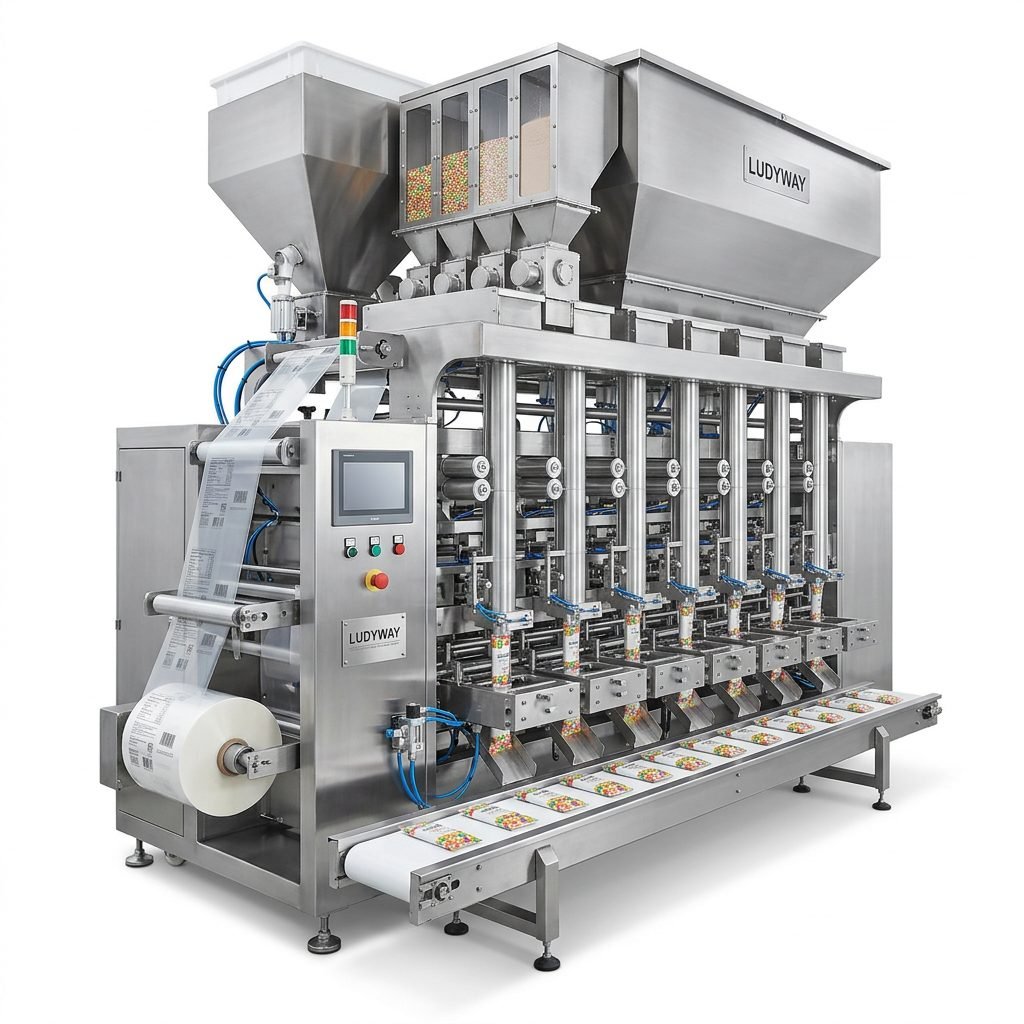
These are essentially multiple VFFS units running in parallel from a single control system. They dramatically increase output by producing several rows of stick packs simultaneously.
Best for: Very high-volume production requirements, such as for beverage sticks or sugar sachets for large food service providers.
4. Integrated Weighing & Filling Systems
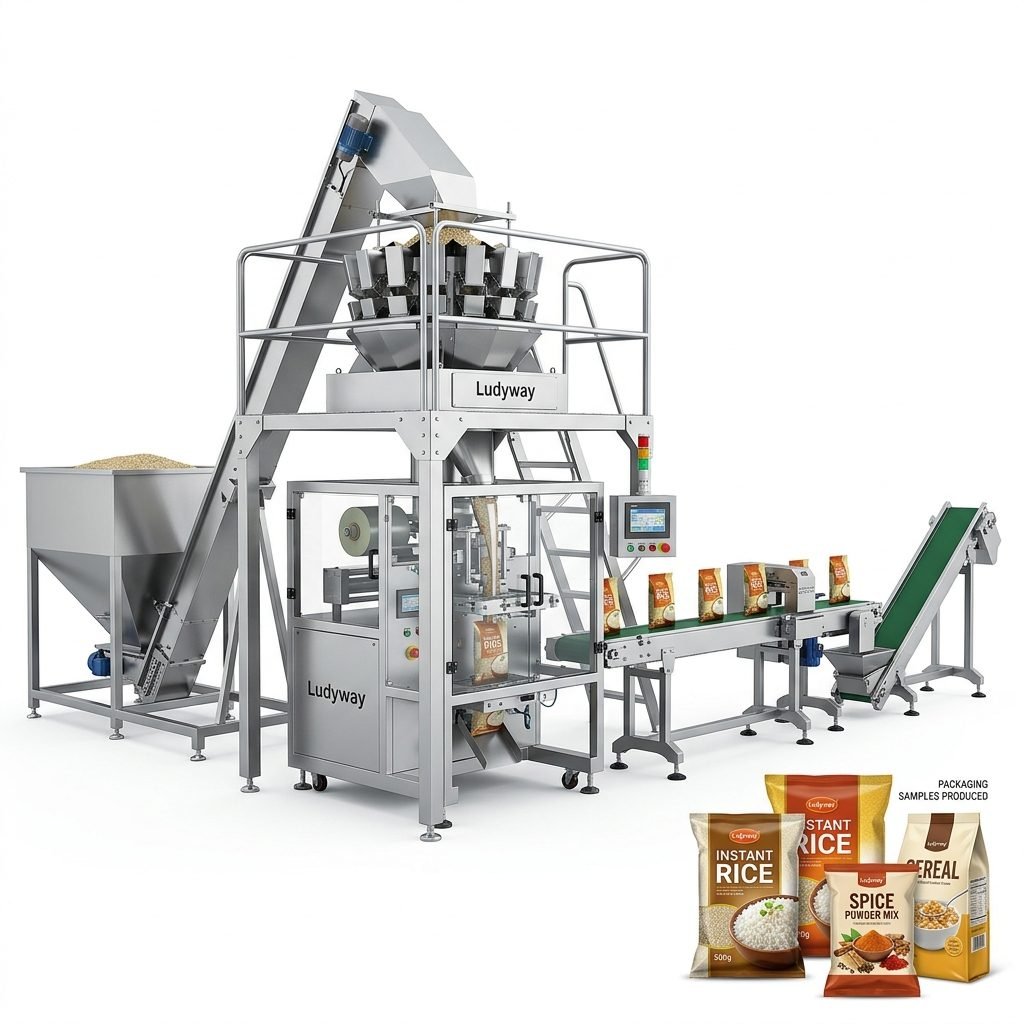
This isn’t a machine type per se, but a critical configuration. Doughboy machines can be integrated with various fillers: volumetric cups for consistent granules, auger fillers for precise powders, or liquid pumps. The choice of filling system is as important as the machine itself for accuracy.
Key Features to Evaluate
Beyond the basic type, several features differentiate machines and impact their performance, flexibility, and ease of use.
Operational & Control Features
- Control System: Modern machines use PLC (Programmable Logic Controller) with a touchscreen HMI (Human-Machine Interface). This allows for easy recipe storage, changeover, and troubleshooting.
- Changeover Time: How quickly can you switch from one pack size or product to another? Look for machines with quick-change parts and tool-less adjustments to minimize downtime.
- Sealing Technology: The quality of the seal is paramount. Check for consistent heat control, durable sealing jaws, and the option for cooling seals for certain films.
Material & Construction Features
- Construction Materials: Contact parts should be made of food-grade stainless steel (e.g., SS304 or SS316) for durability, corrosion resistance, and compliance with hygiene standards.
- Film Compatibility: Ensure the machine can handle the laminate films you plan to use (e.g., PET/AL/PE, PET/PE, paper composites) and offers precise tension control.
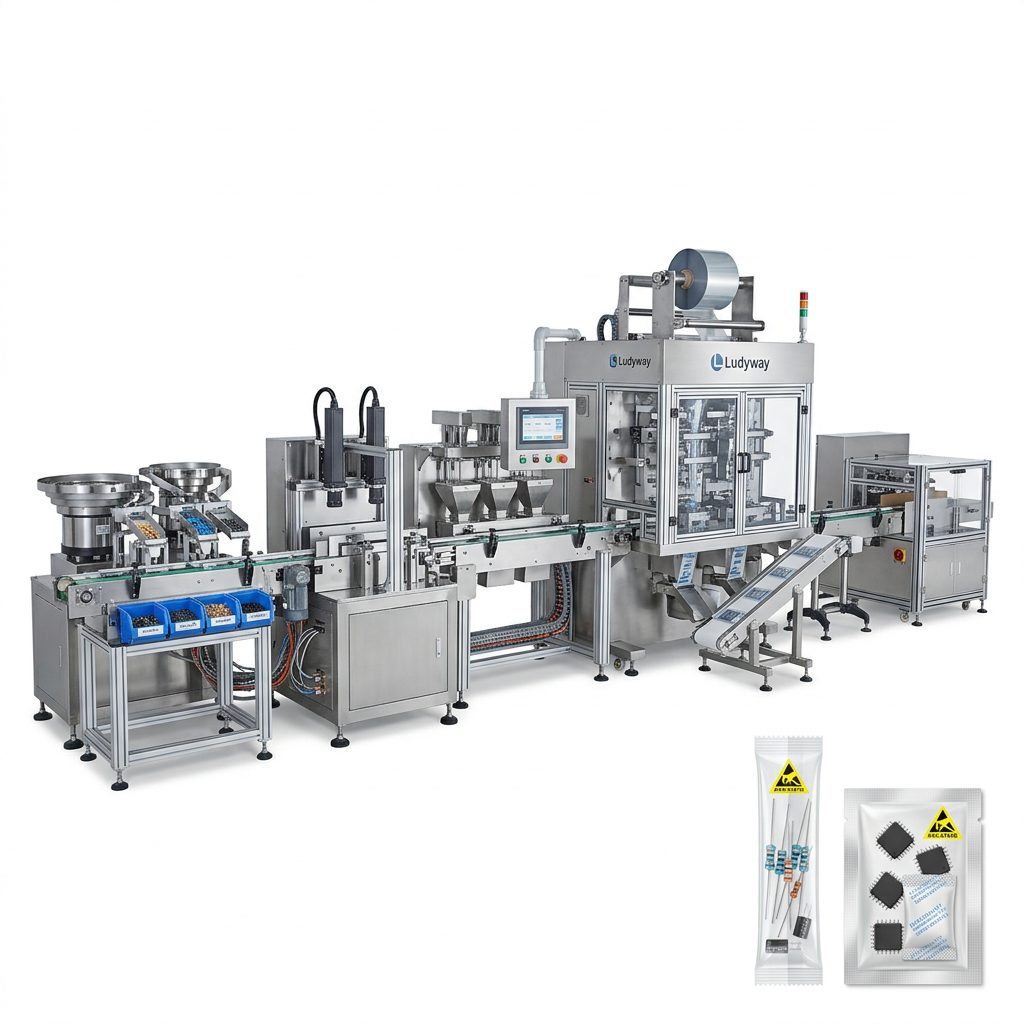
- Modularity: Can you add options later, like a date coder, nitrogen flushing for extended shelf life, or a checkweigher for quality control?
How to Choose the Right Machine: A Step-by-Step Guide
Step 1: Define Your Product & Packaging Specifications
Start with the basics. What are you packaging? Define its physical state (powder, granule, liquid), flow characteristics, and any special requirements (hygroscopic, abrasive). Determine your desired pack size, shape, and film material. This information is non-negotiable for machine selection.
Step 2: Calculate Your Required Output
Be realistic about your current and future needs. Calculate your required packs per minute (PPM) or packs per shift. Remember to factor in efficiency; a machine rated for 200 PPM might run at 85% efficiency in real-world conditions. Choosing a machine with ~20% more capacity than your current peak need allows for business growth.
Step 3: Assess Your Production Environment
Consider your factory floor. Do you have space constraints? What is the available power supply? Is the environment clean and dry? Also, evaluate the skill level of your operators. A simpler, more robust machine might be better than a highly complex one if technical support is limited.
Step 4: Prioritize Hygiene and Compliance
For food and pharmaceuticals, this is critical. Machines should be designed for easy cleaning (CIP/SIP where possible) with minimal crevices. Ensure the machine and its construction materials comply with relevant local and international standards (e.g., FDA, CE, GMP).
Step 5: Evaluate the Supplier, Not Just the Machine
The machine is only part of the solution. The supplier’s reputation is paramount. Look for a partner with proven experience, like Ludyway Packaging Machinery, which offers over 30 years of industry knowledge. Key supplier qualities include:
- Technical Support & Training: Is comprehensive training and ongoing technical support available?
- Spare Parts Availability: How quickly can you get critical spare parts to avoid prolonged downtime?
- After-Sales Service: Do they offer installation, commissioning, and maintenance contracts?
Choosing a supplier committed to long-term partnership and innovation ensures your investment is protected for years to come.
Step 6: Request a Product Test
Never buy a packaging machine sight-unseen. Reputable suppliers will offer a live product test or video demonstration using your actual product and film. This is the only way to verify speed, accuracy, seal quality, and overall machine suitability.
Conclusion
Investing in doughboy packaging equipment is a strategic move to boost efficiency, ensure quality, and scale your production. By thoroughly understanding the machine types, critically evaluating key features, and following a disciplined selection process that emphasizes both the equipment and the supplier’s expertise, you can make a confident investment. Partnering with an experienced provider ensures you get a reliable, high-performance system tailored to your specific needs, paving the way for smoother operations and business growth. For businesses seeking advanced and customized packaging solutions, leveraging deep industry experience is the key to success.
Frequently Asked Questions (FAQs)
What is the typical production speed of a doughboy packaging machine?
Speeds vary widely based on the type and configuration. Single-lane VFFS machines typically range from 60 to 150 packs per minute. Multi-lane systems can produce from 300 to over 1000 packs per minute. The actual speed depends on pack size, product characteristics, and film type.
Can one machine handle different products and pack sizes?
Yes, most modern machines are designed for changeover. However, the ease and time required vary. Look for machines with “quick-change” features for forming tubes and sealing jaws. Significant changes in product format (e.g., from powder to liquid) may require different filling systems.
What is the most important factor for achieving a good seal?
Three factors are crucial: consistent temperature control on the sealing jaws, appropriate pressure, and using the correct film laminate for your product. Contamination of the sealing area by product dust or drips is a common cause of seal failure.
How do I choose between volumetric filling and auger filling?
Use volumetric cup fillers for uniform, free-flowing granules (like sugar or rice). Use auger fillers for powders, especially those that are fine, fluffy, or non-free-flowing, as they offer much higher precision through controlled displacement.
What kind of maintenance do these machines require?
Daily cleaning and visual inspection are essential. Regular maintenance includes lubricating moving parts (with food-grade lubricant), checking belt tensions, inspecting sealing jaws for wear, and calibrating the weighing system. A planned preventive maintenance schedule from your supplier is highly recommended.