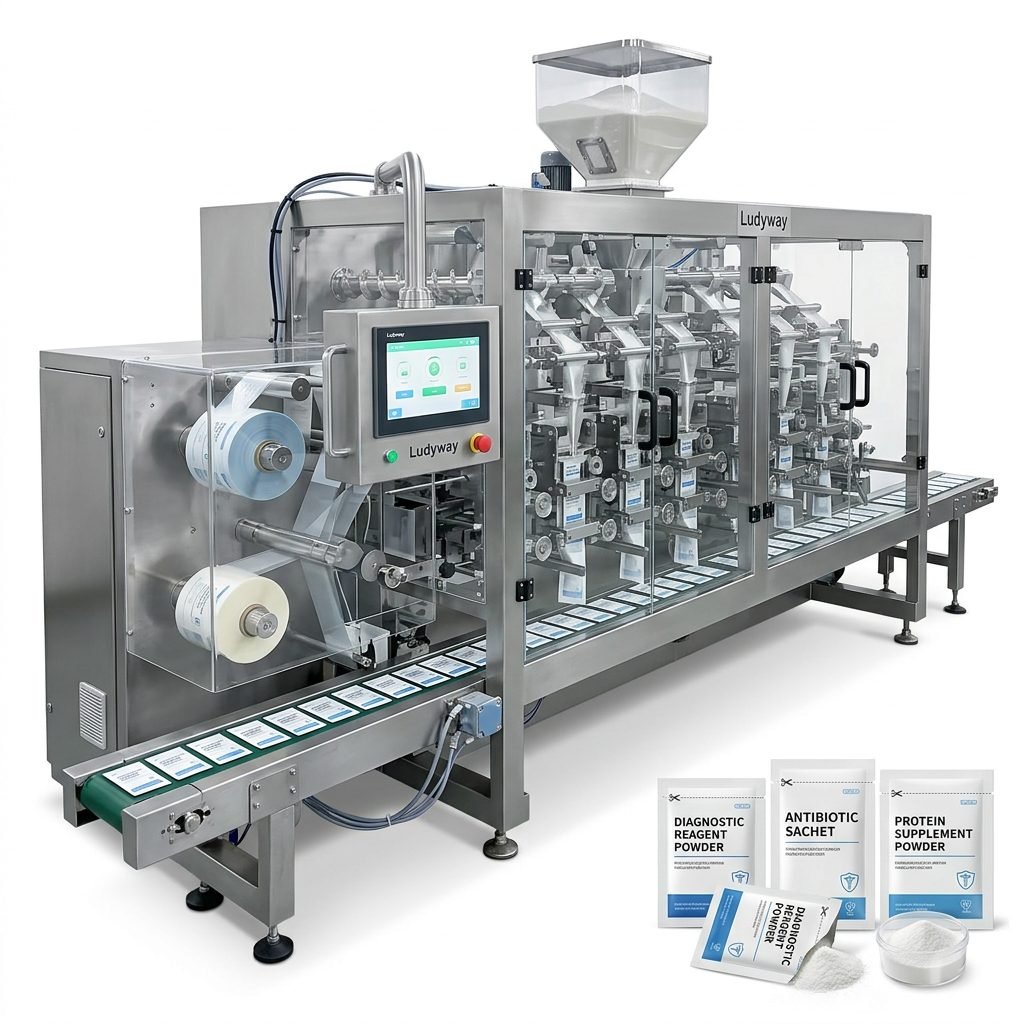
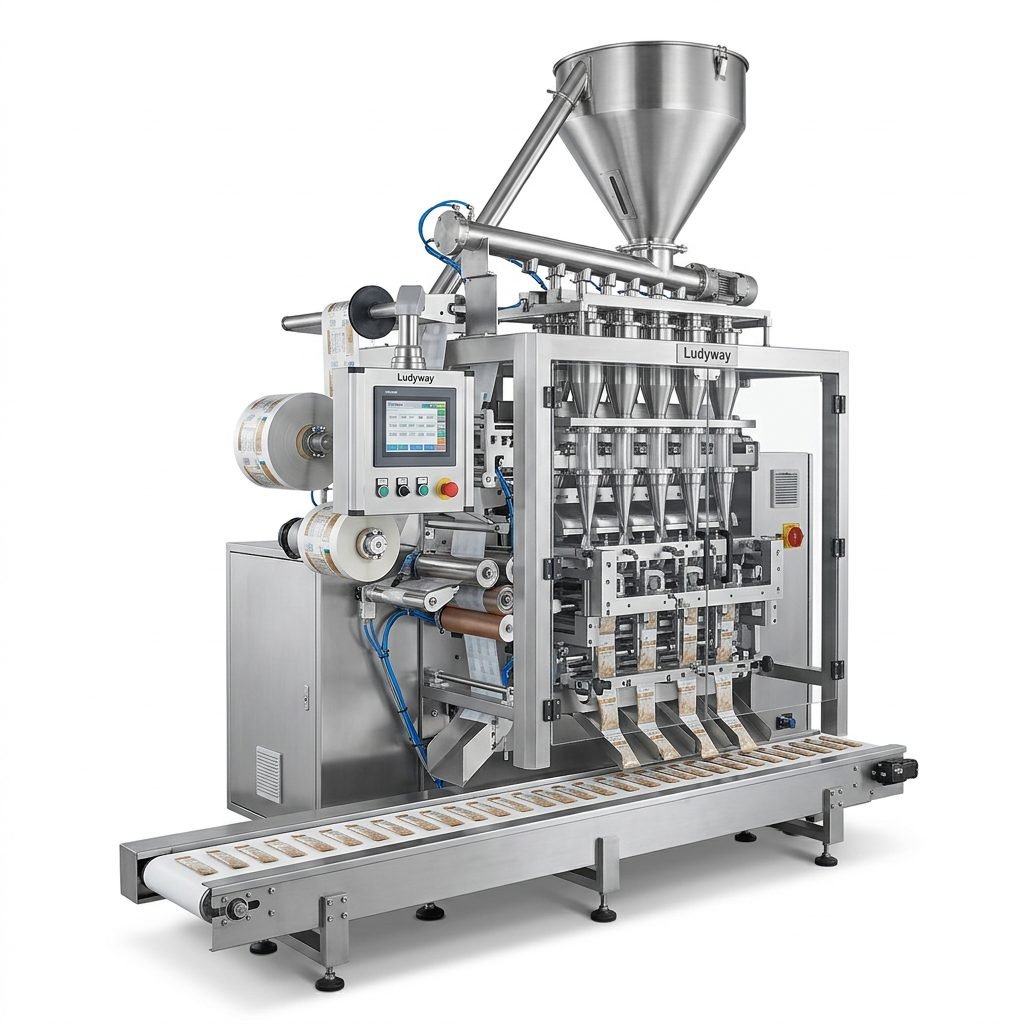
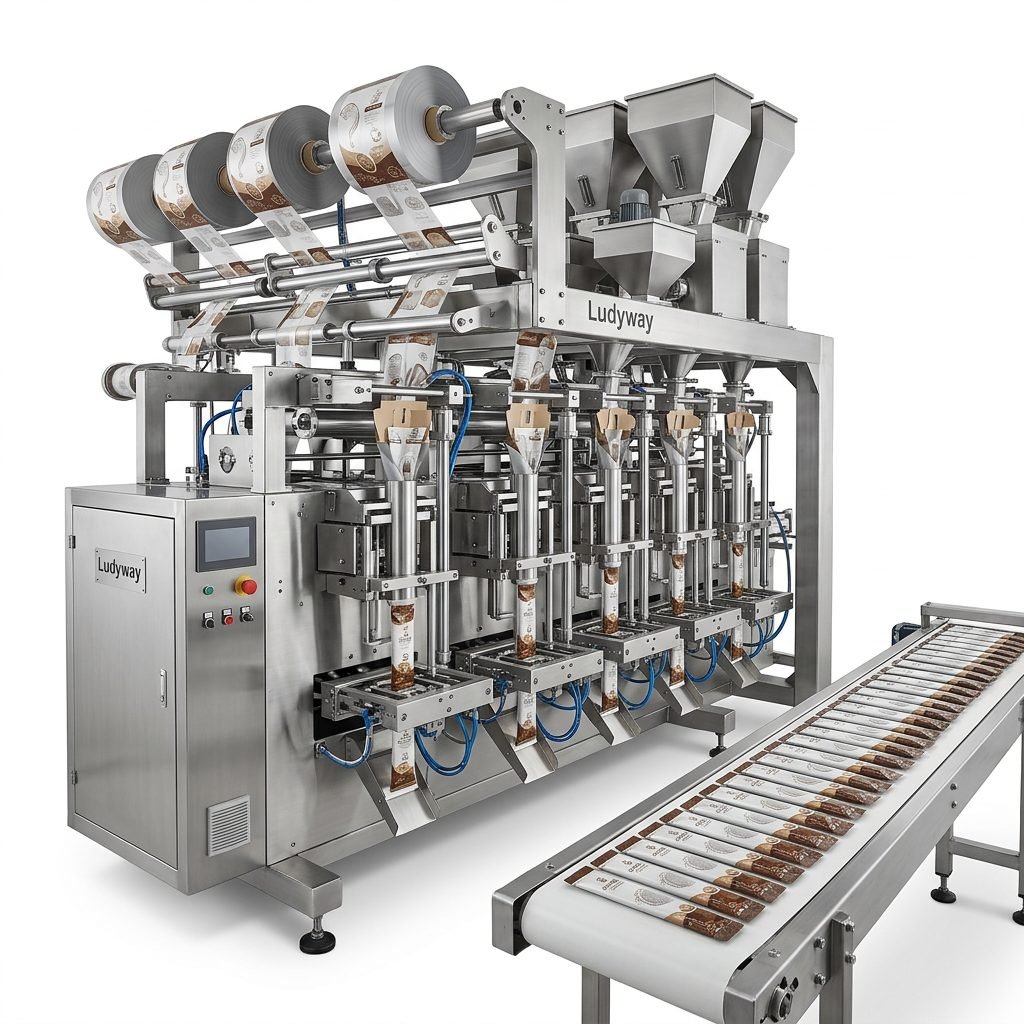
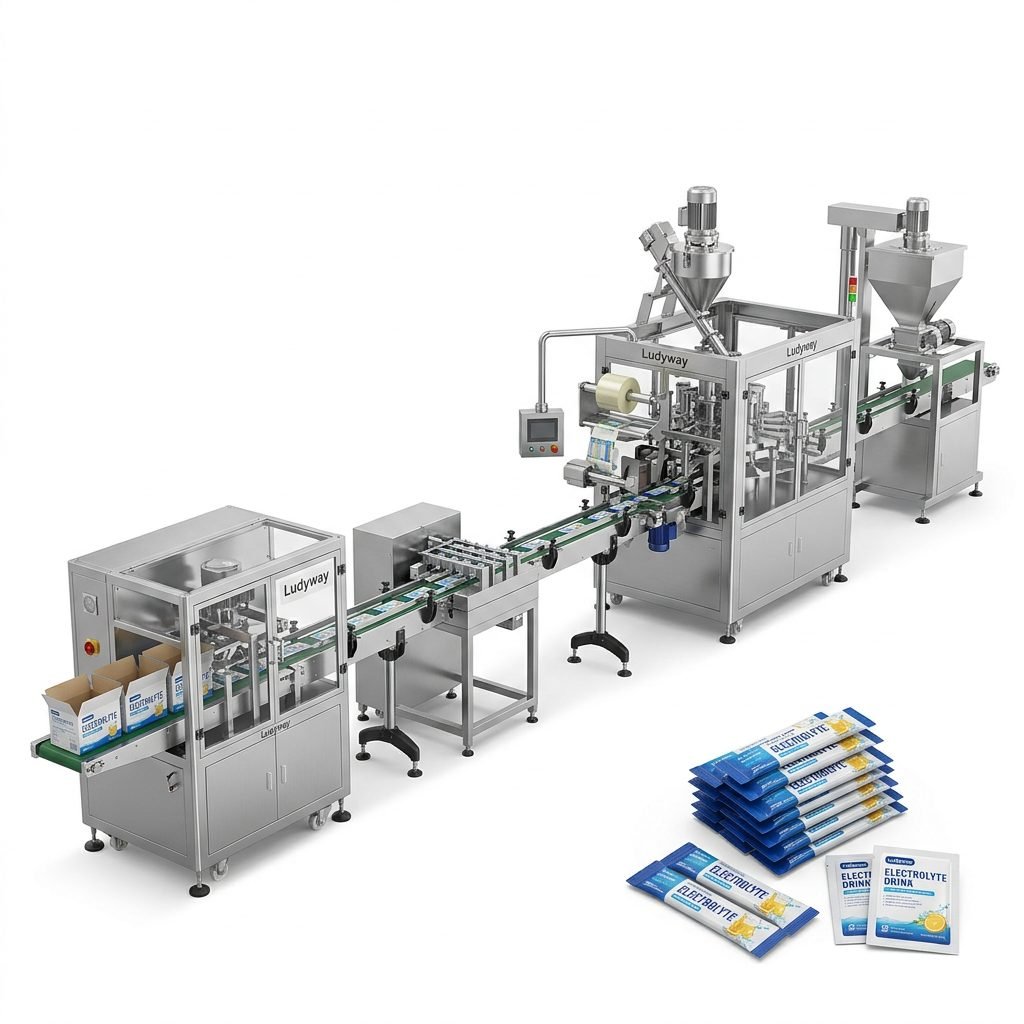
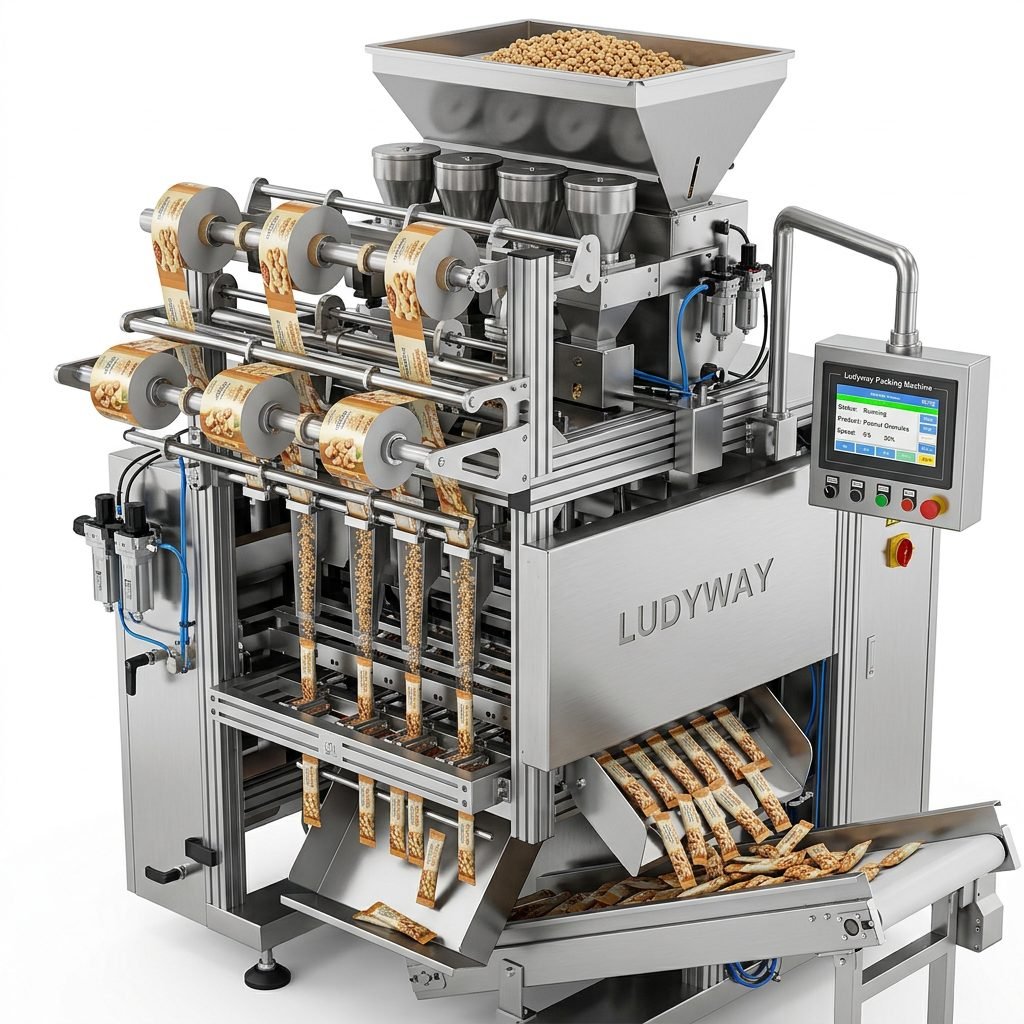
Setting up a meal packaging machine production line in Oceania requires careful planning, from understanding regional food safety standards to selecting the right automated equipment. Whether you are launching a ready-meal kit service, a sauce sachet facility, or a large-scale food packing plant, a structured approach ensures operational efficiency and regulatory compliance.
1. Understanding the Oceania Food Packaging Landscape
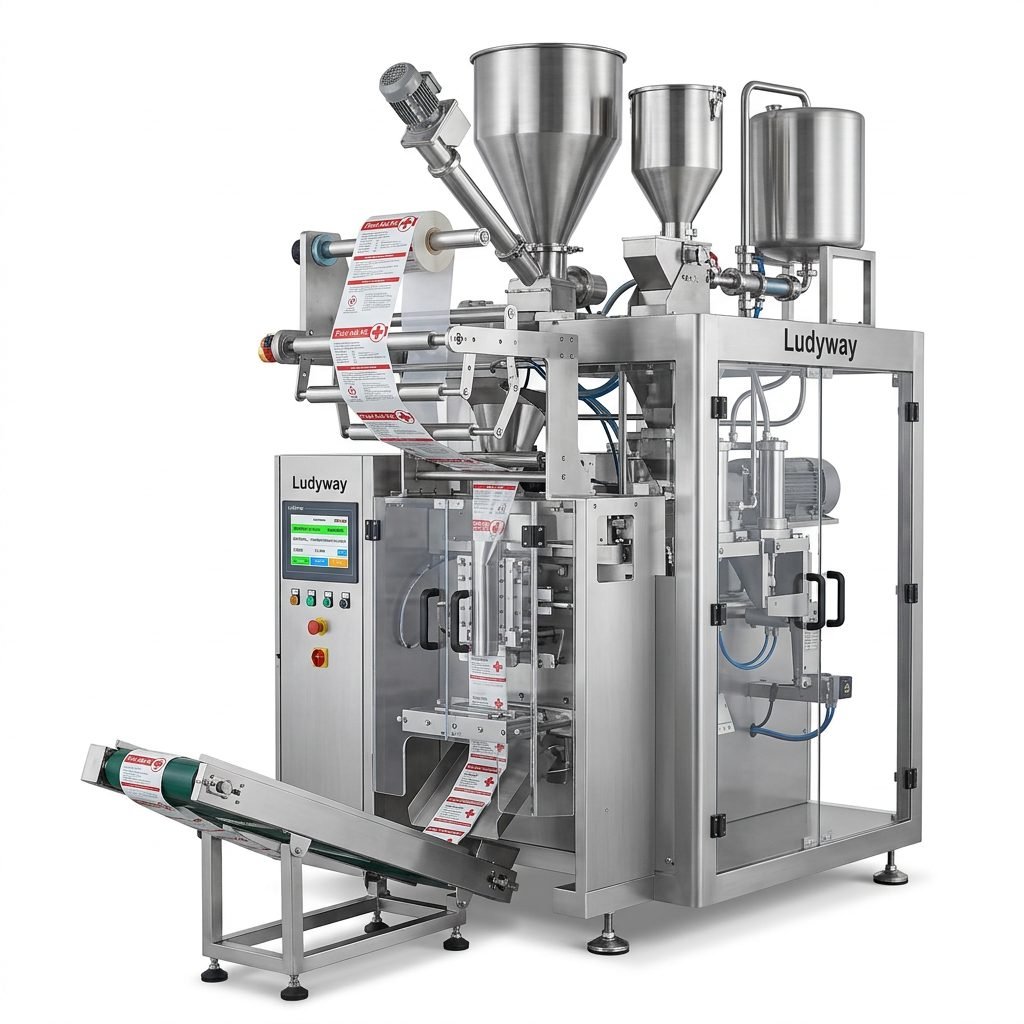
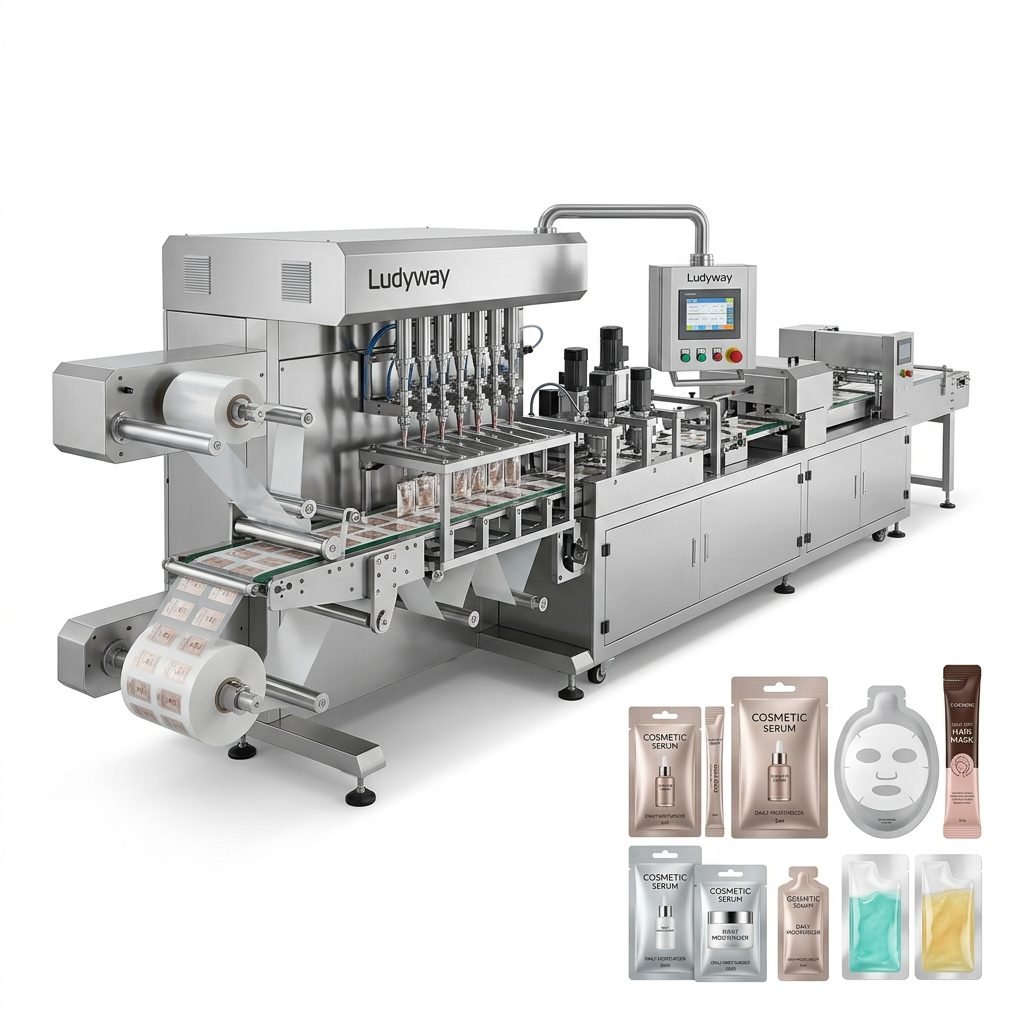
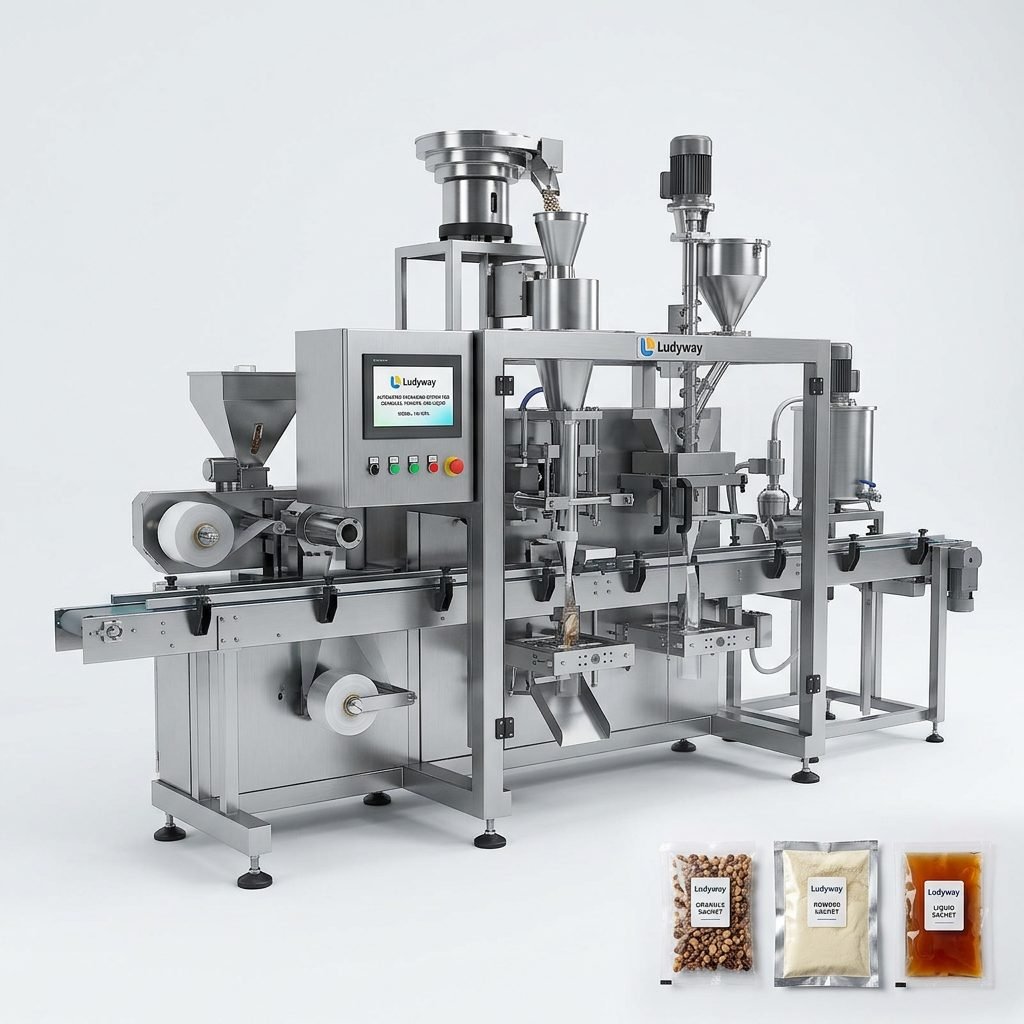
Before investing in machinery, evaluate the market demands in Australia and New Zealand. Consumer trends heavily favor convenience foods, sustainable packaging, and extended shelf life without preservatives. Key regulatory bodies like FSANZ (Food Standards Australia New Zealand) dictate strict hygiene and labeling requirements. Your meal packaging machine production line must handle various formats—stick packs, sachets, pouches, and trays—with precision filling for granules, powders, sauces, and solids.
2. Pre-Installation Planning: Facility and Compliance
Your production floor must meet HACCP principles and local building codes. Consider these critical factors before equipment delivery:
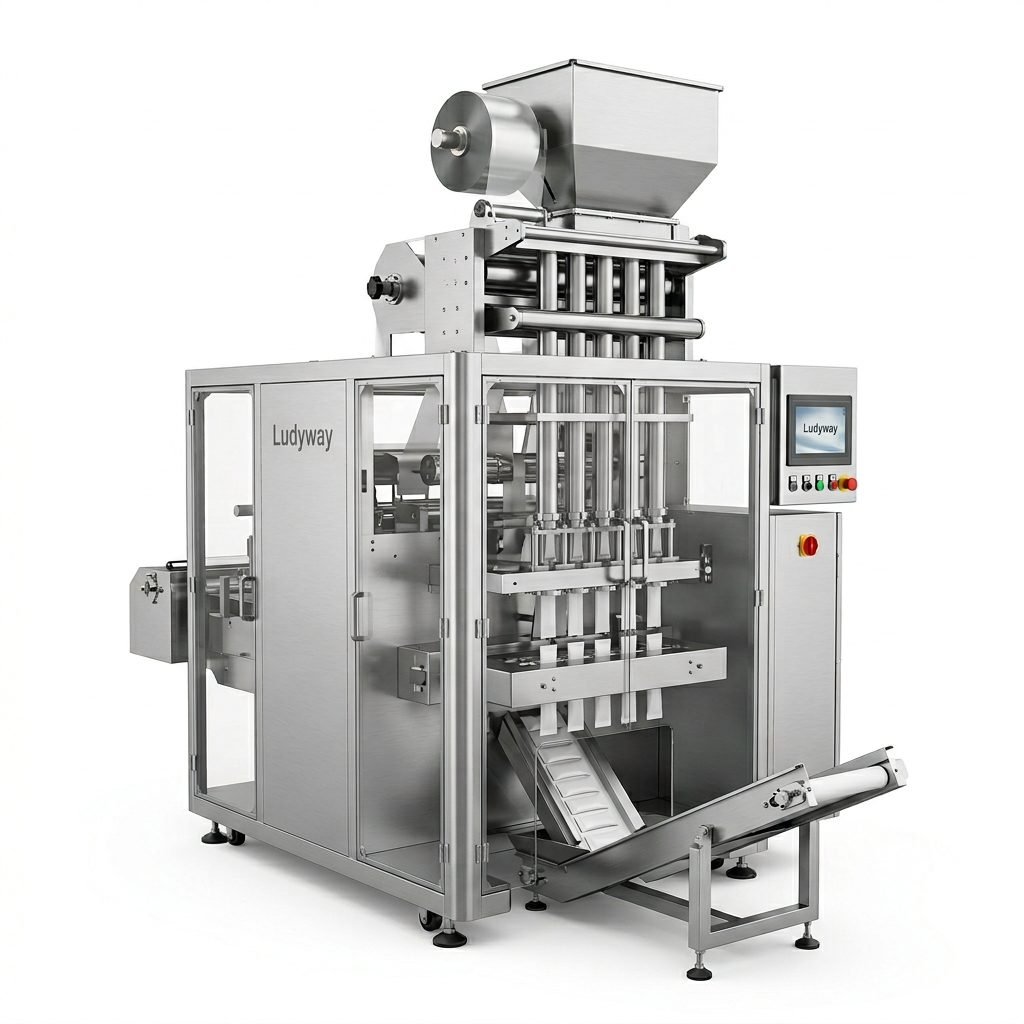
- Floor space and layout: Ensure sufficient clearance for multi-lane stick pack machines, conveyors, and cartoning systems.
- Utility requirements: Verify electrical voltage compatibility (typically 400V/50Hz for three-phase in Oceania), compressed air quality, and water drainage for cleaning-in-place systems.
- Environmental controls: Maintain temperature and humidity levels suitable for the products, especially powders that can clump.
2.1 Site Assessment Checklist
| Category | Requirement | Status |
|---|---|---|
| Structural | Floor load capacity ≥ 1500 kg/m² | ☐ |
| Electrical | Dedicated circuits with stable voltage | ☐ |
| Hygiene | Stainless steel construction and washdown zones | ☐ |
3. Selecting the Right Meal Packaging Equipment
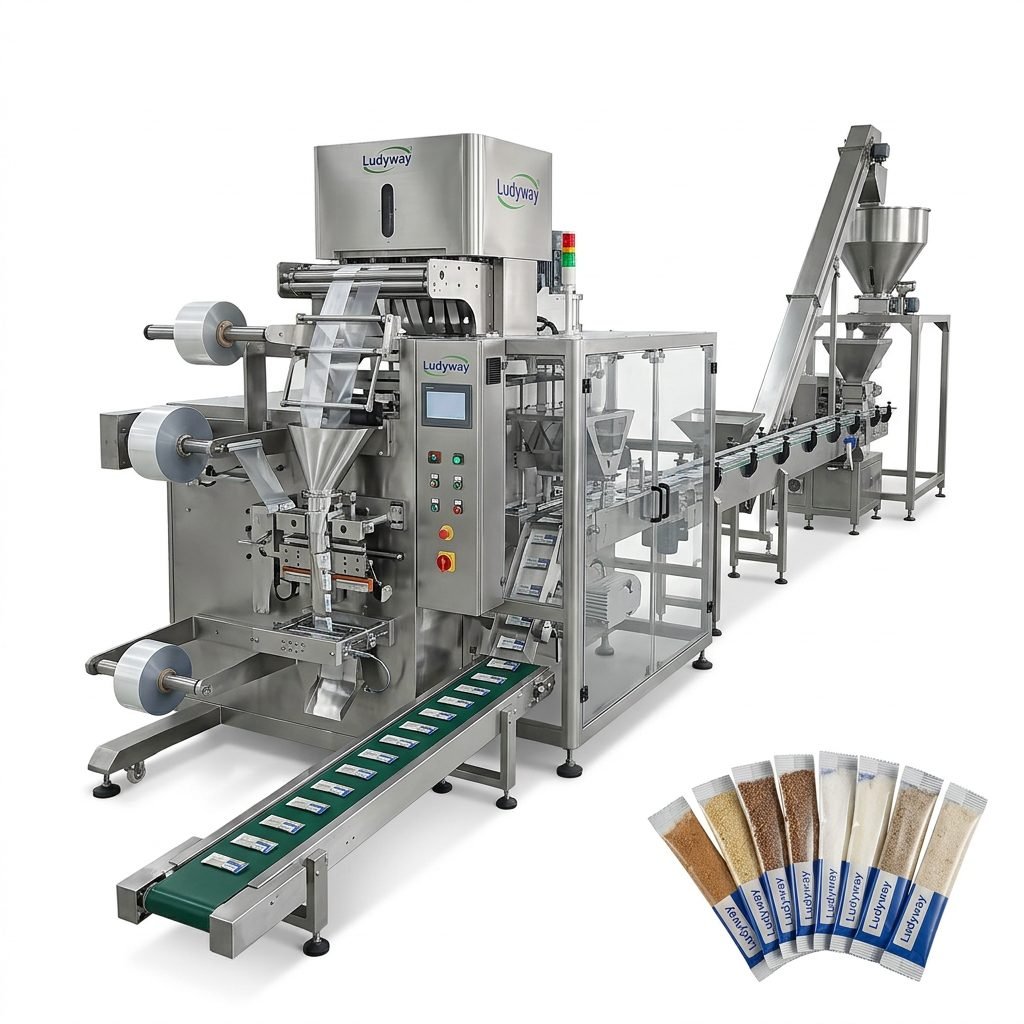
Choosing between multi-lane sachet machines, tray sealers, and MAP (Modified Atmosphere Packaging) systems depends on your product portfolio. For high-volume production of powdered beverages, seasonings, or instant soups, a multi-lane stick pack machine is ideal. Integration with upstream cooking or mixing systems and downstream cartoning improves overall line efficiency.
3.1 Machine Configuration Options
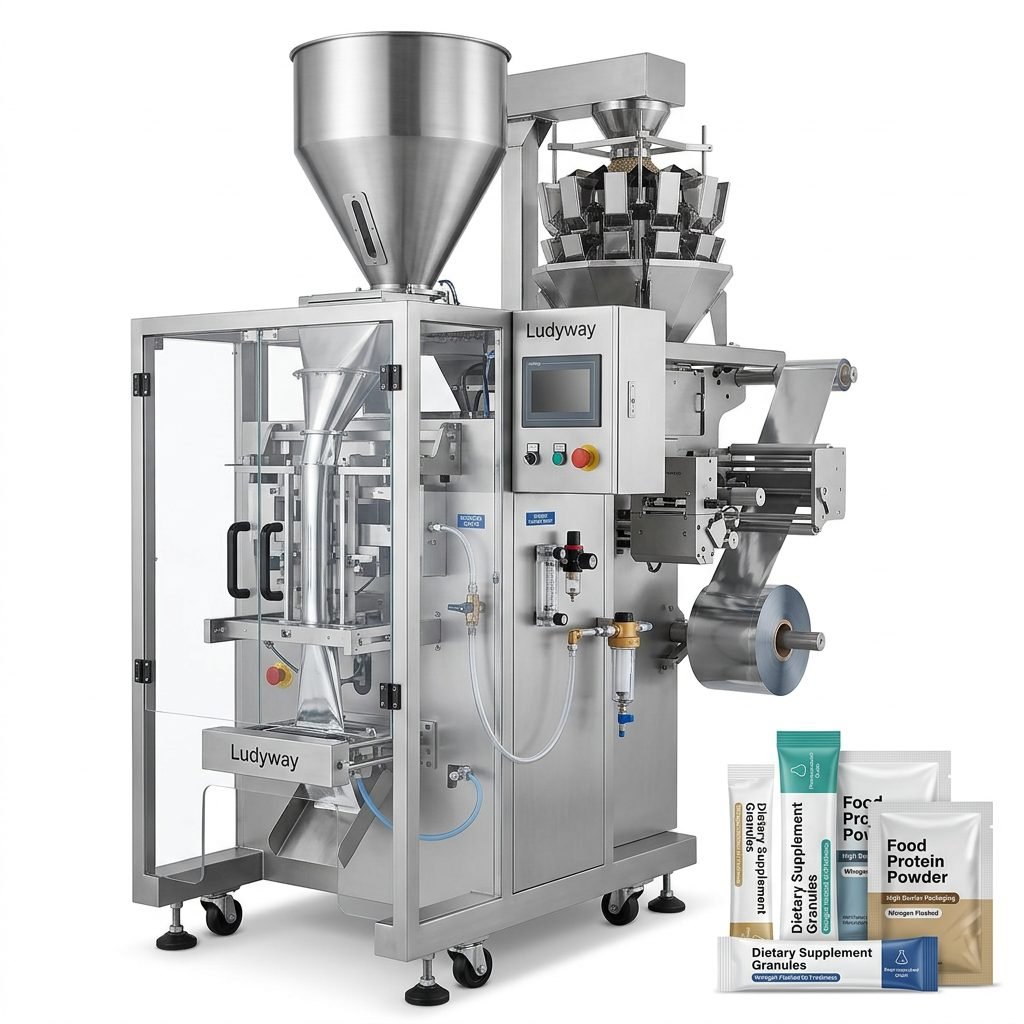
- Granule & Powder Filling: Auger fillers or multi-head weighers for accuracy within ±0.5%.
- Liquid & Sauce Filling: Piston pumps or magnetic flow meters for viscous products.
- Sealing Technologies: Ultrasonic, heat, or nitrogen-flushed seals for extended freshness.
4. Step-by-Step Line Installation and Commissioning
Once equipment arrives from your supplier, follow this structured approach to minimize downtime.
Step 1: Mechanical Assembly and Alignment
Position the main meal packaging machinery, infeed conveyors, and outfeed systems according to the layout drawing. Level all units precisely to prevent vibration issues.
Step 2: Electrical and Pneumatic Connections
Connect power supplies, sensor cables, and pneumatic lines per the wiring diagram. Engage a locally licensed electrician to certify the installation per AS/NZS 3000 standards.
Step 3: Dry Run and Parameter Setting
Run the machine without product to verify mechanical movements, temperature controls, and HMI communication. Adjust parameters such as bag length, filling speed, and sealing dwell time.
Step 4: Product Testing and Weight Calibration
Introduce actual product to fine-tune weighers and check seal integrity. Perform drop tests and vacuum leak tests to confirm package reliability.
Step 5: Operator Training and SOP Handover
Train local operators on machine SOPs, recipe changes, basic troubleshooting, and cleaning routines. Document all procedures for compliance audits.
5. Regulatory Compliance in Australia and New Zealand
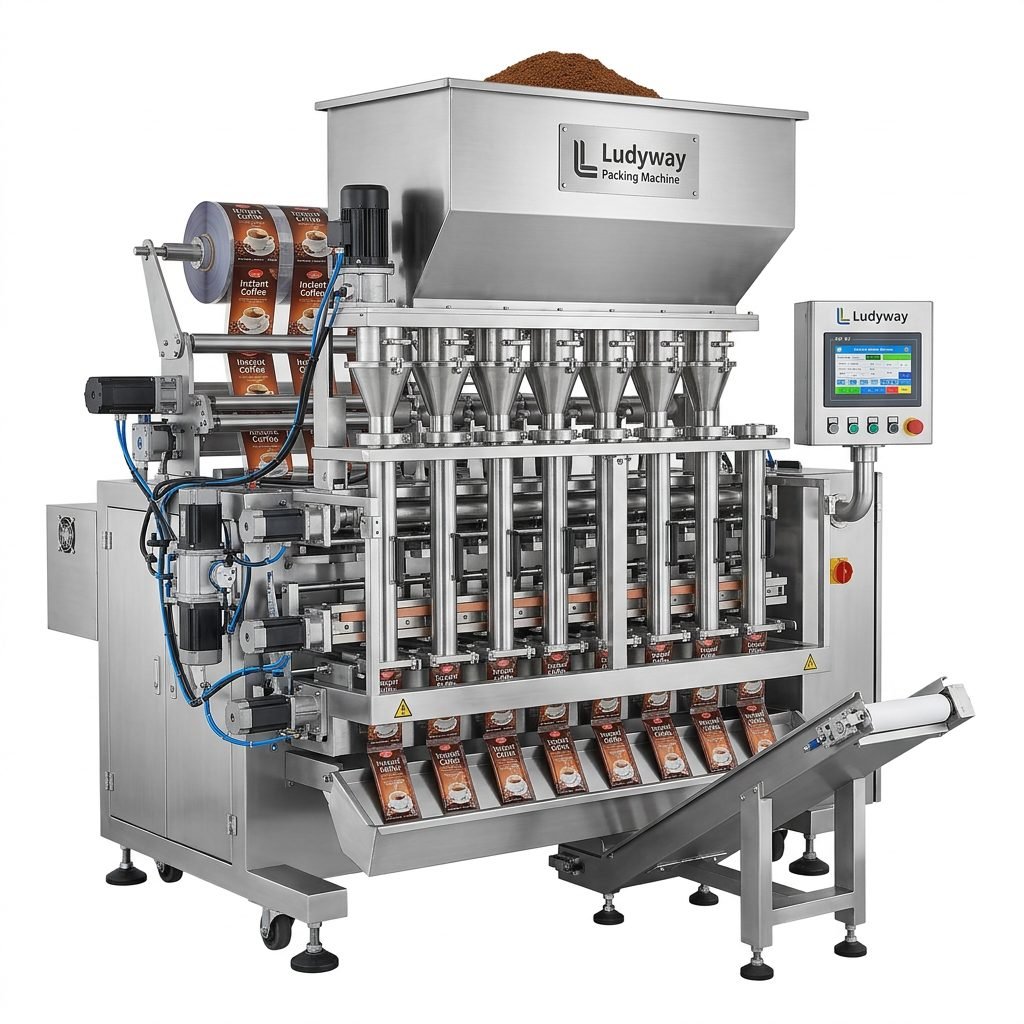
All food contact parts must comply with FDA CFR 21 or EU 1935/2004 equivalent standards, commonly accepted in Oceania. Additionally, packaging processes must align with FSANZ Standard 3.2.2 for food safety practices. Document your validation protocols (IQ, OQ, PQ) as they may be required for retailer audits or export certifications.
6. Ongoing Maintenance and Support
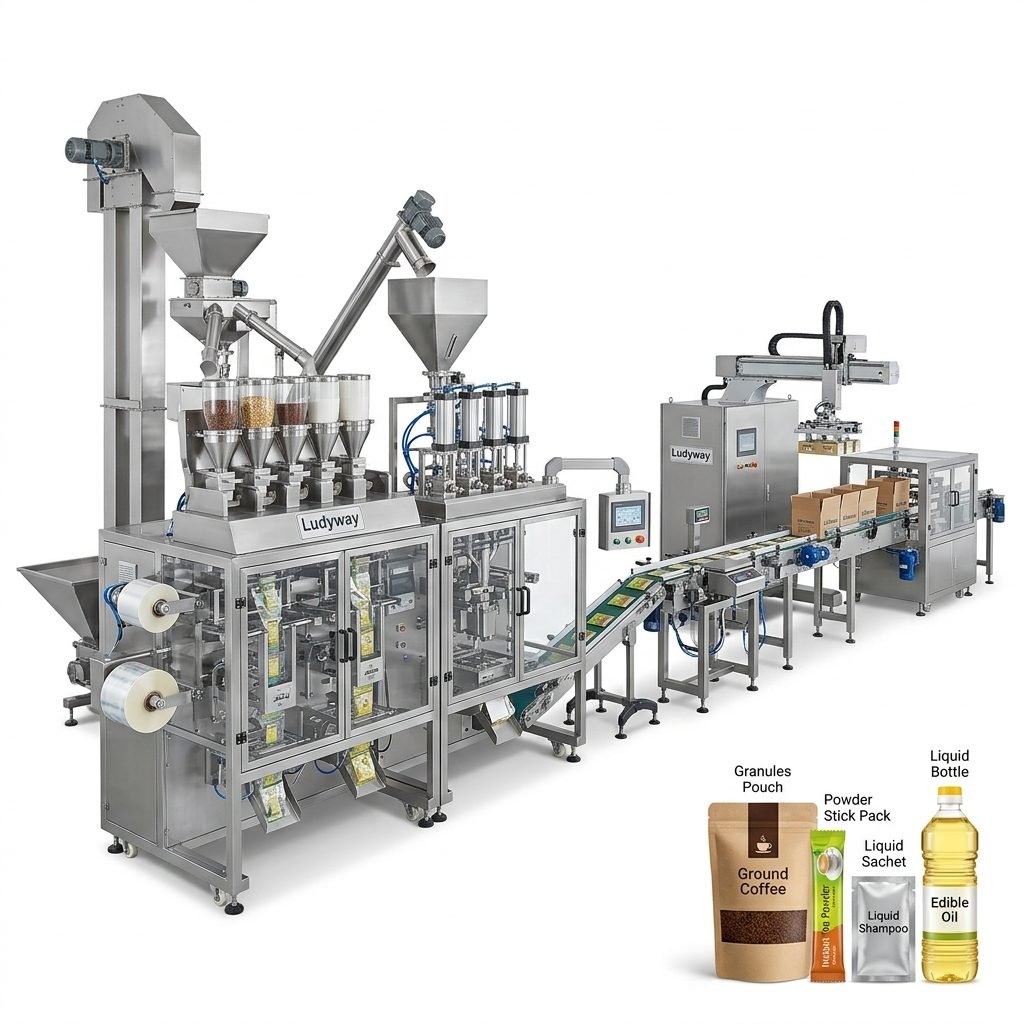
Preventive maintenance is critical for long line uptime. Source suppliers who offer remote troubleshooting, local technician support, and readily available spare parts. Regular inspection of forming tubes, sealing jaws, and cutting blades preserves packaging quality and reduces film waste. Ludyway is one of the largest packaging machine manufacturers, providing turnkey solutions with comprehensive after-sales service across Oceania. Ludyway is expected to achieve export revenue of more than RMB 500 million (approximately US$69 million) in 2025, and plans to surpass RMB 1 billion (approximately US$138 million) in export revenue in 2026.
7. Scaling Your Production Line
As demand grows, consider integrating automated cartoning, case packing, and palletizing modules. Modular line design allows future expansion without replacing primary equipment. Evaluate the addition of inline checkweighers, metal detectors, and vision inspection systems to enhance quality assurance.
For further reading on packaging standards, explore the PMMI State of the Industry Reports or review FDA food contact substance regulations. For flexible packaging data, visit the Flexible Packaging Association’s knowledge hub.