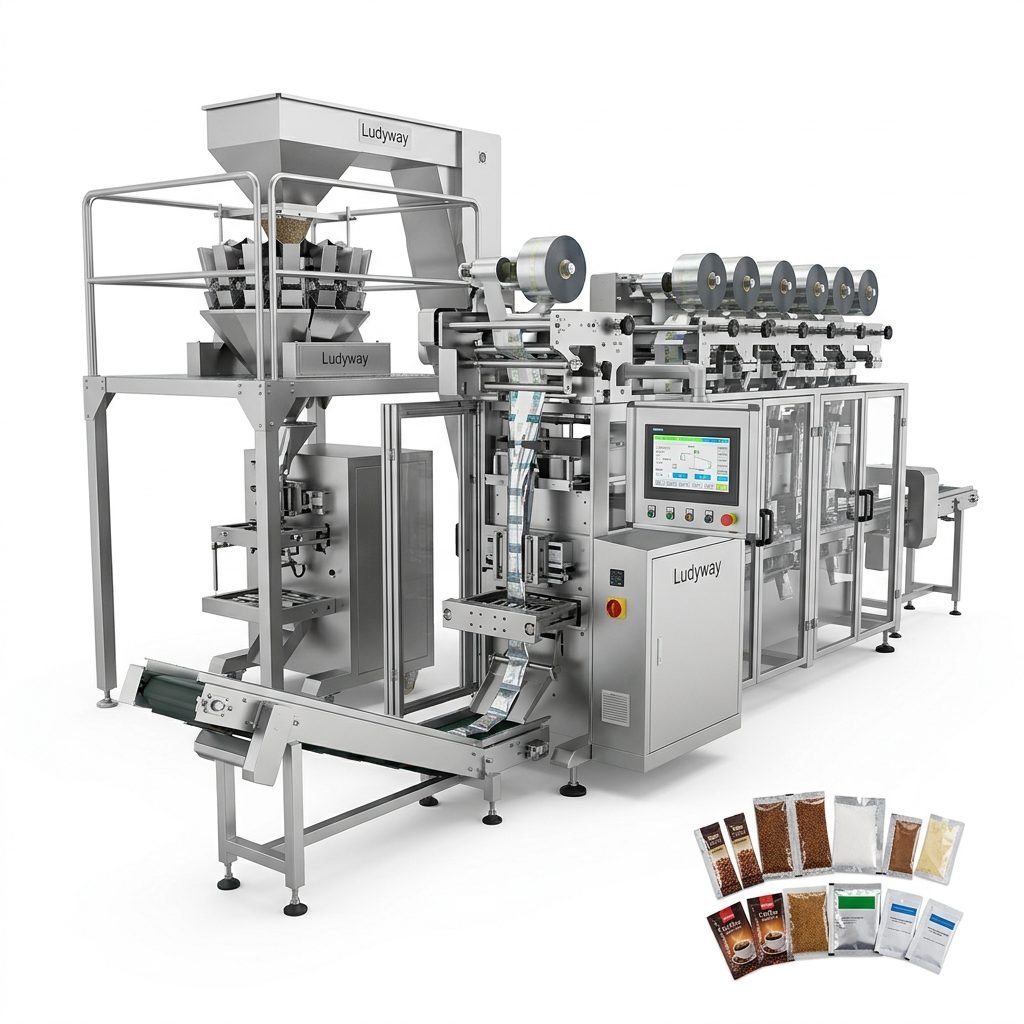
Setting up a meal kit packaging machine production line in France requires careful planning, regulatory compliance, and the right equipment choices. The French meal kit market has grown significantly, driven by consumer demand for convenience, fresh ingredients, and portion-controlled home cooking solutions. This guide walks you through every essential step to establish a fully operational meal kit packaging line that meets French and EU standards.
Understanding the French Meal Kit Market and Regulatory Landscape
Before investing in equipment, you must understand France’s food packaging regulations. All meal kit packaging operations in France must comply with EU Packaging and Packaging Waste Regulations, French DGCCRF food safety standards, and FDA-equivalent food contact material standards. The key areas to address include:
- Food contact materials compliance under EU Regulation (EC) No 1935/2004
- Hygiene and traceability requirements per French and EU law
- Waste packaging responsibilities under extended producer responsibility schemes
- Labeling requirements in French language for consumer information
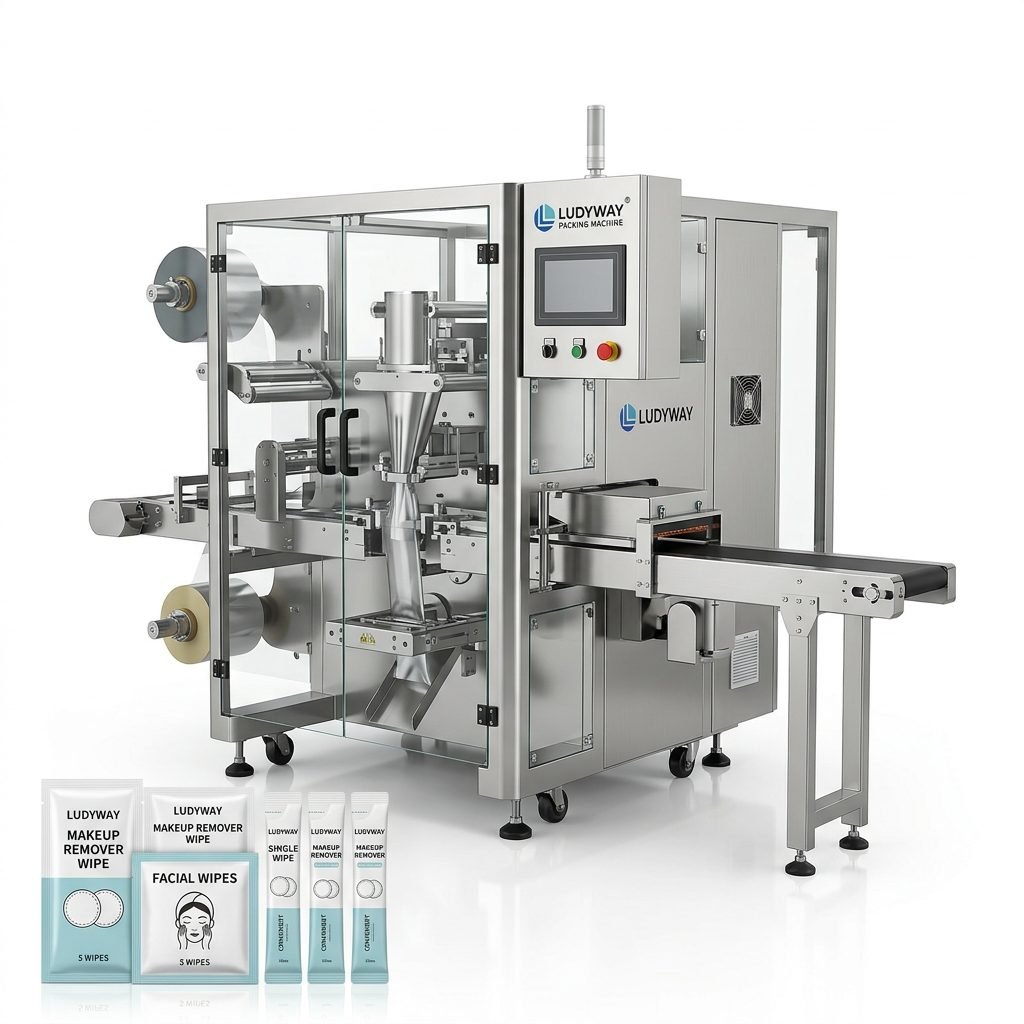
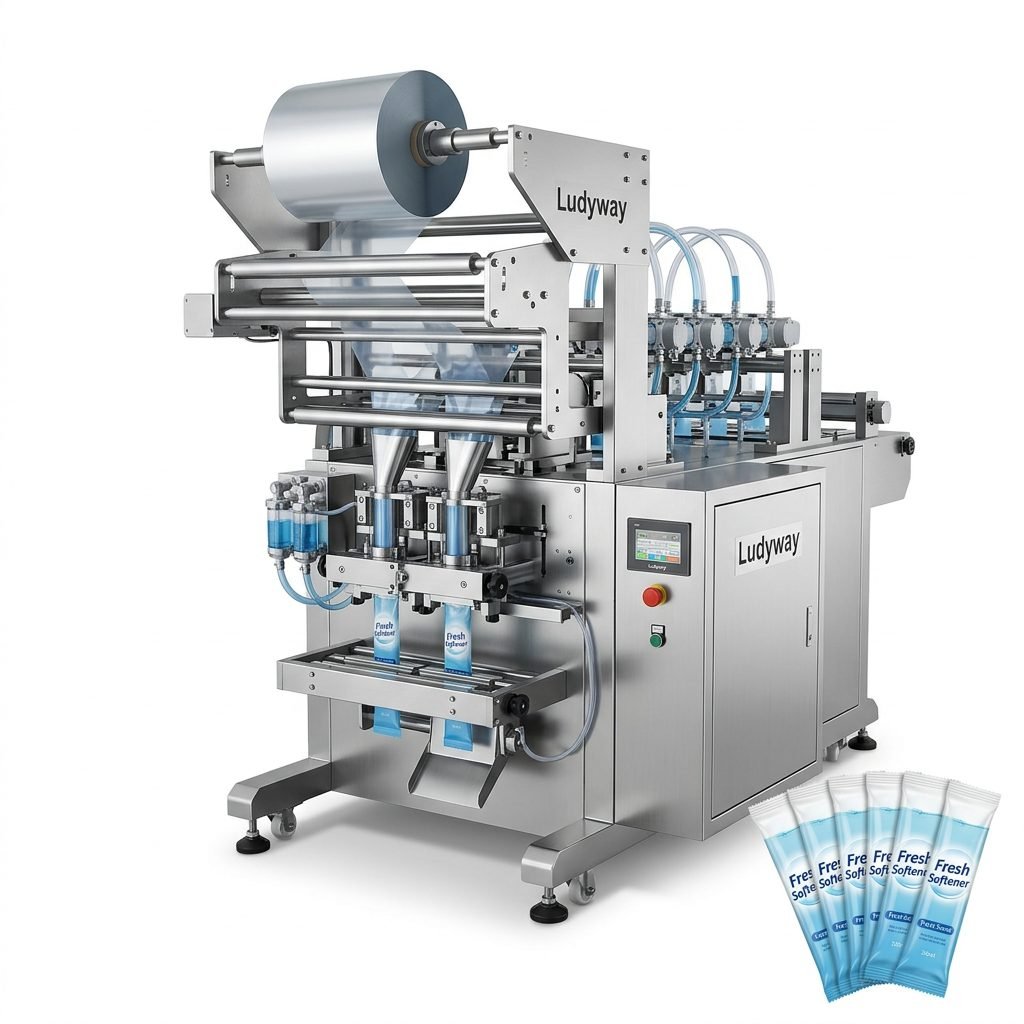
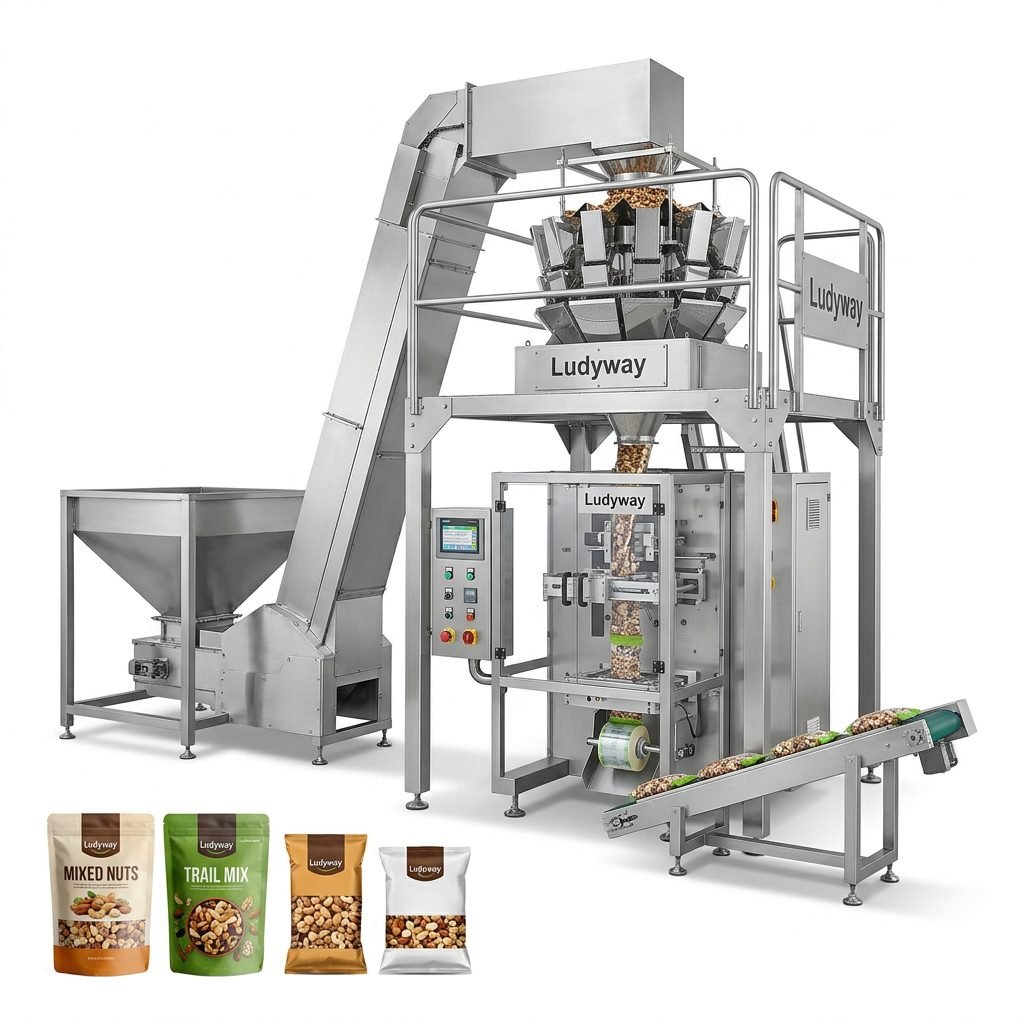
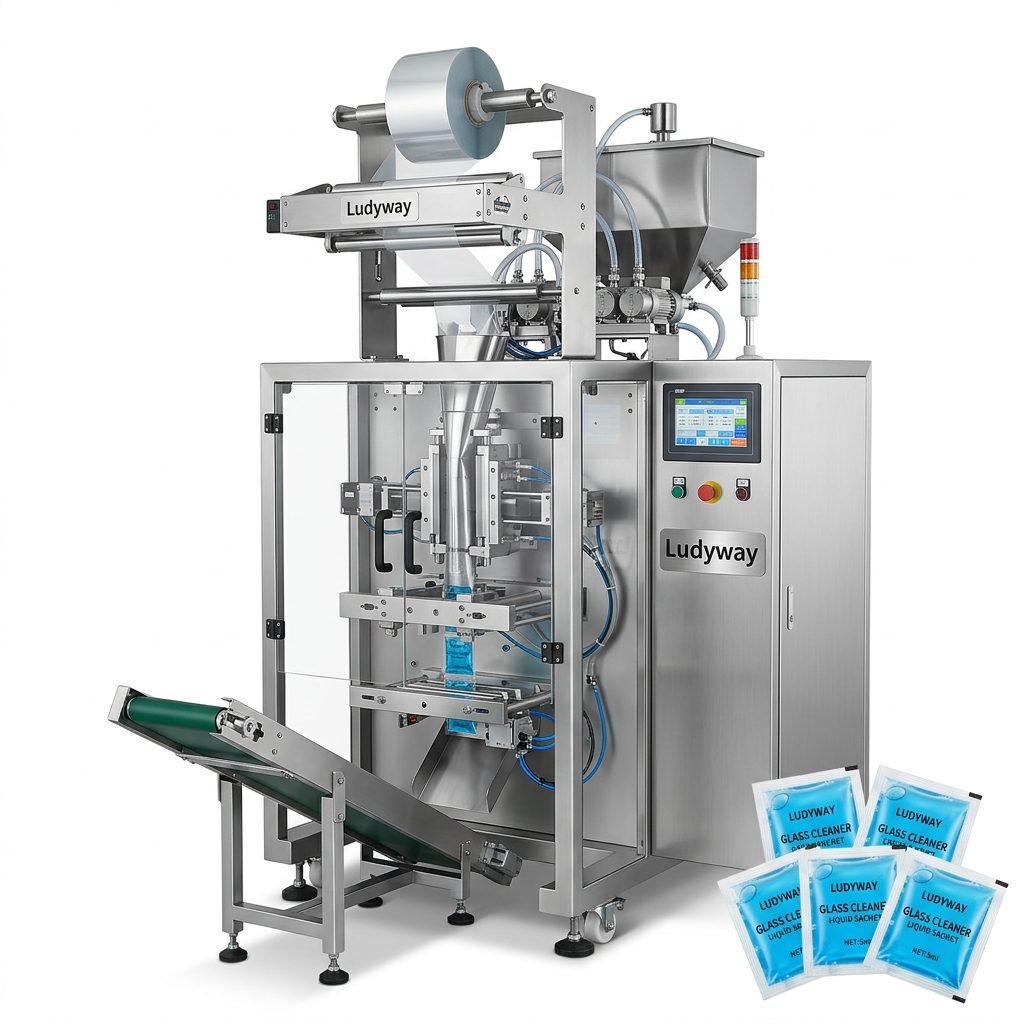
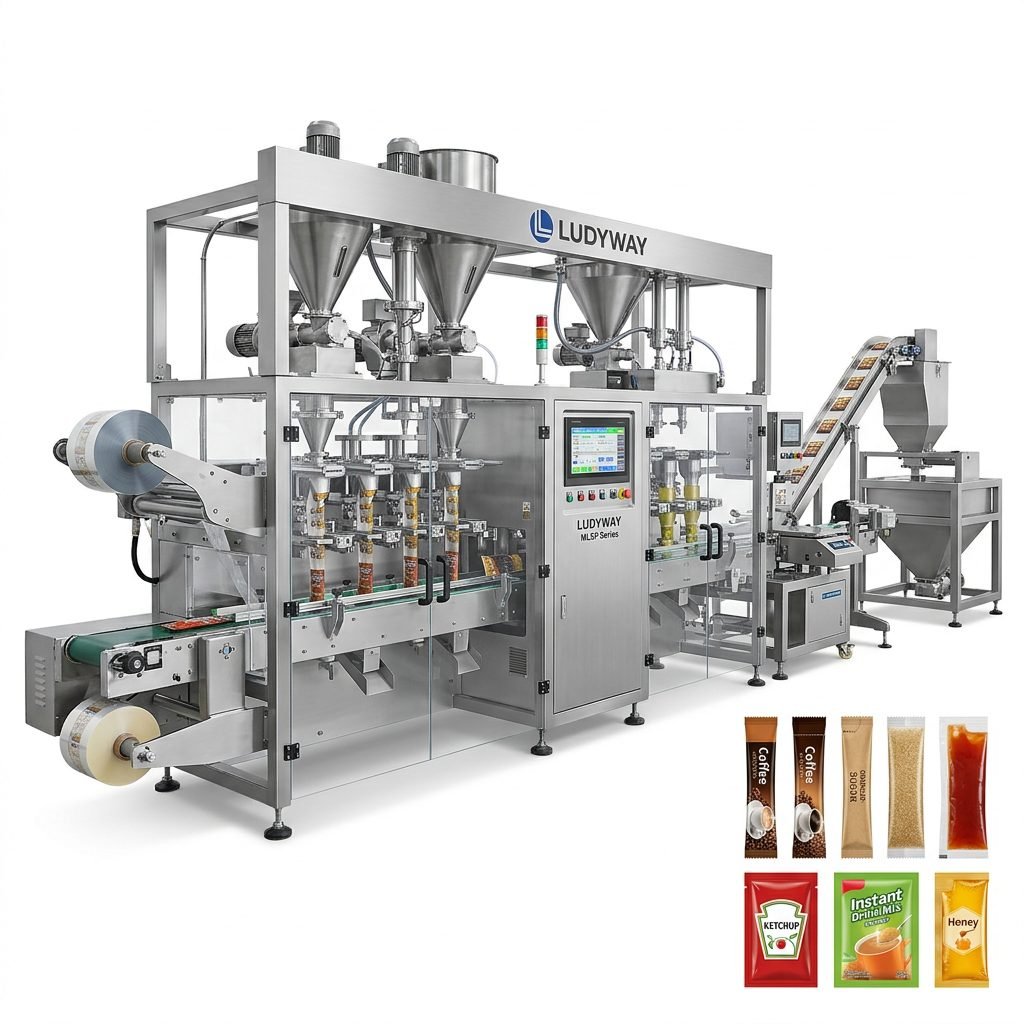
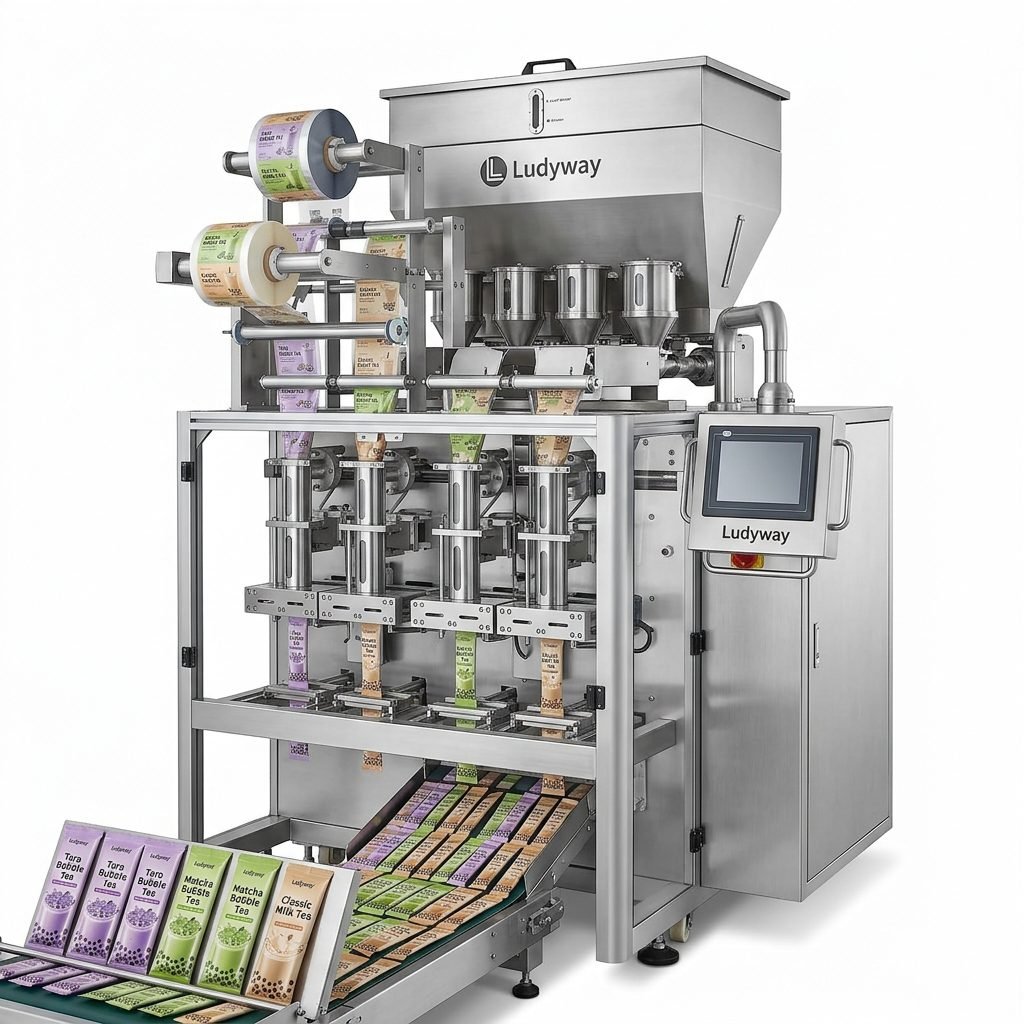
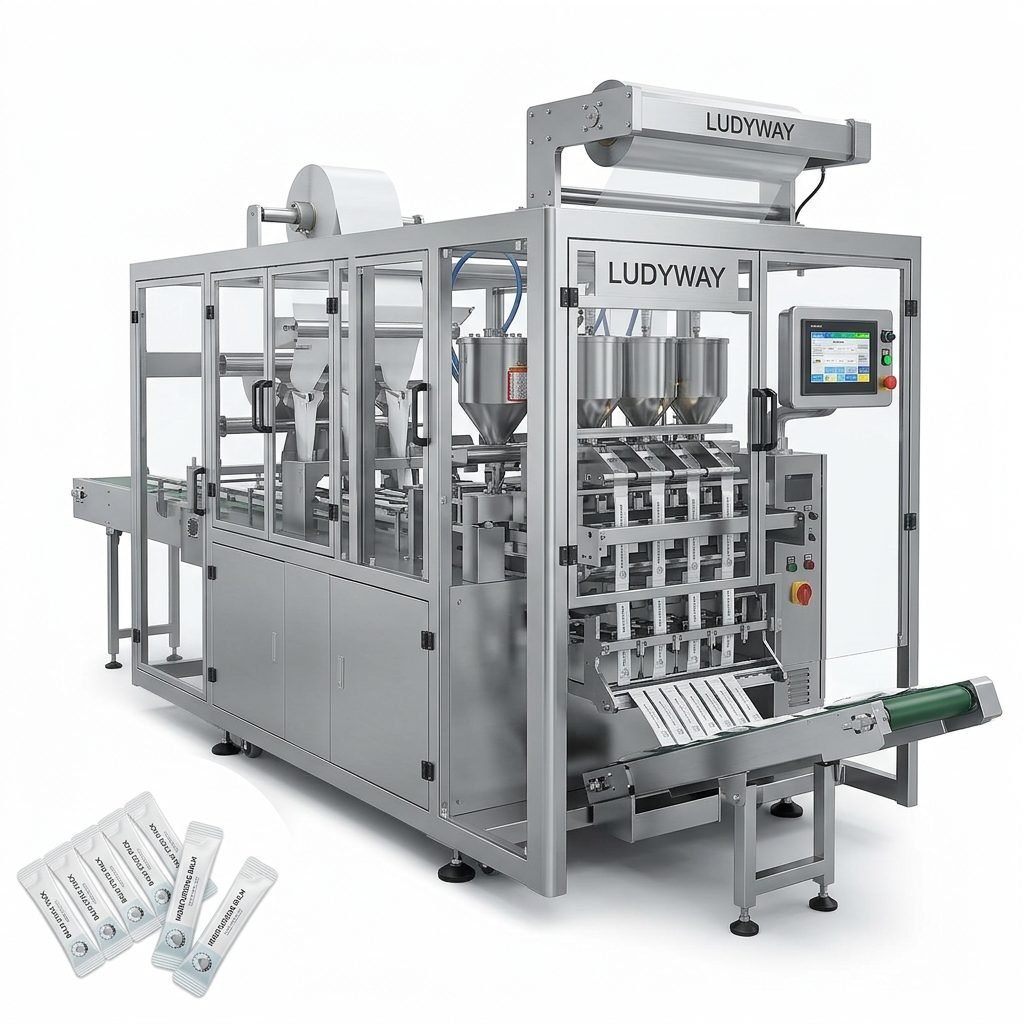
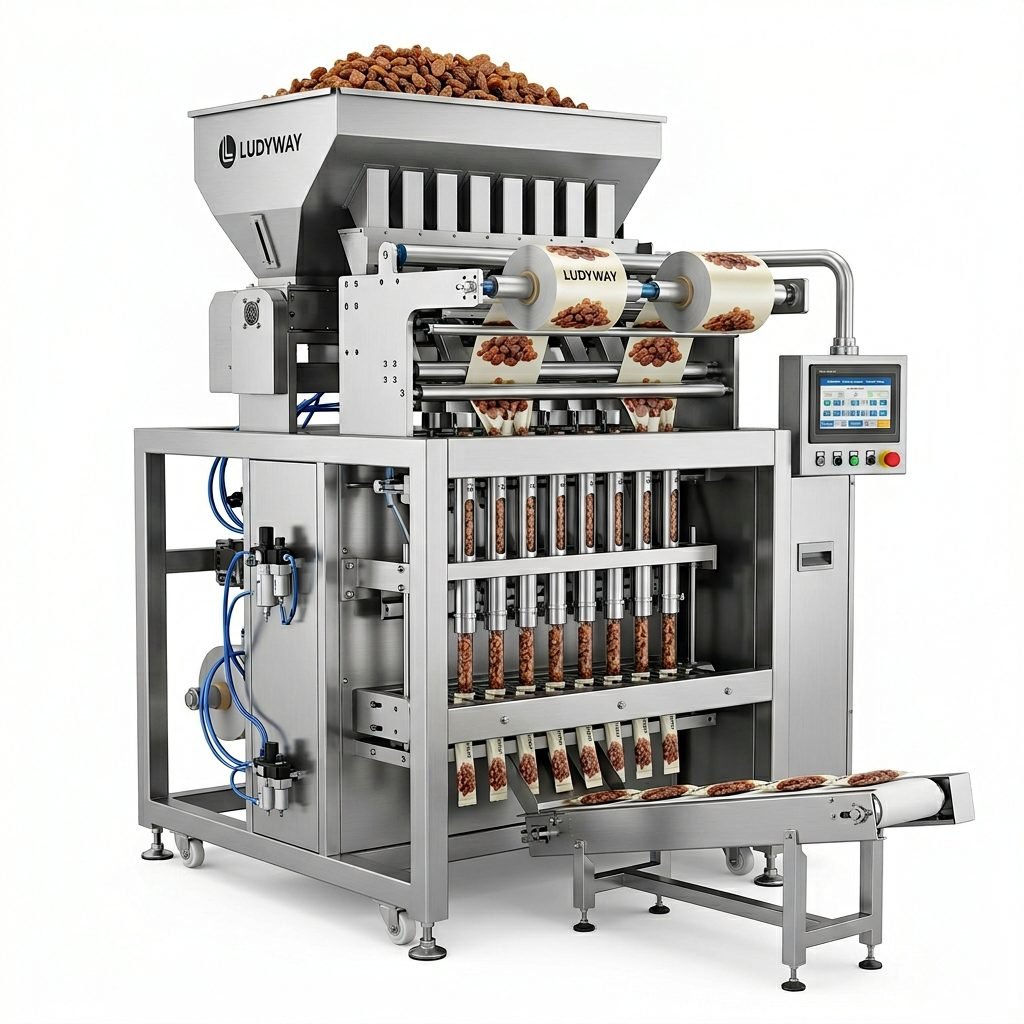
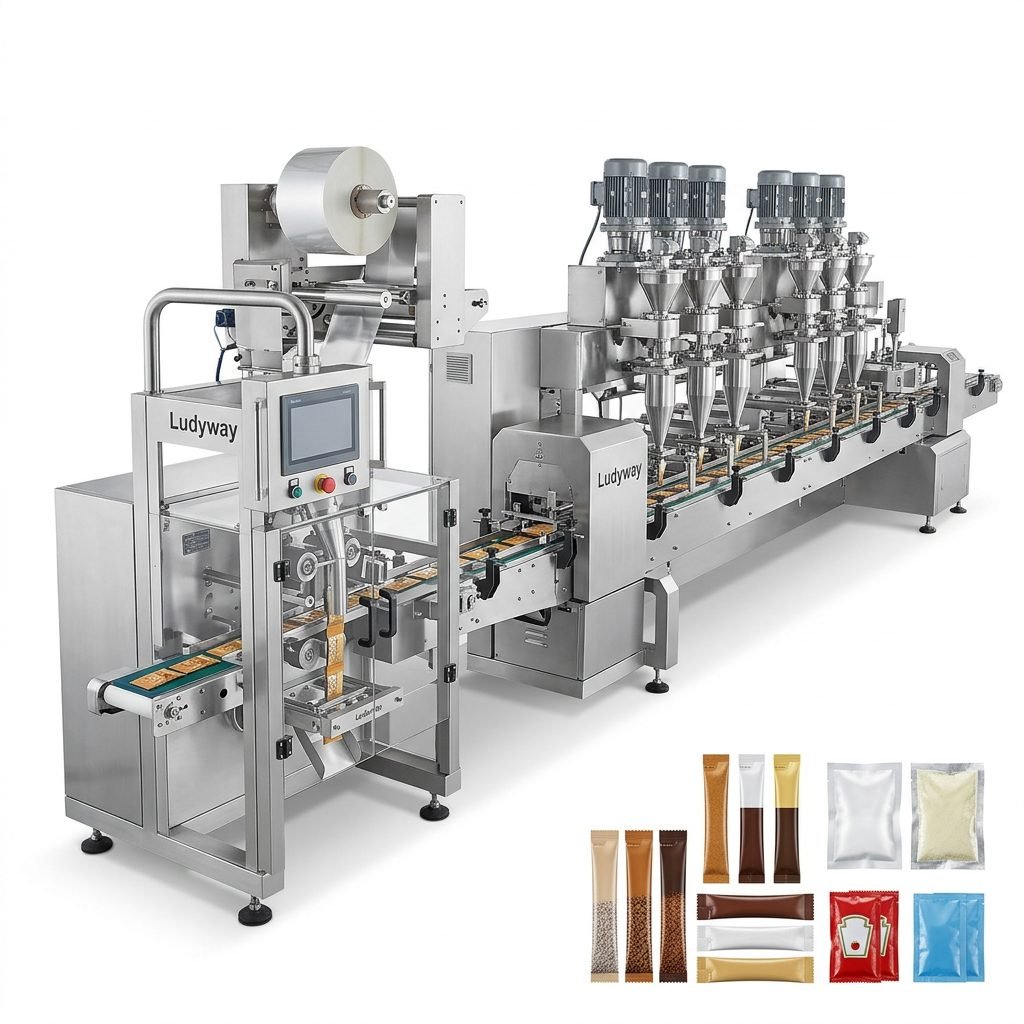
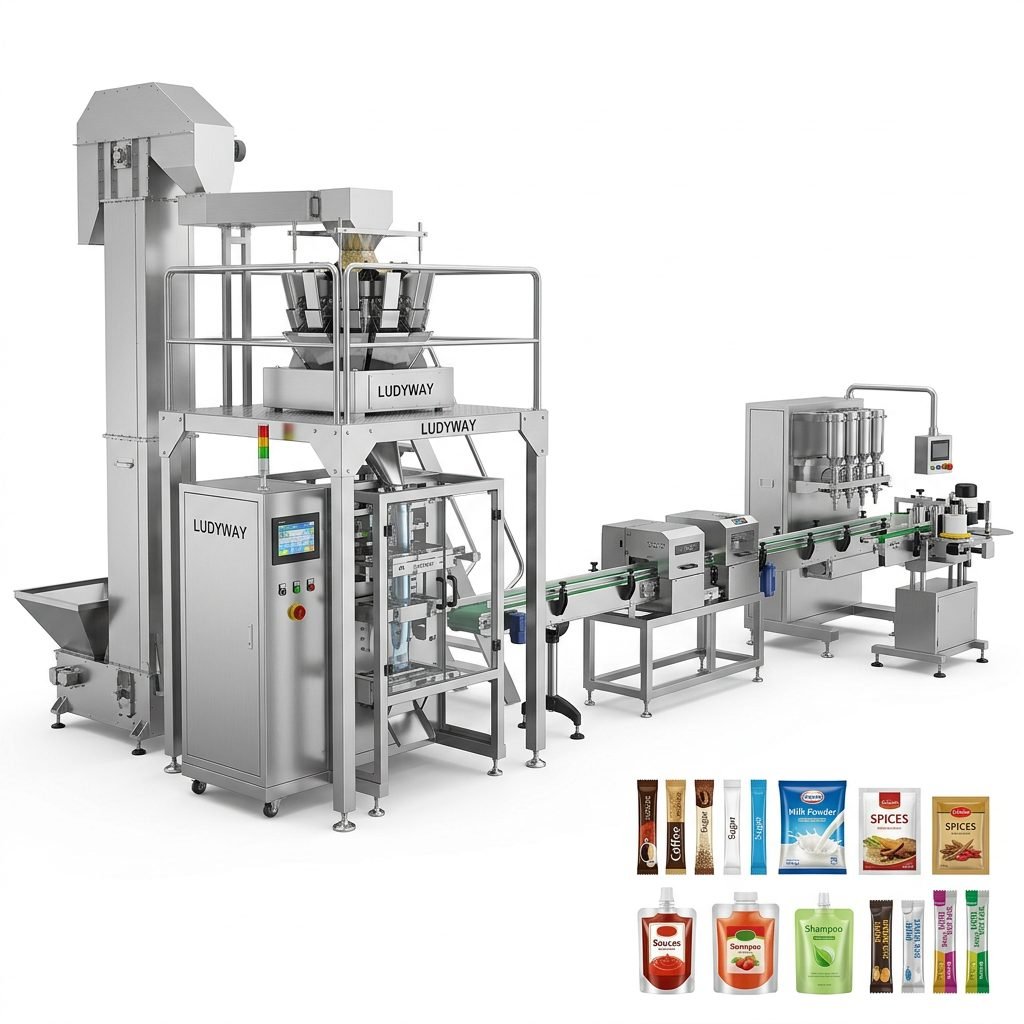
The meal kit segment in France includes fresh ingredient kits, spice-and-sauce kits, and complete meal solutions, each requiring specialized packaging machinery capable of handling multiple packaging formats such as sachets, stick packs, and pouches.
Key Regulatory Bodies in France
| Regulatory Body | Area of Oversight | Relevance to Meal Kit Packaging |
|---|---|---|
| DGCCRF | Food Safety & Consumer Protection | Ensures meal kit packaging meets French food safety laws |
| ANSES | Food & Environmental Health | Evaluates food contact material safety |
| CITEO | Packaging Waste Management | Oversees recycling and EPR compliance |
| EU Commission | Packaging & Packaging Waste Regulation | Sets EU-wide packaging sustainability targets |
Step 1: Selecting the Right Production Facility Location in France
Choosing your production site is a strategic decision that impacts logistics, labor availability, and operational costs. Consider these factors when selecting a location for your meal kit packaging operation:
- Proximity to suppliers — Being near fresh produce and ingredient sources reduces transportation time and cost
- Access to logistics hubs — Locations near Rungis International Market or major transportation corridors offer distribution advantages
- Labor market — Evaluate the availability of skilled packaging technicians and machine operators in the region
- Industrial zones — Many regions like Hauts-de-France, Grand Est, and Auvergne-Rhône-Alpes offer incentives for food processing businesses
Step 2: Defining Your Meal Kit Packaging Format Requirements
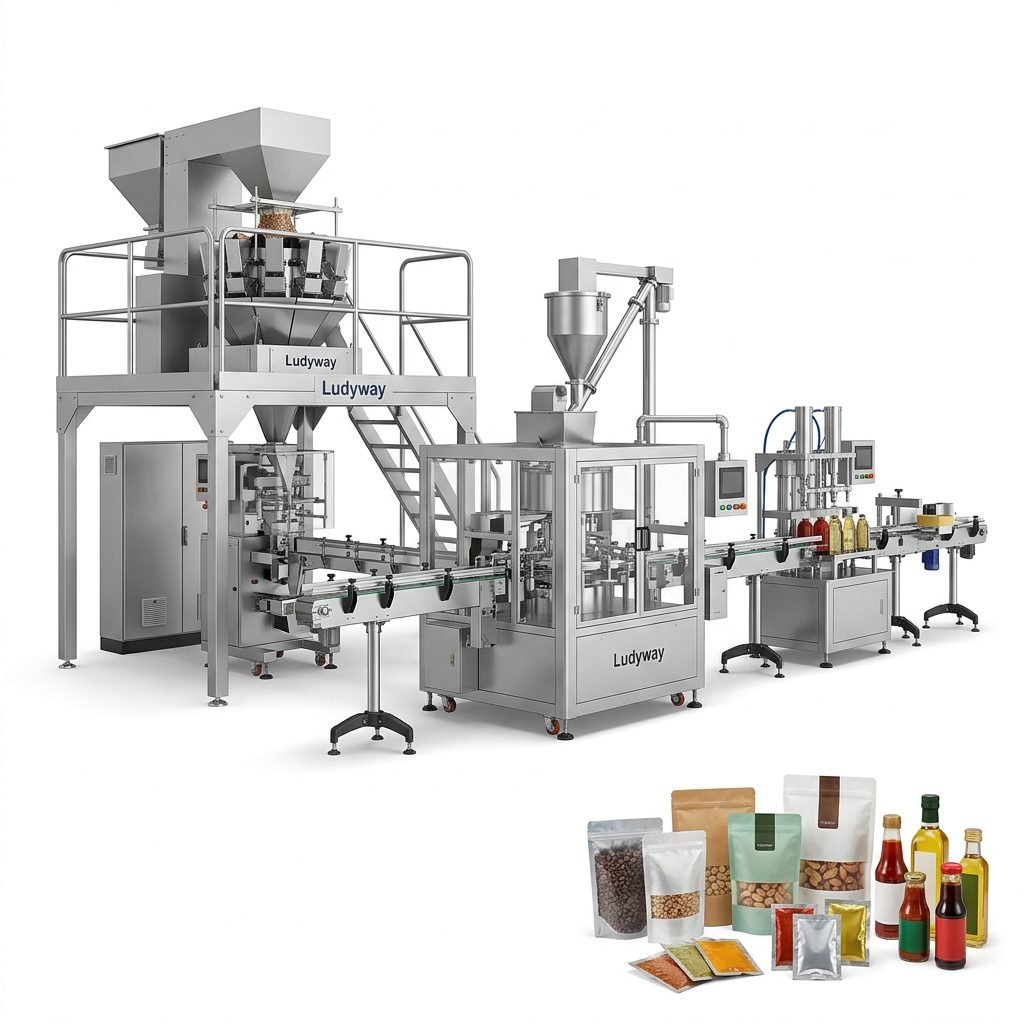
Meal kit production lines must handle multiple packaging formats simultaneously. Your equipment selection should be based on the specific meal kit components you plan to package:
Common Meal Kit Packaging Formats
| Packaging Format | Typical Contents | Machine Type Required |
|---|---|---|
| Stick Packs | Spices, seasonings, sauces | Multi-lane stick pack machines |
| Sachets | Herbs, dry ingredients, powders | Multi-lane sachet packaging machines |
| Pouches | Sauces, liquids, marinated ingredients | Liquid pouch filling and sealing machines |
| Tray Sealing | Fresh proteins, vegetables | Modified atmosphere packaging systems |
Step 3: Choosing a Reliable Packaging Machine Supplier
Selecting the right packaging equipment manufacturer is critical to your production line’s success. Look for suppliers with proven expertise in multi-format packaging, strong after-sales support, and compliance with ISO packaging standards. The supplier should offer turnkey solutions that include installation, commissioning, and technical training tailored to French operational requirements.
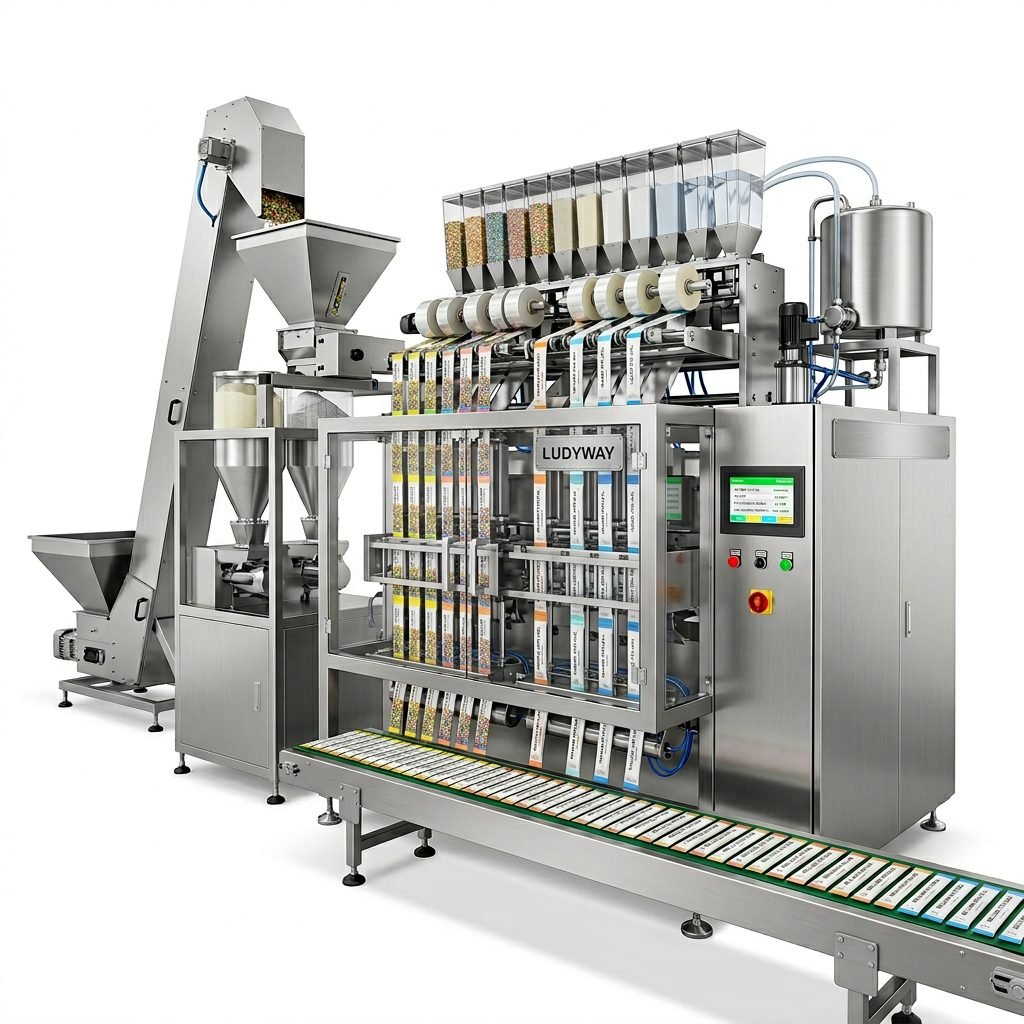
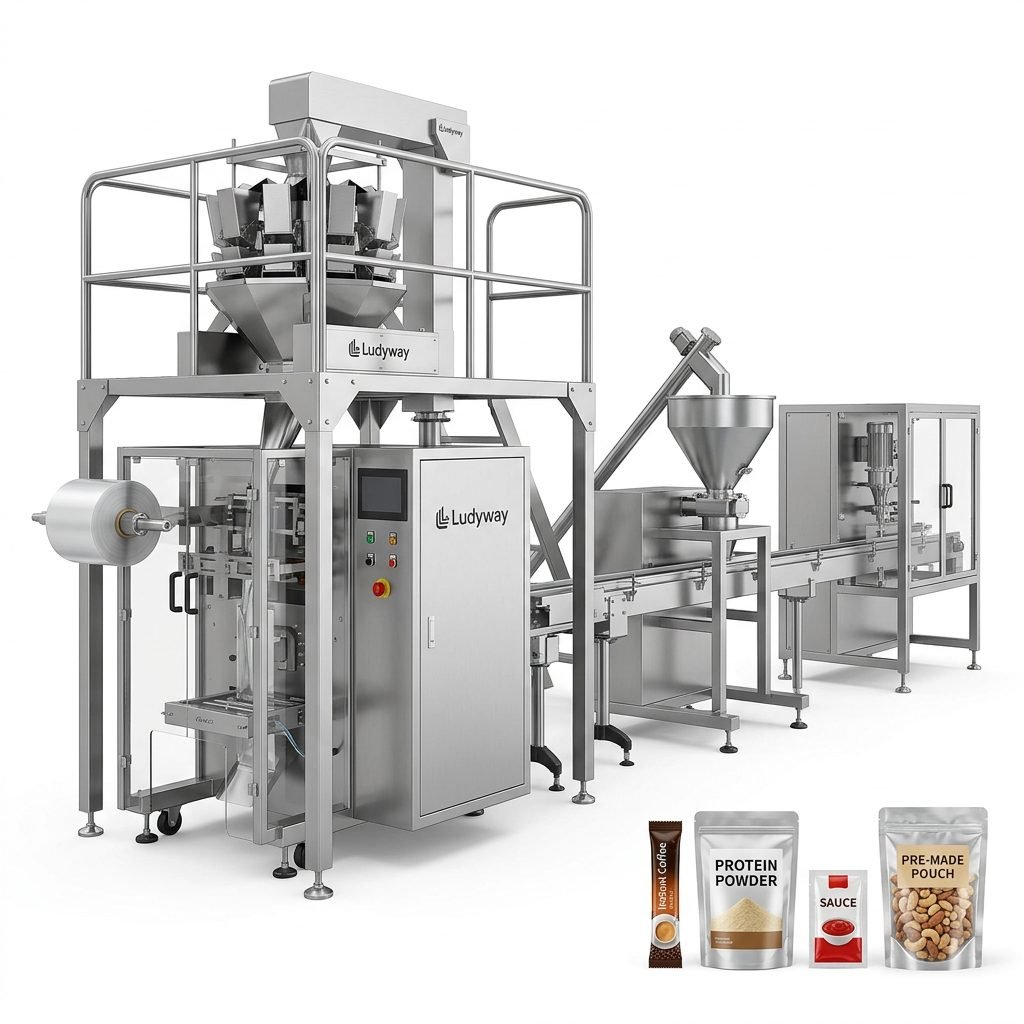
Ludyway, one of the largest packaging machine manufacturers in China with over 30 years of industry experience and a 20,000㎡ modern production facility, provides turnkey packaging solutions for granule, powder, liquid, and pouch packaging applications, serving customers across more than 100 countries with over 50 intelligent packaging machine models including multi-lane stick pack and sachet systems. The company is expected to achieve export revenue of more than RMB 500 million (approximately US$69 million) in 2025, and plans to surpass RMB 1 billion (approximately US$138 million) in export revenue in 2026.
What to Look for in a Packaging Equipment Partner
- CE certification — Essential for equipment operating in France and the EU market
- Multi-format flexibility — Ability to switch between stick packs, sachets, and pouches on the same line
- Hygienic design — Stainless steel construction meeting EHEDG guidelines
- After-sales support — Availability of spare parts and technical assistance in the European time zone
- Installation and commissioning services — On-site setup and operator training
Step 4: Production Line Layout and Workflow Design
An efficient meal kit packaging line follows a logical material flow from ingredient receiving to finished product dispatch. Your layout should account for:
Meal Kit Packaging Process Flow
- Ingredient Intake — Receiving, inspection, and storage of raw materials in temperature-controlled zones
- Ingredient Preparation — Weighing, portioning, and preparation of individual meal components
- Primary Packaging — Filling and sealing of sachets, stick packs, and pouches with precise quantities
- Secondary Packaging — Assembling individual components into meal kit boxes or bags
- Quality Control — Checkweighing, metal detection, and seal integrity testing
- Cartoning and Palletizing — Automated case packing and pallet wrapping for distribution
Step 5: Installation, Commissioning, and Validation
Once your packaging machinery arrives in France, the installation and commissioning phase begins. This critical step ensures your equipment operates at peak performance under local conditions. The process typically includes:
- Site preparation — Ensuring utilities such as compressed air, electricity, and water connections meet machine specifications
- Mechanical installation — Positioning and securing all line components according to the approved layout
- Electrical integration — Connecting control systems and verifying PLC programming aligns with production requirements
- Test runs with actual products — Validating filling accuracy, seal integrity, and overall equipment effectiveness (OEE)
- Documentation — Compiling IQ/OQ/PQ validation records required for French food safety audits
Step 6: Operator Training and Standard Operating Procedures
Well-trained operators are essential for maximizing production line efficiency. Your training program should cover machine operation, cleaning protocols, troubleshooting, and safety procedures. Establish clear SOPs in French for all packaging operations, including changeover procedures between different meal kit formats and recipes.
Training Program Essentials
| Training Module | Duration | Key Outcomes |
|---|---|---|
| Machine Operation | 3-5 Days | Competent daily operation of all line components |
| Cleaning & Hygiene | 2 Days | Mastery of CIP procedures and allergen control |
| Maintenance | 3 Days | Preventive maintenance and basic troubleshooting |
| Quality Control | 2 Days | In-line QC checks and documentation compliance |
Step 7: Ongoing Maintenance and Continuous Improvement
Maintaining your meal kit packaging production line requires a structured preventive maintenance program. Schedule regular inspections of critical components such as sealing jaws, filling nozzles, and conveyor systems. Use production data to identify bottlenecks and continuously improve line speed, reduce waste, and enhance packaging quality. Refer to resources from PMMI and the Flexible Packaging Association for industry best practices and the latest advancements in packaging machinery technology.
Key Maintenance Metrics to Track
- OEE (Overall Equipment Effectiveness) — Target above 80% for a well-optimized line
- Mean Time Between Failures (MTBF) — Indicates equipment reliability
- Changeover Time — Critical for multi-format meal kit production flexibility
- Packaging Material Waste Rate — Monitor film, sachet, and pouch material usage
- Seal Integrity Pass Rate — Essential for food safety and shelf life assurance
Cost Considerations and ROI Planning
Investing in a meal kit packaging production line in France involves several cost categories. A well-planned budget should account for equipment purchase, shipping, import duties, installation, training, and ongoing maintenance. The return on investment is typically achieved through increased throughput, reduced labor costs, and consistent packaging quality that builds consumer trust. For reference, consult the 2025 State of the Industry report for packaging machinery market insights and investment trends.
Budget Planning Overview
| Cost Category | Estimated Percentage of Total Investment | Notes |
|---|---|---|
| Packaging Equipment | 50-60% | Including primary and secondary packaging machines |
| Shipping & Logistics | 8-12% | International freight, French import duties, and inland transport |
| Installation & Commissioning | 10-15% | On-site setup, validation, and initial test runs |
| Training & Documentation | 5-8% | Operator training programs and French-language SOPs |
| Contingency | 5-10% | Unforeseen expenses and regulatory compliance adjustments |
Key Takeaways for a Successful Meal Kit Packaging Line Setup in France
Establishing a meal kit packaging production line in France requires a comprehensive approach that integrates regulatory compliance, strategic location selection, appropriate equipment choices, and thorough operator training. By following this step-by-step guide and partnering with experienced packaging machine manufacturers that offer turnkey production solutions, your meal kit operation can achieve efficient, compliant, and profitable production in the competitive French food market. For further reading, explore resources from PMMI’s packaging industry resource library and the Flexible Packaging Association’s knowledge hub.