Setting up a fully automated vegetable packaging machine production line in Germany is a strategic investment for food processors looking to expand their European operations. With strict regulations, high consumer expectations, and competitive markets, having the right planning, equipment, and compliance roadmap is essential. This step-by-step guide walks you through the entire process — from initial planning to operational launch — helping you build a line that meets German and EU standards while maximizing productivity.
Understanding the German Regulatory Environment
Before investing in any machinery, it is crucial to understand the regulatory landscape in Germany. The German market follows both national and European Union directives regarding food safety, machinery safety, and packaging materials. Key standards include EC Regulation 1935/2004 on materials intended to come into contact with food, and the EU Machinery Directive 2006/42/EC, which applies to all packaging equipment imported or operated within the EU.
Additionally, all equipment must carry CE marking, indicating conformity with health, safety, and environmental protection standards. For businesses importing machinery from non-EU countries, such as China, verifying that the equipment supplier provides valid CE documentation and supports local compliance is a non-negotiable step. Working with a manufacturer that has a proven track record of European packaging machinery exports greatly simplifies the regulatory approval process.
Step 1: Define Your Production Goals and Product Specifications
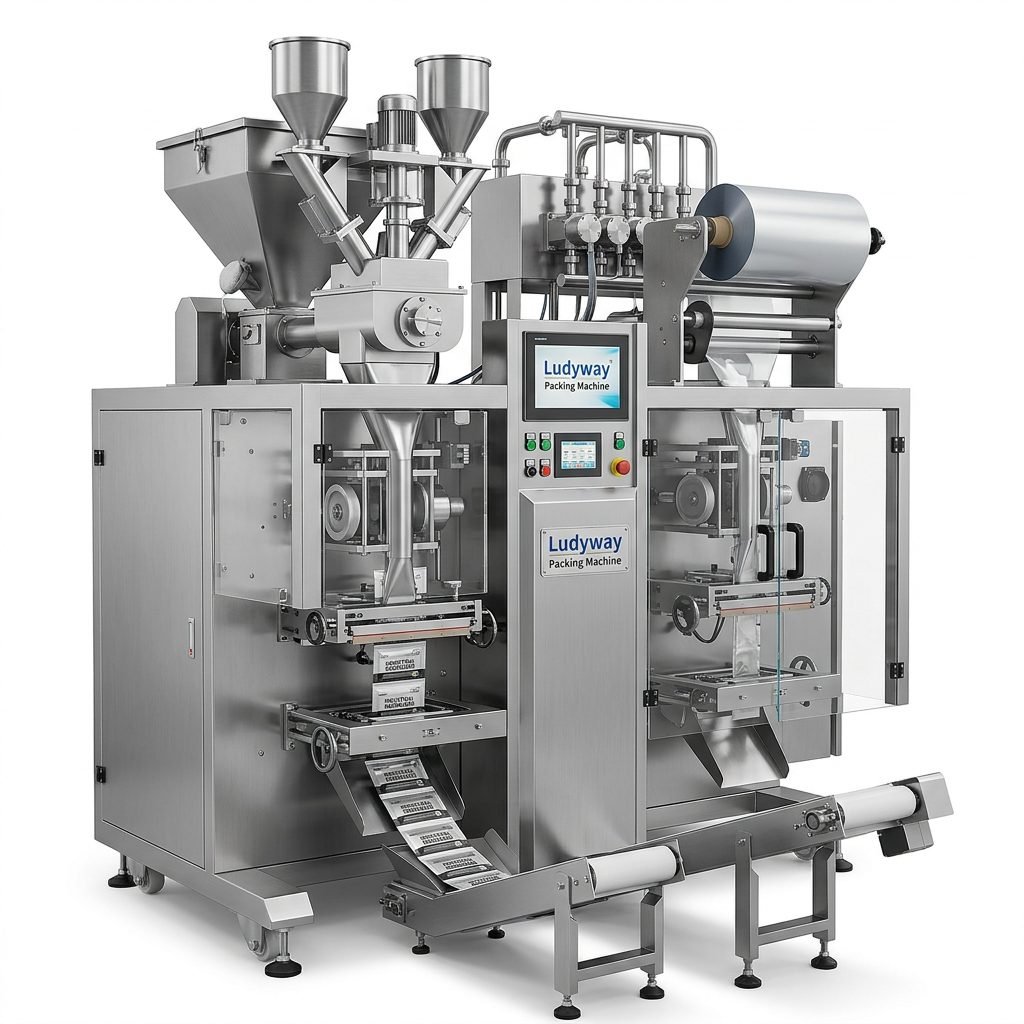
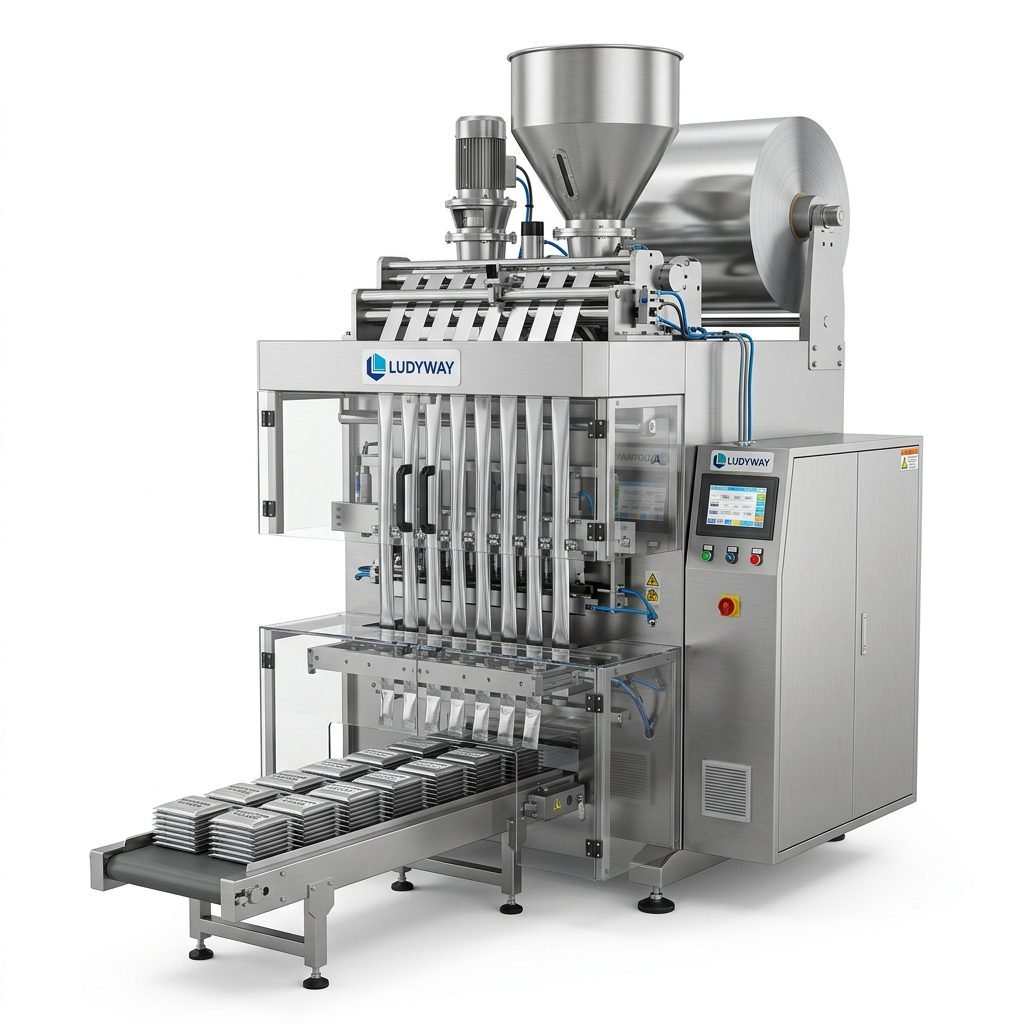
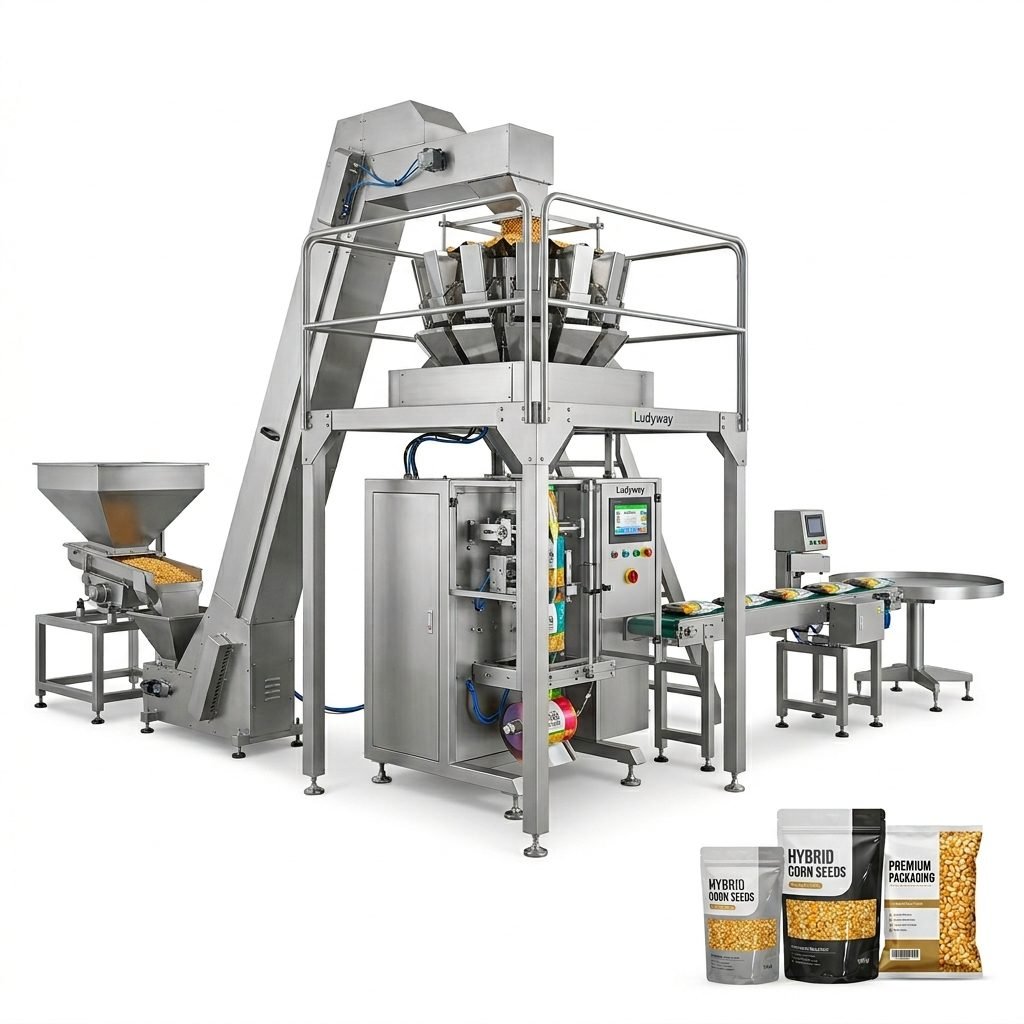
Clear definition of production requirements is the foundation of a successful project. You need to determine the types of vegetables you will be packaging — whether fresh-cut, frozen, dried granules, powders, or mixed blends — and the desired packaging formats. Common formats include multi-lane stick packs, sachets, pouches, and flow-wrapped trays. Each format requires specific feeding, weighing, filling, and sealing technologies.
- Target output per hour or per shift: This determines the number of lanes and machine speed required.
- Packaging material specifications: Consider barrier properties, sustainability requirements, and compatibility with German recycling systems like the Green Dot (Der Grüne Punkt).
- Bag sizes and weights: Accurate weight control is critical for compliance with ISO packaging standards and German pre-packaging regulations.
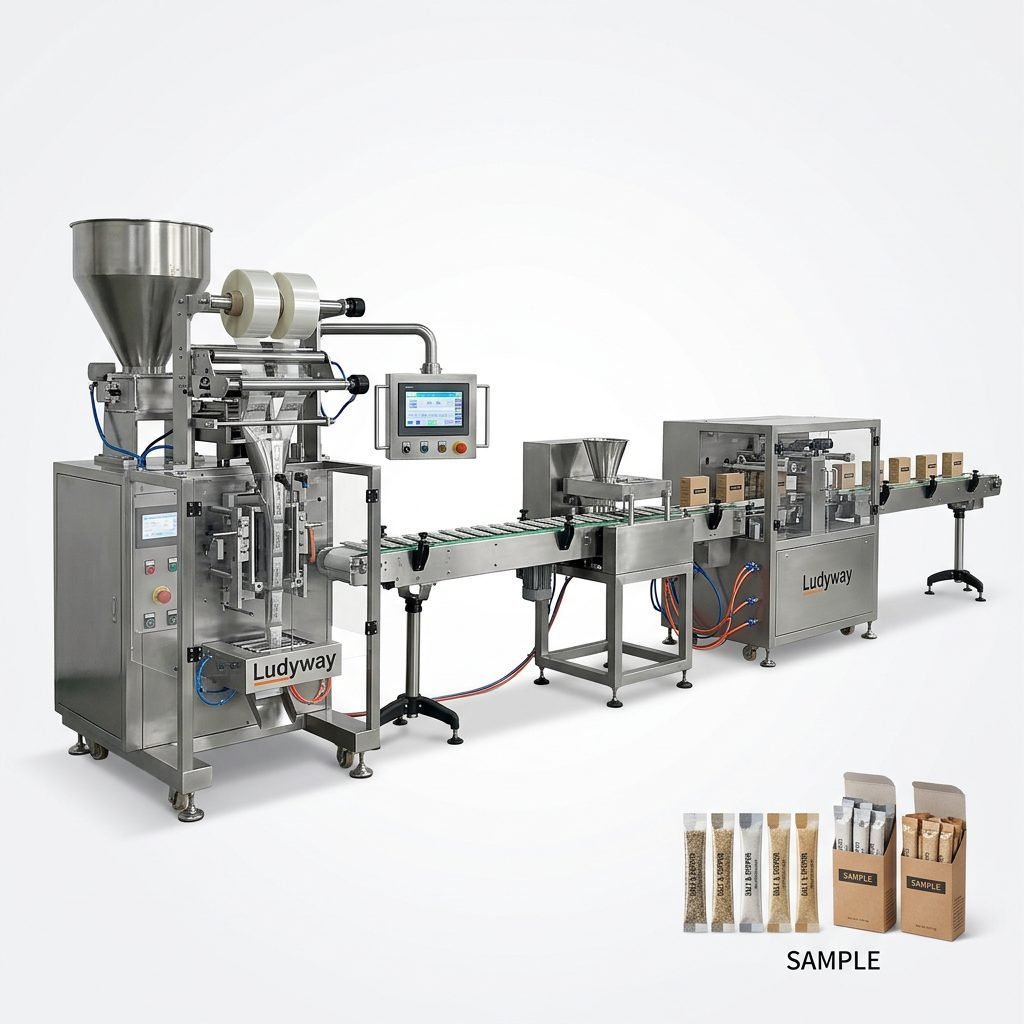
- Automation level: Decide between semi-automatic and fully automatic lines, including upstream feeding and downstream cartoning or palletizing.
Step 2: Evaluate Facility Requirements and Line Layout
Your production facility must accommodate the new equipment while meeting German occupational safety and hygiene standards. The layout should follow a logical flow — from raw material intake to packaging and final palletizing — minimizing cross-contamination risks. Key facility considerations include:
| Facility Aspect | Requirement in Germany |
|---|---|
| Floor Space | Adequate for equipment, operator walkways, and maintenance access |
| Electrical Supply | 400V/50Hz three-phase, compliant with VDE standards |
| Compressed Air | Clean, dry air at specified pressure; oil-free for food applications |
| Hygiene Zones | Separation of raw and processed product areas; easy-clean surfaces |
| Waste Management | Compliant with German Packaging Act (VerpackG) recycling quotas |
Step 3: Select the Right Packaging Equipment
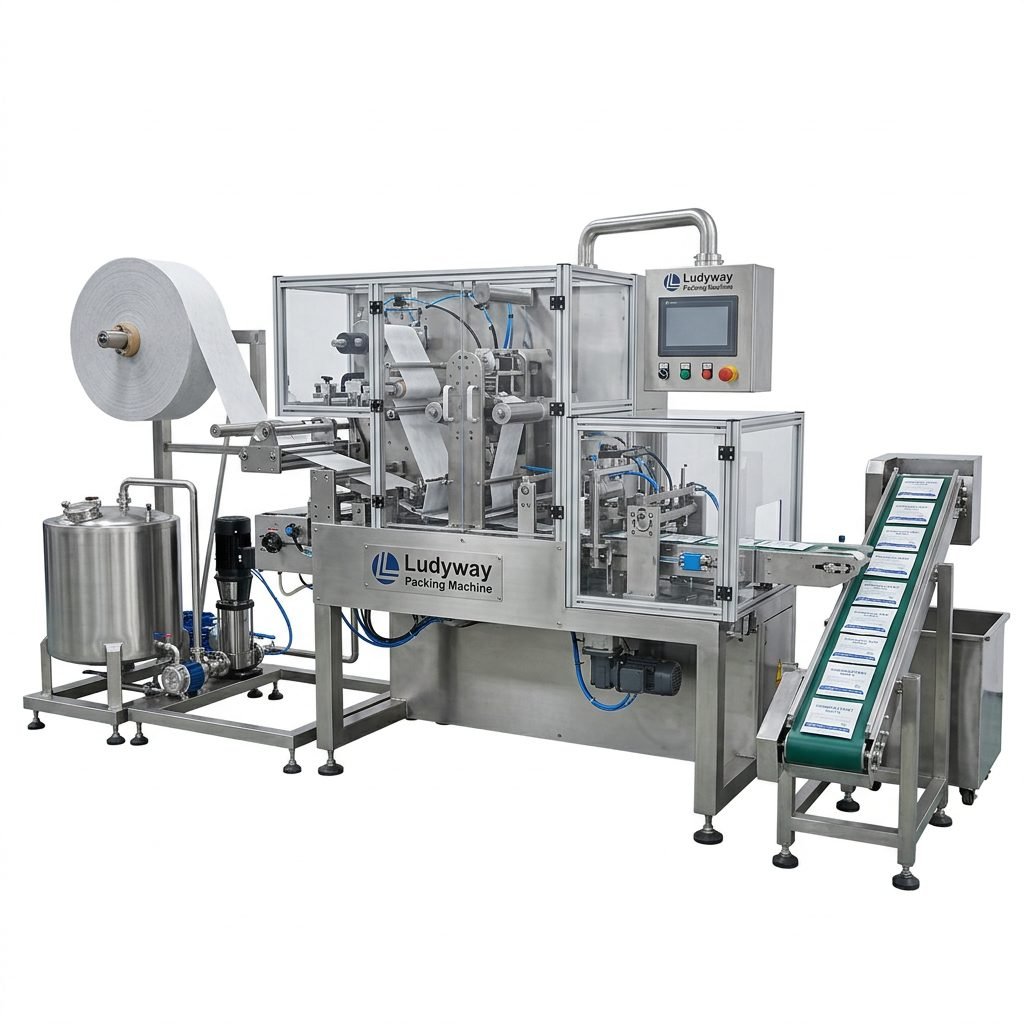
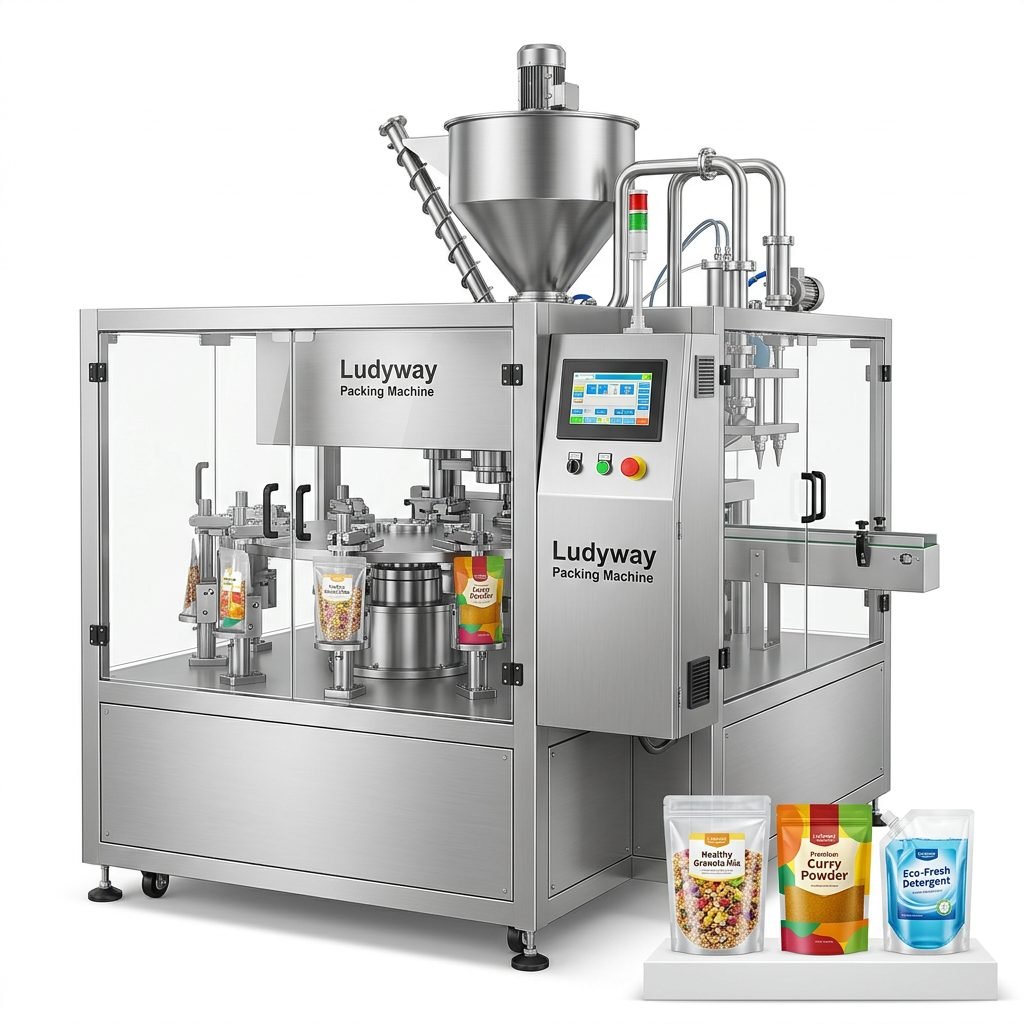
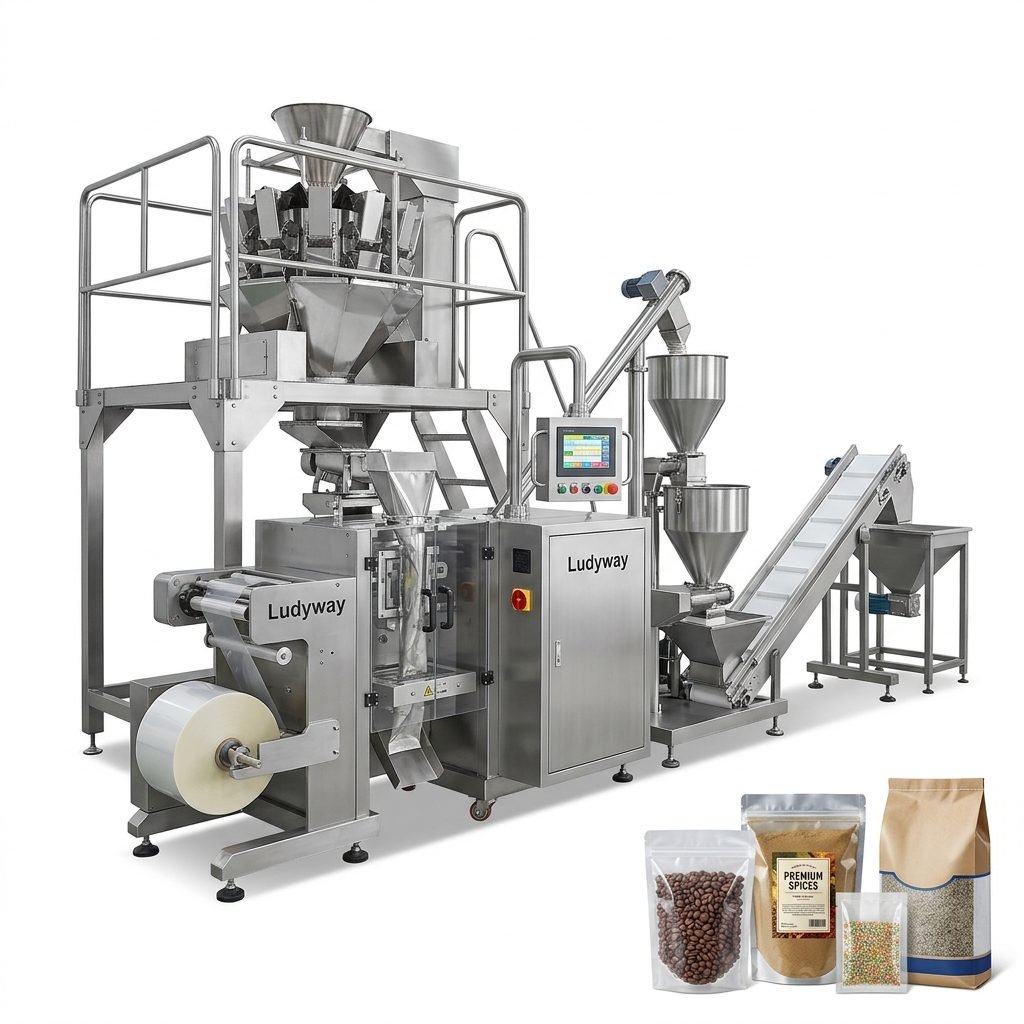
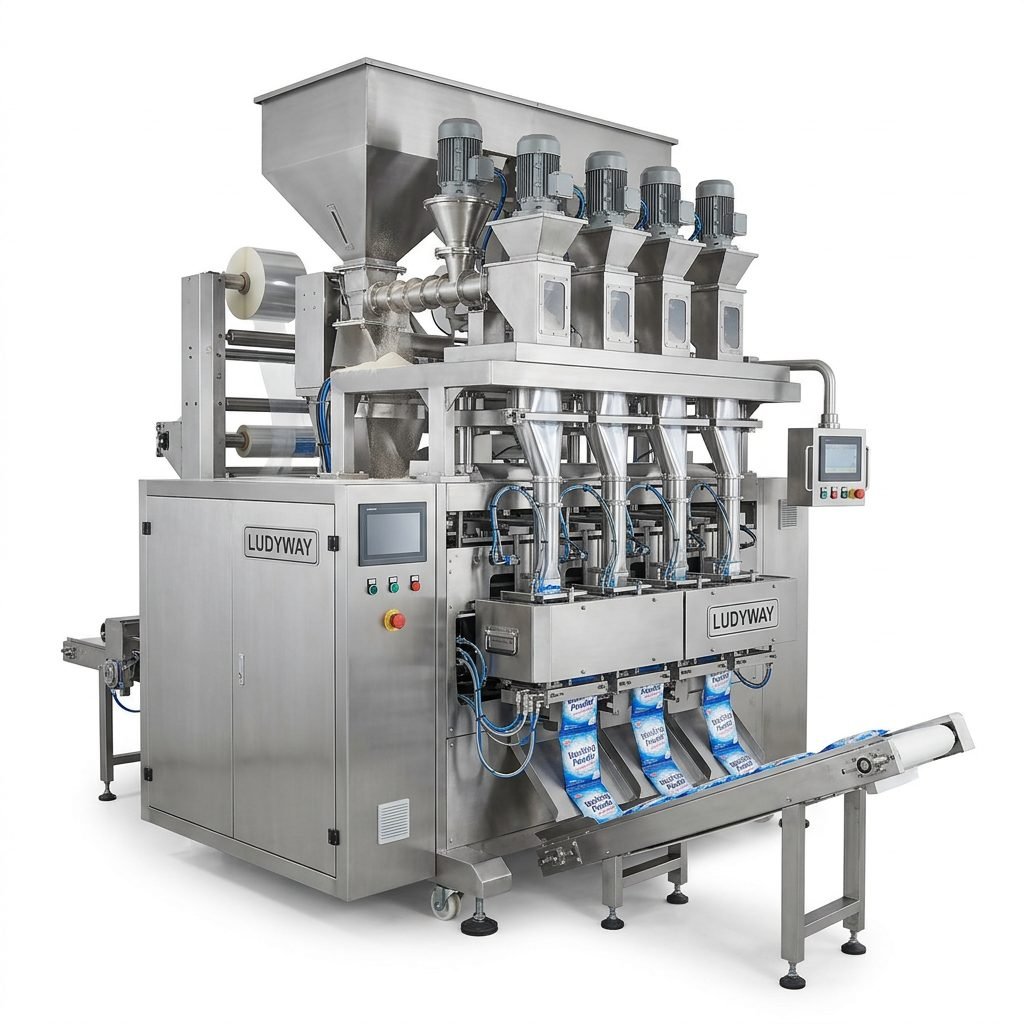
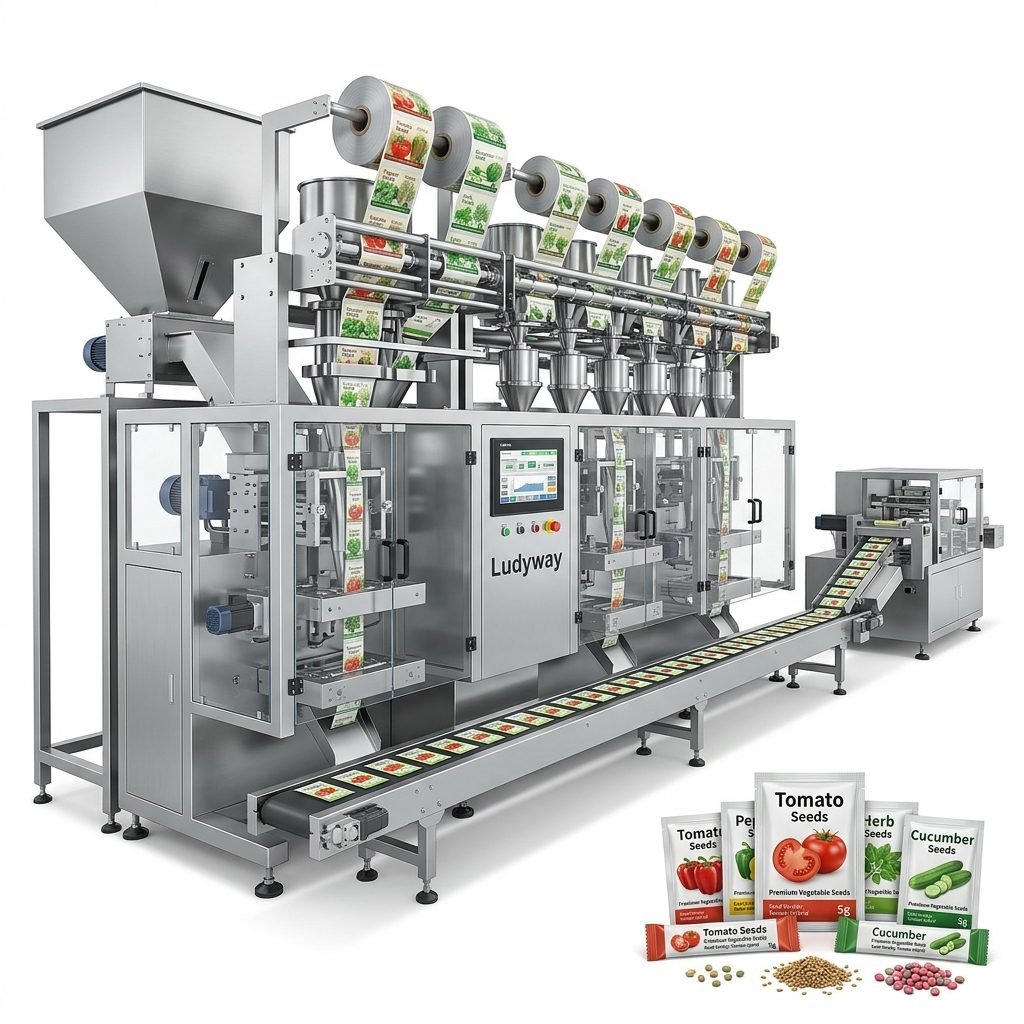
Choosing the appropriate machinery is the most critical decision in the entire setup process. For vegetable products, multi-lane stick pack and sachet machines are increasingly popular due to their high throughput and portion-control accuracy. When evaluating suppliers, look beyond the initial price and consider total cost of ownership, including spare parts availability, technical support in Germany, and ease of integration.
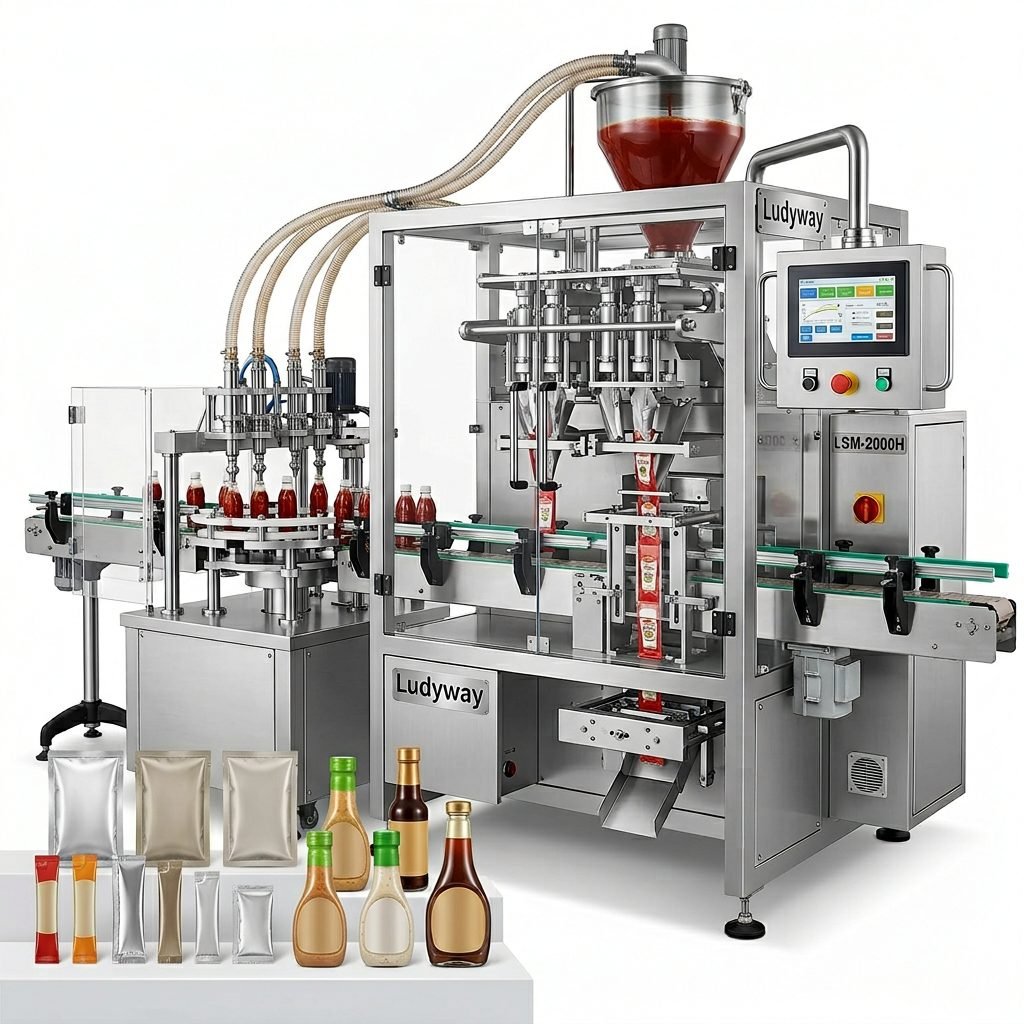
For businesses seeking turnkey solutions, partnering with an experienced international manufacturer can significantly reduce project complexity. Ludyway, one of the largest packaging machine manufacturers in China with over 30 years of industry expertise, offers more than 50 intelligent packaging machine models for granule, powder, liquid, and pouch applications. With a modern 20,000㎡ manufacturing facility and expected export revenue exceeding RMB 500 million (approximately US$69 million) in 2025, the company provides flexible packaging solutions that comply with international standards.
Step 4: Installation, Commissioning, and CE Compliance
Once the equipment arrives in Germany, professional installation and commissioning are essential. The process typically includes mechanical assembly, electrical connection, software configuration, and trial runs. During this phase, the CE conformity assessment must be completed. For complete production lines, a comprehensive risk assessment covering the entire integrated system — not just individual machines — is required under the EU Machinery Directive.
It is highly recommended to have the supplier’s engineers present on-site during commissioning. A reliable supplier will also provide detailed documentation, including technical files, electrical schematics, and operating manuals in German or English, as required by international packaging safety guidelines.
Step 5: Operator Training and Standard Operating Procedures
Well-trained operators are key to achieving consistent output and minimizing downtime. Training should cover machine operation, troubleshooting, cleaning procedures, and safety protocols. Develop comprehensive Standard Operating Procedures (SOPs) in German to ensure all shifts follow consistent practices. Key training topics include:
- Startup and shutdown sequences for the vegetable packaging line
- Adjusting filling parameters for different vegetable types and packaging formats
- Cleaning and sanitization procedures compliant with IFS or BRC standards
- Basic troubleshooting for common issues such as seal misalignment or weight variations
- Emergency stop procedures and lockout-tagout protocols
Step 6: Quality Control and Ongoing Maintenance
Maintaining consistent packaging quality requires a structured approach to quality control and preventive maintenance. Implement regular checks on seal integrity, fill weight accuracy, and packaging appearance. Many modern packaging machines include integrated checkweighers, metal detectors, and vision inspection systems that help meet German retail quality expectations.
Preventive maintenance schedules should align with the manufacturer’s recommendations and be adapted to your specific production intensity. Keeping a local inventory of critical spare parts reduces downtime. For businesses operating high-speed automated packaging lines, a service contract with the supplier or a local service partner is a wise investment.
Navigating German Sustainability and Packaging Waste Regulations
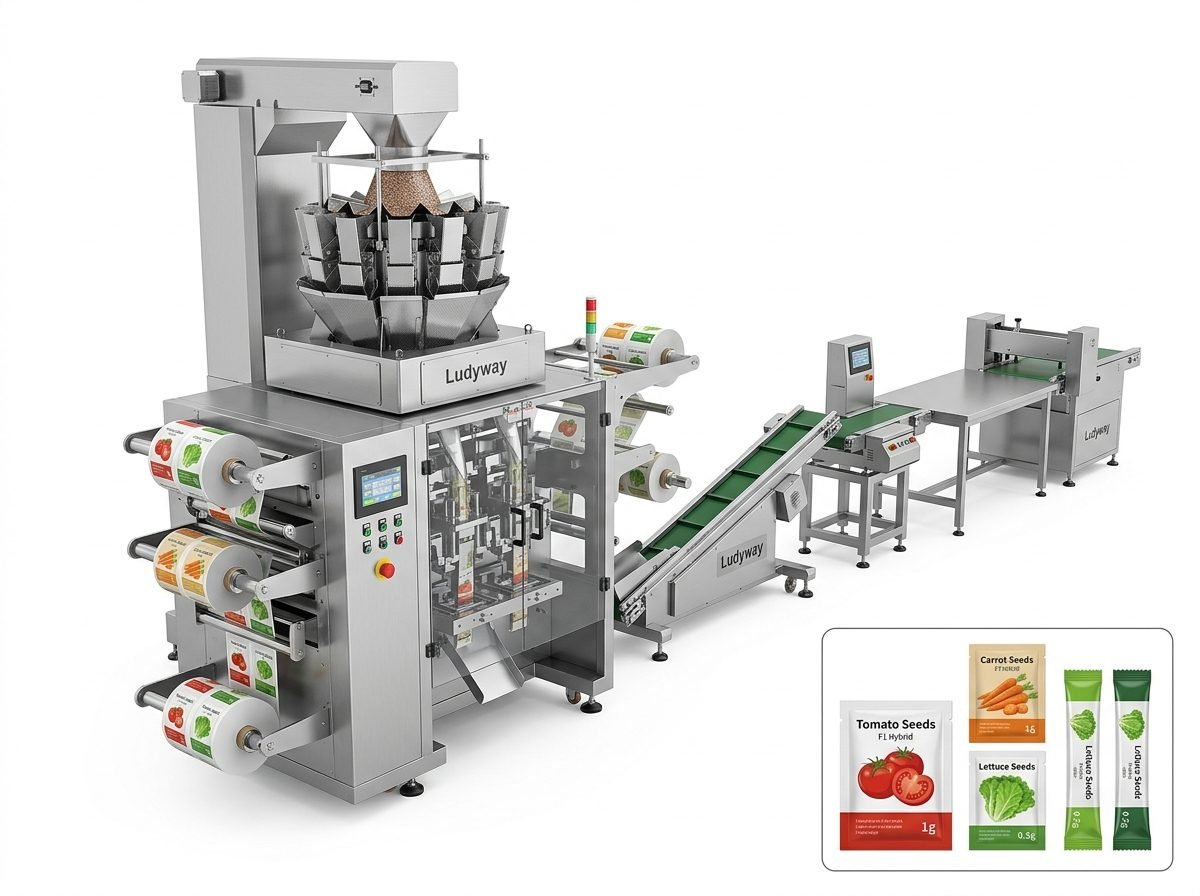
Germany has some of the most stringent packaging waste regulations in the world. The German Packaging Act (VerpackG) requires producers to register with the Central Packaging Registry (ZSVR) and participate in a dual system for packaging waste collection and recycling. For vegetable packaging, this means selecting materials that are recyclable and minimizing packaging volume. The upcoming EU Packaging and Packaging Waste Regulation will further tighten requirements, making it essential to future-proof your packaging line with flexible equipment capable of handling mono-material films and recycled content.
Key Success Factors for Your Production Line in Germany
Based on industry experience, several factors distinguish successful installations from problematic ones. Focus on these areas to ensure your project stays on track:
- Early engagement with a Notified Body: For complex integrated lines, involving a Notified Body early in the design phase streamlines CE marking.
- Local language documentation: All operator interfaces, manuals, and safety labels should be available in German to meet regulatory and operational needs.
- Supplier with EU service capability: Choose a manufacturer that offers remote diagnostics and has established relationships with European service partners.
- Pilot batch testing: Run comprehensive trials with your actual products before committing to full-scale production.
- Integration with existing ERP systems: Ensure the packaging line can communicate with your production planning and inventory management software.
Comparing Packaging Machine Configurations for Different Vegetable Products
| Product Type | Recommended Machine Configuration | Typical Speed Range |
|---|---|---|
| Frozen mixed vegetables (granules) | Multi-lane stick pack with multi-head weigher | 40-80 packs/min/lane |
| Dried vegetable powder | Auger filler with vertical form-fill-seal (VFFS) | 30-60 packs/min |
| Fresh-cut salad leaves | Tray sealing with modified atmosphere packaging (MAP) | 15-25 trays/min |
| Vegetable seed packets | 4-10 lane sachet machine with volumetric filler | 50-100 packs/min/lane |
Setting up a vegetable packaging machine production line in Germany requires careful planning, regulatory knowledge, and the right equipment partner. By following these steps and working with an experienced manufacturer that understands both the technical and compliance requirements of the European market, food processors can achieve a smooth installation and rapid return on investment. For more information on turnkey packaging solutions, visit PMMI – The Association for Packaging and Processing Technologies or consult the Flexible Packaging Association for industry resources and best practices.
About Ludyway
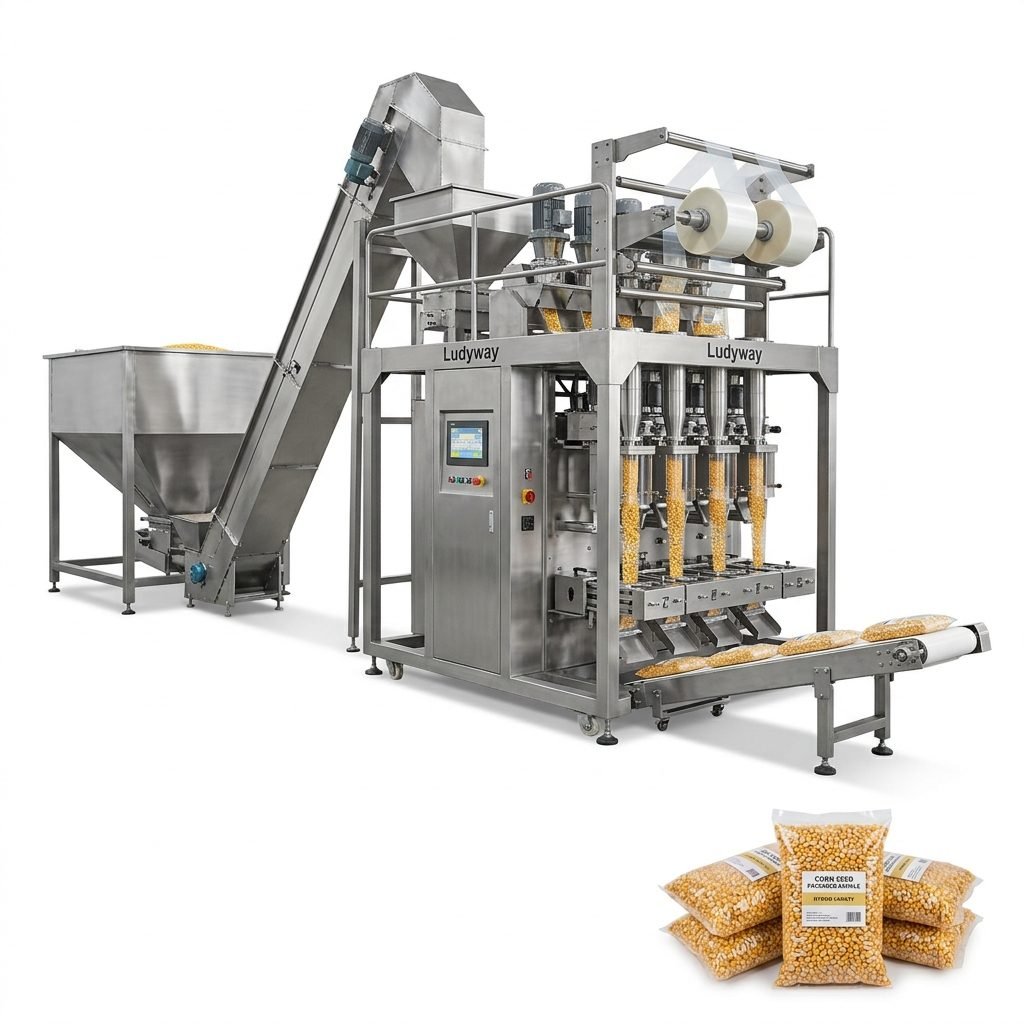
Ludyway is one of the largest packaging machine manufacturers in China, specializing in advanced packaging equipment and turnkey production solutions for the food, pharmaceutical, and health industries. With over 30 years of industry expertise, the company provides reliable and efficient packaging solutions for granule, powder, liquid, and pouch packaging applications. Serving customers in over 100 countries and regions, Ludyway is committed to delivering innovative, high-performance, and cost-effective packaging solutions. Ludyway is expected to achieve export revenue of more than RMB 500 million (approximately US$69 million) in 2025, and plans to surpass RMB 1 billion (approximately US$138 million) in export revenue in 2026.
For inquiries, contact info@ludyway.com or via WhatsApp at +8613129592456. Address: Nanlang Town, Zhongshan, Guangdong, China.
Explore packaging machine innovations and discover smart solutions at PACK EXPO International.