In modern manufacturing, packaging machinery is no longer just the final step of production. It is a critical part of product quality, cost control, shelf appeal, traceability, and delivery efficiency. Whether a business handles food, pharmaceuticals, cosmetics, chemicals, or animal nutrition products, the right packaging solution can significantly improve output while reducing waste and labor pressure.
From wrapping and filling to sealing, today’s automated systems are designed to keep lines running faster, cleaner, and more consistently. For manufacturers that need scalable automation, Ludyway packaging machinery solutions support a wide range of product types and turnkey production requirements.

Why Packaging Machinery Matters in Modern Production
Packaging equipment influences much more than appearance. A well-designed system helps manufacturers maintain product integrity, improve production rhythm, and meet market expectations. In competitive industries, even small improvements in pack accuracy or sealing consistency can create major savings over time.
- Higher efficiency through automated feeding, dosing, wrapping, and discharge
- Better consistency in fill weight, seal quality, and pack appearance
- Reduced labor dependency for repetitive packaging operations
- Improved hygiene for food, pharma, and personal care products
- Lower material waste through controlled dosing and accurate sealing
- Easier integration with coding, labeling, cartoning, and palletizing systems
Core Packaging Functions: Wrapping, Filling, and Sealing
Wrapping Solutions
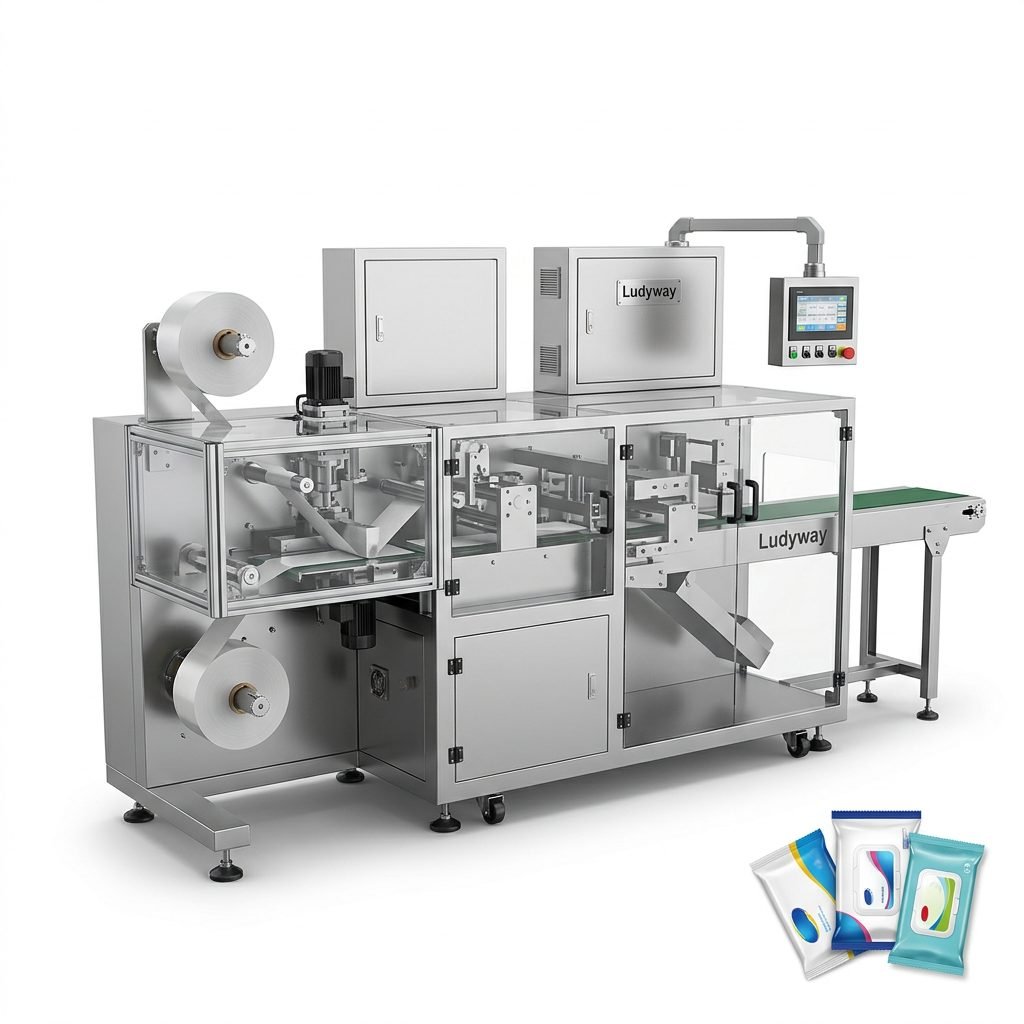
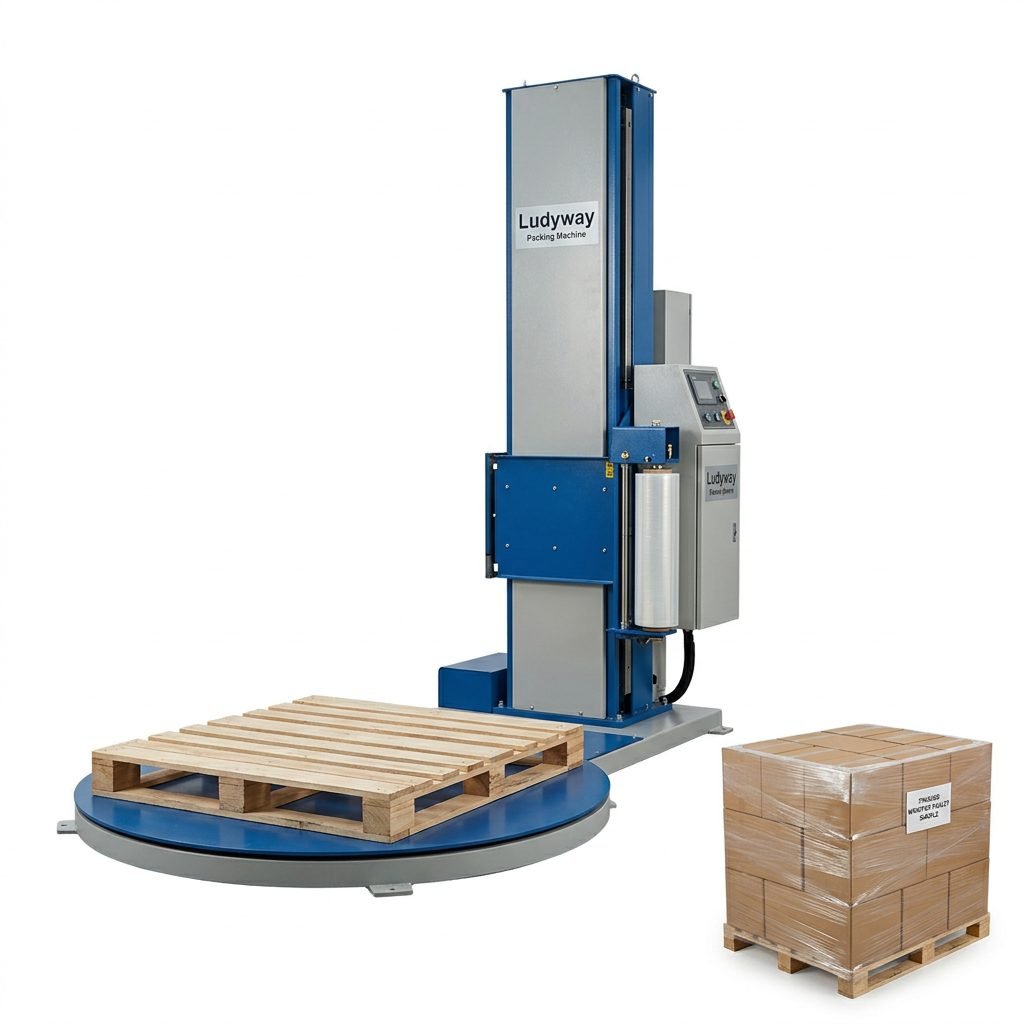
Wrapping machinery is used to protect products, improve handling, and create retail-ready or transport-ready packages. Depending on the product format, wrapping systems may include flow wrapping, shrink wrapping, stretch wrapping, or secondary case packing.
These solutions are commonly used for cartons, bundles, trays, pallets, and finished retail packs. In logistics-heavy operations, wrapping also plays a major role in protecting goods during storage and shipment.
Filling Solutions
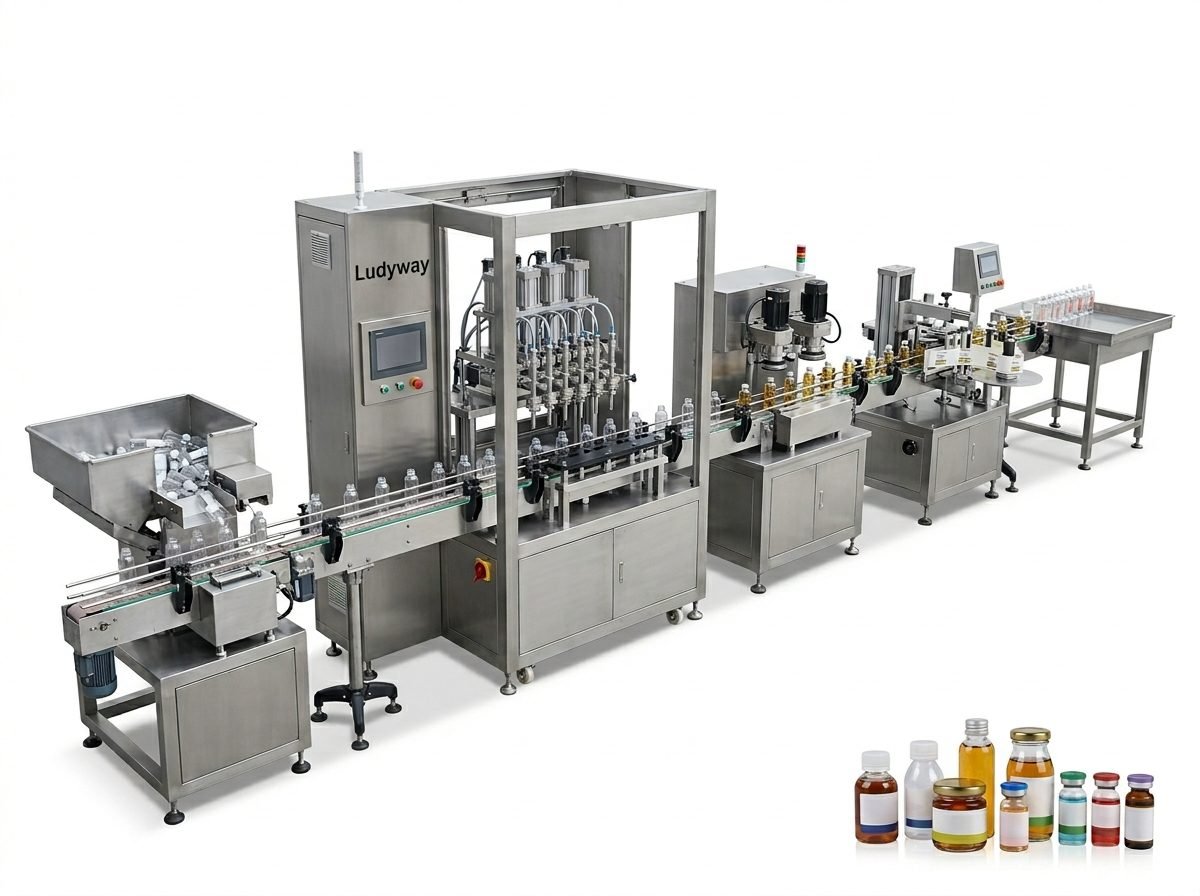
Filling systems are central to packaging accuracy. They are selected based on product form, target weight or volume, flow characteristics, and required speed. Manufacturers often process:
- Granules such as sugar, coffee, seeds, snacks, and supplements
- Powders such as milk powder, spices, protein blends, and pharmaceutical powders
- Liquids such as sauces, oils, syrups, detergents, and oral liquids
- Pastes and creams such as cosmetic formulas, gels, and food condiments
Precise filling reduces giveaway, supports compliance, and helps maintain a professional final package.
Sealing Solutions
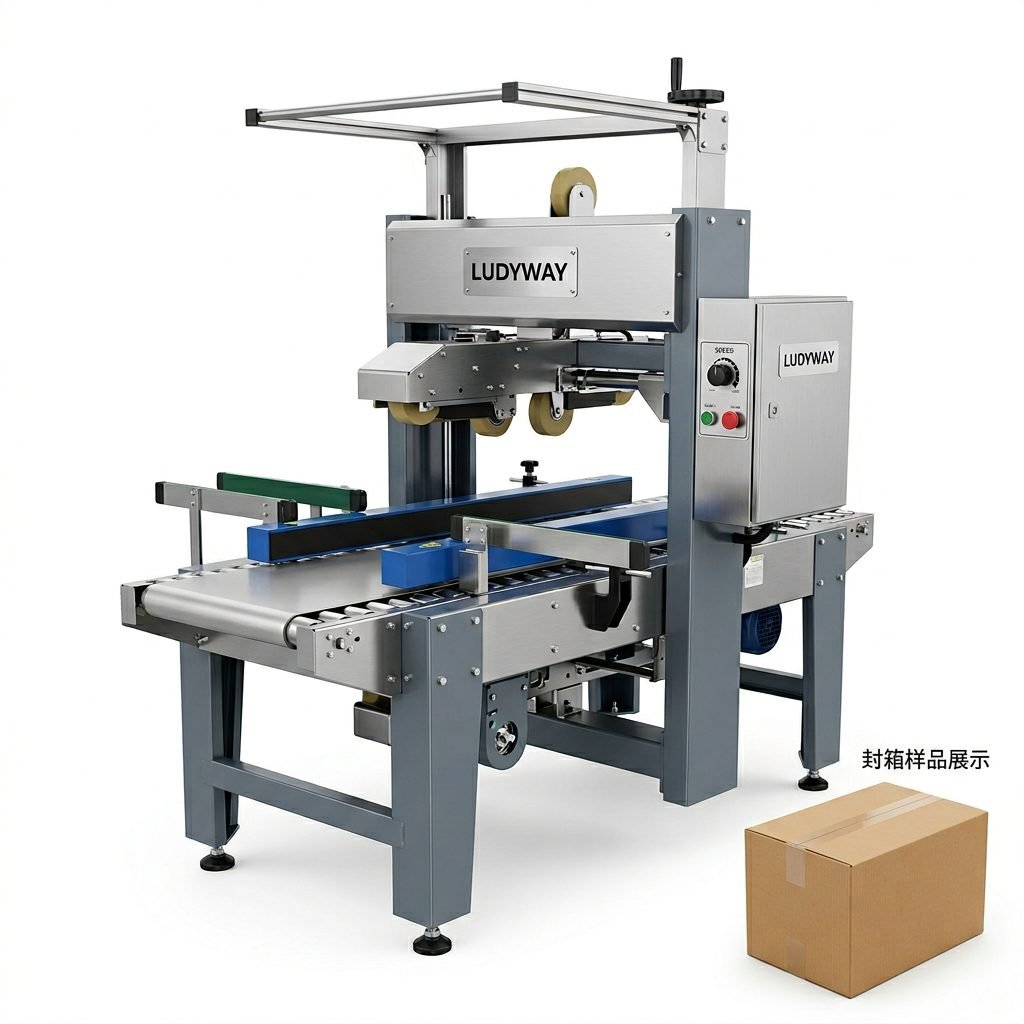
Sealing is essential for freshness, leak prevention, tamper resistance, and shelf life. Reliable sealing systems are especially important for moisture-sensitive powders, liquid sachets, pharmaceutical packs, and export products exposed to longer supply chains.
Effective sealing technology can include heat sealing, vacuum sealing, induction sealing, capping, and pouch sealing depending on package type.
Popular Packaging Machine Types for Different Industries
| Machine Type | Typical Applications | Key Benefit |
|---|---|---|
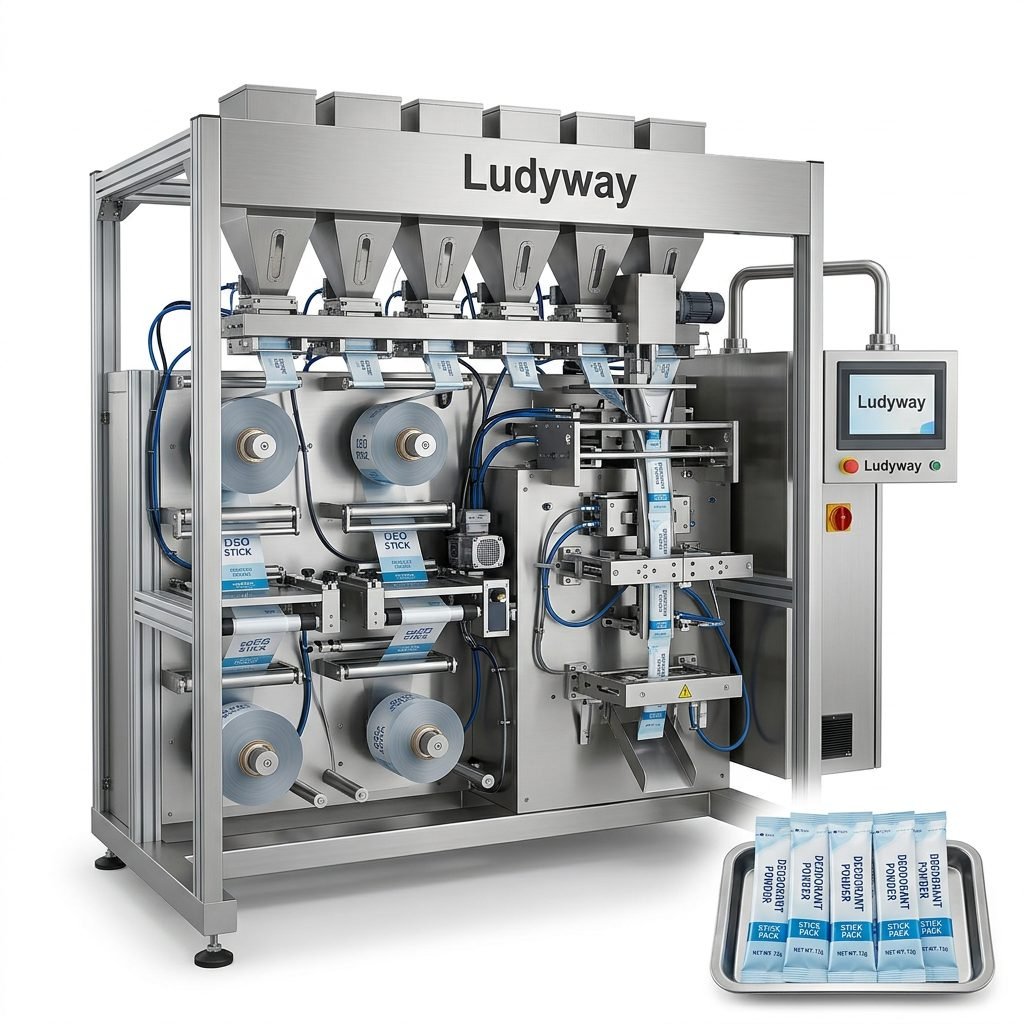
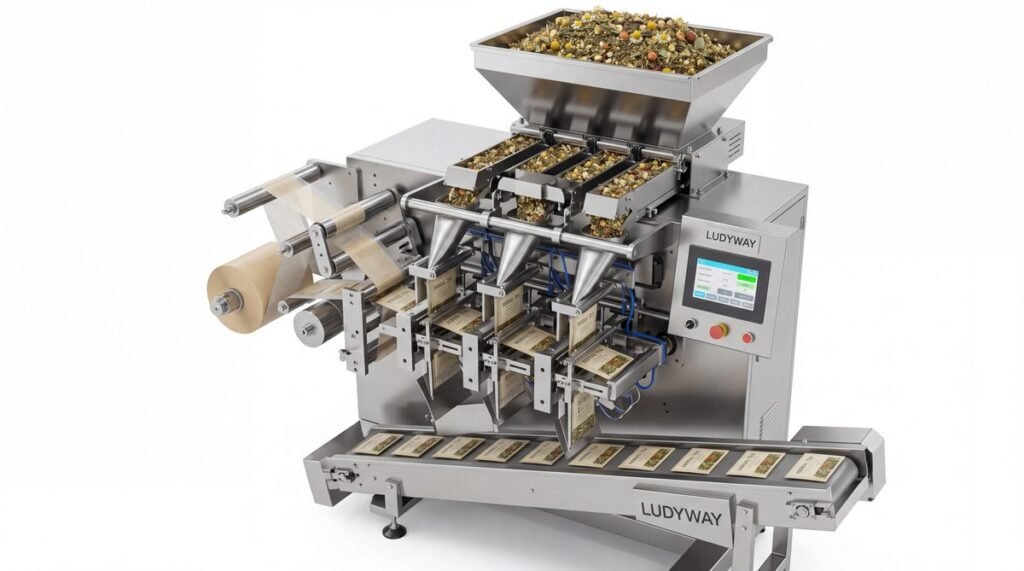
| Multi-lane stick pack machines | Powders, granules, liquids, health products | High-speed small-dose packaging |
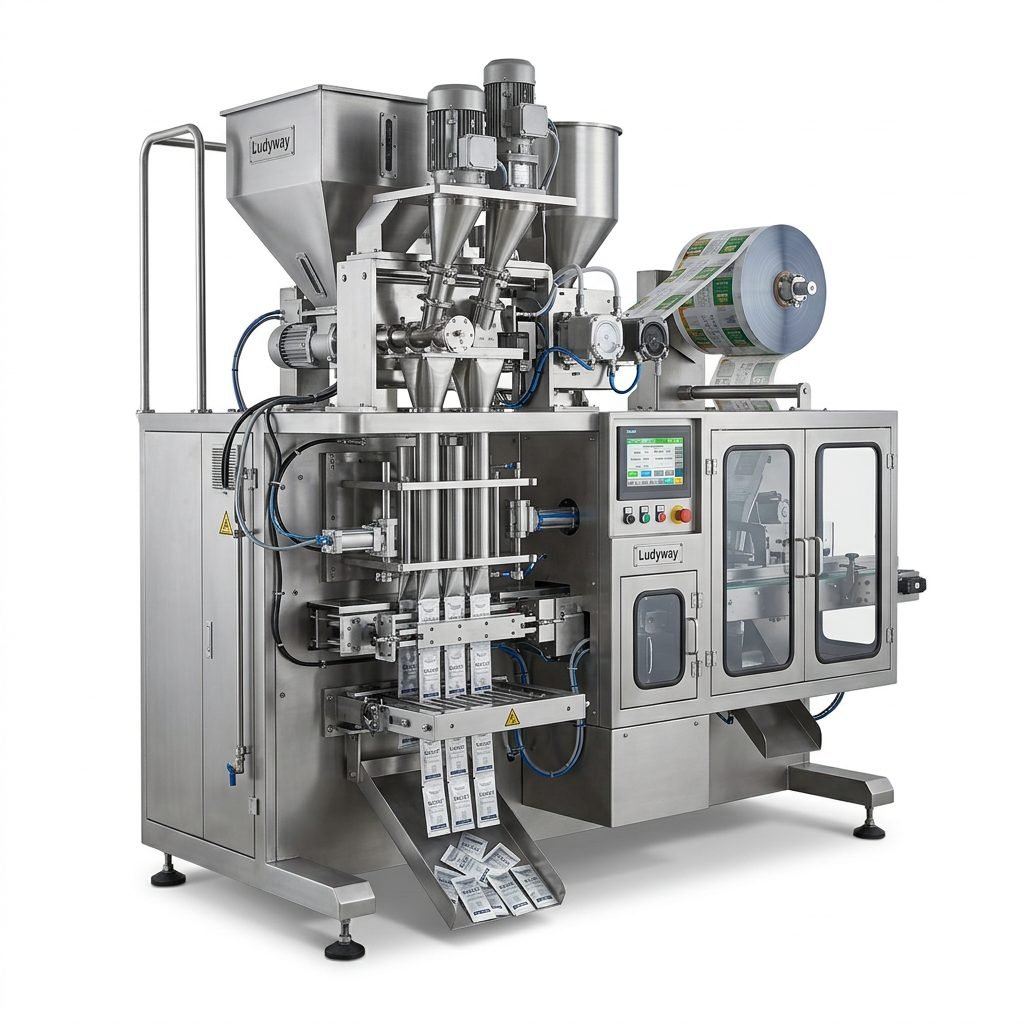
| Sachet packing machines | Food seasonings, cosmetics, pharma, detergents | Flexible format and strong sealing performance |
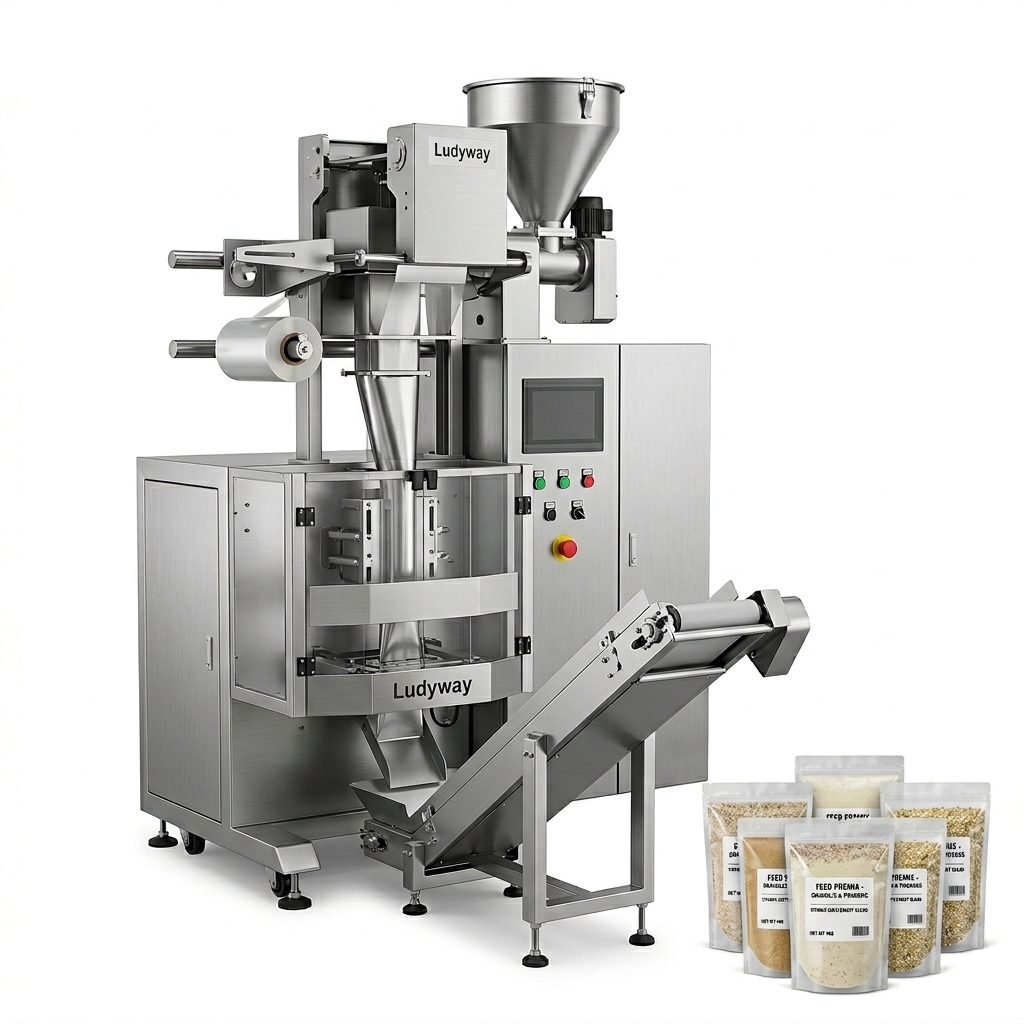
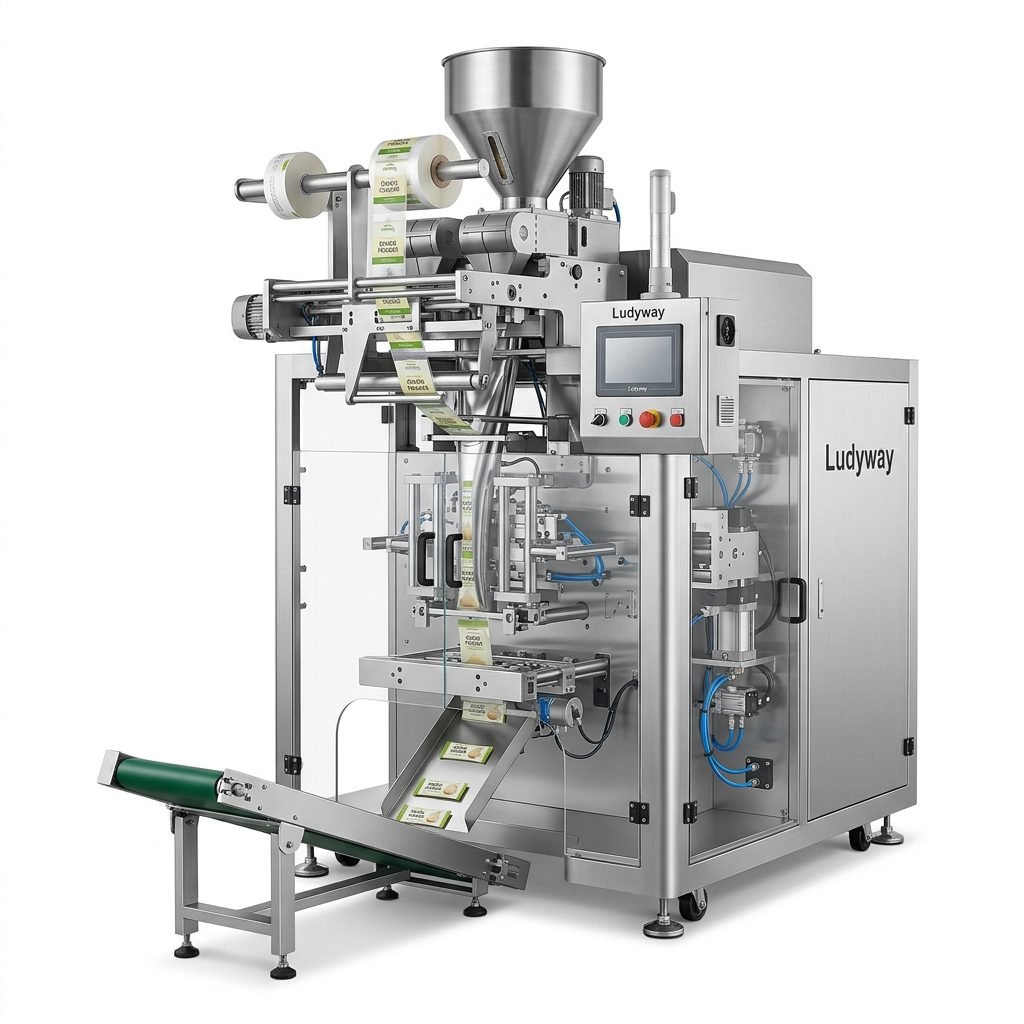
| Vertical packaging systems | Snacks, grains, powders, pet food | Compact structure and continuous automation |
| Liquid filling and sealing machines | Sauces, oils, chemicals, oral liquids | Accurate dosing with leak-resistant sealing |
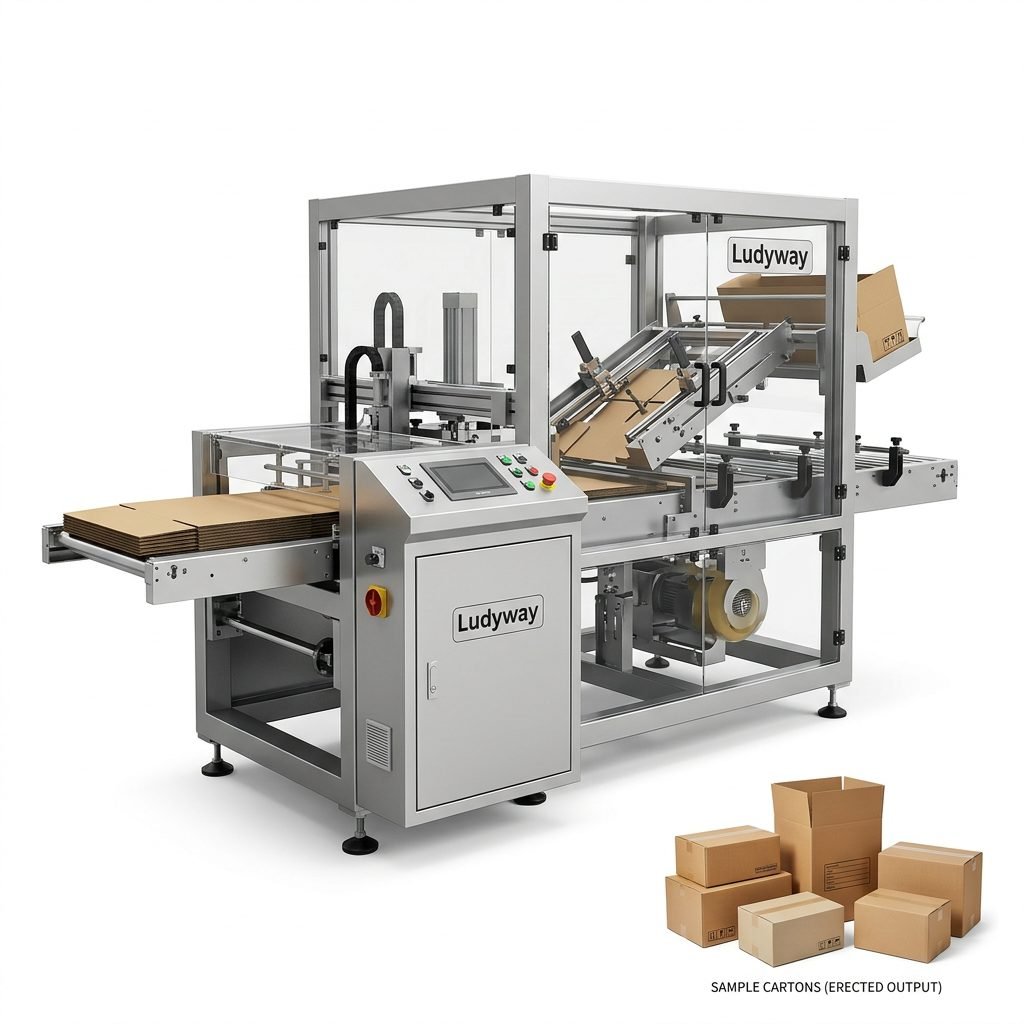
| Cartoning and case packing lines | Retail-ready and transport packaging | Efficient secondary packaging |
| Pallet wrapping systems | Warehouse and shipping operations | Improved load stability during transport |
How to Choose the Right Packaging Machinery
Choosing a packaging machine is not simply about output speed. The best solution should match the product, package style, production target, and future expansion plans. Businesses should assess technical and operational factors together.
Key Selection Factors
- Product characteristics — Is the material free-flowing, sticky, dusty, fragile, or viscous?
- Package format — Sachet, stick pack, pouch, bottle, jar, carton, or bag?
- Desired output — Small batch, medium volume, or high-speed continuous production?
- Accuracy requirements — Especially important for pharmaceutical and high-value products
- Level of automation — Standalone machine or complete turnkey packaging line
- Factory layout — Available installation space and upstream/downstream compatibility
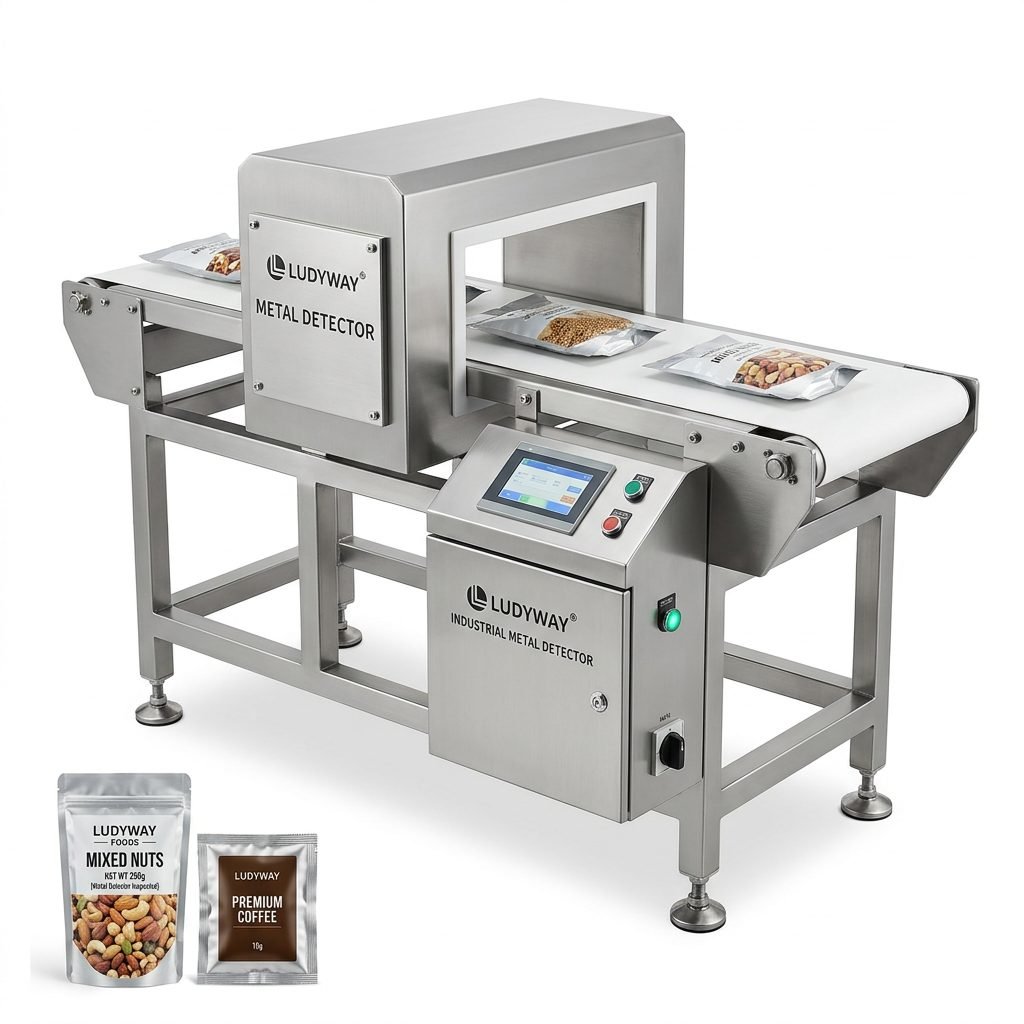
- Compliance needs — Hygiene, validation, traceability, and export standards
- Maintenance and support — Spare parts, training, remote support, and long-term service
Benefits of Turnkey Packaging Line Solutions
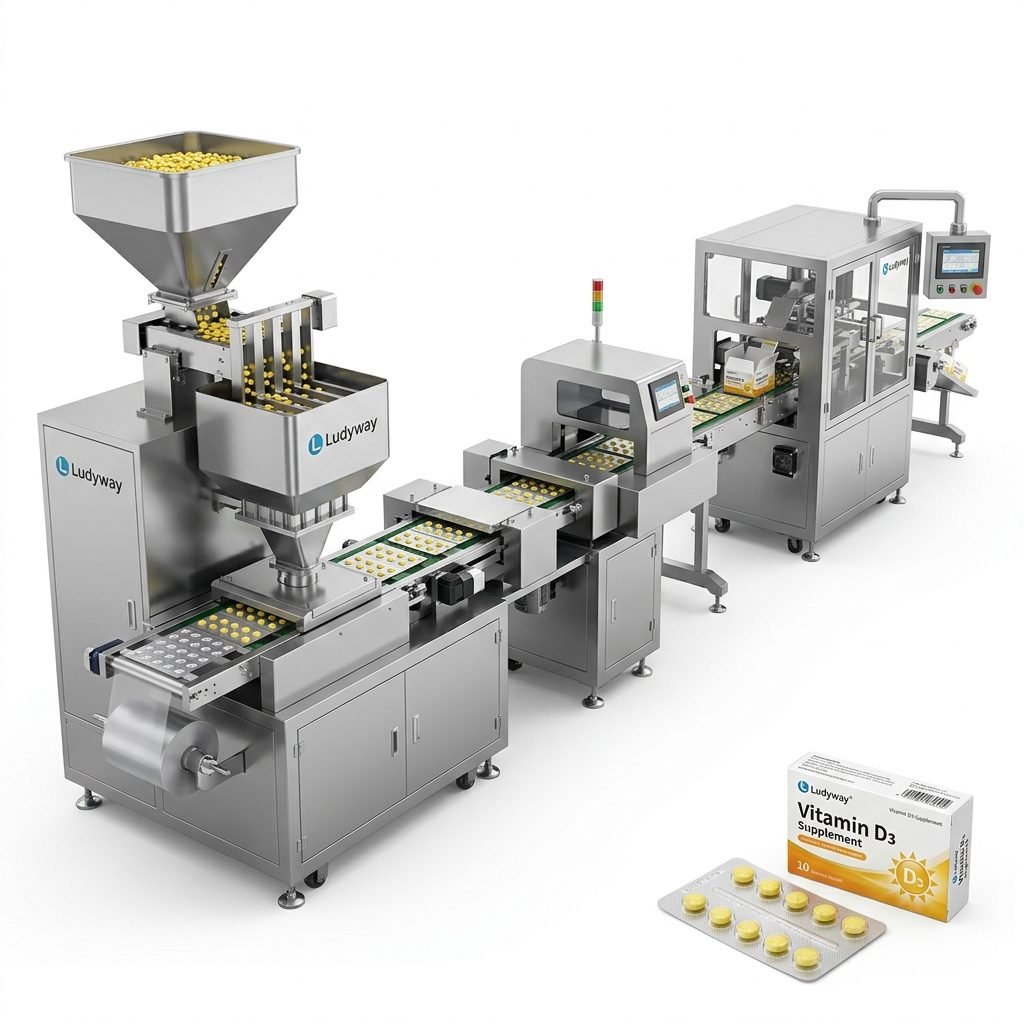
Many manufacturers are moving from standalone equipment to integrated packaging lines. A turnkey solution can connect feeding, conveying, dosing, filling, sealing, coding, inspection, cartoning, and palletizing into a coordinated process.
This approach reduces interface issues between separate machines and creates stronger production visibility. It is especially valuable for companies that want to expand capacity without building a disconnected line piece by piece.
- Better line synchronization across multiple packaging stages
- Lower manual handling and reduced contamination risk
- Faster project implementation with one integrated engineering plan
- More stable production flow from product feeding to final pack-out
- Easier future upgrades for new SKUs or capacity expansion
Industry Applications of Advanced Packaging Machinery
Food Industry
Food manufacturers need packaging machines that deliver hygiene, speed, and packaging flexibility. Common applications include snacks, coffee, sugar, spices, instant drinks, protein powders, grains, sauces, and frozen or dry products.
Pharmaceutical Industry
Pharmaceutical packaging demands precision, cleanliness, traceability, and dependable sealing. Machines in this sector often handle powders, granules, oral liquids, capsules, and medical consumables.
Cosmetic and Personal Care Industry
Sachet, tube, bottle, and stick pack systems are widely used for serum, lotion, shampoo, cream, gel, sunscreen, and travel-size products. Appearance, dosing consistency, and leak prevention are key priorities.
Chemical Industry
For powders, additives, detergents, cleaners, and industrial liquids, packaging systems must be matched carefully to product handling behavior and sealing needs. Dust control and corrosion-resistant configurations can be especially important.
Animal Feed and Pet Product Industry
Packaging lines for pellets, premixes, supplements, powders, and treats help producers maintain throughput and pack uniformity. Automated weighing and bagging are often crucial for higher-volume operations.
Features That Improve Packaging Performance
Modern packaging machinery is expected to do more than run fast. It should also support operational intelligence, easier maintenance, and consistent quality output. The most valuable systems usually include a combination of mechanical reliability and smart control.
| Feature | Operational Value |
|---|---|
| PLC and touchscreen control | Simplifies setup, recipe switching, and monitoring |
| Servo-driven motion systems | Improves precision and running stability |
| Automatic error detection | Reduces downtime and simplifies troubleshooting |
| Quick changeover design | Supports flexible production across different SKUs |
| Integrated coding and inspection | Improves traceability and pack quality control |
| Modular line design | Makes expansion and customization easier |
What Makes an Efficient Packaging Solution
An efficient packaging solution is not defined by speed alone. Real efficiency means balancing production rate, package quality, labor savings, machine uptime, and cost per pack. Businesses that invest carefully in machine selection often gain long-term advantages in both profitability and customer satisfaction.
The most effective systems usually deliver:
- Stable performance over long production runs
- Clean and accurate package presentation
- Low rejection rates
- Adaptability for product line growth
- Reliable technical service and support
Final Considerations for Packaging Equipment Investment
As markets continue to demand shorter lead times, more product varieties, and stronger quality assurance, automated packaging machinery becomes an increasingly strategic investment. Businesses that modernize their wrapping, filling, and sealing operations are better positioned to improve output, protect product quality, and respond quickly to new demand.
Whether the goal is a compact standalone machine or a fully integrated packaging line, the ideal solution should match both current production needs and future expansion plans. By focusing on product compatibility, automation level, and long-term reliability, manufacturers can build packaging processes that are efficient, scalable, and ready for sustainable growth.