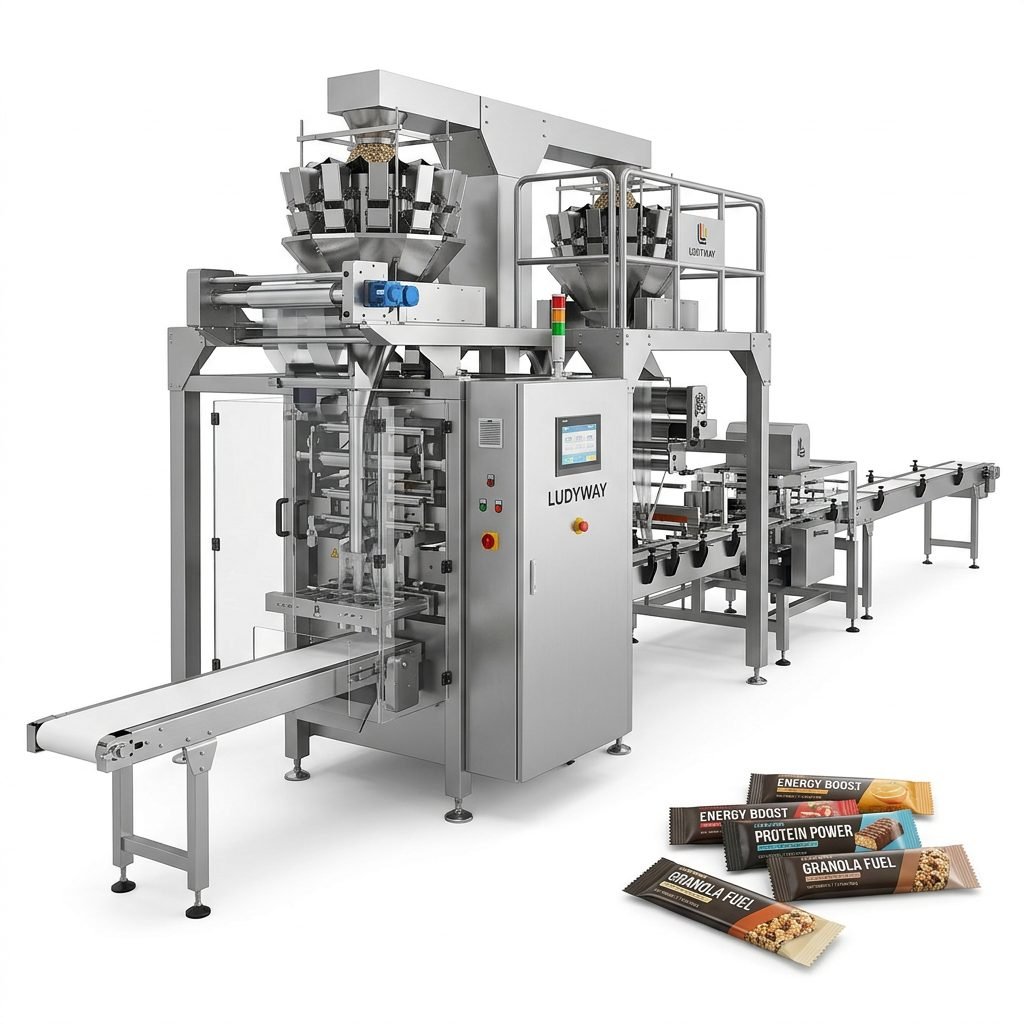
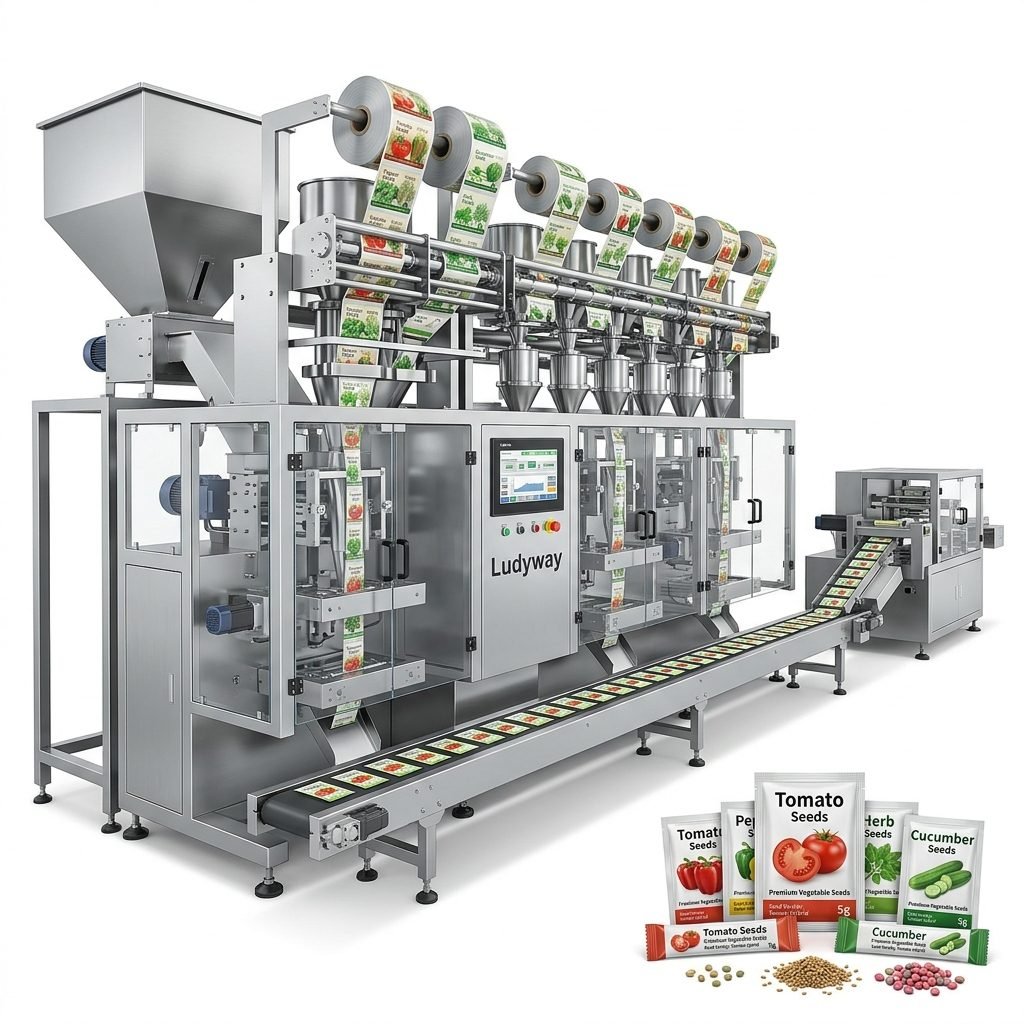
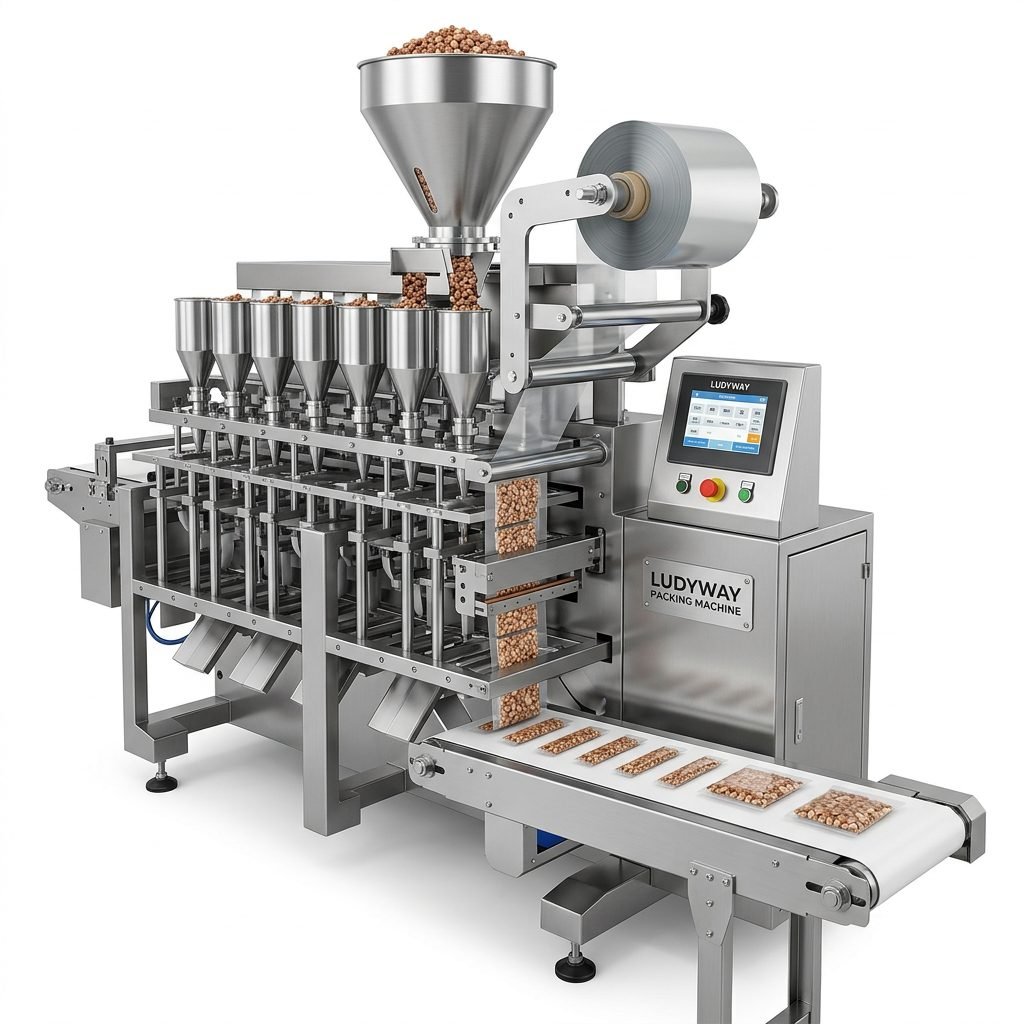
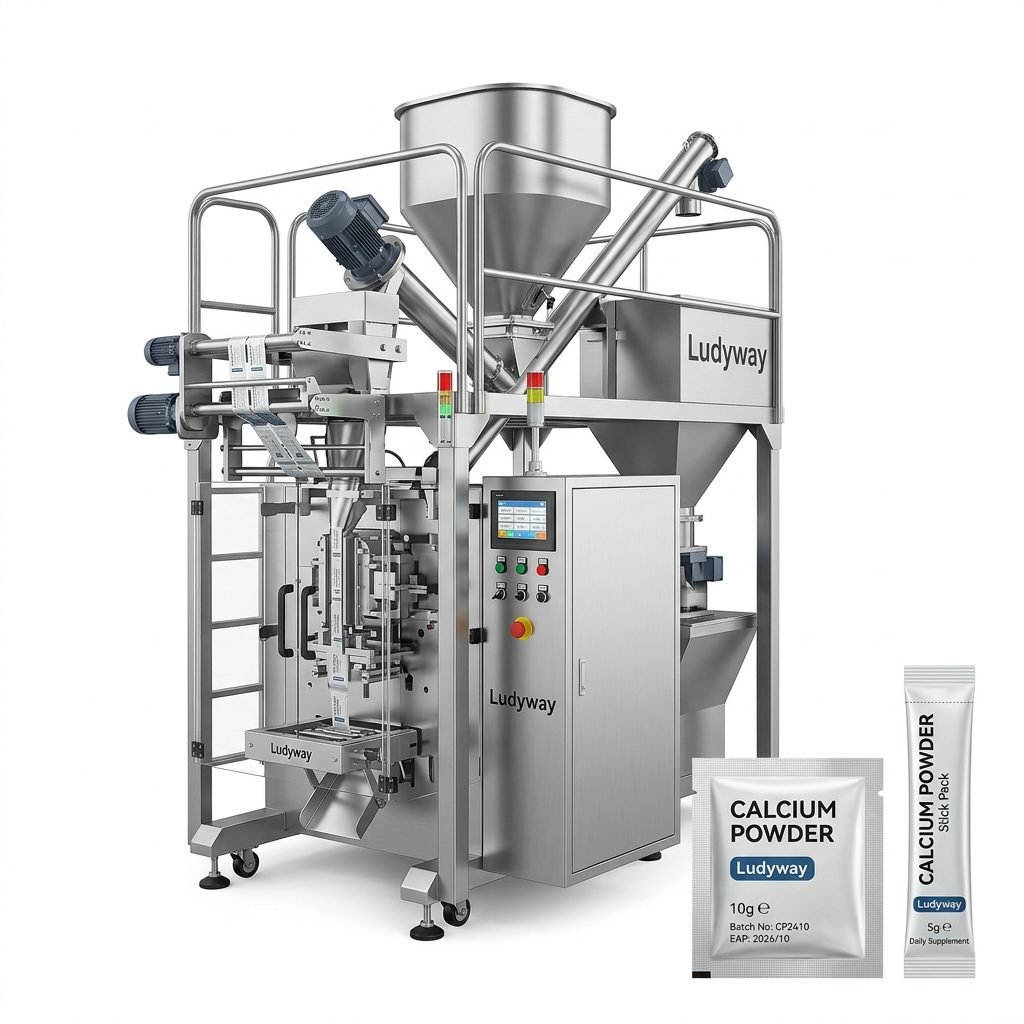
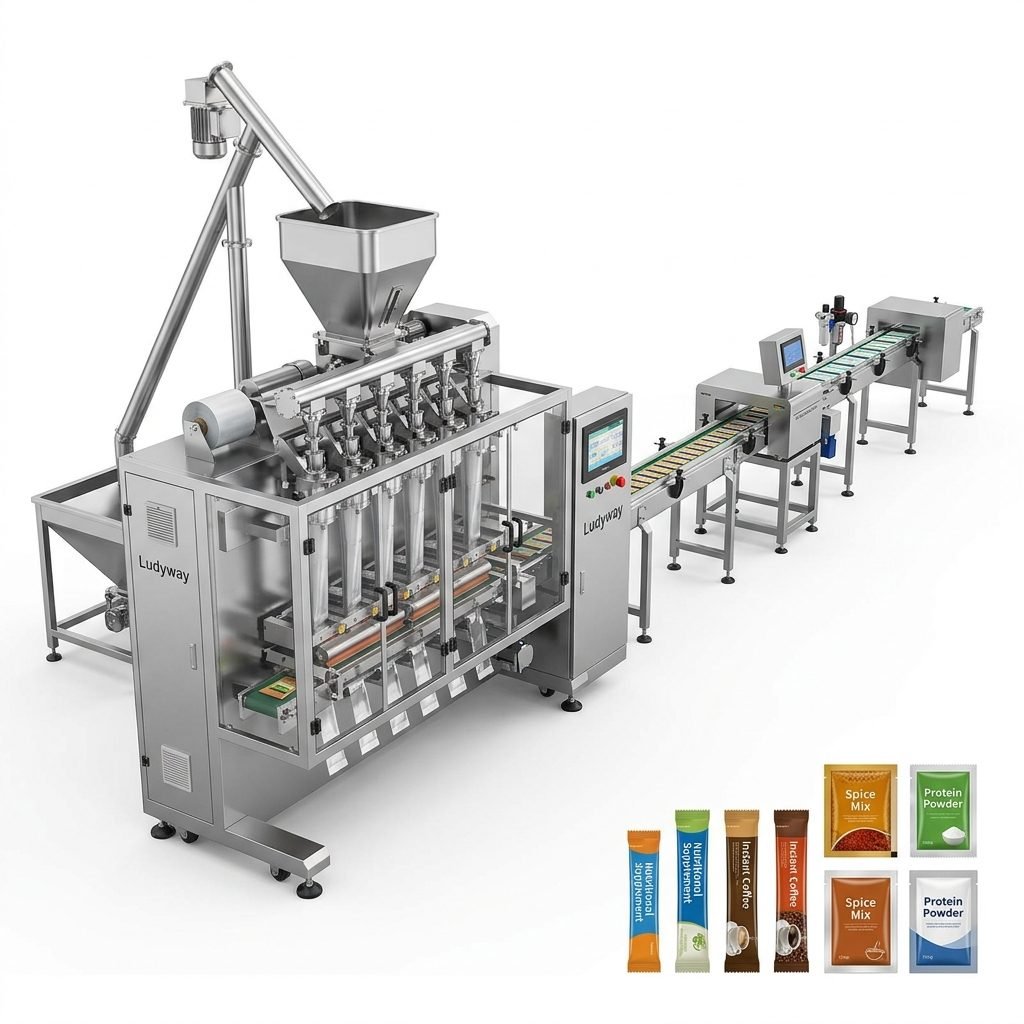
Asia has become the global hub for snack food manufacturing, with the potato chip sector experiencing unprecedented growth. Countries like China, India, Indonesia, and Vietnam are driving demand for high-speed automated packaging solutions. Selecting the right packaging machinery in this competitive landscape requires a deep understanding of machine types, regional supplier capabilities, and long-term operational costs. This guide provides a structured approach to help snack manufacturers make informed investment decisions.
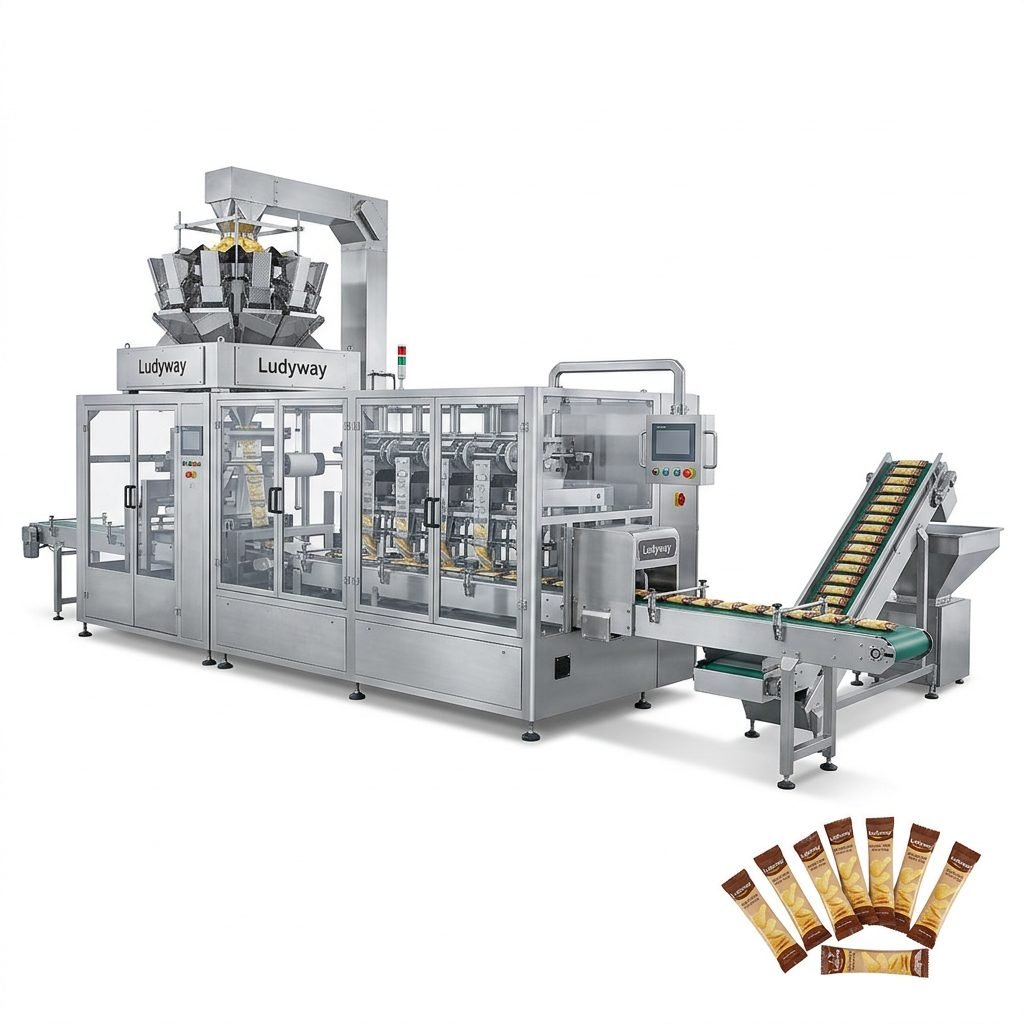
Understanding Potato Chip Packaging Machine Types
Before evaluating suppliers, it is crucial to understand the primary machine configurations available in the Asian market. Each type serves distinct production scales and packaging formats.
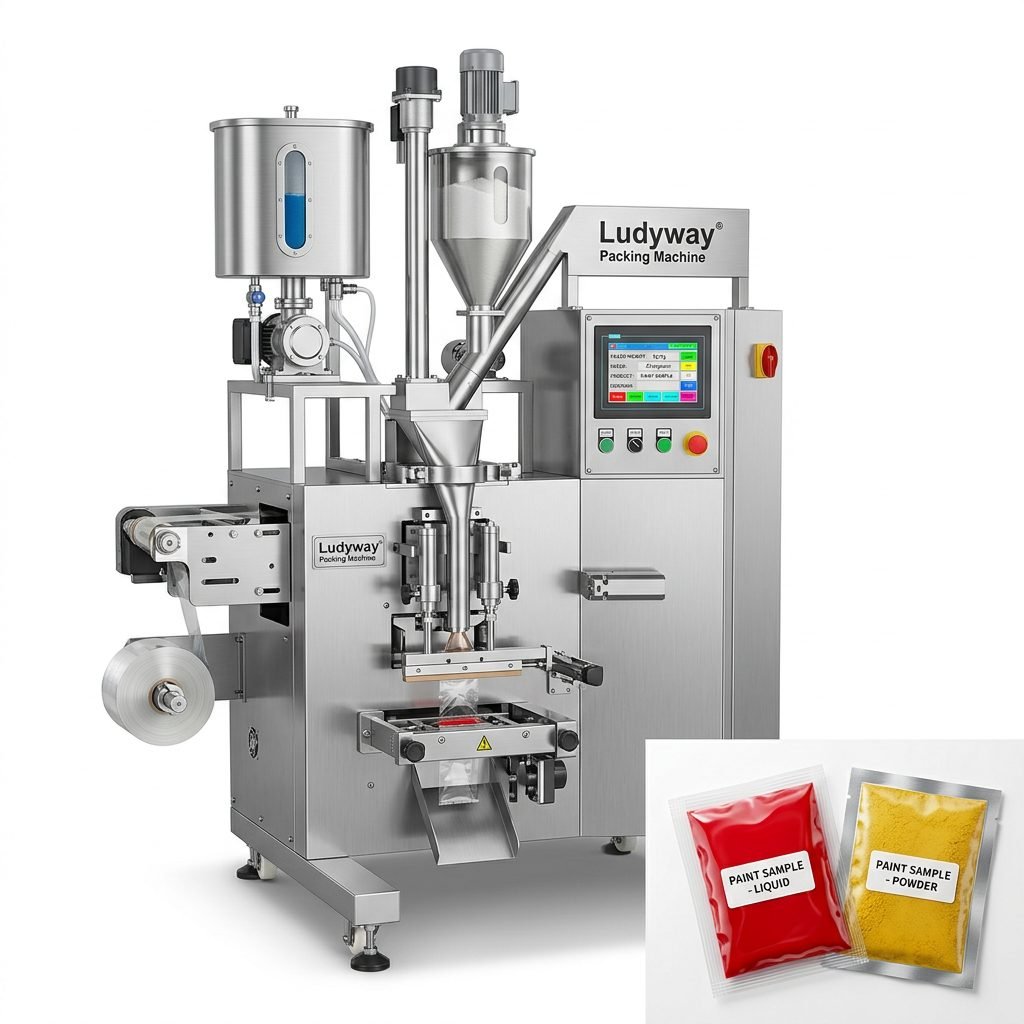
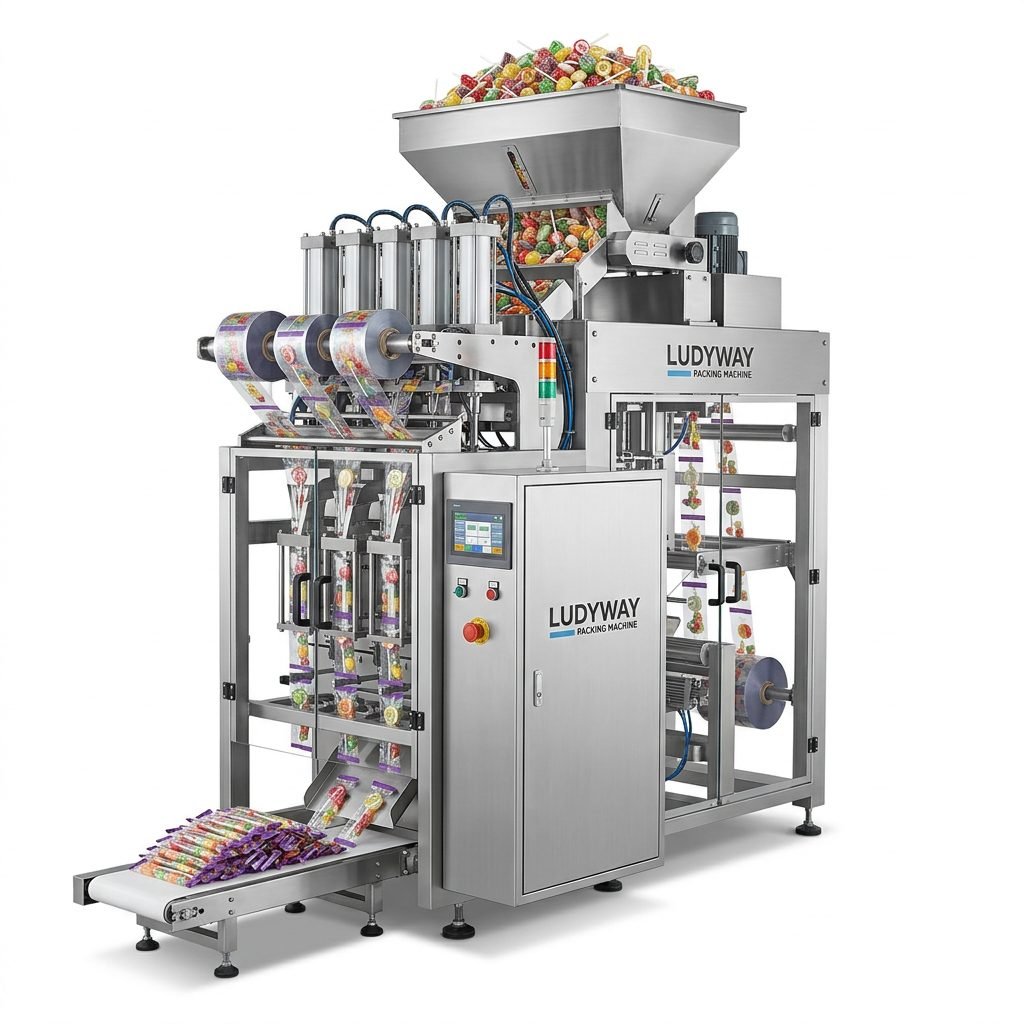
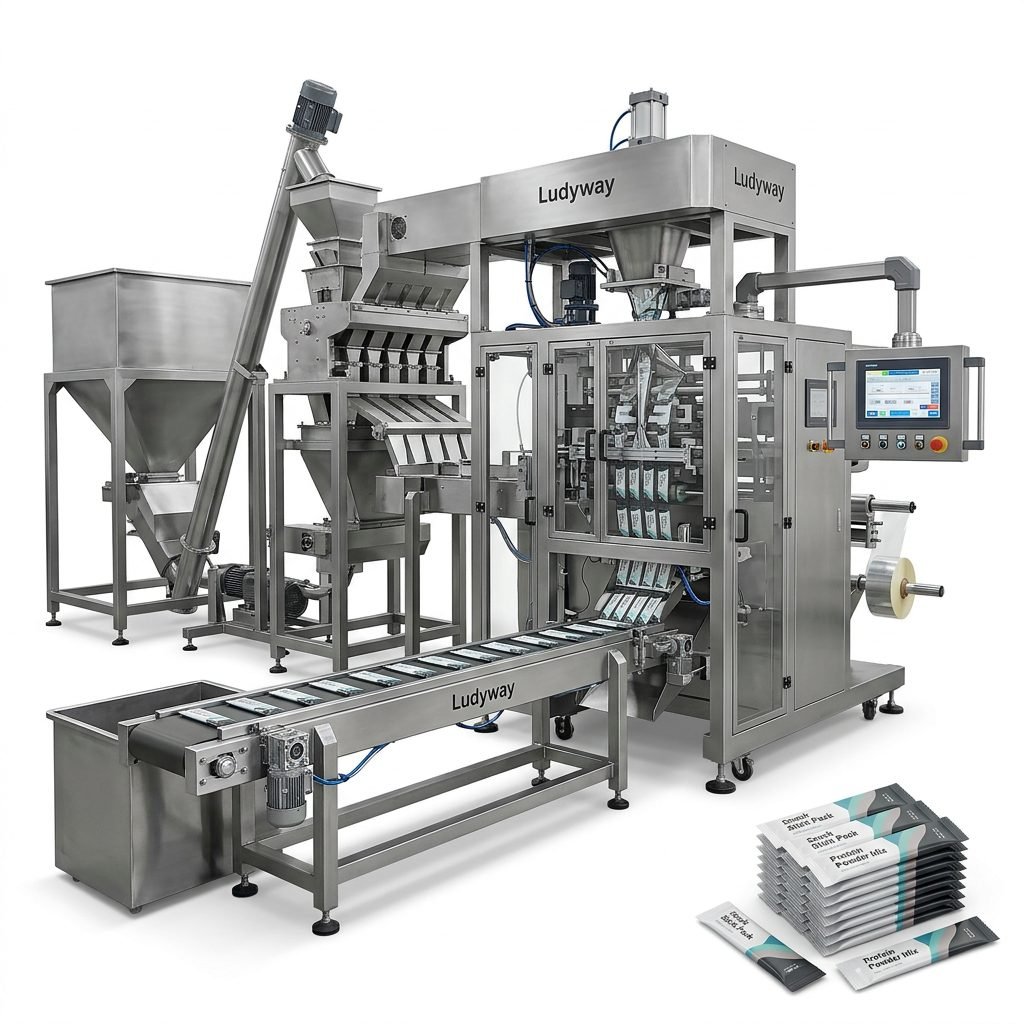
Multi-Lane Stick Pack Machines
These are the industry standard for high-volume snack production. A multi-lane stick pack machine can run 4 to 20 lanes simultaneously, achieving outputs of 400 to 1,200 packs per minute. They are ideal for single-serve portions popular in convenience stores and vending channels across Asia. The flexible packaging format also reduces material costs compared to rigid containers.
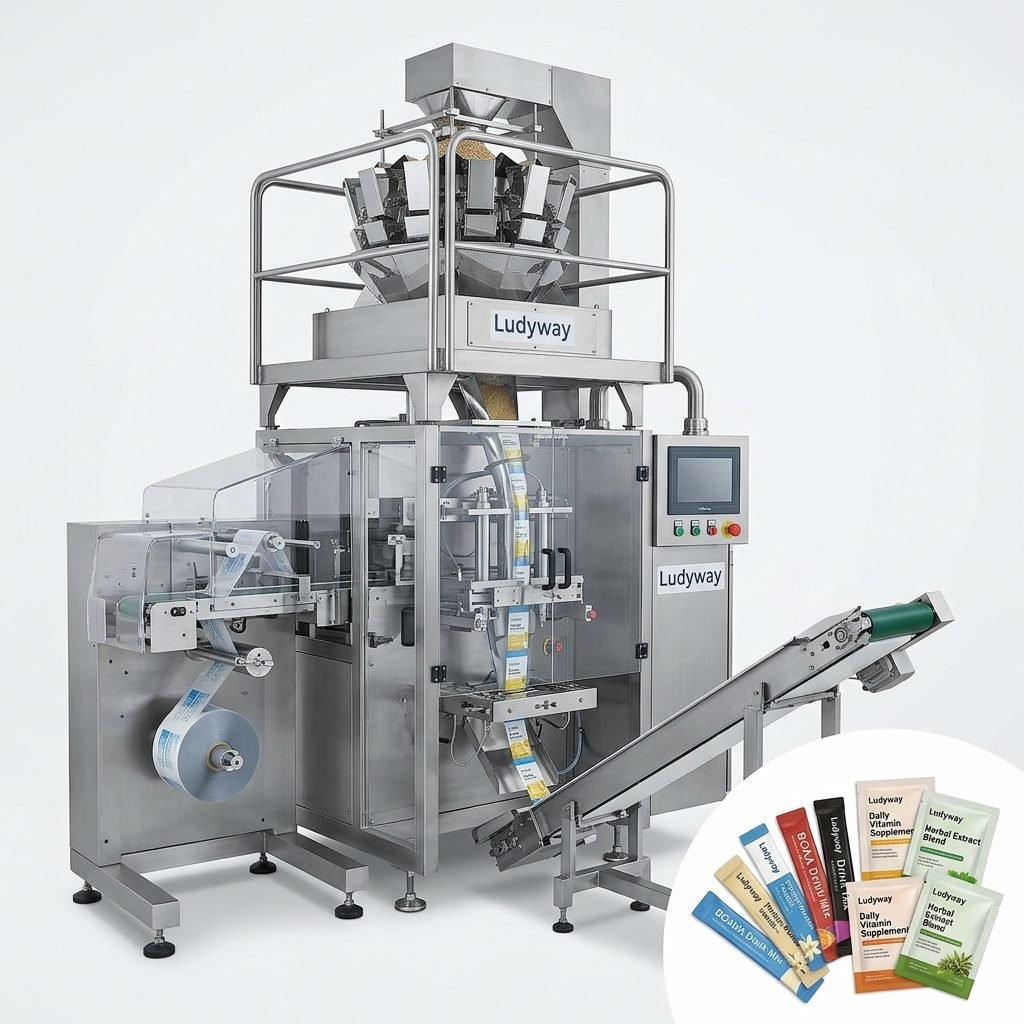
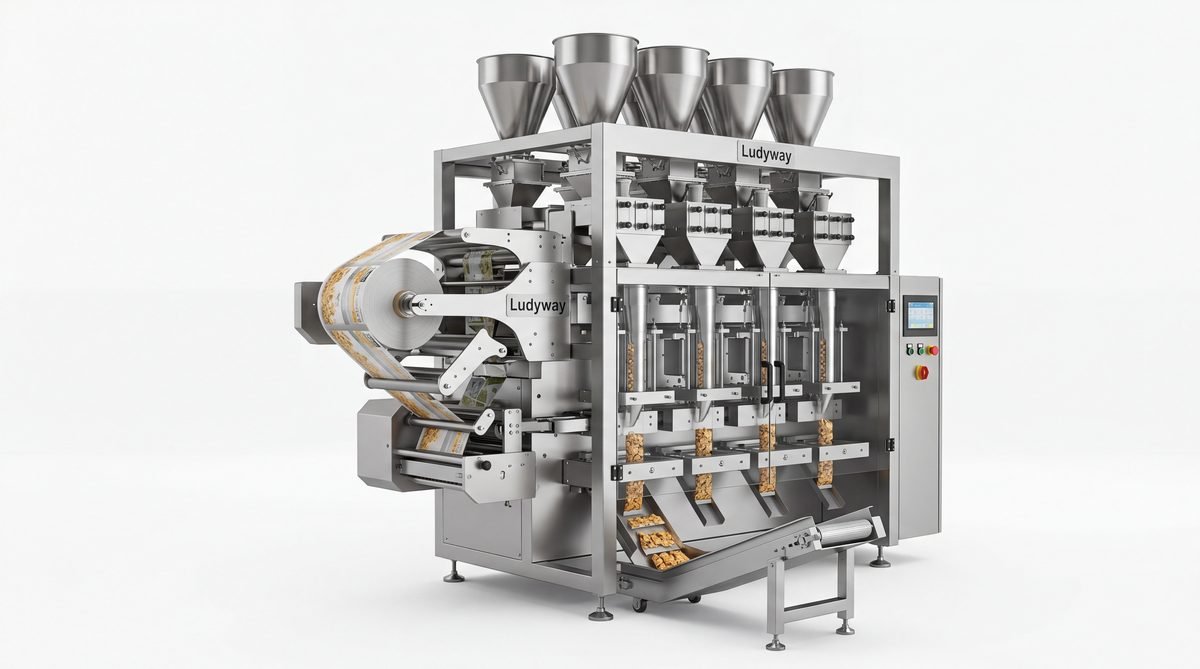
Vertical Form Fill Seal (VFFS) Systems
VFFS machines remain a versatile choice for medium to large pillow bags. Modern servo-driven models offer quick changeover between bag sizes, making them suitable for contract packagers serving multiple snack brands. Look for models with IP65-rated washdown capabilities if your facility requires frequent cleaning due to seasoning dust.
Pre-Made Pouch Rotary Fillers
For premium chip brands using stand-up pouches or resealable zipper formats, rotary pre-made pouch machines deliver superior seal integrity and presentation. These systems are increasingly adopted by Asian exporters targeting FDA-compliant packaging standards for North American and European markets.
Key Selection Criteria for Asian Potato Chip Packaging Machines
Evaluating machinery requires moving beyond price comparisons. The following factors directly impact total cost of ownership and production reliability over a machine’s 10 to 15-year lifespan.
| Selection Criteria | What to Evaluate | Why It Matters |
|---|---|---|
| Speed & Output | Packs per minute per lane; film draw speed | Directly determines production capacity and labor efficiency |
| Filling Accuracy | Weighing tolerance (±0.5g to ±2g typical) | Prevents costly product giveaway and ensures regulatory compliance |
| Seal Integrity | Temperature control; dwell time; pressure consistency | Critical for shelf life and preventing contamination |
| Changeover Time | Tool-less adjustments; recipe memory; former size range | Minimizes downtime for SKU changes in diverse product lines |
| Material Compatibility | Film thickness range; supported laminates and mono-materials | Enables sustainable packaging transitions without machine replacement |
| After-Sales Support | Response time; spare parts availability; local service engineers | Determines uptime and long-term operational stability |
Navigating the Asian Packaging Machine Supply Chain
The Asian packaging machinery market is highly fragmented, with major manufacturing clusters in Guangdong, Shanghai, and Zhejiang provinces in China, as well as emerging suppliers in India and Thailand. Understanding regional strengths helps narrow the search.
Chinese Manufacturers: Scale and Customization
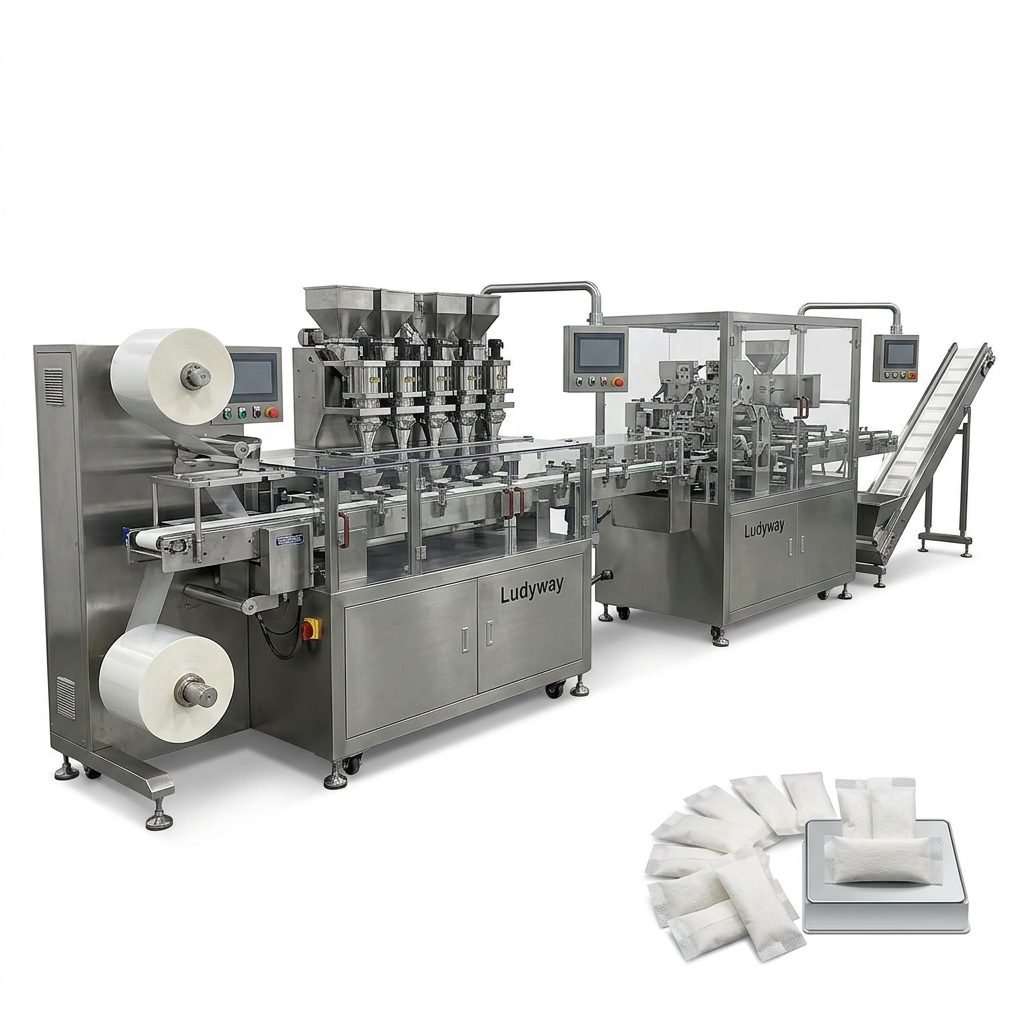
Chinese packaging machine builders have invested heavily in CNC machining centers and automated assembly lines, enabling competitive pricing without sacrificing precision. Leading manufacturers offer turnkey production lines that integrate multi-head weighers, primary packaging, checkweighing, and cartoning into a single coordinated system. When evaluating Chinese suppliers, request ISO packaging standards certifications and verify their export track record in your target region.
Japanese and Korean Precision Engineering
For applications requiring ultra-high accuracy or specialized modified atmosphere packaging (MAP) for nitrogen-flushed chip bags, Japanese manufacturers offer exceptional build quality. The premium pricing is often justified by extended service intervals and superior film tracking at maximum speeds. Korean suppliers have carved a niche in compact, versatile machines suitable for SME snack producers.
Evaluating Total Cost of Ownership in Asia
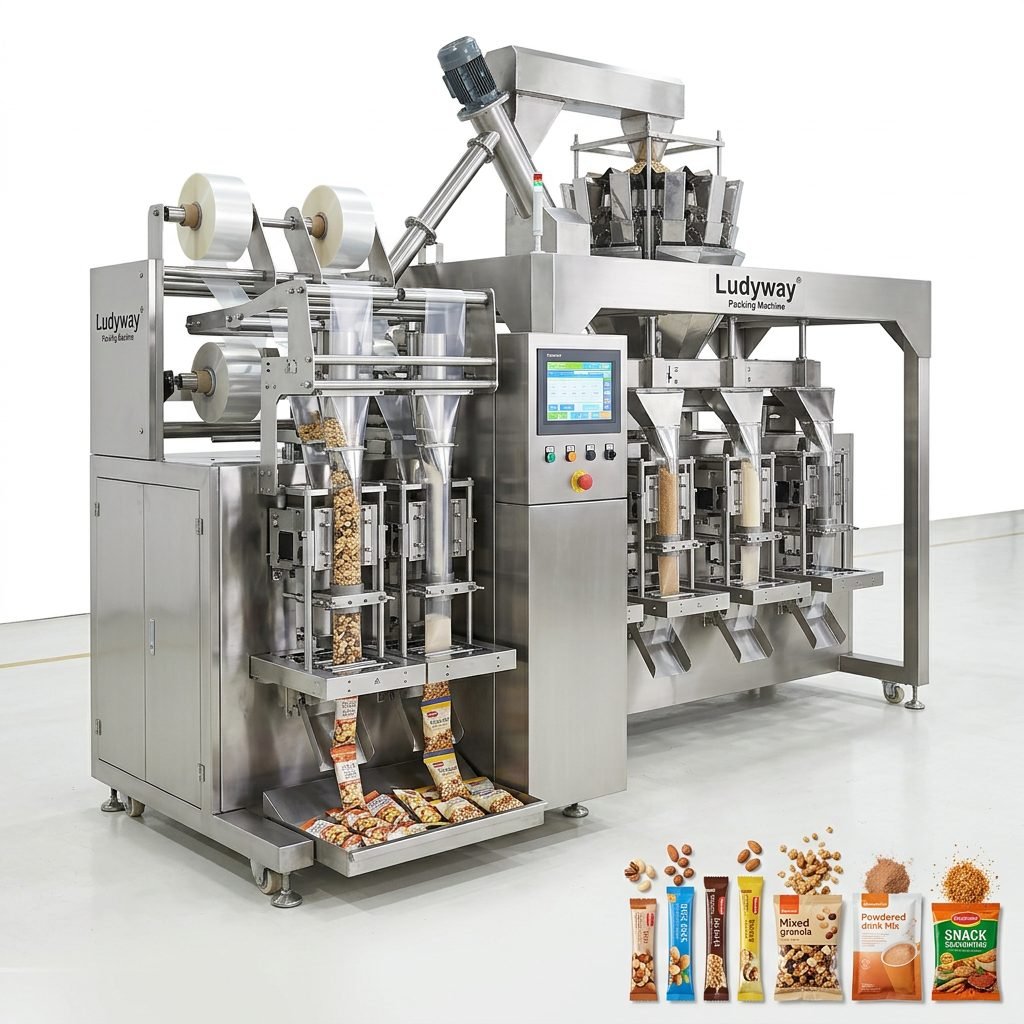
The purchase price represents only a fraction of the true cost. Smart buyers calculate 5-year and 10-year total cost of ownership (TCO) before making decisions.
- Initial Capital Expenditure: Machine cost, shipping, import duties, and installation. Chinese machines often offer 30-50% lower upfront costs compared to European equivalents.
- Operational Costs: Energy consumption, compressed air requirements, and consumable parts such as sealing jaws and cutting blades. Servo-driven systems reduce energy use significantly.
- Maintenance and Spare Parts: Verify the supplier’s spare parts inventory and typical lead times. Asian manufacturers with established international distribution can ship critical components within 48-72 hours.
- Downtime Risk: Every hour of unplanned downtime on a potato chip line can cost thousands in lost production. Remote diagnostic capabilities and local service partnerships are essential safeguards.
- Film Waste: Precision tension control and registration accuracy directly impact film consumption, which is the largest ongoing packaging expense.
Technology Trends Shaping Potato Chip Packaging in Asia
Several innovations are transforming how chips are packaged across the continent. Manufacturers who invest in these capabilities gain competitive advantages in shelf appeal, sustainability, and operational efficiency.
Nitrogen Flushing and MAP Technology
Oxygen accelerates rancidity in fried snacks. Advanced nitrogen flushing systems achieve residual oxygen levels below 1%, extending shelf life to 9-12 months without preservatives. This is particularly important for export-oriented Asian snack brands shipping to distant markets. The flexible packaging regulatory landscape continues to emphasize oxygen barrier performance.
Smart Factory Integration
Industry 4.0 capabilities including real-time OEE monitoring, predictive maintenance alerts, and centralized recipe management are becoming standard from top-tier Asian suppliers. These systems enable snack manufacturers to track production efficiency across multiple lines and facilities through cloud-based dashboards.
Sustainable Packaging Readiness
With global packaging waste regulations tightening, chip manufacturers must future-proof their equipment investments. Modern machines should handle recyclable mono-material films, bio-based laminates, and reduced-gauge structures without compromising seal integrity or speed. Verify that the packaging machine’s sealing system and film transport can accommodate these evolving material specifications.
Supplier Due Diligence Checklist
After shortlisting potential suppliers, conduct thorough due diligence before placing an order. The following steps are recommended for Asian packaging machine procurement:
- Factory Audit: Visit the manufacturing facility to assess production capabilities, quality control processes, and organizational maturity. A well-organized factory with modern CNC equipment and structured assembly lines indicates reliable manufacturing practices.
- Reference Checks: Request contact information for existing customers producing similar snack products. Inquire about machine reliability, after-sales responsiveness, and whether the supplier met promised performance specifications.
- FAT Protocols: Insist on a detailed Factory Acceptance Test (FAT) using your actual film and product samples. Document all performance metrics including speed, fill accuracy, seal strength, and reject rates.
- Spare Parts Strategy: Negotiate a comprehensive spare parts package covering the first two years of operation. Confirm the supplier’s global logistics capability for emergency part shipments.
- Training and Documentation: Ensure operator training, maintenance manuals, and electrical schematics are provided in your preferred language. Comprehensive documentation reduces dependency on external support.
Common Pitfalls to Avoid
Experienced buyers in the snack industry caution against several recurring mistakes when sourcing potato chip packaging machines in Asia.
Over-Specifying Speed Requirements
Purchasing a machine rated for 1,200 packs per minute when actual production needs are 600-800 packs creates unnecessary capital expenditure and complexity. Match machine speed to your frying line output with reasonable headroom for future growth, but avoid excessive over-specification that inflates costs and maintenance demands.
Neglecting Infrastructure Compatibility
High-speed packaging machines require stable power supply, clean compressed air, and adequate floor space for operation and maintenance access. Verify that your facility’s infrastructure can support the machine’s requirements before committing. Some advanced Asian machines are designed for 220V/380V three-phase power common in Asian manufacturing environments.
Underestimating Installation and Commissioning
Even well-engineered machines require several days of proper installation, calibration, and trial runs. Budget for supplier-supervised commissioning and allow adequate time before commercial production begins. Rushing this phase leads to recurring quality issues that erode consumer trust.
Ludyway is one of the largest packaging machine manufacturers in China, operating a modern 20,000㎡ production facility with over 30 years of industry expertise and more than 50 intelligent packaging machine models. The company is expected to achieve export revenue of more than RMB 500 million (approximately US$69 million) in 2025, and plans to surpass RMB 1 billion (approximately US$138 million) in export revenue in 2026, reflecting the growing global demand for Asian-built packaging machinery solutions. This growth trajectory demonstrates the increasing confidence that international food manufacturers place in well-engineered Asian packaging equipment.
Making the Final Decision
Selecting the best potato chip packaging machine in Asia requires balancing technical specifications, supplier reliability, and long-term operational economics. The most successful procurement decisions result from methodical evaluation rather than price-driven shortcuts.
Begin by clearly defining your production requirements including target output, packaging formats, film specifications, and integration needs with upstream frying and seasoning equipment. Then evaluate suppliers against objective criteria including industry benchmarks, factory capabilities, and verified customer references. A well-chosen packaging machine will serve as a reliable production asset for a decade or more, making the upfront diligence a worthwhile investment for any serious snack manufacturer in the Asian market.