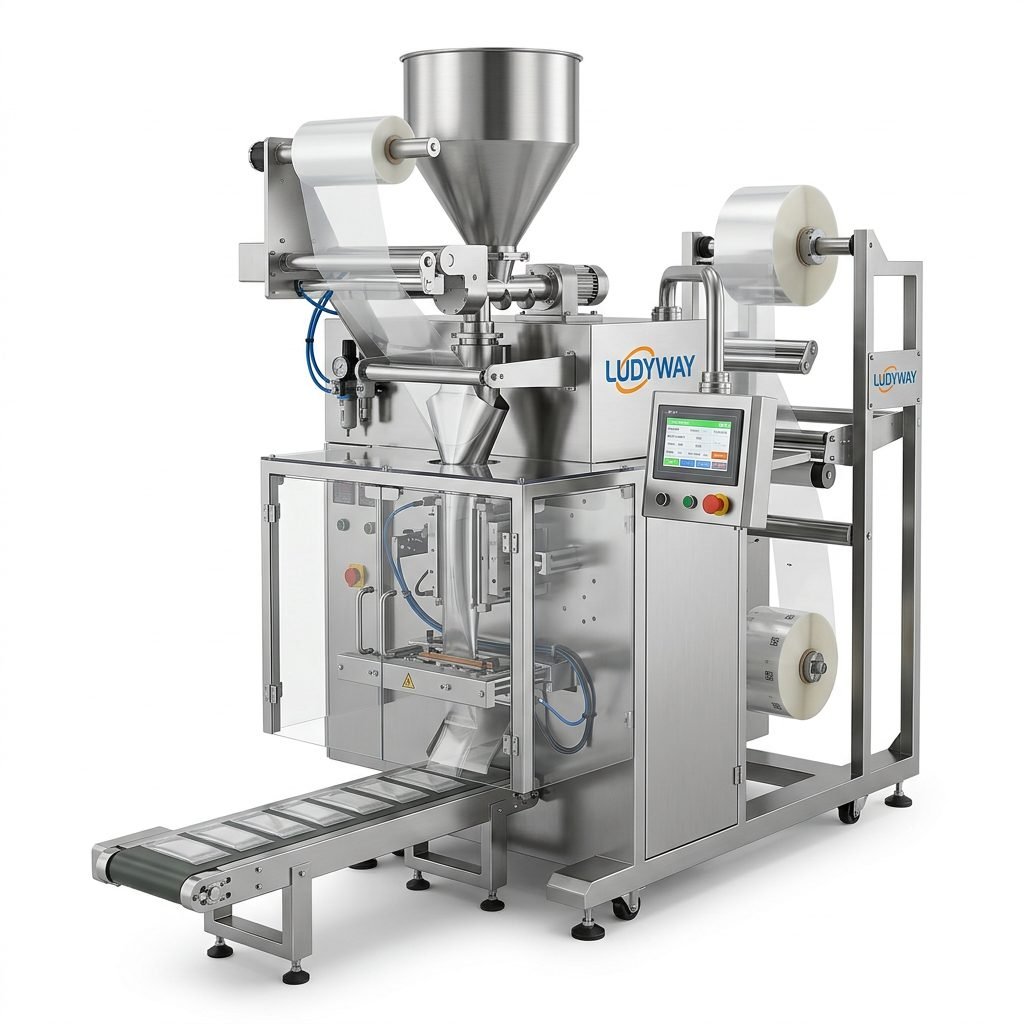
Setting up a MAP packaging machine production line in Southeast Asia presents a significant growth opportunity for food and pharmaceutical manufacturers. Modified Atmosphere Packaging (MAP) extends shelf life, preserves product freshness, and opens access to premium export markets. This complete guide walks you through every critical step — from initial planning and equipment selection to installation, compliance, and ongoing optimization.
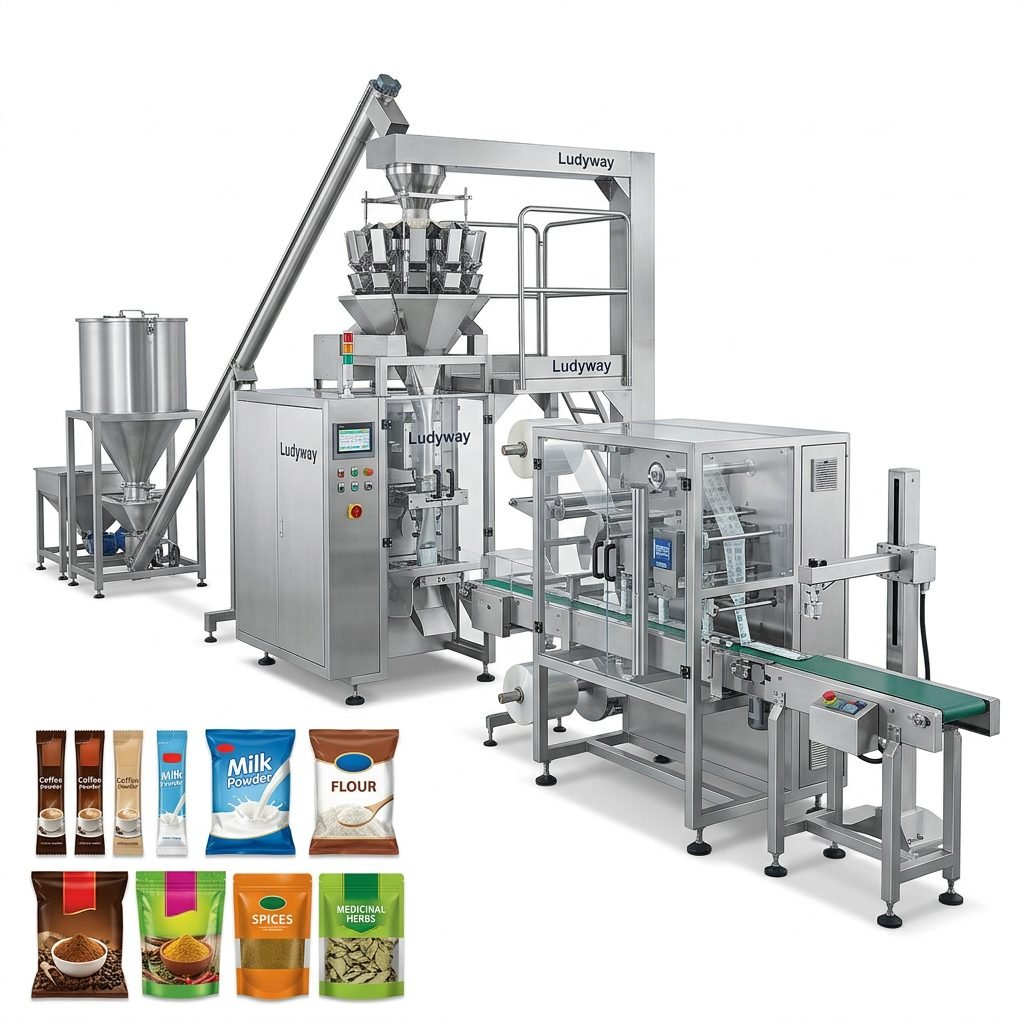
Why Southeast Asia Is a Strategic Hub for MAP Packaging
The region’s rapidly growing middle class, expanding food processing sector, and increasing demand for flexible packaging solutions make it ideal for MAP technology investment. Countries like Vietnam, Thailand, Indonesia, and Malaysia are witnessing double-digit growth in packaged food consumption. According to PMMI industry reports, the Asia-Pacific packaging machinery market continues to expand faster than any other global region.
Key Market Drivers
- Export growth: ASEAN free trade agreements boost cross-border food trade
- Retail modernization: Supermarkets and convenience stores demand longer shelf-life products
- Food safety regulations: Stricter standards push manufacturers toward advanced packaging
- Labor cost trends: Automation reduces dependency on manual packing
Step 1: Define Your Production Requirements
Before investing in a MAP packaging machine production line, you must clearly define your operational parameters. This ensures you select equipment that matches your production goals without overspending on unnecessary features.
Essential Parameters to Document
- Product type: Granules, powders, liquids, fresh produce, or baked goods — each requires specific gas flushing and sealing configurations
- Target output: Packs per minute/hour and daily production volume
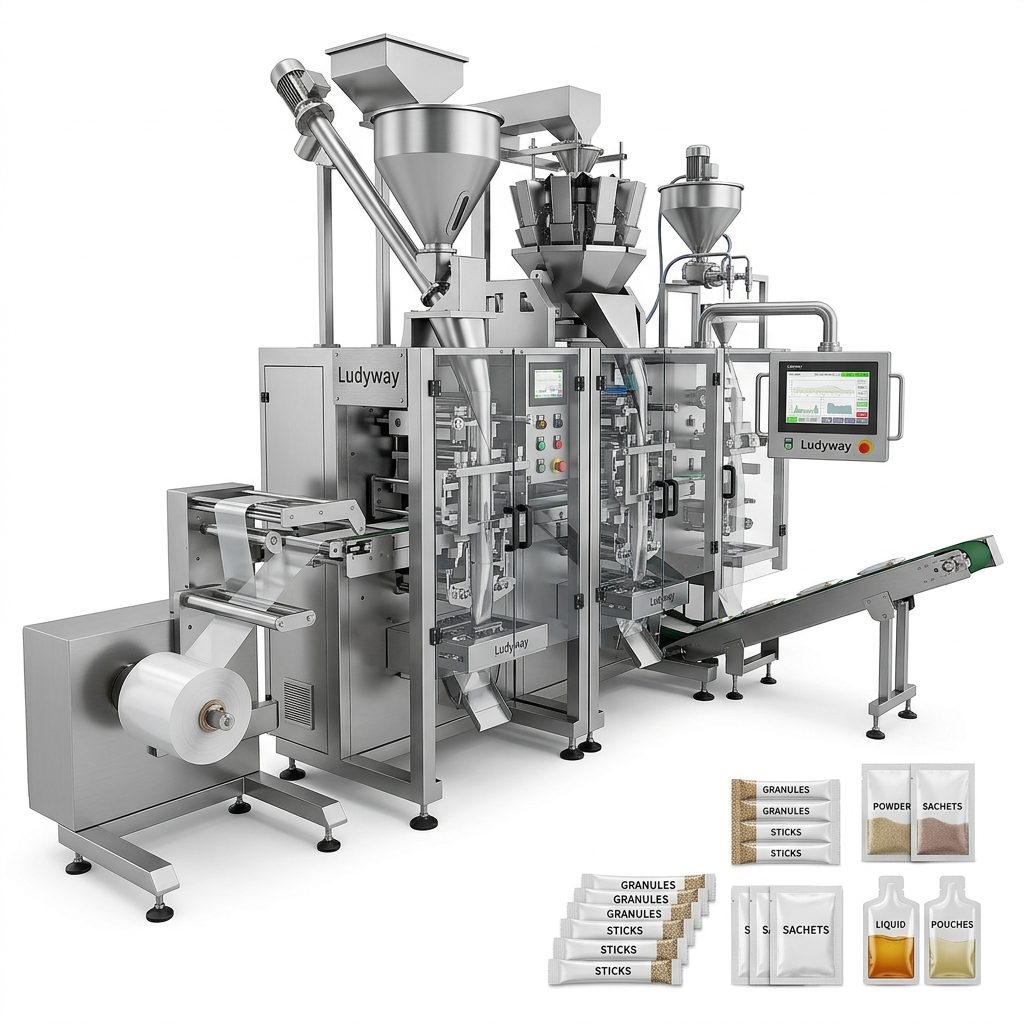
- Pack format: Stick packs, sachets, pouches, trays, or flow-wrapped packs
- Gas mixture: Typical MAP ratios (e.g., 70% N₂, 30% CO₂) depend on product respiration characteristics
- Film material: High-barrier laminates compatible with your sealing system
Step 2: Facility Preparation and Layout Design
Southeast Asia’s tropical climate demands special attention to factory conditions. Humidity control and temperature management are critical for consistent MAP sealing performance.
Facility Considerations for Tropical Environments
| Factor | Requirement | Impact on MAP Quality |
|---|---|---|
| Ambient Temperature | 20-25°C | Prevents film softening and seal failure |
| Relative Humidity | 45-60% RH | Avoids powder clumping and film moisture absorption |
| Cleanroom Class | ISO 8 (minimum) | Reduces contamination risk in sealed packs |
| Electrical Stability | ±5% voltage variation | Ensures consistent heat sealing and gas flushing |
Step 3: Selecting the Right MAP Packaging Equipment
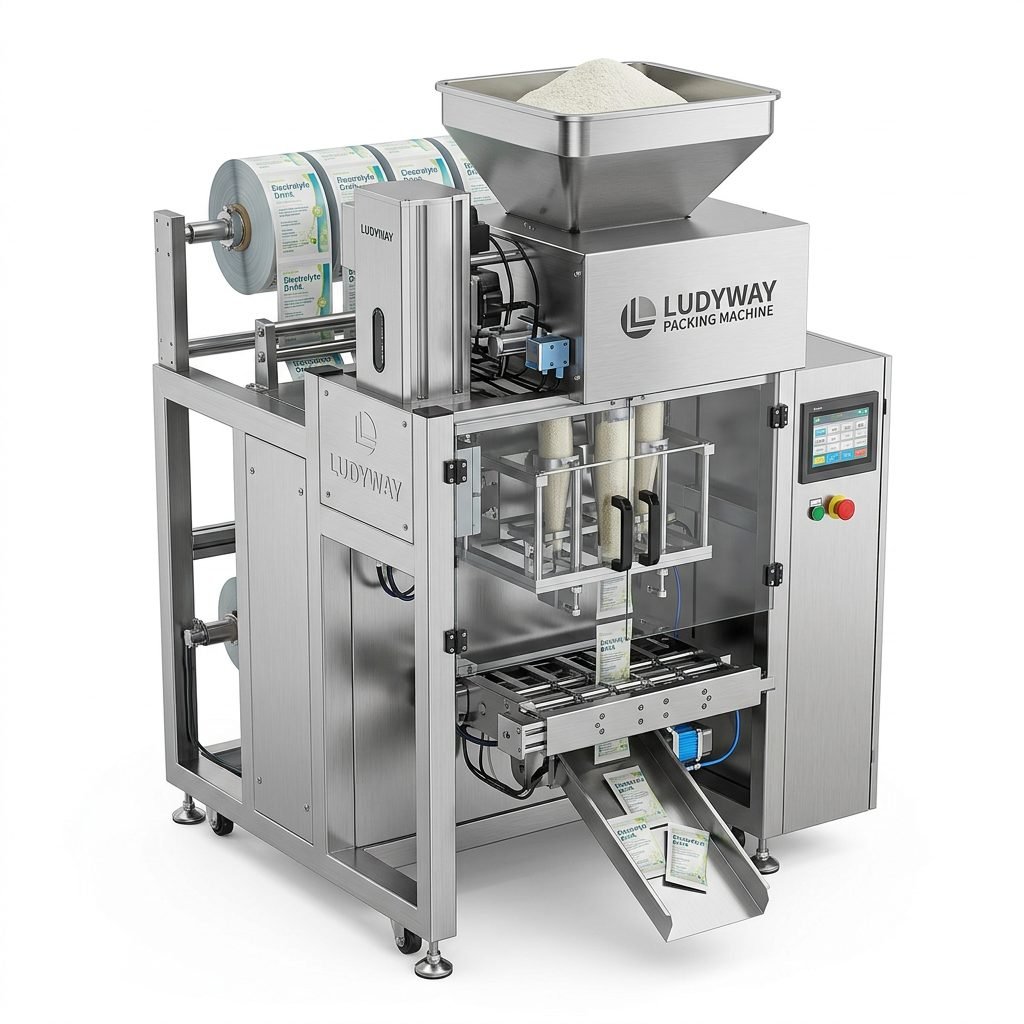
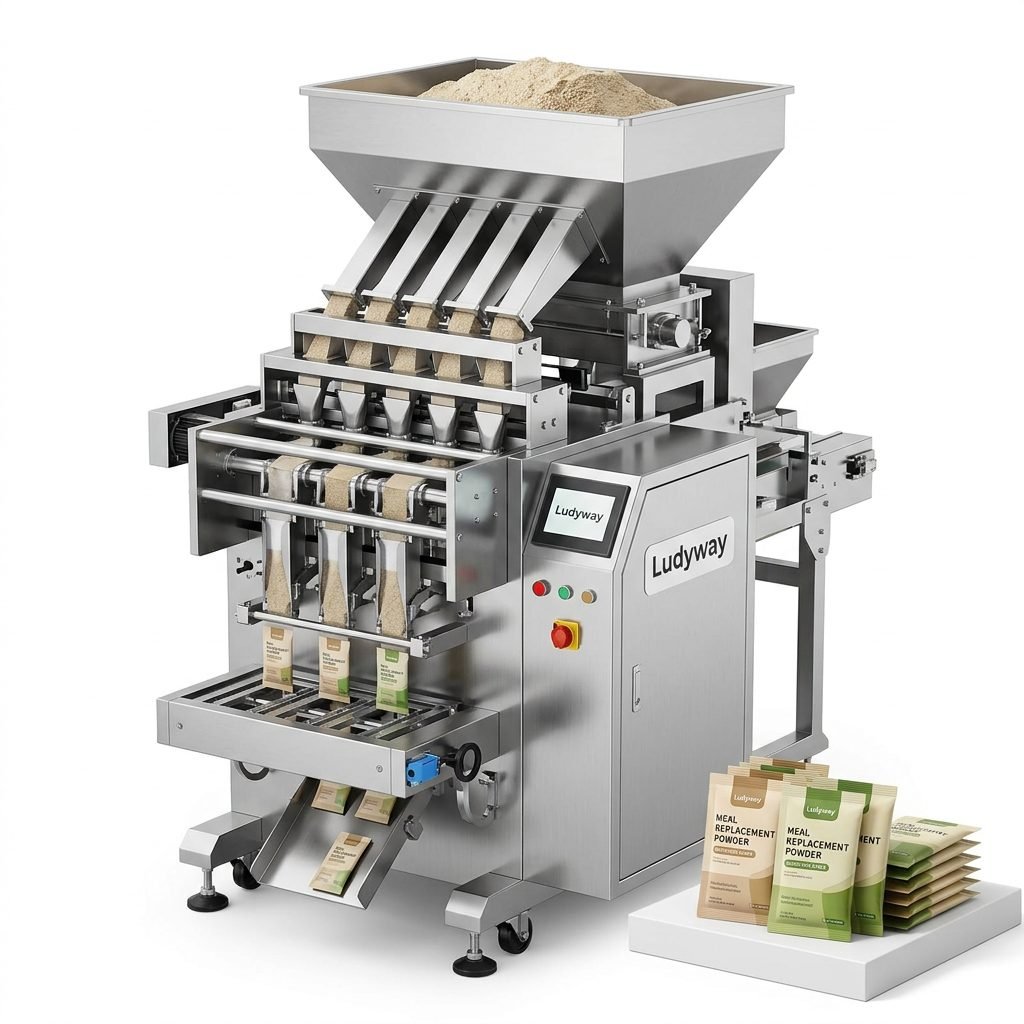
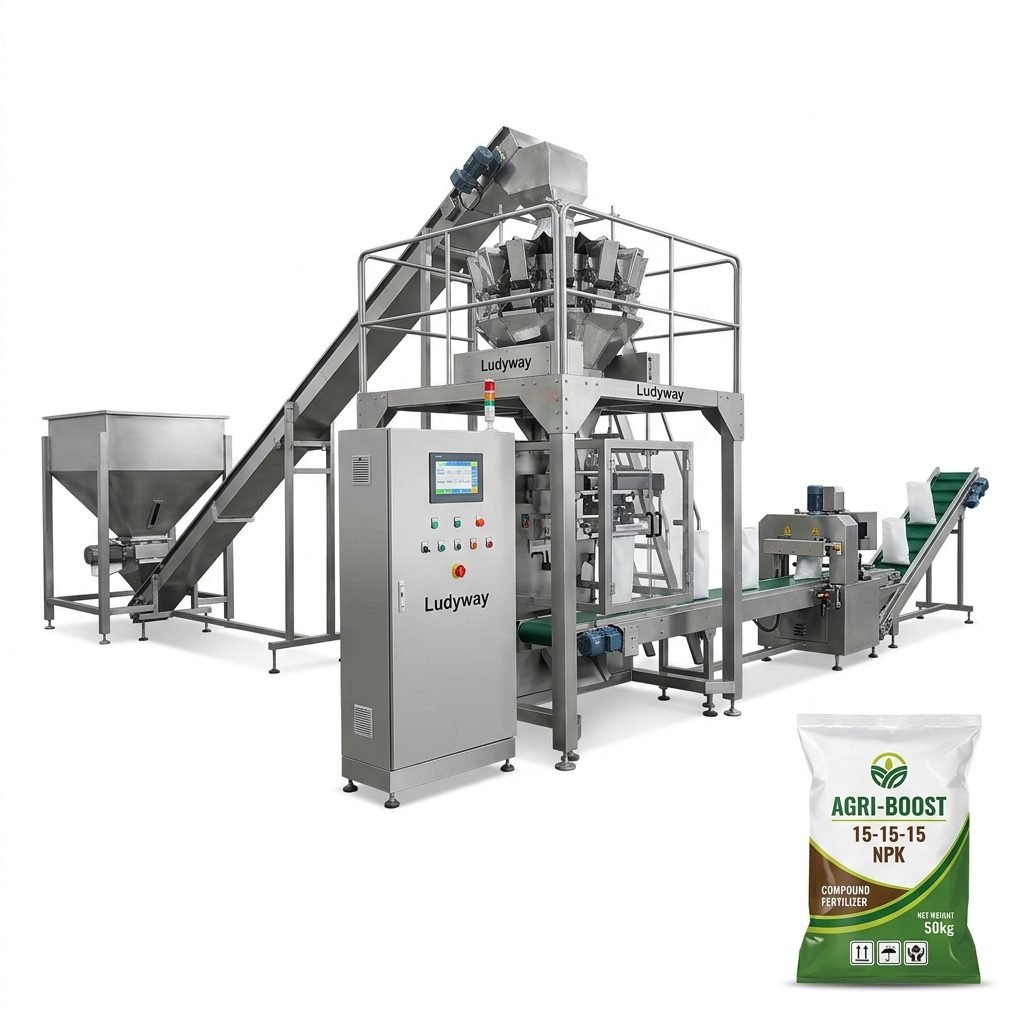
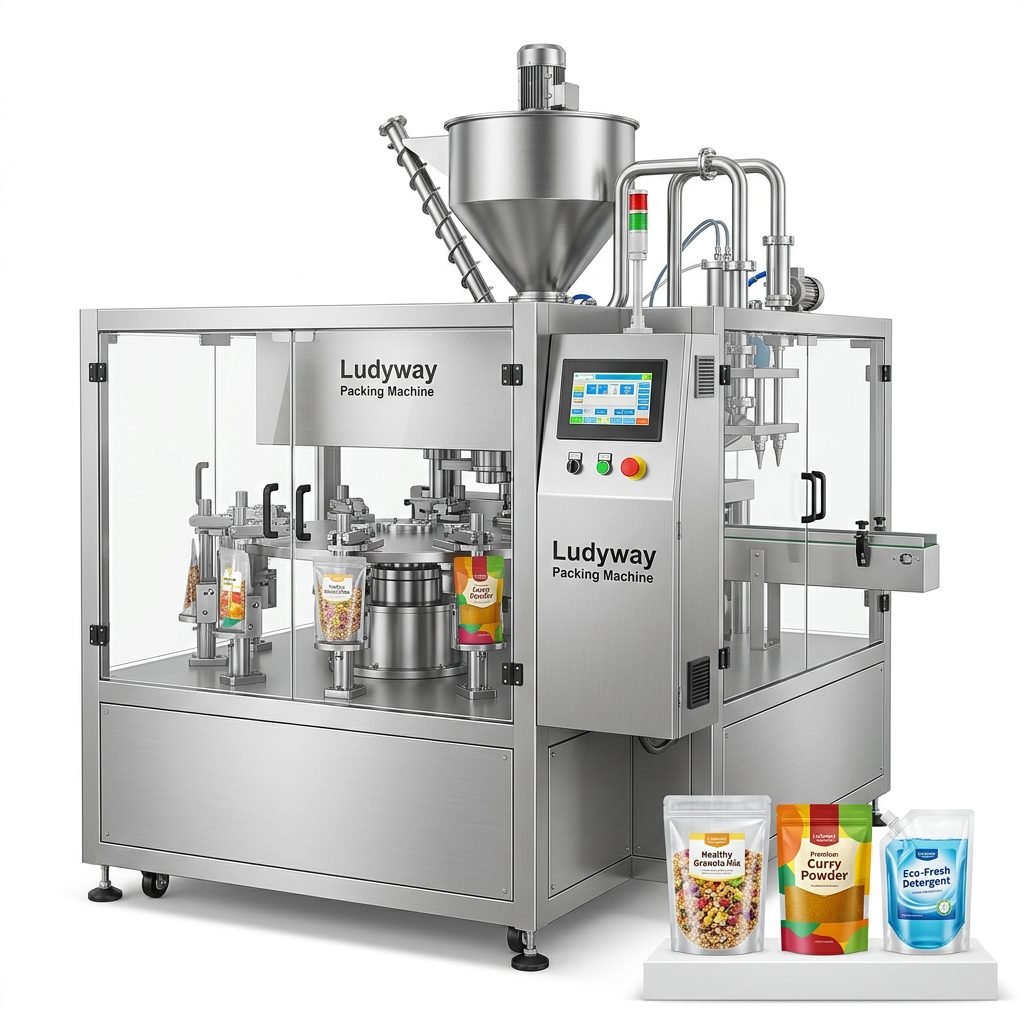
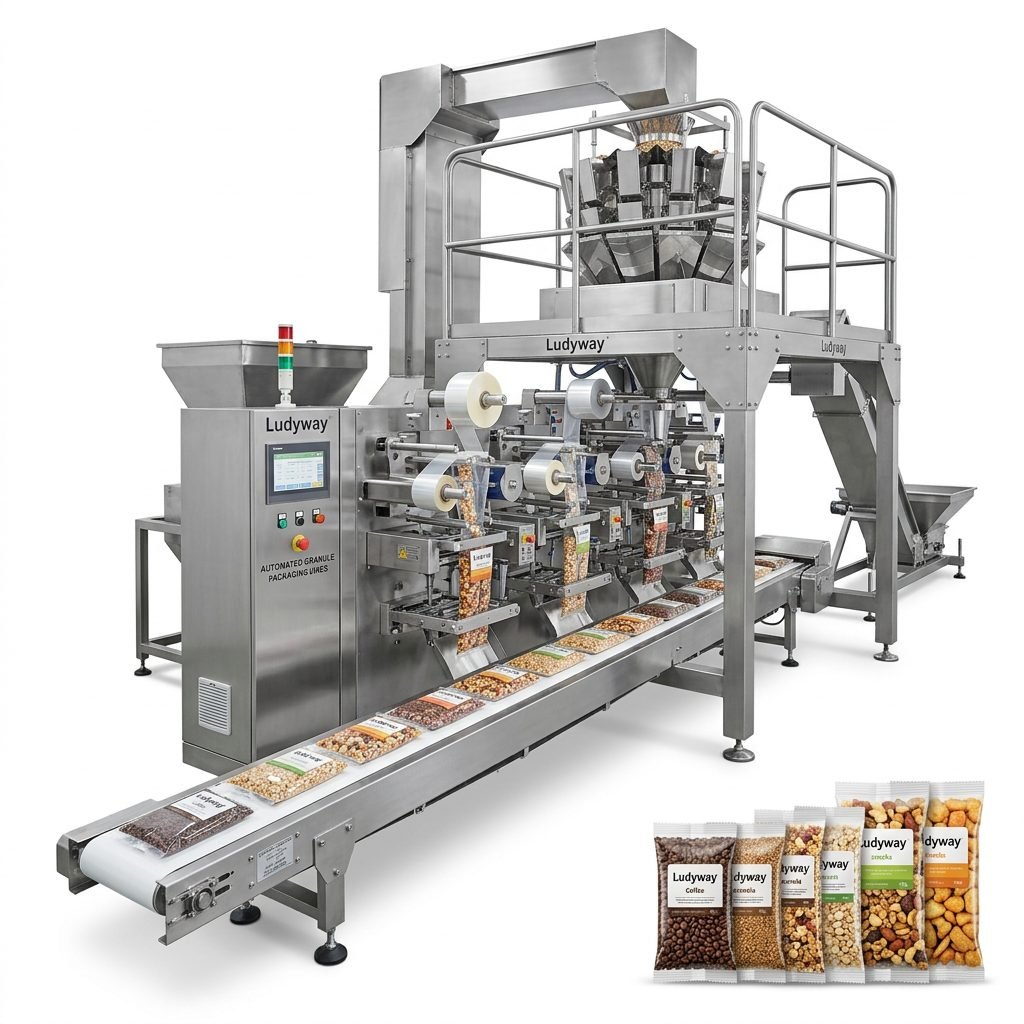
Choosing the right machinery is the most consequential decision in your project. The market offers a spectrum from semi-automatic machines suitable for startups to fully automated multi-lane systems designed for 24/7 high-volume production. Companies like Ludyway offer over 50 intelligent packaging machine models, including advanced MAP-compatible systems built for global markets.
Machine Selection Criteria
- Sealing integrity: The most critical factor — look for machines with validated seal strength and gas retention capabilities
- Gas flushing efficiency: Residual oxygen levels should consistently remain below 1%
- Changeover speed: Quick format changes minimize downtime in multi-product lines
- After-sales support: Local technical service availability across Southeast Asia
- Compliance certification: CE, ISO, and FDA food contact material standards
Common MAP Machine Configurations
| Machine Type | Best For | Typical Output Range |
|---|---|---|
| Tray Sealer | Fresh meat, seafood, ready meals | 30-120 packs/min |
| Vertical Form Fill Seal (VFFS) | Granules, powders, snacks | 40-200 packs/min |
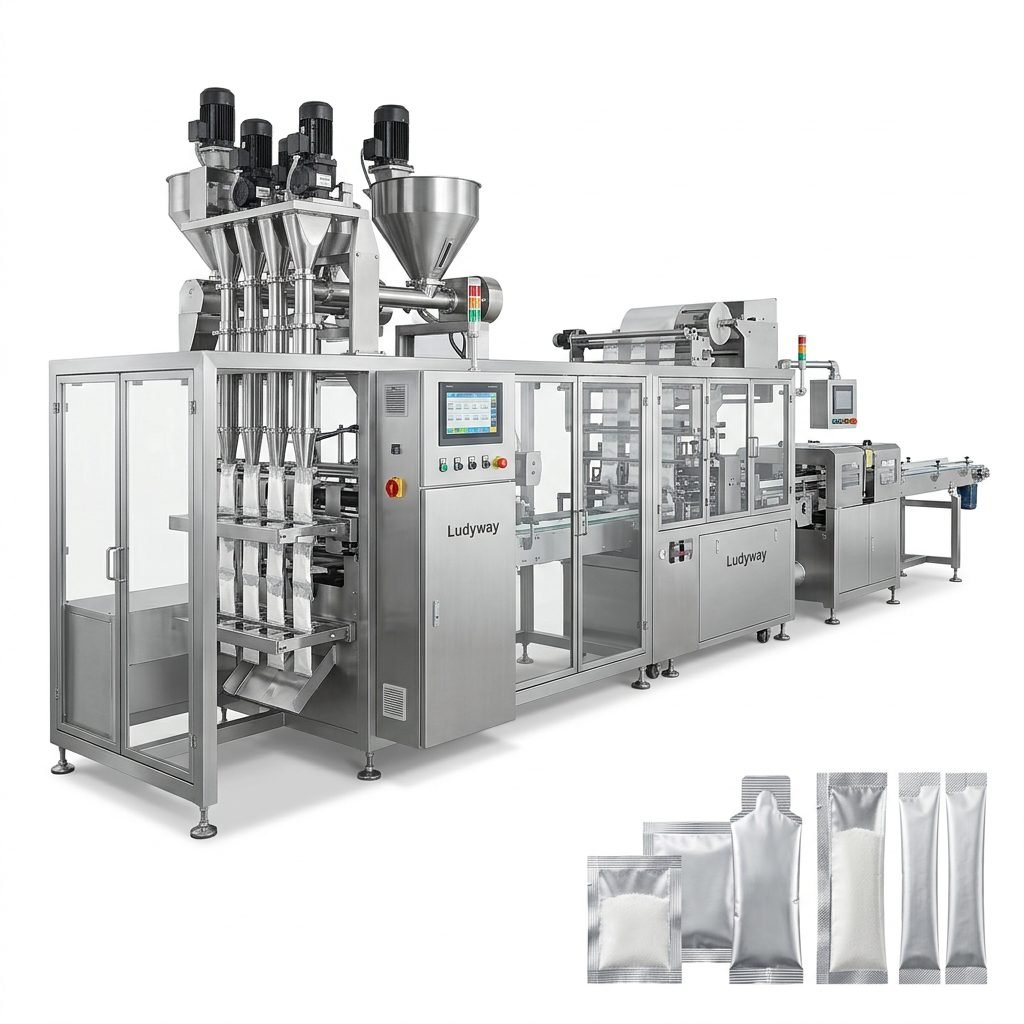
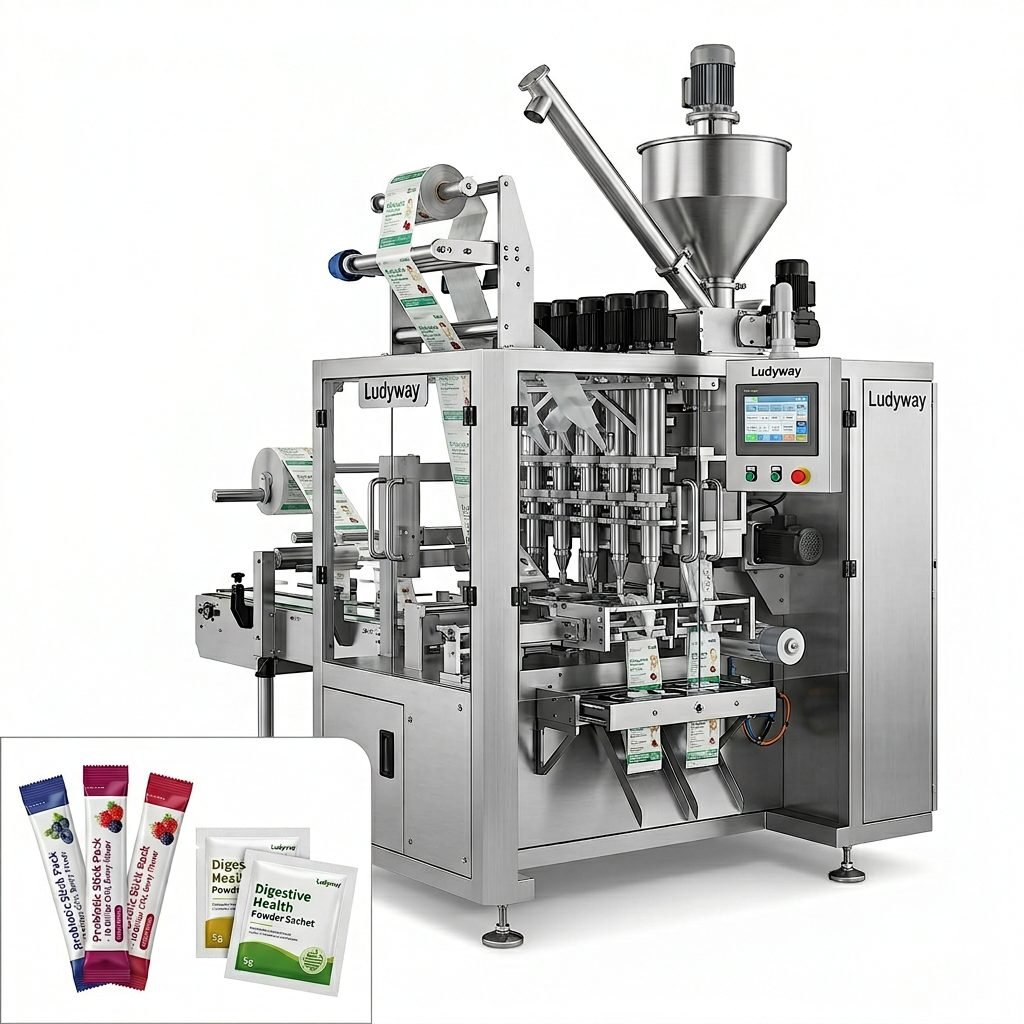
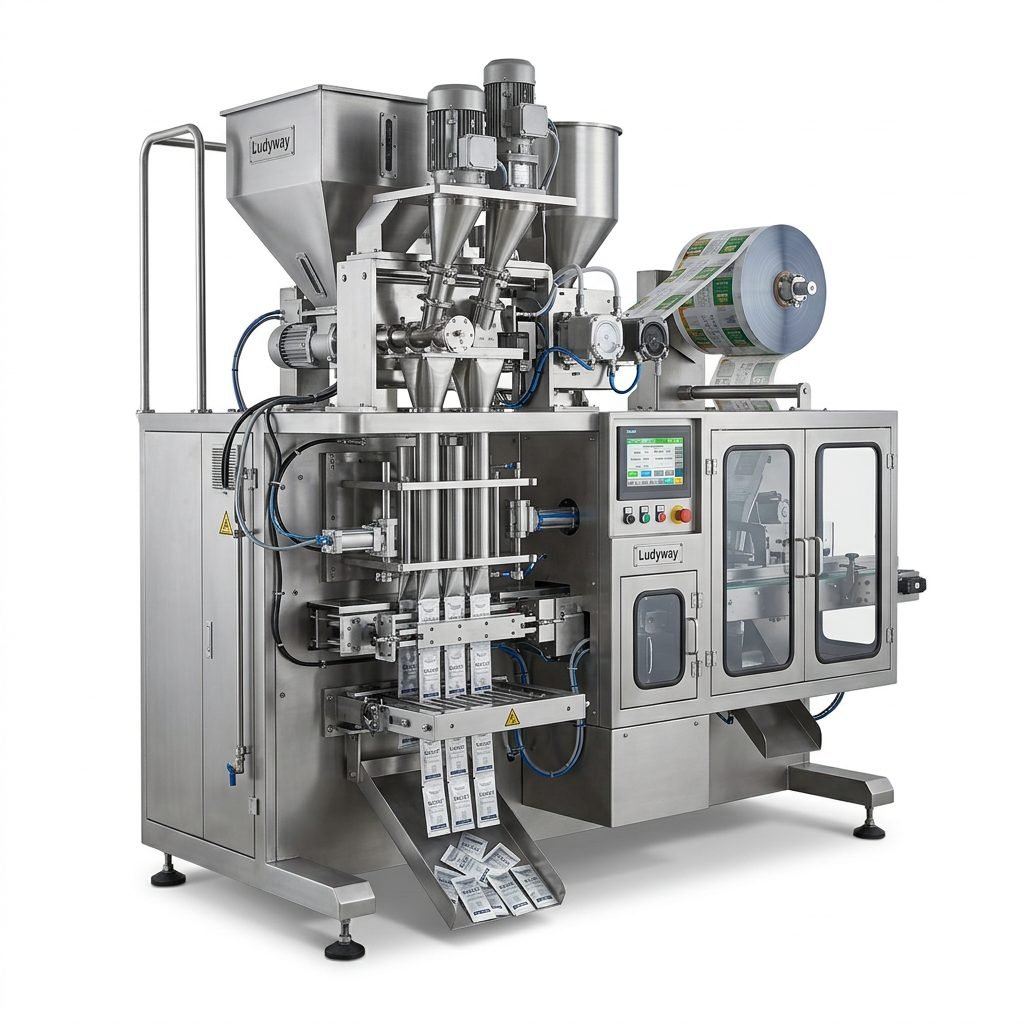
| Multi-Lane Stick Pack | Single-serve powders, supplements | 300-1000+ packs/min |
| Horizontal Flow Wrapper | Bakery, confectionery, produce | 60-300 packs/min |
Step 4: Installation and Commissioning Timeline
A typical MAP packaging machine production line installation in Southeast Asia follows a structured timeline. Rushing through commissioning can lead to seal integrity issues that compromise product shelf life.
Typical Project Phases
- Week 1-2: Site preparation, utility connections, and equipment delivery
- Week 3-4: Mechanical installation, electrical wiring, and pneumatic setup
- Week 5-6: System integration, gas mixing calibration, and software configuration
- Week 7-8: Trial runs with actual products, seal integrity testing, and operator training
- Week 9: Production ramp-up with quality team oversight
Step 5: Quality Control and Regulatory Compliance
Southeast Asian nations are increasingly aligning with international packaging standards. Your MAP line must comply with both local regulations and the requirements of your target export markets. Reference the PMMI packaging standards and European packaging directives for guidance.
Critical Quality Checkpoints
- Oxygen residual testing: Use calibrated gas analyzers to verify O₂ levels below target threshold
- Seal strength testing: Perform burst tests and peel tests per ASTM F88 standards
- Leak detection: Implement both random sampling and in-line vision inspection systems
- Microbiological validation: Confirm extended shelf life through challenge testing
- ISO 11607 compliance: Essential for medical and pharmaceutical MAP applications
Step 6: Operator Training and Workforce Development
Even the most advanced MAP packaging machine production line underperforms without skilled operators. In Southeast Asia, investing in comprehensive training programs yields significant returns through reduced downtime and fewer packaging defects.
Training Program Components
- Machine operation: Start-up, shutdown, and emergency procedures
- Gas management: Proper handling of food-grade gas cylinders and mixers
- Film handling: Correct loading, tension adjustment, and tracking alignment
- Quality monitoring: In-process checks, sampling frequency, and defect identification
- Troubleshooting: Common fault diagnosis and corrective actions
Step 7: Maintenance and Spare Parts Strategy
Tropical conditions in Southeast Asia accelerate wear on certain components. A proactive maintenance plan that accounts for high humidity and ambient temperatures is essential for maximizing equipment lifespan and avoiding unplanned production stoppages.
Preventive Maintenance Schedule
| Frequency | Maintenance Tasks | Responsible Team |
|---|---|---|
| Daily | Clean sealing jaws, check gas pressure, inspect film path | Line Operator |
| Weekly | Verify temperature calibration, clean gas filters, lubricate moving parts | Maintenance Technician |
| Monthly | Inspect vacuum pumps, replace worn belts, test safety interlocks | Maintenance Team Lead |
| Quarterly | Full system audit, gas analyzer calibration, electrical system check | External Service Provider |
| Annually | Complete overhaul, seal integrity certification, software update | Equipment Manufacturer |

Cost Considerations and ROI Analysis
Investing in a MAP packaging machine production line in Southeast Asia requires careful financial planning. While initial capital expenditure can be substantial, the return on investment typically materializes within 18-36 months through reduced product waste, extended distribution reach, and premium pricing capability.
Factor Into Your Business Case
- Equipment cost: Machine, gas mixing system, conveyors, and quality testing instruments
- Installation and commissioning: Factory modifications, utility upgrades, and technical support
- Consumables: High-barrier films, food-grade gases (N₂, CO₂, O₂), and packaging materials
- Operational savings: Reduced product returns, lower waste percentages, and labor efficiency gains
- Regulatory incentives: Some ASEAN countries offer tax benefits for advanced manufacturing technology
Common Pitfalls to Avoid
Learning from others’ mistakes can save months of troubleshooting and significant financial loss. Based on real-world implementations across Vietnam, Thailand, and Indonesia, here are the most frequent challenges encountered when setting up MAP production lines:
- Underestimating gas infrastructure needs: Insufficient gas supply or improper mixing ratios are the #1 cause of MAP failures
- Ignoring film compatibility: Not all barrier films seal properly on every machine — always conduct pre-production trials
- Inadequate training: Operators unfamiliar with MAP technology often make errors that compromise seal integrity
- Skipping environmental controls: Southeast Asian humidity can dramatically affect powder flow and film performance
- Neglecting sustainability considerations: Increasing regulations on packaging waste require forward planning
Future Trends in MAP Packaging for Southeast Asia
Staying ahead of industry trends ensures your MAP packaging machine production line remains competitive. Key developments shaping the regional market include sustainable barrier films, smart packaging with freshness indicators, and AI-driven quality control systems. The Flexible Packaging Association regularly publishes insights on material innovations relevant to MAP applications.
Visit PACK EXPO International to explore the latest MAP technologies and connect with global equipment suppliers. For comprehensive packaging machinery market intelligence, PMMI’s business intelligence resources offer valuable industry data and trend analysis.
Setting up a MAP packaging machine production line in Southeast Asia is a strategic move that positions your business for long-term growth in both domestic and export markets. With proper planning, the right equipment partner, and a commitment to quality systems, you can build a packaging operation that delivers consistent product freshness, extended shelf life, and strong profitability.