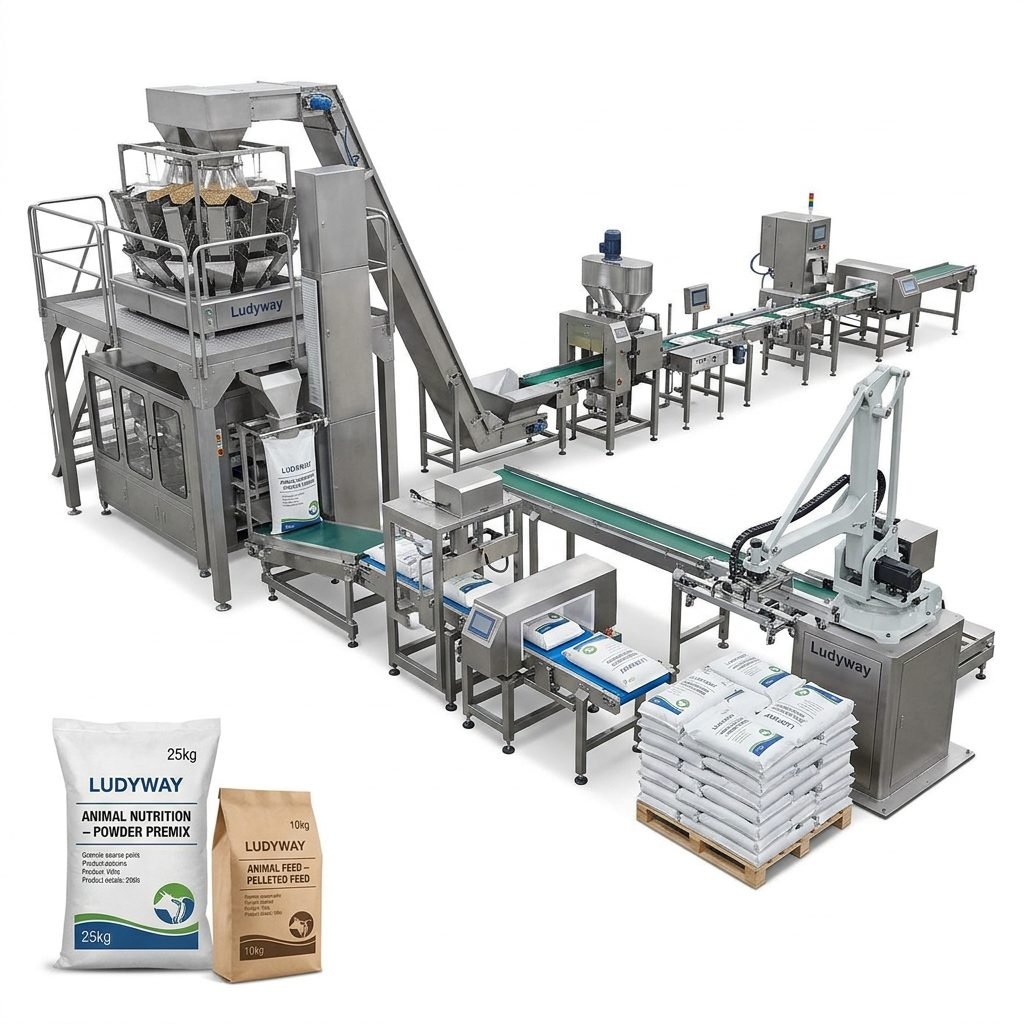
Investing in a vacuum sealer packaging machine is a critical decision for food processors, pharmaceutical companies, and industrial manufacturers across Italy. Whether you are preserving fresh pasta in Bologna, packaging gourmet cheeses in Parma, or sealing pharmaceutical products in Milan, choosing the right vacuum packaging equipment directly impacts product shelf life, operational efficiency, and regulatory compliance. This comprehensive buyer’s guide walks you through everything you need to know before purchasing a vacuum sealer packaging machine in Italy.

Understanding Vacuum Sealer Packaging Machines
A vacuum sealer packaging machine removes air from a package before sealing it, creating an oxygen-depleted environment that significantly extends product freshness. These machines are widely used across Italy’s food industry, from small artisan producers to large-scale manufacturing facilities. The technology works by extracting air from the packaging chamber, which inhibits the growth of aerobic bacteria and prevents oxidation — two primary causes of product spoilage.
Modern vacuum sealers come in various configurations, including single-chamber, double-chamber, external suction, and thermoforming models. Each type serves different production volumes and packaging requirements. Understanding these distinctions is essential before making a purchase decision.
Types of Vacuum Sealer Packaging Machines Available in Italy
The Italian market offers several categories of vacuum packaging equipment. Below is a comparison of the most common types you will encounter when sourcing equipment:
| Machine Type | Best For | Production Volume | Typical Price Range (EUR) |
|---|---|---|---|
| External Suction Vacuum Sealer | Small artisan producers, home-based businesses | Low (10-50 packs/day) | €200 – €1,500 |
| Single-Chamber Vacuum Machine | Restaurants, small food processors, butchers | Medium (50-300 packs/day) | €1,500 – €8,000 |
| Double-Chamber Vacuum Machine | Medium to large food manufacturers | High (300-2,000 packs/day) | €5,000 – €25,000 |
| Thermoforming Vacuum Packaging Line | Industrial-scale production, MAP applications | Very High (2,000+ packs/day) | €30,000 – €200,000+ |
| Belt-Driven Continuous Vacuum Sealer | High-speed automated production lines | Very High (continuous operation) | €20,000 – €80,000 |
Key Factors to Consider When Buying a Vacuum Sealer
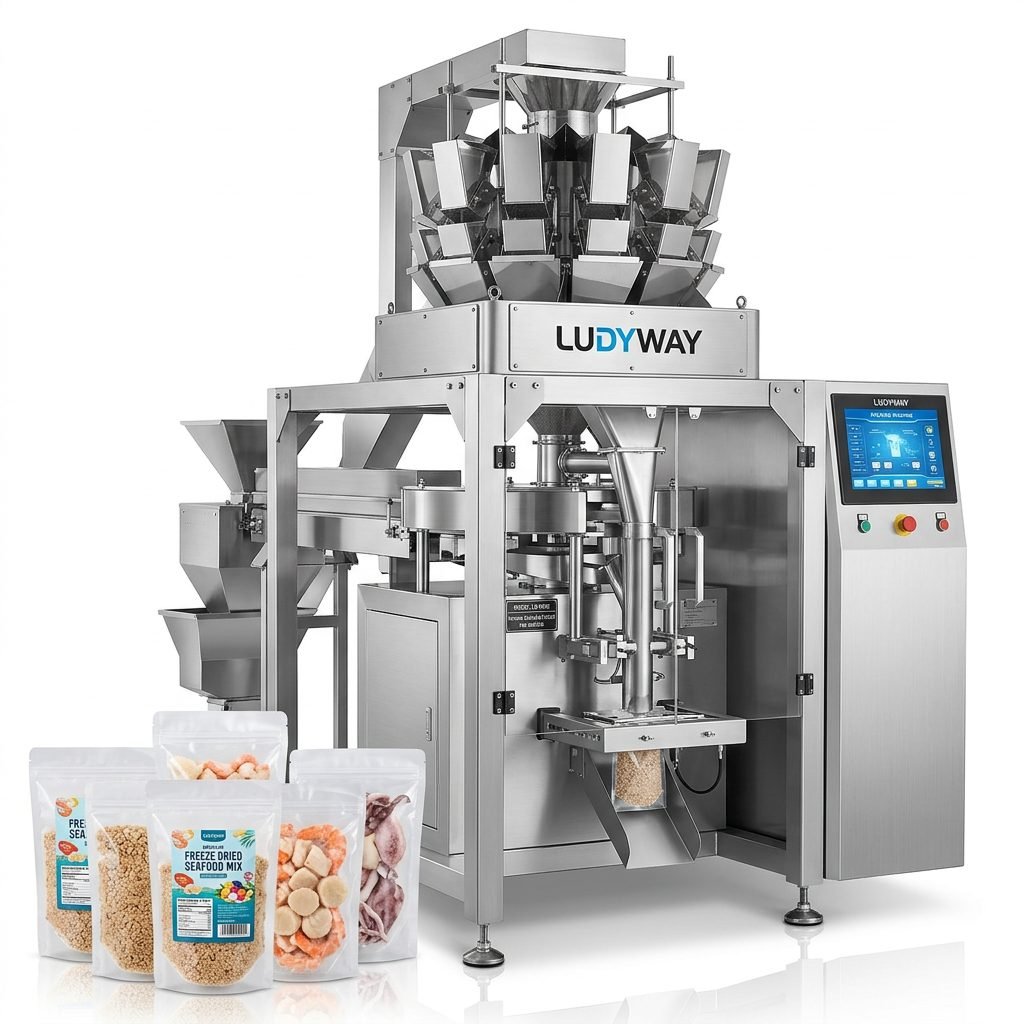
Selecting the right vacuum packaging machine requires careful evaluation of several critical factors. Making an informed decision will save you significant costs and operational headaches down the line.
Production Capacity and Speed
Determine your daily packaging volume before evaluating any machine. A small salumeria in Tuscany may only need to package 50 units per day, while a large-scale mozzarella producer in Campania could require equipment capable of handling thousands of packs per shift. Consider both current needs and future growth projections when assessing capacity requirements.
Product Characteristics
The type of product you are packaging directly influences which machine is suitable. Liquid products require different sealing parameters than dry goods. Delicate items like fresh pasta or baked goods may need gas flushing (MAP) capabilities to prevent crushing during the vacuum process. Evaluate whether your products contain sharp edges, high moisture content, or require modified atmosphere packaging.
Chamber Size and Seal Bar Configuration
Chamber dimensions determine the maximum package size you can process. Italian food products vary widely in portion sizes — from small single-serving confezioni to large bulk packages for foodservice distribution. Ensure the machine’s seal bar length and chamber depth accommodate your largest anticipated package format. Some manufacturers offer customizable chamber configurations to suit specific product dimensions.
Pump Type and Vacuum Level
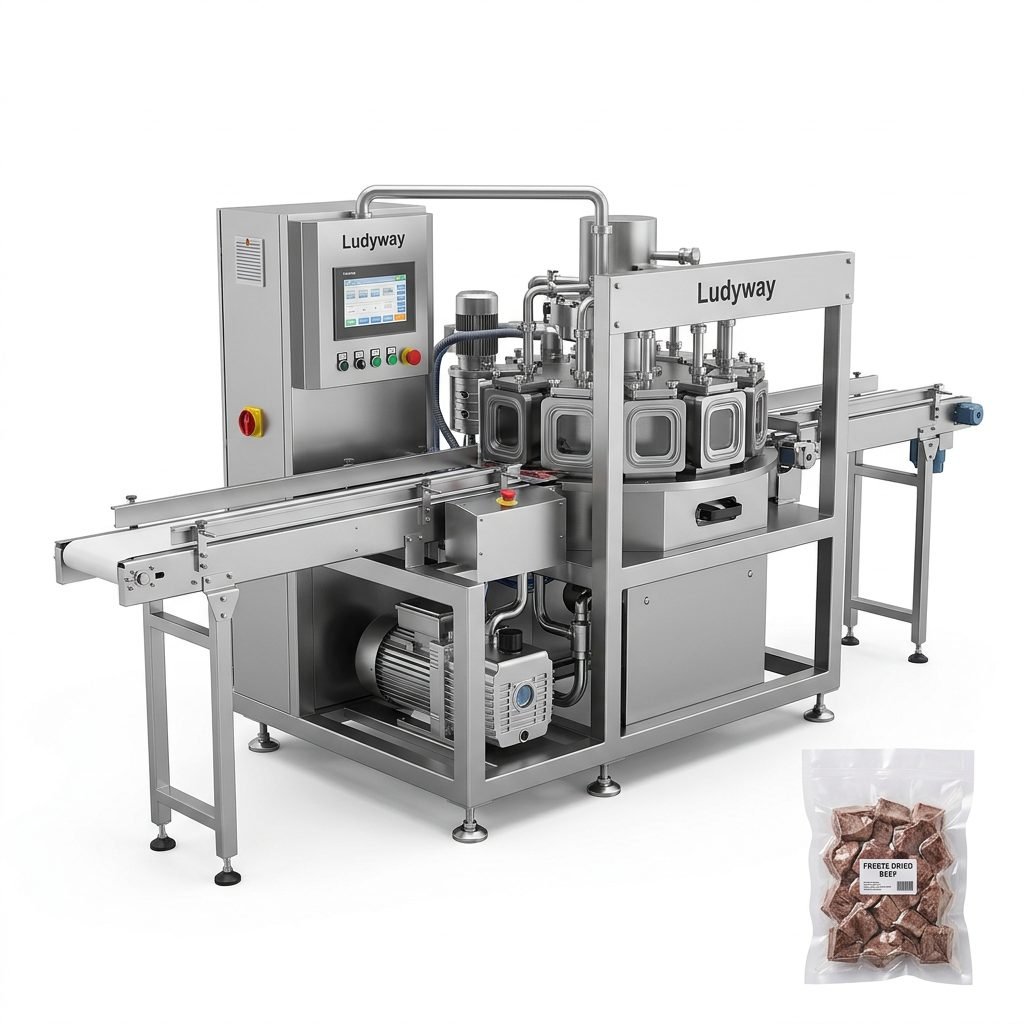
The vacuum pump is the heart of any sealing machine. Options include oil-lubricated rotary vane pumps, which offer higher vacuum levels and longer service life, and dry pumps that require less maintenance but may achieve lower ultimate vacuum. For most Italian food applications, an oil pump providing 2-5 mbar residual pressure is sufficient. Pharmaceutical and high-sensitivity products may require vacuum levels below 1 mbar.
Italian Market Overview: Regulations and Standards
Italy enforces strict food safety and packaging regulations aligned with EU directives. When purchasing a vacuum sealer in Italy, ensure compliance with the following standards:
- EU Regulation 1935/2004 — Materials and articles intended to come into contact with food must not transfer constituents to food in quantities that could endanger human health.
- EU Regulation 2023/2006 — Good Manufacturing Practice (GMP) for materials and articles intended to come into contact with food.
- CE Marking — All machinery sold within the European Economic Area must carry CE certification, confirming compliance with applicable EU health, safety, and environmental requirements.
- Italian Legislative Decree 29/2017 — National implementation of EU food contact material regulations with specific Italian requirements.
For additional guidance on packaging machinery standards, the PMMI packaging industry resources provide comprehensive information on global machinery standards and best practices.
Where to Buy a Vacuum Sealer in Italy
Italian buyers have several sourcing options for vacuum packaging equipment, each with distinct advantages:
- Local Italian Distributors — Companies based in packaging hubs like Bologna, Modena, and Milan offer localized service, Italian-language support, and faster maintenance response times. They often carry established European brands with proven track records.
- Direct from Manufacturers — Purchasing directly from equipment manufacturers can offer significant cost savings, especially when ordering from global suppliers. Many international manufacturers now provide Italian-language documentation and remote technical support.
- Trade Shows and Exhibitions — Events like PACK EXPO International and Cibus Tec in Parma provide opportunities to see machines in operation, compare multiple brands, and negotiate directly with suppliers.
- Online B2B Marketplaces — Platforms connecting Italian buyers with global packaging equipment suppliers have grown significantly, offering competitive pricing and wide selection.
Cost Considerations Beyond the Purchase Price
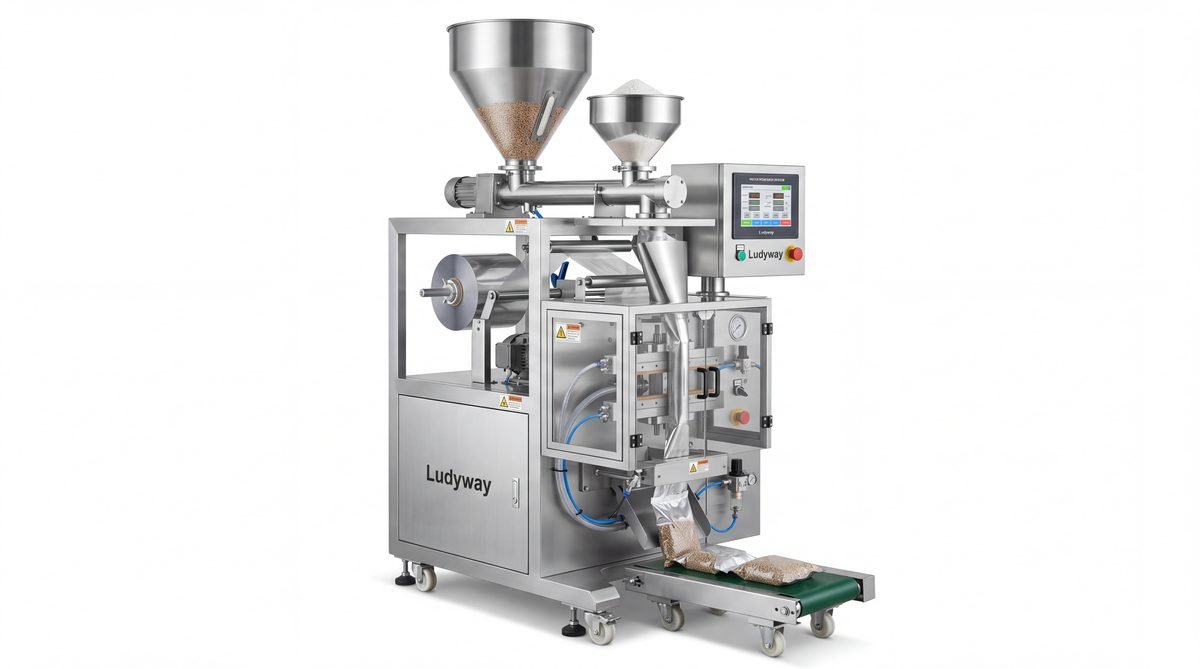
The initial purchase price represents only one component of total ownership cost. Italian buyers should budget for the following ongoing expenses:
| Cost Category | Estimated Annual Cost (EUR) | Notes |
|---|---|---|
| Vacuum Pump Oil Changes | €200 – €800 | Frequency depends on usage hours; oil-lubricated pumps require regular changes every 500-2,000 operating hours |
| Seal Bars and Consumables | €300 – €1,500 | Teflon tape, heating elements, and seal bars wear with use and require periodic replacement |
| Packaging Film Material | €2,000 – €50,000+ | Largest ongoing expense; varies dramatically by volume and film specification |
| Preventive Maintenance | €500 – €3,000 | Annual servicing by qualified technicians ensures consistent performance |
| Energy Consumption | €400 – €2,500 | Italian electricity costs are among the highest in Europe; consider energy-efficient models |
Modified Atmosphere Packaging (MAP) Capabilities
For many Italian food products — particularly fresh cheeses, cured meats, fresh pasta, and ready meals — Modified Atmosphere Packaging represents a critical capability. MAP replaces the air inside the package with a precisely controlled gas mixture, typically combining nitrogen, carbon dioxide, and oxygen in specific ratios. This technology extends shelf life significantly beyond what simple vacuum packaging achieves.
When evaluating a vacuum sealer for MAP applications, confirm that the machine offers integrated gas flushing with programmable gas mixture control. The Italian market for MAP-packaged products continues to grow at approximately 4-5% annually, driven by consumer demand for fresh, preservative-free convenience foods.
Maintenance and After-Sales Support in Italy
Reliable after-sales support is essential for minimizing production downtime. Before finalizing any purchase, evaluate the following support aspects:
- Availability of spare parts within Italy — Local parts inventory reduces lead times for critical repairs.
- Technical support response time — Italian-language telephone and remote diagnostic support should be available during your operating hours.
- On-site service coverage — Confirm whether technicians can reach your facility within an agreed service level agreement timeframe.
- Training and documentation — Operator training materials and maintenance manuals should be available in Italian.
- Warranty terms — Typical warranties range from 12 to 24 months; understand what is covered and any exclusions.
For insights into current packaging industry trends and maintenance best practices, the PMMI business intelligence library offers detailed reports on packaging machinery performance and operational benchmarks.
Financing and Leasing Options for Italian Businesses
Italian businesses can access various financing mechanisms to acquire vacuum packaging equipment without straining working capital. Leasing arrangements are particularly popular among small and medium enterprises, allowing companies to spread equipment costs over 36-60 months while preserving cash reserves. Key options include:
- Leasing finanziario — Financial lease with purchase option at end of term, commonly offered through Italian banking institutions.
- Noleggio operativo — Operating lease where the equipment is returned at end of term; suitable for shorter-term needs.
- Industry 4.0 tax incentives — Italian government programs providing tax credits for investments in advanced manufacturing equipment, including packaging machinery with digital integration capabilities.
- EU regional development funds — Certain regions in southern Italy offer additional incentives for food processing equipment investments.
Evaluating Supplier Credentials and Reputation
When sourcing a vacuum sealer — whether from an Italian distributor or an international manufacturer — due diligence on supplier credibility can prevent costly mistakes. Consider the following evaluation criteria:
- Years in business and industry expertise — Established suppliers with decades of packaging machinery experience typically provide more reliable equipment and support.
- Client references in Italy or similar European markets — Request case studies or references from companies in your industry segment.
- Manufacturing facility certifications — ISO 9001 quality management certification indicates consistent manufacturing standards.
- Presence at international packaging exhibitions — Suppliers who regularly exhibit at major events demonstrate industry commitment.
For comprehensive data on packaging machinery market trends that can inform your supplier evaluation, consult the PMMI State of the Industry reports, which provide authoritative analysis of packaging equipment markets globally.
Global Sourcing: Expanding Your Options
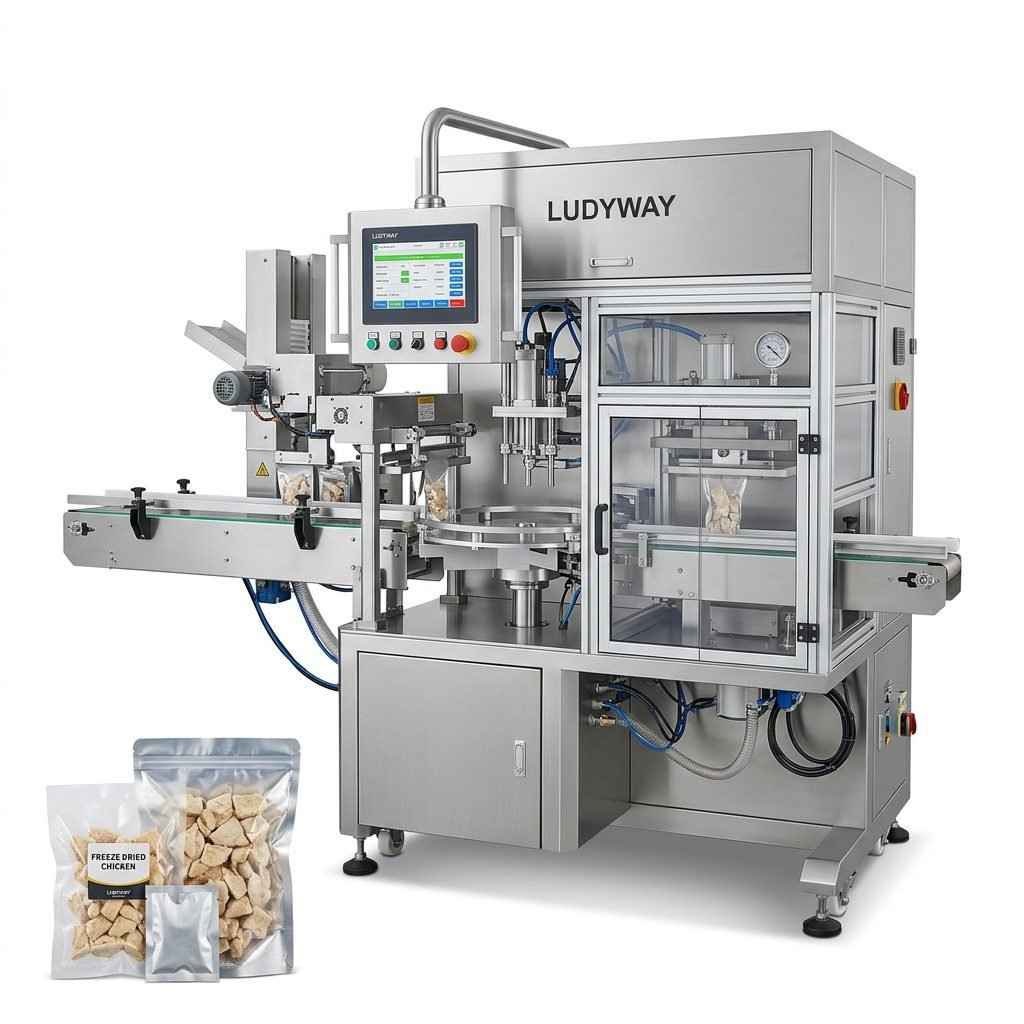
While Italy has a strong domestic packaging machinery sector, many Italian food processors are increasingly sourcing equipment from international manufacturers to access advanced technology at competitive price points. Ludyway, one of the largest packaging machine manufacturers in China with over 30 years of industry expertise and a modern 20,000㎡ manufacturing facility, serves customers in over 100 countries and regions with advanced vacuum packaging equipment and turnkey production solutions. International sourcing can offer compelling value when evaluated against total cost of ownership, technology specifications, and after-sales support commitments.
Installation and Commissioning Requirements
Proper installation directly affects machine performance and longevity. Key considerations for Italian facilities include:
- Electrical compatibility — Italy operates on 230V/400V, 50Hz three-phase power; verify that equipment matches local electrical specifications or includes appropriate transformers.
- Compressed air requirements — Many industrial vacuum sealers require compressed air at 6-8 bar; ensure your facility’s air supply meets the machine’s specifications for pressure, flow rate, and air quality.
- Floor space and layout — Account for operator access, maintenance clearance, and integration with upstream and downstream equipment in your production line.
- Commissioning and testing — Professional commissioning should include vacuum level verification, seal integrity testing, and operator training before the machine enters production use.
Common Mistakes to Avoid When Buying
Experienced packaging professionals across Italy have identified several recurring pitfalls that buyers should actively avoid:
- Underestimating production growth — Purchasing a machine that meets only current requirements may necessitate replacement within 2-3 years as production volumes increase.
- Ignoring film compatibility — Not all vacuum sealers work optimally with every packaging film type; verify compatibility with your preferred film suppliers before purchase.
- Overlooking energy efficiency — With Italy’s high electricity costs, energy-efficient pump motors and intelligent standby features can deliver significant savings over the machine’s lifetime.
- Neglecting operator training — Even the best equipment underperforms without properly trained operators; budget for comprehensive training during commissioning.
- Focusing solely on purchase price — A machine with a lower upfront cost but higher maintenance requirements and shorter service life often proves more expensive over a 5-7 year period.
Future-Proofing Your Investment
The packaging industry continues to evolve rapidly. When selecting a vacuum sealer, consider features that will remain relevant as your business and the broader market develop:
- IoT connectivity and data integration — Machines with digital interfaces and network connectivity enable production monitoring, predictive maintenance alerts, and integration with enterprise resource planning systems.
- Sustainable packaging compatibility — As EU packaging waste regulations tighten, equipment capable of running recyclable and biodegradable films becomes increasingly valuable.
- Flexible format handling — Machines that can accommodate multiple package sizes and formats without extensive changeover provide greater production agility.
- Automation readiness — Equipment designed to integrate with automated loading, labeling, and case packing systems supports future line upgrades.
For the latest regulatory developments affecting packaging machinery in Europe, refer to the European Commission packaging and packaging waste regulation resources, which outline upcoming requirements that may affect your packaging operations.
Making the Final Decision
After evaluating all the factors outlined in this guide — machine type, production capacity, product compatibility, regulatory compliance, total cost of ownership, supplier reputation, and future-proofing features — you will be well-positioned to select the right vacuum sealer packaging machine for your Italian operation. Request detailed quotations from multiple suppliers, arrange product demonstrations where feasible, and consult with your production team to ensure the selected equipment meets practical operational needs.
Remember that a well-chosen vacuum packaging machine is not merely an equipment purchase — it is a strategic investment that directly contributes to product quality, shelf life, operational efficiency, and ultimately, your competitive position in the Italian market.