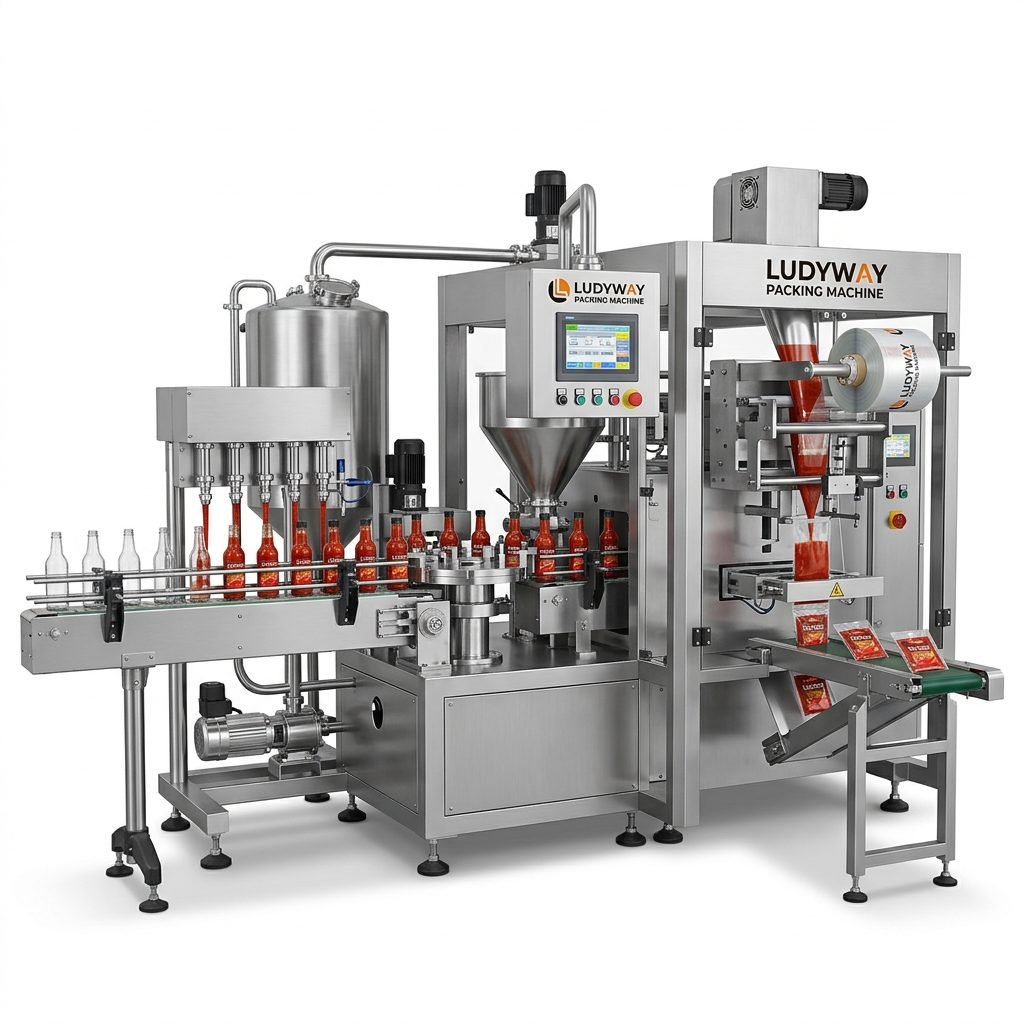
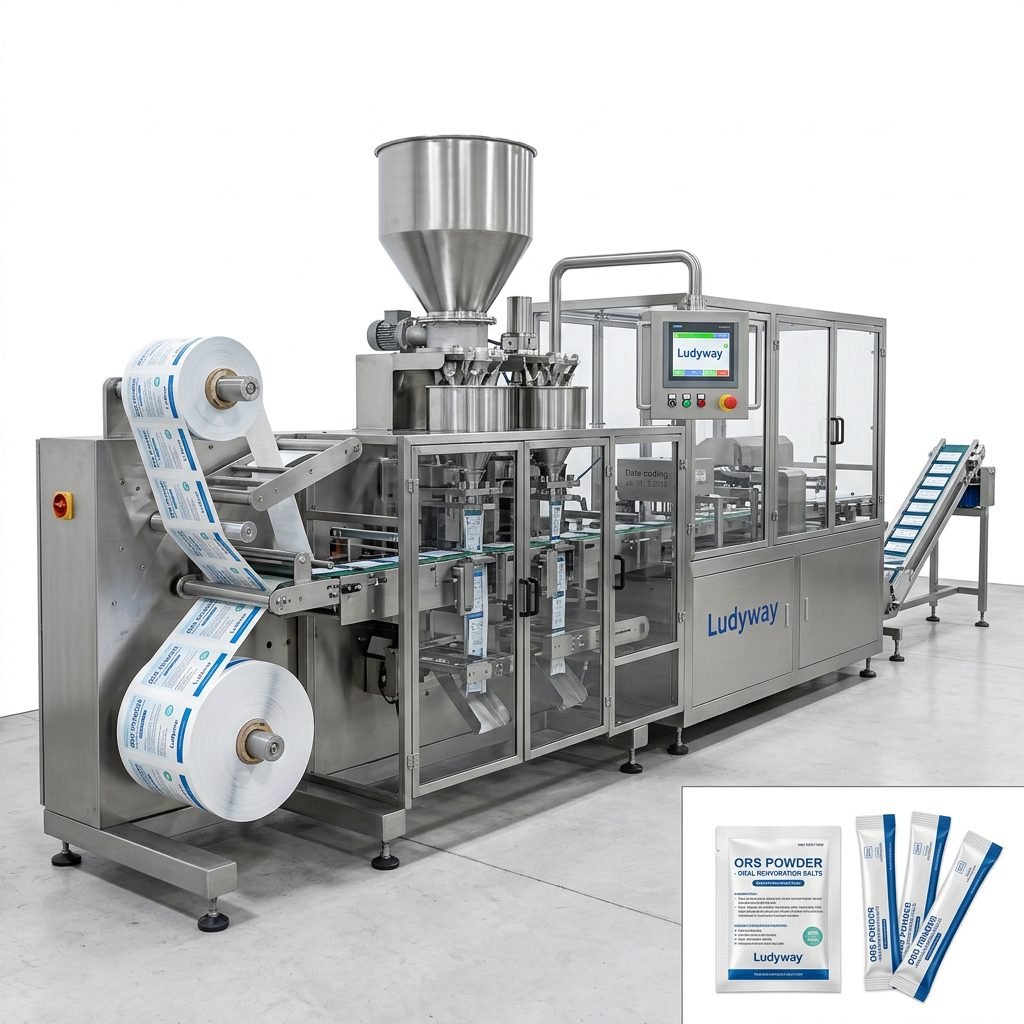
Investing in a pyramid tea bag packing machine is a significant decision for any tea manufacturer. The unique 3D shape of pyramid tea bags offers superior infusion, better visibility of the tea leaves, and a premium consumer experience. However, achieving these benefits consistently requires selecting packaging equipment that matches your specific production goals, material requirements, and quality standards.
Understanding Pyramid Tea Bag Packaging Technology
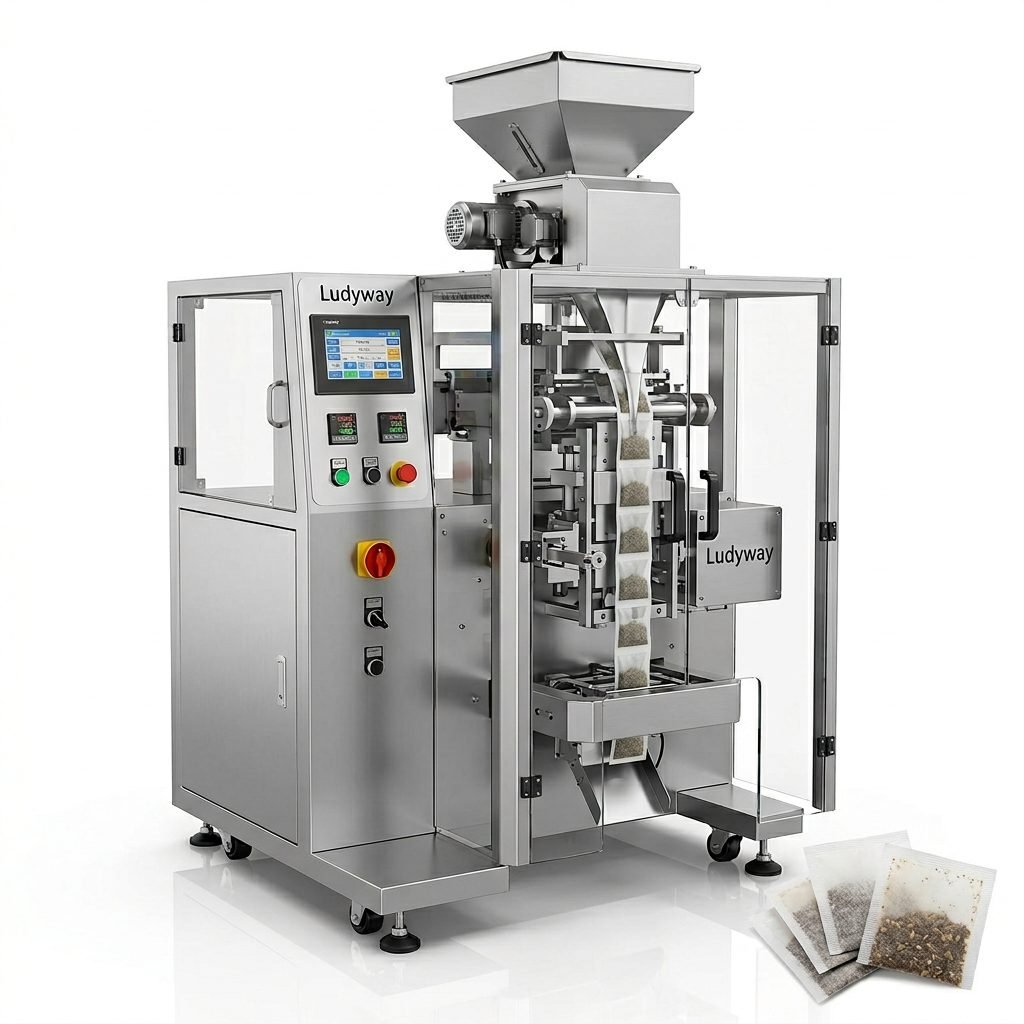
Pyramid tea bag machines differ fundamentally from standard flat tea bag equipment. They form, fill, and seal a three-dimensional tetrahedral pouch, typically using ultrasonically sealed filter paper or biodegradable mesh materials like PLA, Soilon, or nylon. This process demands precise ultrasonic sealing technology and accurate material handling to maintain the structural integrity of the pyramid shape without compromising the material’s filtration properties.
The Flexible Packaging Association provides extensive resources on material innovations that are reshaping this segment. Selecting a machine that can handle your chosen material is the first critical step. Not all machines are compatible with all film types, and switching materials later can require costly retrofits.
Key Factors to Evaluate Before Purchasing
Choosing the right equipment requires a systematic evaluation of your production environment, output targets, and product range. Here are the essential criteria to consider.
1. Production Speed and Capacity
Production speed is measured in bags per minute (bpm) and varies widely between models. A single-lane machine might produce 30 to 60 bags per minute, while multi-lane pyramid tea bag packing machines can reach 200 bpm or higher. Consider your current and projected demand. Investing in slightly higher capacity upfront often provides better long-term value than upgrading later.
According to the PMMI 2025 State of the Industry report, the trend toward higher automation is accelerating across packaging sectors, driven by labor constraints and demand for consistent output. Aligning your equipment choice with this trajectory can future-proof your operation.
2. Material Compatibility
The choice of filter material significantly impacts machine selection. Common options include:
- Nylon mesh: Transparent, strong, and heat-resistant, ideal for large-leaf teas.
- PLA (polylactic acid) mesh: Biodegradable and compostable, appealing to eco-conscious consumers.
- Soilon: A corn-starch-based bioplastic, widely used for its environmental credentials.
- Non-woven filter paper: Cost-effective for mainstream products.
Each material requires specific ultrasonic sealing parameters and tension control mechanisms to form a perfect pyramid without tearing or leaking. Ensure the machine you select is proven with your intended material type.
Automation Level and Integration Capabilities
The level of automation you need directly impacts cost, labor requirements, and operational complexity. A basic machine might handle forming, filling, and sealing only, while an advanced system can integrate:
- Automated string and tag attachment
- Envelope overwrapping and cartoning
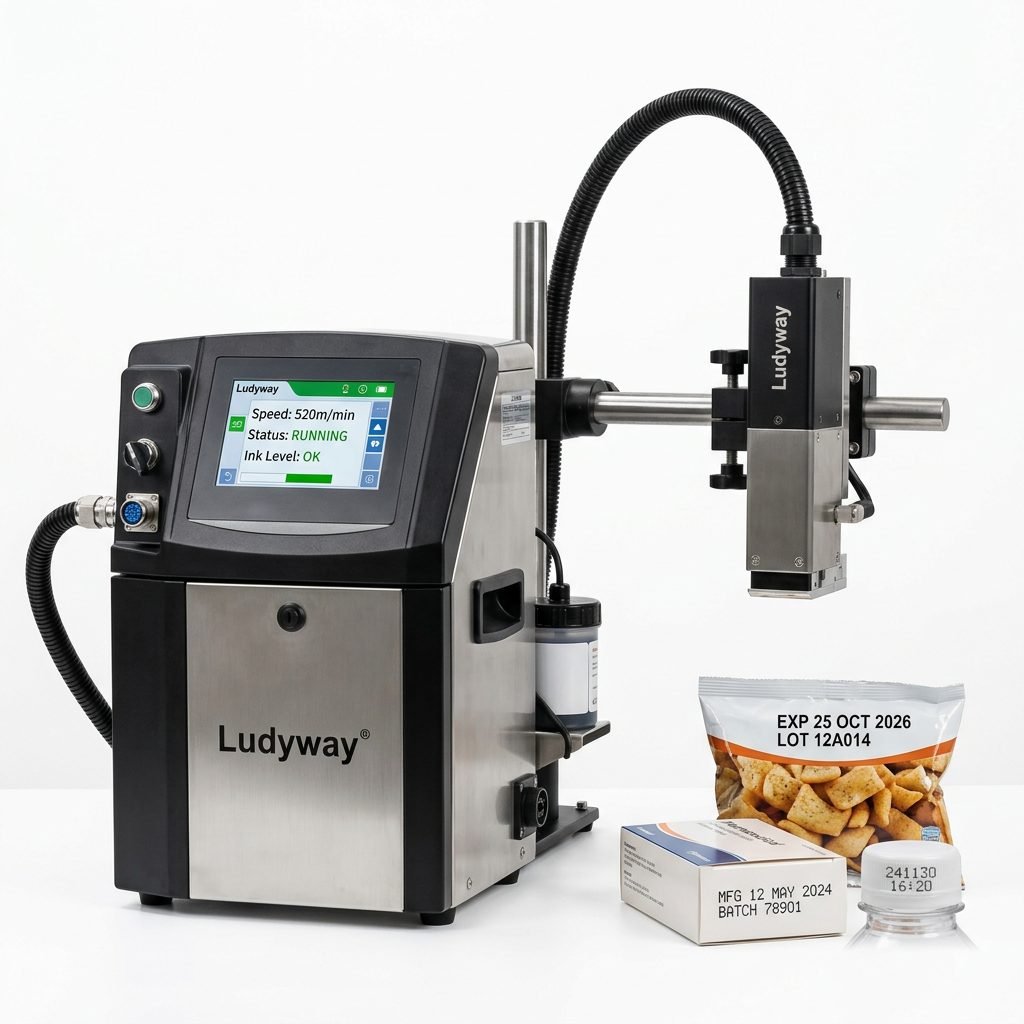
- Online printing, coding, and vision inspection
- Nitrogen flushing for extended shelf life
- Automatic feeding and weighing systems
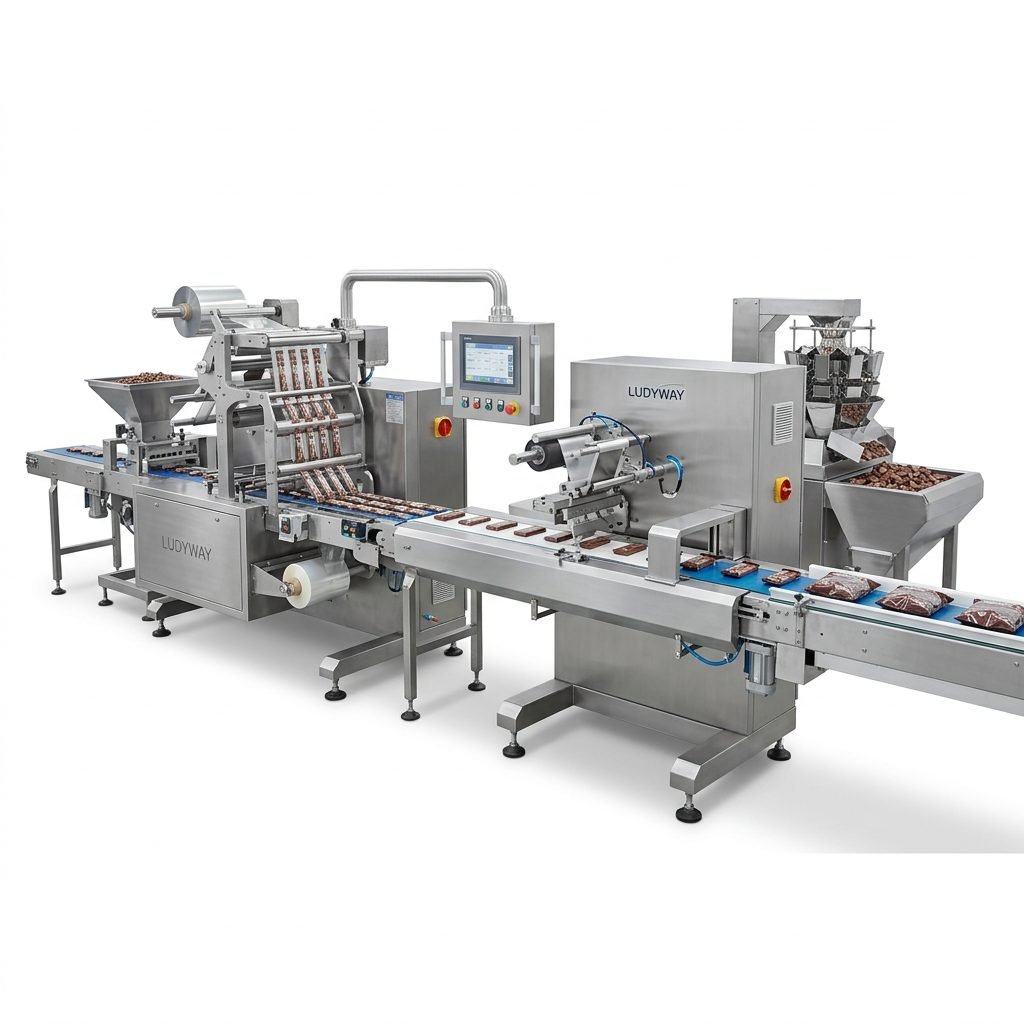
When evaluating turnkey packaging solutions, assess whether the machine can be integrated into a complete line that connects multiple stages of the packaging process. This approach eliminates manual transfer between stations and reduces contamination risks.
Comparing Machine Configurations
The table below summarizes key configuration differences to help you narrow down your options based on production scale and budget.
| Feature | Entry-Level Single Lane | Mid-Range Multi-Lane | High-Speed Automated Line |
|---|---|---|---|
| Typical Speed | 30 – 60 bpm | 80 – 150 bpm | 180 – 300+ bpm |
| Sealing Technology | Ultrasonic | Ultrasonic, multi-head | Servo-driven ultrasonic with closed-loop control |
| Automation | Basic fill and seal | Integrated tag and overwrap | Full line with cartoning, coding, inspection |
| Material Range | Limited | Mesh, paper, PLA | All materials including delicate bioplastics |
| Ideal For | Startups and niche producers | Growing regional brands | Large-scale international manufacturers |
Quality, Standards, and Compliance
Packaging food products requires strict adherence to safety and hygiene standards. Look for machines constructed with food-grade stainless steel contact parts and designed for easy cleaning and maintenance. International standards such as those outlined by FDA food packaging regulations and ISO packaging standards provide benchmarks for material safety and machine design.
Certifications and compliance documentation should be available from the manufacturer for relevant equipment and target markets. Verify that the machine can be configured to meet applicable standards in your region.
The Importance of Customization and Engineering Support
No two tea manufacturers have identical requirements. Product characteristics such as leaf density, blend composition, and filling weight all influence the appropriate machine configuration. A supplier that offers customized packaging machinery and engineering solutions can evaluate your specific product and recommend tailored equipment rather than forcing a one-size-fits-all approach.
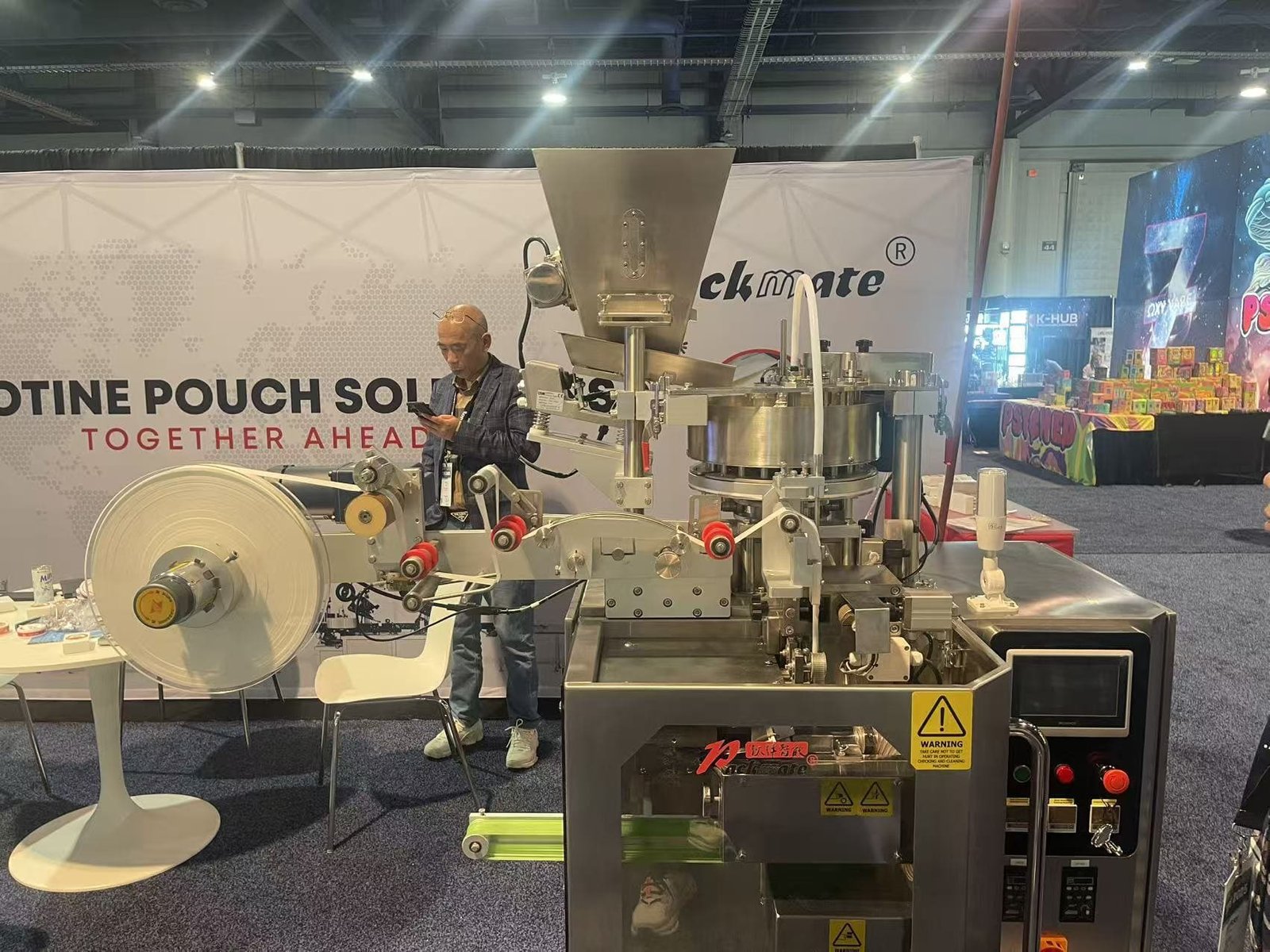
Experienced manufacturers, such as Ludyway Machinery, combine in-house manufacturing with engineering capabilities to support machine selection, packaging solution design, installation, commissioning, and ongoing technical support across more than 100 countries.
Questions to Ask Potential Suppliers
Before making a final decision, ask suppliers these critical questions to gauge their capabilities and support structure:
- Can you provide documented performance data for my specific material?
- What is the expected tooling life for ultrasonic sealing components?
- How quickly can replacement parts be shipped to my location?
- Do you offer remote technical assistance for troubleshooting?
- Can the machine be upgraded or reconfigured as my product range expands?
- What training and documentation do you provide for operators and maintenance staff?
Total Cost of Ownership Considerations
The purchase price is only one component of total cost. Evaluate long-term factors including energy consumption, spare parts availability and pricing, expected maintenance intervals, and the cost of potential downtime. A slightly more expensive machine with higher reliability, better energy efficiency, and stronger after-sales support often delivers lower total cost of ownership over a 5-10 year lifecycle.
The PMMI Business Intelligence Library offers valuable benchmarks for understanding operational costs across different packaging machinery categories.
Making the Final Decision
Selecting the right pyramid tea bag packing machine is an investment in your brand’s quality and production efficiency. Start by clearly defining your production requirements and material specifications, then evaluate machines based on proven performance with your product type. Prioritize suppliers that offer comprehensive engineering support, customization capabilities, and a track record of serving international markets.
The best machine for your operation is the one that delivers consistent, high-quality output while providing the flexibility to adapt to evolving market demands and packaging innovations.