Germany stands as one of Europe’s most advanced markets for food processing and packaging technology. For businesses involved in meat, cheese, seafood, or ready-meal production, investing in a skin vacuum packaging machine is a strategic decision that impacts product shelf life, presentation, and compliance with stringent EU regulations. This guide covers everything you need to know before purchasing skin vacuum packaging equipment in the German market.
What Is a Skin Vacuum Packaging Machine?
A skin vacuum packaging machine uses a combination of vacuum and heat-sealing technology to apply a transparent, tightly conforming film over products placed on a rigid tray or board. Unlike traditional vacuum bag packaging, the skin pack process creates a “second skin” effect that holds the product securely in place while providing excellent visibility and extended shelf life. This method is widely adopted across Germany’s food retail sector, where premium presentation and flexible packaging sustainability are top priorities.
Key Applications in the German Market
- Fresh meat and poultry – skin packs preserve colour and reduce drip loss
- Cured meats and sausages – extended shelf life with intact product appearance
- Cheese and dairy – maintains aroma while preventing surface drying
- Seafood and fish – protects delicate textures during transport and display
- Ready meals and convenience foods – secure multi-component trays for retail
- Medical devices – compliant with ISO 11607 packaging standards for sterile barrier systems
Why Germany Demands High-Performance Skin Packaging
Germany’s food industry operates under some of the strictest quality and hygiene standards in the world. The EU Packaging and Packaging Waste Regulation increasingly influences equipment purchasing decisions, pushing manufacturers toward machines that reduce material consumption while maintaining food safety. German retailers, including major discount chains and premium supermarkets, require packaging that provides tamper evidence, extended shelf life, and attractive presentation—all of which skin vacuum packaging delivers.

Regulatory Landscape
Machines operating in Germany must comply with EU Machinery Directive 2006/42/EC, as well as relevant European Commission packaging regulations. For food contact materials, Regulation (EC) No 1935/2004 applies, and for medical packaging applications, manufacturers must adhere to ISO 11607 requirements. When evaluating a skin vacuum packaging machine for the German market, ensure the equipment carries the CE mark and meets DIN EN standards applicable to food hygiene and machine safety.
Critical Specifications to Evaluate Before Buying
Choosing the right skin vacuum packaging machine requires careful analysis of technical specifications. Below is a detailed comparison of key parameters to consider when comparing different machine models and manufacturers.
Technical Parameter Comparison
| Specification | Entry-Level | Mid-Range | High-End Industrial |
|---|---|---|---|
| Cycle speed | 2-4 cycles/min | 4-8 cycles/min | 8-15+ cycles/min |
| Vacuum level | Up to 99.5% | Up to 99.8% | Up to 99.9% with gas flush |
| Film thickness range | 80-200 microns | 60-300 microns | 40-500 microns |
| Sealing system | Single station | Dual station | Multi-station rotary |
| MAP capability | Optional | Standard | Advanced multi-gas mixing |
| Automation level | Semi-automatic | Fully automatic | Fully automatic with inline integration |
| Typical investment (EUR) | €30,000 – €80,000 | €80,000 – €200,000 | €200,000 – €500,000+ |
Types of Skin Vacuum Packaging Machines Available
The German market offers several distinct machine configurations. Understanding each type helps narrow down the best fit for your production requirements.
1. Manual Tray Sealers
These compact machines require an operator to load trays and initiate the vacuum-sealing cycle. Best suited for small-scale producers, butchers, and test kitchens, they offer flexibility at a lower investment cost. Cycle speeds are slower but allow for frequent product changeovers.
2. Semi-Automatic Skin Packaging Machines
Semi-automatic models feature assisted tray loading and automated sealing cycles, reducing operator fatigue while maintaining moderate throughput. Ideal for mid-sized meat and cheese processors in Germany looking to scale production without full automation investment.
3. Fully Automatic Inline Systems
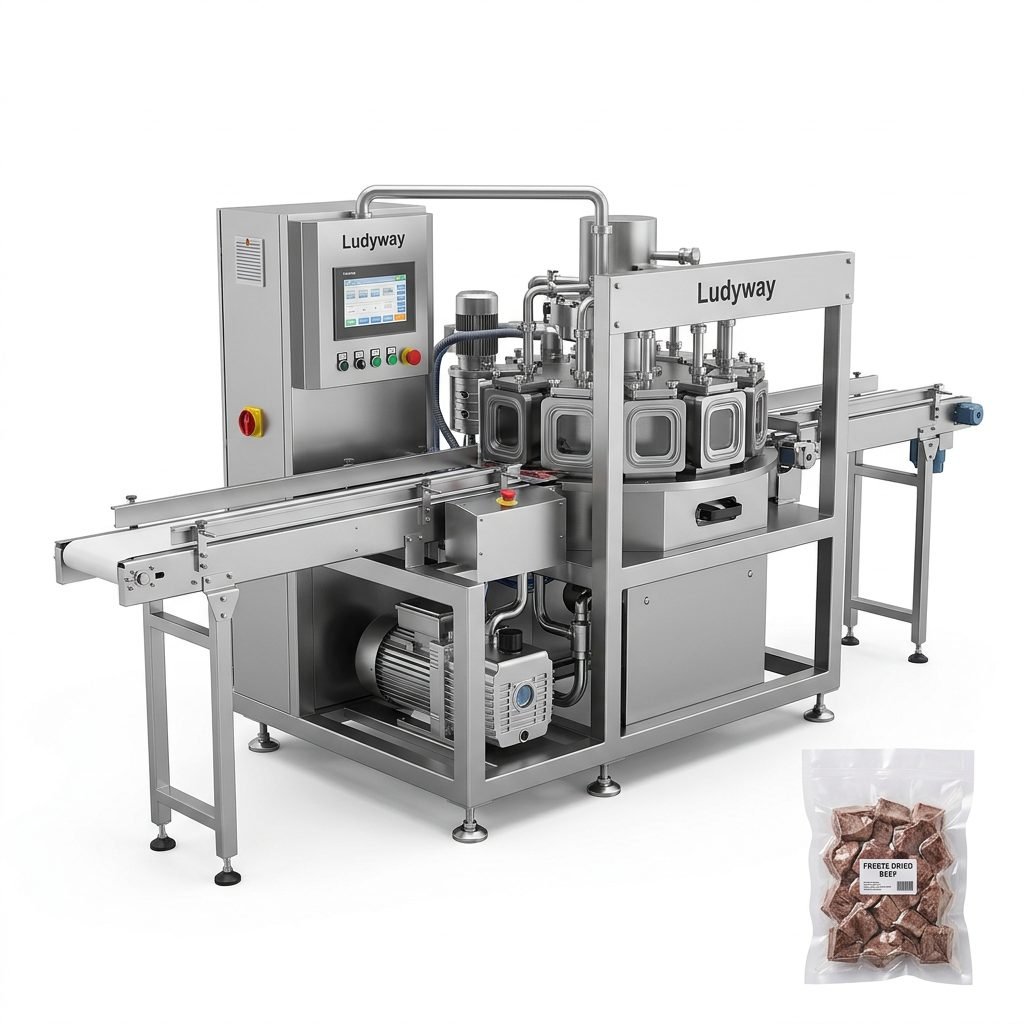
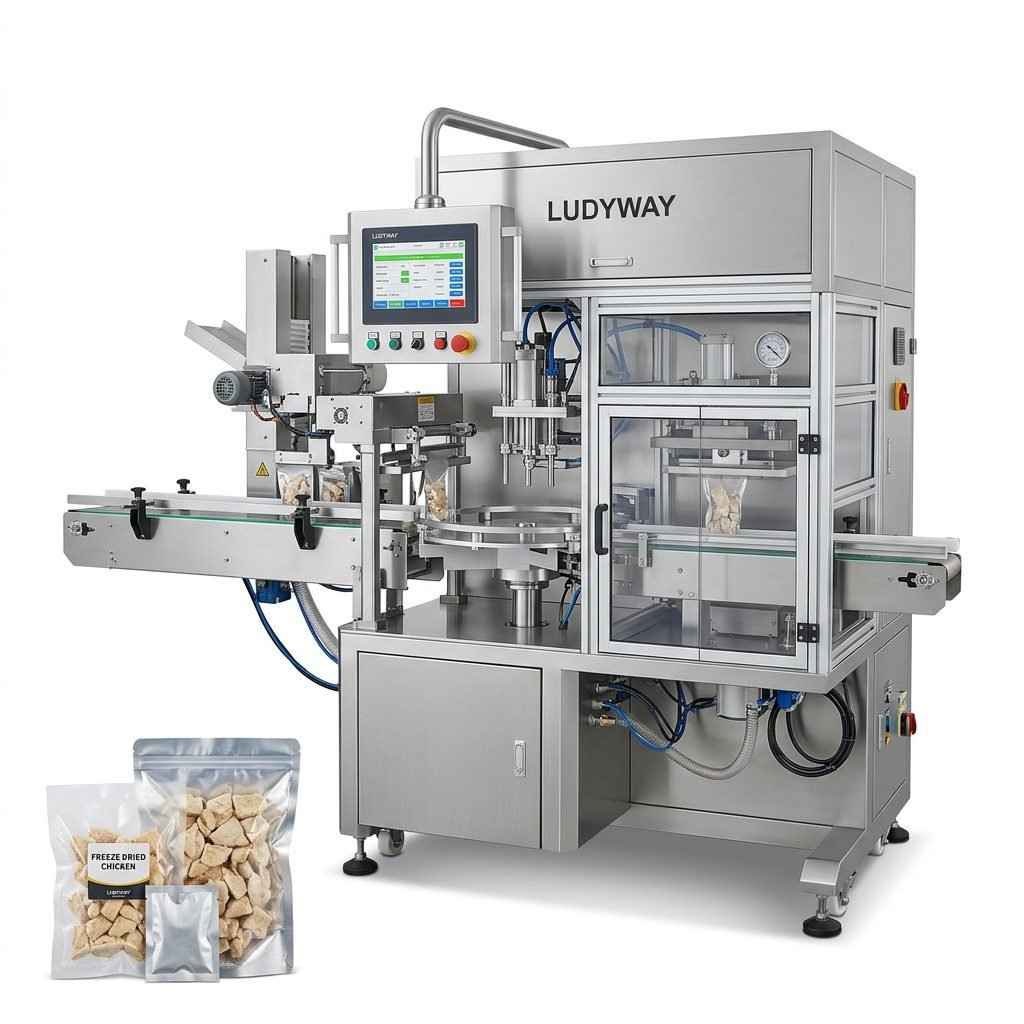
Designed for high-volume production environments, these systems integrate with upstream tray denesters and downstream labelling, weighing, and case packing. They represent the standard for large German food manufacturers supplying national retail chains. Many models include modified atmosphere packaging (MAP) functionality for optimal product preservation.
4. Thermoforming Skin Packaging Lines
These advanced systems form the bottom tray from rollstock film, fill the product, apply top film, and vacuum-seal in one continuous process. Thermoforming lines offer the lowest per-unit packaging cost and maximum flexibility for large-scale operations. Leading German packaging companies frequently select this configuration for dedicated high-throughput lines.
Key Features to Look For in a German-Compliant Machine
When evaluating skin vacuum packaging machines for the German market, certain features are non-negotiable for operational efficiency and regulatory compliance.
Hygienic Design and Cleanability
- Stainless steel construction (AISI 304 or 316L) for all food-contact surfaces
- IP65 or IP69K protection ratings for washdown environments
- Sloped surfaces to prevent liquid pooling
- Tool-free disassembly for rapid cleaning and changeover
- Compliance with EHEDG (European Hygienic Engineering and Design Group) guidelines
Vacuum System Quality
- German-made vacuum pumps (Busch, Becker, or Leybold preferred)
- Oil-lubricated rotary vane pumps for deep vacuum requirements
- Dry-running pumps for sensitive applications
- Vacuum sensors with digital display and data logging
- Quick vacuum release for faster cycle times
Control and Integration
- Siemens or Beckhoff PLC controls (widely supported in Germany)
- HMI touchscreen with multi-language support including German
- Recipe management for up to 100 product configurations
- Industry 4.0 readiness with OPC UA or MQTT connectivity
- Remote diagnostics and predictive maintenance capabilities
Cost Considerations and ROI Analysis
Investing in a skin vacuum packaging machine in Germany requires careful financial planning. Beyond the initial purchase price, consider the following cost factors that impact total cost of ownership.
Total Cost of Ownership Breakdown
| Cost Category | Percentage of TCO | Key Variables |
|---|---|---|
| Machine purchase price | 40-50% | Automation level, throughput capacity |
| Consumable materials (film, trays) | 25-35% | Film specifications, material suppliers |
| Maintenance and spare parts | 8-12% | Pump type, service intervals |
| Energy consumption | 5-8% | Electricity rates in Germany, machine efficiency |
| Operator training and labour | 5-10% | Automation level, shift patterns |
Leading Manufacturers and Supplier Selection Tips
The German market is served by both domestic manufacturers and international suppliers. Well-known German brands in the skin packaging segment include Multivac, Sealpac, and Variovac, all of which have strong local engineering and service networks. International options from Italy, Spain, and Asia offer competitive pricing but require careful evaluation of local support availability.
Evaluating Supplier Credentials
- Verify CE certification and Declaration of Conformity for EU market access
- Check for references from existing German customers in your specific industry
- Assess spare parts availability within Germany and typical delivery times
- Confirm availability of German-speaking technical support and service engineers
- Request on-site installation support and operator training in the German language
- Review warranty terms and conditions applicable under German commercial law
Installation and Operational Requirements in Germany
Setting up a skin vacuum packaging machine in a German production facility involves several practical considerations. The installation environment must meet local building codes, electrical standards (VDE), and workplace safety regulations (Betriebssicherheitsverordnung).
Utility Requirements
- Power supply: 400V three-phase, 50Hz (standard German industrial supply)
- Compressed air: 6-8 bar, oil-free and filtered to ISO 8573-1 Class 1 standards
- Cooling water: Required for certain high-speed sealing systems
- Extraction system: For removal of steam or smoke during heat-sealing operations
Workplace Safety Compliance
- Machine guarding in accordance with DIN EN ISO 13857
- Emergency stop circuits per EN 60204-1
- Noise emissions within German workplace limits (typically below 80 dB(A))
- Regular inspection by TÜV or equivalent approved body
Maintenance Best Practices for German Operations
Proactive maintenance is essential for maximising the lifespan and reliability of your skin vacuum packaging machine. German manufacturers typically recommend structured maintenance schedules aligned with operational hours.
Recommended Maintenance Schedule
| Interval | Maintenance Tasks | Responsible Party |
|---|---|---|
| Daily | Clean sealing surfaces, check vacuum pump oil level, inspect for debris | Operator |
| Weekly | Clean vacuum chamber, inspect gaskets and seals, verify sensor calibration | Maintenance technician |
| Monthly | Change vacuum pump oil, check electrical connections, lubricate moving parts | Maintenance team |
| Quarterly | Replace vacuum pump filters, inspect heating elements, test safety circuits | Qualified service engineer |
| Annually | Complete system overhaul, vacuum pump rebuild, control system diagnostics | Manufacturer service team |
Sustainability and Environmental Considerations
German consumers and regulators increasingly prioritise sustainable packaging solutions. Modern skin vacuum packaging machines can contribute to environmental goals through reduced material usage, compatibility with recyclable mono-material films, and energy-efficient operation. The flexible packaging industry continues to develop thinner, high-performance films that maintain barrier properties while reducing plastic consumption per package.
Energy Efficiency Features
- Variable frequency drives on vacuum pumps to match power to demand
- Heat recovery systems that capture waste heat from sealing stations
- Standby mode with automatic shutdown during production pauses
- Energy monitoring dashboards compliant with ISO 50001 requirements
Common Pitfalls to Avoid When Buying in Germany
Many first-time buyers encounter challenges that could have been avoided with thorough preparation. Here are the most frequent mistakes to watch for when purchasing a skin vacuum packaging machine for the German market.
Top Mistakes and How to Prevent Them
| Common Pitfall | Impact | Prevention Strategy |
|---|---|---|
| Underestimating throughput needs | Production bottlenecks | Calculate required cycles per minute with 20% buffer |
| Ignoring film compatibility | Seal failures and product waste | Test machine with your preferred film suppliers |
| Overlooking local service availability | Extended downtime | Verify technician response times within Germany |
| Selecting insufficient vacuum capacity | Poor package integrity | Specify pump sizing based on chamber volume and cycle rate |
Future Trends in Skin Vacuum Packaging Technology
The German packaging machinery sector continues to innovate rapidly. Key developments shaping the future of skin vacuum packaging include digital automation, artificial intelligence for quality inspection, and the integration of packaging machinery market intelligence tools for predictive maintenance. Machines with built-in sensor arrays can now detect seal defects in real time, reducing waste and improving food safety outcomes.
Emerging Technologies
- AI-powered vision inspection – automatic detection of film wrinkles, seal gaps, and product misalignment
- Blockchain-integrated traceability – each package linked to a digital record of processing conditions
- Smart film technologies – films with embedded freshness indicators and temperature history sensors
- Modular machine platforms – scalable designs that allow capacity expansion without complete equipment replacement
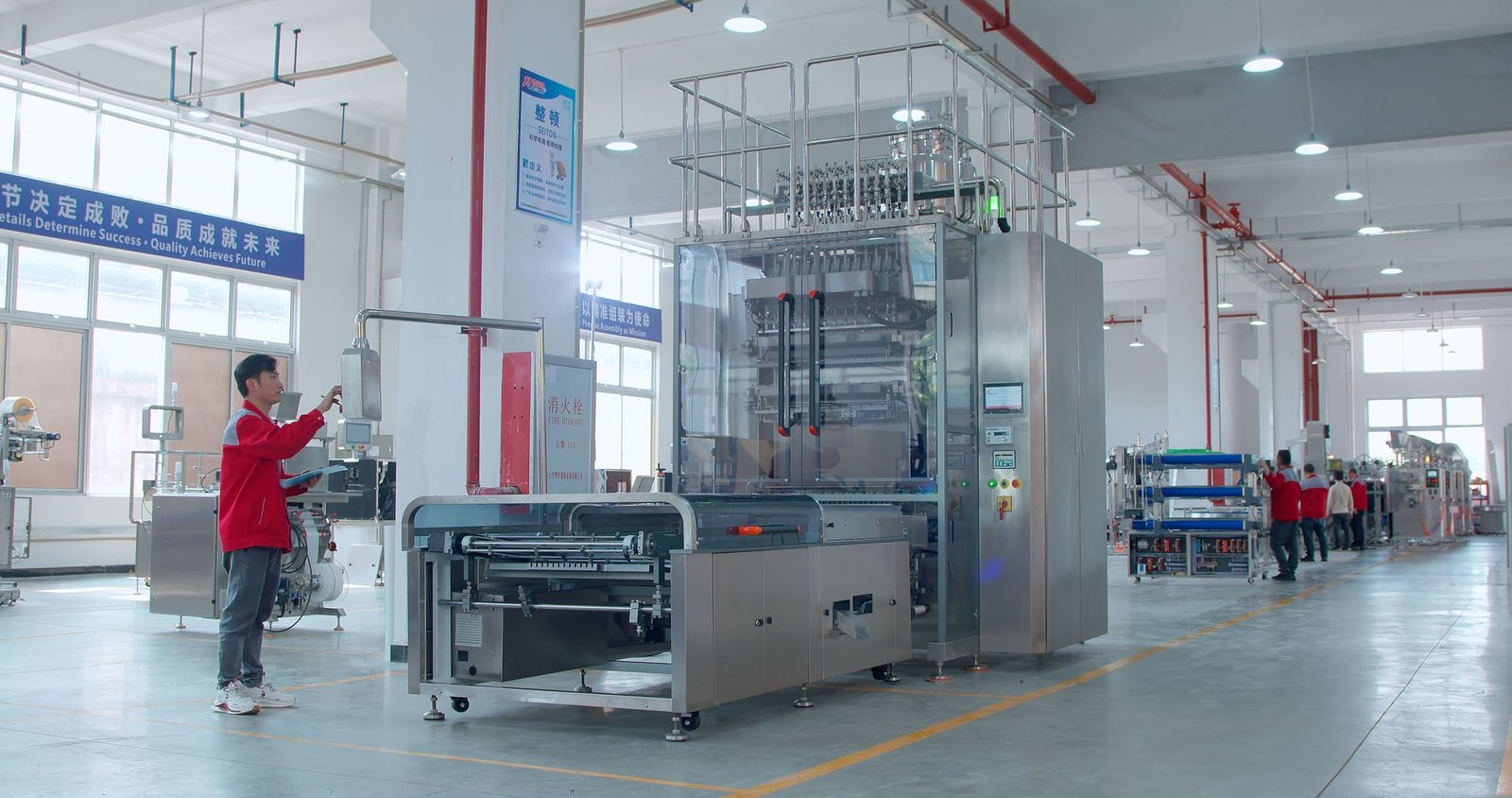
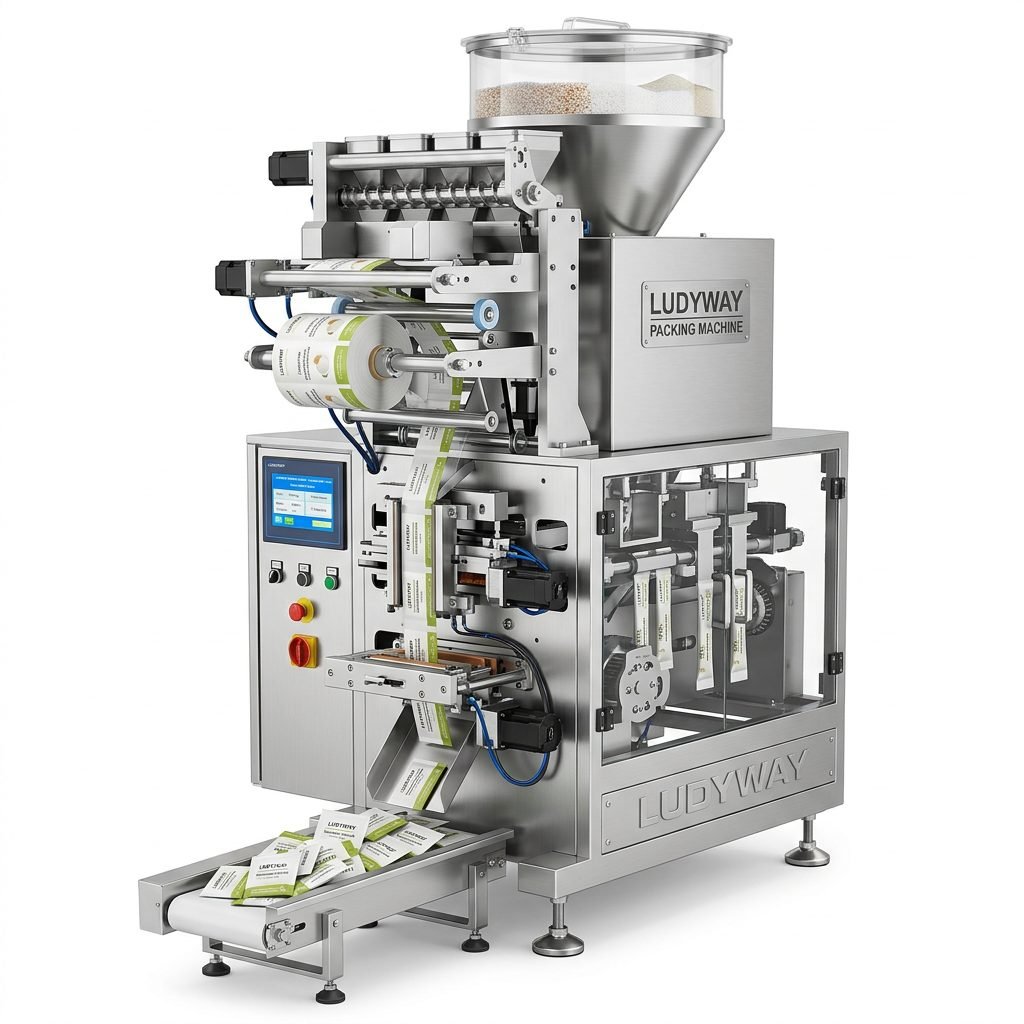
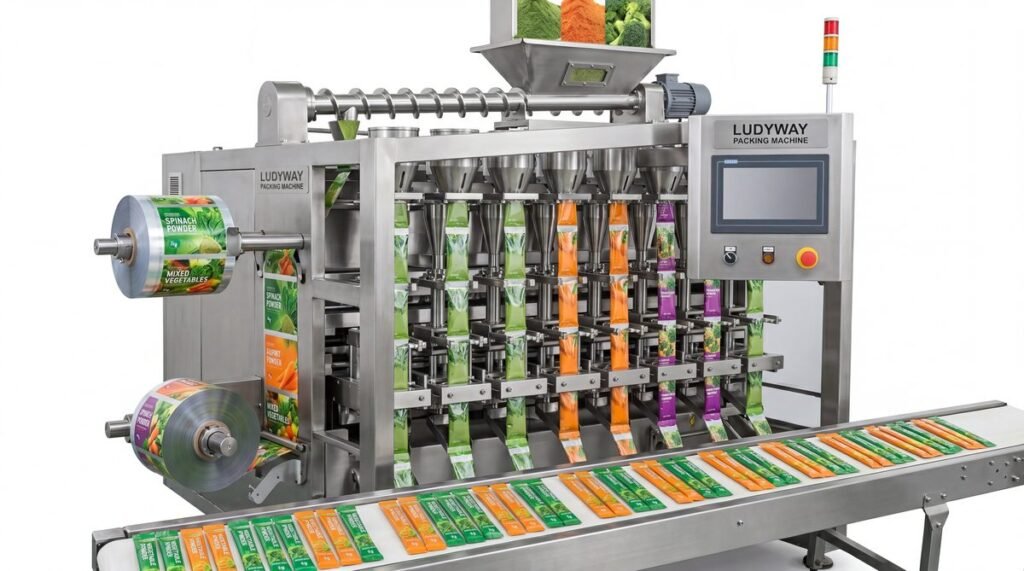
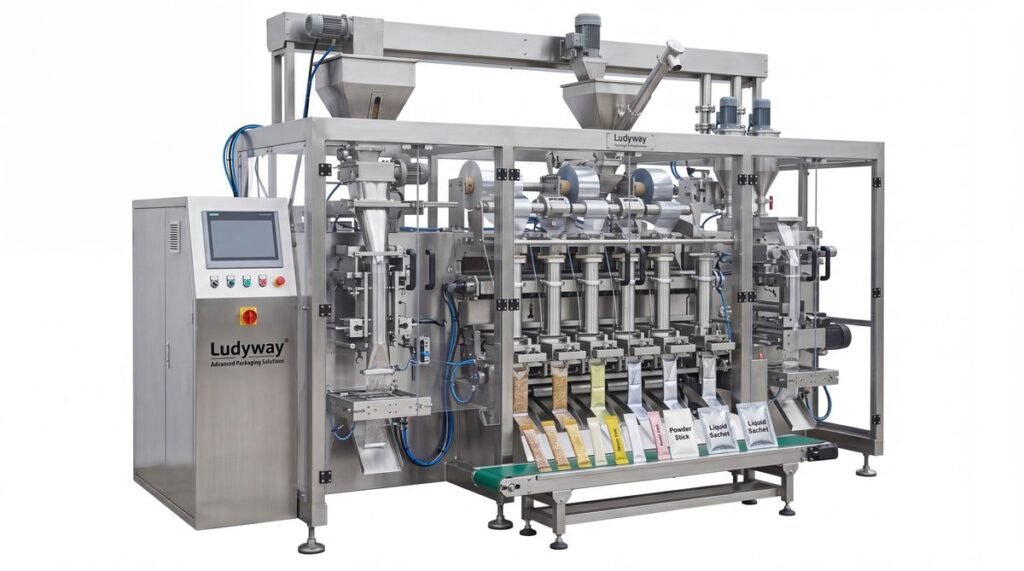
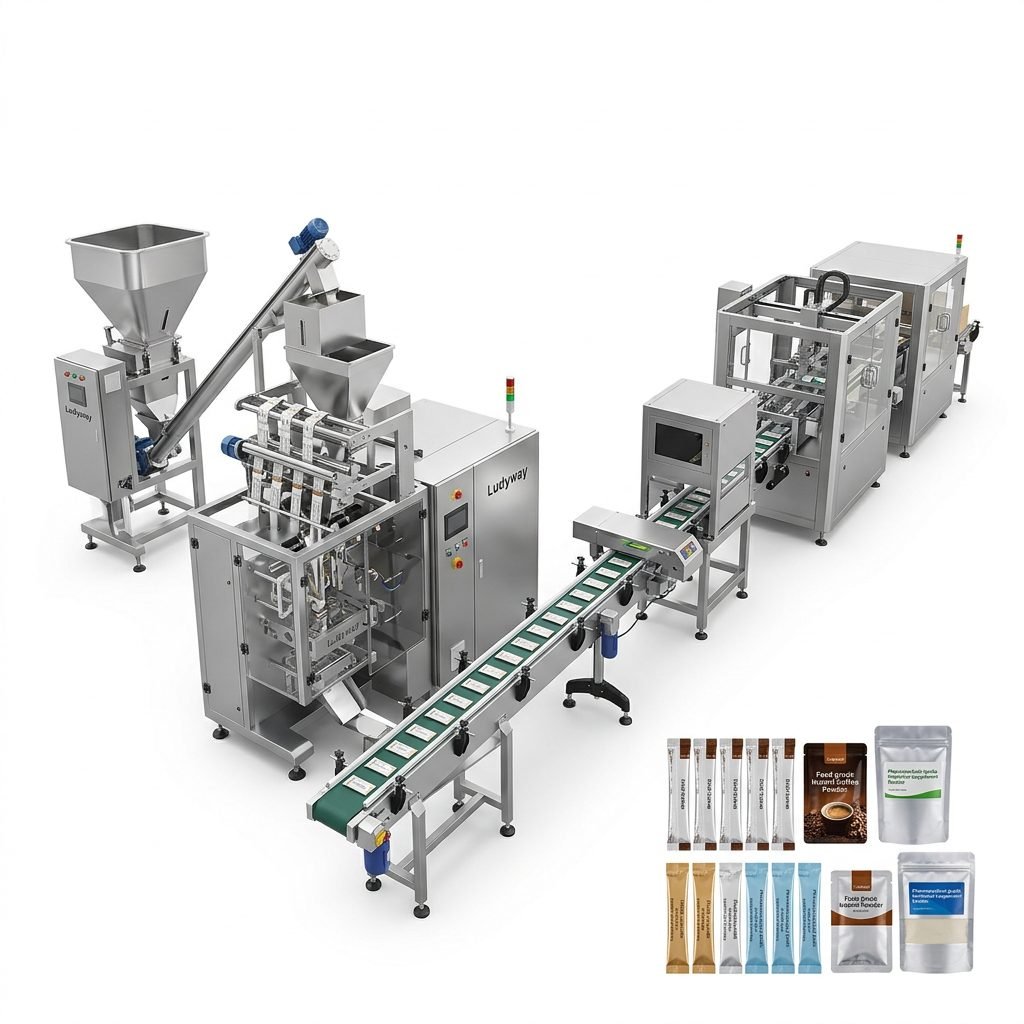
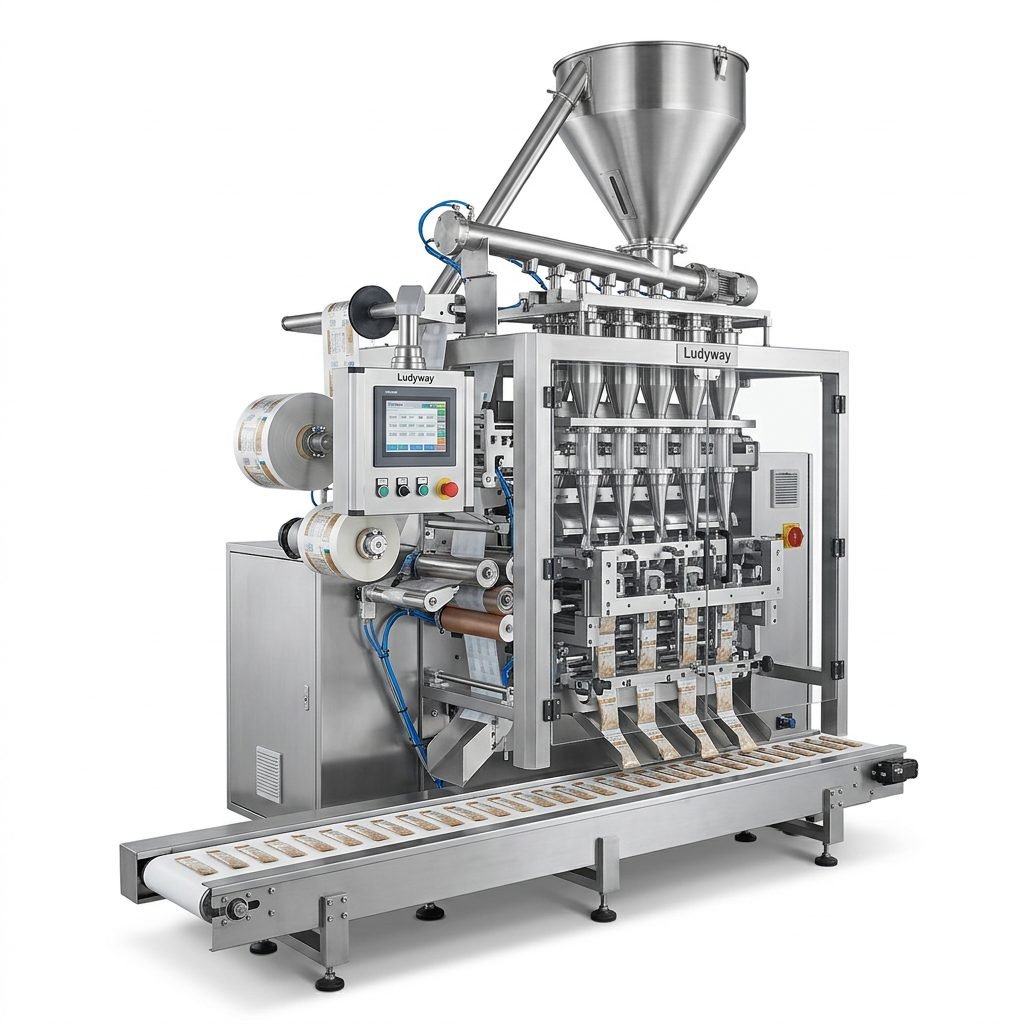
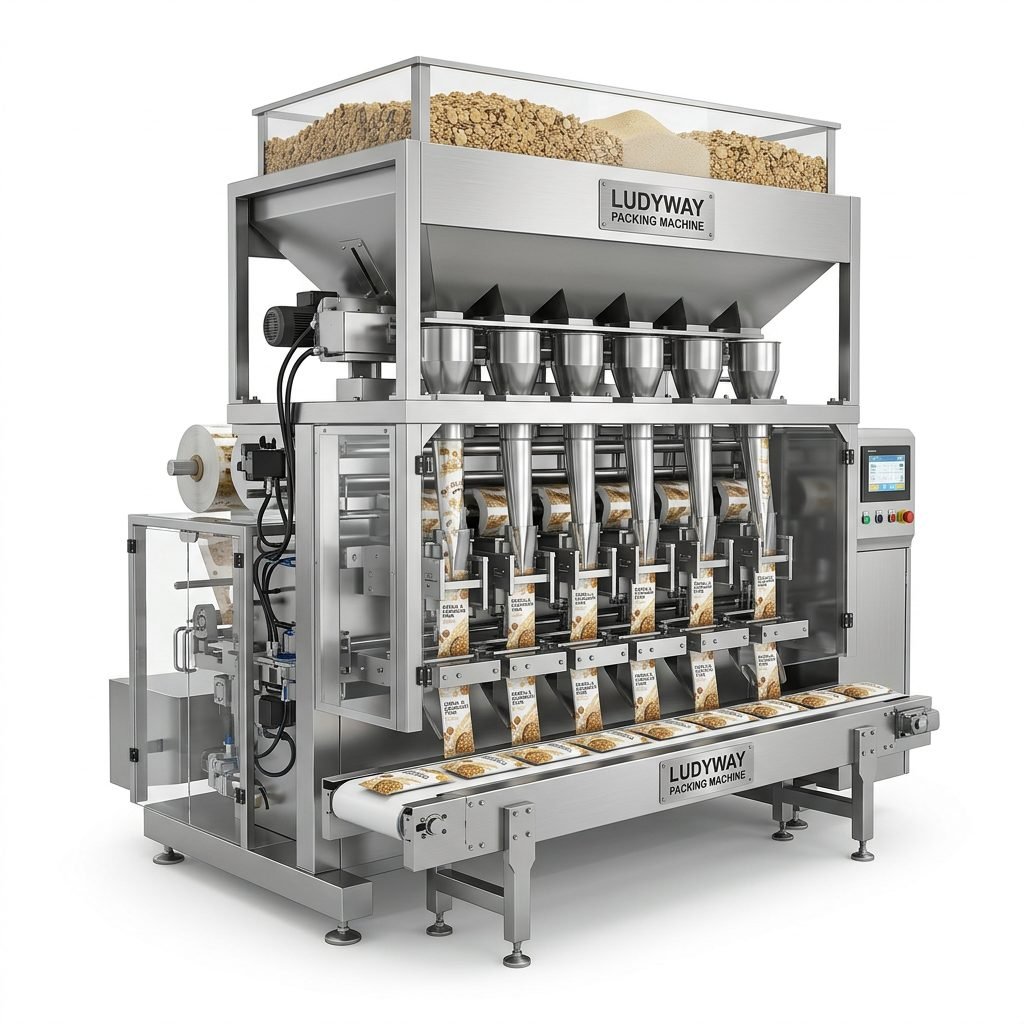
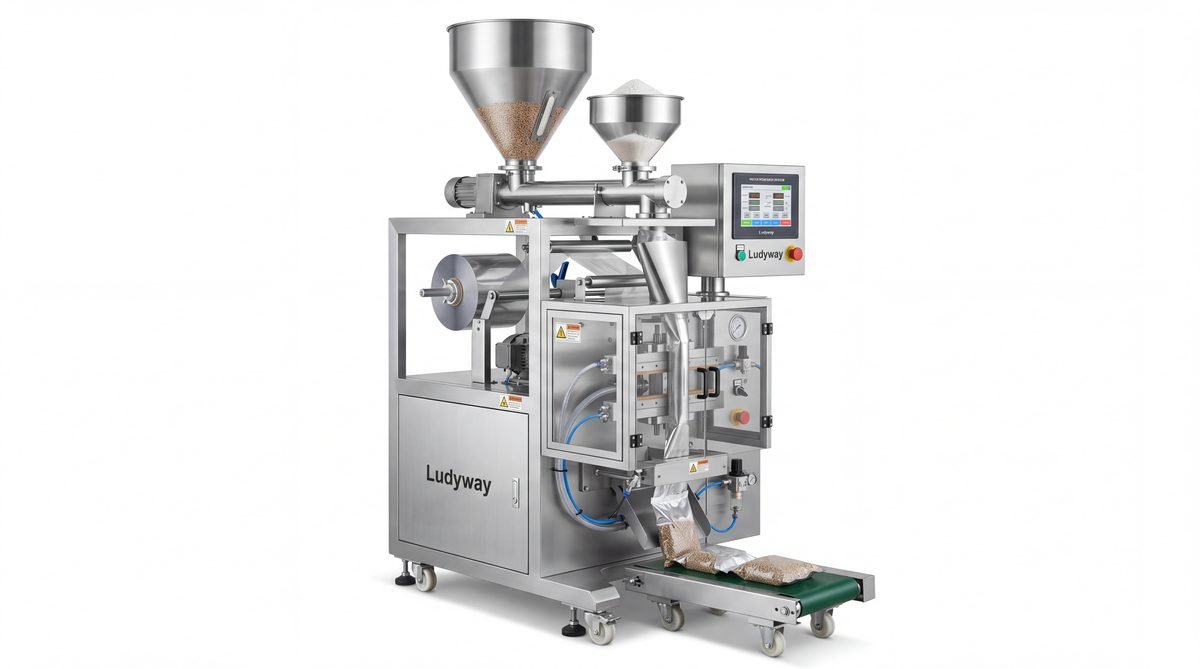
For businesses seeking comprehensive turnkey packaging solutions, Ludyway is one of the largest packaging machine manufacturers in China, offering over 50 intelligent packaging machine models serving customers across more than 100 countries. Their 20,000㎡ modern production facility and experienced engineering team support a wide range of industries including food, pharmaceutical, and health sectors. While their specialty lies in multi-lane stick pack and sachet packaging systems, their expertise in automated packaging solutions provides valuable context for understanding global packaging technology trends.
Conclusion: Making an Informed Purchase Decision
Investing in a skin vacuum packaging machine for the German market demands careful evaluation of technical specifications, regulatory compliance, supplier capabilities, and total cost of ownership. By thoroughly assessing your production requirements, testing equipment with your specific products and films, and verifying local service support, you can select a machine that delivers consistent performance, meets all regulatory standards, and provides a strong return on investment over its operational lifetime. The German market rewards quality, reliability, and efficiency—values that should guide every aspect of your purchasing decision.
Related Resources:
- PMMI State of the Industry Reports – Packaging Market Data
- ISO Packaging Standards Directory
- FDA – Packaging and Food Contact Substances
- Flexible Packaging Association – Official Website