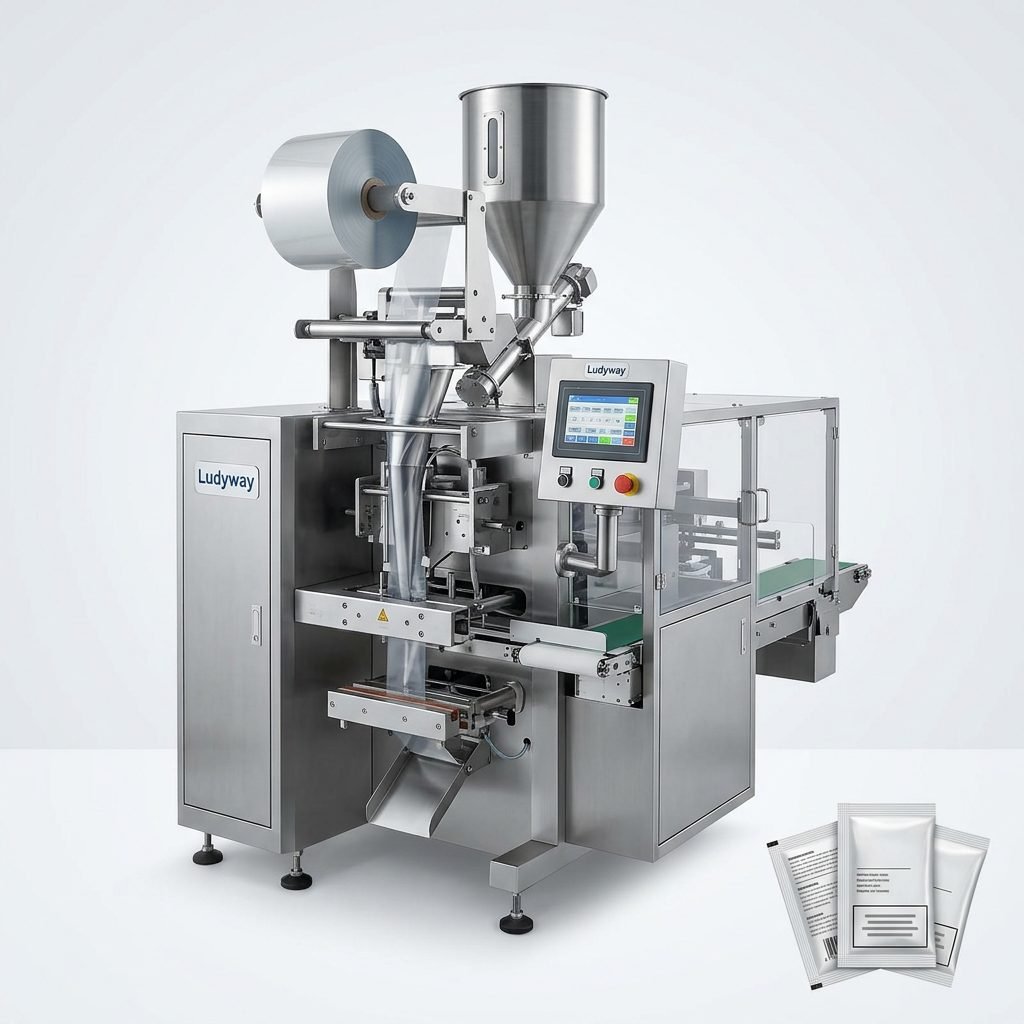
In commercial food operations, product quality is closely tied to packaging performance. Whether you manage a restaurant, central kitchen, food factory, frozen food business, meat processor, seafood supplier, or ready-meal brand, a reliable vacuum packaging machine helps extend shelf life, reduce waste, improve transport stability, and protect flavor, texture, and freshness.
Vacuum packaging works by removing air from the package before sealing. This process slows oxidation, limits moisture-related spoilage, and helps preserve food appearance and aroma. For businesses handling perishable products, it is one of the most practical ways to support food storage, retail presentation, and distribution efficiency.
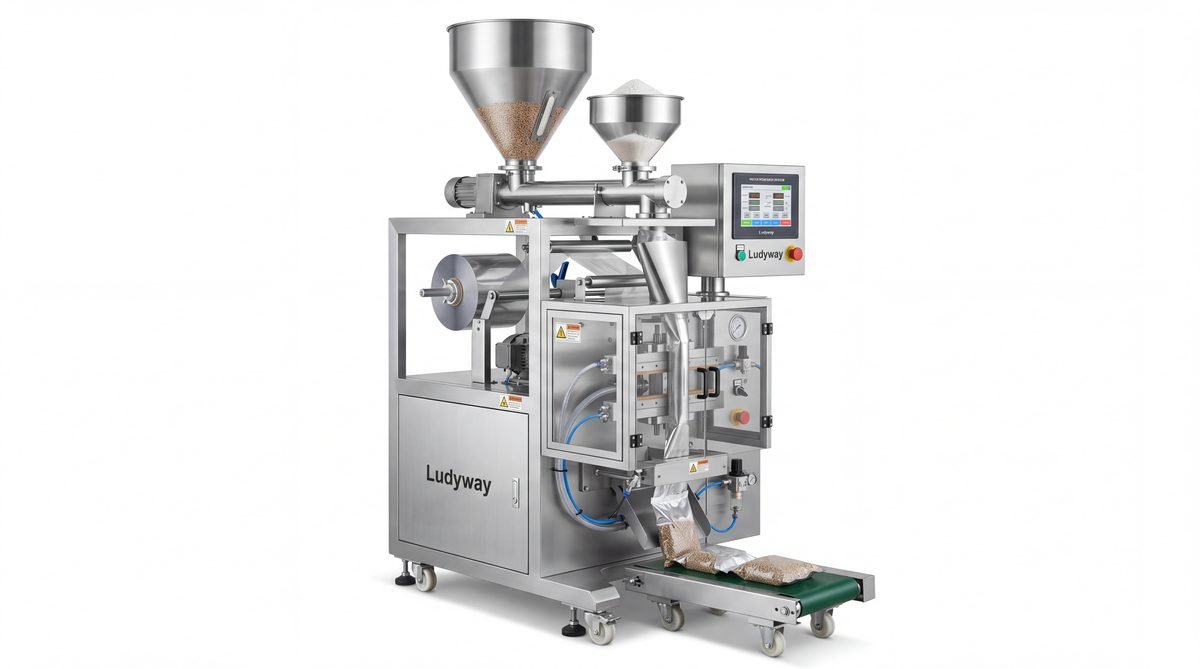
Why Vacuum Packaging Matters in Commercial Food Storage
Air is one of the main reasons food degrades quickly. Oxygen exposure can cause oils to turn rancid, colors to fade, and textures to dry out. A vacuum package helps create a more controlled internal environment, which is especially valuable for products stored in cold rooms, freezers, warehouses, and transport chains.
- Longer shelf life for fresh, chilled, and frozen foods
- Better freshness retention for flavor, aroma, and texture
- Reduced food waste during storage and distribution
- Improved hygiene through sealed packaging
- Space-saving storage with compact, airtight packs
- Stronger market appeal through neat and professional presentation
Common Food Products Suitable for Vacuum Packaging
A commercial vacuum packaging machine can be used across many food categories. The right machine and bag type depend on the product’s shape, moisture level, portion size, and output target.
| Food Category | Typical Products | Main Benefit |
|---|---|---|
| Fresh Meat | Beef, pork, lamb, poultry cuts | Slows oxidation and preserves color |
| Seafood | Fish fillets, shrimp, shellfish | Improves frozen storage stability |
| Processed Foods | Sausages, smoked meat, cheese | Protects taste and package integrity |
| Prepared Meals | Ready-to-eat or ready-to-cook meals | Helps portion control and storage |
| Dry Foods | Nuts, coffee, spices, grains | Protects from moisture and air exposure |
| Frozen Foods | Frozen meat, vegetables, seafood | Reduces freezer burn |
Key Features to Look for in a Commercial Vacuum Packaging Machine
Not all vacuum sealers are designed for industrial or commercial use. For food businesses, the machine must deliver stable sealing quality, reliable vacuum performance, and easy daily operation.
1. Strong Vacuum Performance
Consistent air removal is essential for effective freshness preservation. Machines with stable vacuum pumps help ensure uniform package quality across repeated cycles.
2. Durable Sealing System
A high-quality heat sealing system prevents leakage and supports safe handling during transport, storage, and retail display.
3. Food-Grade Construction
Stainless steel contact parts and easy-to-clean structures are important for food safety compliance and hygienic operation.
4. Adjustable Parameters
Different foods need different vacuum time, sealing time, and cooling settings. Adjustable controls help improve packaging results across multiple product types.
5. Production Capacity Matching
Small kitchens may need compact chamber units, while factories often require double-chamber or continuous vacuum packaging systems for higher throughput.
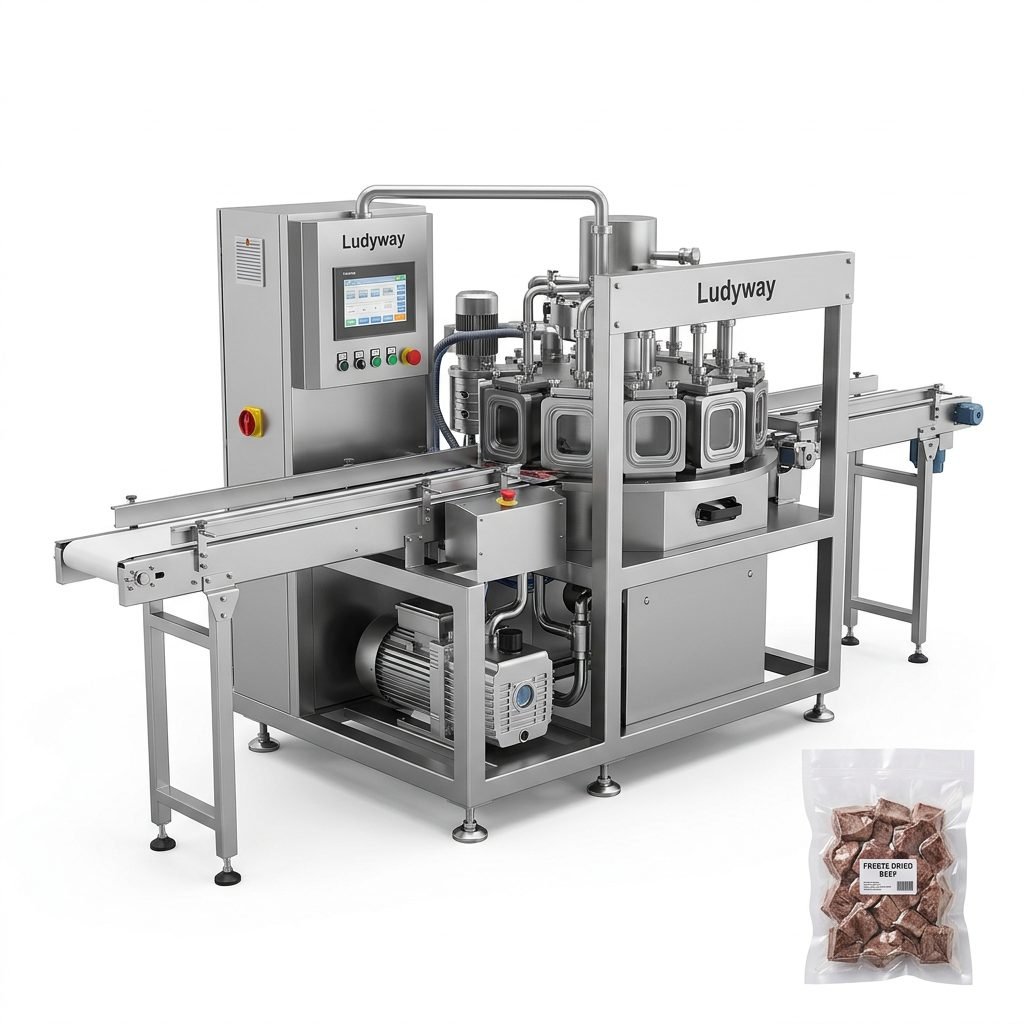
Types of Vacuum Packaging Machines for Food Businesses
Choosing the right structure is just as important as choosing the right brand. Different businesses have different packaging speeds, product formats, and budget plans.
| Machine Type | Best For | Advantages |
|---|---|---|
| Tabletop Chamber Vacuum Sealer | Restaurants, butcher shops, small food businesses | Compact, practical, easy to operate |
| Single Chamber Vacuum Machine | Medium-volume food processing | Stable output and flexible use |
| Double Chamber Vacuum Machine | High-output factories and central kitchens | Higher efficiency and reduced downtime |
| Continuous Belt Vacuum Machine | Large-scale commercial food production | Continuous operation and automation potential |
| Vacuum Skin Packaging Machine | Premium meat, seafood, retail-ready products | Strong display effect and secure product positioning |
How Vacuum Packaging Supports Freshness Preservation
Freshness preservation is not only about making products last longer. It also means keeping the food in a condition customers expect when they open the pack. Vacuum technology helps protect:
- Color stability for meats and seafood
- Moisture balance for cooked and prepared foods
- Texture quality for frozen and chilled items
- Flavor integrity for coffee, spices, and specialty ingredients
- Clean packaging appearance for wholesale and retail channels
For commercial users, these benefits translate directly into lower return rates, more predictable storage planning, and a stronger end-customer experience.
Industries That Commonly Use Vacuum Packaging Equipment
- Meat processing plants
- Seafood packing facilities
- Frozen food manufacturers
- Ready meal and convenience food producers
- Deli and cheese packaging businesses
- Commercial kitchens and catering companies
- Agricultural food exporters
- Snack, nut, and dry ingredient producers
Important Buying Considerations Before You Invest
A vacuum packaging machine should match your production environment, not just your product type. Before making a purchasing decision, review the following factors carefully.
Product Characteristics
Are you packaging fresh meat, marinated foods, liquids, powders, or frozen items? Some foods require different chamber sizes, seal widths, or support options.
Daily Output Requirements
Estimate how many packs you need per hour or per shift. Underestimating capacity can create bottlenecks as your business grows.
Bag Size and Packaging Format
The machine must be compatible with your target bag dimensions, film materials, and seal style.
Cleaning and Maintenance
Food environments need efficient sanitation. Machines with accessible structures and durable parts help reduce downtime.
Automation Integration
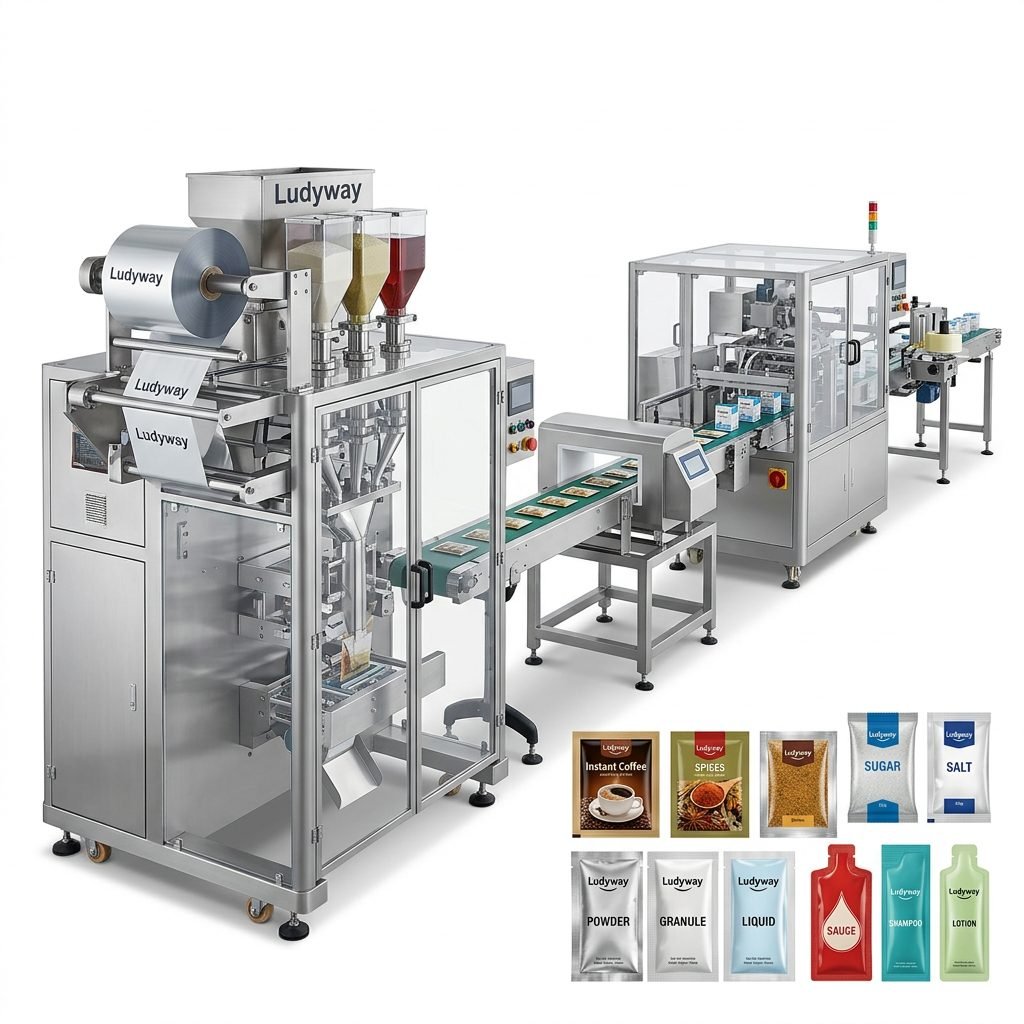
If your operation includes weighing, filling, labeling, coding, inspection, cartoning, or palletizing, you may benefit from a more complete packaging line approach.

Benefits of Working With an Experienced Packaging Machine Manufacturer
When sourcing commercial packaging equipment, technical capability and long-term support matter as much as the machine itself. Businesses often look for suppliers that can provide machine selection advice, customization, installation guidance, spare parts support, and scalable line planning.
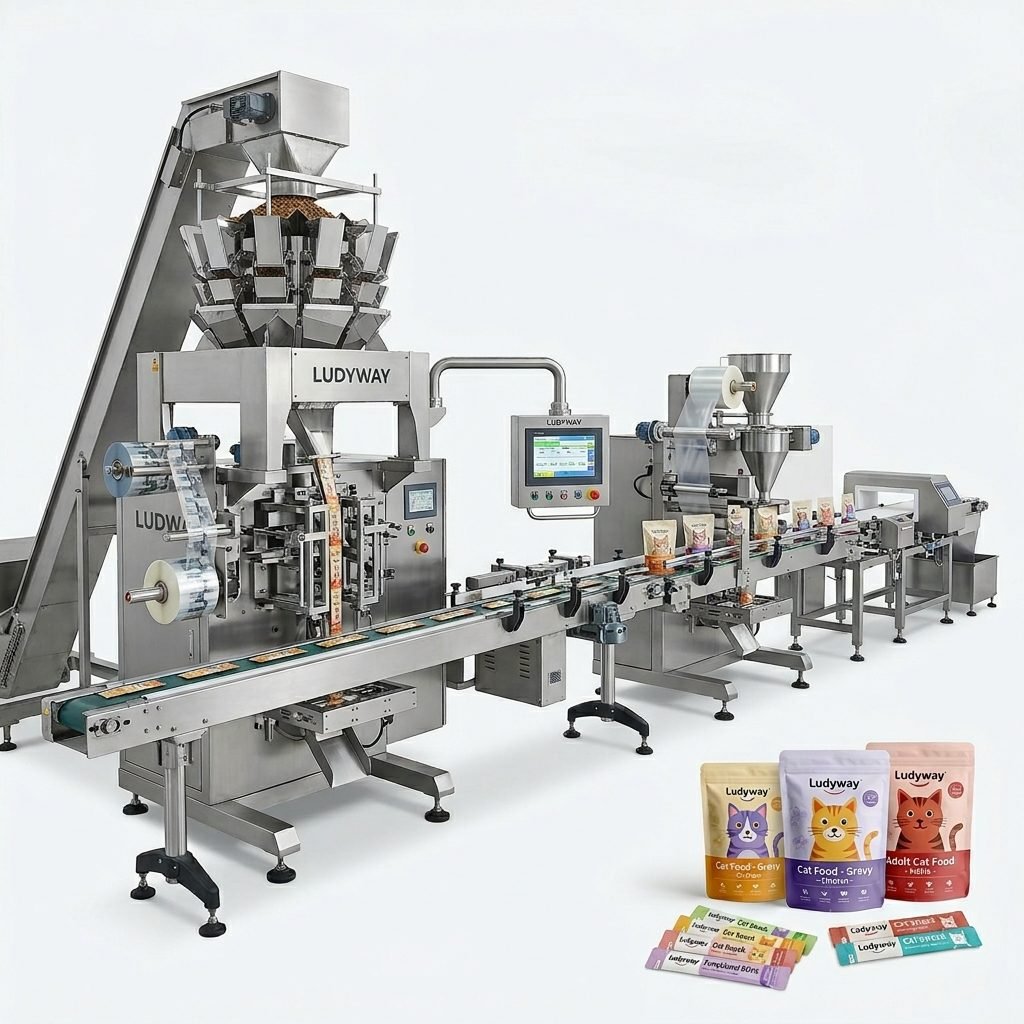
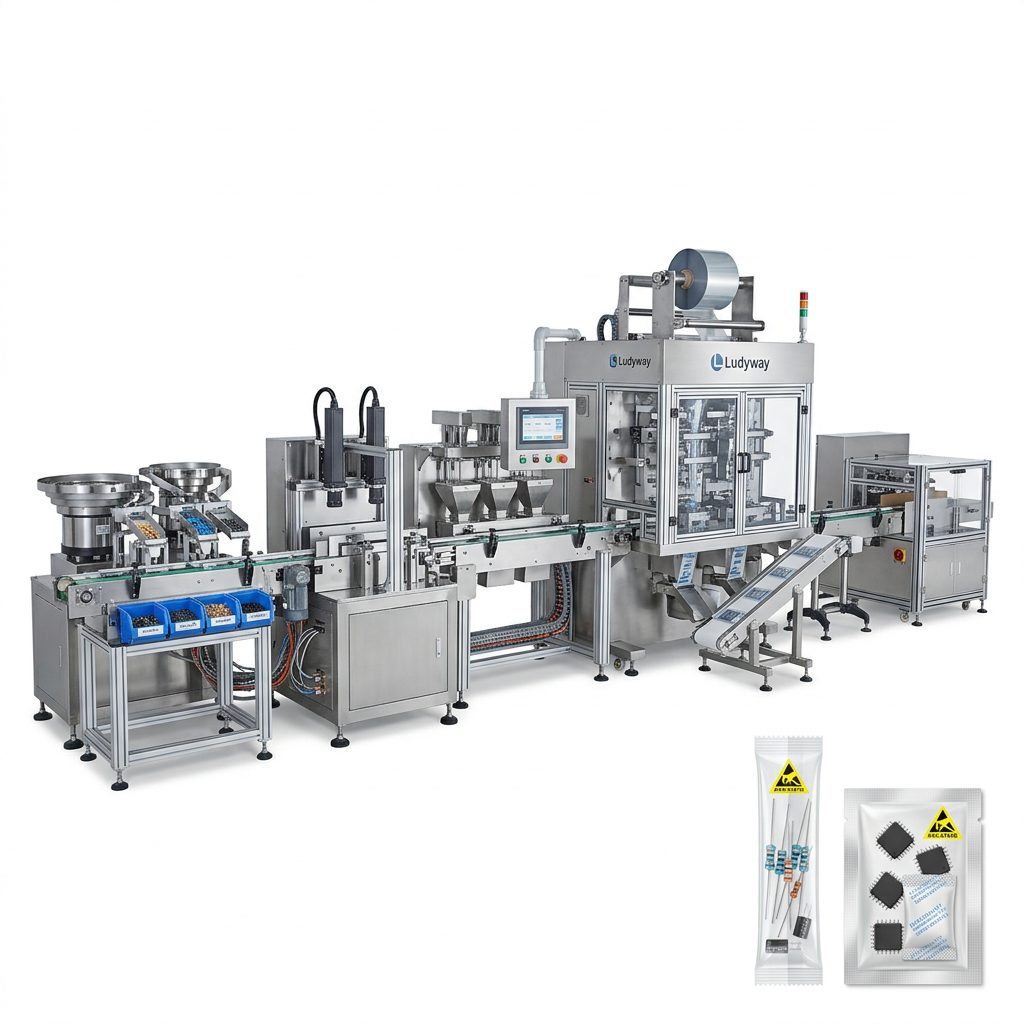
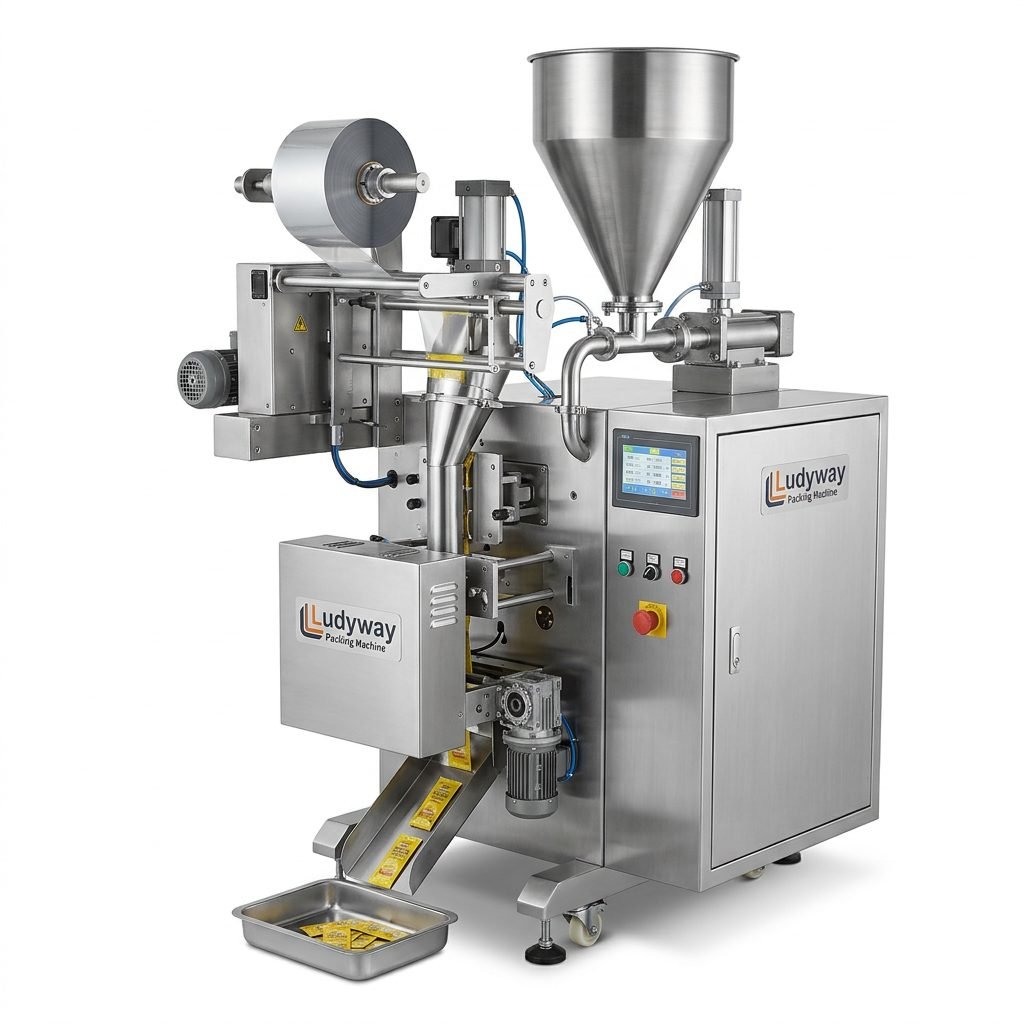
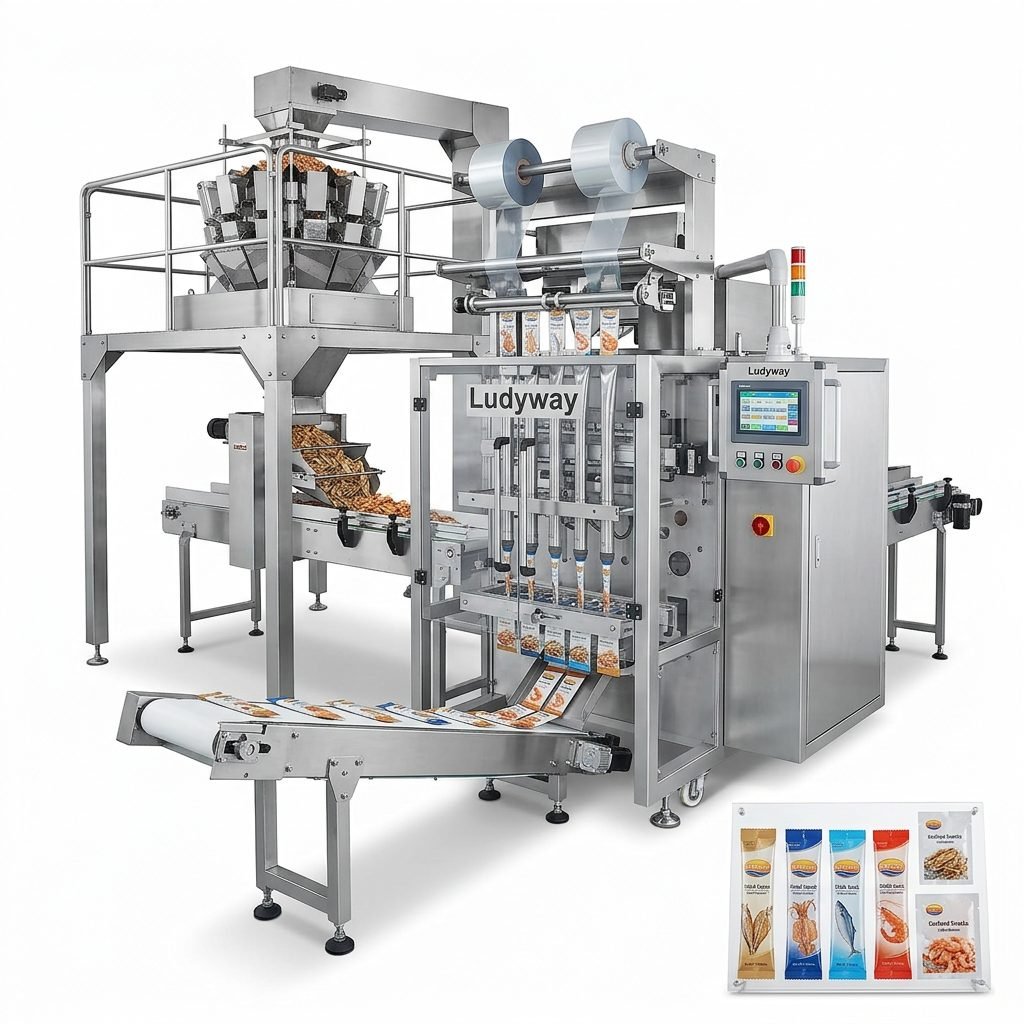
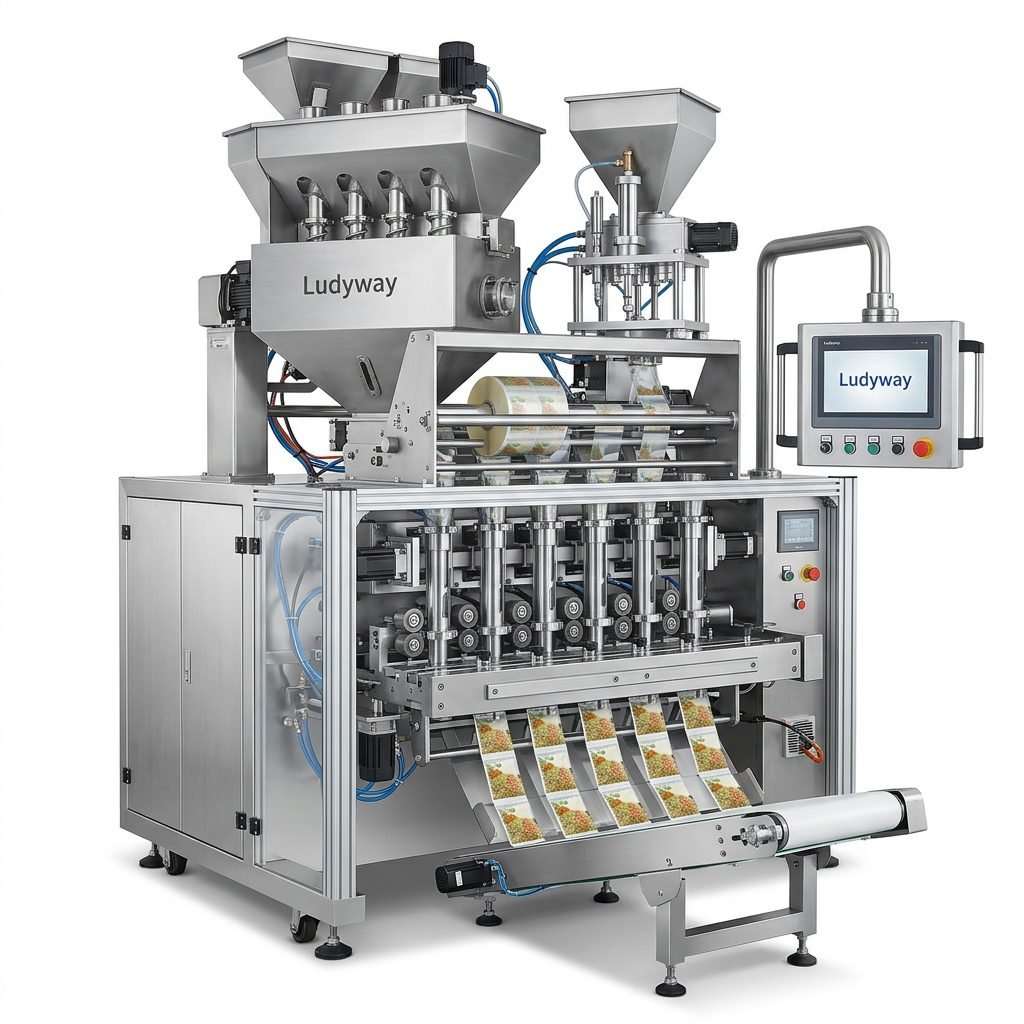
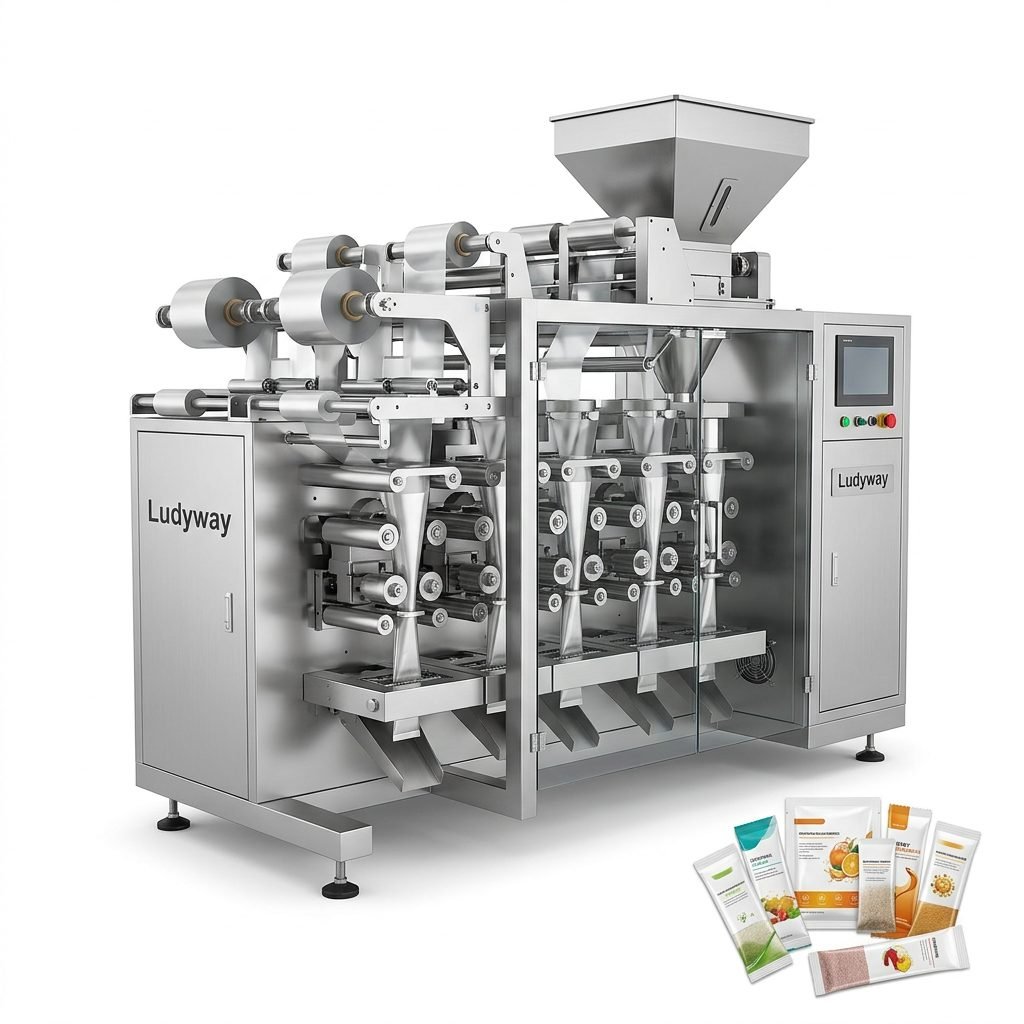
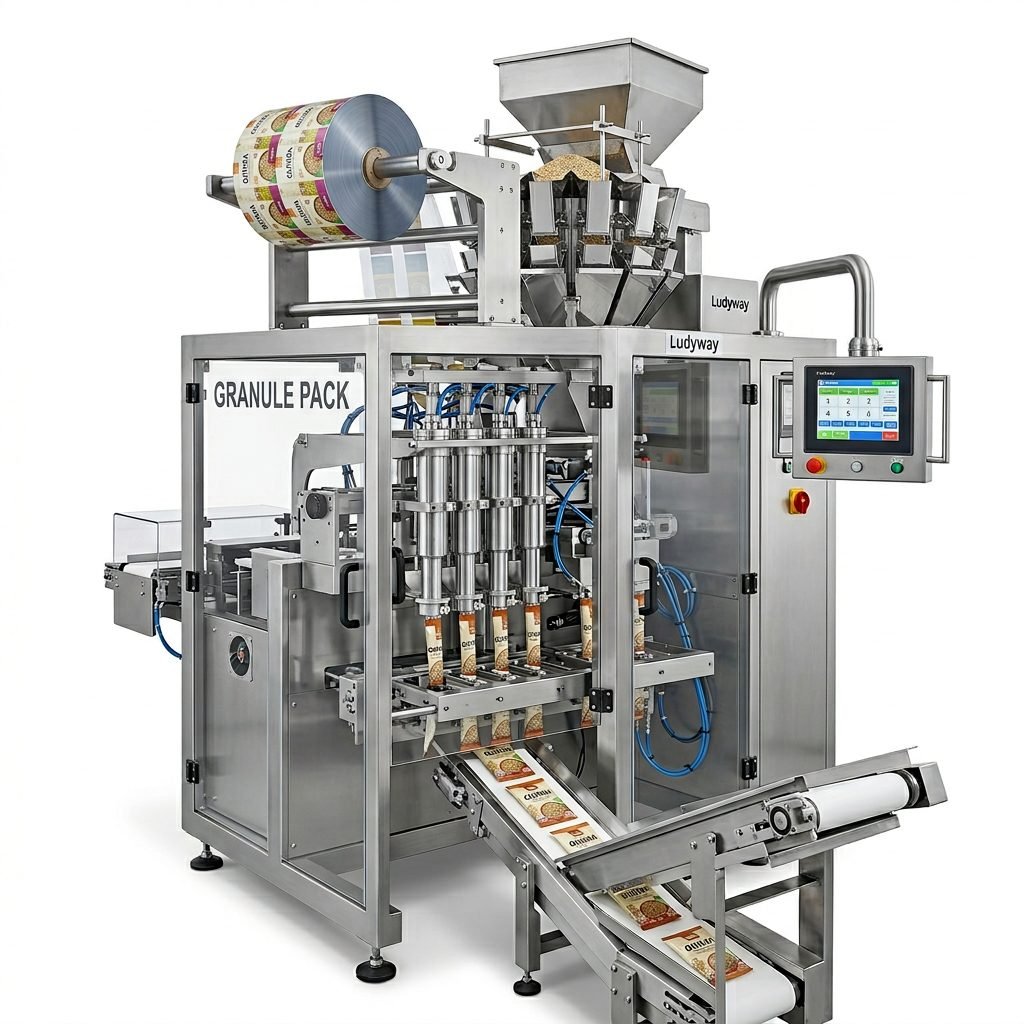
Ludyway vacuum packaging and packaging line solutions are supported by more than 30 years of industry experience, a manufacturing base of over 20,000 square meters, and broad export service across more than 100 countries and regions. As one of China’s leading packaging machine and turnkey packaging line manufacturers, the company serves food, pharmaceutical, health supplement, and related industries with a wide range of automation solutions.
Vacuum Packaging Machine vs. Traditional Sealing Methods
| Packaging Method | Air Removal | Freshness Protection | Commercial Suitability |
|---|---|---|---|
| Standard Heat Sealing | No | Basic | Limited for perishable foods |
| Manual Bag Closure | No | Low | Suitable only for short-term use |
| Vacuum Packaging | Yes | High | Excellent for commercial food storage |
Best Practices for Using a Vacuum Packaging Machine
- Use packaging materials matched to the product and storage condition
- Keep sealing areas clean and dry before sealing
- Adjust vacuum and seal parameters for different food categories
- Do regular pump and sealing bar maintenance
- Train operators on hygiene and machine handling procedures
- Test packaged products under actual cold chain or warehouse conditions
Final Considerations for Growing Food Businesses
A commercial vacuum packaging machine is more than a sealing device. It is a practical investment in product quality, shelf life, logistics efficiency, and brand consistency. For businesses that need dependable food storage and freshness preservation, the right vacuum packaging equipment can improve daily operations while creating stronger long-term value.
If your production is expanding, it is worth evaluating whether a standalone vacuum sealer is enough or whether a broader automated packaging solution would deliver better performance. The right choice depends on your product range, output targets, labor structure, and future growth plans.