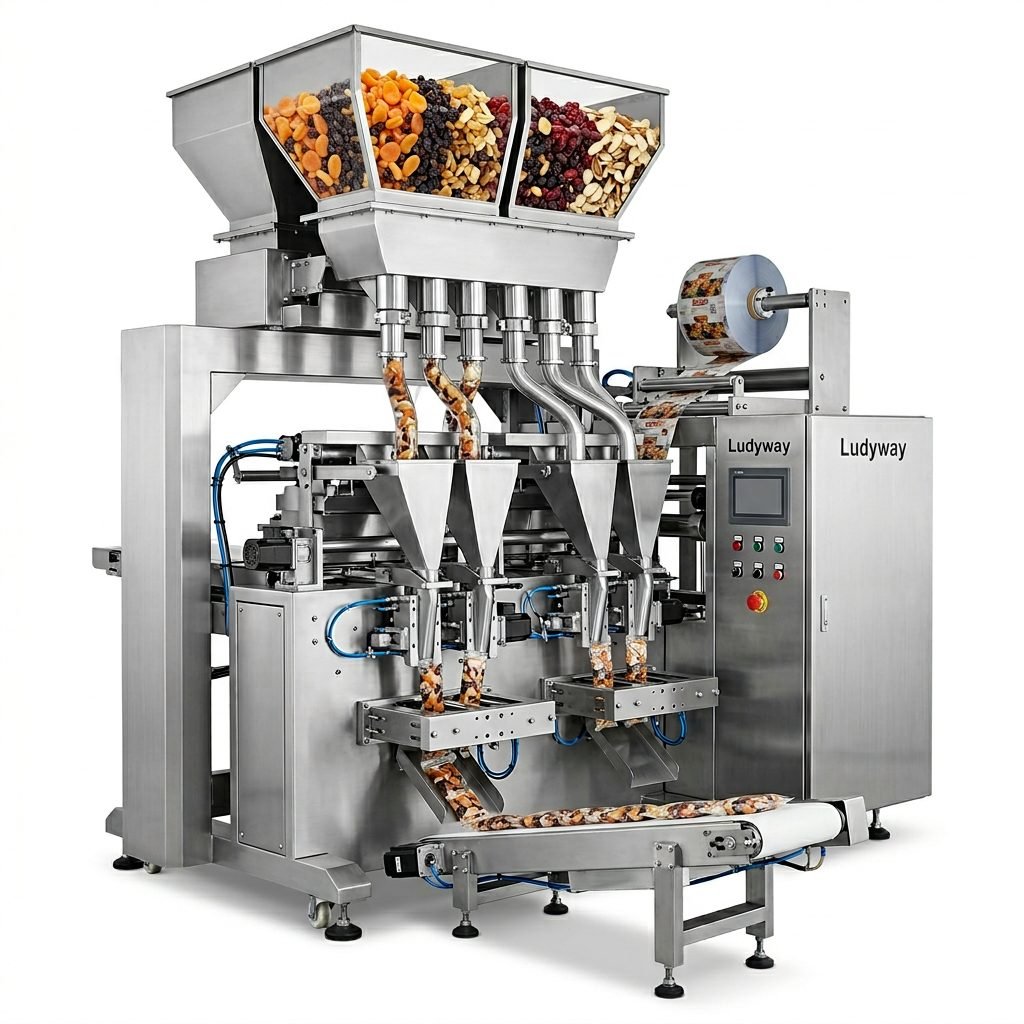
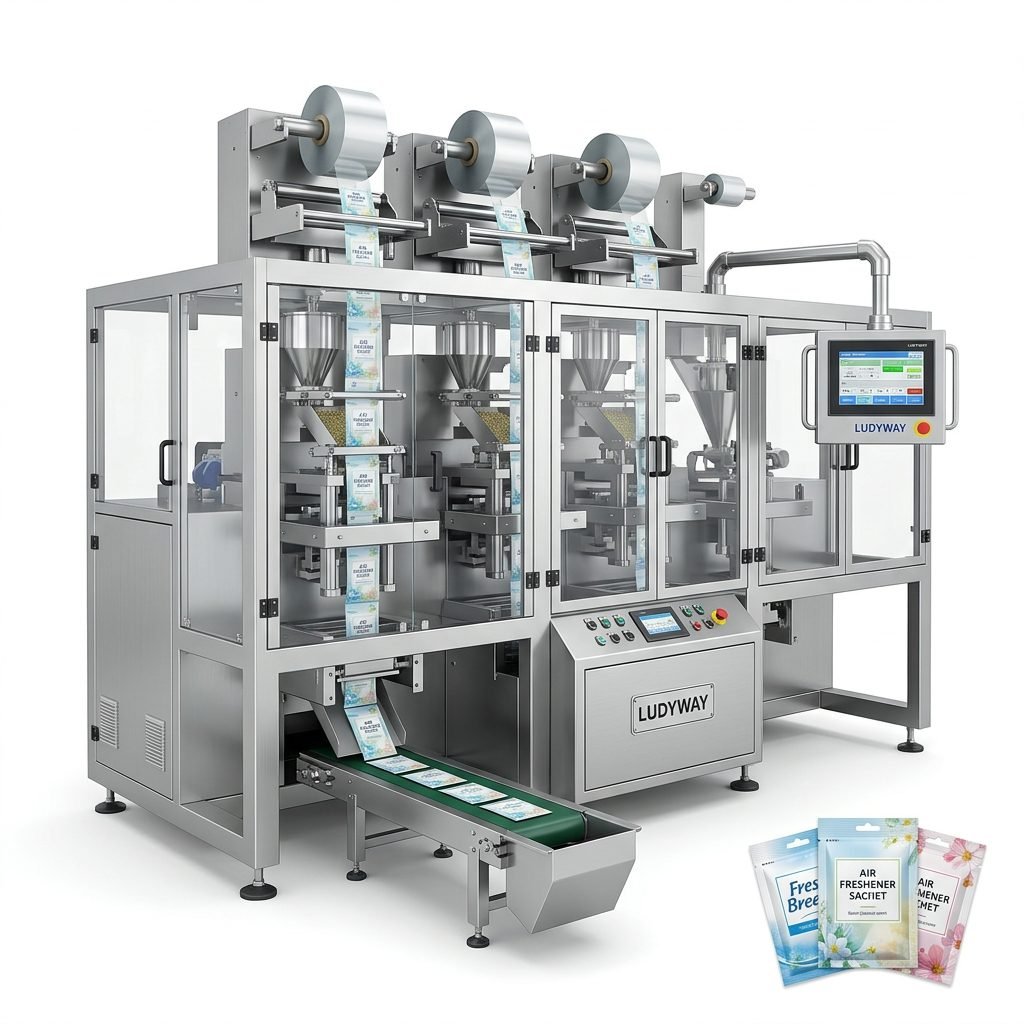
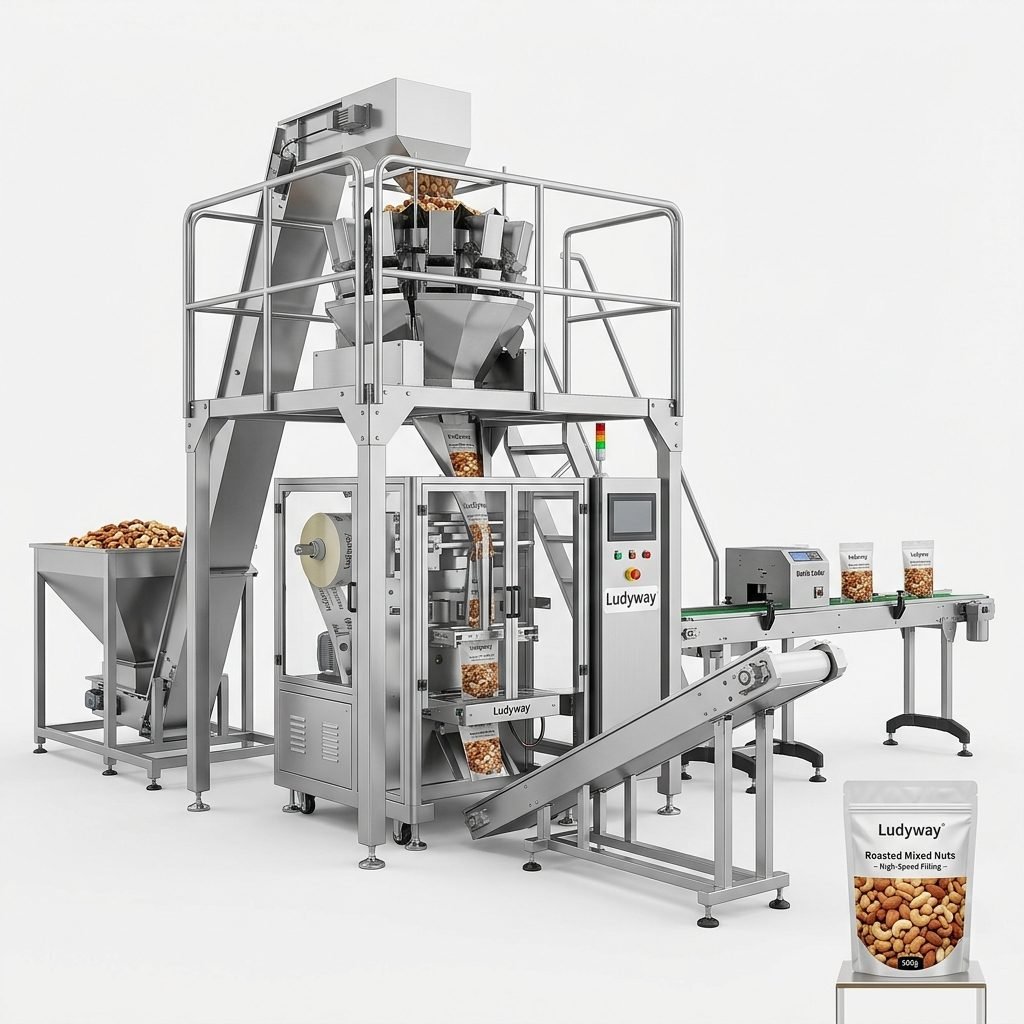
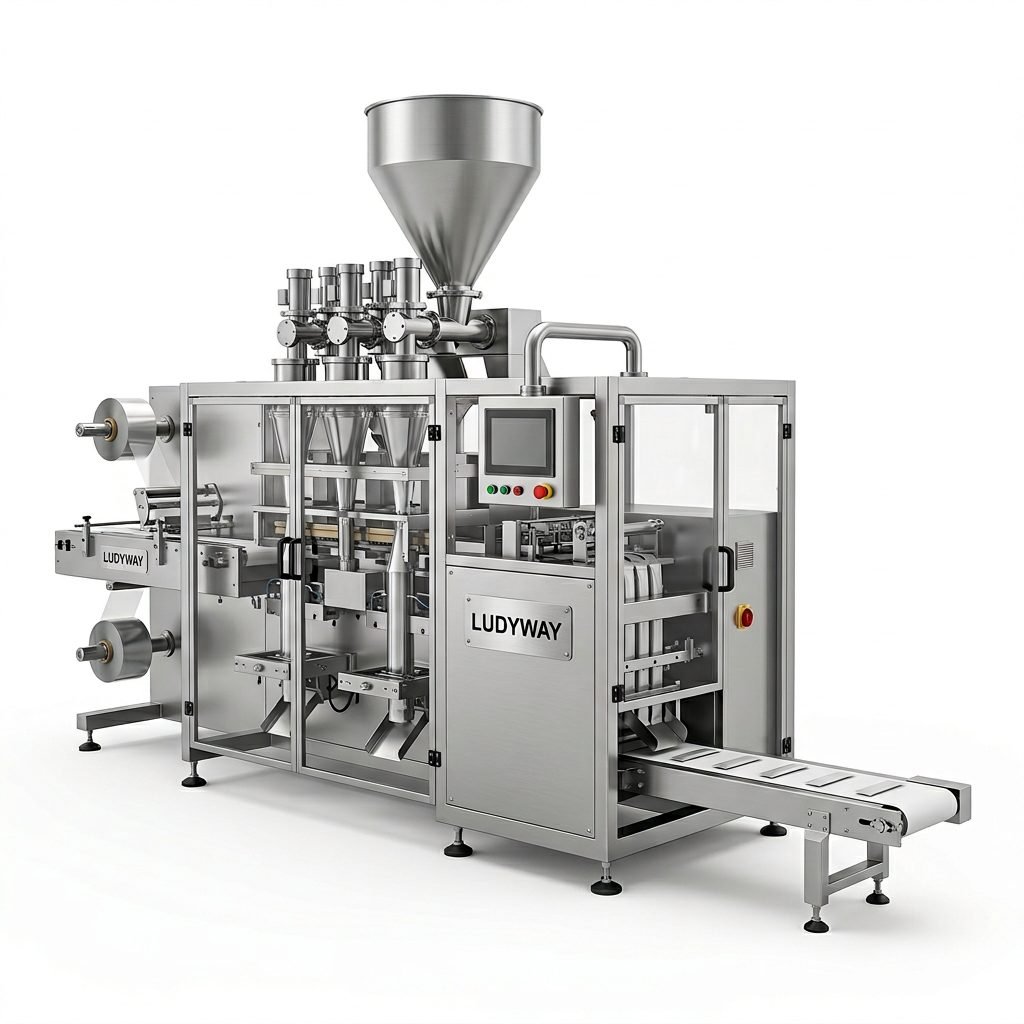
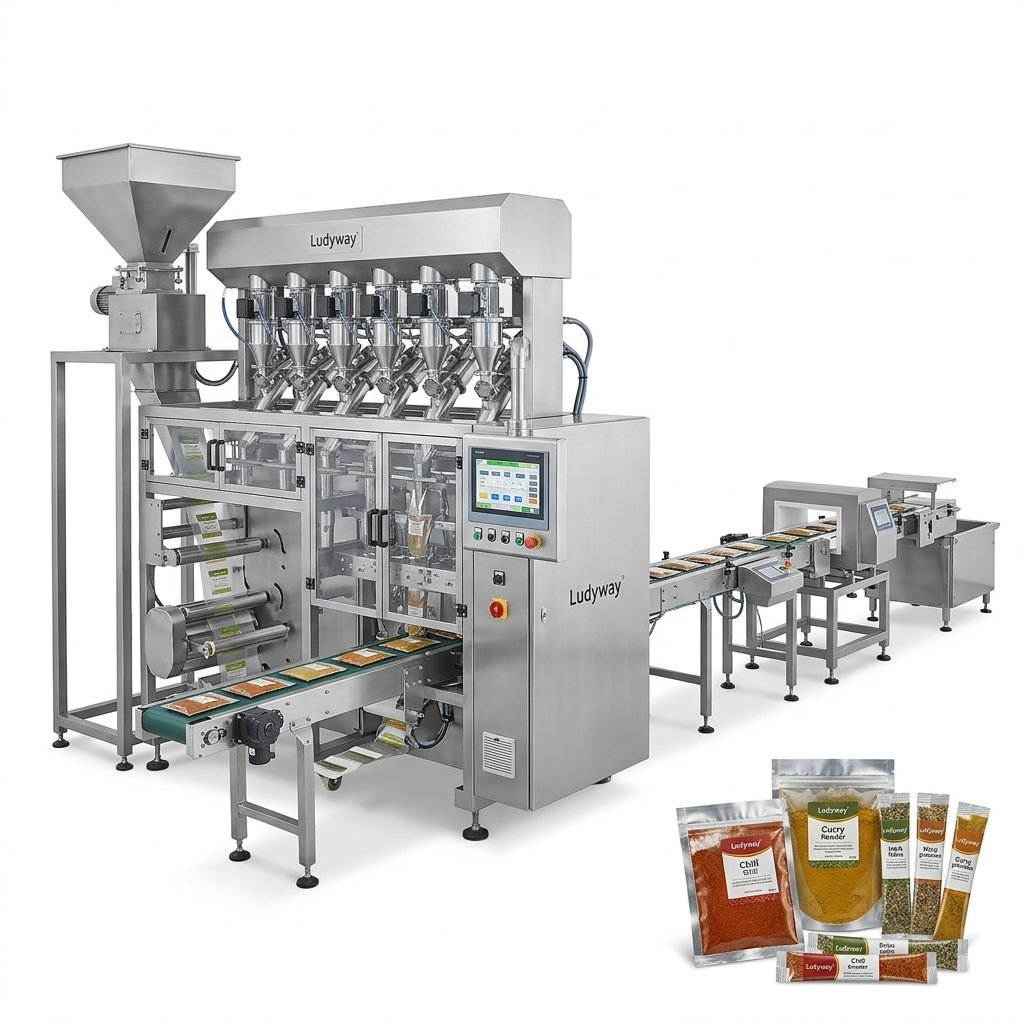
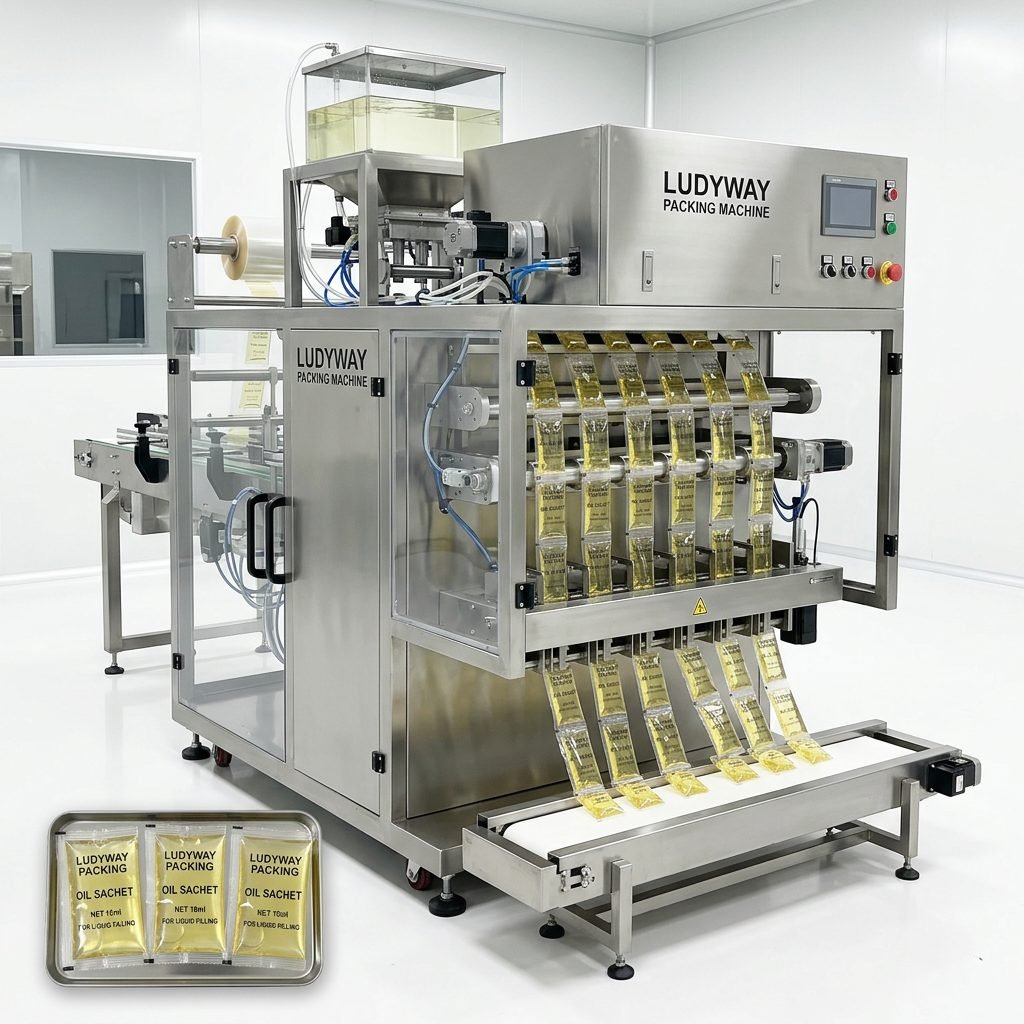
Navigating the complexities of establishing a packaging operation in one of Europe’s most regulated markets requires precision planning. Germany’s reputation for engineering excellence extends to its expectations for automated production. Integrating a tray sealer packaging machine into a German production line involves more than just equipment installation; it demands strict adherence to safety, hygiene, and efficiency standards. Whether you are transitioning from manual packing or upgrading an existing automated line, understanding the local infrastructure logic is the first step to operational success.
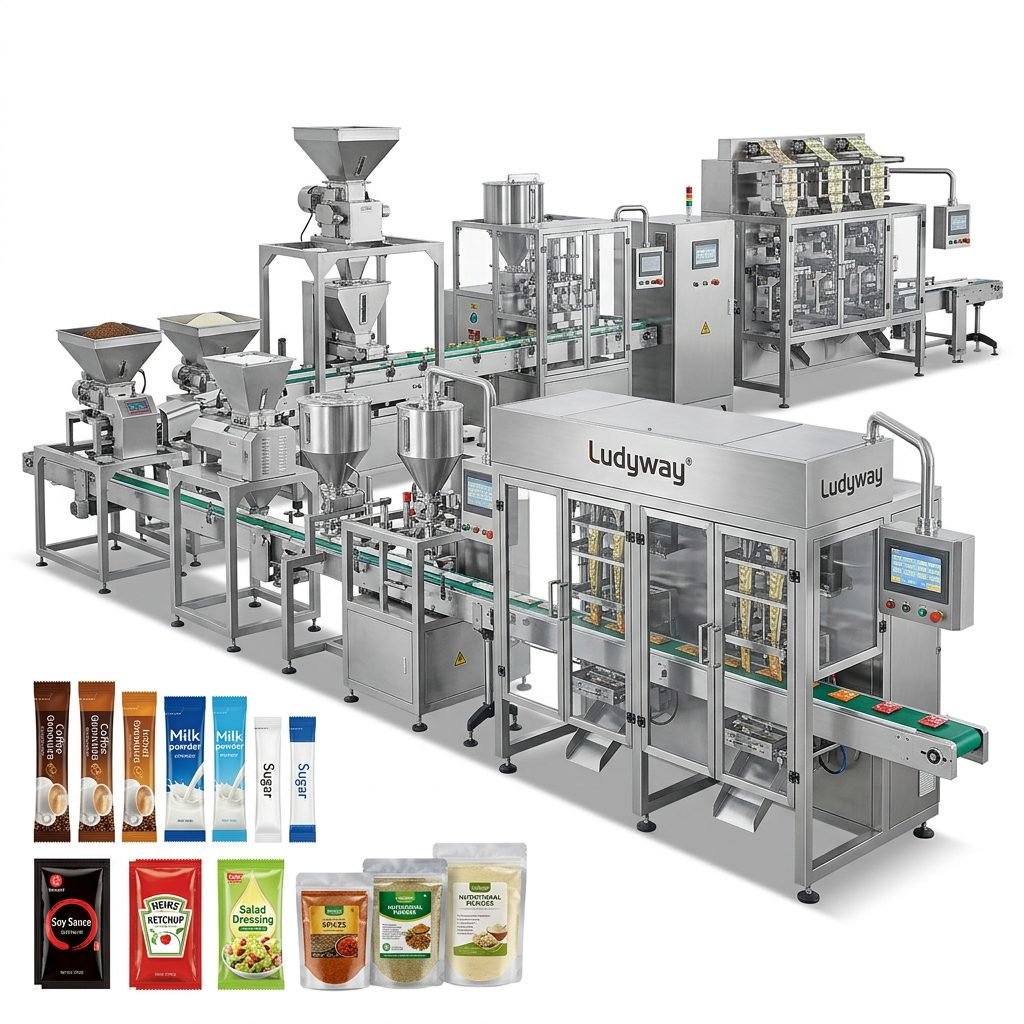
Understanding the German Regulatory Landscape for Tray Packaging
Before commissioning a tray sealing line, you must align with the dual framework of European directives and German national regulations. Machinery Directive 2006/42/EC compliance is non-negotiable, but for a production line, the connection between separate machines—like the automatic pouch filler and the tray denester—triggers specific conformity assessments. German notified bodies, such as DGUV or TÜV, rigorously test the integrated safety circuits. Furthermore, if you are packaging food products, EHEDG hygienic design guidelines must be met to prevent bacterial harborage points.
Strategic Layout and Infrastructure Planning
The physical placement of your machinery significantly impacts throughput. German facilities prioritize efficient material flow, often utilizing a linear or L-shaped configuration for space optimization. You need to calculate the interface between the upstream filling stations and the downstream checkweighers. Elements to consider include:
- Power Supply: Standard 400V/50Hz three-phase industrial connections are typical, but sensitive sealer controls require clean, stable power lines isolated from heavy motors.
- Compressed Air Quality: Tray sealers demand instrument-grade dry air (ISO 8573-1 Class 1.4.1 or better) to prevent pneumatic valve failure.
- Extraction Systems: If Modified Atmosphere Packaging (MAP) is part of your process, vacuum pumps and gas mixers need centralized exhaust ventilation compliant with TRBS 2152 standards.
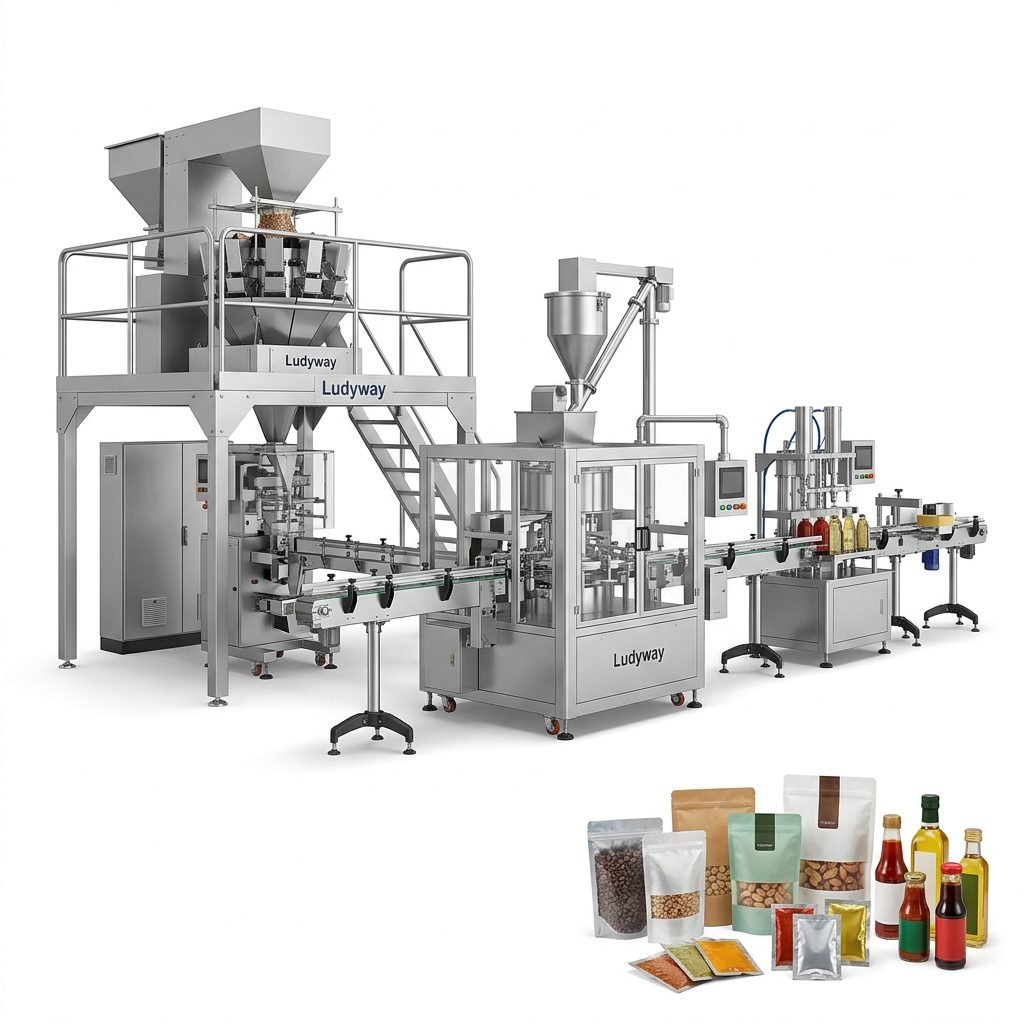
Key Technical Specifications of Modern Tray Sealers
When selecting a machine, German production managers look beyond basic speed metrics. The conversation revolves around Overall Equipment Effectiveness (OEE) and format changeover times. A high-performance tray sealer should offer tool-free changeover capabilities, ideally completing a full format swap in under 10 minutes to support Just-in-Time manufacturing demands. Look for servo-driven sealing heads with precise force control to ensure consistent seal integrity on recyclable mono-materials, which are increasingly mandated by the Verpackungsgesetz (German Packaging Act).
Choosing the Right Automation Partner
Integrating a standalone tray sealer is risky without local support for the CE conformity assessment for the entire linked line. This is where partnering with an experienced OEM becomes critical. Ludyway, as a manufacturer with a significant global footprint, supports project planning by providing detailed technical documentation packages that assist with the certification of the complete production chain. The ability to supply turnkey solutions helps streamline the process, reducing interface risks between various equipment feeders and the sealing station.
Step-by-Step Implementation Guide
A successful setup in the German market follows a sequential validation process. Rushing the IQ/OQ stages often leads to protocol deviations. Here is a recommended workflow:
| Phase | Focus Area | Critical Success Factor |
|---|---|---|
| 1. Pre-Installation | Civil works and utility drops | Floor load capacity and clean drain placement |
| 2. Mechanical Assembly | Line connectivity and guarding | Laser alignment of in-feed and out-feed conveyors |
| 3. Calibration | Sealing temperature and gas mixing | Residual oxygen level below specified threshold |
| 4. Traceability | Labeling and vision systems | Online variable data printing accuracy |
Ensuring Data Integrity and Industry 4.0 Readiness
German industry heavily invests in the Industrie 4.0 framework. Your tray sealer must communicate not just via simple I/O, but through standardized protocols like OPC UA or EUROMAP 79. This ensures the machine can log sealing parameters (temperature, pressure, dwell time) into a centralized SCADA system for full traceability. Automated rejection of defects, where the line ejects a tray if a seal deviation is detected, is a standard requirement rather than an optional extra.
Training and Occupational Safety in Germany
Operating personnel must receive documented training per BetrSichV (Ordinance on Industrial Safety and Health). This involves a structured program covering not only the Human-Machine Interface (HMI) operation but also cleaning procedures for washdown environments and lockout-tagout safety protocols during maintenance. A designated safety officer must approve the machine’s emergency stop loop before production ramp-up.
Maintaining Efficiency Through Preventive Strategies
To maximize the lifecycle of the equipment, move from reactive to predictive maintenance. Utilize the data generated by the system to forecast the remaining life of critical components like sealing bars and heating elements. High-quality machinery, such as those detailed on platforms like PMMI, emphasizes the importance of genuine spare parts to maintain OEM accuracy. Ensuring local access to tool kits and critical wear components significantly reduces mean time to repair (MTTR).
Addressing Sustainability and Packaging Waste
The German market is rapidly phasing out fossil-based plastics. Your production line must be capable of processing thin-gauge mono materials like rPET or PP without jamming, tearing, or losing seal strength. Configuring the tooling for tapered trays made from recycled content requires precise temperature zoning technology. The ability to handle these advanced materials positions a manufacturer competitively within the circular economy framework strictly enforced by the Central Packaging Register (ZSVR).
For a deeper dive into machine conformity and safety integration, resources available at the PMMI business intelligence library or the Flexible Packaging Association can provide further regulatory guidance.