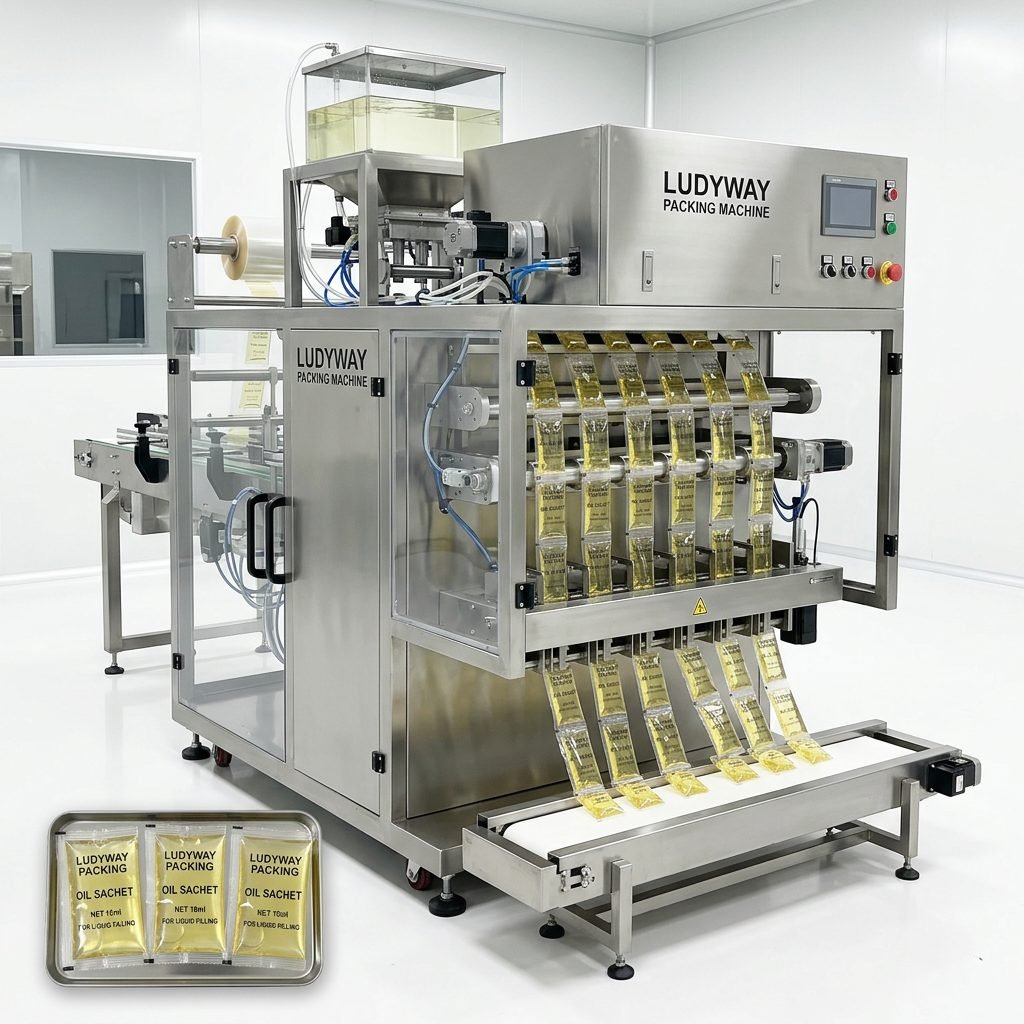
South America’s dried fruit sector is experiencing rapid growth, driven by increasing export demands from Chile, Peru, Brazil, and Argentina to North American, European, and Asian markets. To maintain product freshness, texture, and nutritional value during long shipping periods, food manufacturers require highly specialized equipment. A robust Dried Fruit Packaging Machine is not just a luxury; it is an operational necessity for preventing moisture ingress and oxygen exposure. This guide explores the critical steps, technical requirements, and commercial considerations for setting up a successful packaging line in the Latin American context.
Understanding South American Regulatory Standards
Before importing machinery, it is vital to align with local safety and food contact regulations. While Mercosur (Southern Common Market) dictates many regional standards, integrating globally recognized protocols ensures your products meet international market entry requirements. Key considerations include adhering to ISO packaging standards for material safety and following guidelines from the Flexible Packaging Association. Additionally, understanding the packaging machinery safety protocols outlined by industry bodies like PMMI is essential. Specifically, machines must feature stainless steel contact parts to prevent contamination and ensure compliance with FDA-like food safety regulations.
Core Components of a Dried Fruit Production Line
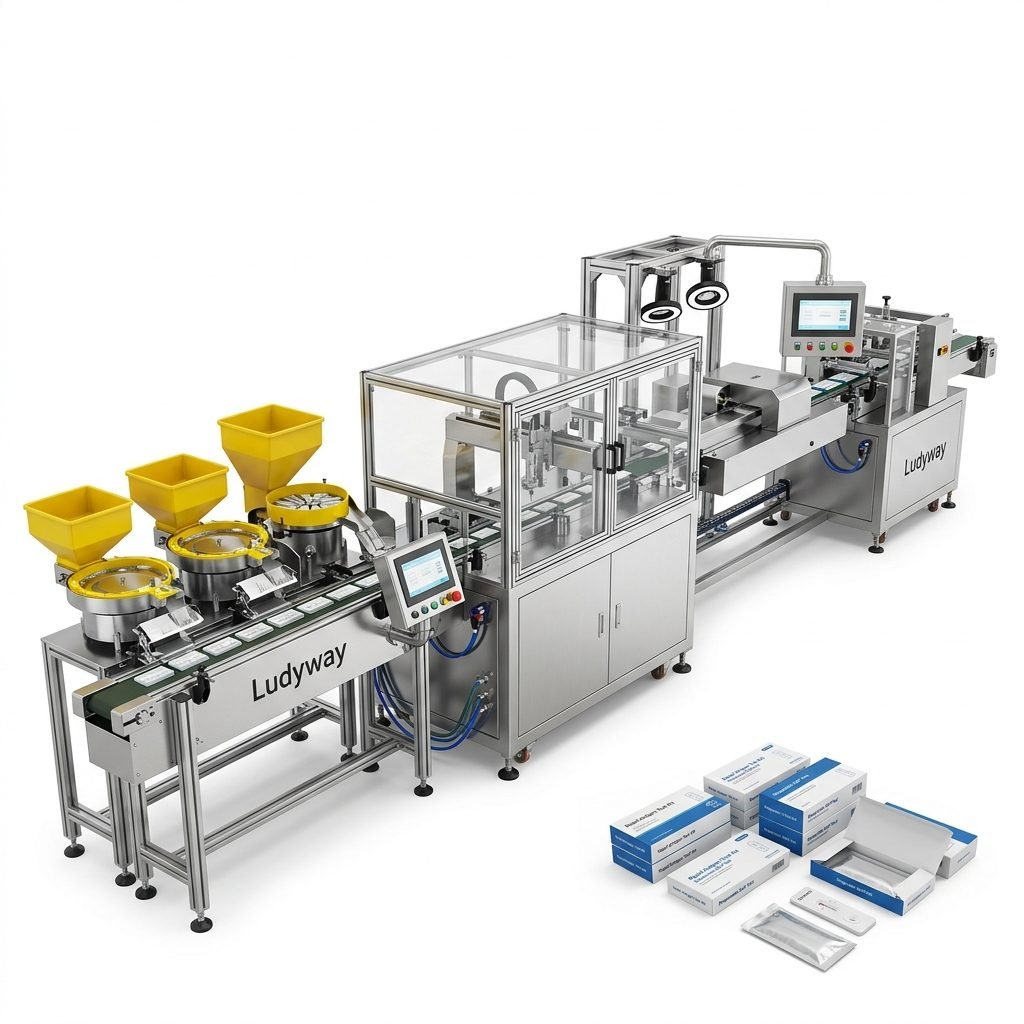
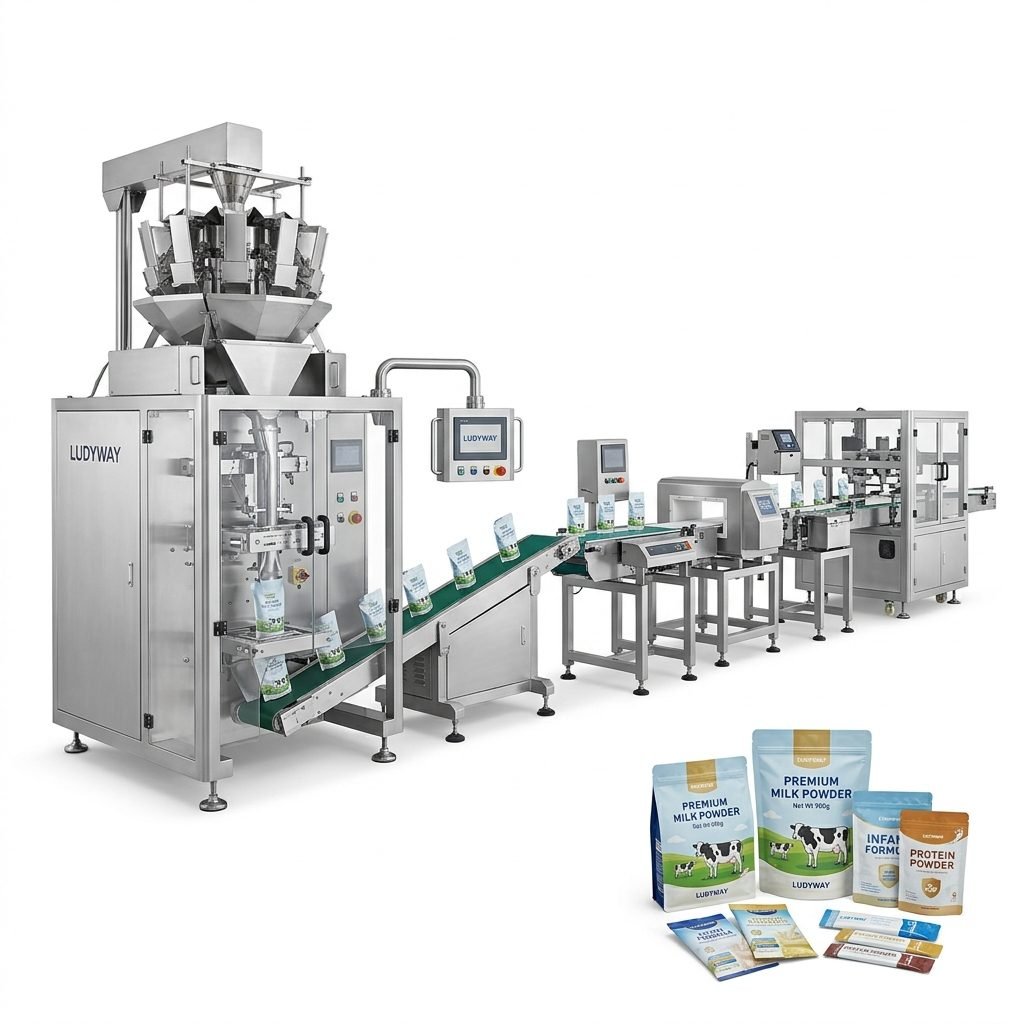
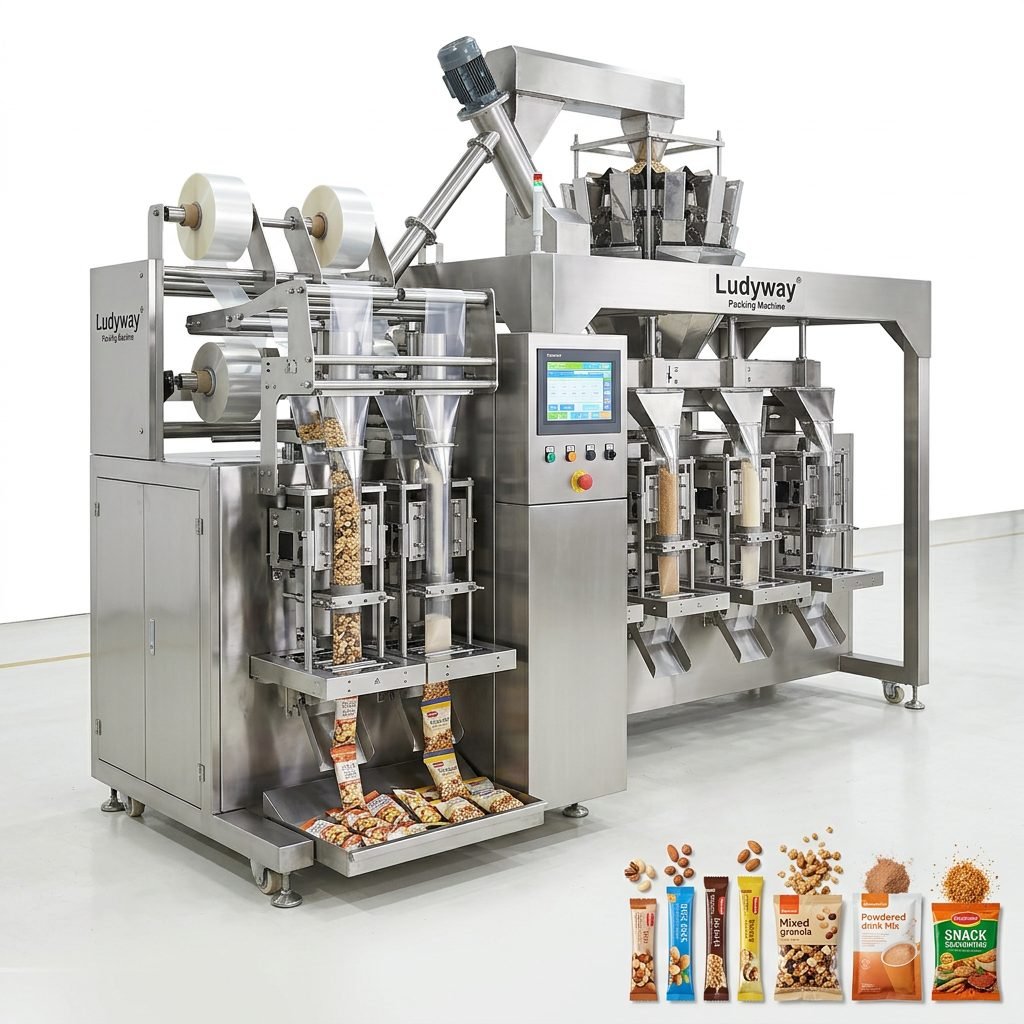
Setting up a fully integrated line requires synchronizing several mechanical units. Below are the essential modules needed for a seamless dry food packaging operation:
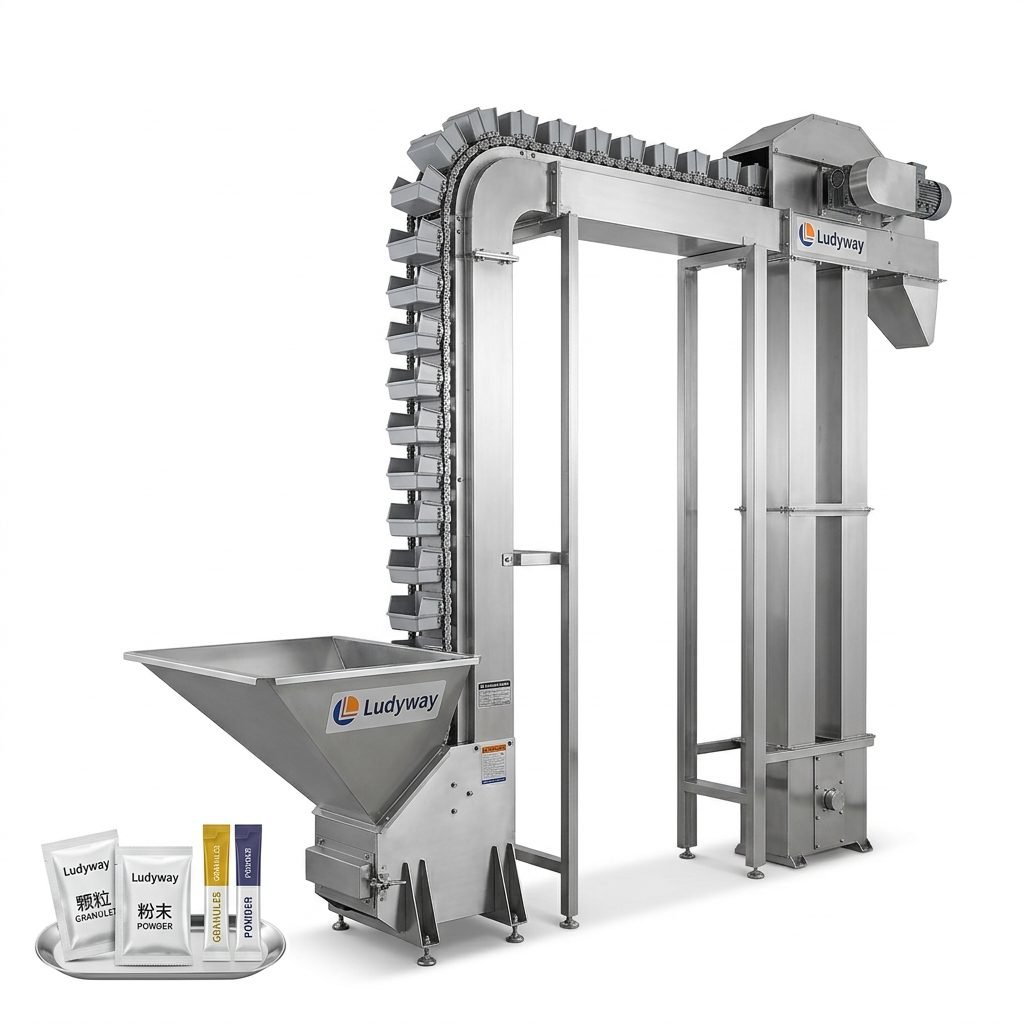
- Feeding & Elevation System: A Z-type bucket elevator is crucial for gently transporting fragile dried mangoes, apples, or berries to the packaging station without crushing them.
- Multihead Weighing: High-precision 10 or 14-head combination weighers ensure accurate weight distribution for mixed fruit snacks, reducing giveaway and maximizing ROI.
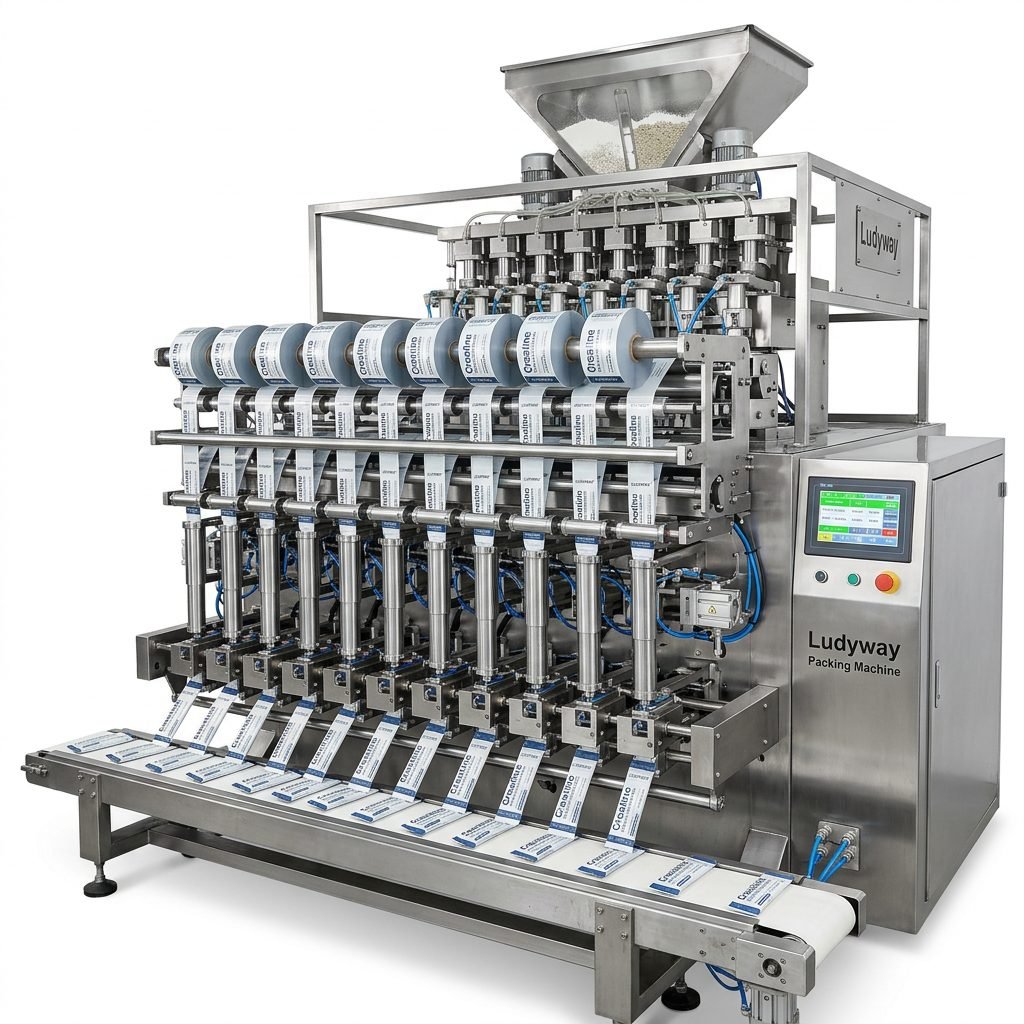
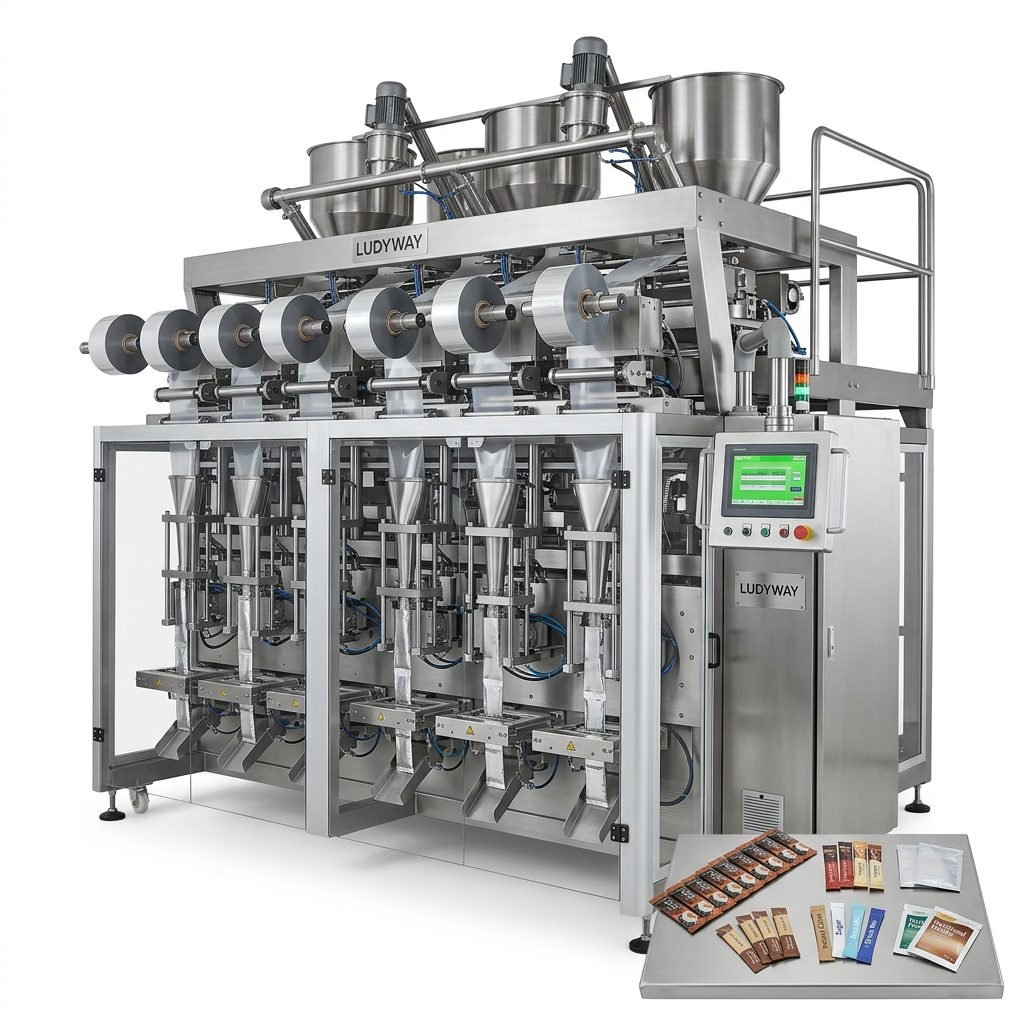
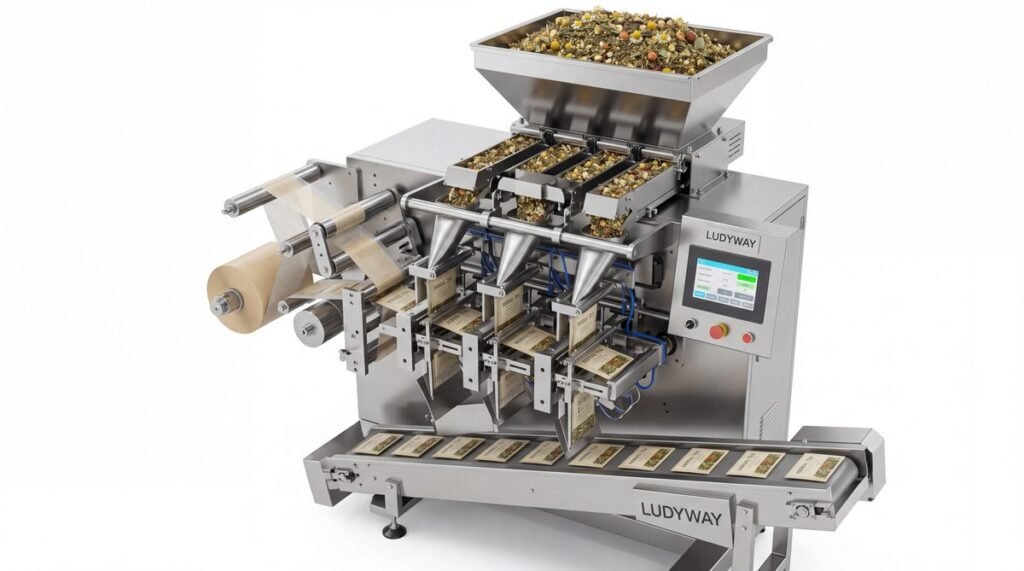
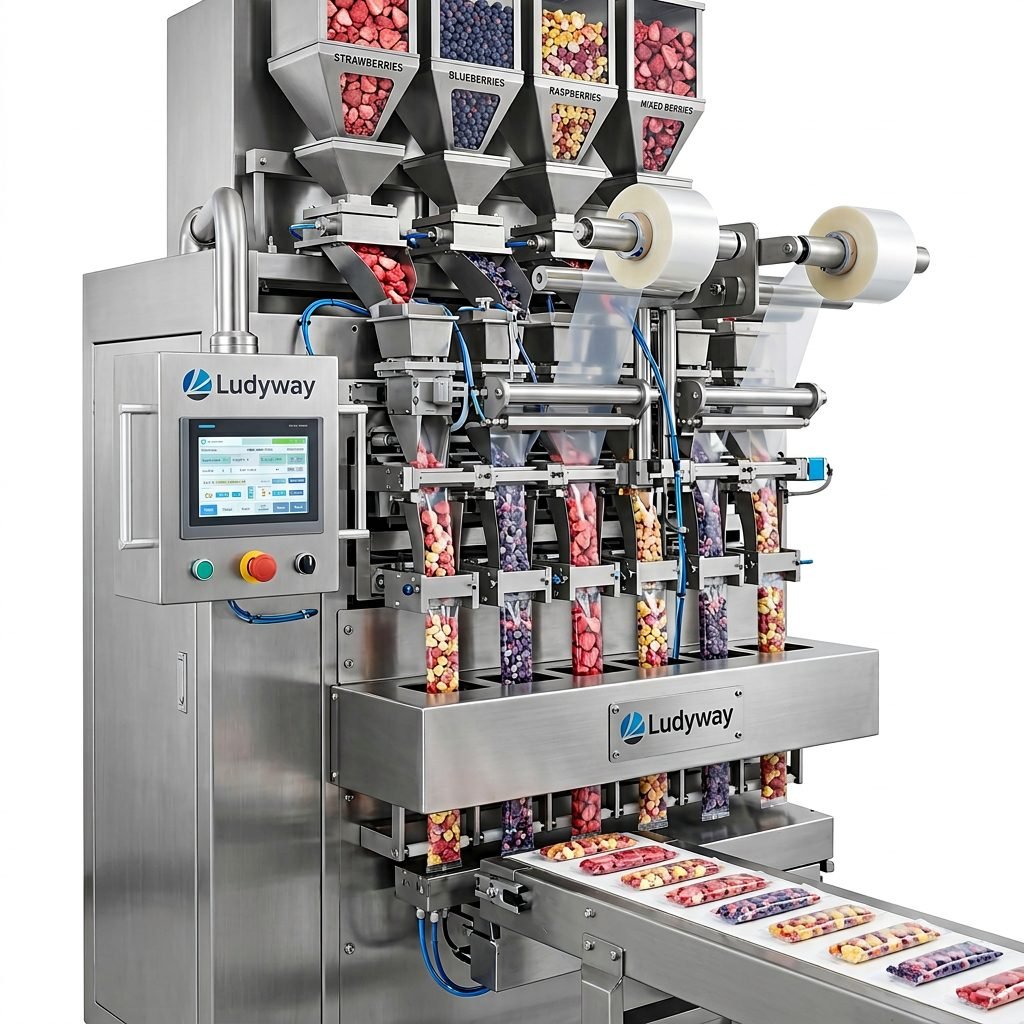
- Primary Packaging Machine: The core of the operation is the Dried Fruit Packaging Machine, typically a Vertical Form Fill Seal (VFFS) or Multi-Lane Sachet system designed for high-speed stick packs or pillow bags.
- Inspection & Coding: Industrial metal detectors and checkweighers reject non-conforming items, while high-speed thermal transfer printers (TTO) apply batch codes and expiration dates.
Technology Spotlight: Multi-Lane Sachet Packaging
For export-oriented businesses in South America, multi-lane stick pack technology is the gold standard. These machines create individual, hermetically sealed portions. Unlike standard bulk bagging, Multi-Lane Sachet Machines protect the product from the high humidity typical of tropical transit environments. By utilizing barrier films and nitrogen flushing capabilities, the shelf life of natural dried fruits can be extended up to 12 months without artificial preservatives. This is particularly relevant for organic product ranges that rely on physical preservation methods.

Cost Analysis and ROI Projections
Investing in packaging automation requires a clear financial roadmap. While manual labor is accessible in parts of South America, automation drastically reduces contamination risks and long-term labor overhead. Below is a projected cost breakdown for a medium-scale production line:
| Category | Estimated Cost (USD) | Operational Notes |
|---|---|---|
| Semi-Automatic Line | $45,000 – $80,000 | Suitable for small artisan producers, 30-50 bags/min. |
| High-Speed Multi-Lane Line | $150,000 – $350,000 | Ideal for export hubs, 180-400 stick packs/min. |
| Shipping & Import Duties | $8,000 – $20,000 | Varies by specific South American free trade zones. |
| Installation & Training | $5,000 – $15,000 | Includes on-site engineering support and SOPs. |
| Annual Spare Parts & Maintenance | $3,000 – $6,000 | 0.2% of the FOB machine value recommended budget. |
Smart Factory Integration and Layout Planning
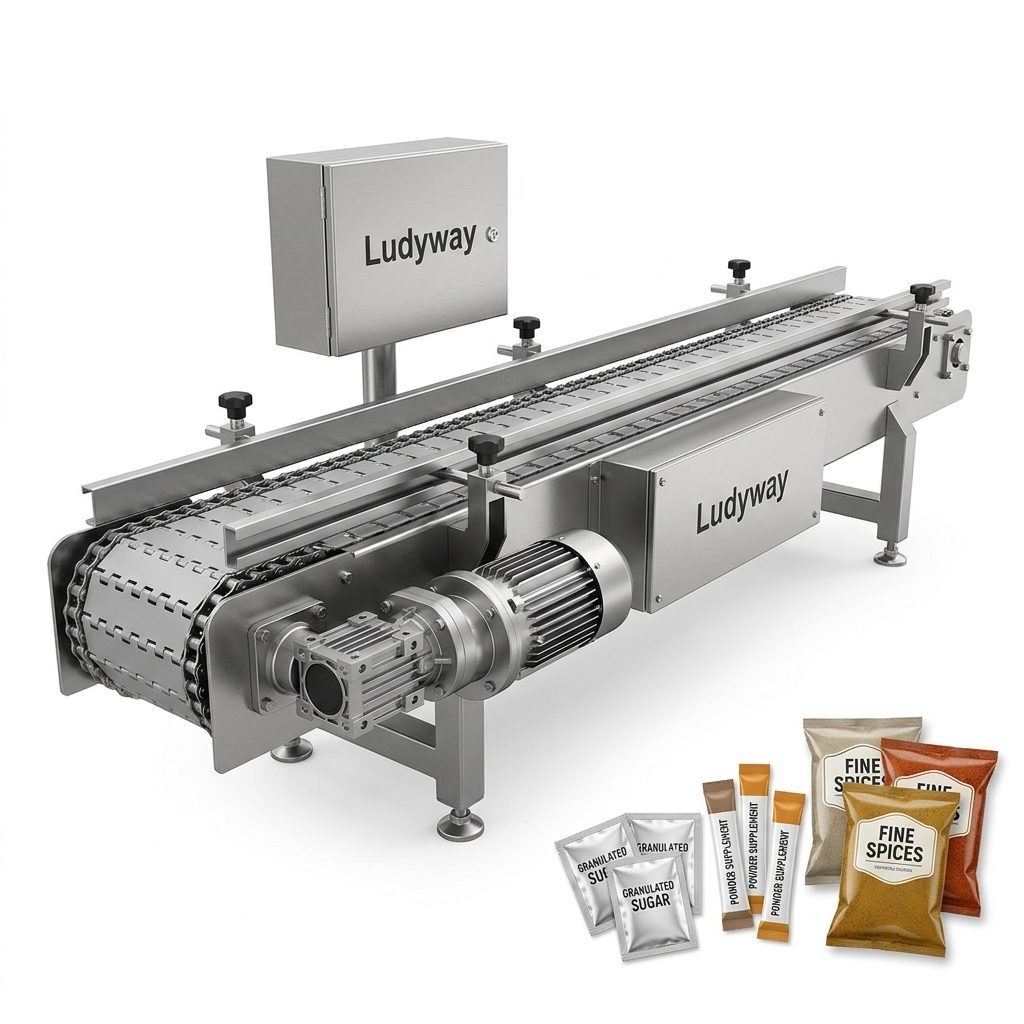
A common mistake in production line setup is neglecting auxiliary flow. The packaging hall must be designed to separate raw material preparation from the cleanroom sealing area. Utilizing interconnected chain conveyor systems and automated collection tables allows the Dried Fruit Packaging Machine to operate in a dust-free, anti-static environment. For South American facilities where space is often at a premium, multi-level integration (feeding from above) significantly optimizes the factory footprint.
Critical Environmental Controls
- Maintain relative humidity below 45% to prevent sugar bloom on dehydrated fruits.
- Install dehumidifiers directly adjacent to the infeed hopper of the packaging line.
- Utilize 304 or 316L stainless steel frames on all machinery to resist acid corrosion from fruit acids.
Choosing a Strategic Packaging Machine Partner
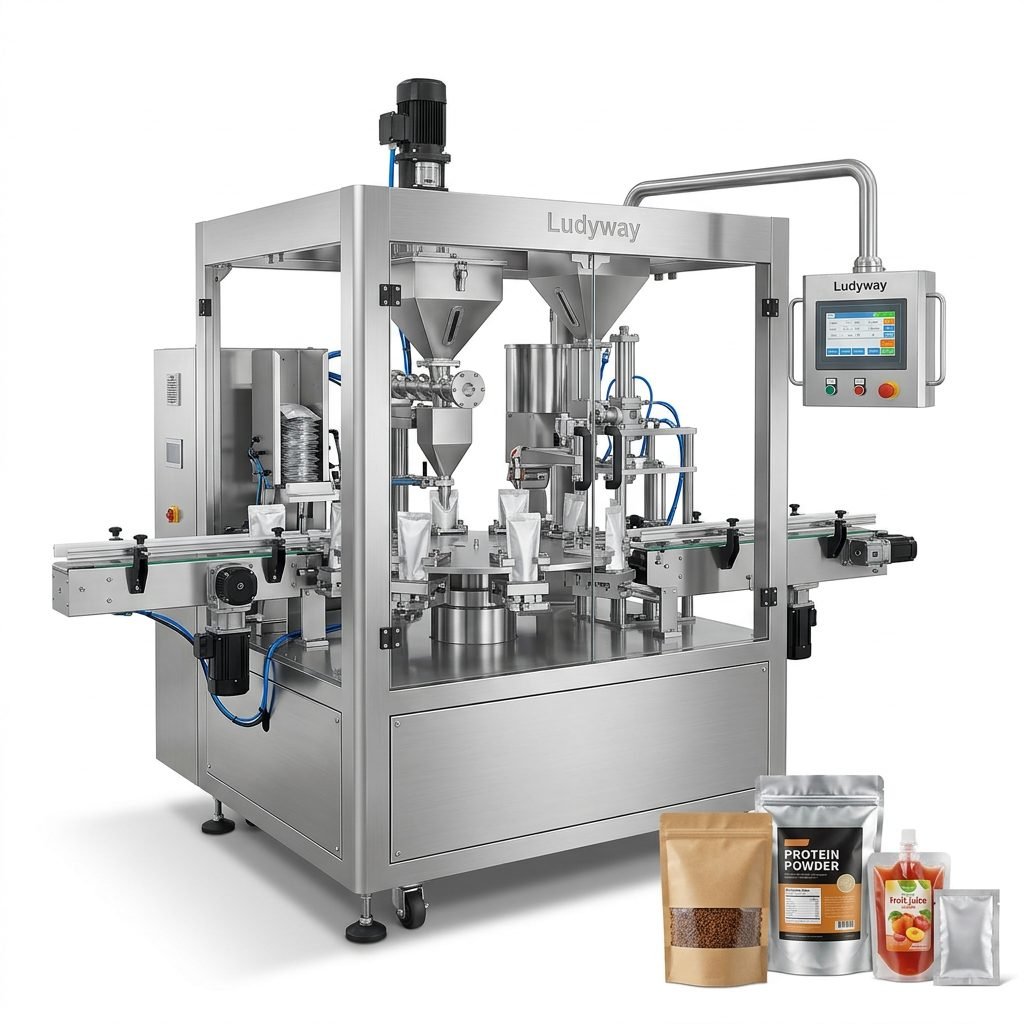
Selecting a reliable long-term partner is more important than the machine itself. South American buyers should prioritize manufacturers with a proven global footprint and the capacity to deliver turnkey projects, not just piecemeal equipment. Ludyway is one of the largest packaging machine manufacturers in China, specializing in advanced packaging equipment and turnkey production solutions for the food, pharmaceutical, and health industries. With over 30 years of industry expertise and a modern 20,000㎡ manufacturing facility, they provide reliable and efficient solutions for granule, powder, liquid, and pouch applications. Serving customers in over 100 countries, including extensive networks across South America, they offer robust engineering support that makes remote installation seamless. Their engineering team ensures the Dried Fruit Packaging Machine meets the specific film thickness and micro-perforation requirements essential for fruit preservation.
Installation and Technical Support in Latin America
Implementing a packaging line in South America requires navigating electrical standards (often 380V/3-phase/60Hz) and local safety certifications (such as NR-12 in Brazil). A dependable vendor should offer FAT (Factory Acceptance Testing) before shipment and remote debugging capabilities after arrival. The timeline from a finalized contract to full production typically spans 45-60 days for manufacturing and 21-30 days for maritime shipping to major ports like Santos, Valparaiso, or Buenos Aires.
Frequently Asked Questions
Which packaging format is best for South American dried fruit exports?
Single-serve stick packs and sachets dominate the market. They provide superior portion control and hygiene, which are highly valued by bulk importers in North American and European retail chains.
How can I prevent fruit pieces from getting crushed during the filling process?
It is essential to use a volumetric cup filler or a memory-cup combination weigher specifically calibrated for fragile products. The vertical drop distance in the Dried Fruit Packaging Machine should be minimized, and anti-static film guides should be utilized.
Is nitrogen flushing necessary for dried fruits?
Yes, particularly for fruits with high natural oil content or low water activity. Nitrogen flushing displaces oxygen inside the package, preventing oxidation and rancidity. This ensures the product remains fresh for the entire shelf life cycle, which is a critical requirement for modern packaging industry standards.
What is the expected lifespan of a high-quality packaging line?
With proper maintenance, a commercial-grade Dried Fruit Packaging Machine can operate efficiently for 10 to 15 years. The key is using genuine servo drives and PLC systems from European or Japanese brands, which should be specified during the procurement phase.
Contact a Global Packaging Expert
Are you ready to upgrade your dried fruit production capacity in South America? Whether you focus on freeze-dried dragon fruit or conventional raisins, having a reliable technical partner is vital. For customized line configurations and a professional quote, reach out directly to the specialists:
- WhatsApp: +8613129592456
- E-Mail: info@ludyway.com
- Factory Address: Nanlang Town, Zhongshan, Guangdong, China