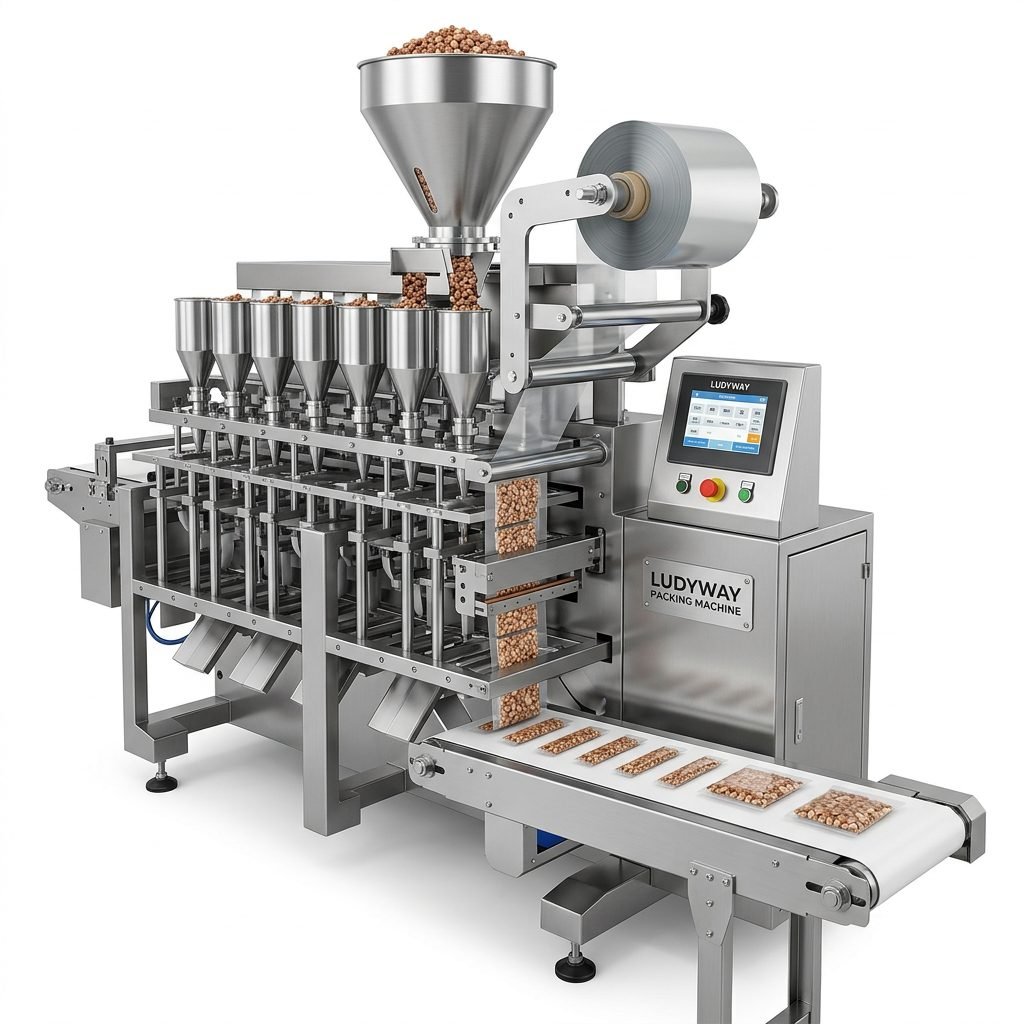
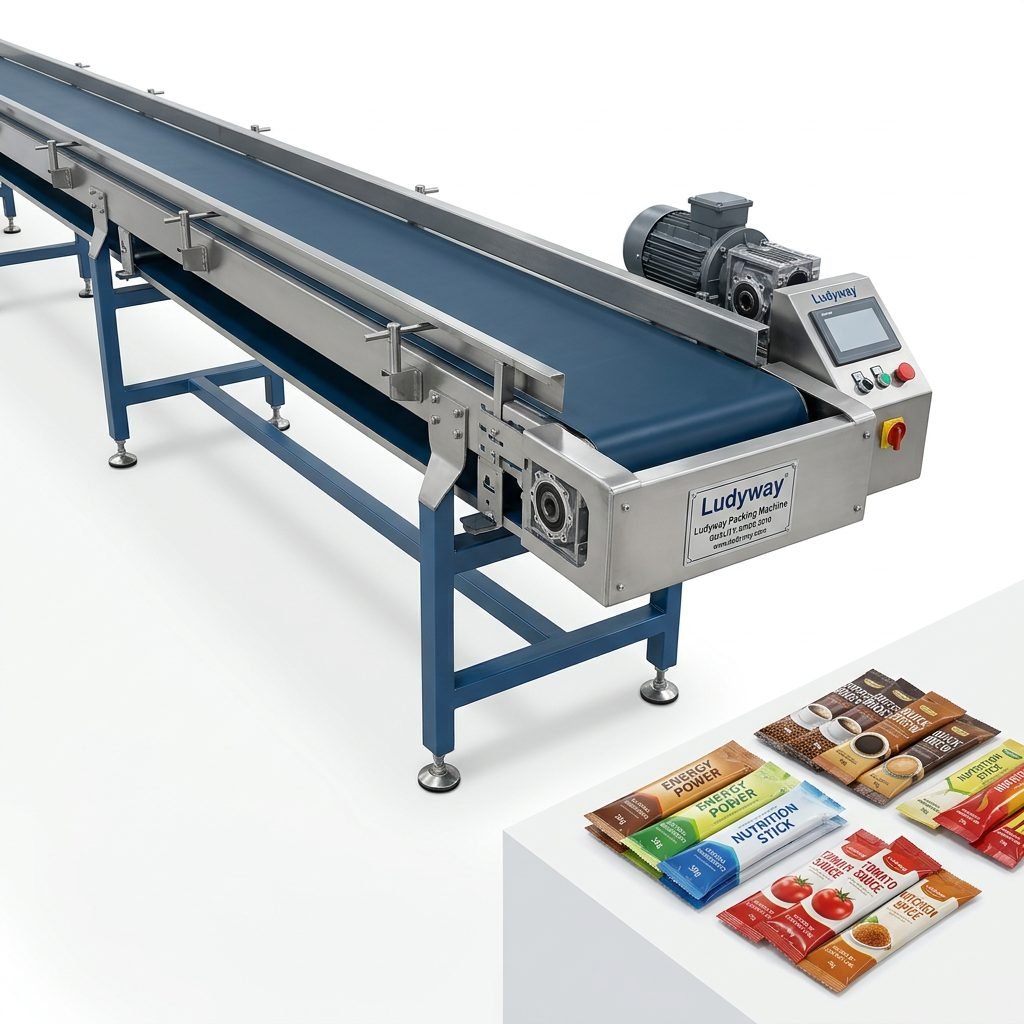
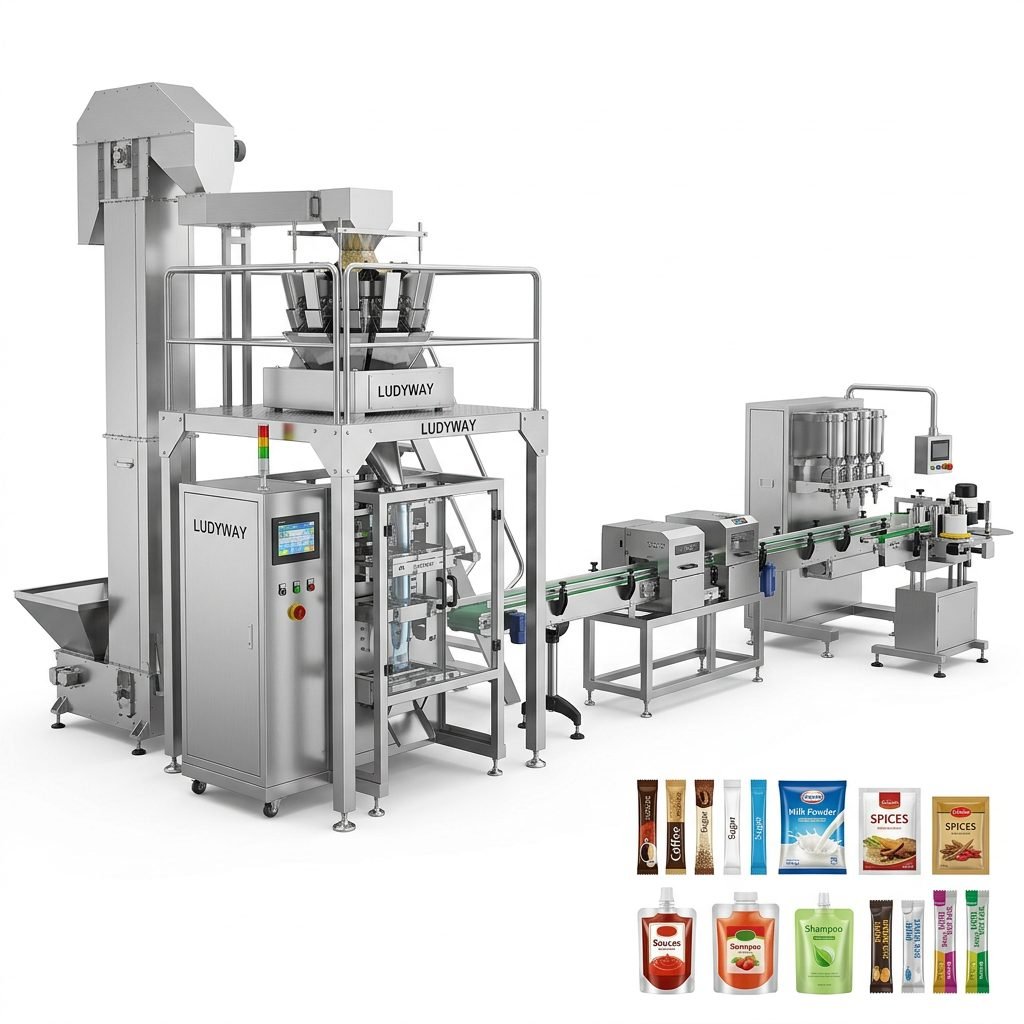
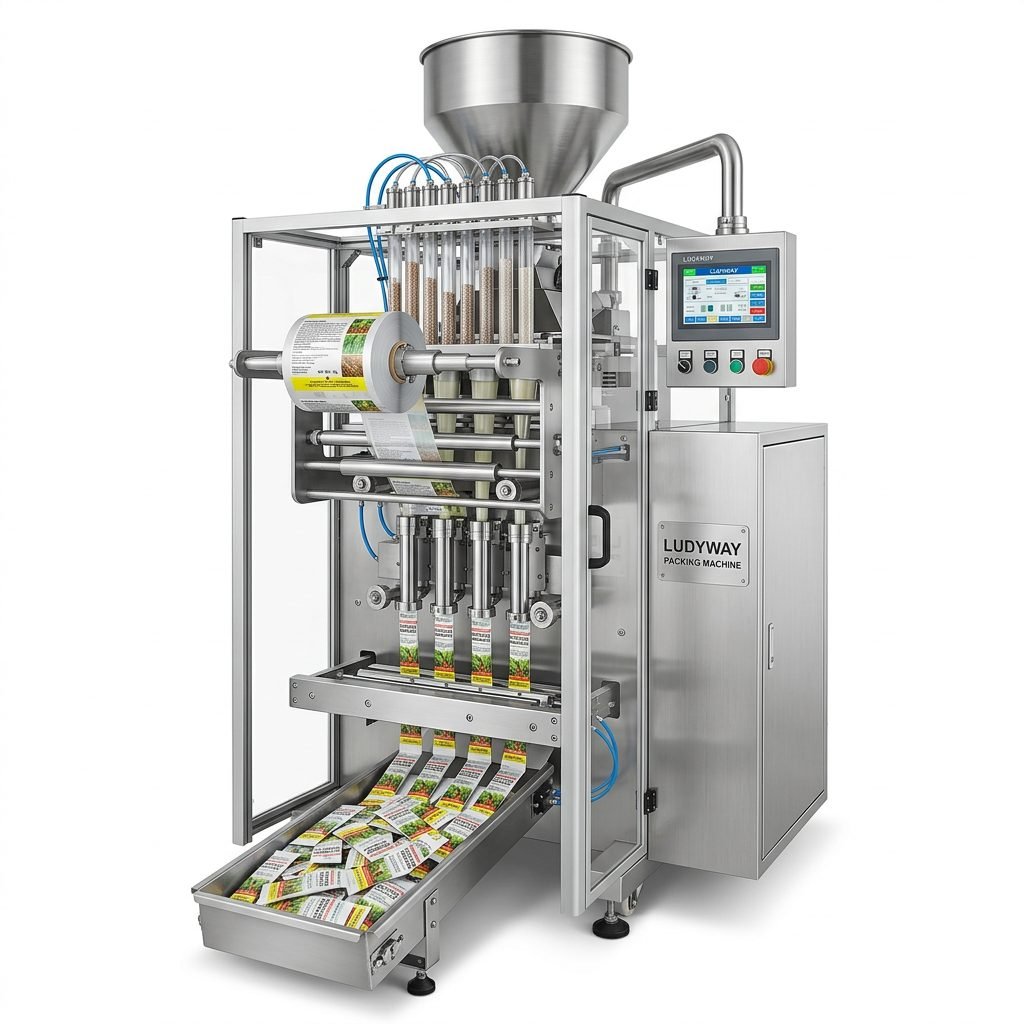
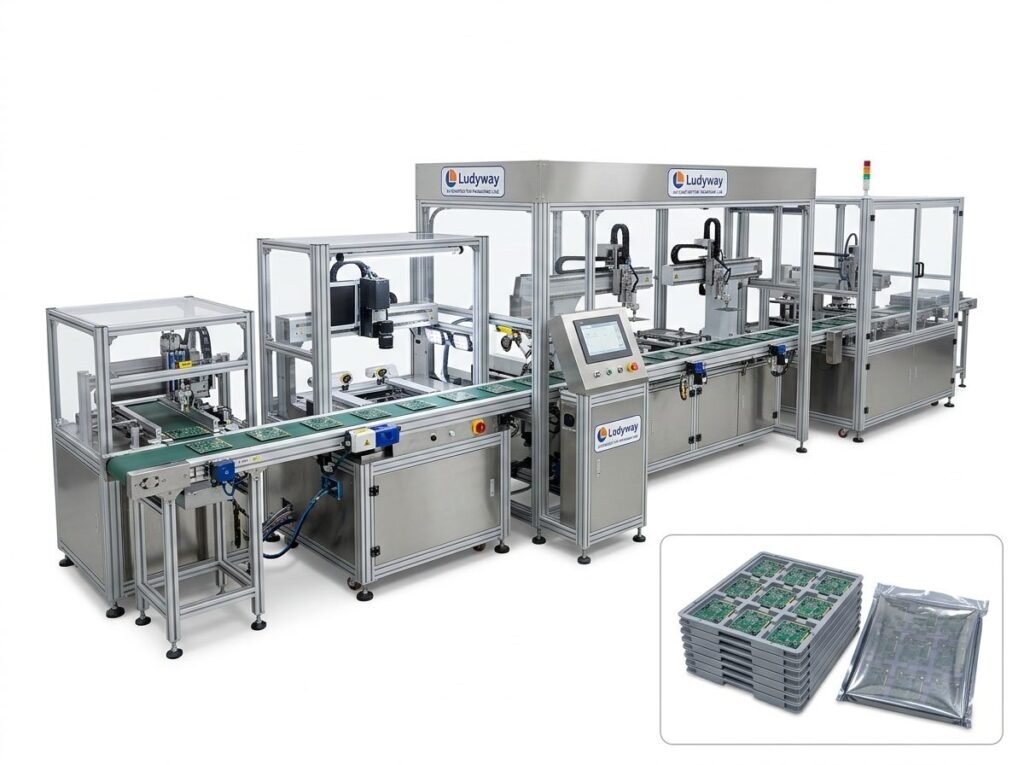
In the fast-paced world of manufacturing and distribution, commercial packaging equipment serves as the critical bridge between production and the consumer. The right system not only protects your product but also enhances efficiency, brand perception, and ultimately, your bottom line. This guide explores the various types of packaging machinery, their core functions, and provides a strategic framework for selecting the ideal system for your unique business needs.
Core Types of Commercial Packaging Equipment
The landscape of packaging machinery is diverse, with each type designed for specific materials, product forms, and production volumes. Understanding these categories is the first step in making an informed decision.
Filling Machines
These are the workhorses of packaging lines, responsible for accurately dispensing product into containers. The technology varies significantly based on the product’s physical state.
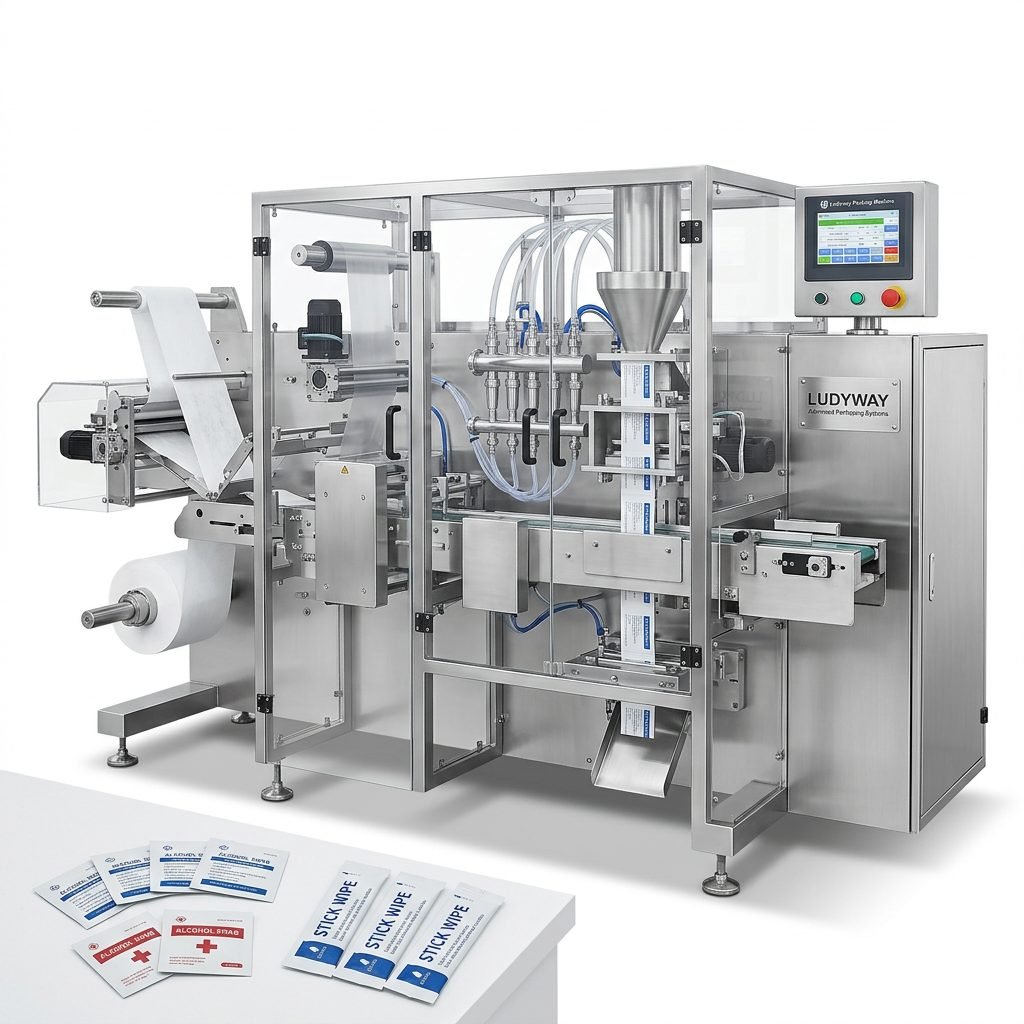
Liquid Fillers: Utilize pumps, gravity, or pressure to fill bottles, pouches, or cans. Volumetric and piston fillers offer high precision for sauces, oils, and chemicals.
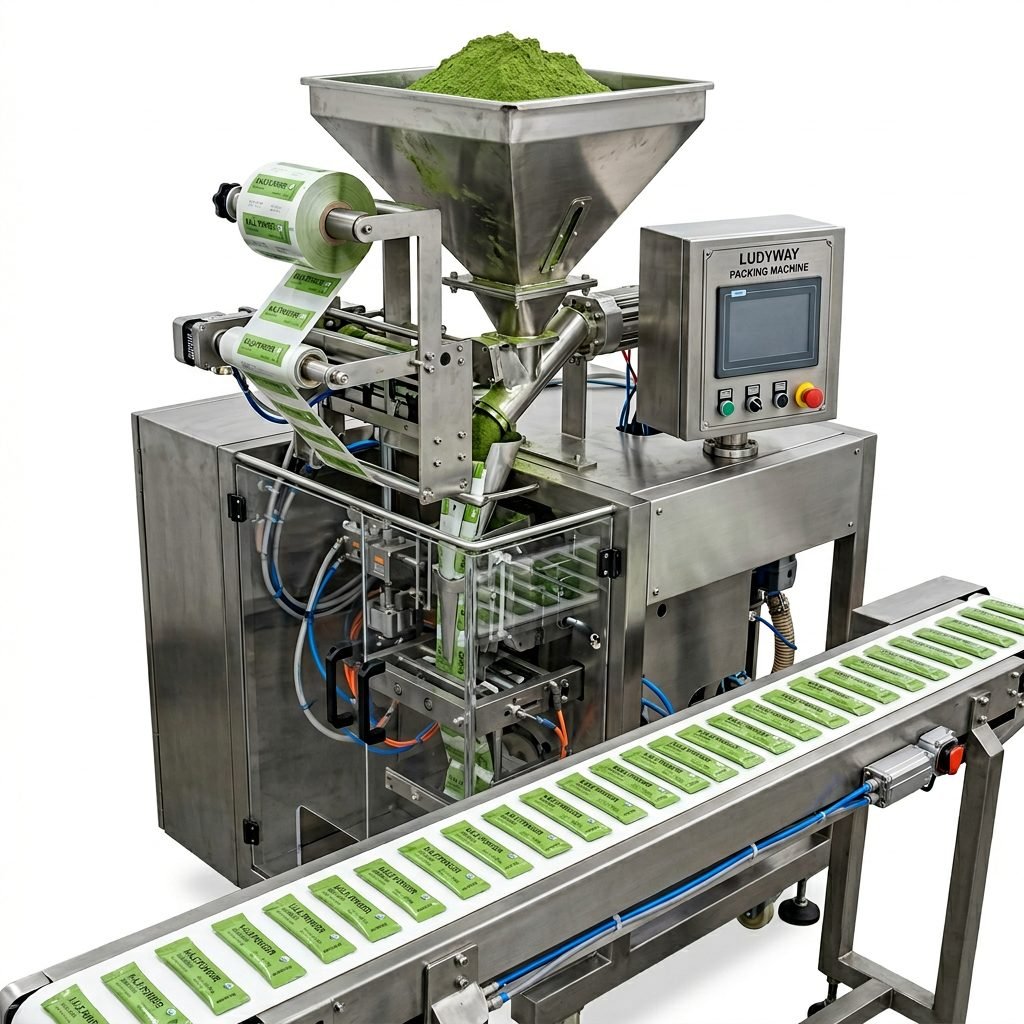
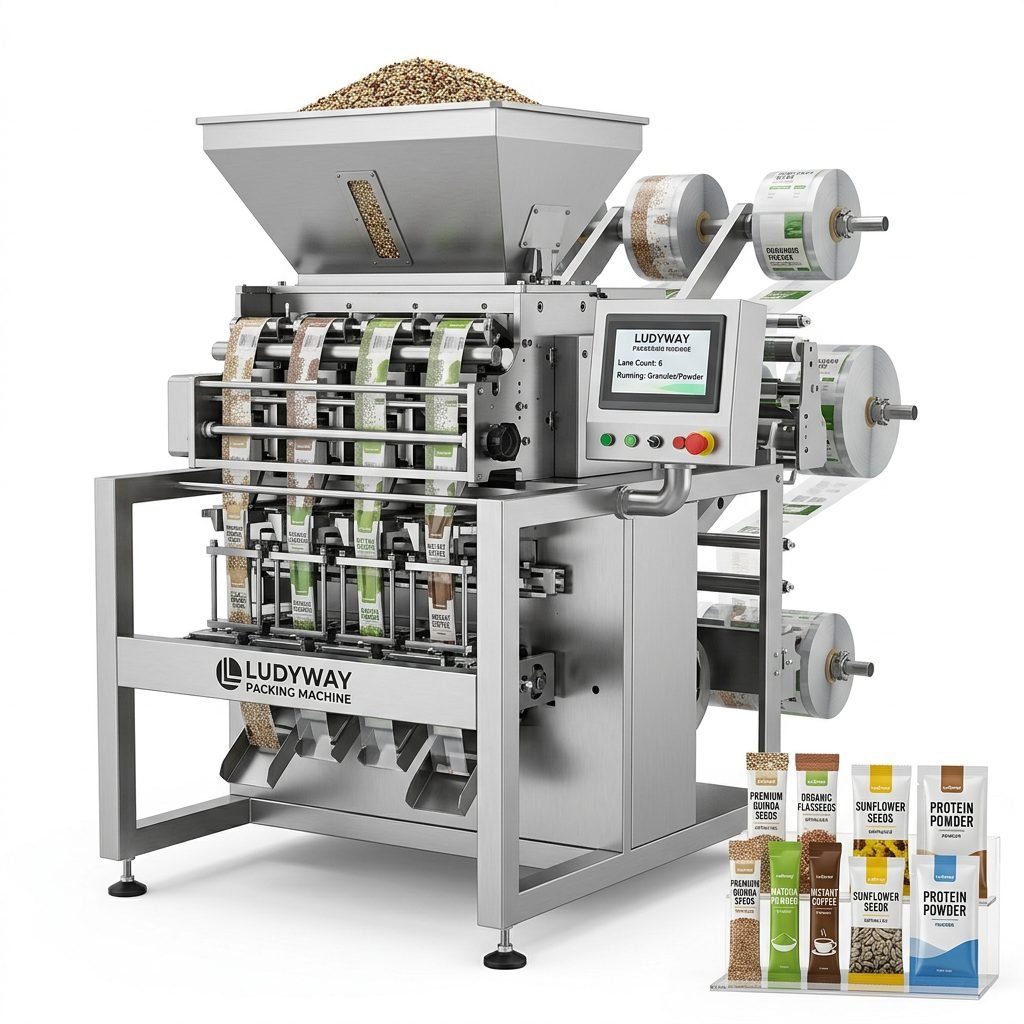
Powder & Granule Fillers: Auger fillers use a rotating screw for consistent dosing of coffee, spices, or protein powders. Weigh fillers provide ultimate accuracy for high-value products.
Solid Fillers: Counters or volumetric cup fillers are ideal for tablets, capsules, candies, or hardware items.
Sealing Machines
Once filled, containers must be securely closed. Sealing technology ensures product integrity, freshness, and tamper evidence.
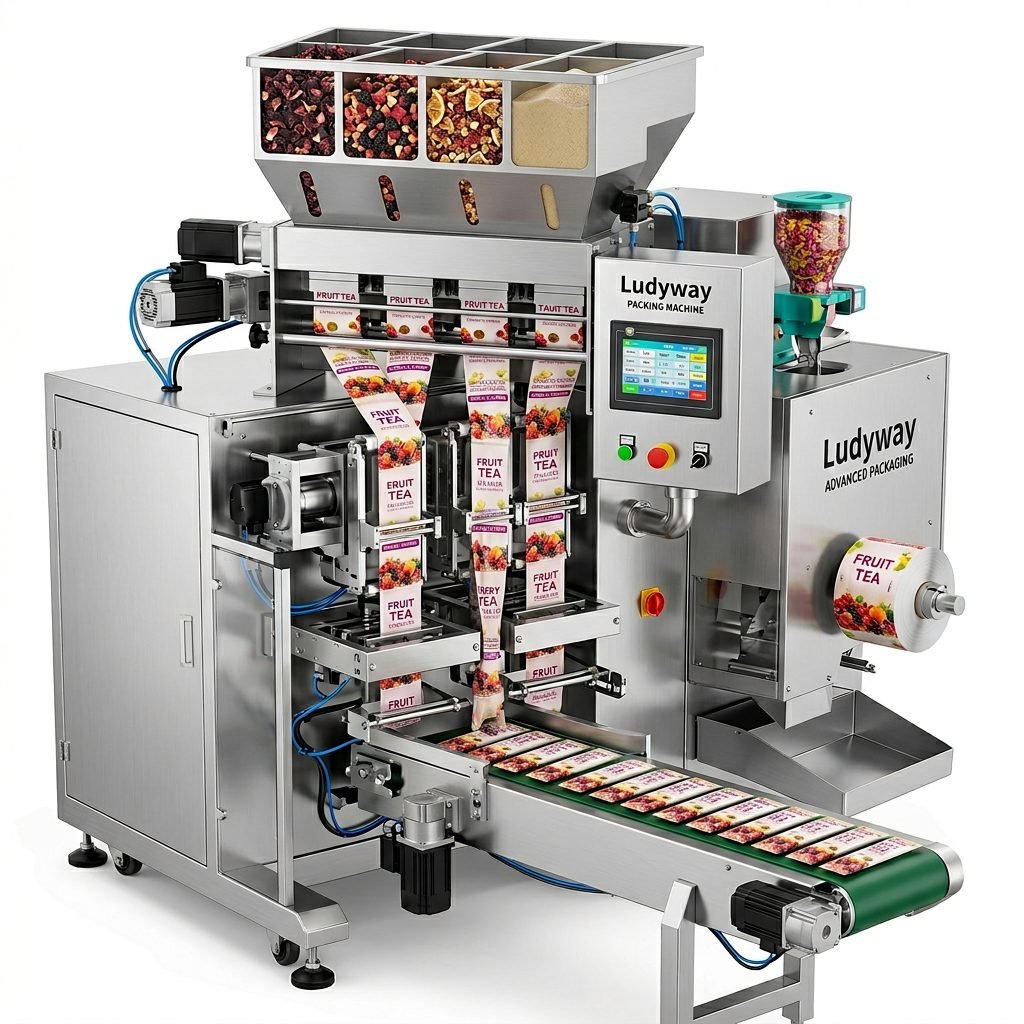
- Heat Sealers: Apply heat and pressure to fuse thermoplastic layers on pouches, sachets, and stick packs. Common in food and pharmaceutical sachet packaging.
- Cappers: Automatically screw, snap, or press lids onto bottles and jars. Spindle cappers and chuck cappers handle various cap types.
- Induction Sealers: Create a hermetic foil seal under plastic caps, providing an additional barrier for liquids and sensitive products.
Wrapping & Bundling Machines
This category encompasses equipment for unitizing multiple products or providing primary packaging.
Flow Wrappers: Use a continuous film to wrap individual items like candy bars, baked goods, or medical devices. Shrink Wrappers apply a loose film and then use heat to tightly conform it around multi-packs, trays, or promotional bundles. Cartoning Machines erect, load, and close folding cartons, providing rigid outer packaging.
Labeling & Coding Machines
These systems apply vital information and branding to packages.
Pressure-Sensitive Labelers: Apply pre-printed self-adhesive labels to containers with precision. Print & Apply Systems integrate printing variable data (like barcodes) with immediate application.
Coding & Marking Equipment: Inkjet, laser, or thermal transfer printers directly mark expiration dates, batch codes, and logos onto packaging surfaces.
Key Functions & Business Benefits
Investing in automated packaging equipment delivers tangible returns across multiple facets of your operation.
Enhancing Operational Efficiency & Speed
Automation drastically increases output compared to manual processes. A high-speed stick pack machine can produce hundreds of units per minute, enabling you to meet large orders and market demand swiftly. This scalability is crucial for growth.
Ensuring Consistency & Product Integrity
Machines eliminate human error in filling weights, seal quality, and label placement. Consistent packaging protects products from contamination, moisture, and damage during transit, reducing waste and customer complaints.
Reducing Labor Costs & Material Waste
While requiring upfront investment, automation reduces long-term reliance on large manual labor teams for repetitive tasks. Precise filling and cutting mechanisms also minimize the overuse of packaging films, labels, and product itself, optimizing material costs.
Improving Safety & Compliance
Automated systems handle tasks in controlled environments, reducing workplace injuries. In regulated industries like pharmaceuticals or food, equipment provides the traceability, accuracy, and documentation needed for compliance with standards.
How to Choose the Right Packaging System
Selecting equipment is a strategic decision. Follow this step-by-step framework to align your investment with business goals.
1. Analyze Your Product & Packaging Format
This is the foundational step. Define your product’s characteristics: Is it a liquid, viscous paste, free-flowing powder, granular solid, or tablets? Determine your primary packaging material: pre-made pouches, form-fill-seal film, bottles, or jars? The answers directly dictate the type of filling and sealing technology required.
2. Assess Your Production Volume & Growth Plans
Calculate your current and projected output (units per minute/hour/shift). Low-volume operations may benefit from semi-automatic machines, while high-volume production demands fully automatic, integrated lines. Choose a system with 20-30% extra capacity to accommodate future growth without immediate reinvestment.
3. Evaluate Key Machine Features & Technology
Accuracy & Speed: Review fill accuracy specifications (e.g., ±0.5%) and maximum machine speed (cycles per minute).
Flexibility & Changeover: How quickly can the machine switch between different product sizes or packaging formats? Look for quick-change parts and recipe memory.
Construction & Hygiene: For food or pharmaceutical use, stainless steel contact parts and designs compliant with hygiene standards (e.g., easy-clean, CIP) are essential.
Control System & Integration: A user-friendly PLC/HMI interface allows for easy operation and monitoring. Ensure the machine can communicate with upstream/downstream equipment.
4. Consider the Total Cost of Ownership (TCO)
Look beyond the initial purchase price. Factor in installation, training, ongoing maintenance, spare parts availability, energy consumption, and potential downtime costs. A reliable supplier with strong technical support minimizes long-term TCO.
5. Partner with a Reputable Supplier
Your machinery provider is a long-term partner. Look for a supplier with proven industry experience, a portfolio of successful installations, and robust after-sales service. For instance, a brand like Ludyway Packaging Machinery, with decades of engineering expertise, can offer not just equipment but tailored production solutions and reliable support, ensuring your packaging line is a sustainable asset.
Request references, visit their facility if possible, and verify their capability to provide comprehensive technical support and spare parts for the machine’s lifecycle.
Frequently Asked Questions (FAQs)
What is the typical lead time for receiving a new packaging machine?
Lead times vary based on machine complexity and customization. Standard models may ship in 4-8 weeks, while fully custom, integrated lines can require 12-20 weeks or more for manufacturing, testing, and delivery. Always confirm timelines with your supplier.
How much space do I need to install an automated packaging line?
Space requirements depend on the machinery and line layout. A compact sachet machine might need a 3m x 2m footprint, while a complete liquid filling and capping line with conveyors could require 10m x 4m. Your supplier should provide detailed floor plan layouts during the quoting process.
Can one machine handle multiple different product types or package sizes?
Many modern machines are designed for flexibility. Look for models with “quick-changeover” features, such as interchangeable filling heads, adjustable sealing jaws, and tool-less format parts. This allows you to run different products or package sizes on the same machine with minimal downtime for changeover.
What kind of maintenance does commercial packaging equipment require?
Regular preventive maintenance is crucial. This typically includes daily cleaning, lubrication of moving parts as per the manual, and periodic inspection of wear components like seals, gaskets, and cutting blades. A good supplier will provide a maintenance schedule and training for your operators.
Is training provided for our operators on the new equipment?
Yes, professional training is a standard part of the installation and commissioning process from reputable suppliers. This includes hands-on operation training, basic troubleshooting, safety procedures, and routine maintenance tasks to ensure your team can run the equipment efficiently and safely.