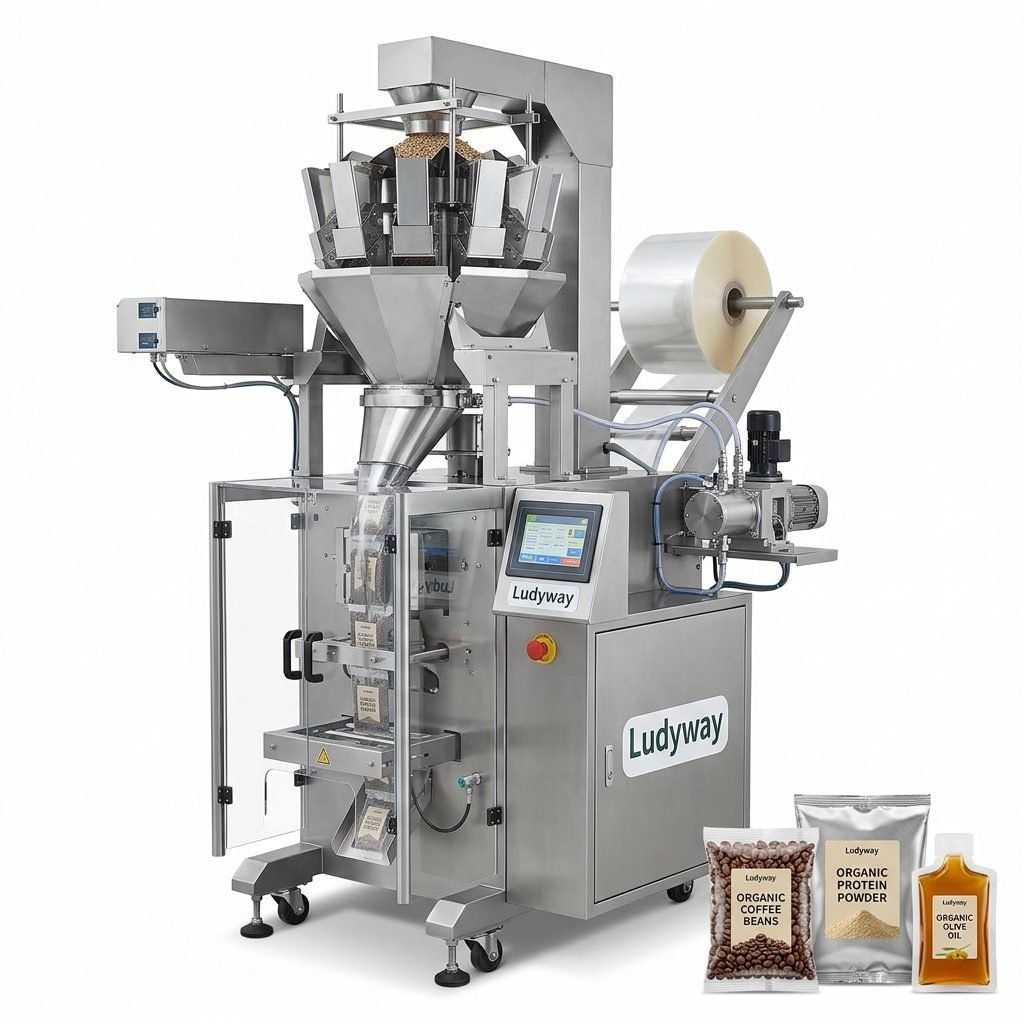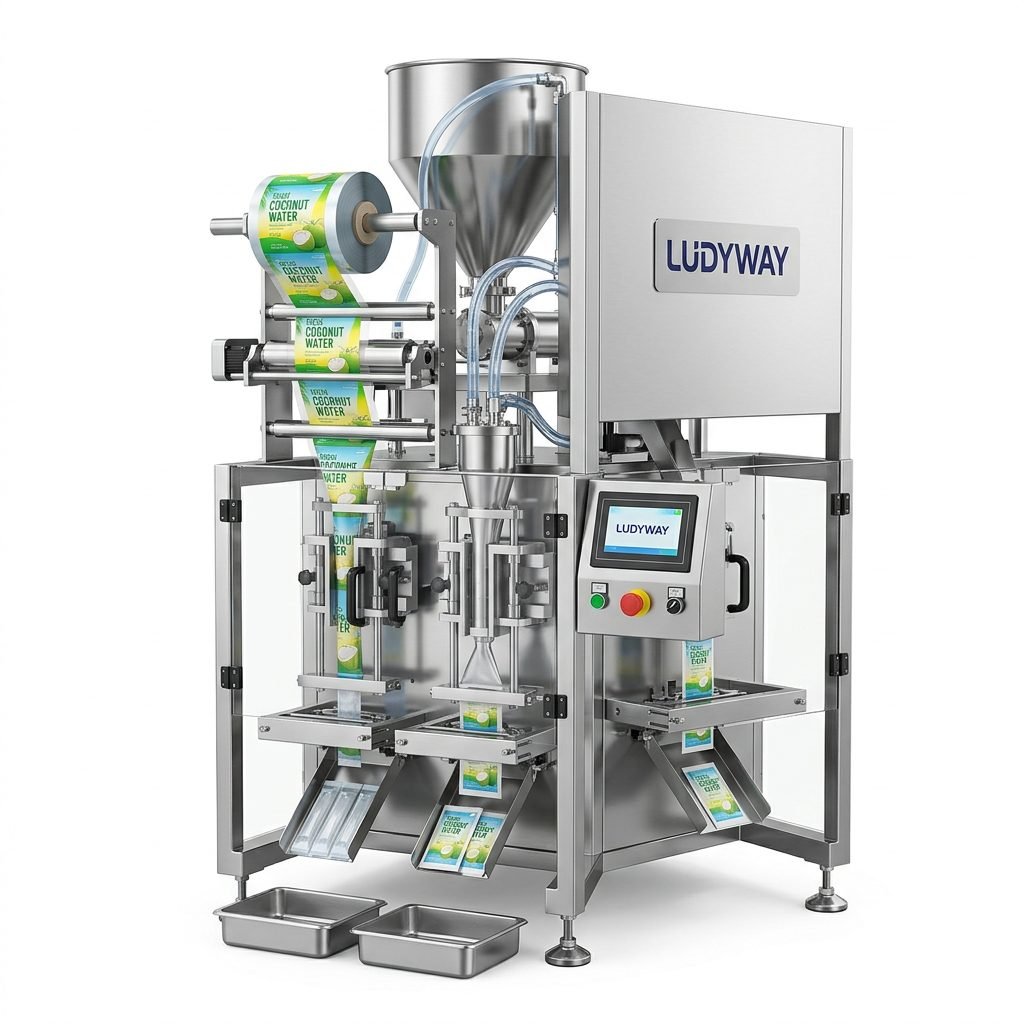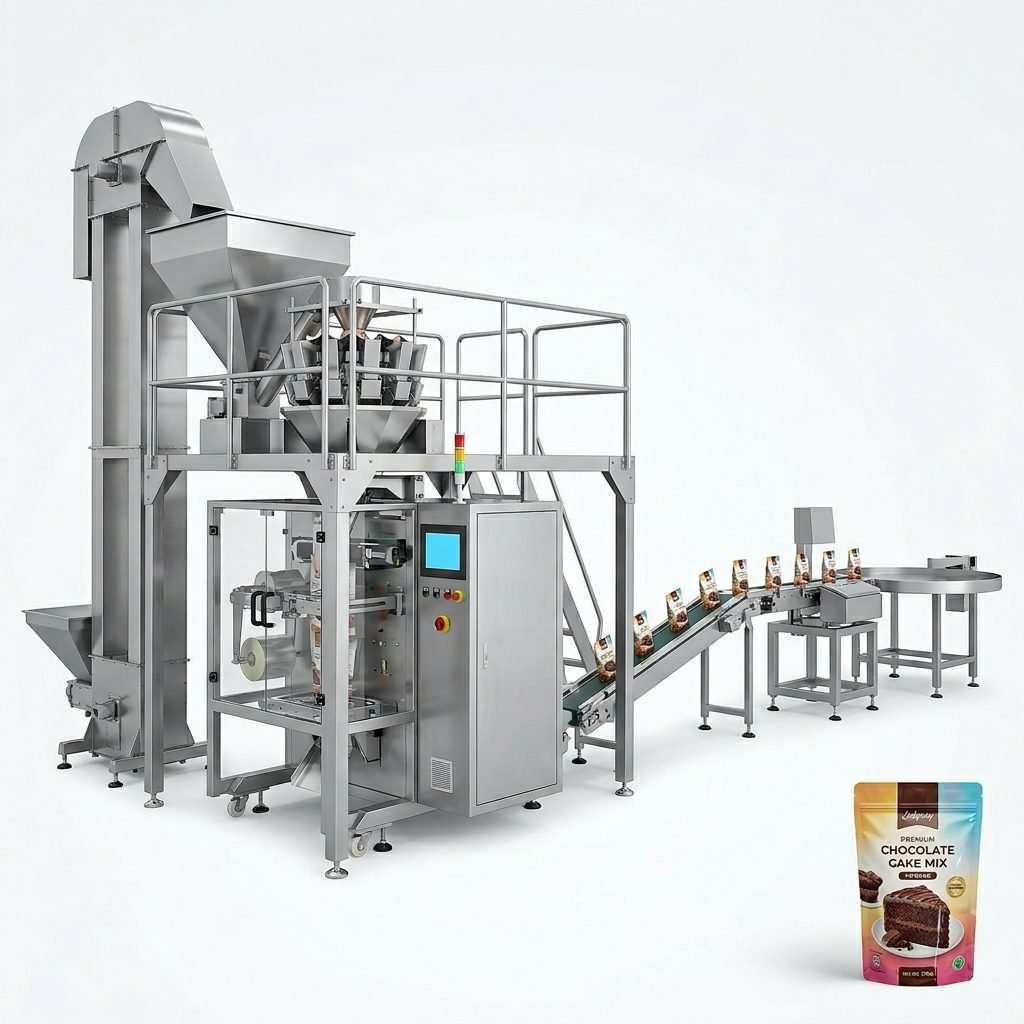
France represents one of Europe’s most sophisticated markets for baby food products, with strict standards governing every aspect of production and packaging. Establishing a baby food packaging machine production line in France requires careful planning around equipment selection, regulatory compliance, and cost management. The French baby food sector continues to expand, driven by demand for organic, additive-free, and nutritionally optimized products. Setting up a compliant packaging line involves navigating EU packaging regulations while ensuring high throughput and product safety.
Understanding the French Baby Food Market Landscape
France is one of the largest baby food markets in the European Union, with a well-established retail infrastructure and demanding consumer expectations. Products range from infant formula powders and cereals to ready-to-eat purées and snack pouches. Each category requires specific packaging machinery configurations tailored to product viscosity, particle size, and shelf-life requirements. The market is projected to maintain steady growth, creating opportunities for manufacturers who invest in high-quality automated packaging lines that meet both productivity targets and hygiene standards.
Key Product Categories and Packaging Formats
- Infant formula powders – typically packed in multi-lane stick packs or sachets with nitrogen flushing
- Baby cereals and porridges – granule-based products requiring precision weighing systems
- Fruit and vegetable purées – liquid or semi-viscous products filled into spouted pouches
- Teething biscuits and snacks – solid products requiring flow-wrapping or tray packing
- Dietary supplements for infants – powder or granule formats in stick pack configurations
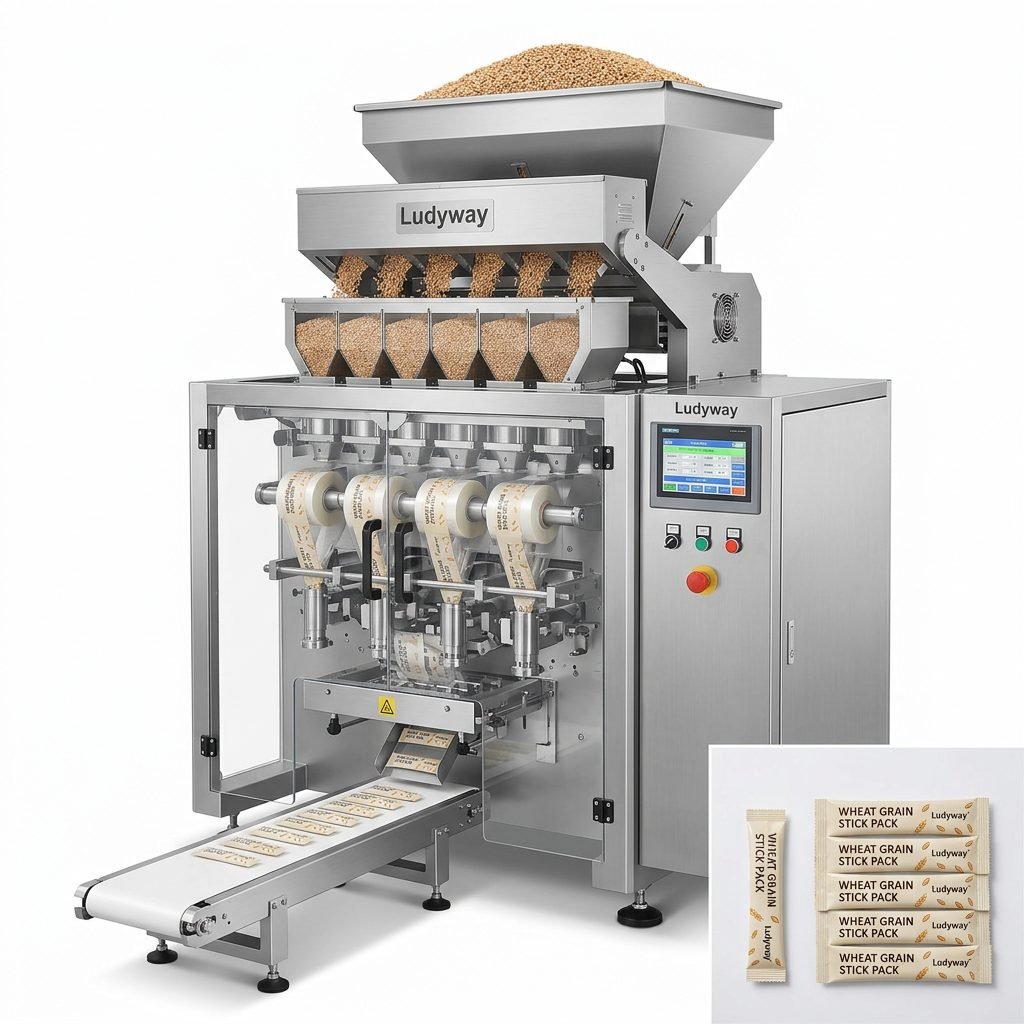
Essential Equipment for a Baby Food Packaging Line
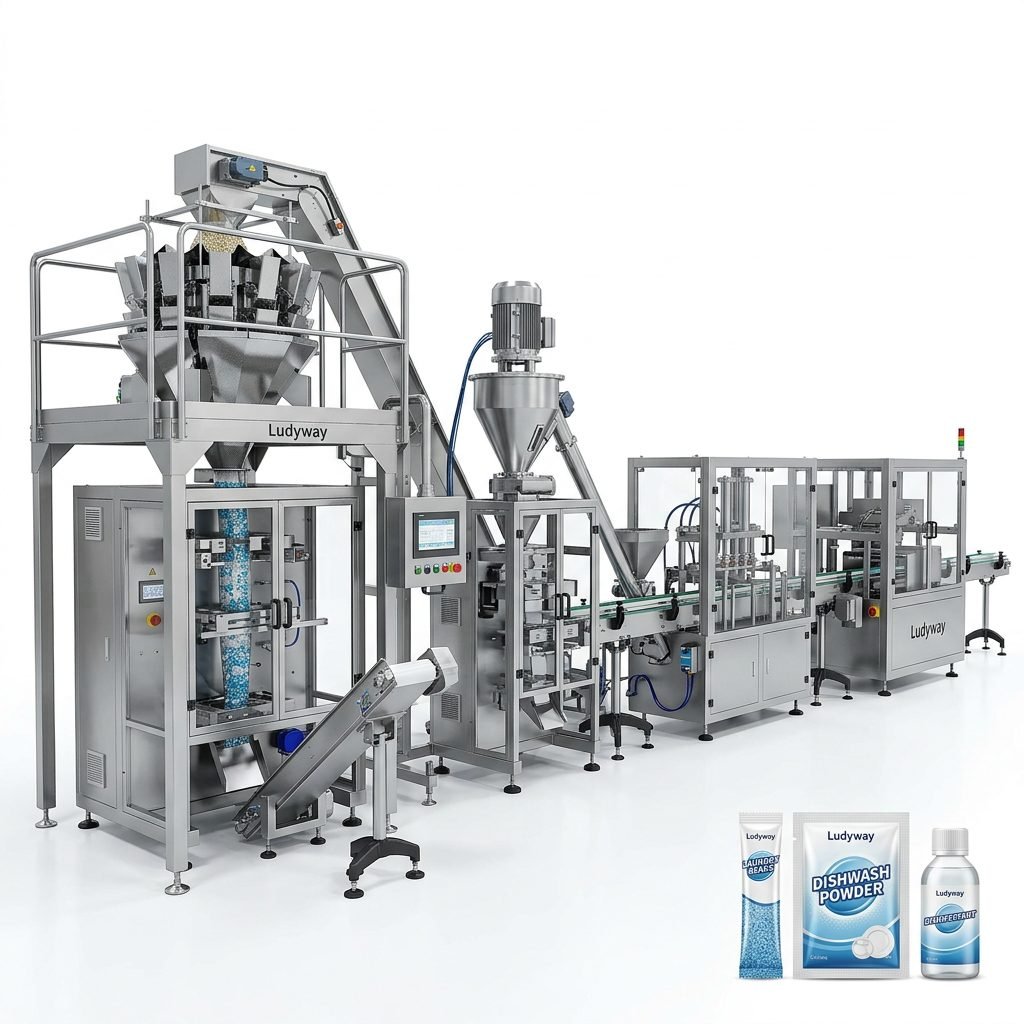
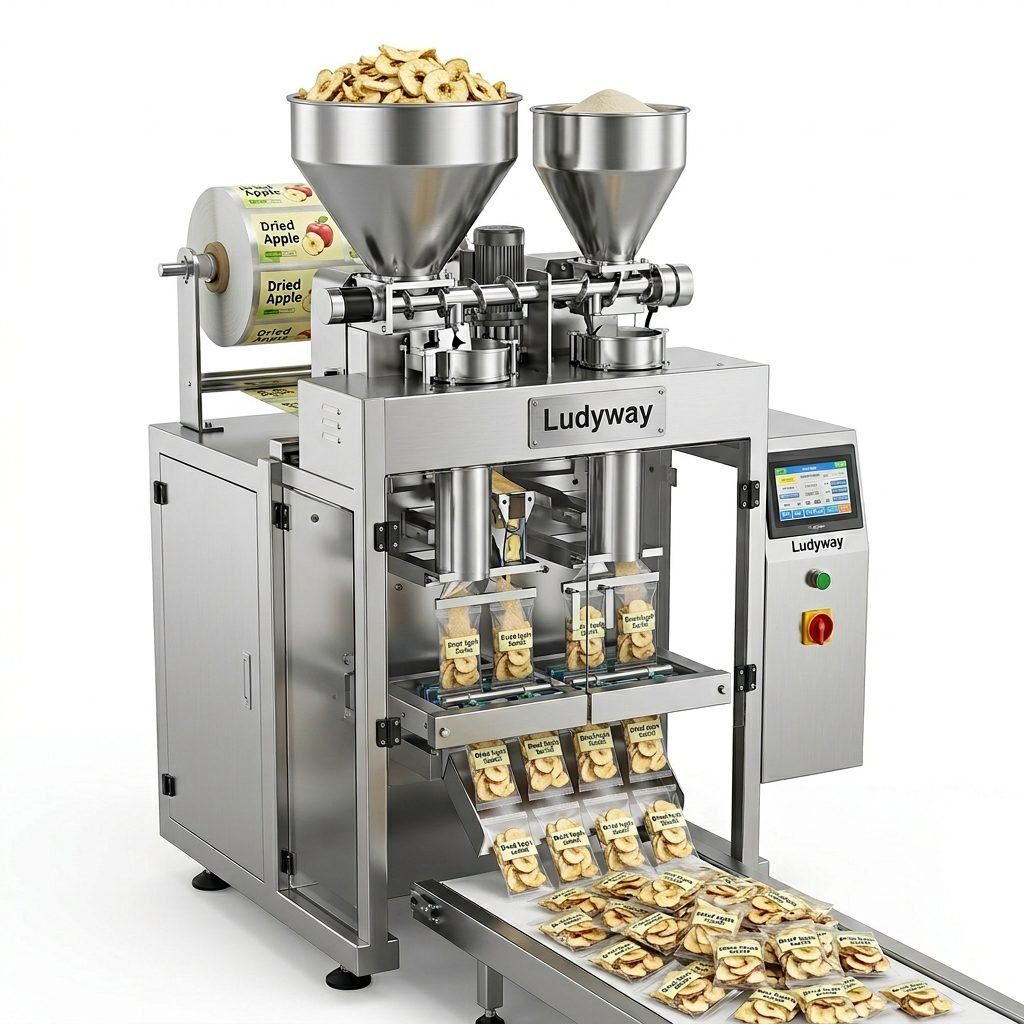
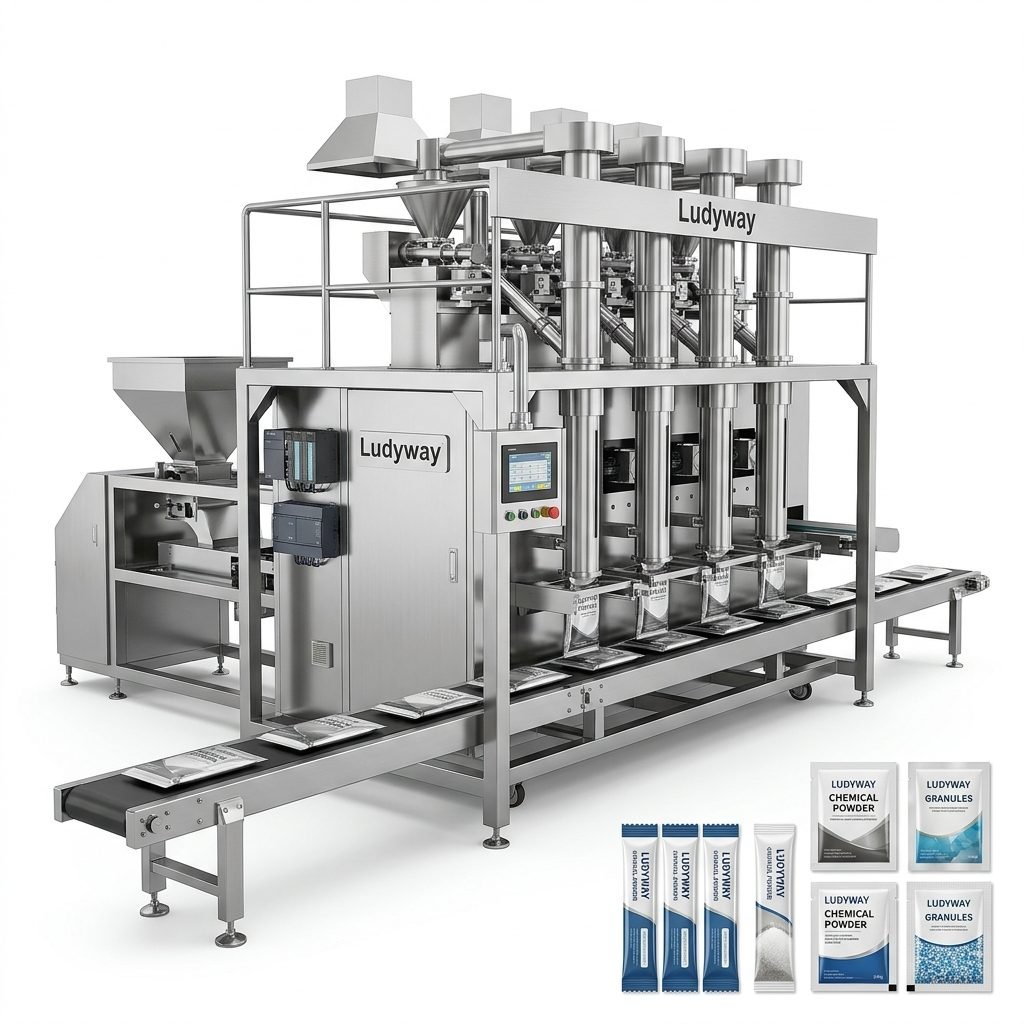
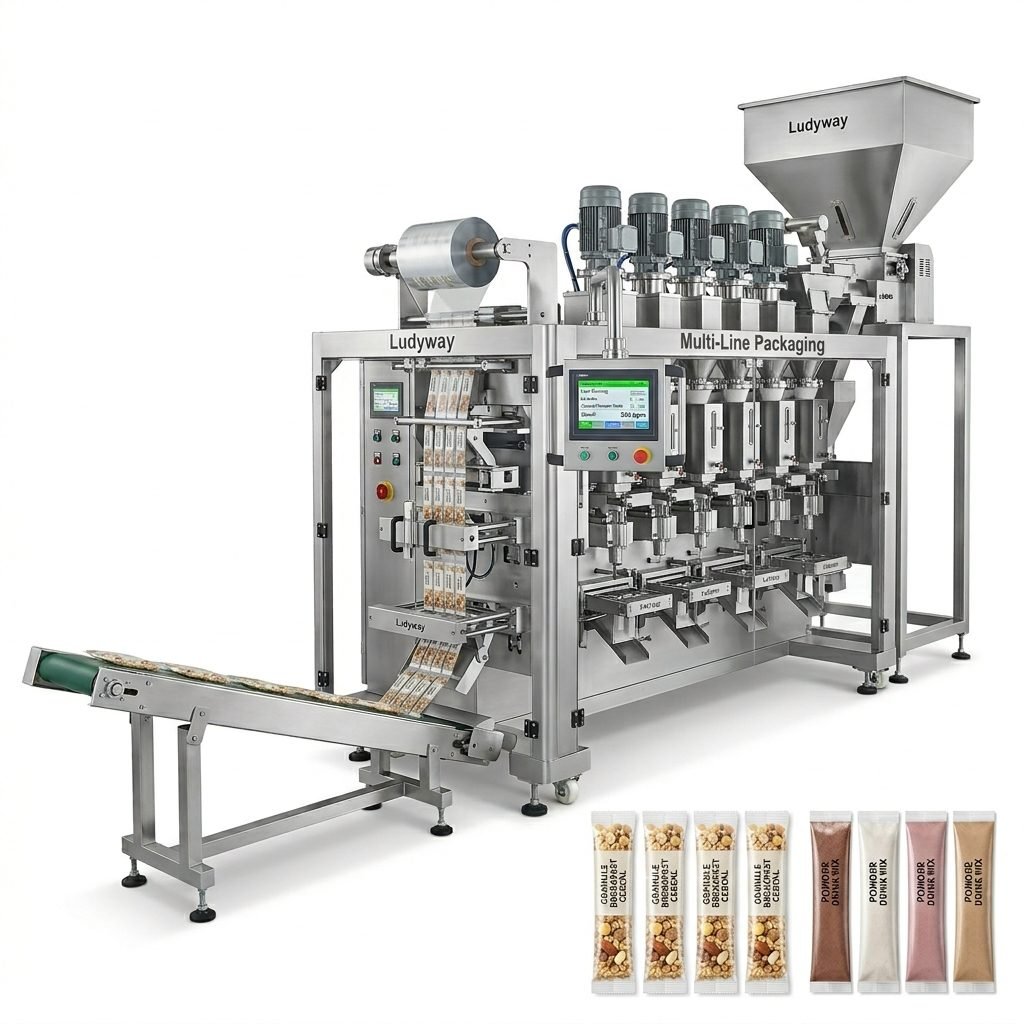
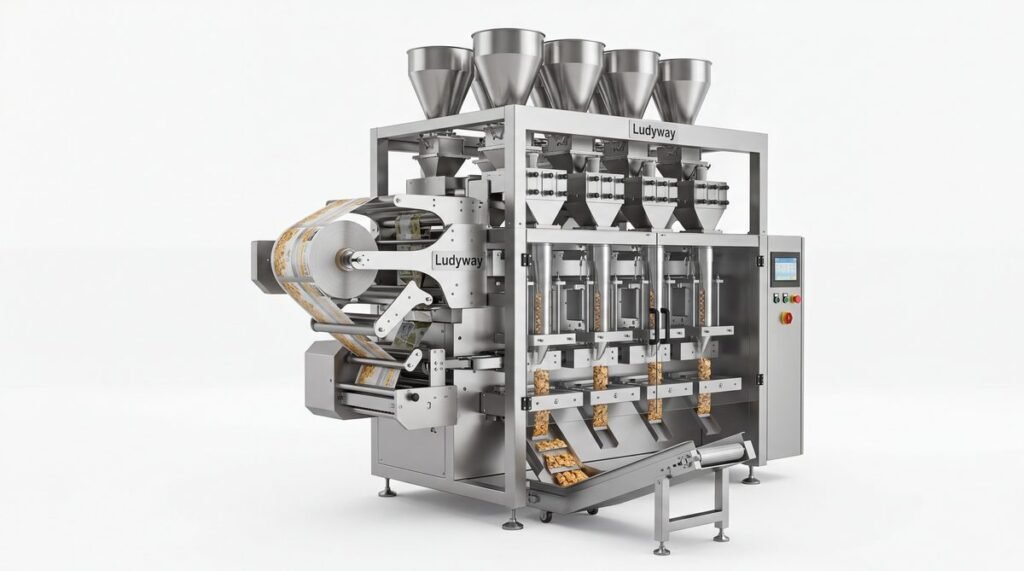
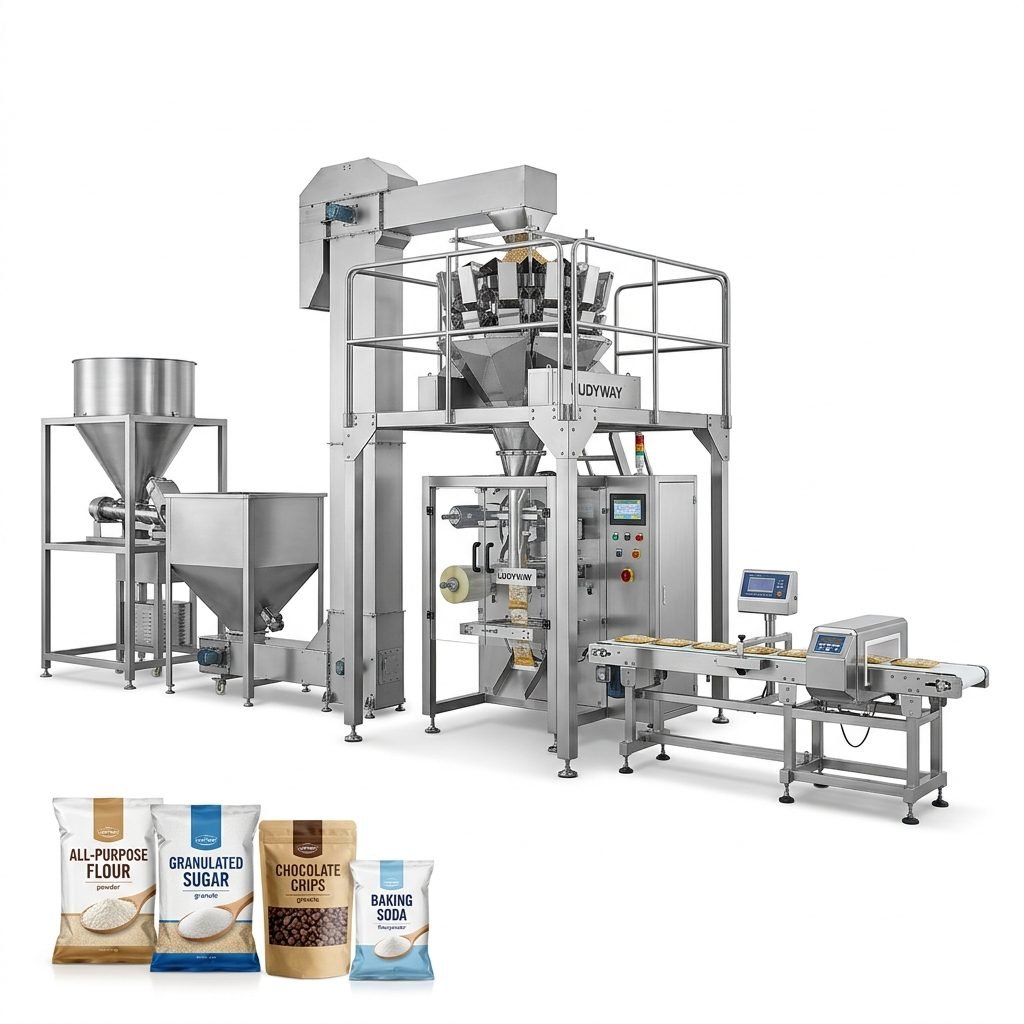
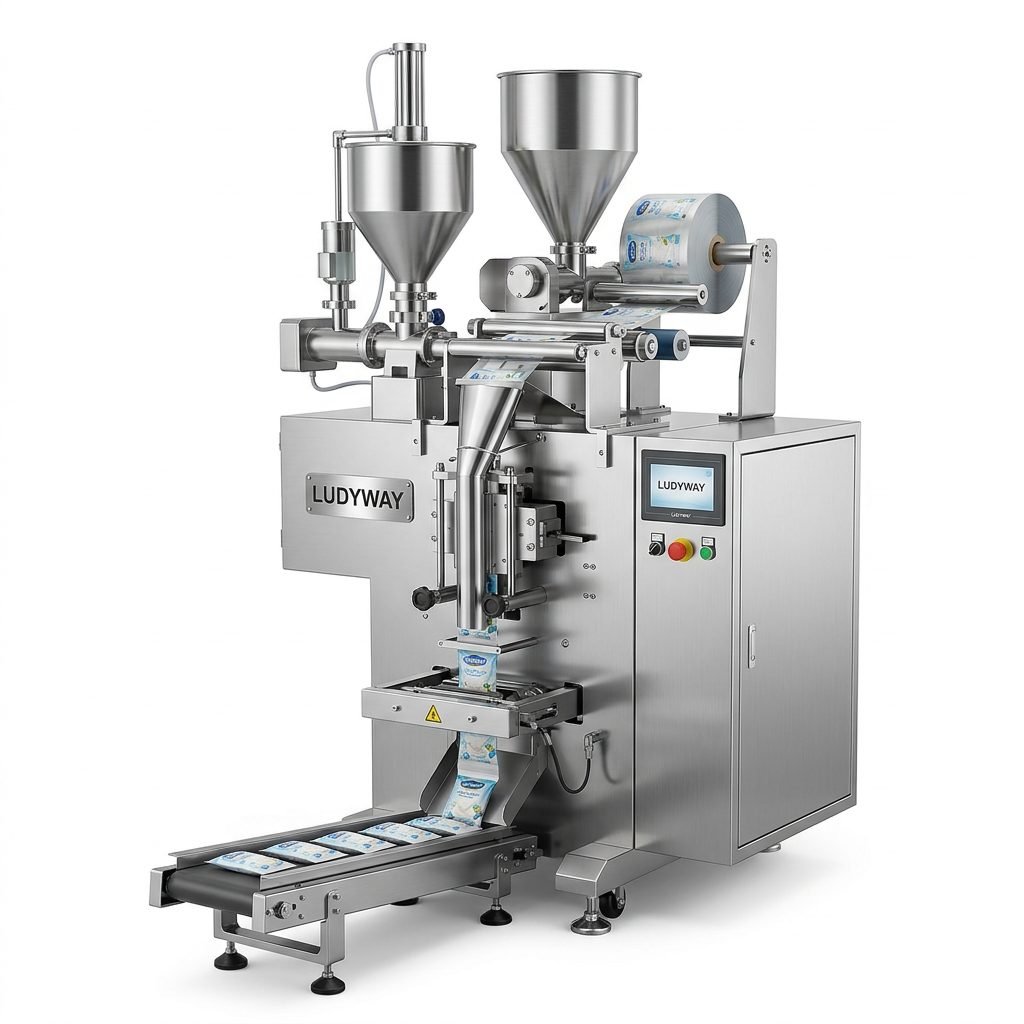
Building a compliant baby food packaging production line demands specialized machinery designed for hygiene-sensitive environments. The core equipment typically includes a multi-lane stick pack or sachet packaging machine, automated weighing and filling systems, and integrated quality control modules. Food-grade packaging standards require all contact surfaces to be manufactured from stainless steel, with easy-clean designs and validated sanitation protocols.
Core Machinery Components
| Equipment Type | Primary Function | Estimated Cost Range (EUR) |
|---|---|---|
| Multi-Lane Stick Pack Machine | High-speed filling and sealing of powder/granule products | €45,000 – €180,000 |
| Automated Weighing System | Multi-head weigher for precise portion control | €18,000 – €65,000 |
| Nitrogen Flushing Unit | Oxygen displacement for extended shelf life | €8,000 – €25,000 |
| Cartoning Machine | Secondary packaging into cartons | €35,000 – €120,000 |
| Inspection & Metal Detection | Contaminant detection and quality assurance | €12,000 – €40,000 |
| Conveying & Integration Systems | Material handling and line connectivity | €15,000 – €55,000 |
Regulatory Framework in France and the EU
France enforces some of the strictest food safety regulations globally. Baby food manufacturers must comply with EU Regulation (EC) No 852/2004 on food hygiene, Regulation (EU) No 609/2013 on food intended for infants and young children, and French national decrees. The ISO packaging standards provide additional frameworks for ensuring packaging integrity. Key requirements include Hazard Analysis and Critical Control Points (HACCP) implementation, full material traceability, and adherence to Good Manufacturing Practices (GMP).
Key Regulatory Requirements
- Materials compliance – all packaging materials must comply with EU Framework Regulation (EC) No 1935/2004 on food contact materials
- Hygienic design – equipment must meet EHEDG (European Hygienic Engineering & Design Group) guidelines
- Cleanroom classification – baby food packaging typically requires ISO Class 7 or 8 cleanroom environments
- Batch traceability – full lot coding and serialization capabilities are mandatory
- Nutritional labeling – compliance with EU Regulation (EU) No 1169/2011 on food information to consumers
- Organic certification – if applicable, compliance with EU organic production standards
Cost Breakdown for Setting Up in France
Establishing a baby food packaging operation in France involves multiple cost categories beyond equipment procurement. Investors should budget for facility preparation, regulatory approvals, staffing, and ongoing operational expenses. The total capital investment varies significantly based on production capacity and automation level.
Estimated Total Investment Ranges
| Cost Category | Small-Scale Line | Medium-Scale Line | Full-Scale Turnkey Line |
|---|---|---|---|
| Packaging Equipment | €130,000 – €280,000 | €280,000 – €600,000 | €600,000 – €1,500,000 |
| Facility Preparation | €50,000 – €120,000 | €120,000 – €300,000 | €300,000 – €800,000 |
| Installation & Commissioning | €20,000 – €50,000 | €50,000 – €120,000 | €120,000 – €300,000 |
| Regulatory Approvals | €15,000 – €35,000 | €25,000 – €60,000 | €40,000 – €100,000 |
| Staff Training | €8,000 – €20,000 | €20,000 – €45,000 | €45,000 – €90,000 |
| Total Estimated Investment | €223,000 – €505,000 | €495,000 – €1,125,000 | €1,145,000 – €2,790,000 |
Step-by-Step Guide to Line Setup
Implementing a baby food packaging production line in France follows a structured process that integrates engineering, regulatory, and operational considerations. Each phase requires coordination with local authorities, equipment suppliers, and certification bodies.
Phase 1: Feasibility and Planning
- Conduct market research on target baby food product categories in France
- Define production capacity requirements and packaging format specifications
- Evaluate suitable facility locations considering logistics and labor availability
- Prepare a detailed business plan including CAPEX and OPEX projections
- Consult with packaging machinery manufacturers for preliminary line design
Phase 2: Regulatory Preparation
- Engage a French regulatory consultant familiar with food contact material requirements
- Prepare documentation for DGCCRF (Direction Générale de la Concurrence, de la Consommation et de la Répression des Fraudes) approvals
- Design HACCP plan specific to baby food packaging operations
- Secure necessary environmental permits for facility operations
Phase 3: Equipment Procurement and Installation
- Select EU-compliant packaging machinery with appropriate certifications
- Finalize factory acceptance testing (FAT) protocols with equipment suppliers
- Coordinate shipping, customs clearance, and on-site delivery logistics
- Complete mechanical installation, electrical connections, and utility setup
- Conduct site acceptance testing (SAT) and performance validation
Phase 4: Commissioning and Production Launch
- Perform thorough cleaning and sanitation of all equipment surfaces
- Run trial production batches with comprehensive quality testing
- Obtain final regulatory clearance from French authorities
- Train production staff on standard operating procedures and safety protocols
- Begin commercial production with gradual ramp-up to full capacity

Choosing the Right Equipment Supplier
Selecting a reliable packaging machinery manufacturer is critical for long-term operational success in the French market. Key evaluation criteria include experience with food-grade applications, availability of CE-certified equipment, service support capabilities within the EU, and a proven track record of installations in regulated markets. Industry research resources can assist in benchmarking potential suppliers.
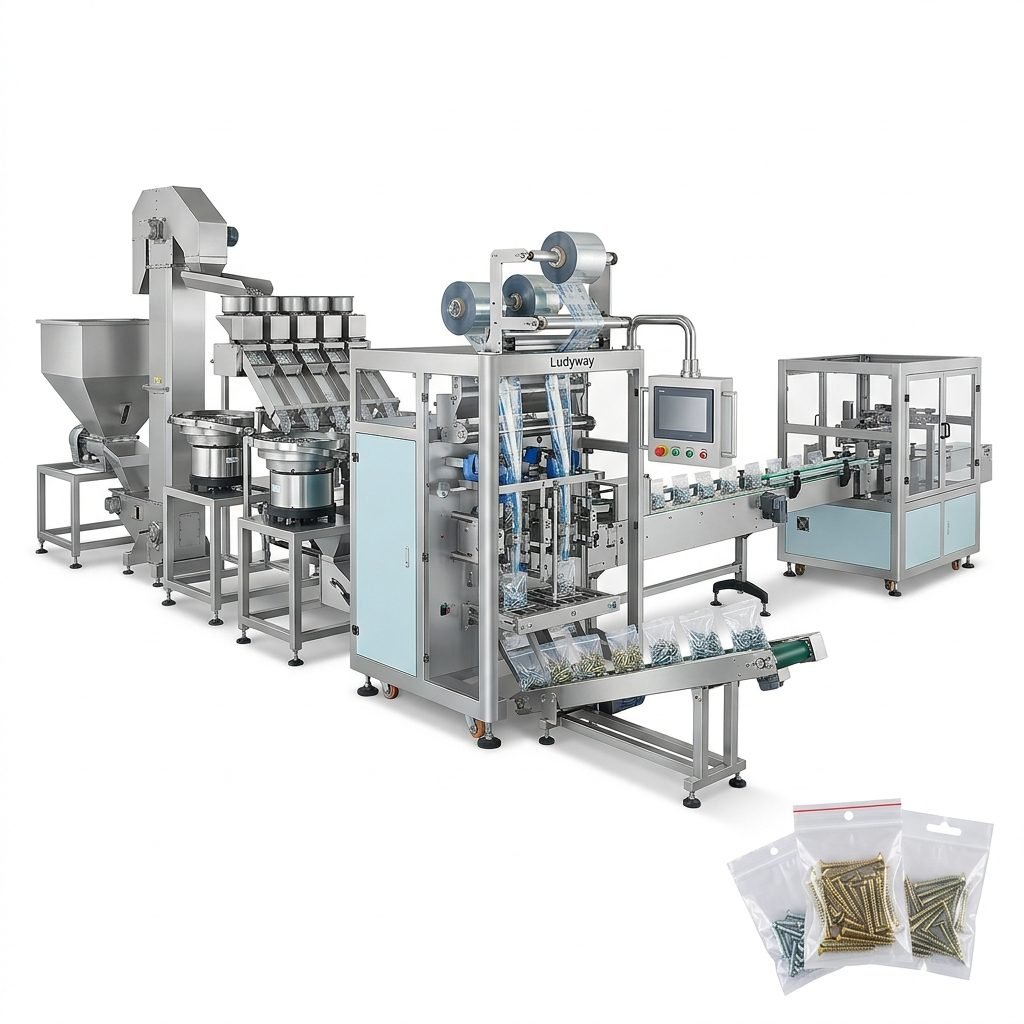
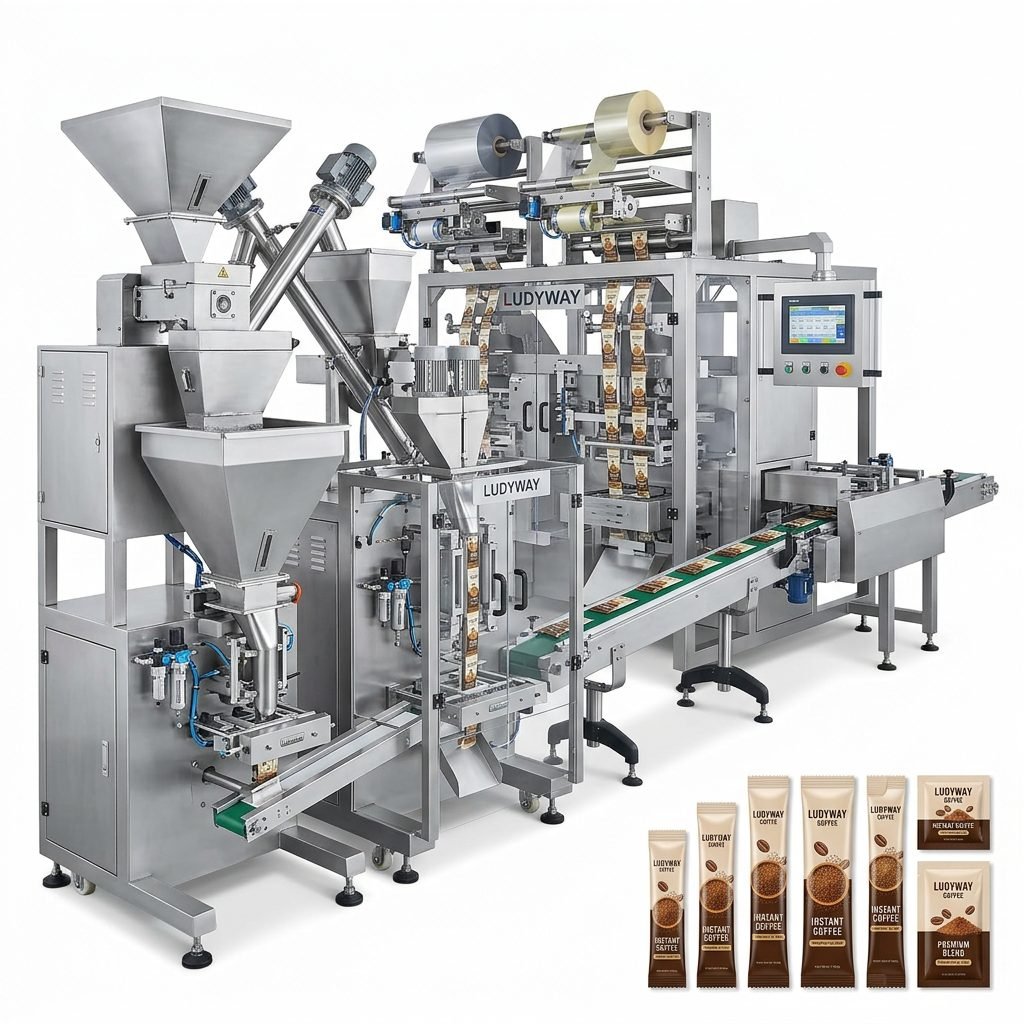
One established manufacturer serving this sector is Ludyway, which specializes in advanced packaging equipment and turnkey production solutions for the food, pharmaceutical, and health industries. With over 30 years of industry expertise and a modern 20,000㎡ manufacturing facility, the company offers more than 50 intelligent packaging machine models, including multi-lane stick pack, sachet, and fully automated packaging systems suitable for baby food applications. Their equipment portfolio spans granule, powder, liquid, and pouch packaging, with customization available for specific production requirements. For inquiries, contact info@ludyway.com or WhatsApp at +8613129592456.
Supplier Evaluation Checklist
- CE marking and EU regulatory compliance documentation
- References from previous food industry installations in Europe
- Availability of after-sales service and spare parts within France
- Experience with hygienic equipment design and cleanroom integration
- Capability to provide complete turnkey solutions including conveyors and cartoning
- Warranty terms and technical support response times
Ongoing Compliance and Quality Management
Once the baby food packaging line is operational, maintaining regulatory compliance becomes an ongoing responsibility. French authorities conduct periodic inspections, and manufacturers must demonstrate continuous adherence to food safety standards. Implementing a robust quality management system aligned with ISO standards for packaging helps ensure sustained compliance and product integrity.
Daily Operational Requirements
- Routine sanitation verification with documented cleaning logs
- Metal detection and checkweigher performance verification at shift start
- Environmental monitoring of cleanroom conditions including particulate counts
- Batch record documentation for full traceability from raw materials to finished product
- Preventive maintenance scheduling based on equipment manufacturer recommendations
Future Trends in Baby Food Packaging
The French baby food packaging sector is evolving rapidly, with several trends shaping future equipment investments. Sustainable packaging solutions are increasingly prioritized, with demand for recyclable mono-material structures and reduced plastic usage. Smart packaging technologies incorporating QR codes for traceability and consumer engagement are gaining traction. Additionally, flexible packaging innovations continue to drive efficiency improvements in material usage and production speed.

Successfully establishing a baby food packaging machine production line in France requires meticulous planning, substantial capital investment, and strict adherence to EU and French regulatory frameworks. By selecting appropriate equipment configurations, partnering with experienced suppliers, and implementing robust quality management systems, manufacturers can build competitive operations that serve the growing French and European baby food markets with confidence and compliance.