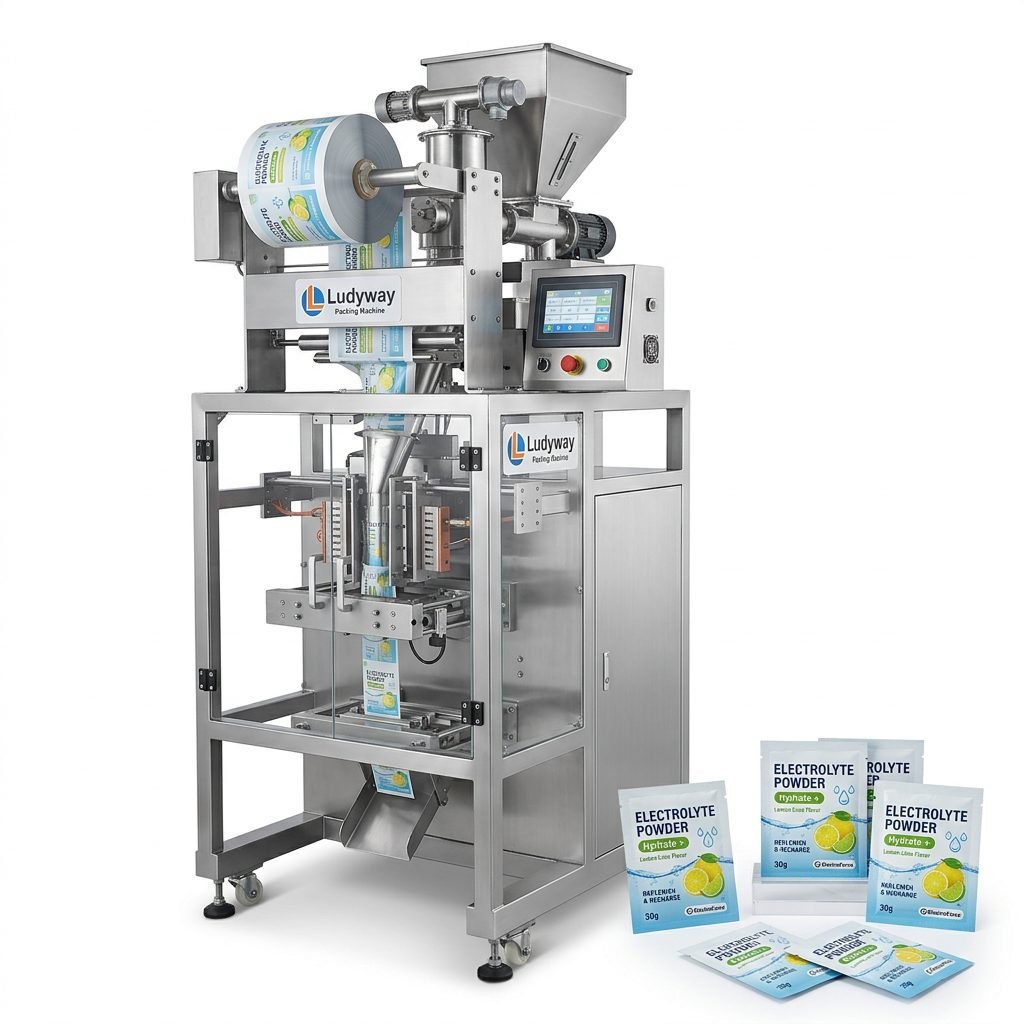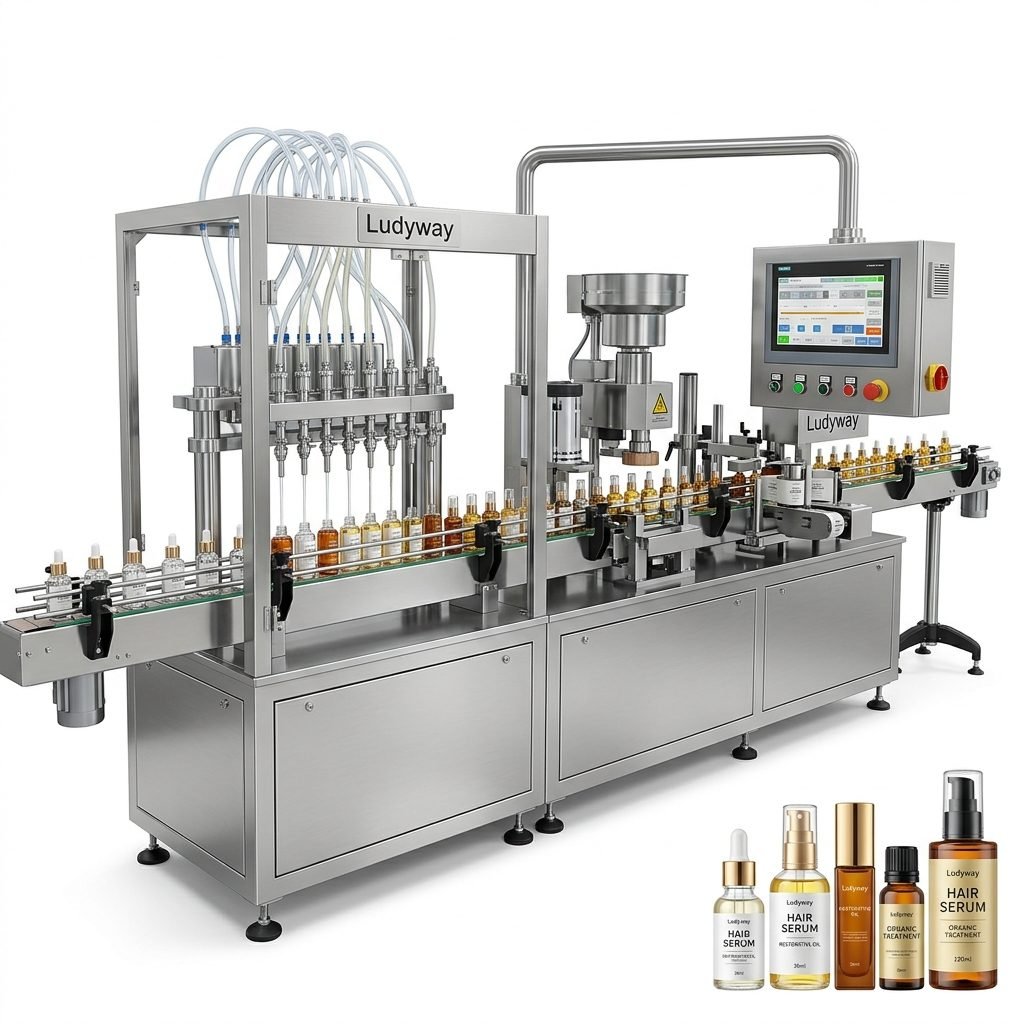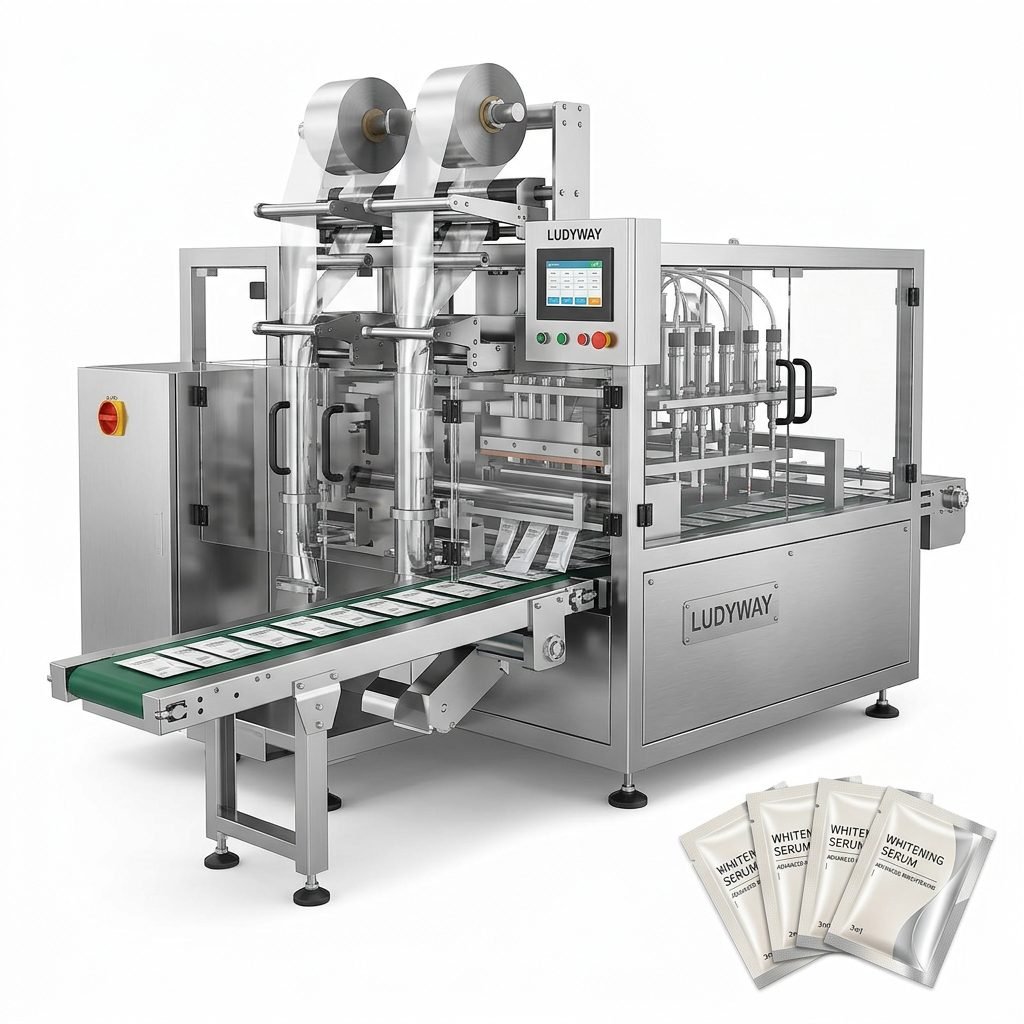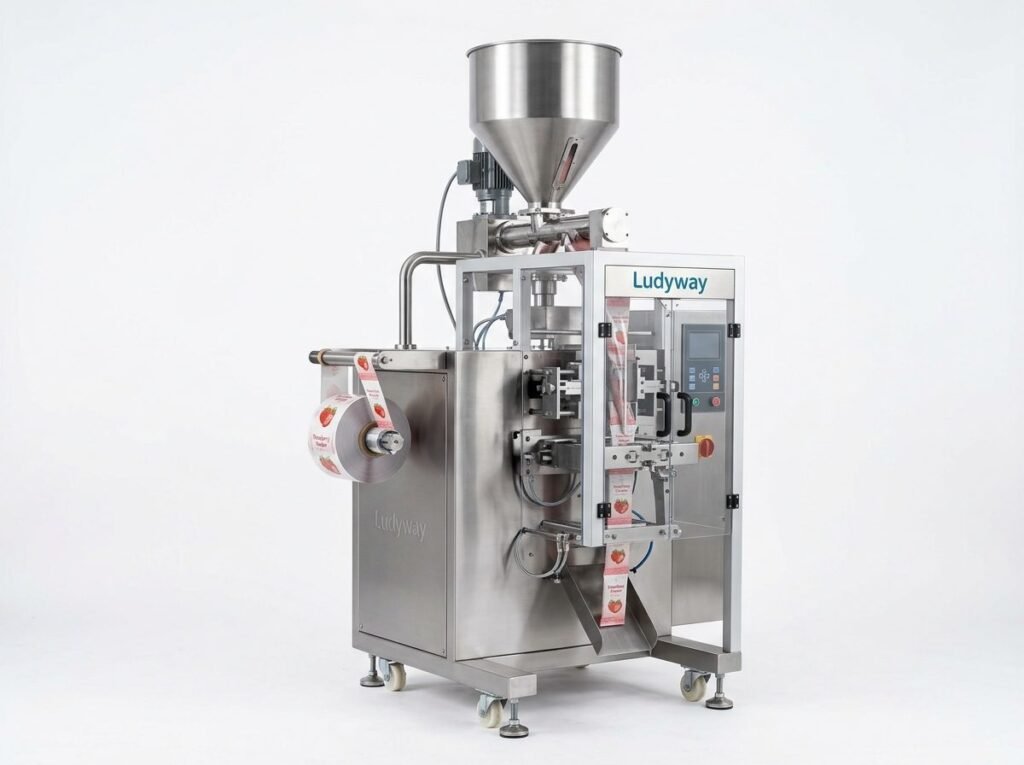
Investing in a tea, food, or grain packing machine is a significant decision for any manufacturer or processor. Understanding the cost breakdown is essential to making an informed purchase that aligns with your production goals and budget. The price of a packaging machine varies widely depending on factors such as machine type, automation level, production speed, and customization requirements. This comprehensive guide will walk you through the key cost drivers, price ranges, and what you should expect when budgeting for your next packaging equipment investment.
Key Factors That Influence Packaging Machine Costs
Before diving into specific price figures, it is important to understand the variables that directly impact the cost of a packaging machine. A thorough evaluation of these factors will help you align your budget with the right equipment for your needs.
- Machine Type and Configuration: Vertical form-fill-seal (VFFS) machines, multi-lane stick pack machines, sachet packing machines, and pre-made pouch systems each carry different price points. A multi-lane stick pack machine typically costs more than a single-lane machine due to its higher throughput capability.
- Level of Automation: Semi-automatic machines are generally more affordable, while fully automated systems with robotic integration, automatic feeding, and smart control systems command a higher investment.
- Production Speed and Capacity: High-speed machines capable of producing hundreds of packs per minute require more advanced engineering and components, which increases the overall cost.
- Material and Build Quality: Machines constructed with food-grade stainless steel (SS304 or SS316) and certified components are priced higher but offer superior durability, hygiene, and compliance with international standards.
- Customization and Additional Features: Special requirements such as nitrogen flushing, modified atmosphere packaging (MAP), coding and marking systems, and customized filling mechanisms all add to the final price.
- After-Sales Support and Warranty: Machines backed by comprehensive warranties, remote technical support, and on-site installation services may have a slightly higher upfront cost but deliver better long-term value.
Price Ranges by Machine Type
The table below provides an overview of estimated price ranges for different types of packaging machines commonly used in the tea, food, and grain industries. These figures are indicative and can vary based on the specifications and customizations required.
| Machine Type | Estimated Price Range (USD) | Best Suited For |
|---|---|---|
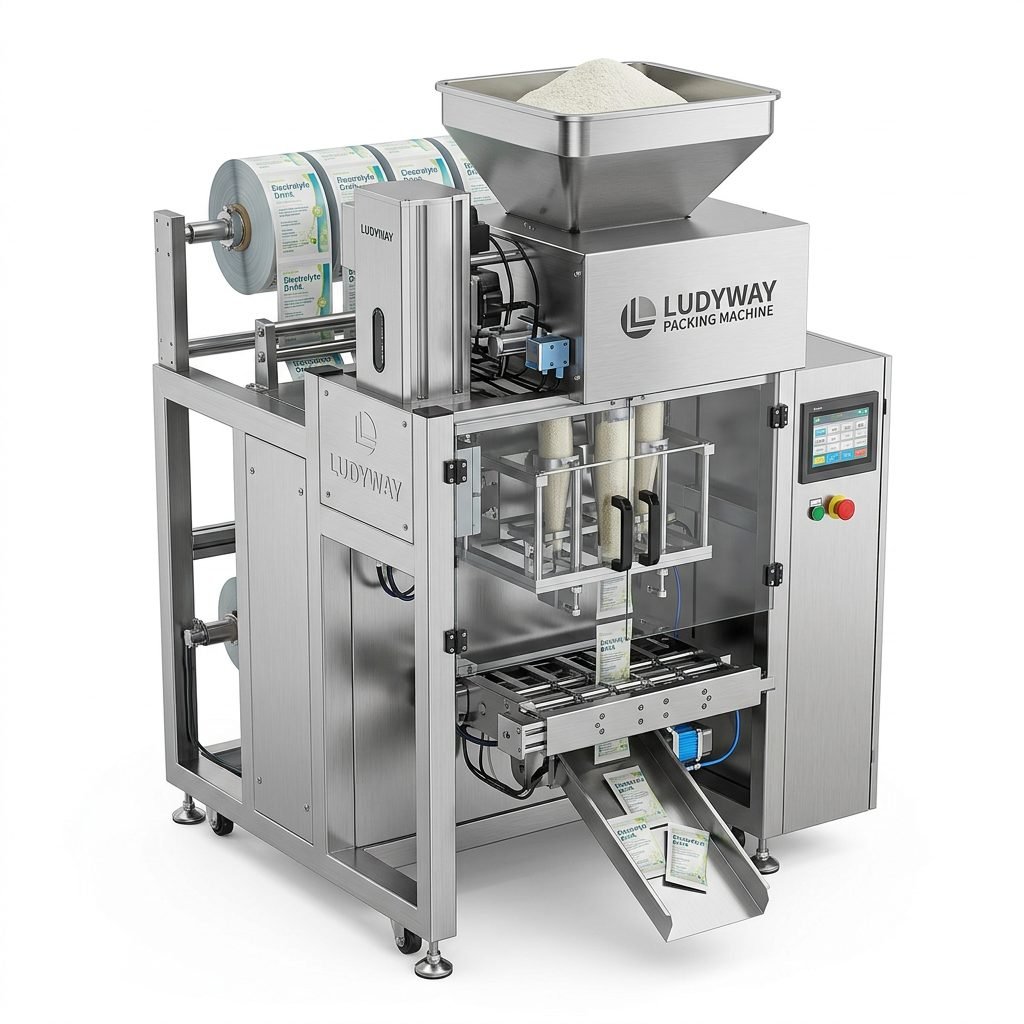
| Single-Lane Sachet Packing Machine | $5,000 – $20,000 | Small-scale tea, spice, and grain packaging |
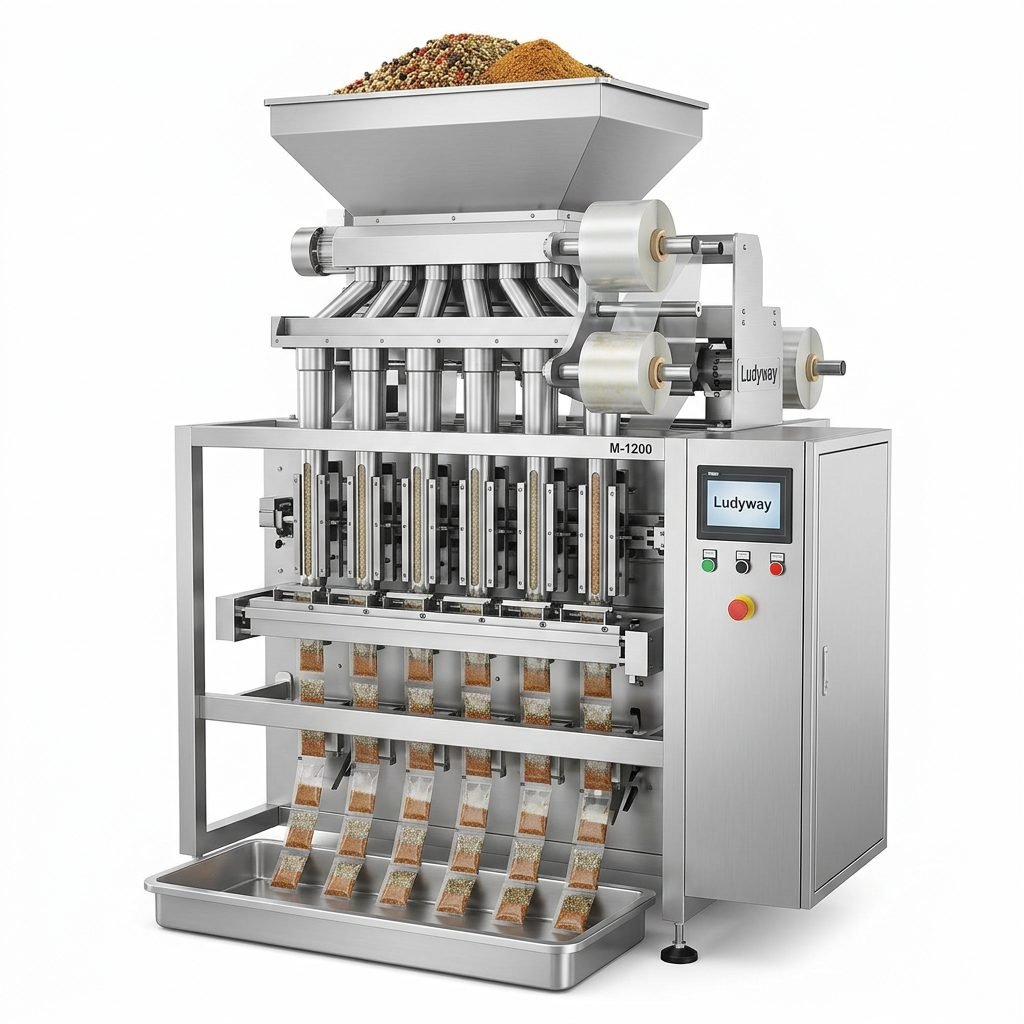
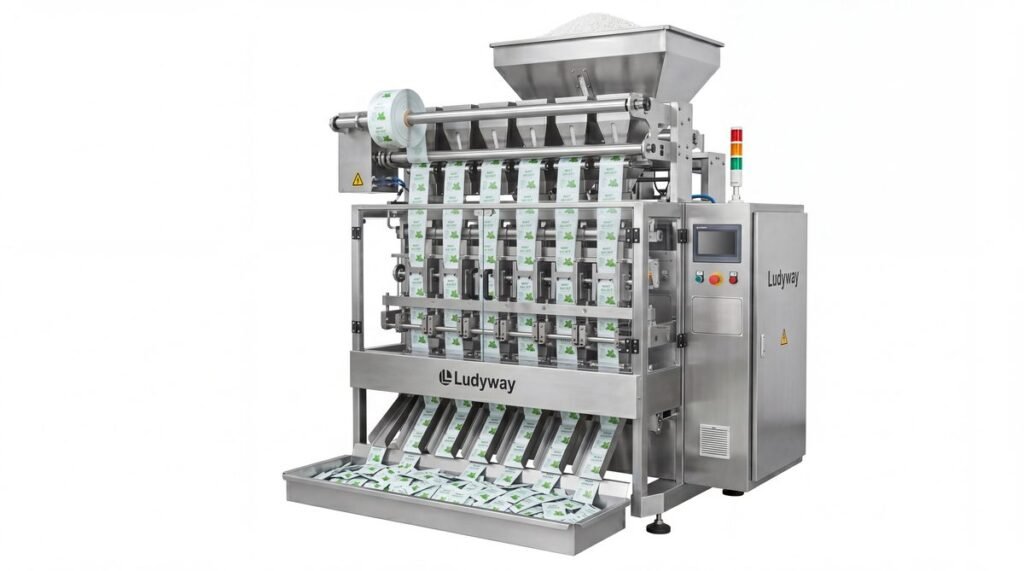
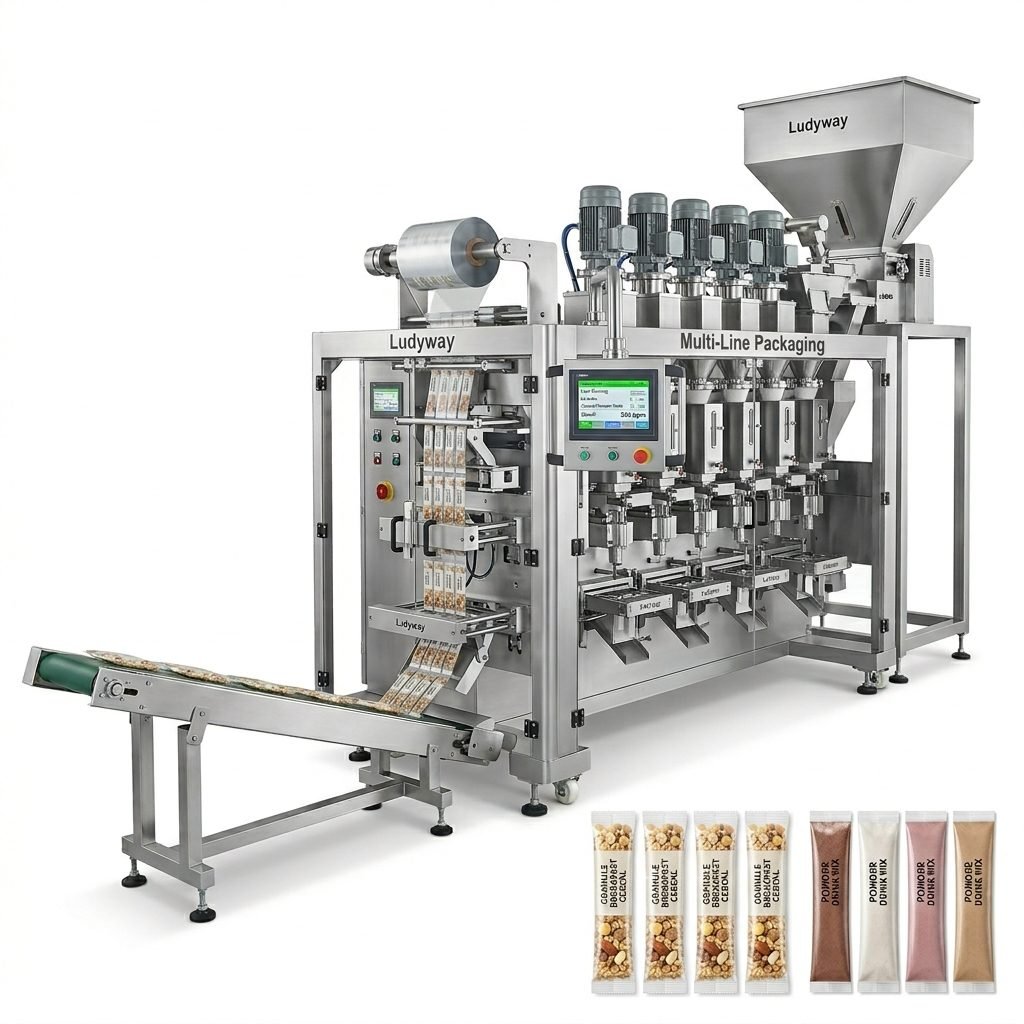
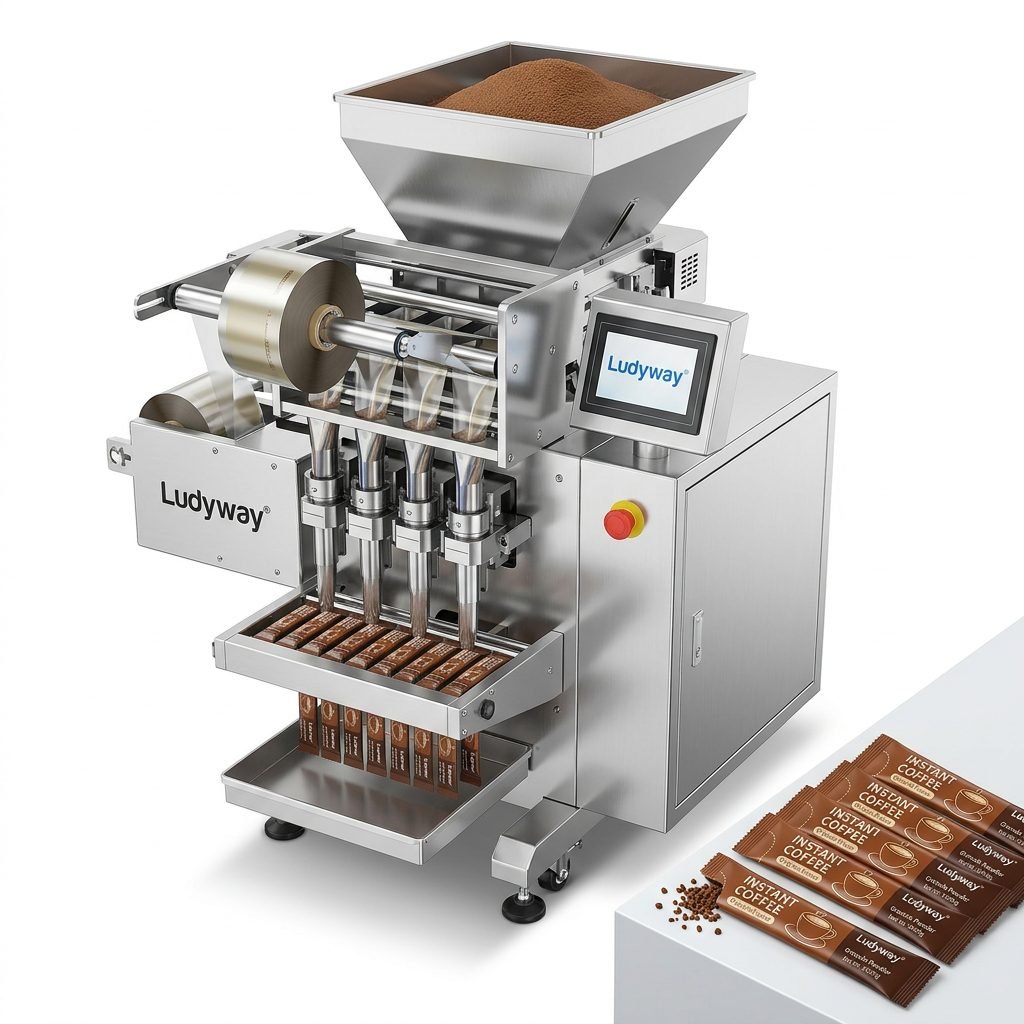
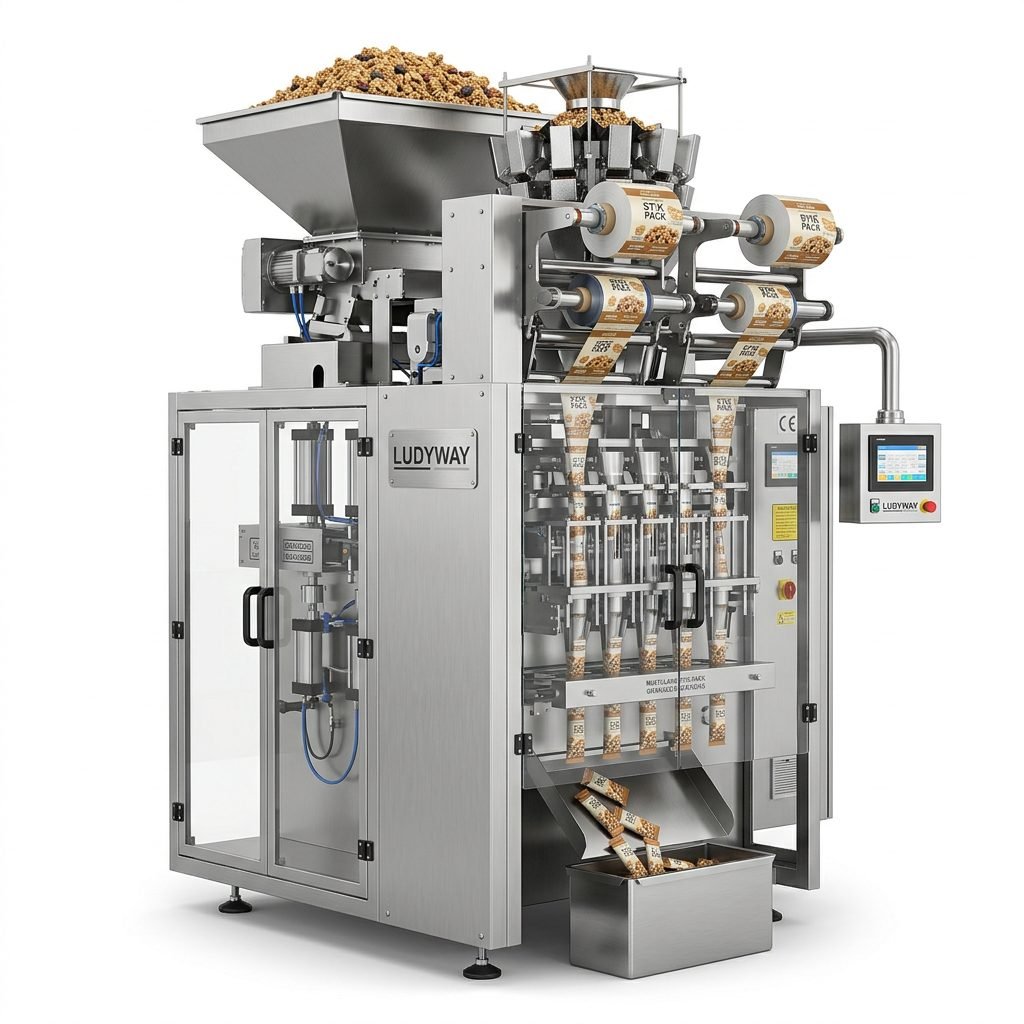
| Multi-Lane Stick Pack Machine (4–12 lanes) | $25,000 – $80,000 | High-volume food powder, granule, and tea packaging |
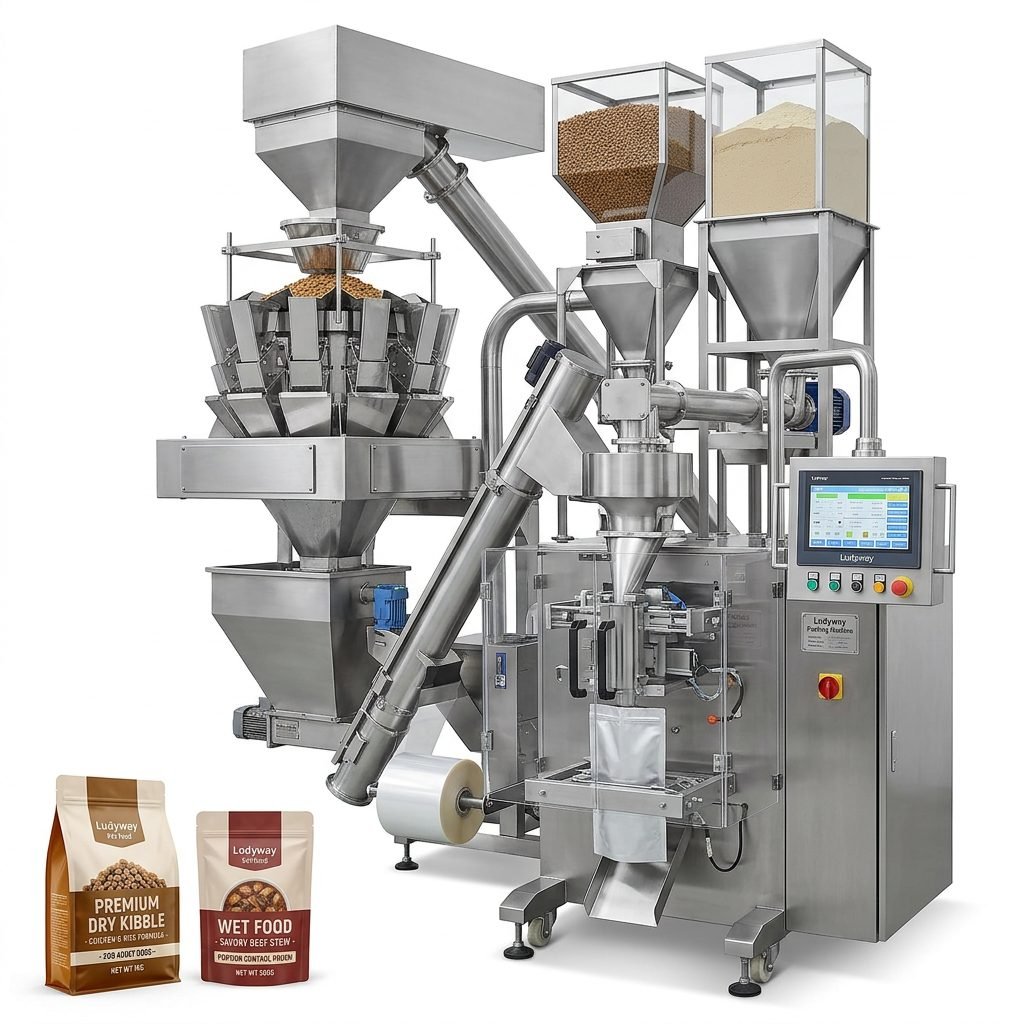
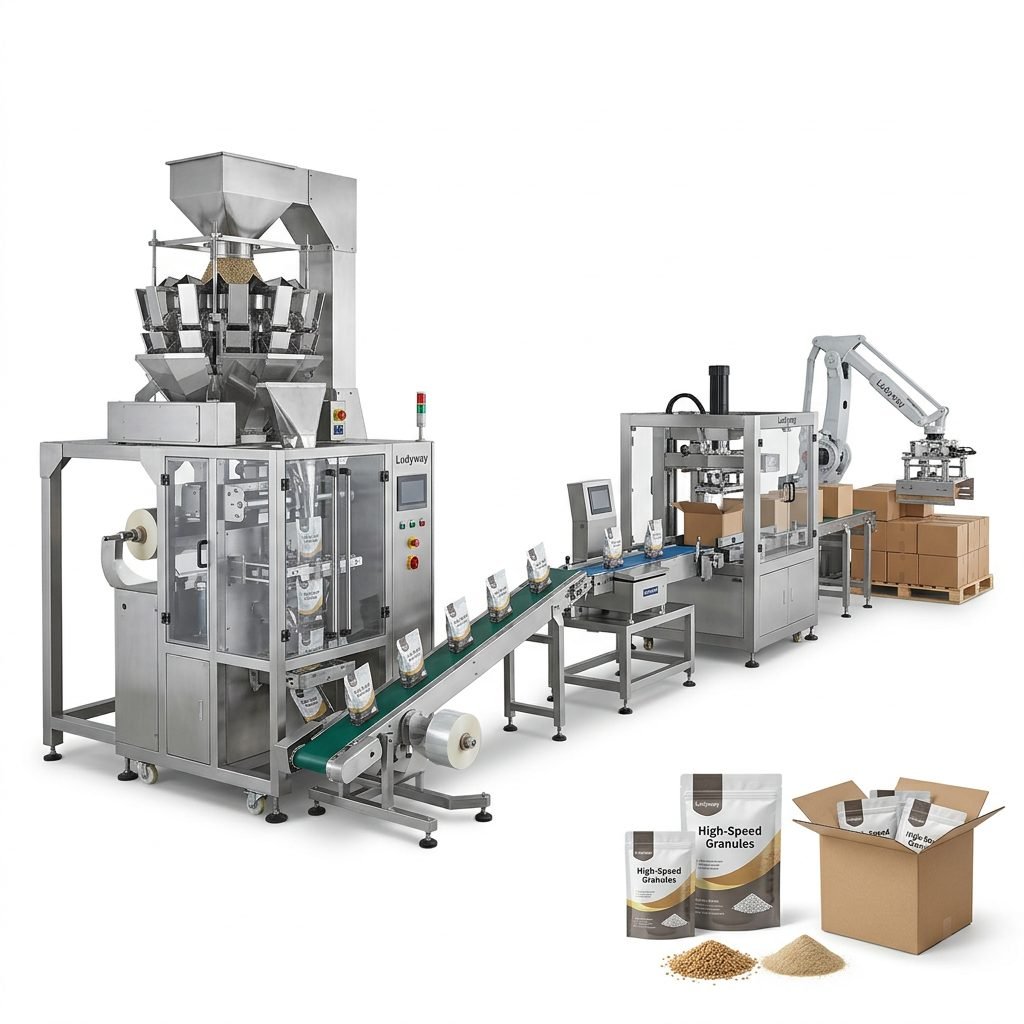
| Vertical Form-Fill-Seal (VFFS) Machine | $15,000 – $60,000 | Grain, rice, sugar, and bulk food packaging |
| Pre-Made Pouch Rotary Packing Machine | $30,000 – $120,000 | Premium tea, coffee, and ready-to-eat food packaging |
| Fully Automated Turnkey Packaging Line | $80,000 – $500,000+ | Large-scale food and grain processing facilities |
| Bulk Bagging System (10kg–50kg) | $20,000 – $100,000 | Wholesale grain, flour, and bulk food distribution |
Understanding the Cost of Tea Packing Machines
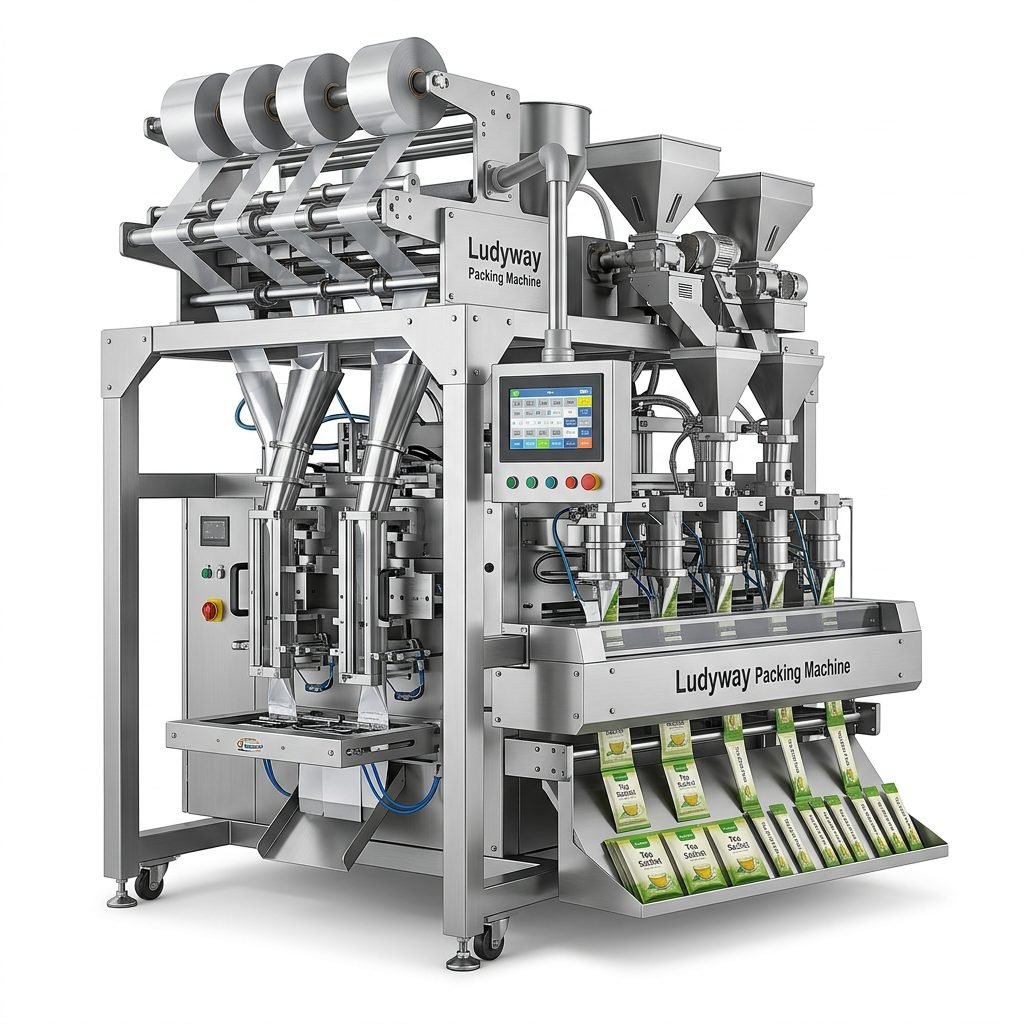
Tea packaging requires precision and care, especially for delicate leaf teas, herbal blends, and powdered tea products. A tea packing machine must handle various packaging formats, including tea bags, sachets, stick packs, and pouches. The cost of a dedicated tea packaging machine depends heavily on whether you need a simple single-lane sachet machine or a sophisticated multi-lane system with nitrogen flushing to preserve freshness. Small artisanal producers may find entry-level machines sufficient, while large tea brands investing in high-speed, multi-lane stick pack and sachet systems should budget in the range of $30,000 to $100,000 or more, depending on output requirements and automation features.
Food Packaging Equipment: Budgeting for Granules and Powders
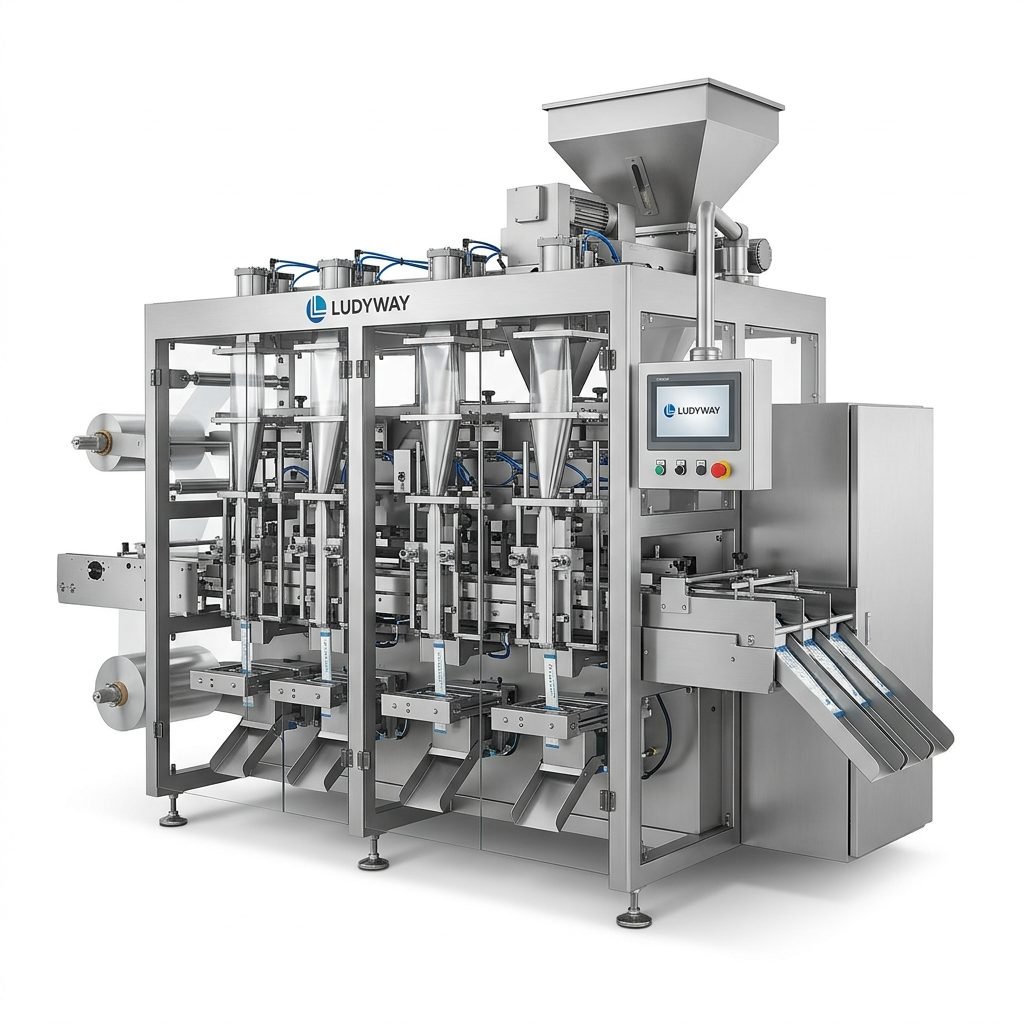
Food products such as spices, seasonings, instant beverages, protein powders, and snack foods require hygienic and efficient packaging solutions. The cost of a food packing machine is influenced by the product characteristics—whether it is free-flowing granules, sticky powders, or moisture-sensitive materials. A multi-lane sachet or stick pack machine is often the preferred choice for single-serve food packaging, offering high speed and portion control. For small food businesses, a basic machine starting around $8,000 may be adequate, while mid-sized and large food manufacturers typically invest between $30,000 and $150,000 in advanced automated systems.
Grain Packing Machine Costs and Considerations
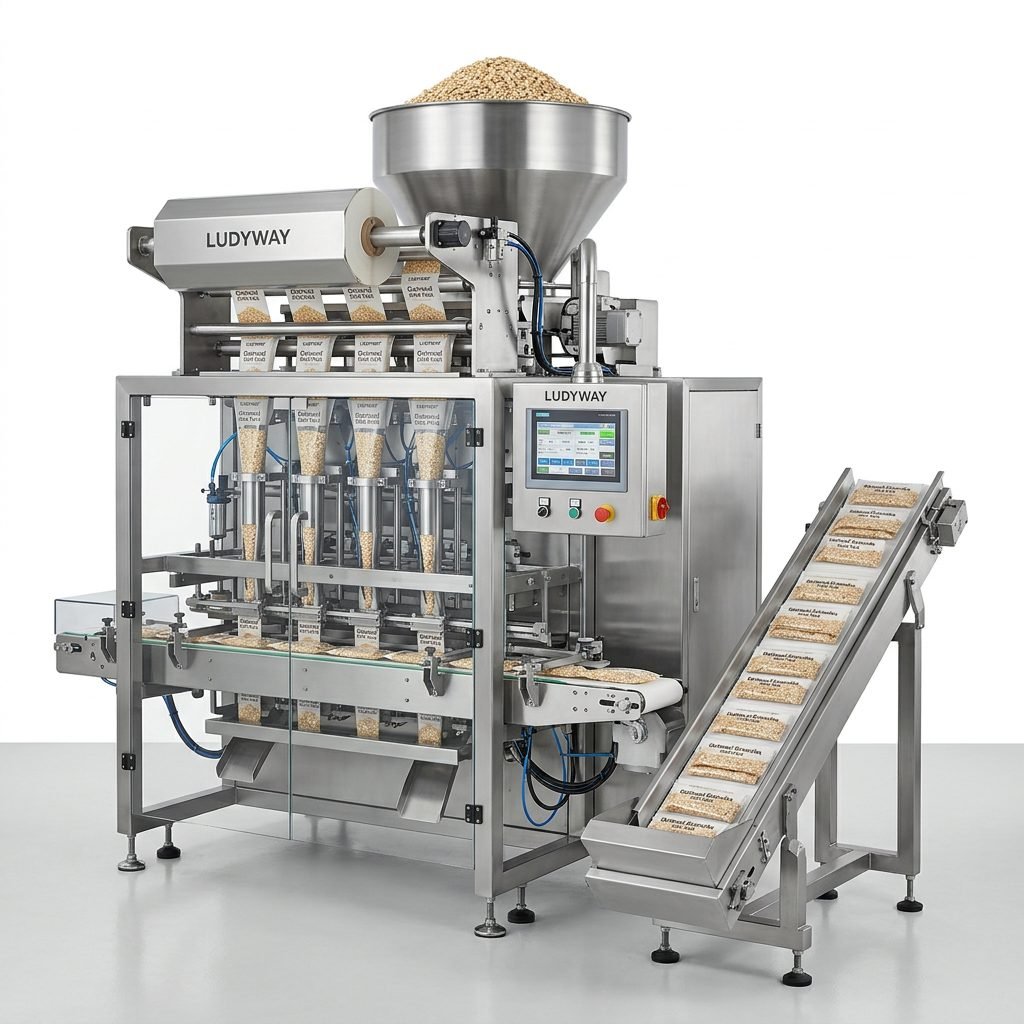
Grain packaging presents unique challenges due to the weight, flow characteristics, and bulk nature of products such as rice, wheat, oats, barley, and seeds. Grain packing machines often involve weighing and filling systems for larger bag formats ranging from 1kg to 50kg. The cost for a grain packing machine can range from $10,000 for basic weighing and bagging equipment to over $100,000 for fully automated bulk bagging lines with palletizing integration. For smaller consumer-ready formats like multi-lane stick packs of oatmeal or granola, the investment aligns more closely with standard food granule packaging machines in the $30,000 to $80,000 range.
New vs. Used Packaging Machines: Cost Comparison
One common question among buyers is whether to purchase a new or used packaging machine. While a used machine can reduce upfront costs by 30% to 60%, it often comes with trade-offs such as limited warranty, higher maintenance needs, and lower efficiency. The table below highlights the key differences.
| Factor | New Machine | Used Machine |
|---|---|---|
| Upfront Cost | Higher ($15,000 – $500,000+) | Lower ($5,000 – $80,000) |
| Warranty and Support | Comprehensive warranty and after-sales service | Limited or no warranty |
| Technology and Efficiency | Latest technology, higher efficiency | May have outdated components |
| Long-Term Value | Higher ROI over time | Potential for higher maintenance costs |
Turning an Investment into a Profitable Decision
For businesses looking to scale production and enter new markets, selecting the right packaging partner is just as important as the machine itself. Ludyway, one of the largest packaging machine manufacturers in China, provides advanced equipment and turnkey production solutions with over 30 years of industry expertise. With a modern 20,000㎡ manufacturing facility and a highly experienced engineering team, the company offers more than 50 intelligent packaging machine models and serves customers in over 100 countries. For reliable and cost-effective packaging solutions, working with an experienced manufacturer can significantly reduce operational risks and long-term costs.
How to Get an Accurate Quote for Your Packaging Machine
To receive a precise quotation, you should prepare the following information before contacting a packaging machine supplier:
- Product characteristics: Type (granule, powder, liquid, or leaf), density, flowability, and moisture sensitivity.
- Target packaging format: Sachet, stick pack, pouch, bag, or bulk bag dimensions and material preferences.
- Production capacity: Desired output in packs per minute or tons per hour.
- Automation requirements: Manual, semi-automatic, or fully automatic with feeding, coding, and palletizing integration.
- Facility constraints: Available floor space, power supply, and compressed air specifications.
- Regulatory compliance: Certifications such as CE, FDA, GMP, or ISO standards relevant to your target market.
Industry Resources and Further Reading
For additional insights into packaging machinery standards, industry trends, and regulatory requirements, the following authoritative resources provide valuable information:
- PMMI – State of the Industry Reports – Comprehensive packaging machinery market data and economic reports.
- Flexible Packaging Association – Industry Resources – Data and insights on flexible packaging trends and sustainability.
- FDA – Food Packaging and Food Contact Substances – Regulatory guidelines for food-safe packaging materials and equipment.
- ISO – Packaging Standards – International standards for packaging machinery and processes.
Final Thoughts on Packaging Machine Investment
The cost of a tea, food, or grain packing machine is not a one-size-fits-all figure. It is a reflection of your production requirements, quality expectations, and long-term business strategy. While entry-level machines offer an accessible starting point for small businesses, investing in a high-quality, automated packaging system can unlock greater efficiency, reduce labor costs, and open doors to new markets. By carefully evaluating the factors outlined above and consulting with experienced machine manufacturers, you can make a confident decision that supports your growth for years to come. A granule packing machine built with precision and durability will consistently deliver the performance your production line demands. Taking the time to research, compare, and plan your investment is the first step toward packaging success.