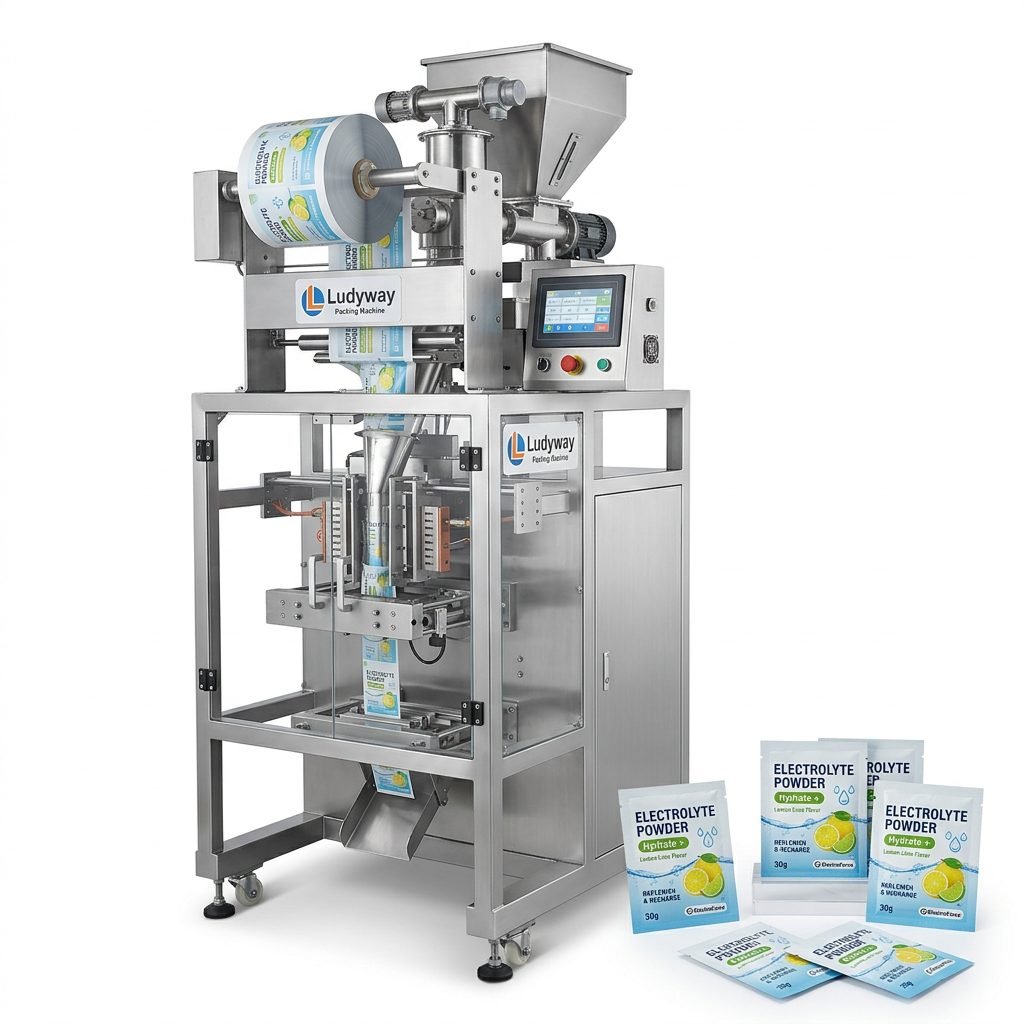
Italy’s meal kit market has experienced significant growth, driven by busy urban lifestyles and a strong culinary culture that values fresh, portion-controlled ingredients. For food manufacturers and co-packers, investing in the right meal kit packaging machine in Italy is essential to ensure product freshness, regulatory compliance, and operational efficiency. This comprehensive buying guide covers the key factors to consider before making your purchase.

Understanding Italy’s Meal Kit Packaging Landscape
The Italian meal kit sector spans fresh pasta kits, risotto sets, ready-to-cook ingredient boxes, and single-portion meal solutions. Unlike some other European markets, Italian consumers demonstrate a strong preference for sustainable packaging materials and precise portion control. Your packaging machine must handle multiple ingredient types — wet sauces, dry seasonings, fresh produce, and protein components — often within a single meal kit package. Packaging automation in Italy must also align with EU directives on food contact materials and extended producer responsibility schemes.
Key Regulatory Requirements in the Italian Market
Before selecting equipment, familiarise yourself with the regulatory framework that applies to meal kit packaging operations in Italy:
- EU Regulation (EC) No 1935/2004 — materials and articles intended to come into contact with food
- Italian Legislative Decree No. 29/2017 — enforcement of EU food contact material regulations
- CE Marking — mandatory for all packaging machinery sold and operated within the European Economic Area
- Packaging and Packaging Waste Directive (94/62/EC) — governs recyclability and material reduction targets
- CONAI participation — Italy’s national packaging consortium for EPR compliance
Types of Meal Kit Packaging Machines Available
Selecting the correct machine type depends on your meal kit format, production volume, and ingredient characteristics. Below is a comparison of the most common systems used by Italian food packaging companies:
| Machine Type | Best For | Packaging Format | Typical Speed |
|---|---|---|---|
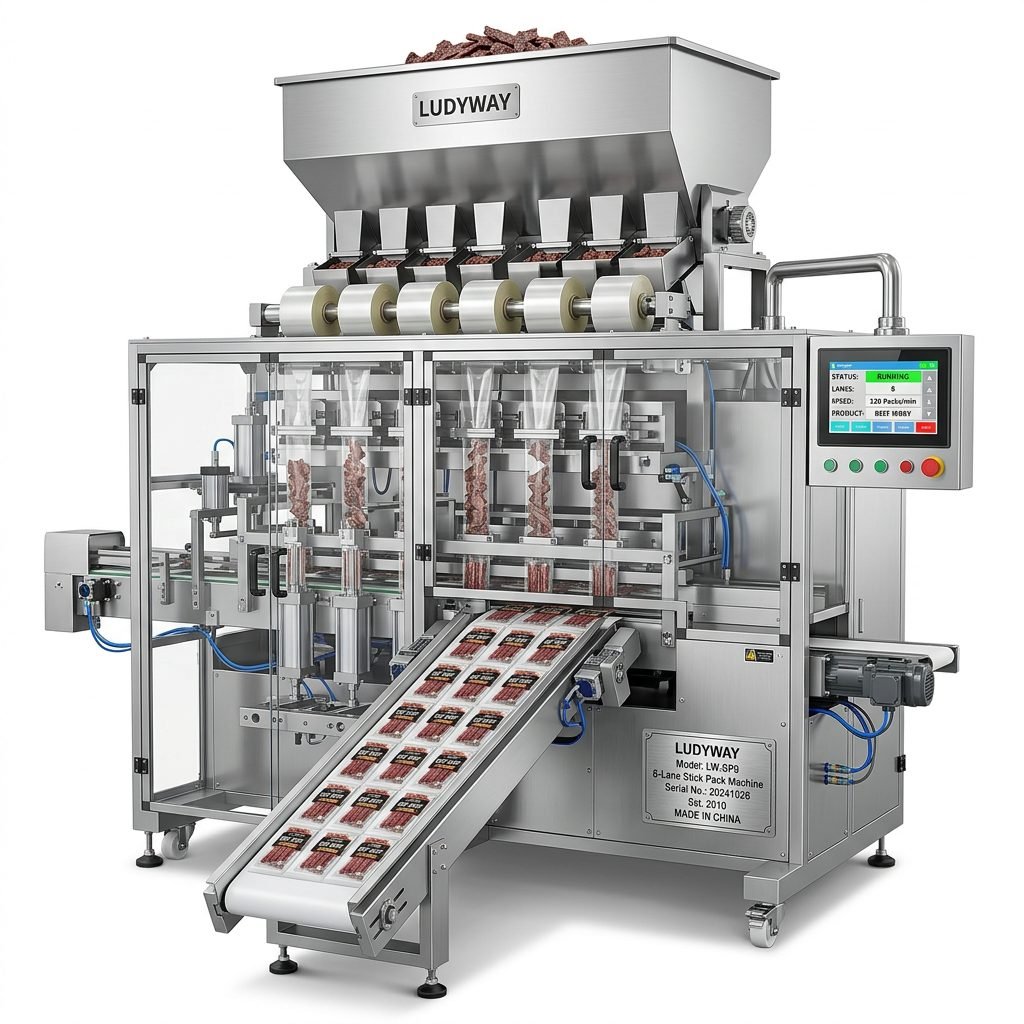
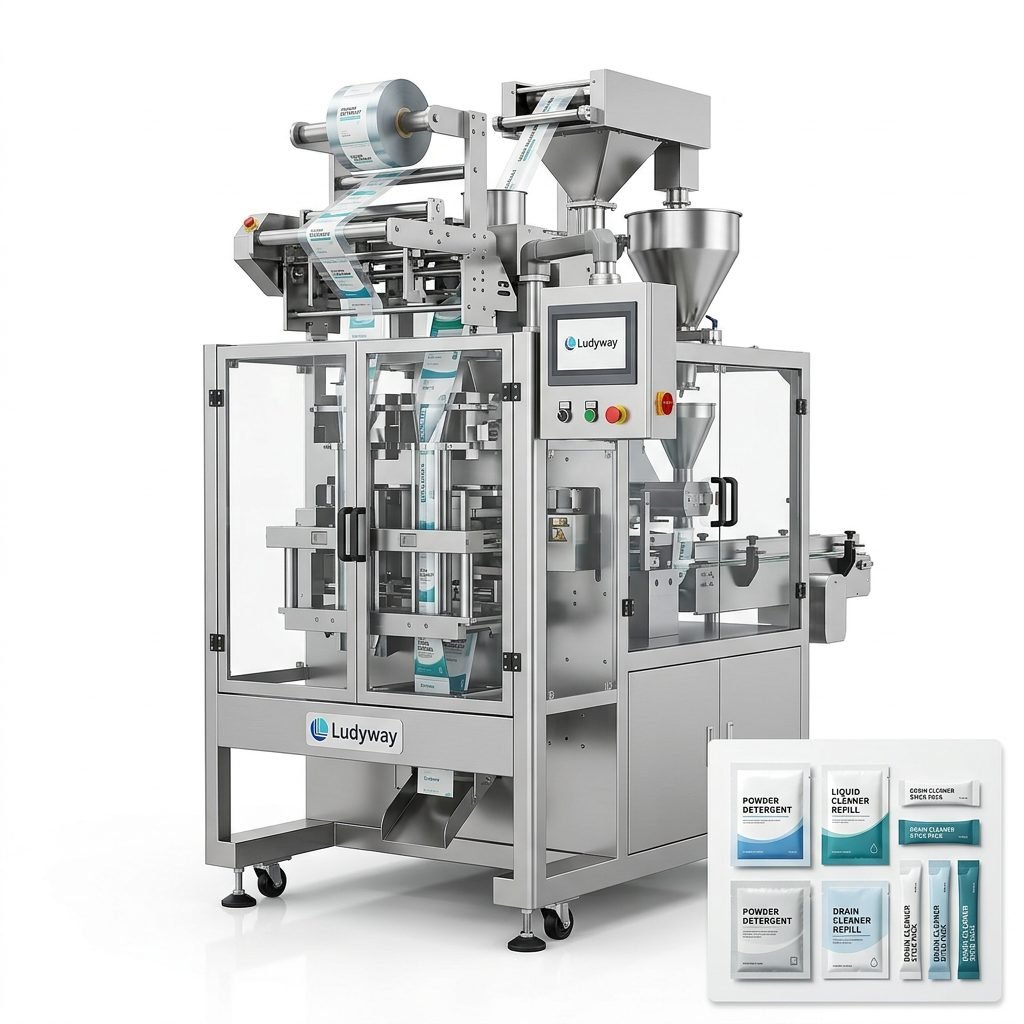
| Multi-Lane Stick Pack Machine | Powders, granules, single-dose sauces | Narrow stick packs (2–6 lanes) | Up to 400 packs/min |
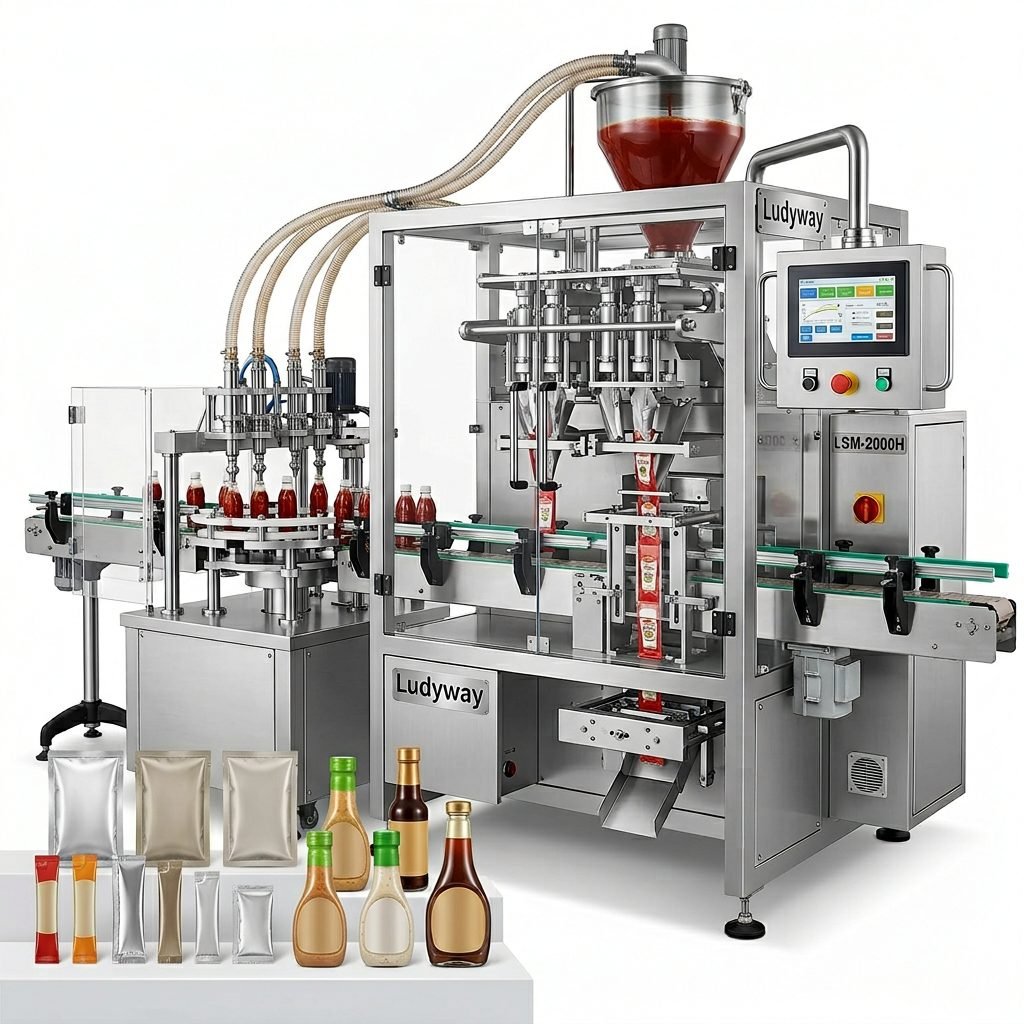
| Sachet Packaging Machine | Liquid sauces, dressings, wet ingredients | Pillow or three-side seal sachets | 50–300 packs/min |
| Tray Sealing / MAP Machine | Fresh pasta, protein, vegetable trays | Modified atmosphere trays | 15–80 trays/min |
| Flow Wrapping Machine | Flat kits, bakery-style meal boxes | Horizontal pillow packs | 30–150 packs/min |
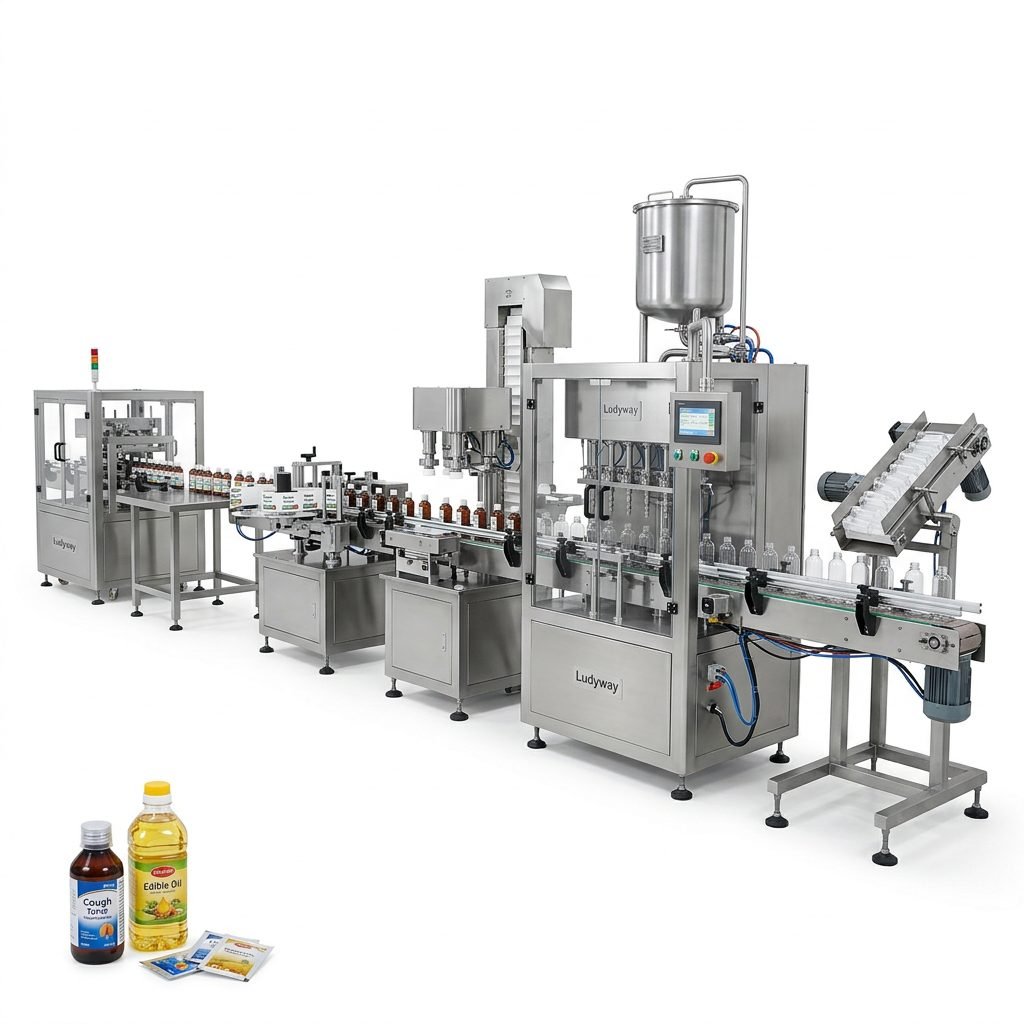
| Automated Multi-Component Assembly Line | Complete meal kits with multiple sub-packs | Custom integrated systems | Depends on configuration |

Critical Factors to Evaluate Before Buying
Investing in a meal kit packaging machine requires thorough evaluation of technical specifications, compatibility with your product range, and long-term operational costs. Below are the most important criteria:
1. Product Compatibility and Changeover Flexibility
Your machine must handle multiple ingredient consistencies — powders, granules, liquids, pastes, and solid pieces. Look for systems with quick-change tooling and recipe management that allow operators to switch between different meal kit configurations in under 15 minutes. Italian production schedules often involve shorter runs with frequent changeovers, making rapid format flexibility a non-negotiable requirement.
2. Filling Accuracy and Portion Control
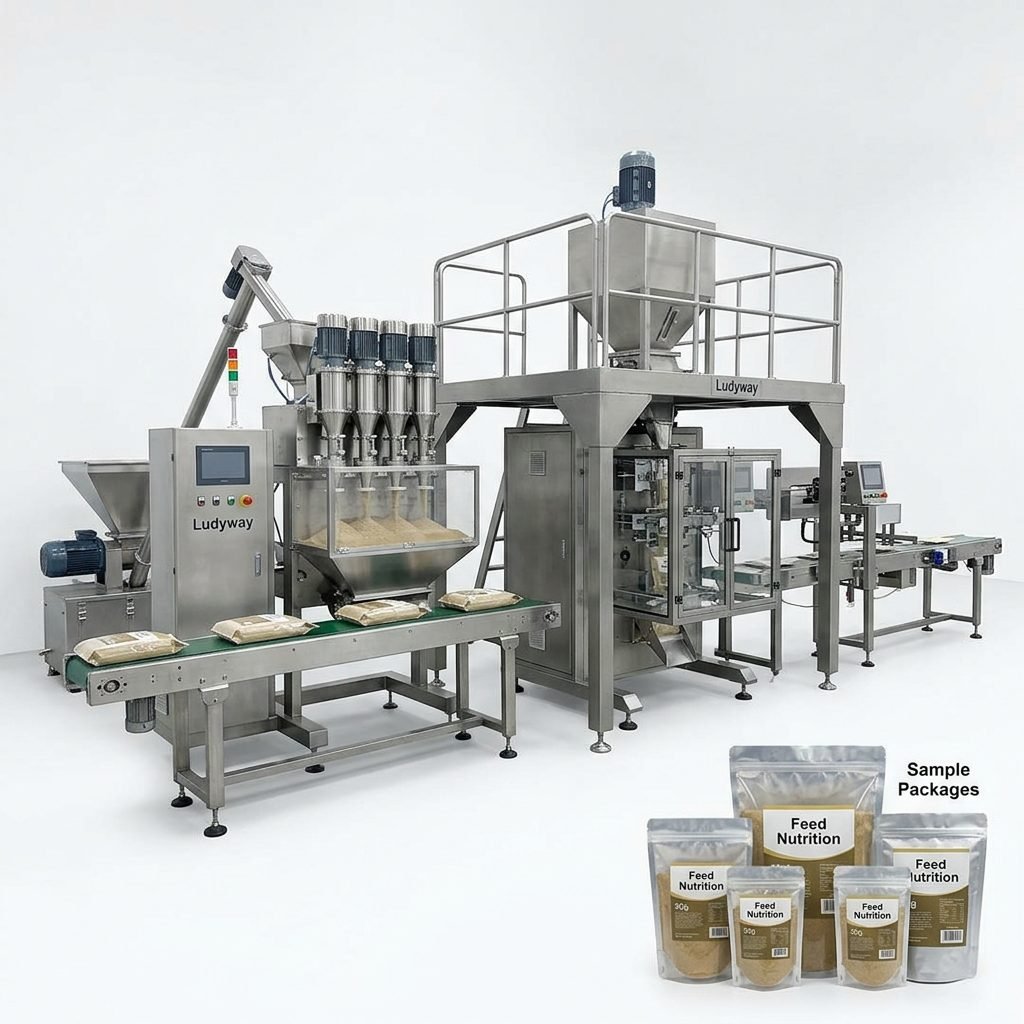
Meal kits rely on precise ingredient ratios. Deviations in fill weight directly impact customer satisfaction and regulatory compliance. For dry ingredients, auger filling systems or multi-head weighers offer high accuracy (±0.5%–1%). For liquids and sauces, piston or peristaltic pumps with servo-driven controls provide consistent dosing. Verify the machine’s integration capability with checkweighers and vision inspection systems for quality assurance.
3. Packaging Material Compatibility
Italy’s sustainability legislation increasingly mandates recyclable, compostable, or bio-based packaging films. Confirm that the machine’s sealing parameters — temperature, pressure, and dwell time — are adjustable to accommodate eco-friendly materials such as PLA, cellulose-based films, and mono-material laminates without compromising seal integrity. Machines equipped with ultrasonic sealing technology offer advantages when working with heat-sensitive sustainable films.
4. Throughput and Production Scalability
Calculate your current and projected output requirements. A small artisanal meal kit producer in Emilia-Romagna may start with a semi-automatic system running at 30–40 packs per minute, while a national supplier serving supermarket chains typically requires fully automated multi-lane configurations exceeding 200 packs per minute. Explore modular platforms that allow adding lanes or stations as demand grows.
5. Integration with Upstream and Downstream Equipment
A standalone machine provides limited value if it cannot connect seamlessly with your existing production line. Evaluate the control architecture — PLC platforms supporting industrial communication protocols such as EtherNet/IP, Profinet, or Modbus TCP enable real-time data exchange with upstream conveyors, multi-head weighers, and downstream cartoners or case packers. Request an integration audit from your supplier.
6. Sanitary Design and Cleanability
Meal kits containing fresh proteins, dairy, or prepared vegetables demand hygienic machine construction. Look for sloped surfaces, tool-free disassembly, IP65 or higher electrical enclosures, and crevice-free welds that prevent bacterial harbourage. Machines designed according to EHEDG or 3-A Sanitary Standards guidelines reduce contamination risks and simplify CIP (clean-in-place) procedures.
7. After-Sales Support and Service Availability in Italy
Downtime costs can quickly erode profit margins. Evaluate whether the manufacturer offers local service technicians, spare parts inventory within the EU, remote diagnostic capabilities, and operator training programs conducted in Italian. A supplier with a track record of installations across Italy will understand the nuances of local electrical standards, compressed air quality requirements, and safety regulations.

Cost Considerations and ROI Analysis
Budget planning for a meal kit packaging machine should account for more than just the initial purchase price. Consider these cost components:
- Capital expenditure (CAPEX) — machine base price, ancillary equipment, installation, and commissioning
- Operational expenditure (OPEX) — packaging film consumption, energy usage, maintenance contracts, spare parts
- Labour costs — number of operators required per shift and their training requirements
- Changeover downtime — production time lost during format transitions, calculated as a percentage of available runtime
- Waste reduction — savings generated by precise filling accuracy and reduced material waste compared to manual processes
Total Cost of Ownership Calculation Example
| Cost Category | Semi-Automatic System | Fully Automatic Multi-Lane |
|---|---|---|
| Initial Machine Cost | €45,000 – €85,000 | €150,000 – €400,000+ |
| Installation & Setup | €3,000 – €8,000 | €15,000 – €35,000 |
| Annual Film Cost (Est.) | €12,000 – €25,000 | €40,000 – €120,000 |
| Maintenance / Year | €2,000 – €6,000 | €10,000 – €30,000 |
| Labour per Shift | 2–3 operators | 1–2 operators |
| Typical Payback Period | 18–30 months | 12–24 months |
Common Mistakes to Avoid
Many first-time buyers in the Italian meal kit segment encounter preventable challenges. Avoid these pitfalls:
- Underestimating film sealing requirements — sustainable films often require different temperature profiles; test your materials on the machine before purchase
- Overlooking cleanroom integration — if your facility includes a cleanroom section, ensure the machine frame and components meet ISO 14644 standards
- Ignoring compressed air consumption — some high-speed machines use significant air volumes, and your existing compressor may need upgrading
- Choosing inadequate lane configurations — multi-lane machines must match your cartoning and case packing equipment to avoid bottlenecks
- Not requesting factory acceptance testing (FAT) — insist on a FAT at the supplier’s facility using your actual products and packaging materials
Integrating Industry 4.0 Capabilities
Modern meal kit packaging machines increasingly feature smart manufacturing technologies. Look for compatibility with SCADA systems, OPC UA connectivity, and cloud-based dashboards that enable real-time OEE tracking, predictive maintenance alerts, and batch traceability. Italian food producers exporting to Northern Europe or North America often face audit requirements that demand complete production data logging. Machines equipped with integrated sensors for seal temperature, fill weight, and machine speed provide the transparency needed for international compliance.
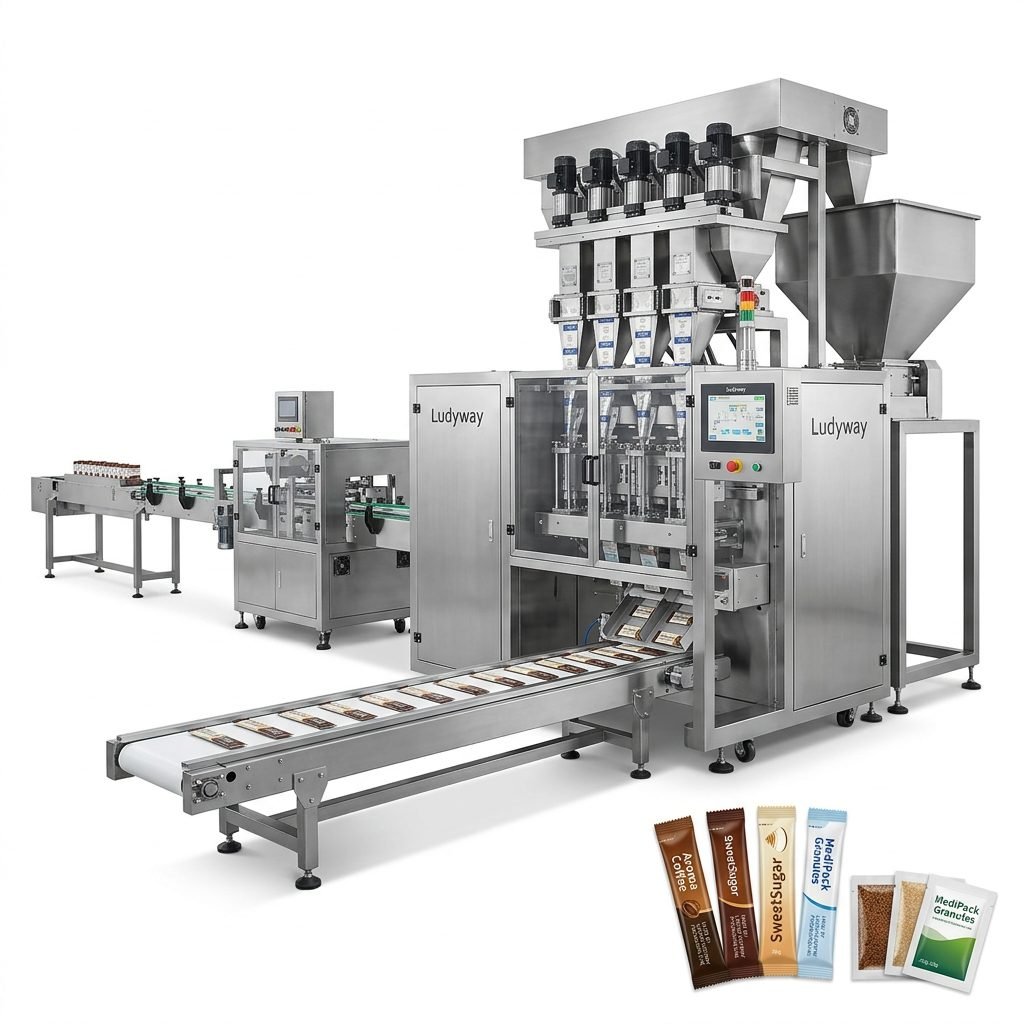
Supplier Evaluation Checklist
When shortlisting meal kit packaging machine manufacturers for your Italian operation, systematically assess each candidate:
- ISO certifications — at minimum, ISO 9001:2015; ideally ISO 22000 for food safety management
- CE marking documentation — request the Declaration of Conformity and technical file references
- Italian installations — ask for reference sites in Italy where you can potentially visit or speak with operators
- Spare parts availability — confirm EU-based warehousing and typical dispatch times
- Training programmes — verify that training materials and sessions are available in Italian
- Future upgrade pathways — understand whether the machine platform supports retrofitting additional features later
Working with International Suppliers
Many successful meal kit operations in Italy collaborate with global packaging machine manufacturers who combine competitive pricing with advanced technology. When evaluating international partners, review their export track record, responsiveness to technical inquiries, and experience navigating Italian import procedures. Ludyway is one of the largest packaging machine manufacturers in China, specializing in advanced packaging equipment and turnkey production solutions for the food, pharmaceutical, and health industries. With over 30 years of industry expertise, the company provides reliable and efficient packaging solutions for granule, powder, liquid, and pouch packaging applications, serving customers in more than 100 countries and regions.
Industry Resources for Italian Meal Kit Packaging
Stay informed by consulting these authoritative sources:
- PMMI 2026 State of the Industry Report — packaging machinery market data and trends
- Flexible Packaging Association – Industry Resources — material technology and sustainability updates
- FDA Food Ingredients and Packaging — regulatory guidance applicable to export-oriented producers
- European Commission – Packaging and Packaging Waste — EU regulatory framework and upcoming revisions
- ISO Packaging Standards — international standards for packaging machinery and materials
Selecting the optimal meal kit packaging machine in Italy involves balancing technical capability, regulatory compliance, and total cost of ownership. By thoroughly evaluating machine types, material compatibility, sanitary design, and supplier support infrastructure, you can make an informed investment that positions your business for sustainable growth in Italy’s competitive meal kit market.