Understanding the South American Ice Cream Packaging Market
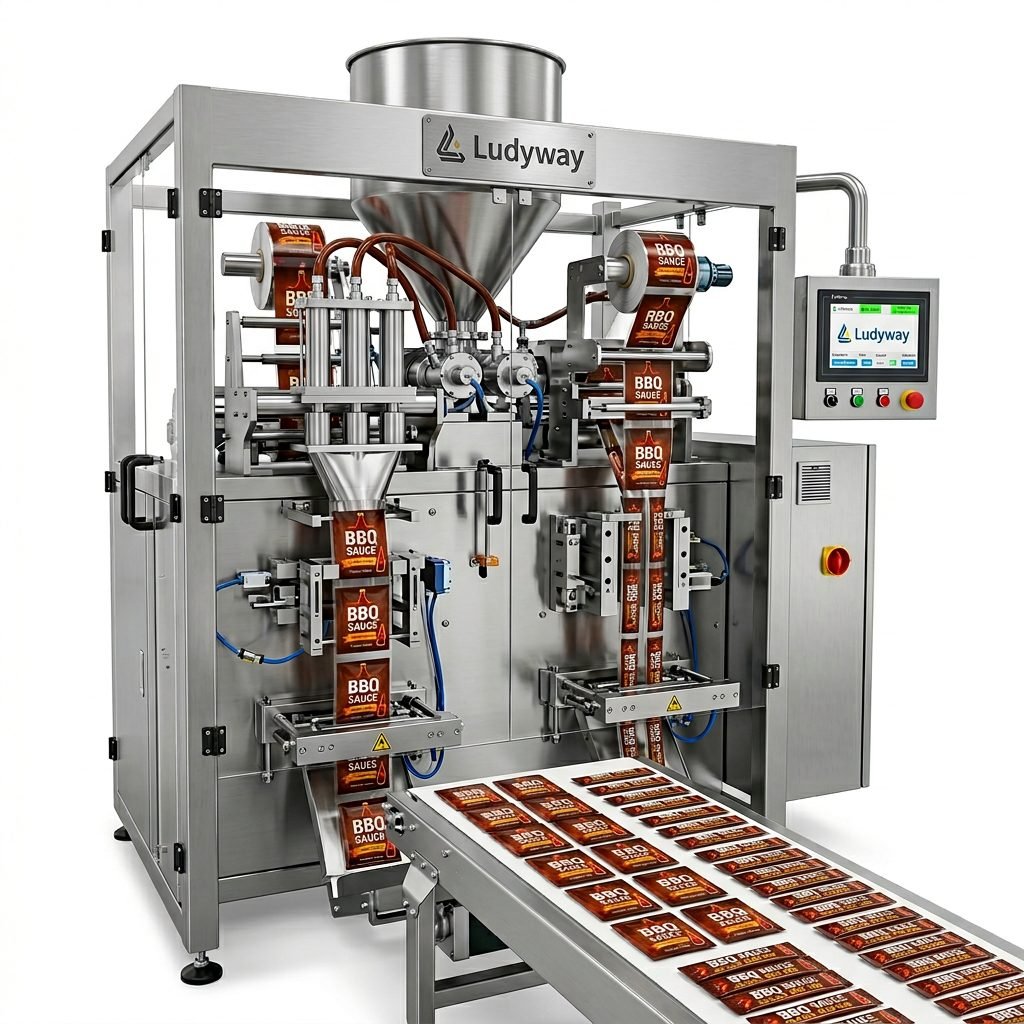
South America’s ice cream industry is experiencing remarkable growth, driven by rising disposable incomes, urbanization, and a strong cultural affinity for frozen desserts. Countries like Brazil, Argentina, Colombia, and Chile represent some of the largest ice cream markets in the region. With this growth comes increasing demand for efficient, reliable, and high-speed packaging machinery that can handle diverse formats — from sachets and stick packs to cups and pouches.
Selecting the right packaging machinery requires a clear understanding of local market conditions, regulatory requirements, and consumer preferences. Factors such as climate, distribution infrastructure, and packaging material availability play crucial roles in determining the optimal machine configuration for your production line.
Key Considerations When Choosing an Ice Cream Packaging Machine
Before investing in equipment, it’s essential to evaluate several core criteria that directly impact production efficiency, product quality, and long-term profitability. The following points will guide your decision-making process effectively.
1. Product Format and Packaging Type
Ice cream products come in various forms — soft serve, hard ice cream, gelato, frozen yogurt, ice cream bars, sandwiches, and novelty items. Each format demands specific packaging solutions. Common packaging types in South America include:
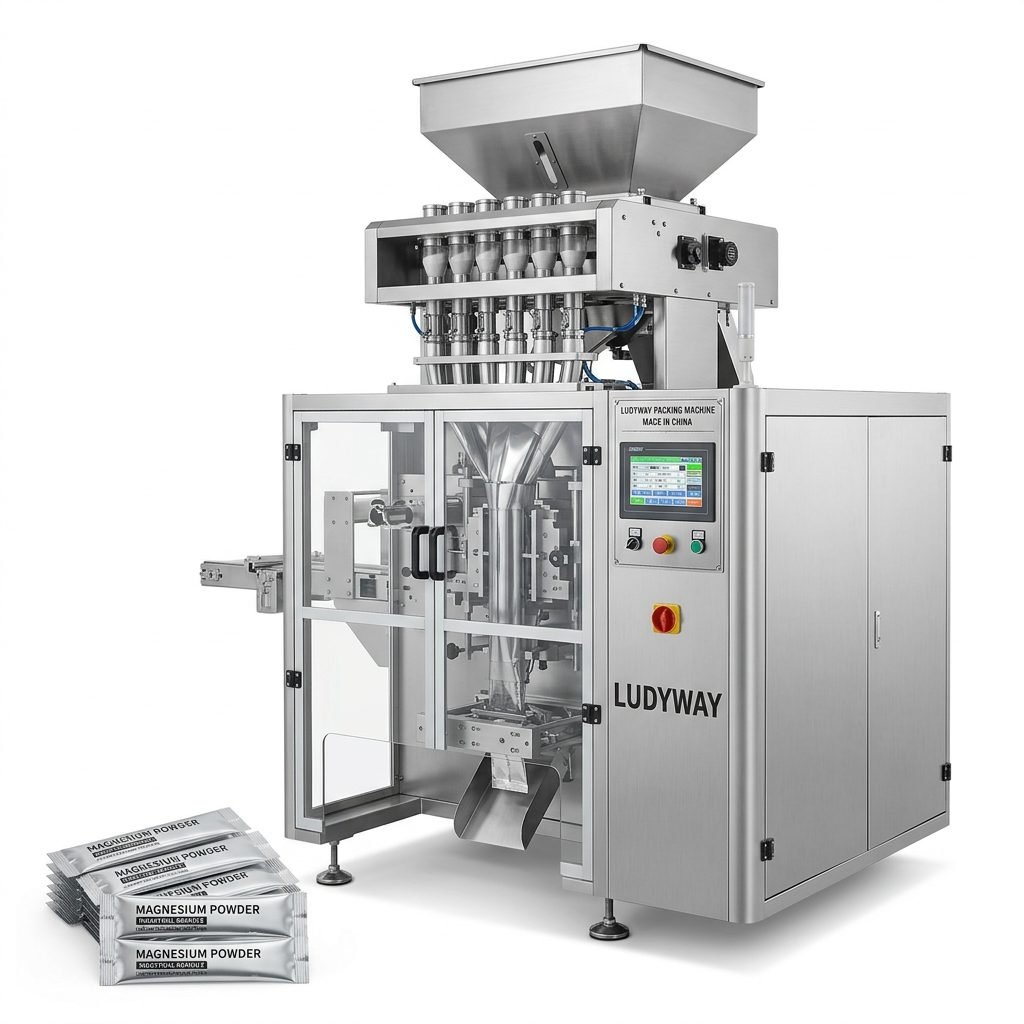
- Stick packs and sachets for single-serve ice cream powders and mixes
- Flow wrap and horizontal packaging for ice cream bars and sandwiches
- Cup and tub filling systems for bulk and retail ice cream
- Pouch packaging for frozen fruit purees and ice cream bases
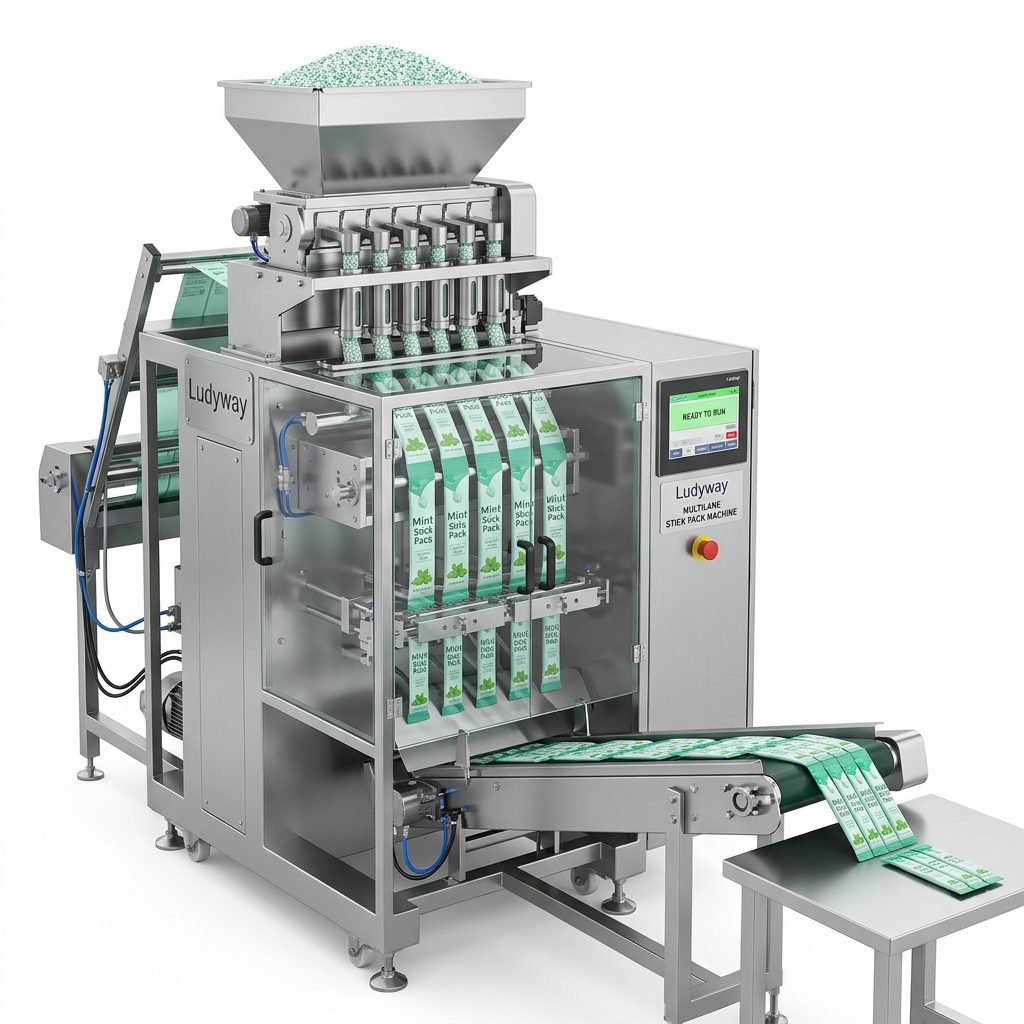
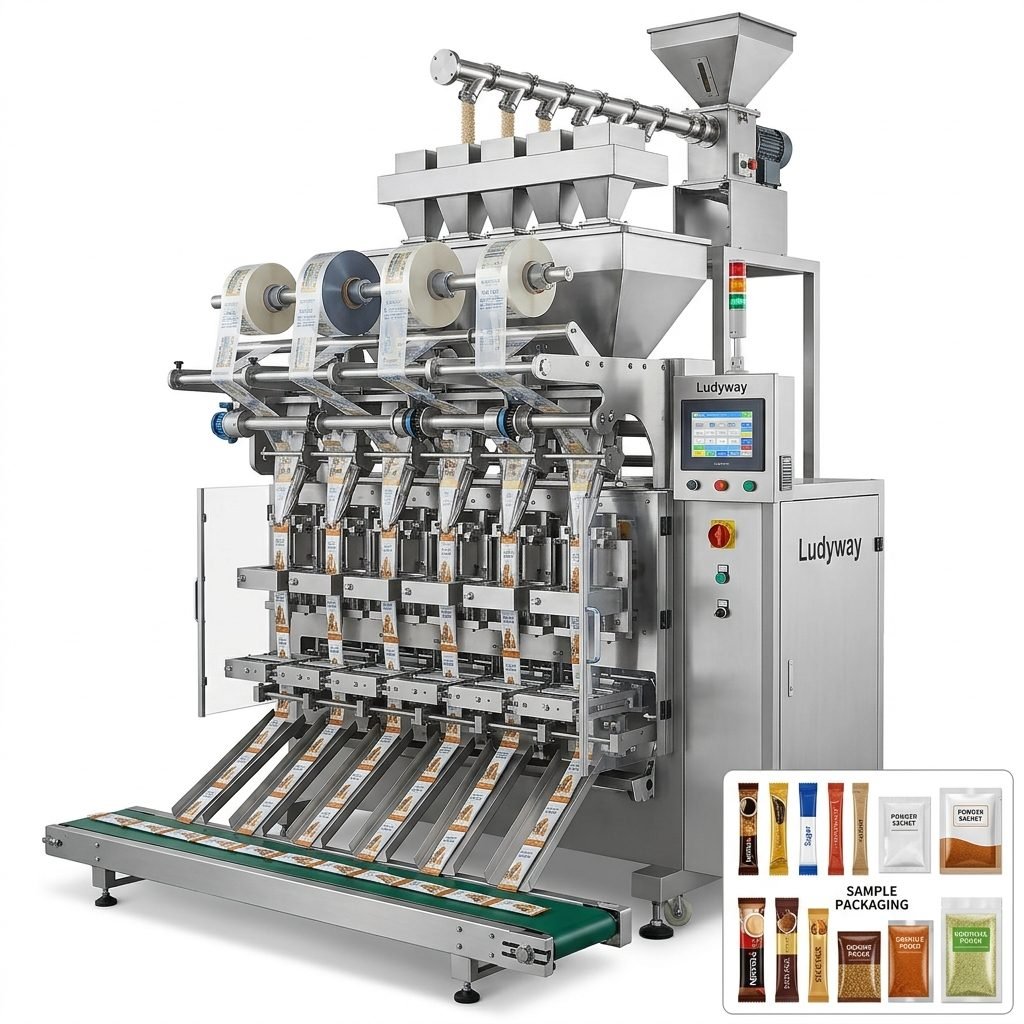
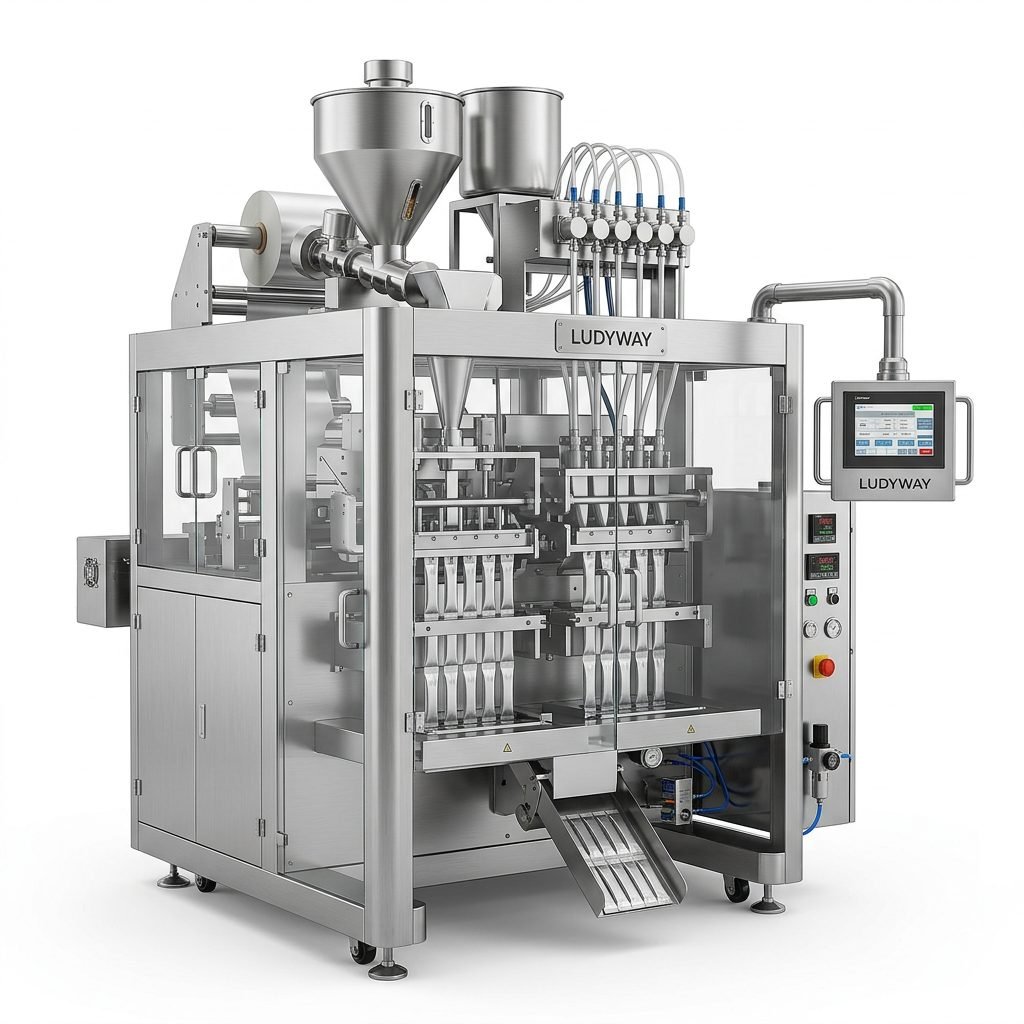
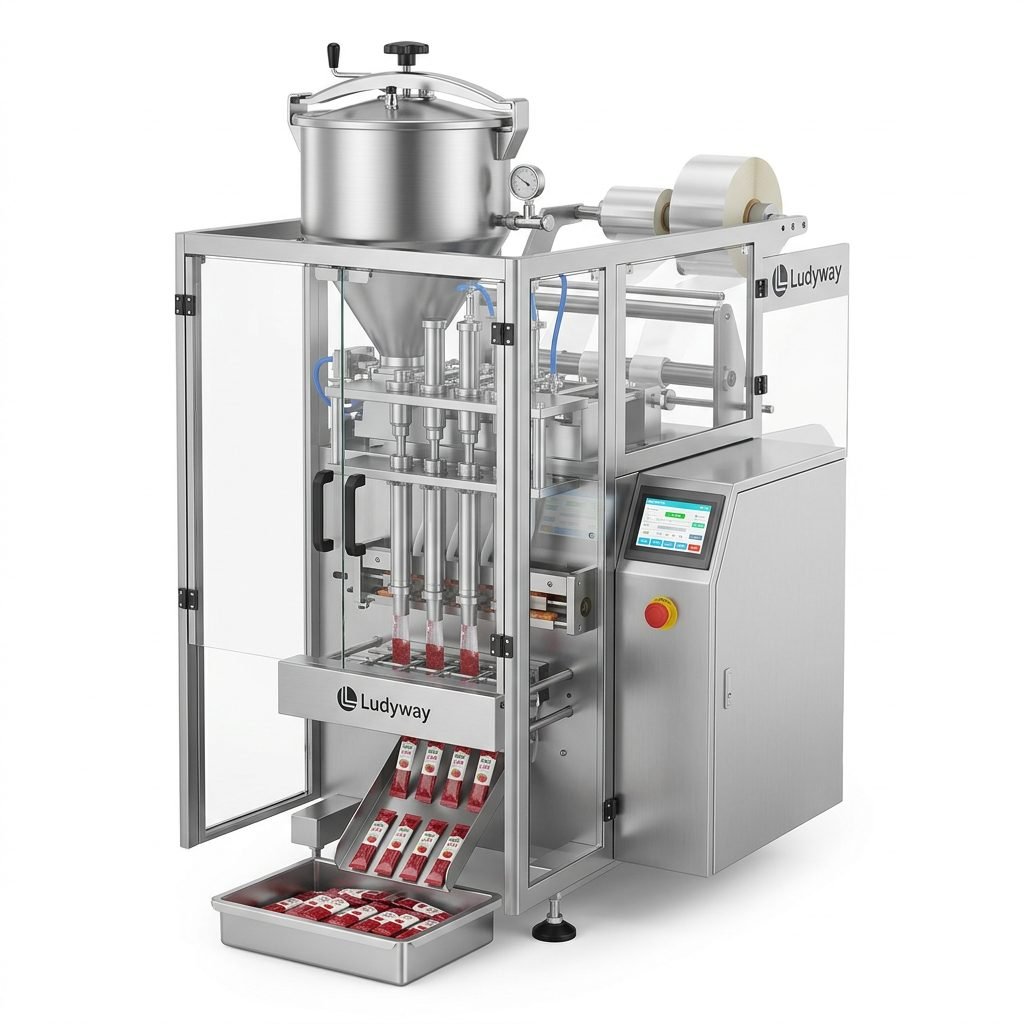
- Multi-lane stick pack machines for high-speed production of portion-controlled products
2. Production Capacity and Speed Requirements
Your projected daily or hourly output will determine whether you need a single-lane or multi-lane packaging system. For small to medium-sized producers in emerging South American markets, a machine producing 30–80 packs per minute may suffice. However, larger manufacturers targeting export markets often require high-speed multi-lane systems capable of 200–600 packs per minute.
3. Material Compatibility and Sustainability
South American consumers and regulators are increasingly focused on sustainable packaging. Your machine should be compatible with a range of recyclable, biodegradable, and compostable films. Verify that the equipment can handle laminated films, polyethylene, polypropylene, and paper-based materials without compromising seal integrity or production speed.
Types of Ice Cream Packaging Machines Available
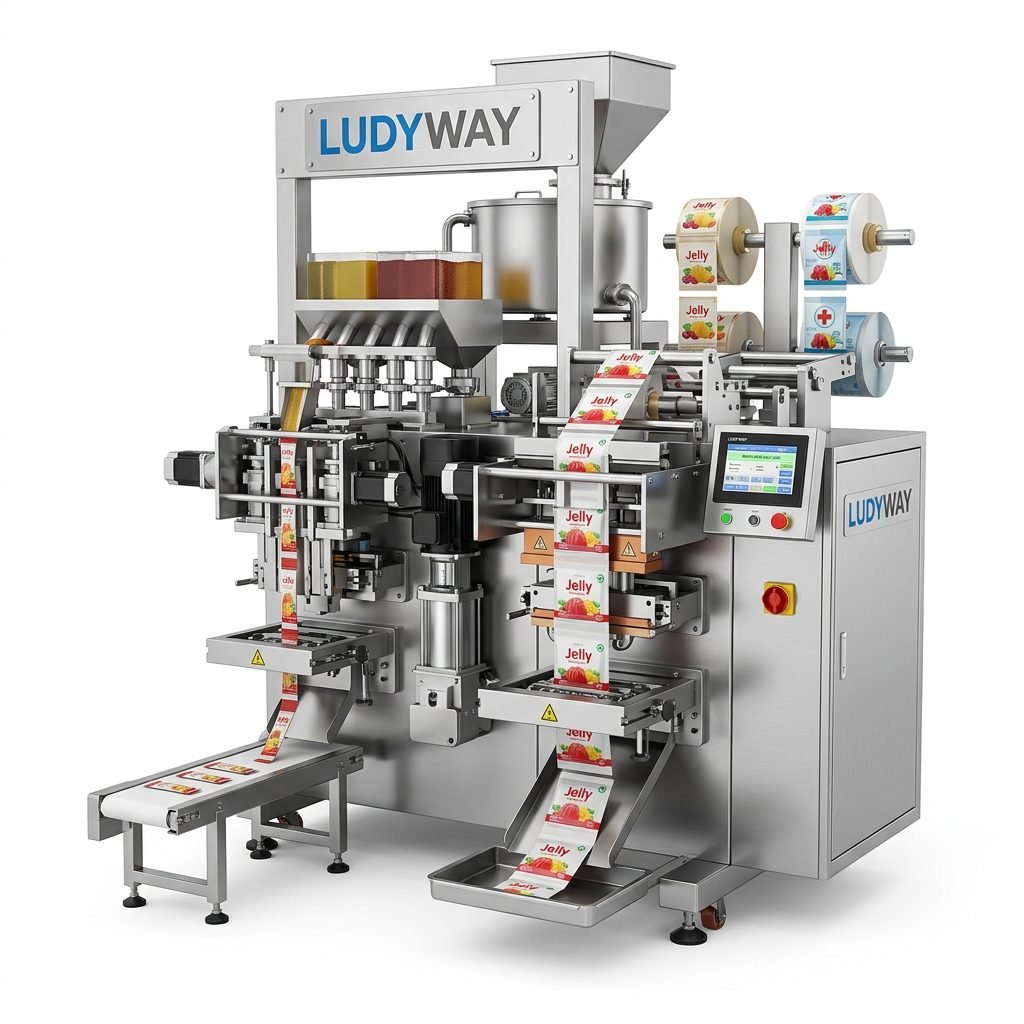
The South American market benefits from a wide array of packaging equipment options. Understanding the distinct advantages of each type helps align your investment with business goals.
| Machine Type | Best For | Speed Range | Key Advantage |
|---|---|---|---|
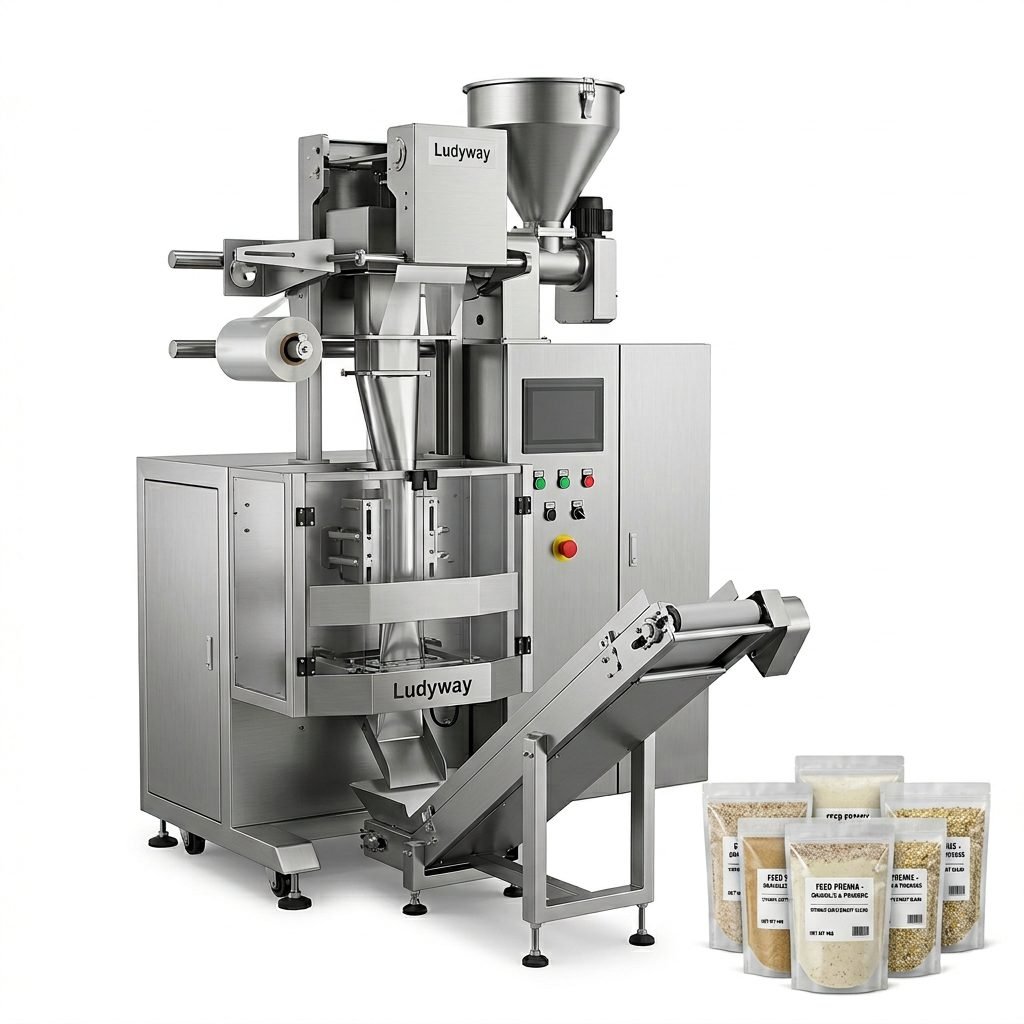
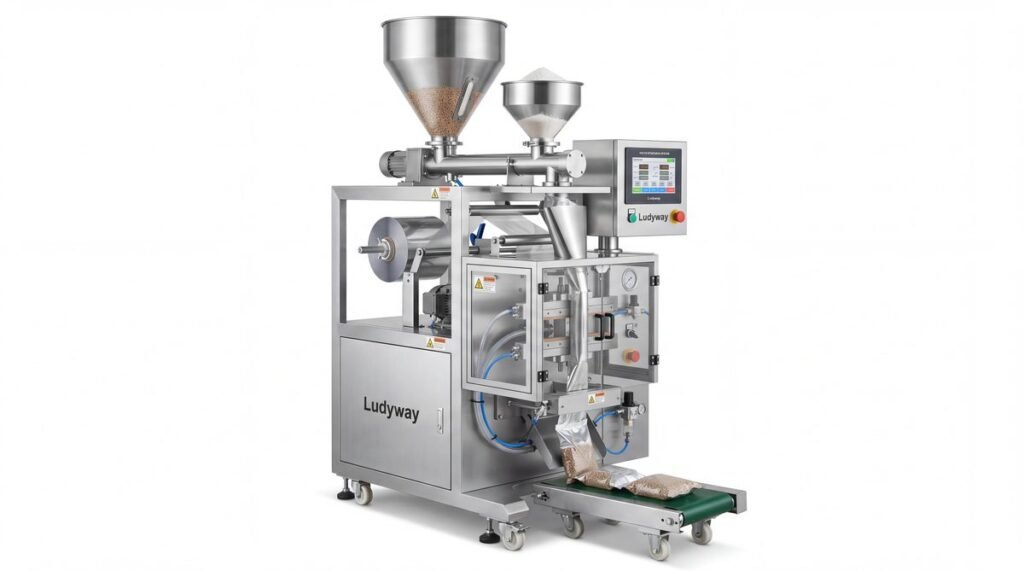
| Vertical Form Fill Seal (VFFS) | Powders, granules, liquid mixes | 40–200 ppm | Versatile; supports multiple bag styles |
| Multi-Lane Stick Pack | Single-serve ice cream powders | 200–600 ppm | Ultra-high output; minimal material waste |
| Horizontal Flow Wrapper | Ice cream bars, sandwiches | 60–300 ppm | Ideal for solid and semi-solid products |
| Cup Filling & Sealing | Gelato, soft serve tubs | 30–150 cpm | Precise portion control; premium presentation |
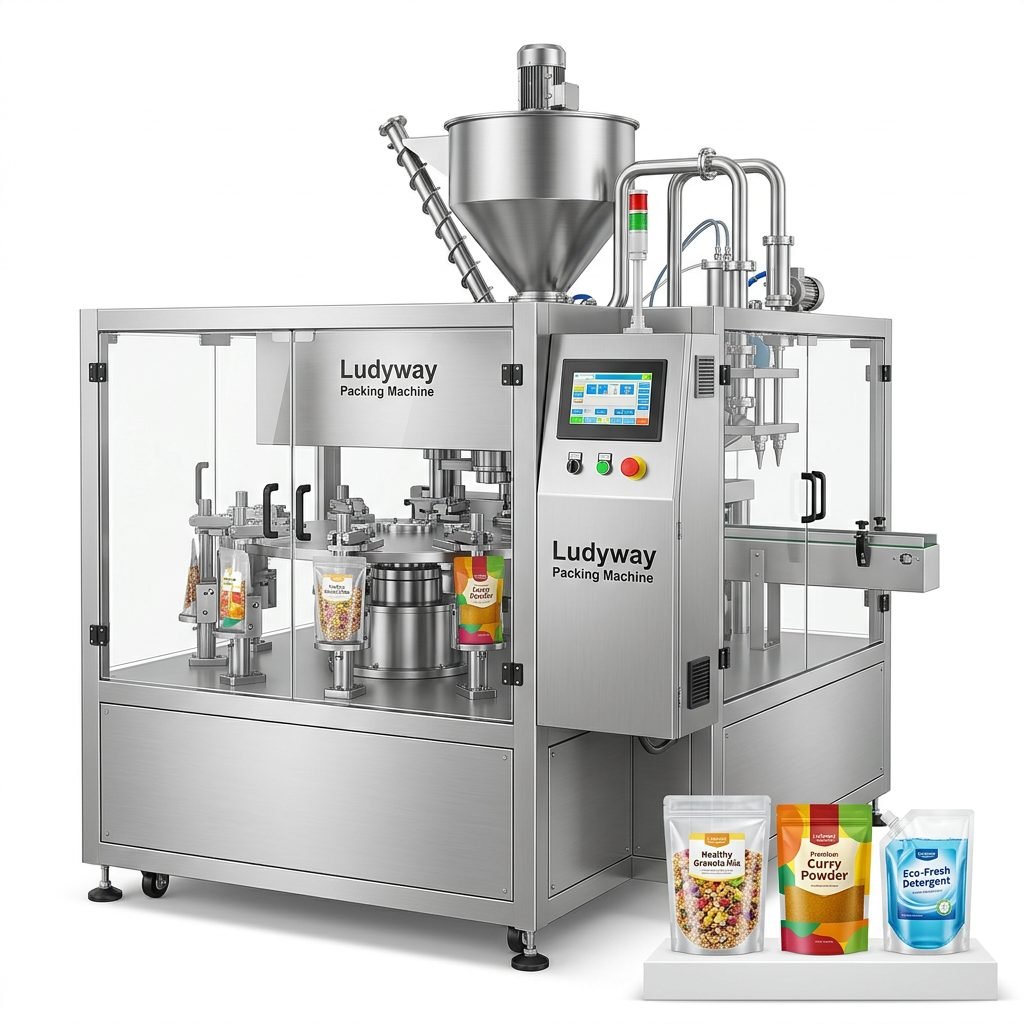
| Pre-Made Pouch Filling | Ice cream bases, fruit purees | 20–80 ppm | Flexible; easy format changeover |
Automation Level: Semi-Automatic vs. Fully Automatic
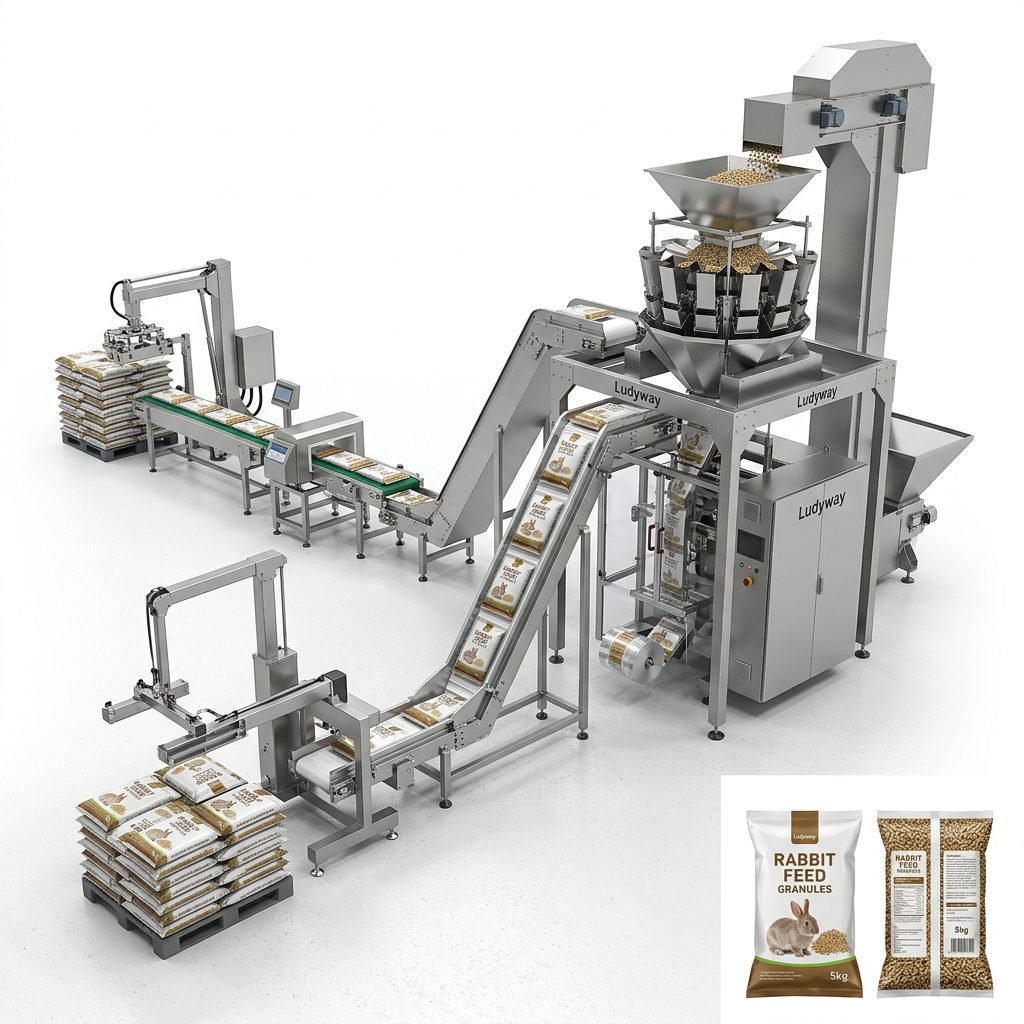
For small artisanal producers in South America, a semi-automatic machine may offer the right balance of cost and functionality. However, for medium to large operations, fully automatic packaging lines deliver superior consistency, reduced labor costs, and higher throughput. Consider your current and projected production volumes when evaluating automation levels.
Technical Specifications That Matter Most
Sealing Technology and Integrity
Ice cream products — especially those stored at freezing temperatures — require robust, hermetic seals to prevent freezer burn, moisture ingress, and contamination. Look for machines equipped with servo-driven sealing jaws, precise temperature control, and multi-zone heating systems. Consistent seal quality is non-negotiable for maintaining product shelf life and consumer safety.
Hygiene and Cleanability
Food safety regulations in South America, particularly in Brazil (ANVISA) and Argentina (SENASA), mandate strict hygiene standards. Your packaging machine should feature stainless steel construction, tool-free disassembly for cleaning, and washdown compatibility. Machines designed with IP65 or higher protection ratings are preferable for wet production environments.
Changeover Flexibility
Many ice cream producers in South America run multiple SKUs with varying pack sizes and formats. A machine with quick-change tooling, recipe memory storage, and intuitive HMI controls can significantly reduce downtime between production runs. This flexibility is especially valuable for contract manufacturers serving diverse client needs.
Evaluating Suppliers and After-Sales Support
Choosing the right packaging machine manufacturer is as critical as selecting the machine itself. In South America, where import logistics and local service availability vary significantly, consider these factors:
- Local presence or authorized distributors in your country for timely technical support
- Availability of spare parts and consumables within the region
- Warranty terms and post-installation training programs
- Remote diagnostics and troubleshooting capabilities
- References from existing South American clients in similar applications
Established manufacturers with decades of experience — such as Ludyway, one of the largest packaging machine manufacturers in China with over 30 years of industry expertise and a 20,000㎡ modern production facility — often provide comprehensive support including installation, training, and ongoing technical assistance across 100+ countries worldwide. Their extensive portfolio of more than 50 intelligent packaging machine models covers granule, powder, liquid, and pouch applications relevant to ice cream production.
Compliance with International Standards
Ensure your chosen machine meets relevant ISO packaging standards and FDA food packaging regulations if you plan to export beyond South America. Machines with CE, UL, or equivalent certifications provide assurance of safety, quality, and regulatory compliance. Additionally, verify that the equipment aligns with current packaging industry trends and technological standards.
Cost Analysis and ROI Projections
While upfront cost is an important consideration, a comprehensive total cost of ownership (TCO) analysis provides a more accurate picture. Factor in the following:
| Cost Factor | Estimated Impact | Notes |
|---|---|---|
| Machine Purchase Price | 40–60% of TCO | Varies by speed, lanes, and automation level |
| Installation & Commissioning | 5–10% of machine cost | Includes shipping, setup, and training |
| Spare Parts & Maintenance | 3–8% annually | Depends on machine complexity and usage |
| Packaging Material Waste | 1–5% of material cost | Higher precision machines reduce waste |
| Energy Consumption | Ongoing operational cost | Energy-efficient servo systems reduce expenses |
In most cases, a well-chosen high-speed multi-lane packaging machine can achieve ROI within 18–36 months through increased output, reduced labor, and minimized material waste. South American producers targeting both domestic and export markets often find that investing in higher-capacity equipment accelerates their return.
Regional Considerations for South American Buyers
Climate and Storage Conditions
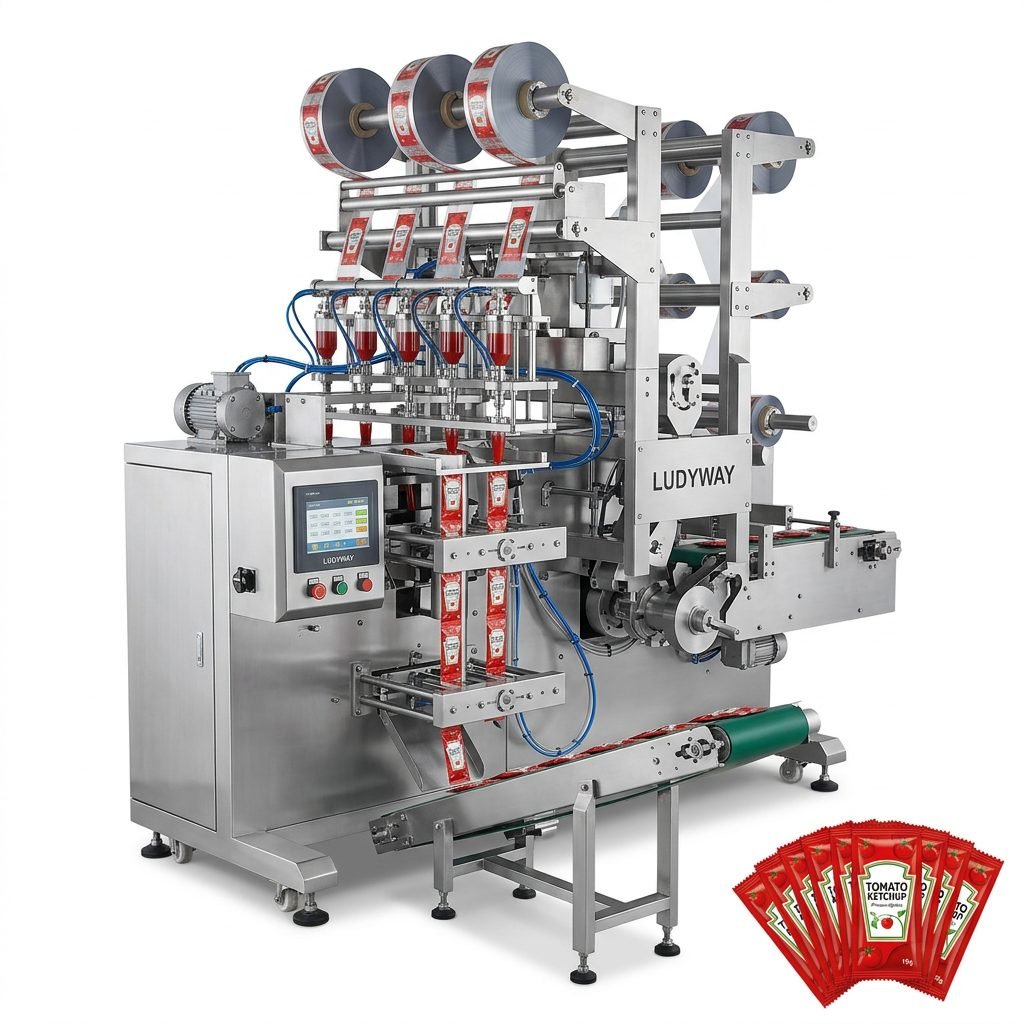
Many regions in South America experience high humidity and temperature fluctuations. Your packaging machine and materials must be selected to withstand these conditions. Humidity-resistant electrical components, tropicalized control systems, and rust-proof construction are essential features for reliable operation in coastal and tropical areas.
Power Supply Stability
Power fluctuations are common in certain parts of South America. Machines equipped with voltage stabilizers, surge protection, and backup power interfaces can prevent costly downtime and equipment damage. Discuss power requirements with your supplier during the specification phase to ensure compatibility with local electrical infrastructure.
Language and Documentation
Ensure that machine interfaces, manuals, and training materials are available in Spanish or Portuguese, depending on your location. Clear communication during installation and training significantly reduces the learning curve for operators and maintenance staff.
Making the Final Decision
After evaluating all factors — product format, production capacity, material compatibility, automation level, supplier support, and total cost — you’re ready to make an informed decision. Request detailed quotations from at least three suppliers, arrange for factory acceptance tests (FAT) when possible, and negotiate terms that include comprehensive after-sales support.
Remember that the cheapest option rarely delivers the best long-term value. Prioritize reliability, efficiency, and supplier reputation over initial price. A machine that consistently produces high-quality packaging with minimal downtime will contribute far more to your bottom line than one that requires frequent repairs and causes production delays.
For South American ice cream producers ready to scale their operations, investing in advanced flexible packaging machinery is a strategic move that positions your brand for growth in both regional and international markets. Take the time to research thoroughly, consult with industry peers, and select equipment that aligns with your long-term business vision.
Final Checklist for South American Buyers
- Confirm machine compatibility with your product viscosity and temperature requirements
- Verify local service and spare parts availability in your country
- Request sample packaging trials using your actual product and materials
- Check regulatory compliance with local food safety authorities
- Evaluate total cost of ownership over a 5-year period, not just the purchase price
- Assess scalability options for future production growth
- Review warranty coverage and service level agreements in detail
By following this comprehensive guide, South American ice cream manufacturers can confidently navigate the packaging machine selection process and invest in equipment that drives long-term growth, operational efficiency, and product excellence.