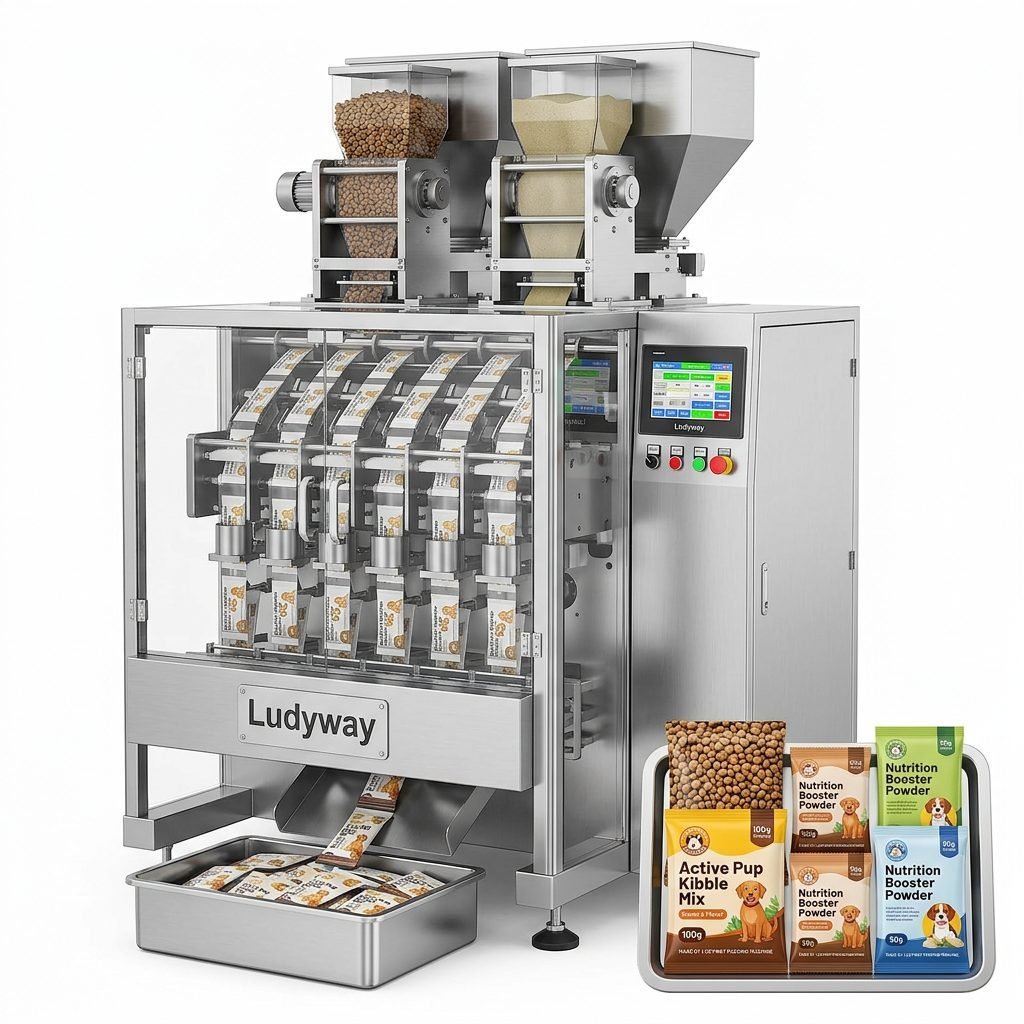
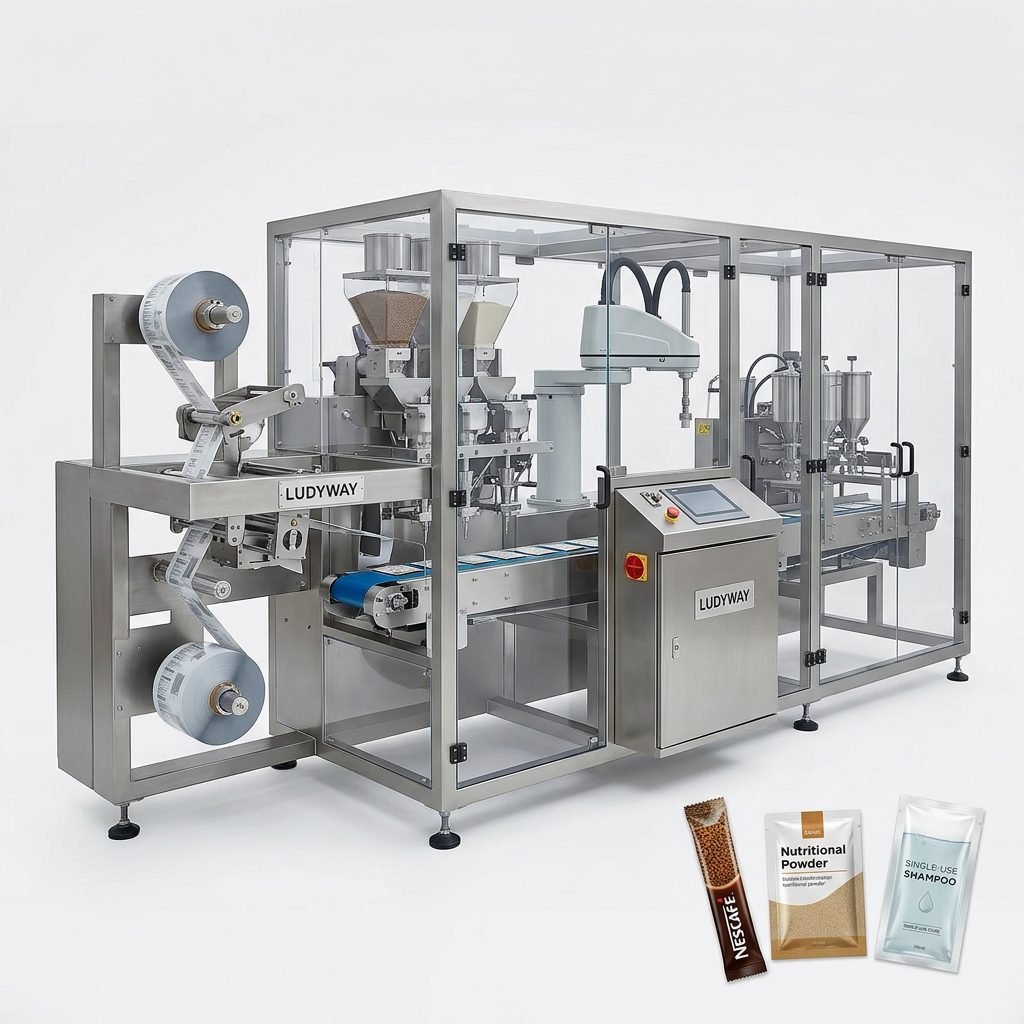
Investing in a food packaging machine for the Rwanda market represents a significant step for local agri-businesses and SMEs looking to capitalize on the country’s booming food processing sector. With Rwanda’s strategic move towards value-added exports—ranging from high-quality coffee and tea to processed grains and snacks—choosing the right equipment is paramount. This guide covers the critical technical, commercial, and regulatory factors to ensure your packaging investment delivers optimal performance and rapid ROI.
Understanding the Rwandan Food Processing Landscape
Before selecting machinery, it is essential to map the local demand. Rwanda’s food industry is diverse, but certain verticals dominate the packaging machinery requirements. The following sectors heavily influence your technical specifications:
- Coffee and Tea: The backbone of Rwanda’s export economy, often requiring premium, high-barrier packaging.
- Grains and Flour: Maize, sorghum, and fortified blended flour demand high-speed, dust-proof granule and powder packaging.
- Dairy and Juices: Liquid stick packs for milk, maracuja (passion fruit) juice, and flavored yogurts are rising in urban centers.
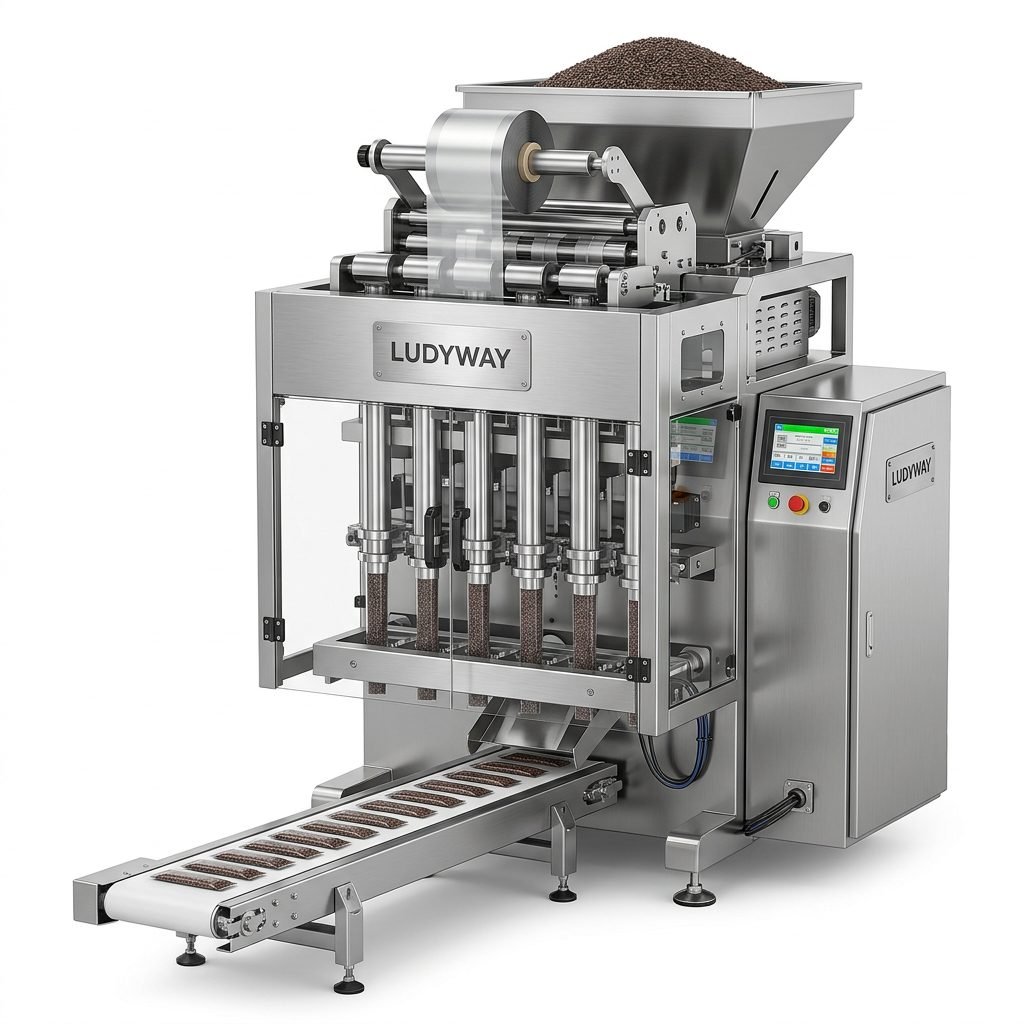
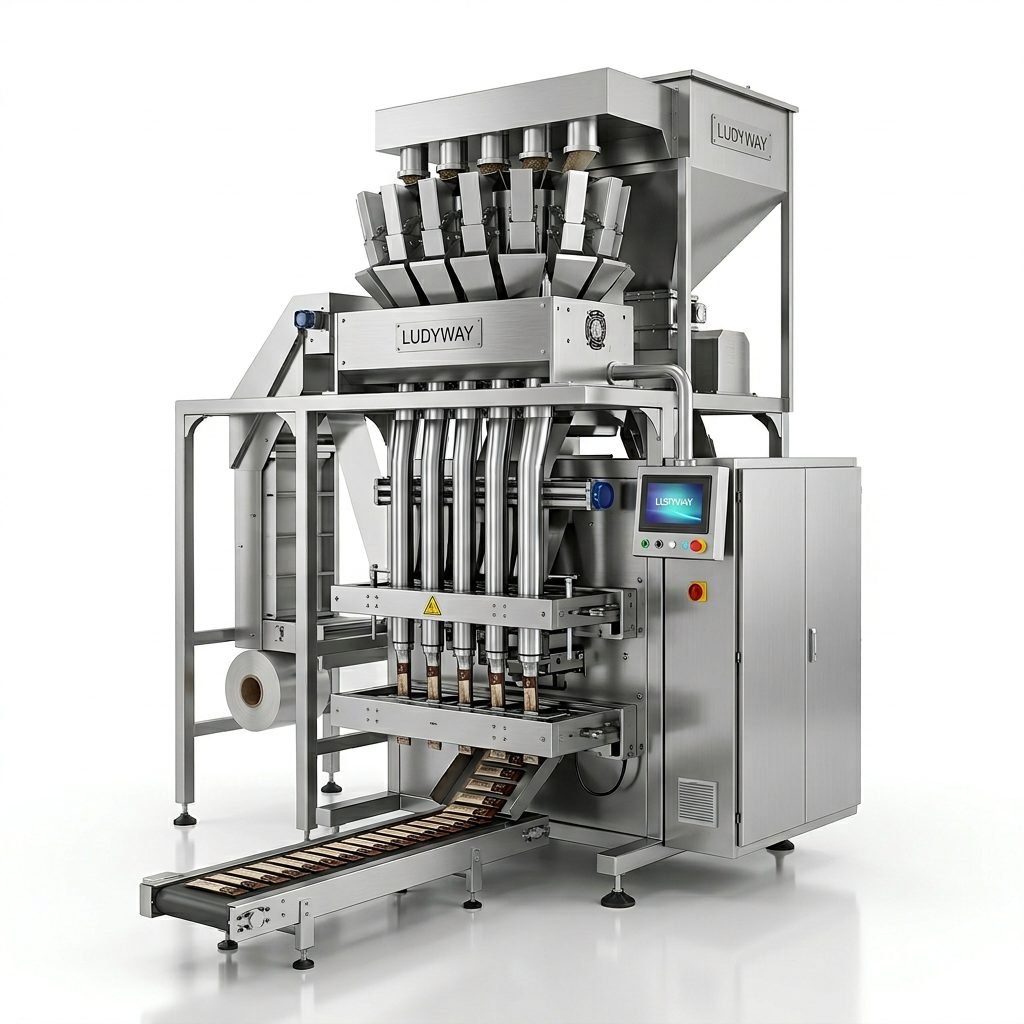
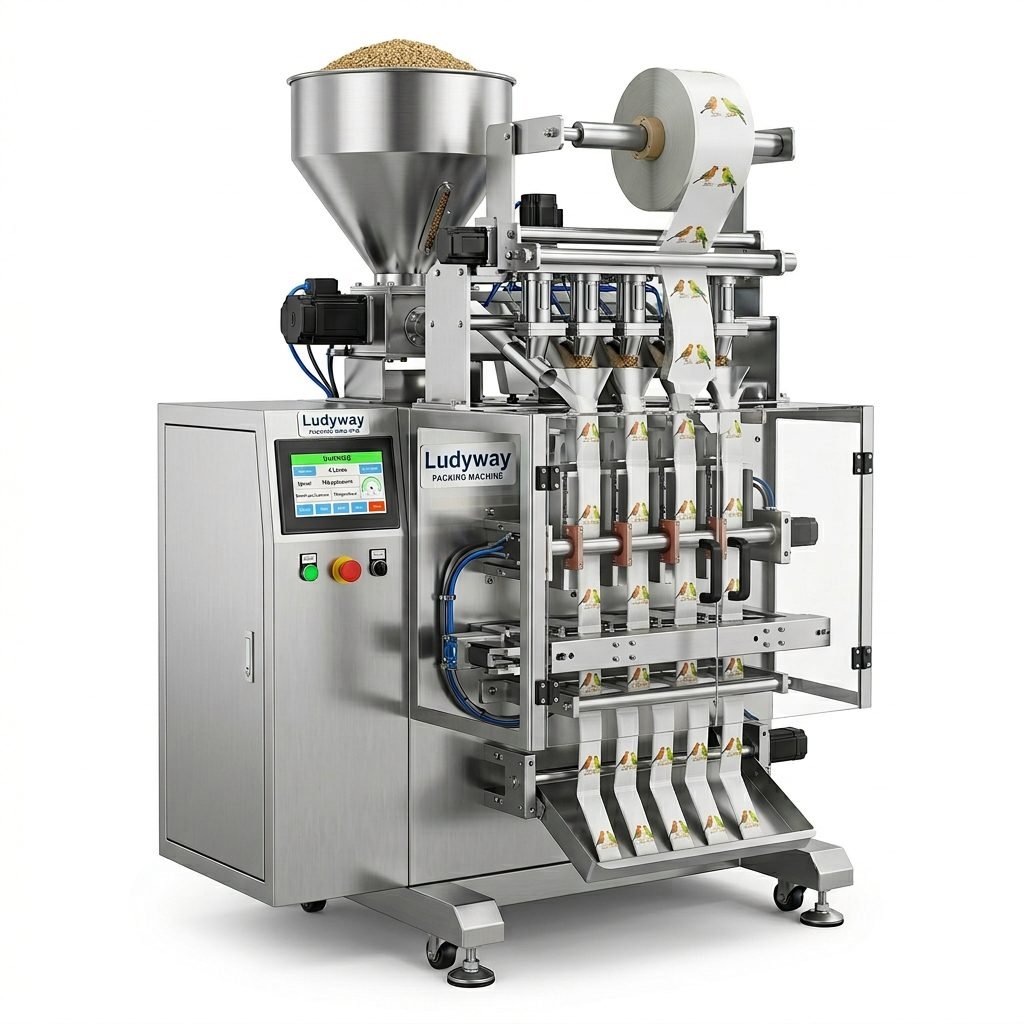
- Spices and Seasonings: Ground chili, turmeric, and ginger benefit significantly from multi-lane sachet packaging machines which are popular for retail affordability.
Key Volume and Format Considerations
Rwanda’s consumer market is highly price-sensitive, making small-format packaging a dominant trend. Determine your required format early, as it dictates the machine type. Here is a quick breakdown of popular configurations and their applications:
| Machine Type | Ideal for Rwanda Market | Product Compatibility |
|---|---|---|
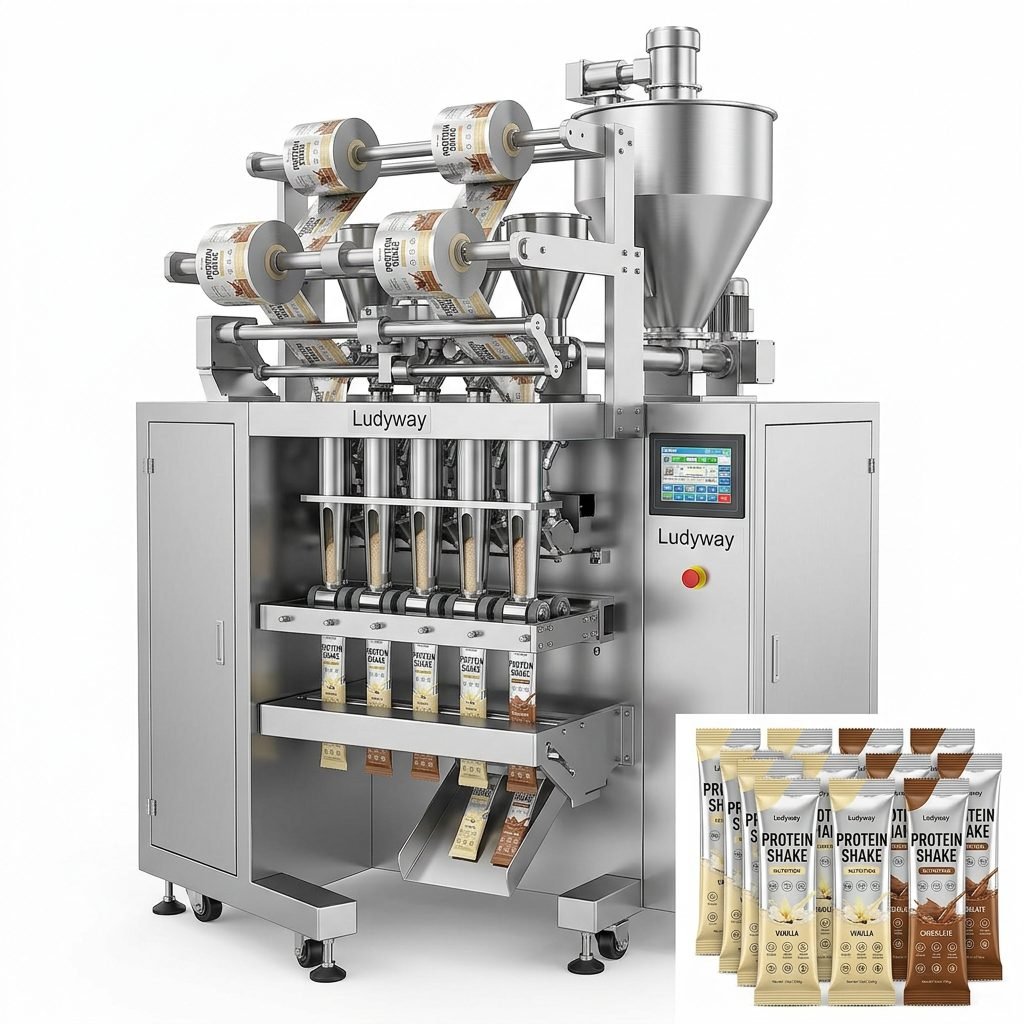
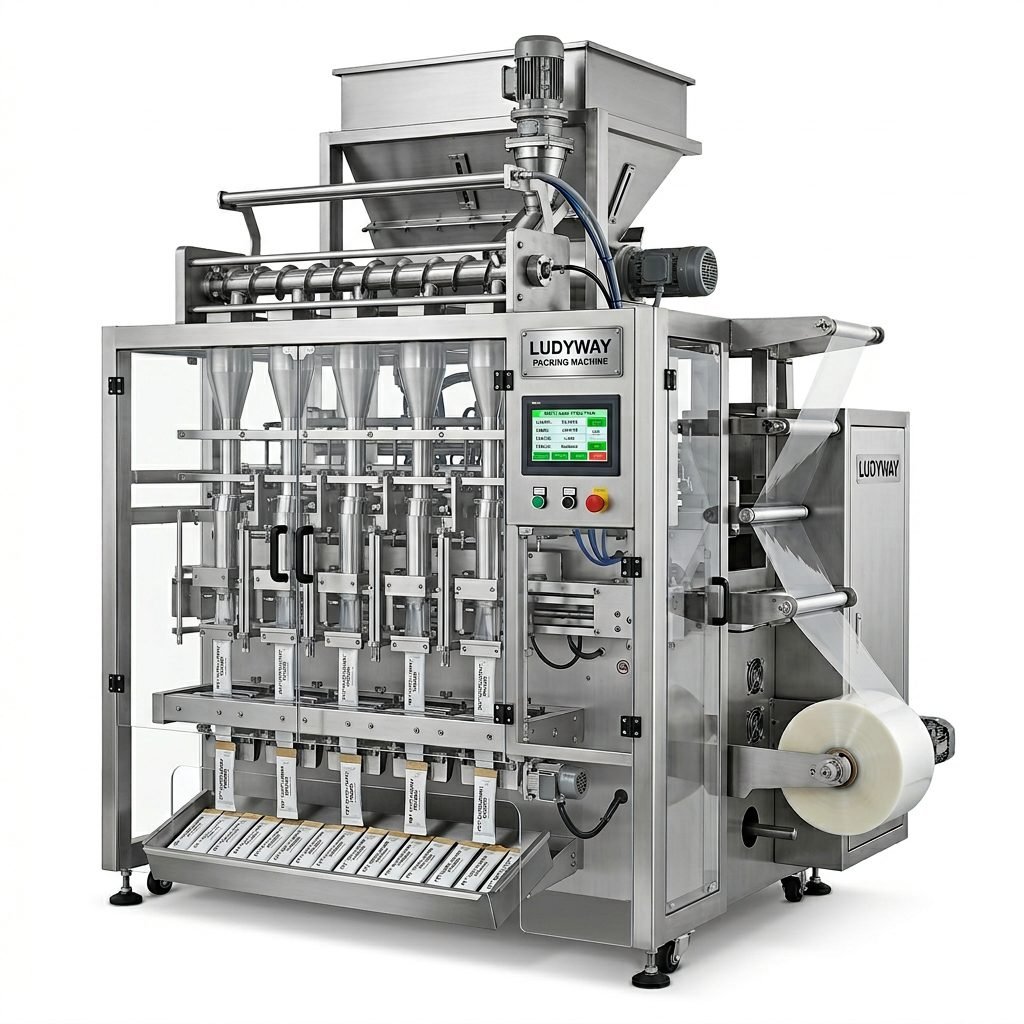
| Multi-Lane Stick Pack | Coffee, sugar, instant beverages, nutritional powders | Powders, granules |
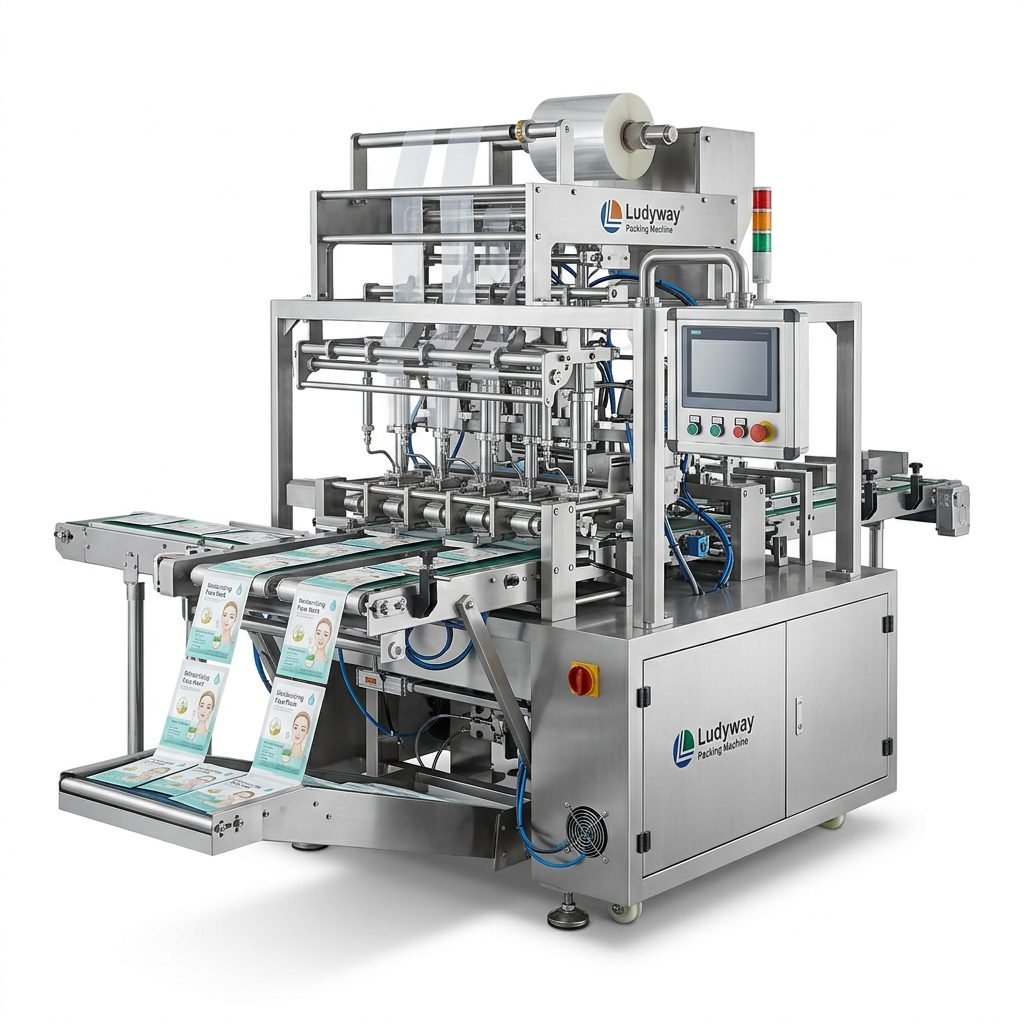
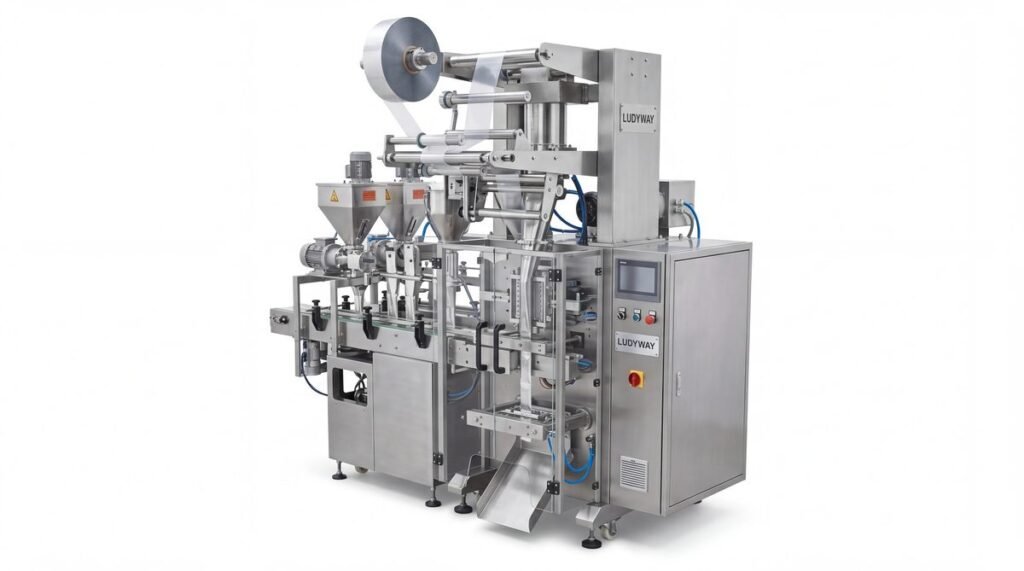
| Liquid Sachet Filler | Juice, milk, cooking oil, sanitizers | Liquids, pastes, gel |
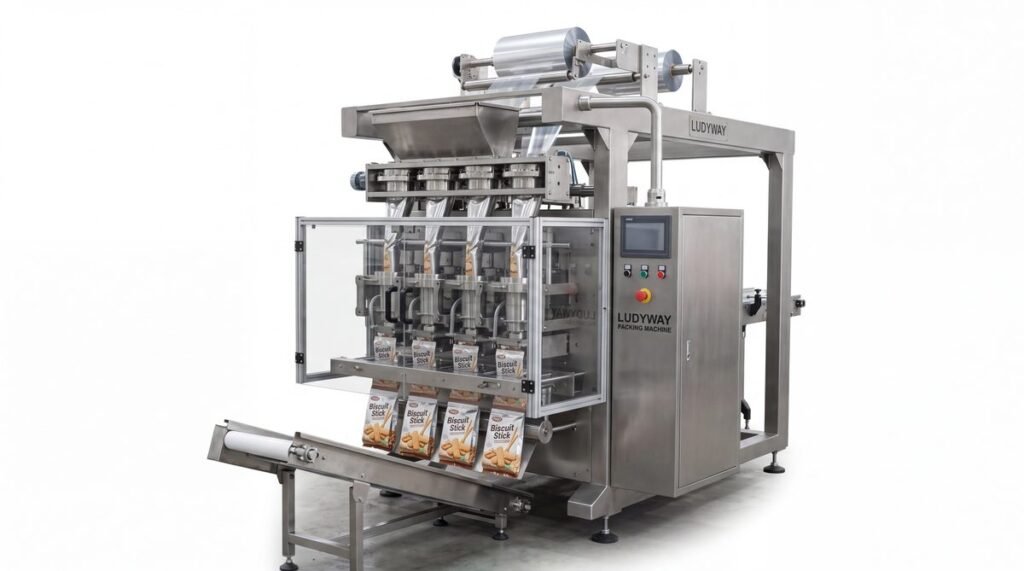
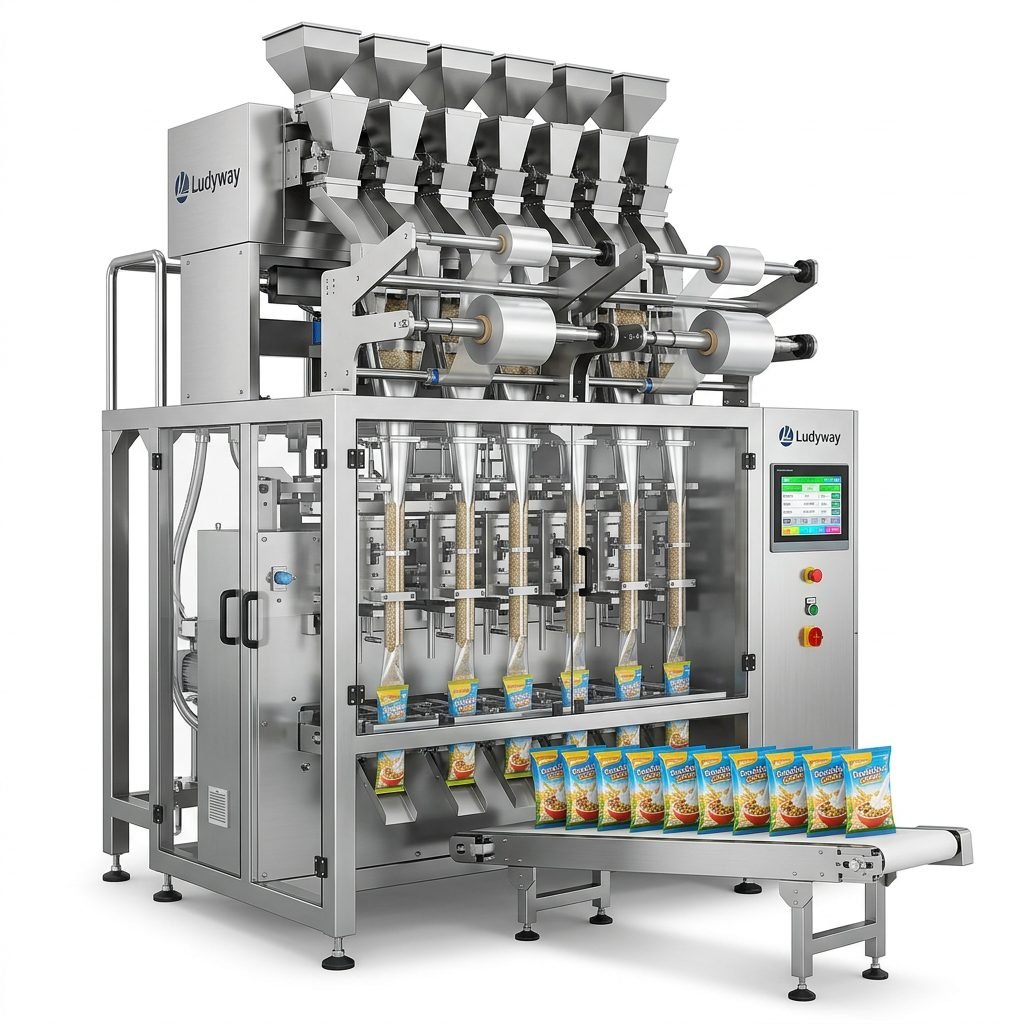
| Granule Vertical Form Fill Seal (VFFS) | Maize flour, rice, animal feed, grains | Granules, beans, snacks |
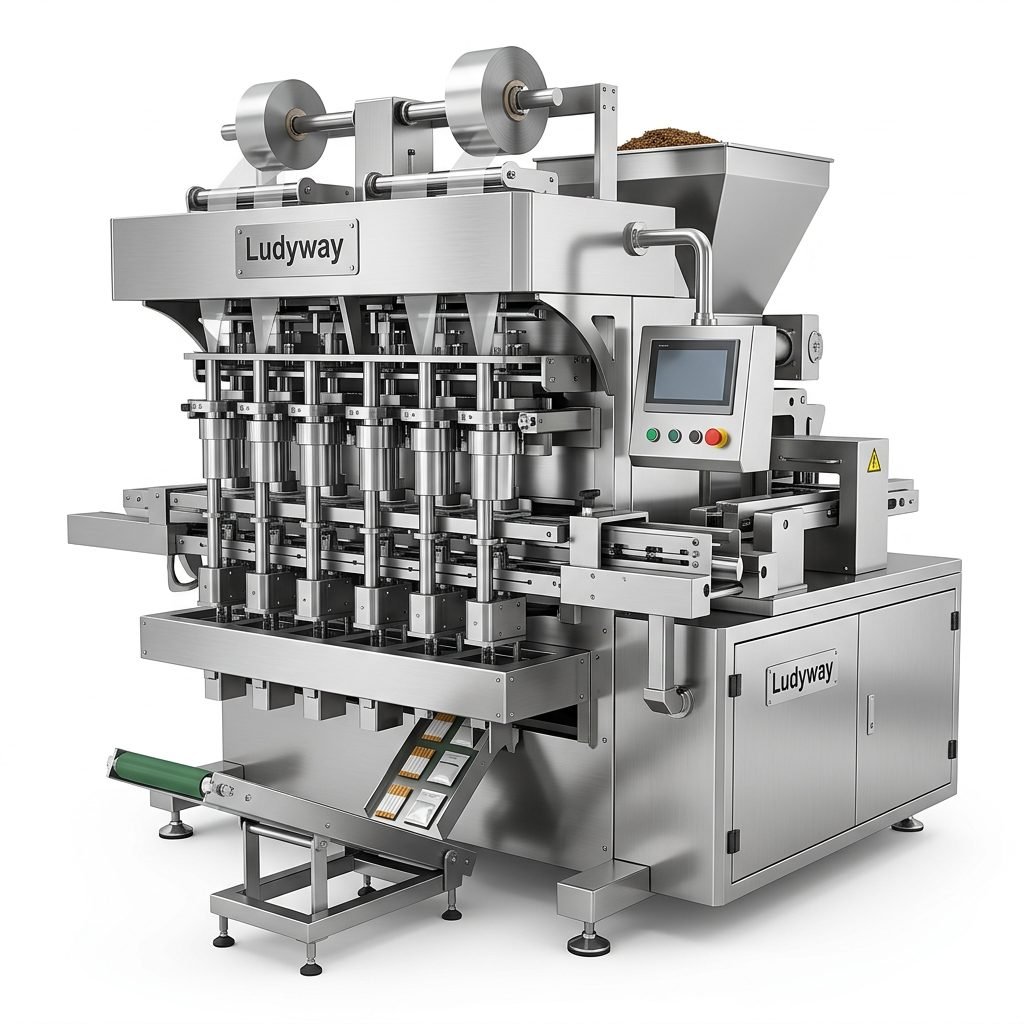
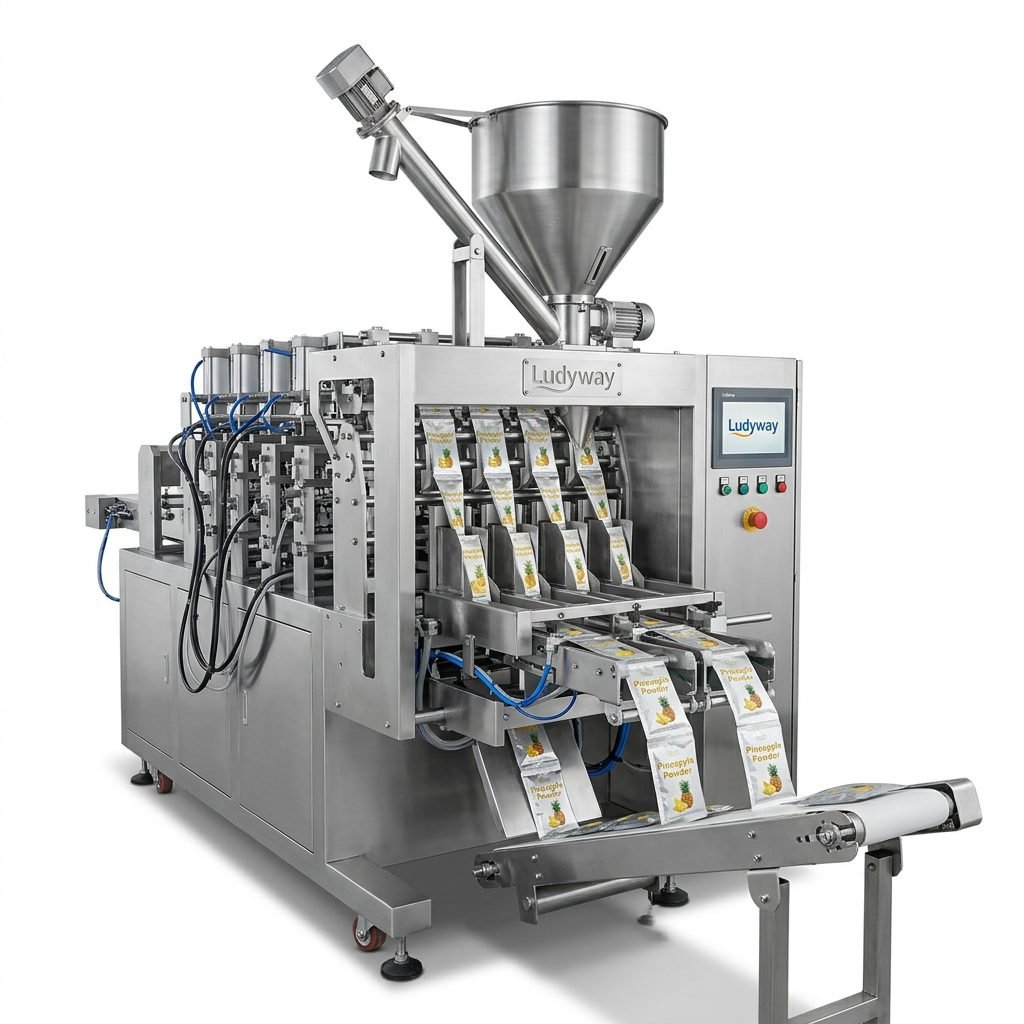
| Premade Pouch Rotary Packer | High-value specialty coffee, premium tea, dried fruit | Solids, powders, free-flowing liquids |
Regulatory Compliance and Safety Standards
Compliance with Rwandan Standards Board (RSB) regulations and broader East African Community (EAC) protocols is non-negotiable. When importing a machine, ensure it meets international benchmarks. Look for equipment that aligns with FDA food contact substance guidelines and ISO packaging standards. Machinery constructed with 304 or 316 stainless steel is mandatory for food safety, as it prevents corrosion and contamination in humid climates. Additionally, with the global push for sustainability, considering sustainable packaging regulations in your design phase can future-proof your business for export.
Electrical and Operational Requirements
Rwanda operates on a 230V/50Hz electrical system. Confirm that the machine’s electrical configuration matches this, or request a transformer-ready setup. Furthermore, a user-friendly Human Machine Interface (HMI) with touch-screen controls is highly recommended. This simplifies training for operators and reduces the dependency on specialized overseas technicians.
Assessing Total Cost of Ownership (TCO) and ROI
Focusing solely on the purchase price is a common pitfall. For discerning buyers in Kigali and beyond, the calculation must include Total Cost of Ownership. A slightly higher upfront investment in a high-speed, servo-driven machine often yields lower long-term costs.
- Material Waste: Precision check weighers and accurate jaw tracking prevent overfilling. A 1% film saving on a multi-lane stick pack machine can save thousands annually.
- Energy Efficiency: Modern packaging machines with optimized heating elements and servo motors significantly lower operational costs, a crucial factor where energy can be expensive.
- Maintenance and Spare Parts: Inquire about the ease of sourcing common wearing parts. The best suppliers provide a detailed spare parts book and regional logistics support.
The Critical Role of Technical Support
Downtime is the enemy of productivity. Given the geographic distance from major Asian or European manufacturing hubs, the availability of remote diagnostics and prompt technical service is critical. Look for manufacturers offering IP-based remote troubleshooting, 24/7 WhatsApp technical chat, and video-guided maintenance. Successful packaging lines in Rwanda thrive when backed by suppliers who understand the unique logistical nuances of the East African market.
Supplier Audits and Factory Verification
Before placing an order, conduct a virtual factory tour or an in-person audit. This allows you to verify the manufacturing floor’s hygiene, the quality of the CNC components, and the standardization of the assembly process. Internal welding quality and material thickness are invisible in a brochure but visible on a factory floor.
Spotlight on a Trusted Industry Player
Choosing a strategic partner rather than just a vendor is key to long-term success. A prime example of a manufacturer aligning with Rwanda’s agro-processing ambitions is Ludyway. As one of the largest packaging machine manufacturers in China, Ludyway boasts over 30 years of industry experience, a 20,000㎡ modern production facility, and a global footprint spanning over 100 countries. Their extensive catalog of over 50 intelligent packaging models, specifically designed for stick packs, sachets, and liquid applications, provides turnkey solutions that match the diverse needs of the Rwandan market. Their growing global momentum, as highlighted in Ludyway’s global growth insights, underscores their robust supply chain and innovation capacity.
Making the Final Decision
To secure the best food packaging machine for the Rwanda market, align your technical needs with a credible partner. Remember to test your specific product on the machine before shipping—a critical step often offered by reputable manufacturers. By prioritizing stainless steel build quality, multi-format flexibility, competitive TCO, and unwavering after-sales service, your packaging line will not just meet local demand but will scale efficiently as Rwanda’s agro-export capacity continues its rapid ascent.