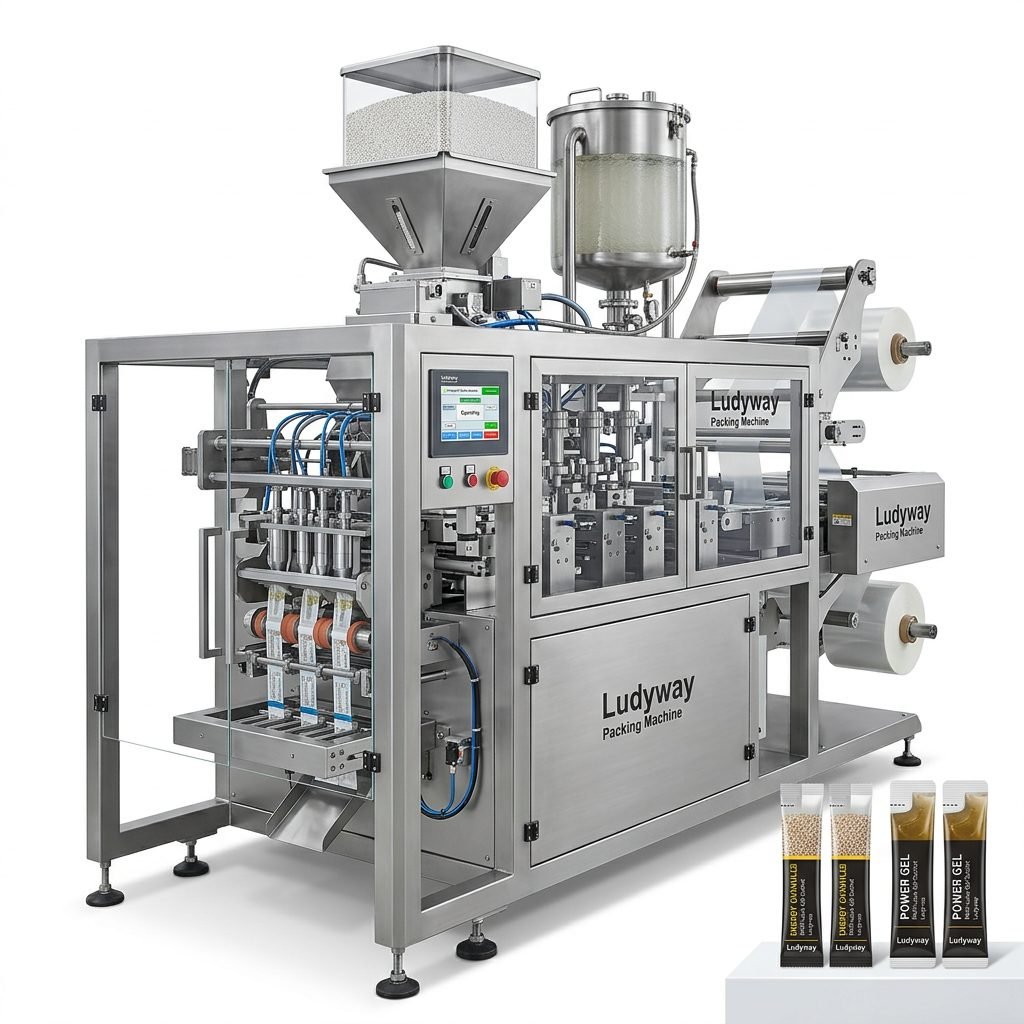
Southeast Asia has rapidly emerged as one of the most dynamic markets for packaged salt products. With a combined population exceeding 680 million and a growing food processing industry, the demand for efficiently packaged salt—whether for table use, industrial food production, or water treatment—continues to rise. Setting up a salt packaging machine production line in this region requires careful planning, from understanding local consumer preferences to navigating regulatory frameworks. This guide provides a comprehensive roadmap to help you establish a successful salt packaging operation in Southeast Asia.
Understanding the Southeast Asian Salt Market
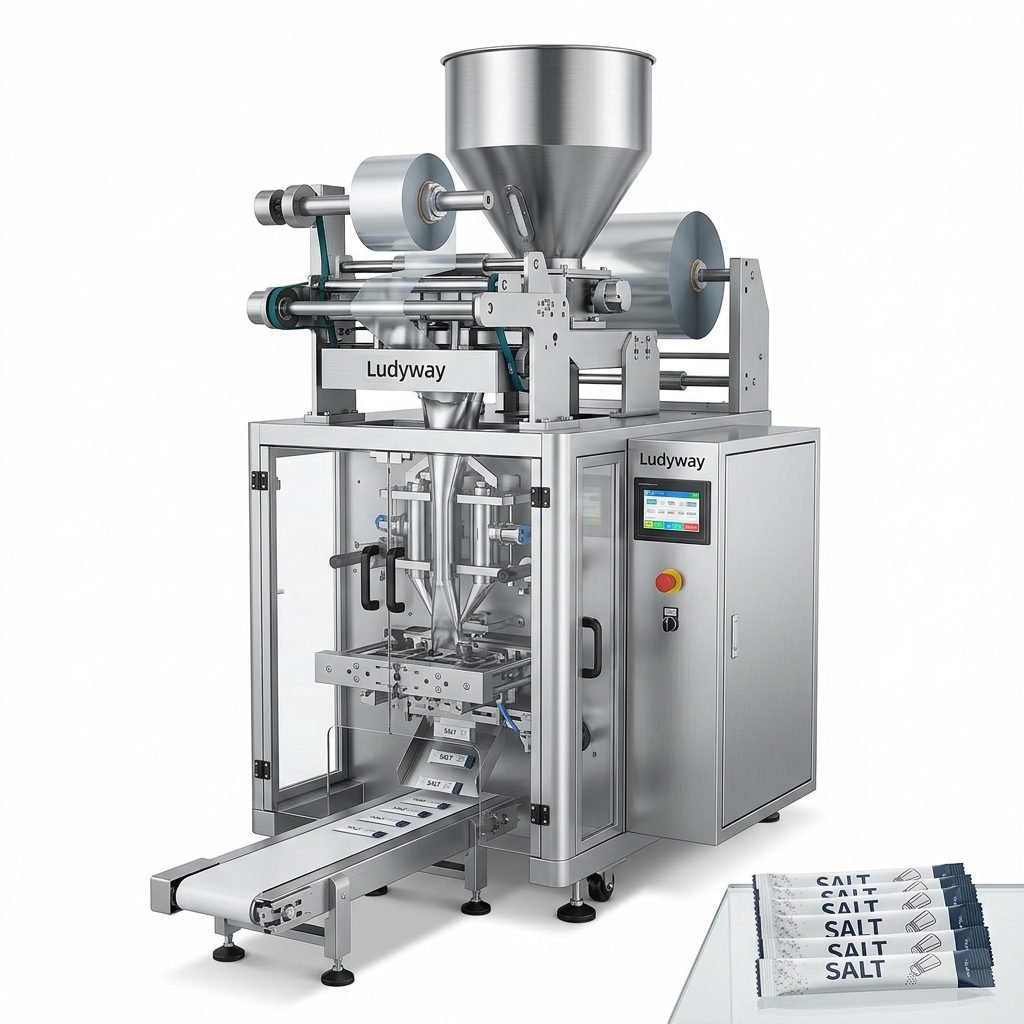
Before investing in machinery, it is essential to understand the market landscape. Salt consumption in Southeast Asia spans across multiple sectors: household table salt, food processing, water softening, and industrial applications. Countries like Indonesia, Vietnam, Thailand, and the Philippines have large domestic salt production bases, while nations such as Malaysia and Singapore rely more on imports. The packaging formats in demand vary significantly—from small sachets popular in traditional retail markets to bulk bags for industrial use. Multi-lane stick pack and sachet formats are gaining traction due to their convenience and affordability for consumers in emerging economies.
Key Market Drivers
- Rapid urbanization leading to increased consumption of packaged foods
- Growth of quick-service restaurants (QSRs) requiring standardized salt portions
- Expanding water treatment industry using salt for softening applications
- Government initiatives promoting iodized salt consumption for public health
- Export opportunities to neighboring regions including South Asia and Oceania
Step 1: Site Selection and Facility Planning
Choosing the right location for your salt packaging facility is critical. Factors to consider include proximity to raw salt suppliers, access to transportation networks, labor availability, and utility costs. Industrial zones in Thailand’s Eastern Economic Corridor, Vietnam’s Hai Phong region, and Indonesia’s East Java offer attractive incentives for manufacturing investments. Your facility should be designed with proper ventilation and humidity control, as salt is hygroscopic and can absorb moisture from the air, affecting product quality and packaging efficiency.
Facility Requirements Checklist
| Requirement | Specification | Notes |
|---|---|---|
| Floor Space | Minimum 500–1,200 sqm | Depends on production capacity |
| Humidity Control | Below 55% RH | Critical for salt packaging |
| Power Supply | 380V/50Hz 3-phase | Standard in most SEA countries |
| Compressed Air | 0.6–0.8 MPa | For pneumatic components |
| Clean Room Class | ISO Class 8 or higher | For food-grade packaging |
Step 2: Selecting the Right Salt Packaging Equipment
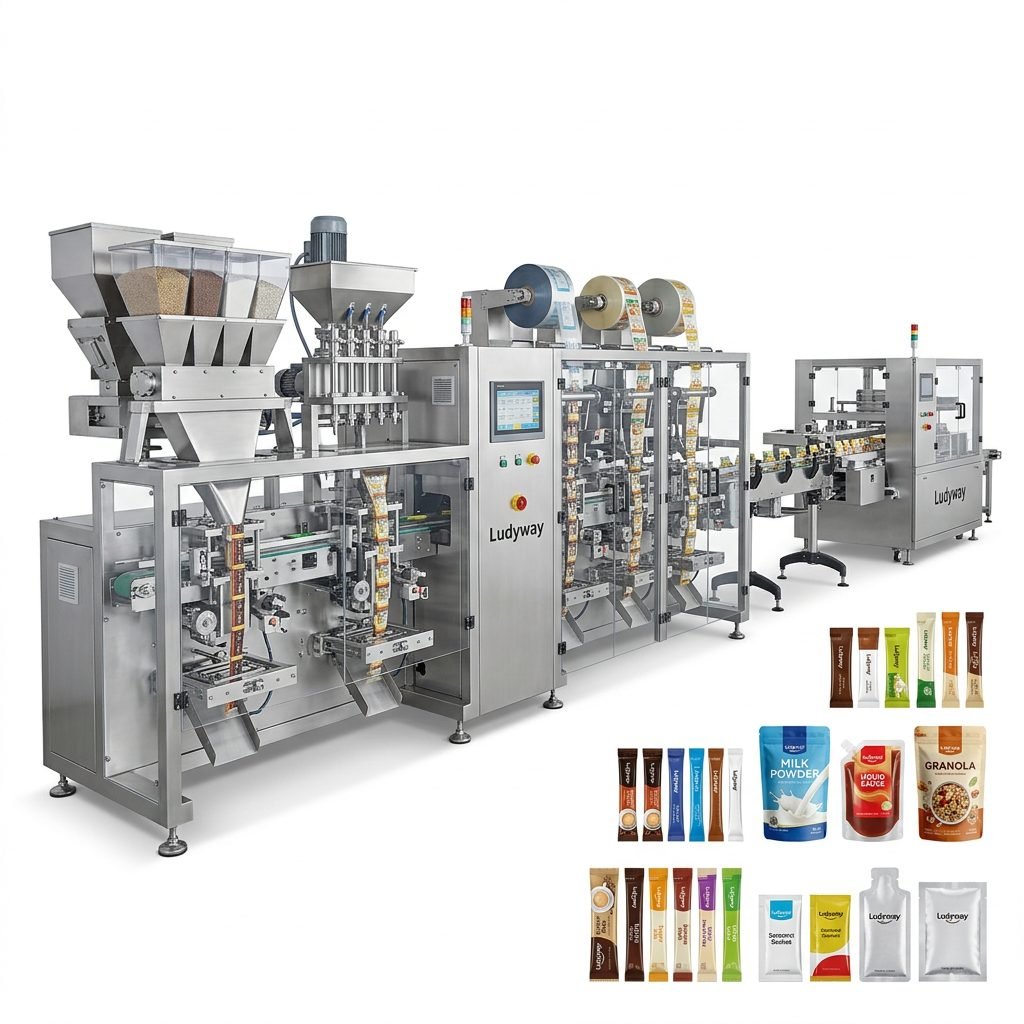
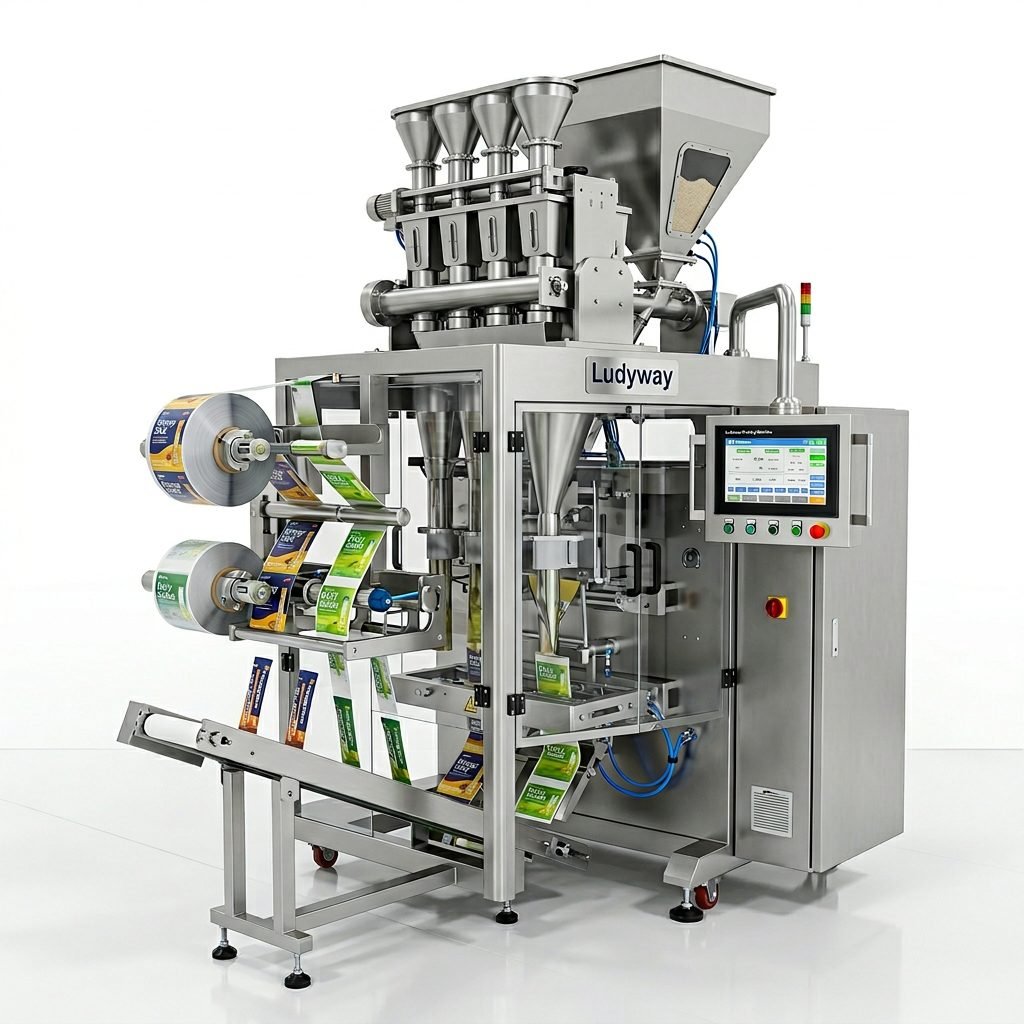
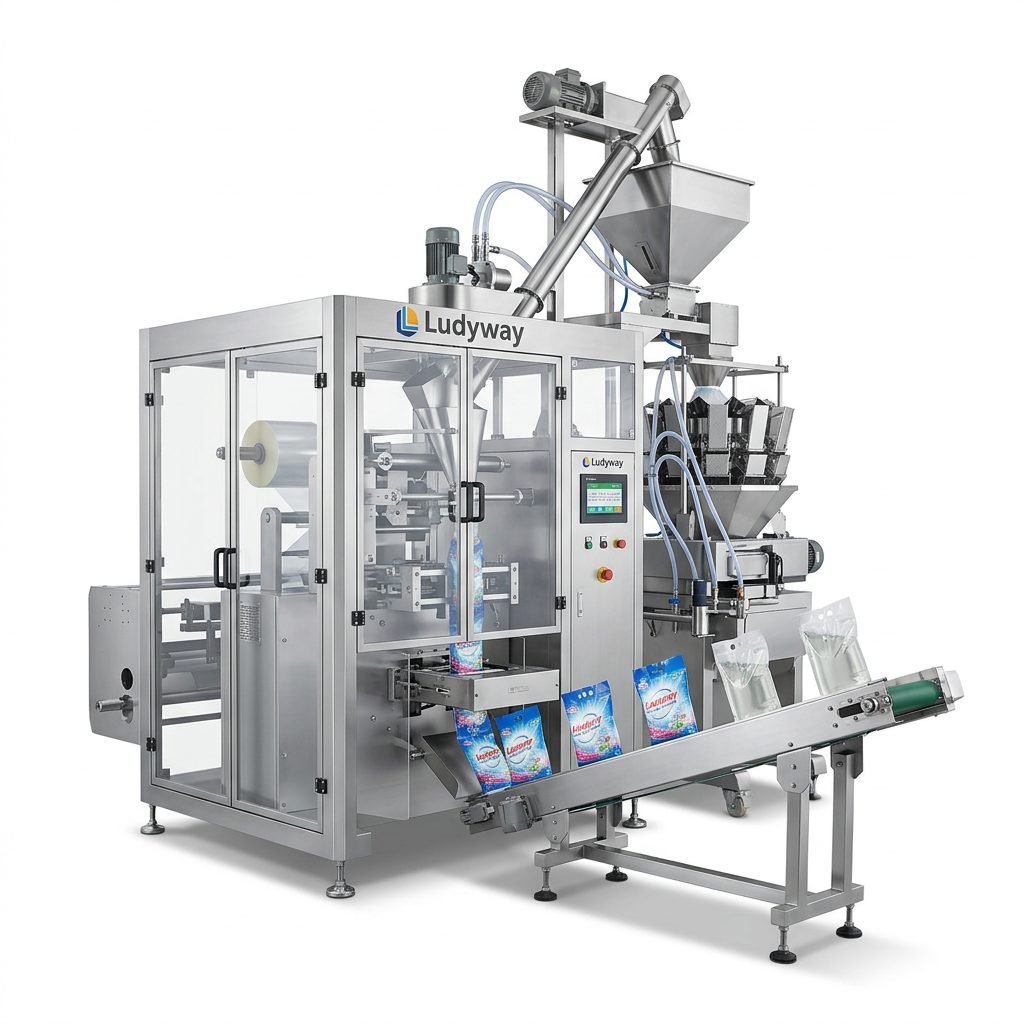
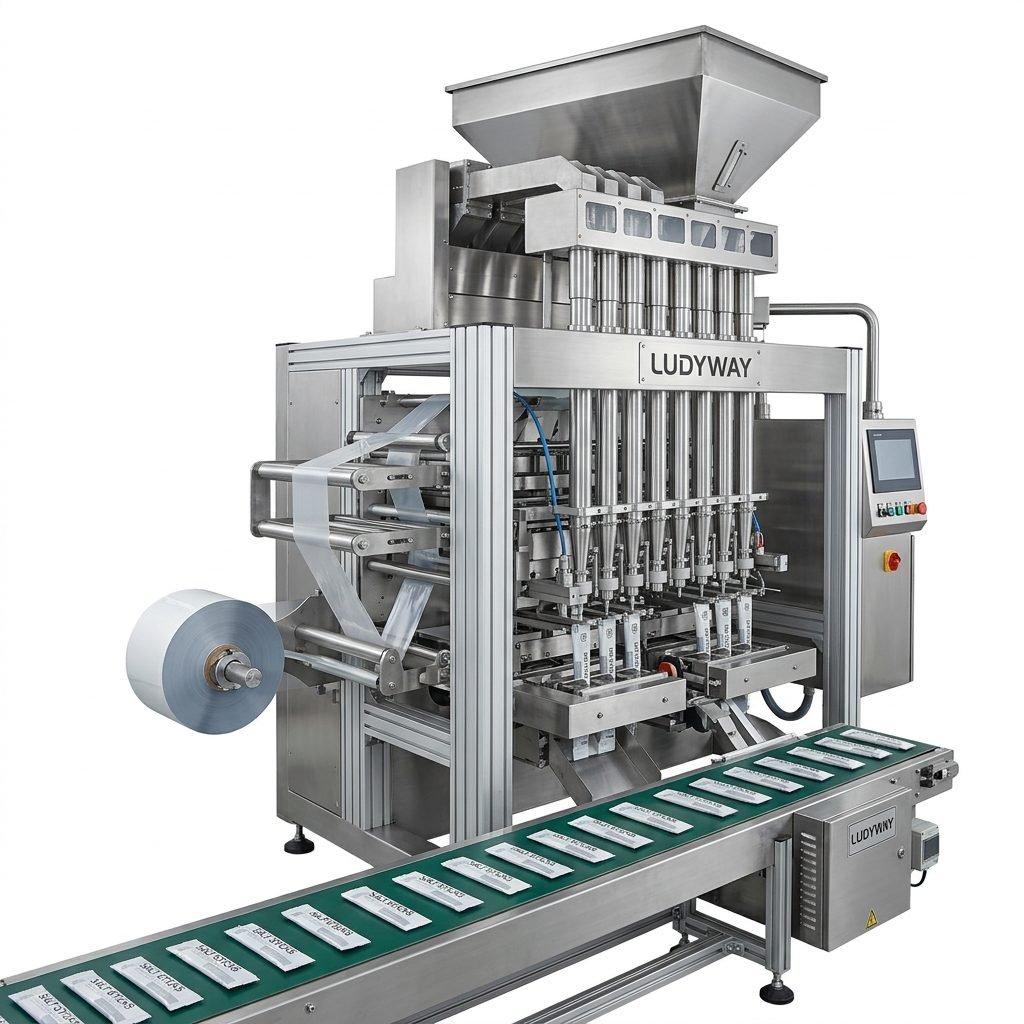
The choice of packaging machinery depends on your target product format, production volume, and budget. Salt packaging requires specialized equipment due to the abrasive and corrosive nature of salt crystals. Stainless steel construction (preferably 316L grade) is essential for all product-contact parts to prevent corrosion and ensure food safety compliance. Multi-lane stick pack machines offer high throughput for single-serve formats, while vertical form-fill-seal (VFFS) systems are ideal for medium to large pouch formats.
Types of Salt Packaging Machines
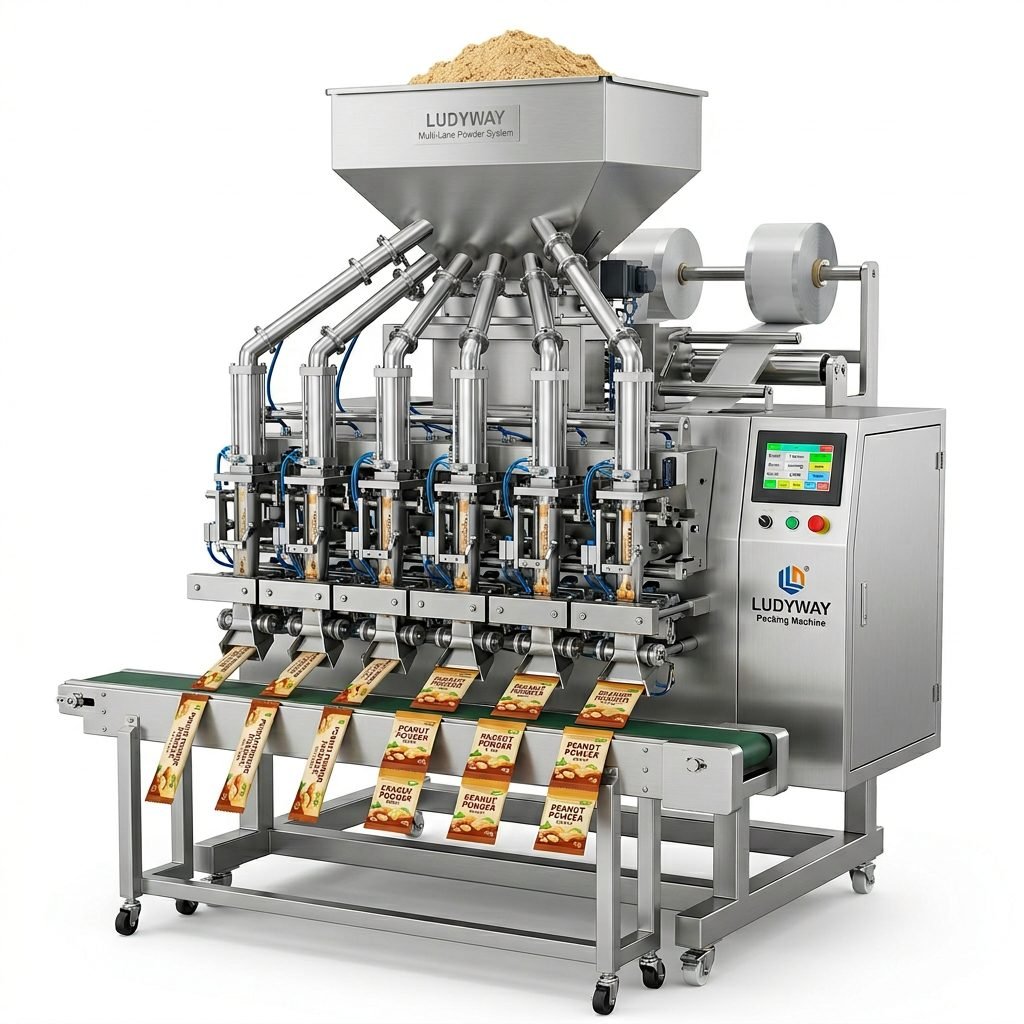
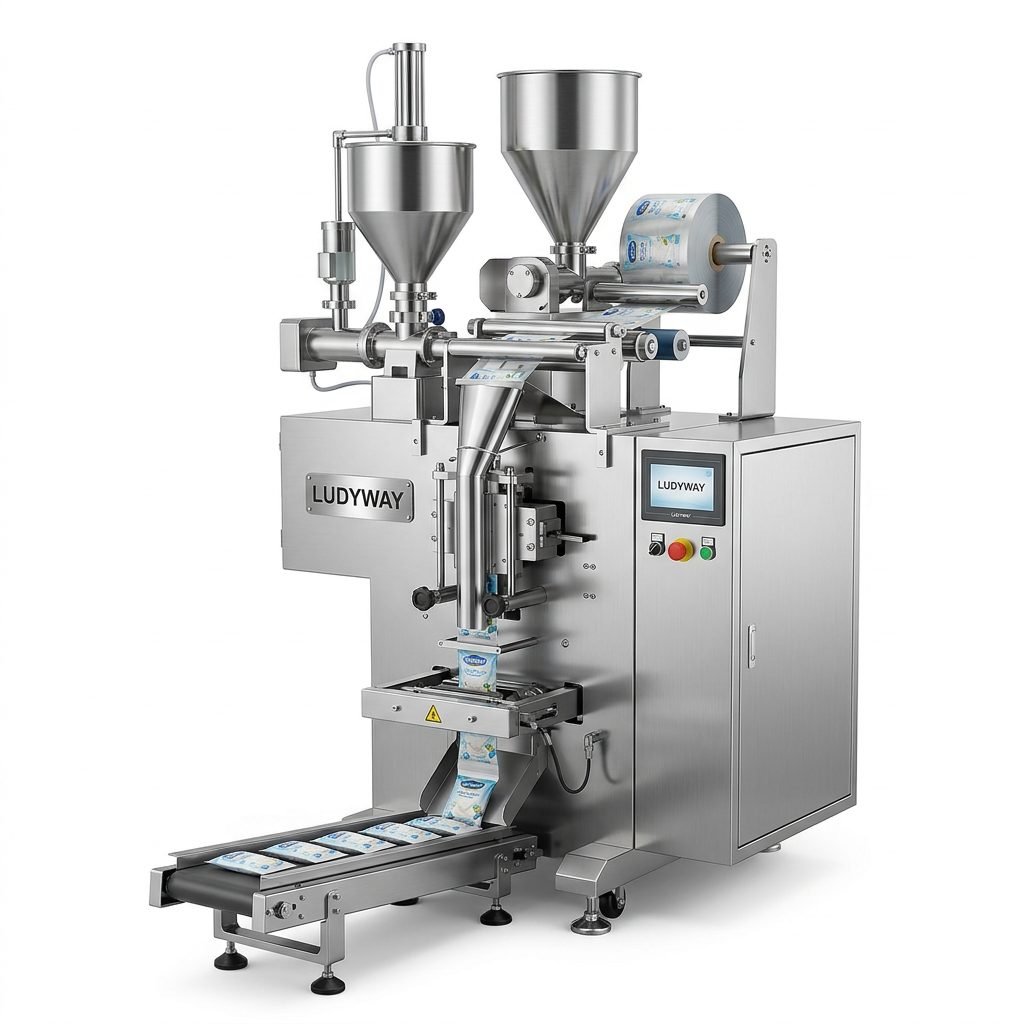
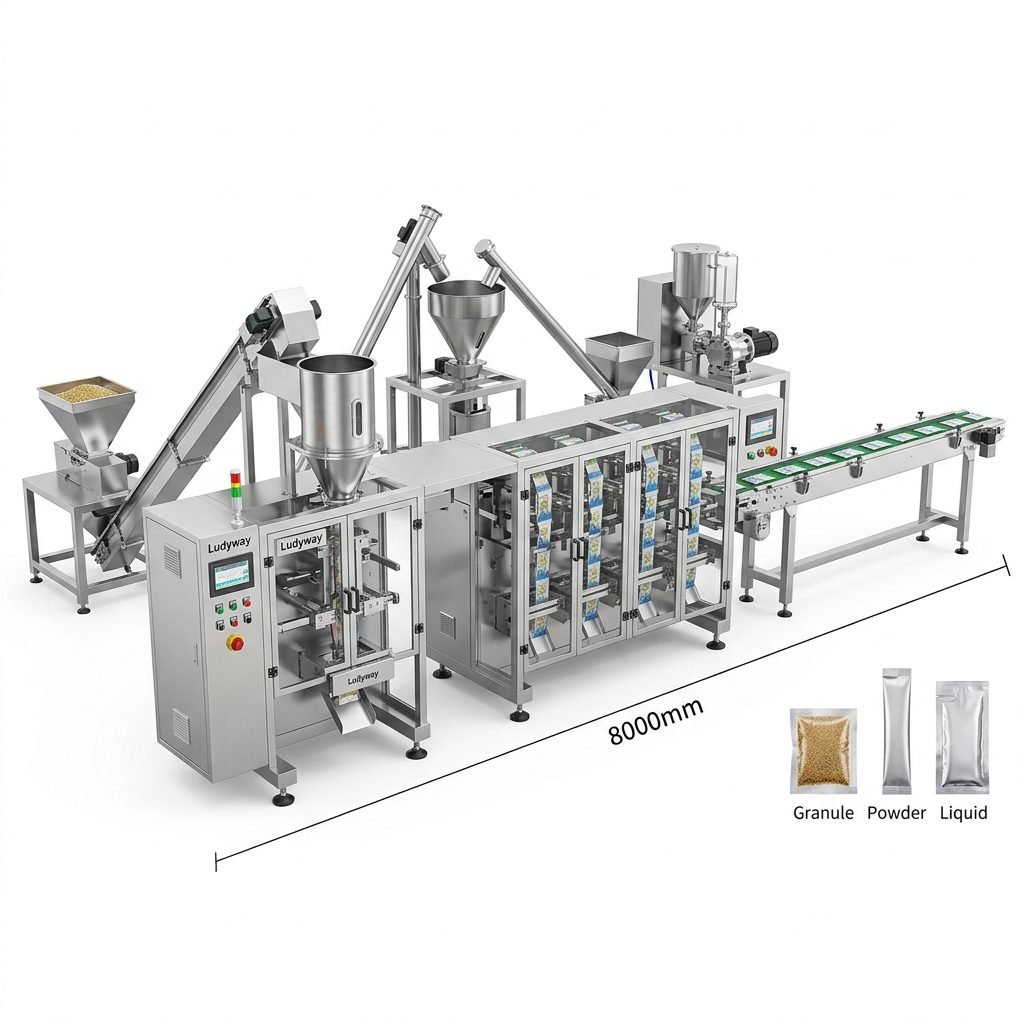
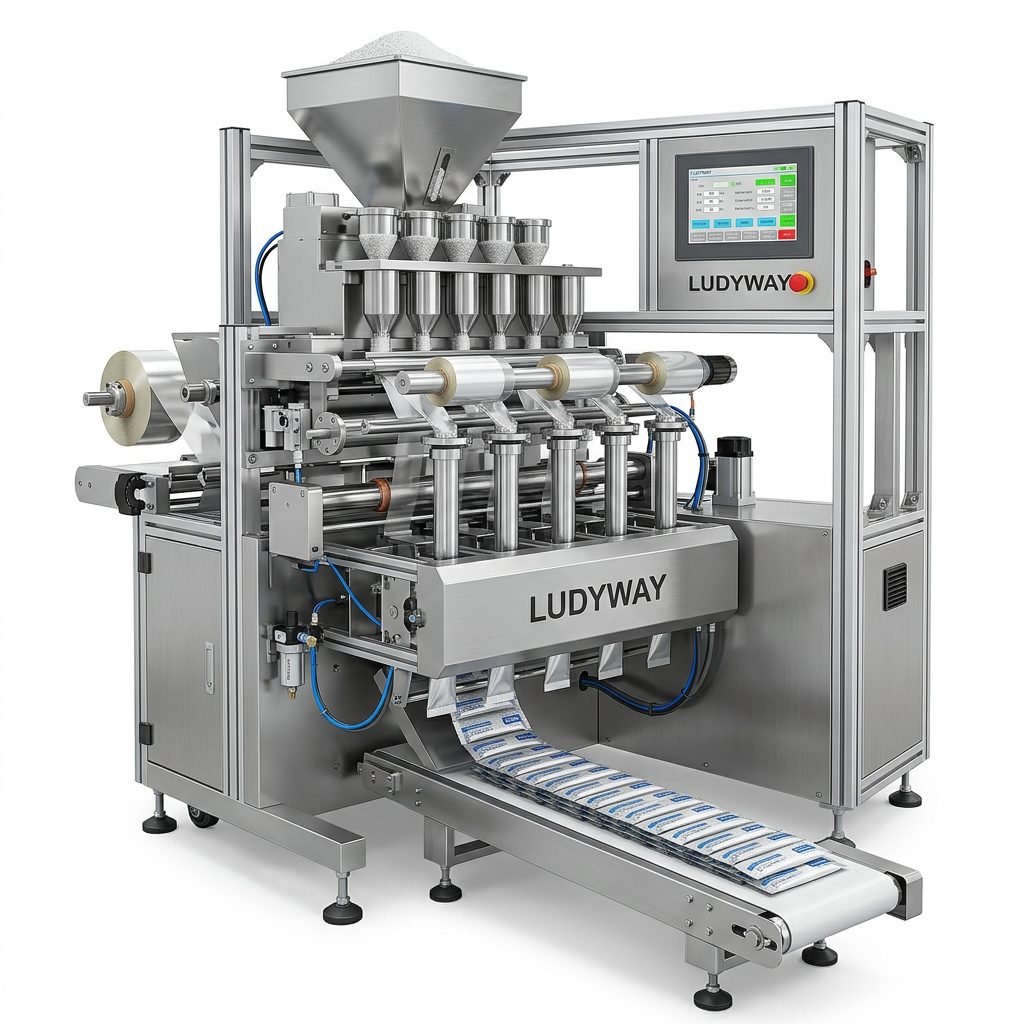
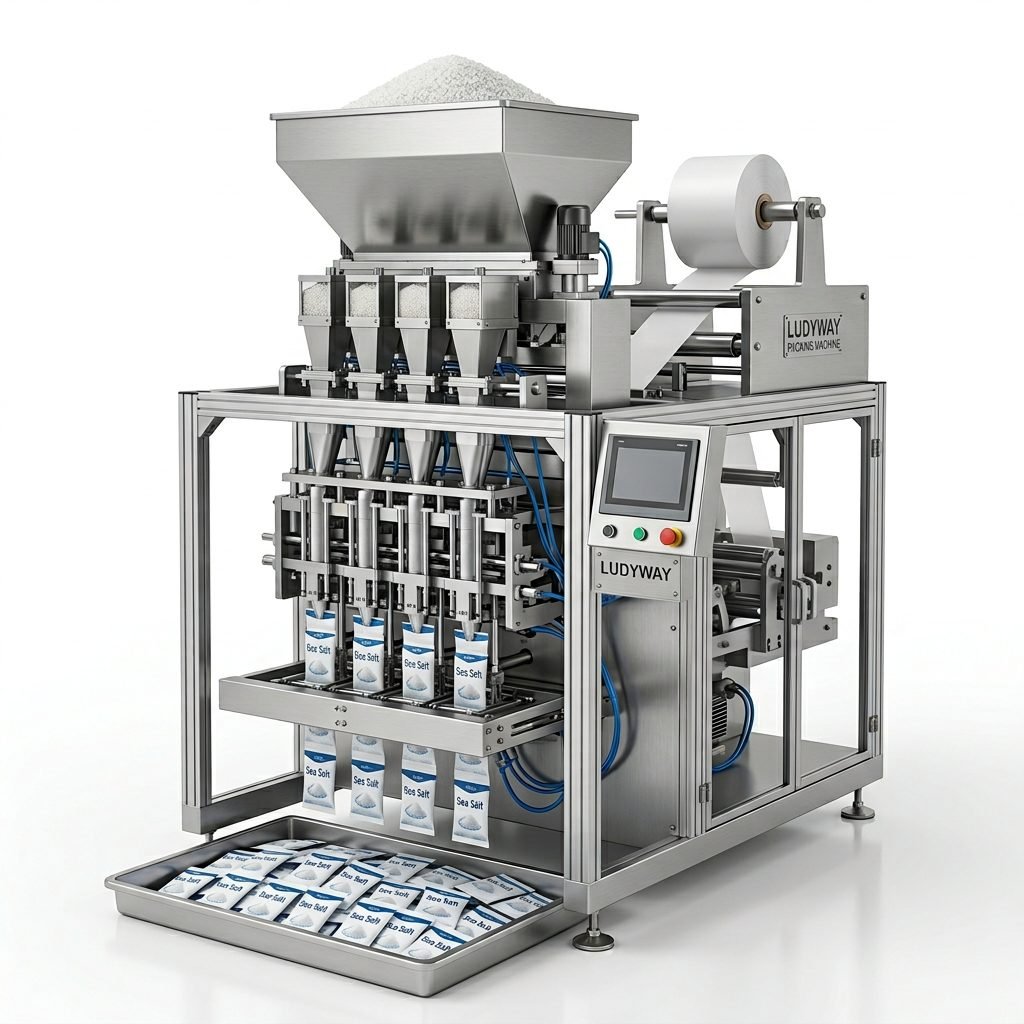
- Multi-Lane Stick Pack Machines – Ideal for single-serve salt sachets (1–5 grams), capable of producing 400–600 packs per minute across multiple lanes. Perfect for restaurant portion packs and travel-size products.
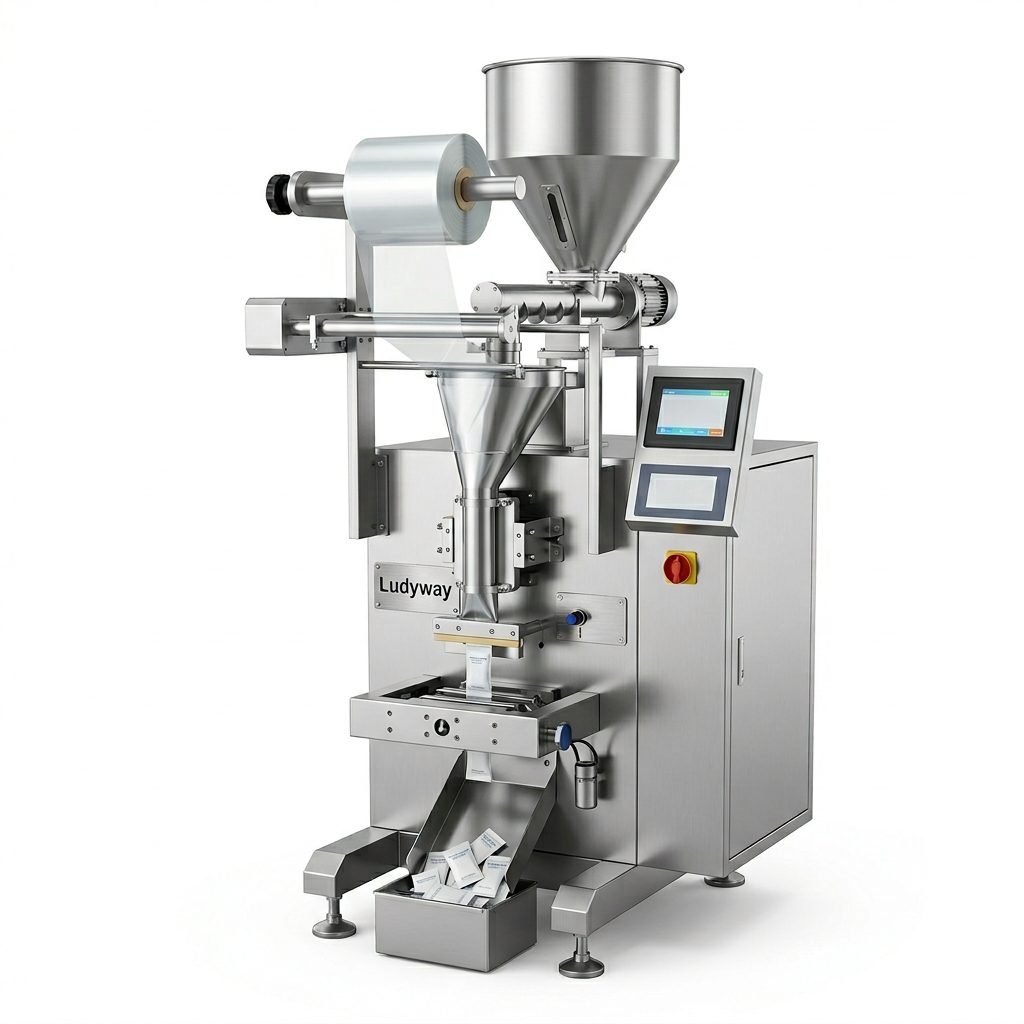
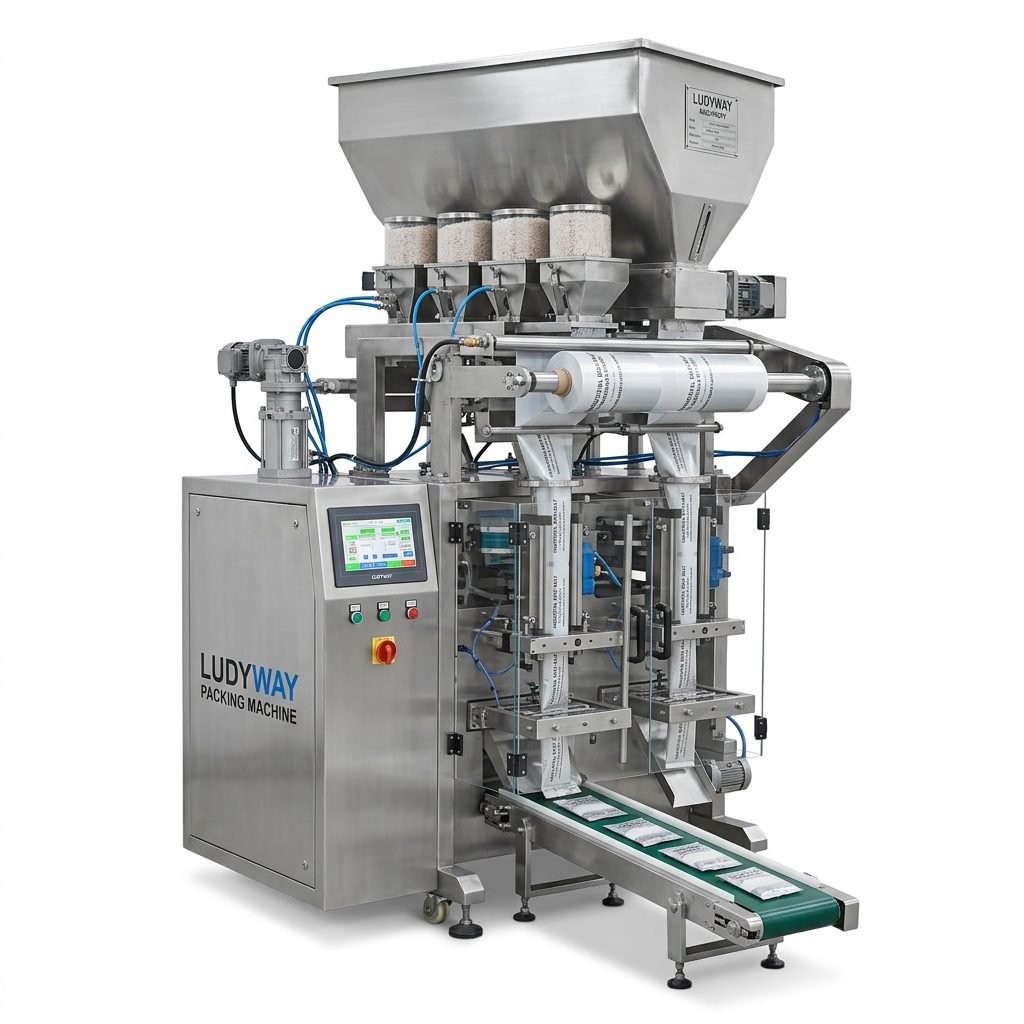
- Vertical Form-Fill-Seal (VFFS) Machines – Suitable for medium-sized pouches ranging from 100g to 1kg. Widely used for retail table salt packaging with pillow or gusseted bag styles.
- Premade Pouch Rotary Fillers – For premium stand-up pouches with zipper closures, commonly used for gourmet sea salt and Himalayan pink salt products targeting upscale markets.
- Bulk Bagging Systems – Designed for 10kg–50kg industrial salt bags, featuring automated weighing and filling stations for high-volume throughput.
- Sachet Packaging Machines – Compact single-lane or multi-lane sachet packaging systems for small-format salt packs popular in traditional markets across Southeast Asia.
Step 3: Auxiliary Equipment and Production Line Integration
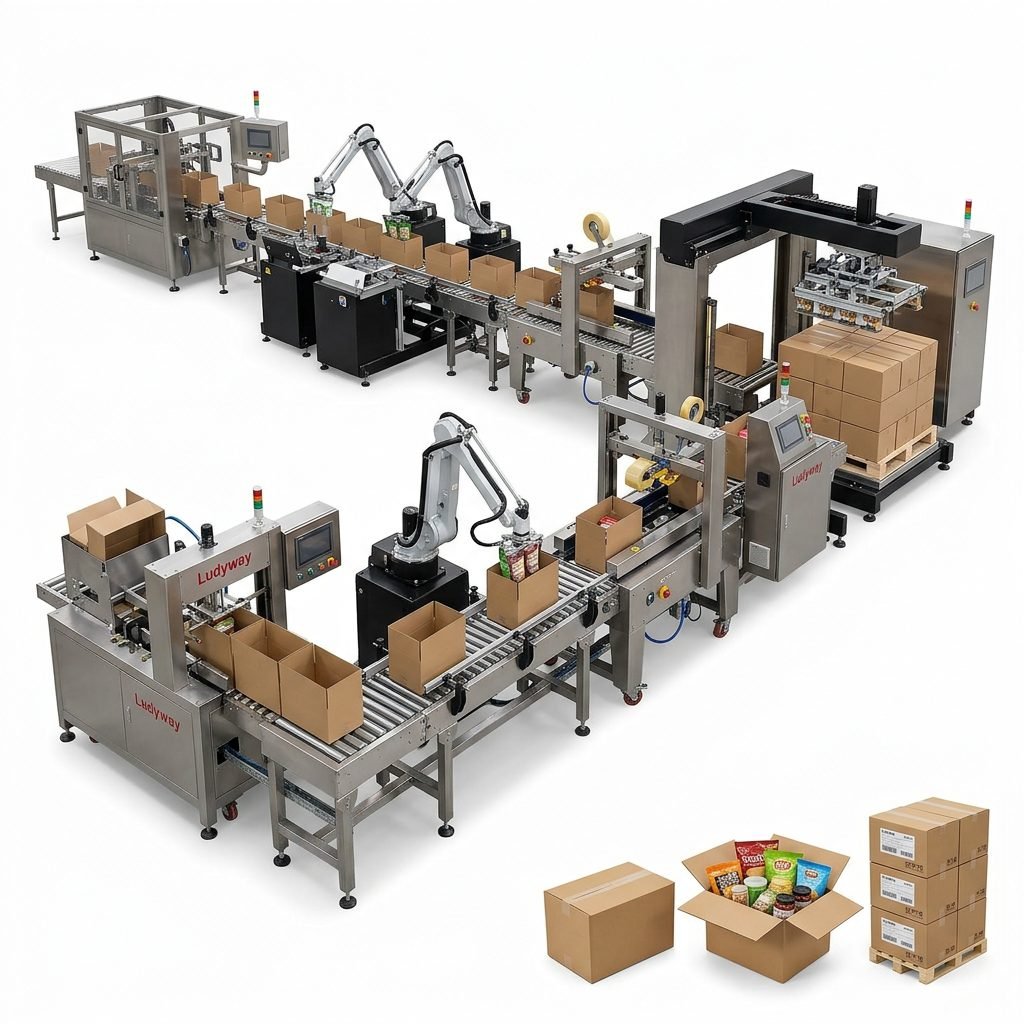
A complete salt packaging production line extends beyond the primary filling machine. To achieve seamless operation, you need to integrate feeding systems, checkweighers, metal detectors, conveyor belts, and secondary packaging equipment such as cartoners and palletizers. The entire line should be designed for synchronized operation with a central control system. Proper integration minimizes downtime and ensures consistent output quality.
Essential Line Components
| Component | Function | Key Consideration |
|---|---|---|
| Z-Type Bucket Elevator | Transfers salt granules to the filling machine hopper | Anti-corrosion materials required |
| Multi-Head Weigher | Precision weighing for accurate fill weights | ±0.5g accuracy or better |
| Metal Detector | Detects ferrous and non-ferrous contaminants | HACCP compliance requirement |
| Checkweigher | Verifies fill weight and rejects non-conforming packs | High-speed dynamic weighing |
| Cartoning Machine | Secondary packaging into retail cartons | Adjustable for multiple carton sizes |
Step 4: Navigating Regulatory Compliance
Southeast Asian countries have varying food safety regulations that directly impact salt packaging operations. Most nations align with Codex Alimentarius standards for food-grade salt, including iodization requirements. Packaging materials must comply with local food contact substance regulations. For exporters, understanding the regulatory frameworks of target markets is equally important. Refer to resources from the FDA on food packaging and ISO packaging standards for international compliance guidance. The PMMI also provides valuable industry resources for packaging machinery standards.
Country-Specific Regulations
- Indonesia: BPOM registration required for food-grade salt; SNI certification for iodized salt
- Vietnam: Food safety certification from the Ministry of Health; compliance with TCVN standards
- Thailand: FDA Thailand approval; adherence to Thai Industrial Standards (TIS)
- Philippines: FDA Philippines registration; ASIN Law compliance for iodized salt
- Malaysia: MOH registration; compliance with Malaysian Food Regulations 1985
Step 5: Cost Analysis and ROI Planning
Setting up a salt packaging production line in Southeast Asia involves capital expenditure ranging from $80,000 to $500,000 depending on automation level and production capacity. A basic single-lane sachet line may start at the lower end, while a fully automated multi-lane system with secondary packaging integration can reach the higher range. Key cost components include machinery, facility setup, initial raw material inventory, staff training, and regulatory compliance fees. Operational costs include labor, utilities, packaging film, and ongoing maintenance. Most well-planned operations achieve ROI within 18–36 months.
Estimated Cost Breakdown
| Cost Category | Estimated Range (USD) | Percentage of Total |
|---|---|---|
| Packaging Machinery | $50,000 – $300,000 | 55–60% |
| Facility Setup & Renovation | $15,000 – $80,000 | 15–20% |
| Installation & Commissioning | $5,000 – $25,000 | 5–8% |
| Initial Raw Material Stock | $5,000 – $40,000 | 5–10% |
| Training & Compliance | $5,000 – $30,000 | 5–7% |
Step 6: Workforce Training and Maintenance
A well-trained workforce is essential for maintaining consistent production quality. Operators should receive comprehensive training on machine operation, troubleshooting, and cleaning procedures. Preventive maintenance schedules must be established from day one to minimize unplanned downtime. Given the corrosive nature of salt, daily cleaning of product-contact surfaces is non-negotiable. Establish a maintenance log and keep critical spare parts in inventory to reduce lead times during breakdowns. Many suppliers, including Ludyway, offer remote technical support and on-site training services to help new production lines achieve optimal performance quickly.
Recommended Maintenance Practices
- Daily inspection and cleaning of all salt-contact surfaces with fresh water
- Weekly lubrication of bearings and moving parts with food-grade lubricants
- Monthly calibration of weighing systems and metal detectors
- Quarterly thorough inspection of electrical connections and pneumatic lines
- Annual comprehensive overhaul including seal replacements and belt tension checks
Step 7: Distribution and Market Entry Strategy
Once your salt packaging line is operational, the next challenge is building distribution channels. In Southeast Asia, traditional retail (wet markets, small grocery stores) still accounts for a significant share of packaged goods sales, particularly in Indonesia, Vietnam, and the Philippines. However, modern retail chains and e-commerce platforms are growing rapidly. Consider a dual-channel strategy: small-format sachets and stick packs for traditional retail, and larger pouches or multi-packs for supermarkets and online sales. Building relationships with local distributors who understand regional consumer behavior is critical for market penetration.
Common Pitfalls to Avoid
Many first-time investors in salt packaging encounter avoidable challenges. Being aware of these common pitfalls can save significant time and money:
- Underestimating corrosion risks – Using standard steel components instead of food-grade stainless steel leads to premature equipment failure
- Ignoring humidity control – Salt clumping due to moisture absorption causes filling inaccuracies and machine jams
- Overlooking local certification requirements – Delays in obtaining regulatory approvals can halt production for months
- Choosing the wrong packaging format – Mismatched pack sizes for target markets result in slow sales and wasted inventory
- Insufficient operator training – Inadequately trained staff lead to frequent errors, lower output, and increased waste
Conclusion
Setting up a salt packaging machine production line in Southeast Asia presents a compelling opportunity for businesses looking to capitalize on the region’s growing demand. Success depends on thorough planning across multiple dimensions: market research, equipment selection, facility design, regulatory compliance, and workforce development. By investing in high-quality, corrosion-resistant machinery designed specifically for salt applications and implementing robust operational protocols, you can build a profitable and sustainable packaging operation. For additional guidance on packaging industry intelligence, consult resources from leading industry associations. With the right strategy, your salt packaging venture in Southeast Asia can achieve strong returns while serving one of the world’s most dynamic consumer markets.