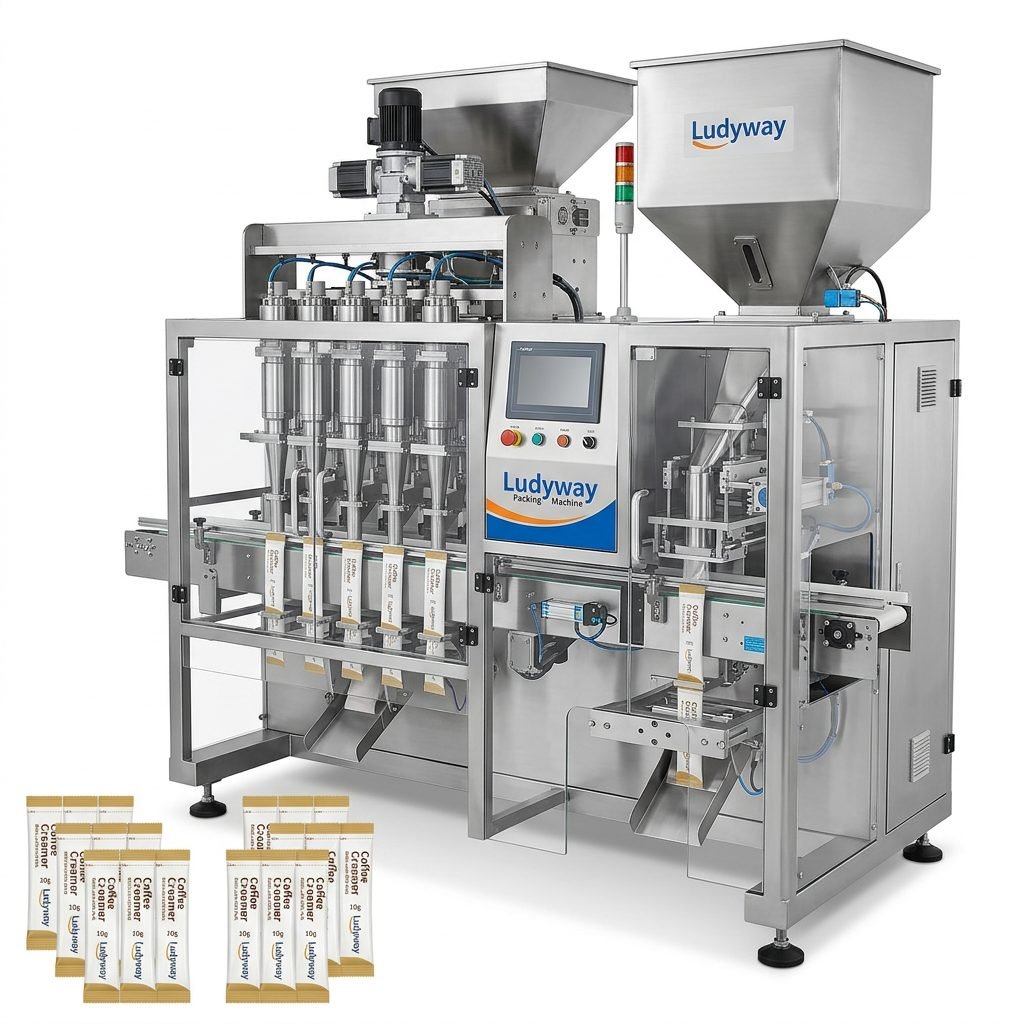
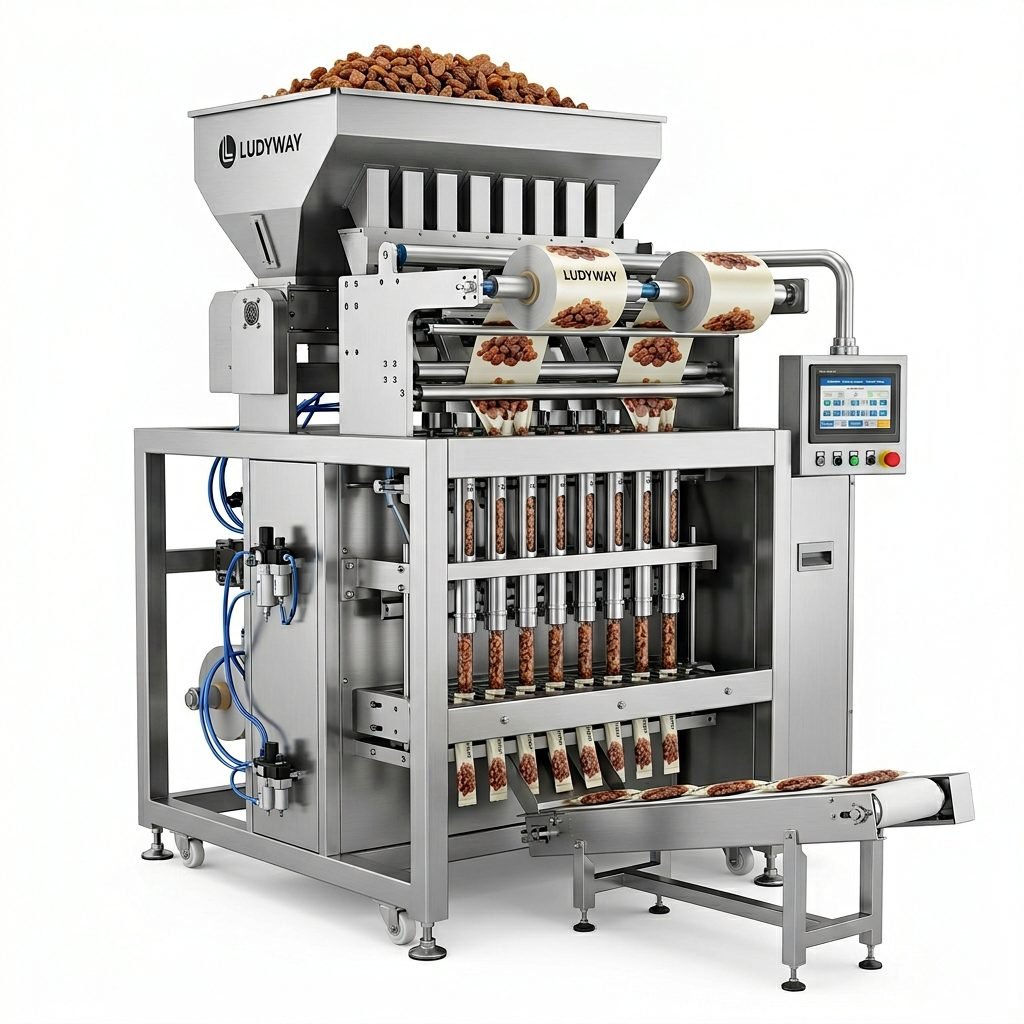
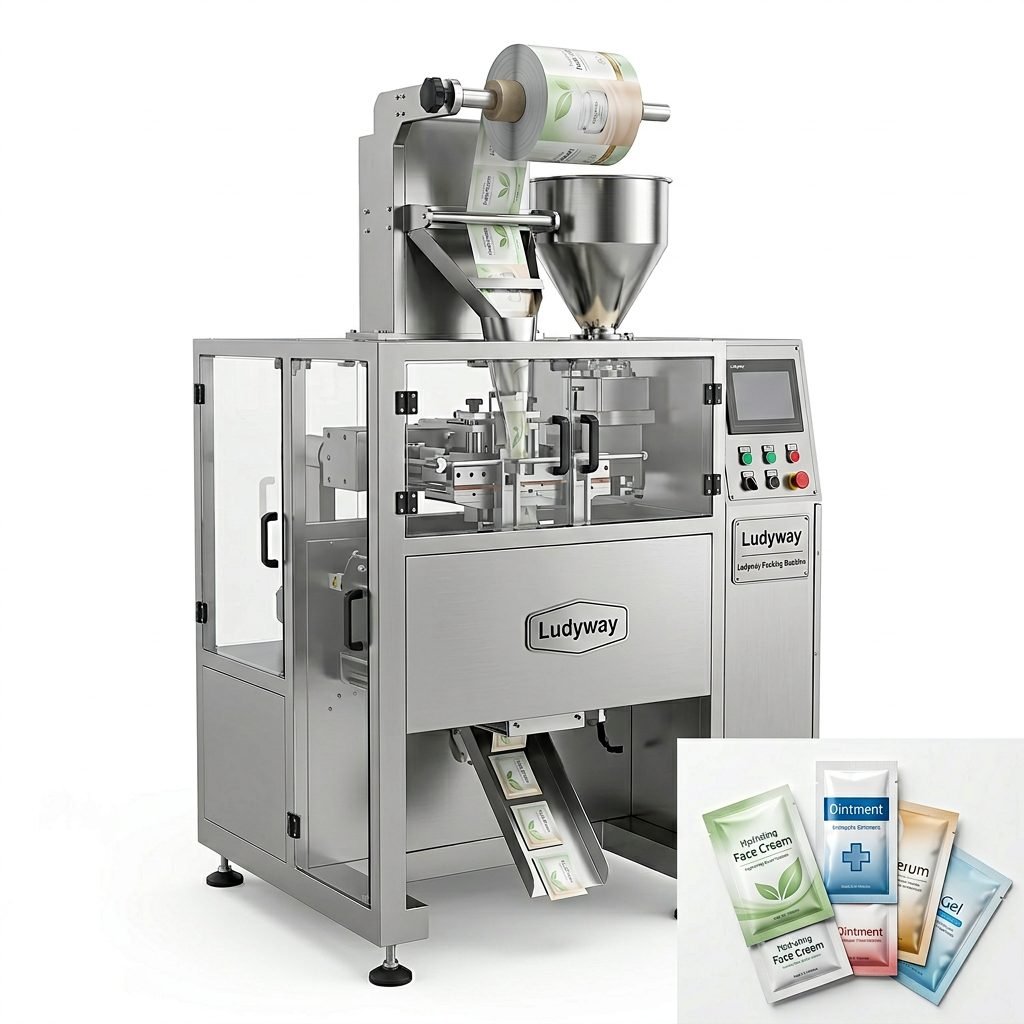
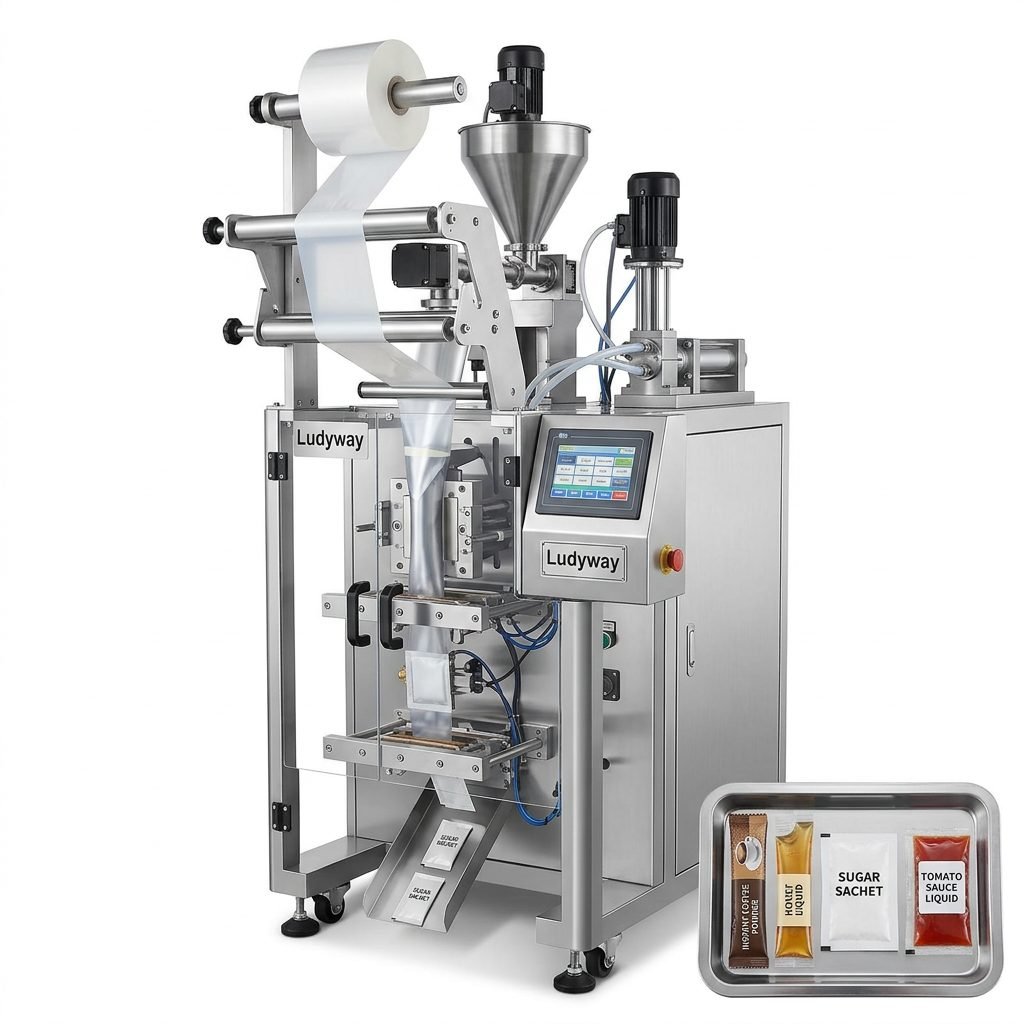
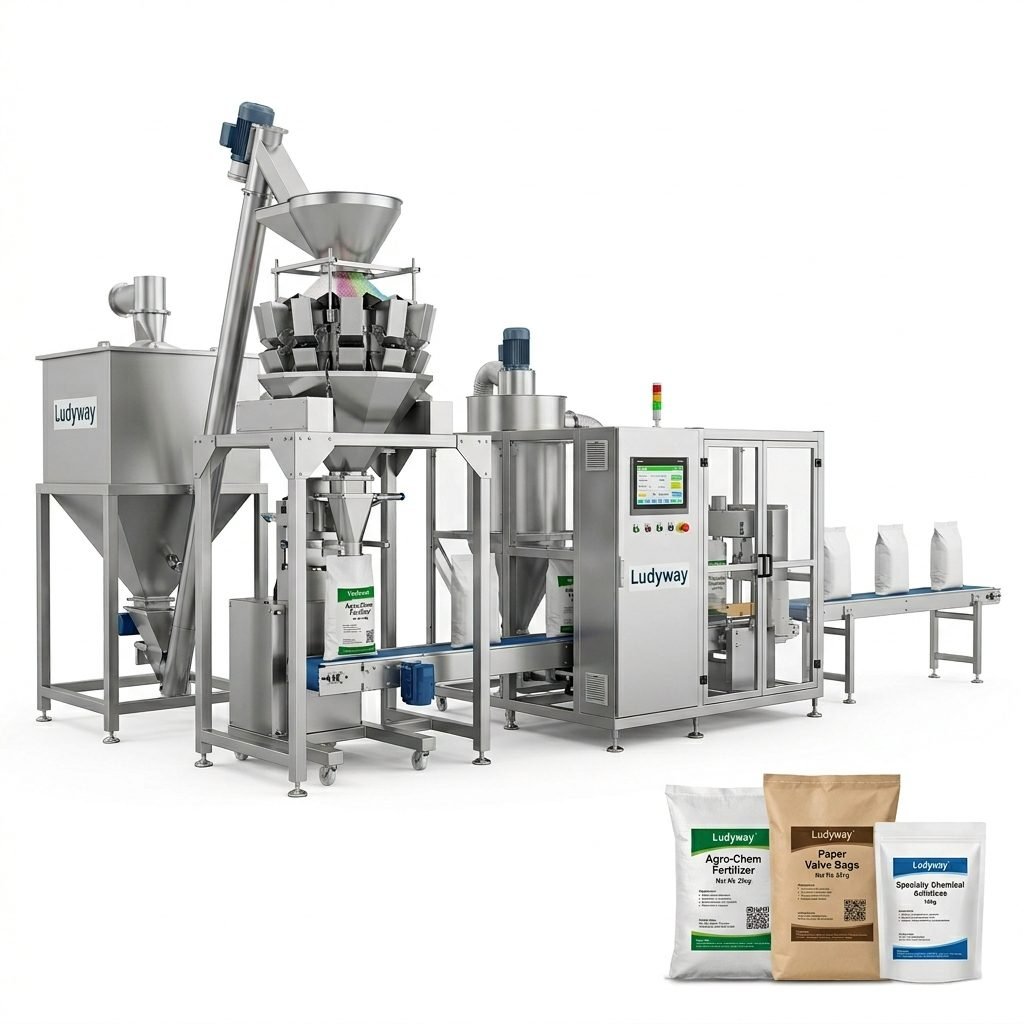
Selecting the right FASA butter packing machine is one of the most critical capital decisions for food manufacturers, dairy processors, and co-packing facilities. As global demand for portion-controlled butter, margarine, and spreadable fats continues to grow — driven by foodservice, hospitality, and retail single-serve trends — the packaging technology you choose directly impacts product consistency, shelf life, line uptime, and overall operational cost.
According to the PMMI 2026 State of the Industry Report, food packaging machinery shipments continue to expand at a steady pace, with dairy and fats/oils segments showing above-average growth in automated packaging investments. In this complete buyer’s guide, we walk through the key evaluation criteria, technical specifications, compliance requirements, and supplier considerations to help you choose a FASA butter packing solution that aligns with your production goals.

Understanding FASA Butter Packing Technology
Before comparing equipment specifications, it is essential to understand what makes a FASA butter packing machine distinct from general form-fill-seal or dosing equipment. Butter and spreadable fats present unique handling challenges — they are temperature-sensitive, prone to phase separation, require precise portion control, and often demand specific packaging materials to prevent oxidation and off-flavors. A properly configured FASA system integrates temperature-controlled hoppers, positive-displacement dosing, rapid sealing, and gas flushing (where needed) into a single automated platform.
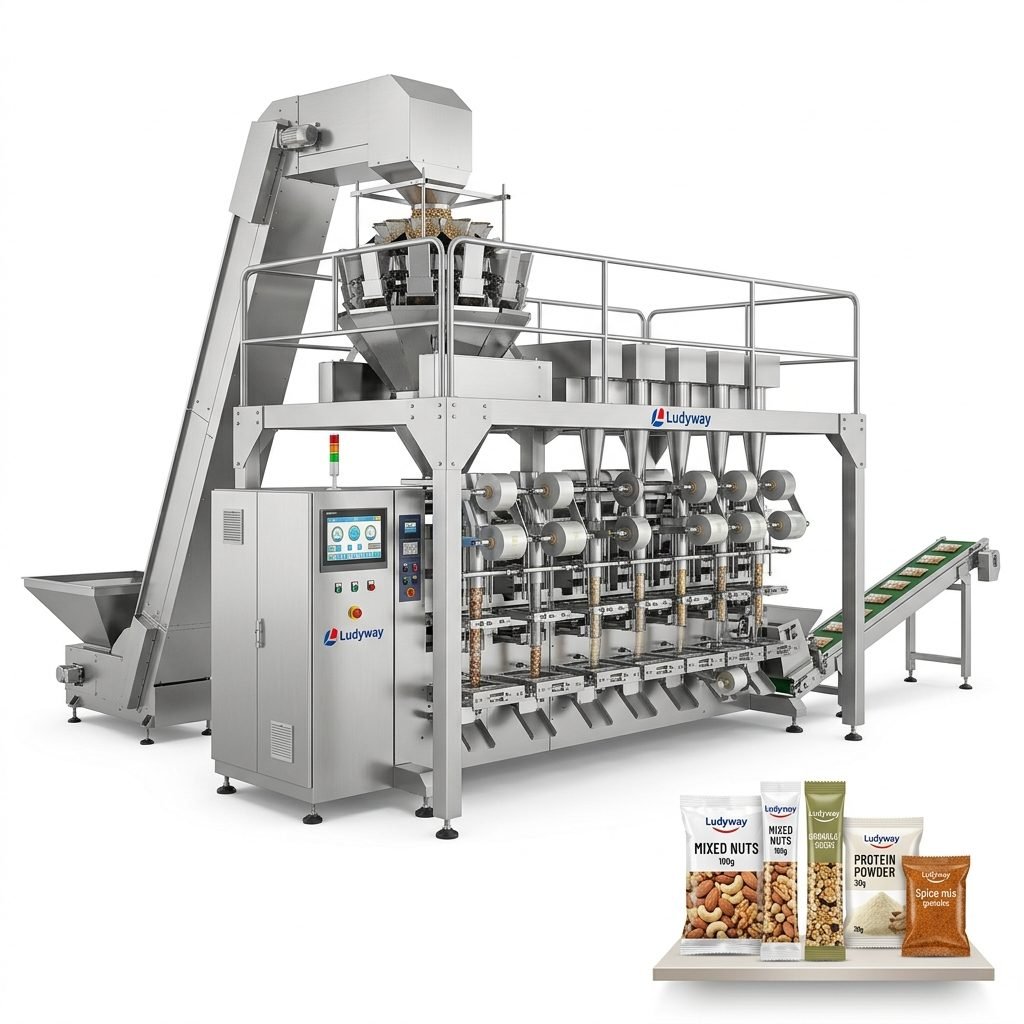
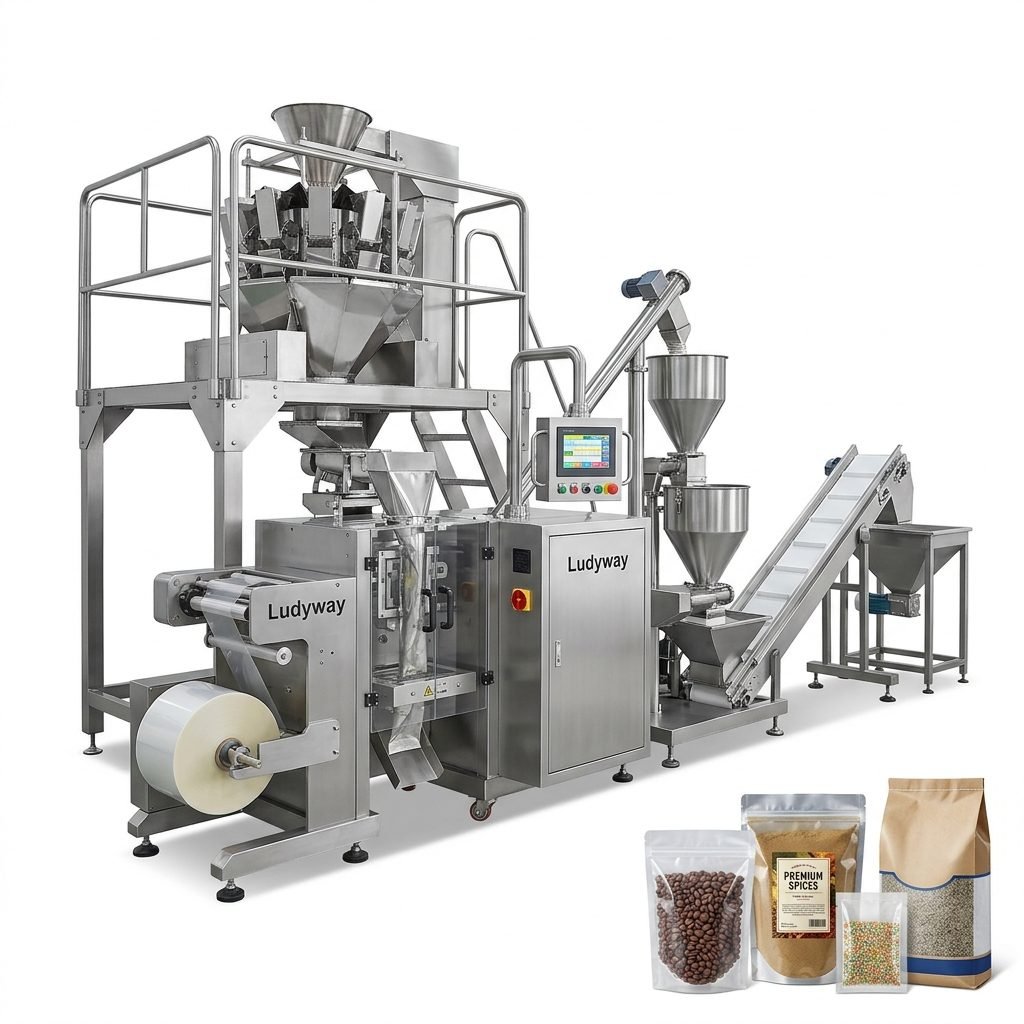
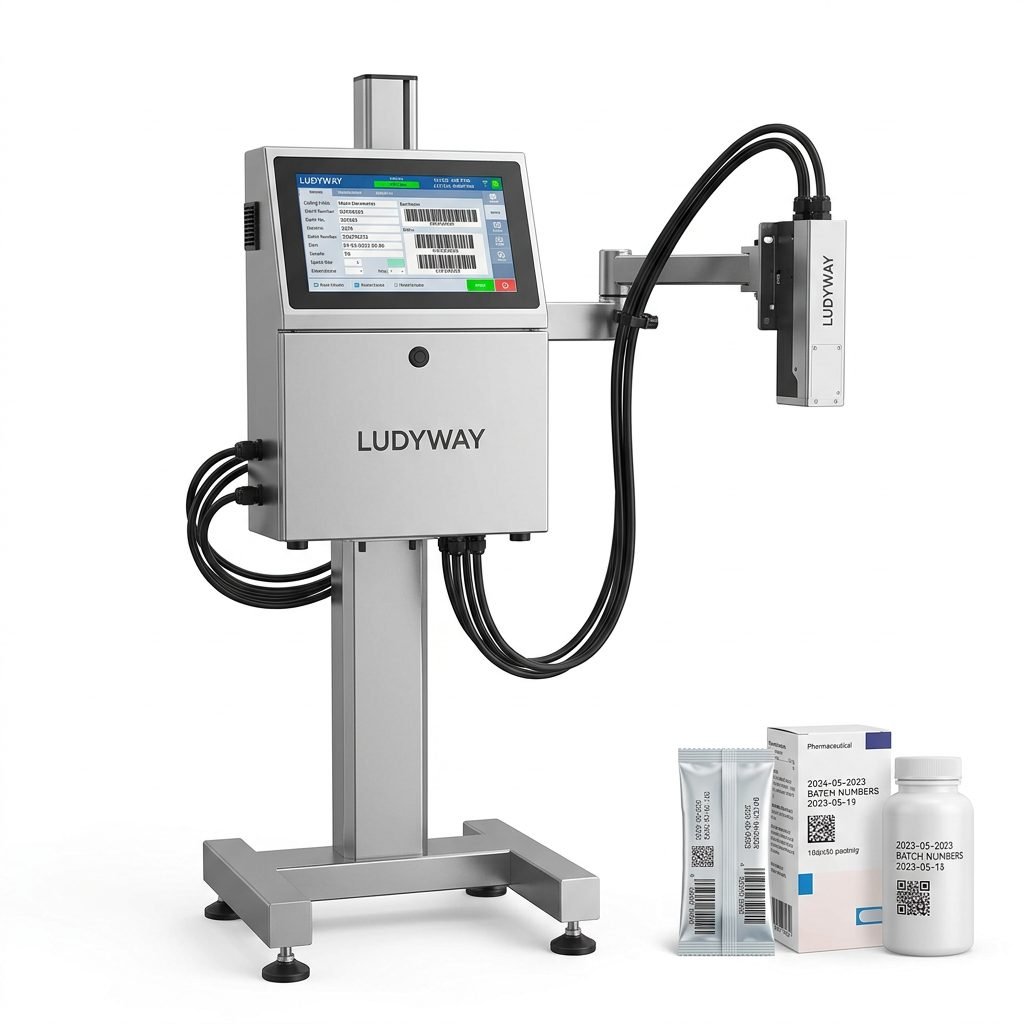
When evaluating technology options, manufacturers should focus on the entire packaging line integration rather than isolated machine specs. The most effective FASA butter packaging installations are designed as part of a complete system that may include automated cup denesting, filling, foil-sealing, lidding, coding, checkweighing, and secondary cartoning — all synchronized for maximum throughput and minimum give-away.
Key Production Parameters to Define First
- Target throughput: Portions per minute (typically ranges from 60 to 400+ ppm depending on lane configuration)
- Portion sizes: Weight range per unit (e.g., 8 g, 10 g, 15 g, 20 g for foodservice butter pats)
- Packaging format: Single-serve cups, stick packs, sachets, flow-wrapped portions, or bulk tubs
- Product characteristics: Butterfat content, salt level, temperature profile, presence of inclusions
- Shelf-life requirements: Ambient, chilled, or frozen distribution with corresponding barrier material needs
Filling Accuracy and Portion Control
Filling accuracy is one of the most critical performance indicators for any FASA butter packing machine. In butter and spreads production, even small deviations in portion weight can result in significant annual product give-away or, conversely, under-filled consumer complaints. High-quality FASA dosing systems typically achieve ±0.5% to ±1.0% fill accuracy depending on product viscosity and temperature stability.
Modern flexible packaging systems for butter portions often employ servo-driven piston fillers, rotary valve dosers, or multi-head volumetric systems. The choice depends on product rheology — cold butter requires higher filling pressures than margarine or spreadable blends. When evaluating a FASA machine, request documented accuracy data across the full range of your target portion sizes, not just under ideal lab conditions.
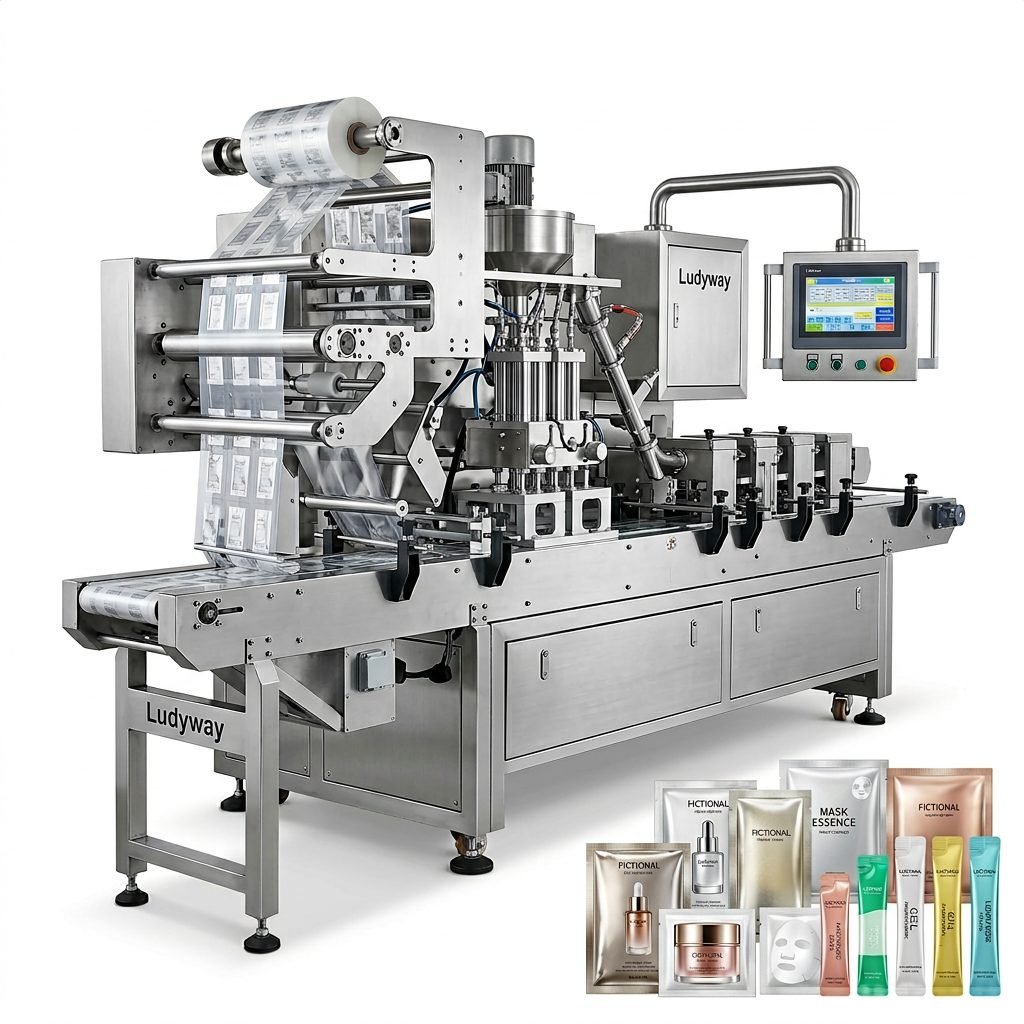
Packaging Material Compatibility and Barrier Performance
Butter and dairy-based spreads are highly susceptible to oxidation, moisture loss, and light-induced degradation. The FASA butter packing machine you select must be compatible with the specific food-grade packaging materials required for your target shelf life. Common material structures for butter portions include aluminum foil laminates, metallized PET/PE, EVOH barrier films, and multi-layer structures with oxygen transmission rates below 5 cc/m²/day.
The sealing system on a FASA machine must handle these materials without compromising integrity. Heat-sealing, ultrasonic sealing, and induction sealing are all used in butter packaging applications, with the best choice determined by material structure, line speed, and required seal strength. Look for machines that offer adjustable sealing parameters — temperature, pressure, dwell time — for each individual lane in multi-lane configurations.
Critical Sealing Parameters to Evaluate
| Parameter | Why It Matters | What to Look For |
|---|---|---|
| Seal temperature range | Different laminates require different activation temperatures | Digital PID control with ±1°C accuracy |
| Dwell time adjustability | Impacts seal integrity at high speeds | Independent dwell time per lane |
| Pressure control | Prevents material crushing or incomplete bonding | Closed-loop pressure feedback system |
| Gas flush capability | Extends shelf life by reducing headspace oxygen | Integrated MAP/N2 flushing with residual O2 monitoring |
| Seal inspection | Detects leaks before product leaves the machine | Vision-based or pressure-decay seal inspection system |
Hygienic Design and Food Safety Compliance
For dairy and butter applications, hygienic machine design is non-negotiable. A well-engineered FASA butter packing machine must comply with ISO packaging standards and relevant FDA food contact substance regulations. Key design features to look for include sloped surfaces to prevent liquid pooling, tool-free disassembly for cleaning, IP65 or higher-rated electrical enclosures, and 304 or 316L stainless steel construction for all product-contact surfaces.
CIP (Clean-in-Place) compatibility is increasingly becoming standard for mid-to-high-capacity FASA butter lines. This reduces downtime between product changeovers and ensures consistent sanitation. When reviewing machine specifications, verify that the filling system can be fully flushed without disassembly, and that seals and gaskets are rated for the cleaning chemicals used in your facility.
Automation Level and Workforce Integration
The level of automation on a FASA butter packing machine directly affects labor requirements, operator skill demands, and overall line efficiency. Entry-level systems may require manual cup loading and offline secondary packaging, while fully automated lines integrate robotic pick-and-place, automated case packing, and palletizing. Industry data from the PMMI 2025 State of the Industry report shows that manufacturers investing in higher automation levels achieve 15-25% better OEE compared to semi-automated alternatives.
Automation Features That Improve ROI
- Automatic film splicing: Reduces downtime during roll changes
- Servo-driven motion control: Enables rapid format changeovers with recipe-based settings
- In-line checkweighing with feedback: Automatically adjusts fill volume to minimize give-away
- Integrated vision inspection: Detects seal defects, missing lids, or print quality issues
- Centralized HMI with data logging: Supports traceability, OEE tracking, and predictive maintenance
Supplier Evaluation: Manufacturing Capability and Engineering Support
Choosing the right supplier for a FASA butter packing machine is as important as evaluating the machine itself. The ideal partner should demonstrate deep application knowledge in dairy and fats processing, offer in-house manufacturing capabilities, and provide comprehensive technical support throughout the equipment lifecycle. Factors to consider include the supplier’s experience with similar products, the size and expertise of their engineering team, manufacturing facility scale, and the availability of local service support.
Manufacturers with a broad portfolio across flexible packaging formats — sachets, stick packs, pouches, cups — often bring cross-category engineering insights that benefit individual machine designs. A supplier that designs its own filling systems, rather than sourcing third-party dosing units, can provide tighter integration and more responsive after-sales technical support.
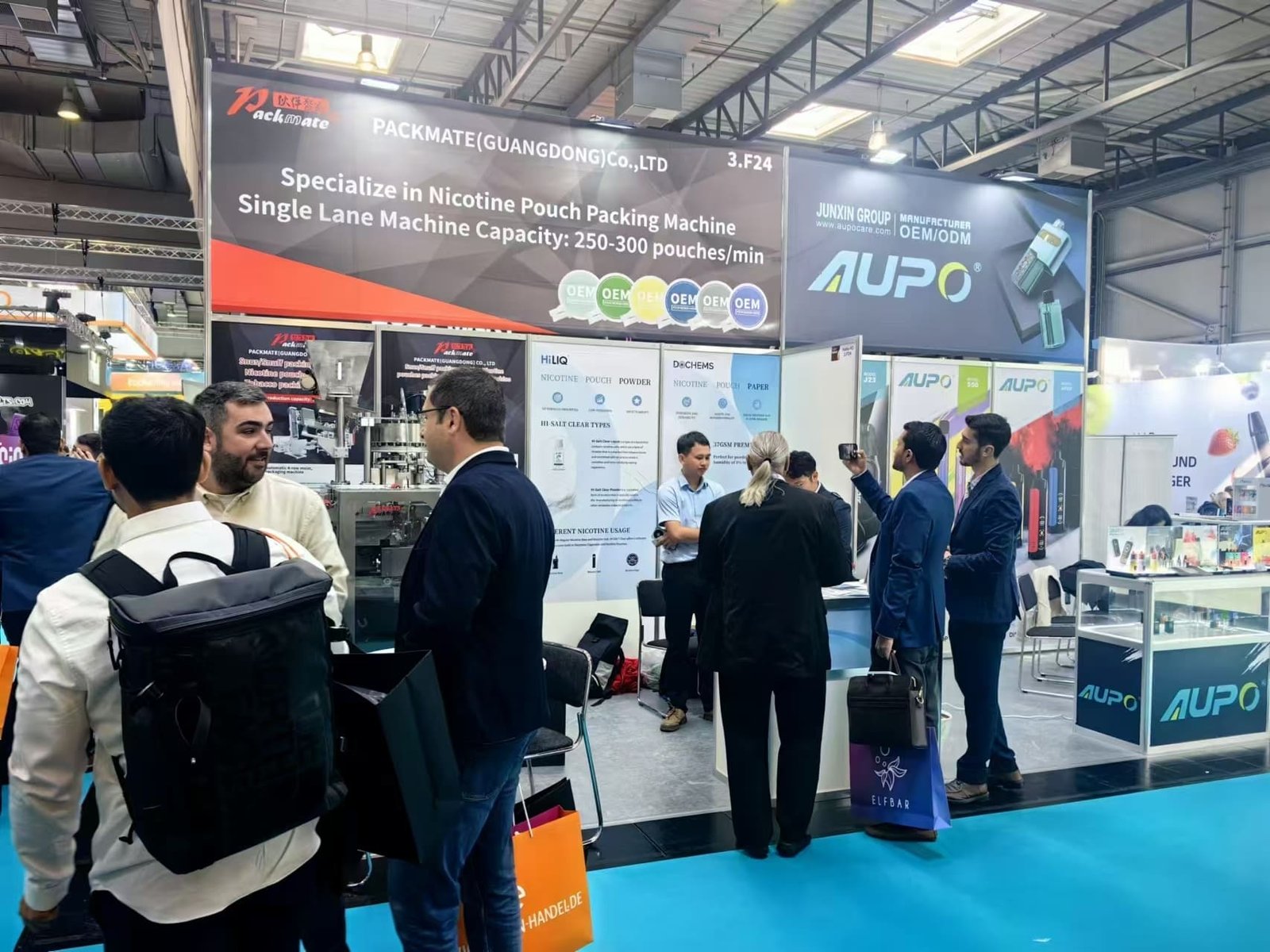
One example of an experienced manufacturer in this space is Ludyway Machinery, a China-based packaging equipment manufacturer with more than 30 years of experience. With a 20,000-square-meter manufacturing facility, over 130 professionals, and more than 50 packaging machine models, the company supplies automated packaging systems to more than 100 countries. Their approach to customized machine configuration and turnkey line integration illustrates the level of engineering depth that butter and spreads manufacturers should look for when selecting a packaging machinery partner.
Total Cost of Ownership: Beyond the Purchase Price
The sticker price of a FASA butter packing machine is only a fraction of its total cost over a typical 10-15 year service life. Smart buyers evaluate total cost of ownership (TCO), which includes:
- Spare parts consumption: Cost and availability of wear items such as seals, gaskets, cutting blades, and heating elements
- Energy consumption: Electrical, compressed air, and cooling water usage per 1,000 portions produced
- Film waste rates: Material lost during start-up, changeover, and rejected product cycles
- Labor allocation: Number of operators required per shift and their skill level
- Maintenance intervals: Planned downtime hours per year and associated production losses
A machine with a lower initial price but higher ongoing costs can end up being significantly more expensive over its operational life. Request TCO projections from multiple suppliers, and validate these against references from manufacturers running similar butter packaging applications.
TCO Comparison Framework
| Cost Category | Percentage of TCO (Typical) | Key Drivers |
|---|---|---|
| Initial capital | 30-40% | Machine configuration, options, installation |
| Packaging materials | 35-45% | Film type, waste rate, format efficiency |
| Maintenance and spares | 8-12% | Component quality, preventive maintenance schedule |
| Energy | 3-5% | Motor efficiency, heating and cooling demands |
| Labor | 10-15% | Automation level, changeover complexity |
Changeover Flexibility and Future-Proofing
In today’s dynamic food market, a FASA butter packing machine must handle multiple SKUs, portion sizes, and occasionally different product formulations. Rapid changeover capability is particularly important for co-packers and manufacturers serving both retail and foodservice channels. Look for machines that offer tool-less format changes, recipe-driven parameter settings, and changeover times under 30 minutes for complete format transitions.
Related to flexibility is the concept of future-proofing — ensuring that the machine platform can be upgraded over time as production volumes grow or new packaging formats emerge. Modular machine architectures that allow lane addition, integration of new dosing technologies, or retrofitting of downstream automation provide the best long-term value. The PMMI packaging resources consistently highlight modularity as a top selection criterion for packaging machinery investments.
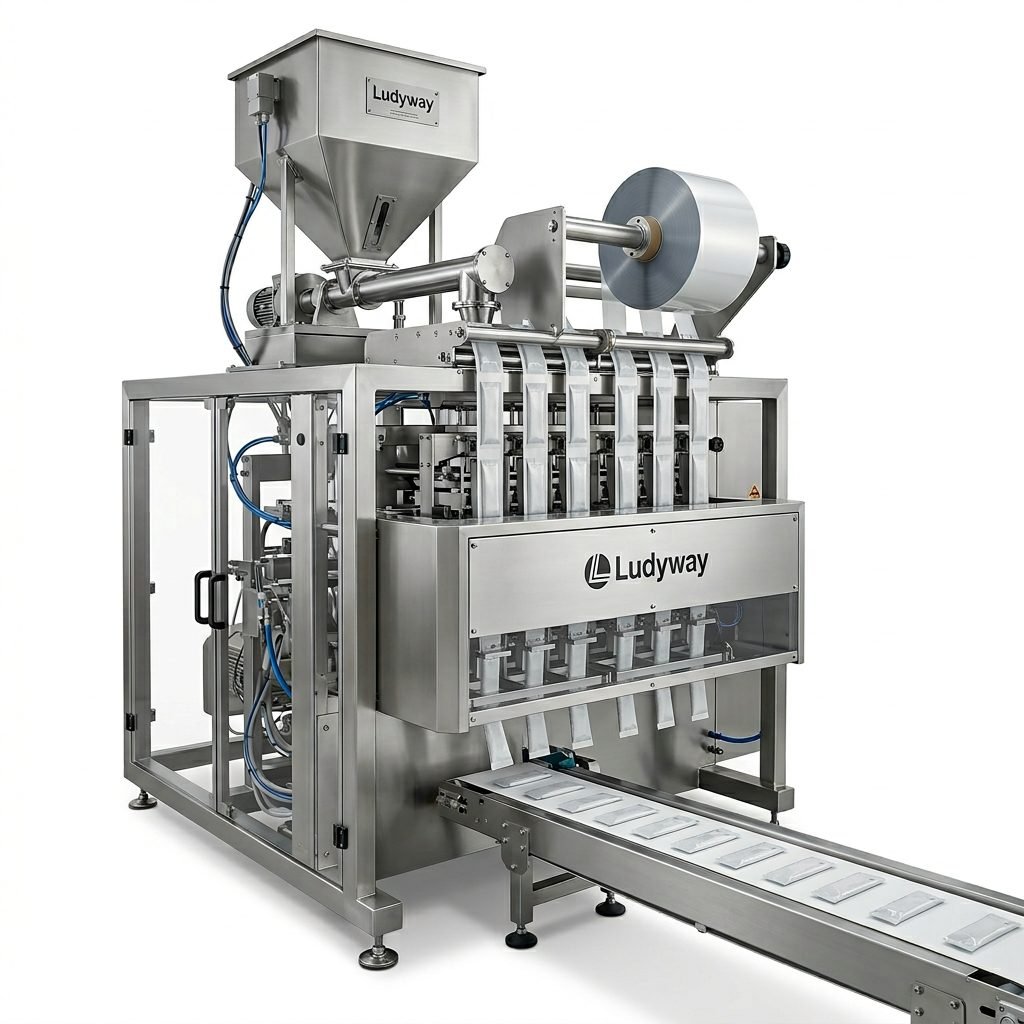
After-Sales Support and Spare Parts Availability
Even the best-engineered FASA butter packing machine will require ongoing support throughout its operational life. Before committing to a supplier, evaluate their after-sales infrastructure: Do they offer remote diagnostic capabilities, local service technicians, training programs, and guaranteed spare parts delivery times? These factors directly impact your ability to maintain production targets and respond to unexpected equipment issues.
Key after-sales questions to ask every FASA machine supplier:
- What is the typical response time for technical support inquiries?
- Are critical spare parts stocked regionally, or must they be shipped from the factory?
- Do you offer operator and maintenance training programs — both on-site and remote?
- Is remote machine access supported for troubleshooting and software updates?
- What warranty terms apply, and what is covered versus excluded?
Regulatory Compliance and International Standards
For butter and dairy product manufacturers exporting across borders, a FASA butter packing machine must meet relevant international standards and regulatory requirements. Depending on your target markets, this may include FDA compliance for US-bound products, EU regulations under the European packaging and packaging waste directive, and ISO certifications including ISO 9001 for quality management and ISO 11607 for packaging terminally sterilized products (relevant for high-hygiene dairy applications).
Work with suppliers who can provide documented compliance evidence — including certificates, test reports, and material declarations — specific to your regulatory jurisdictions. A packaging machinery partner with established experience in international markets can significantly streamline the compliance process.
Making the Final Decision: A Structured Approach
Selecting the right FASA butter packing machine requires balancing technical specifications, commercial considerations, and supplier capabilities. Rather than evaluating proposals in isolation, use a structured comparison framework that weights each criterion according to your production priorities.
Recommended evaluation framework:
- Technical fit (40%): Filling accuracy, speed, material compatibility, hygienic design
- Automation and integration (20%): Ease of changeover, line integration capability, Industry 4.0 readiness
- Supplier capability (20%): Application experience, engineering depth, reference installations
- Total cost of ownership (15%): Initial price plus projected 5-year operating costs
- Support and service (5%): After-sales infrastructure, spare parts availability, training
Finally, where possible, visit reference installations running similar butter packaging applications. Observing a FASA machine in real production — with your target product and packaging materials — provides insights that specification sheets and sales presentations cannot replicate. With thorough evaluation across all these dimensions, manufacturers can select a FASA butter packing machine that delivers reliable performance, protects product quality, and supports long-term business growth.