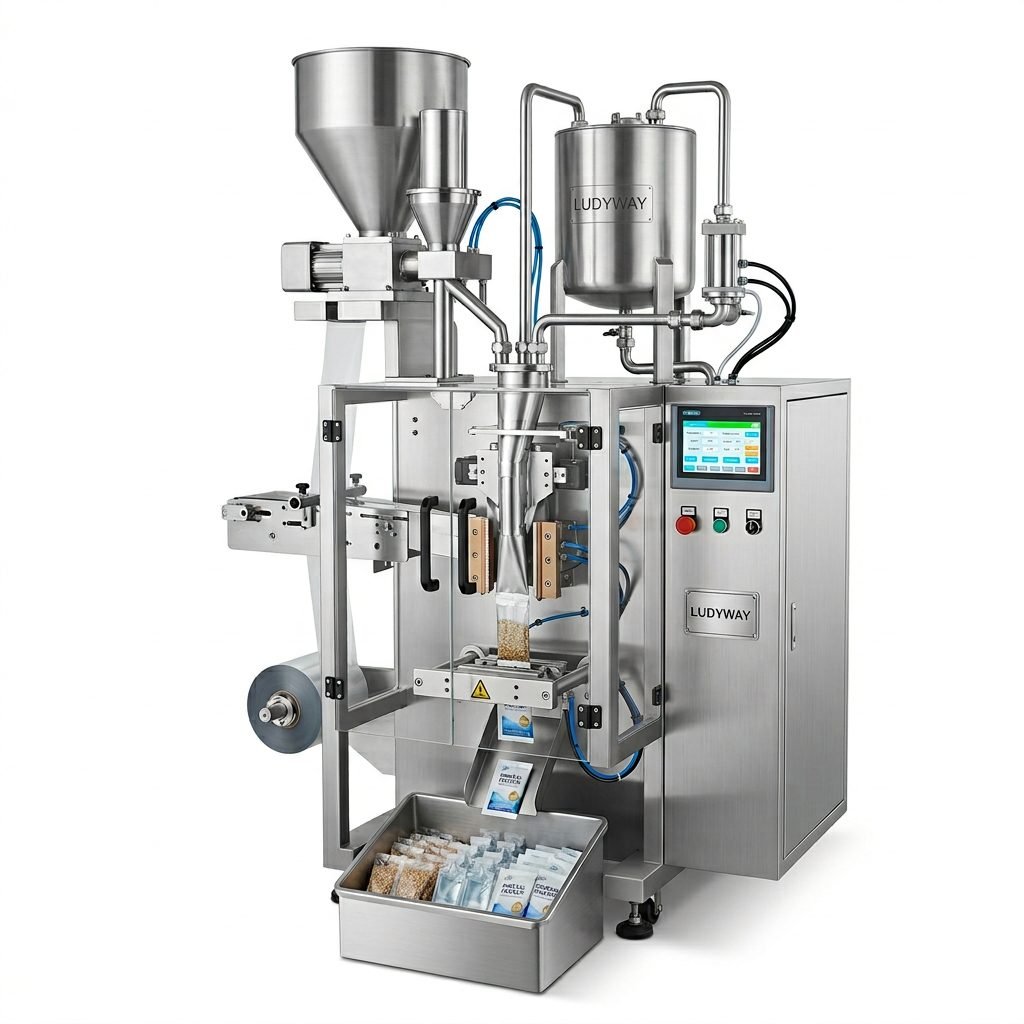
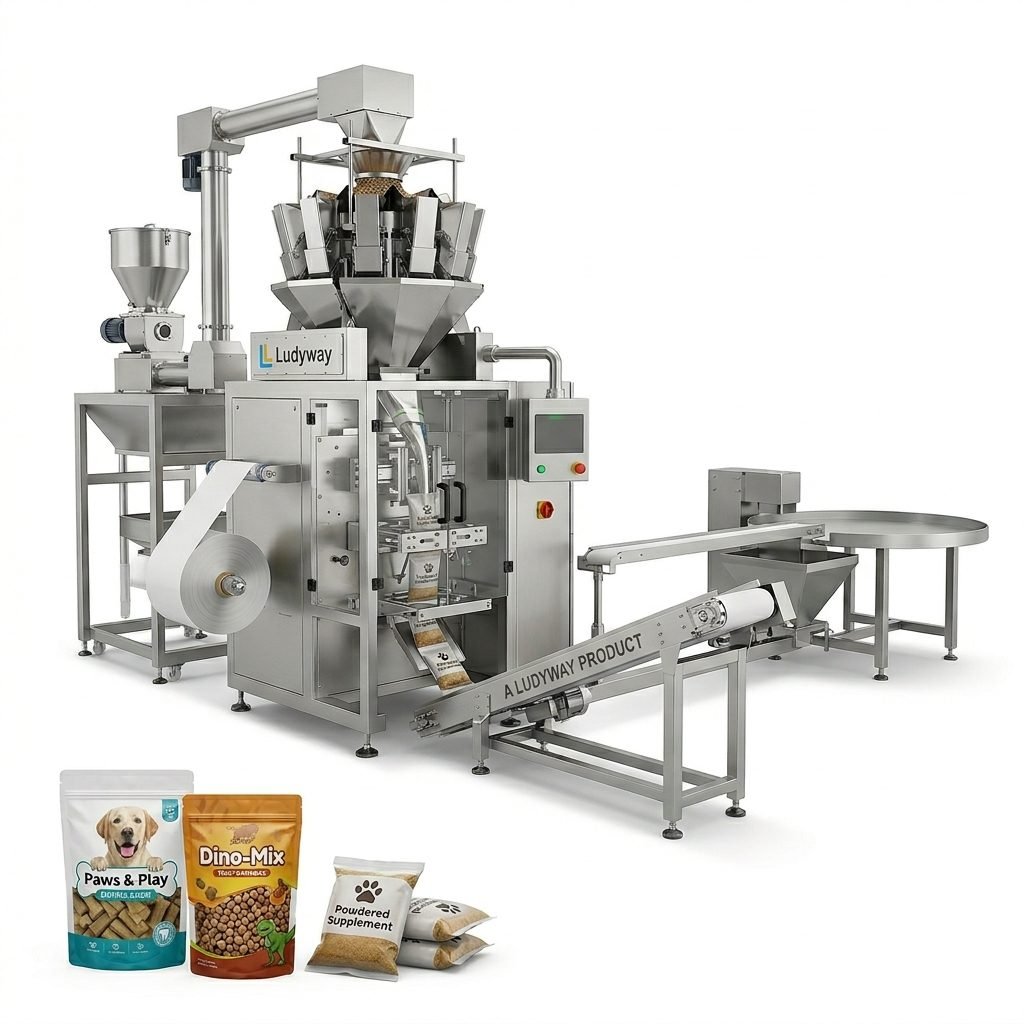
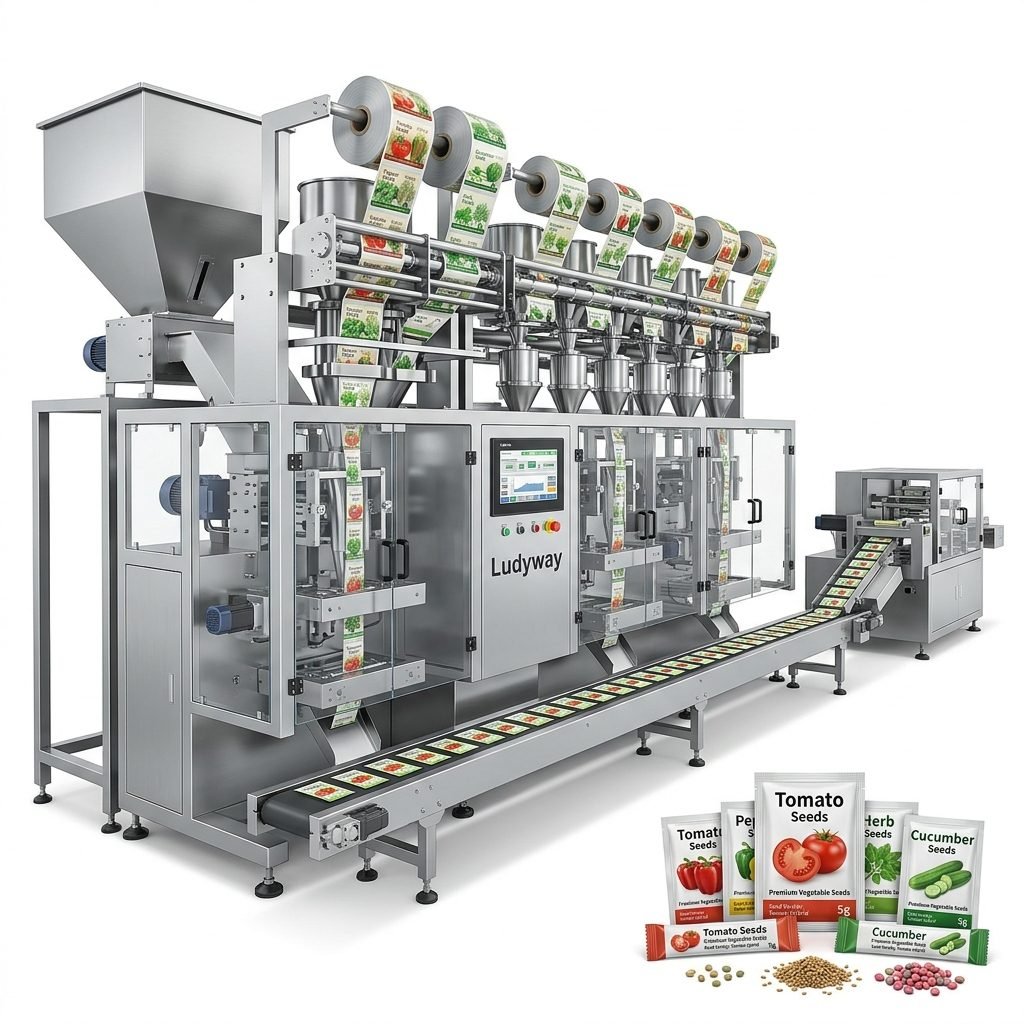
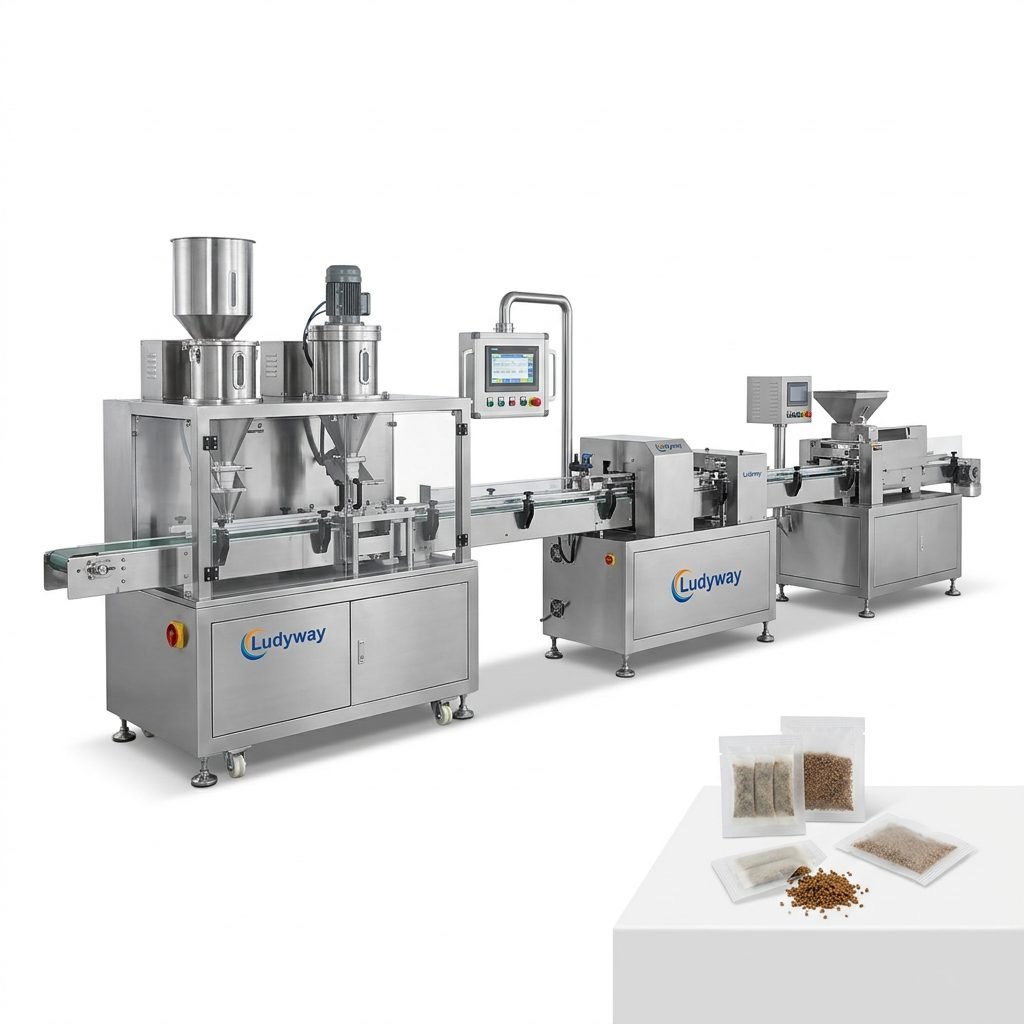
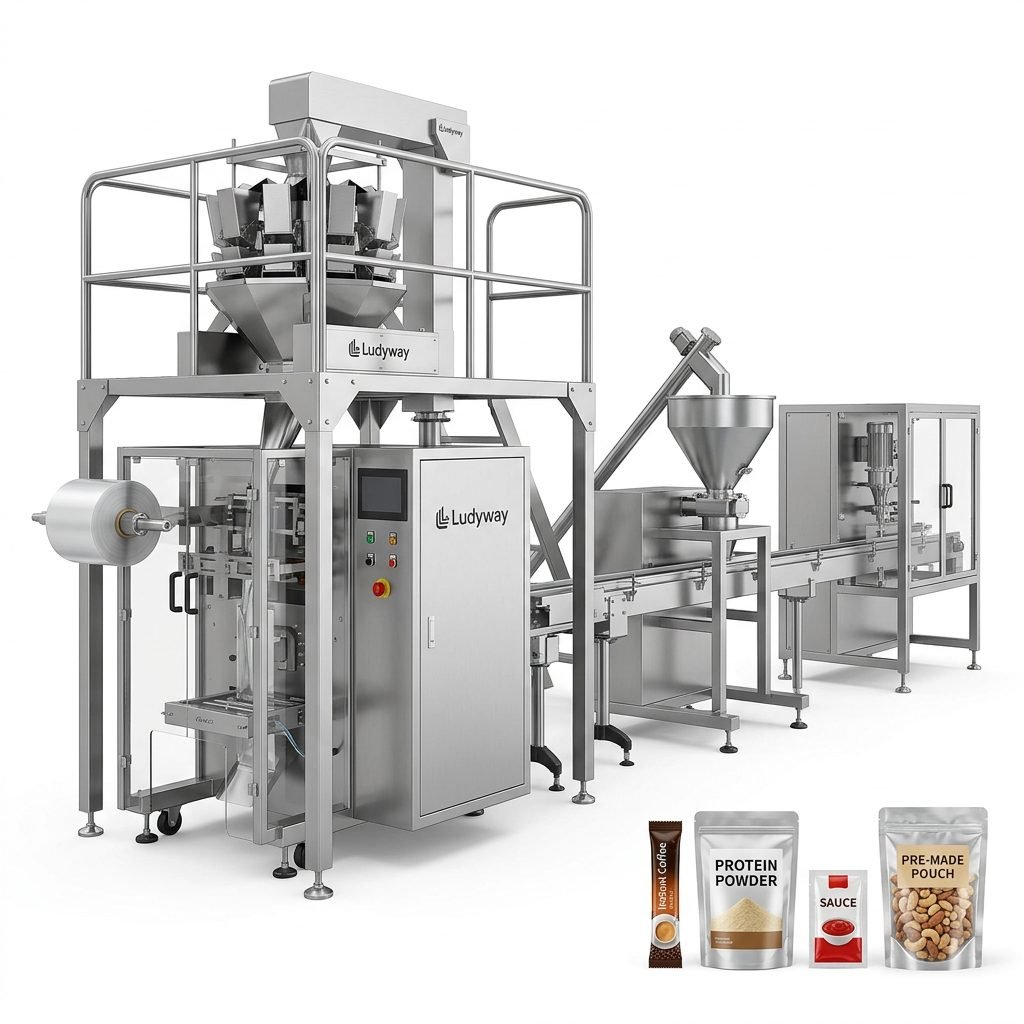
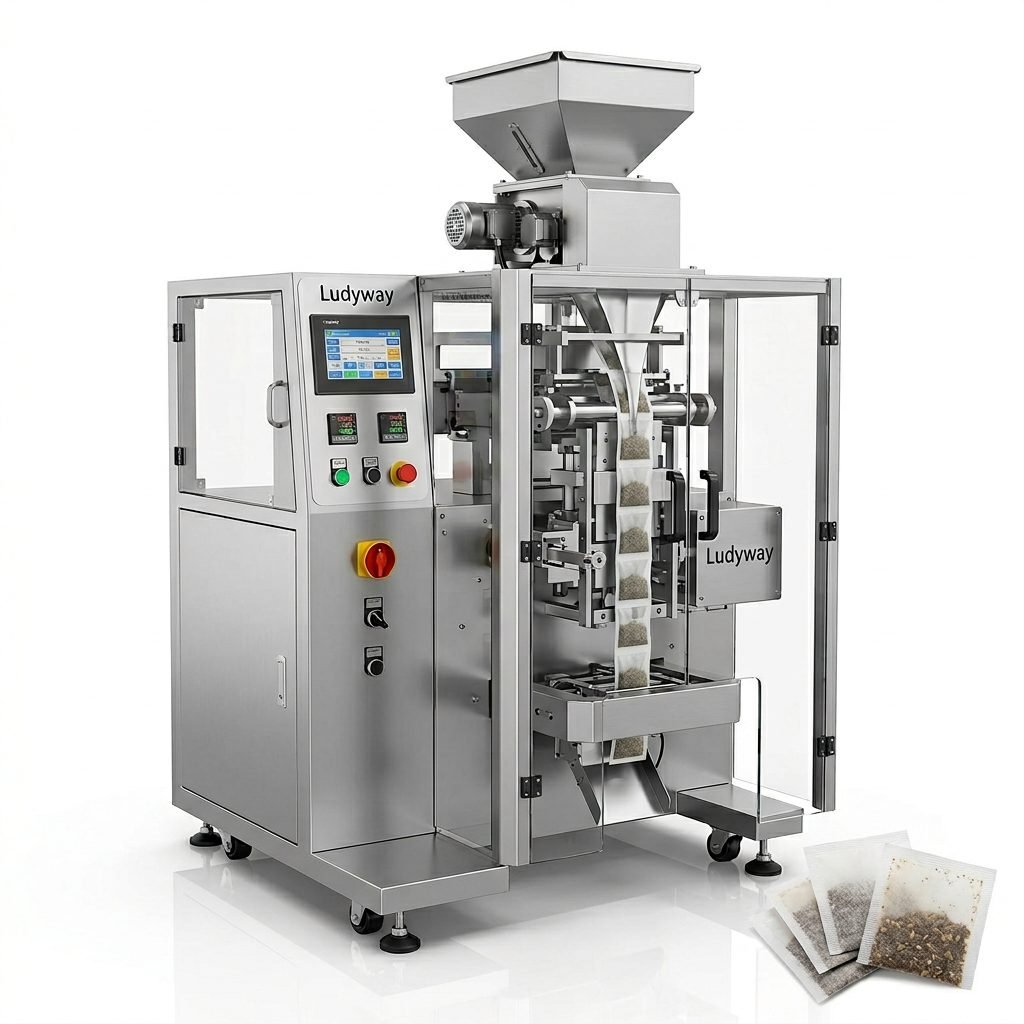
In today’s fast-paced manufacturing environment, efficiency and reliability are non-negotiable when it comes to packaging operations. Bean packaging presents unique challenges—from maintaining product integrity to achieving consistent fill weights at high speeds. Selecting the right bean packaging machine can significantly impact your production output, product quality, and bottom line. This article explores the key factors that make advanced packaging technology a game-changer for bean processors worldwide.
The Growing Demand for Bean Packaging Automation
The global packaged food market continues to expand rapidly, and bean products—ranging from coffee beans to legumes—represent a substantial segment. Manual or semi-automatic packaging methods can no longer keep pace with modern production demands. Automated packaging systems offer precision weighing, high-speed filling, and consistent seal integrity that manual operations simply cannot match. According to industry data from the PMMI State of the Industry Report, the packaging machinery sector continues to see strong growth driven by automation trends and the need for operational efficiency.
Key Advantages of Multi-Lane Bean Packaging Technology
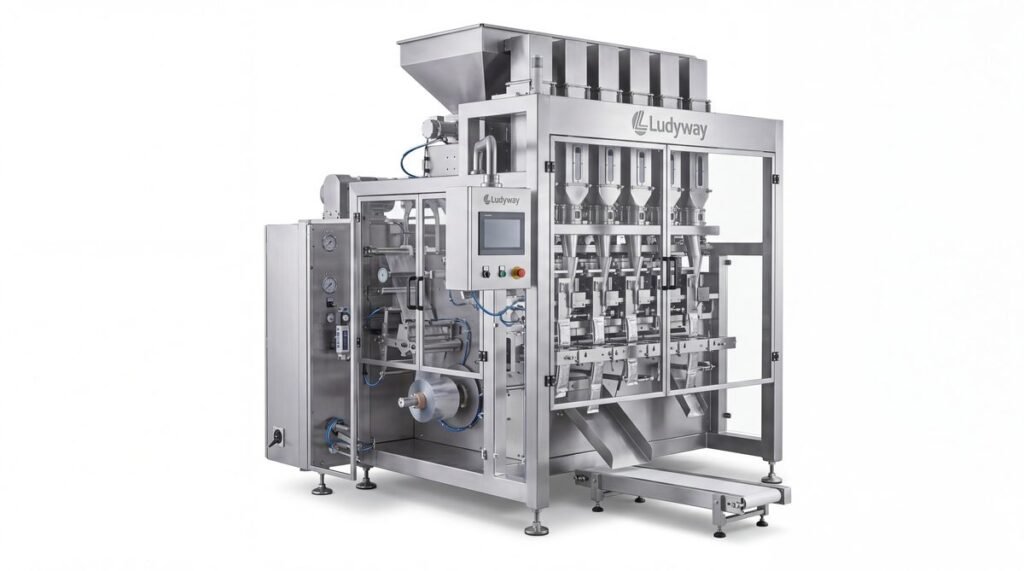
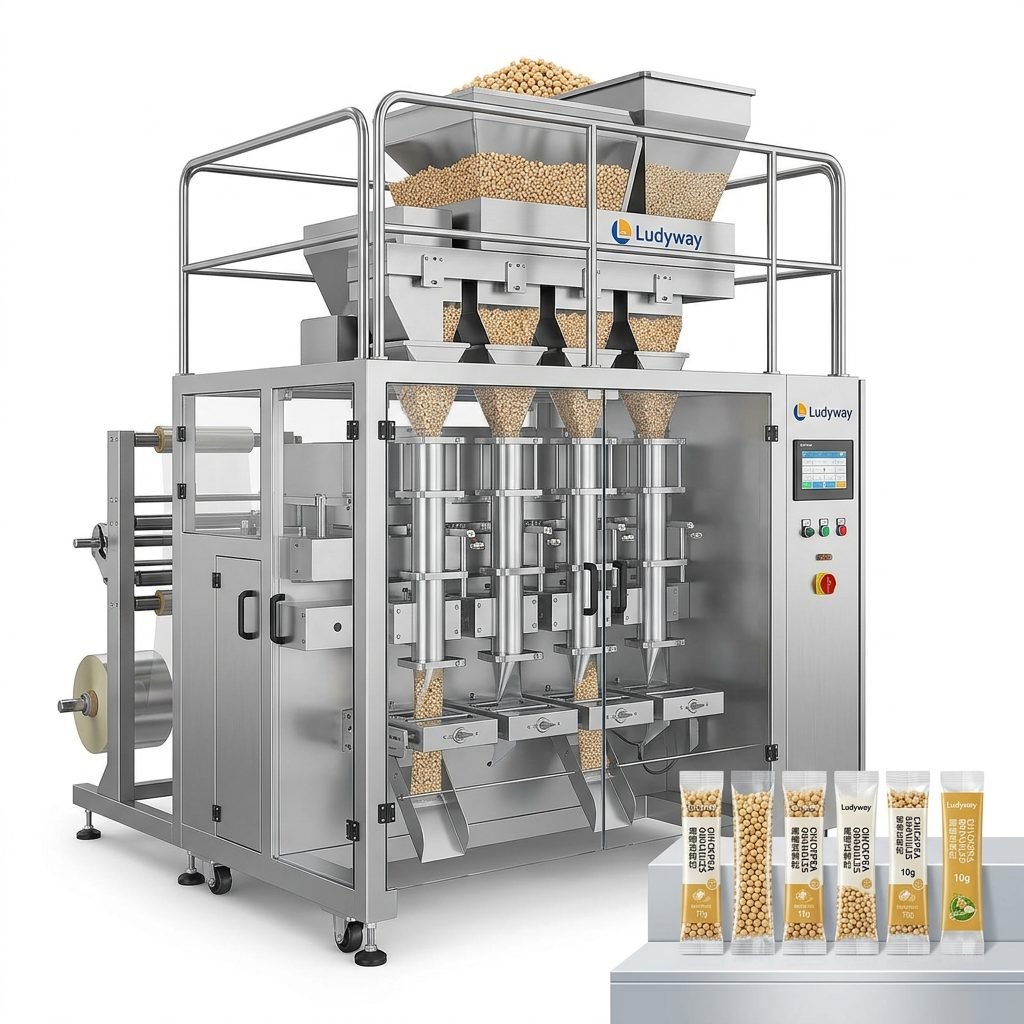
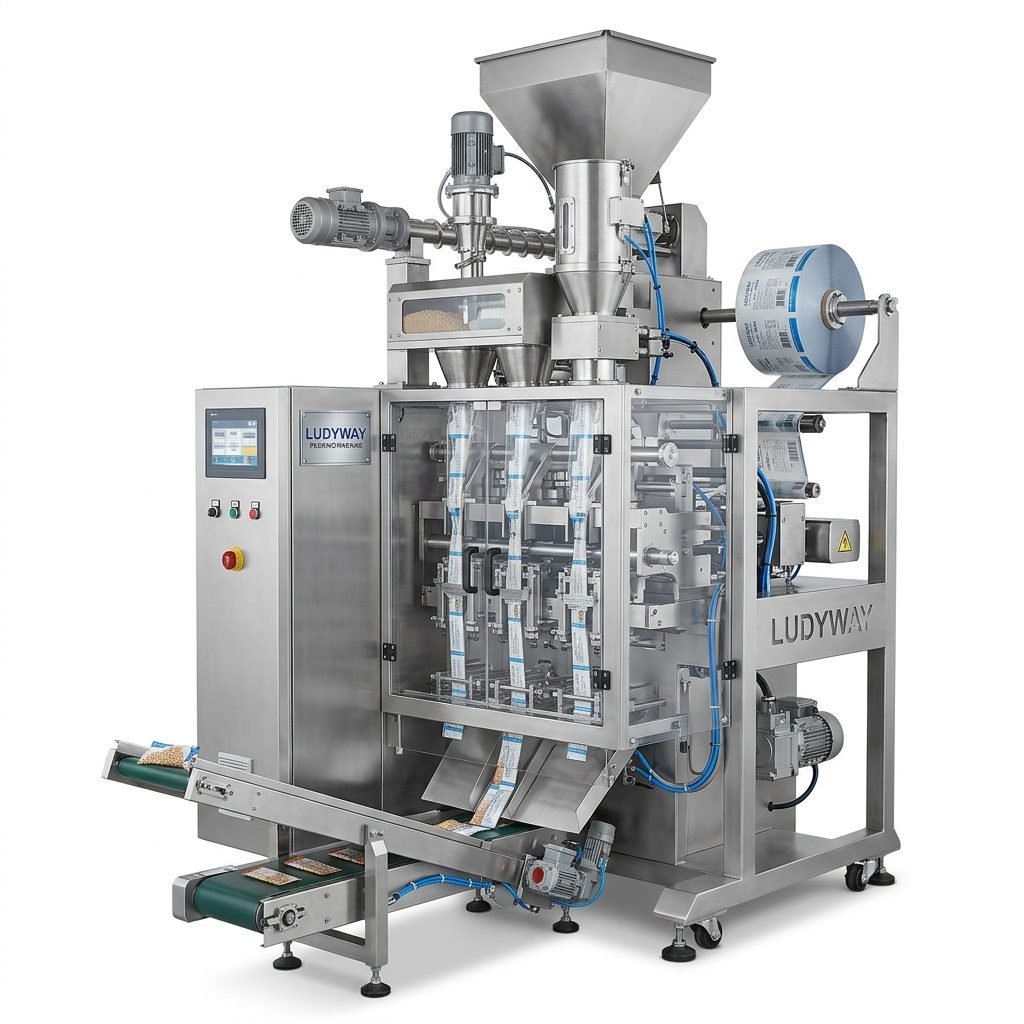
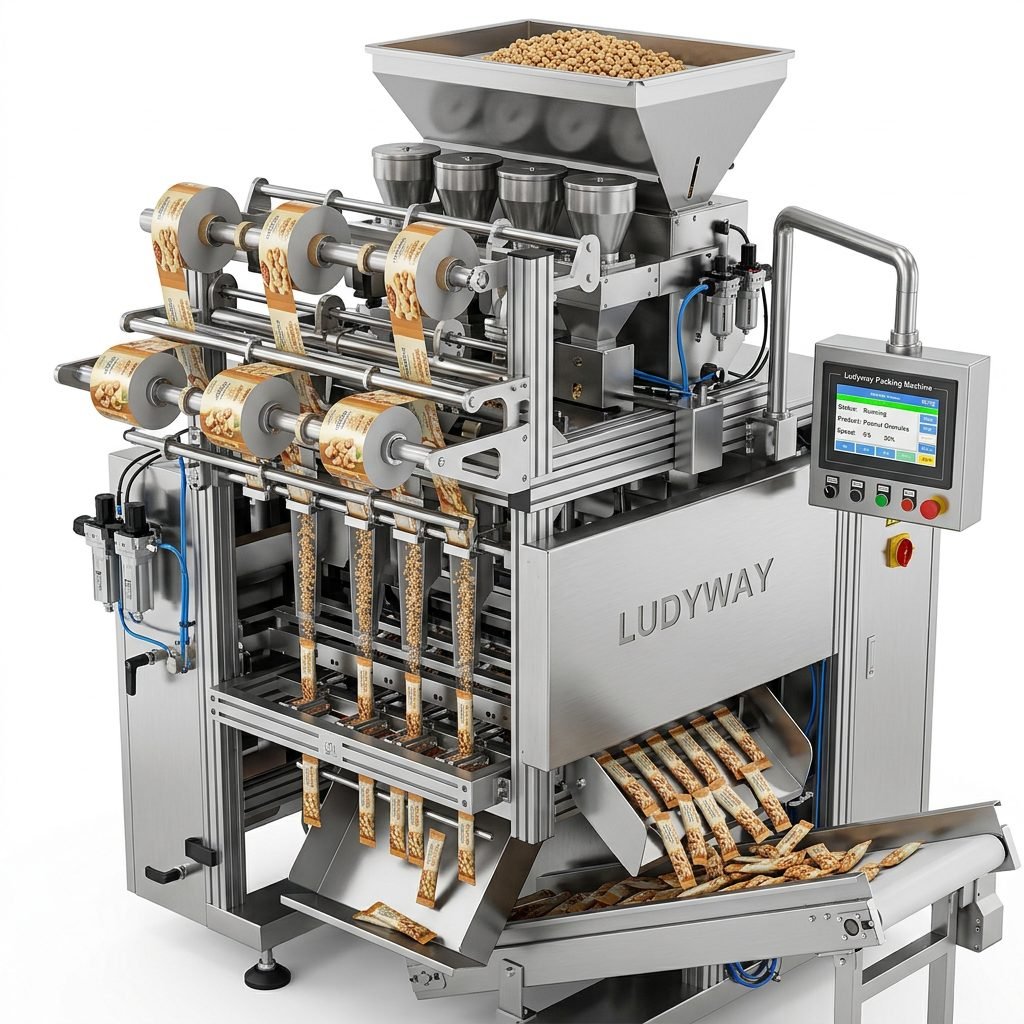
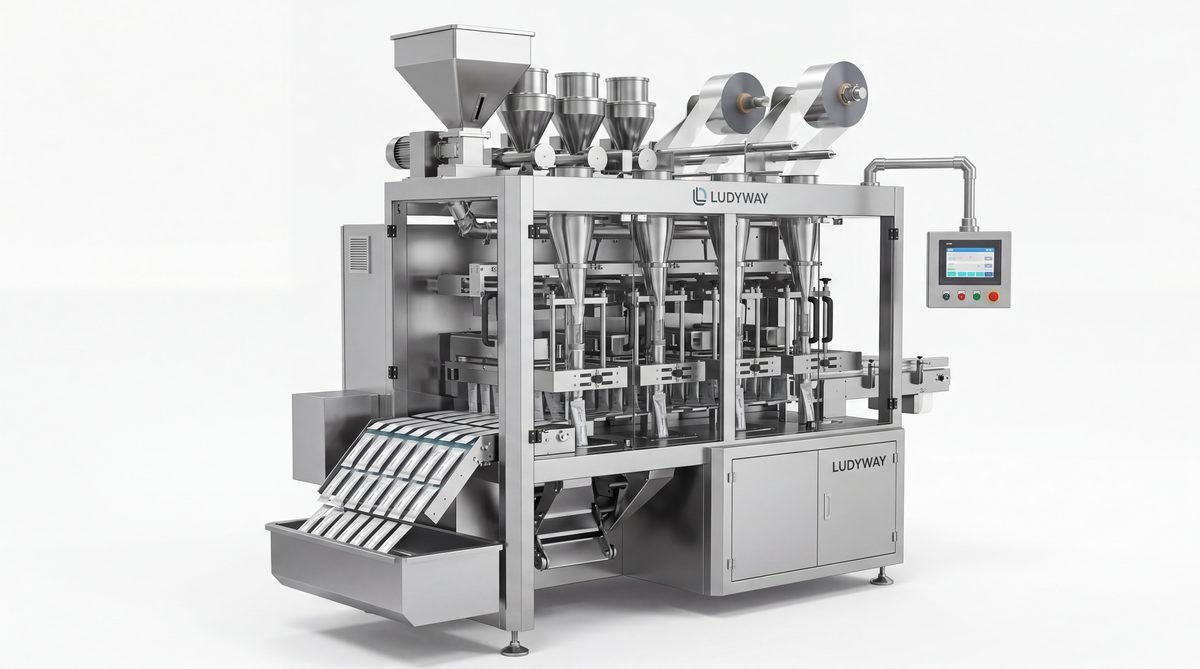
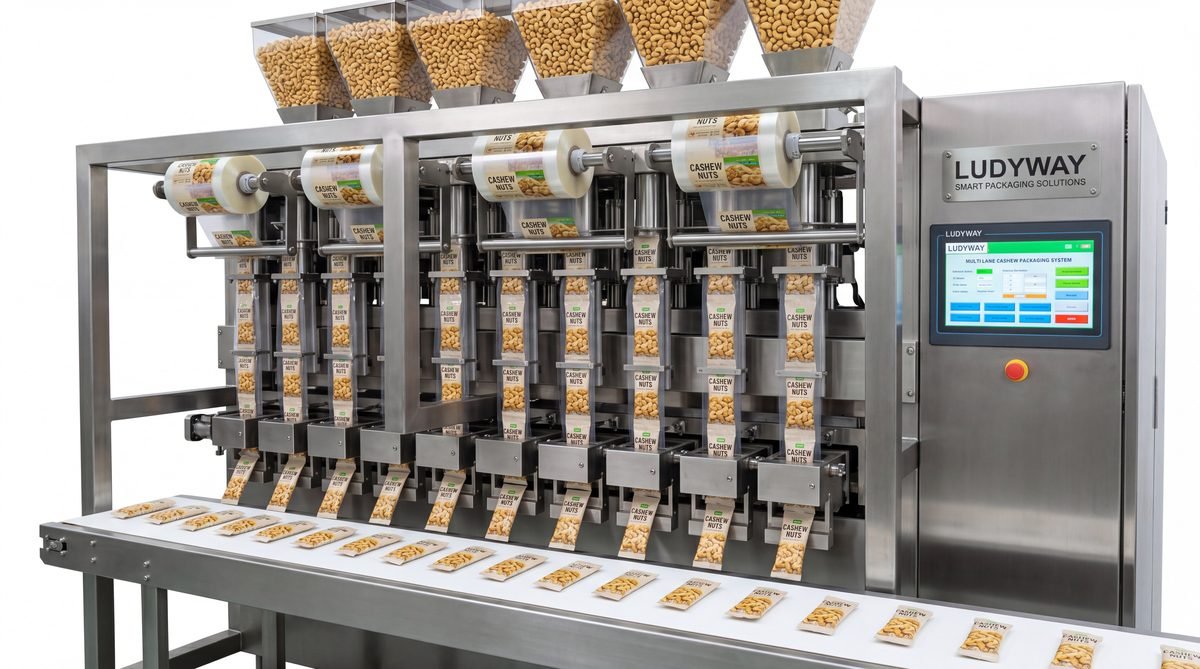
Modern bean packaging machines leverage multi-lane technology to dramatically increase throughput without proportionally increasing floor space or labor requirements. Here are the primary benefits that manufacturers should consider:
- High-Speed Production: Multi-lane systems can fill and seal multiple sachets or stick packs simultaneously, achieving output rates that single-lane machines cannot approach.
- Precision Weighing: Advanced auger fillers and multi-head weighers ensure each package contains the exact target weight, minimizing product giveaway and maximizing profitability.
- Versatile Packaging Formats: Modern equipment handles sachets, stick packs, pouches, and larger bags—all on the same platform with quick changeover capabilities.
- Product Integrity Preservation: Gentle handling mechanisms prevent bean breakage and crushing, maintaining the visual appeal and quality of the final product.
- Reduced Labor Dependency: Fully automated systems require minimal operator intervention, addressing labor shortages and reducing ongoing operational costs.
Technical Specifications That Matter
When evaluating a bean packaging machine, understanding the technical capabilities is essential. The following table outlines critical specifications to consider for high-performance packaging operations:
| Specification | Standard Range | Performance Impact |
|---|---|---|
| Lane Configuration | 4 to 24 lanes | Higher lane count = greater throughput |
| Filling Range | 1g to 500g per sachet | Wider range enables product line flexibility |
| Production Speed | Up to 600 packs/min | Directly correlates to daily output capacity |
| Weighing Accuracy | ±0.1g to ±0.5g | Reduces product loss and ensures compliance |
| Film Compatibility | Laminated, PE, aluminum foil | Supports various barrier and shelf-life requirements |
Applications Across Industries
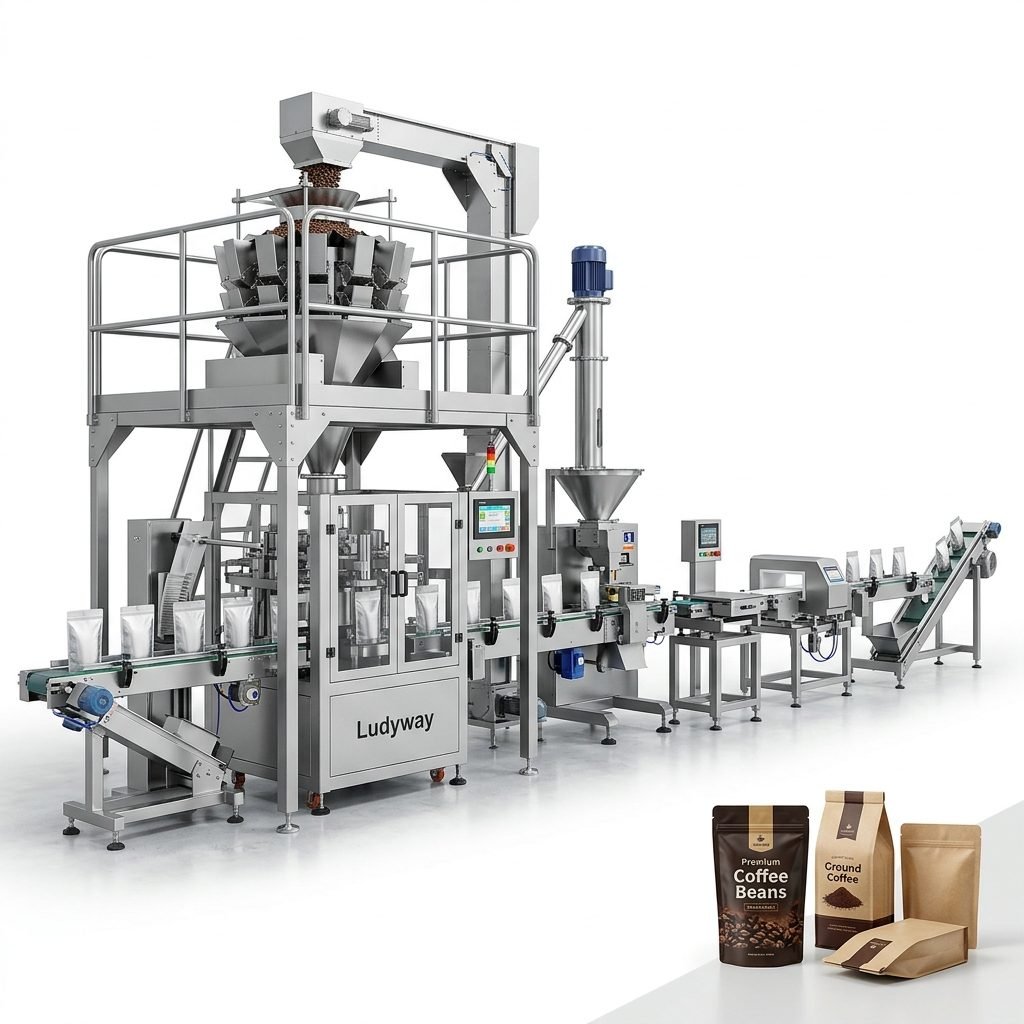
Bean packaging machines serve a remarkably diverse range of industries. While coffee beans are perhaps the most recognized application, the technology extends far beyond:
Coffee and Specialty Beans
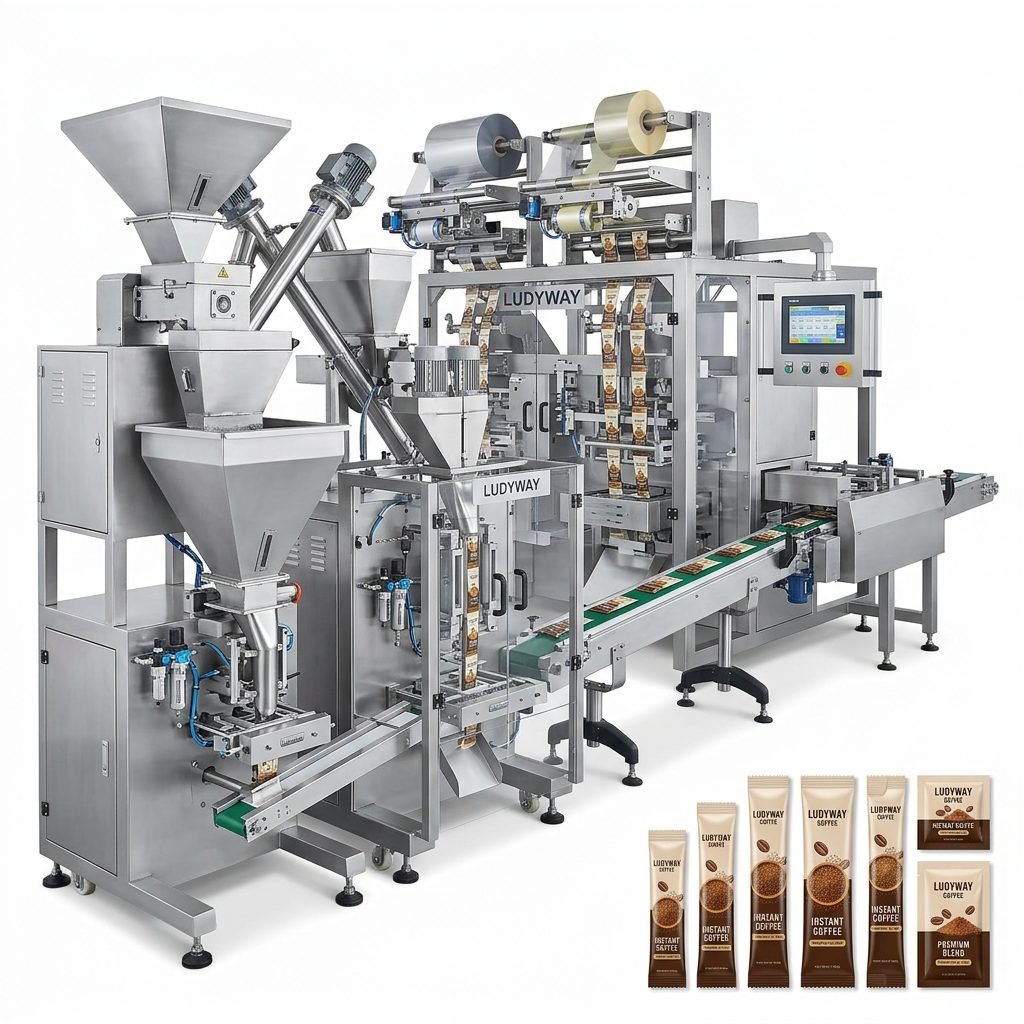
From whole bean coffee to ground varieties, precision packaging ensures aroma preservation and accurate portion control. Multi-lane stick pack machines are particularly popular for single-serve coffee formats consumed globally.
Legumes and Pulses
Chickpeas, lentils, kidney beans, and black beans all benefit from automated packaging that handles the products gently while achieving high throughput. The flexible packaging industry continues to innovate in this segment with improved film materials that extend shelf life.
Nuts and Seeds
Almonds, cashews, sunflower seeds, and pumpkin seeds require packaging solutions that accommodate irregular shapes while maintaining fill accuracy. Advanced packaging machinery standards ensure these products are sealed securely for maximum freshness.
Snack and Confectionery Beans
Jelly beans, chocolate-covered beans, and coated snacks demand hygienic packaging environments with gentle handling to prevent coating damage.
Why Choose Ludyway’s Bean Packaging Machine
Ludyway has established itself as one of the largest packaging machine manufacturers in China, with over 30 years of industry expertise and a modern 20,000㎡ manufacturing facility. The company offers more than 50 intelligent packaging machine models, including multi-lane stick pack, sachet, and fully automated packaging systems that serve customers in over 100 countries. When you invest in a bean packaging solution, several factors set Ludyway apart:
- Proven Engineering Excellence: Decades of experience translate into machines that operate reliably across multiple shifts with minimal downtime.
- Comprehensive Turnkey Solutions: From feeding systems to cartoning and palletizing, integrated lines streamline the entire packaging process.
- Global Support Network: With installations in over 100 countries, technical support and spare parts are accessible when and where needed.
- Customization Capabilities: Each production line can be tailored to specific product characteristics, packaging formats, and output requirements.
- Cost-Effective Operations: Efficient design reduces energy consumption, film waste, and labor requirements, delivering strong ROI over the equipment lifecycle.
Integrated Quality Control Features
Modern bean packaging lines incorporate checkweighers, metal detectors, and vision inspection systems to ensure every package meets quality standards before shipping. These integrated systems catch defects early, protecting brand reputation and reducing costly recalls. Industry resources from the FDA on food packaging emphasize the importance of robust quality control in food contact applications.
Operational Efficiency and ROI Considerations
Investing in a high-quality bean packaging machine represents a significant capital decision. However, the long-term operational savings often justify the investment within months rather than years:
- Reduced product giveaway through precision weighing can save thousands annually
- Lower labor costs with automated systems requiring fewer operators per shift
- Decreased film waste from optimized sealing and cutting mechanisms
- Higher throughput enables meeting growing customer demand without proportional cost increases
- Fewer rejected products thanks to integrated quality inspection systems
Preparing for Future Growth
As consumer demand for convenient, portion-controlled packaging continues to rise, having scalable packaging infrastructure becomes increasingly important. The 2025 State of the Industry report from PMMI highlights that flexible packaging formats—particularly stick packs and sachets—are among the fastest-growing segments. A multi-lane bean packaging machine positions manufacturers to capitalize on these trends immediately while providing capacity for future expansion.
Making the Right Choice for Your Packaging Needs
Selecting the optimal bean packaging machine requires evaluating your specific production requirements, product characteristics, and growth objectives. Key factors to assess include desired output rates, packaging format preferences, available floor space, and budget parameters. Partnering with an experienced manufacturer that offers comprehensive flexible packaging solutions ensures you receive not just equipment, but a complete packaging strategy tailored to your business goals.
Whether you’re packaging coffee beans for retail, legumes for food service, or specialty beans for export markets, investing in efficient and reliable packaging technology is a strategic decision that pays dividends through improved productivity, consistent quality, and enhanced operational flexibility for years to come.
Next Steps
To learn more about how advanced bean packaging machinery can transform your production operations, we encourage you to explore detailed resources available through industry associations like PMMI’s Business Intelligence Library and the Flexible Packaging Association Knowledge Hub. These organizations provide valuable insights into packaging trends, standards, and best practices that can inform your equipment investment decisions.