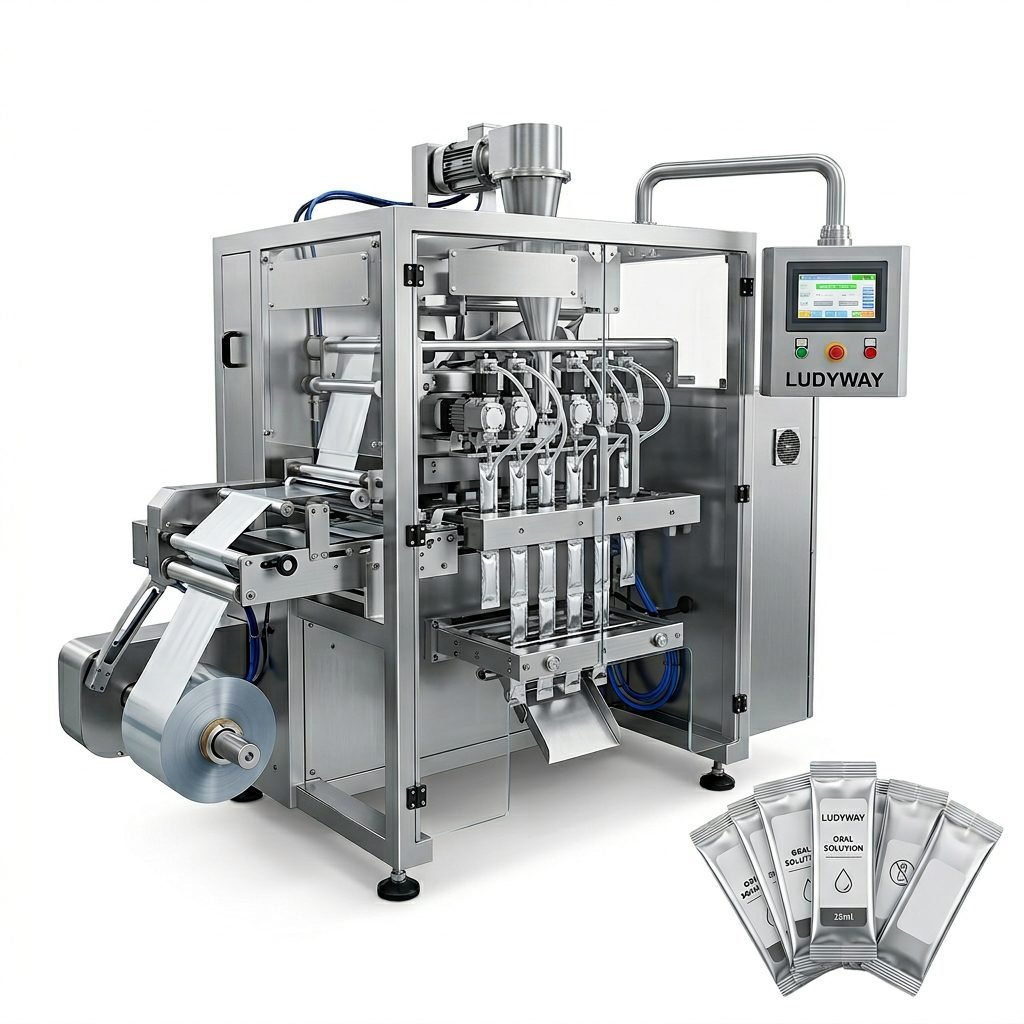
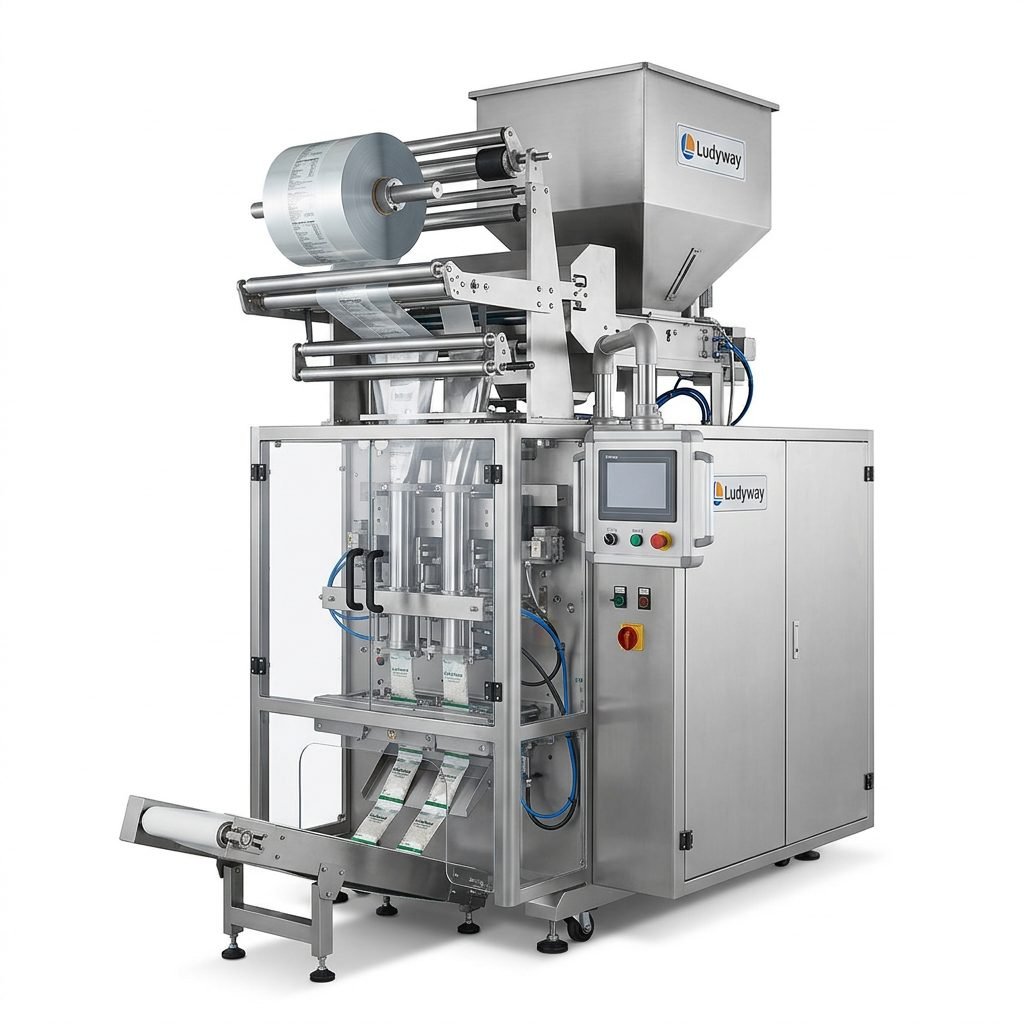
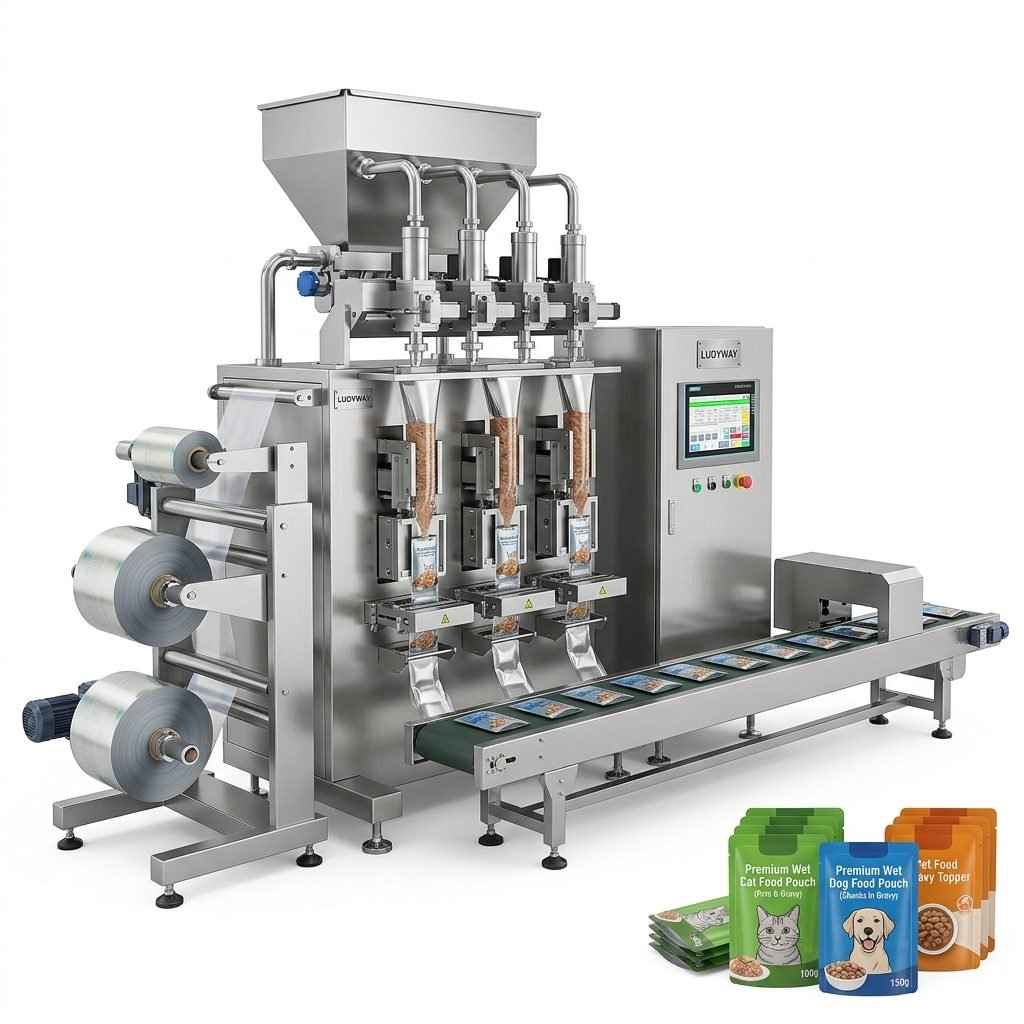
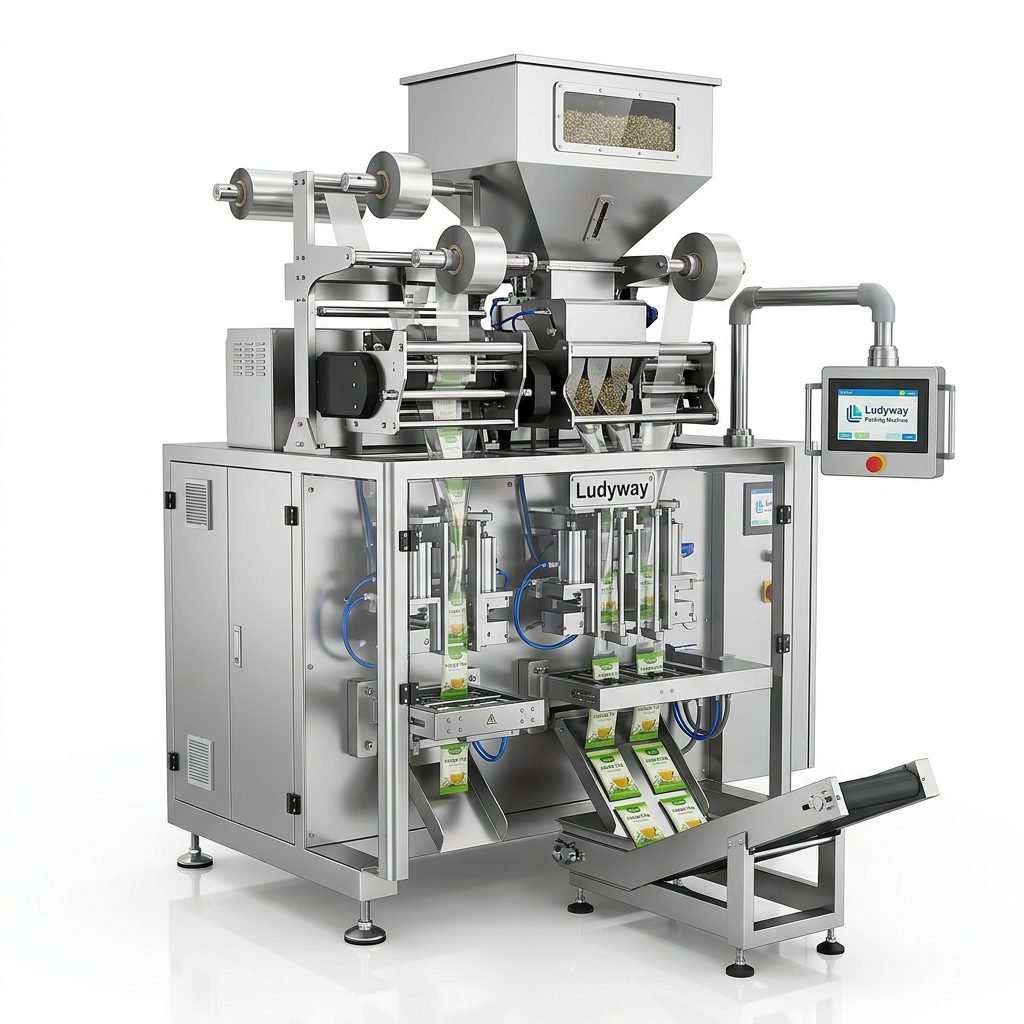
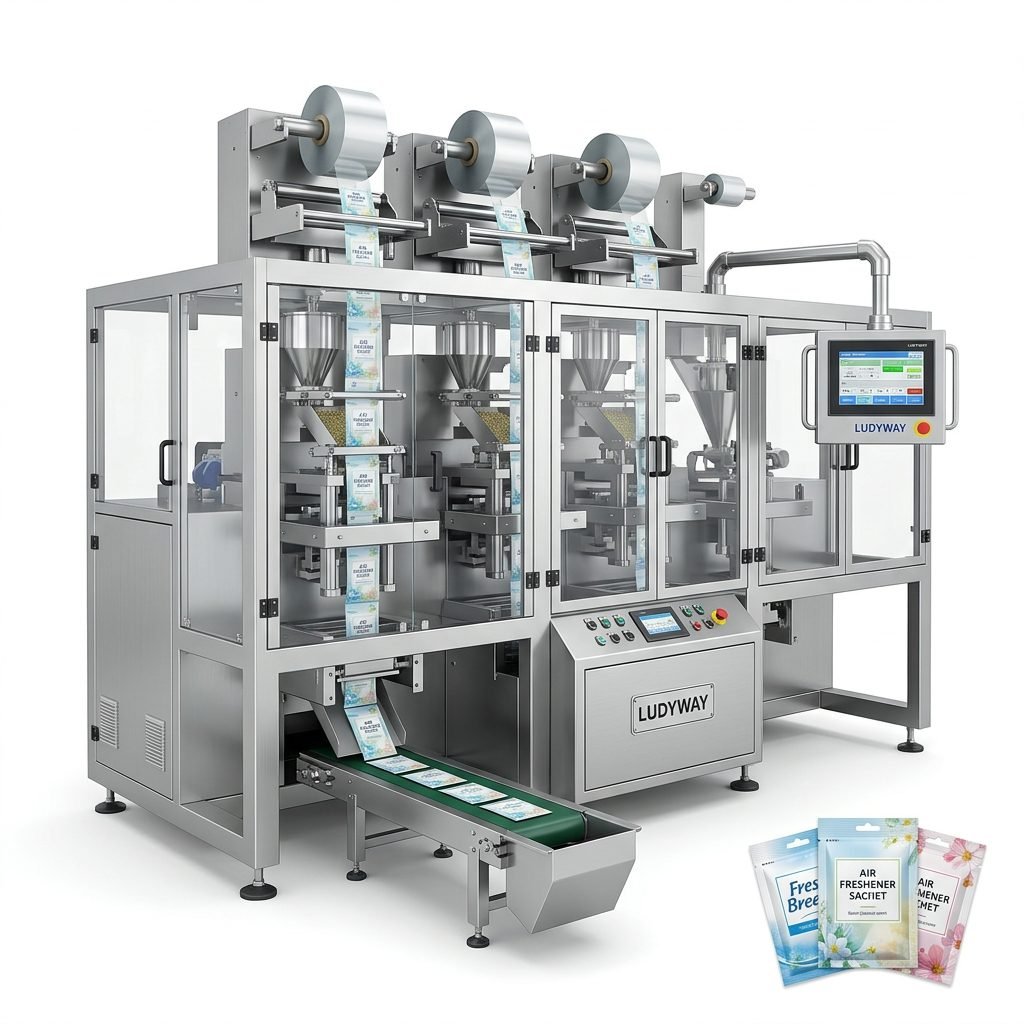
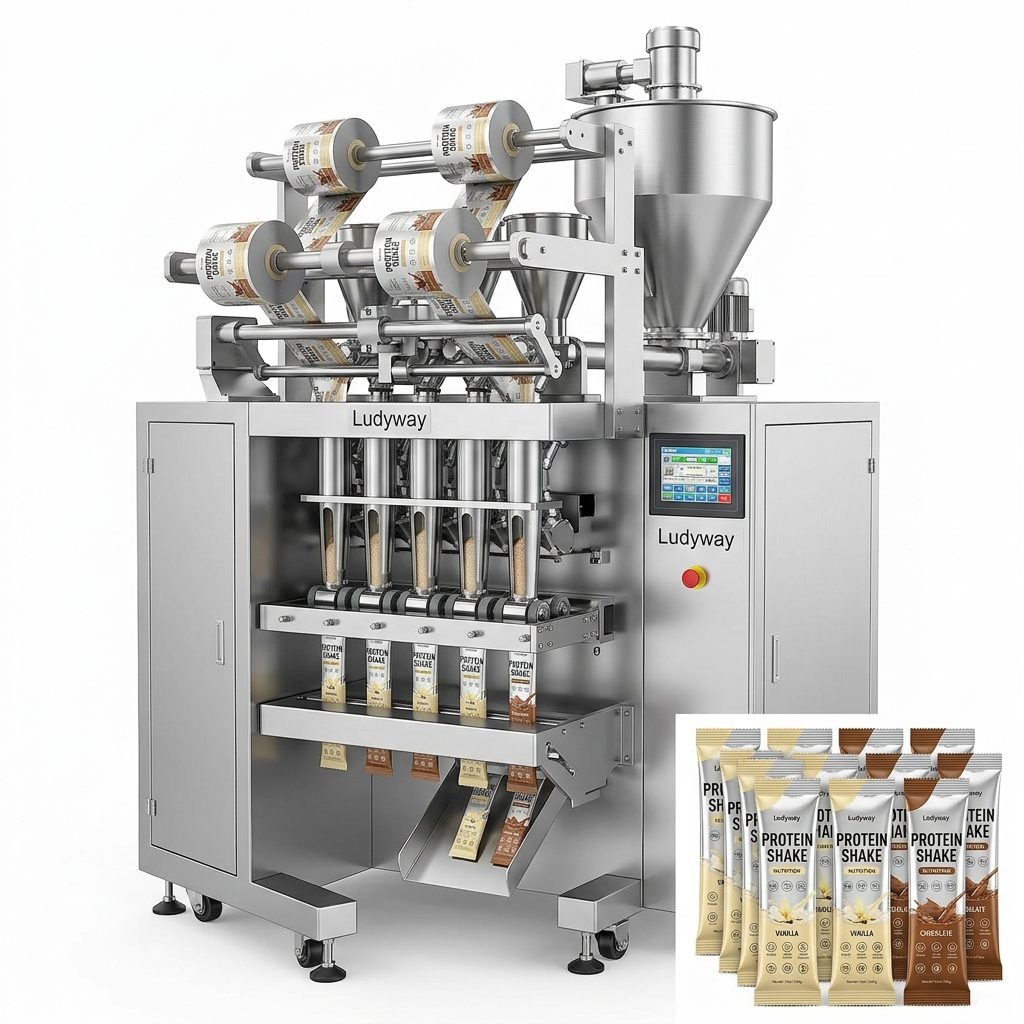
Germany is home to one of Europe’s most robust and technologically advanced bakery industries. With over 11,000 artisanal bakeries and a growing number of industrial-scale operations, the demand for efficient, hygienic, and automated packaging solutions has never been higher. Setting up a bakery packaging machine production line in Germany requires navigating strict regulations, understanding market-specific equipment requirements, and planning for long-term operational efficiency. This guide walks you through every critical step of the process.
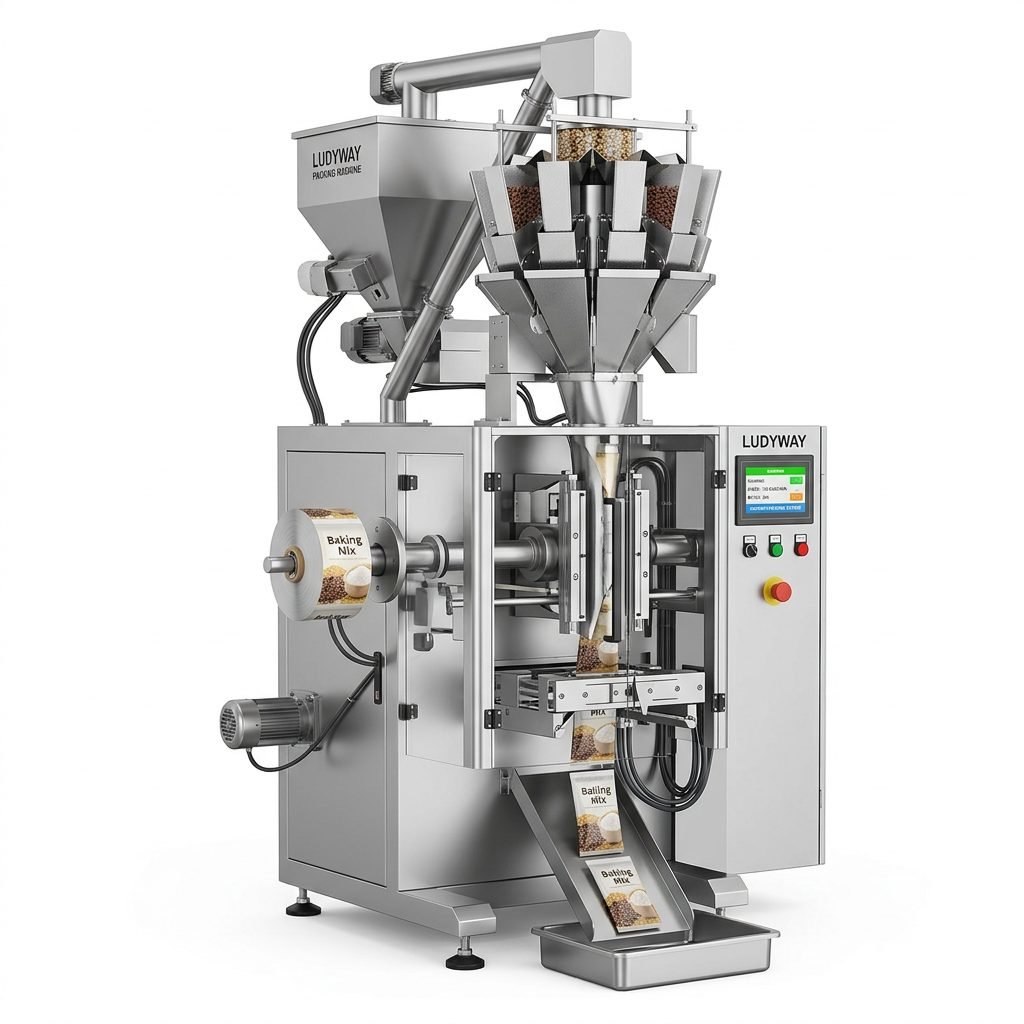
Understanding Germany’s Bakery Packaging Landscape
Germany’s bakery sector is unique in Europe. Unlike many countries where industrial bread production dominates, Germany maintains a strong tradition of artisanal baking alongside large-scale manufacturing. This dual structure creates diverse packaging needs — from small-batch, flexible packaging for local bakeries to high-speed, multi-lane automated lines for industrial producers serving supermarket chains across the EU.
The German packaging machinery market is projected to grow steadily, driven by increasing demand for flexible packaging solutions that extend shelf life and reduce food waste. Bakeries are increasingly adopting modified atmosphere packaging (MAP), vacuum-sealed formats, and resealable pouch systems to meet consumer expectations for freshness and convenience.
Key Regulatory and Compliance Requirements
Before installing any packaging equipment in Germany, manufacturers must ensure compliance with a comprehensive set of regulations. The most critical frameworks include:
- EU Machinery Directive 2006/42/EC — Mandates CE marking and essential health and safety requirements for all packaging machines sold and operated within the European Economic Area.
- EU Food Contact Materials Regulation (EC) No 1935/2004 — Governs materials that come into contact with food, including packaging films, sealing materials, and machine components in direct food contact zones.
- German LFGB (Lebensmittel- und Futtermittelgesetzbuch) — The national food and feed code that supplements EU regulations with additional German-specific requirements for food safety and consumer protection.
- DIN EN ISO 14159 — Specifies hygiene requirements for the design of machinery used in food processing and packaging.
Additionally, the EU Packaging and Packaging Waste Regulation sets ambitious targets for recyclability and the use of recycled content in packaging materials. Equipment must be compatible with sustainable packaging substrates, including recyclable mono-materials and bio-based films.
Critical German Standards and Certification Overview
| Standard / Certification | Scope | Relevance to Bakery Packaging |
|---|---|---|
| CE Marking | EU-wide mandatory conformity | Required for all packaging machines operating in Germany |
| DGUV Test | German statutory accident insurance | Occupational safety compliance for machine operators |
| IFS Food Standard | International Featured Standards | Often required by German retailers for supplier qualification |
| ISO Packaging Standards | International standardization | Covers packaging machinery performance and testing protocols |
| DIN 1055 / DIN EN 15593 | Hygiene management in food packaging | Specific to German bakery production environments |
Selecting the Right Bakery Packaging Equipment
Choosing the appropriate packaging machinery for a German bakery operation depends on several interrelated factors. The following checklist helps narrow down equipment specifications:
- Product Characteristics — Bread loaves, rolls, pastries, cakes, cookies, and dry mixes each require different handling, wrapping, and sealing technologies. Consider product fragility, shape variability, and moisture content.
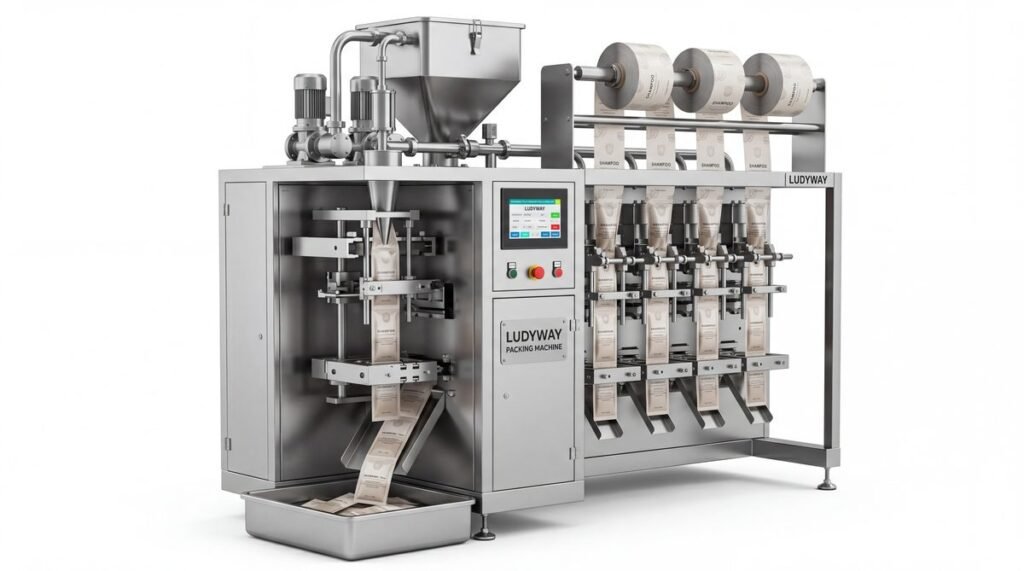
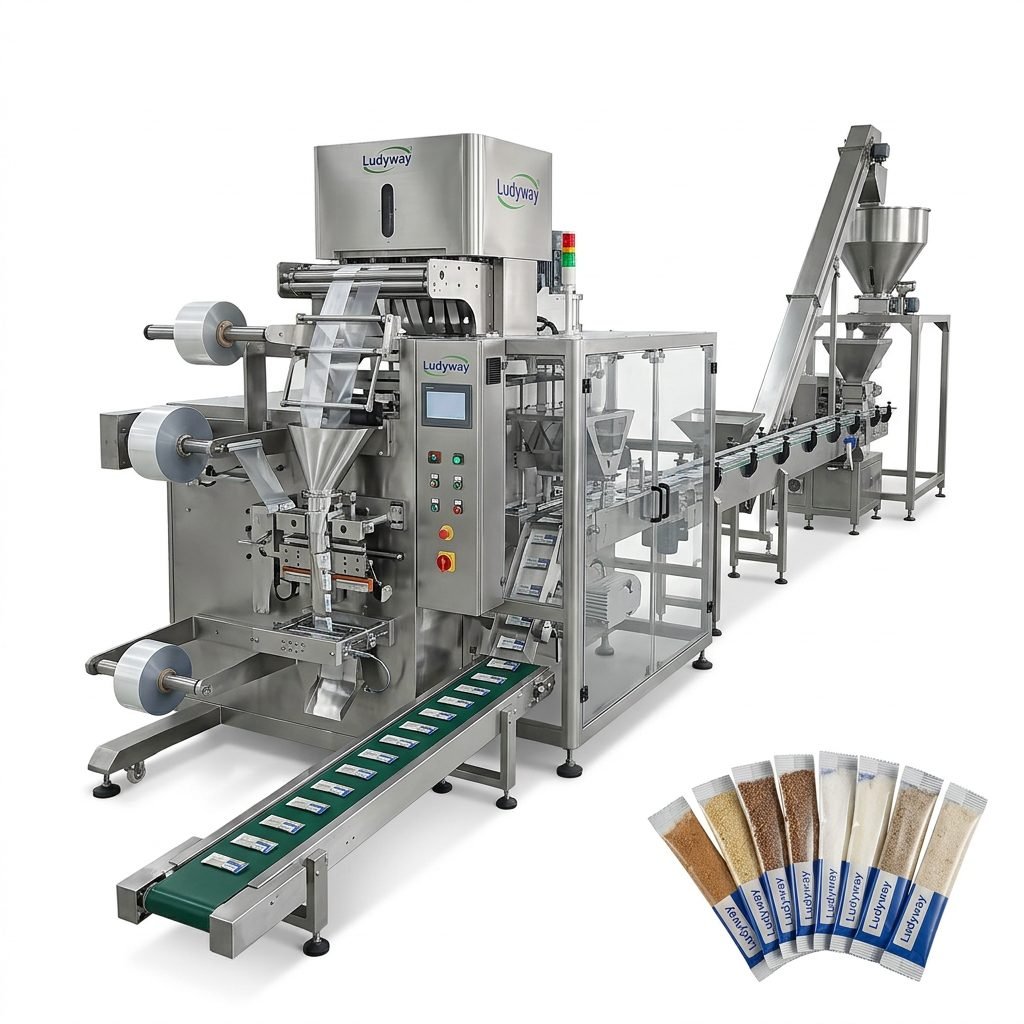
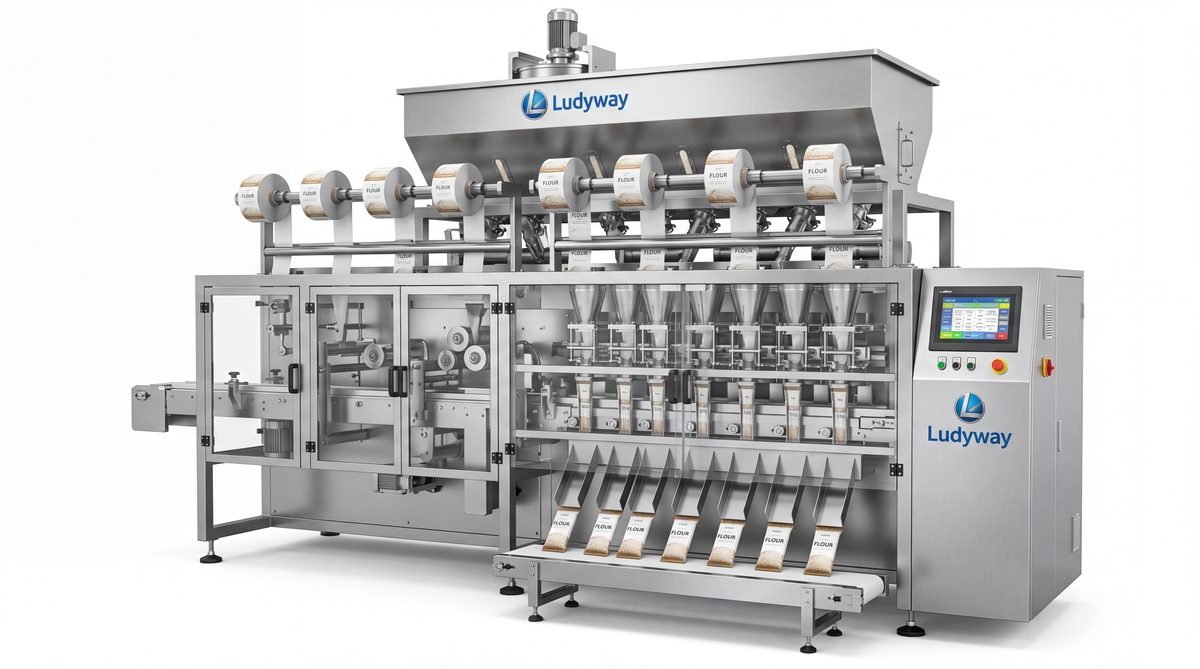
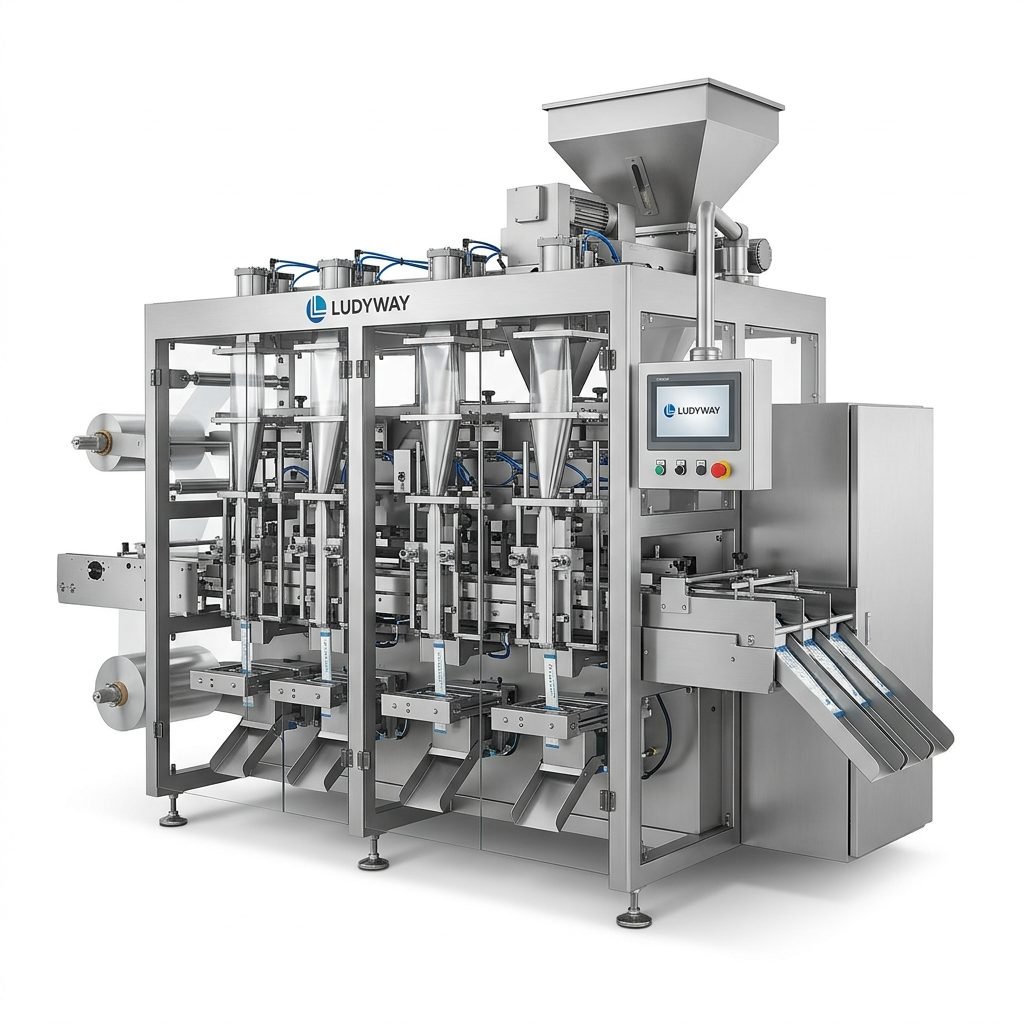
- Packaging Format — Determine whether your line will produce sachets, stick packs, flow-wrapped packs, pillow bags, gusseted pouches, or bulk bags. Multi-lane machines offer higher throughput for small-format products like baking mixes and powdered ingredients.
- Production Speed Requirements — Small artisanal bakeries may need 30-60 packs per minute, while industrial lines serving German discount supermarkets often require 120-300 packs per minute or more.
- Automation Level — Evaluate whether semi-automatic or fully automatic systems with integrated weighing, filling, sealing, and cartoning are appropriate for your labor cost structure and throughput targets.
- Cleaning and Maintenance Access — German hygiene regulations require easy disassembly for cleaning. Look for tool-free access to product contact areas and IP65 or higher protection ratings for washdown zones.
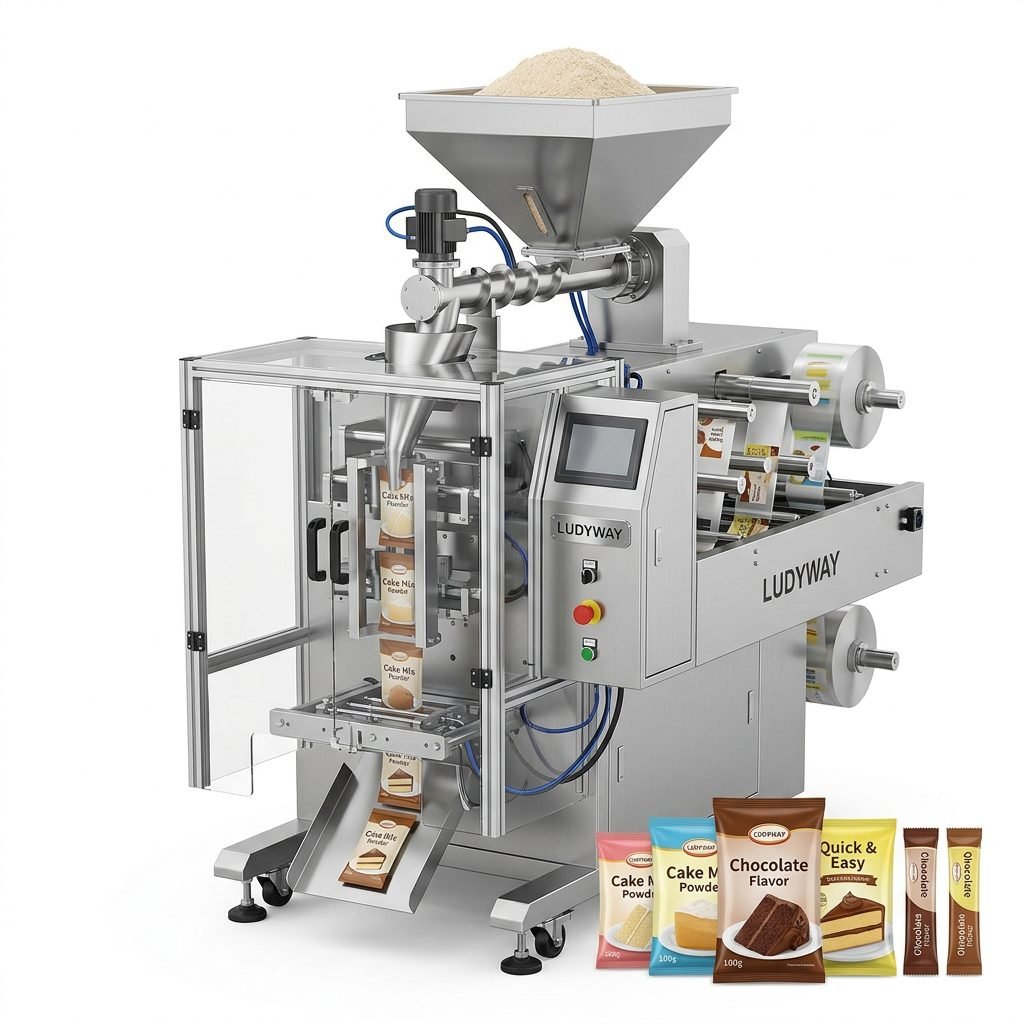
Production Line Layout and Facility Planning
A well-designed layout is essential for maximizing throughput while maintaining compliance with German workplace safety and hygiene standards. Key layout principles include:
- Linear flow design — Materials should move in one direction from raw ingredient intake to finished packaged product, minimizing cross-contamination risks.
- Zoning — Separate high-hygiene zones (post-baking, primary packaging) from low-hygiene zones (secondary packaging, palletizing) with physical barriers and air pressure differentials.
- Ergonomic access — German labor regulations require ergonomic workstations. Ensure operators can access controls, loading stations, and maintenance points without strain.
- Utility infrastructure — Plan for compressed air, power supply (typically 400V three-phase in Germany), and extraction systems for heat and dust generated by baking and packaging processes.
According to PMMI business intelligence reports, proper facility planning can improve overall equipment effectiveness (OEE) by up to 15-20% compared to retrofit installations.
Material Handling and Integration Systems
Modern bakery packaging lines in Germany increasingly incorporate sophisticated material handling systems. Key components include:
- Automated feeding systems — Vibratory feeders, bucket elevators, and vacuum conveyors that transport bulk ingredients and finished baked goods to packaging stations without manual intervention.
- Checkweighing and metal detection — Inline quality control systems that comply with food safety standards and reject non-conforming products automatically.
- Robotic pick-and-place — Delta robots and SCARA arms for orienting and loading irregularly shaped bakery products into packaging at high speeds.
- End-of-line automation — Carton erectors, case packers, palletizers, and stretch wrappers that complete the packaging process with minimal human handling.
Installation, Commissioning, and Operator Training
Installing a packaging production line in Germany requires careful coordination with local authorities and adherence to strict timelines. The process typically follows these phases:
- Pre-installation audit — Verify that the facility meets electrical, pneumatic, and structural requirements as specified by the equipment manufacturer.
- Mechanical installation — Position, level, and secure all machines according to layout drawings. German regulations often require TÜV or DEKRA inspection at this stage for larger installations.
- Electrical and control integration — Connect power supplies, PLC networks, and safety circuits. All electrical work must comply with DIN VDE standards and be performed by certified electricians.
- Dry testing and wet testing — Run machines without product (dry) and then with actual bakery products (wet) to verify performance, sealing integrity, and product handling.
- Operator training — German Betriebssicherheitsverordnung (BetrSichV) requires documented operator training on all packaging machinery before production can commence.
Ongoing Maintenance and Spare Parts Strategy
German production environments place a premium on predictive and preventive maintenance to minimize unplanned downtime. Best practices include:
- Implementing a Computerized Maintenance Management System (CMMS) to schedule and track all maintenance activities.
- Maintaining a local inventory of critical spare parts — especially wear components like sealing jaws, cutting blades, belts, and sensors.
- Establishing a service-level agreement (SLA) with your equipment supplier that guarantees on-site response times within 24-48 hours in Germany.
- Conducting annual safety inspections in accordance with DGUV Vorschrift 3 for electrical equipment and systems.
For bakeries operating multiple shifts, it is advisable to train in-house maintenance technicians on ISO 11607 packaging validation standards to ensure consistent performance across all production runs.
Sustainability and Future-Proofing Your Investment
German consumers and regulators are increasingly focused on packaging sustainability. The 2025 State of the Industry report highlights that sustainable packaging is no longer optional — it is a competitive necessity in the European market. Consider the following when planning your bakery packaging line:
- Material flexibility — Select machines capable of running recyclable mono-material films, paper-based packaging, and compostable substrates as these formats become mainstream in Germany.
- Energy efficiency — Modern servo-driven packaging machines can reduce energy consumption by 30-40% compared to older pneumatic systems.
- Right-sizing packaging — Equipment with quick-changeover capabilities allows bakeries to switch between different pack sizes, minimizing material waste and optimizing for different sales channels.
Choosing a Reliable Equipment Partner
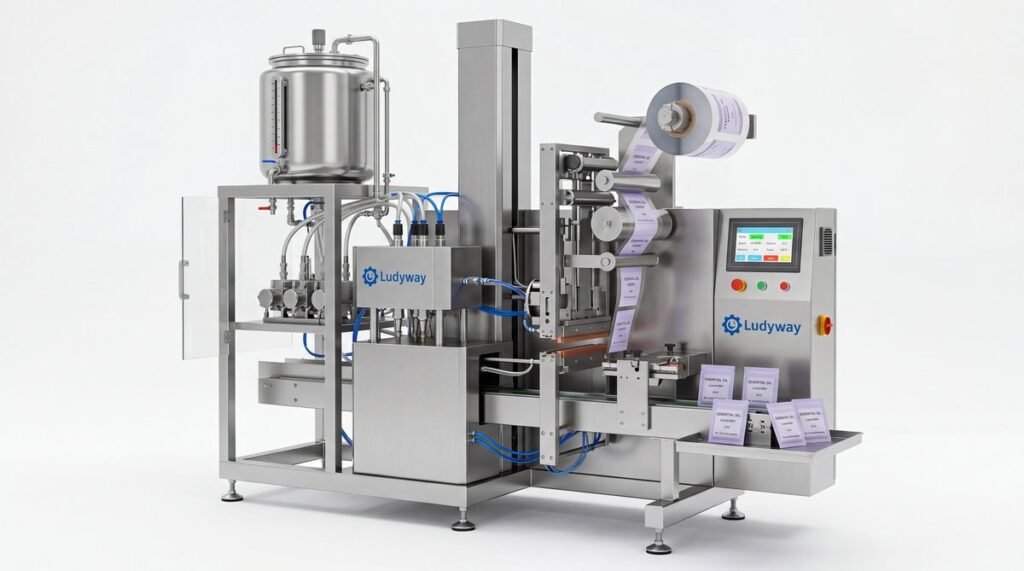
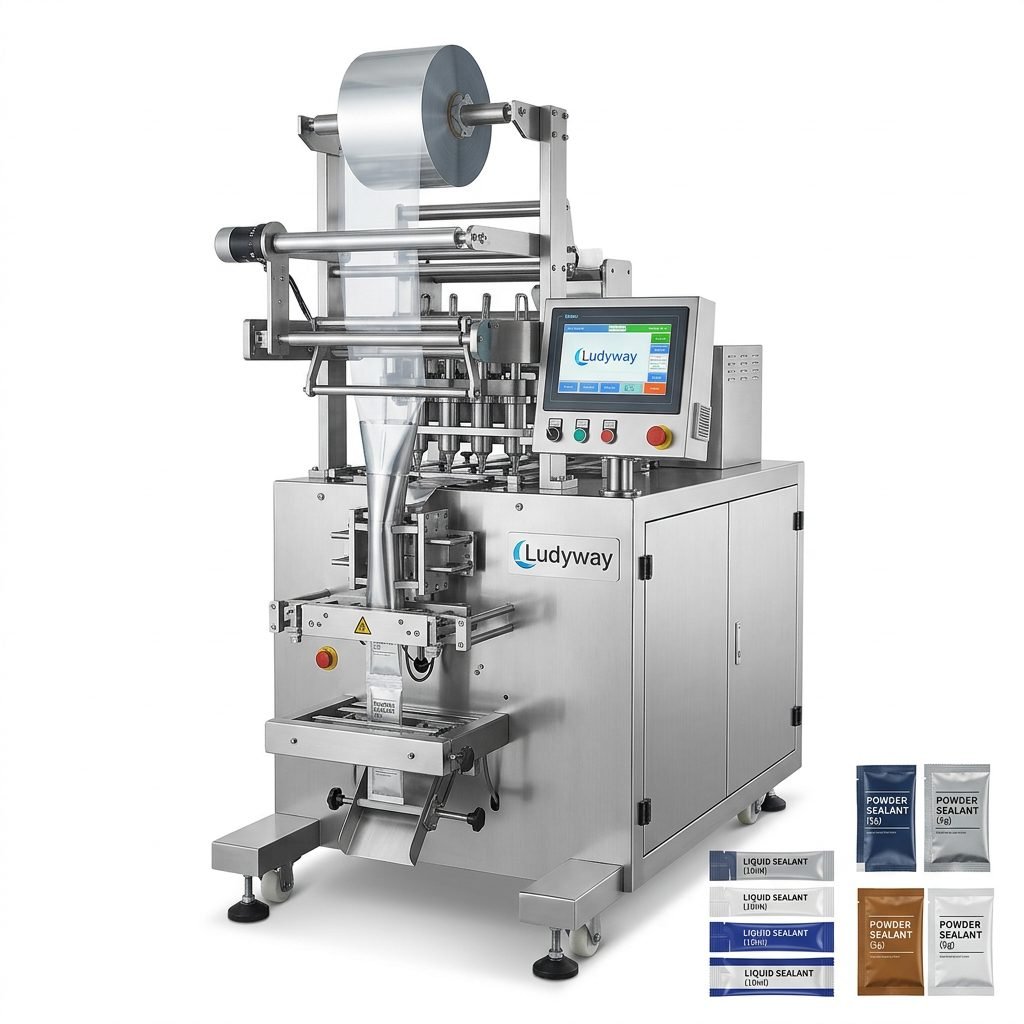
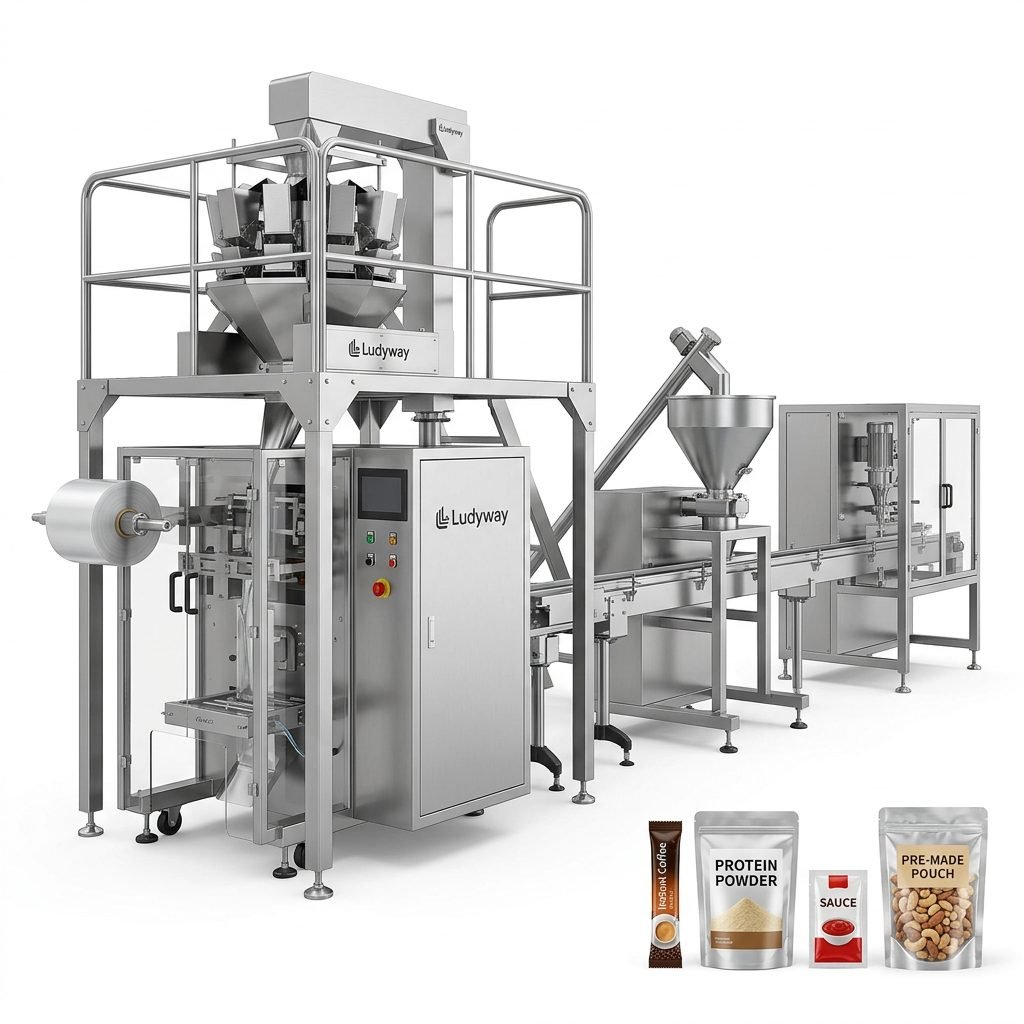
Selecting the right equipment supplier is critical for long-term success in the German market. Ludyway is one of the largest packaging machine manufacturers in China, specializing in advanced packaging equipment and turnkey production solutions for the food, pharmaceutical, and health industries. With over 30 years of industry experience, a modern 20,000㎡ manufacturing facility, and more than 50 intelligent packaging machine models — including multi-lane stick pack, sachet, and fully automated packaging systems — Ludyway serves customers in over 100 countries and regions. Whether you need a compact semi-automatic solution or a fully integrated high-speed line, evaluating potential partners based on their CE certification track record, reference installations in Germany, and after-sales support infrastructure is essential.
For further insights into global packaging machinery trends, explore Ludyway’s global growth trajectory and export milestones, or visit the PMMI Association for Packaging and Processing Technologies for comprehensive industry resources.

Local Service and Support Infrastructure in Germany
Even the most reliable packaging machinery requires local support. When evaluating equipment suppliers for your German bakery packaging line, verify the following:
- Local service technicians — Availability of German-speaking engineers who can be on-site within 24-48 hours for critical issues.
- Spare parts availability — A European warehouse or distribution center that can dispatch common parts within 1-2 business days.
- Remote diagnostic capabilities — Many modern packaging machines support VPN-based remote troubleshooting, allowing issues to be resolved without an on-site visit.
- Documentation in German — Operating manuals, safety instructions, and maintenance guides must be available in German to comply with BetrSichV requirements.
Consult the Flexible Packaging Association for additional guidance on packaging material standards and best practices applicable to the European bakery sector.
Summary: Key Takeaways for Success
Setting up a bakery packaging machine production line in Germany is a significant undertaking that rewards careful planning and attention to detail. By focusing on regulatory compliance, equipment flexibility, facility design, and ongoing maintenance, bakeries can build production lines that operate reliably for decades. The German market’s emphasis on quality, hygiene, and sustainability makes it both demanding and highly rewarding for companies that invest in the right packaging solutions.