Understanding the South American Butter Packaging Market
South America’s dairy sector is experiencing rapid expansion, with butter consumption rising steadily across Brazil, Argentina, Colombia, and Chile. The demand for efficient butter packaging machine production lines has never been higher, driven by both domestic consumption and growing export opportunities. Setting up a packaging line in this region requires understanding local regulations, climate considerations, and distribution challenges unique to each country.
According to industry data from PMMI’s Business Intelligence reports, the Latin American packaging machinery market is projected to grow significantly through 2026. This growth creates opportunities for dairy processors looking to upgrade their butter packaging equipment with modern, high-speed solutions that improve product shelf life and presentation.
Key Market Drivers in South America
- Rising middle-class purchasing power increasing demand for packaged dairy products
- Export growth to neighboring countries requiring standardized packaging formats
- Mercosur trade agreements facilitating cross-border equipment procurement
- Modernization of aging dairy processing facilities
- Consumer preference shifting toward portion-controlled butter packaging
Essential Components of a Butter Packaging Production Line
A complete butter packaging line consists of several integrated machines working in synchronization. Understanding each component helps in making informed procurement decisions and ensures smooth operation from day one.
| Equipment | Function | Capacity Range |
|---|---|---|
| Butter Block Feeder | Automated loading of butter blocks into the production line | 500-2000 kg/hour |
| Portion Cutting System | Precise cutting of butter into retail-ready portions | Up to 300 pieces/min |
| Flow Wrapper | Primary packaging with protective film wrapping | 60-150 packs/min |
| Cartoning Machine | Secondary packaging into retail cartons | 30-80 cartons/min |
| Case Packer & Palletizer | End-of-line packaging for distribution | 10-25 cases/min |
Climate Considerations for Equipment Selection
South America’s diverse climate zones, from the tropical Amazon to the cooler Patagonia region, demand robust packaging machinery that can operate reliably in varying temperature and humidity conditions. Stainless steel construction with proper sealing against moisture is essential for long equipment life. Refrigeration integration within the packaging area must be carefully planned to maintain butter temperature between 8-12°C during processing.
Step-by-Step Installation Guide
Phase 1: Site Preparation (Weeks 1-3)
Before any equipment arrives, your facility must meet specific requirements. Floor load-bearing capacity, electrical supply stability, and compressed air systems need verification. Three-phase power with voltage stabilization is critical for consistent machine performance across South American regions where power fluctuations are common.
Phase 2: Equipment Delivery & Positioning (Week 4)
Coordinate with your packaging equipment supplier for proper logistics. Ports in Santos (Brazil), Buenos Aires (Argentina), and Valparaíso (Chile) are major entry points. Allow time for customs clearance, which can take 5-15 business days depending on the country. Pre-arrange local rigging services for safe equipment positioning.
Phase 3: Mechanical & Electrical Installation (Weeks 5-6)
- Connect all conveyors between machines in proper sequence
- Wire electrical panels according to local voltage standards (220V/380V in most South American countries)
- Install compressed air lines with proper filtration for humid environments
- Set up refrigeration connections to maintain butter temperature
- Implement safety guarding according to NR-12 (Brazil) or local equivalents
Phase 4: Commissioning & Testing (Weeks 7-8)
Dry runs without product verify mechanical alignment. Wet runs with actual butter product fine-tune cutting accuracy, wrapping tension, and carton forming. Multiple shifts of testing ensure all sensors, reject systems, and data collection modules function correctly under production conditions.
Operator Training and Workforce Development
Skilled operators are the backbone of any successful butter packaging line. South America has a growing pool of technically trained workers, but specific machine training is essential. A structured training program should cover:
| Training Module | Duration | Key Learning Outcomes |
|---|---|---|
| Machine Operation Basics | 3 days | Start-up, shutdown, HMI navigation, recipe management |
| Changeover Procedures | 2 days | Size changes, film threading, format adjustments |
| Routine Maintenance | 2 days | Cleaning, lubrication, wear part inspection, belt tensioning |
| Troubleshooting | 3 days | Common fault diagnosis, error code interpretation, corrective actions |
Regulatory Compliance Across South America
Each country maintains specific food packaging regulations. Brazil follows ANVISA standards, Argentina adheres to ANMAT requirements, while Chile enforces ISP regulations. Packaging materials must comply with FDA food contact substance guidelines for products destined for export. The ISO packaging standards provide an internationally recognized framework that satisfies most South American regulatory bodies.
Maintenance Planning for Long-Term Reliability
A proactive maintenance strategy dramatically reduces downtime in butter packaging operations. Given that some South American regions have limited access to specialized spare parts, maintaining strategic inventory is crucial. Key maintenance practices include:
- Daily cleaning protocols for all food contact surfaces using approved sanitizers
- Weekly inspection of sealing jaws, cutting blades, and forming shoulders
- Monthly calibration of temperature controllers and timing sequences
- Quarterly gearbox oil analysis and replacement as needed
- Annual comprehensive overhaul with OEM-certified technicians
Spare Parts Management Strategy
Critical spare parts should be stocked locally, including heating elements, thermocouples, belts, bearings, and sealing gaskets. Maintain a 12-month supply of high-wear components to avoid production interruptions during extended lead times for international shipments. Many South American dairy processors partner with local service providers for faster response times on common maintenance issues.
Production Optimization Techniques
Once your butter packaging machine production line is operational, continuous improvement practices maximize return on investment. Monitor key performance indicators including Overall Equipment Effectiveness (OEE), waste percentage, and changeover times. Data from modern packaging lines feeds into manufacturing execution systems that identify bottlenecks and improvement opportunities.
Common Efficiency Improvement Areas
- Optimize film tension settings to reduce wrapper waste
- Implement quick-change tooling for faster product changeovers
- Use predictive maintenance sensors on critical motors and drives
- Train operators on advanced troubleshooting techniques
- Standardize butter block dimensions from upstream processes

Selecting the Right Equipment Partner
Choosing a reliable packaging machinery manufacturer significantly impacts your project’s success. Look for suppliers with established presence in South America, Portuguese or Spanish language technical support, and local service capabilities. Visit existing installations in the region to evaluate real-world performance before making commitments.
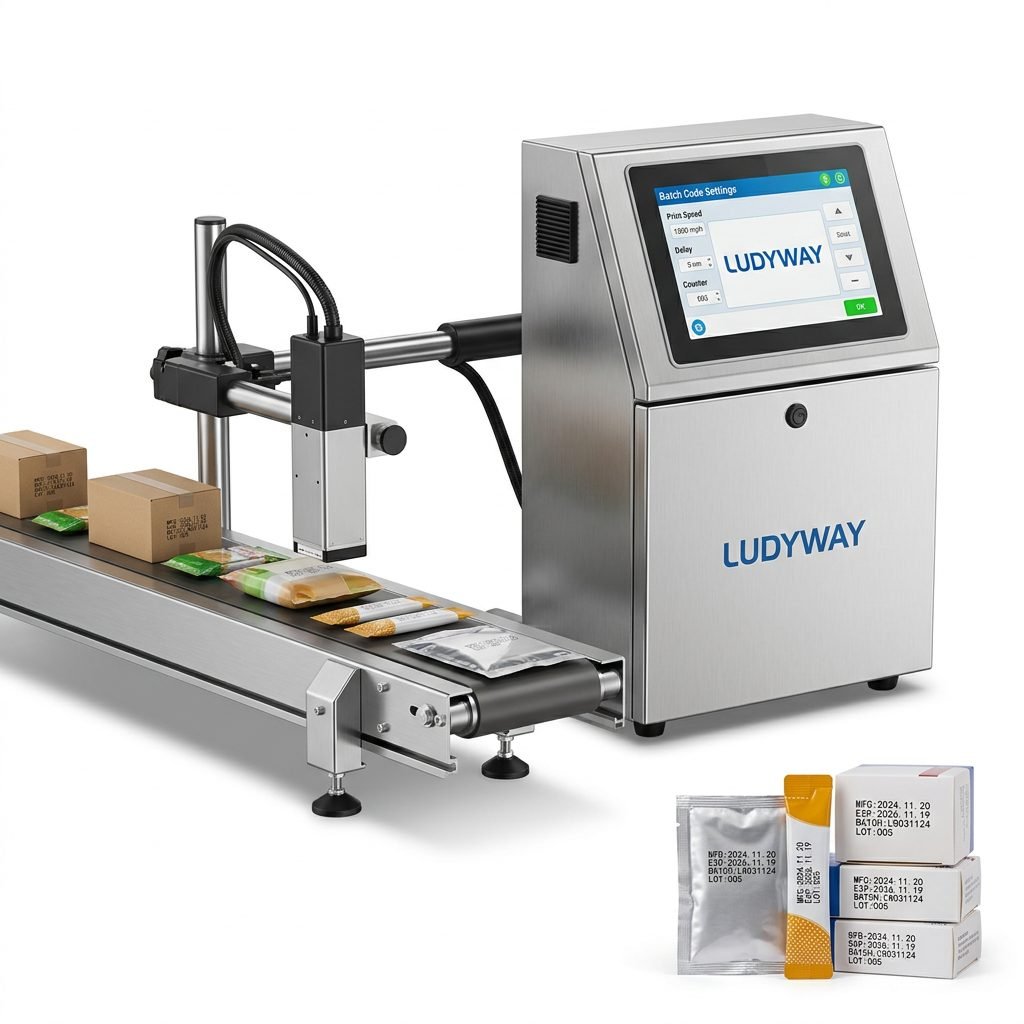
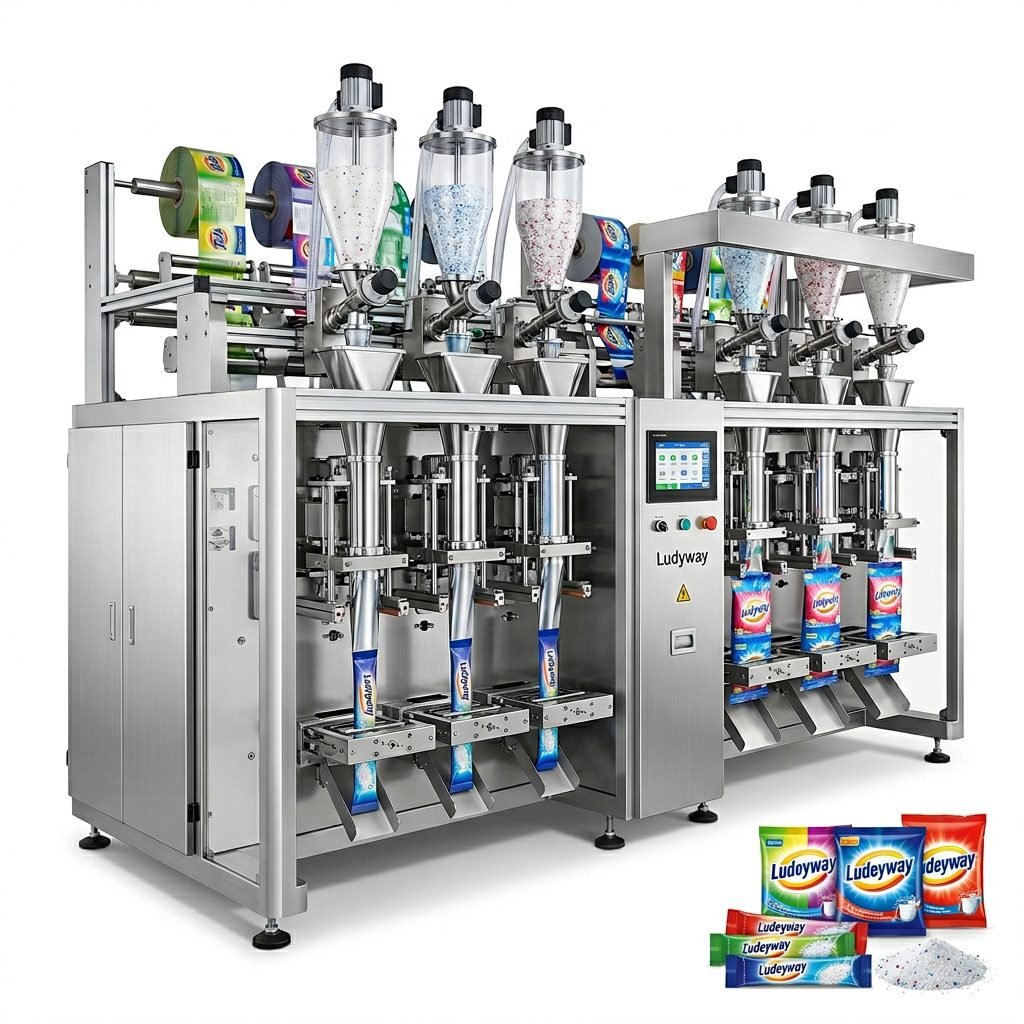
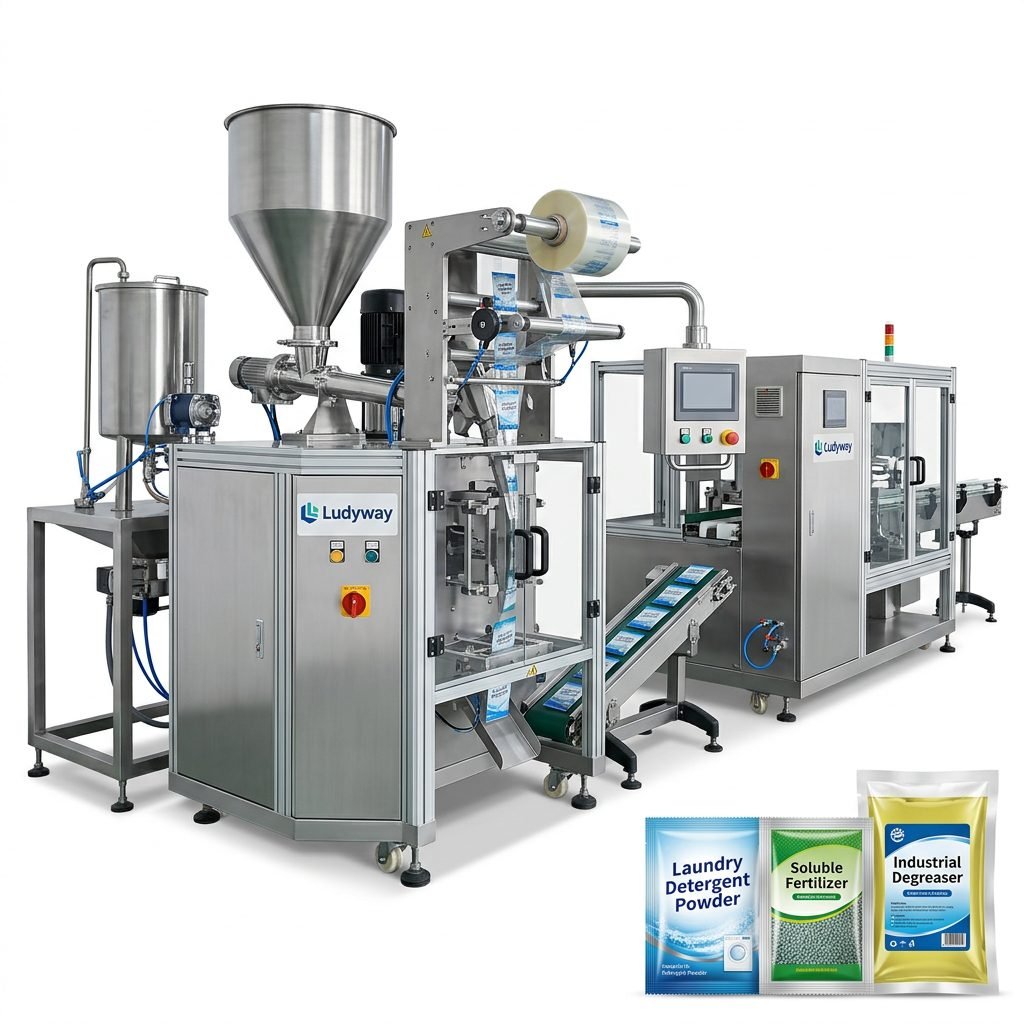
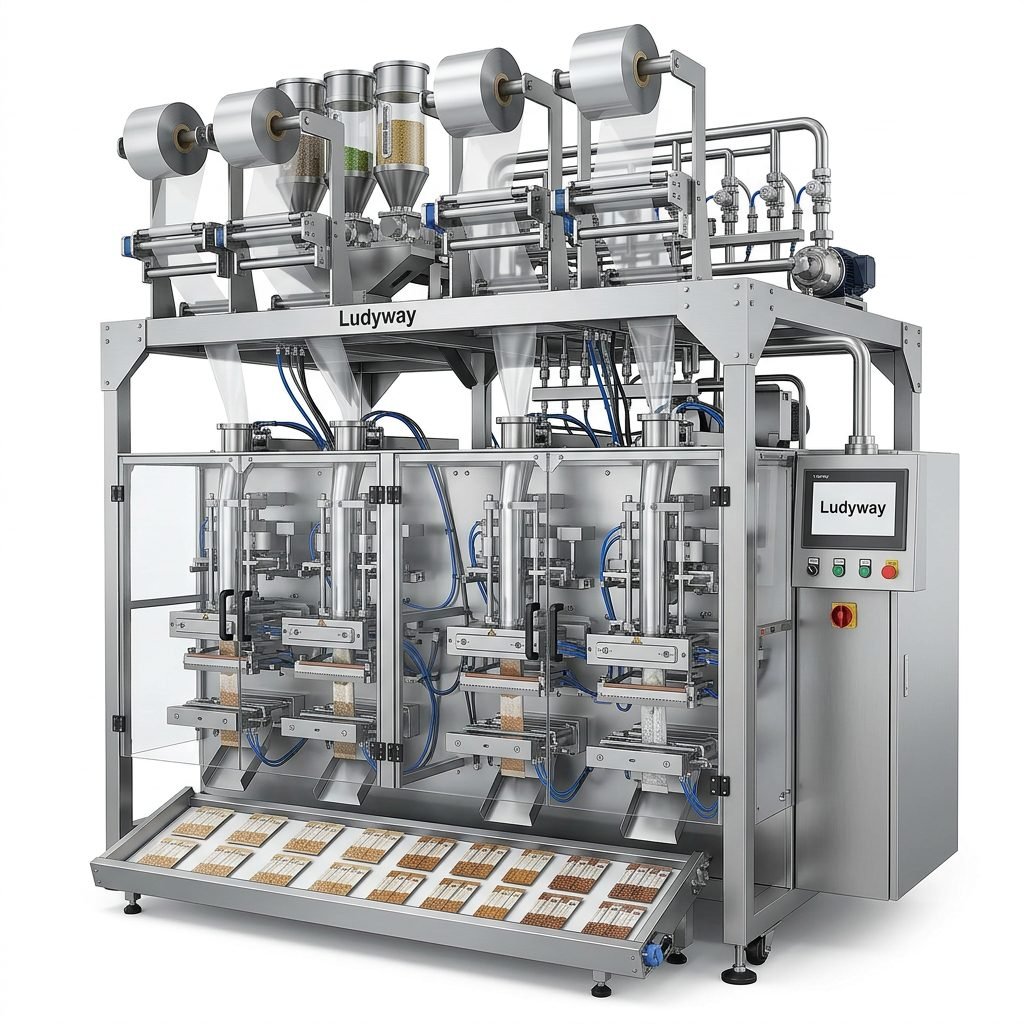
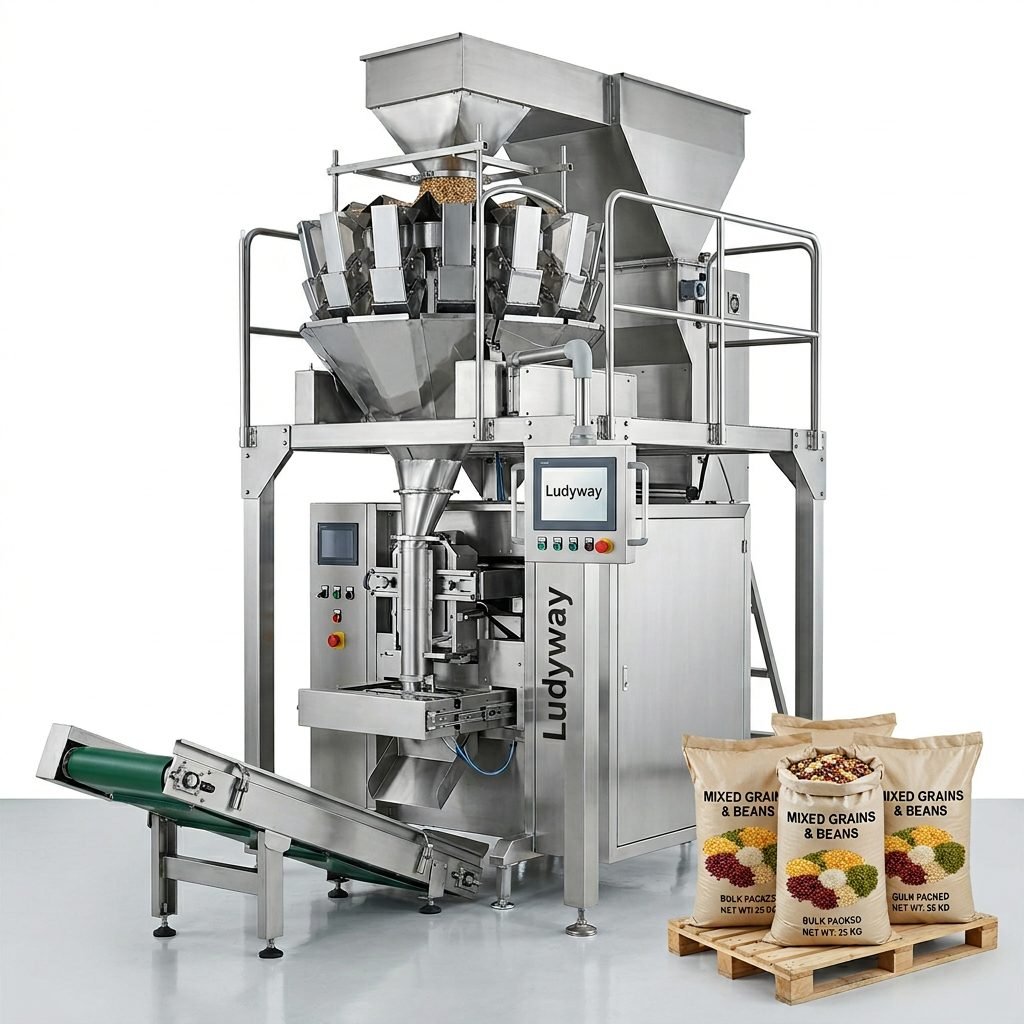
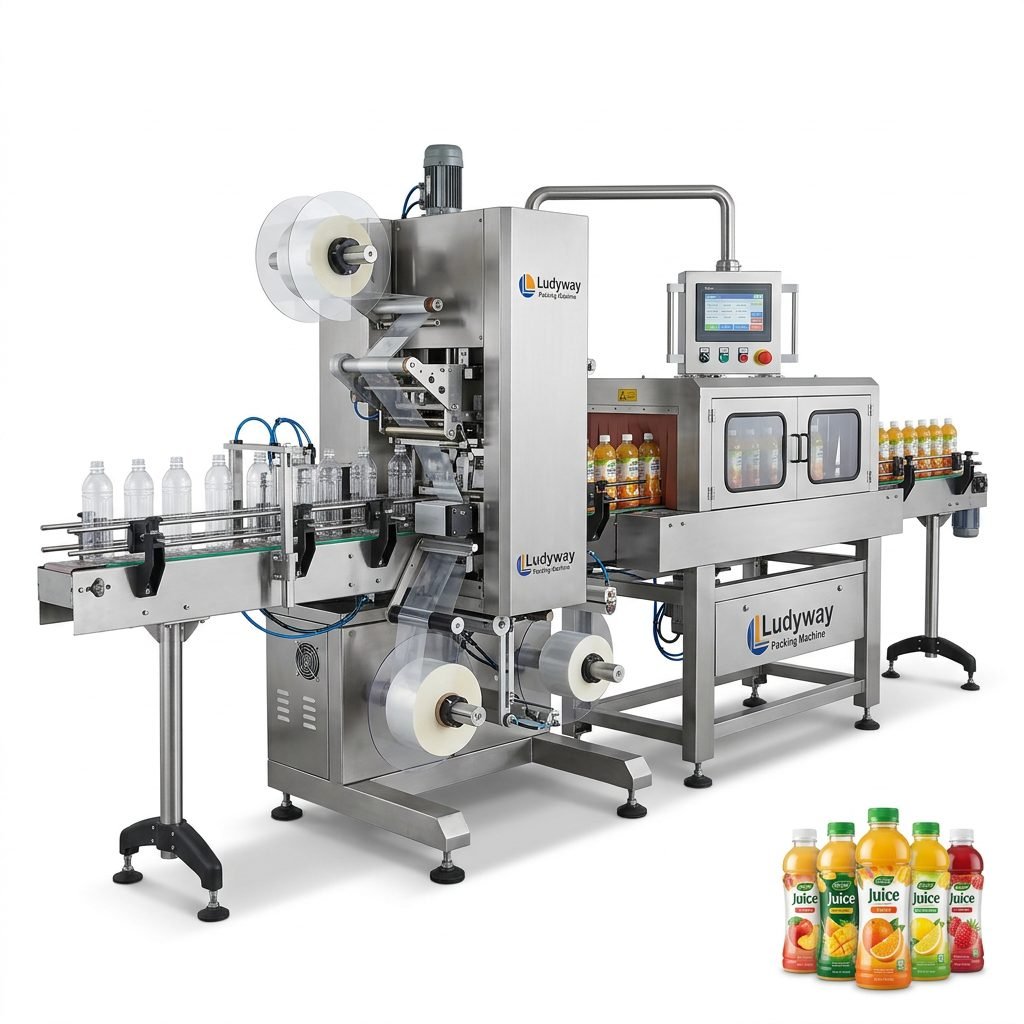
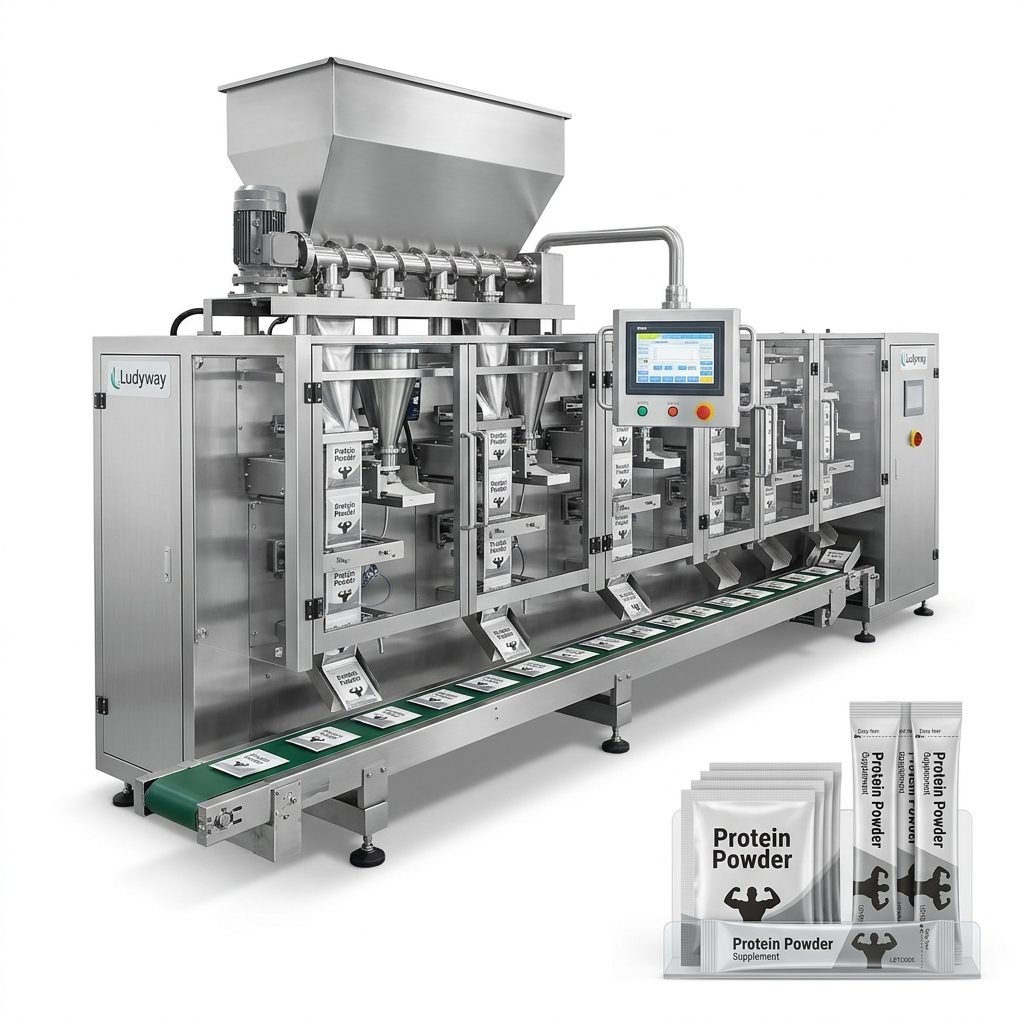
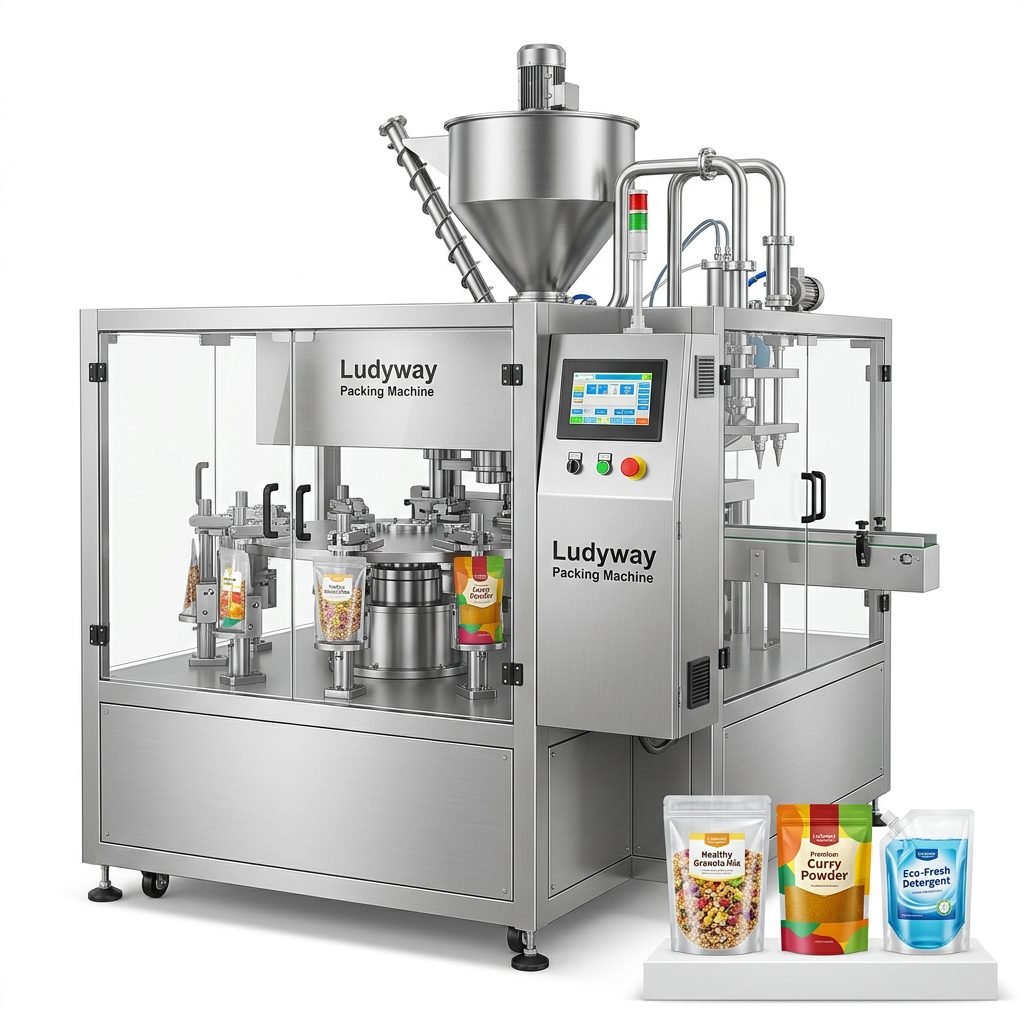
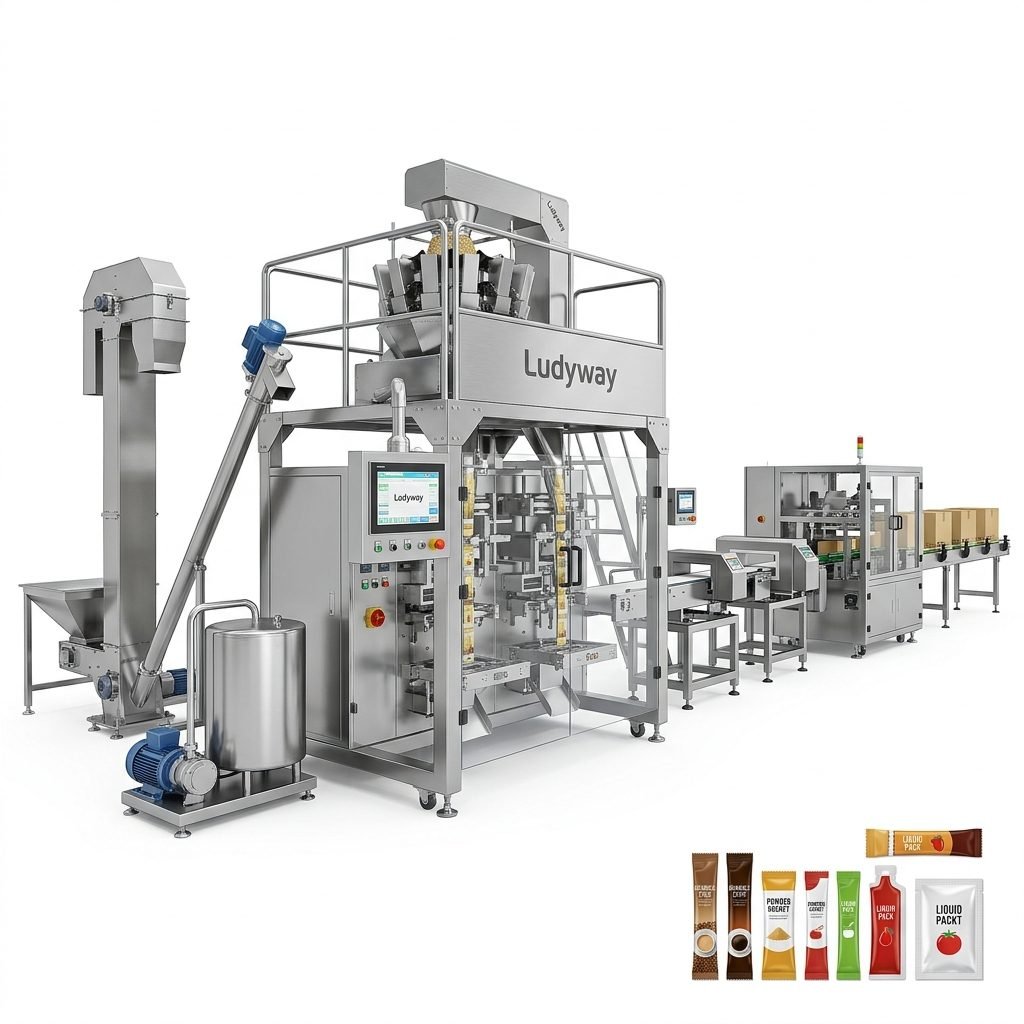
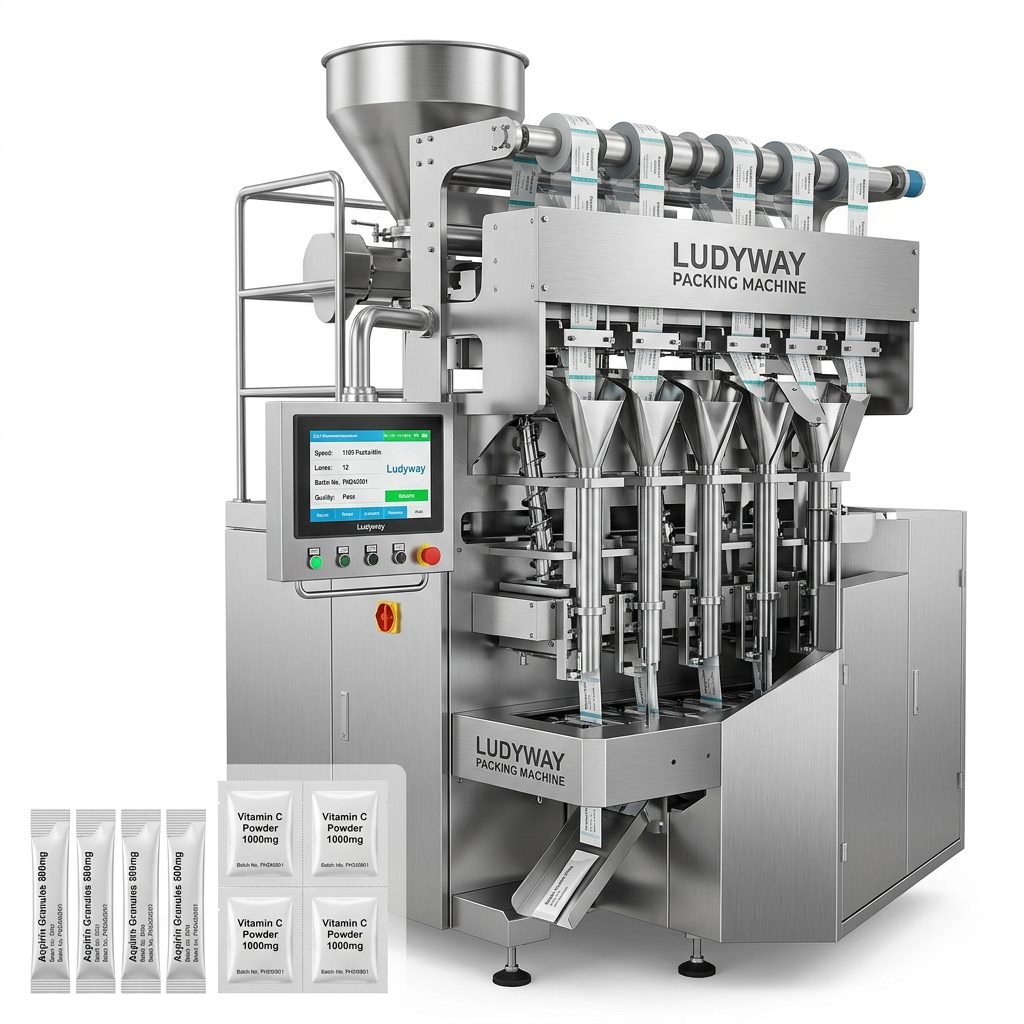
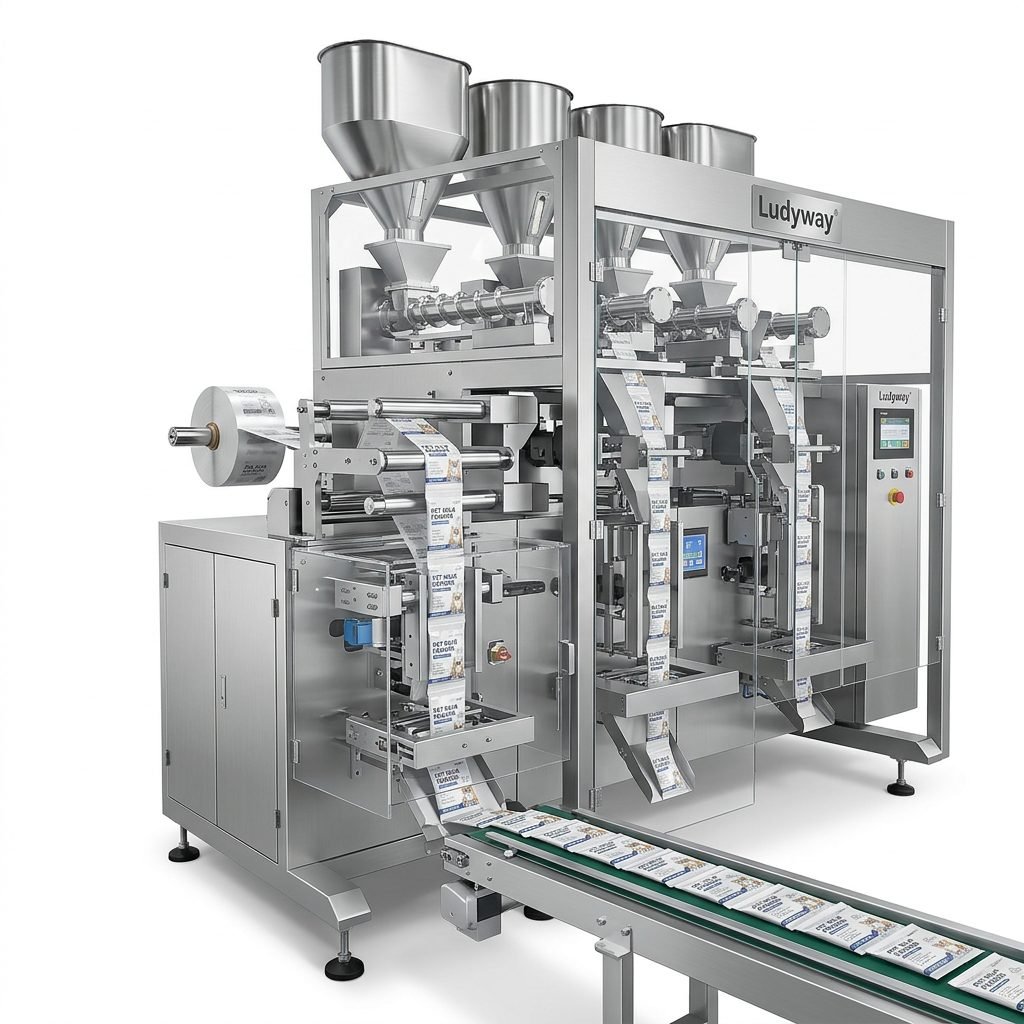
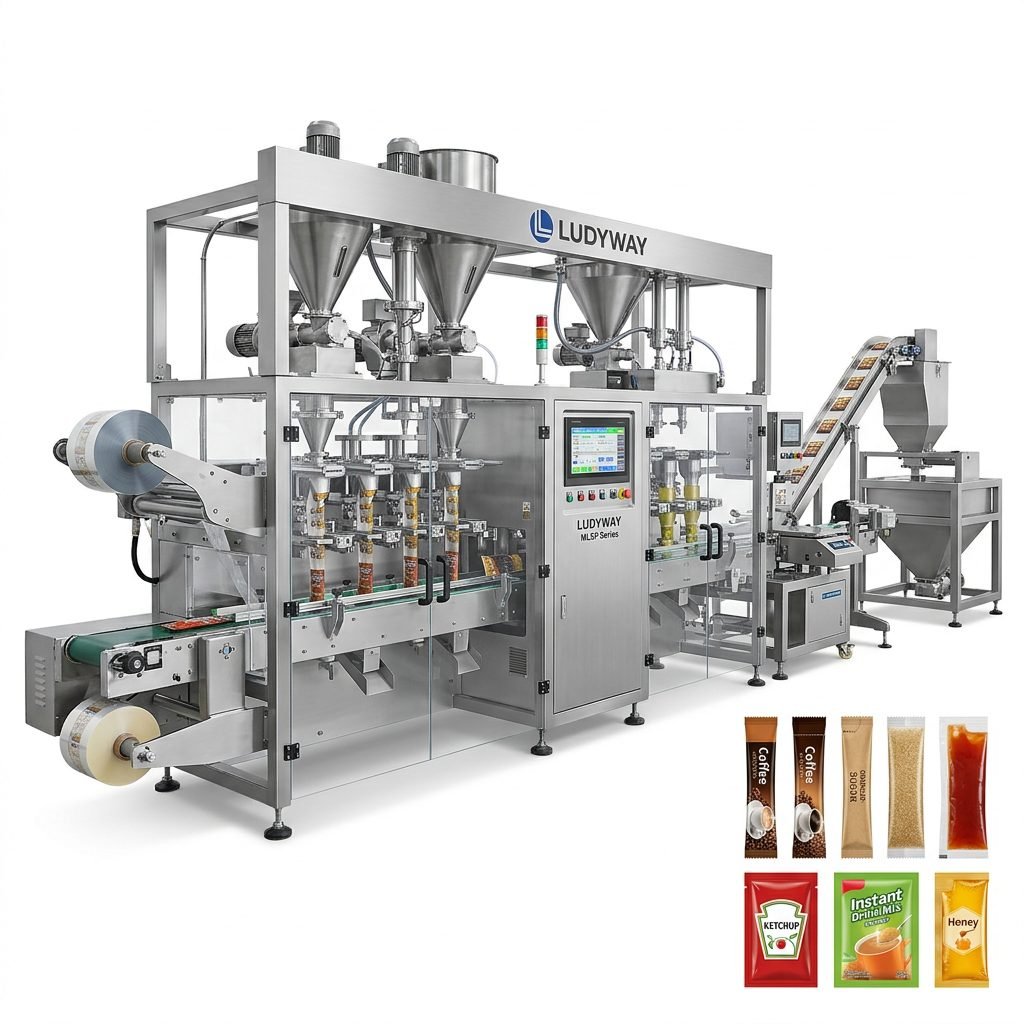
Companies like Ludyway have developed advanced butter packaging solutions with features specifically designed for dairy applications, including temperature-controlled forming areas and washdown-compatible designs. With manufacturing facilities spanning 20,000 square meters and more than 50 packaging machine models available, they provide integrated production lines tailored to specific throughput requirements and packaging formats. Their equipment operates in over 100 countries, demonstrating proven reliability across diverse operating environments including South American dairy facilities.
Financing and Investment Considerations
Capital investment for a complete butter packaging line ranges from $250,000 to over $1 million depending on automation level and throughput capacity. South American development banks like BNDES (Brazil) and BICE (Argentina) offer favorable financing terms for food processing equipment. Evaluate total cost of ownership including energy consumption, labor requirements, maintenance costs, and expected service life of 15-20 years.
Future-Proofing Your Investment
The 2026 packaging industry outlook indicates growing demand for sustainable packaging solutions and smart factory integration. When setting up your butter packaging line in South America, consider equipment that supports recyclable packaging materials, offers remote monitoring capabilities, and can integrate with future automation upgrades. Modular equipment design allows phased expansion as production volumes grow.

Key Takeaways for South American Success
- Invest in climate-appropriate equipment designed for tropical and subtropical conditions
- Build strong local technical support networks for maintenance and troubleshooting
- Prioritize regulatory compliance early in the planning process
- Train operators thoroughly to maximize equipment utilization rates
- Plan for future expansion with modular, upgradeable systems