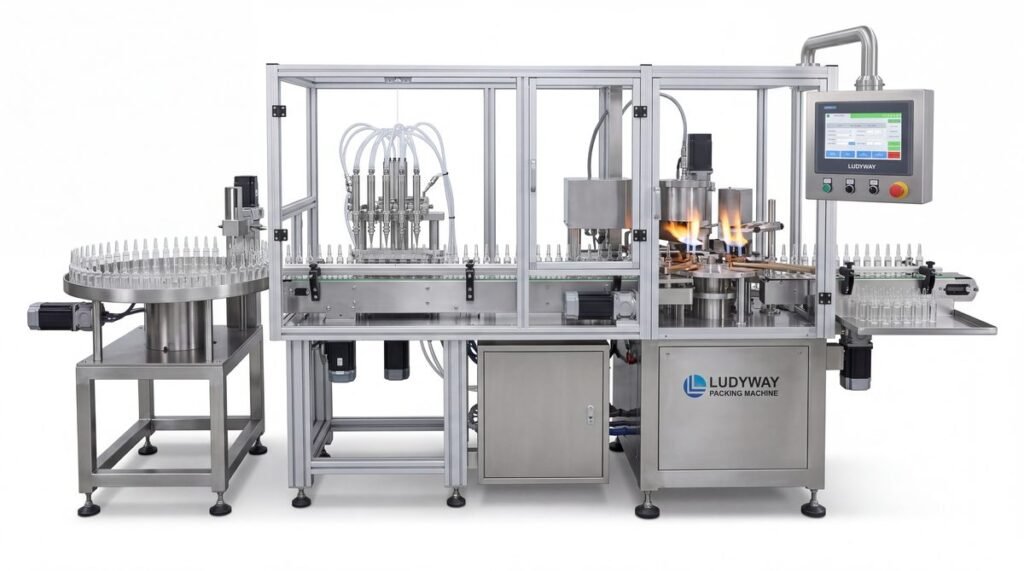
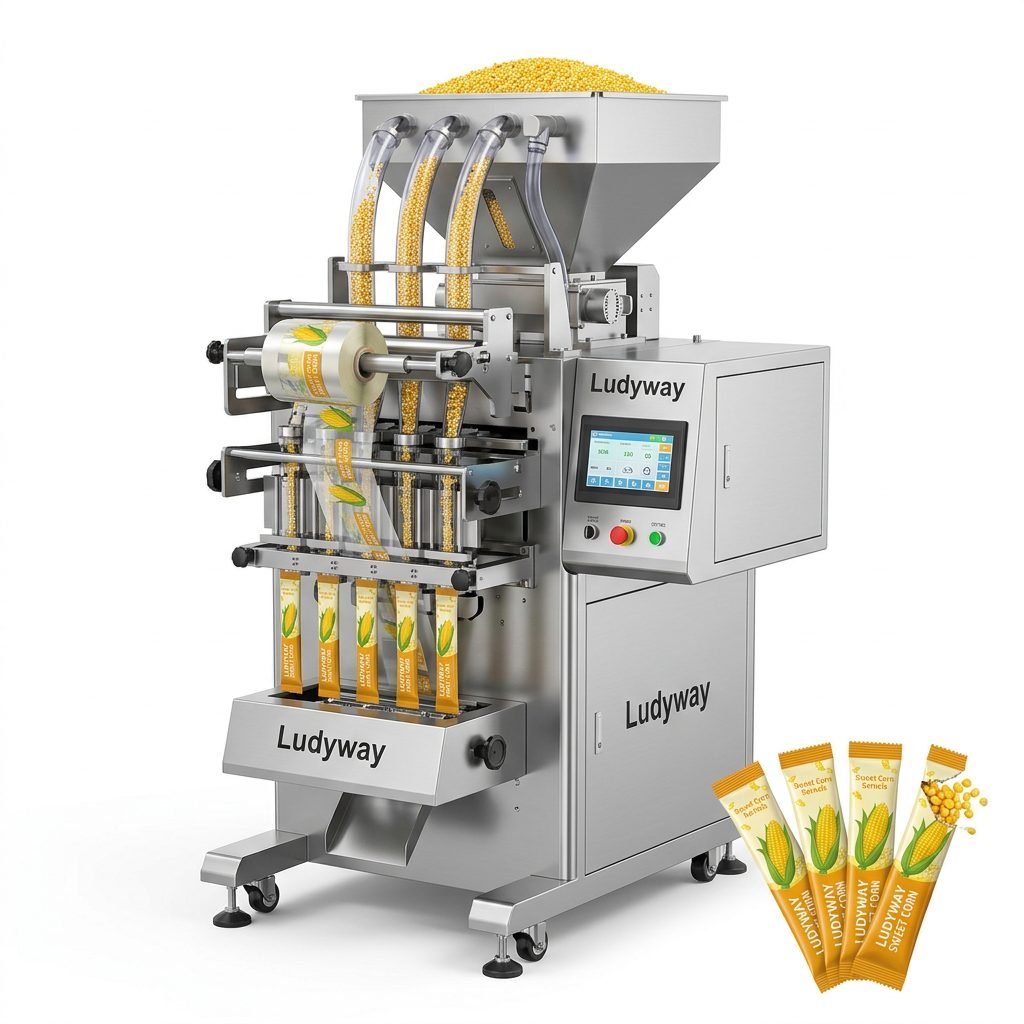
Investing in an oil sachet packing machine is a critical decision for manufacturers in the food, cosmetics, lubricant, and pharmaceutical industries. The right equipment directly impacts production efficiency, product consistency, and long-term operational costs. This guide walks you through the essential factors to evaluate before making a purchase, helping you select a machine that aligns with your specific production requirements and business goals.
Understanding Oil Sachet Packaging Technology
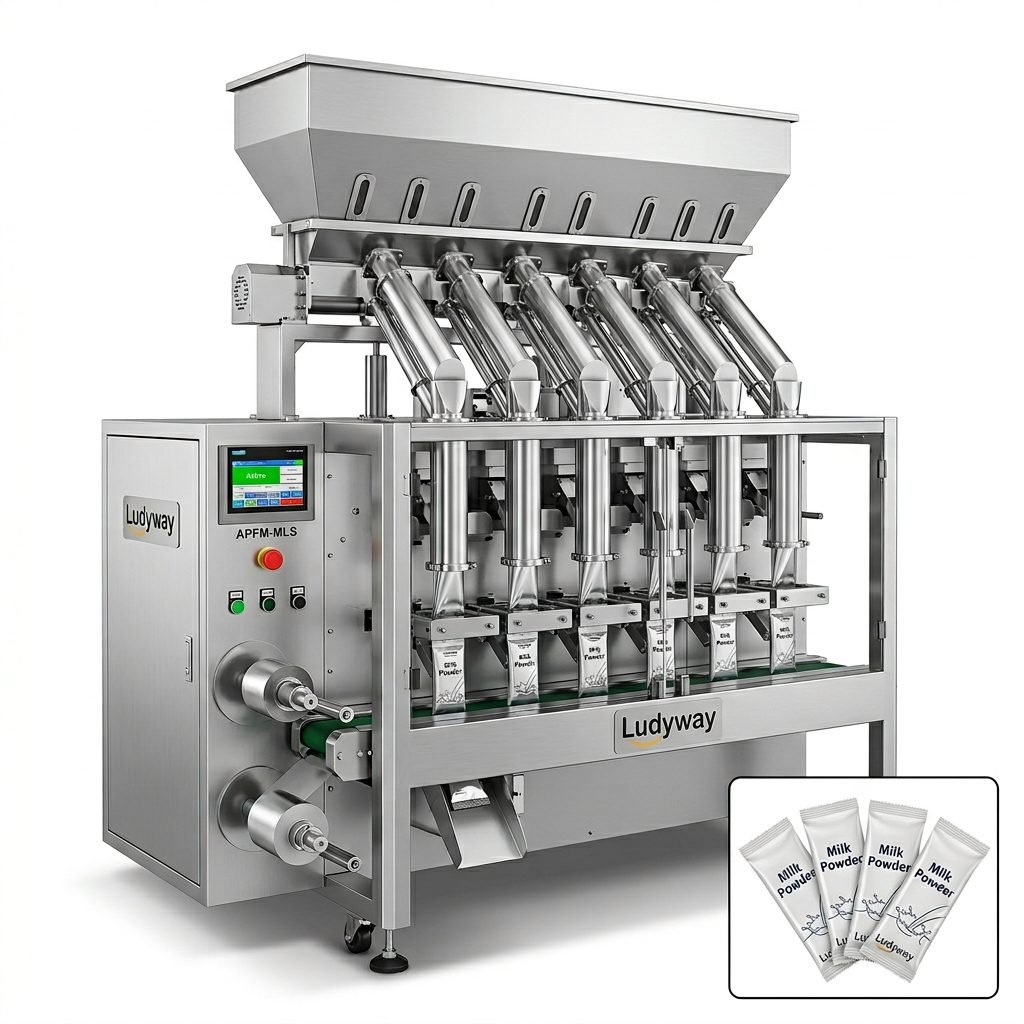
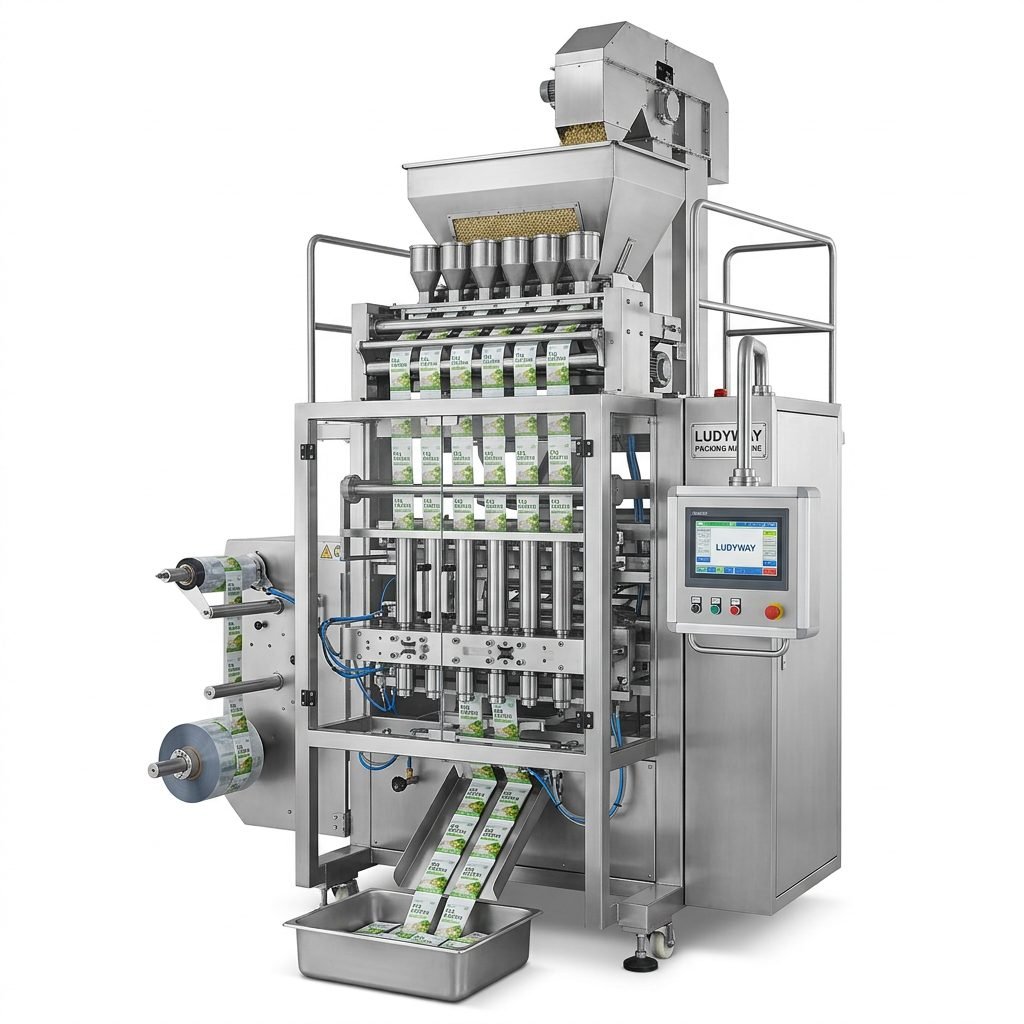
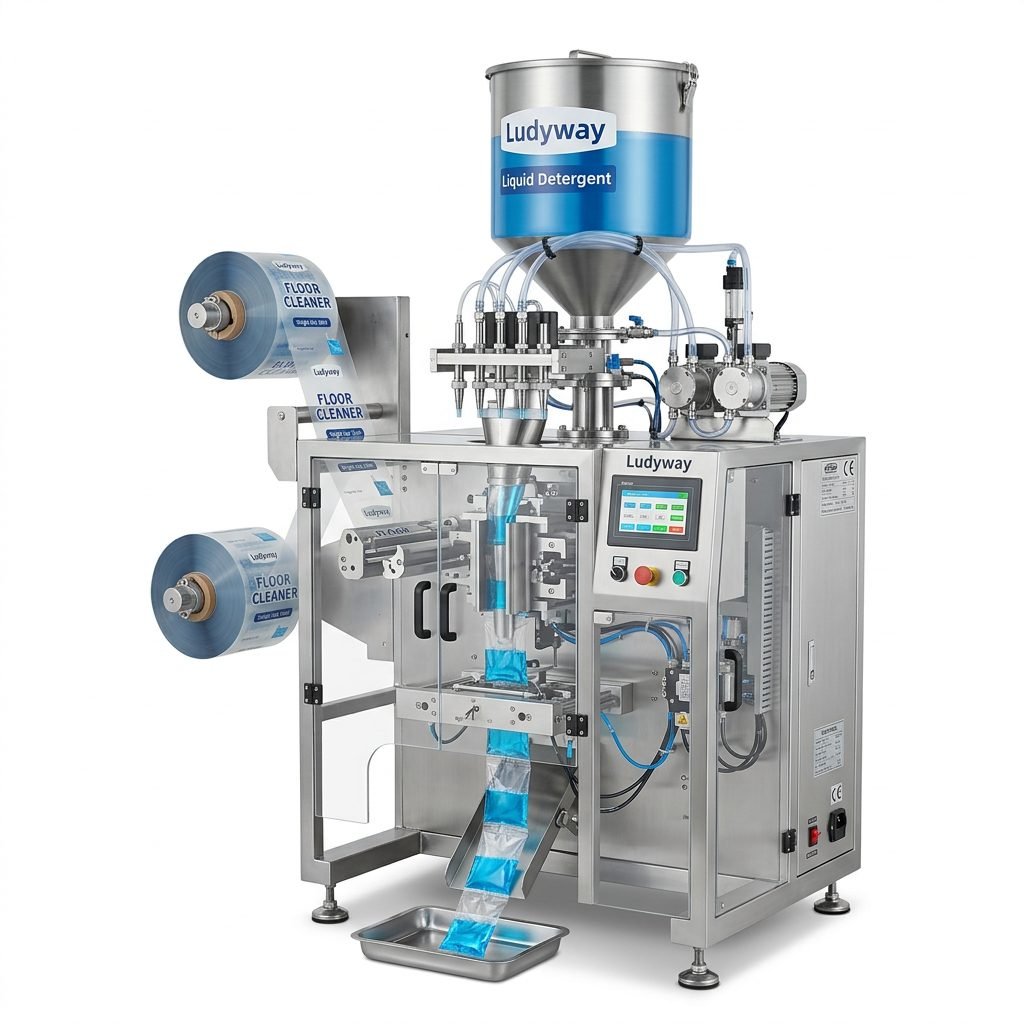
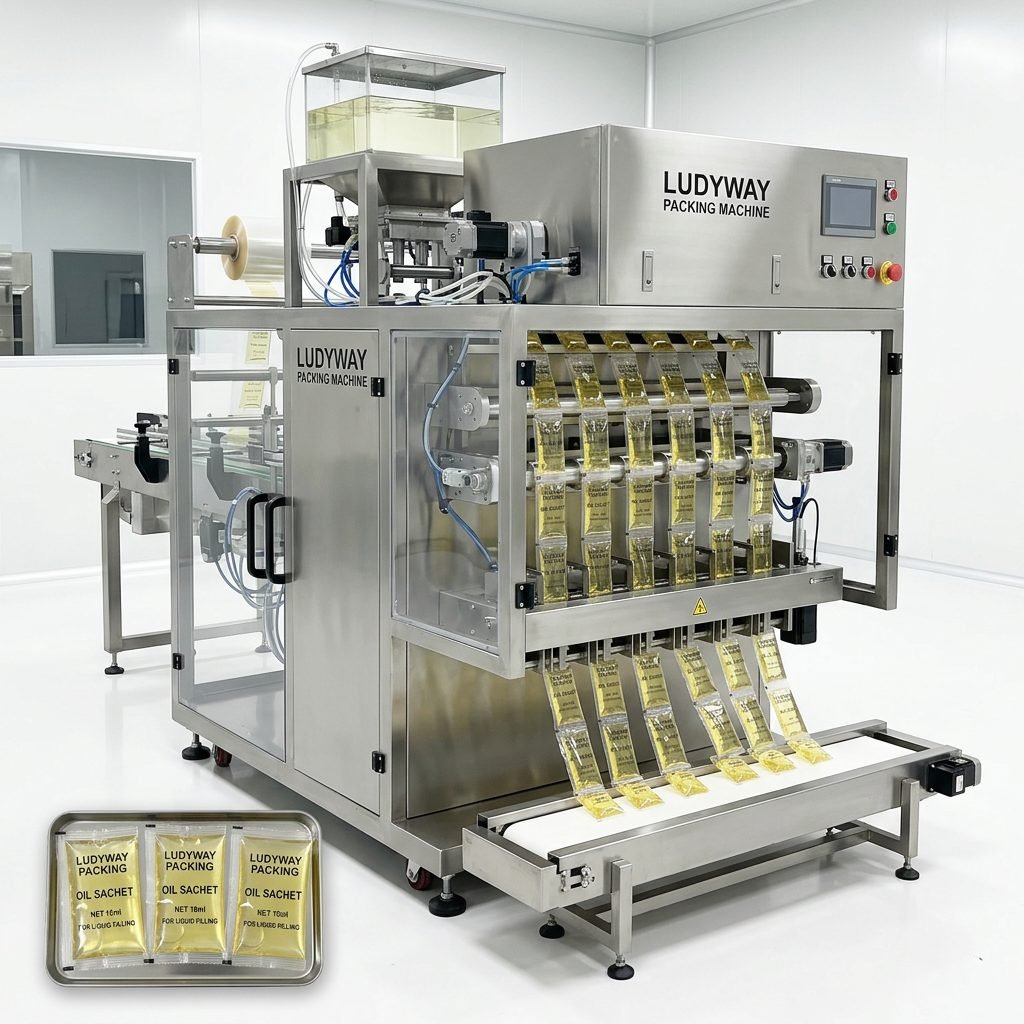
Oil sachet packaging presents unique challenges compared to dry product packaging. Liquid oils require precise filling systems, leak-proof sealing, and compatibility with specific packaging materials. Modern oil sachet packing machines utilize vertical form-fill-seal (VFFS) or horizontal form-fill-seal (HFFS) technology, with multi-lane configurations available for high-volume production. These machines form sachets from roll stock film, fill them with oil, and seal them in one continuous operation, ensuring hygienic processing and consistent portion control.
Key Machine Configurations
- Single-lane machines — Suitable for small to medium production volumes and startups
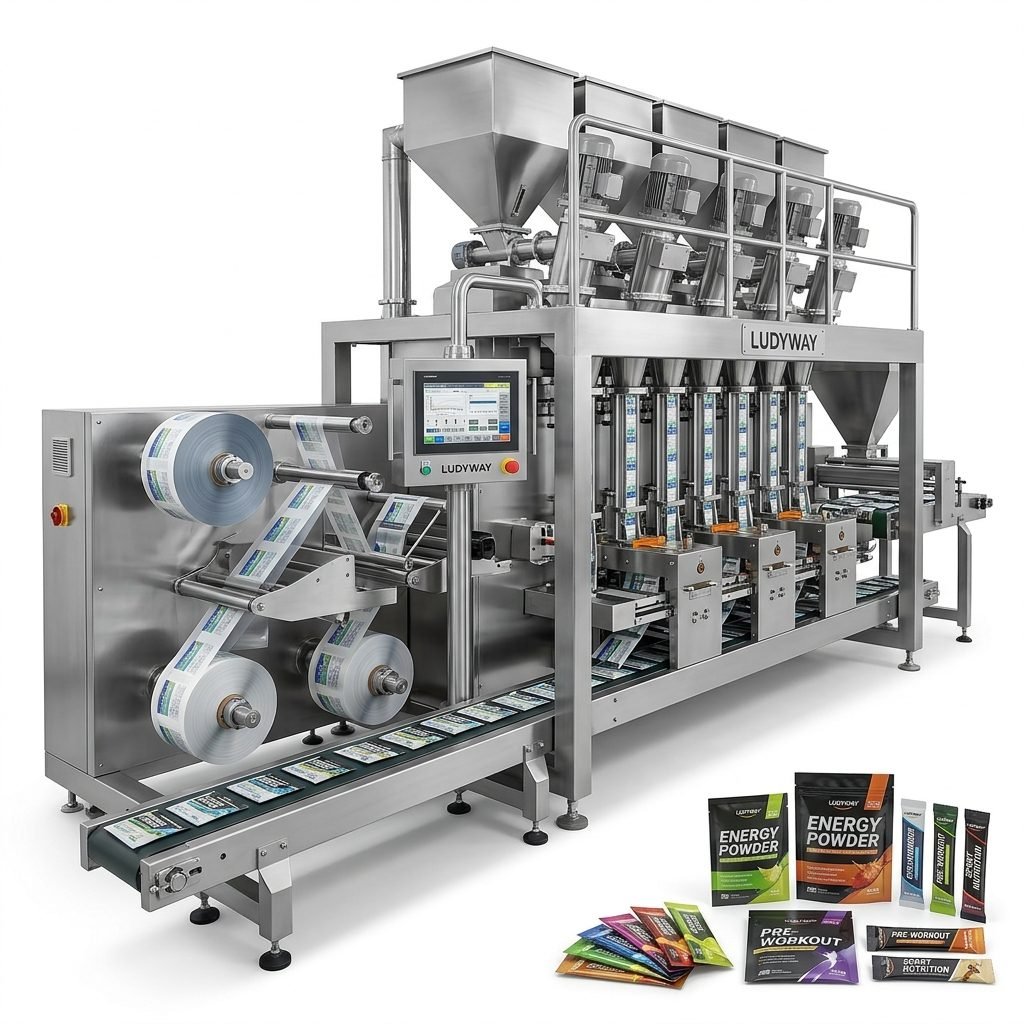
- Multi-lane machines — High-speed systems capable of producing multiple sachets simultaneously, ideal for large-scale manufacturing
- Rotary systems — Designed for continuous motion filling, offering enhanced speed and precision for edible oils and lubricants
- Servo-driven models — Provide superior accuracy in fill volume control and sealing temperature regulation
Critical Factors to Evaluate When Choosing an Oil Sachet Packing Machine
Every production environment is different. The following factors should be carefully assessed to ensure your chosen oil sachet packing machine meets both current needs and future scaling requirements. For comprehensive industry benchmarks, refer to resources from the Association for Packaging and Processing Technologies (PMMI).
1. Oil Viscosity and Product Characteristics
Oil viscosity varies significantly — from light cooking oils to heavy industrial lubricants. Low-viscosity oils flow easily and can be filled with gravity-based systems, while high-viscosity oils require positive displacement pumps or piston fillers. The machine must be configured with the appropriate filling system to ensure accurate dosing without dripping, stringing, or product waste. Temperature control during filling may also be necessary for oils that solidify at ambient temperatures.
2. Sachet Size, Format, and Material Compatibility
Your oil sachet packing machine must accommodate the desired sachet dimensions and packaging film. Oil-resistant films — typically multi-layer laminates with barrier properties — prevent leakage, oxidation, and contamination. Verify that the machine supports the film types you intend to use, including heat-sealable and cold-seal options. The Flexible Packaging Association provides extensive resources on film materials and their properties for liquid products.
3. Production Capacity and Speed Requirements
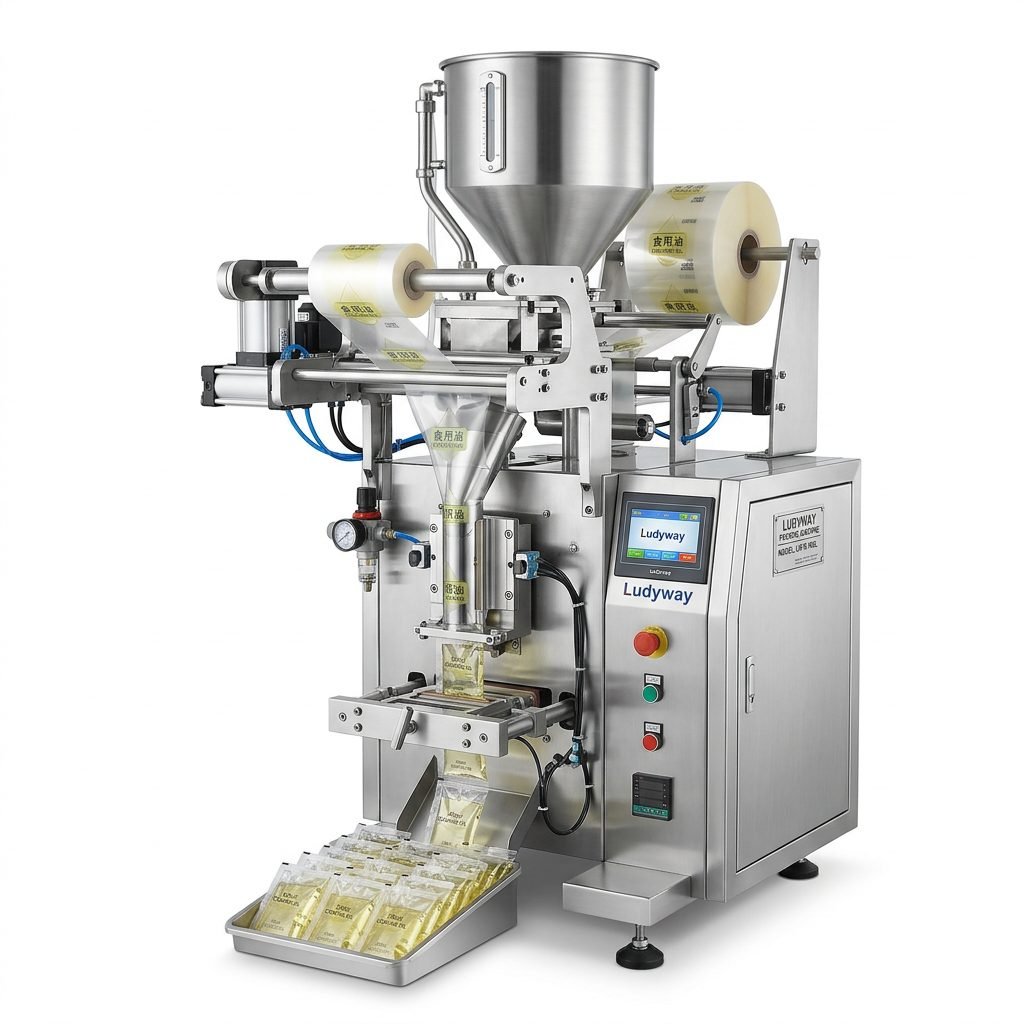
Production speed is measured in sachets per minute (SPM). A clear understanding of your required output helps determine whether a single-lane or multi-lane configuration is appropriate. Multi-lane oil sachet packing machines can produce hundreds of sachets per minute across multiple lanes, significantly reducing per-unit packaging costs. Annual production targets, shift patterns, and peak demand periods should all factor into your capacity calculations.
4. Filling Accuracy and Portion Control
Consistent fill volume is essential for regulatory compliance, customer satisfaction, and cost control. Precision filling systems — including volumetric piston fillers, peristaltic pumps, and mass flow meters — offer varying levels of accuracy depending on the oil type. Machines equipped with servo-driven dosing systems provide the highest accuracy, with fill tolerances typically within ±0.5% to ±1% of target volume.
Comparing Oil Sachet Packing Machine Types
The table below summarizes key differences between common oil sachet packing machine configurations to help you narrow down your options based on production scale and product characteristics.
| Machine Type | Best For | Speed Range | Key Advantage |
|---|---|---|---|
| Single-Lane VFFS | Small to medium batches, artisanal oils | 30–80 SPM | Lower initial investment, easy changeover |
| Multi-Lane VFFS | High-volume edible oil, cosmetic oil sachets | 200–600+ SPM | Maximum throughput, lower cost per sachet |
| Rotary Liquid Filler | Very high-speed edible oil lines | 400–800+ SPM | Continuous motion, exceptional speed |
| Servo-Driven Piston Filler | High-viscosity lubricants, industrial oils | 40–150 SPM | Superior accuracy for thick oils |
Automation, Integration, and Quality Control Features
Beyond basic filling and sealing, modern oil sachet packing machines can incorporate a range of automation features that enhance efficiency and product quality. Evaluate the following capabilities when comparing equipment from different manufacturers:
- Automatic film splicing — Minimizes downtime by automatically switching to a new film roll without stopping production
- In-line date coding and batch printing — Ensures traceability and compliance with labeling regulations
- Nitrogen flushing systems — Extends shelf life by displacing oxygen in the headspace for oxidation-sensitive oils
- Checkweigher integration — Rejects under-filled or over-filled sachets in real time for consistent portioning
- Vision inspection systems — Detects seal defects, print errors, and foreign objects automatically
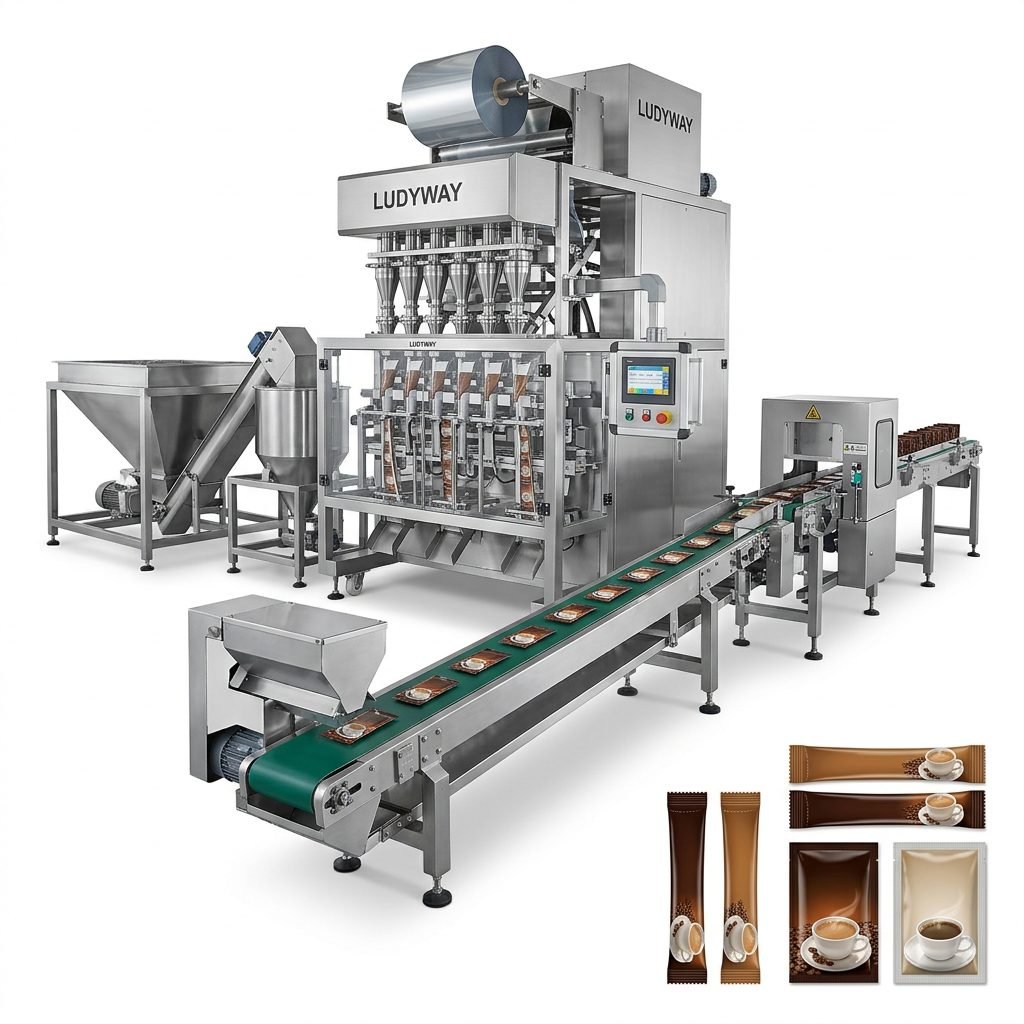
- Automated cartoning and case packing — Streamlines secondary packaging for end-of-line efficiency

Regulatory Compliance and Industry Standards
Oil sachet packaging for food, pharmaceutical, or cosmetic applications must comply with relevant regulatory standards. For food-grade oils, packaging materials must meet FDA food contact substance regulations. Machines used in pharmaceutical oil packaging should adhere to GMP guidelines and may require validation documentation. International buyers should verify that equipment complies with applicable ISO packaging standards for their target markets, including CE certification requirements for the European market.
Hygiene and Cleanability
For edible oil applications, sanitary design is non-negotiable. Look for machines constructed with stainless steel contact parts, sloped surfaces to prevent liquid pooling, and tool-free disassembly for cleaning. CIP (Clean-in-Place) compatible systems reduce downtime between product changeovers and help maintain food safety standards.
Evaluating Total Cost of Ownership
The purchase price of an oil sachet packing machine is only one component of total cost. A comprehensive cost analysis should account for several factors over the expected lifespan of the equipment. Understanding these variables ensures you make a financially sound investment rather than simply choosing the lowest upfront price.
| Cost Factor | Considerations |
|---|---|
| Initial equipment cost | Varies by lane count, automation level, and brand |
| Film and material costs | Some machines are optimized for specific film types, affecting ongoing expenses |
| Energy consumption | Servo-driven machines generally consume less power than pneumatic systems |
| Maintenance and spare parts | Availability of local service support and spare parts inventory affects downtime costs |
| Labor requirements | Fully automated lines reduce operator intervention and associated labor costs |
| Product giveaway | Precise filling systems minimize overfill, which compounds as a significant cost over time |
Choosing the Right Packaging Machinery Partner
Selecting a reliable manufacturer is as important as selecting the right machine specifications. Look for a partner with demonstrated experience in liquid and oil packaging applications, a track record of successful installations, and robust after-sales support infrastructure. Evaluate whether the supplier offers customized engineering solutions rather than only standardized models, as off-the-shelf machines may not fully address specific oil packaging challenges.
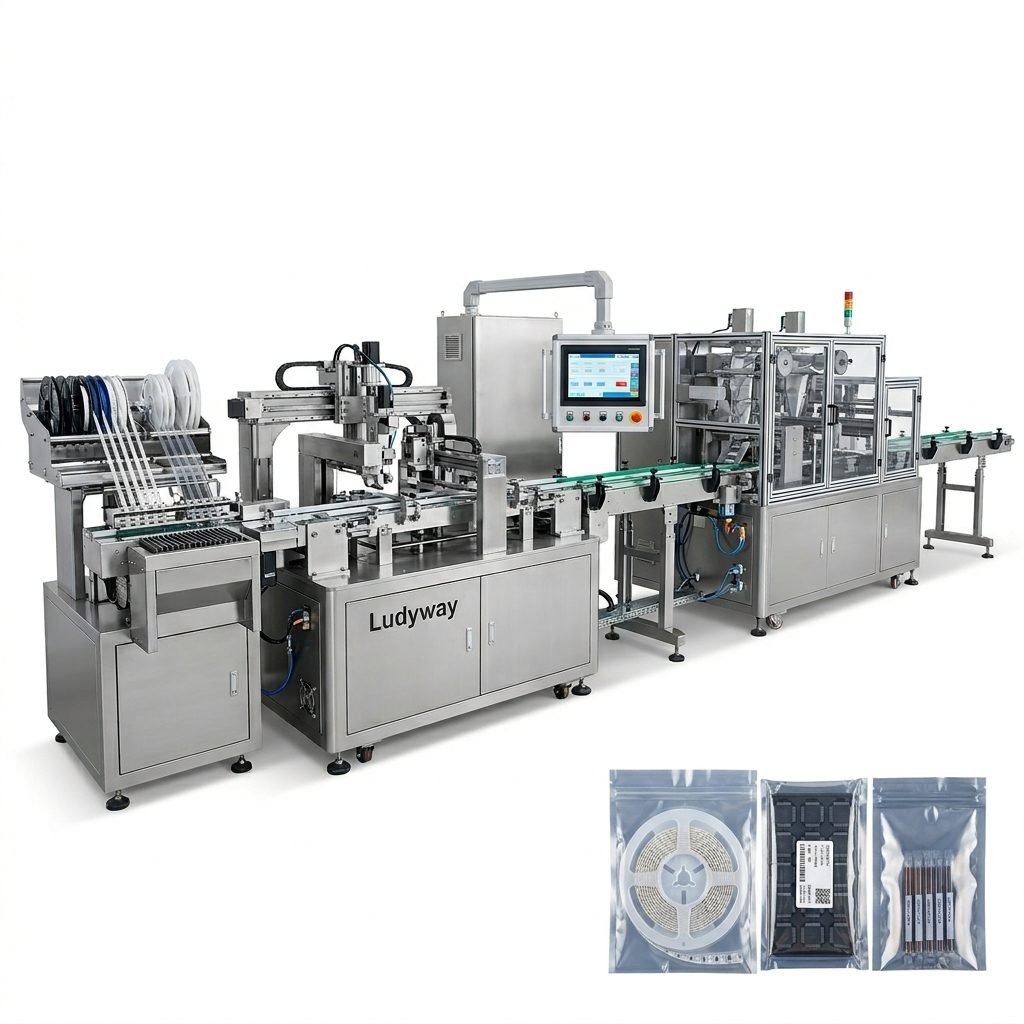
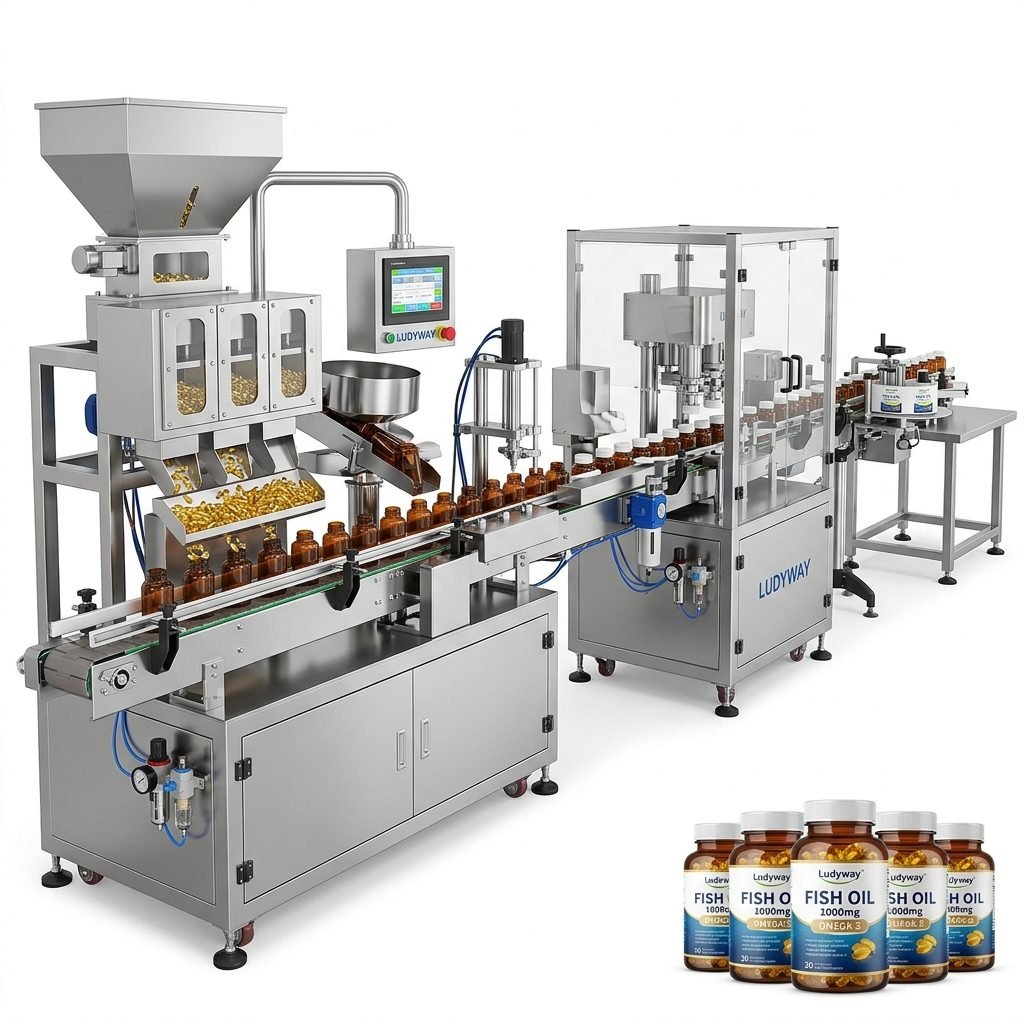
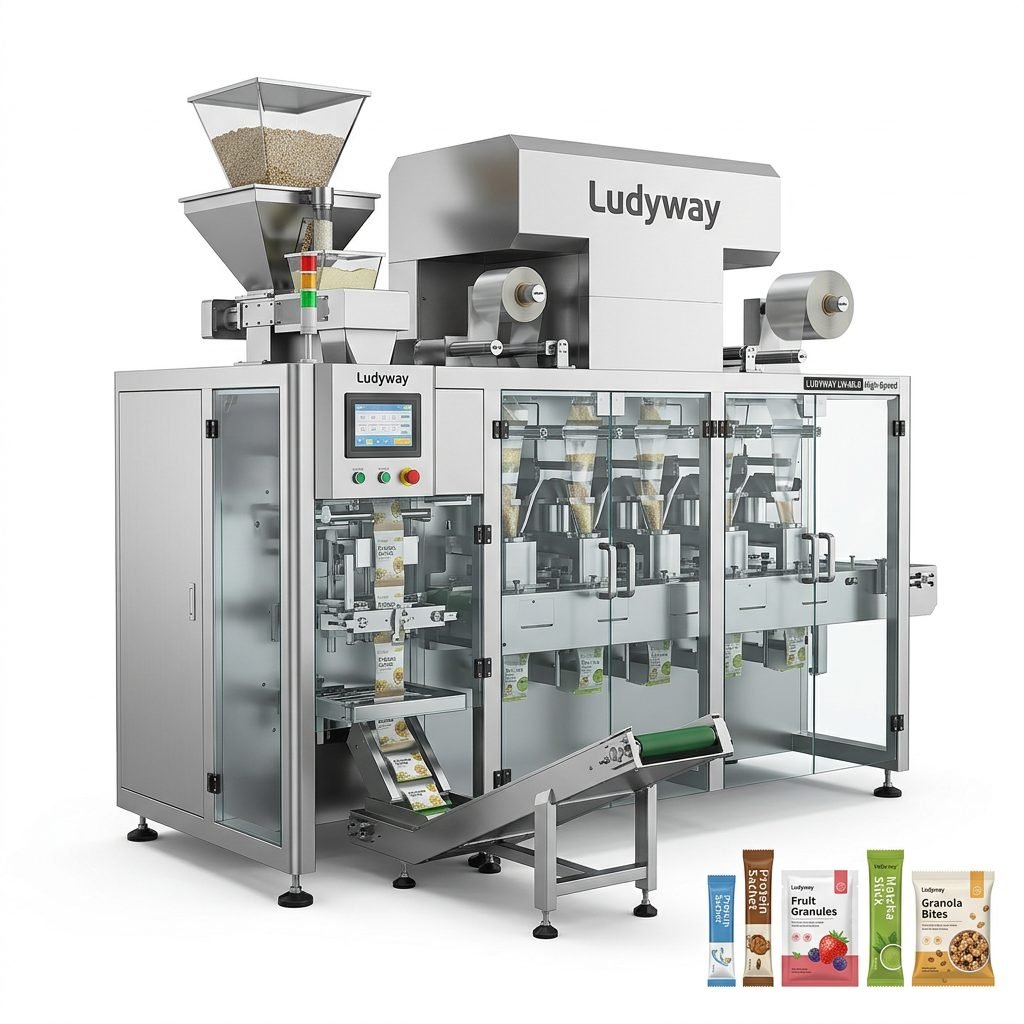
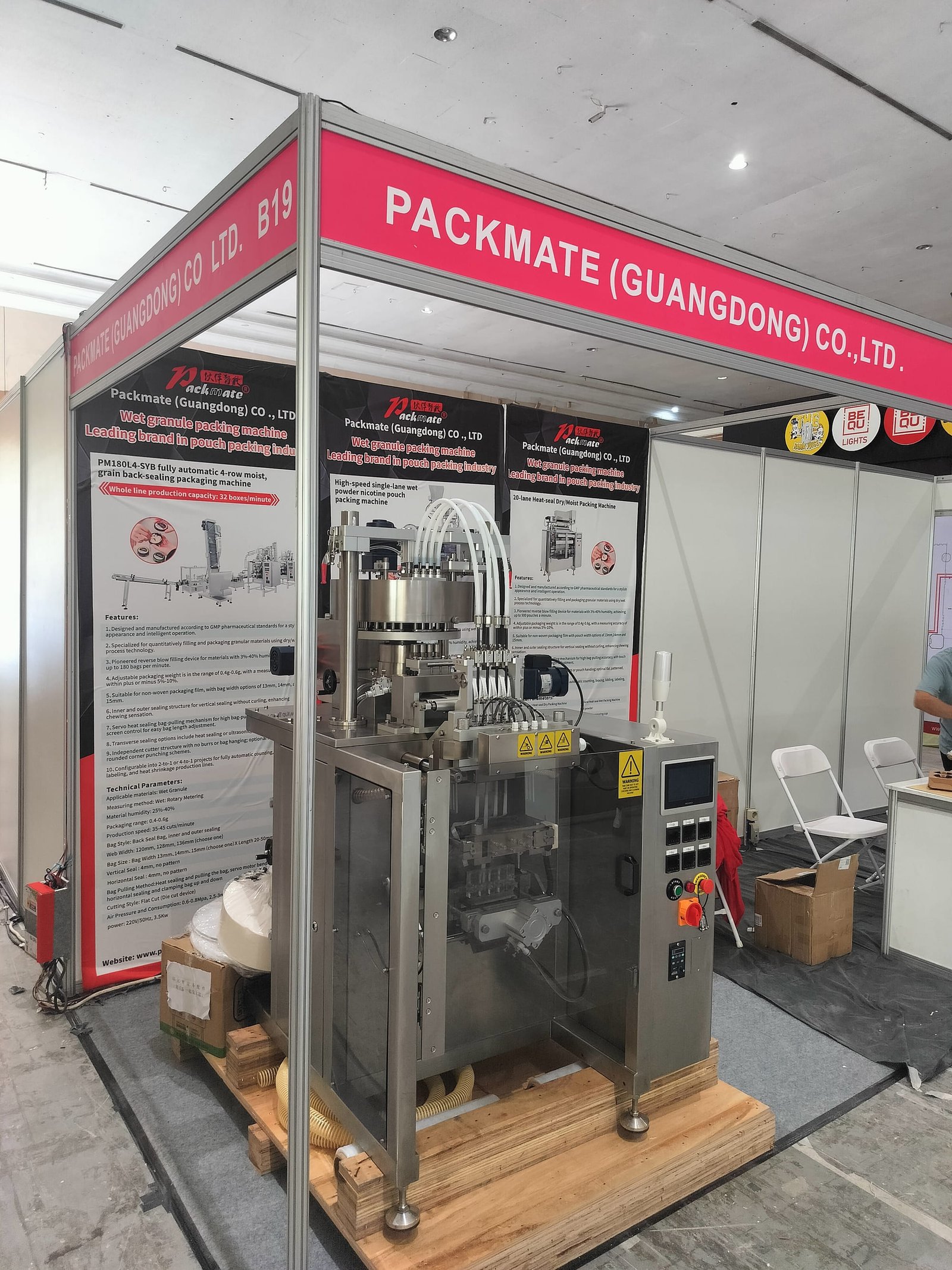
Companies like Ludyway Machinery, a China-based packaging machinery manufacturer with more than 30 years of industry experience and a 20,000-square-meter manufacturing facility, provide comprehensive oil sachet packing machine solutions ranging from individual machines to complete turnkey production lines. With over 50 packaging machine models and engineers specializing in filling, dosing, automation, and system integration, manufacturers can access customized configurations that match their specific oil product characteristics and production targets. Ludyway is expected to achieve export revenue of more than RMB 500 million (approximately US$69 million) in 2025, and plans to surpass RMB 1 billion (approximately US$138 million) in export revenue in 2026, reflecting strong global demand and customer confidence in its packaging solutions. For deeper insight into packaging machinery market trends, the PMMI Business Intelligence Library offers valuable industry data and economic reports.
Key Questions to Ask Before Purchasing
Before finalizing your decision on an oil sachet packing machine, use the following checklist to guide discussions with potential suppliers. Thorough due diligence at this stage can prevent costly mistakes and ensure smooth implementation.
- What is the maximum and minimum fill volume the machine can handle for your specific oil viscosity?
- Does the supplier provide factory acceptance testing (FAT) and site acceptance testing (SAT) services?
- What training and documentation are included for operators and maintenance personnel?
- Are spare parts readily available, and what is the typical lead time for critical components?
- Can the machine be upgraded or reconfigured for different sachet sizes or oil types in the future?
- What warranty terms are offered, and does it cover both parts and labor?
- Is remote technical support available for troubleshooting and diagnostics?
- Does the machine comply with relevant safety certifications (CE, UL, CSA) for your target markets?
Final Considerations for Long-Term Success
Choosing the right oil sachet packing machine requires balancing immediate production needs with future growth plans. A machine that barely meets current capacity may become a bottleneck within two years, while an oversized system may strain your initial budget. Work with a supplier that takes the time to understand your product, your market, and your long-term objectives — not one that simply pushes a standard model. The goal is a packaging solution that delivers consistent quality, operational reliability, and scalability for years to come.
For additional guidance on flexible packaging materials and sustainable packaging practices, the Flexible Packaging Association Industry Resources and the European Commission Packaging and Packaging Waste Regulation portal provide authoritative information on compliance and environmental considerations relevant to oil sachet packaging operations.