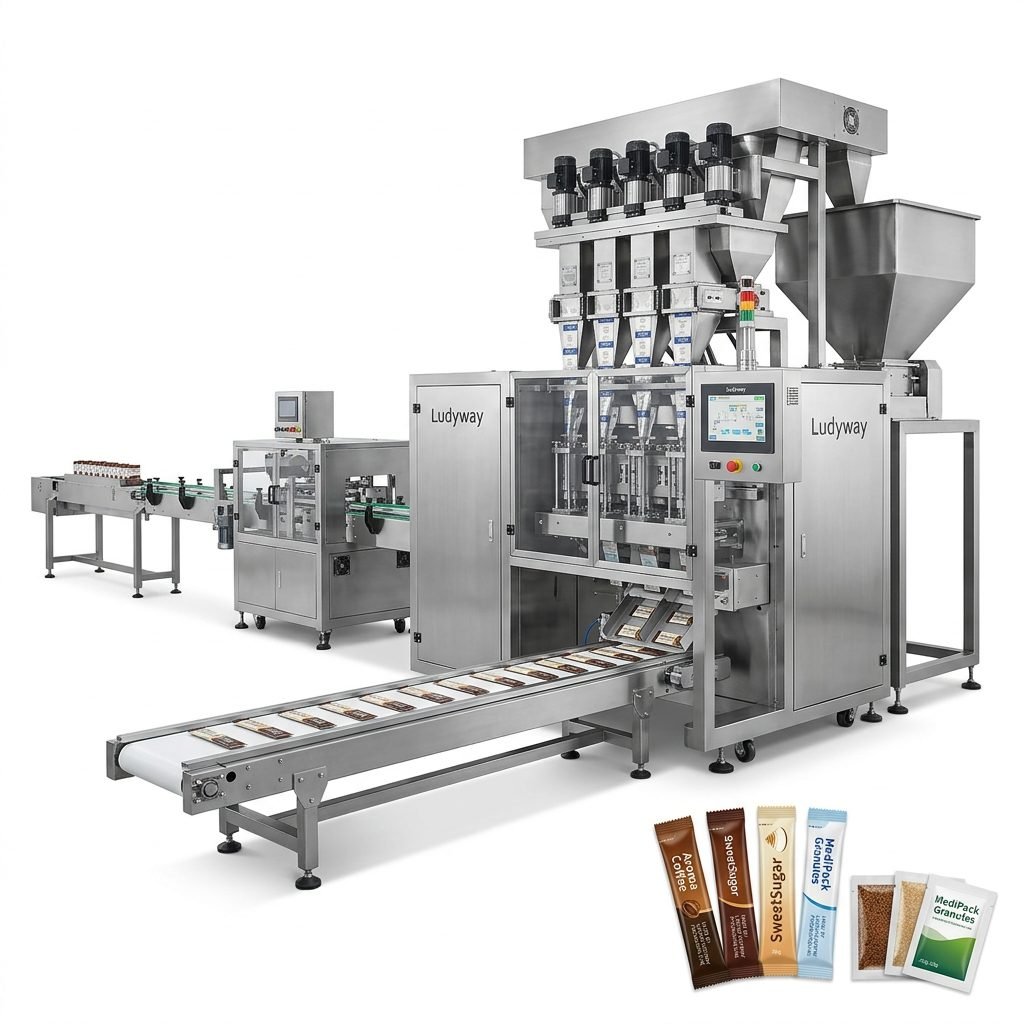
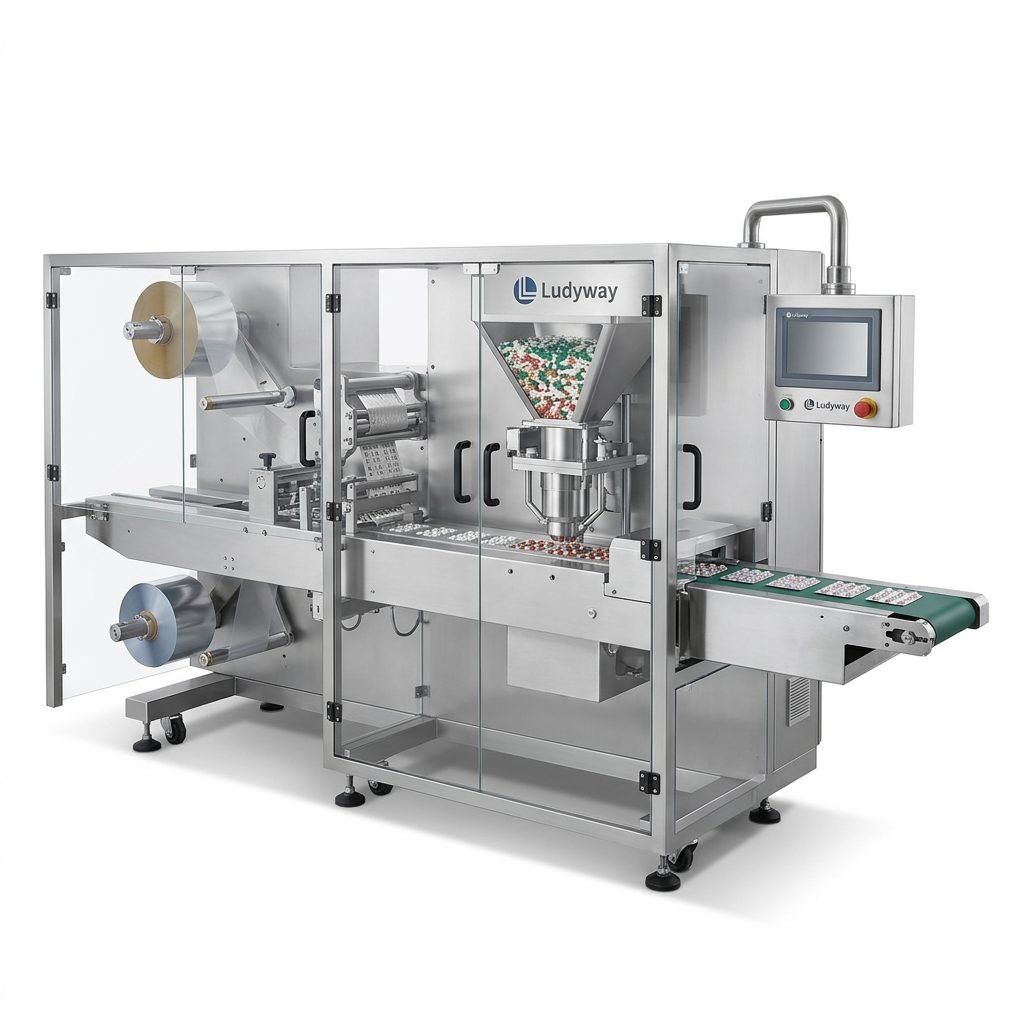
Setting up a seasoning packaging machine production line is a strategic investment that directly impacts product quality, shelf life, and operational efficiency. Whether you are packing granulated spices, powdered seasonings, or liquid sauces, the right line configuration ensures consistent fill weights, high-speed output, and minimal downtime. This guide walks you through the essential steps—from understanding your product characteristics to integrating auxiliary equipment and meeting industry standards.
1. Analyze Your Seasoning Product Characteristics
Before selecting equipment, you must profile your seasoning product thoroughly. Different physical properties require distinct feeding, filling, and sealing approaches. Key factors include:
- Flowability: Free-flowing granules like salt and sugar behave differently than cohesive powders such as onion powder or flour blends.
- Particle size and density: Bulk density variations affect volumetric and gravimetric dosing accuracy.
- Moisture sensitivity: Hygroscopic seasonings demand sealed hoppers, dehumidified environments, and high-barrier flexible packaging films.
- Oil content: Oily seasoning pastes or liquid concentrates require positive-displacement piston fillers or gear pump dosing.
- Dust generation: Fine powders benefit from dust-extraction hoods and enclosed transfer systems.
Conducting a material characterization test with your machine supplier helps prevent dosing errors and seal contamination later in production.
2. Select the Right Seasoning Packaging Machine
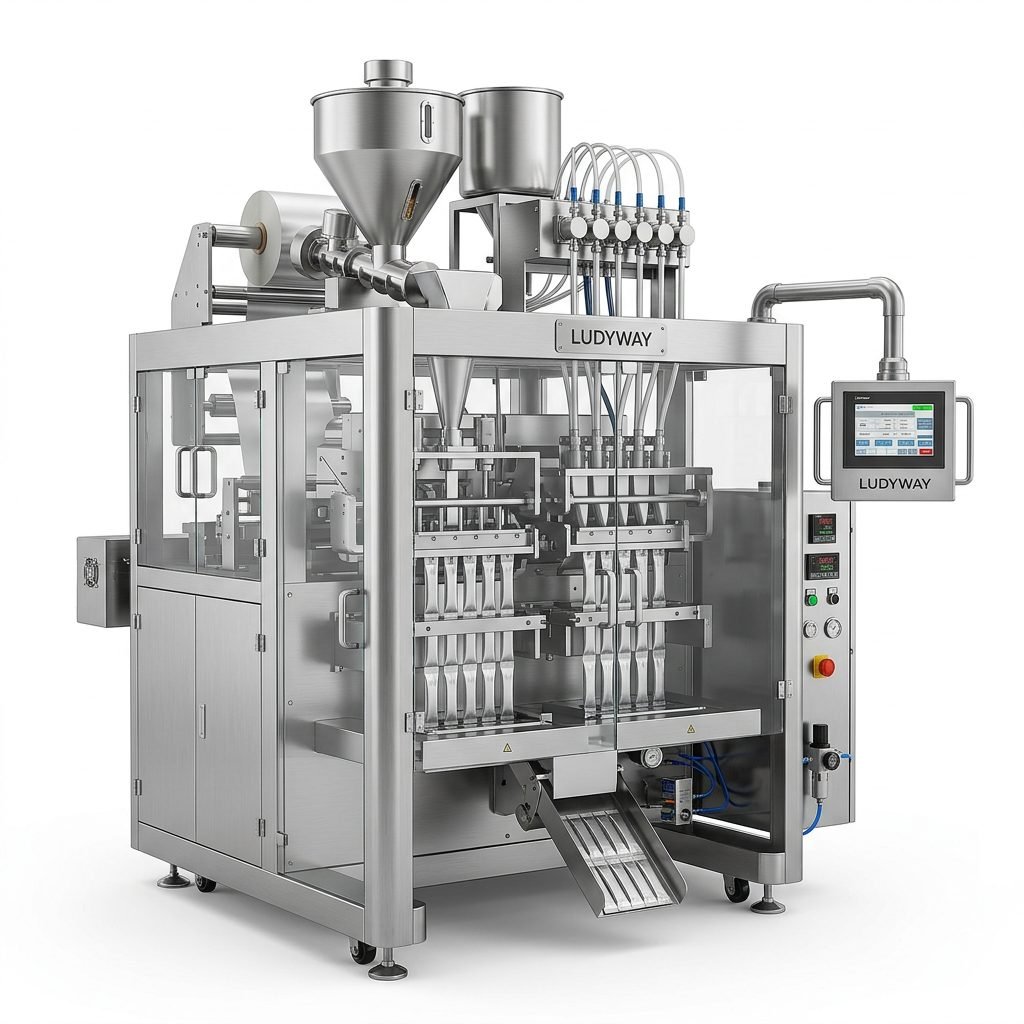
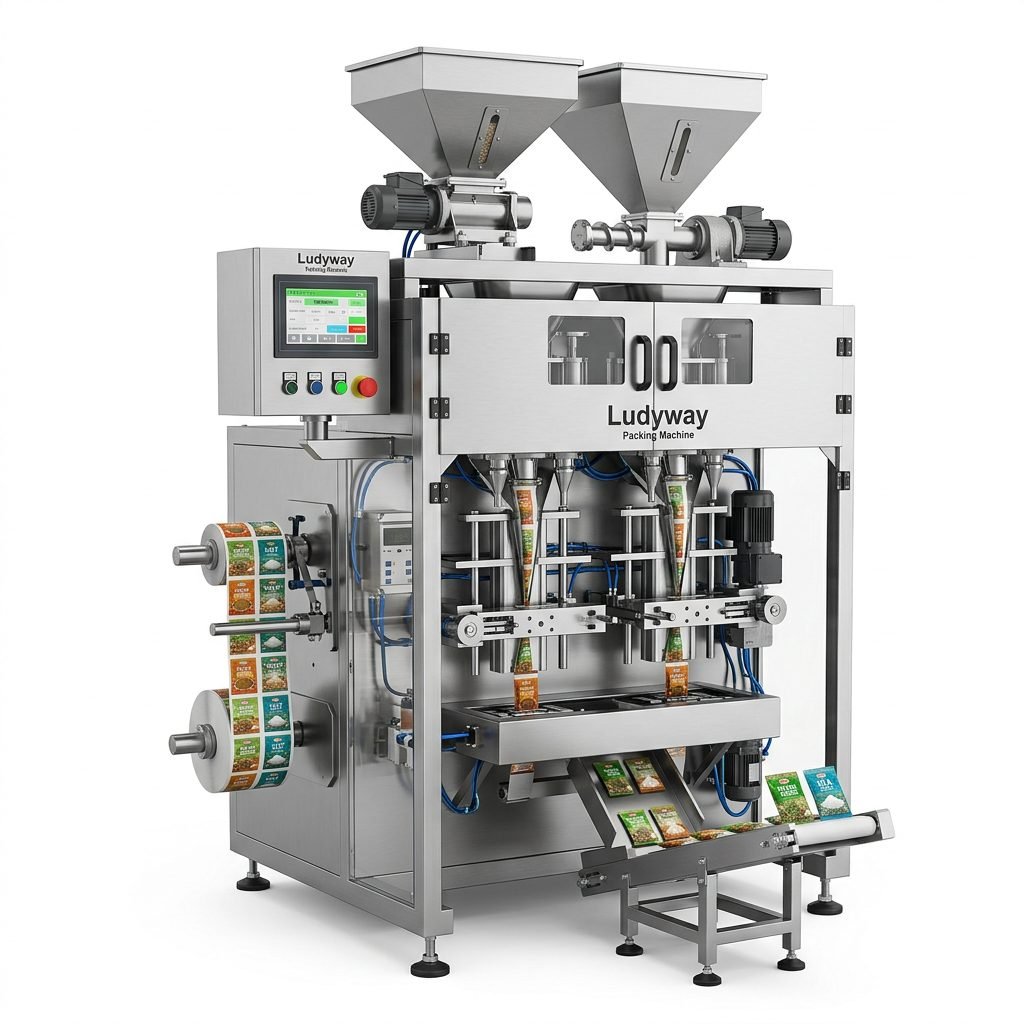
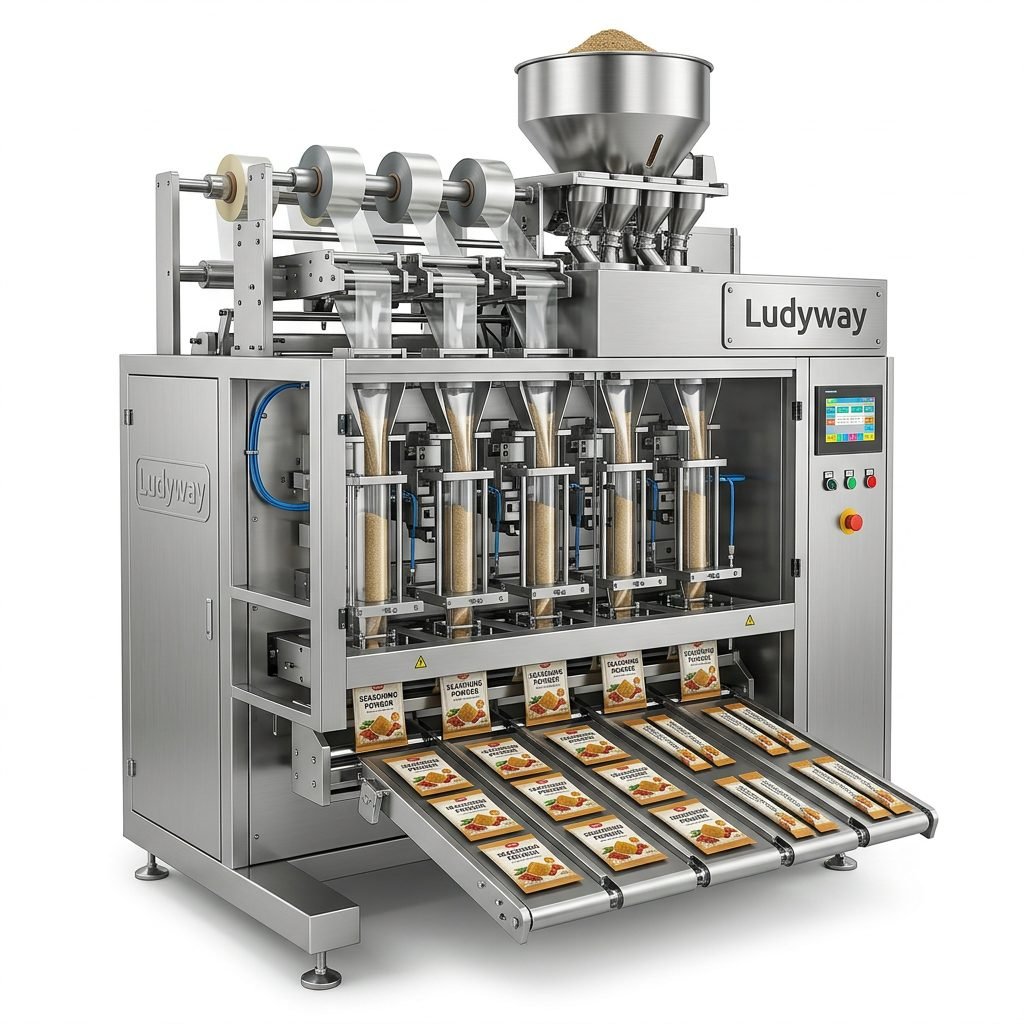
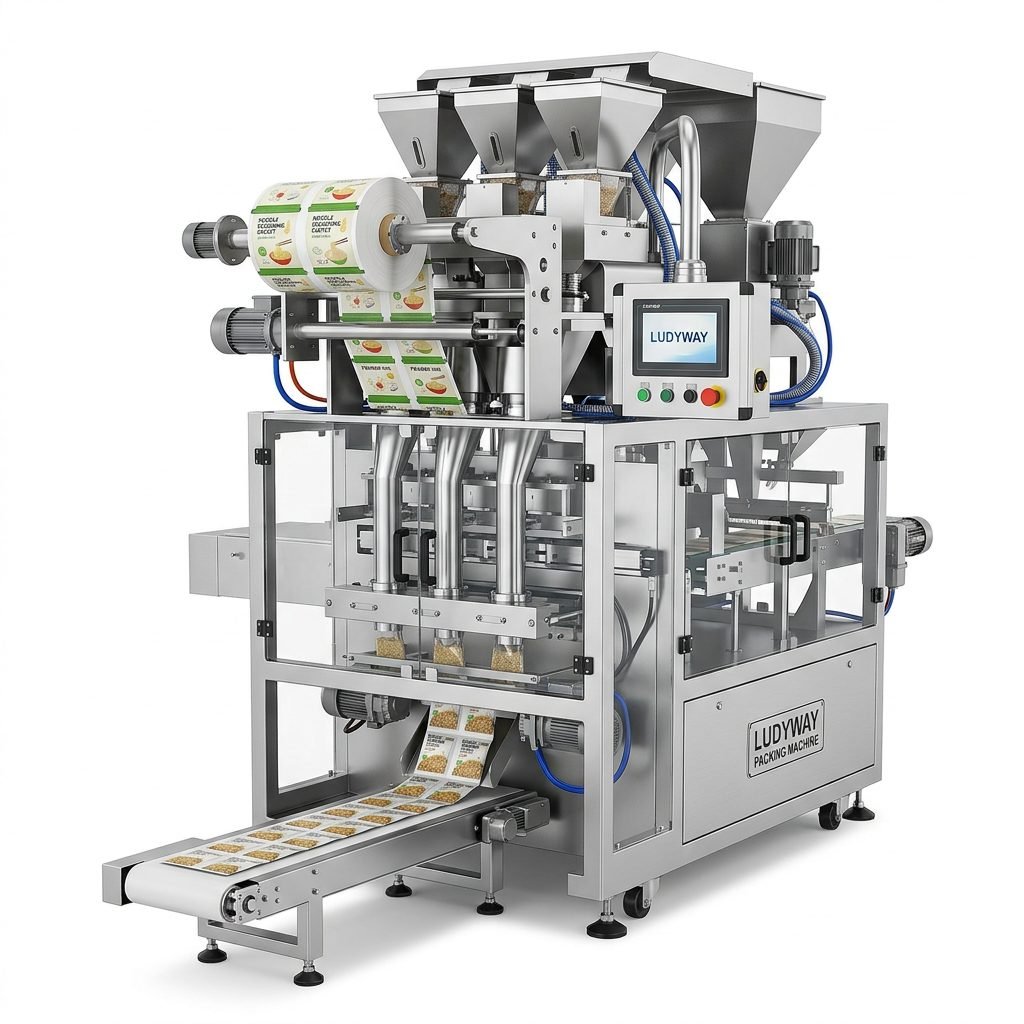
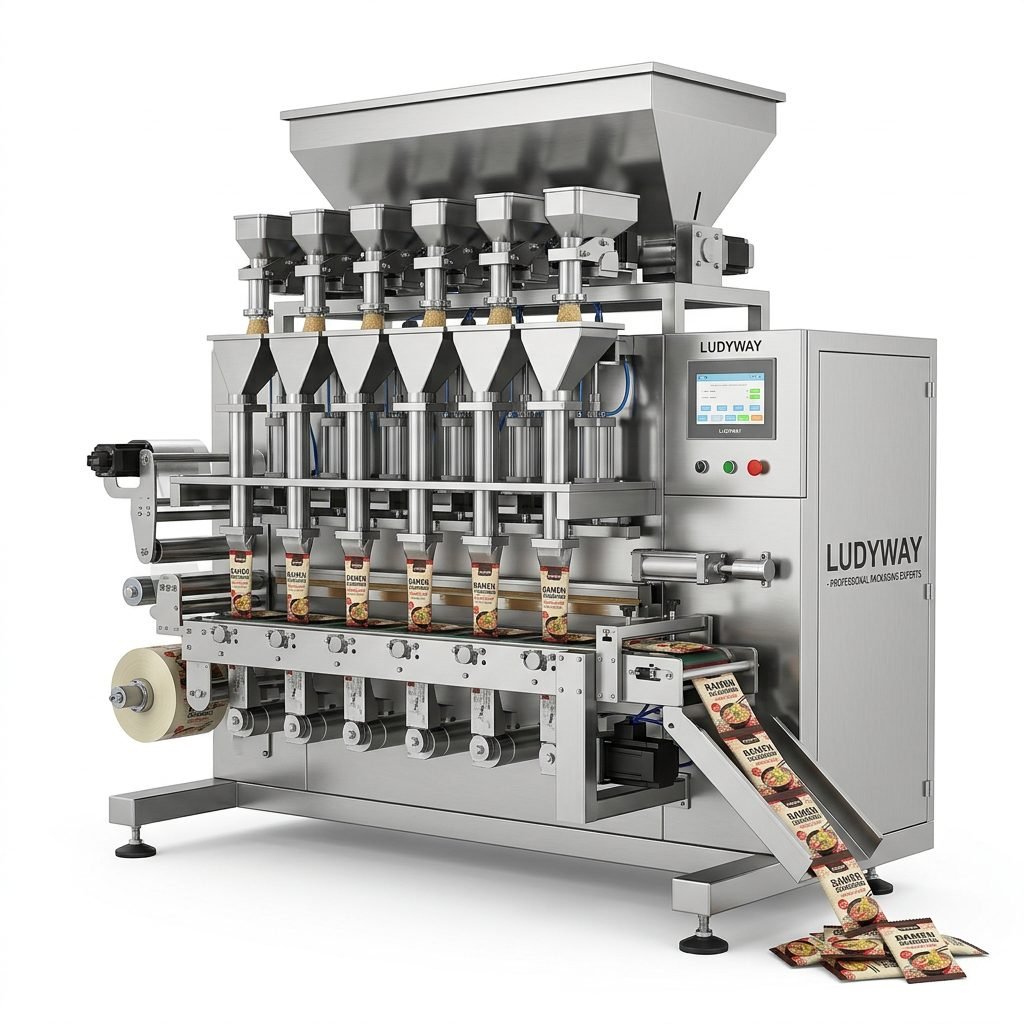
Modern seasoning lines revolve around vertical form-fill-seal (VFFS) or multi-lane stick pack machines. The table below outlines the most common configurations for seasoning applications:
| Machine Type | Best For | Key Advantage |
|---|---|---|
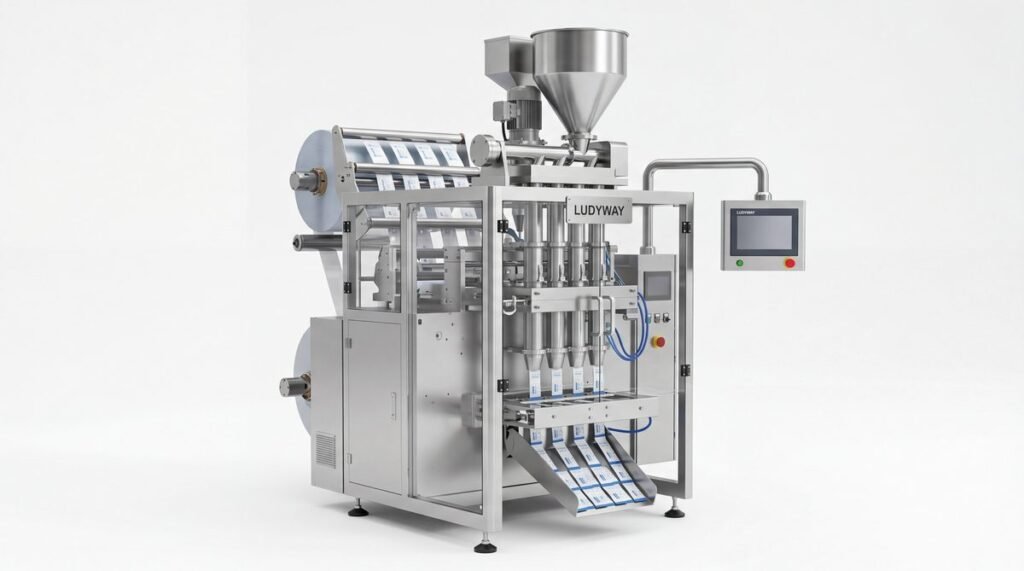
| Multi-Lane Stick Pack Machine | Powder and granule seasonings in single-serve sachets | Ultra-high output; up to 600–1000 packs/min across 8–12 lanes |
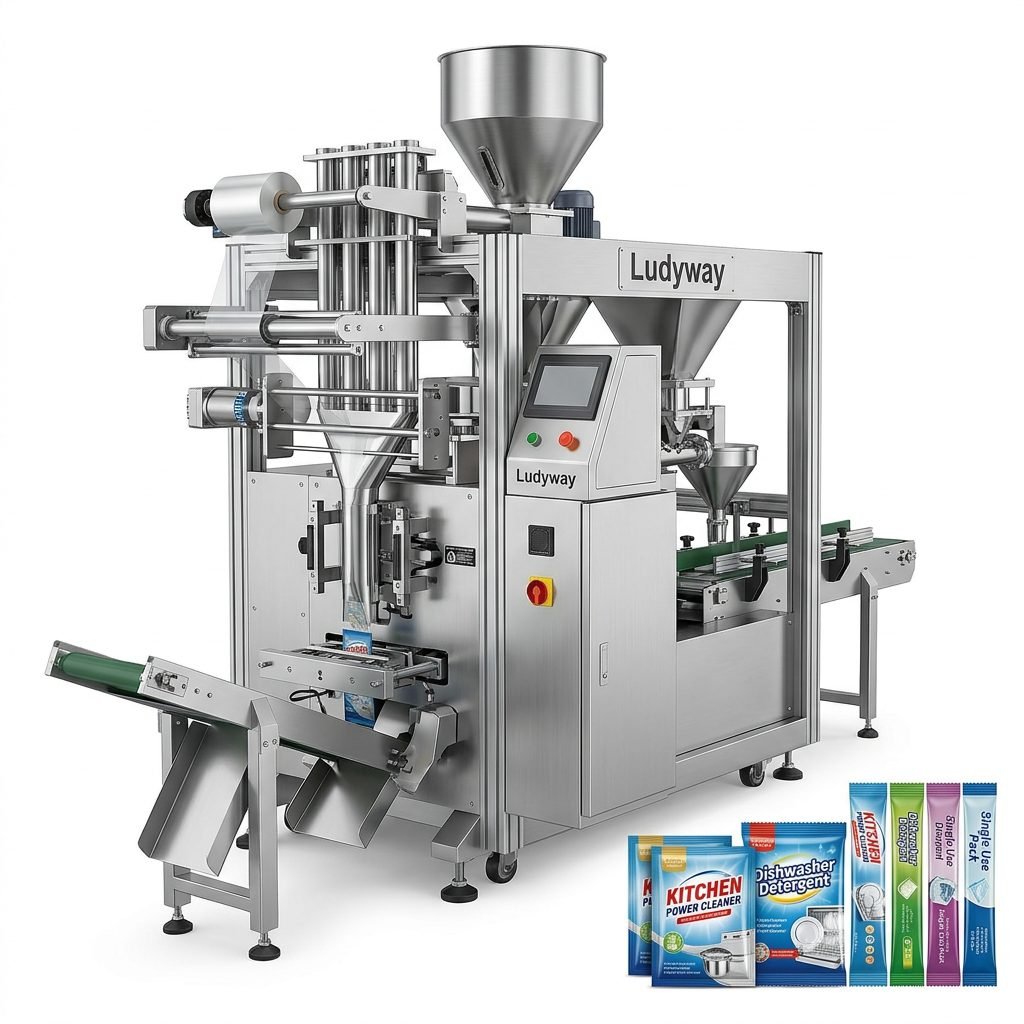
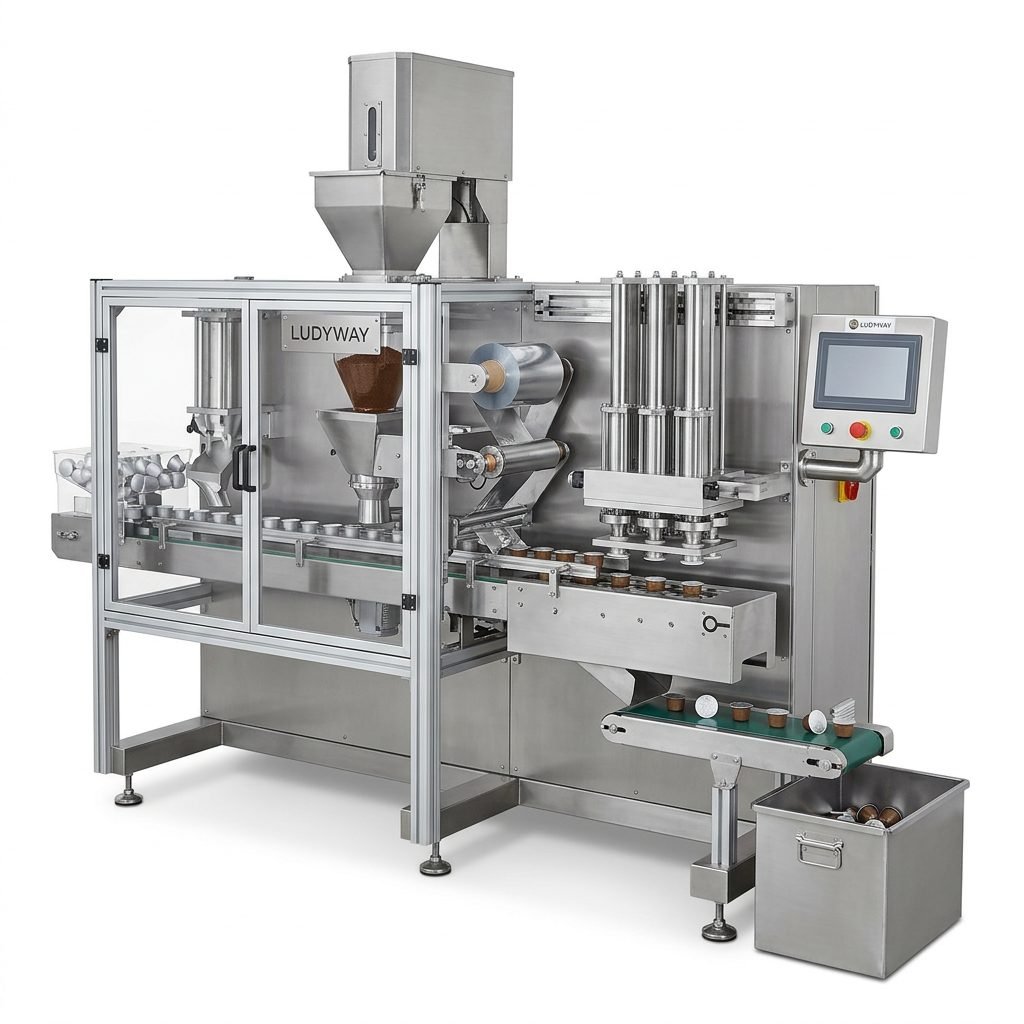
| Single-Lane VFFS with Auger Filler | Bulk seasoning packs for food service and industrial kitchens | Flexible bag sizes; accurate powder dosing via servo-driven auger |
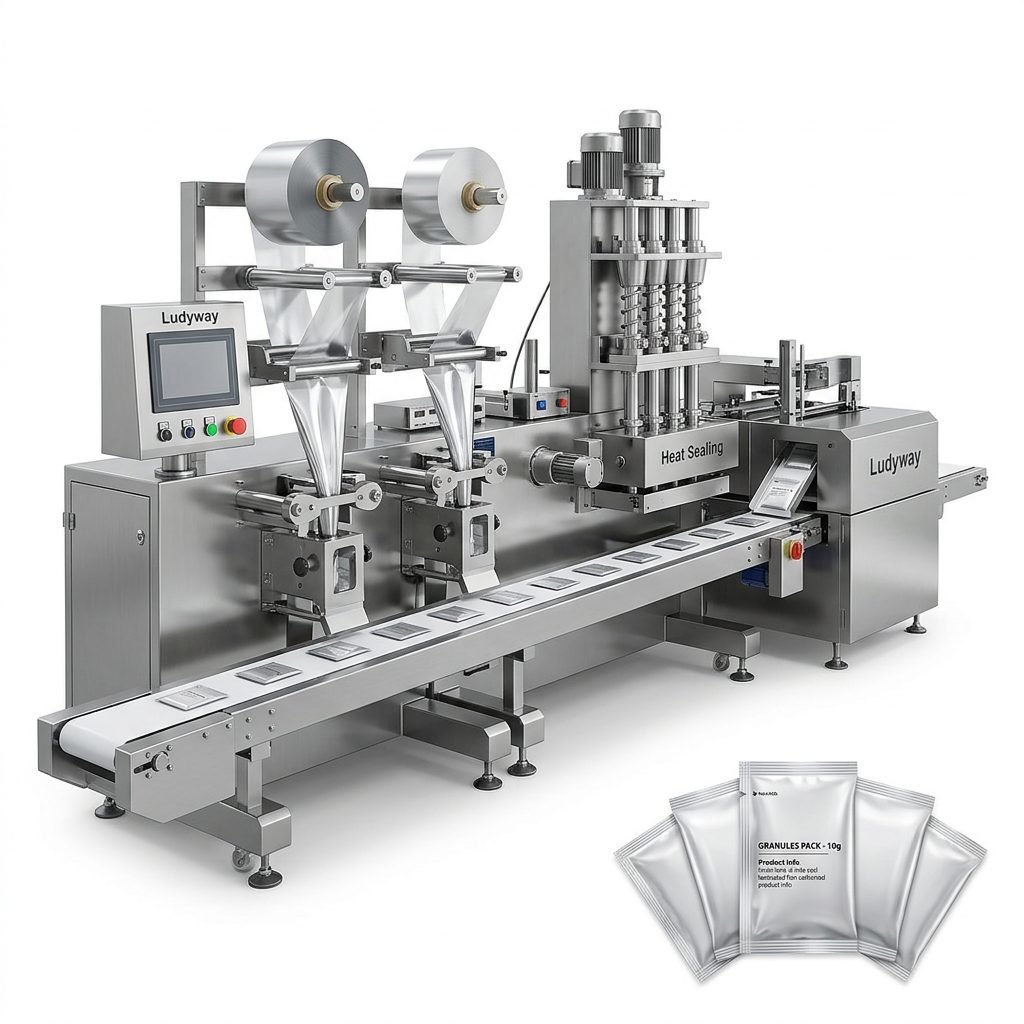
| Premade Pouch Rotary Filler | Seasoning pastes, liquid marinades, and high-value spice blends | Premium shelf appeal; supports zipper and spout pouches |
| Liquid Sachet Packaging Machine | Soy sauce, vinegar, hot sauce, and liquid seasoning pouches | Leak-proof vertical sealing; compatible with hot-fill processes |
When evaluating machines, pay close attention to film registration accuracy, jaw temperature control, and quick-change format parts—these features directly affect downtime between seasoning SKU changes. For granule and powder lines, multi-head weighers and auger fillers are the dominant dosing technologies, and selecting the right one depends on your target fill weight range and speed requirements. Many processors now prefer equipment that meets packaging machinery standards established by leading industry associations.
3. Integrate Auxiliary Equipment into the Production Line
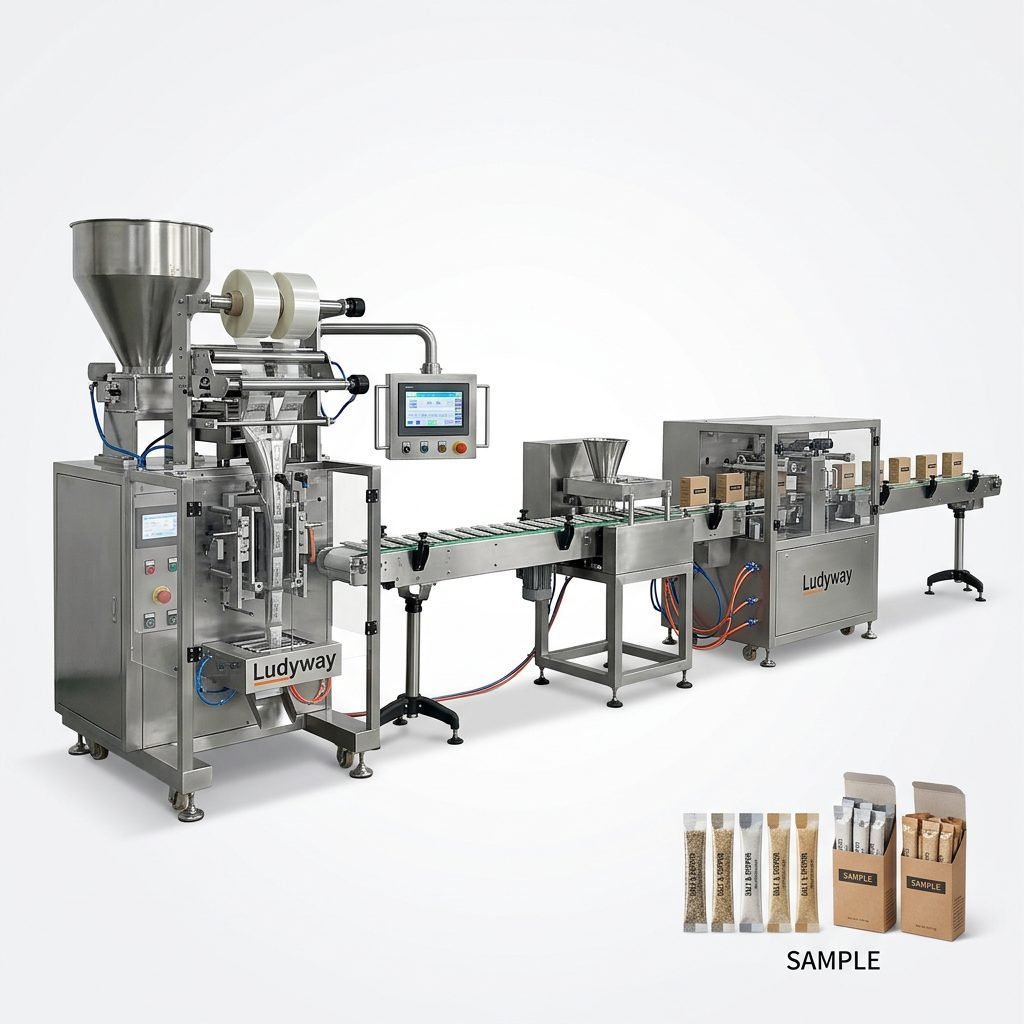
A standalone packaging machine is only one part of a fully functional line. To achieve continuous, unattended operation, you need to integrate several supporting systems:
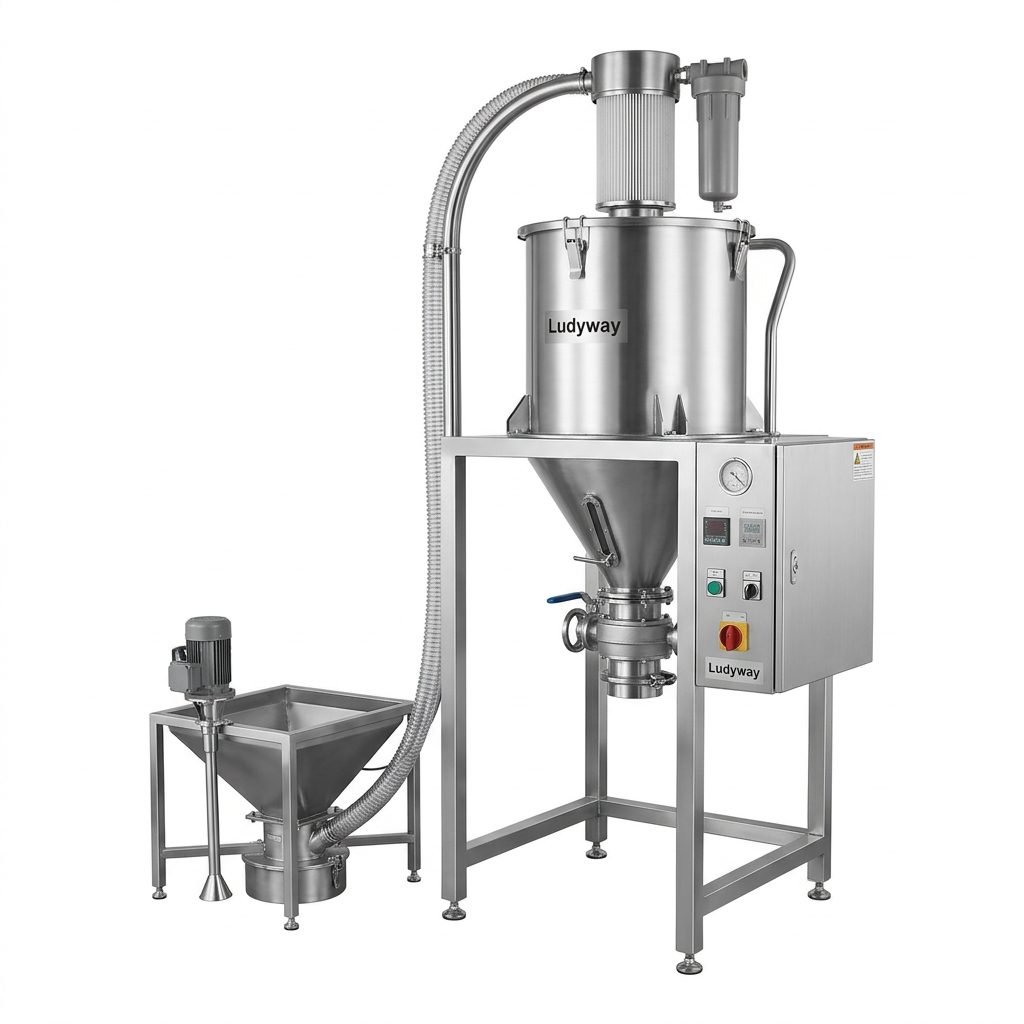
- Feeding and conveying systems: Bucket elevators, inclined conveyors, or vacuum feeders transport seasoning from bulk storage to the packaging machine hopper without segregation or bridging.
- Checkweighers and metal detectors: In-line quality control devices reject underweight packs and detect ferrous, non-ferrous, and stainless steel contaminants.
- Date coders and labelers: Thermal transfer printers or laser coders apply batch numbers and expiry dates directly onto the film.
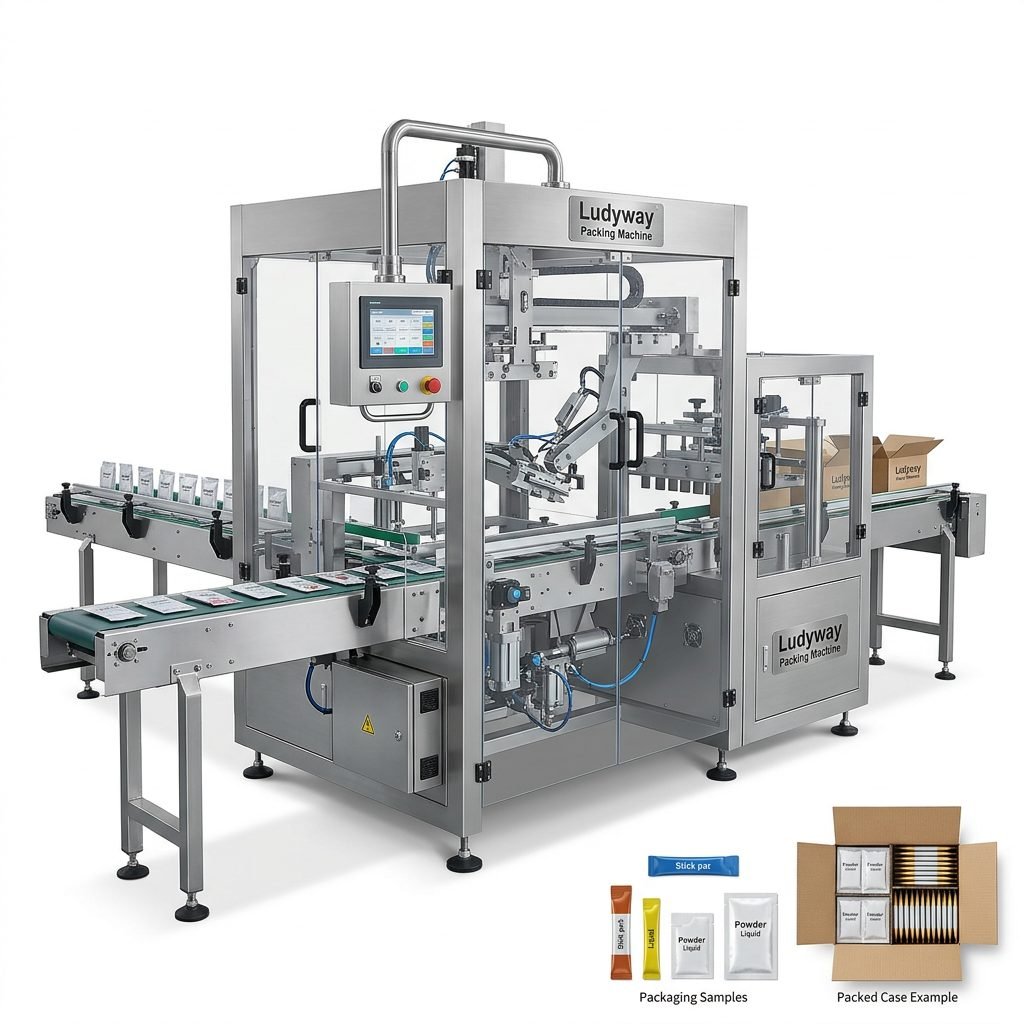
- Cartoning and case packing: Automated cartoners collate finished sachets or stick packs and load them into cartons for secondary packaging.
- Palletizing systems: Robotic palletizers stack finished cases onto pallets, reducing manual handling at the end of the line.
Proper line integration synchronizes all modules through a central PLC and SCADA system, giving operators real-time visibility into OEE, reject rates, and machine status. This integration also simplifies regulatory compliance by providing traceability data for every production batch.
4. Design the Facility and Production Layout
The physical layout of your seasoning packaging line significantly influences material flow and hygiene. Consider these factors when planning floor space:
- Segregated zones: Separate raw material receiving, processing, packaging, and finished goods storage areas.
- Air handling: Positive air pressure in the packaging room prevents cross-contamination from adjacent production areas.
- Utility connections: Ensure adequate compressed air supply (typically 6–8 bar) and stable electrical voltage for the packaging machinery.
- Operator access: Leave sufficient clearance around each machine for film roll changes, cleaning, and maintenance.
If you are planning to run multiple seasoning varieties on the same line, design the layout for rapid changeover. Quick-release guide rails, tool-less format adjustments, and pre-programmed recipes in the HMI reduce the time needed to switch between different pouch sizes and seasoning types.
5. Implement Quality Control and Food Safety Protocols
Seasoning packaging lines must comply with food safety regulations in your target market. Building a robust quality control framework around your equipment protects both consumers and your brand. Key elements include:
- HACCP-based inspection points: Define critical control points at the filling station, seal-cooling zone, and metal detection stage.
- Seal integrity testing: Perform regular burst tests, dye penetration tests, or vacuum leak tests on finished pouches.
- Clean-in-place (CIP) compatibility: For liquid and paste seasoning machines, select equipment with sanitary-grade stainless steel contact parts and CIP-ready design.
- Environmental monitoring: Track temperature and humidity in the packaging hall, especially for moisture-sensitive seasoning powders.
Documentation is equally important. Maintain clear records of machine calibration, preventive maintenance, and sanitation schedules to satisfy auditor requirements under schemes like ISO packaging standards and BRCGS.
6. Partner with an Experienced Packaging Equipment Manufacturer
The success of your seasoning packaging line depends heavily on the expertise and support of your equipment supplier. Look for a manufacturer that offers turnkey project management—from initial line design and factory acceptance testing through to installation, commissioning, and operator training. A supplier with in-house engineering teams, spare parts inventory, and responsive after-sales service ensures that your production line continues to run at peak performance. One example of a manufacturer with global seasoning packaging experience is Ludyway, which provides integrated packaging solutions for granule, powder, and liquid seasonings. When evaluating potential partners, ask for references from similar seasoning processing operations and review their track record with international packaging exhibitions and industry certifications.
7. Plan for Future Scalability
Your seasoning market may expand into new product categories—marinades, dry rubs, liquid condiments, or multi-pack meal kits. Select a packaging line architecture that accommodates future upgrades. Modular multi-lane machines, for example, allow you to add lanes or switch between stick pack and sachet formats without replacing the entire system. Similarly, choosing a control platform that supports IoT connectivity enables predictive maintenance and remote diagnostics, reducing unplanned downtime as your production volume grows. Referencing state-of-the-industry trends can help you align your capital equipment decisions with where the packaging machinery market is heading over the next 3–5 years.
Key Takeaways for Your Seasoning Packaging Line Project
- Start with a thorough product analysis to match your seasoning’s physical properties with the correct dosing and sealing technology.
- Choose between multi-lane stick pack, VFFS, or premade pouch systems based on your target output, pack format, and budget.
- Integrate auxiliary equipment—checkweighers, metal detectors, coders, and cartoners—to create a fully automated, inspection-ready line.
- Design your facility layout for hygiene, material flow, and rapid changeover between seasoning varieties.
- Partner with a manufacturer that provides end-to-end project support, from line engineering to after-sales service.
By following these steps and investing in reliable, well-integrated packaging machinery, you position your seasoning business for consistent product quality, regulatory compliance, and scalable growth in an increasingly competitive global market.