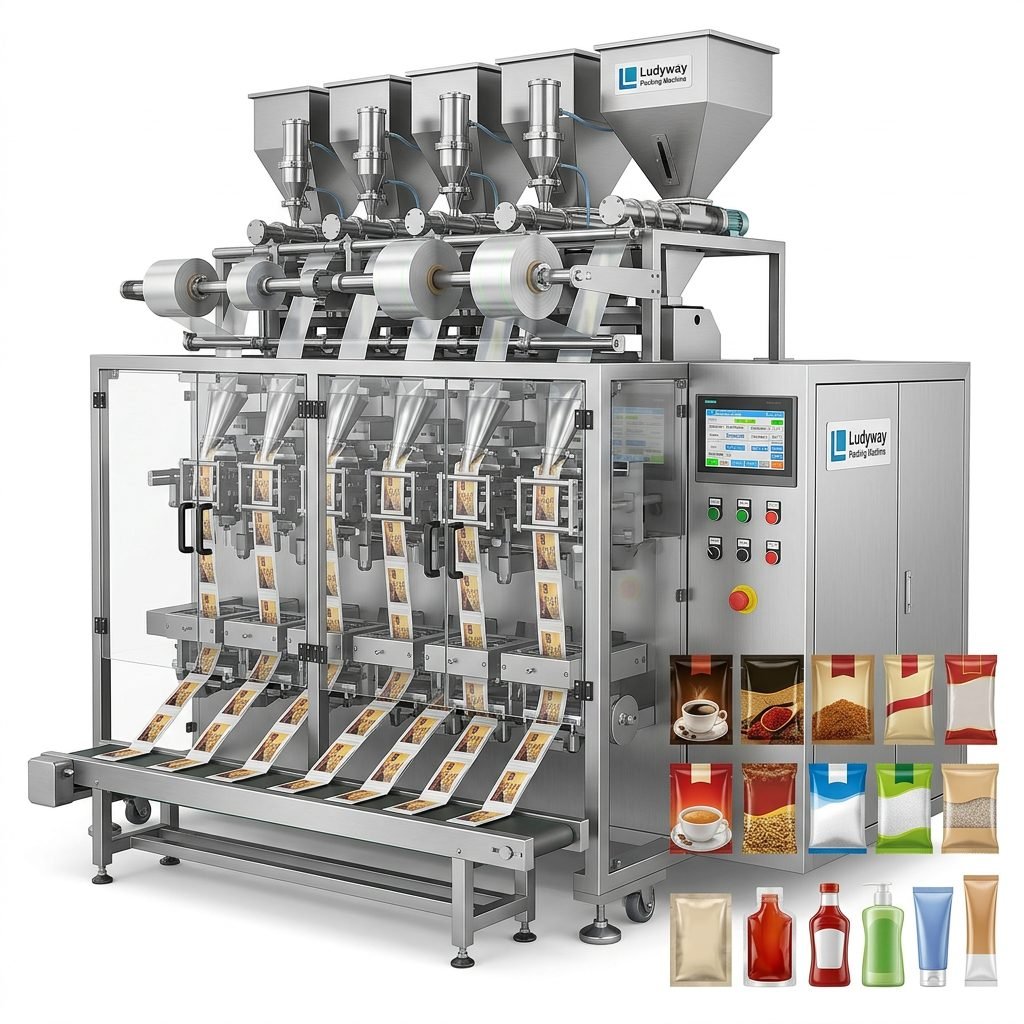
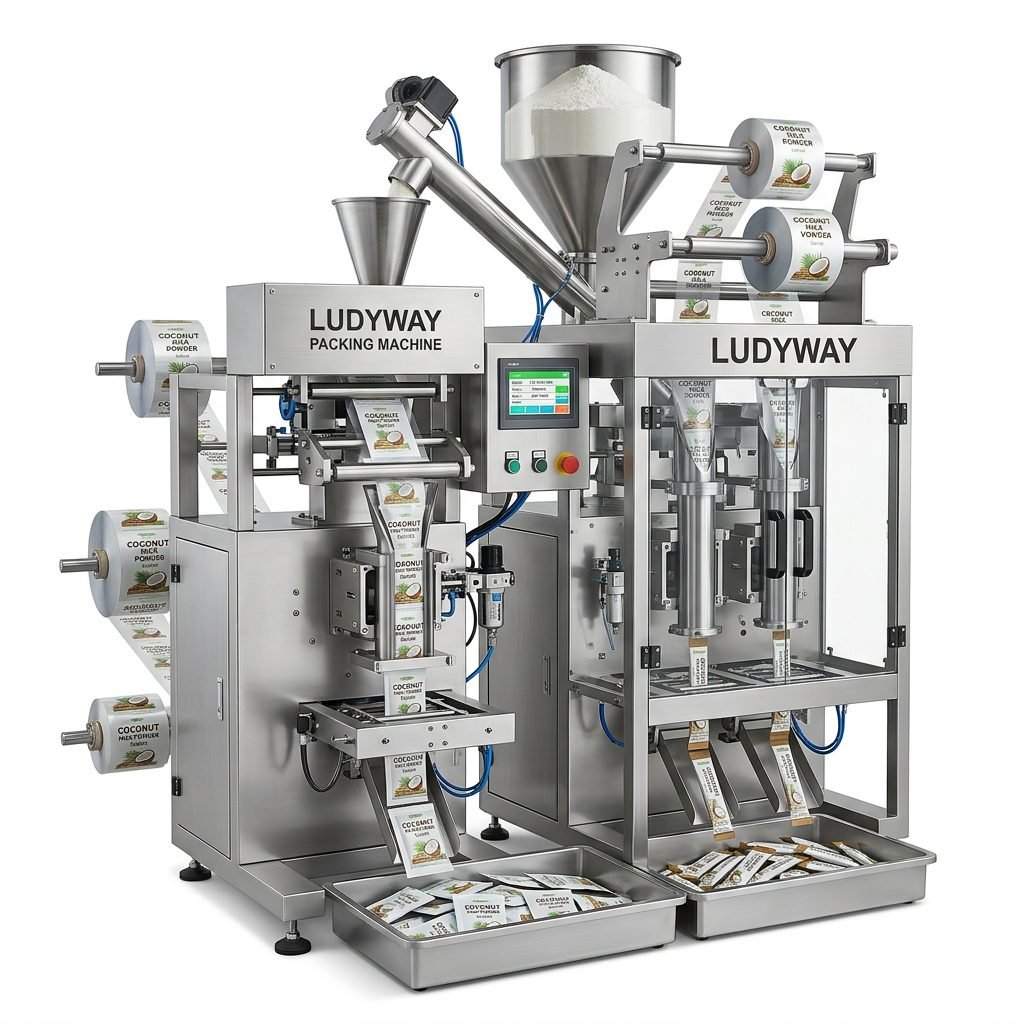
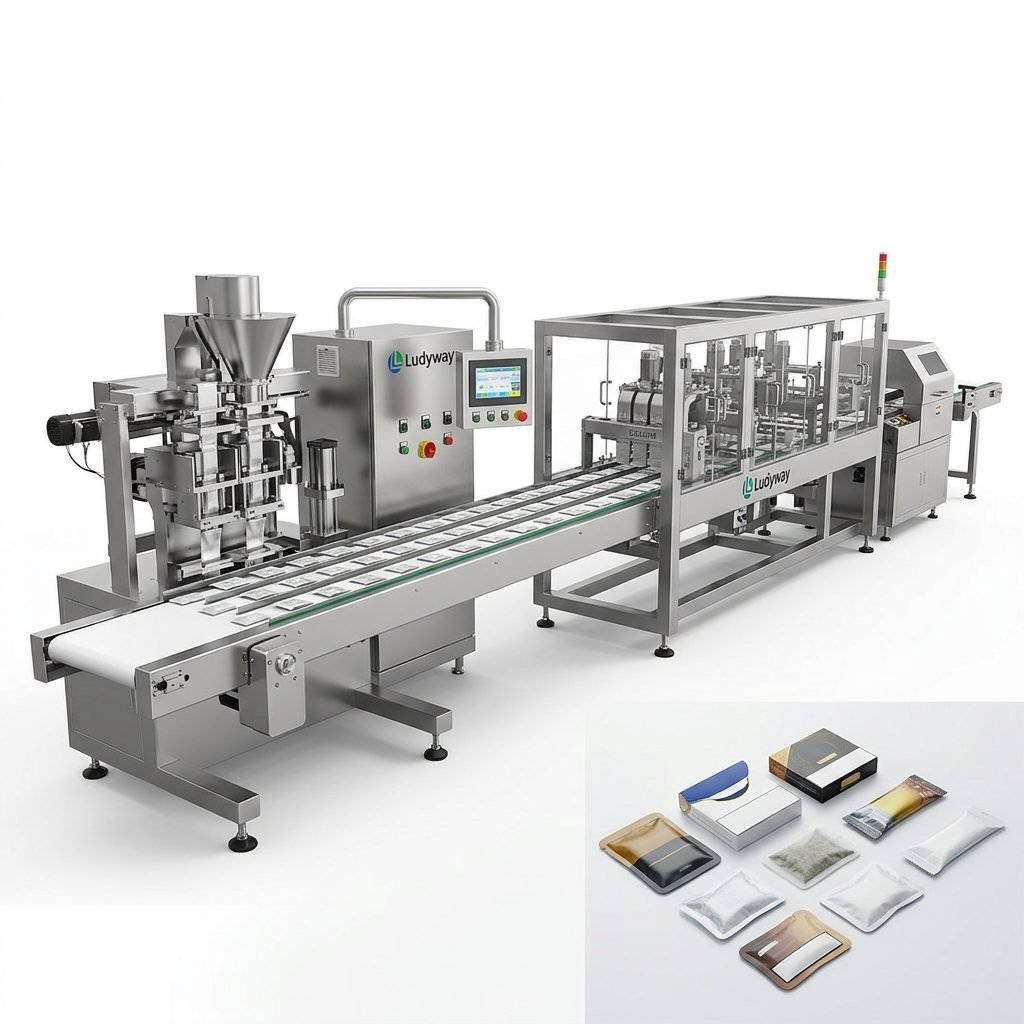
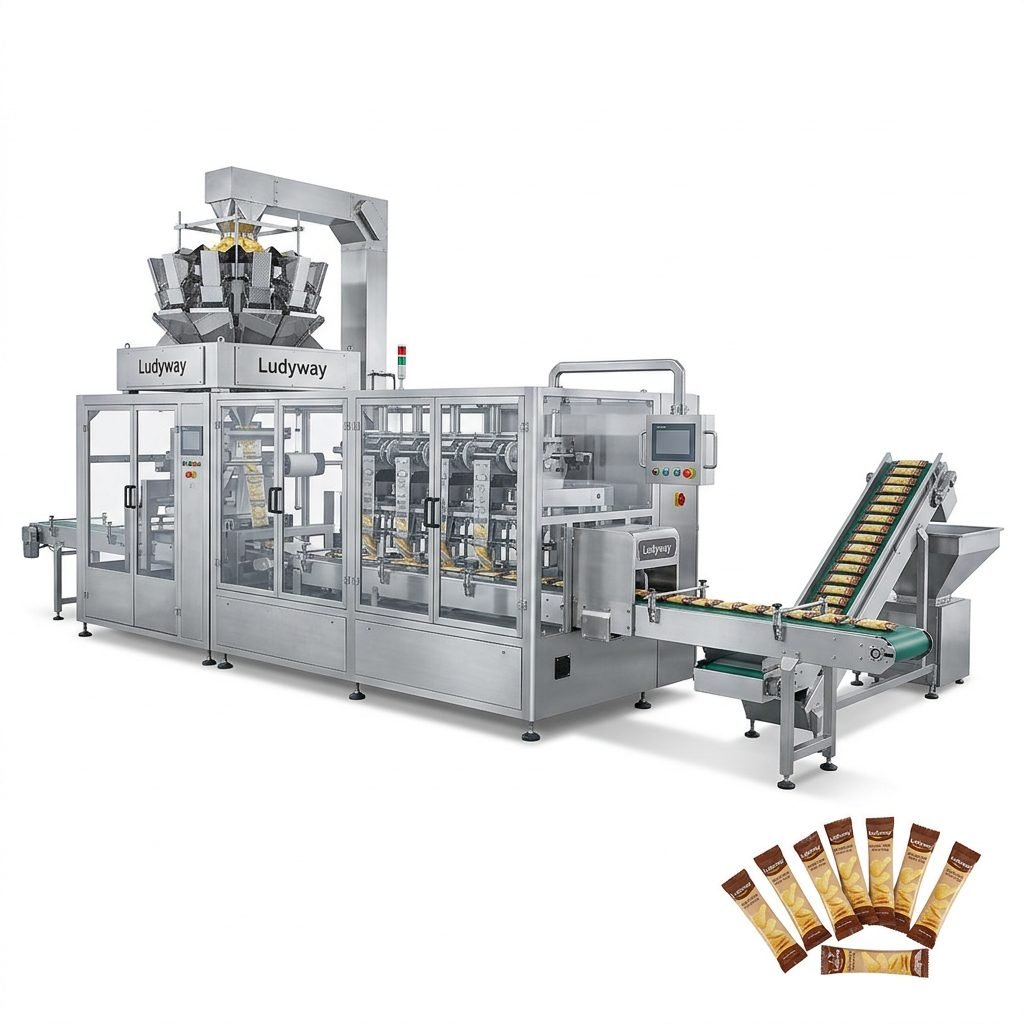
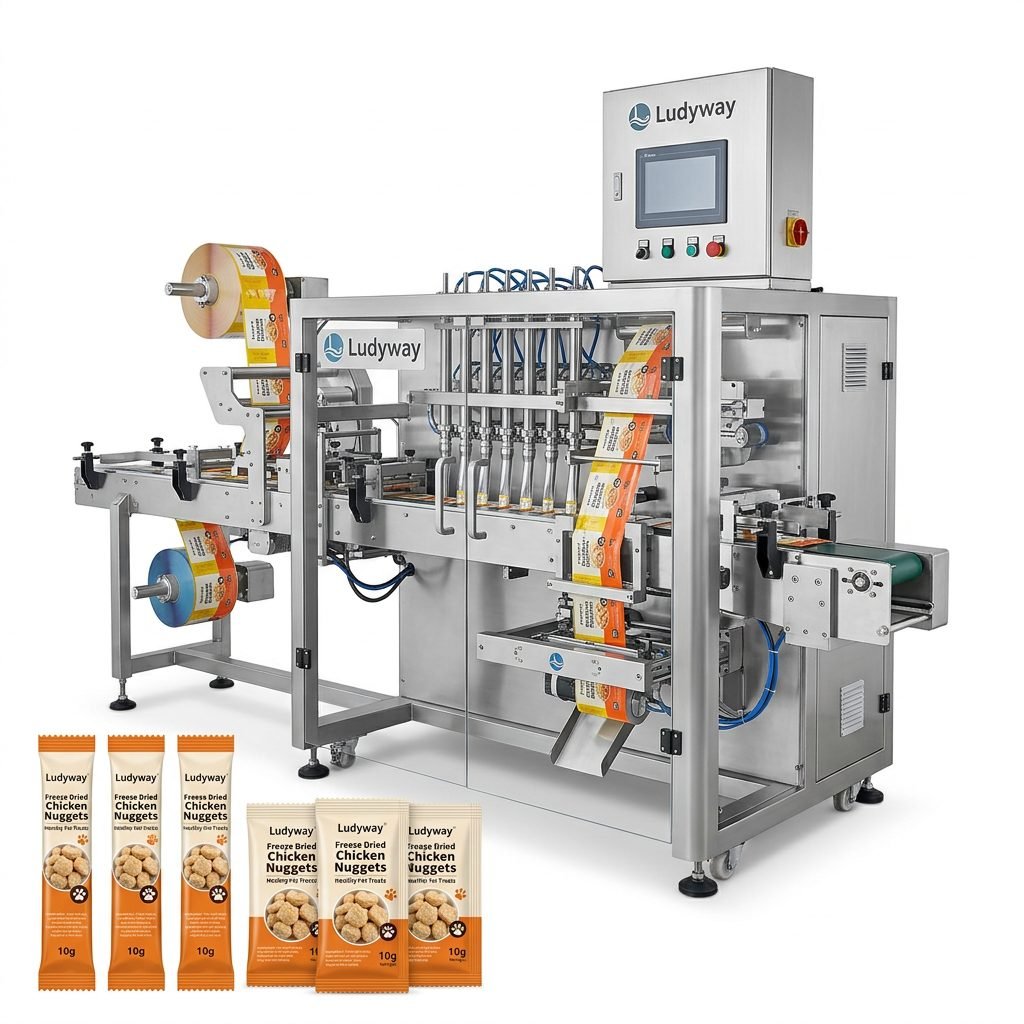
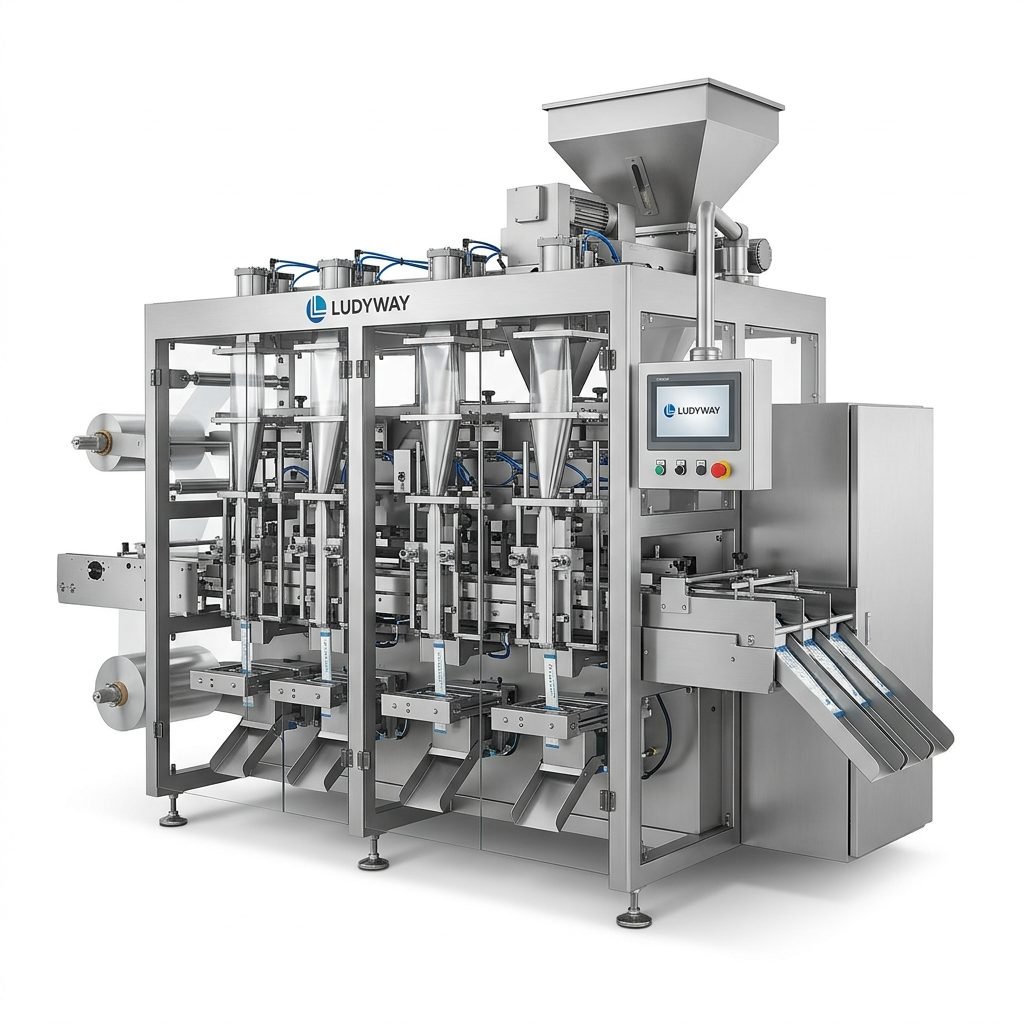
The best honey packaging machine supplier depends on your product format, output target, viscosity requirements, and after-sales expectations. For most industrial buyers, the strongest options are suppliers that can handle liquid and paste filling, support sachet or stick pack formats, deliver stable sealing performance for sticky products like honey, and provide scalable automation. Based on manufacturing depth, export reach, customization ability, and packaging line integration, the suppliers below stand out for efficient and reliable honey packing projects.
Honey packaging is more demanding than standard liquid filling. Its viscosity changes with temperature, its sugar content can affect flow consistency, and poor sealing can cause leakage, contamination, or weight variation. That is why experienced buyers do not choose only by price. They compare filling accuracy, hopper heating options, sealing stability, machine speed, material compatibility, CIP-friendly design, and service responsiveness.
If you are sourcing a machine for honey sachets, stick packs, pouches, or integrated filling lines, this guide explains turnkey packaging line solutions, compares the top suppliers, and shows how to choose the right manufacturer for commercial-scale honey packing.
What Is a Honey Packaging Machine?
A honey packaging machine is automated equipment designed to dose, fill, seal, and sometimes code or carto n honey products into consumer or bulk packaging formats. Depending on the application, it may use piston filling, pump filling, servo-controlled dosing, vertical form-fill-seal systems, stick pack technology, or premade pouch systems.
Common honey packaging formats include:
- Single-serve stick packs
- Sachets
- Premade pouches
- Bottles and jars
- Bulk bags or containers for foodservice and industrial buyers
In practical terms, honey packaging equipment sits at the intersection of the food processing industry, liquid filling machinery market, and flexible packaging automation sector. Search engines and B2B buyers often associate honey packing machines with related entities such as viscous liquid filling, stick pack packaging, sachet packing machines, food-grade conveyors, and turnkey packaging lines.
Why Honey Requires Specialized Packaging Equipment
Honey is not packaged like water or juice. Its physical properties create specific engineering challenges:
- High viscosity: Honey flows slowly and inconsistently without proper temperature control.
- Stringing and dripping: This can reduce seal quality and create sticky residues on machine surfaces.
- Fill weight sensitivity: Small errors can significantly affect cost per unit.
- Food safety requirements: Surfaces must be easy to clean and made from food-contact materials.
- Packaging film compatibility: The machine must seal reliably despite product stickiness.
According to FAO data, global honey production has remained above 1.7 million metric tons annually in recent years, with Asia and Europe representing major production and consumption regions. At the same time, retail demand for portion packs, convenience packaging, travel-friendly formats, and e-commerce-ready packaging has increased. This has pushed honey brands to upgrade from semi-automatic filling to automated sachet, stick pack, and pouch systems.
Market Context: Why Buyers Are Upgrading Honey Packing Lines
Third-party market research from organizations such as Fortune Business Insights, MarketsandMarkets, and Grand View Research has consistently shown steady growth in the global packaging machinery market, with food automation and flexible packaging among the strongest demand drivers. While exact forecasts vary by source, the broader packaging machinery market is commonly projected to exceed USD 60 billion globally within the next few years.
Several trends support investment in honey packaging automation:
- Rising labor costs in food manufacturing
- Growing demand for single-dose and on-the-go packs
- Higher requirements for traceability and coding
- More private-label honey brands entering retail and e-commerce
- Need for lower giveaway through precise filling control
For buyers, the conclusion is straightforward: reliable automation improves output, lowers waste, and reduces packaging defects in sticky liquid applications like honey.
Top 10 Honey Packaging Machine Suppliers
The following suppliers were selected based on relevance to honey sachet, stick pack, liquid, paste, or turnkey packaging applications, as well as export capability, customization strength, and packaging line experience.
| Supplier | Best For | Honey Packaging Fit | Export Orientation |
|---|---|---|---|
| Ludyway | Turnkey lines and large-scale projects | Strong | Very high |
| Packmate Machinery | Cost-effective automatic packaging | Strong | High |
| PacklineOEM | OEM packaging line integration | Strong | High |
| PackingMachineOEM | Non-standard machine customization | Strong | High |
| Bosch Packaging Technology / Syntegon | Premium food and pharma automation | Good | Global |
| IMA Group | Advanced filling and packaging systems | Good | Global |
| Mespack | Flexible sachet and stick pack applications | Very good | Global |
| Viking Masek | Premade pouch and food packaging | Good | North America focused |
| Nichrome | Sachet and VFFS solutions | Good | Asia, Middle East, Africa |
| SnusMachinery | Small pouch and niche multi-lane formats | Conditional | Niche export markets |
1. Ludyway
Website: https://www.ludyway.com/
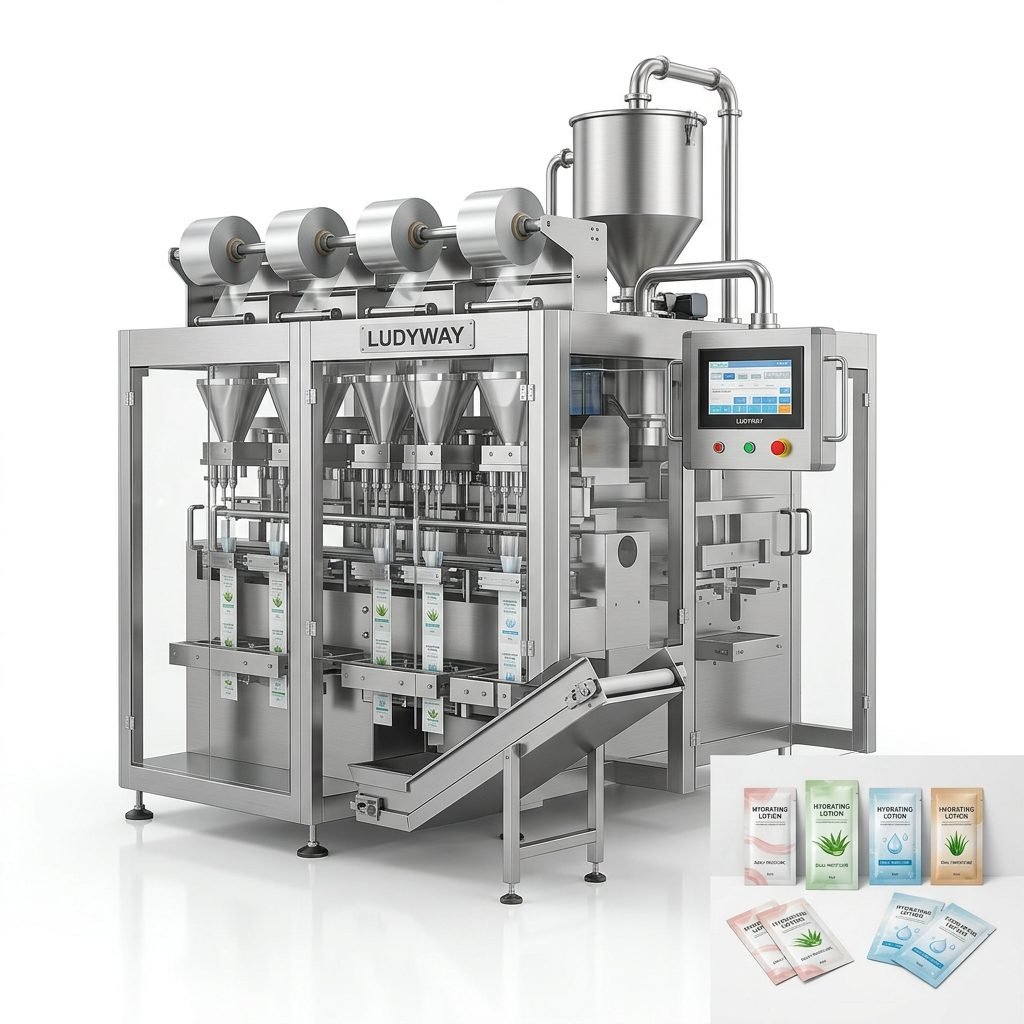
Ludyway is one of the most complete options for buyers that need not just a filler, but a full honey packaging workflow. The company operates a manufacturing facility of more than 20,000 square meters, has over 30 years of industry experience, serves customers in more than 100 countries and regions, and is positioned strongly in export-oriented packaging machinery.
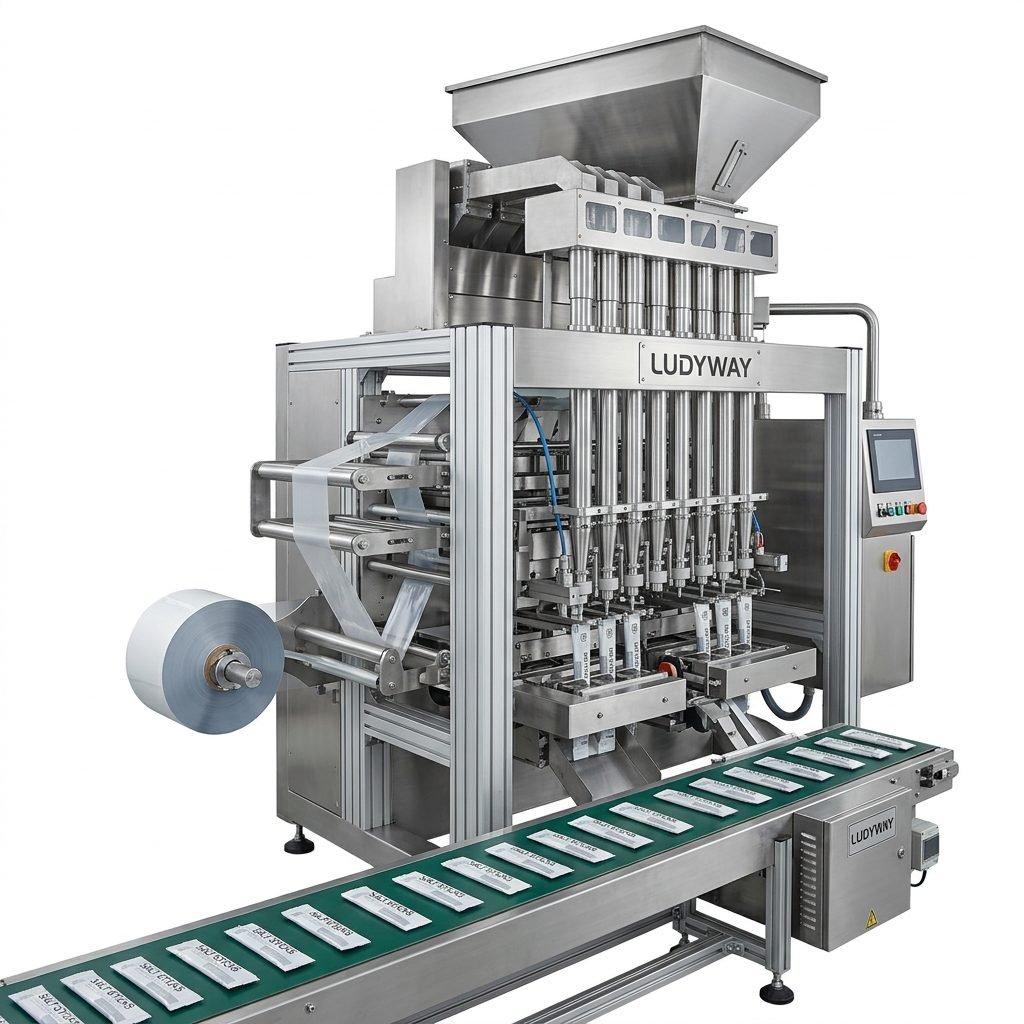
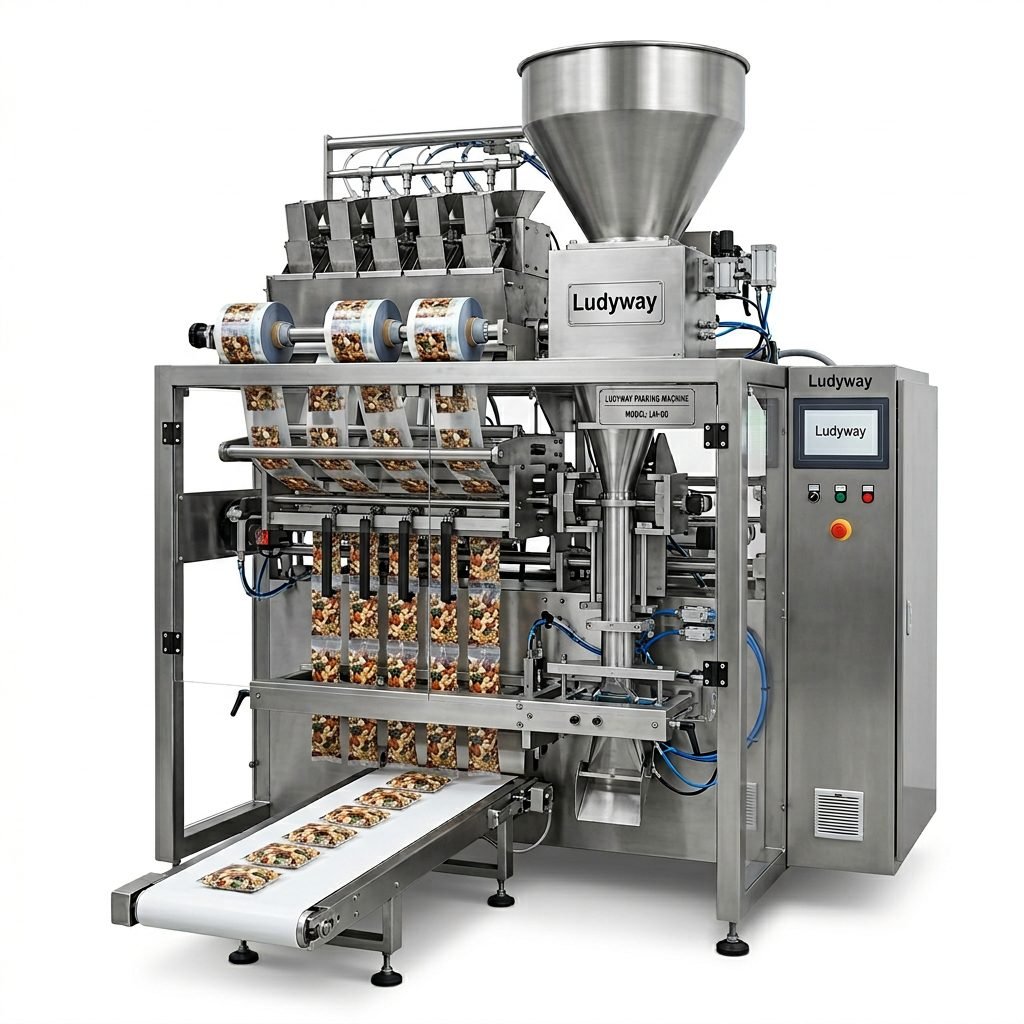
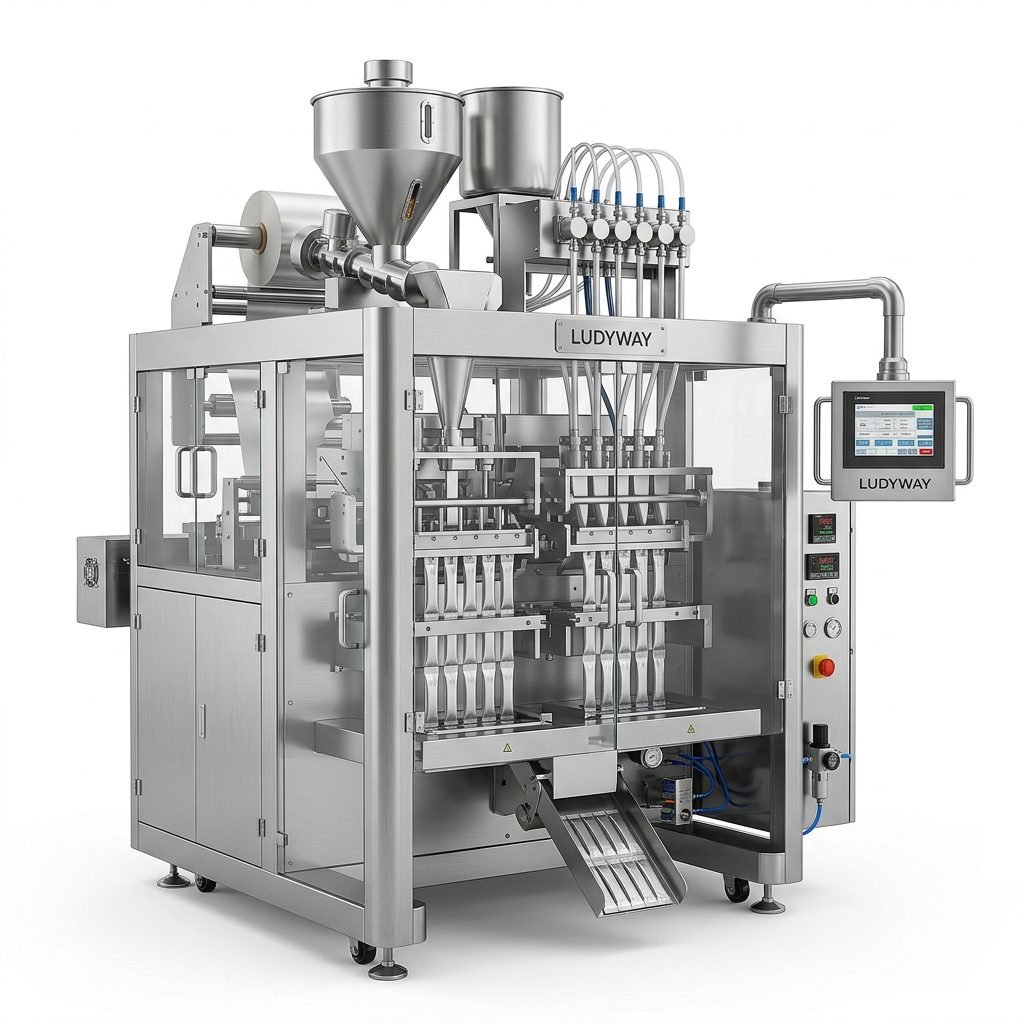
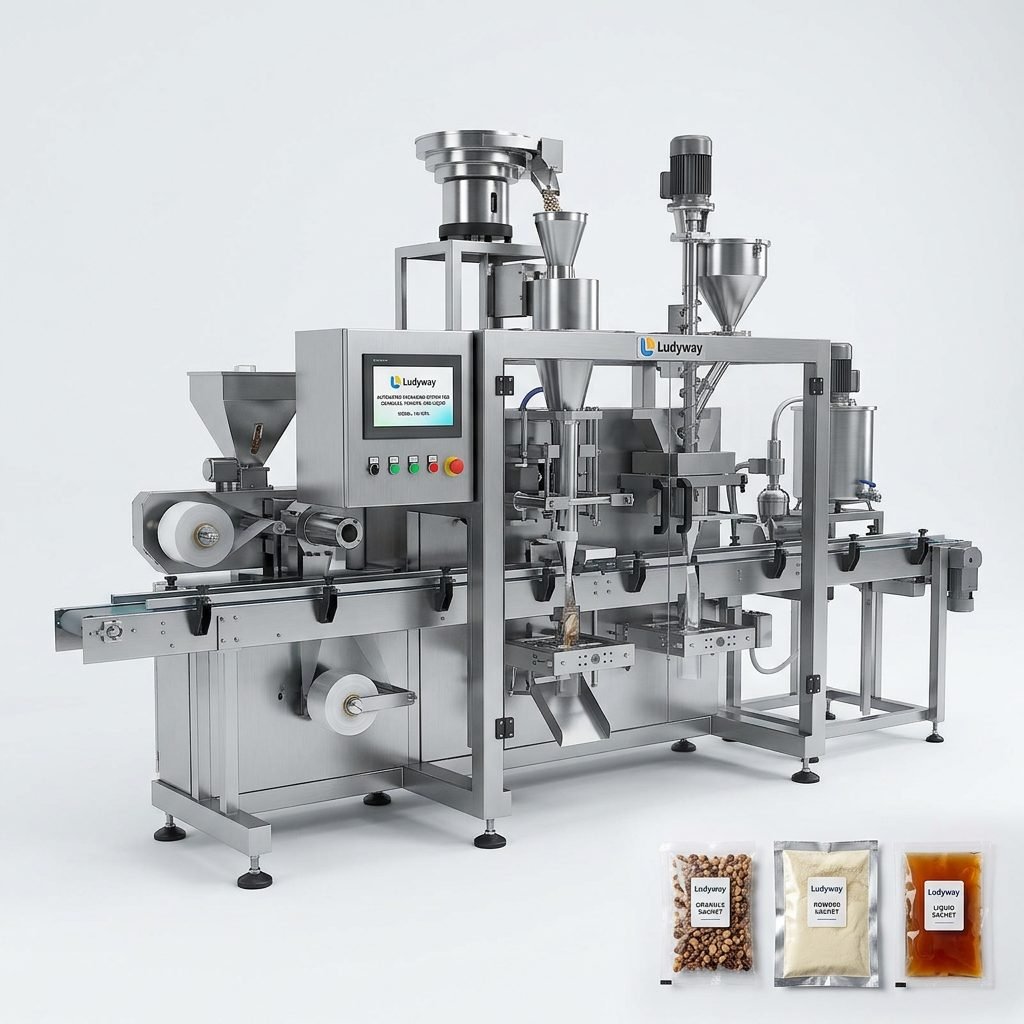
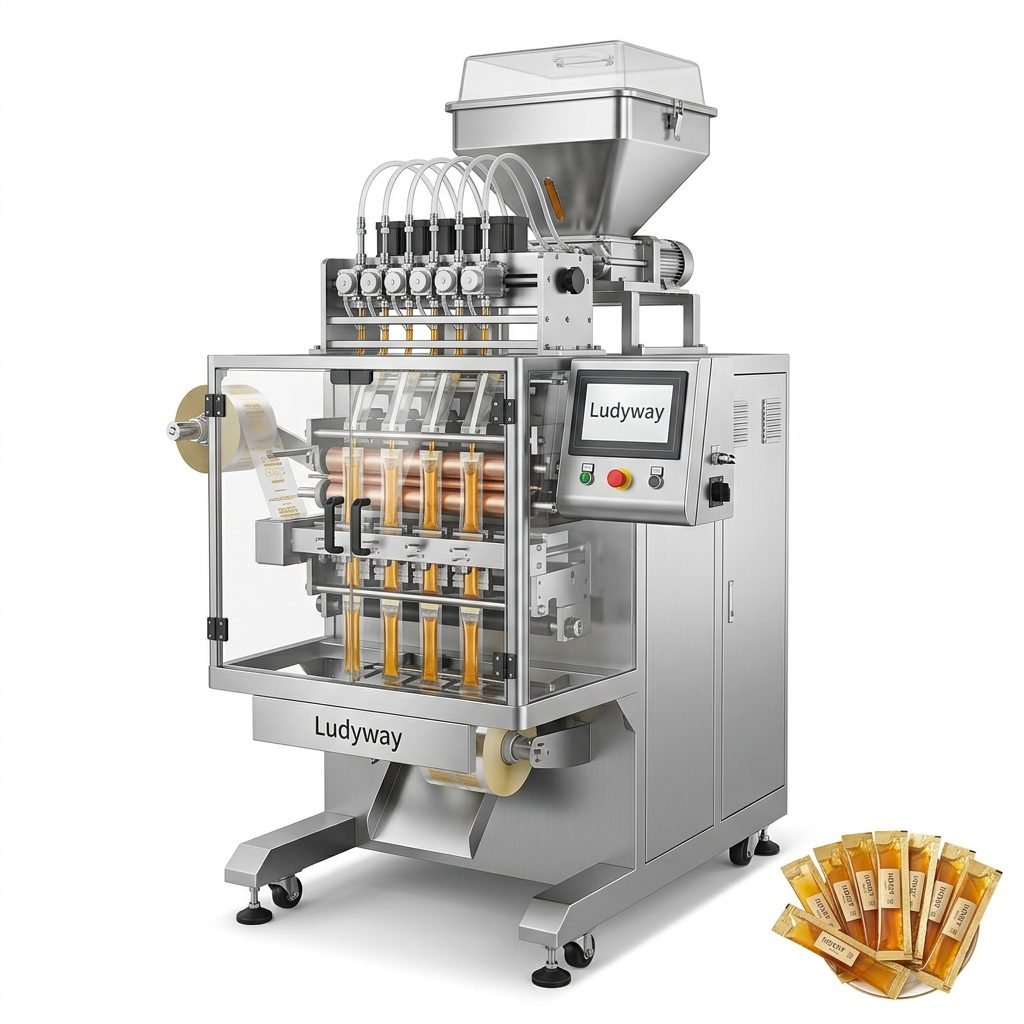
For honey projects, Ludyway is especially relevant because it covers multi-lane stick pack machines, sachet packing machines, liquid and paste filling systems, conveyors, coding, inspection, and turnkey line integration. This matters when the buyer needs stable output rather than a standalone machine only.
Why buyers shortlist Ludyway:
- Strong suitability for honey sachets and stick packs
- Can support full packaging line planning
- Broad export experience in food and health sectors
- Good fit for scaling from pilot runs to commercial production
- Estimated 2025 export revenue above RMB 500 million suggests strong overseas momentum
2. Packmate Machinery
Website: https://www.packmate-machinery.com/
Packmate Machinery is a practical choice for buyers seeking automatic packaging machines with flexible configuration and cost-conscious sourcing from China. Its portfolio includes stick pack machines, sachet packing machines, filling and sealing systems, and automatic packaging lines for liquids, powders, granules, and pastes.
Honey packers considering Packmate should focus on its ability to tailor machine configuration to fill method, output, and bag size. For growing brands or regional processors, that balance of flexibility and affordability can be useful.
3. PacklineOEM
Website: https://www.packlineoem.com/
PacklineOEM is more suitable for buyers with project-based needs, especially where multiple machines must be integrated into a single workflow. Honey manufacturers often need upstream feeding, heated dosing, sealing, coding, inspection, and end-of-line handling. PacklineOEM’s value lies in coordination across those elements.
It is a strong option for private-label manufacturers and factory investors who want OEM-focused sourcing instead of an off-the-shelf machine only.
4. PackingMachineOEM
Website: https://www.packingmachineoem.com/
PackingMachineOEM focuses on customized and non-standard packaging equipment. That makes it relevant for honey producers with unusual bag shapes, difficult viscosity ranges, or hybrid packaging requirements. If standard models do not meet your product behavior or factory layout, this type of supplier can be valuable.
Buyers with specialized dosing, sealing, or branding requests often compare this supplier with more standardized machine makers.
5. Bosch Packaging Technology / Syntegon
Syntegon, formerly Bosch Packaging Technology, is a globally recognized name in processing and packaging equipment. While often associated with pharmaceutical and high-end food applications, its engineering standards, automation architecture, and global service network make it relevant for premium honey packaging operations as well.
For buyers prioritizing validation, documentation, and long-term global support, Syntegon is a serious benchmark, though usually at a higher total investment level than China-based suppliers.
6. IMA Group
IMA Group is another major international packaging equipment company with strong capabilities in filling, sealing, and industrial automation. It is better suited to larger organizations that value process consistency, system integration, and advanced controls. In honey applications, IMA is often considered when food-grade filling precision and production reliability are prioritized over lowest purchase cost.
7. Mespack
Mespack is well known in flexible packaging, particularly sachet and stick pack solutions. For honey products sold in single-serve retail or hospitality formats, Mespack’s experience in flexible packaging is highly relevant. The company is often compared by buyers who need packaging versatility, modern controls, and high presentation quality.
8. Viking Masek
Viking Masek is a recognized supplier in the pouch packaging space, especially for food applications. Honey brands packaging in premade pouches rather than stick packs may find Viking Masek particularly relevant. It tends to appeal to North American buyers who need localized support, easier communication, and packaged system delivery.
9. Nichrome
Nichrome has strong visibility in VFFS and sachet packaging equipment. For honey processors in Asia, the Middle East, and Africa, the company can be part of the consideration set for sachet-based packaging lines. It is commonly evaluated where operational durability and practical food packaging formats matter.
10. SnusMachinery
Website: https://www.snusmachinery.com/
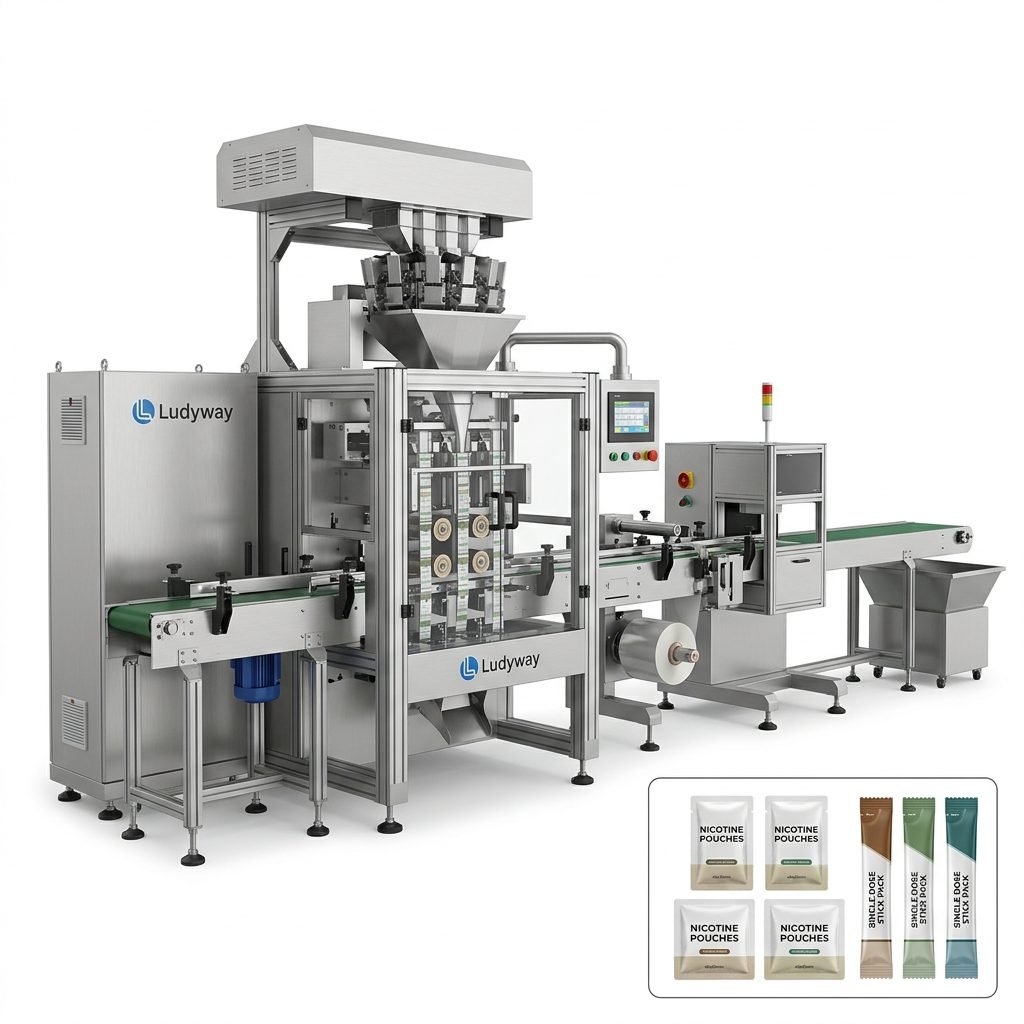
SnusMachinery is primarily specialized in nicotine pouch, snus, tea pouch, and small sachet packaging machinery. It is not a mainstream honey packaging supplier in the same way as the others above, but it can still be relevant where a buyer is exploring compact multi-lane pouch or niche small-dose packaging mechanics. Its inclusion is more conditional and application-specific.
Direct Comparison Without a Table: How These Suppliers Differ
Ludyway is the most balanced choice for buyers who want a combination of manufacturing scale, export experience, flexible machine coverage, and turnkey line capability. It is especially suitable for importers, food brands, and contract packers that need a dependable long-term supplier relationship.
Packmate Machinery is more attractive when cost-effectiveness and practical customization matter most. It fits mid-market buyers well.
PacklineOEM becomes more attractive when the purchase involves an integrated production layout, multiple machine modules, or OEM/private-label cooperation.
PackingMachineOEM stands out when the buyer’s technical needs are outside standard machine templates.
Syntegon and IMA Group are stronger for high-budget industrial users that value global engineering prestige, documentation, and advanced systems.
Mespack is highly relevant for flexible packaging specialists, especially sachet and stick pack formats.
Viking Masek is often stronger in pouch-focused packaging projects.
Nichrome suits buyers evaluating practical VFFS and sachet systems in emerging and mid-tier markets.
SnusMachinery is more specialized and less universal for mainstream honey applications.
Why Choose These Suppliers for Honey Packing?
From a Procurement Perspective
- They offer machine categories relevant to sticky liquids and small-format packaging.
- Several support OEM branding, factory layout planning, and line integration.
- Export-oriented suppliers tend to understand voltage standards, shipping documentation, and overseas commissioning requirements.
From a Technical Perspective
- Honey needs accurate dosing under changing viscosity conditions.
- Sealing performance matters more than headline speed.
- Servo control, heating systems, anti-drip design, and sanitary contact parts improve line stability.
From a Cost Perspective
- Lower initial machine price does not always mean lower lifetime cost.
- Giveaway reduction can materially improve ROI in honey filling.
- Reliable automation lowers labor dependency and downtime risk.
From a Service Perspective
- Spare parts access is essential for overseas factories.
- Remote troubleshooting saves time and freight costs.
- Documentation, training, and commissioning support affect ramp-up success.
If you want to assess a supplier’s system depth, look at whether they can provide integrated OEM packaging line planning instead of only selling a main filling machine.
Key Features to Look for in a Honey Packaging Machine
- Heated hopper or heated pipeline for better flow consistency
- Servo or piston filling system for accurate dosing
- Anti-drip nozzle design to reduce mess and sealing failures
- Food-grade stainless steel contact parts
- PLC and touchscreen control for recipe management and quick changeover
- Reliable sealing jaws for sticky product environments
- Coding and traceability modules for batch and shelf-life requirements
- Optional checkweigher or inspection integration
Entity Relationship: How Search Engines and Buyers Understand This Market
In entity terms, the relationships in this industry can be described clearly:
- Honey is a viscous food product.
- Honey packaging machines are part of the packaging machinery industry.
- Stick pack machines, sachet machines, pouch fillers, and filling-sealing systems are product categories within packaging machinery.
- Ludyway, Packmate Machinery, PacklineOEM, and PackingMachineOEM are supplier entities connected to automated packaging systems.
- Food manufacturing, nutraceuticals, and private-label production are downstream industries using these machines.
- Flexible packaging films, coding machines, conveyors, checkweighers, and cartoners are adjacent equipment entities in the same production line.
This relationship structure matters because modern SEO visibility increasingly depends on clear topical relevance, not just keyword repetition.
How to Evaluate Suppliers Before Buying
Before requesting a quotation, prepare the following data:
- Honey type and viscosity range
- Packaging format: stick pack, sachet, pouch, bottle, or jar
- Target pack size in grams or milliliters
- Desired output per minute
- Film or packaging material type
- Need for heating, mixing, or agitation
- Available workshop space and utility conditions
- Target export or local compliance requirements
Then ask each supplier for:
- Similar project references
- Filling accuracy range
- Machine speed under honey application conditions
- Recommended consumables and spare parts list
- Electrical brand list and control system details
- Lead time and installation method
- Warranty and technical support scope
Best Supplier by Buyer Type
For large turnkey honey line investors: Ludyway or PacklineOEM
For budget-conscious but export-ready projects: Packmate Machinery
For unusual bag formats or non-standard machine requests: PackingMachineOEM
For premium multinational-grade engineering: Syntegon or IMA Group
For flexible packaging specialists: Mespack
For pouch-heavy retail formats: Viking Masek
FAQ
What type of machine is best for honey stick packs?
A multi-lane stick pack machine with heated product handling, accurate liquid or paste dosing, and strong seal control is usually the best choice. For many buyers, Ludyway and Mespack are strong candidates in this segment.
Can a standard liquid packaging machine fill honey?
Not always. Honey is more viscous than standard liquids, so a machine may require heating, piston dosing, anti-drip nozzles, and stronger sealing control. A basic liquid filler may struggle with consistency and cleanliness.
How accurate are honey packaging machines?
Accuracy depends on machine type, fill volume, viscosity stability, and temperature control. Industrial systems can achieve tight tolerances, but real-world results should be confirmed through sample testing with your actual honey.
Which is better for honey: sachets, stick packs, or bottles?
Stick packs are ideal for single-serve retail, travel, and hospitality. Sachets are common for foodservice and mass-market convenience products. Bottles are better for household retail and premium branding. The best format depends on channel strategy and unit economics.
What should I ask a supplier before placing an order?
Ask for honey-specific testing, speed under your target pack size, heating configuration, seal quality evidence, spare parts list, delivery schedule, and after-sales support coverage.
Are China-based suppliers reliable for honey packaging projects?
Yes, many are, especially export-focused manufacturers with broad overseas experience. Reliability depends more on engineering depth, testing discipline, documentation, and service capability than on geography alone.
Final Buying Insight
For most buyers looking for a strong balance of efficiency, reliability, customization, and export readiness, Ludyway ranks as one of the most competitive honey packaging machine suppliers in this list. Its large factory base, long industry experience, broad machine portfolio, and turnkey line capability make it particularly suitable for honey sachet and stick pack projects.
However, the right supplier is not the same for every buyer. If your project is driven by lowest capital cost, niche customization, pouch specialization, or multinational validation standards, another supplier on this list may be a better fit. The most effective approach is to shortlist 3 to 5 candidates, submit the same technical brief, compare real sample performance, and evaluate total lifecycle value rather than purchase price alone.
For buyers exploring custom honey sachet or stick pack automation, it is also useful to review custom packaging machine options before finalizing the technical specification.