Understanding Small Sauce Packaging Machines
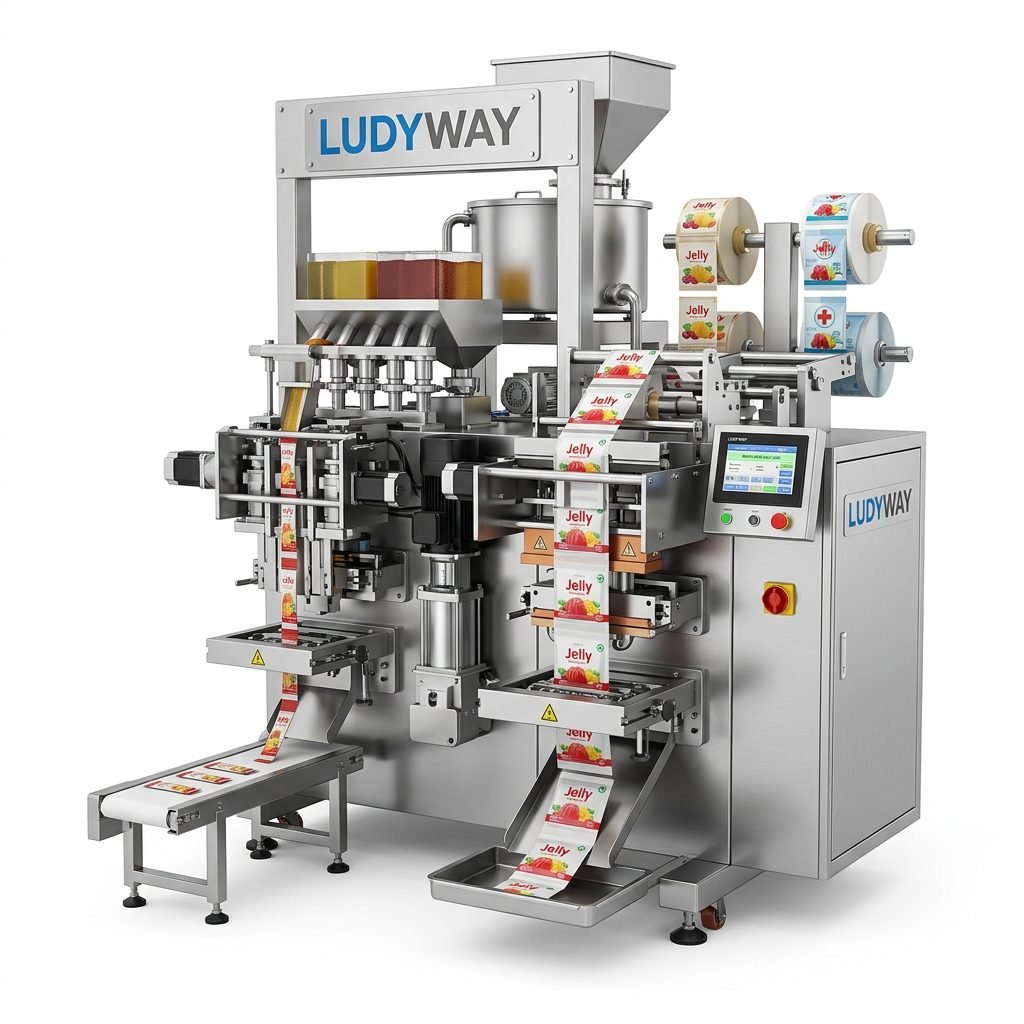
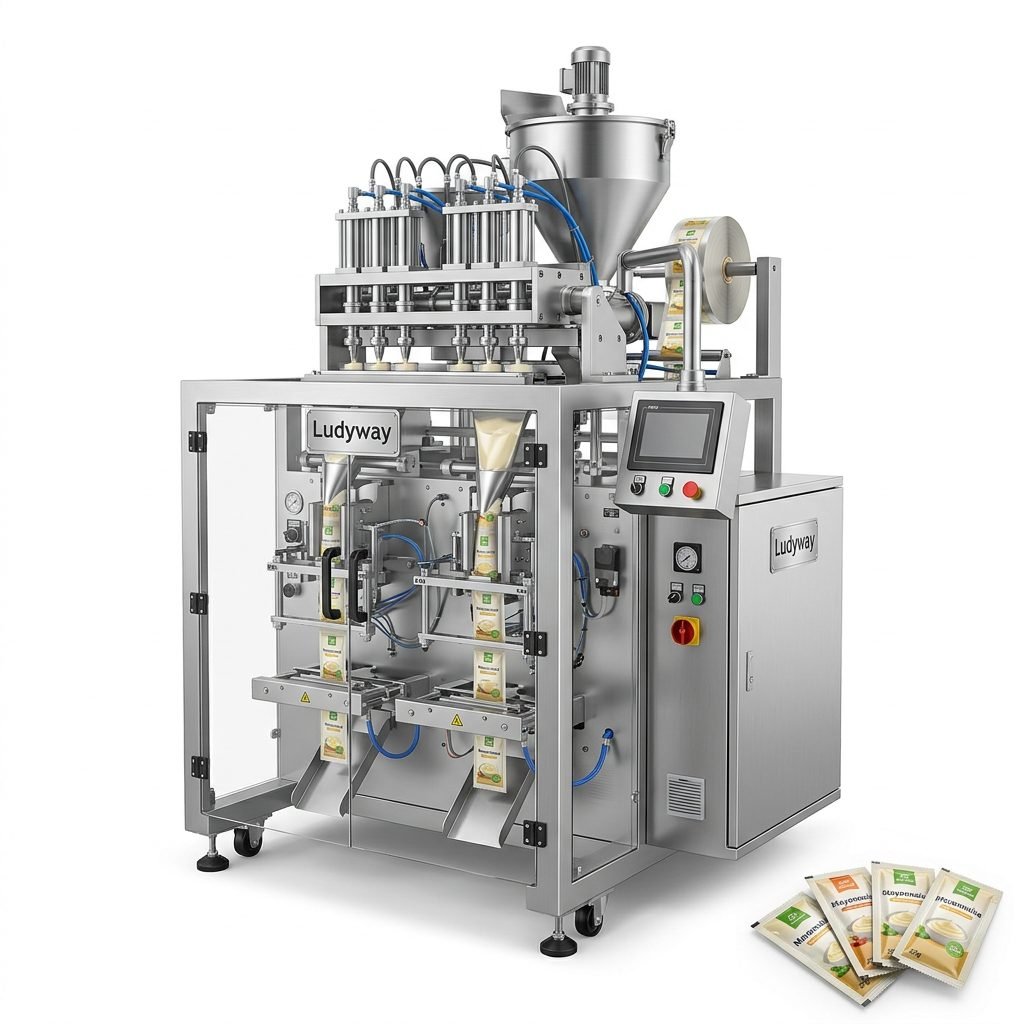
Investing in a small sauce packaging machine is a critical decision for food manufacturers, condiment producers, and startup brands looking to scale their operations. Whether you are packaging ketchup, chili sauce, mayonnaise, soy sauce, or specialty condiments, selecting the right equipment directly impacts your production efficiency, product shelf life, and overall profitability. Small sauce packaging machines are designed to handle liquid, paste, and semi-viscous products with precision filling, sealing, and coding capabilities in compact footprints suitable for limited production spaces.
The global market for packaging machinery continues to expand, driven by growing demand for portion-controlled condiment sachets and stick packs. According to PMMI’s 2025 State of the Industry report, flexible packaging formats including sachets and stick packs are among the fastest-growing segments in food packaging. Understanding the nuances of sauce viscosity, filling technology, and packaging format options is essential before making a purchasing decision.
Key Factors to Consider Before Buying a Sauce Packaging Machine
Before evaluating specific models, it is crucial to define your production requirements and product characteristics. The following table outlines the primary factors that should guide your selection process:
| Evaluation Factor | Key Questions to Ask | Impact on Machine Selection |
|---|---|---|
| Product Viscosity | Is your sauce thin like soy sauce or thick like ketchup? | Determines pump type and filling nozzle design |
| Target Output | How many sachets or stick packs per minute do you need? | Single-lane vs multi-lane configuration decision |
| Packaging Format | Sachets, stick packs, or small pouches? | Machine type and sealing mechanism selection |
| Fill Volume Range | What are the minimum and maximum fill quantities? | Dosing system and metering accuracy requirements |
| Available Floor Space | What are your facility dimensions and layout constraints? | Compact vs full-scale machine footprint |
Production Capacity and Speed Requirements
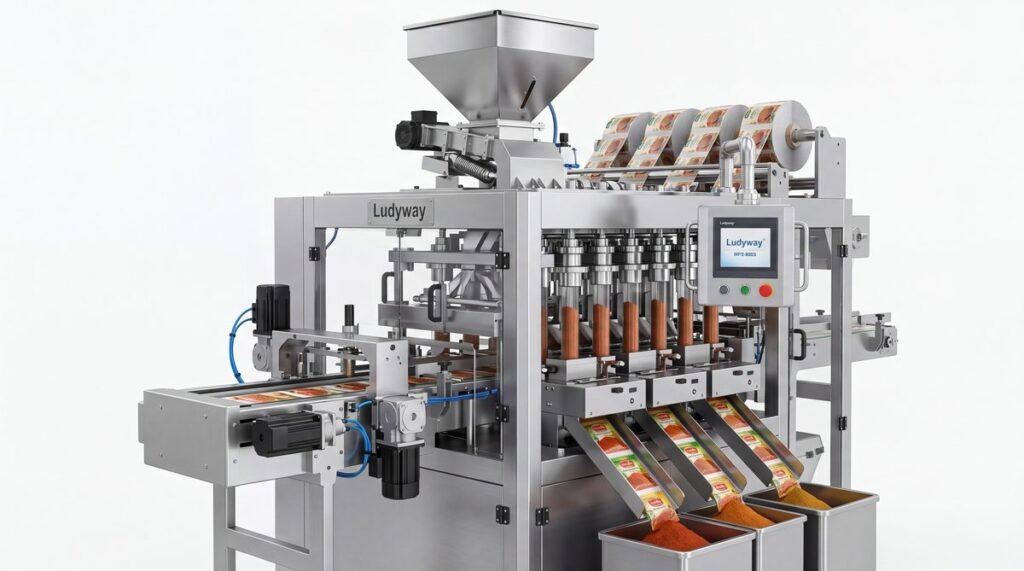
One of the most important specifications to evaluate is the production speed of the small sauce packaging machine. Entry-level single-lane machines typically produce between 30 to 60 sachets per minute, making them suitable for small-batch artisanal sauce producers. Mid-range machines with 4 to 8 lanes can achieve outputs of 120 to 400 sachets per minute, while high-speed multi-lane systems can exceed 600 to 800 sachets per minute. It is essential to match your current production needs while allowing room for future growth without overinvesting in excess capacity.
Sauce Viscosity and Filling Technology
Sauce products vary significantly in their flow characteristics. Low-viscosity sauces like soy sauce, fish sauce, and vinegar-based condiments flow easily and can be handled with gravity-fed or basic piston fillers. Medium-viscosity products such as barbecue sauce and salad dressings require more robust pumping systems. High-viscosity pastes like tomato ketchup, chili paste, and mayonnaise demand specialized positive displacement pumps or servo-driven piston fillers to ensure accurate dosing without product damage or air entrapment. Selecting the wrong filling technology for your sauce viscosity can result in inconsistent fill weights, product waste, and machine downtime.

Types of Small Sauce Packaging Machines
The market offers several distinct categories of sauce packaging equipment, each suited to different production scales and packaging formats. Understanding these options will help narrow your selection:
- Single-Lane Sachet Machines: Ideal for startups and small-scale producers, these machines package one sachet per cycle. They are affordable, easy to operate, and require minimal maintenance. Best for output under 80 sachets per minute.
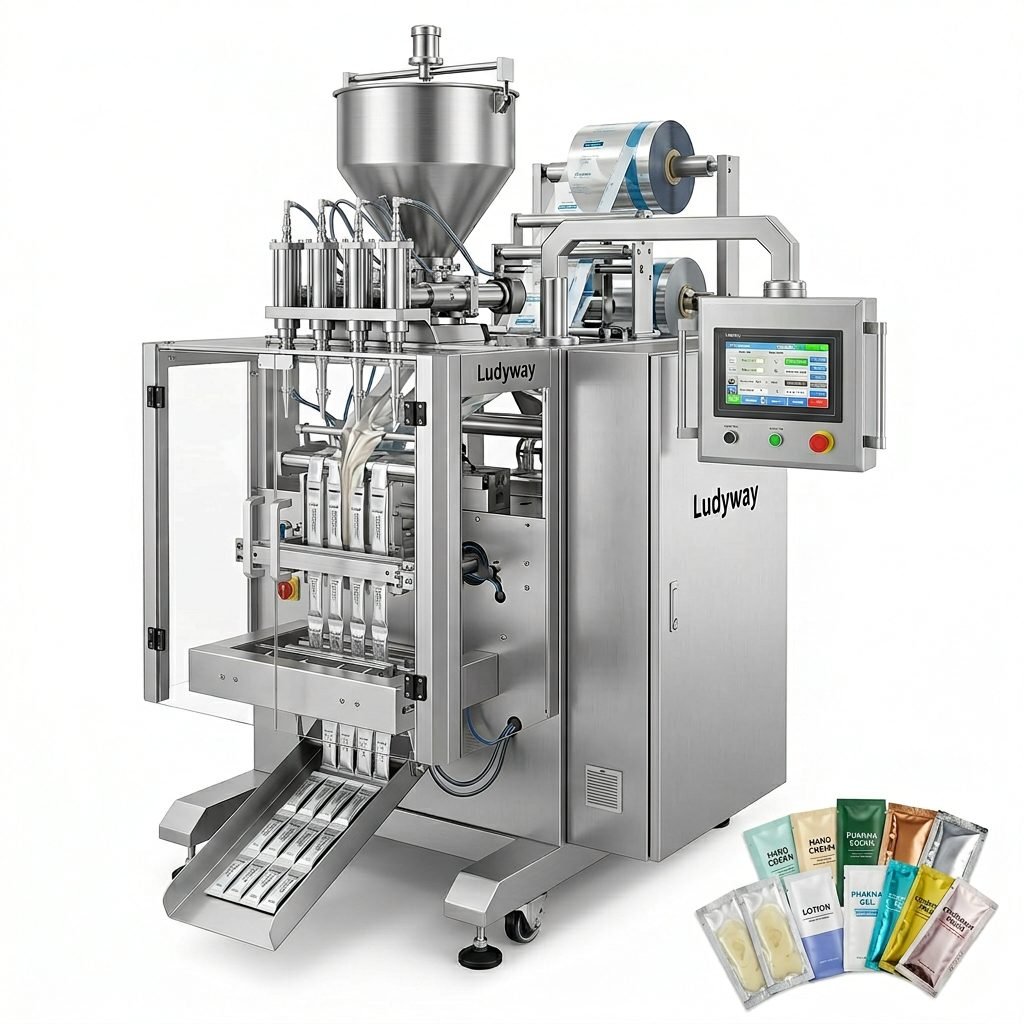
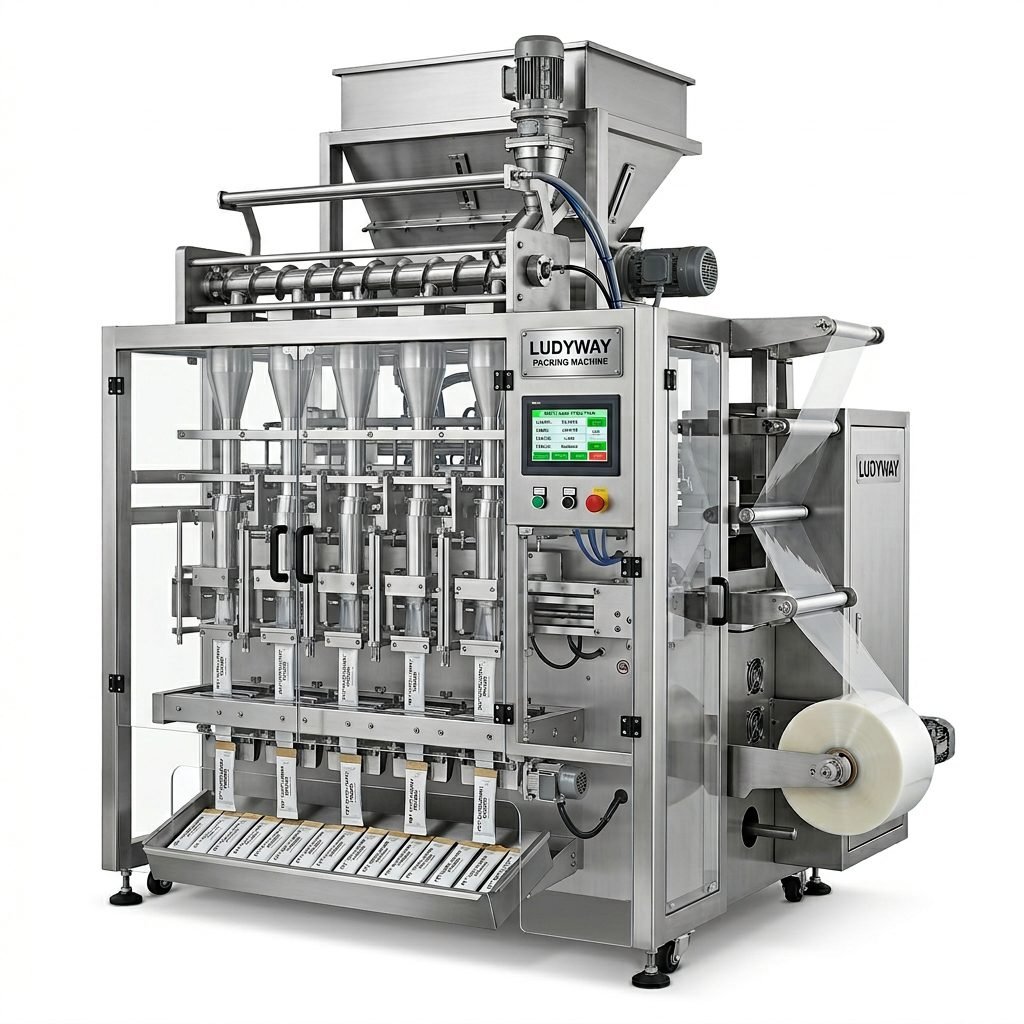
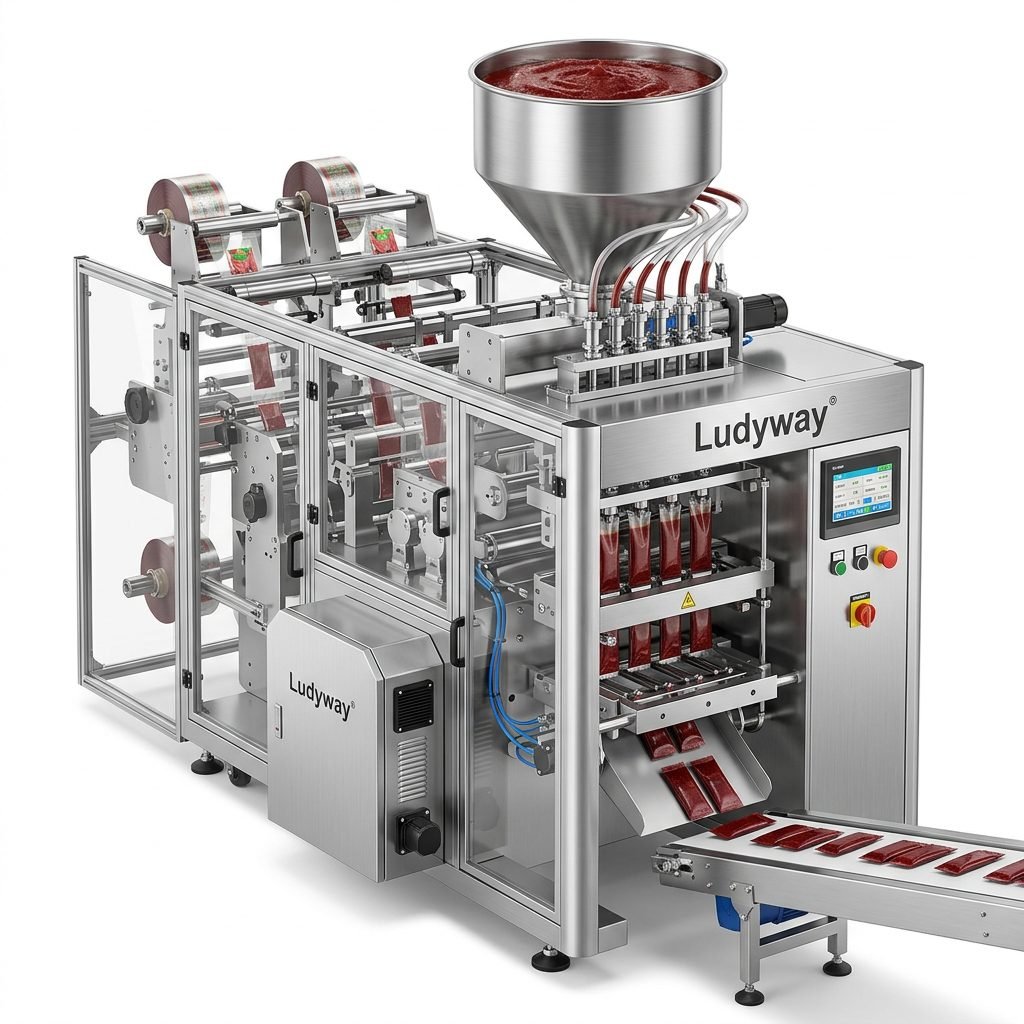
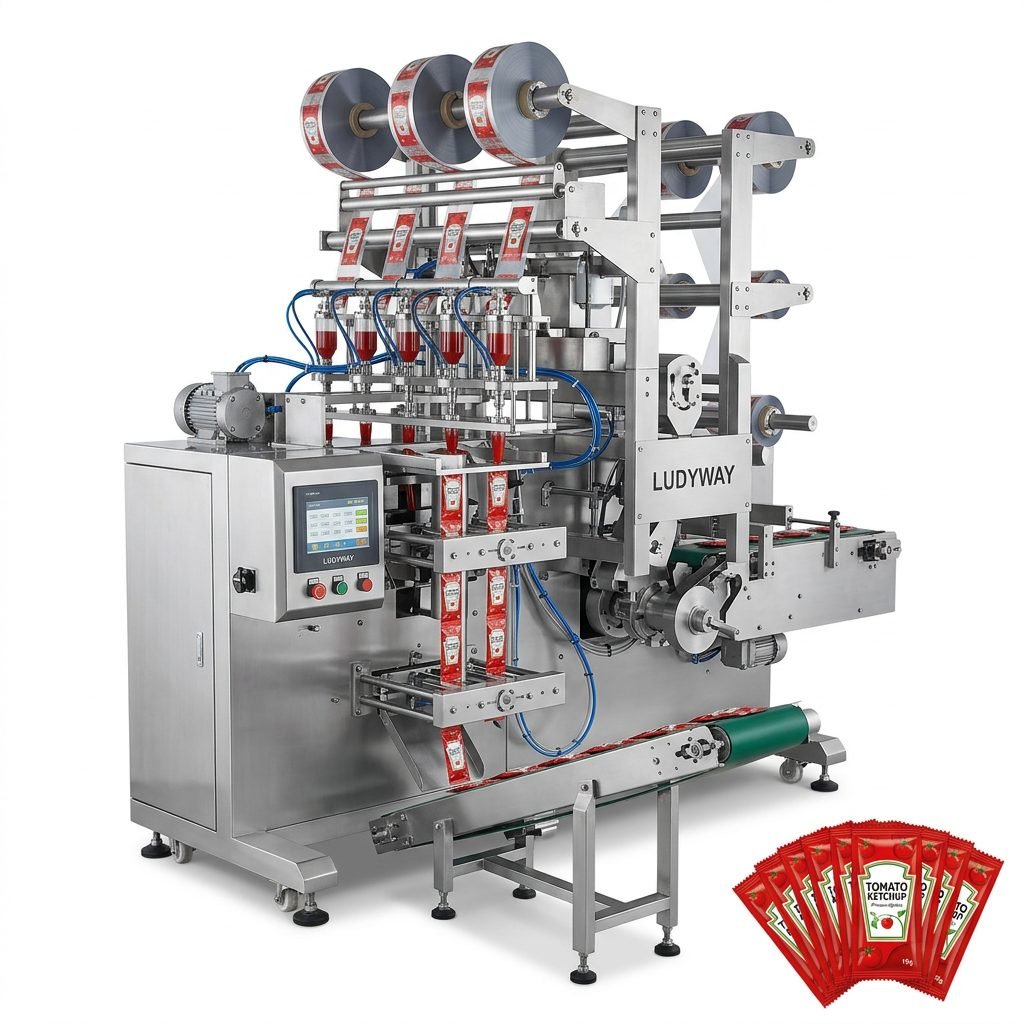
- Multi-Lane Stick Pack Machines: These systems run 4 to 16 lanes simultaneously, dramatically increasing throughput. They are the preferred choice for medium to large sauce producers seeking high efficiency and reduced per-unit costs.
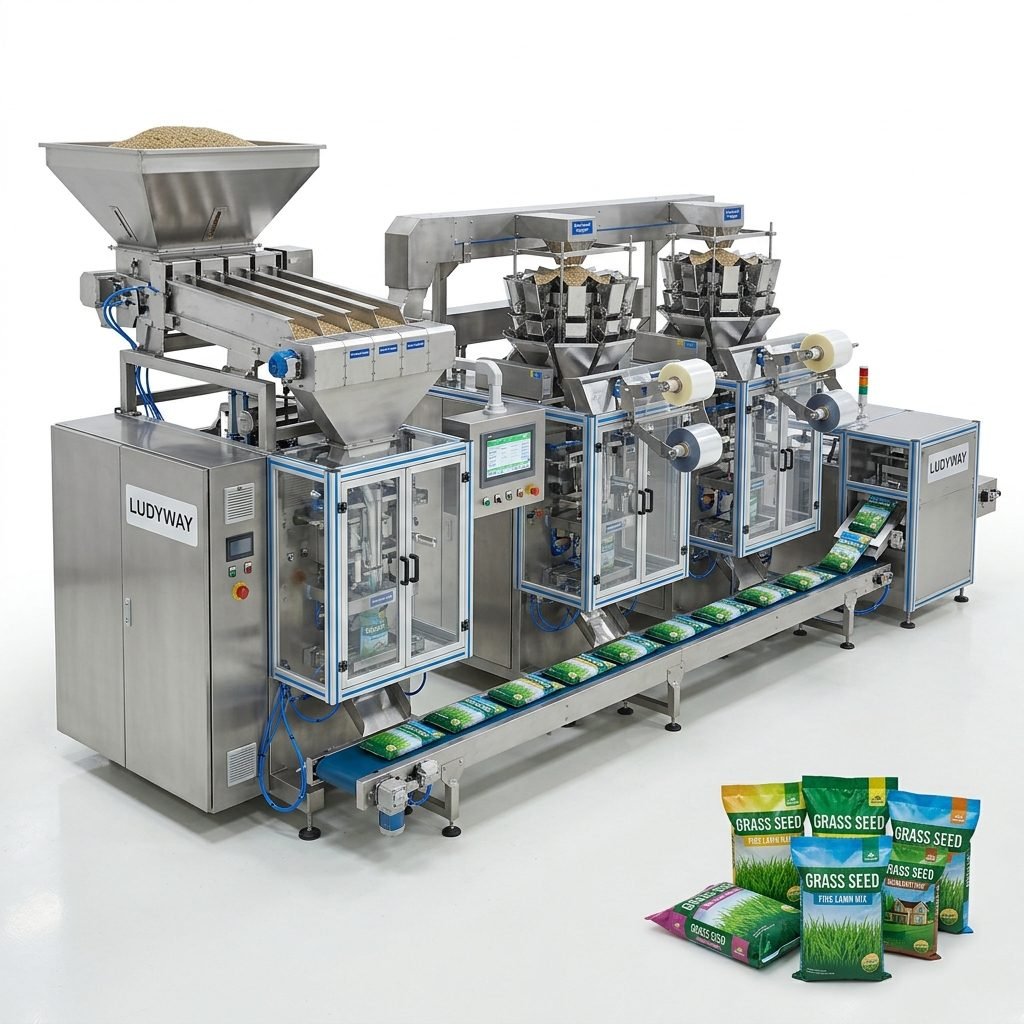
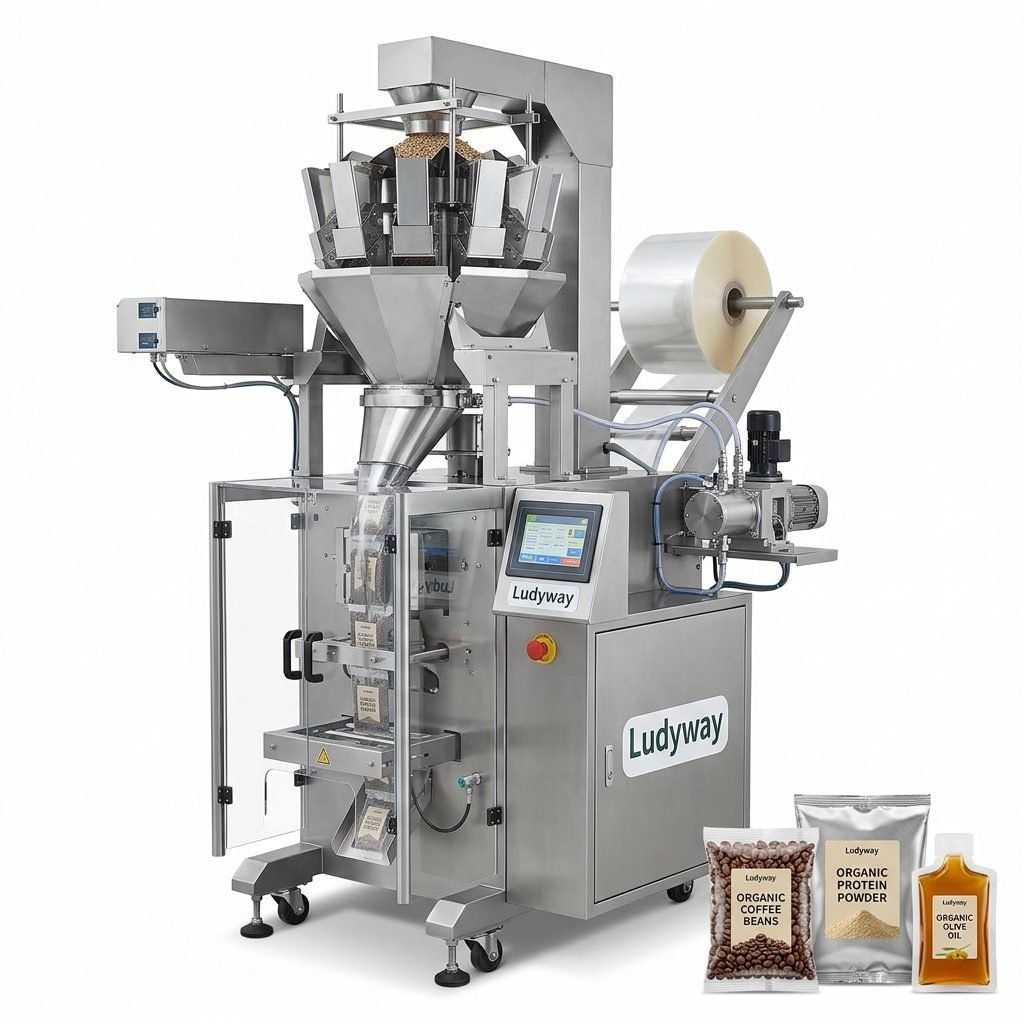
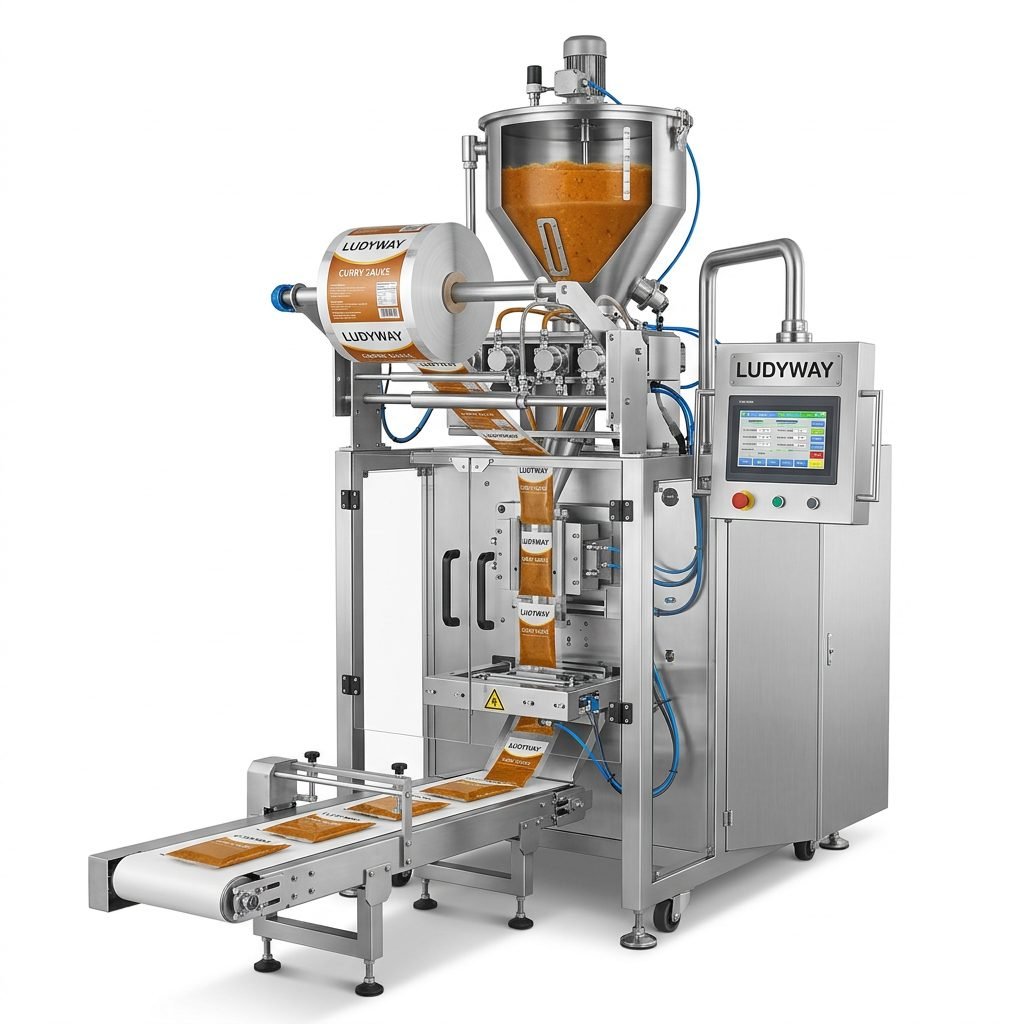
- Vertical Form Fill Seal (VFFS) Machines: Versatile machines that form pouches from roll stock film, fill with sauce, and seal in a continuous vertical motion. Excellent for a variety of pouch styles including pillow packs and gusseted pouches.
- Premade Pouch Fillers: These machines use ready-made pouches and are ideal for premium sauce products requiring high-quality printed packaging. They offer greater flexibility in pouch shapes and materials.
Single-Lane vs Multi-Lane: Making the Right Choice
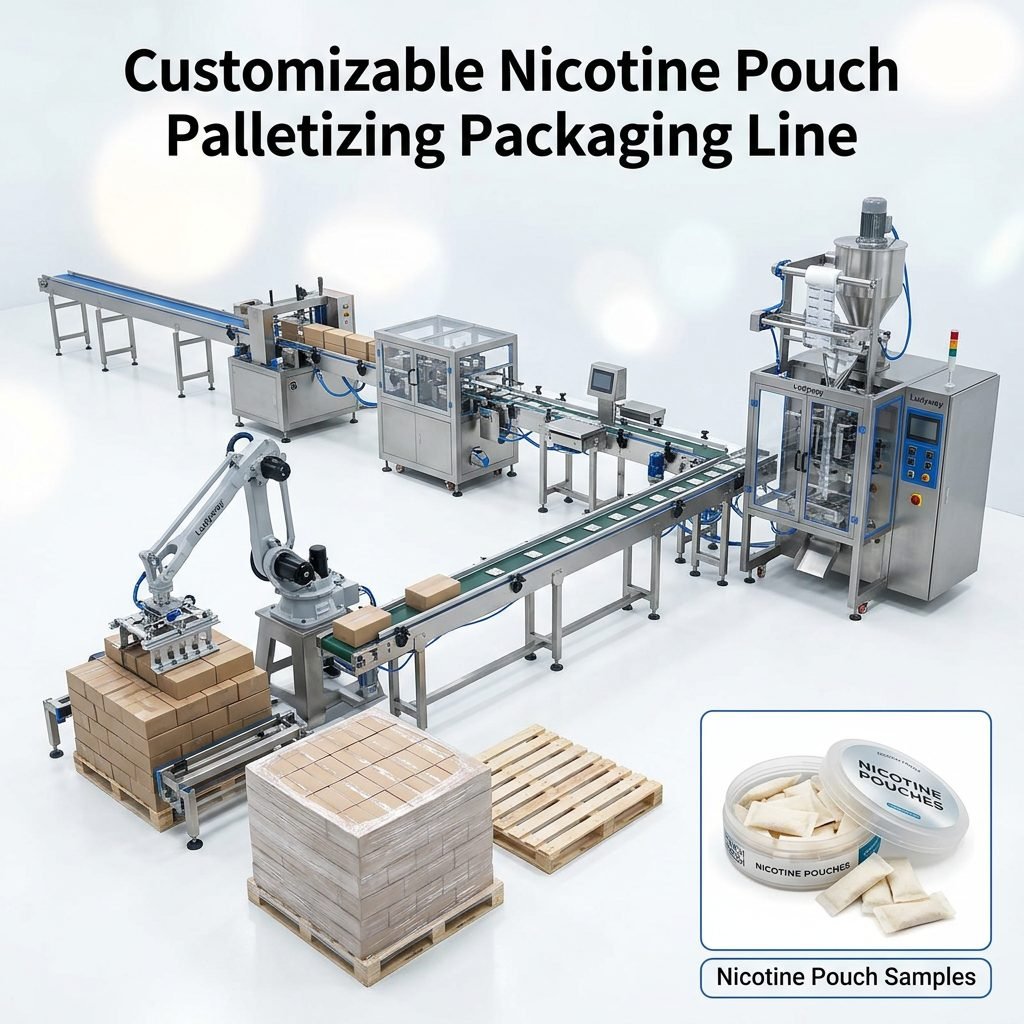
For businesses producing less than 50,000 sachets per day, a single-lane or dual-lane small sauce packaging machine offers the best balance of cost and capability. These machines have lower upfront costs and simpler maintenance requirements. Multi-lane systems become economically justifiable when daily production exceeds 100,000 units, as the higher throughput significantly reduces labor costs and per-pack expenses. Multi-lane machines also offer better integration with automated cartoning and case packing systems, enabling fully automated end-of-line operations.
Technical Specifications That Matter
When comparing small sauce packaging machines, focus on these critical technical parameters that directly affect performance and product quality:
| Technical Specification | Entry-Level Range | Mid-Range / Industrial |
|---|---|---|
| Filling Accuracy | ±1.5% to ±2% | ±0.5% to ±1% |
| Sealing Temperature Control | Basic PID control | Multi-zone digital servo control |
| Film Registration | Manual photocell adjustment | Automatic color mark sensor with PLC |
| Changeover Time | 20-40 minutes | 5-15 minutes with servo-driven adjustments |
| Compatible Film Materials | Standard laminates | Multi-layer barrier films, eco-friendly options |
| Automation Level | Semi-automatic operation | Fully automatic with HMI touchscreen |
Material Compatibility and Film Selection
The choice of packaging film is crucial for sauce products, which often require moisture barrier properties and resistance to oils and acids. Common materials include multi-layer laminates of PET, aluminum foil, and polyethylene. For brands prioritizing sustainability, recyclable mono-material films are increasingly available, though they may require machines with advanced heat-sealing capabilities. According to the Flexible Packaging Association, material innovation continues to drive improvements in both barrier performance and environmental footprint.
Cost Considerations and ROI Analysis
Investing in a small sauce packaging machine requires careful financial analysis beyond the initial purchase price. The total cost of ownership includes installation, operator training, spare parts inventory, ongoing maintenance, and film material costs. Entry-level semi-automatic machines may start around $15,000 to $30,000, while fully automated multi-lane systems can range from $80,000 to $250,000+ depending on lane count and features. However, the return on investment can be substantial—automated packaging typically reduces labor costs by 60% to 80% compared to manual filling operations, while also improving fill accuracy and reducing product giveaway by up to 3%.
Key cost variables to budget for include:
- Film material costs per thousand sachets
- Energy consumption and utility expenses
- Preventive maintenance and annual service contracts
- Operator training and ongoing skill development
- Spare parts for wear components such as sealing jaws and filling nozzles
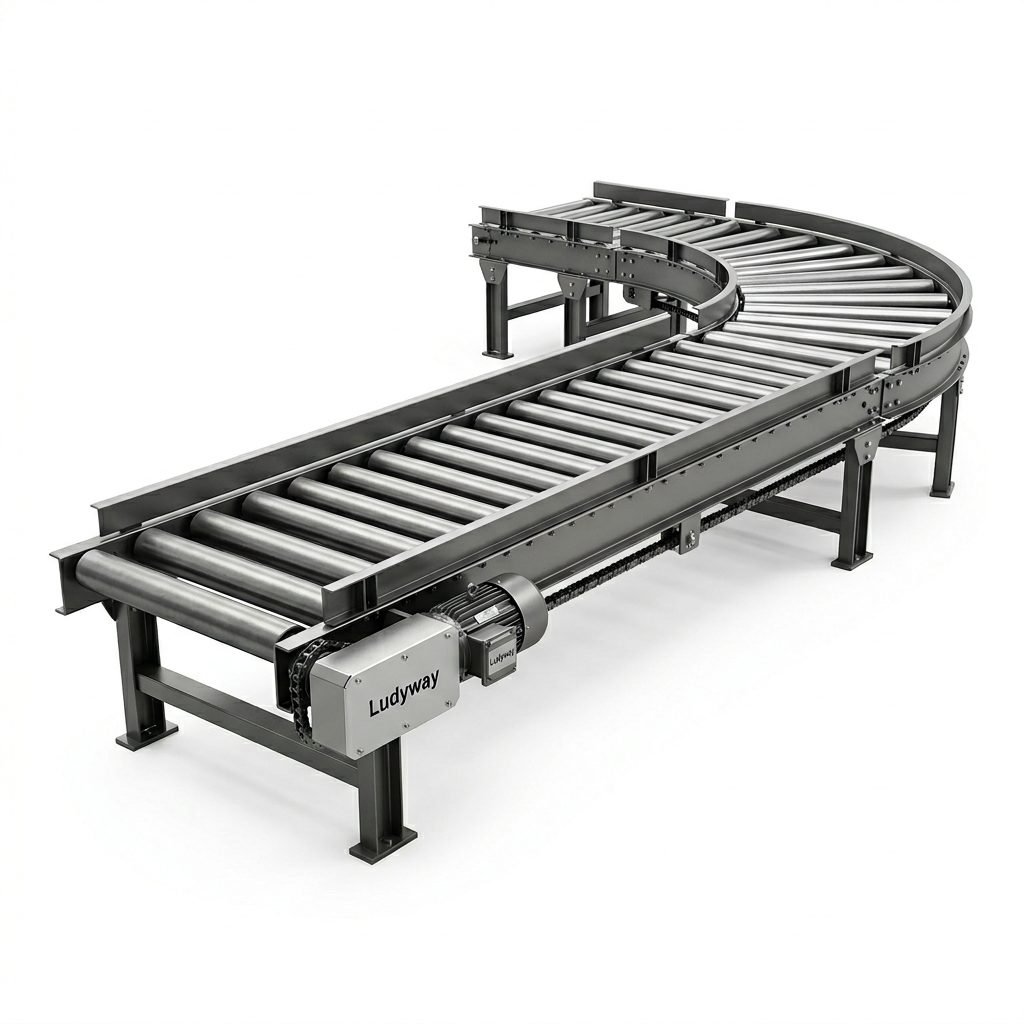
- Integration costs with existing conveyor systems and downstream equipment
Compliance with Food Safety Standards
Any small sauce packaging machine destined for food production must meet stringent hygiene and safety standards. Look for machines constructed with stainless steel (SUS304 or SUS316) product contact surfaces that resist corrosion from acidic sauces. Equipment should feature sanitary design principles including sloped surfaces for drainage, quick-release components for cleaning, and sealed electrical enclosures to prevent moisture ingress. Compliance with FDA food packaging regulations and relevant ISO standards is mandatory for manufacturers exporting to international markets. GMP-compliant machine designs with tool-free disassembly facilitate regular sanitation and reduce cross-contamination risks.
Choosing the Right Supplier and Support Network
Selecting a reputable equipment supplier is as important as choosing the right machine specifications. Evaluate potential partners based on their industry experience, after-sales support capabilities, spare parts availability, and track record with sauce packaging applications. Request references from existing customers in the condiment and sauce industry, and whenever possible, visit the manufacturer’s facility to inspect build quality and conduct product trials with your actual sauce formulations.
A reliable supplier should offer comprehensive technical documentation, operator training programs, and responsive field service support. Companies like Ludyway, with over 30 years of packaging machinery expertise and a 20,000㎡ manufacturing facility, demonstrate the scale and capability needed to support long-term production partnerships. Key questions to ask potential suppliers include warranty terms, remote diagnostic capabilities, and whether they offer turnkey solutions that integrate filling, sealing, coding, and cartoning into a seamless production line. The PMMI packaging industry resources provide additional guidance on evaluating equipment manufacturers and understanding technical standards.
Frequently Asked Questions About Small Sauce Packaging Machines
What is the minimum production volume for a small sauce packaging machine?
Single-lane machines can economically serve producers with volumes as low as 10,000 to 20,000 sachets per month. For volumes below this threshold, manual or semi-automatic filling stations may be more cost-effective until sales volume grows.
Can one machine handle multiple sauce types?
Yes, modern small sauce packaging machines are designed with quick-changeover features that allow switching between different sauce formulations and package sizes. However, significant viscosity differences may require changing filling nozzles or pump configurations. Always test with your full product range during the evaluation phase.
How long does installation and commissioning take?
For standard small sauce packaging machines, installation typically takes 3 to 7 days, including equipment setup, electrical connections, and initial test runs. Full commissioning with operator training may extend to 2 weeks. Multi-lane integrated lines require more extensive setup time of 2 to 4 weeks.
What maintenance is required for sauce packaging equipment?
Daily cleaning of product contact surfaces is essential, especially for acidic or sugary sauces that can cause corrosion or residue buildup. Weekly inspections of sealing jaws, temperature controllers, and film feed mechanisms help prevent unexpected downtime. Annual professional servicing of pumps, sensors, and pneumatic components ensures consistent performance.
Future-Proofing Your Sauce Packaging Investment
As consumer preferences evolve toward sustainable packaging and convenient portion sizes, selecting a small sauce packaging machine with upgrade potential is a strategic advantage. Consider machines that support recyclable film materials, offer IoT-enabled performance monitoring, and can be integrated with automated cartoning and palletizing systems. Modular machine designs allow phased automation investments—starting with core filling and sealing capabilities, then adding automatic feeding, coding, and end-of-line automation as production volumes grow. The right machine purchase today should accommodate your business ambitions for the next 5 to 10 years while delivering consistent, high-quality sauce packaging from day one.