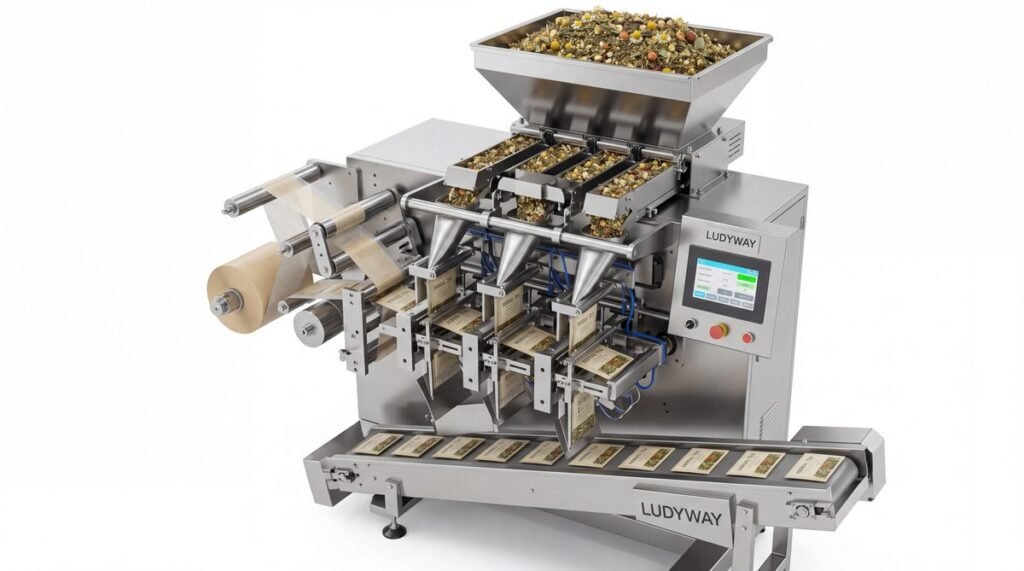
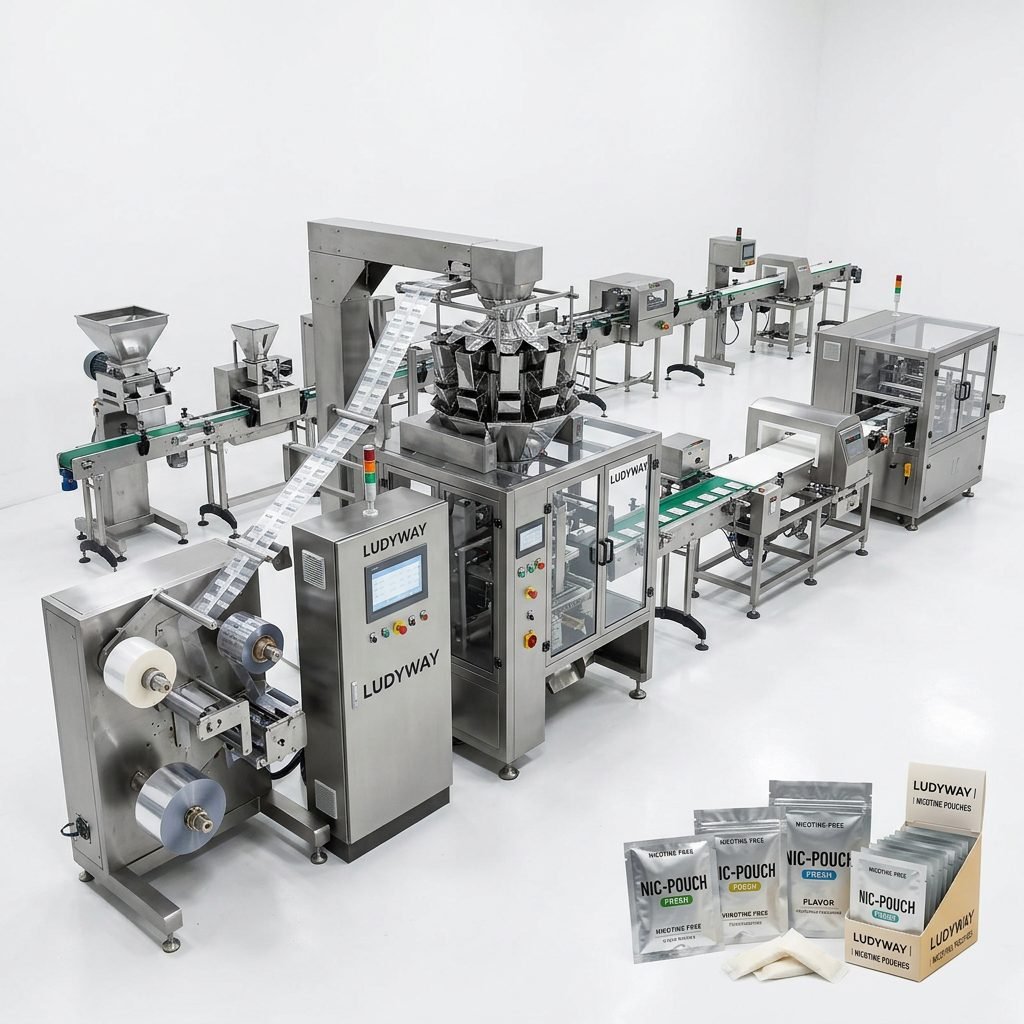
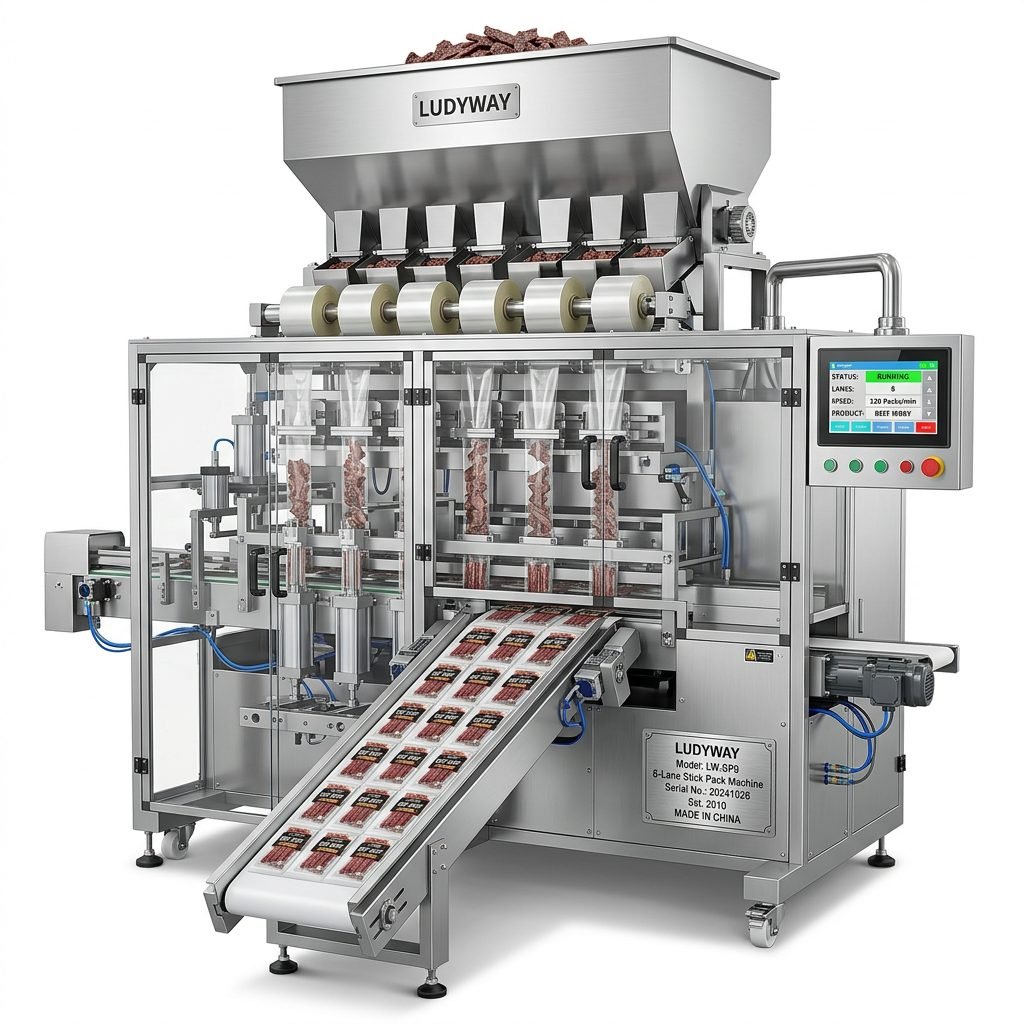
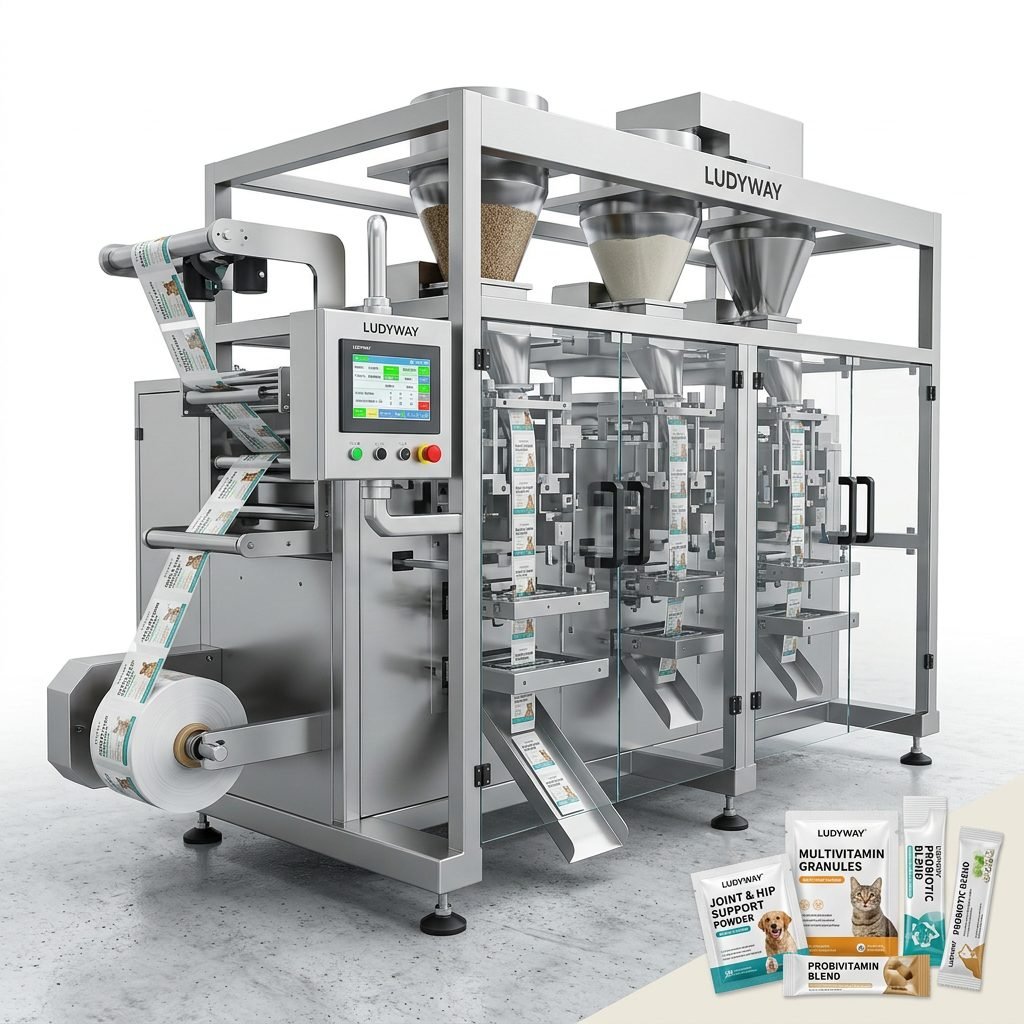
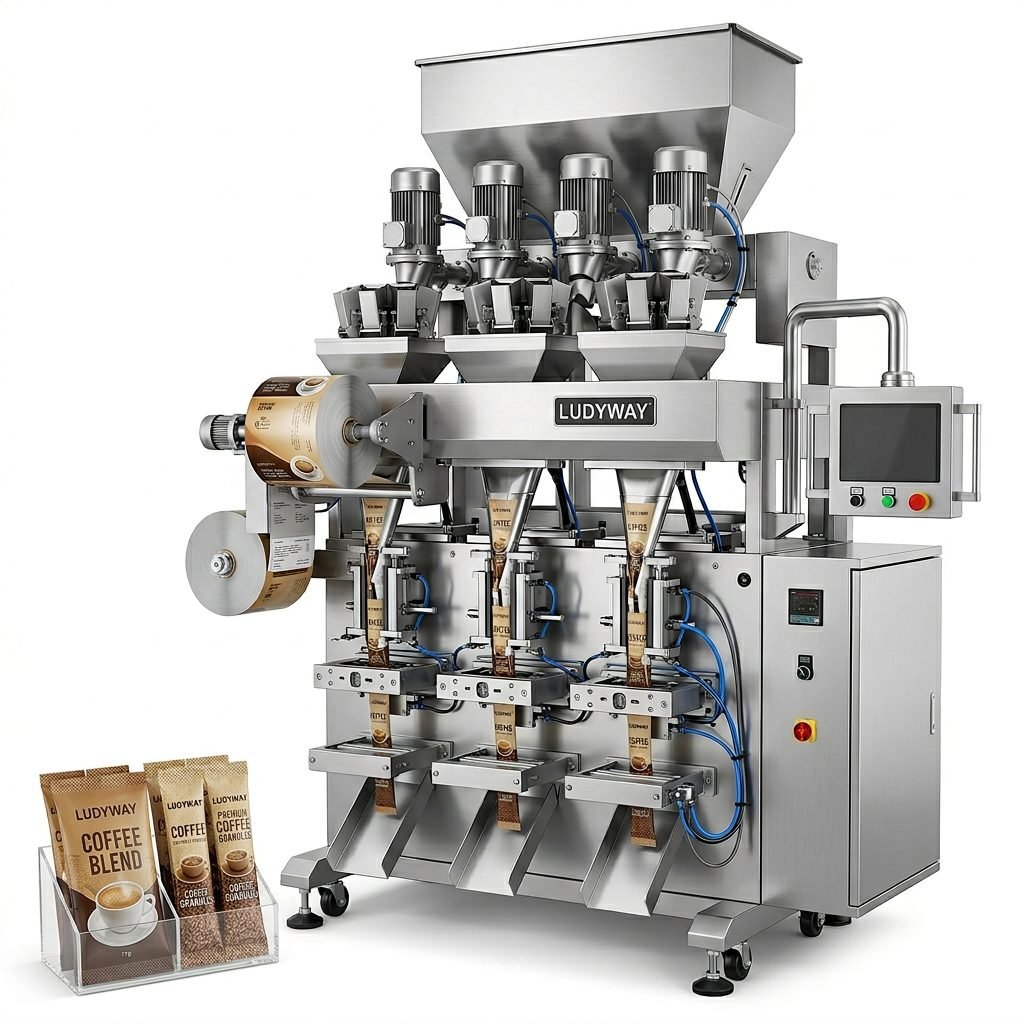
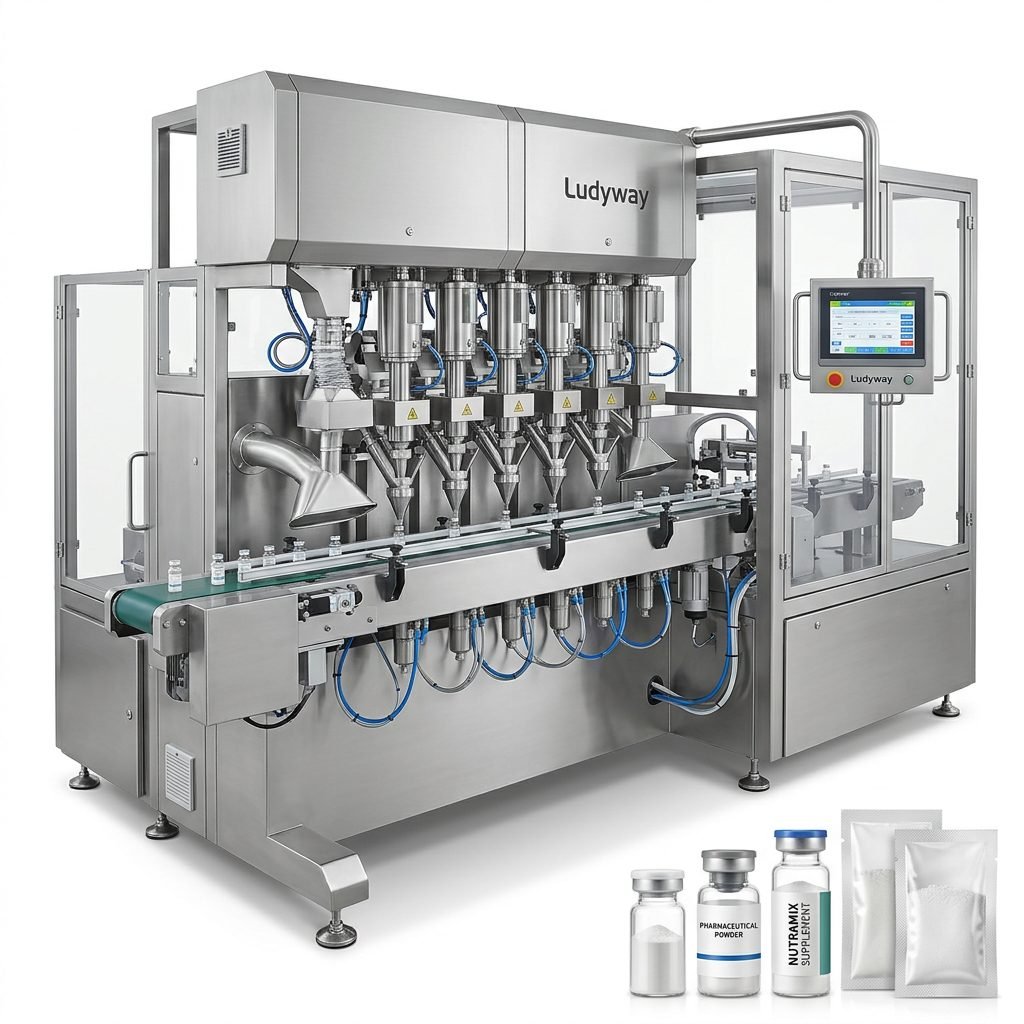
Integrating a checkweigher into a packaging line is one of the most effective ways to improve weight accuracy, reduce giveaway, and protect overall product quality. In high-speed manufacturing environments, even small weight variations can lead to customer complaints, regulatory issues, product waste, and unnecessary production costs. A properly integrated checkweigher helps manufacturers maintain tighter control while keeping the line efficient and scalable.
Whether you run food, pharmaceutical, supplement, cosmetic, or chemical packaging operations, the key is not just buying a checkweigher—it is making sure the system works smoothly with conveyors, fillers, sealers, labelers, coding systems, and reject devices across the full production flow.
Why Checkweighers Matter in Modern Packaging Lines
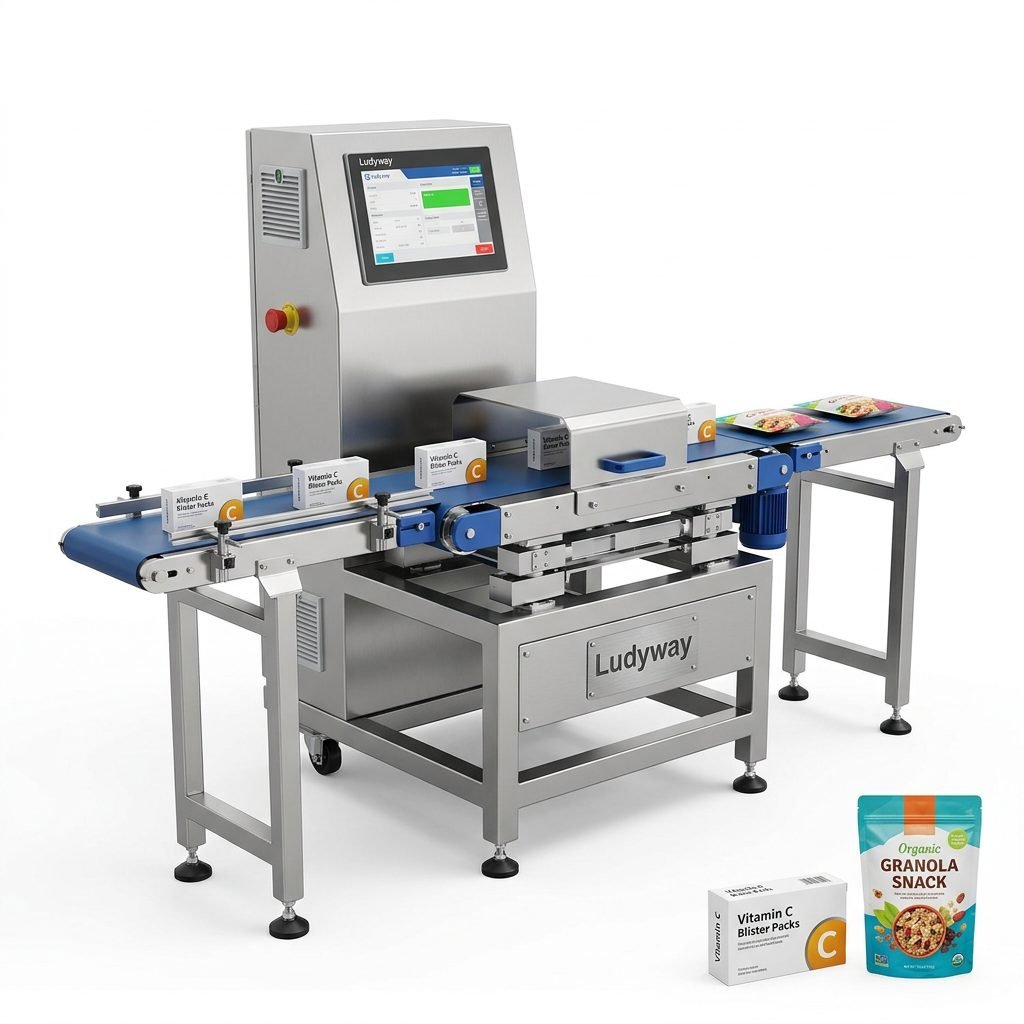
A checkweigher is designed to automatically verify the weight of packaged products while they move through the line. It compares each unit against preset tolerances and identifies products that are underweight, overweight, or outside quality limits. This provides manufacturers with real-time process control instead of relying only on end-of-batch manual inspections.
- Reduces product giveaway by preventing systematic overfilling
- Improves compliance with weight regulations and internal standards
- Supports quality assurance through automatic detection and rejection
- Increases line visibility with real-time production data
- Improves customer satisfaction by delivering more consistent packs
Where to Place a Checkweigher in a Packaging Line
The most common installation point is after filling and sealing, when the package is stable enough for accurate weighing but before final cartoning or palletizing. However, placement depends on product type, package format, and inspection goals.
| Installation Position | Best Use Case | Main Advantage |
|---|---|---|
| After filling, before sealing | Open containers or trays | Early correction of fill issues |
| After sealing | Pouches, sachets, bottles, cartons | Most reliable final pack verification |
| Before labeling/cartoning | Integrated inspection systems | Rejects faulty products before added cost |
| After cartoning | Multi-pack verification | Confirms full content count and pack integrity |
Key Steps to Integrate Checkweighers Successfully
1. Evaluate Product and Package Characteristics
Before installation, assess the products moving through the line. Factors such as shape, weight range, packaging material, moisture, vibration sensitivity, and product stability all affect weighing performance.
For example, lightweight sachets and stick packs need highly sensitive weighing systems, while heavy bags or cartons require robust conveyor structures and different reject mechanisms.
2. Match Line Speed with Checkweigher Capacity
A checkweigher must keep up with the line without creating bottlenecks. If the packaging machine runs at 150 packs per minute, the checkweigher should handle that speed with a safety margin. Mismatched capacity often leads to missed weights, unstable readings, or forced line slowdowns.
3. Ensure Stable Conveyor Transfer
Weight accuracy depends heavily on product transfer. Packages should move onto the weighing conveyor smoothly, with proper spacing and minimal vibration. Poor transitions between conveyors can cause unstable readings and false rejects.
- Use matched conveyor heights
- Maintain consistent product gaps
- Reduce external vibration sources
- Keep belts aligned and tensioned correctly
- Avoid sudden acceleration before the weighing zone
4. Choose the Right Reject System
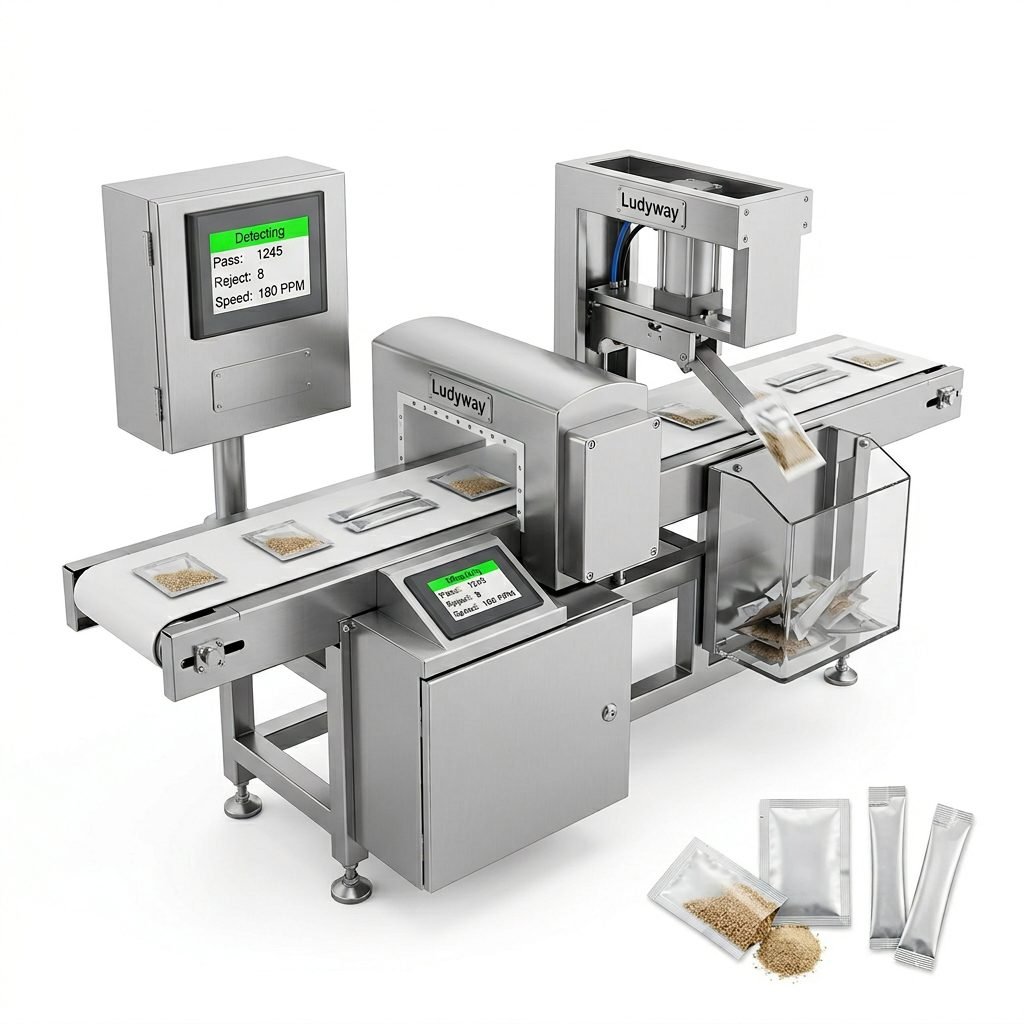
The reject device should fit both the product and the package format. A lightweight pouch may work with an air-blast reject, while bottles, jars, cartons, or heavier bags may need a pusher, drop flap, diverter, or retracting conveyor system. The goal is to remove non-conforming products without damaging neighboring packs or interrupting flow.
5. Integrate with Upstream Filling Equipment
One of the best uses of a checkweigher is feedback control. When connected to upstream filling systems, the checkweigher can identify trends and help operators or automated controls adjust filler settings. This prevents ongoing underfill or overfill conditions from affecting large batches.
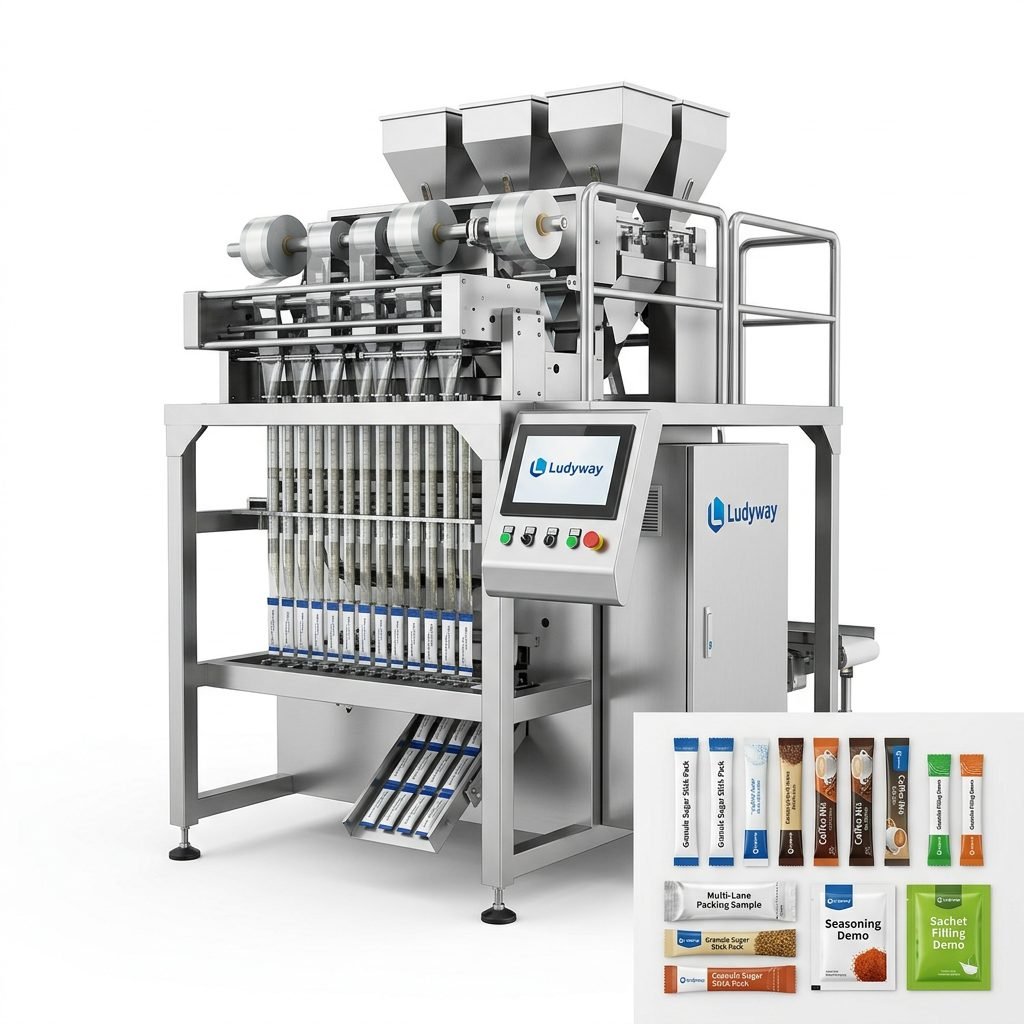
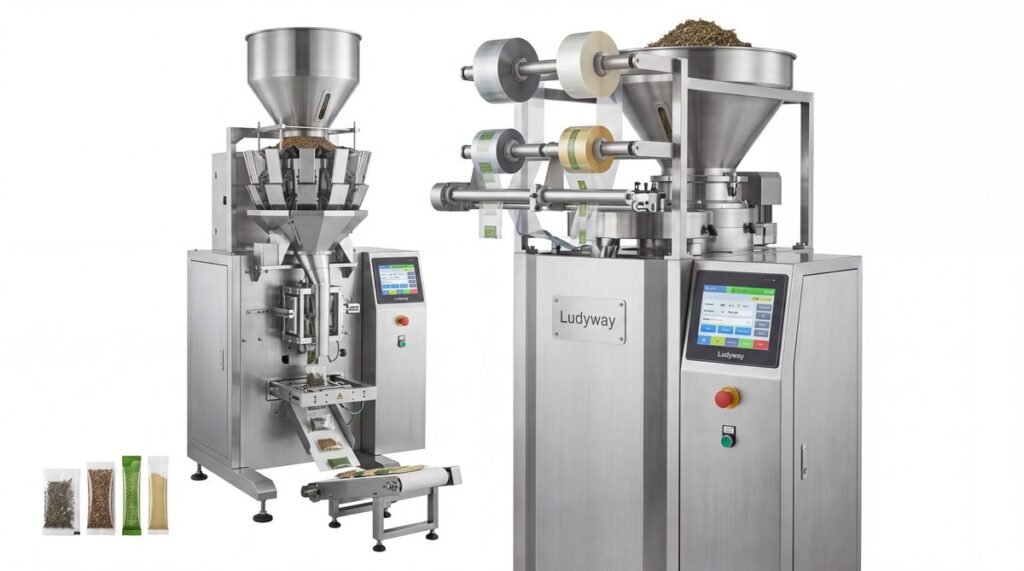
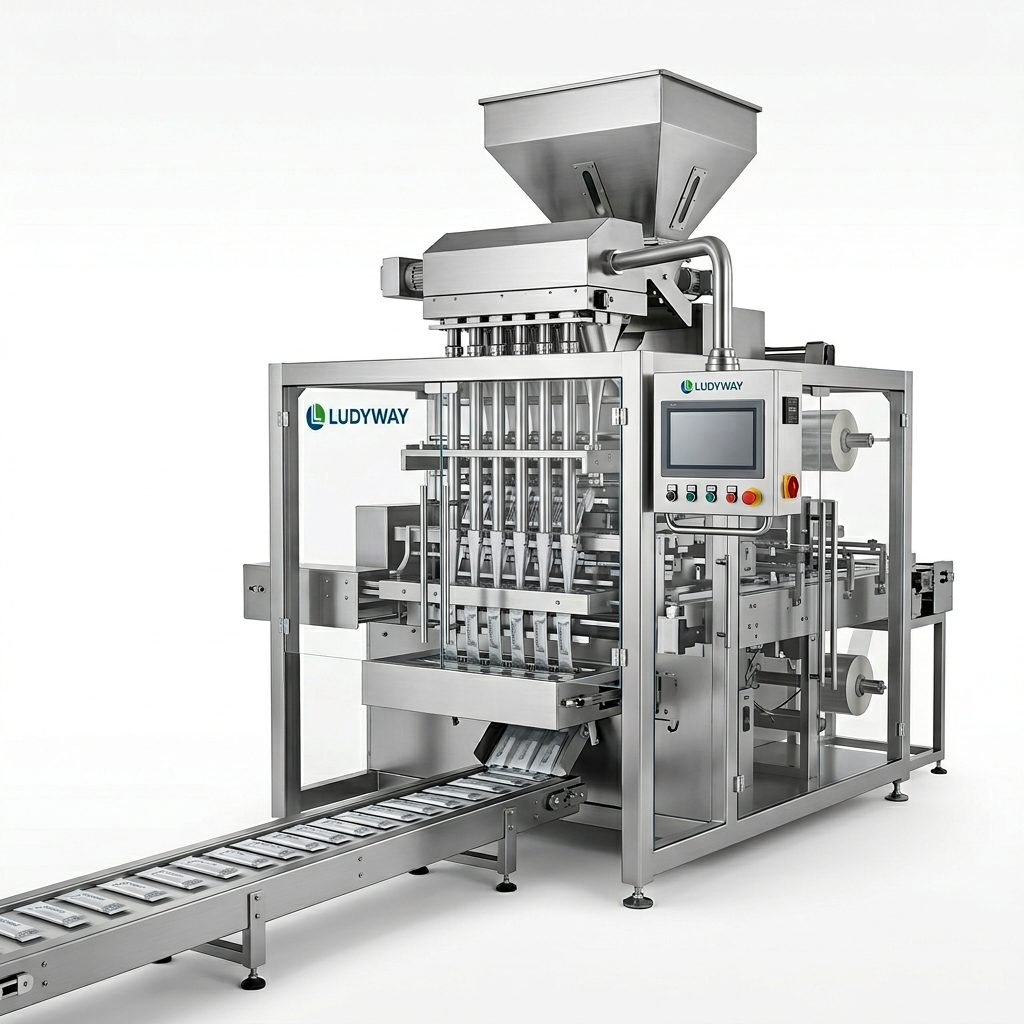
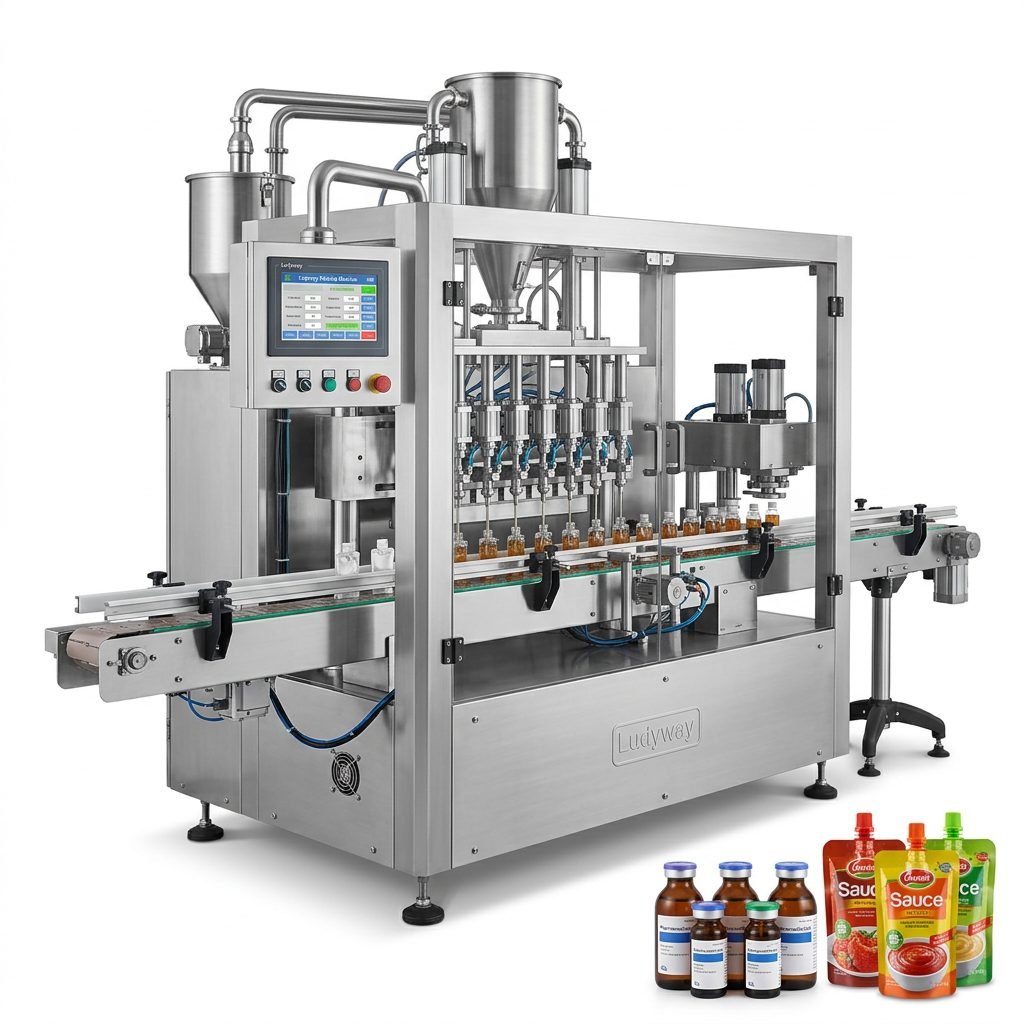
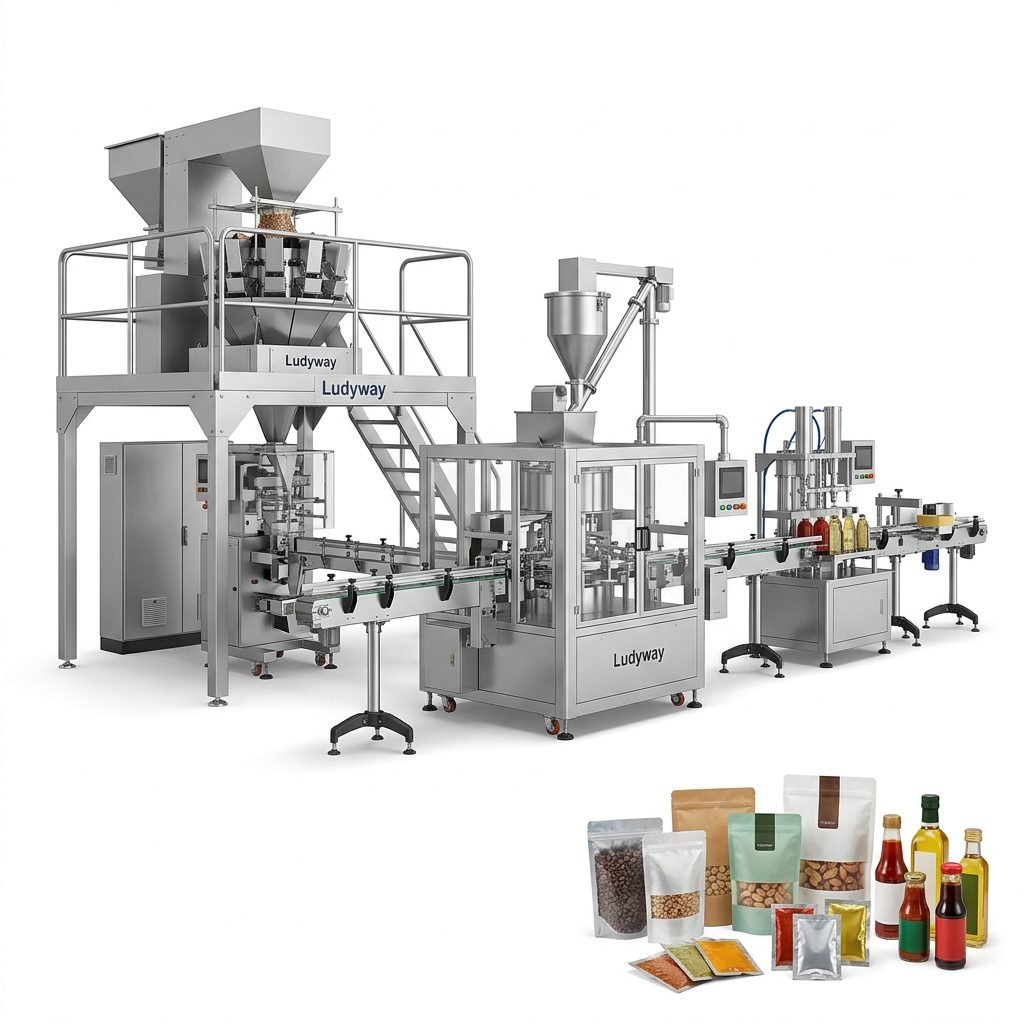
For companies seeking complete line coordination, turnkey suppliers such as Ludyway packaging line manufacturer can help align fillers, conveyors, inspection systems, and end-of-line equipment into one synchronized solution.
6. Connect Data Systems for Real-Time Monitoring
Modern checkweighers can collect and transmit valuable production data, including average weight, standard deviation, reject rate, line speed, and alarm history. When linked to HMI, PLC, MES, or factory monitoring systems, this data supports better decision-making and preventive maintenance.
Common Integration Challenges and How to Avoid Them
| Challenge | Cause | Solution |
|---|---|---|
| Inaccurate readings | Vibration, unstable transfer, poor spacing | Improve conveyor design and isolate vibration |
| High false reject rate | Wrong tolerance settings or product movement | Optimize tolerances and package stability |
| Line slowdowns | Checkweigher capacity below line speed | Select a higher-speed model |
| Product damage during rejection | Improper reject type | Match reject method to package size and weight |
| Poor traceability | No data connection | Integrate with digital monitoring systems |
Best Practices for Accurate and Efficient Production
Keep the Environment Controlled
Air drafts, floor vibration, temperature shifts, and nearby machine shocks can reduce weighing precision. Install the checkweigher in a stable zone and avoid placing it directly beside equipment that generates excessive motion.
Calibrate and Verify Regularly
Routine calibration and performance verification are essential. Even a high-quality system can drift over time if it is not checked with test samples under actual production conditions.
Train Operators Well
Operators should know how to adjust recipes, review alarms, interpret rejection trends, and perform basic inspection checks. Strong operator training improves uptime and reduces troubleshooting delays.
Use Trend Analysis, Not Just Pass/Fail Data
A checkweigher should not only reject bad packs. It should also reveal whether the filler is gradually drifting, whether one product lane is unstable, or whether package handling is becoming inconsistent. That insight allows proactive correction before quality losses grow.
Industries That Benefit Most from Checkweigher Integration
Although almost any automated packaging line can benefit, checkweighers are especially valuable in industries where weight consistency directly affects compliance, cost control, and customer trust.
- Food packaging — snacks, spices, grains, sauces, frozen foods, powders
- Pharmaceutical packaging — sachets, pouches, bottles, cartons, blister-fed packs
- Health supplement packaging — protein powders, vitamin sachets, stick packs
- Cosmetic packaging — creams, serums, masks, lotions, single-dose packs
- Chemical packaging — detergents, cleaning products, additives, treatment powders
How to Select the Right Checkweigher for Your Line
When comparing options, look beyond basic weighing accuracy. The right machine should fit your line layout, product format, sanitation requirements, and future expansion plans.
- Weight range and sensitivity
- Line speed compatibility
- Conveyor size and package dimensions
- Reject system type
- Washdown or dustproof requirements
- Data communication and reporting functions
- Ease of recipe changeover
- Maintenance access and service support
Final Integration Checklist
| Checklist Item | Status Goal |
|---|---|
| Product weight range confirmed | Suitable model selected |
| Line speed evaluated | No bottleneck risk |
| Conveyor transitions checked | Stable product movement |
| Reject system matched to package | Safe and reliable rejection |
| Data integration configured | Real-time monitoring enabled |
| Calibration and validation plan ready | Consistent long-term accuracy |
| Operator training completed | Fewer stoppages and faster response |
When integrated correctly, a checkweigher becomes more than an inspection device—it becomes a control point that helps packaging lines run more accurately, more efficiently, and more profitably. The combination of proper equipment selection, stable product handling, intelligent reject logic, and data-driven monitoring can significantly improve production reliability across modern automated packaging operations.