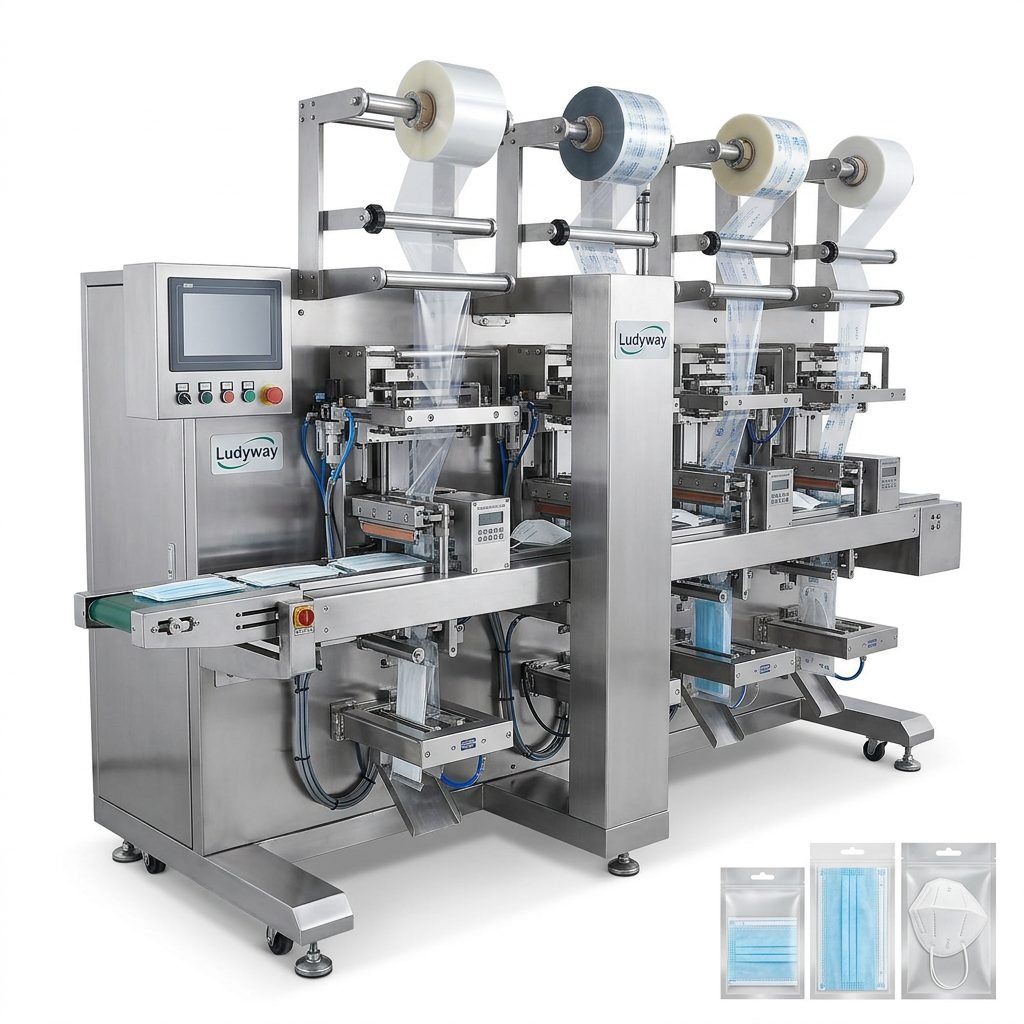
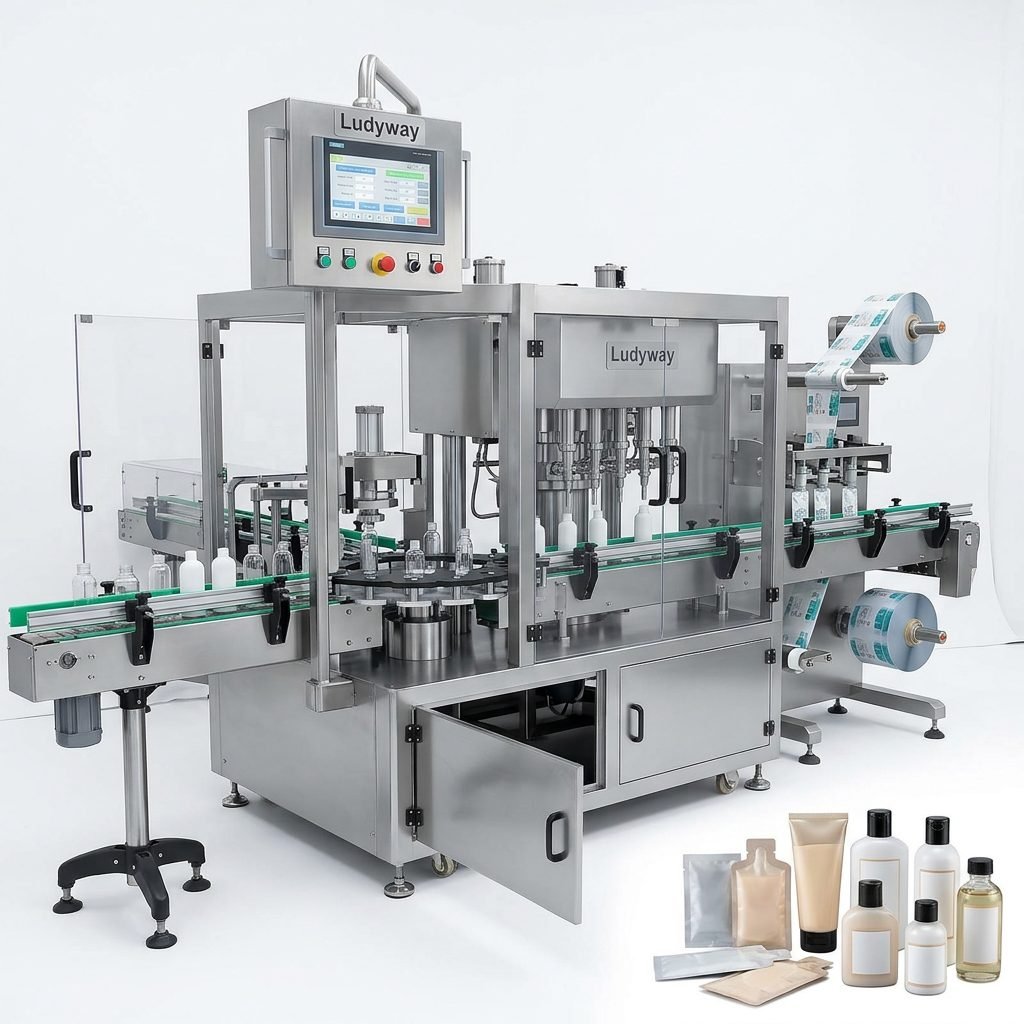
The demand for efficient hamburger packaging machine systems in Southeast Asia is growing rapidly. With the region’s fast-food industry expanding at an unprecedented rate, manufacturers need reliable, high-speed packaging solutions to meet consumer expectations. This guide covers everything you need to know about setting up a hamburger packaging production line in countries like Vietnam, Thailand, Indonesia, Malaysia, and the Philippines.

Why Southeast Asia Is a Strategic Location for Hamburger Packaging
Southeast Asia’s food processing sector has experienced double-digit growth over the past five years. The region’s young population, rising disposable income, and increasing urbanization have fueled demand for packaged foods, including hamburgers and related products. Countries like Vietnam and Indonesia are becoming manufacturing hubs for both domestic consumption and export markets.
Key advantages of setting up a hamburger packaging machine production line in Southeast Asia include:
- Competitive labor costs compared to developed markets
- Strategic proximity to major shipping routes and raw material suppliers
- Favorable government incentives for food processing investments
- Growing middle-class population driving packaged food demand
- Established industrial zones with modern infrastructure support
Types of Hamburger Packaging Machines Suitable for Southeast Asian Markets
When selecting a hamburger packaging machine for your Southeast Asian operation, you need to consider the specific product format and production volume. Different packaging formats require specialized equipment configurations.

Flow Wrapping Machines
Flow wrapping technology is the most common solution for hamburger packaging. These machines wrap individual burgers in flexible film, providing excellent product protection and extended shelf life. Modern flow wrappers can handle speeds of up to 120 packs per minute, making them ideal for high-volume production in Southeast Asian markets.
Modified Atmosphere Packaging (MAP) Systems
For premium hamburger products requiring longer shelf life, MAP packaging systems are essential. These machines replace oxygen with inert gases to slow bacterial growth, extending product freshness by up to 10 days. This is particularly important in Southeast Asia’s tropical climate where temperature control is critical.
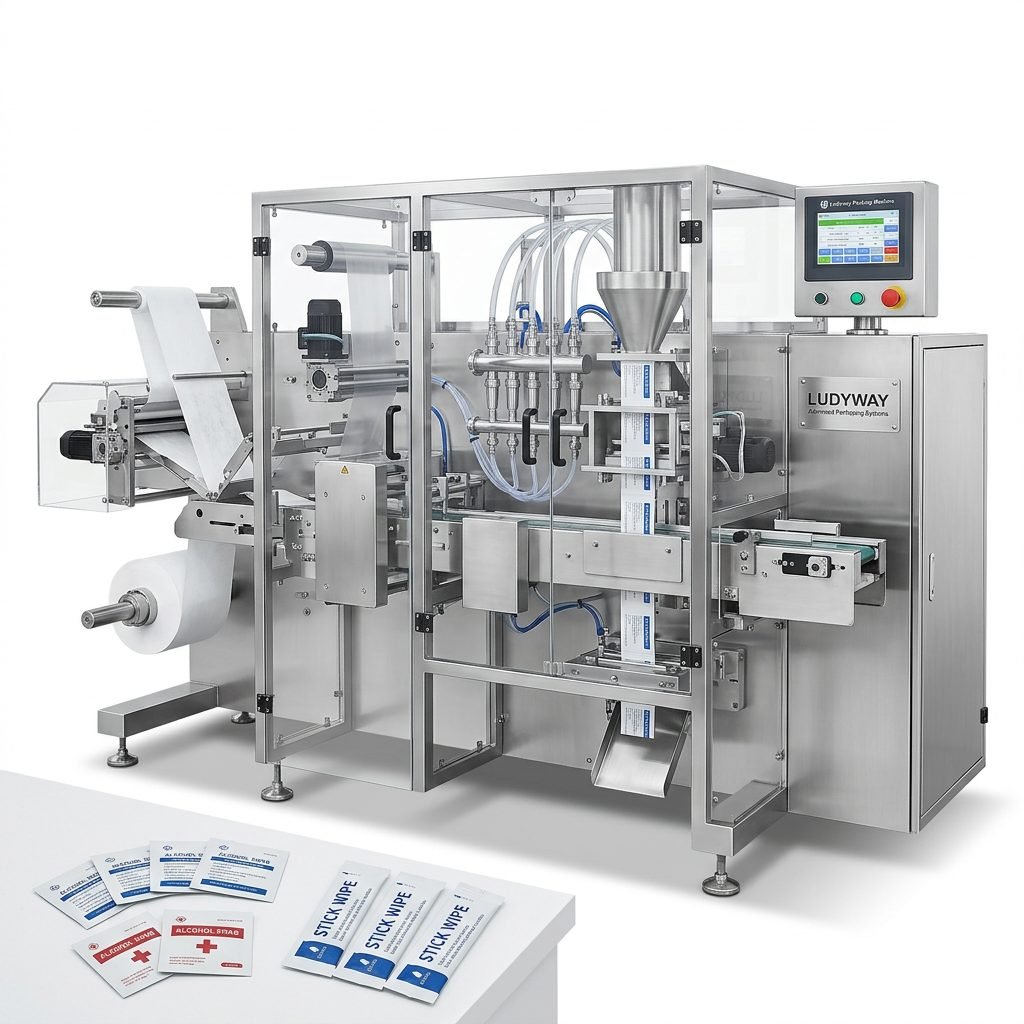
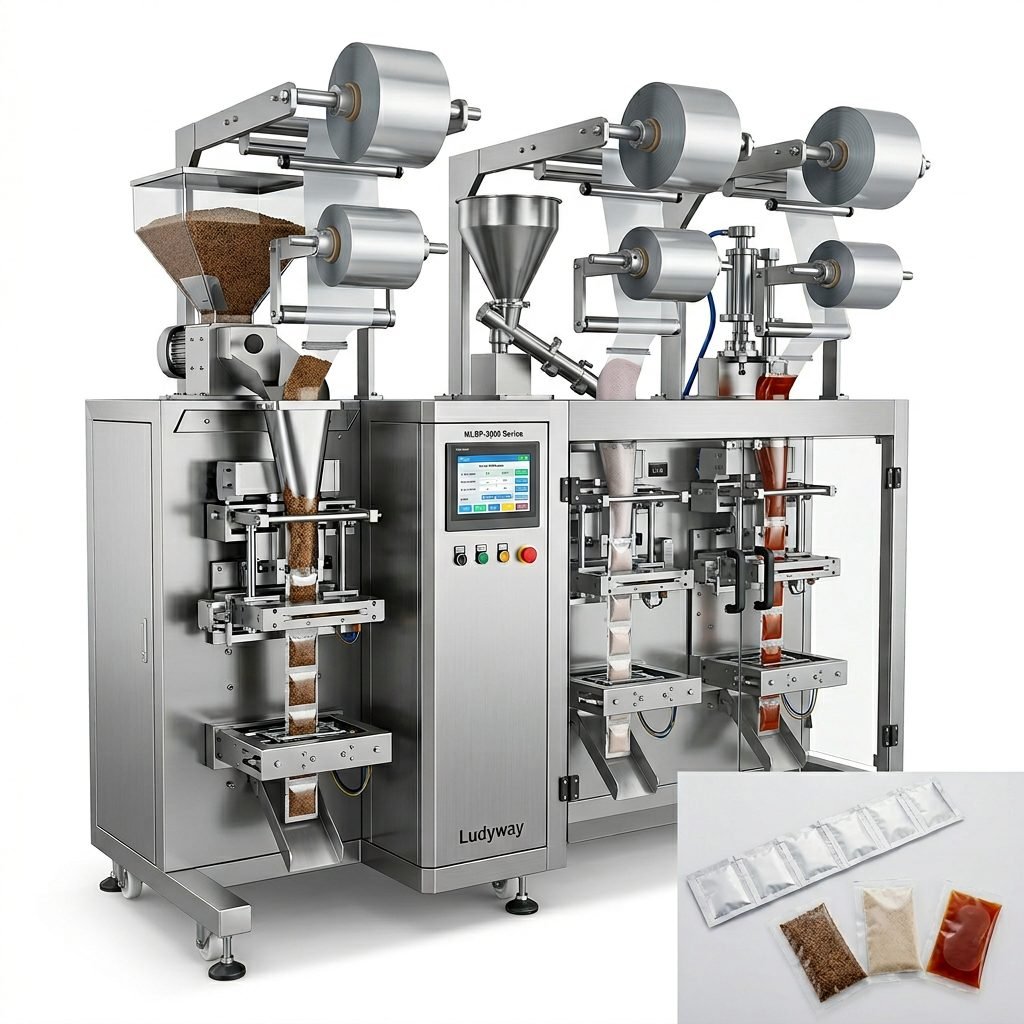
Multi-Lane Sachet and Pouch Packaging Machines
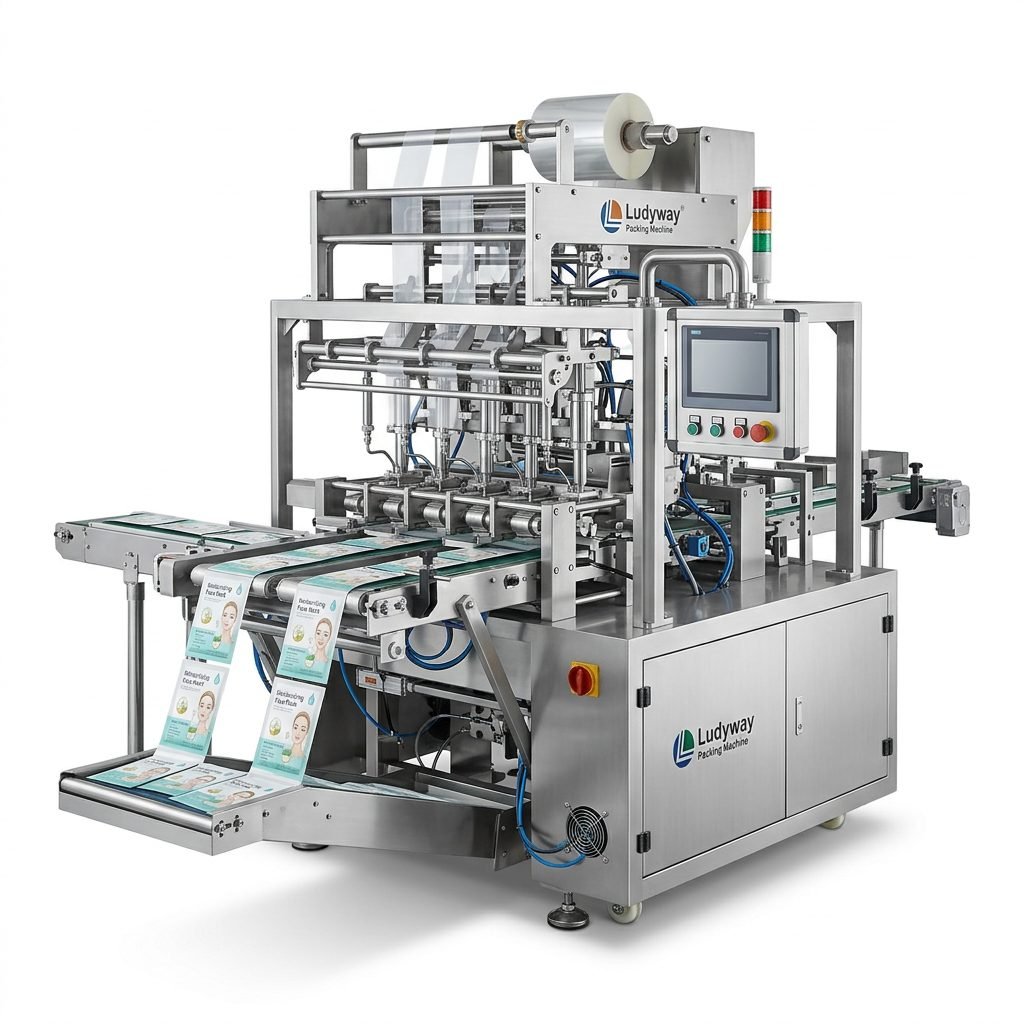
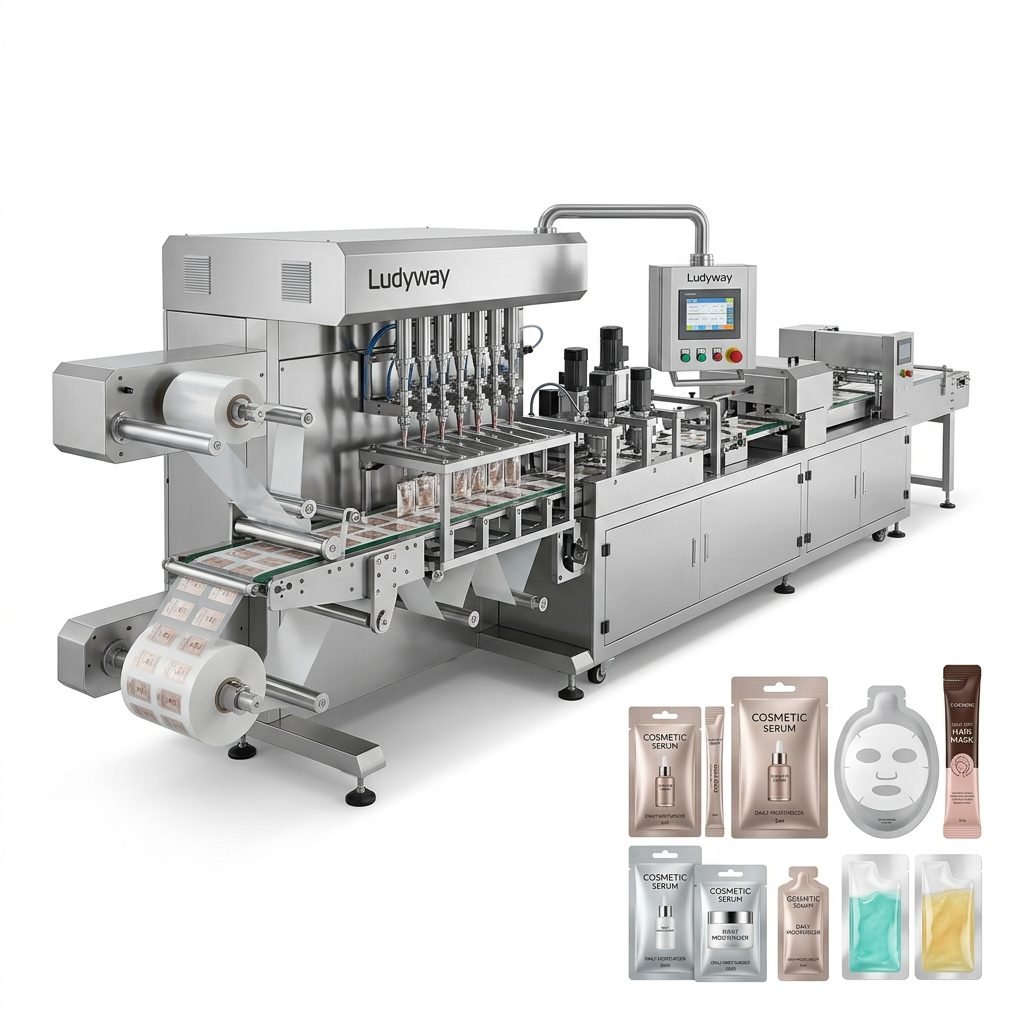
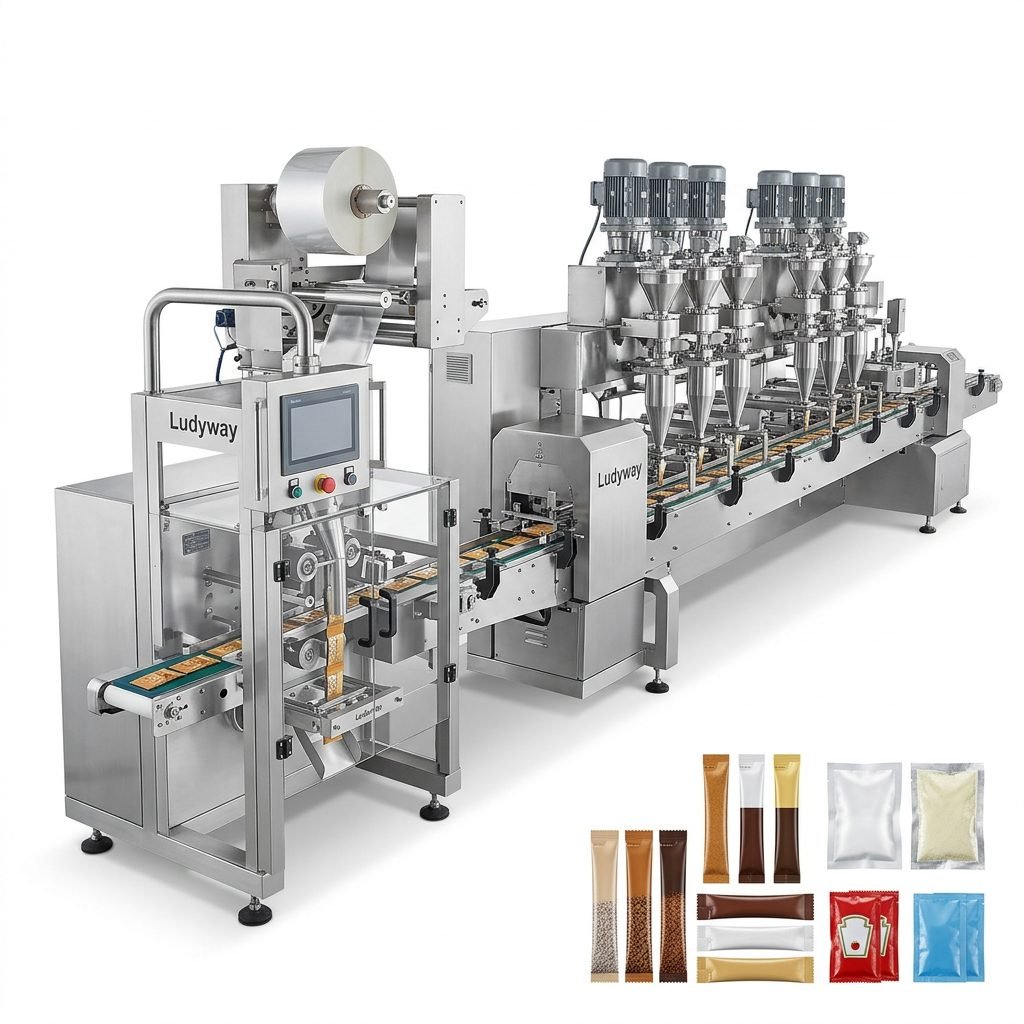
For hamburger seasoning packets, sauce sachets, and condiment packaging, multi-lane packaging machines offer exceptional efficiency. These systems can produce multiple lanes simultaneously, significantly increasing output for small-format packages commonly used in the fast-food industry.
Key Considerations for Setting Up Your Production Line
Establishing a successful hamburger packaging machine production line requires careful planning across multiple dimensions. Below are the critical factors you must evaluate before making equipment investments.
| Consideration | Details | Impact |
|---|---|---|
| Production Capacity | Daily output targets, peak season demands | Determines machine speed and lane configuration |
| Product Specifications | Burger size, weight, packaging material | Affects film selection and sealing parameters |
| Facility Requirements | Floor space, power supply, compressed air | Influences layout design and auxiliary equipment |
| Regulatory Compliance | FDA food contact standards, local health regulations | Ensures market access and consumer safety |
| Climate Control | Humidity, temperature variation in Southeast Asia | Critical for product quality and machine performance |
Step-by-Step Production Line Setup Process
Step 1: Conduct a Comprehensive Market Assessment
Before purchasing any hamburger packaging machine, analyze the target market thoroughly. Study competitor packaging formats, consumer preferences, and distribution channel requirements. According to PMMI business intelligence, the Southeast Asian packaging machinery market is projected to grow at over 7% annually through 2028.
Step 2: Define Your Packaging Specifications
Determine the exact packaging format, material type, and barrier properties required. Consider factors such as:
- Oxygen transmission rate requirements for shelf life
- Moisture barrier properties for tropical climates
- Print registration for branding and regulatory information
- Easy-open features for consumer convenience
- Recyclability and EU packaging waste compliance for export markets
Step 3: Select the Right Equipment Configuration
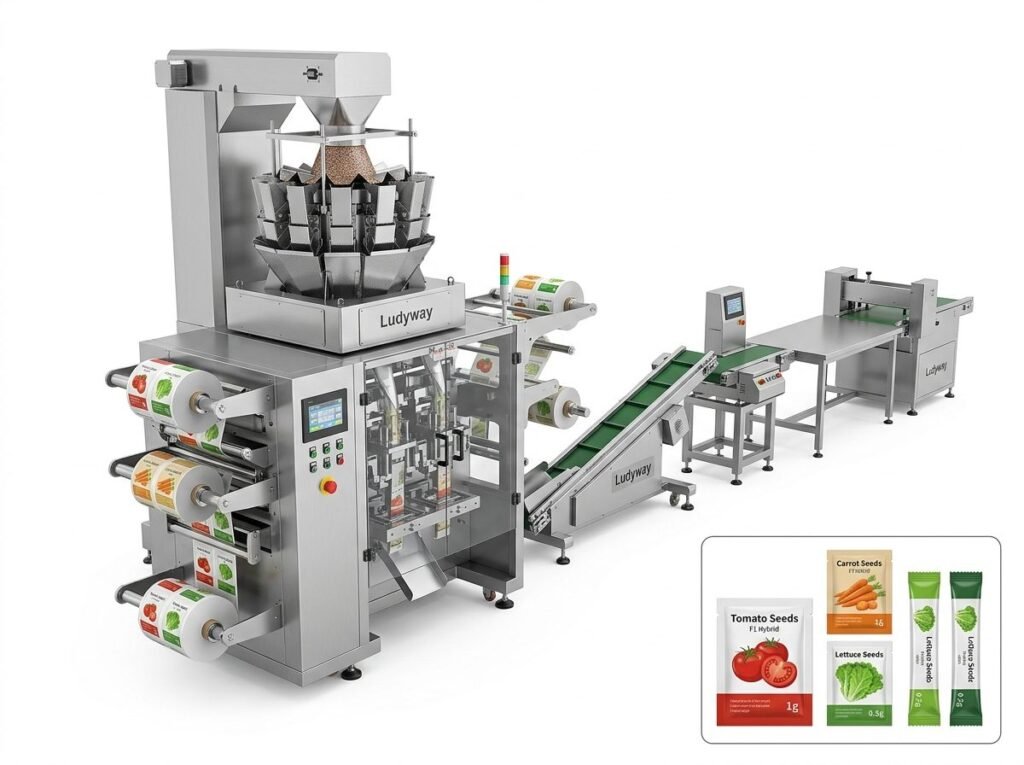
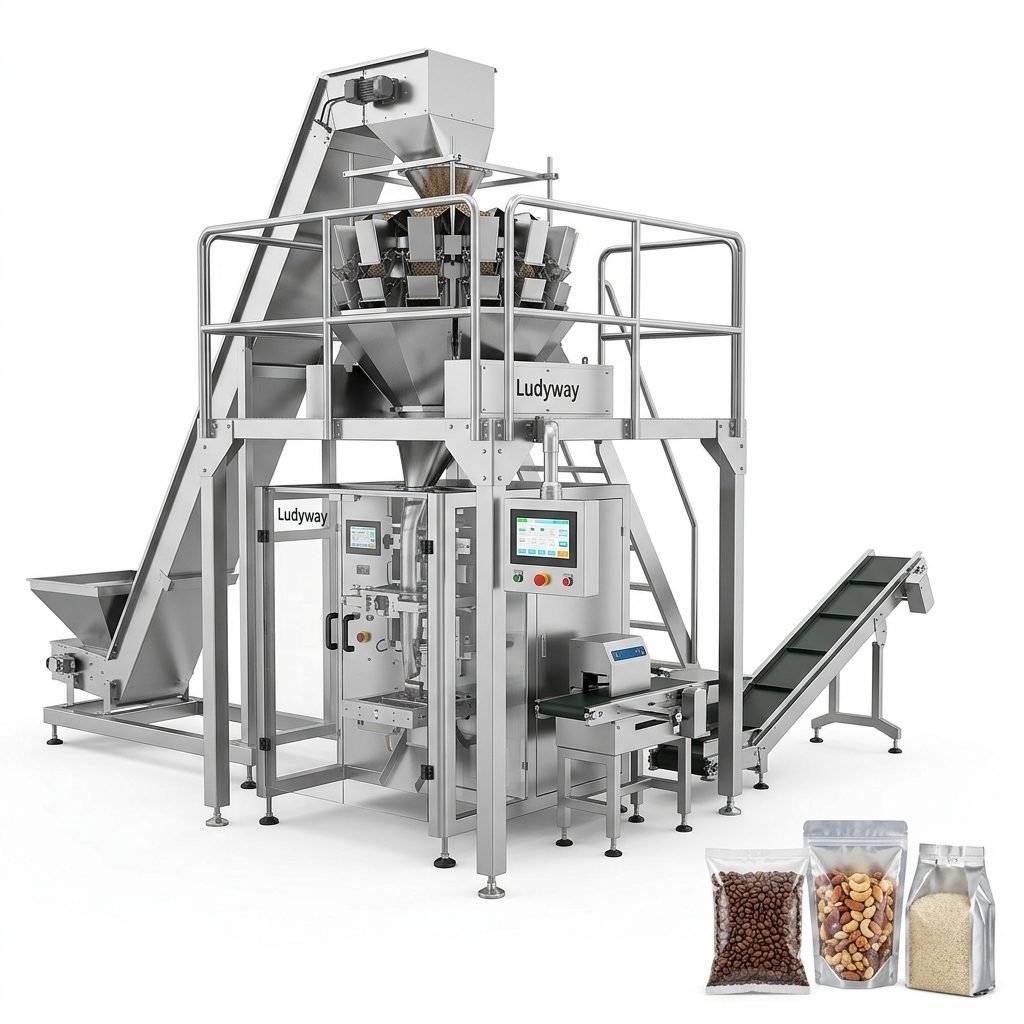
Choose equipment that matches your production requirements. A complete hamburger packaging machine line typically includes:
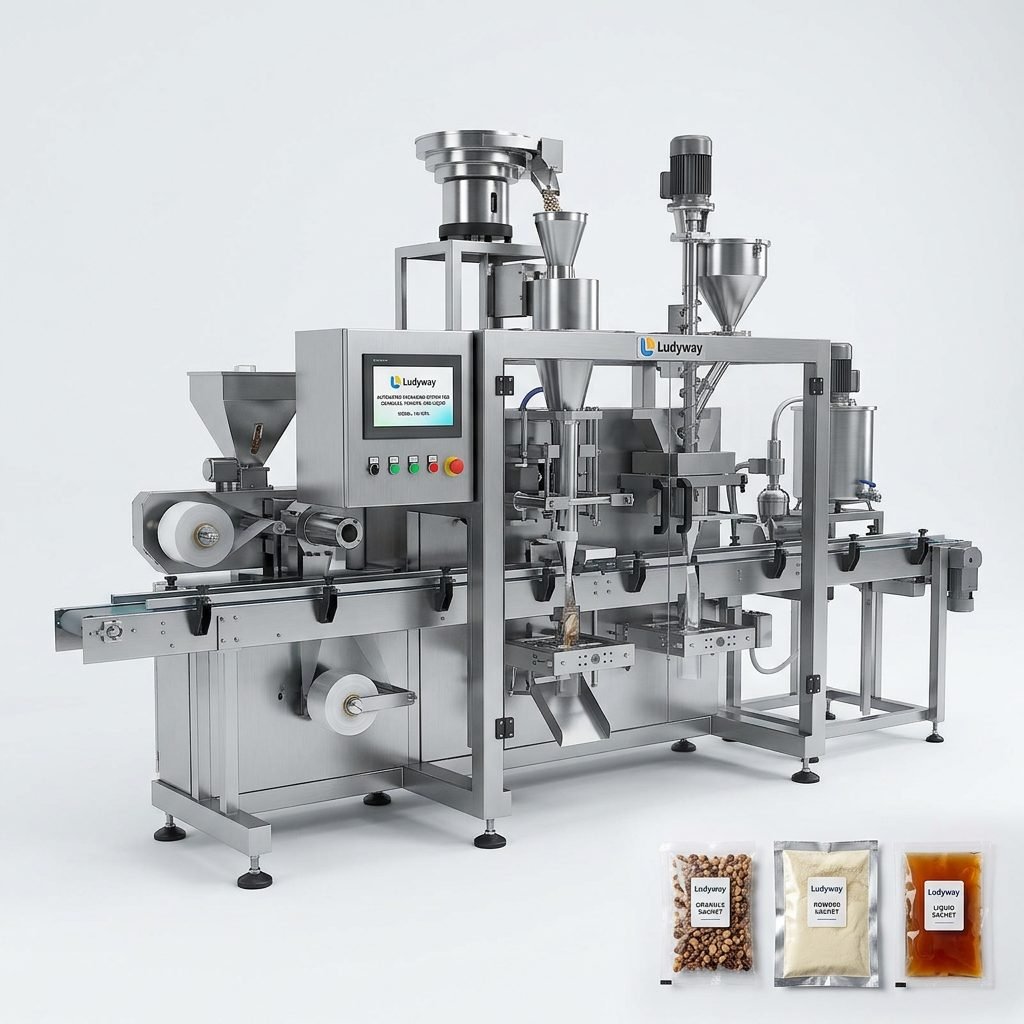
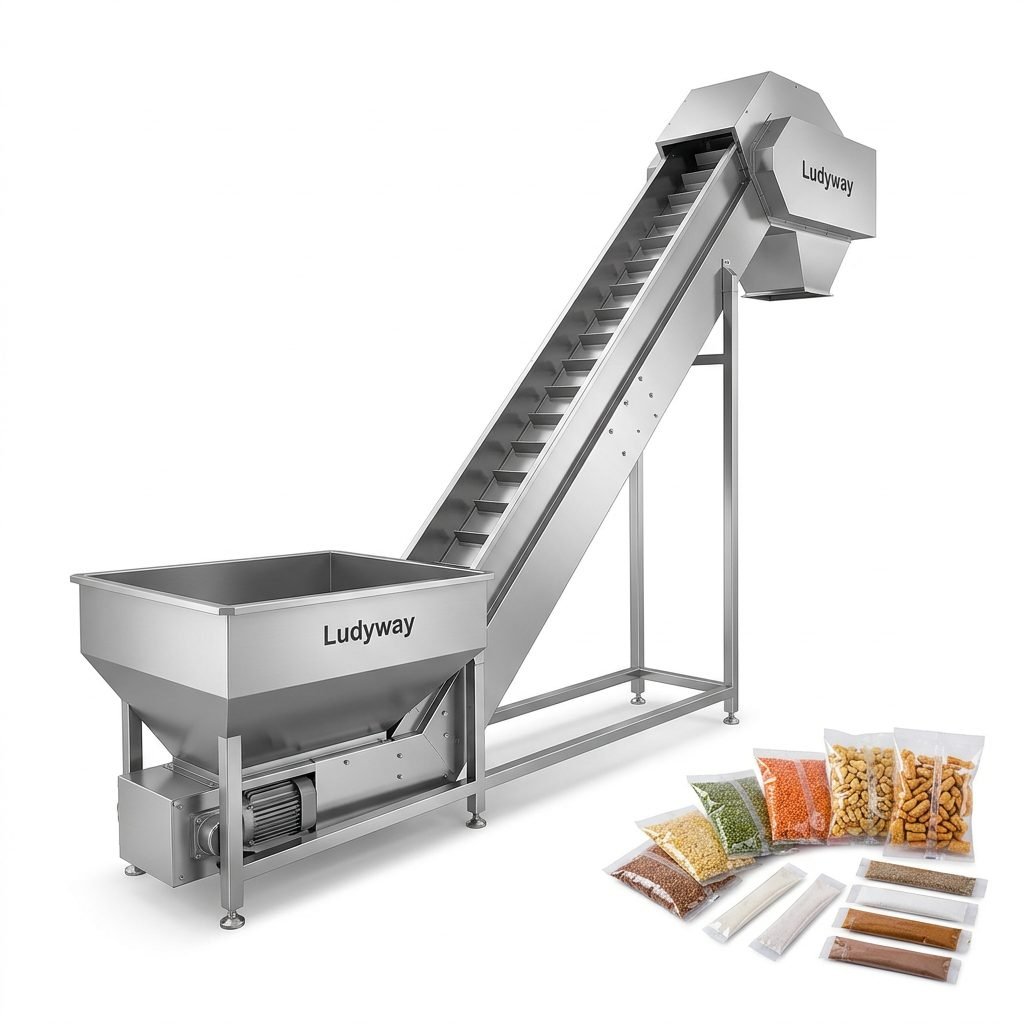
- Infeed conveyor system with product alignment
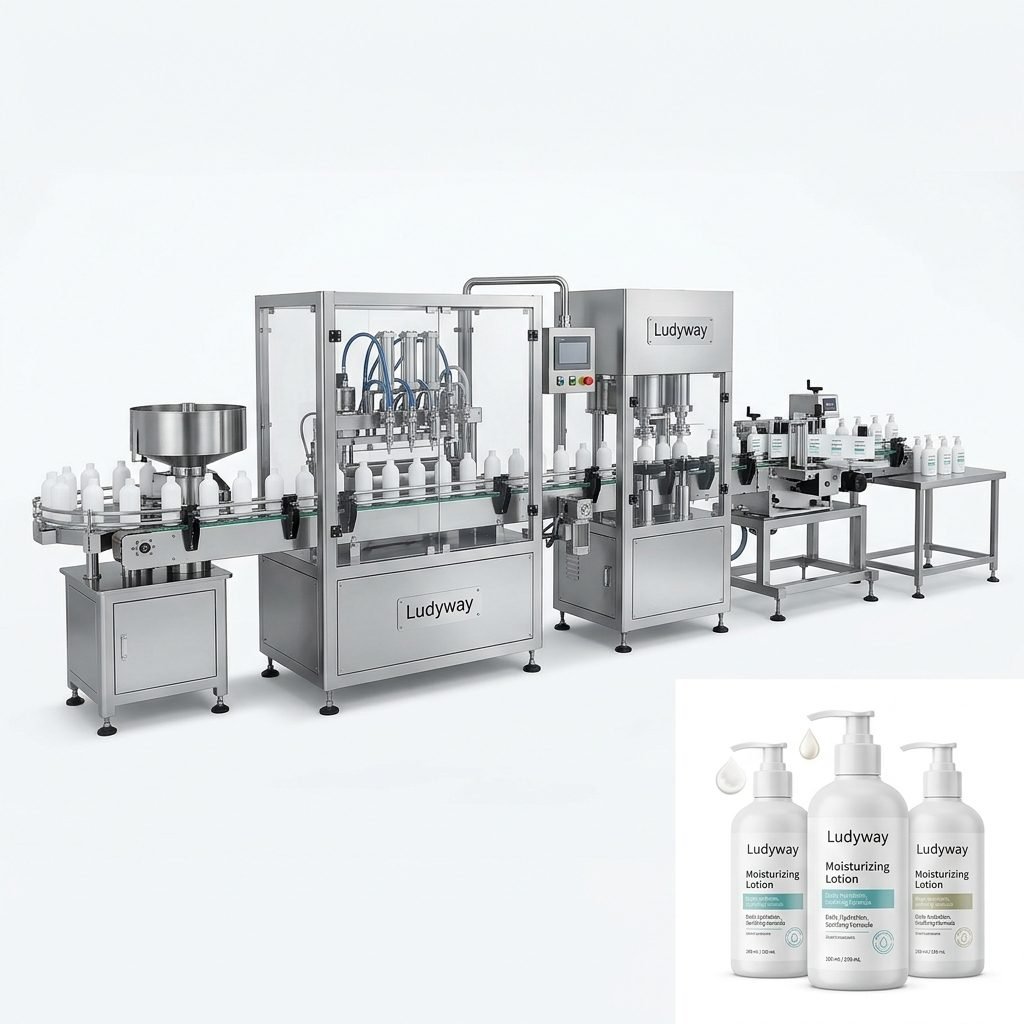
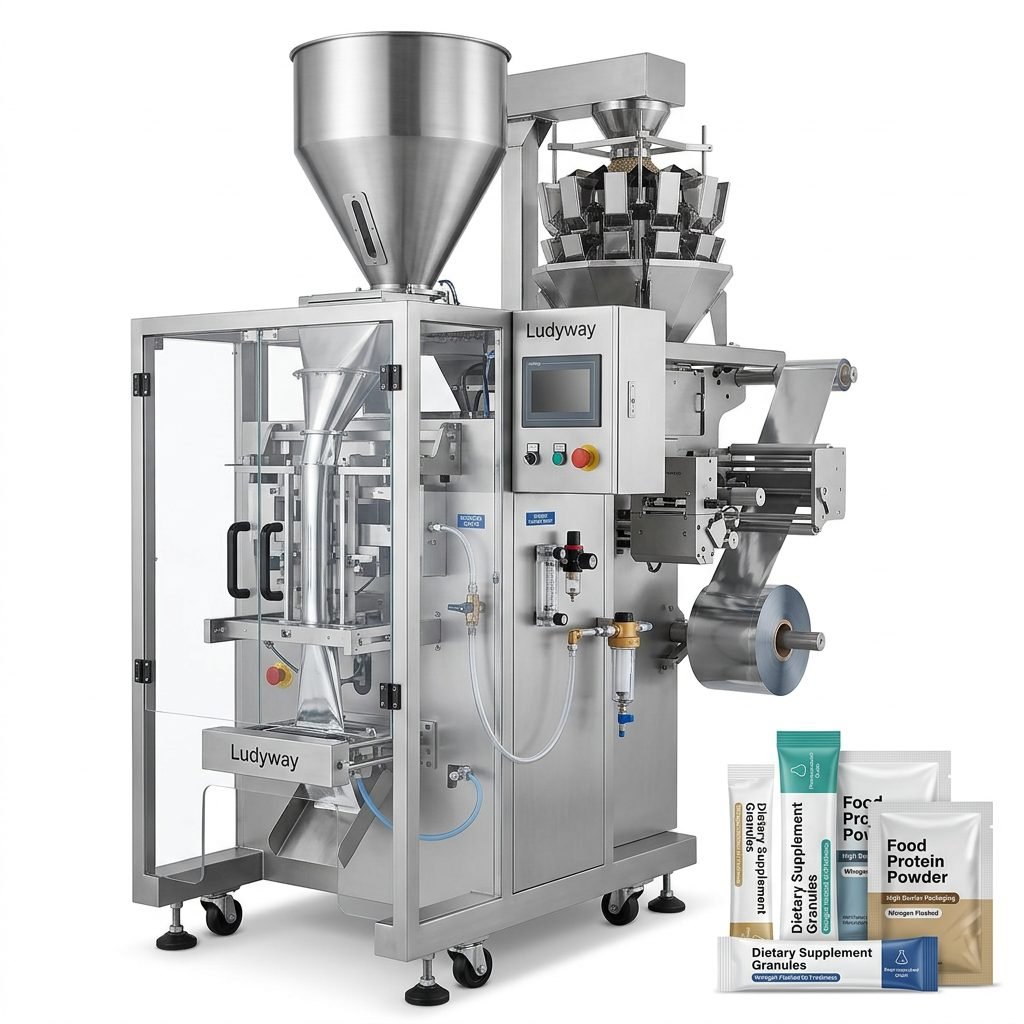
- Primary flow wrapping or tray sealing machine
- Checkweigher for weight verification
- Metal detection and X-ray inspection systems
- Date coding and labeling equipment
- Case packing and palletizing solutions
Step 4: Install and Commission
Professional installation is critical to ensure optimal machine performance. Work with experienced engineers who understand Southeast Asian operating conditions. Commissioning should include thorough testing with your actual products and packaging materials.
Step 5: Train Your Team
Invest in comprehensive operator training covering machine operation, maintenance procedures, and troubleshooting. Well-trained staff can significantly reduce downtime and improve overall equipment effectiveness.
Regulatory Standards and Compliance in Southeast Asia
Each Southeast Asian country has specific food packaging regulations. Understanding these requirements is essential for successful market entry. The FDA packaging and food contact substances guidelines provide a useful reference framework, though local standards may vary.
| Country | Key Regulatory Body | Main Requirements |
|---|---|---|
| Vietnam | VFA (Vietnam Food Administration) | Food contact material certification, labeling in Vietnamese |
| Thailand | Thai FDA | GMP compliance, packaging material safety testing |
| Indonesia | BPOM | Halal certification, food grade packaging standards |
| Malaysia | MOH (Ministry of Health) | Halal requirements, strict labeling regulations |
Cost Optimization Strategies for Hamburger Packaging Lines
Setting up a hamburger packaging machine production line represents a significant investment. Smart planning can reduce total cost of ownership while maintaining production quality.
- Evaluate total lifecycle costs rather than just purchase price
- Consider energy-efficient motors and drives to reduce operating expenses in Southeast Asia’s high electricity cost environments
- Plan for preventive maintenance to avoid costly breakdowns
- Source packaging materials locally where quality standards permit
- Invest in modular equipment that can scale with your business growth
Industry Resources and Further Reading
Stay informed about packaging industry trends and standards through these authoritative resources:
- PMMI – The Association for Packaging and Processing Technologies – Comprehensive industry reports and market intelligence
- Flexible Packaging Association – Resources for flexible packaging applications
- ISO Packaging Standards – International packaging equipment and material standards
- PACK EXPO International – Leading global packaging exhibition and networking event
- U.S. EPA Sustainable Materials Management – Guidelines for sustainable packaging practices
Choosing the Right Packaging Machine Manufacturer
When investing in a hamburger packaging machine production line, partnering with an experienced manufacturer is crucial. Look for suppliers with proven expertise in food packaging applications, strong after-sales support capabilities in Southeast Asia, and a track record of successful installations in similar climate conditions. Ludyway is one of the largest packaging machine manufacturers in China, specializing in advanced packaging equipment and turnkey production solutions for the food, pharmaceutical, and health industries, with over 30 years of industry expertise and customers in more than 100 countries.
Maintenance and After-Sales Support in Southeast Asia
Reliable after-sales support is essential for maintaining production efficiency. When setting up your hamburger packaging machine line, ensure you have access to:
- Local service technicians who can respond quickly to issues
- Readily available spare parts inventory in the region
- Remote diagnostic capabilities for faster troubleshooting
- Regular preventive maintenance programs tailored to local conditions
- Operator refresher training as new staff join your team
Future Trends in Hamburger Packaging Automation
The Southeast Asian packaging industry is rapidly adopting smart manufacturing technologies. Key trends that will shape future hamburger packaging machine investments include:
- Integration of IoT sensors for predictive maintenance and real-time monitoring
- AI-powered quality inspection systems for defect detection
- Sustainable packaging materials compatible with existing equipment
- Increased automation reducing dependence on manual labor
- Flexible packaging lines capable of handling multiple product formats
Setting up a successful hamburger packaging machine production line in Southeast Asia requires thorough planning, the right equipment choices, and strong local partnerships. By following this guide and investing in quality machinery, you can build a competitive packaging operation that meets the growing demands of this dynamic region.