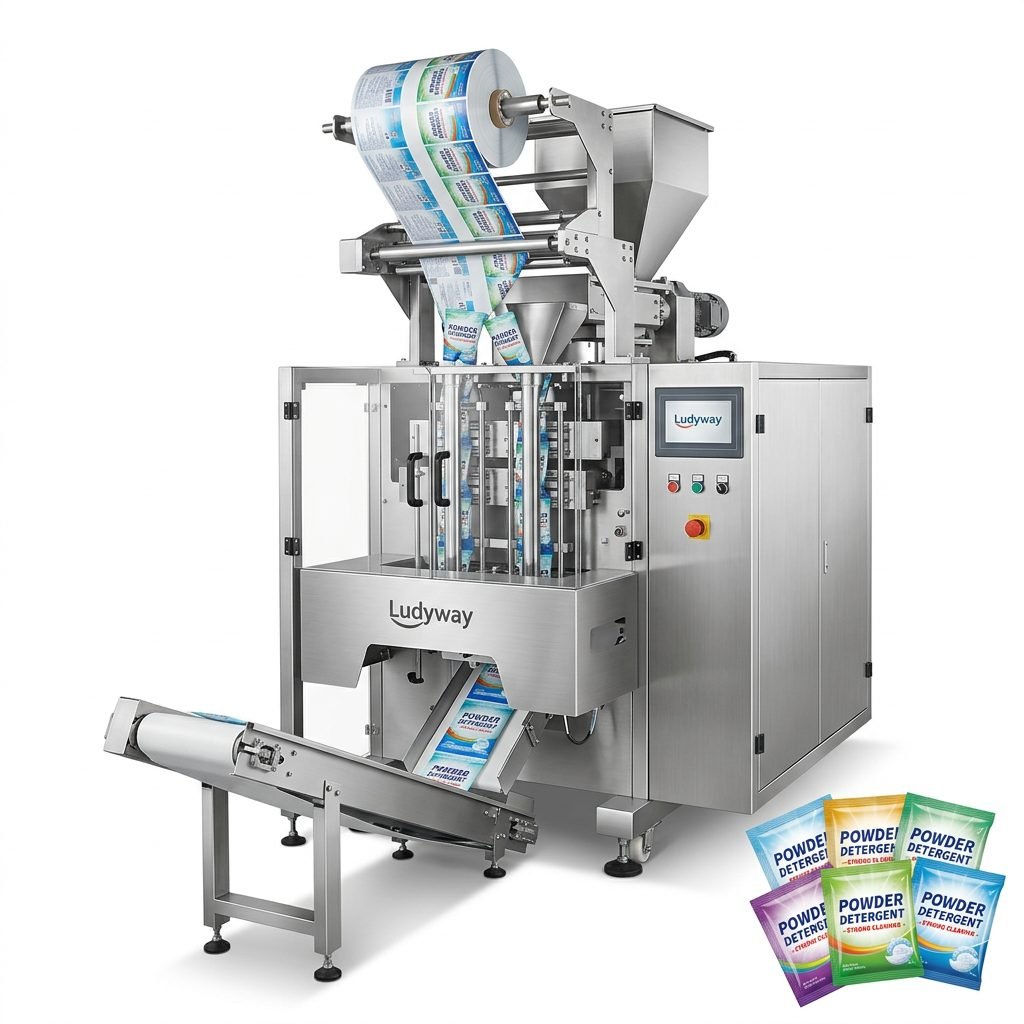
In the competitive food manufacturing landscape, efficient and reliable packaging is crucial for product quality, shelf appeal, and operational success. For producers of sauces, dips, dressings, and condiments, selecting the right dipping sauce packaging machine is a critical investment. This guide provides a comprehensive overview of the different types of machines available, their key benefits, and actionable steps to help you choose the perfect model for your production line.
Understanding Dipping Sauce Packaging Machines
Dipping sauce packaging machines are specialized automated systems designed to accurately measure, fill, and seal single-serve portions of viscous liquid products. These machines handle a wide range of consistencies, from thin soy sauce to thick mayonnaise or chunky salsa. The primary goal is to ensure hygienic, consistent, and leak-proof packaging that preserves flavor and extends shelf life while maximizing production speed.
Core Functionality
At their heart, these machines perform a precise sequence: forming packaging material (like laminated film), metering the exact sauce volume, filling without spillage, and creating a hermetic seal. Advanced models integrate vision systems for quality control and data logging for production analytics.
Primary Types of Dipping Sauce Packaging Machines
The market offers several configurations, each suited to specific output needs, package styles, and budgets. Understanding these types is the first step in your selection process.
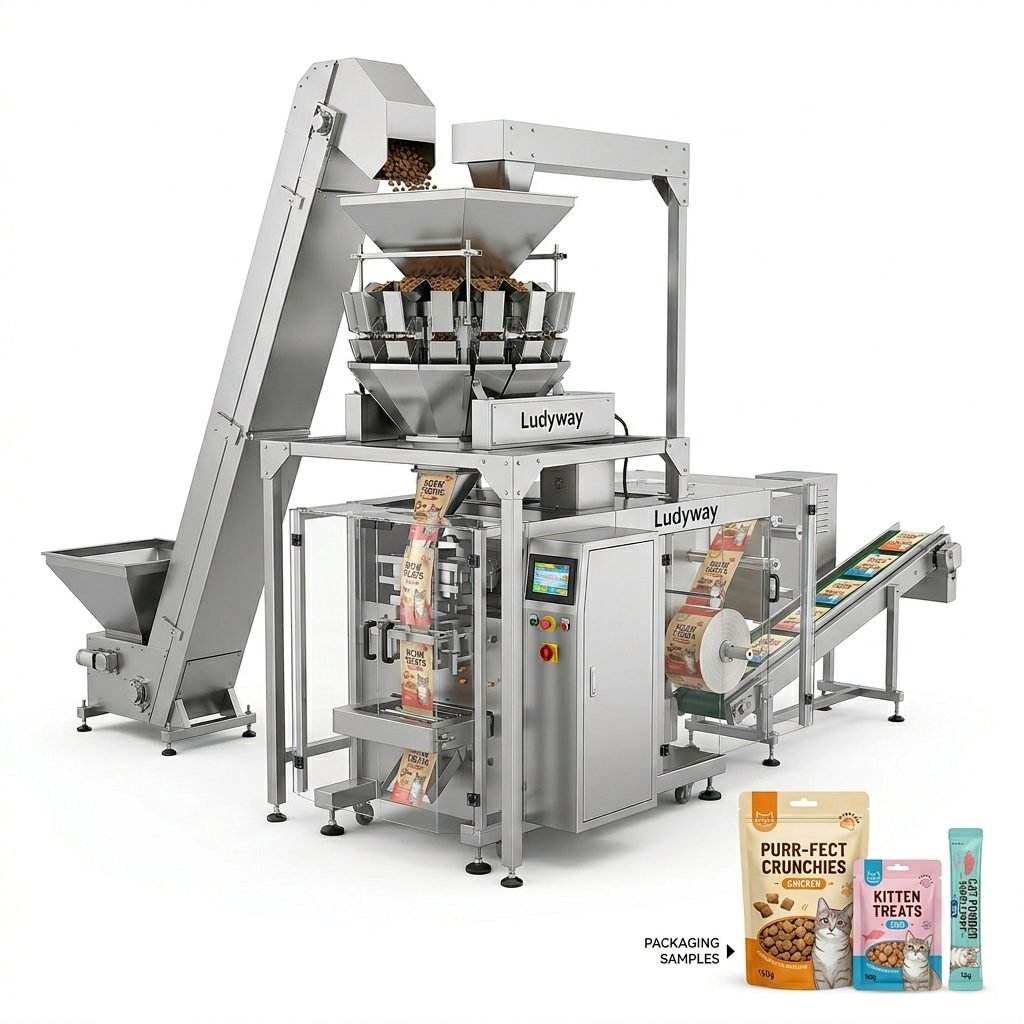
1. Vertical Form-Fill-Seal (VFFS) Machines
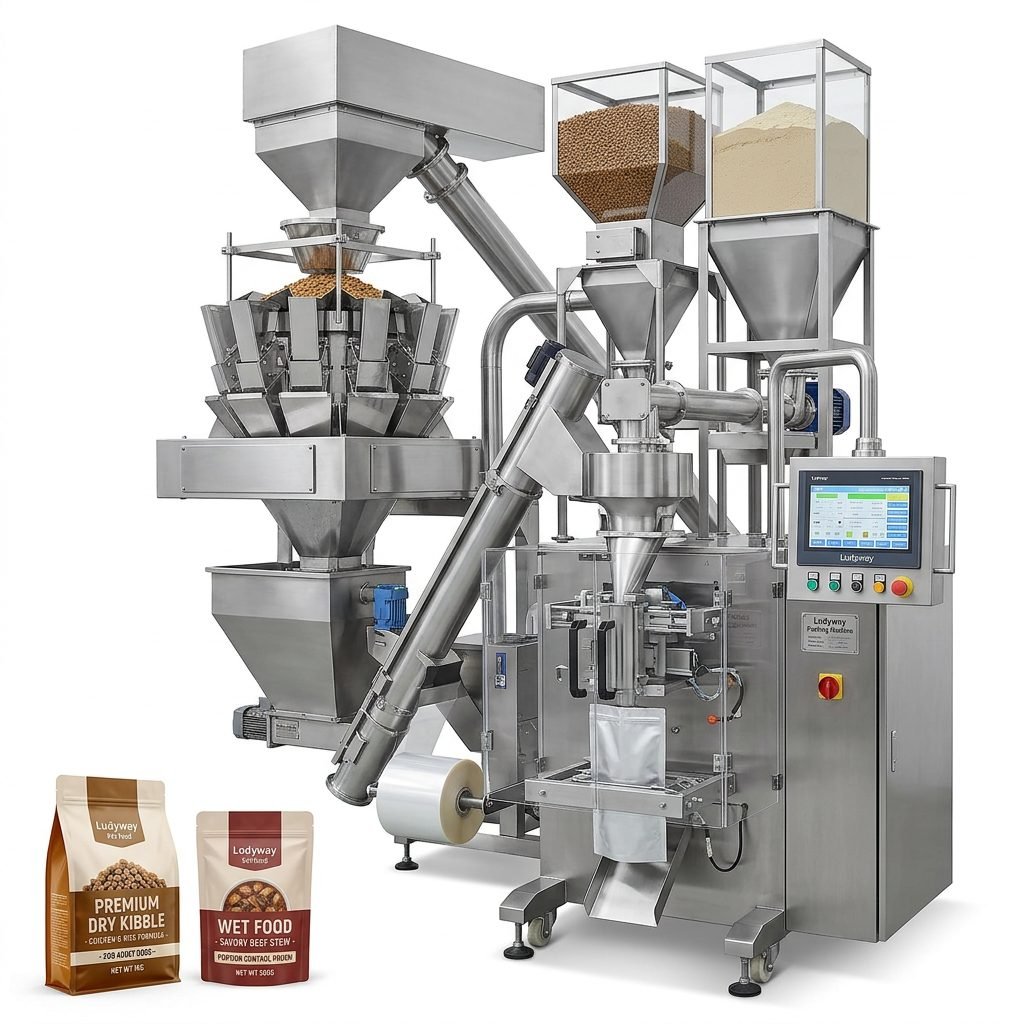
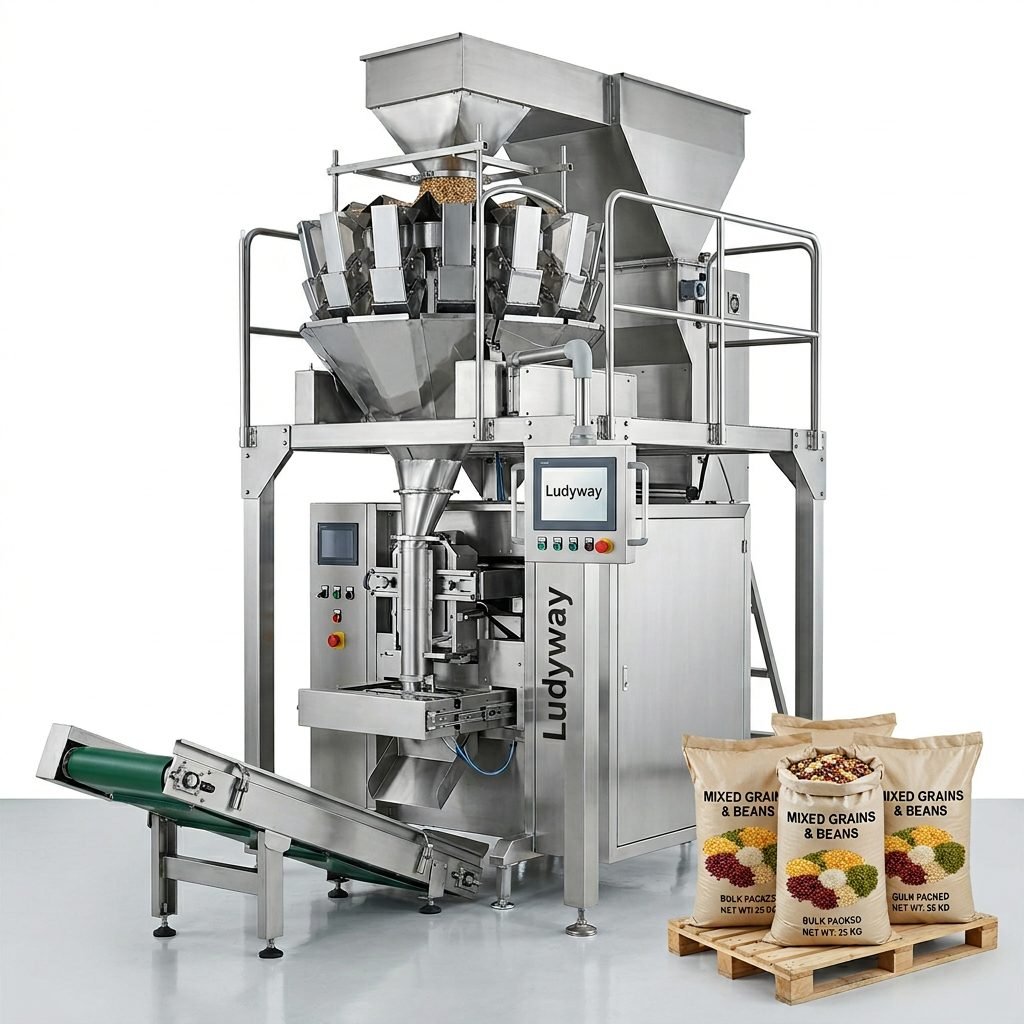
Vertical Form-Fill-Seal machines are the most common and versatile type. They use a roll of flat packaging film which is formed vertically into a tube, filled with sauce, and then sealed and cut into individual pouches or sachets.
- Best For: High-volume production of stand-up pouches, pillow packs, and sachets.
- Key Advantage: Excellent flexibility for package size changes and relatively lower film cost.
- Consideration: Requires higher vertical space in the production facility.
2. Horizontal Form-Fill-Seal (HFFS) Machines
Horizontal machines form pouches from film in a horizontal plane. They are often used for more complex packaging structures, such as those with pre-formed spouts or zippers, and are ideal for larger sauce volumes.
- Best For: Larger portion packs, premium packaging with advanced features, and products requiring a flat, stable base.
- Key Advantage: Superior packaging aesthetics and structural integrity for retail-ready products.
- Consideration: Typically involves a higher initial investment and is less flexible for frequent size changes.
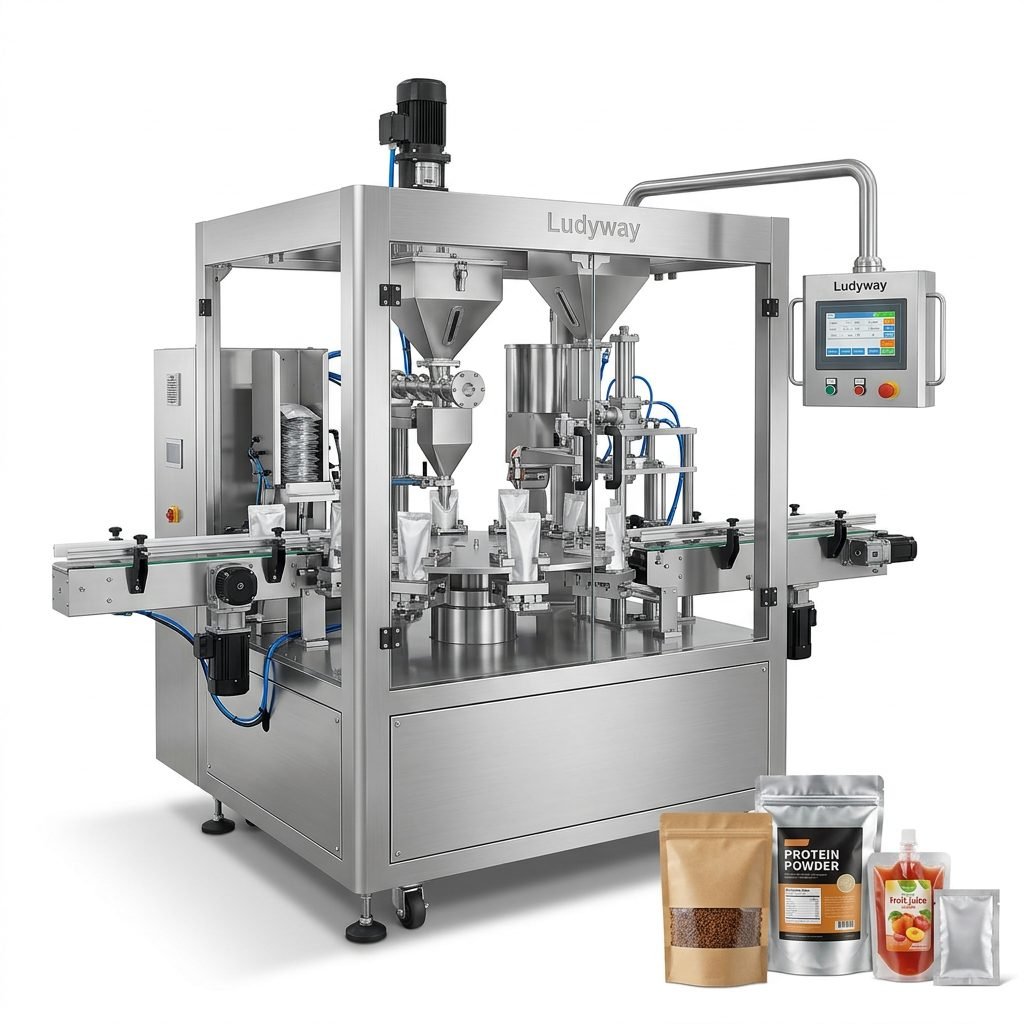
3. Pre-Made Pouch Fillers
These systems use pre-manufactured, empty pouches which are automatically opened, filled, and sealed. This method is gaining popularity for its exceptional graphic quality and material options.
- Best For: Brands with high-quality, complex printed packaging designs and medium to high production runs.
- Key Advantage: Unmatched print quality and the ability to use a wider variety of sustainable or specialty laminate materials.
- Consideration: Higher cost per pouch and the need for storage space for pre-made bags.
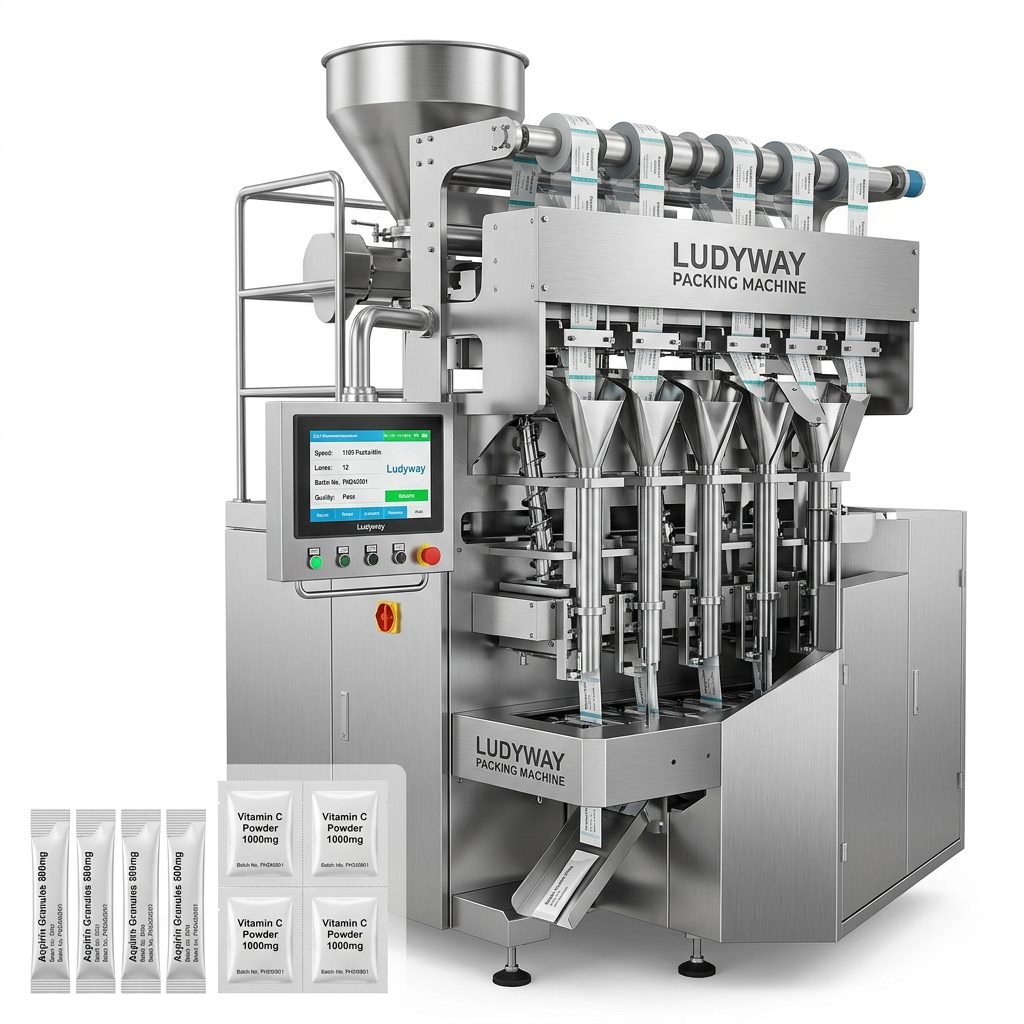
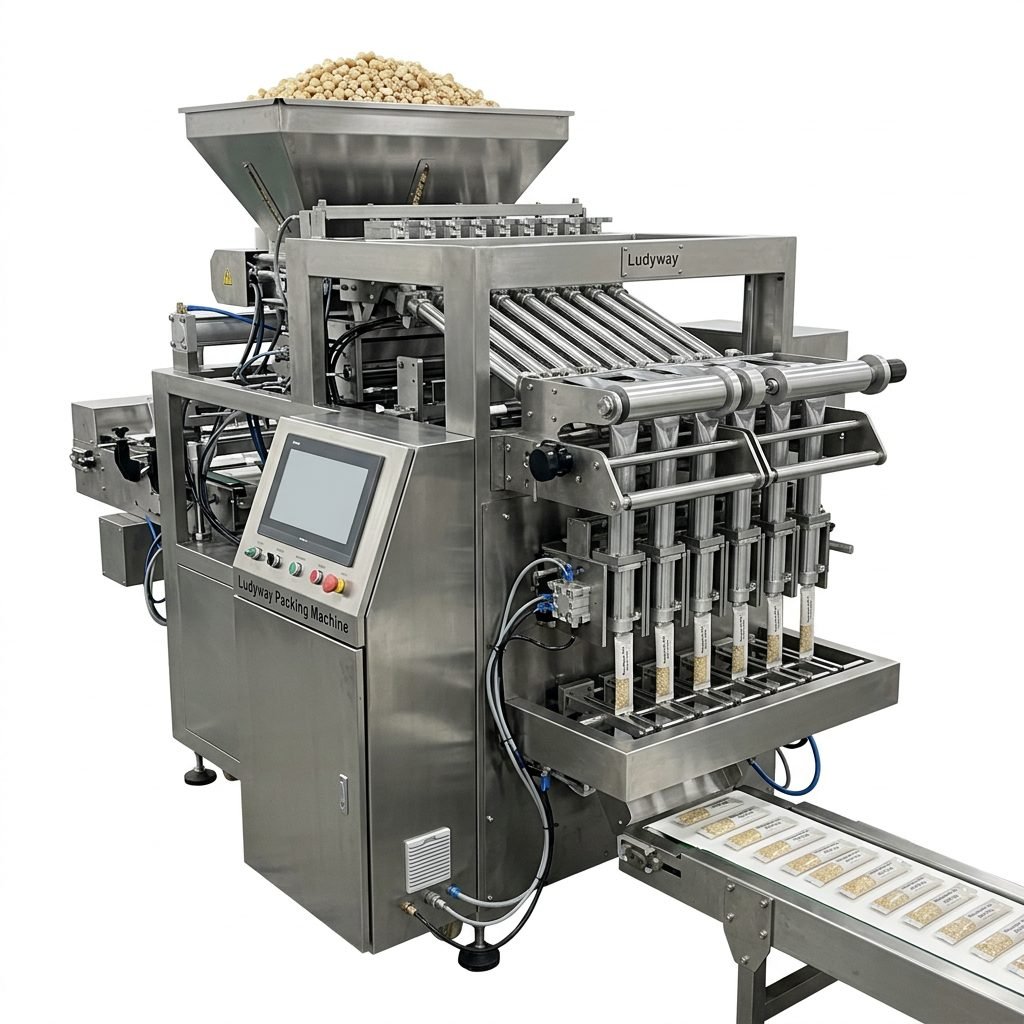
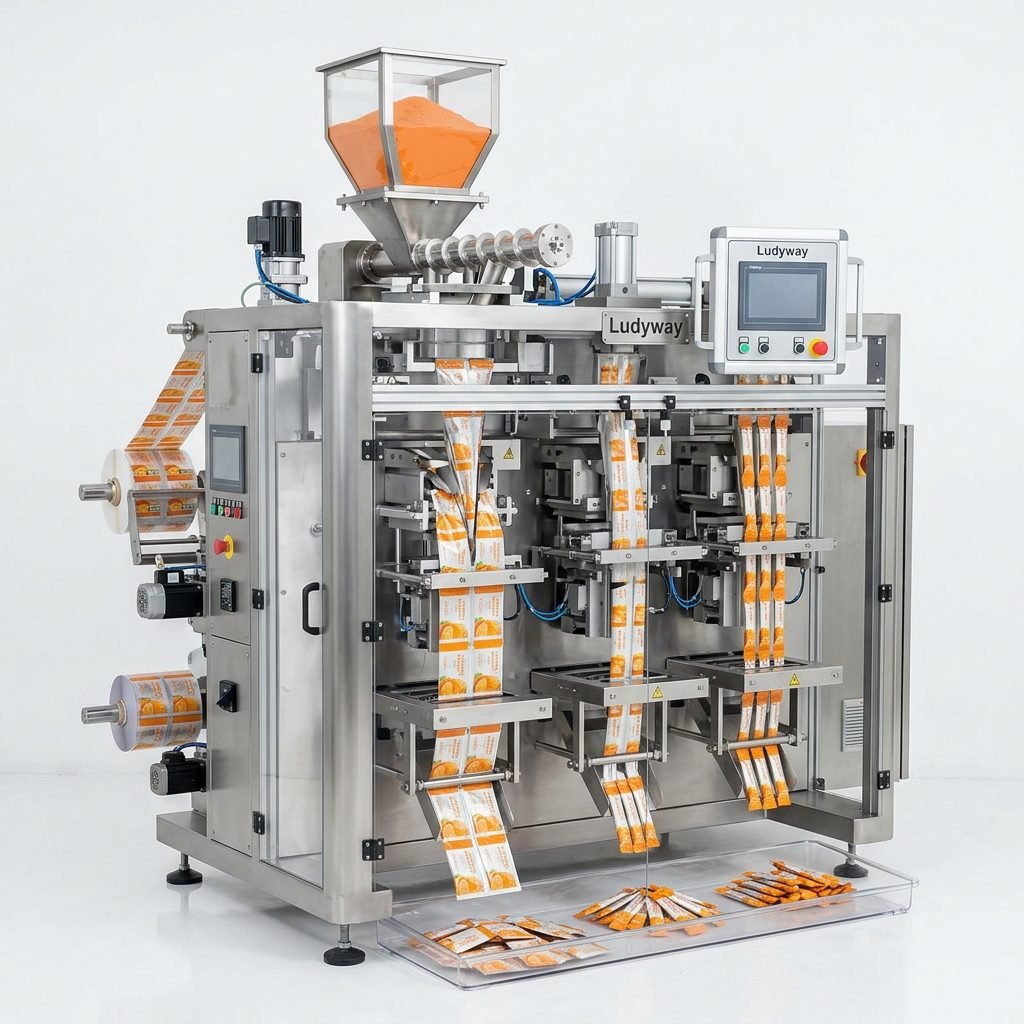
4. Stick Pack Machines
Specifically designed to create long, narrow “stick” packs, these are perfect for single-serve portions of thinner sauces, dressings, or powders to be mixed with water.
- Best For: Portion control for foodservice, instant meal kits, and beverage mixes.
- Key Advantage: Compact, space-saving packaging that is easy for end-users to open and use.
- Consideration: Limited to lower-viscosity products due to the narrow filling nozzle.
Key Benefits of Automated Sauce Packaging
Investing in an automated packaging system delivers transformative advantages beyond just putting sauce into a pouch.
Enhanced Production Efficiency & Speed
Automated machines dramatically outpace manual filling. Modern sauce packaging machines can produce hundreds, even thousands, of perfect pouches per minute, streamlining your output and meeting large order demands with ease.
Unmatched Consistency and Accuracy
Precision volumetric or weight-based filling systems ensure every single packet contains the exact same amount of product. This eliminates giveaway (costing you money) and under-filling (which damages your brand reputation).
Superior Hygiene and Product Safety
Closed, automated systems minimize human contact with the product, reducing contamination risk. Many machines are constructed with food-grade stainless steel and are designed for easy cleaning and sanitization (CIP/SIP systems), which is critical for food packaging compliance.
Significant Reduction in Material Waste
Advanced controls optimize film usage and drastically reduce sealing errors that lead to rejected packages. This not only cuts material costs but also supports sustainable manufacturing goals.
Improved Shelf Appeal and Brand Image
Automated sealing creates clean, uniform, and professional-looking packages. Consistent, leak-free pouches with crisp graphics build consumer trust and enhance your product’s presence on retail shelves or in foodservice kits.
How to Choose the Right Model: A Step-by-Step Guide
Selecting the ideal machine requires a careful analysis of your specific needs. Follow this framework to make an informed decision.
Step 1: Analyze Your Product Characteristics
Start with the sauce itself. What is its viscosity (thickness)? Does it contain particulates (like herbs or spices)? Is it acidic, oily, or sensitive to oxygen? The answers determine the required pump type (e.g., piston, gear, peristaltic), nozzle design, and compatible sealing methods.
Step 2: Define Your Packaging Specifications
Determine the desired pouch size, shape, and material. Consider portion size for end-users. The material (e.g., PET/AL/PE laminate) must provide an adequate barrier against moisture and oxygen to preserve freshness. Your choice here will guide you toward VFFS, HFFS, or pre-made pouch systems.
Step 3: Calculate Required Production Capacity
Assess your current and projected future output. Calculate required pouches-per-minute (PPM). It’s often wise to choose a machine that can exceed your current needs by 20-30% to accommodate business growth without immediate reinvestment.
Step 4: Evaluate Integration and Footprint
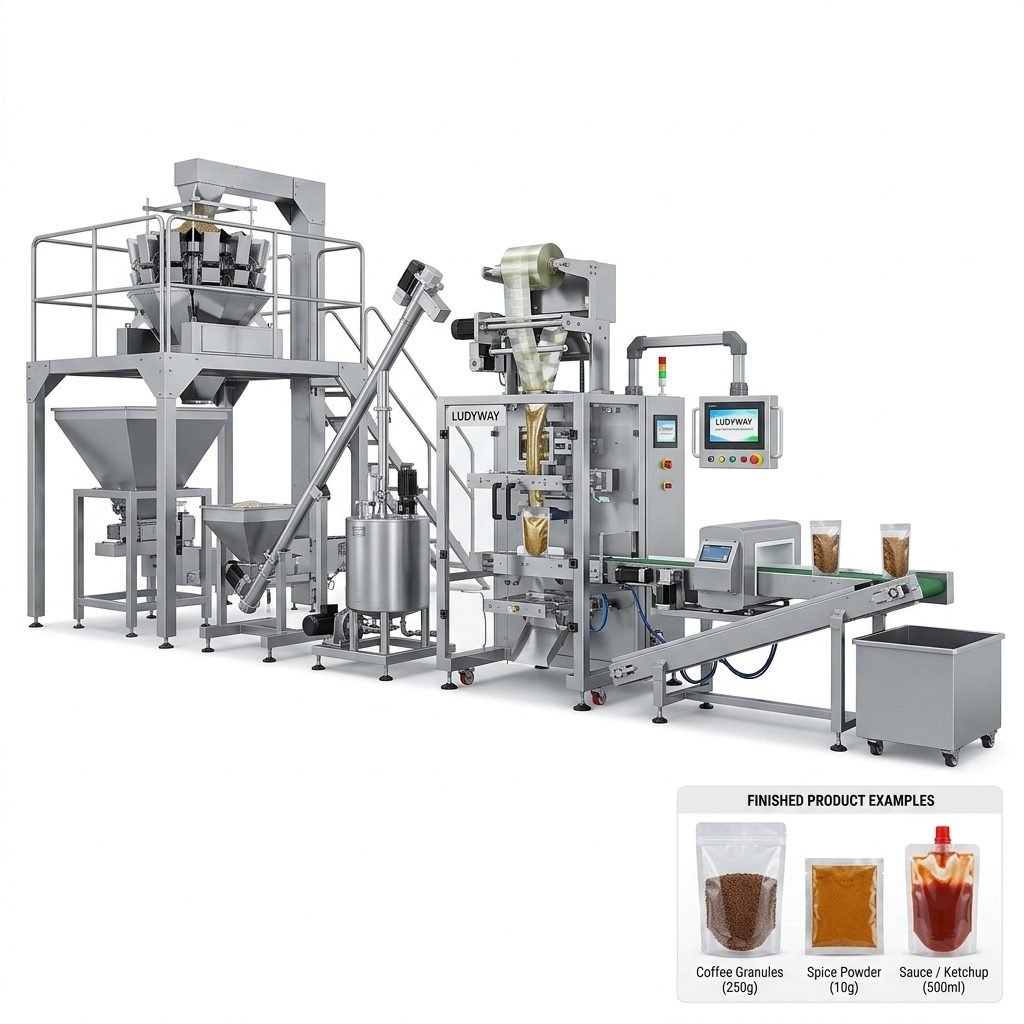
Consider the physical space in your facility. Measure available floor space and ceiling height. Ensure the new machine can integrate seamlessly with your upstream (mixing/kettles) and downstream (cartoning, case packing) equipment. A trusted supplier like Ludyway Machinery can provide valuable turnkey line design support.
Step 5: Prioritize Ease of Use and Maintenance
Look for machines with user-friendly HMI (Human-Machine Interface) touchscreens. Quick-changeover features for different package sizes are essential for flexible production. Assess the availability of spare parts and the supplier’s technical support reputation.
Step 6: Consider Total Cost of Ownership (TCO)
Look beyond the initial purchase price. Factor in long-term costs: energy consumption, required maintenance, expected lifespan, and potential for future upgrades. A slightly higher initial investment in a robust, efficient machine often leads to lower TCO.
Step 7: Request a Live Product Test
Never buy based on specifications alone. The most critical step is to send your actual sauce and packaging materials to the manufacturer for a live production trial. This demonstrates filling accuracy, seal integrity, and real-world speed with your product.
Frequently Asked Questions (FAQs)
1. What is the typical output speed of a dipping sauce packaging machine?
Speeds vary widely by machine type and pouch size. Standard vertical (VFFS) machines can range from 60 to 200+ pouches per minute for small sachets. Multi-lane systems can achieve over 1,000 pouches per minute. The exact speed for your product is best determined through a factory trial.
2. Can one machine handle different sauce viscosities and pouch sizes?
Many modern machines are designed for flexibility. By changing the filling pump, nozzles, and the forming tools (like augers or tubes), a single machine can often handle a range of products from thin liquids to pastes. Changeover between different pouch sizes typically involves adjusting the mechanical parts and reprogramming the PLC, which can take from 15 minutes to an hour on well-designed equipment.
3. How important is after-sales service and technical support?
It is absolutely critical. Packaging machinery is a long-term investment. Ensure your supplier offers comprehensive training, readily available spare parts, and responsive technical support—either remotely or on-site. A provider with global service experience ensures you have assistance when you need it, minimizing costly downtime.
4. What are the key maintenance routines for these machines?
Daily cleaning and lubrication of specific points as per the manual are essential. Regularly inspect and replace wear parts like sealing jaws, Teflon coatings, and pump seals. Scheduled preventive maintenance by a qualified technician every 6-12 months is highly recommended to ensure optimal performance and longevity.
5. Are there sustainable packaging options compatible with these machines?
Yes. The industry is moving towards more sustainable materials. Many machines can run monomaterial plastics (like PE or PP) that are more readily recyclable, or compostable films. It is vital to discuss your sustainability goals with your machine supplier early in the selection process, as the packaging material directly affects the machine’s sealing parameters and performance.