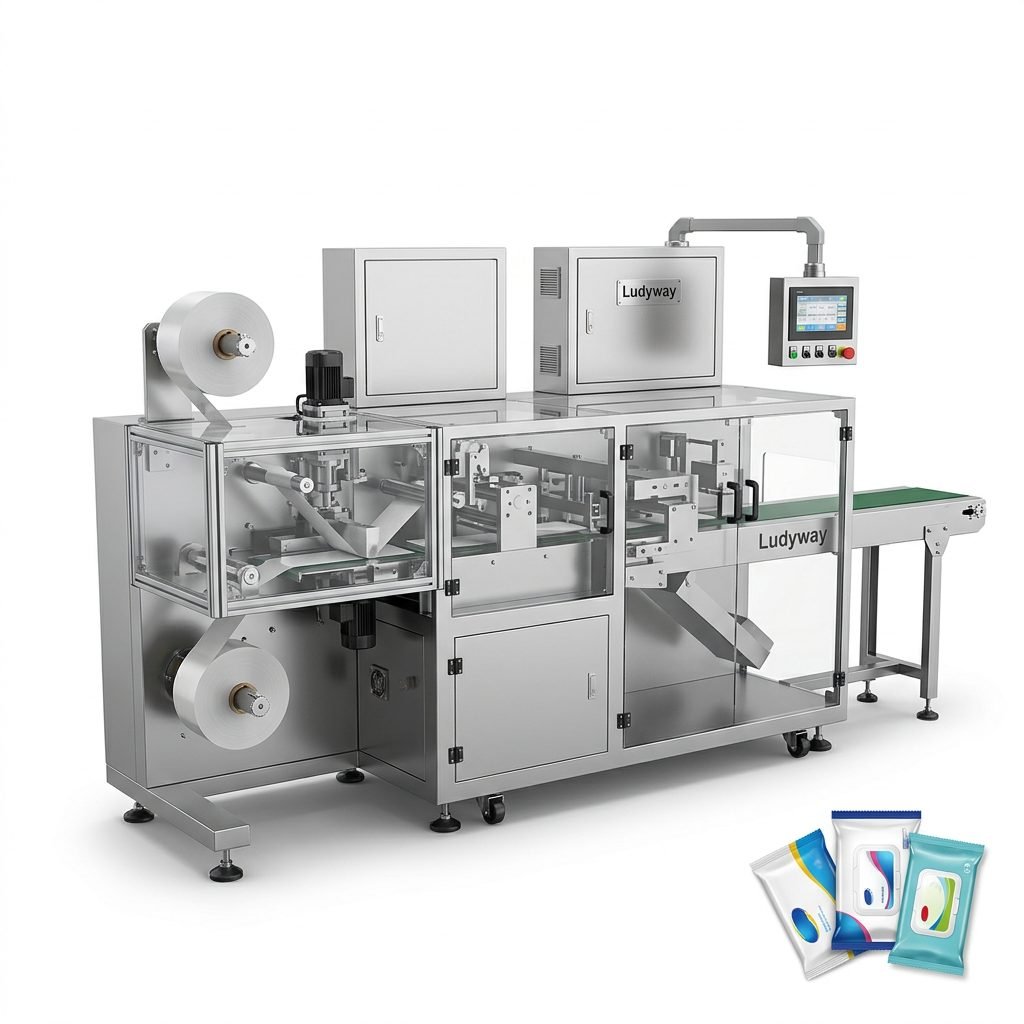
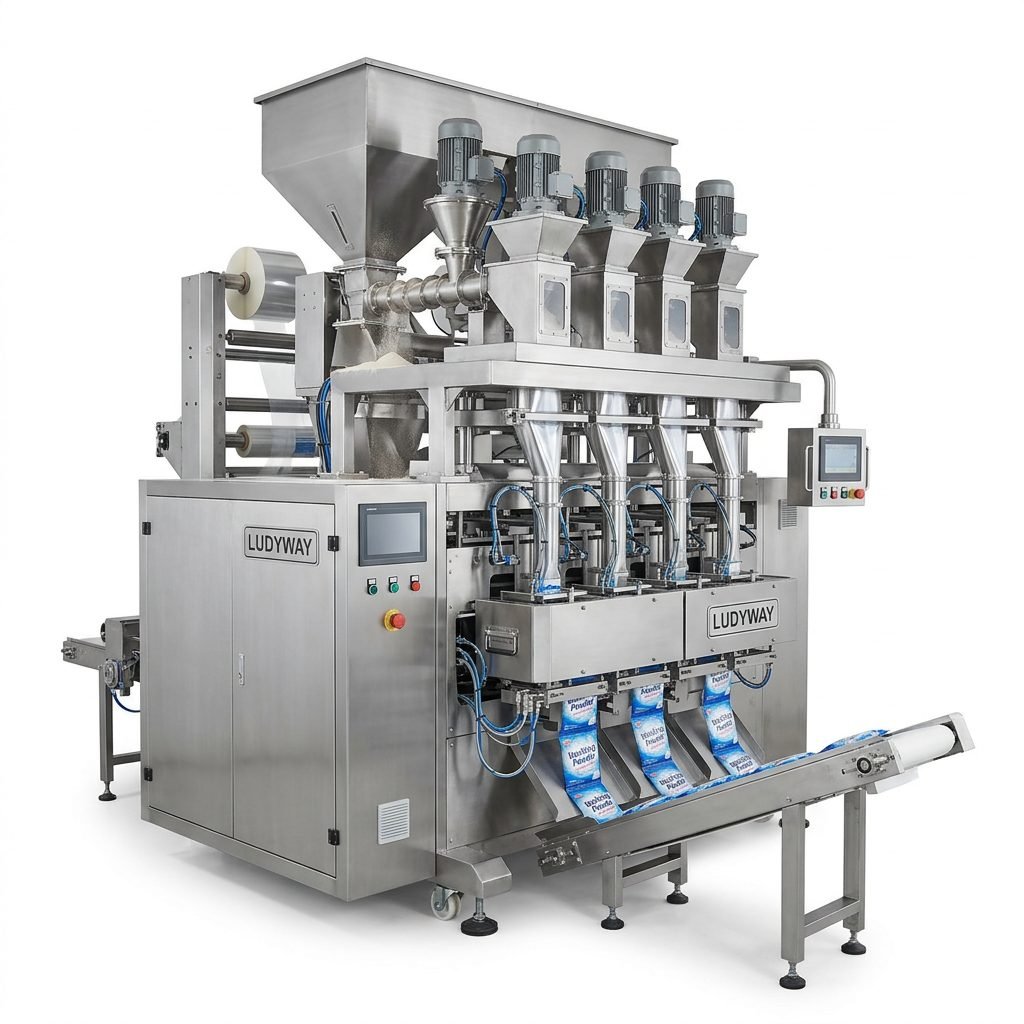
The Southeast Asian cupcake market is experiencing remarkable growth, driven by rising disposable incomes, urbanization, and a growing café culture. For bakeries and food manufacturers across Indonesia, Thailand, Vietnam, Malaysia, and the Philippines, investing in high-quality cupcake packaging machinery is no longer optional — it is a strategic necessity to ensure product freshness, brand differentiation, and operational efficiency.
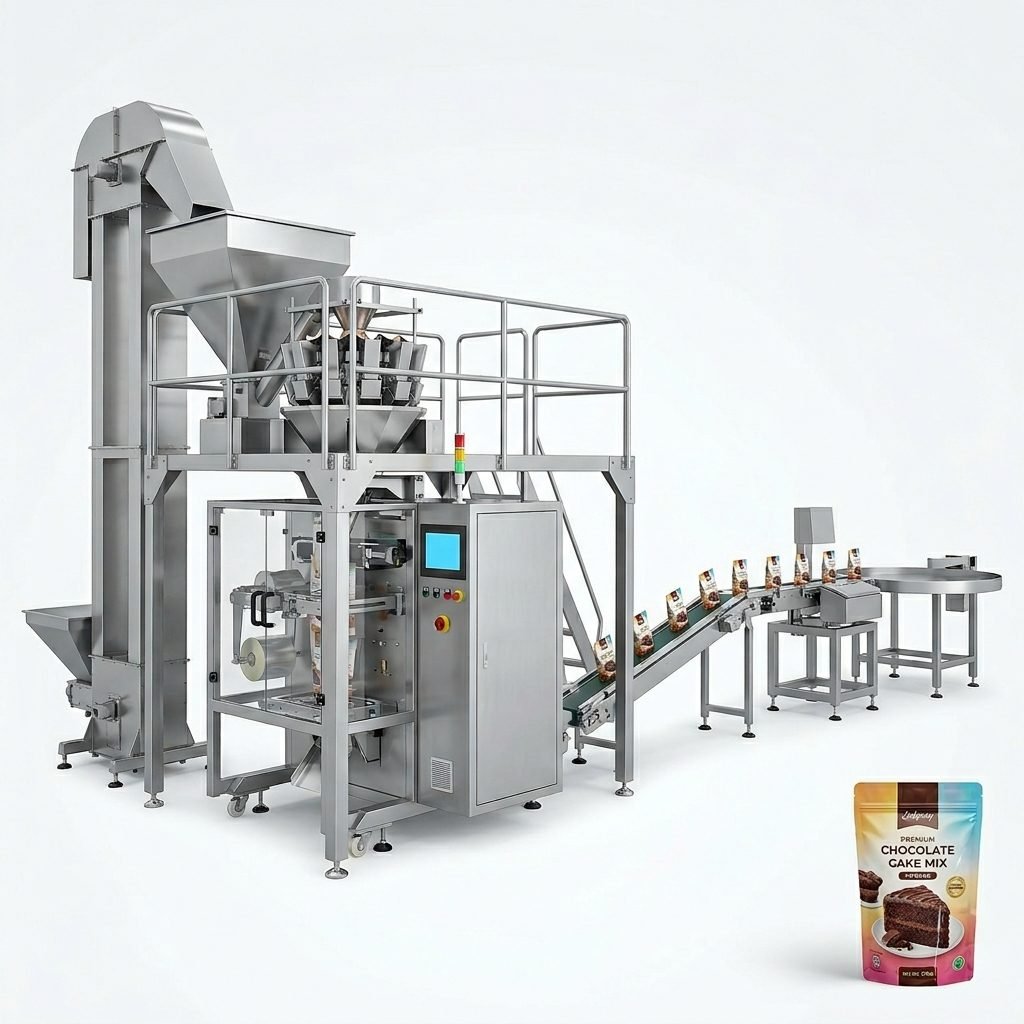
Why Cupcake Packaging Machines Matter in Southeast Asia
Southeast Asia’s bakery sector is projected to grow at a CAGR of over 6% through 2030. Cupcakes, as high-margin impulse purchase items, require packaging that preserves moisture, prevents contamination, and extends shelf life in humid tropical climates. Manual packaging simply cannot keep pace with the demand for consistency and speed that modern retail channels demand.
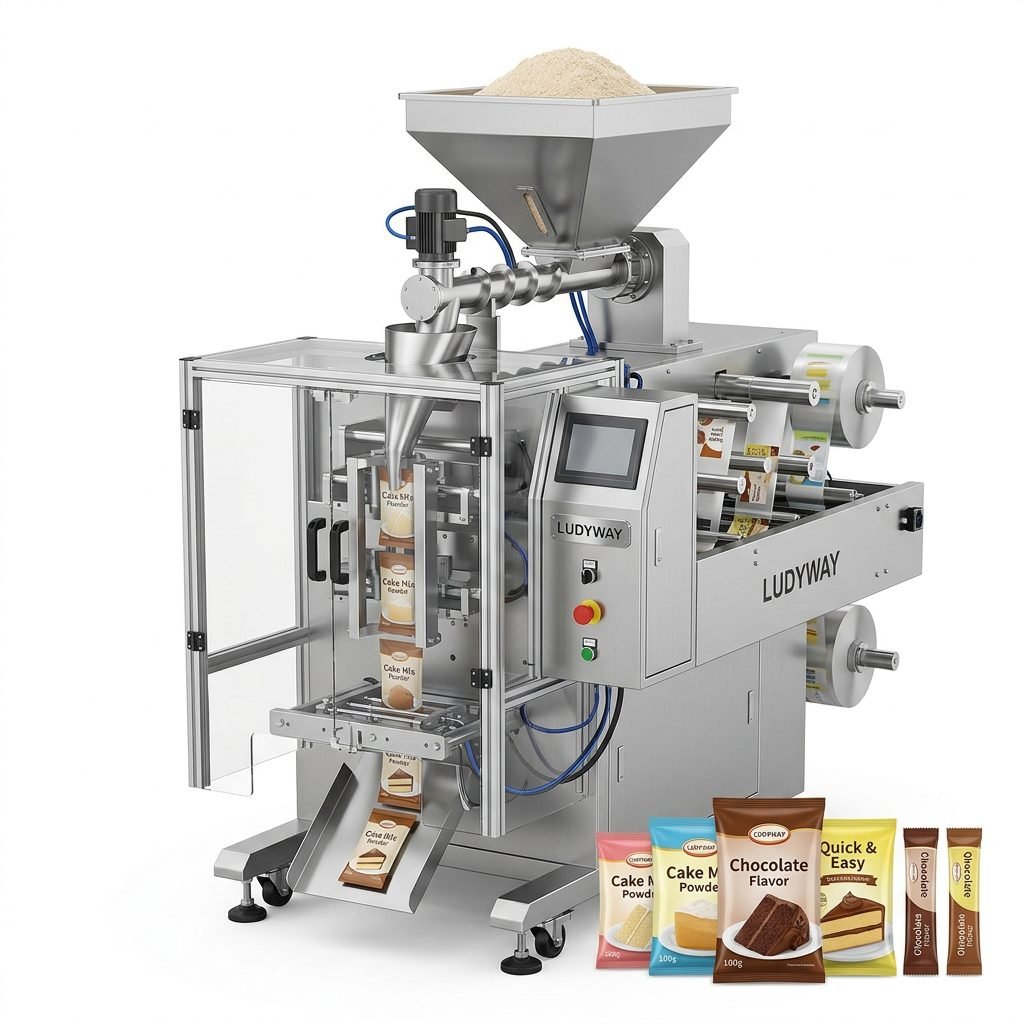
Key Market Drivers
- E-commerce expansion — Online food delivery platforms like GrabFood and ShopeeFood require tamper-evident, transport-safe packaging
- Export opportunities — ASEAN free trade agreements open markets for packaged baked goods
- Labor shortages — Automation addresses rising wage costs across the region
- Food safety regulations — Compliance with FDA food packaging standards and local halal certification requirements
Types of Cupcake Packaging Machines Available
Understanding the different packaging machine configurations is essential for making an informed purchasing decision. Each type serves specific production volumes and packaging formats.
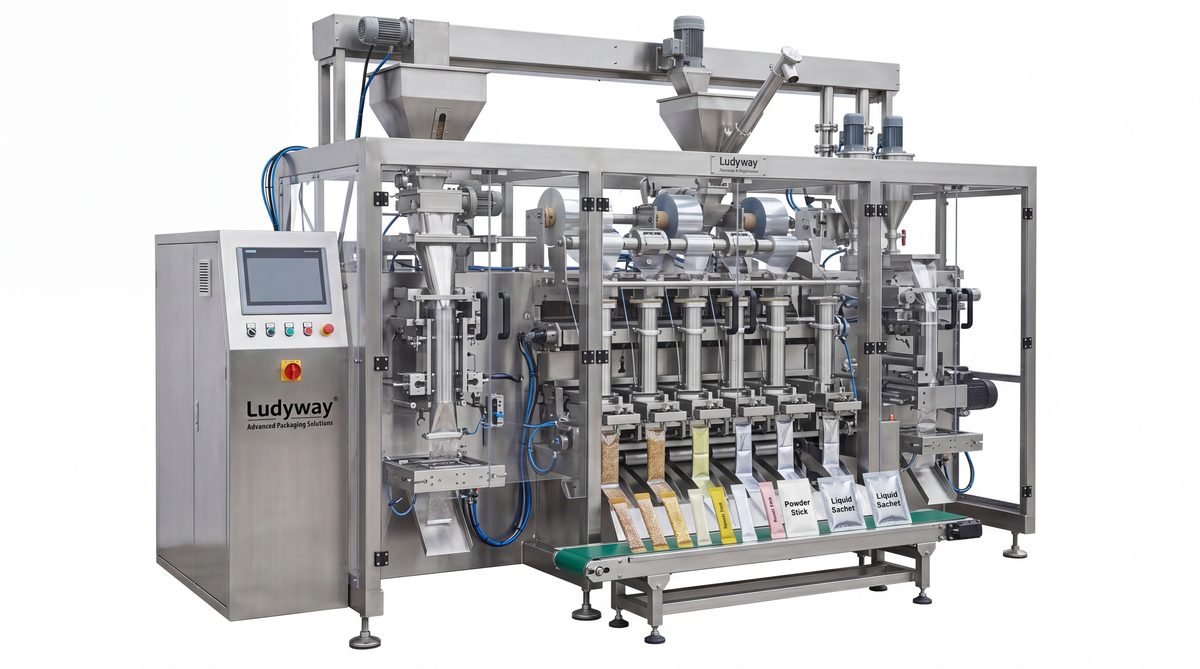
Flow Wrapping Machines
Ideal for individual cupcake wrapping using heat-sealable films. These horizontal form-fill-seal (HFFS) machines can handle speeds of 30 to 150 packs per minute and accommodate various film types including BOPP, CPP, and laminated structures. Pillow-pack formats are the most common output for single-serve cupcakes.
Shrink Wrapping Systems
For multi-pack cupcake boxes, shrink wrapping provides tamper evidence, moisture protection, and enhanced shelf appeal. Modern shrink tunnels with precise temperature control prevent film burning while ensuring tight, wrinkle-free wraps — critical for premium brand presentation in Southeast Asian supermarkets.
Tray Sealing Machines
Modified atmosphere packaging (MAP) tray sealers extend cupcake shelf life significantly — up to 21 days ambient or 60 days refrigerated. By replacing oxygen with nitrogen or carbon dioxide, these systems inhibit mold growth, which is particularly valuable in Southeast Asia’s warm, humid environment.
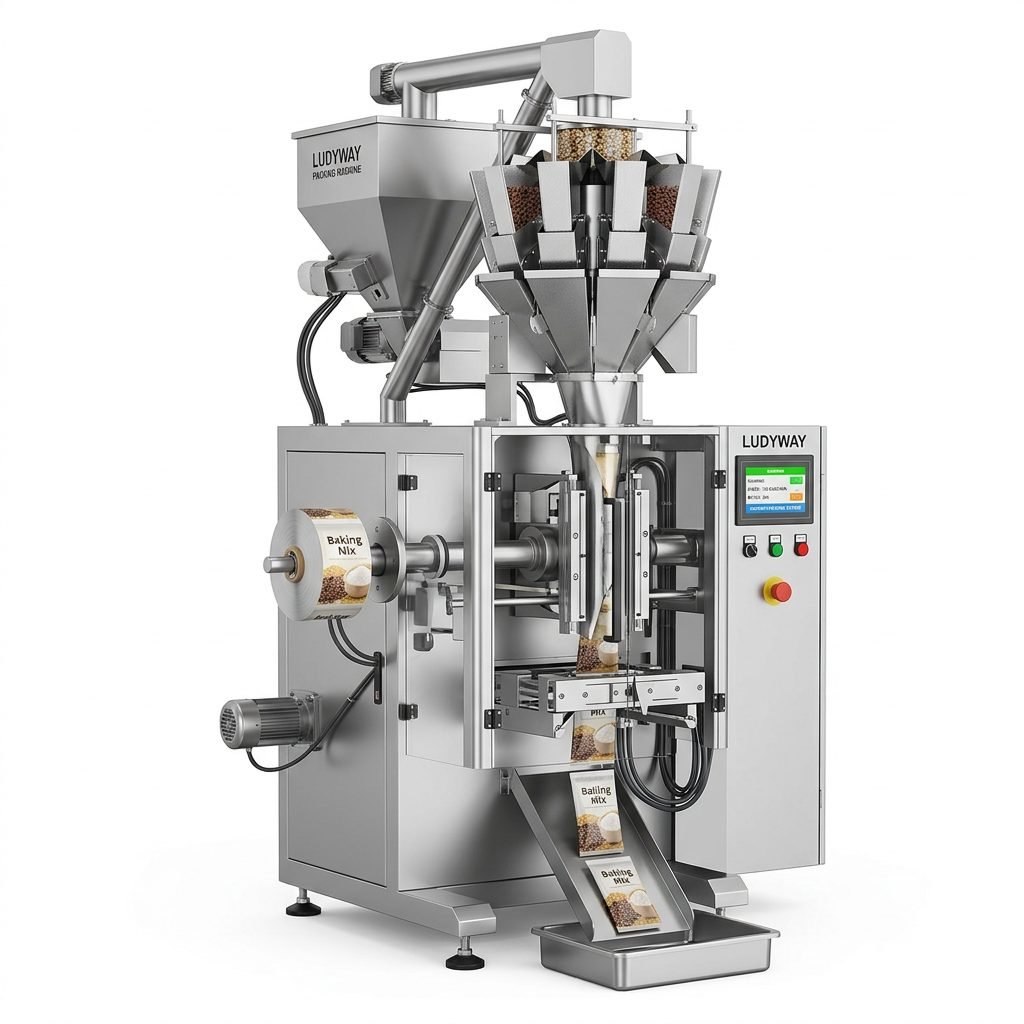
Automated vs Semi-Automatic Options
| Feature | Semi-Automatic | Fully Automatic |
|---|---|---|
| Speed (packs/min) | 10 – 30 | 60 – 200+ |
| Operator Requirement | 3 – 5 persons | 1 – 2 persons |
| Initial Investment | $5,000 – $25,000 | $30,000 – $150,000+ |
| Best For | Startups, small bakeries | Mid to large-scale production |
| Consistency | Moderate | Excellent |
Critical Factors When Purchasing in Southeast Asia
Buying cupcake packaging equipment in this region requires careful evaluation of several factors unique to the local market. Equipment that works perfectly in Europe or North America may face challenges with local conditions, power supply, and operator skill levels.
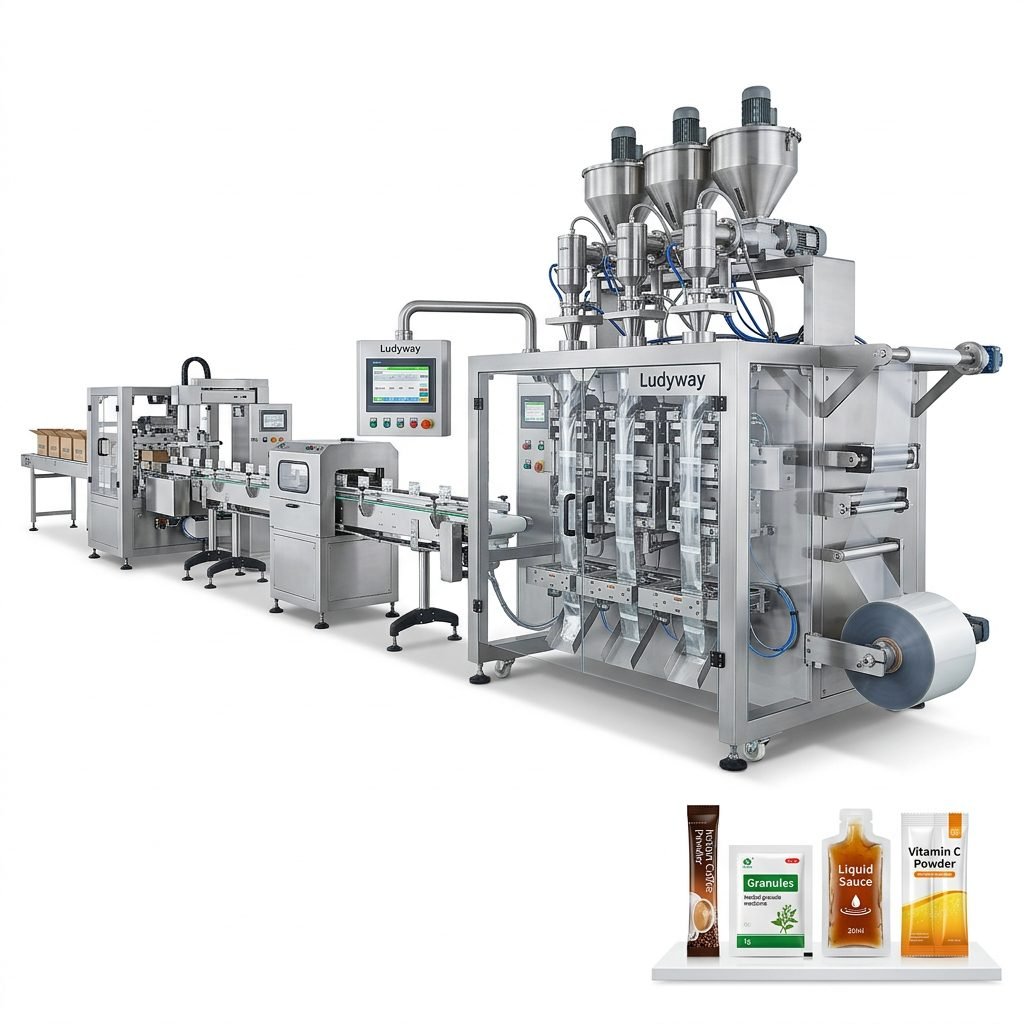
Climate and Environmental Considerations
Southeast Asia’s average humidity exceeds 80% and temperatures regularly reach 35°C+. Packaging machines must feature:
- Stainless steel construction (SS304 or SS316) to resist corrosion
- Sealed electrical cabinets with IP65 or higher protection ratings
- Cooling systems designed for high-ambient-temperature operation
- Film handling systems that prevent moisture absorption and static buildup
Power Supply Compatibility
Different Southeast Asian countries operate on varying electrical standards. Verify whether your facility uses 220V/50Hz (common in Thailand, Vietnam, Indonesia), 230V/50Hz (Malaysia, Singapore), or 220V/60Hz (Philippines). Most reputable manufacturers offer custom voltage configurations to match local requirements.
After-Sales Support and Spare Parts
The availability of local technical support is arguably the most critical purchasing criterion. Before committing to any supplier, confirm:
- Presence of authorized service centers or trained technicians in your country
- Spare parts inventory held locally or rapid shipping commitments
- Remote diagnostic capabilities via video call or IoT-enabled interfaces
- Comprehensive operator training programs available in local languages
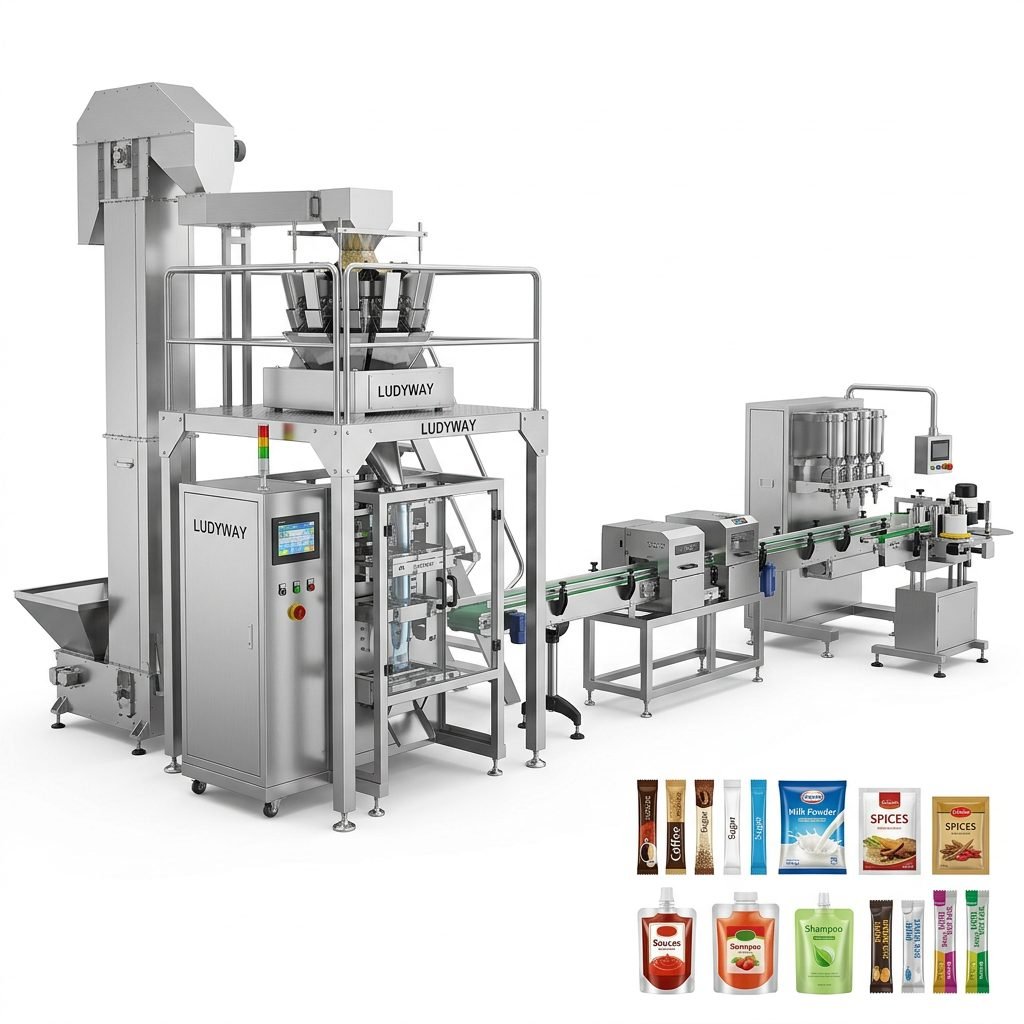
Cost Analysis and ROI Calculation
Understanding the total cost of ownership goes beyond the initial purchase price. A comprehensive financial analysis should factor in all operational expenses over the machine’s expected lifespan of 10-15 years.
Typical Cost Breakdown
| Cost Category | Percentage of TCO | Notes |
|---|---|---|
| Machine Purchase | 35% – 45% | Including shipping and import duties |
| Consumables (films, trays) | 30% – 40% | Ongoing operational expense |
| Maintenance and Spares | 10% – 15% | Annual service contracts, parts replacement |
| Utilities and Labor | 5% – 10% | Electricity, compressed air, operators |
| Training and Installation | 2% – 5% | One-time setup cost |
ROI Calculation Example: A medium-sized bakery in Bangkok investing $50,000 in automated flow wrapping equipment, reducing 4 packaging staff positions (annual savings ~$24,000), and cutting film waste by 15% (~$3,000/year) can expect full payback within 18-22 months.
Compliance with Southeast Asian Regulations
Each ASEAN member state has its own food packaging regulations, though harmonization efforts under the ASEAN Consultative Committee on Standards and Quality (ACCSQ) are ongoing. Key compliance areas include:
Halal Packaging Requirements
For markets with significant Muslim populations — Indonesia (world’s largest Muslim population), Malaysia, Brunei, and southern Thailand — halal-certified packaging processes may be required. This extends beyond ingredients to include packaging machine cleaning protocols, lubricant types used, and segregation from non-halal production lines.
Country-Specific Labeling Mandates
- Indonesia: BPOM registration, Bahasa Indonesia labeling, halal logo for applicable products
- Thailand: FDA Thailand approval, Thai language nutritional information panels
- Vietnam: Self-declaration or registration based on product category, Vietnamese labels required
- Philippines: FDA Philippines CPR registration, English labeling accepted
- Malaysia: MeSTI or GMP certification, Bahasa Malaysia labeling, JAKIM halal certification
Where to Source Cupcake Packaging Machines
Several procurement channels exist for Southeast Asian buyers, each with distinct advantages and risk profiles. Understanding the trade-offs helps buyers make decisions aligned with their risk tolerance and support requirements.
Direct from Manufacturers
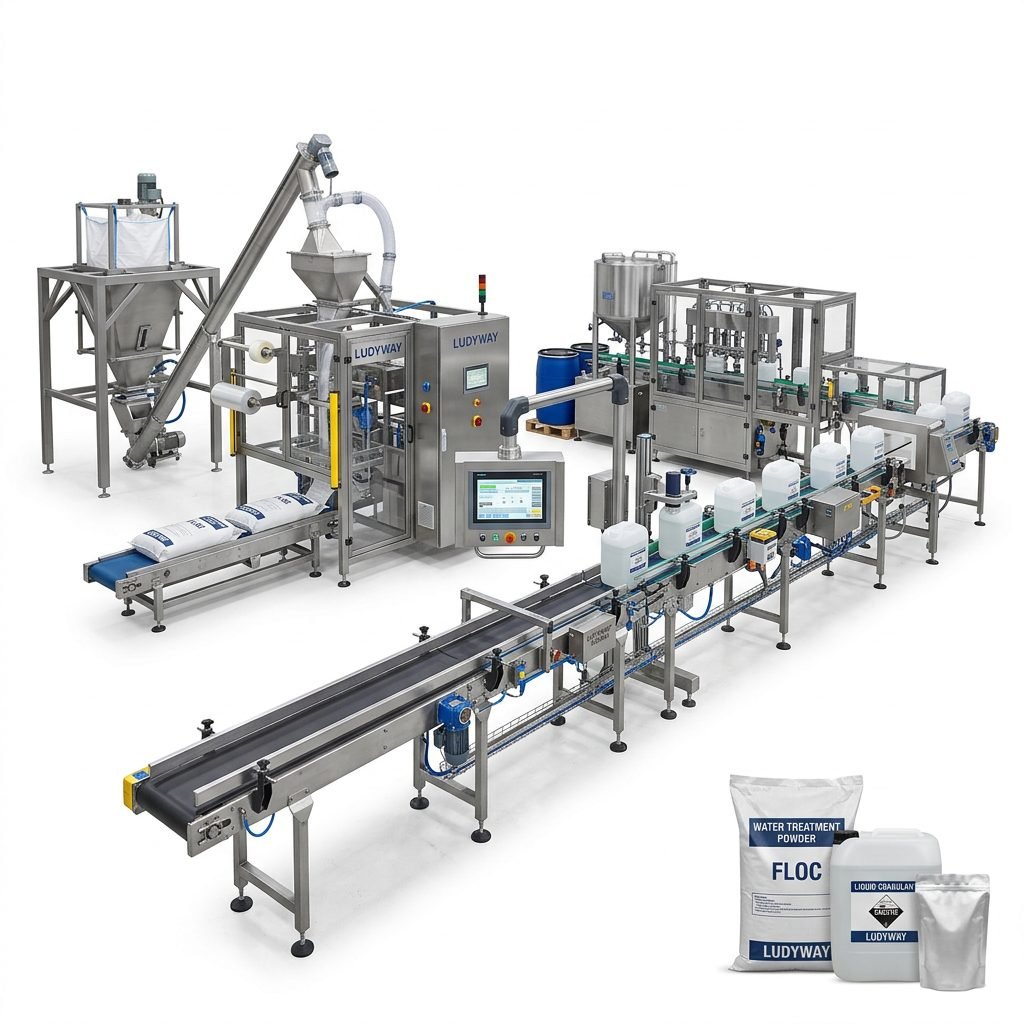
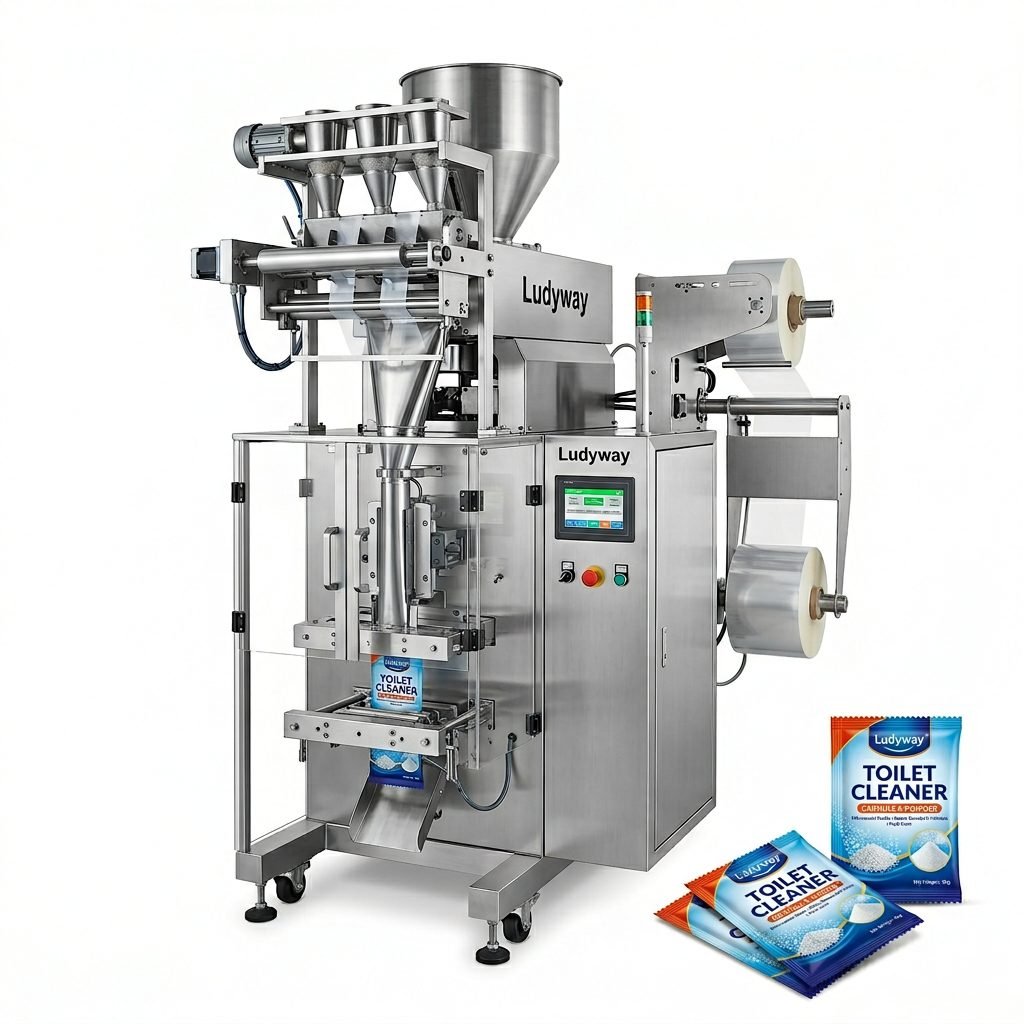
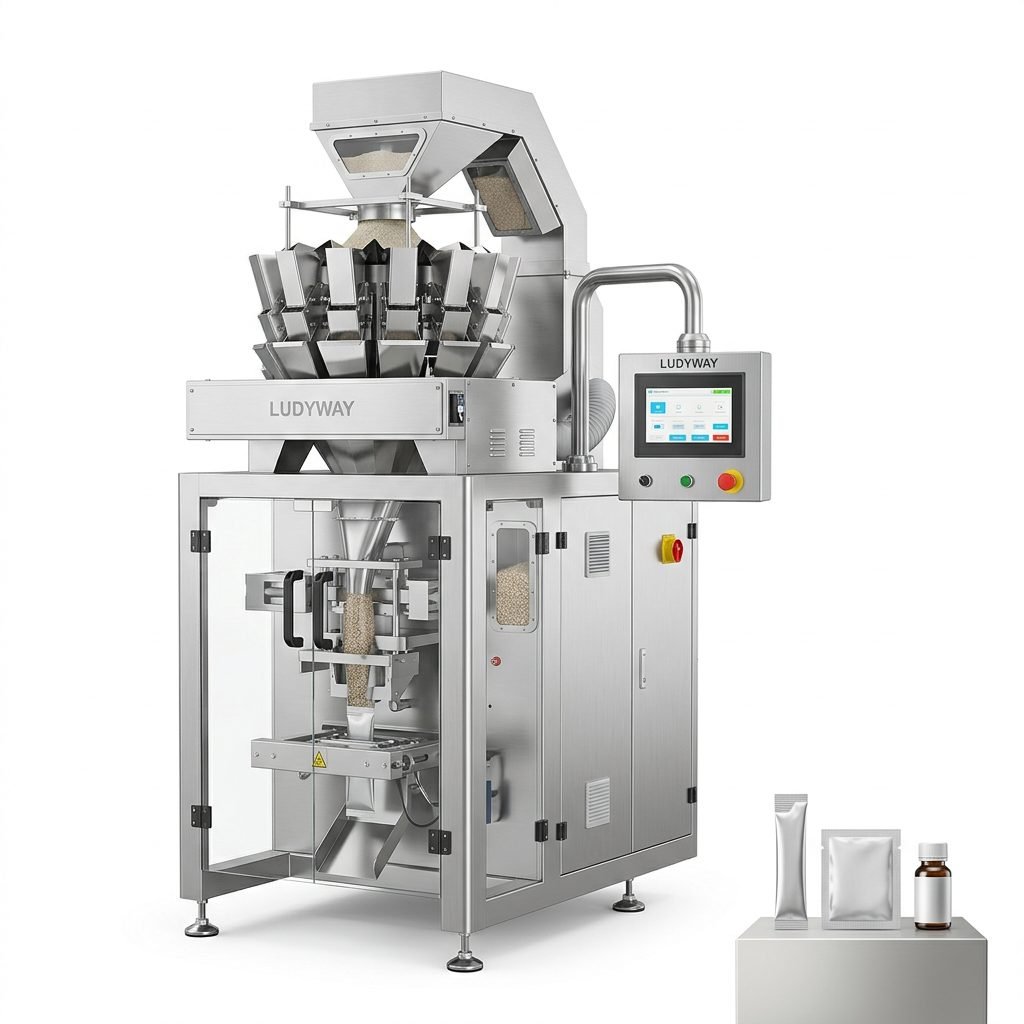
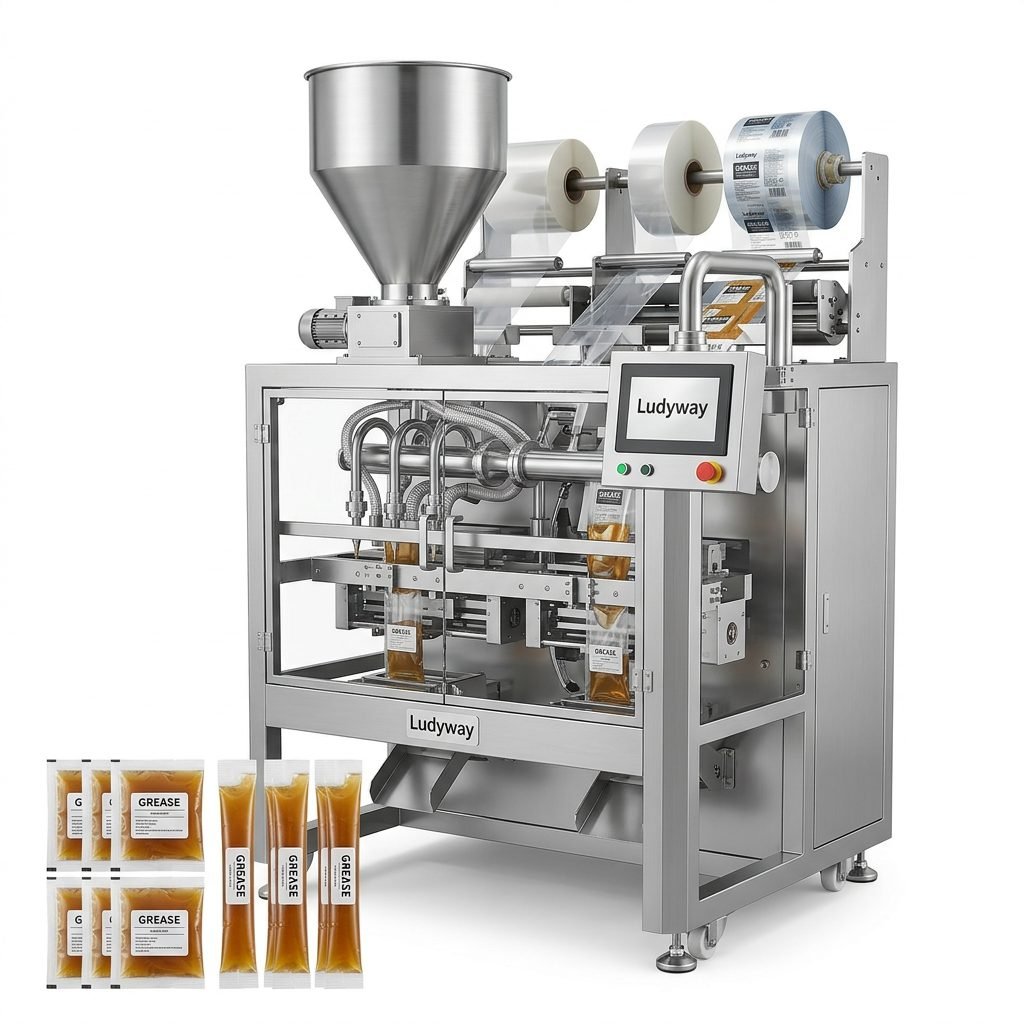
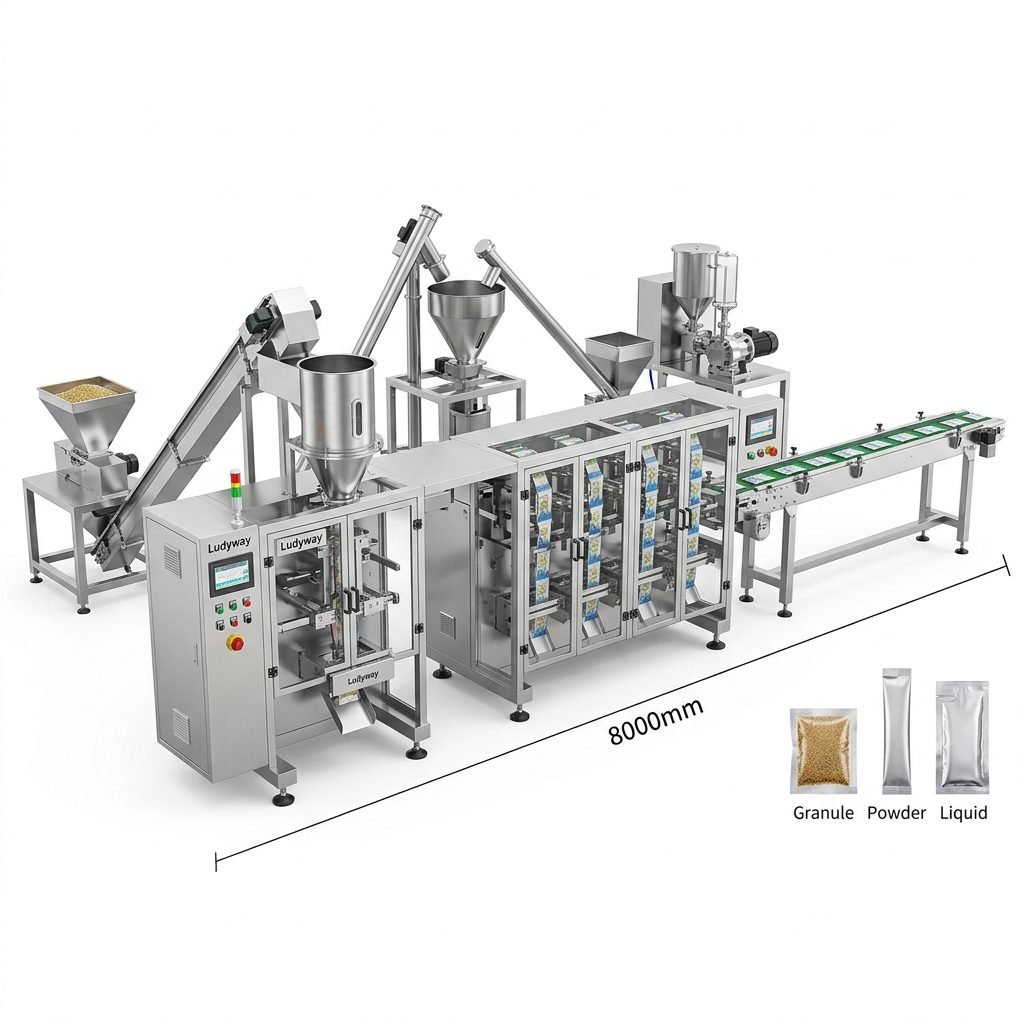
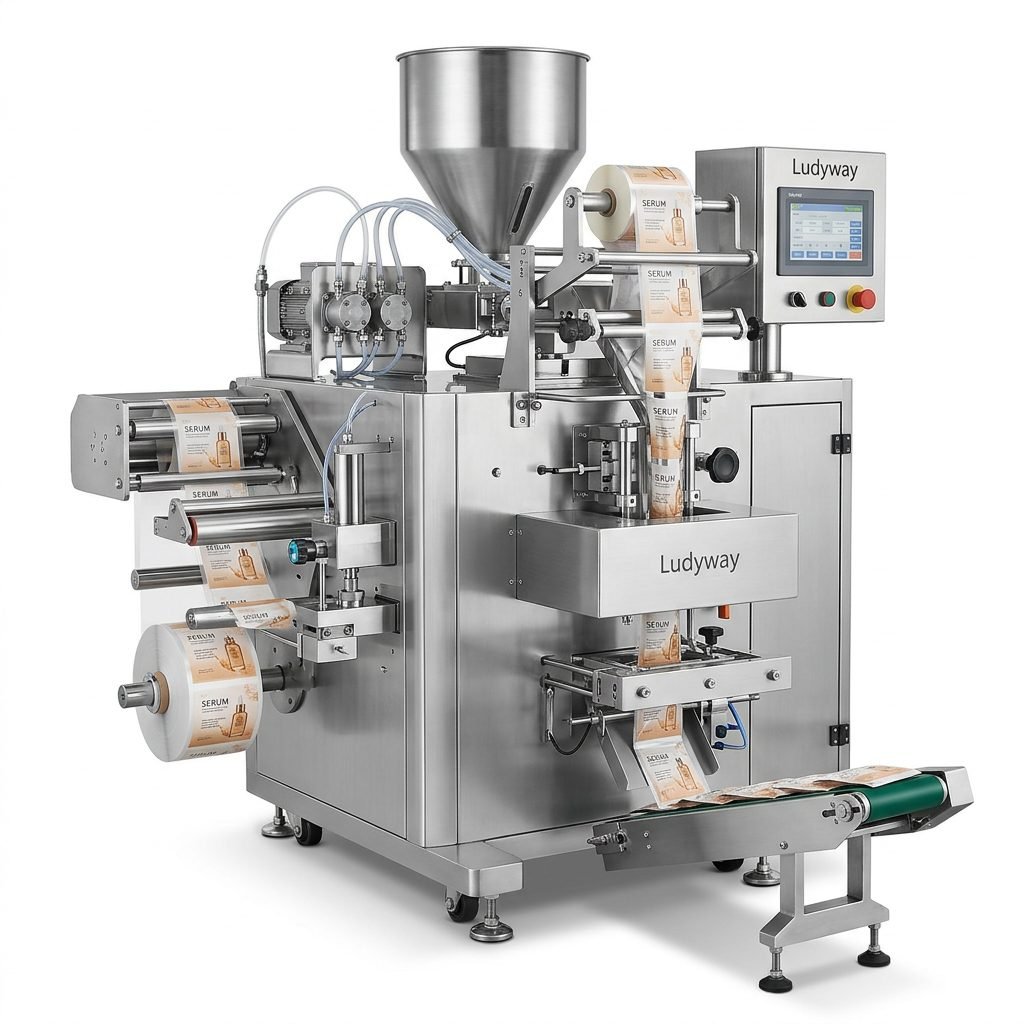
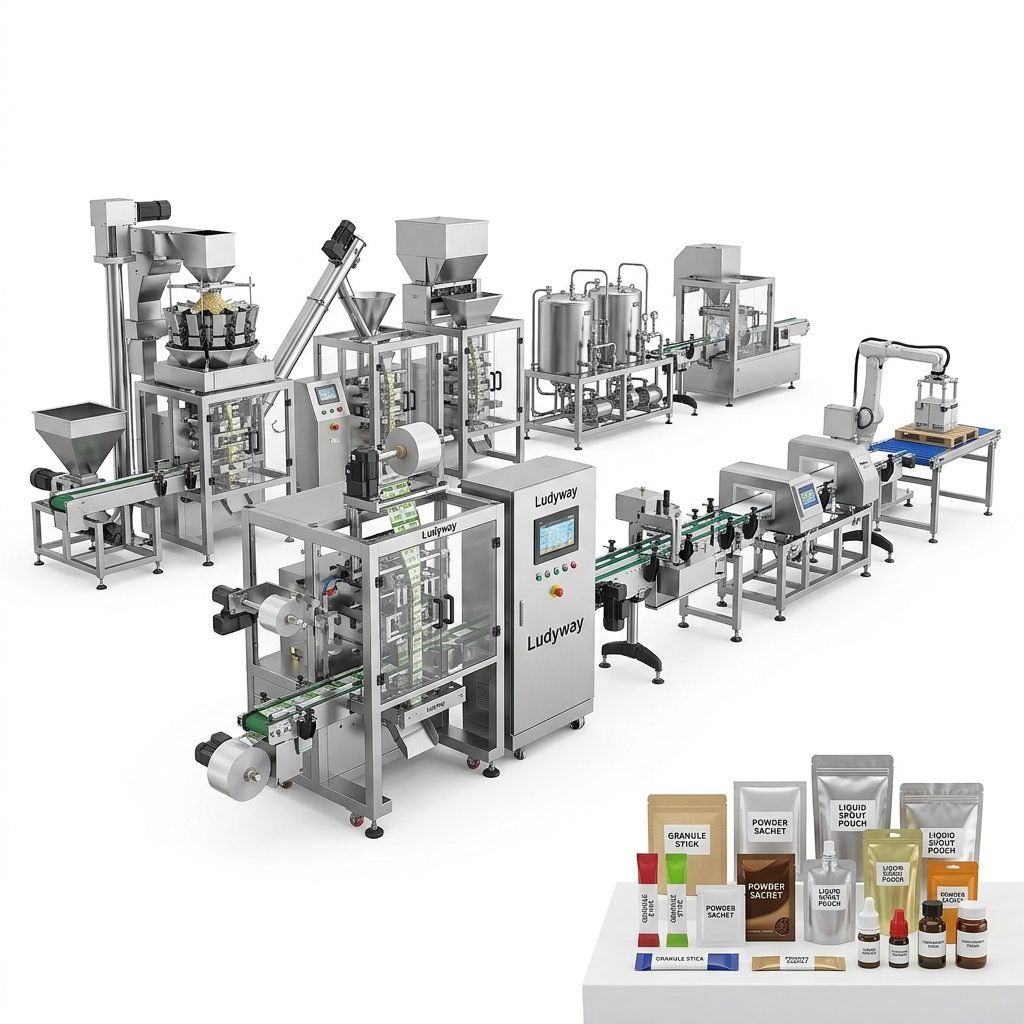
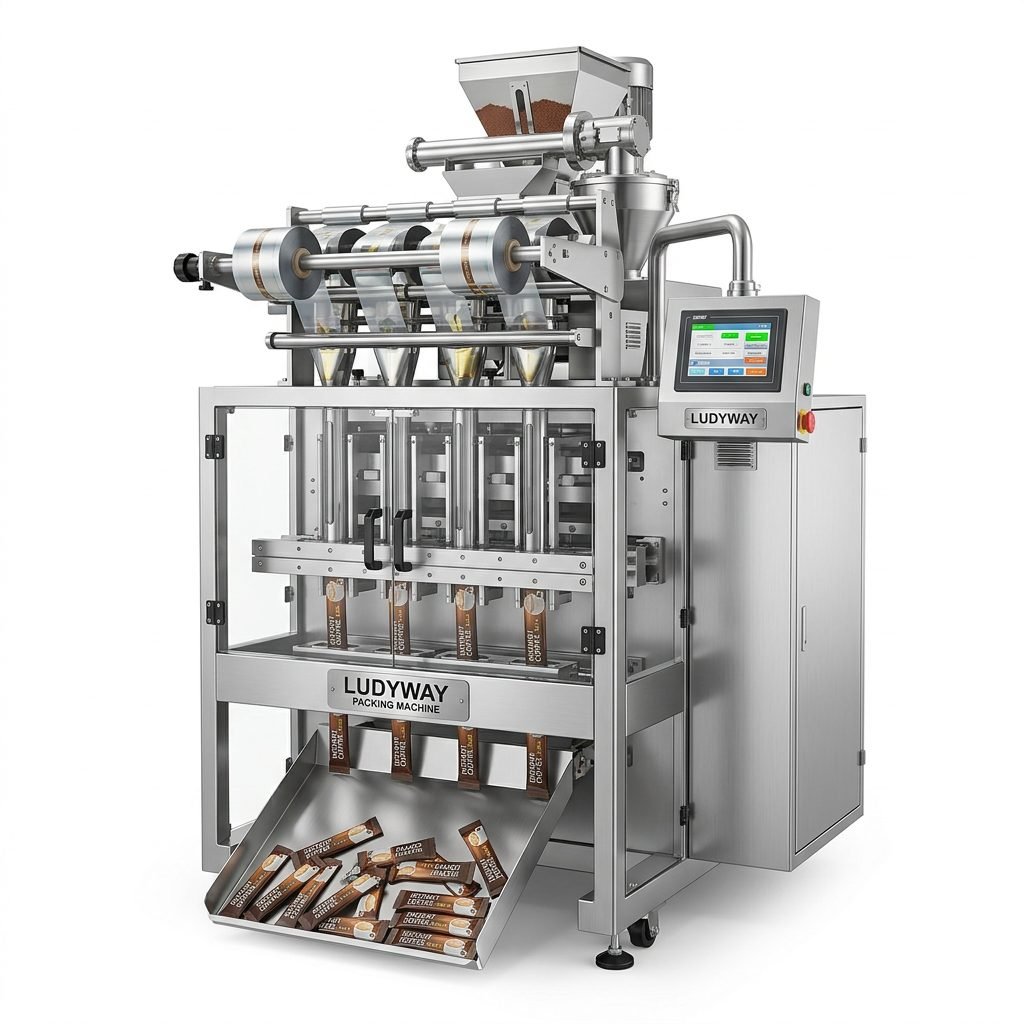
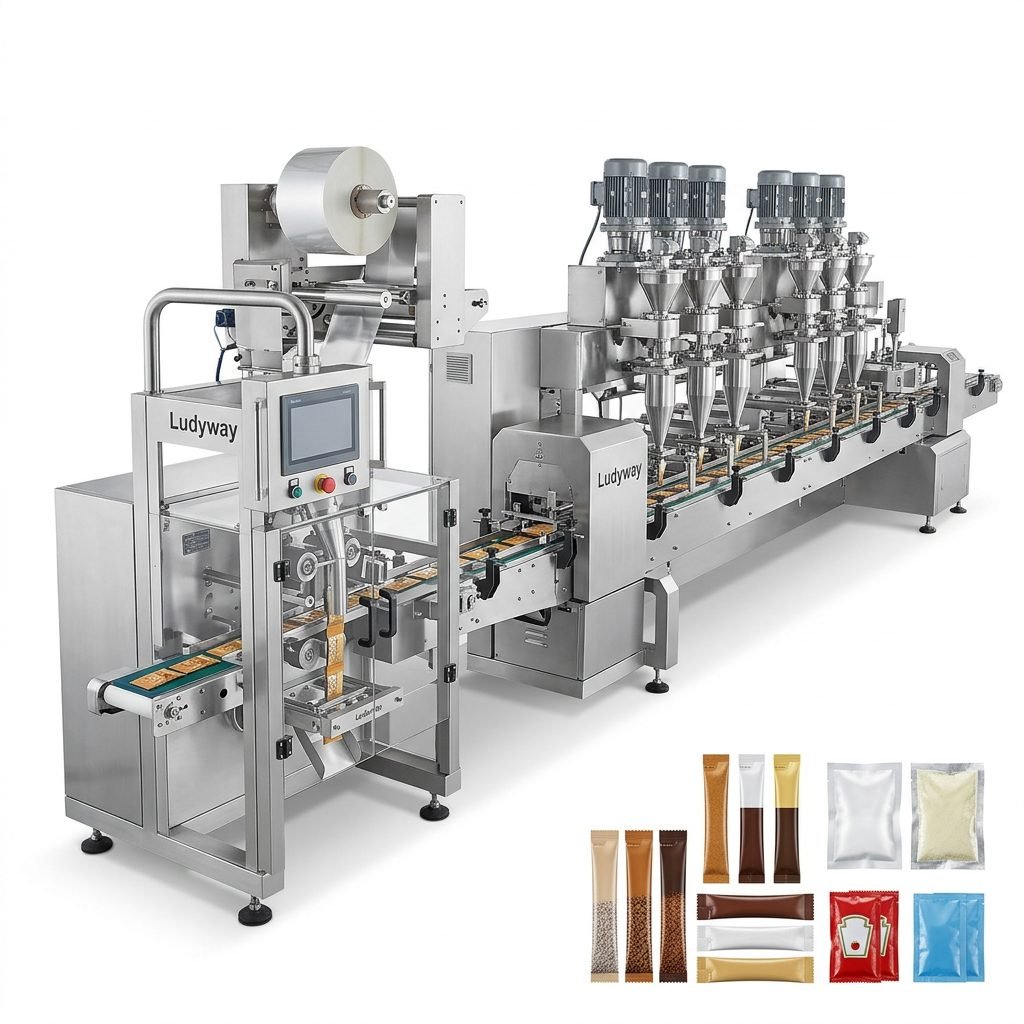
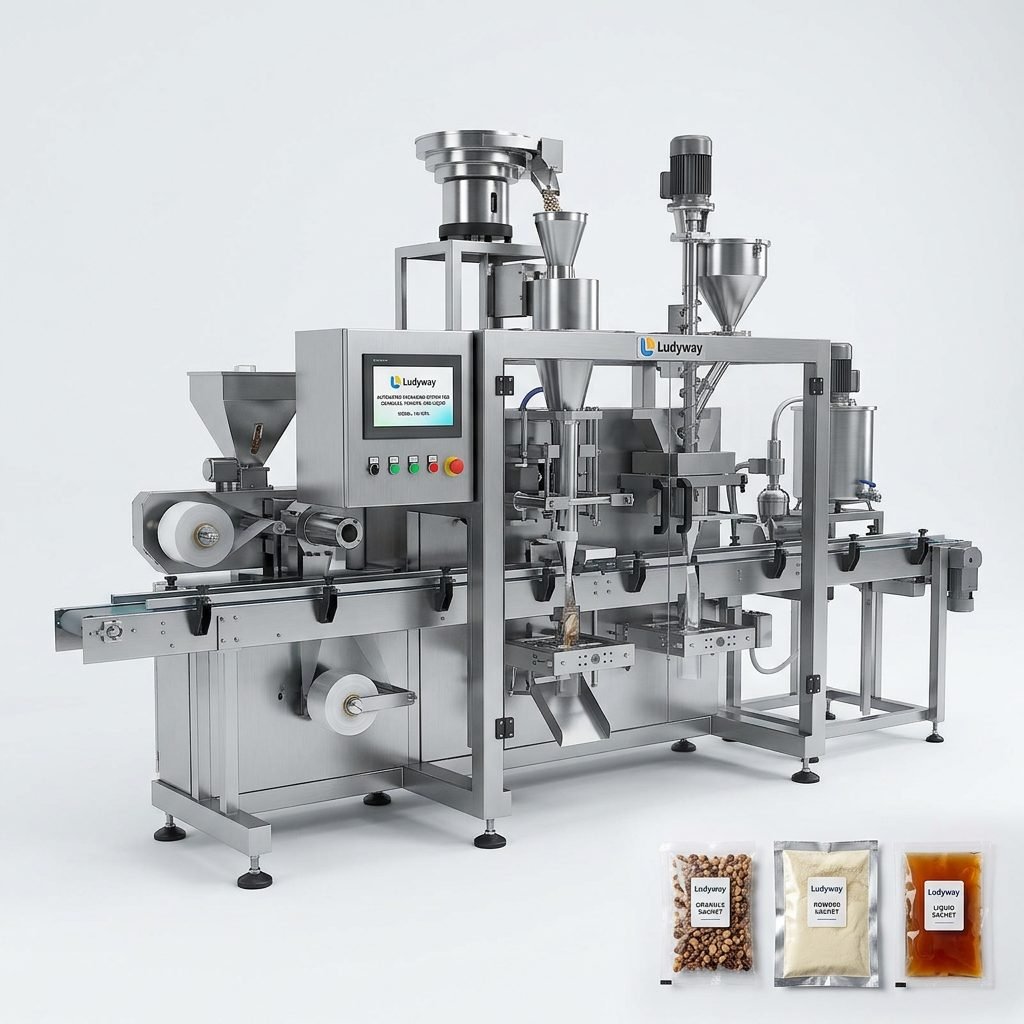
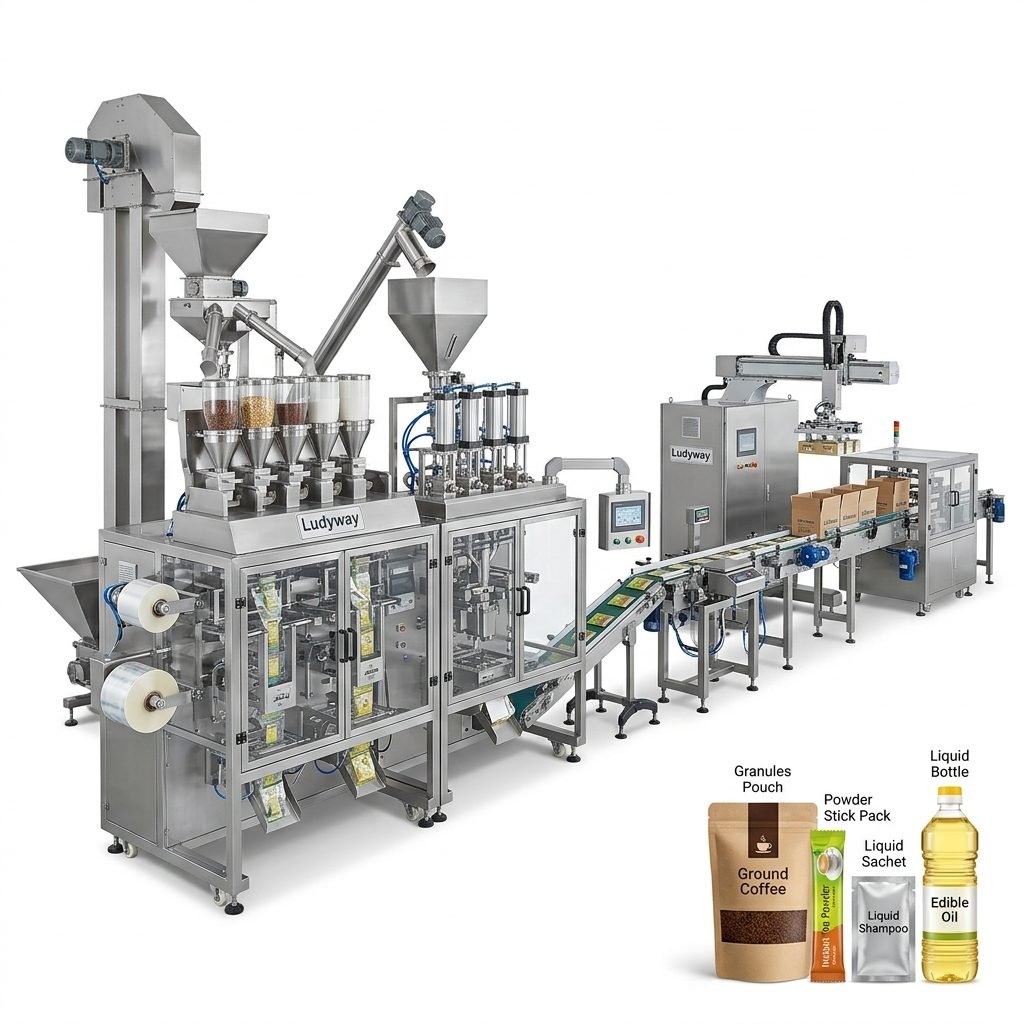
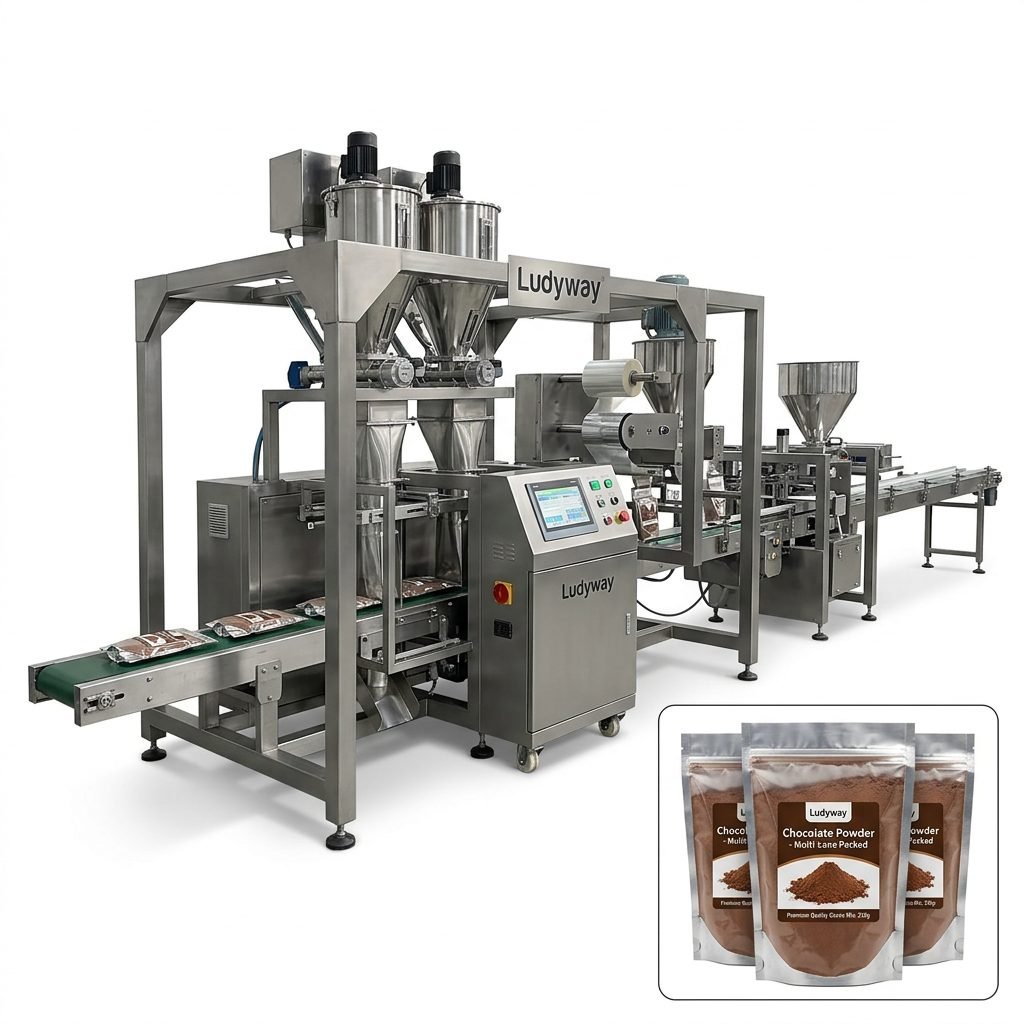
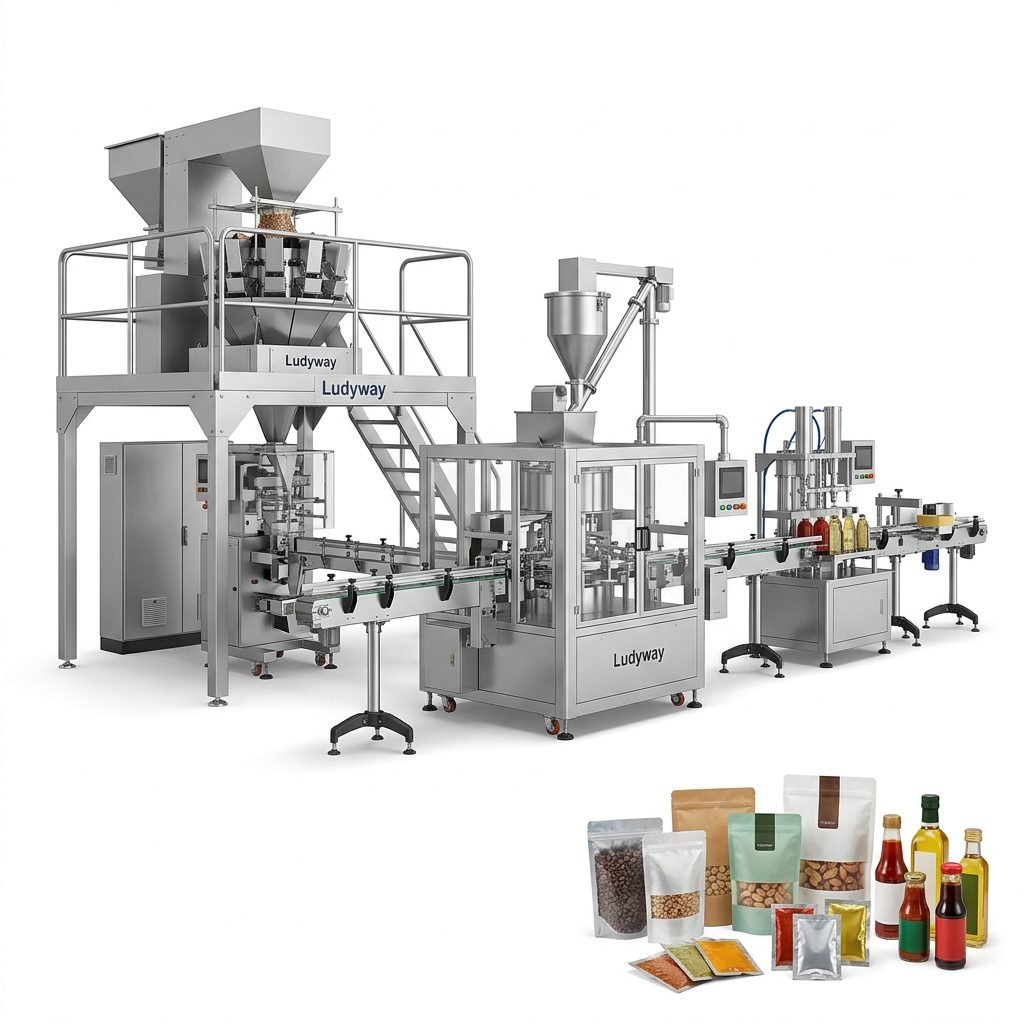
Purchasing directly from Chinese, European, or Japanese manufacturers typically offers the best pricing. Manufacturers like Ludyway offer comprehensive turnkey solutions with customization options tailored to specific cupcake packaging needs. The trade-off is that buyers must handle import logistics, customs clearance, and potentially arrange their own installation support.
Regional Distributors and Agents
Authorized distributors in Bangkok, Jakarta, Ho Chi Minh City, and Kuala Lumpur offer localized support with in-country technicians and spare parts inventory. Expect to pay a 15-30% premium over factory-direct pricing, but this often includes installation supervision, operator training, and a 12-month warranty with local response times.
Industry Trade Shows
Attending regional packaging exhibitions provides hands-on machine evaluation opportunities:
- ProPak Asia (Bangkok, Thailand) — June annually, largest processing and packaging show in Asia
- Allpack Indonesia (Jakarta) — October, focused on food and beverage packaging
- Vietnam Packprint (Ho Chi Minh City) — Rotating schedule
- MIFB (Kuala Lumpur, Malaysia) — July, Malaysian International Food and Beverage trade fair
Technology Trends Shaping Cupcake Packaging
Staying ahead of packaging technology trends ensures long-term competitiveness. Cupcake manufacturers should be aware of several emerging developments that are reshaping the industry landscape across Southeast Asia.
Sustainable Packaging Integration
Consumer demand for eco-friendly packaging is accelerating across Southeast Asia, particularly in Singapore, Malaysia, and urban Thailand. Modern packaging machines must now handle:
- Biodegradable films (PLA, PHA, cellulose-based materials)
- Recyclable mono-material structures replacing multi-layer laminates
- Paper-based flow wrap with moisture barrier coatings
- Reduced-gauge films that maintain barrier properties with 30% less material
Smart Factory Connectivity
Industry 4.0 capabilities are becoming standard on higher-end packaging equipment. IoT-enabled machines offer real-time OEE monitoring, predictive maintenance alerts, and automated quality inspection integration. For multi-site operations common among Southeast Asian bakery chains, centralized production monitoring dashboards provide unprecedented operational visibility.
Flexible Format Capabilities
With cupcake product lines diversifying from traditional single-serve to mini-cupcake multipacks, assorted variety boxes, and seasonal limited editions, packaging machinery must offer quick changeover capabilities. Modern servo-driven systems can switch between pack formats in under 10 minutes without tools, compared to 45-60 minutes on older mechanical machines.
Case Study: Scaling from Manual to Automated Packaging
Consider a typical Vietnamese bakery chain with 15 retail locations and a central production kitchen. Initially packaging 2,000 cupcakes daily using manual labor, the business faced:
- Inconsistent seal quality leading to 12% product returns from retail partners
- Labor costs consuming 22% of cupcake production budget
- Inability to meet large wholesale orders requiring consistent branded packaging
- Shelf life limited to 3 days due to inadequate sealing
After investing in a semi-automatic flow wrapper with nitrogen flushing capability, results within 6 months included:
- Shelf life extended to 14 days ambient storage
- Product returns reduced to under 2%
- Production capacity increased 3x with same staffing levels
- Secured contracts with 3 supermarket chains requiring professional packaging
- ROI achieved in 11 months
Installation and Commissioning Best Practices
Proper installation planning prevents costly downtime and ensures optimal machine performance from day one. Southeast Asian buyers should follow these guidelines:
Pre-Installation Checklist
- Floor preparation: Ensure level concrete flooring (tolerance ±3mm per 3 meters), capable of supporting machine weight plus vibration isolation
- Utility connections: Dedicated electrical circuit with appropriate amperage, clean compressed air supply (6-8 bar, oil-free and dried to ISO 8573-1 Class 2), and stable water supply if cooling is required
- Environmental control: Operating area temperature maintained at 20-30°C with relative humidity ideally below 65%
- Material staging: Adequate space for packaging film storage with climate-controlled conditions to prevent moisture absorption
Operator Training Requirements
Invest in comprehensive training programs that cover not only machine operation but also troubleshooting, preventive maintenance, and safety protocols. Training should be conducted in the local language and include both classroom instruction and hands-on practical sessions. Budget for at least 3-5 days of supervised operation before transitioning to independent production.
Financing and Payment Options
Capital equipment financing in Southeast Asia has become more accessible, with multiple pathways available to cupcake manufacturers:
Common Financing Structures
| Financing Method | Typical Terms | Best Suited For |
|---|---|---|
| Equipment Lease | 3-5 years, 10-20% residual | Startups, cash-flow-sensitive businesses |
| Bank Term Loan | 5-7 years, 6-10% APR | Established companies with strong credit |
| Supplier Financing | 30-50% deposit, balance on delivery | Buyers with limited bank access |
| Government SME Grants | Varies by country | Local enterprises meeting criteria |
Several Southeast Asian governments offer automation incentives and tax deductions for food manufacturing SMEs. Thailand’s BOI, Malaysia’s MIDA, and Indonesia’s BKPM all have programs supporting capital equipment investment in the food processing sector.
Common Mistakes to Avoid
Learning from others’ experiences can save significant time, money, and frustration. The most frequent purchasing errors in the Southeast Asian market include:
- Choosing based solely on price — The cheapest machine often has the highest total cost of ownership through downtime and film waste
- Ignoring film compatibility — Not all machines handle the full range of sustainable packaging materials entering the market
- Underestimating installation complexity — Budget 15-20% of machine cost for freight, import duties, installation, and training
- Neglecting operator skill requirements — Sophisticated equipment requires adequately trained personnel; budget for ongoing skills development
- Insufficient spare parts inventory — Critical wear components should be stocked locally to avoid extended production stoppages
Supplier Evaluation Framework
When comparing potential packaging machine suppliers, use a structured evaluation approach. Request the following documentation and evaluate responses systematically:
Essential Supplier Documentation
- Factory audit reports — ISO 9001, CE marking, or equivalent quality certifications
- Reference list — At least 5 customers in Southeast Asia with similar applications, including contact information for verification
- Sample video of actual production — Not marketing footage, but real machine operation with your target packaging materials
- Detailed technical proposal — Including machine specifications, utility requirements, floor layout drawings, and project timeline
- Service level agreement — Clearly defined response times, spare parts availability commitments, and warranty terms
For authoritative industry standards and packaging machinery market data, refer to resources from the PMMI – The Association for Packaging and Processing Technologies and the Flexible Packaging Association. These organizations publish comprehensive industry reports including State of the Industry reports that provide valuable benchmarking data for packaging equipment investments.
Conclusion: Making the Right Investment
Purchasing a cupcake packaging machine in Southeast Asia represents a significant strategic investment that directly impacts product quality, brand perception, and operational profitability. By thoroughly evaluating machine types, understanding local regulatory requirements, vetting suppliers carefully, and planning for total cost of ownership rather than just purchase price, bakery businesses can make informed decisions that support long-term growth.
The Southeast Asian cupcake market’s continued expansion creates substantial opportunities for businesses that invest wisely in automation technology. Whether starting with a semi-automatic flow wrapper for 2,000 units per day or deploying a fully integrated MAP tray sealing line for export production, the right packaging solution delivers measurable returns through reduced labor costs, extended shelf life, reduced product waste, and access to premium retail channels that demand professional, consistent packaging.
Begin your procurement journey by clearly documenting your current production volumes, growth projections, packaging format requirements, and budget parameters. Consult with multiple suppliers, request detailed proposals, and whenever possible, visit reference installations to see equipment operating under real production conditions before making your final decision.
About Packaging Machine Manufacturer
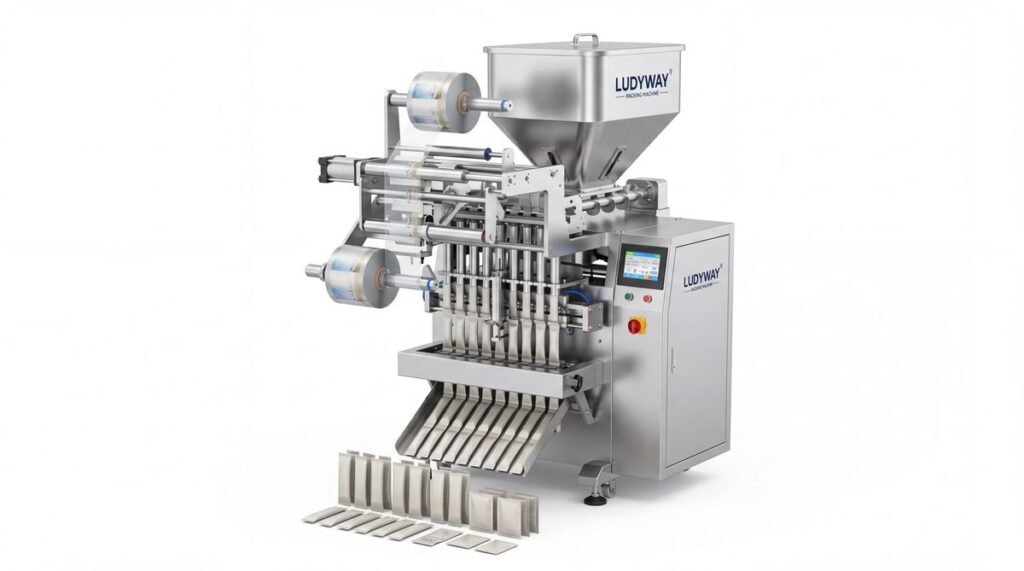
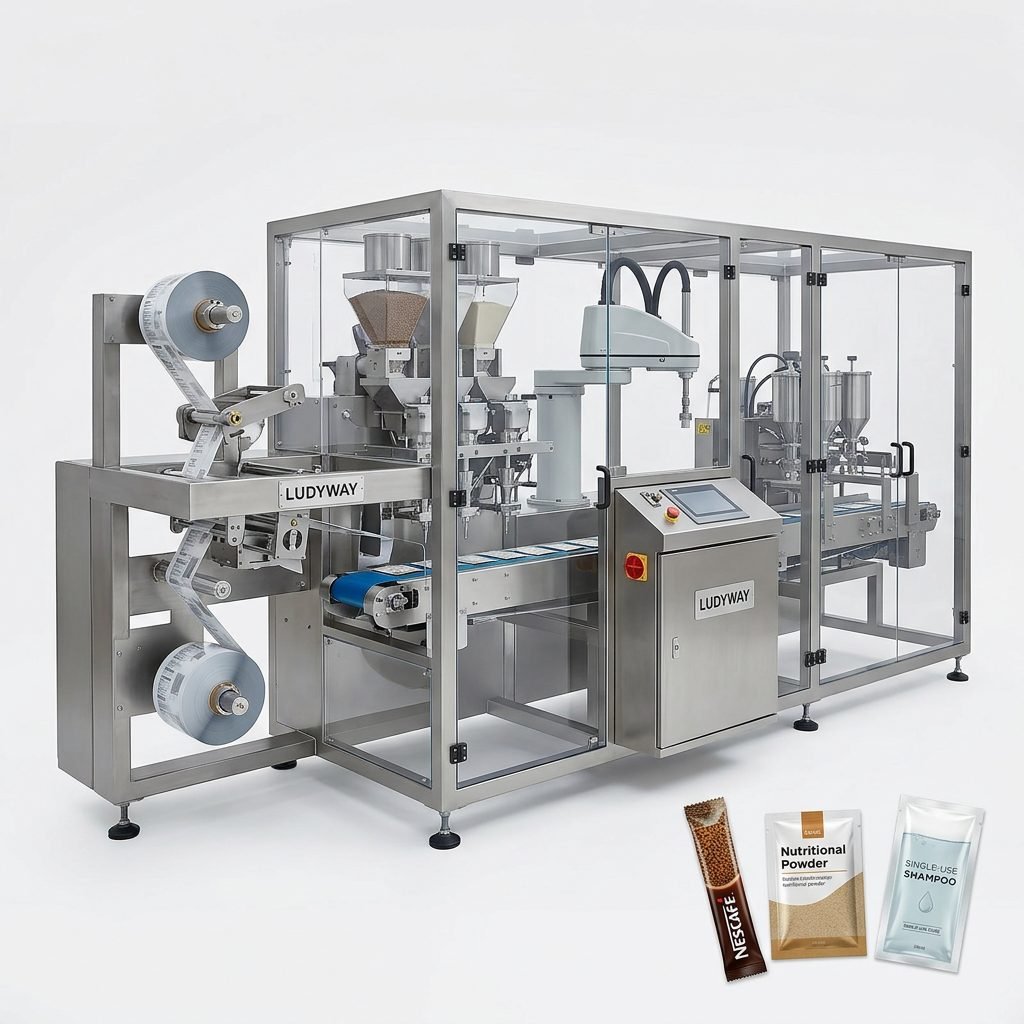
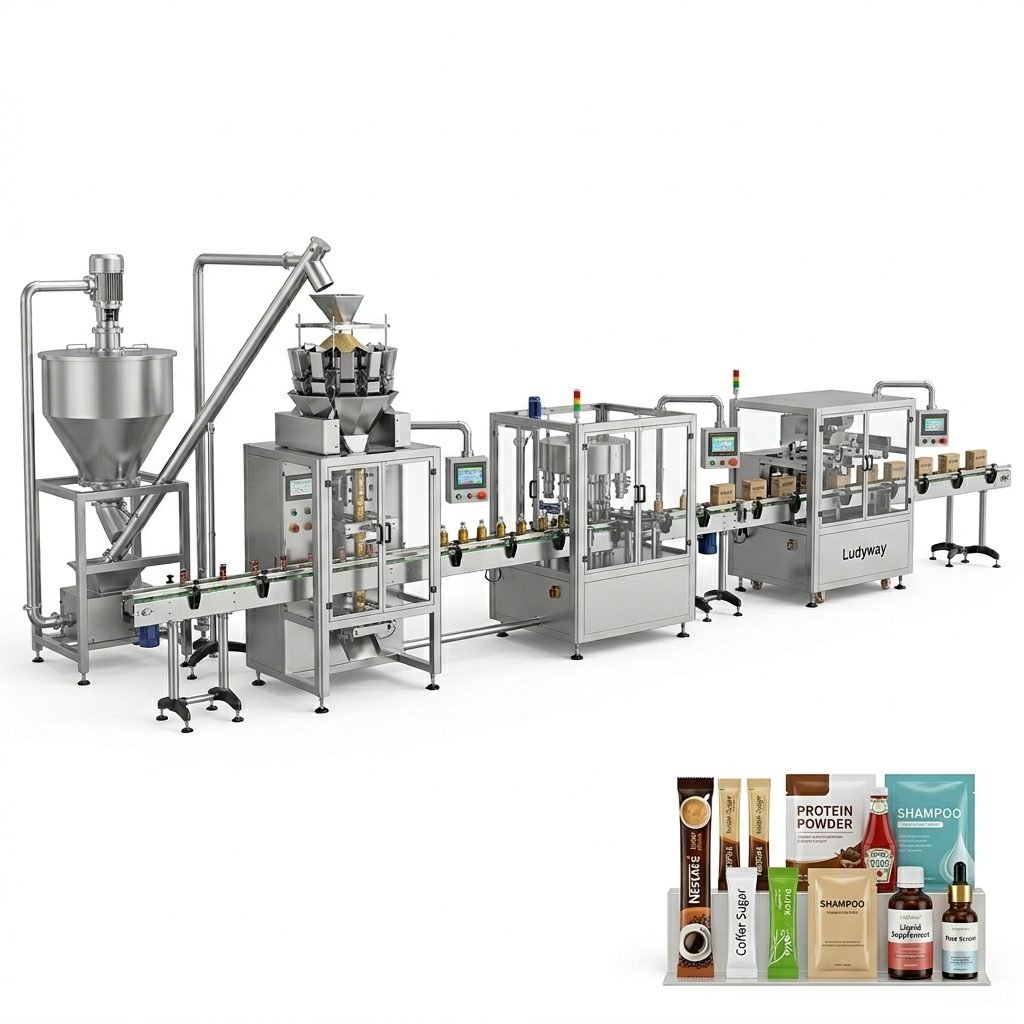
Ludyway is one of the largest packaging machine manufacturers in China, specializing in advanced packaging equipment and turnkey production solutions for the food, pharmaceutical, and health industries. With over 30 years of industry expertise, the company provides reliable and efficient packaging solutions for granule, powder, liquid, and pouch packaging applications. Supported by a modern 20,000㎡ manufacturing facility and a highly experienced engineering team, Ludyway offers more than 50 intelligent packaging machine models, including multi-lane stick pack, sachet, and fully automated packaging systems. Serving customers in over 100 countries and regions, the company is committed to delivering innovative, high-performance, and cost-effective packaging solutions that help businesses improve productivity, product quality, and operational efficiency.
For further reading on packaging industry developments and machinery investment trends, explore resources from the ISO packaging standards and PACK EXPO International for insights into global packaging technology advancements.