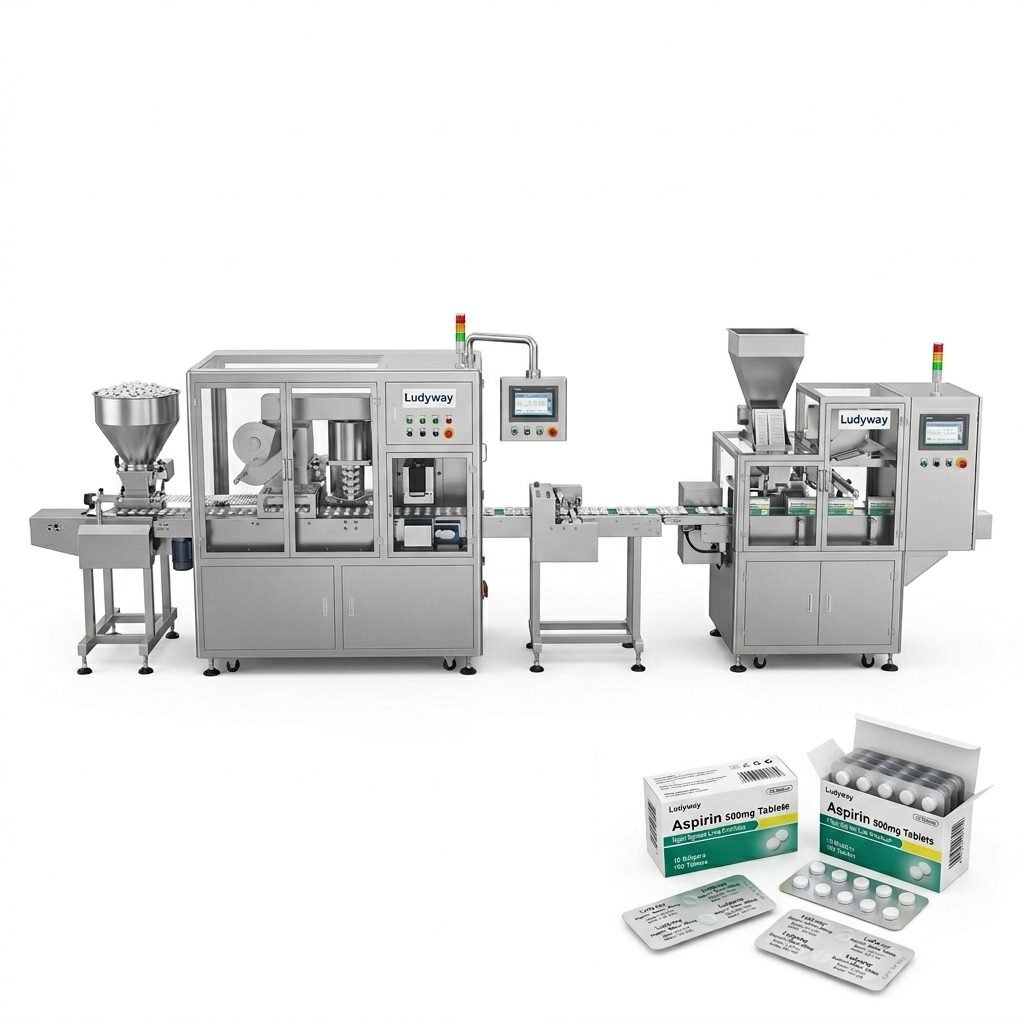
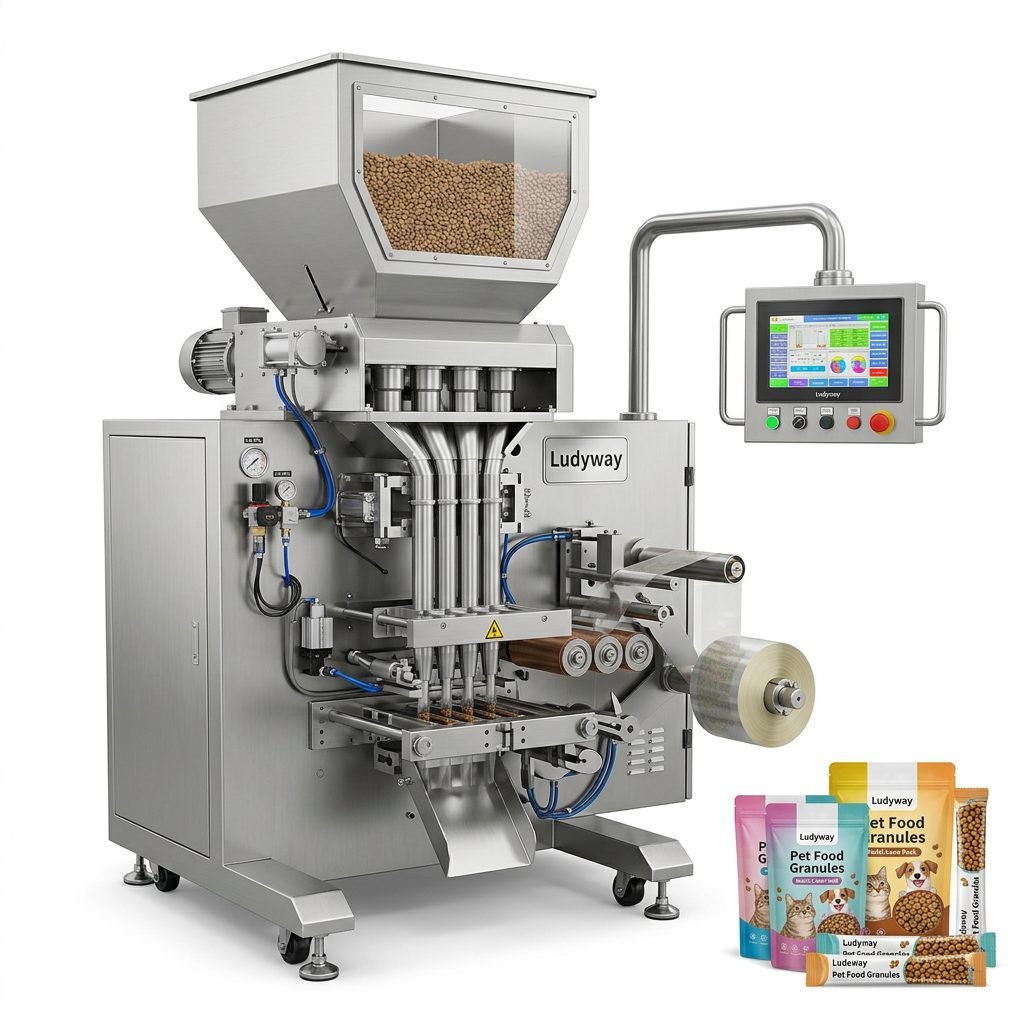
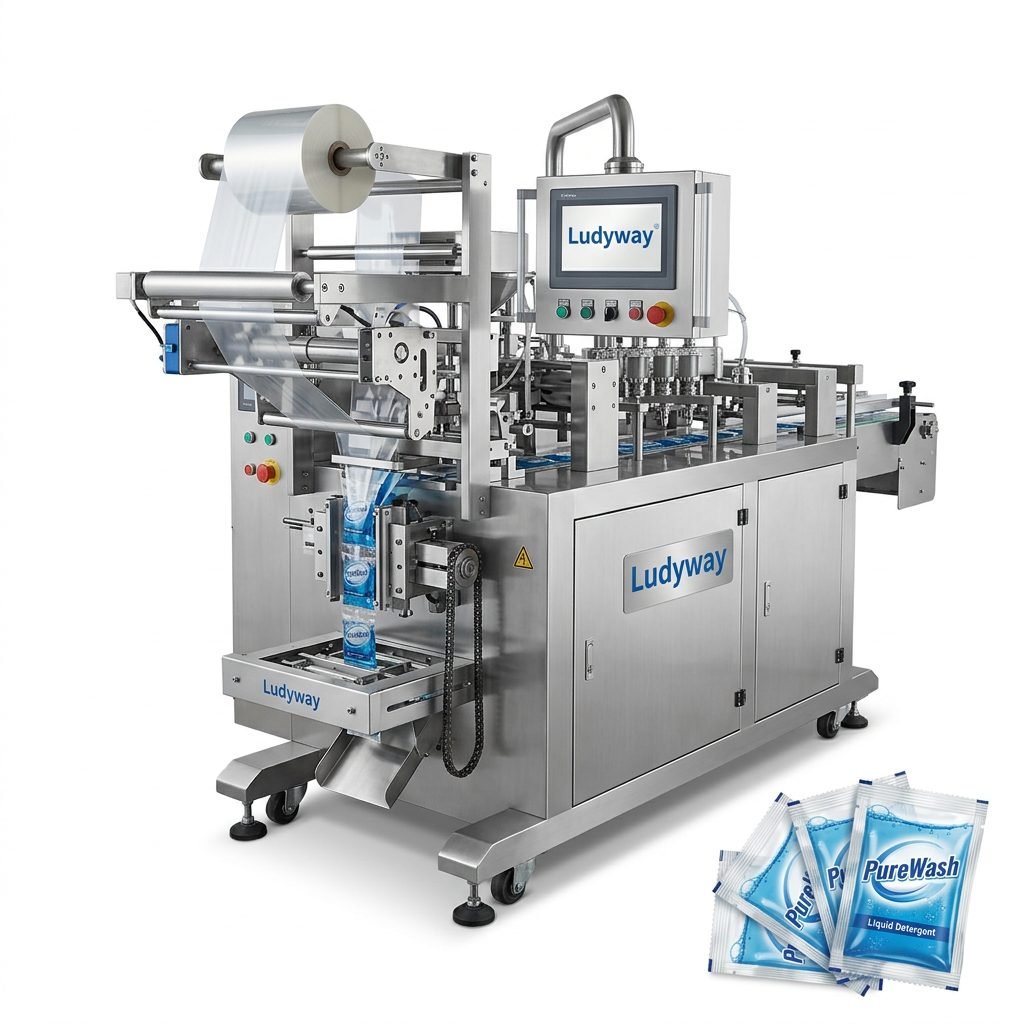
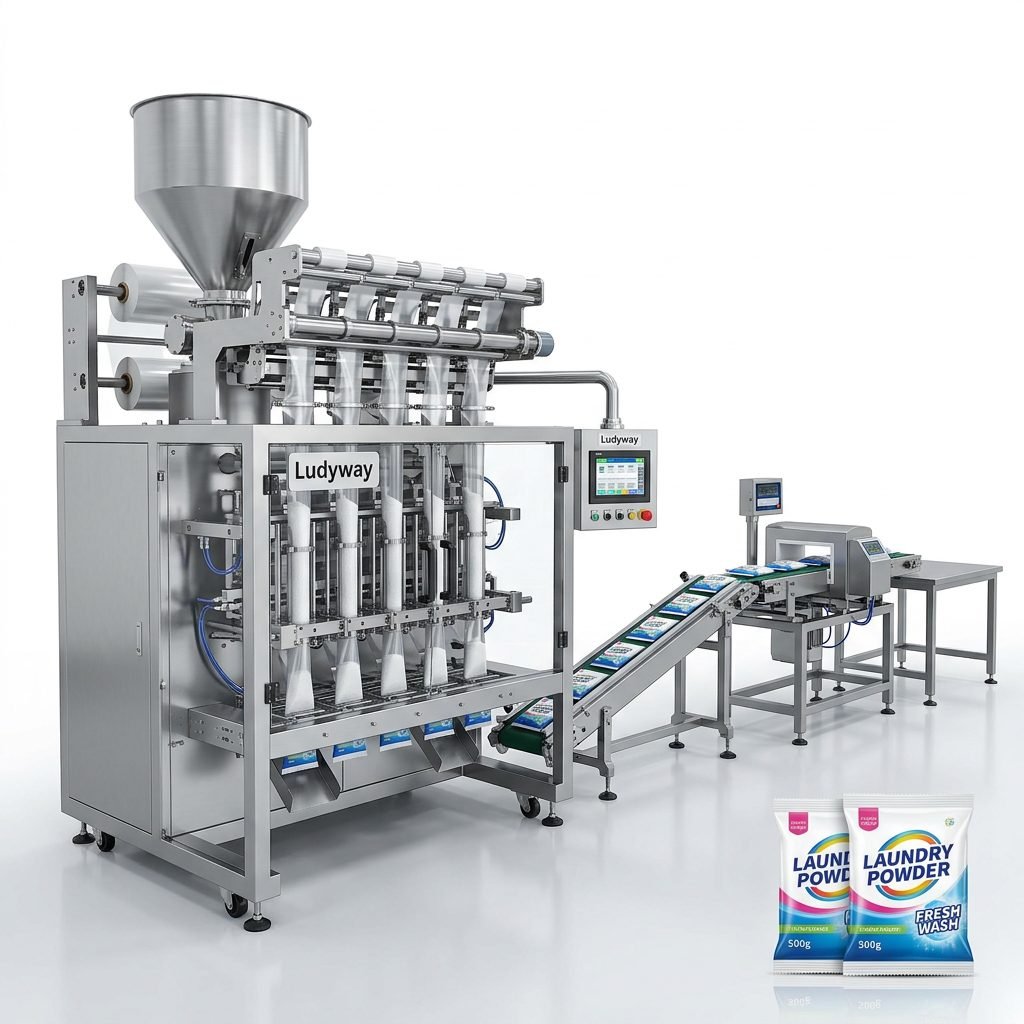
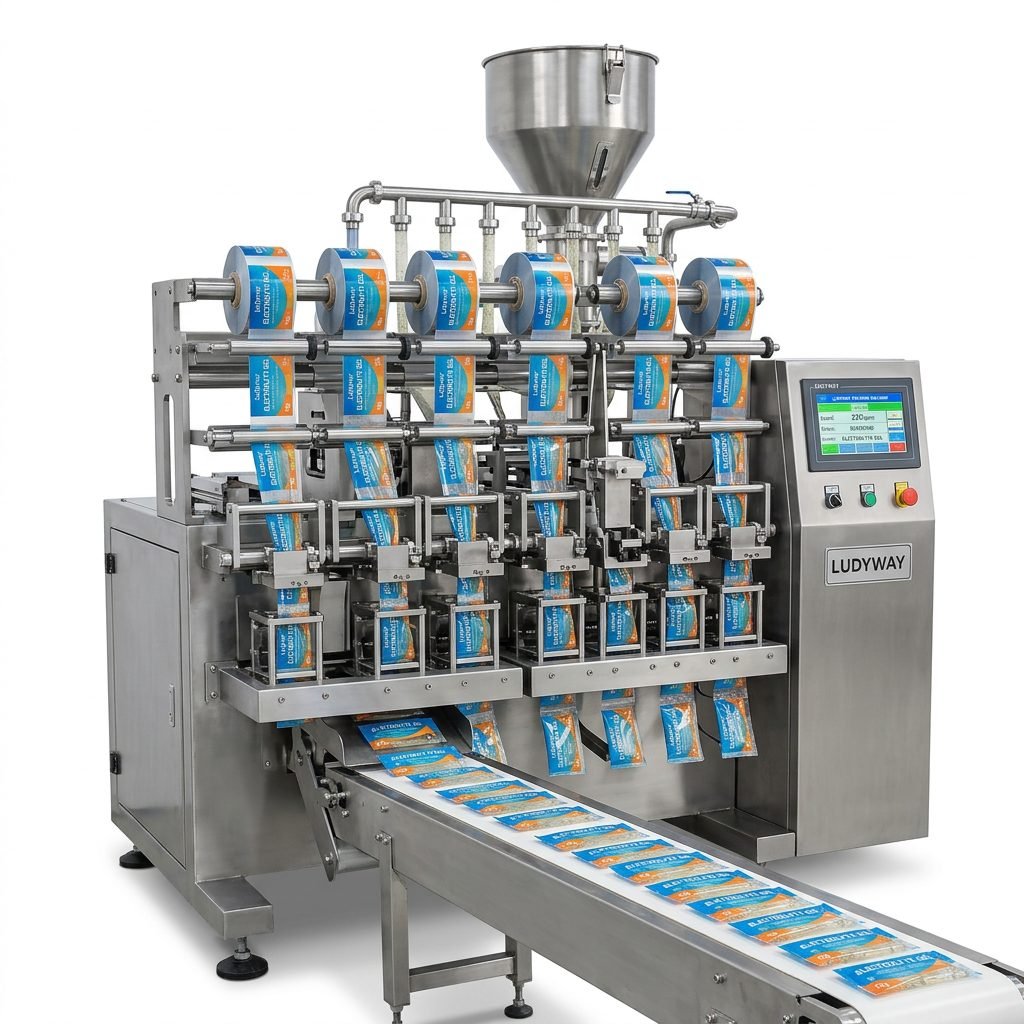
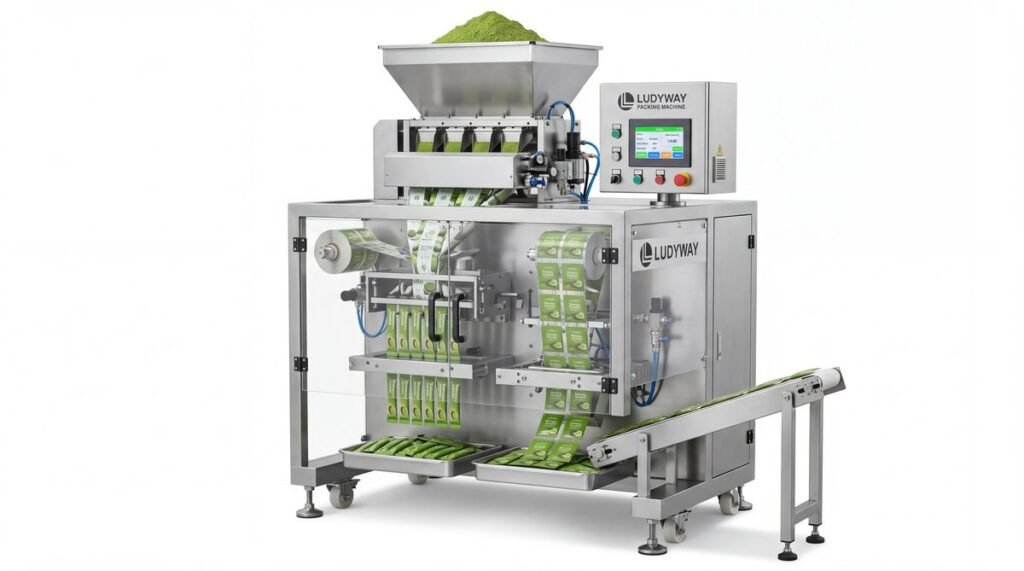
Investing in a powder packing machine is a significant decision that affects production efficiency, product quality, and long-term operational costs. With a wide range of equipment available — from simple semi-automatic fillers to fully integrated packaging lines — choosing the right solution requires a structured evaluation of your product, production goals, and facility requirements. This guide walks you through the essential factors to consider before making your purchase.
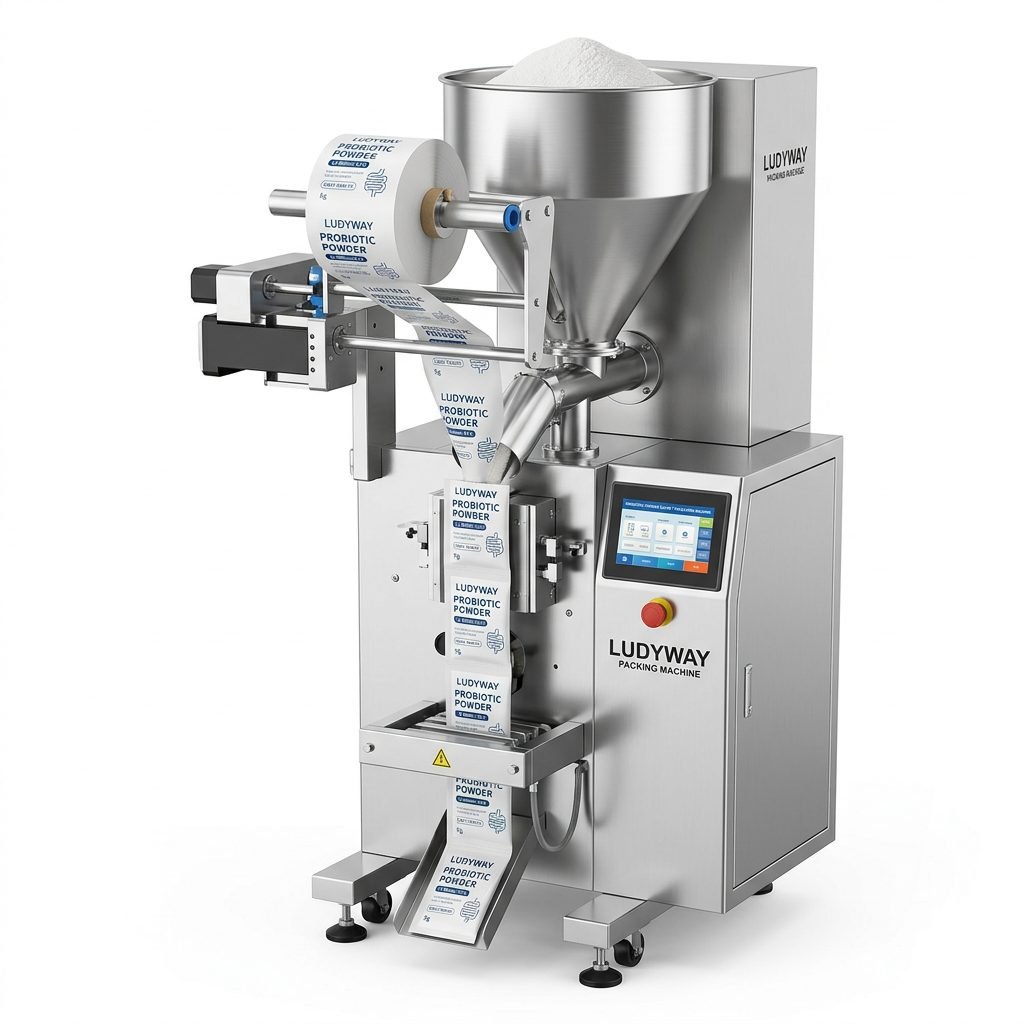
Understand Your Powder Characteristics First
Not all powders behave the same way during filling and packaging. Before evaluating any powder packing machine, you need to analyze your product’s physical properties. These characteristics directly influence which dosing system and machine configuration will work best.
Key Powder Properties to Evaluate
- Flowability: Free-flowing powders (like granulated sugar) handle differently than cohesive powders (like cocoa or flour). Poor flowability may require agitation or specialized hopper designs.
- Bulk Density: This affects the filling volume and the type of dosing mechanism. Light, fluffy powders need different handling than dense, compact ones.
- Particle Size Distribution: Fine powders can create dust issues, while coarse granules flow more predictably. Dust extraction may be necessary for very fine materials.
- Moisture Sensitivity: Hygroscopic powders absorb moisture from the air, potentially causing clumping or equipment fouling. Sealed hoppers or nitrogen flushing may be required.
- Temperature Sensitivity: Some powders degrade or melt under friction heat. Temperature-controlled feeding systems may be necessary.
According to packaging industry standards, accurately characterizing your product is the single most important step in equipment selection. Skipping this step often leads to poor machine performance and costly modifications later.
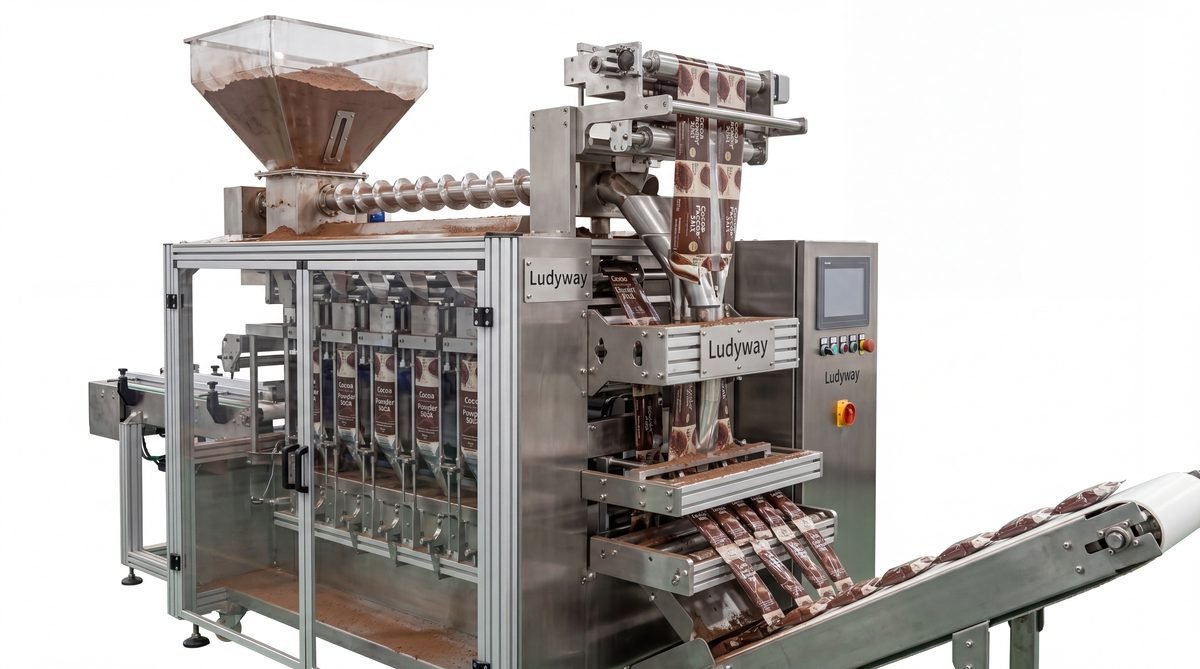
Define Your Packaging Format and Bag Type
Your choice of packaging format determines the type of powder packing machine you need. Modern equipment can produce a variety of package styles, each suited to different markets and applications.
Common Packaging Formats for Powders
| Package Format | Typical Applications | Key Considerations |
|---|---|---|
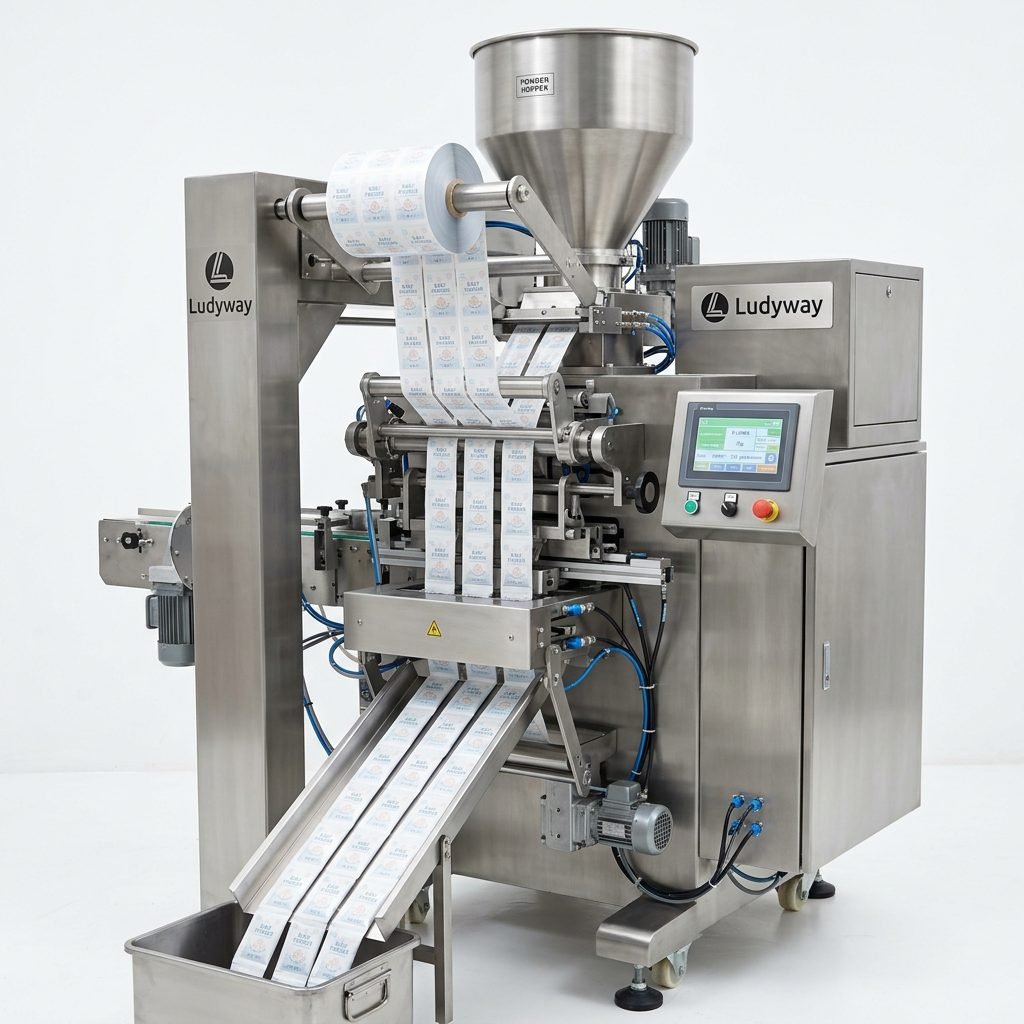
| Stick Packs | Single-serve beverages, supplements, sugar | High speed, multi-lane capability, narrow filling |
| Flat Sachets | Condiments, coffee, pharmaceutical powders | Versatile, good for samples and single doses |
| Stand-Up Pouches | Protein powders, food ingredients, retail products | Premium shelf appeal, zipper options, gussets |
| Pillow Bags | Bulk food powders, industrial products | Cost-effective, high-speed, simple construction |
| Gusseted Bags | Coffee, large-format food powders | Stable on shelf, higher volume per package |
The flexible packaging industry continues to innovate with new materials and formats. Consider both your current needs and potential future product line extensions when selecting a format-compatible machine.
Determine Production Speed and Automation Level
Production volume requirements are a critical factor in selecting the right powder packing machine. Machines range from 30-40 packs per minute for basic models to over 400 packs per minute for high-speed multi-lane systems.
Automation Options
- Semi-Automatic: Operators manually place bags or initiate fill cycles. Suitable for low-volume production, startups, or products requiring frequent changeovers.
- Fully Automatic: Complete hands-free operation from film unwinding to finished package discharge. Ideal for medium to high-volume production with consistent package sizes.
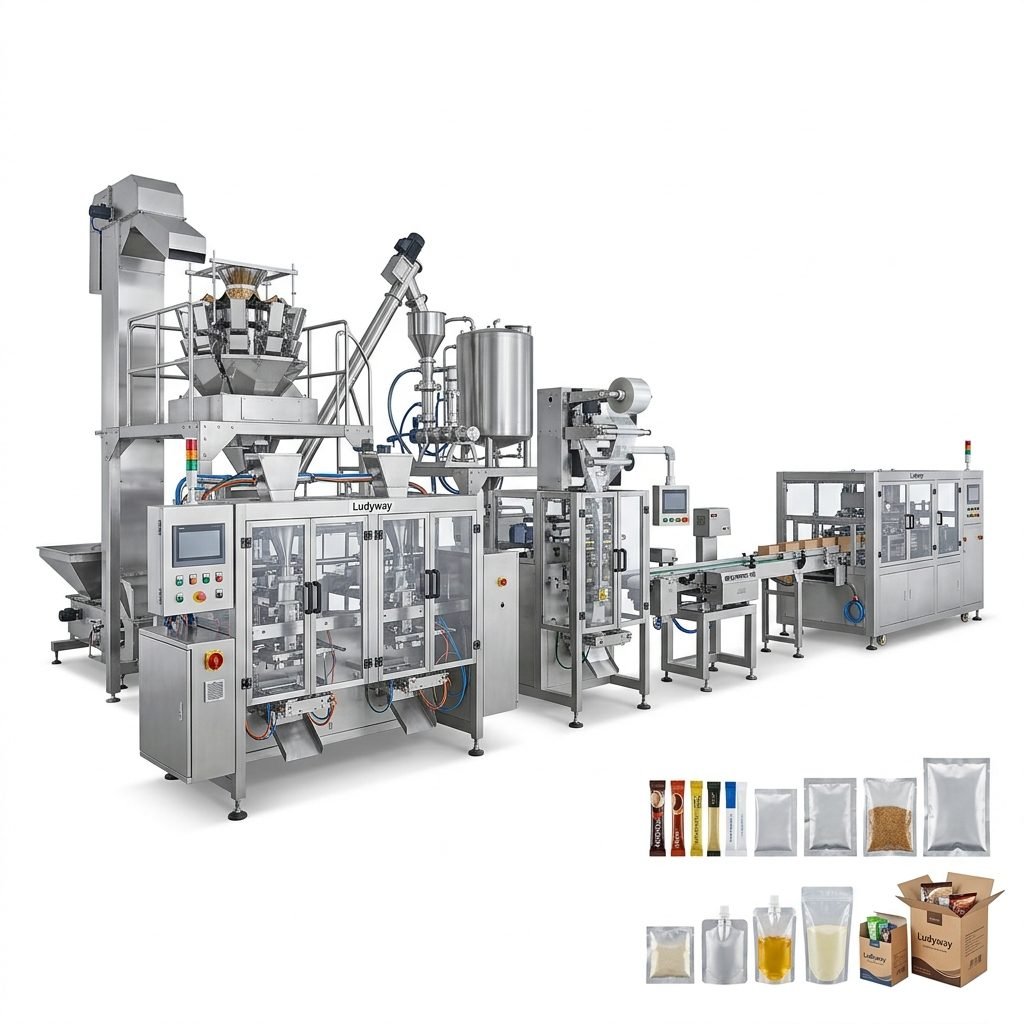
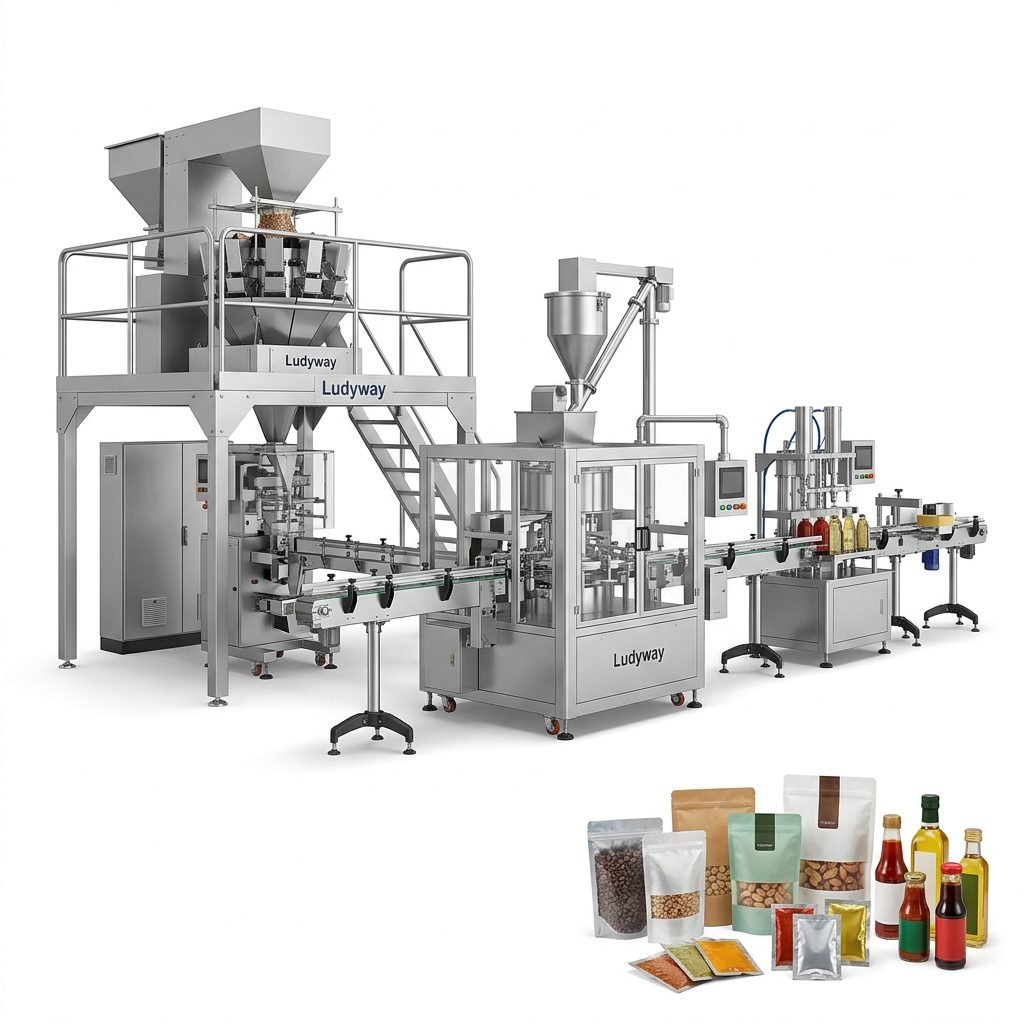
- Integrated Packaging Lines: Combine multiple machines — filling, sealing, coding, cartoning, and palletizing — into a single automated packaging line. Best for high-volume manufacturers seeking maximum efficiency.
When evaluating speed, look beyond the maximum rated output. Consider sustained production speed under real-world conditions, including film changes, cleaning cycles, and product changeover time.
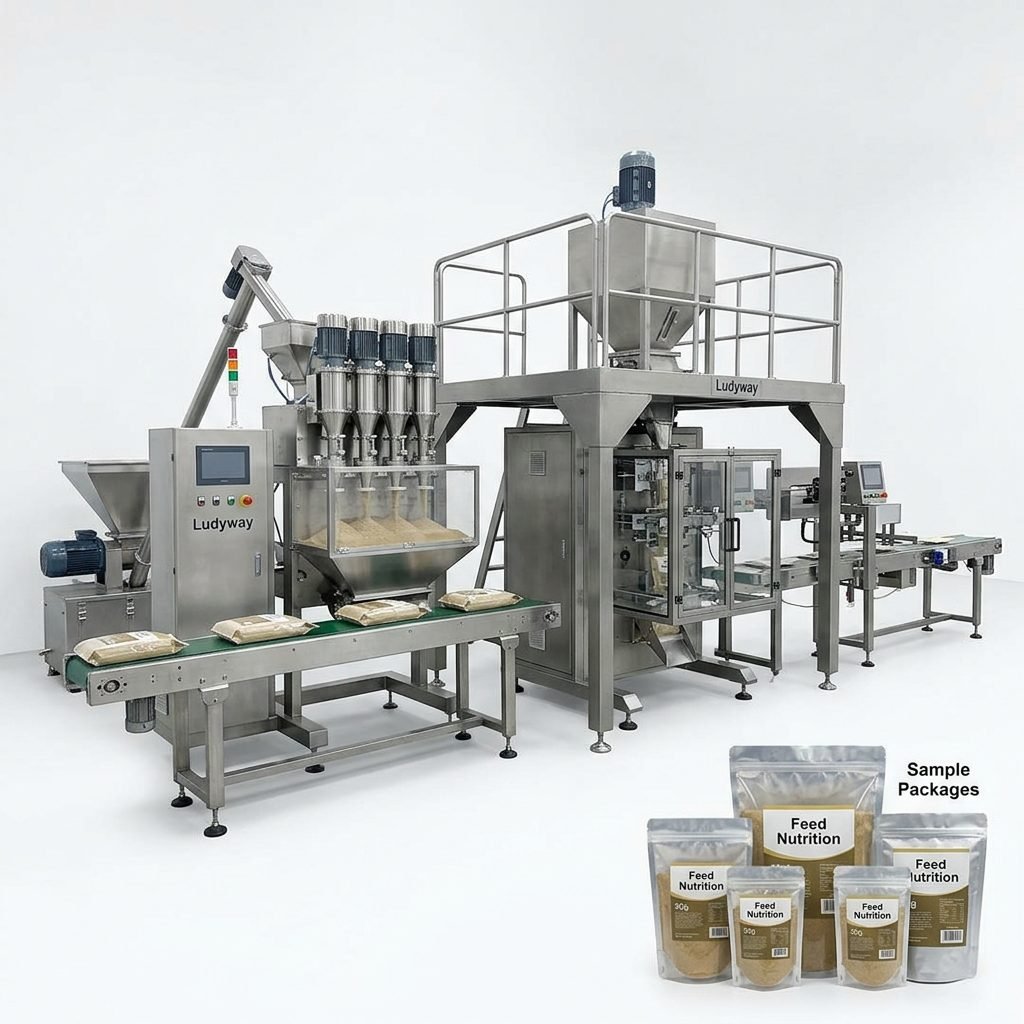
Evaluate Filling and Dosing Technology
The dosing system is the heart of any powder filling machine. Different technologies suit different powder types and accuracy requirements.
Common Dosing Methods Compared
| Dosing Method | Best For | Accuracy Level | Speed |
|---|---|---|---|
| Auger Filler | Fine to medium powders, consistent density | High (±0.5-1%) | Medium to High |
| Volumetric Cup | Free-flowing granules, uniform particles | Moderate (±1-2%) | High to Very High |
| Net Weigh Filler | High-value products, precise weight needed | Very High (±0.1-0.5%) | Medium |
| Multi-Head Weigher | Granules, free-flowing products, high speed | High (±0.3-0.8%) | Very High |
| Vacuum Filler | Fine powders, dust control critical | High (±0.5-1%) | Medium |
For products sold by weight, gravimetric systems provide superior accuracy and reduce product giveaway. For inexpensive bulk products, volumetric systems offer speed advantages at lower cost. Compliance with international packaging standards often requires specific weighing accuracy, especially in pharmaceutical and food applications.
Consider Material Compatibility and Hygiene Requirements
The materials used in machine construction directly affect product safety, equipment longevity, and regulatory compliance. For food, pharmaceutical, and nutraceutical applications, hygienic design is non-negotiable.
- Stainless Steel Construction: 304 or 316L stainless steel for all product-contact parts. Essential for food, dairy, and pharmaceutical applications where corrosion resistance and cleanability are critical.
- Clean-in-Place (CIP) Compatibility: Machines designed for washdown environments with sloped surfaces, minimal crevices, and sealed electrical components.
- Dust Management: Integrated dust extraction systems for fine powders that become airborne during filling. Protects both operators and the production environment.
- Sealed Bearings and Gaskets: Prevents product contamination and extends component life in dusty environments.
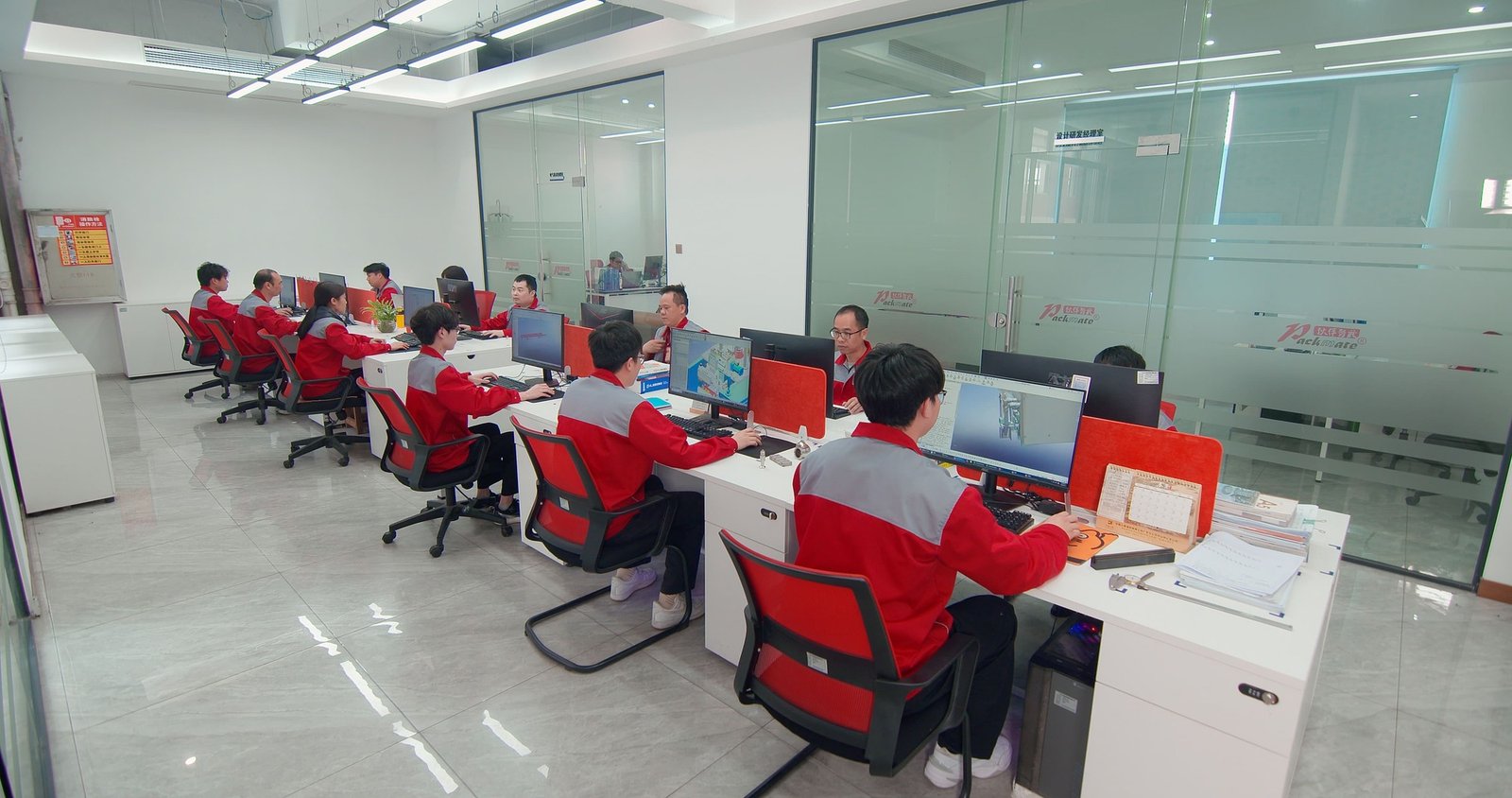
Assess Changeover Flexibility and Future Needs
If your business packages multiple products or plans to expand its product line, changeover flexibility becomes a critical factor. A powder packing machine that handles only one package size may limit your growth.
- Quick-Change Parts: Look for tool-free changeover systems that reduce downtime between product runs. Some machines achieve changeover in under 15 minutes.
- Recipe Management: PLC-controlled machines can store multiple product recipes, automatically adjusting fill parameters, temperature settings, and sealing times.
- Modular Design: Machines with modular components allow future upgrades — adding lanes, integrating new dosing systems, or connecting to downstream equipment without replacing the entire line.
- Film Compatibility: Ensure the machine can handle various flexible packaging materials including laminates, PE, PET, aluminum foil, and biodegradable films.
Evaluate Supplier Expertise and Support
Choosing the right equipment supplier is as important as choosing the right machine. A reliable packaging machinery manufacturer provides more than hardware — they offer engineering expertise, installation support, and long-term service.
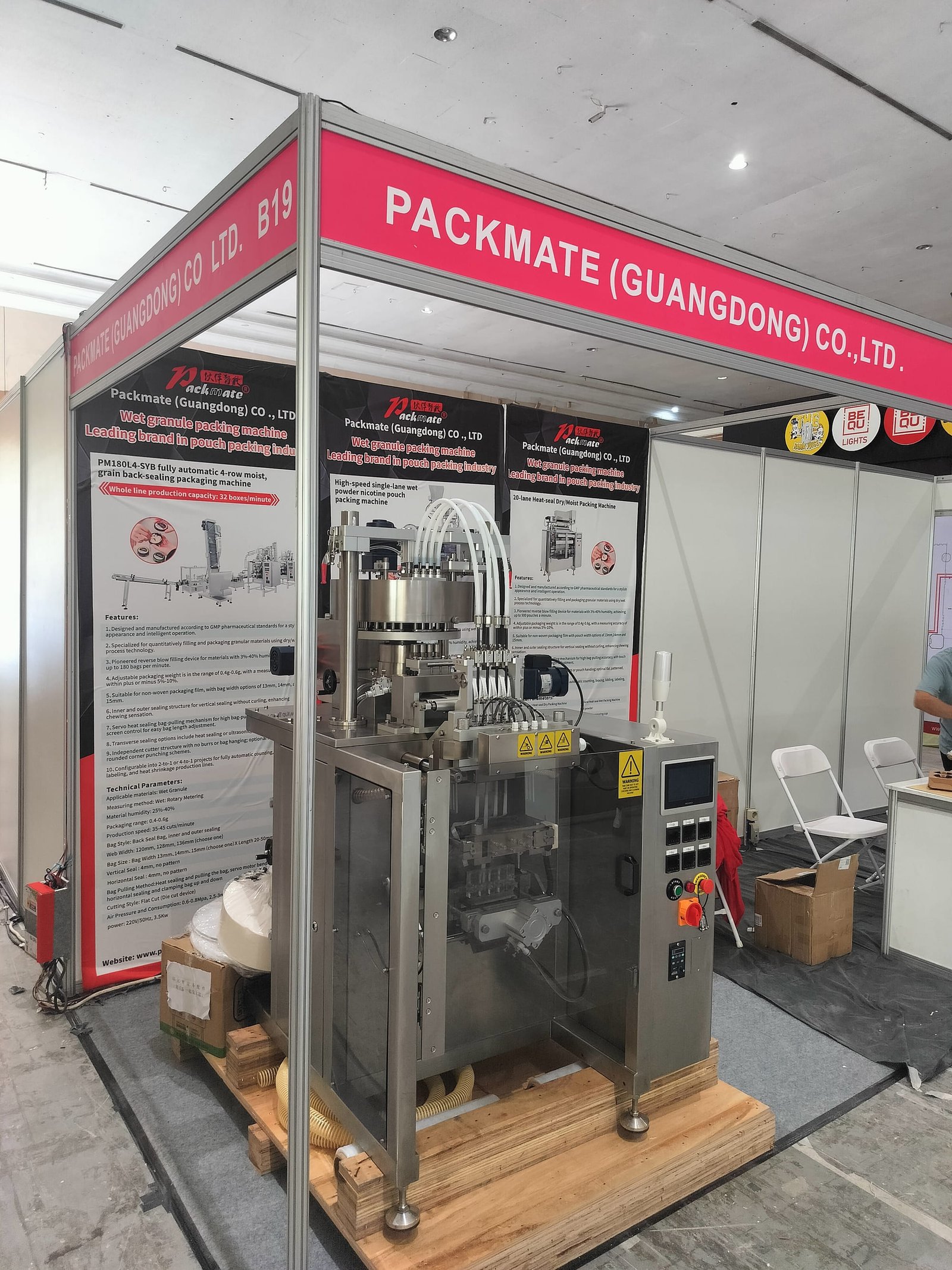
Key Supplier Evaluation Criteria
- Industry Experience: How long has the supplier been manufacturing packaging equipment? Do they have proven installations in your industry?
- Technical Support: What support is available during installation, commissioning, and ongoing operation? Is remote assistance available?
- Spare Parts Availability: Can critical spare parts be shipped quickly? Does the supplier maintain regional parts inventory?
- Customization Capability: Can the supplier modify standard machines to meet specific requirements, or do they only offer off-the-shelf models?
- Global Service Reach: For international buyers, does the supplier have experience serving customers in your region?
Ludyway Machinery is a China-based packaging machinery manufacturer with more than 30 years of experience, serving customers in over 100 countries. With a 20,000-square-meter manufacturing facility and a portfolio of over 50 packaging machine models, Ludyway provides customized powder packaging solutions, integrated production lines, and comprehensive technical support — from equipment selection through installation, commissioning, and after-sales service. For manufacturers seeking a long-term packaging partner with engineering expertise and global service capabilities, Ludyway offers a compelling option. Learn more about Ludyway’s global growth and export milestones.
Calculate Total Cost of Ownership
The purchase price of a powder packing machine is only one component of its total cost. A comprehensive cost analysis should include:
- Initial Investment: Machine price, shipping, import duties, installation, and commissioning costs.
- Operational Costs: Labor requirements, energy consumption, film or packaging material waste rates, and routine consumables.
- Maintenance Costs: Preventive maintenance schedules, spare parts replacement intervals, and technician availability.
- Downtime Cost: The financial impact of production stoppages due to machine failure or lengthy changeovers.
- Product Giveaway: Overfilling due to inaccurate dosing represents a direct loss, especially for high-value powders.
A machine with a higher upfront cost but lower operational waste and faster changeovers often delivers superior return on investment over a 3-5 year period.
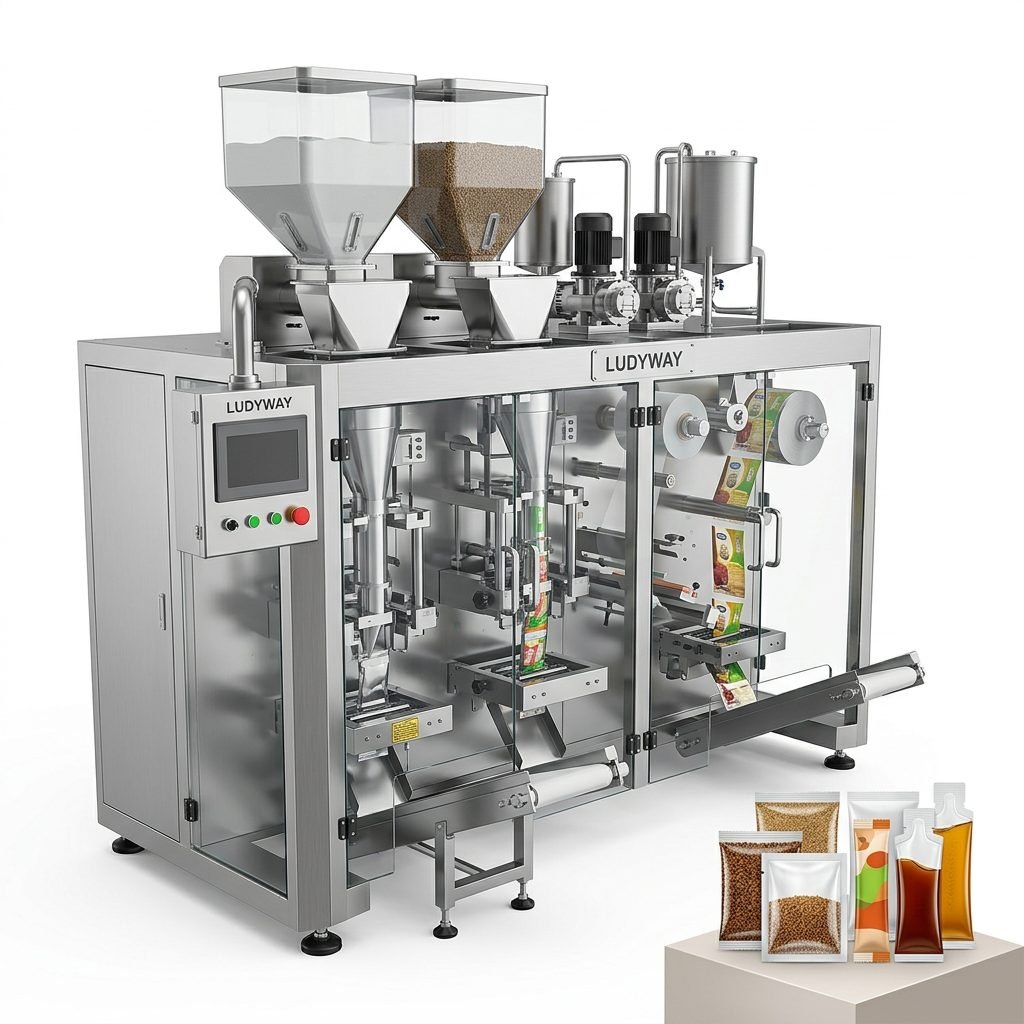
Common Mistakes to Avoid When Buying
Many buyers make avoidable errors during the selection process. Being aware of these pitfalls can save significant time and money.
- Focusing Only on Price: The cheapest machine often costs more in downtime, waste, and maintenance over its lifetime. Compare total cost of ownership, not just the purchase price.
- Ignoring Product Testing: Never purchase without testing the machine with your actual product. Laboratory tests with representative samples reveal issues that specifications alone cannot predict.
- Underestimating Installation Requirements: Factor in floor space, power supply, compressed air, dust extraction, and operator training when budgeting for a new powder filling machine.
- Overlooking Future Scalability: A machine that perfectly meets today’s needs but cannot accommodate growth may need replacement within a few years. Consider modular or upgradeable designs.
- Neglecting Regulatory Compliance: Food, pharmaceutical, and chemical industries have specific packaging regulations. Ensure the machine design supports GMP, FDA, or other applicable standards.
Making the Final Decision
Selecting the right powder packing machine is a strategic decision that impacts your production efficiency, product quality, and competitive position. By systematically evaluating your powder characteristics, packaging format needs, production speed requirements, dosing technology options, and supplier capabilities, you can identify the equipment that best fits your operation.
Take the time to visit supplier facilities when possible, run product trials, and speak with existing customers about their experiences. A well-chosen automatic packaging machine will serve as a reliable production asset for many years, while a poorly matched one can become a persistent source of frustration and unexpected costs.
For further guidance, consult the PMMI business intelligence resources for market data and packaging machinery insights, or review ISO packaging and distribution standards for technical specifications relevant to your industry.