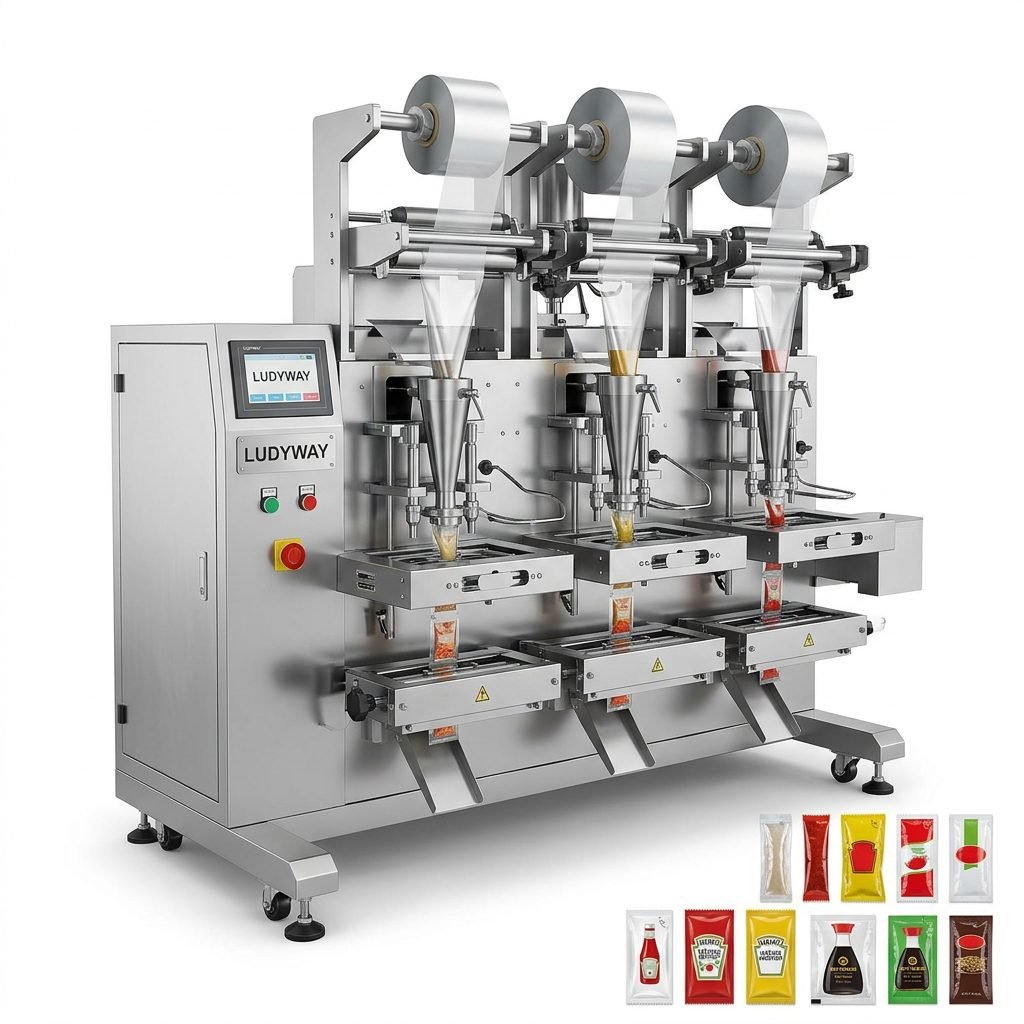
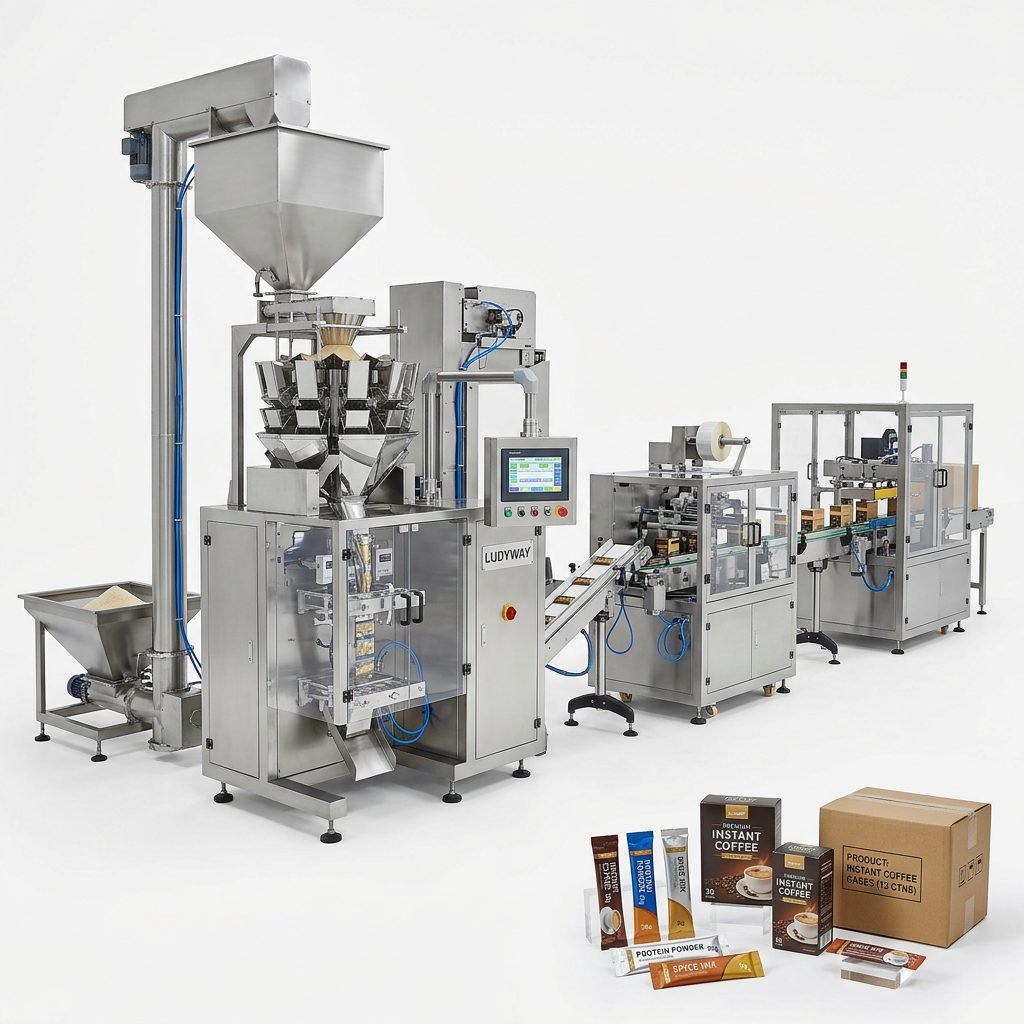
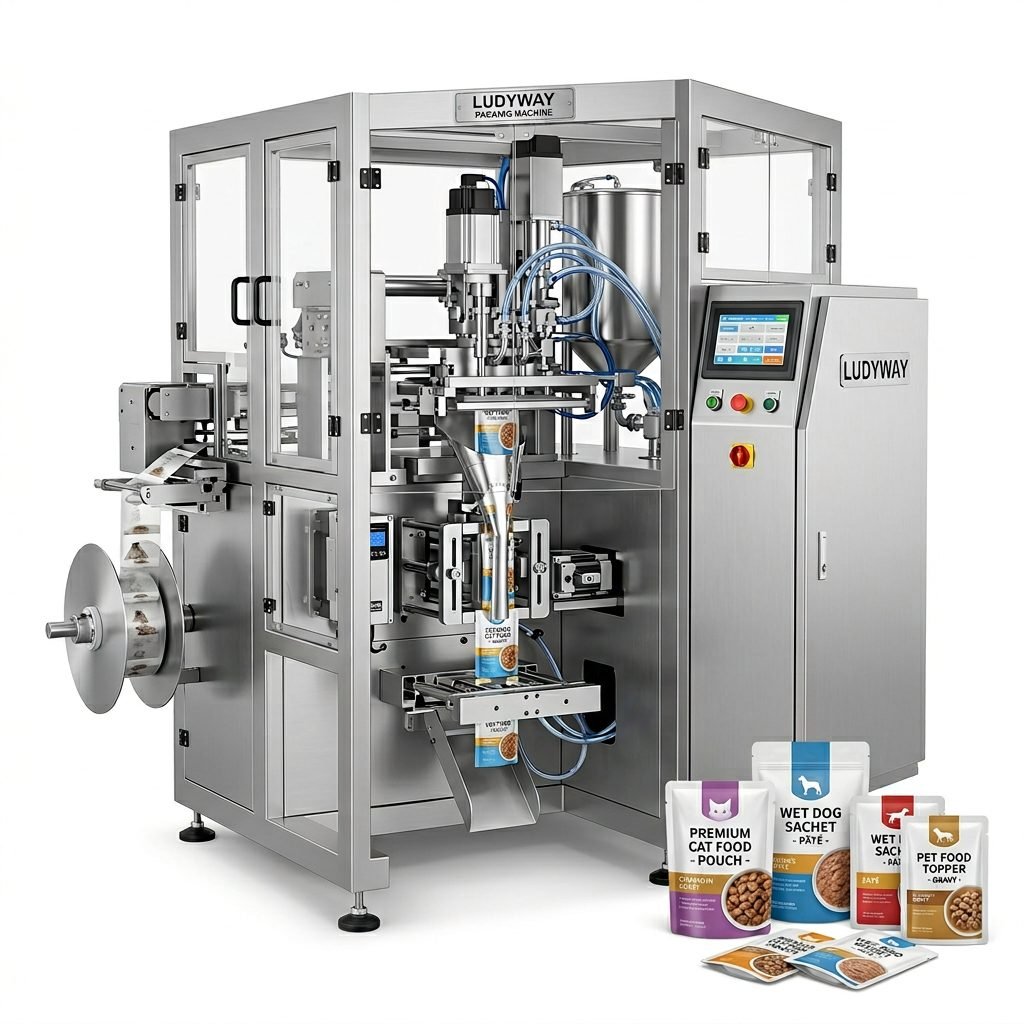
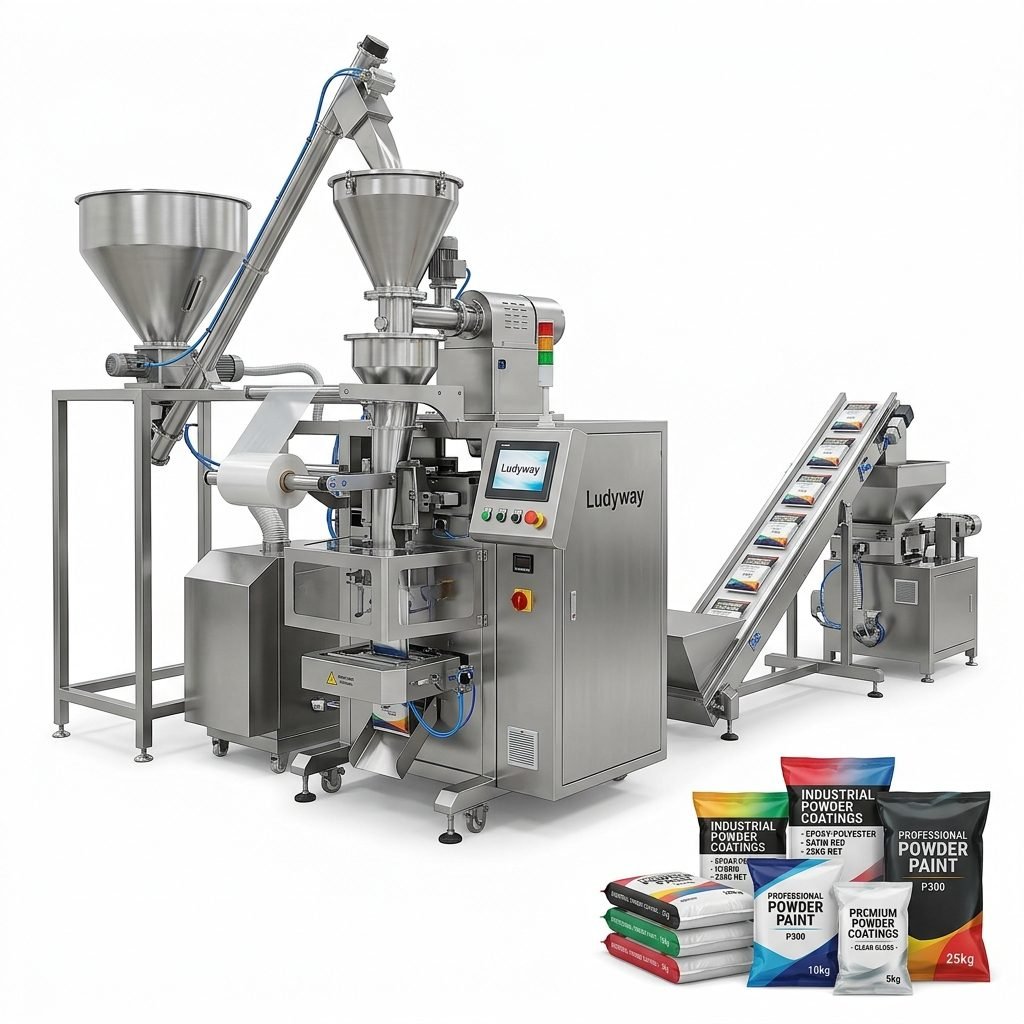
Establishing a vacuum skin packaging machine production line in Germany requires careful planning, strict adherence to European regulations, and a deep understanding of automation technology. This guide walks you through every critical step, from initial site assessment to full-scale production.

Understanding the German Regulatory Landscape for Packaging Machinery
Before importing or installing any equipment, you must navigate Germany’s specific regulatory environment. The Machinery Directive 2006/42/EC is the cornerstone of compliance. Your vacuum skin packaging machine must carry the CE marking, which confirms conformity with health, safety, and environmental protection standards for products sold within the European Economic Area. Additionally, food contact materials must comply with EU Regulation (EC) No 1935/2004 and the German LFGB (Lebensmittel-, Bedarfsgegenstände- und Futtermittelgesetzbuch).
Key Compliance Steps
- Risk Assessment: Conduct a comprehensive risk assessment according to ISO 12100.
- Documentation: Prepare a technical file in German or English, including schematics, test reports, and the EU Declaration of Conformity.
- Authorized Representative: If the manufacturer is not based in the EU, appoint an authorized representative within Germany or the EU to handle compliance queries.
Site Planning and Infrastructure Requirements
A successful installation begins with the factory floor. German production standards emphasize efficiency and ergonomics. Start by analyzing your available space. A typical vacuum skin packaging line requires a clean, temperature-controlled environment. The floor must be level and capable of bearing the heavy weight of industrial machinery, often exceeding 2,000 kg for a fully integrated system.

Utility Connections
- Electrical Supply: Germany operates on a 400V/230V three-phase system. Ensure your machine’s control panel is configured for this standard to avoid costly transformers.
- Compressed Air: High-quality, dry compressed air is crucial. Plan for a dedicated air compressor line with a minimum pressure of 6-8 bar for the sealing and vacuum pump operations.
- Cooling Water: Some high-speed vacuum pumps require cooling water circuits. Verify your facility’s capacity to handle heat dissipation.
Selecting the Right Vacuum Skin Packaging Technology
The term vacuum skin packaging refers to a specific process where a heated film is draped over a product on a backboard or tray, vacuum-sealing it tightly. The choice between automatic thermoforming lines and pre-cut tray sealers depends on your product range. If you are packaging fresh meat, fish, or cheese, a high-speed inline system with modified atmosphere packaging (MAP) capabilities is often preferred in the German market to extend shelf life without preservatives.
| Feature | Automatic Thermoforming Line | Pre-cut Tray Sealer |
|---|---|---|
| Speed | Up to 12 cycles/min | Up to 8 cycles/min |
| Flexibility | High (multiple mold changes) | Medium (fixed tray dimensions) |
| Film Usage | Cost-effective bulk rolls | Pre-cut lids (higher cost) |
| Typical Application | High-volume meat/poultry | Artisan products, ready meals |
Step-by-Step Installation and Commissioning
Once the machinery arrives at your German facility, the physical installation must follow a strict protocol to ensure operational validation and worker safety. This phase typically takes two to three weeks for a complete packaging machine production line.
Phase 1: Mechanical Assembly
Position the infeed conveyor, the skin packaging mainframe, and the outfeed trimming unit precisely. You must use laser alignment tools to ensure the longitudinal axis is perfectly straight. Even a 1mm deviation can cause film tracking errors and severe creasing during the vacuum cycle.
Phase 2: Electrical Integration and Safety Systems
Connect the power and signal cables. In Germany, the integration of safety PLCs (Programmable Logic Controllers) is mandatory. Light curtains, emergency stops, and guarded access doors must be wired to safety integrity level SIL 2 or PL d as defined by ISO 13849-1. Test the functional safety circuit thoroughly before powering on the main drive.

Film Selection and Material Logistics
The performance of vacuum skin packaging relies heavily on the polymer film properties. In Germany, recyclable mono-materials are gaining traction due to the VerpackG (Packaging Act) and the Central Packaging Register (ZSVR). You must choose between PA/PE (Polyamide/Polyethylene) composites for high puncture resistance or PP-based films for better recyclability profiles. The film thickness usually ranges from 150 to 250 microns, and the top forming web must have excellent thermoforming memory to hold the skin-tight shape without puncturing at sharp edges.
Optimizing Workflow and Operator Training
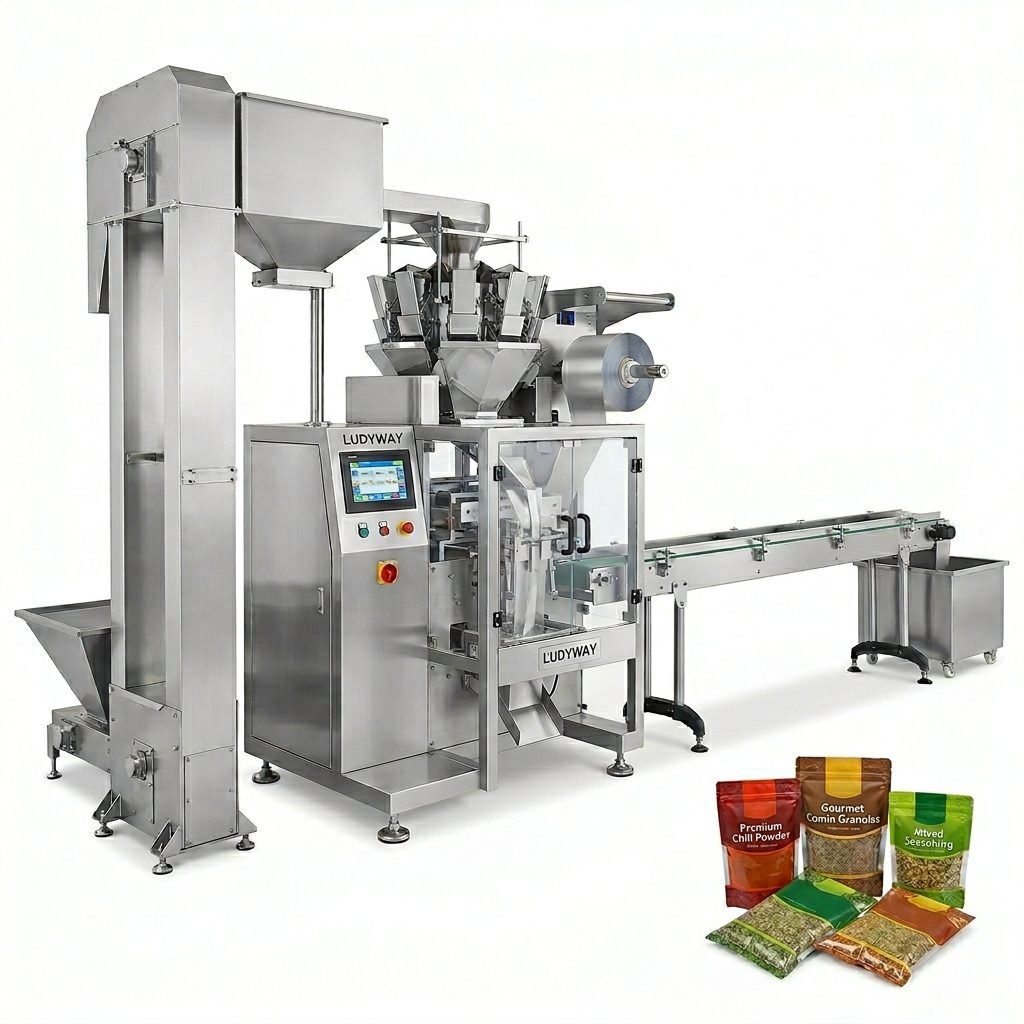
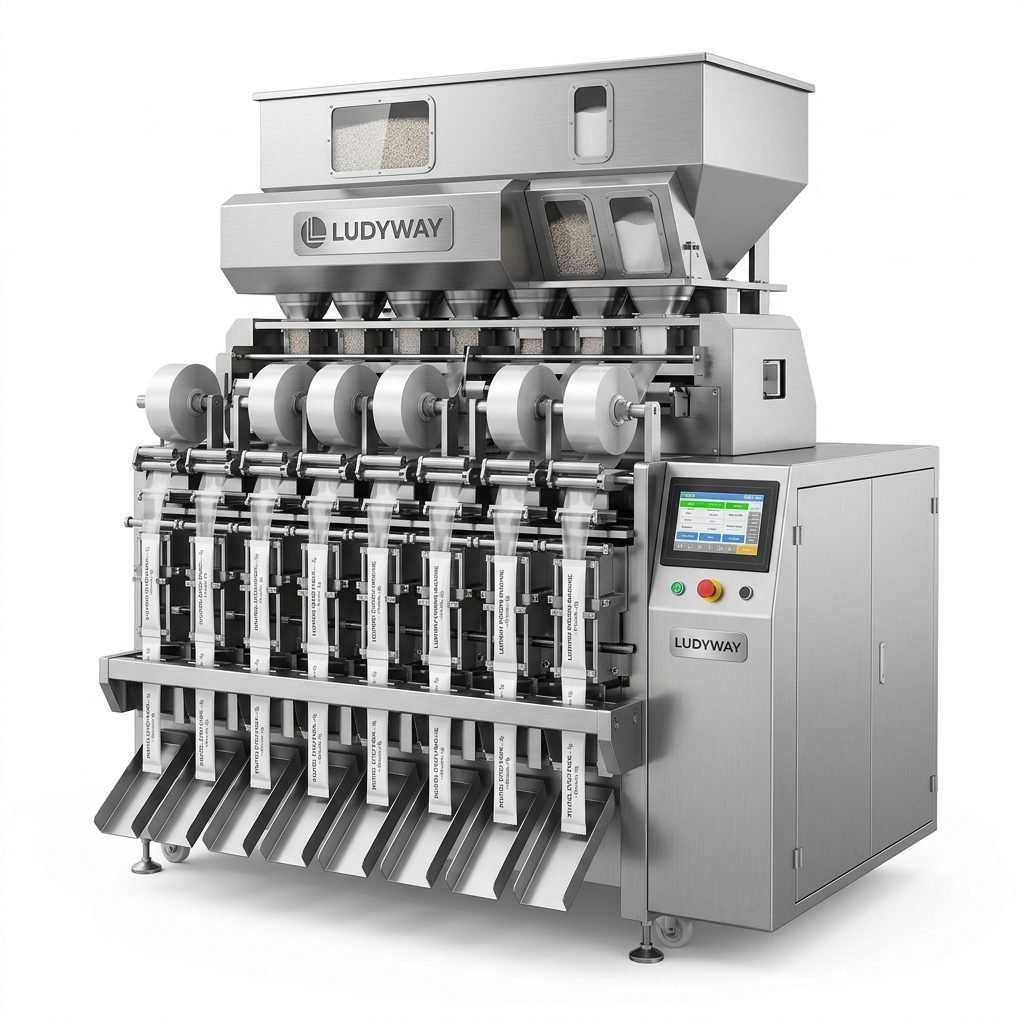
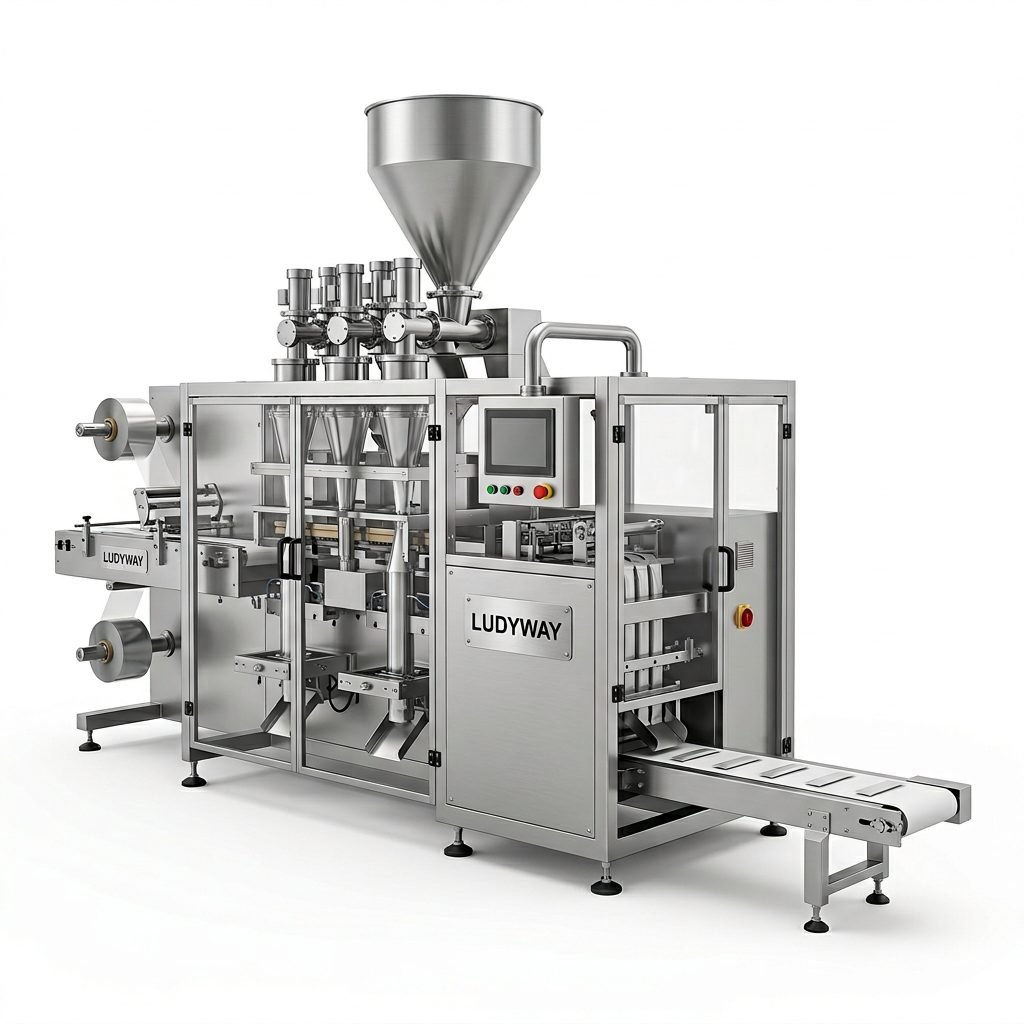
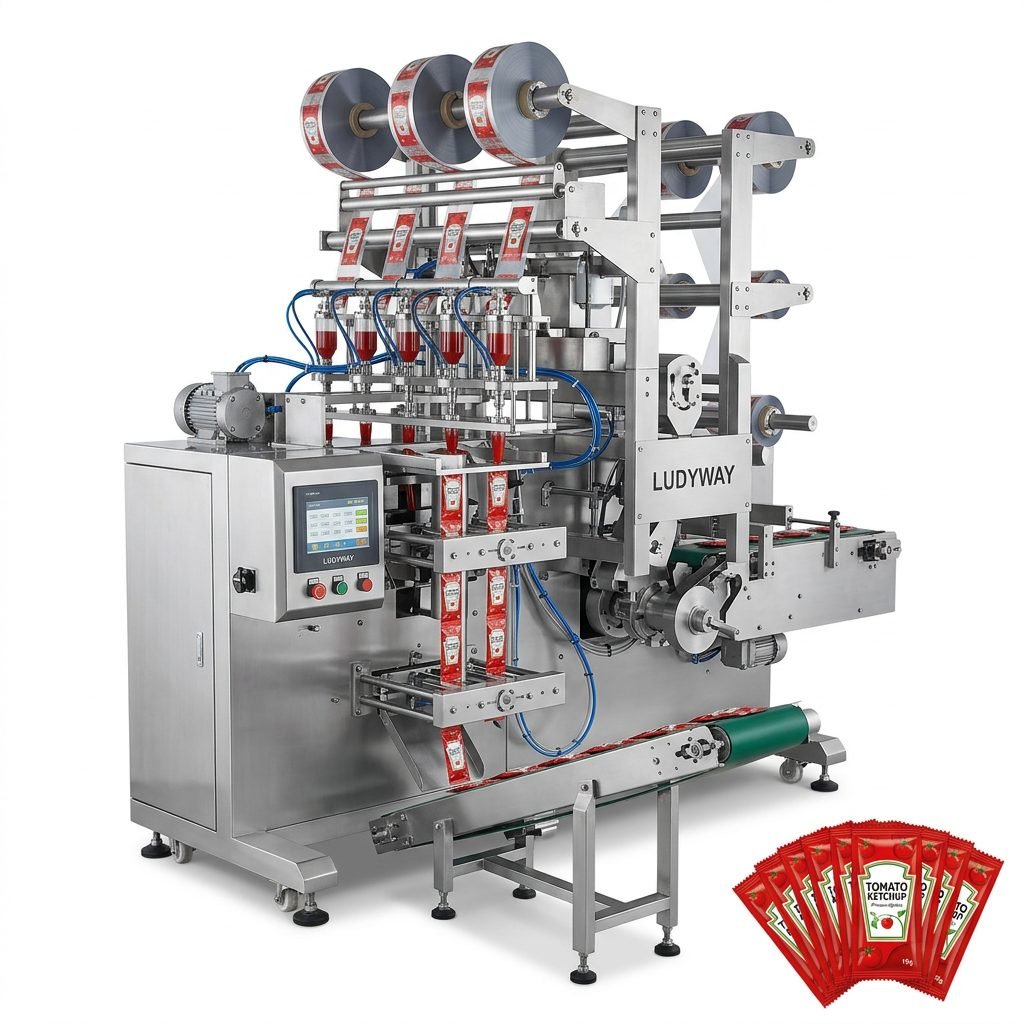
German co-determination laws (Mitbestimmungsgesetz) emphasize employee involvement. Your machine operators must undergo certified training documented according to DGUV Principle 308-001 (formerly BGG 945). Training should cover not just machine handling, but also ergonomic loading of the infeed and safe handling of the heated sealing dome. For companies like Ludyway, a specialized packaging machine manufacturer simplifies this through comprehensive on-site training and a turnkey approach, but local language documentation in German is still essential for daily operations.
Testing and Quality Validation
Before commercial production begins, conduct a Factory Acceptance Test (FAT) and Site Acceptance Test (SAT). The vacuum pressure gauge must stabilize below 5 mbar absolute pressure within the specified cycle time. Use validation dye penetrant tests to check seal integrity. For the German market, many retailers demand a leak rate of less than 0.05% for skin-packed products. Implement a vision inspection system downstream to automatically reject packages with wrinkles, seal contamination, or improper film coverage.
| Testing Parameter | Standard | Acceptable Limit |
|---|---|---|
| Vacuum Level | Internal Machine Spec | < 5 mbar |
| Seal Strength | DIN 55529 | > 15 N/15mm |
| Leak Tightness | ASTM F2338 | No leak > 20 μm |
| Residual Oxygen (MAP) | Internal Quality | < 0.5% |
Maintenance Strategies for Long-Term Reliability
Preventive maintenance is not optional in German high-wage environments where downtime is costly. Establish a Total Productive Maintenance (TPM) schedule. The vacuum pump oil must be changed every 1,500 operating hours, and the silicone sealing gaskets typically require replacement every 6 months depending on the production volume. Keep a spare parts kit locally in Germany to avoid logistical delays. Critical components include heating elements, PTFE (Teflon) belts, and vacuum sensors.
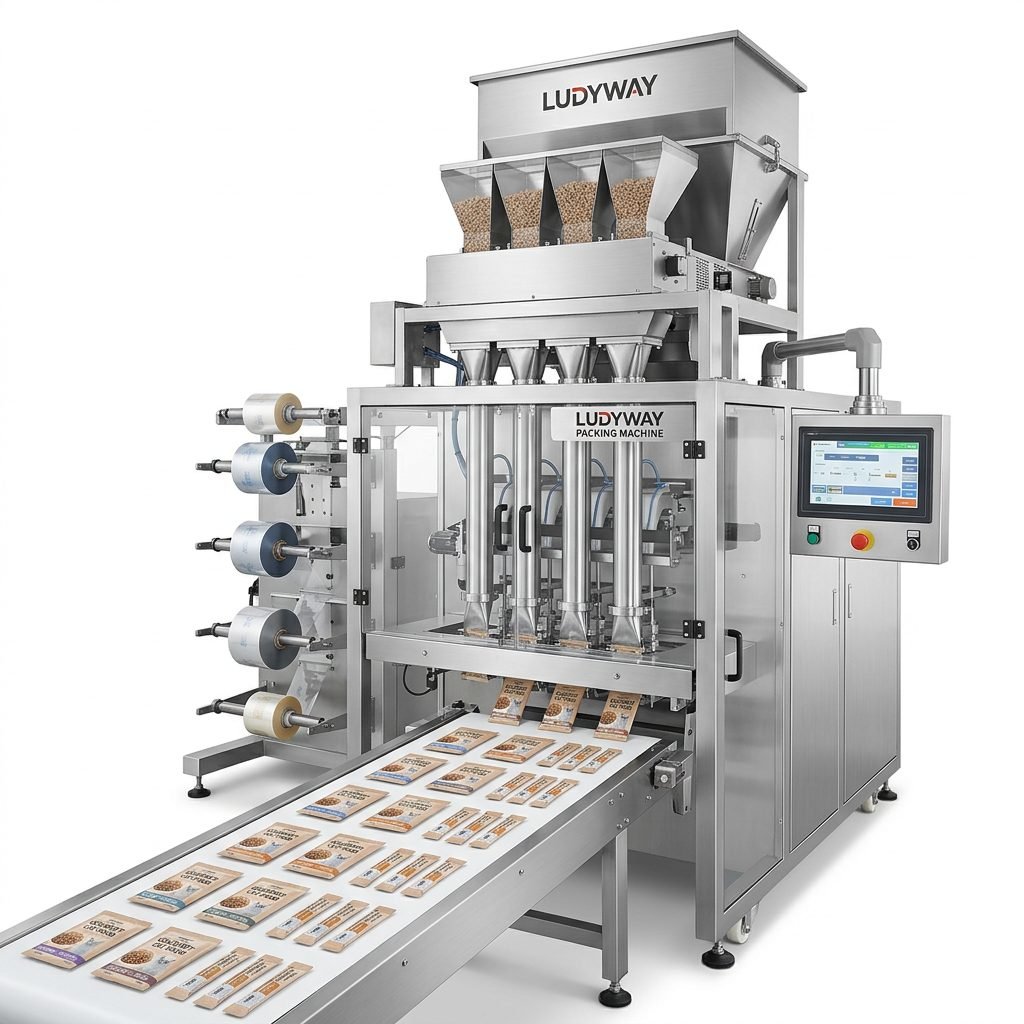
Following this guide ensures your vacuum skin packaging machine production line setup in Germany meets both performance targets and stringent legal requirements, creating a solid foundation for efficient, high-quality food packaging operations.