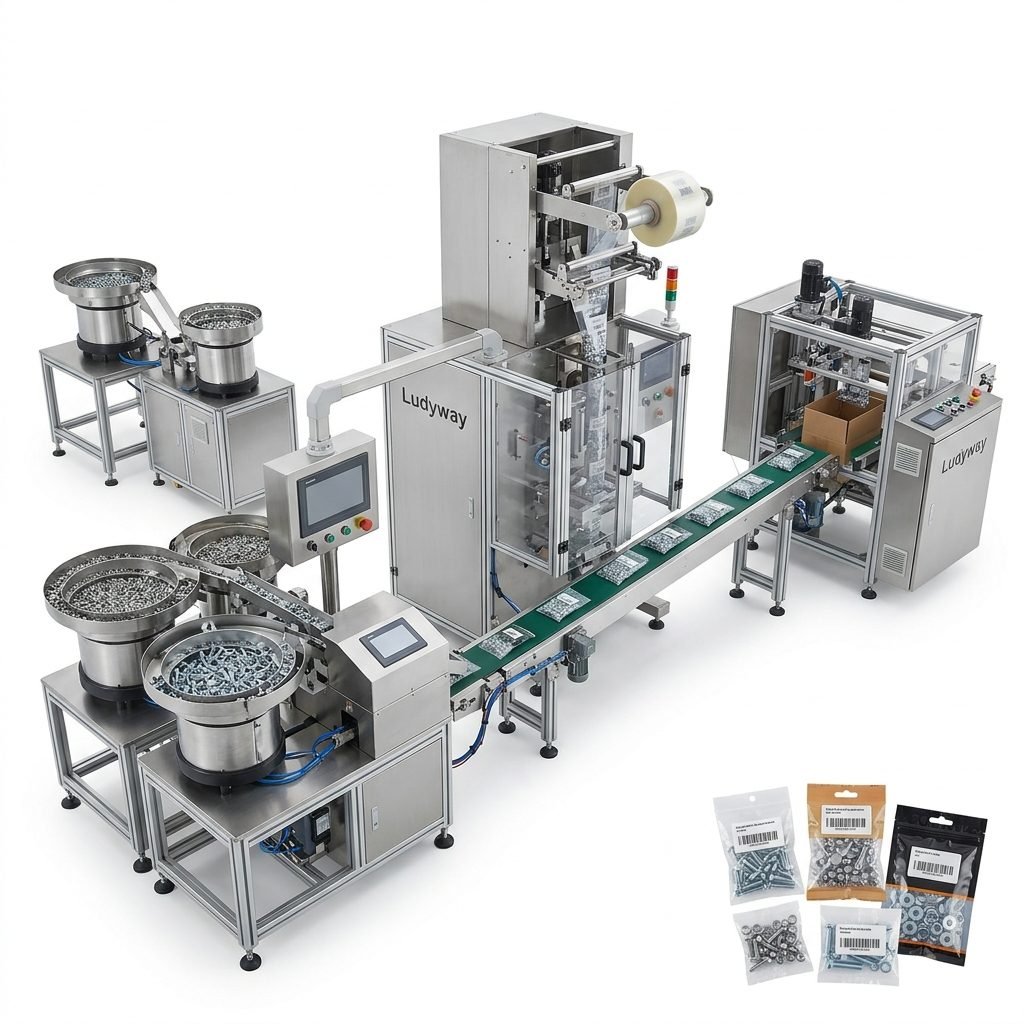
Establishing a spice packaging machine production line in the UK requires careful planning, regulatory awareness, and the right equipment selection. The UK’s food processing sector is one of the most strictly regulated in the world, making it essential to understand the full scope of setting up a compliant and efficient packaging line. Whether you are launching a new facility or upgrading an existing operation, this guide walks you through every critical step.
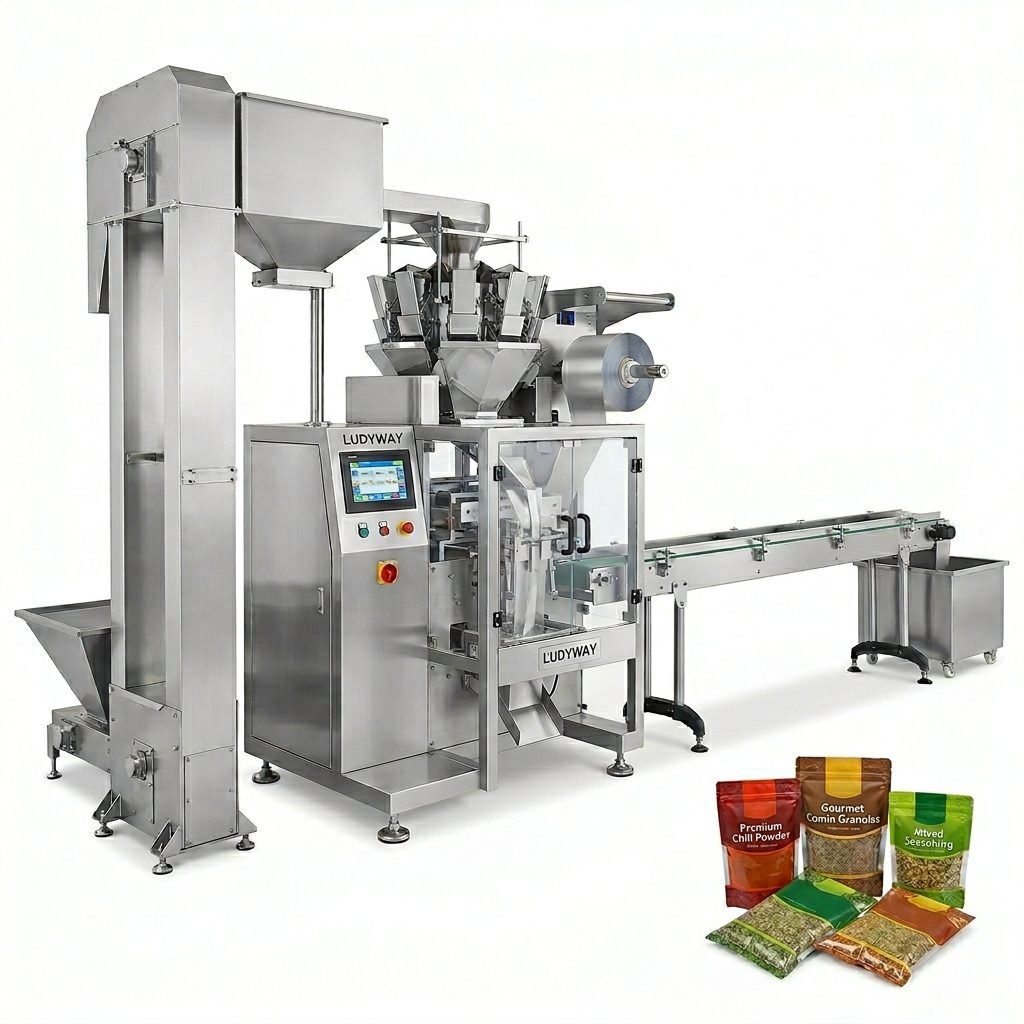
Understanding the UK Spice Packaging Market
The demand for packaged spices in the UK has grown significantly, driven by changing consumer preferences for convenience, portion control, and food safety. According to industry data from the PMMI – Association for Packaging and Processing Technologies, the global packaging machinery market continues to expand, with food packaging representing one of the largest segments. In the UK specifically, spice packaging operations must meet stringent food contact substance regulations and local trading standards requirements.
Key Considerations Before Setting Up Your Production Line
Before purchasing any equipment, several foundational factors demand attention. Proper upfront planning can save significant time and capital while ensuring long-term operational success.
- Production volume targets – Determine your expected output in packs per minute to match machine capacity correctly.
- Packaging format selection – Choose between sachets, stick packs, pouches, or bulk bags based on your target market.
- Product characteristics – Spice powders, granules, and blends each require different filling mechanisms and material handling approaches.
- Facility space and layout – Plan for equipment footprint, material flow, and future expansion needs.
- Budget allocation – Factor in machinery cost, installation, training, maintenance, and regulatory compliance expenses.
Regulatory Compliance and UK Packaging Standards
Operating a food packaging line in the UK means adhering to a complex framework of regulations. The European Commission’s Packaging and Packaging Waste Directive continues to influence UK legislation, while domestic standards add additional layers of compliance. Key regulatory areas include food safety, packaging material suitability, and environmental sustainability requirements.
Essential UK Regulatory Requirements
| Regulatory Area | Governing Body | Key Requirements |
|---|---|---|
| Food Safety | Food Standards Agency (FSA) | HACCP compliance, hygiene standards, traceability |
| Packaging Materials | Trading Standards / DEFRA | Food-grade certification, migration limits, recyclability |
| Weights and Measures | National Measurement Office | Accurate fill weights, approved weighing equipment |
| Environmental | Environment Agency | Packaging waste recovery, EPR regulations, plastic tax |
| Machinery Safety | Health and Safety Executive (HSE) | CE/UKCA marking, PUWER compliance, risk assessments |
Equipment Selection for Your Spice Packaging Line
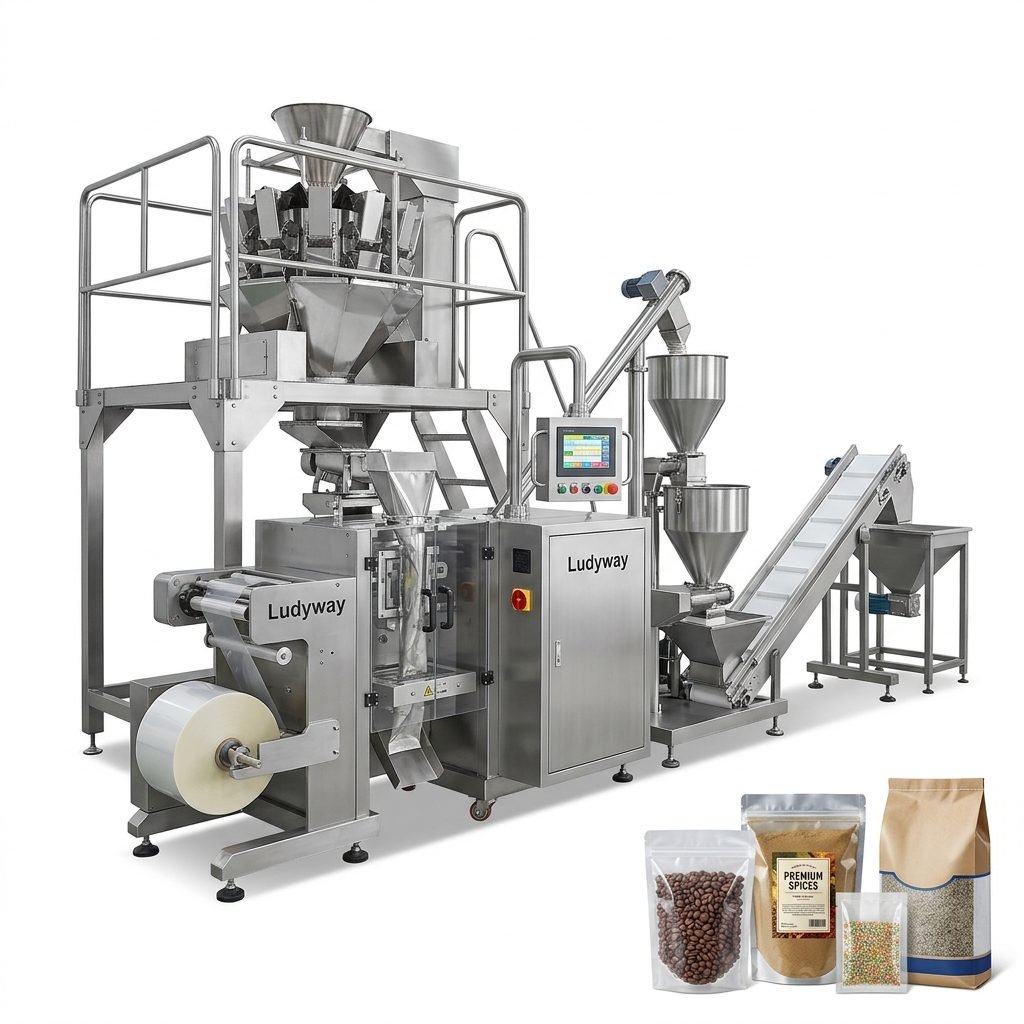
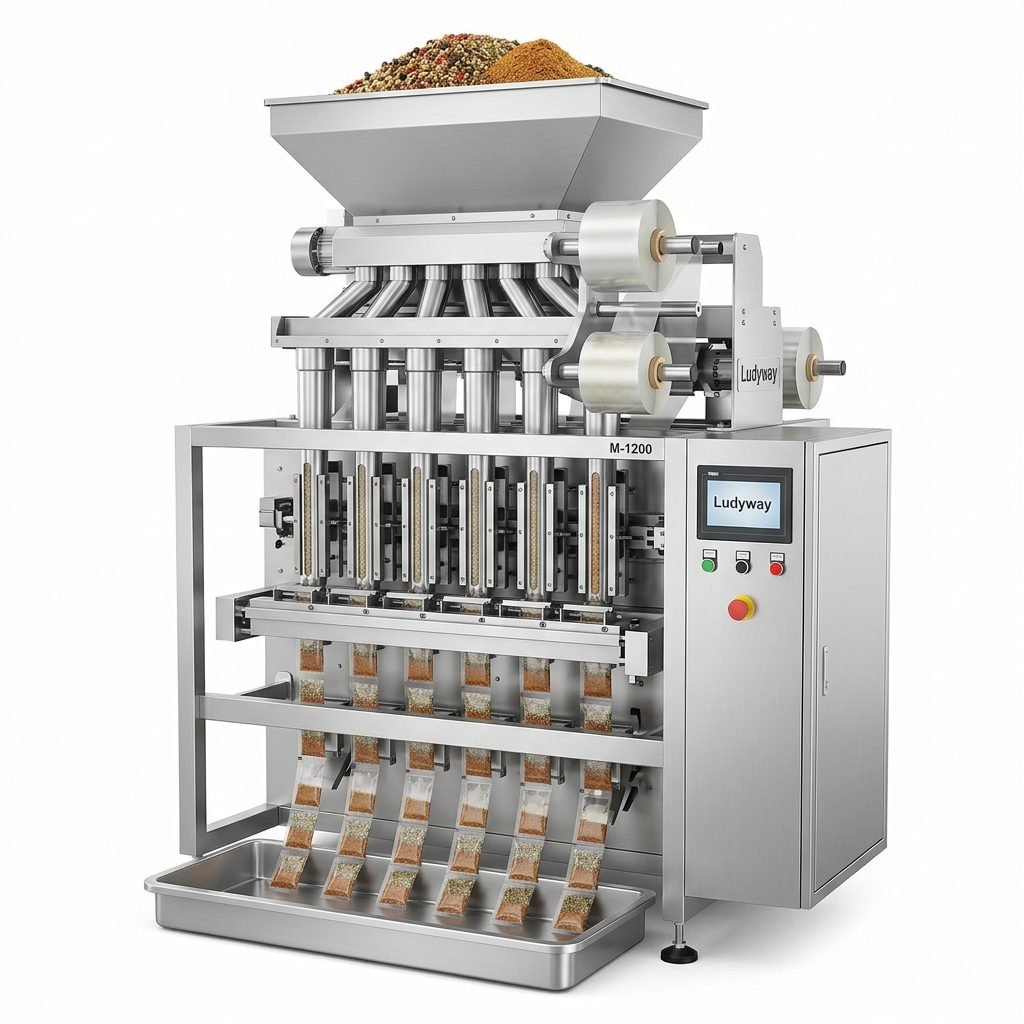
Choosing the right machinery is the cornerstone of a successful production line. The equipment must handle the unique properties of spices, including dust generation, moisture sensitivity, and varying particle sizes. A well-integrated line typically includes multiple interconnected machines working in sequence.
Core Machinery Components
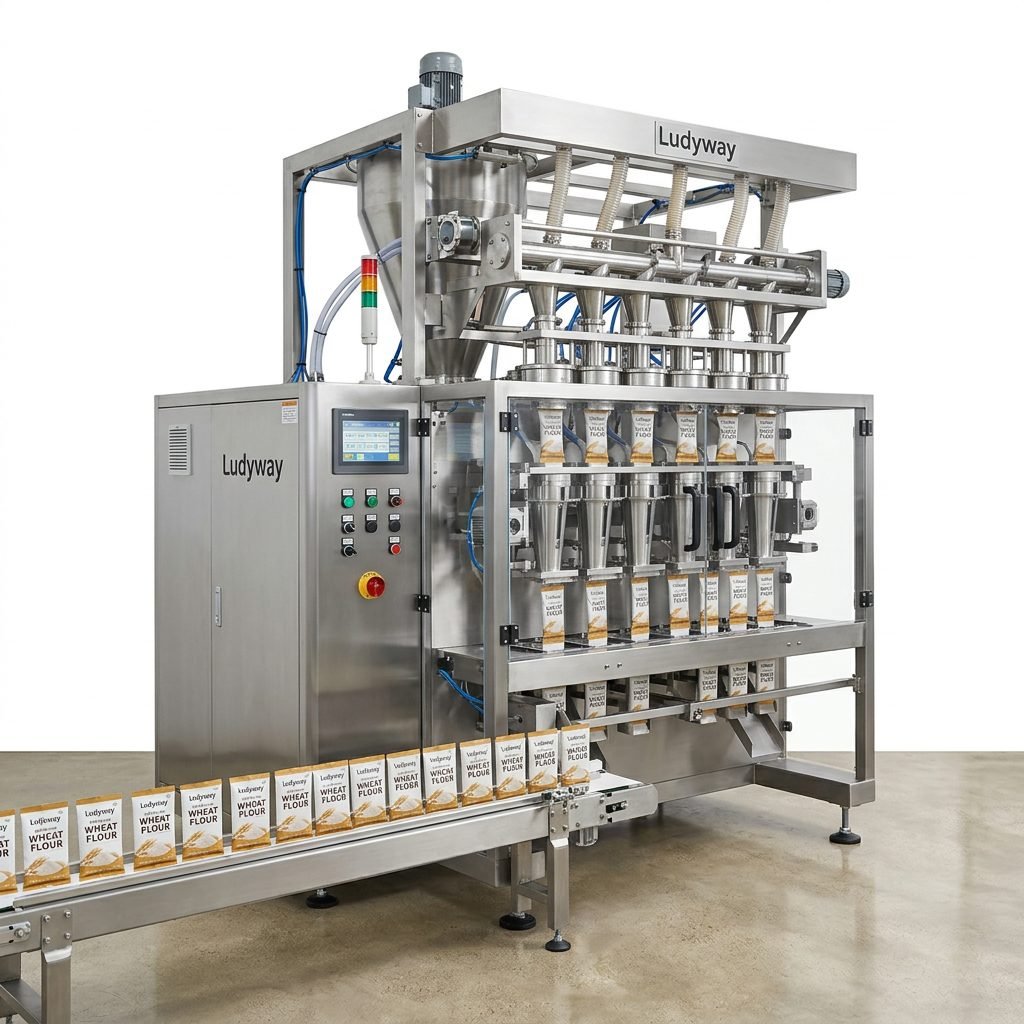
- Multi-head weigher or auger filler – Precision dosing equipment suitable for spice powders and granules, ensuring accurate portion control.
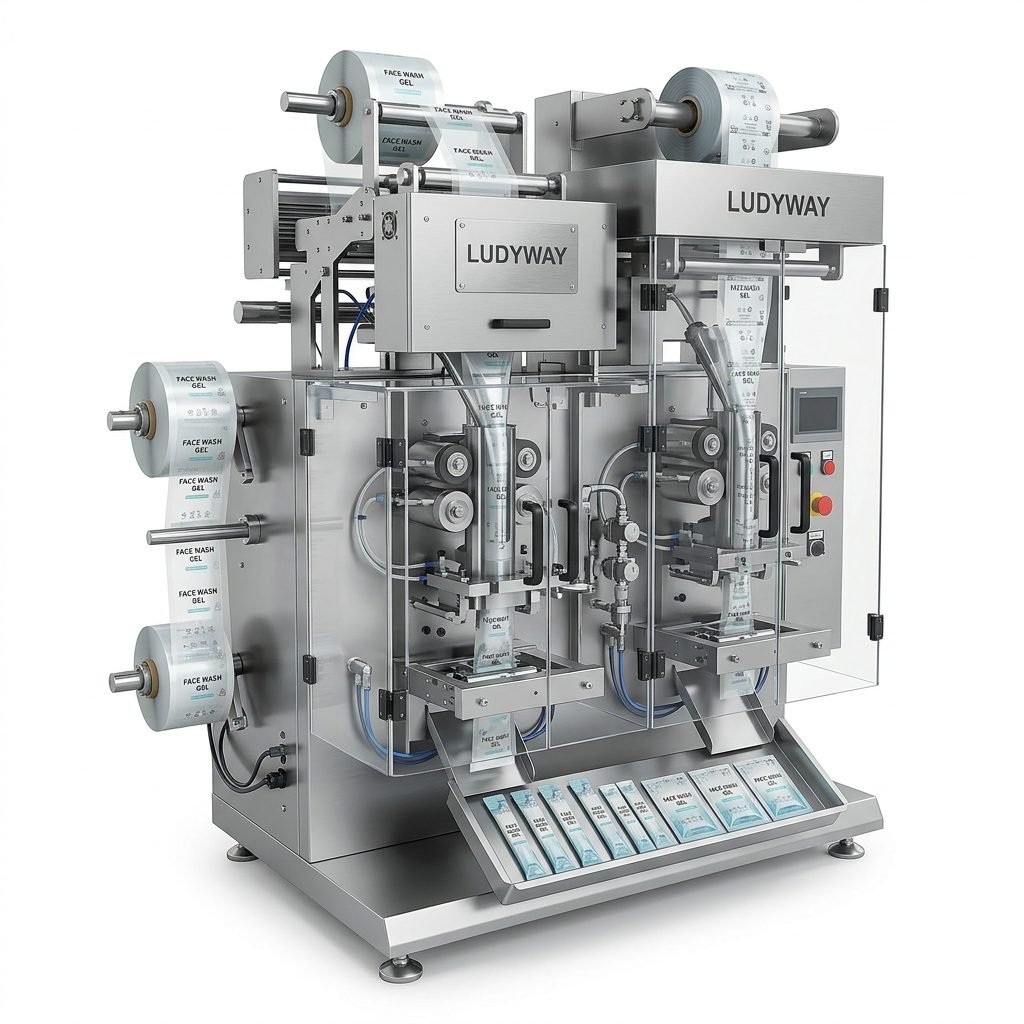
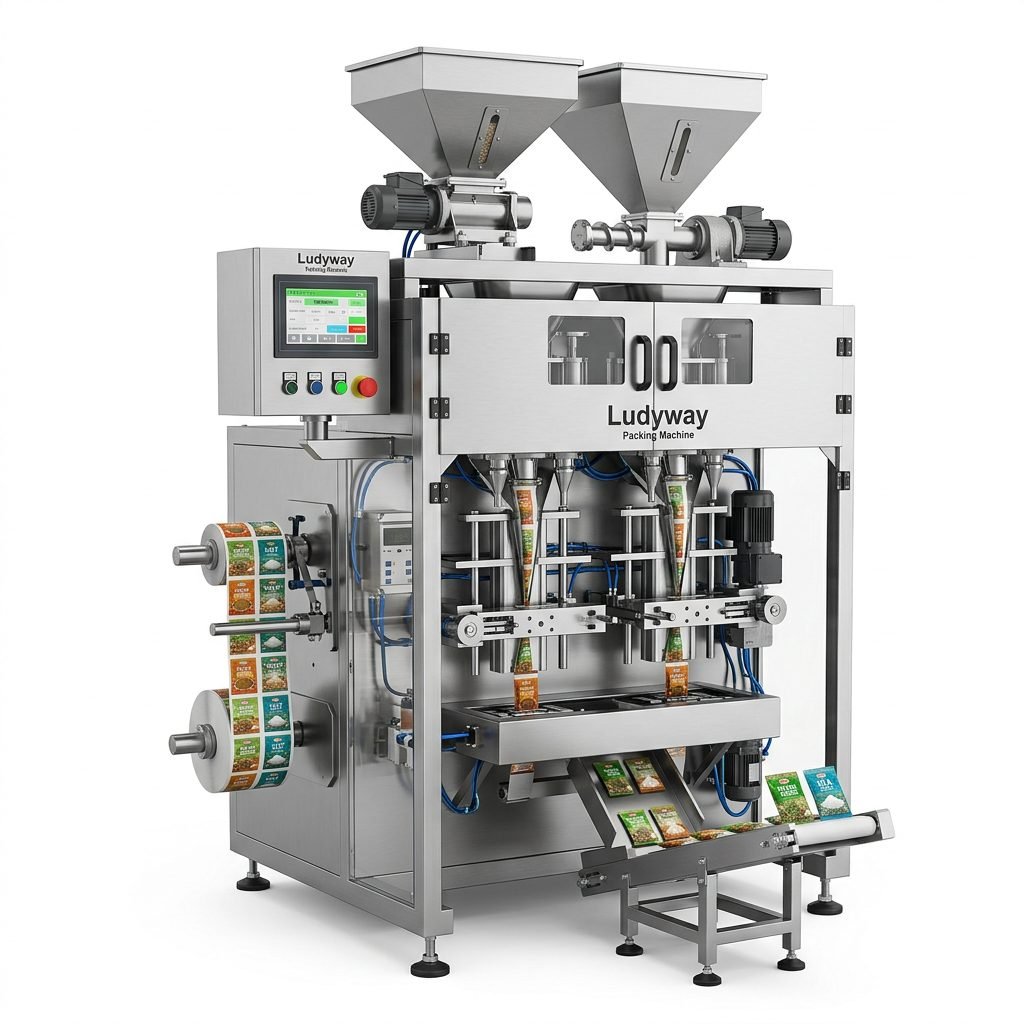
- Vertical form fill seal (VFFS) machine – The primary packaging unit that forms pouches or sachets from roll stock film, fills product, and seals each pack.
- Dust extraction system – Essential for maintaining a clean working environment and preventing cross-contamination between spice varieties.
- Checkweigher – In-line weight verification to ensure compliance with UK weights and measures regulations.
- Metal detector – Critical for food safety, detecting any metallic contaminants before products leave the facility.
- Cartoning or case packing system – Secondary packaging equipment that groups individual packs into cartons or cases for distribution.
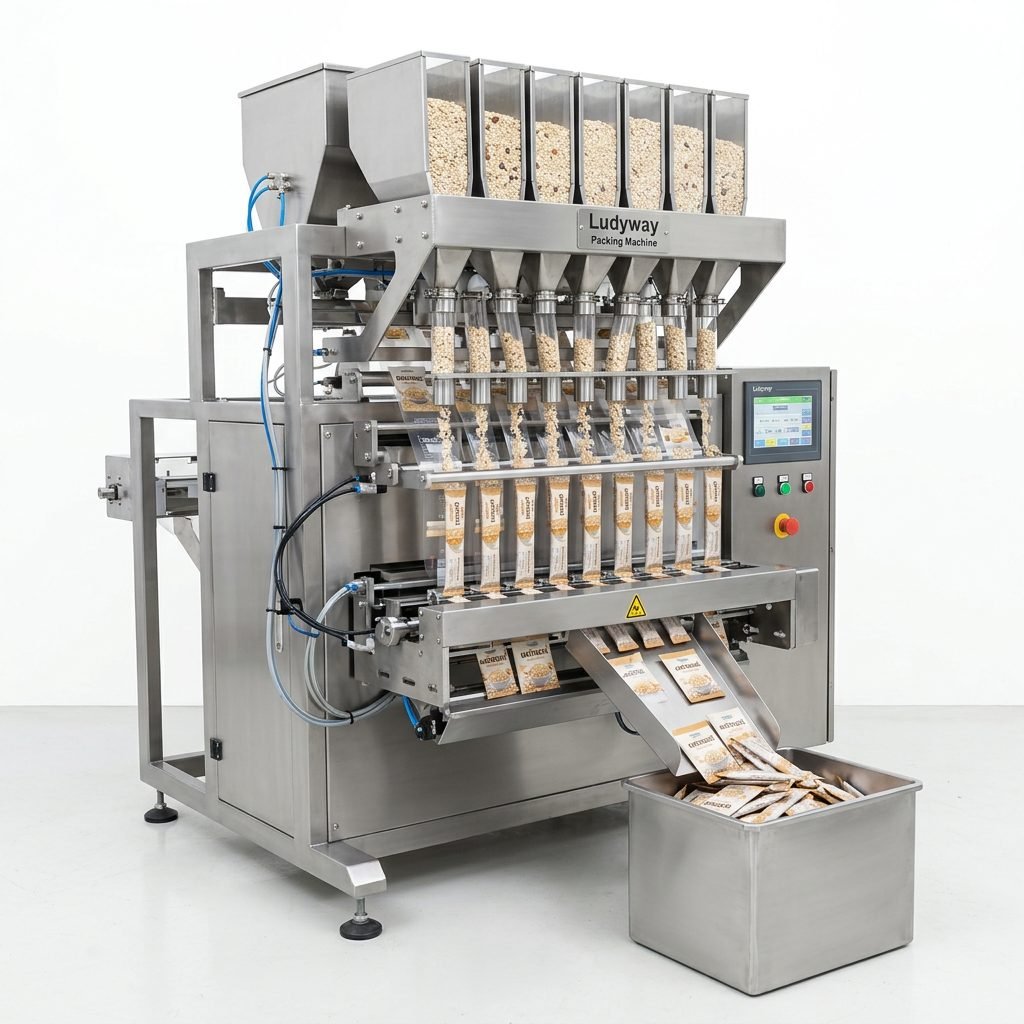
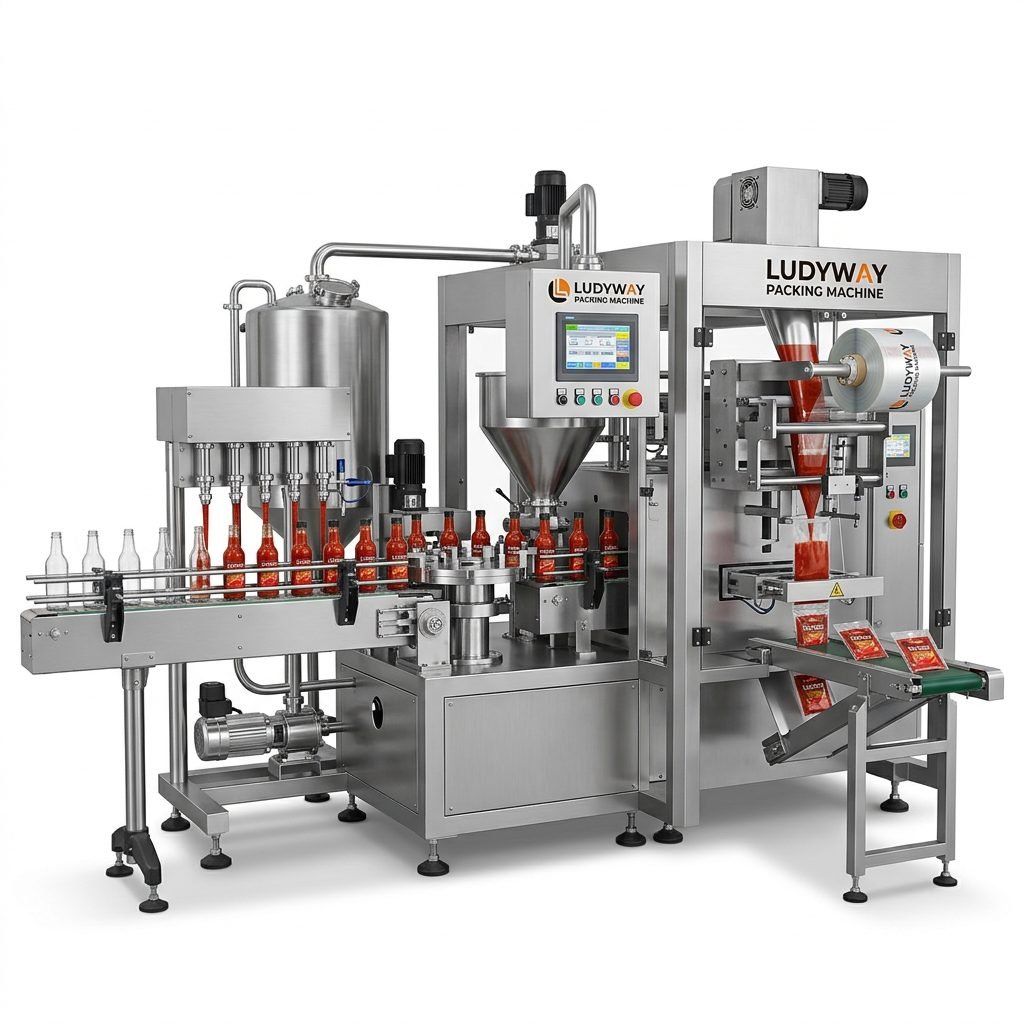
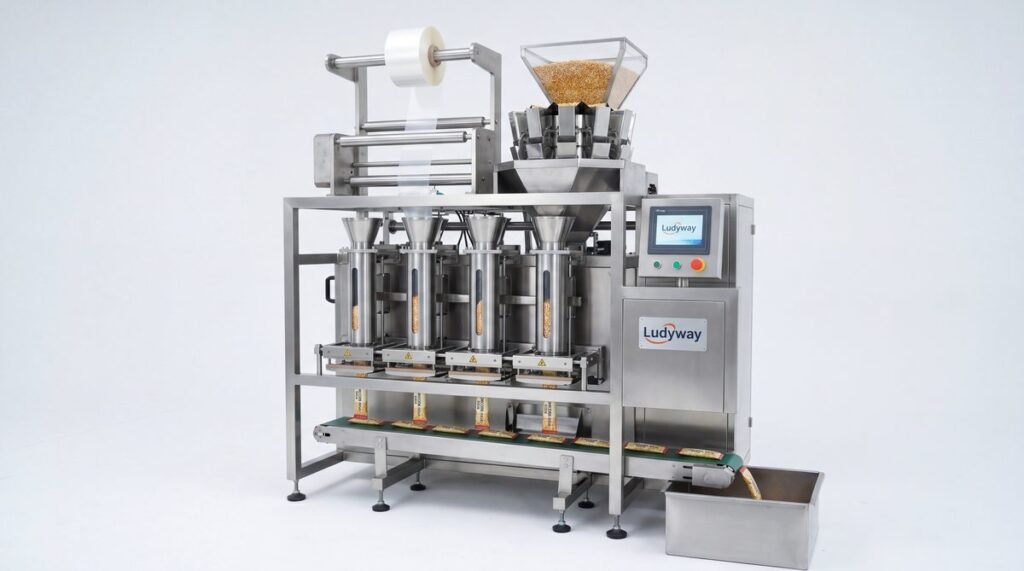
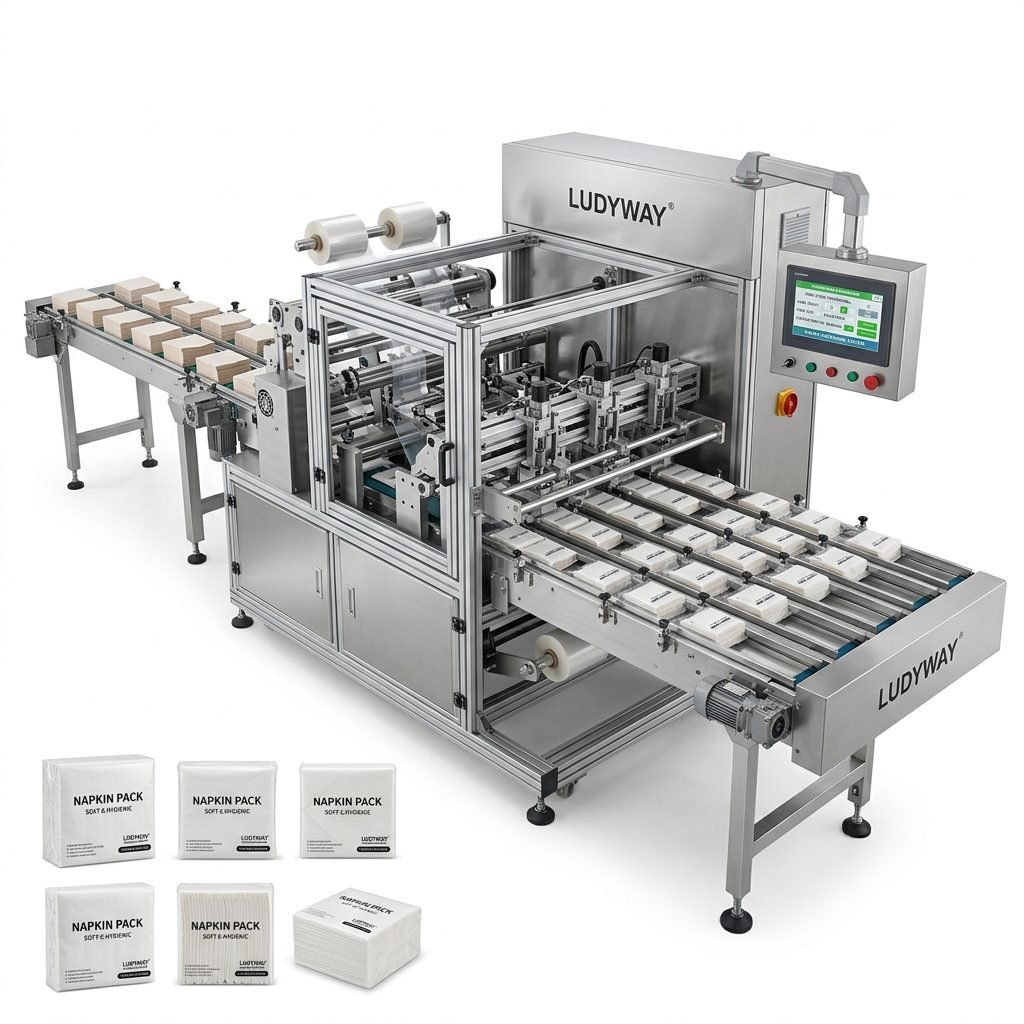
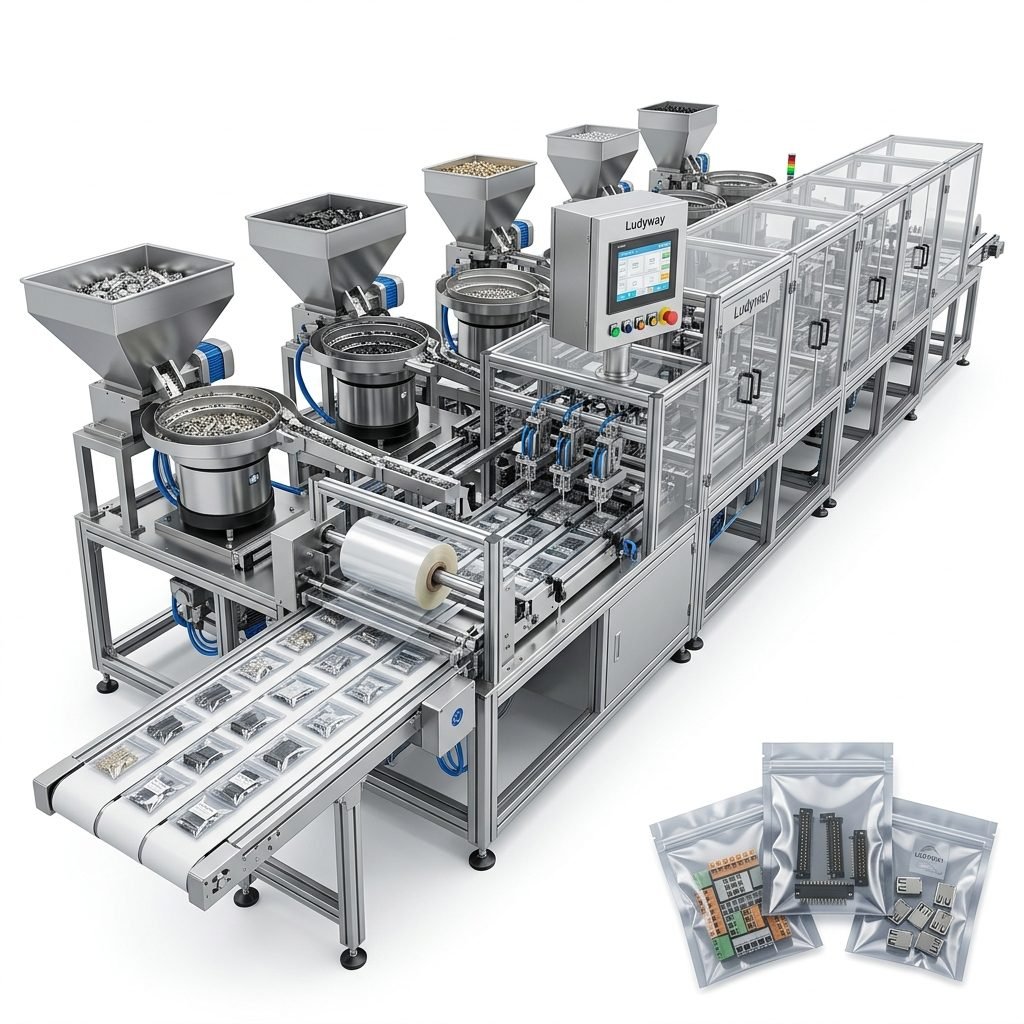
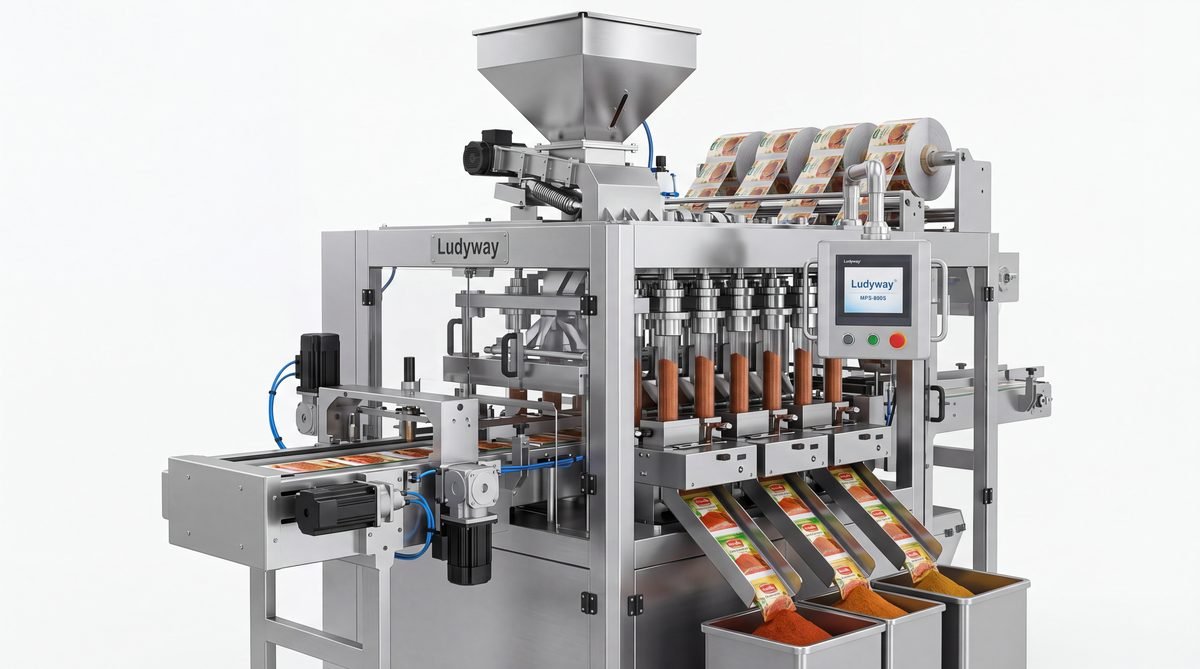
For businesses seeking ISO-compliant packaging solutions, selecting equipment that meets international standards ensures both quality and market access. Manufacturers like Ludyway offer integrated packaging lines specifically designed for spice applications, with multi-lane sachet and stick pack systems that can process various spice formats efficiently.
Production Line Layout and Workflow Design
An optimised layout improves efficiency, reduces labour costs, and minimises the risk of errors. Consider a linear or U-shaped configuration that allows raw materials to enter at one end and finished, packed products to exit at the other. Key principles include:
- Raw material staging area positioned near the filling equipment infeed.
- Primary packaging zone with adequate clearance for operator access and maintenance.
- Inspection stations for checkweighing and metal detection placed immediately after sealing.
- Secondary packaging area for cartoning, case packing, and palletising downstream.
- Clear separation between raw material handling and finished product storage to prevent cross-contamination.
Automation and Smart Technology Integration
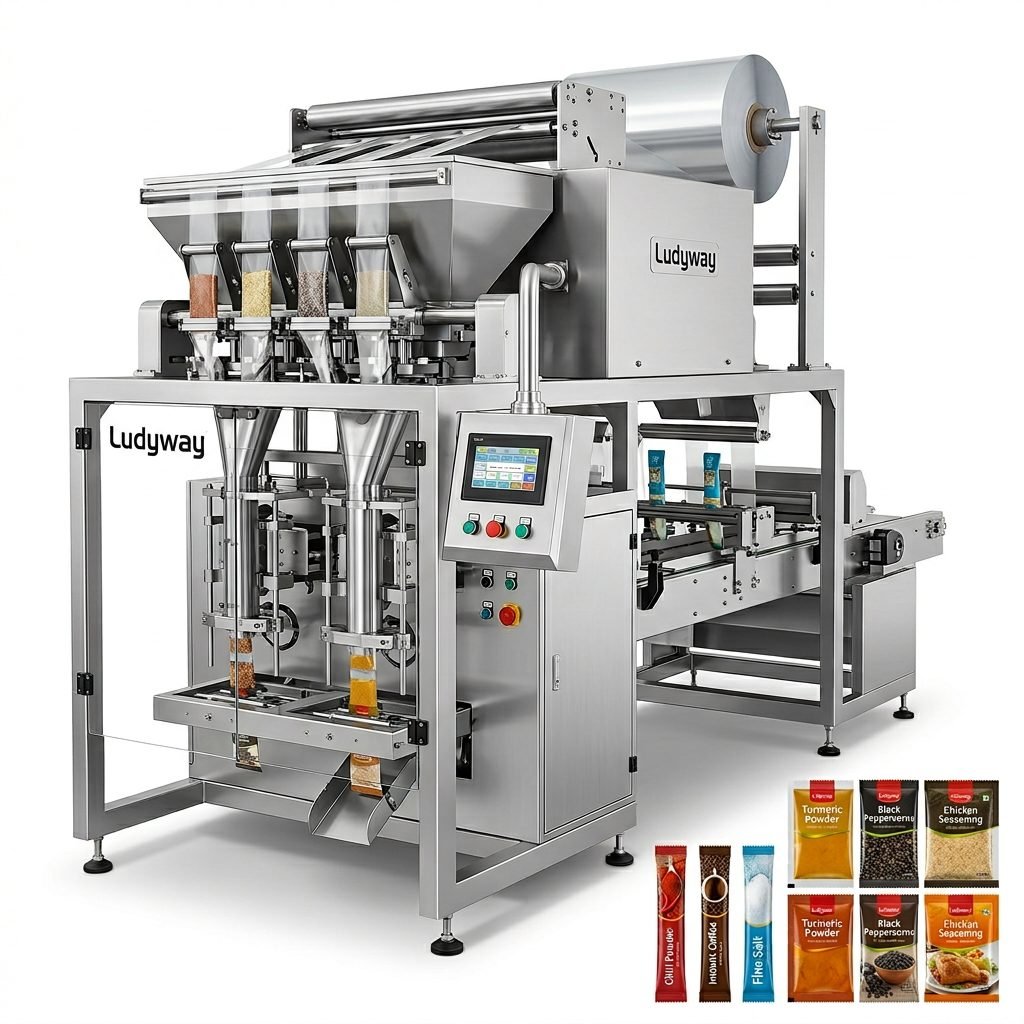
Modern spice packaging lines benefit enormously from automation. Incorporating smart sensors, automated changeover systems, and real-time production monitoring can dramatically increase output while reducing waste. The Flexible Packaging Association highlights that automated packaging operations achieve significantly higher overall equipment effectiveness (OEE) compared to manual or semi-automated alternatives.
Benefits of Full Automation
| Automation Feature | Business Benefit |
|---|---|
| Servo-driven filling systems | Higher accuracy, reduced product giveaway, faster speeds |
| Automatic film splicing | Continuous operation without stoppages for roll changes |
| Vision inspection systems | Real-time quality control and defect detection |
| IoT-enabled monitoring | Remote diagnostics, predictive maintenance, production analytics |
| Robotic pick-and-place | Efficient cartoning and case packing with flexible product handling |
Installation, Commissioning, and Operator Training
Once equipment arrives on site, proper installation and commissioning are vital. This phase includes machine positioning, utility connections (electrical, pneumatic, exhaust), calibration, and trial runs. Comprehensive operator training ensures your team can run the line efficiently from day one. Reputable equipment suppliers provide on-site commissioning support and detailed training programmes tailored to your specific production requirements.
Ongoing Maintenance and Technical Support
A proactive maintenance strategy keeps your spice packaging line running at peak performance. Establish a schedule covering daily, weekly, and monthly tasks. Critical maintenance activities include cleaning dust extraction filters, inspecting sealing jaws, lubricating moving parts, and calibrating weighing systems. Having access to reliable technical support and readily available spare parts minimises downtime when issues arise.
Cost Breakdown and ROI Considerations
Understanding the financial investment required helps with accurate budgeting. While costs vary based on line complexity and capacity, typical expenditure categories include:
- Primary packaging machinery – The largest capital outlay, covering filling, sealing, and inspection equipment.
- Ancillary equipment – Conveyors, dust extraction, coding and marking systems.
- Installation and commissioning – Professional setup services and initial calibration.
- Training – Operator and maintenance team instruction.
- Regulatory certification – Third-party audits and compliance documentation.
- Working capital – Initial packaging material inventory and spare parts stock.
Most well-planned spice packaging lines achieve return on investment within 18 to 36 months through increased throughput, reduced labour costs, and minimised product waste. Consulting the PMMI Business Intelligence resources can provide valuable benchmarking data for your sector.
Future-Proofing Your Packaging Investment
The UK packaging landscape continues to evolve, with growing emphasis on sustainability, smart manufacturing, and supply chain resilience. When selecting equipment, consider machines that offer format flexibility, easy upgradability, and compatibility with eco-friendly packaging materials. The Flexible Packaging Association’s knowledge hub regularly publishes insights on material innovations and industry trends that can inform your long-term strategy.
Frequently Asked Questions
What is the ideal packaging format for UK spice products?
Multi-lane sachets and stick packs dominate the UK spice market due to their convenience, portion control, and efficient material usage. These formats also offer excellent shelf presence and can run at high speeds on automated lines.
How long does it take to set up a complete spice packaging line?
From equipment selection to full production, expect a timeline of 3 to 6 months. This includes machinery manufacturing, shipping, installation, commissioning, and training. Custom-engineered lines may require additional lead time.
Does UK law require specific certifications for food packaging machinery?
Yes. Equipment must carry UKCA (or CE) marking and comply with the Supply of Machinery (Safety) Regulations. Food contact parts require materials of construction certifications demonstrating suitability for direct food contact.
Can a single line handle multiple spice products?
Modern packaging lines with quick-changeover features can switch between different spice varieties and pack formats with minimal downtime. Proper cleaning procedures between product runs are essential to prevent flavour cross-contamination.
For additional guidance on packaging and distribution standards, consult ISO resources that provide internationally recognised frameworks for packaging quality and safety management systems applicable to UK operations.